Street vs Wildstyle Graffiti Street: What's the Difference?
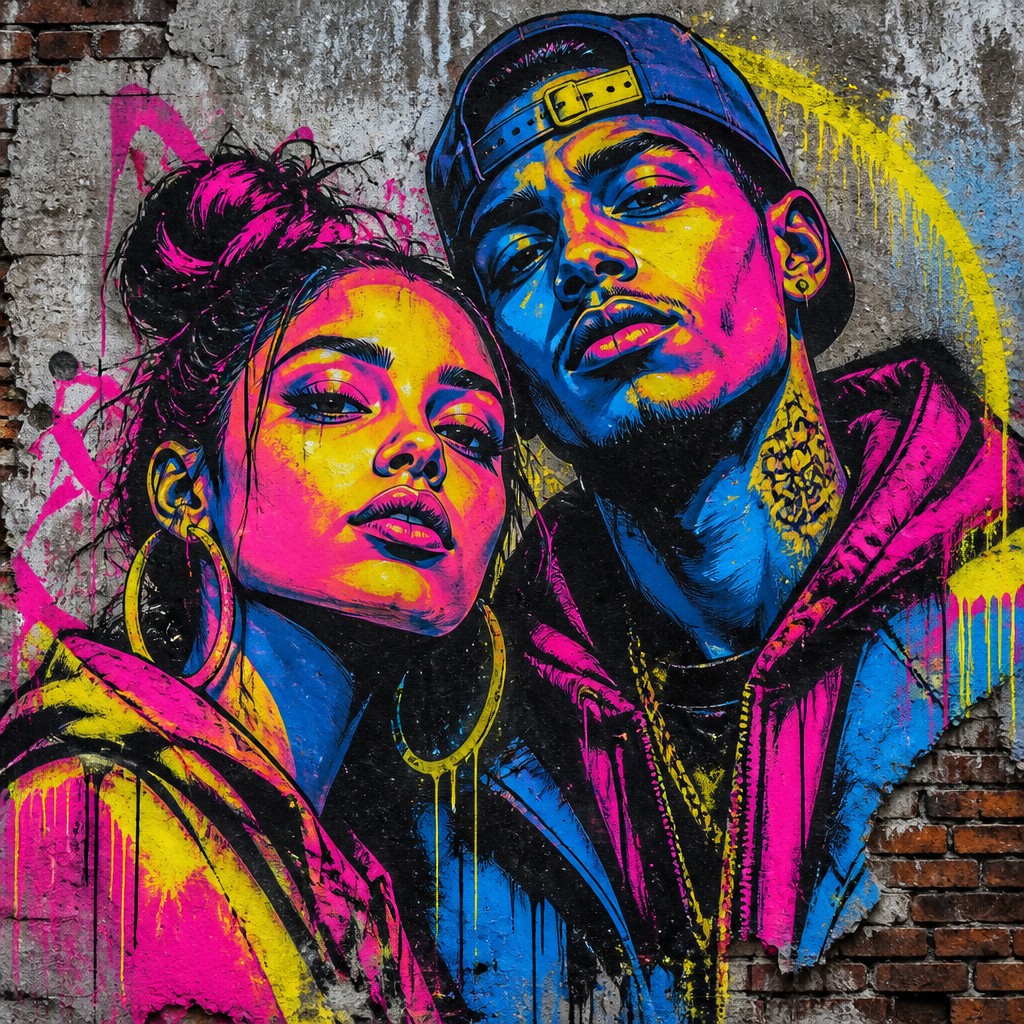
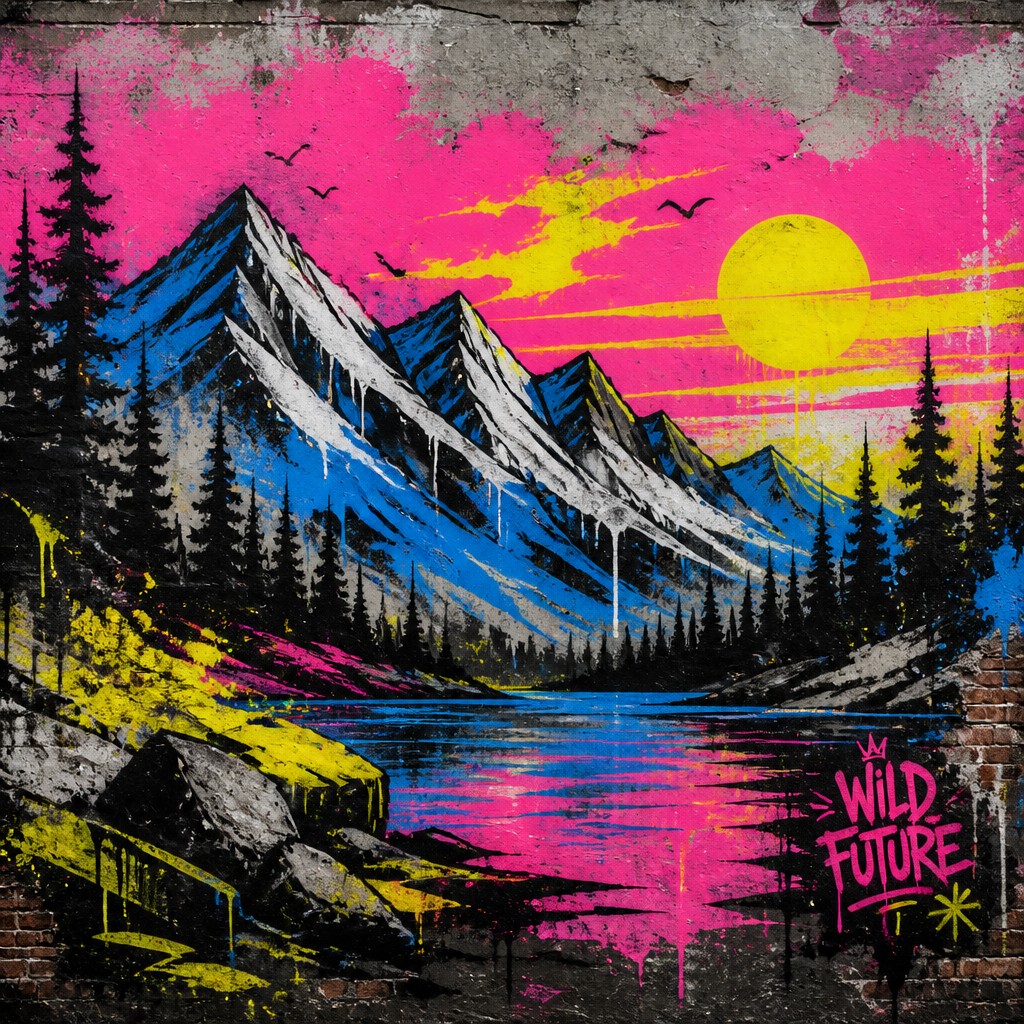
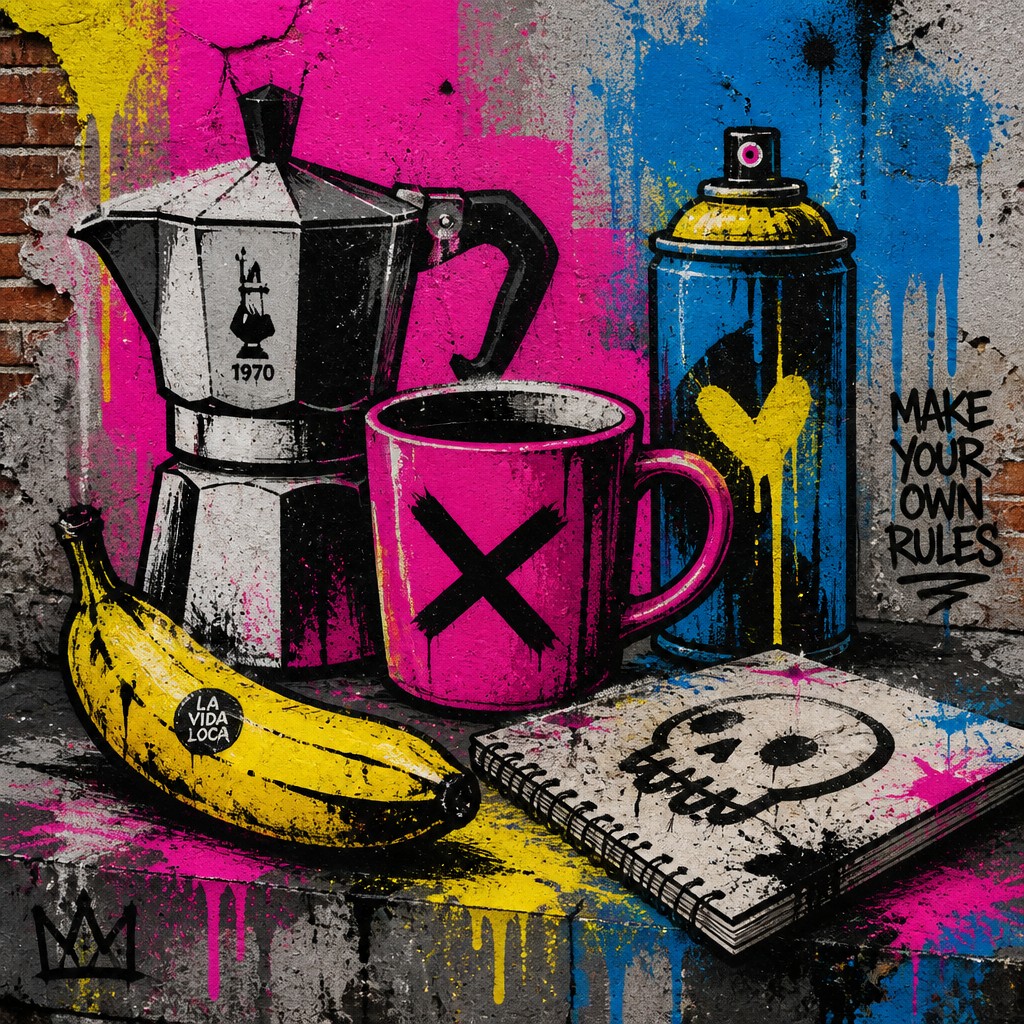
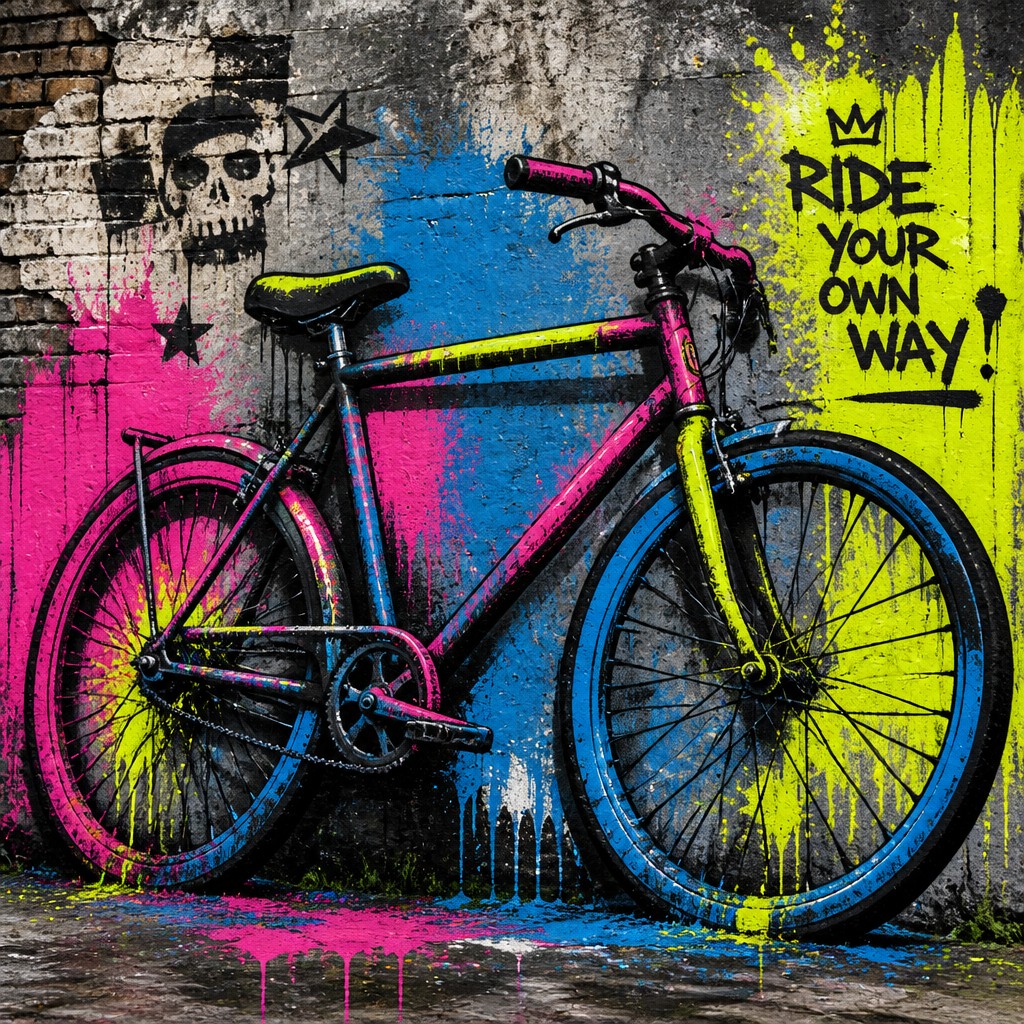
Street Art Style is public-facing urban art built for immediate readability and impact. It often uses bold graphics, stencils, spray paint, drips, posters, and social messaging to communicate quickly in outdoor spaces.
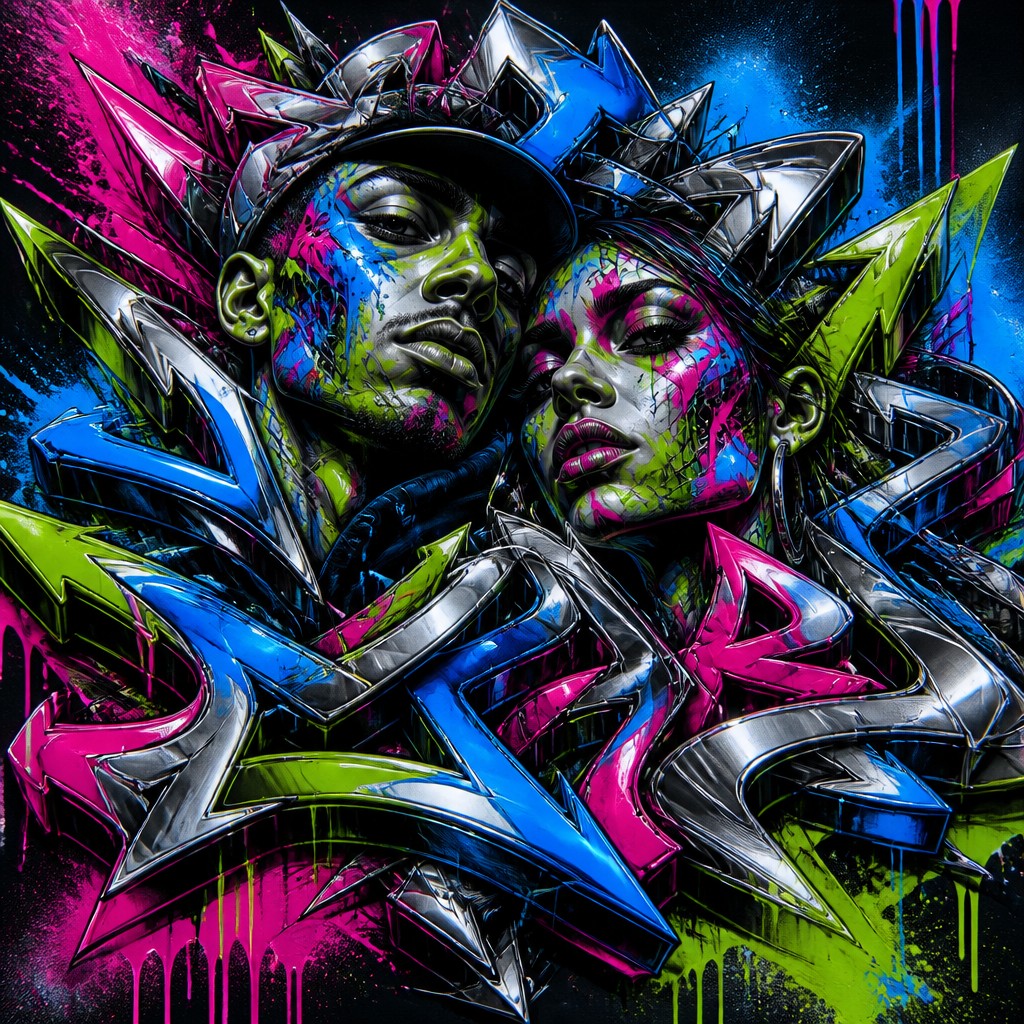
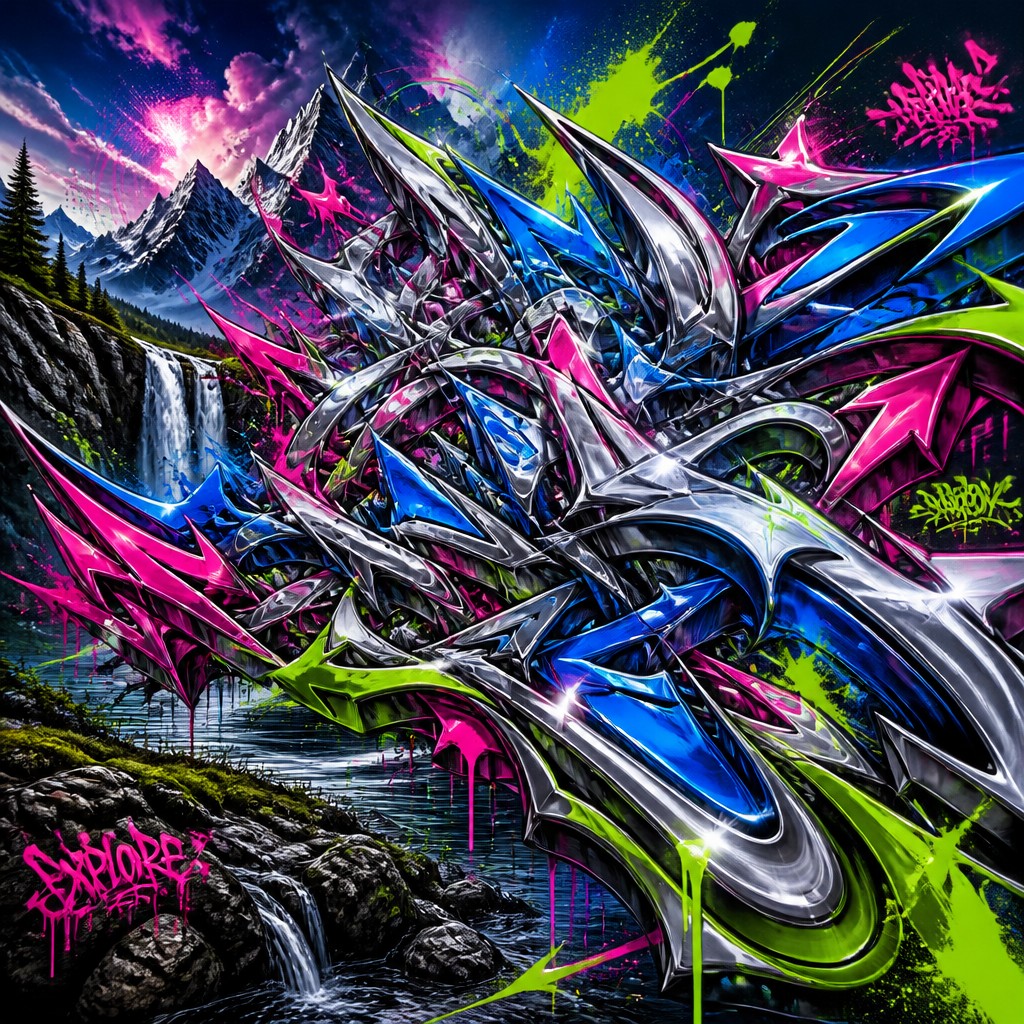
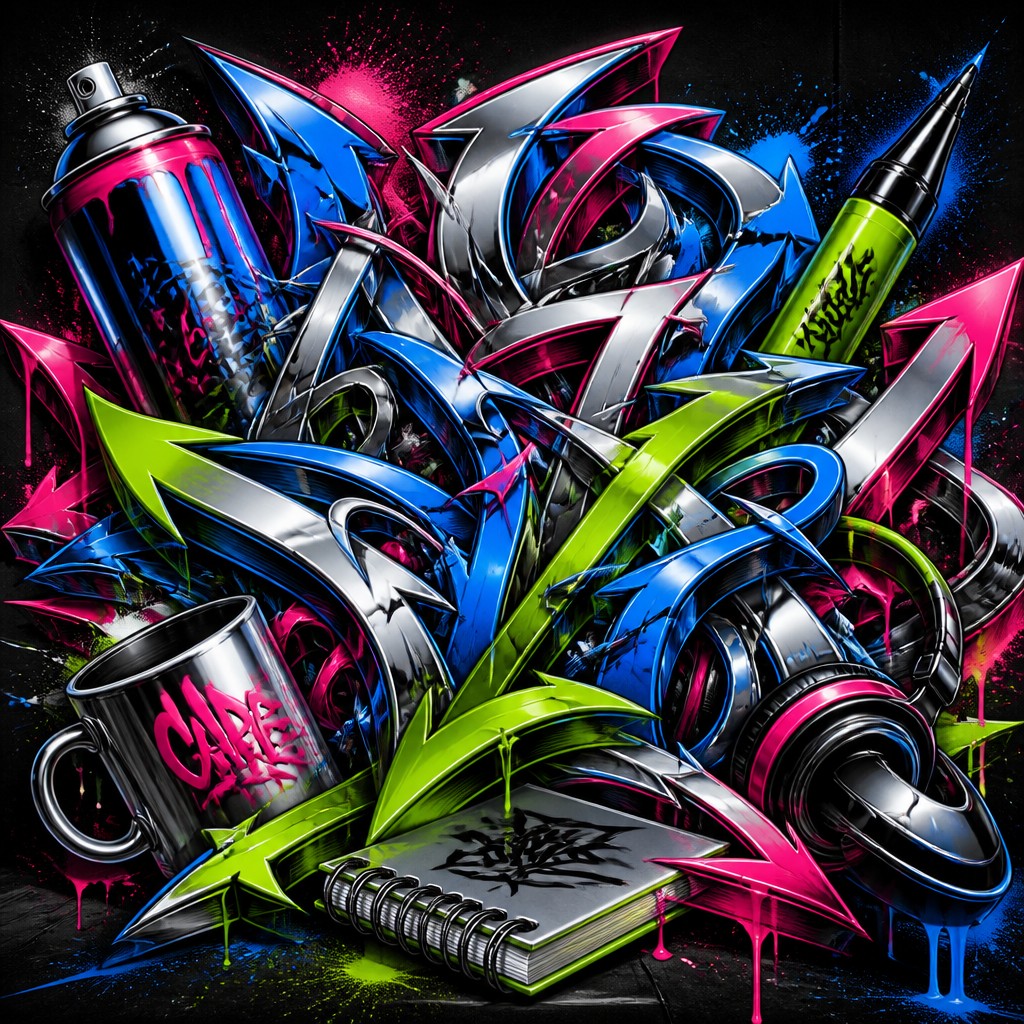
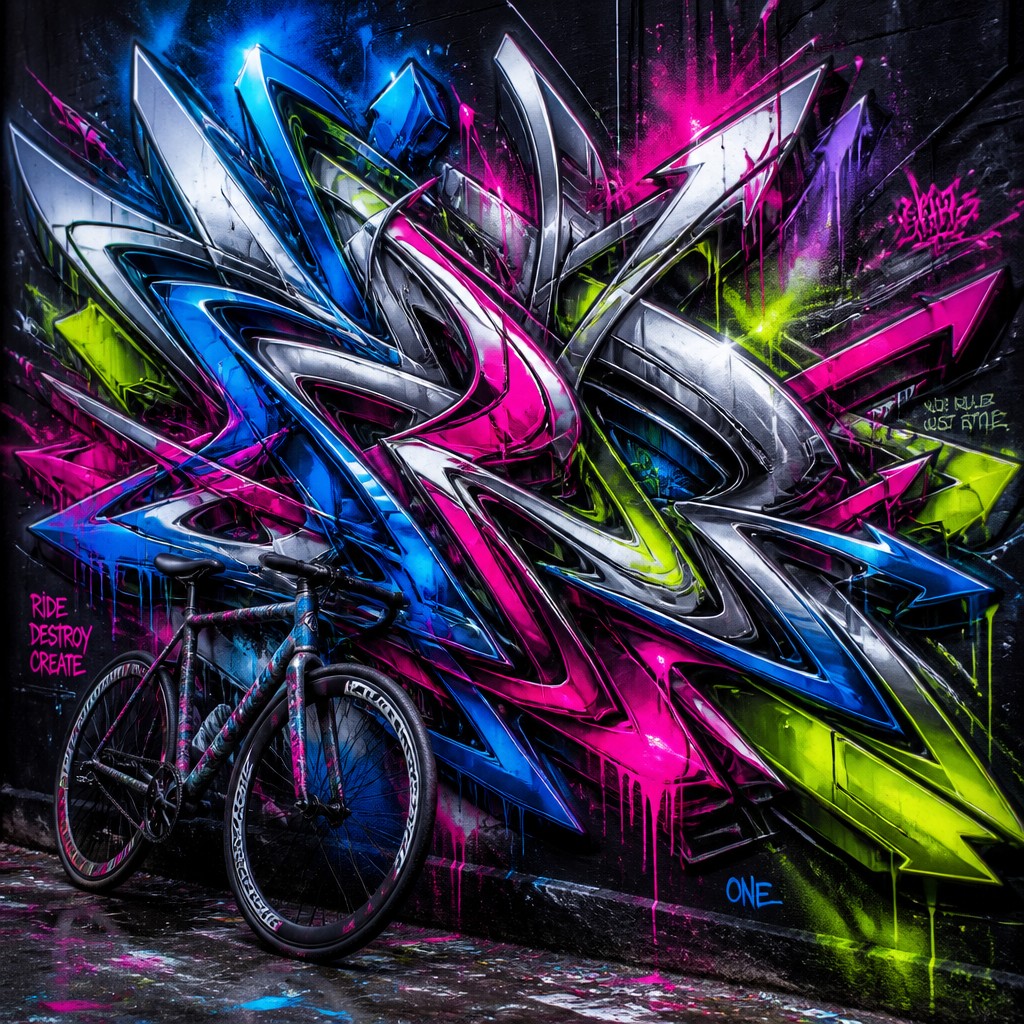
Wildstyle Graffiti Street Art Style is a highly complex graffiti approach centered on interlocking letterforms, arrows, chrome fills, and layered outlines. People compare them because both come from city walls and spray-paint culture, but they differ in purpose, readability, and visual complexity.
Same Prompt, Both Styles
Each pair below was generated from the identical prompt — only the style changed.
“portrait of two people together”
“wide landscape with natural scenery”
“still life with everyday objects”
“bicyle resting against a wall”
Key Differences
| Street | Wildstyle Graffiti Street | |
|---|---|---|
| Core purpose | Communicates a message clearly to a broad public. | Showcases letter structure, style, and visual complexity. |
| Readability | Usually easy to understand at a glance. | Often hard to read without familiarity with graffiti forms. |
| Line & form | Uses strong shapes, stencils, and graphic edges. | Uses tangled, flowing letters with arrows and overlaps. |
| Color treatment | Often uses flat contrasts and limited palettes. | Often uses chrome fills, bright highlights, and layered outlines. |
| Visual energy | Bold and direct, with poster-like impact. | Explosive, dense, and highly kinetic. |
| Typical message | Frequently includes social, political, or cultural commentary. | Often emphasizes name-based styling and graffiti identity. |
| Surface effect | Looks planned for public viewing and fast recognition. | Looks packed, intricate, and built to dominate space. |
| Mood | bold, urgent, rebellious, socially engaged | chaotic, electric, aggressive, urban, dynamic |
| Energy | intense | intense |
| Detail level | moderate | intricate |
| Color | high-contrast, saturated, graphic palette | high-contrast neon, bold outlines, layered fills |
| Texture | spray-paint, postered, weathered surfaces | paint-sprayed, glossy, layered, edgy |
| Origin | 1970s urban public spaces, global | 1970s New York City graffiti |
| Best for | murals, posters, album covers, campaign graphics, apparel graphics, editorial illustrations | album covers, posters, streetwear graphics, skate art, murals |
| Difficulty | moderate | advanced |
Which Should You Choose?
Choose Street Art Style if you want a design that reads quickly, carries a clear message, and works well for posters, murals, or public campaigns. Choose Wildstyle Graffiti Street Art Style if your goal is maximum letter-based complexity, high visual intensity, and a more graffiti-native look that rewards closer viewing.
Frequently Asked Questions
Which style is easier for most people to understand?
Street Art Style is usually easier to read because it favors bold, simple shapes and direct messages. Wildstyle is intentionally intricate, so it can take time to decipher.
Which style is more focused on typography?
Wildstyle Graffiti Street Art Style is more focused on letterforms and how they interlock. Street Art Style may include text, but it usually prioritizes a broader visual message.
Which style works better for public messaging?
Street Art Style is generally better for public messaging because it communicates quickly from a distance. Its graphics are designed for broad visibility and immediate impact.
Can these styles overlap in the same artwork?
Yes, many artworks borrow features from both. A piece may use street-art symbolism and stenciling while also including graffiti-style lettering or energetic outlines.