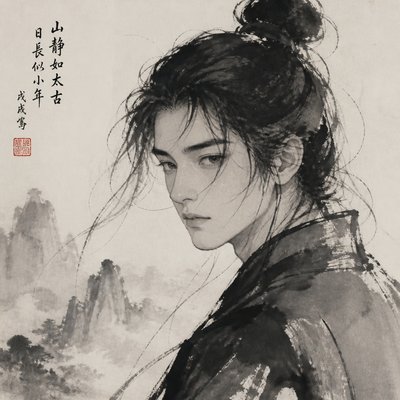
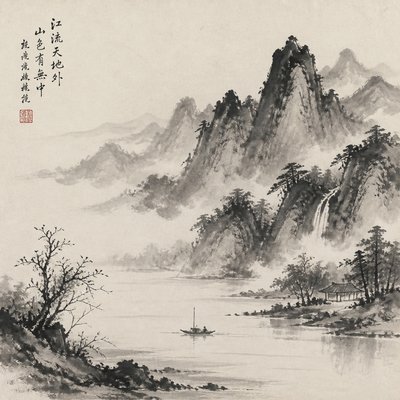
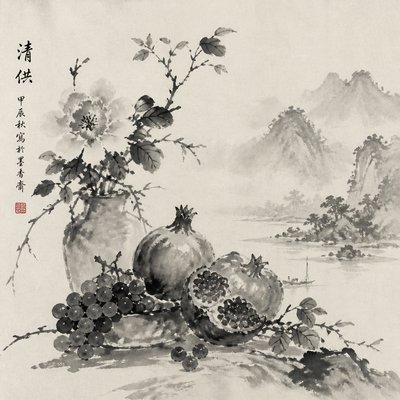
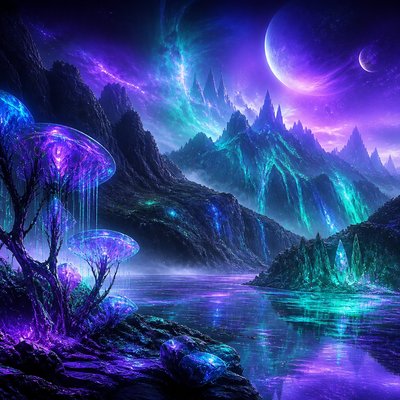
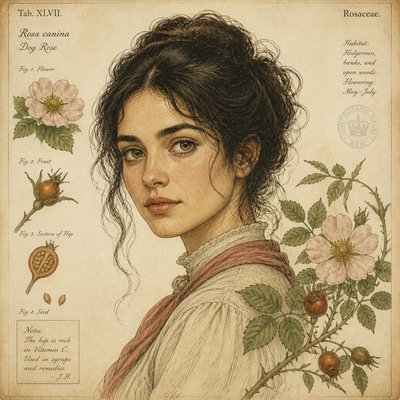
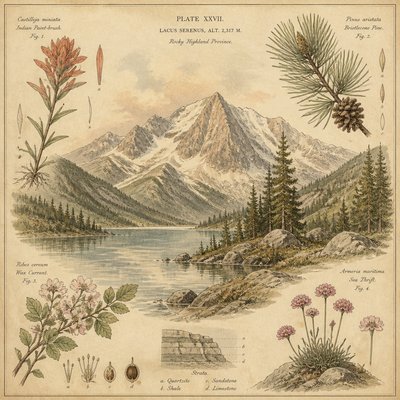
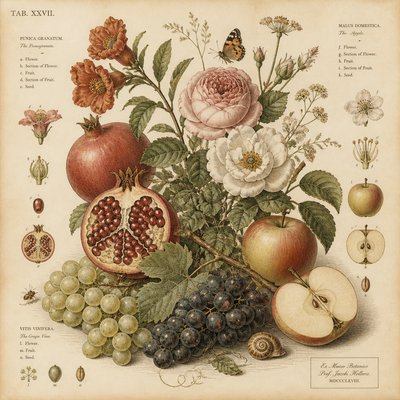
Landscape Nature Art
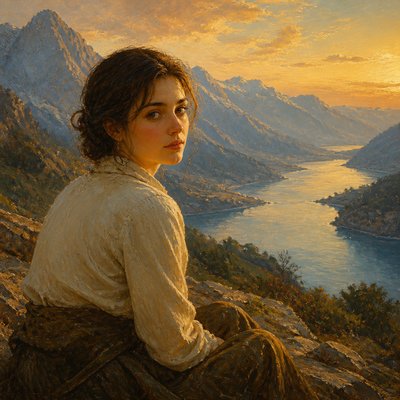
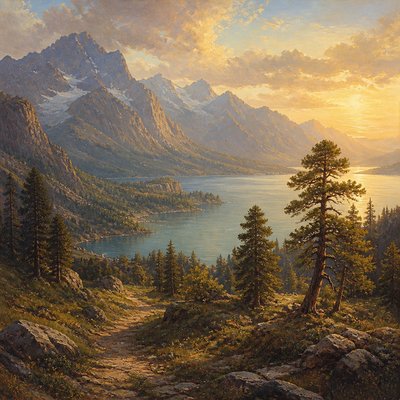
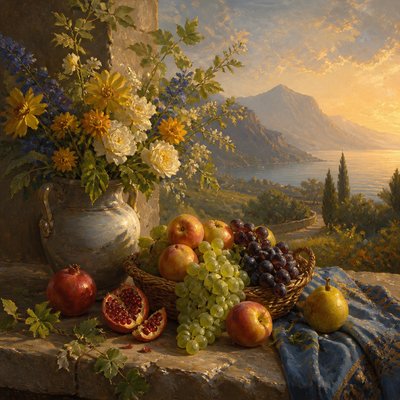
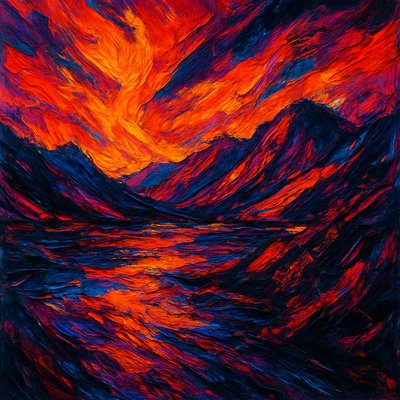
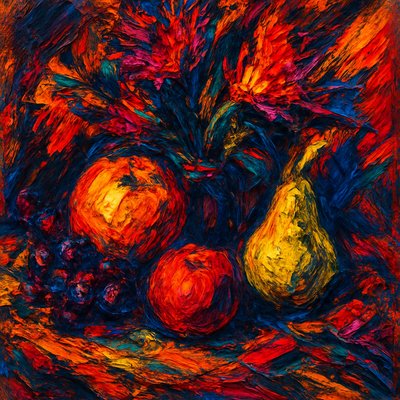
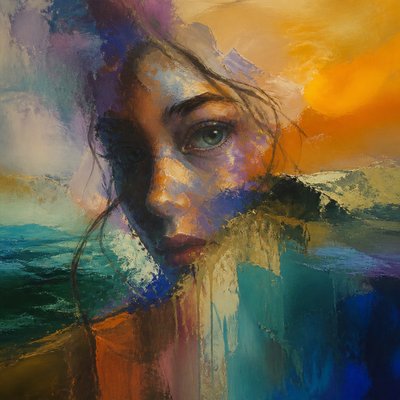
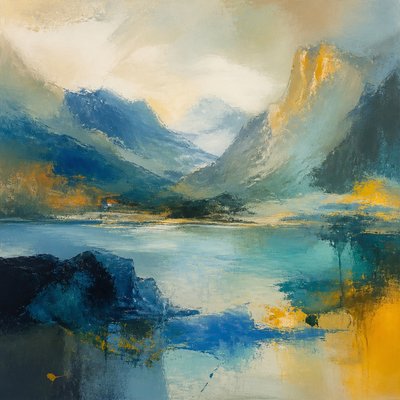
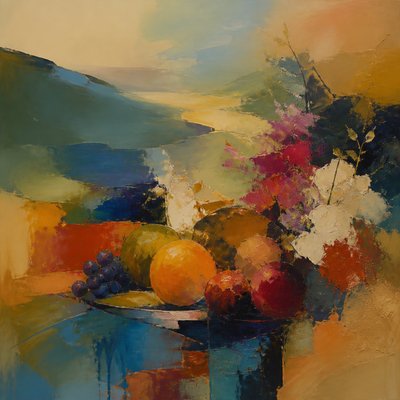
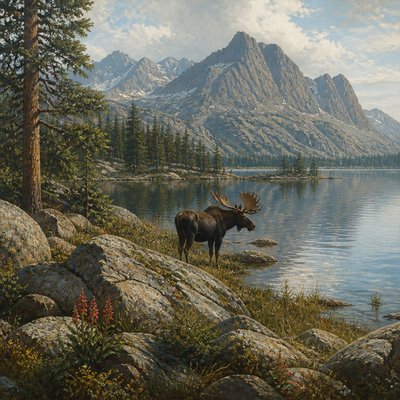
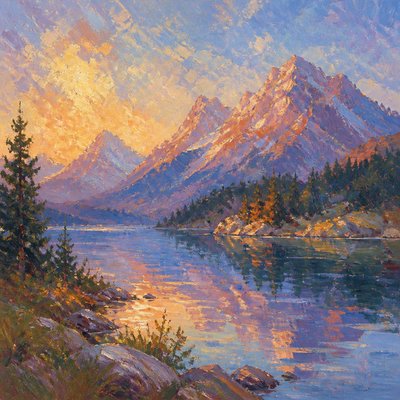
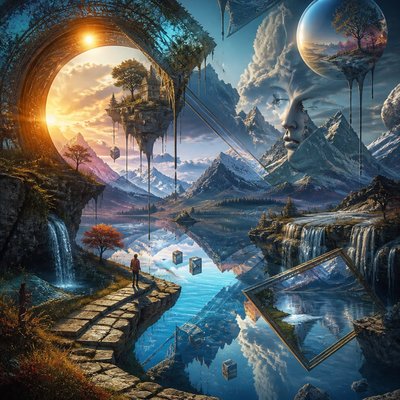
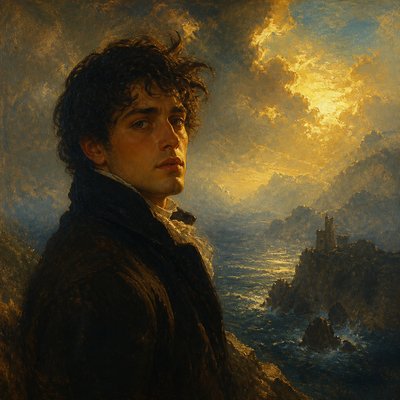
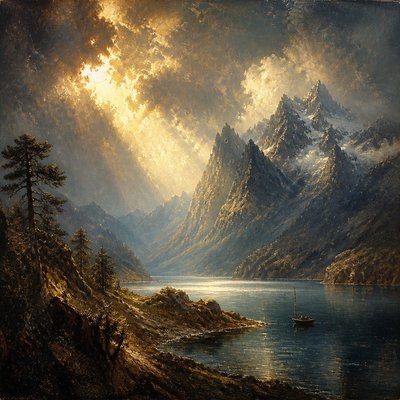
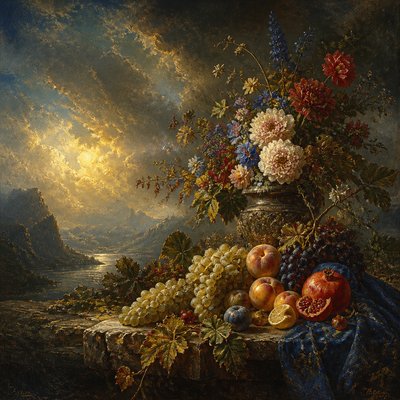
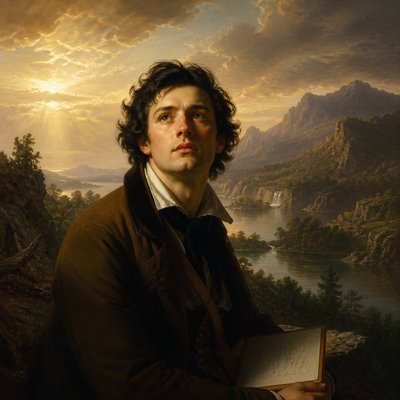
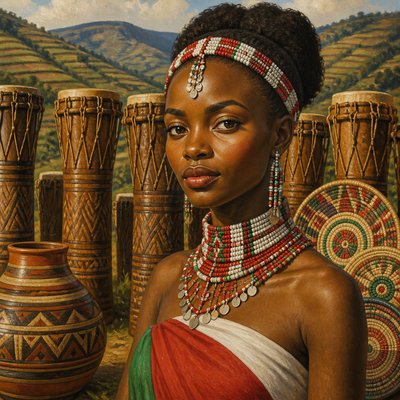
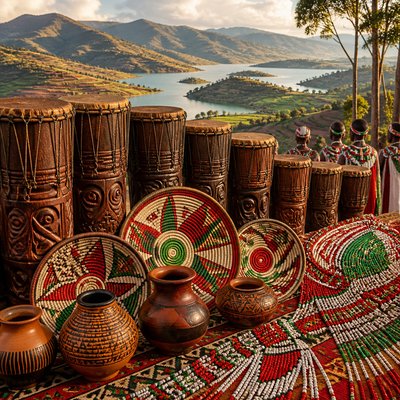
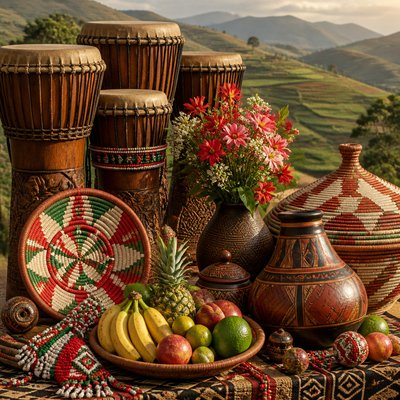
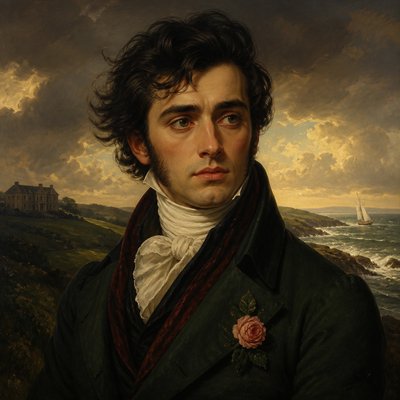
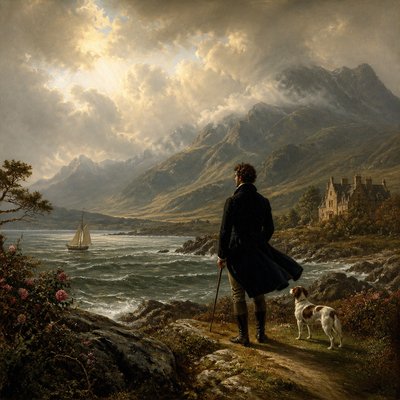
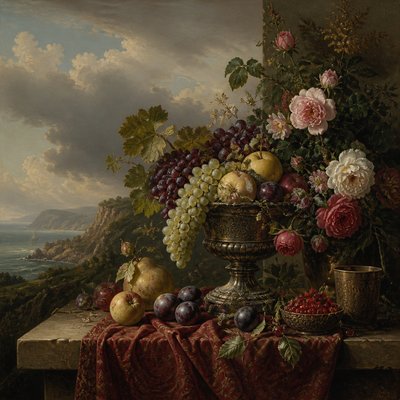
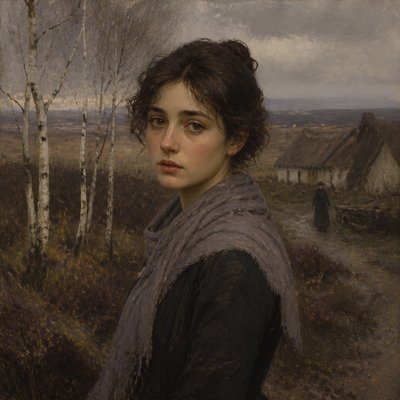
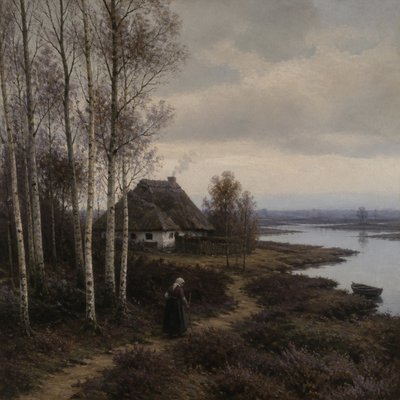
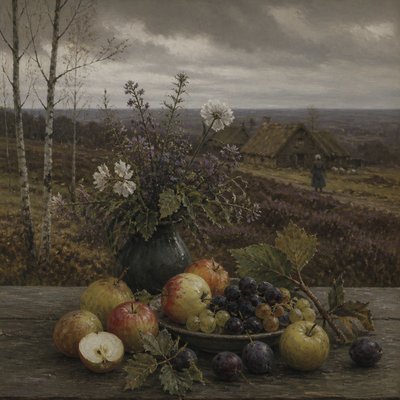
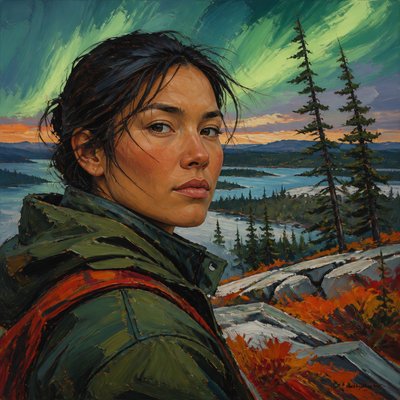
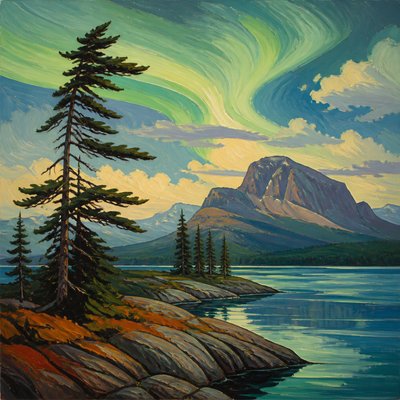
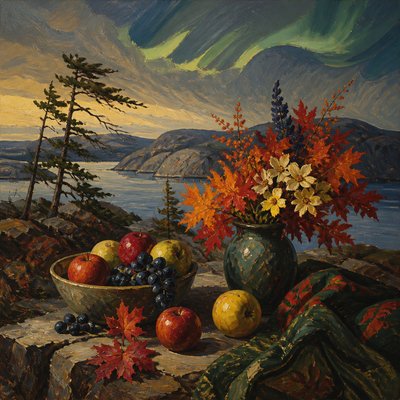
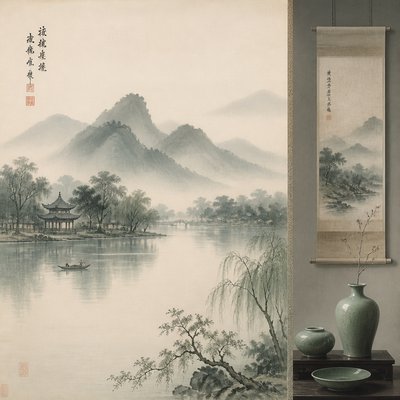
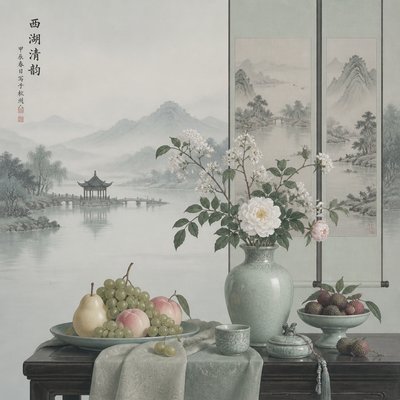
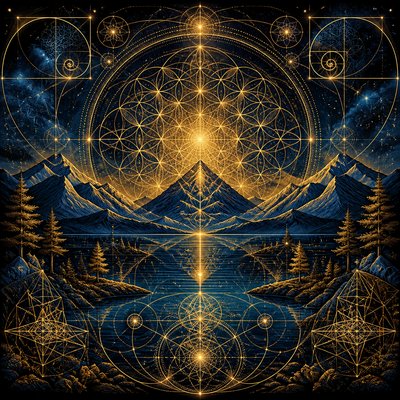
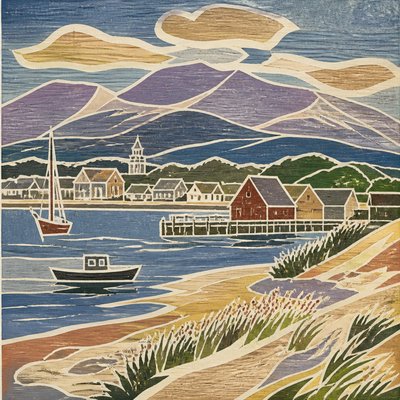
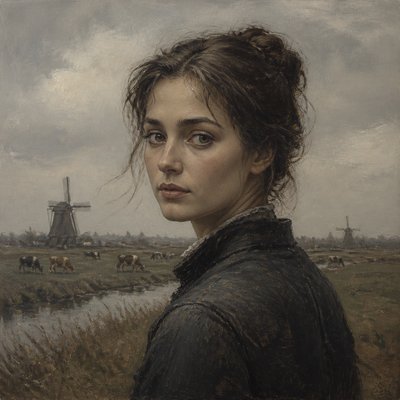
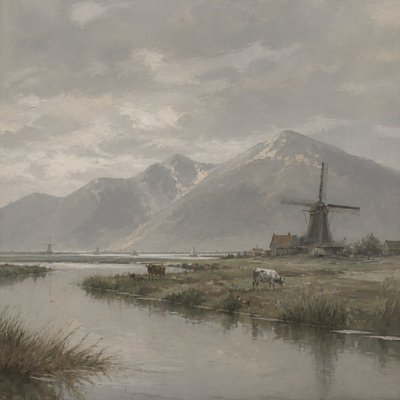
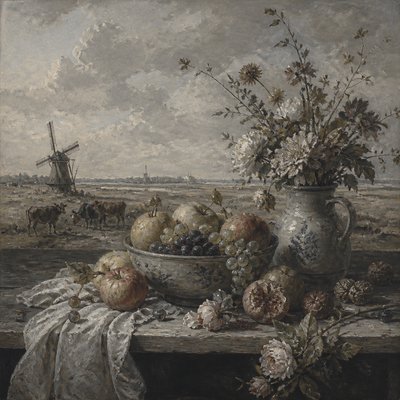
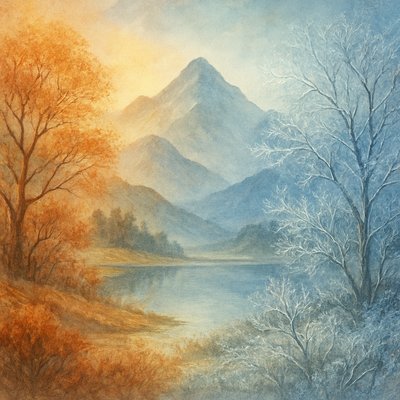
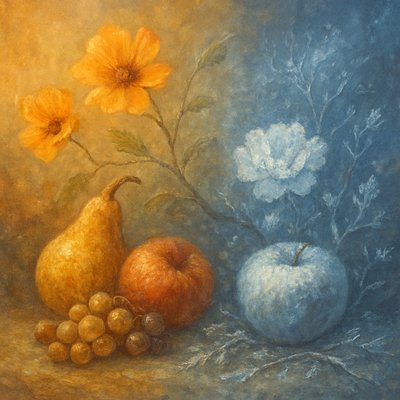
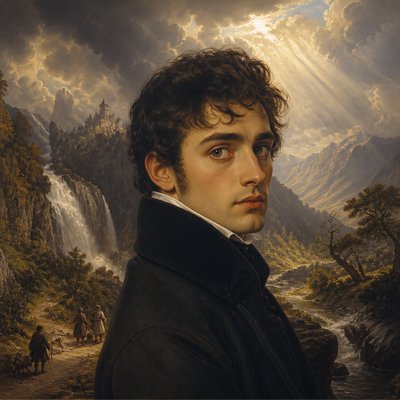
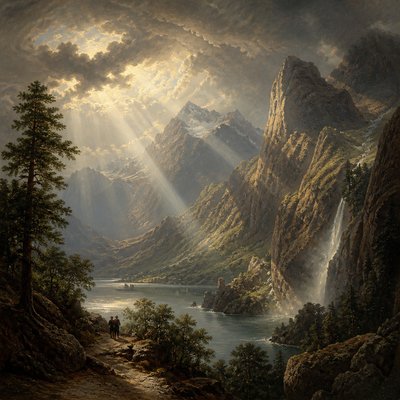
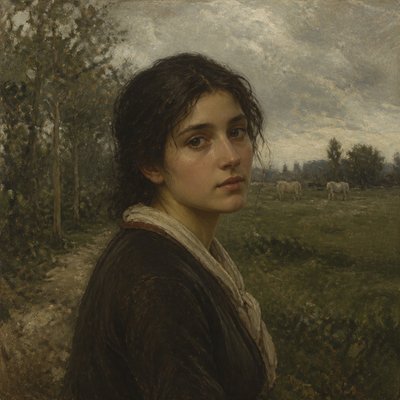
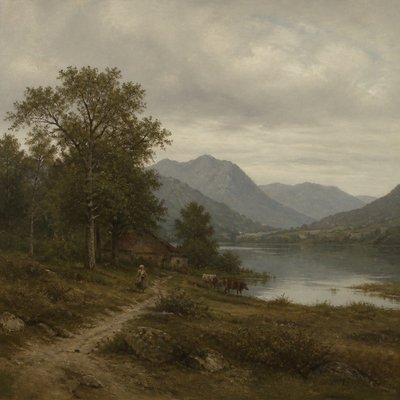
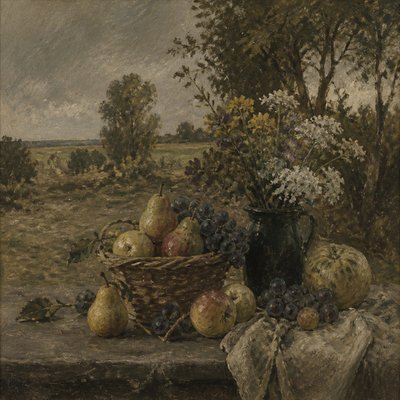
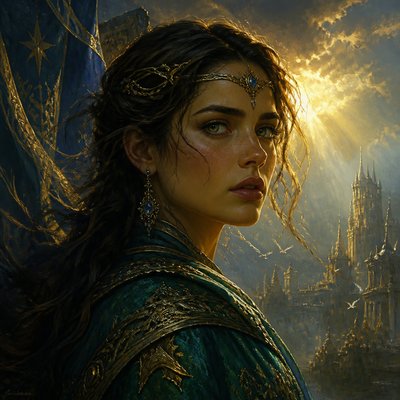
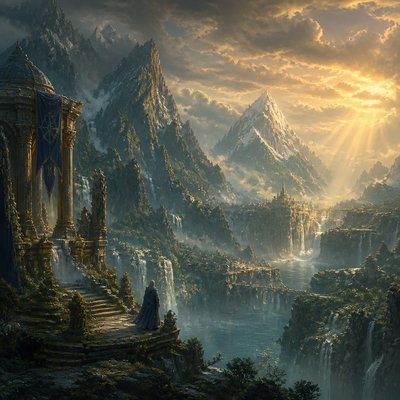
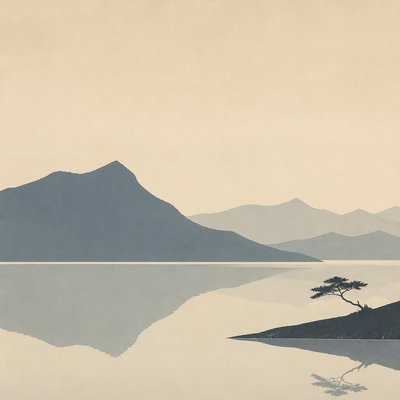
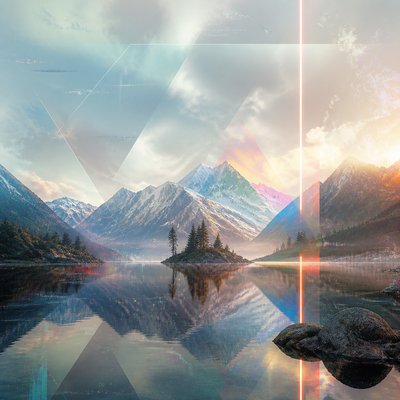
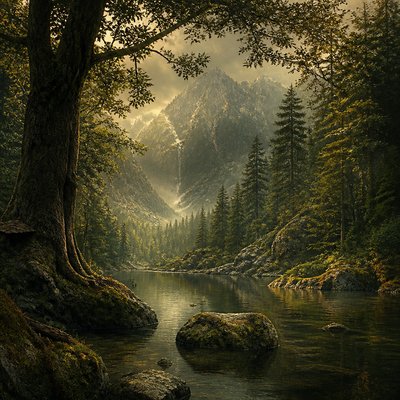
Traditional landscape scenes of mountains, forests, rivers, and natural light with painterly brushwork and atmospheric depth.
Instantly rendered in Landscape Nature — or transform a photo
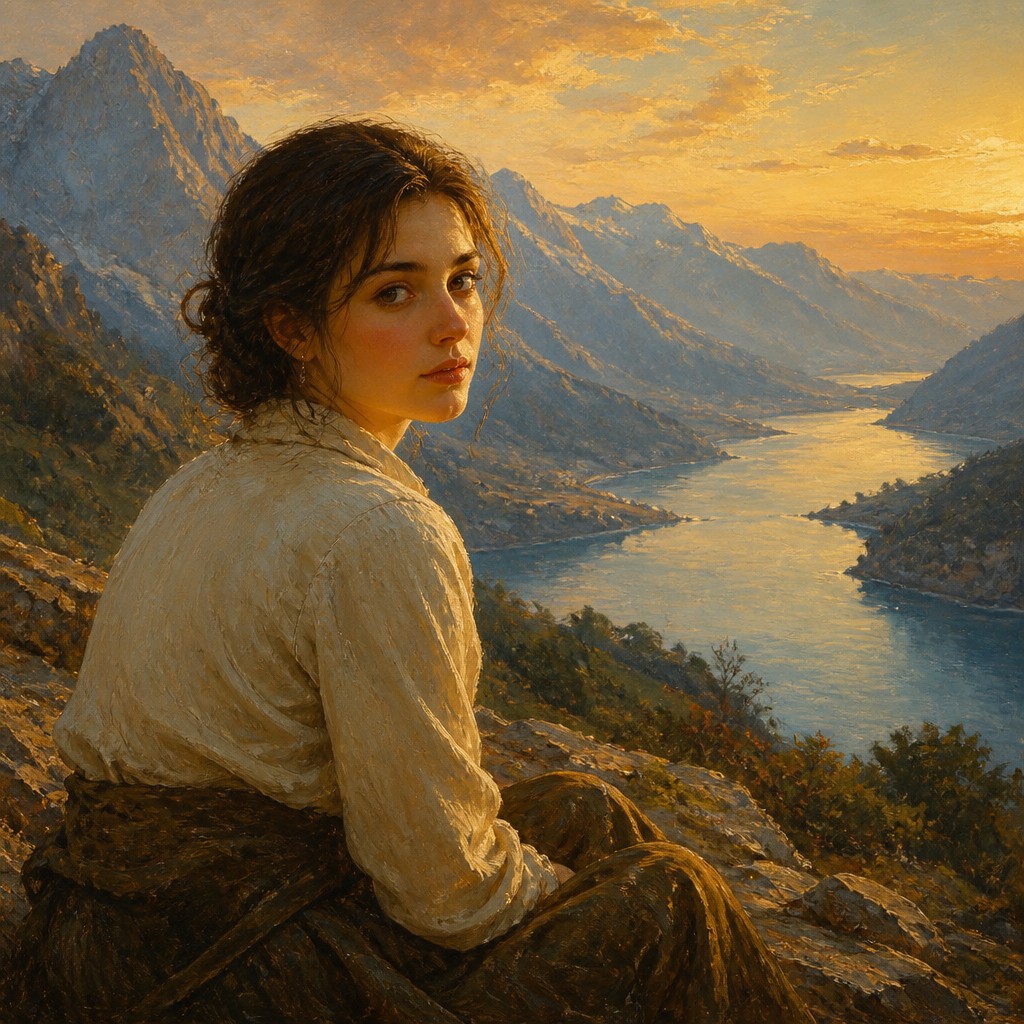
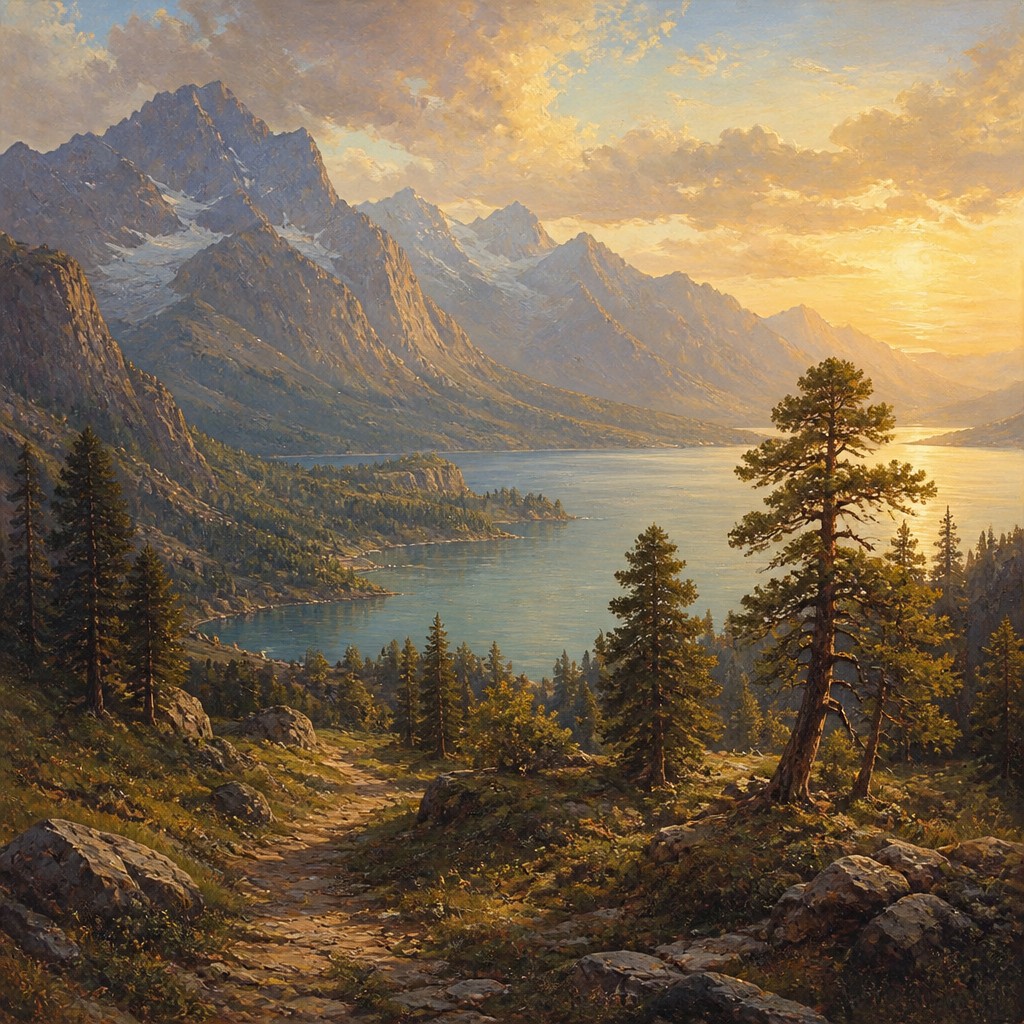
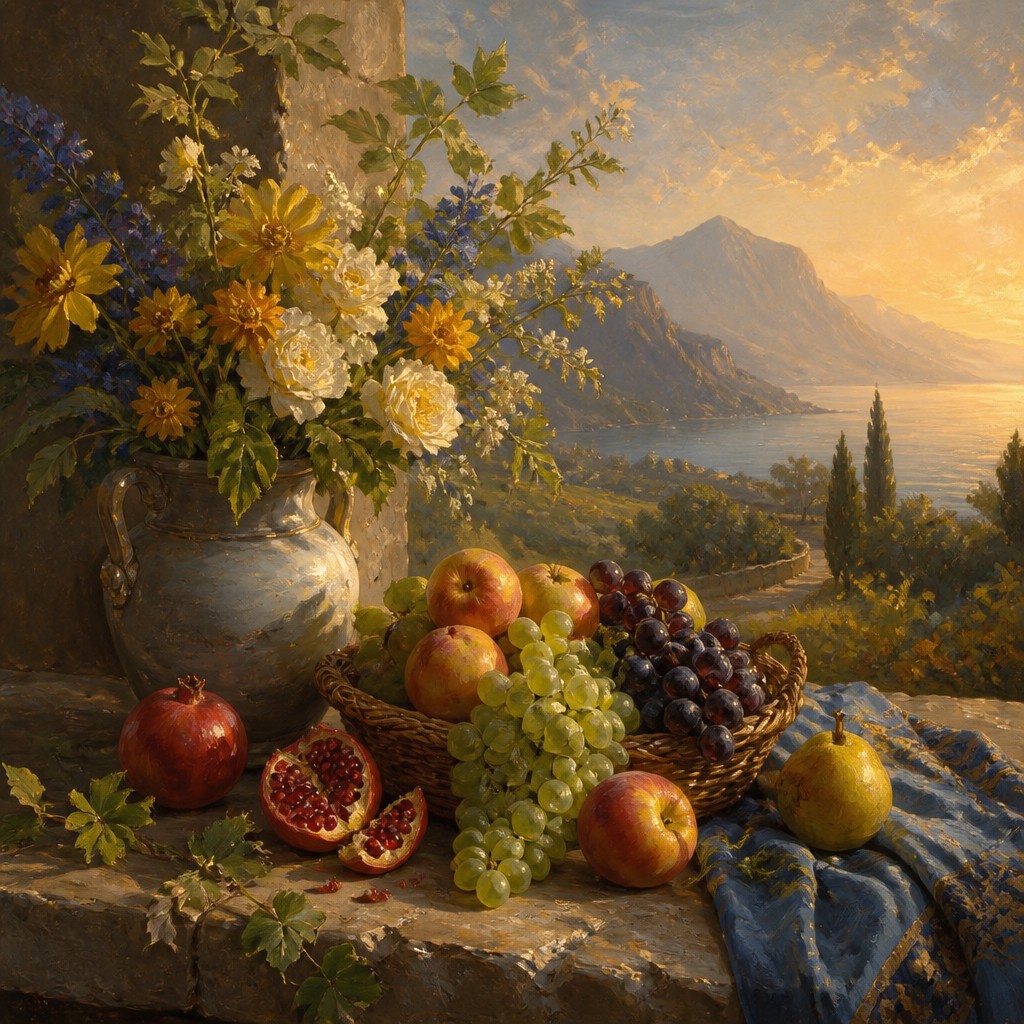
Landscape Nature Gallery
Tap any artwork to explore it
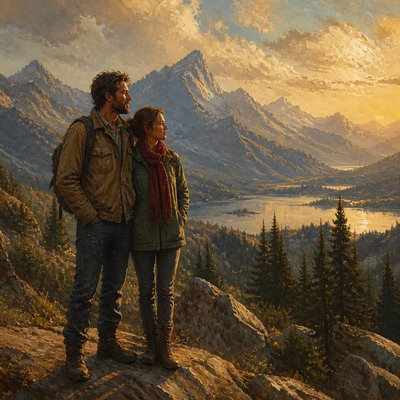
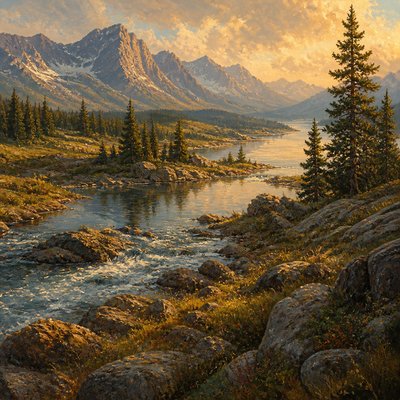
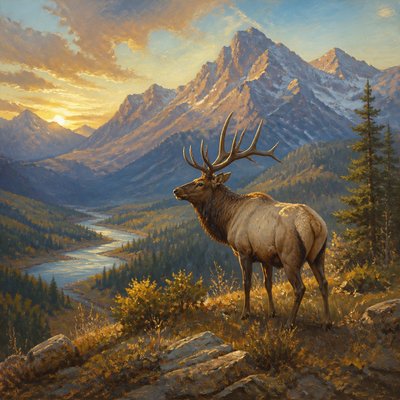
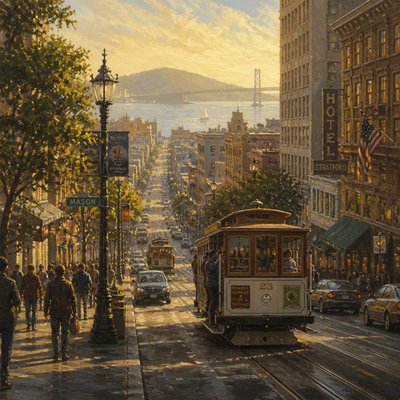
What is Landscape Nature Art?
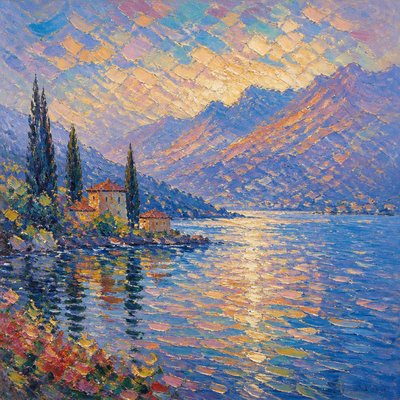
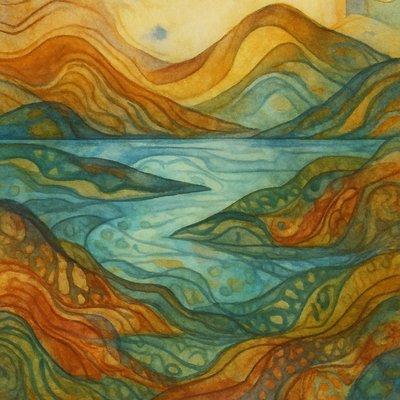
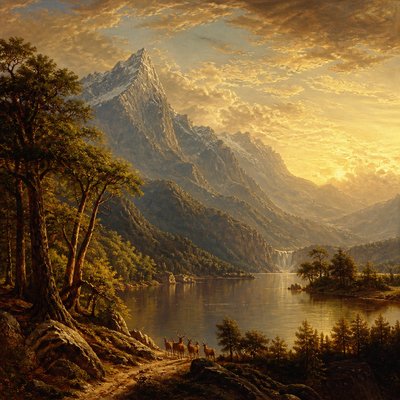
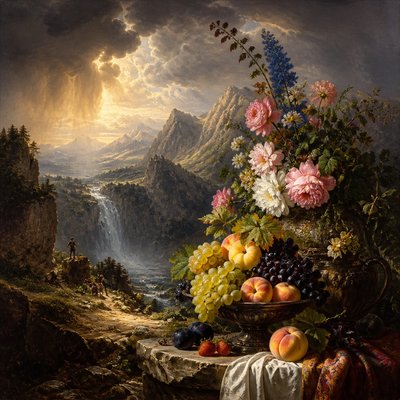
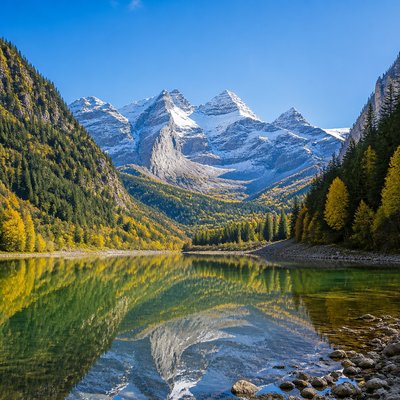
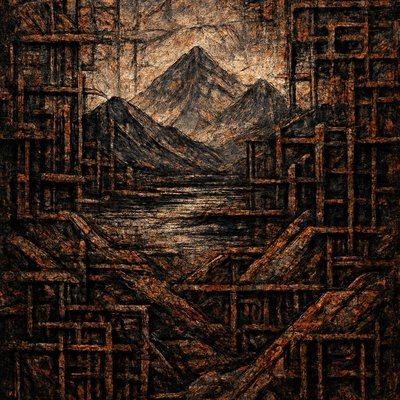
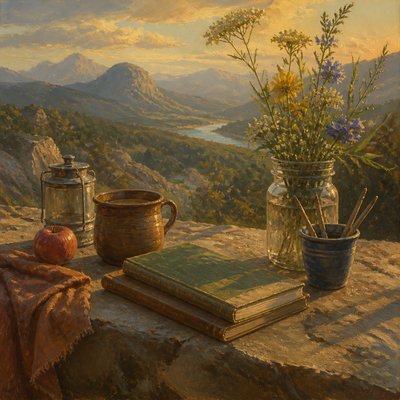
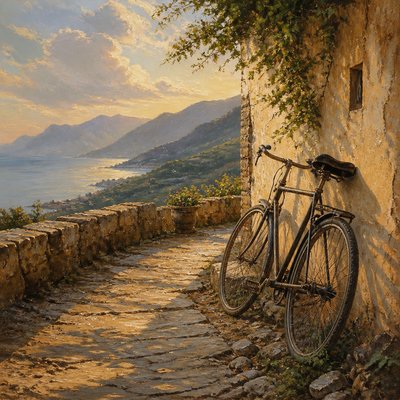
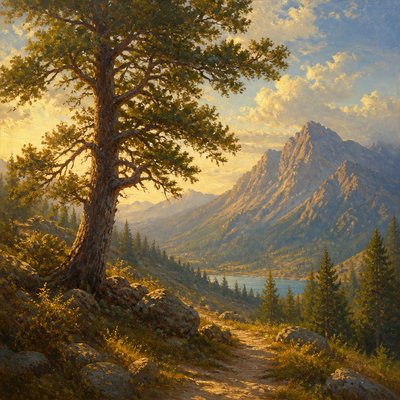
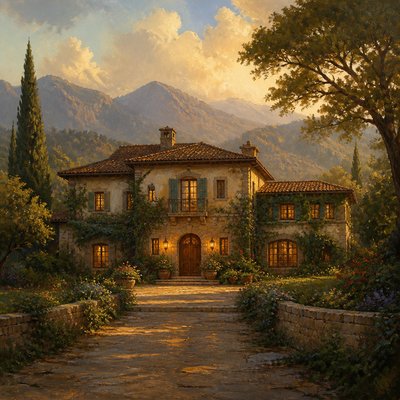
Landscape Nature Art is a traditional approach to depicting outdoor environments, especially mountains, forests, rivers, lakes, coastlines, valleys, and wide open skies. Its core subject is the natural world seen as a coherent visual whole, often organized around clear spatial depth, changing weather, and the shifting effects of light across land and water.
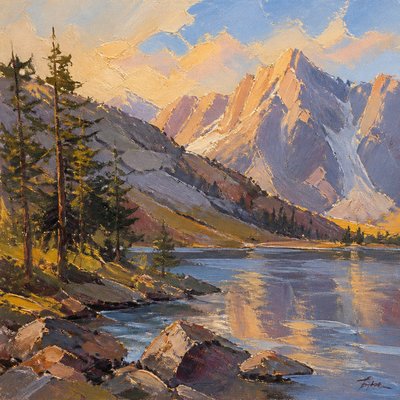
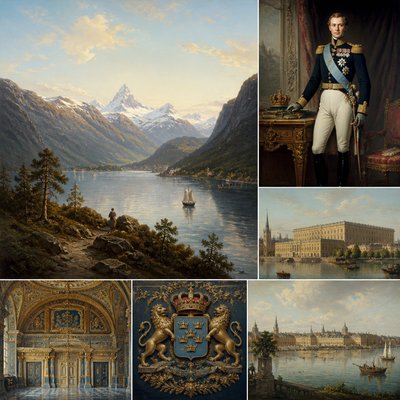
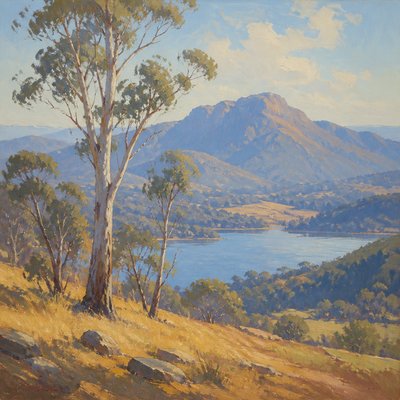
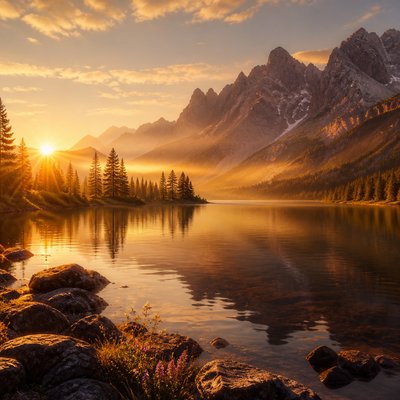
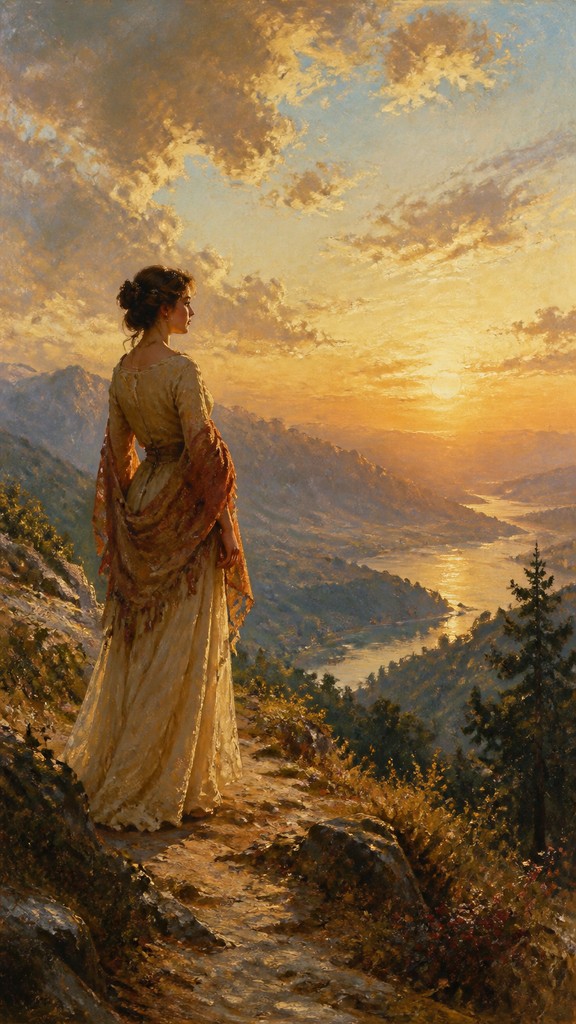
The style is defined by naturalistic drawing, visible painterly handling, and a subdued earth-toned palette that emphasizes moss greens, ochres, siennas, ultramarines, and muted grays. It often uses atmospheric perspective—distant forms becoming cooler, lighter, and softer—to create believable space and a sense of grandeur. The result is calm, balanced, and contemplative, with compositions that guide the eye through layered terrain rather than dramatic narrative action.
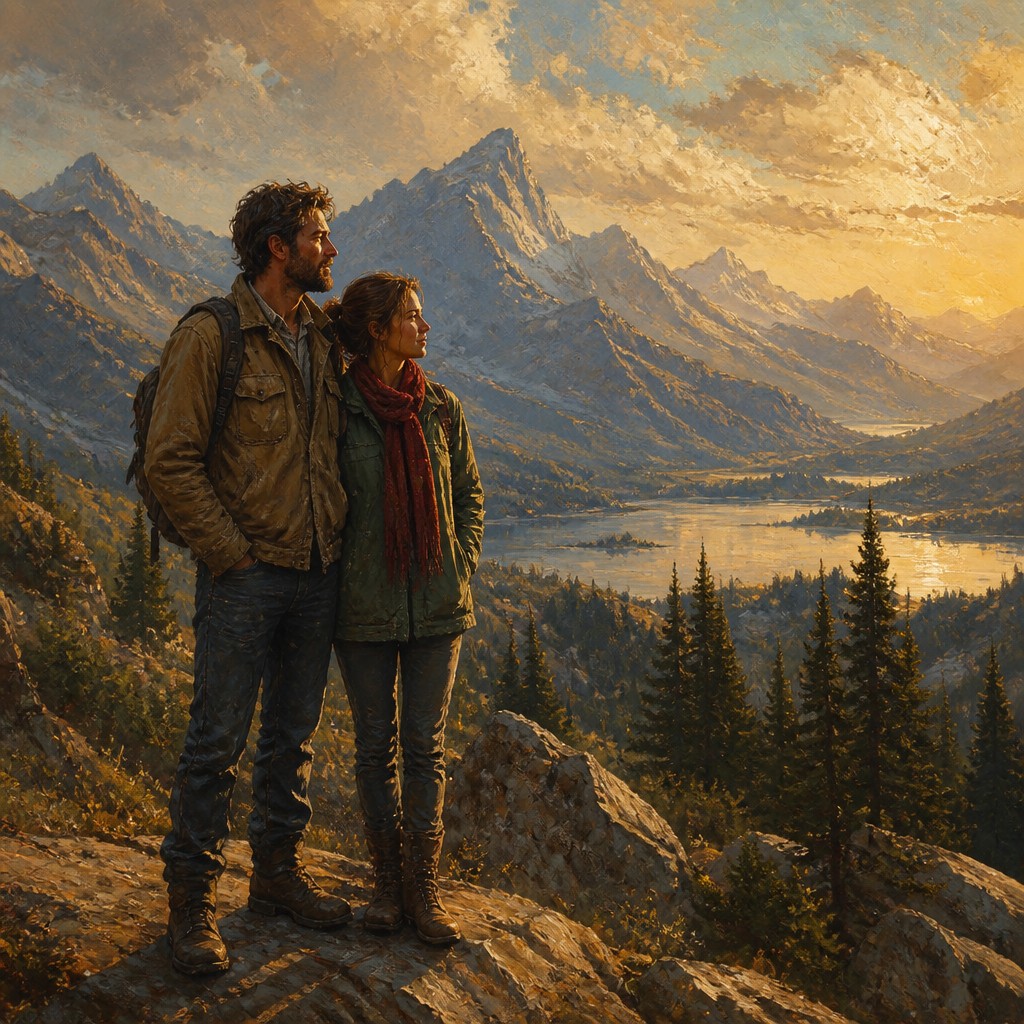
Try It On Your Photos
Upload any photo and convert it into Landscape Nature Art — drag the sliders to compare before and after.
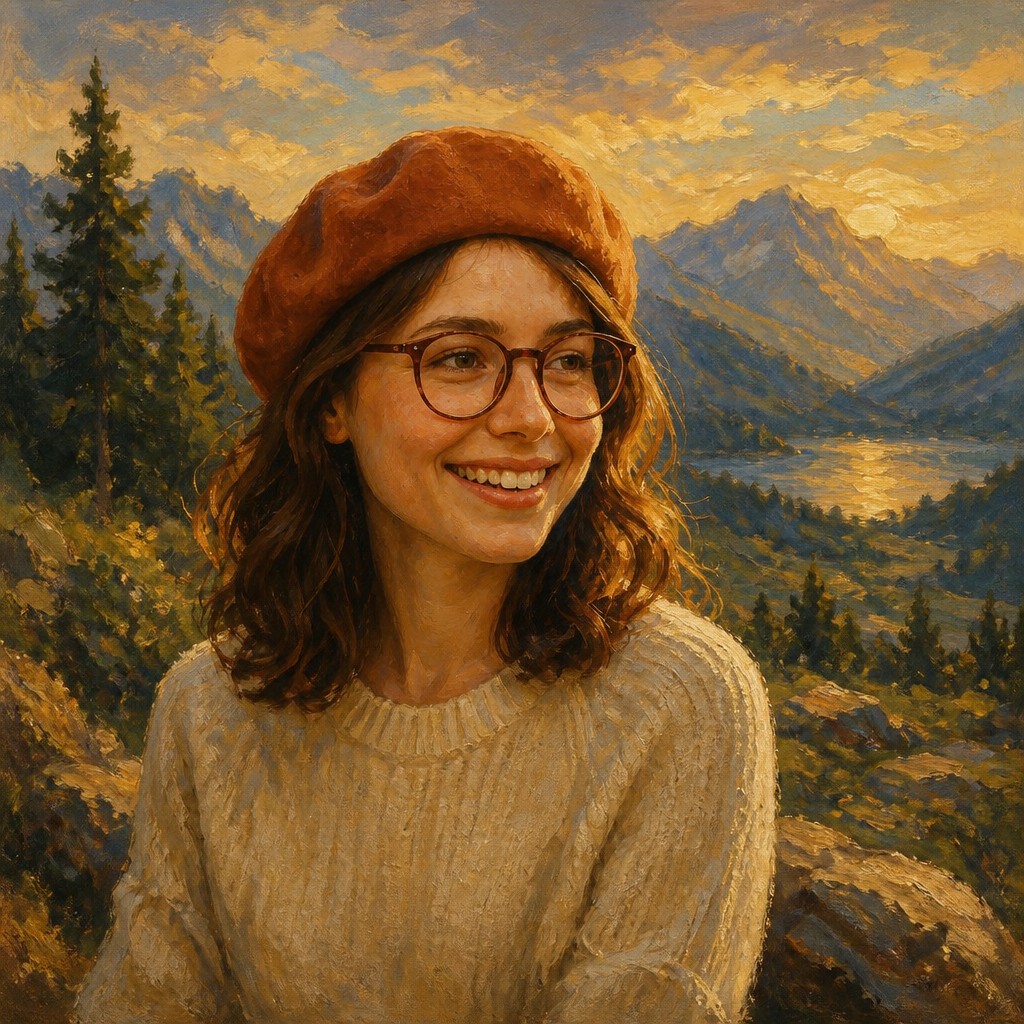

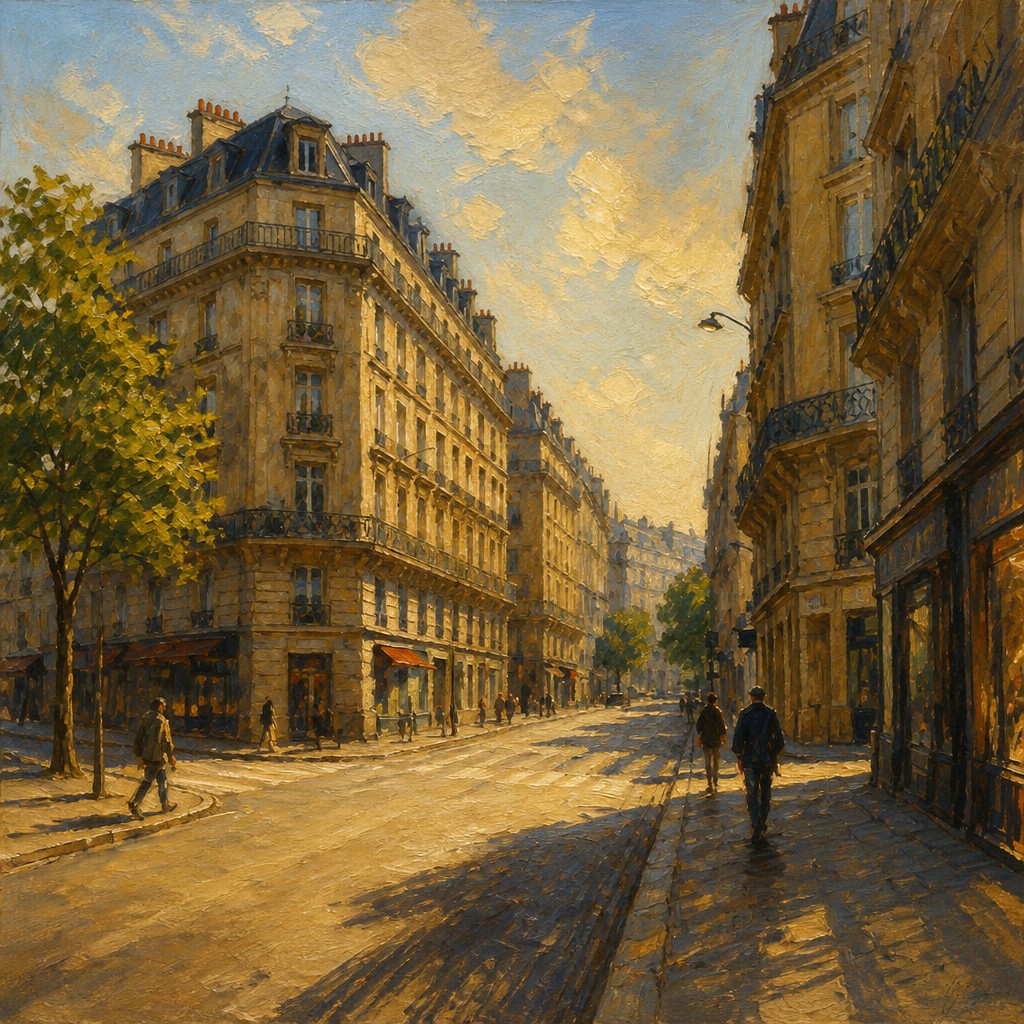

What Defines Landscape Nature Art
The signature details, up close
Naturalistic terrain
Mountains, trees, rivers, fields, and rocks are rendered with believable structure and proportion. Forms are recognizable rather than stylized into abstraction.
Atmospheric perspective
Distant elements recede through cooler color temperature, lighter values, and softened edges. This creates depth and the sensation of air, mist, or humidity.
Earth-based palette
The color range typically favors ochres, siennas, viridian greens, browns, and ultramarine blues. Bright colors, if present, usually appear as restrained accents rather than dominant notes.
Visible brushwork
Brushstrokes are often left perceptible, especially in foliage, sky, water, and ground textures. This gives the image a painted surface and a sense of direct handling.
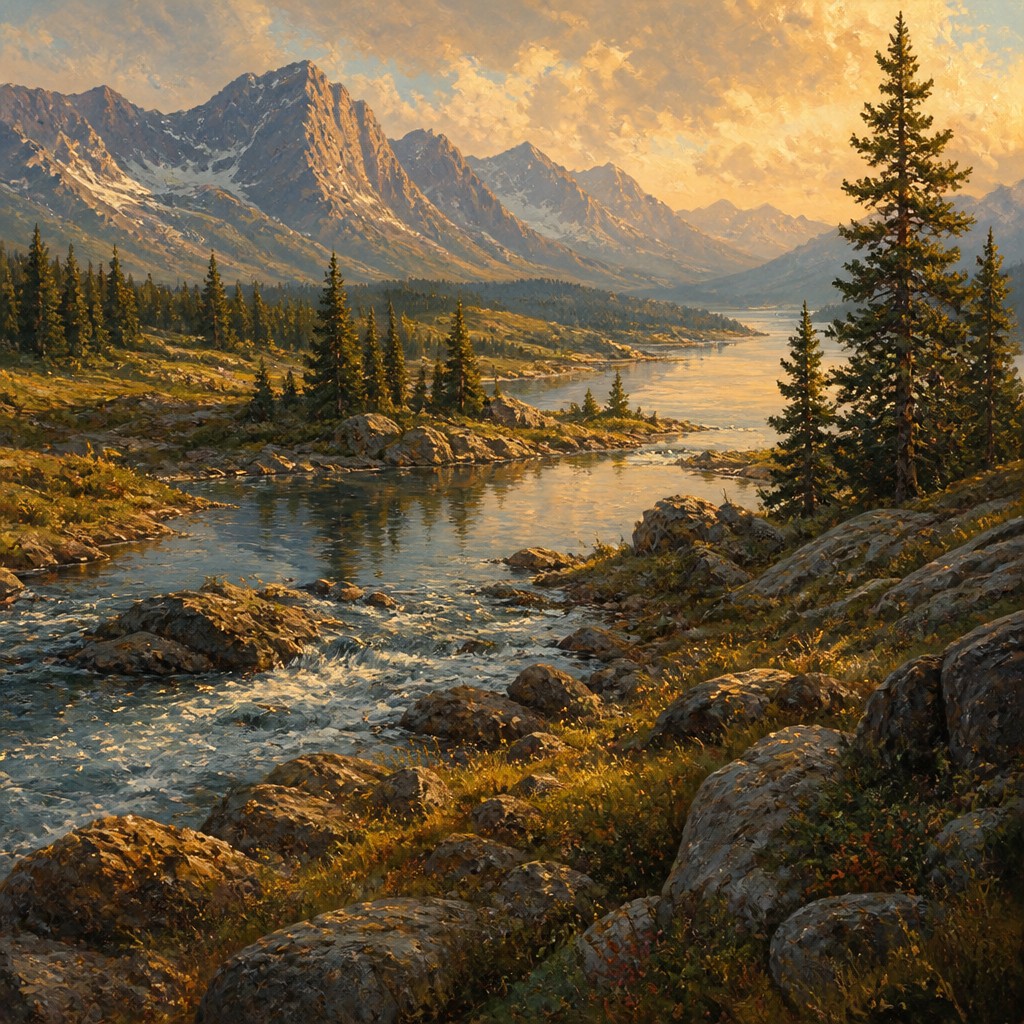
Golden-hour light
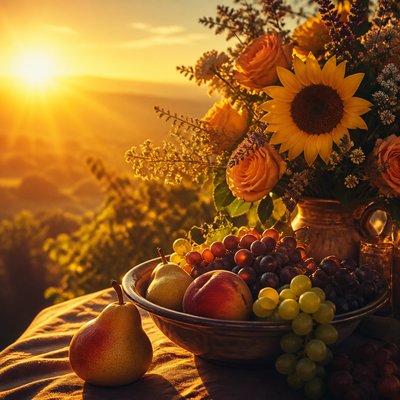
Warm low-angle sunlight is common, producing long shadows and luminous highlights. Light helps organize the composition and adds emotional warmth to the scene.
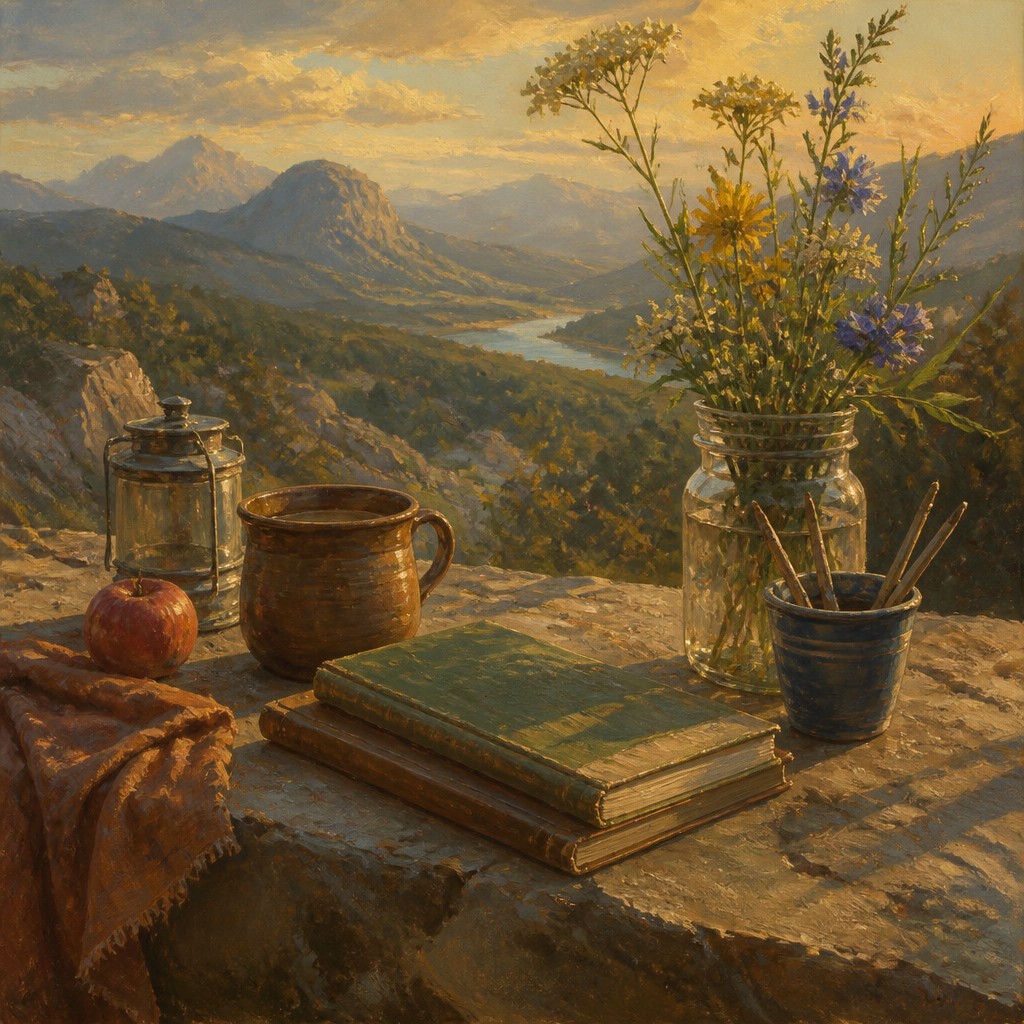
Balanced compositional flow
The arrangement usually uses diagonals, layered planes, or winding natural paths to lead the viewer inward. The image feels stable and spacious rather than crowded.
Try It
Create Videos in Landscape Nature Art
Styles aren't just for stills — describe a scene or animate an image and get a short video rendered in Landscape Nature. Press play to see this pond come to life.
Make a VideoLandscape Nature Prompt Ideas
Start from an idea — each one opens the generator with the style ready to go. See all 40 Landscape Nature prompts →
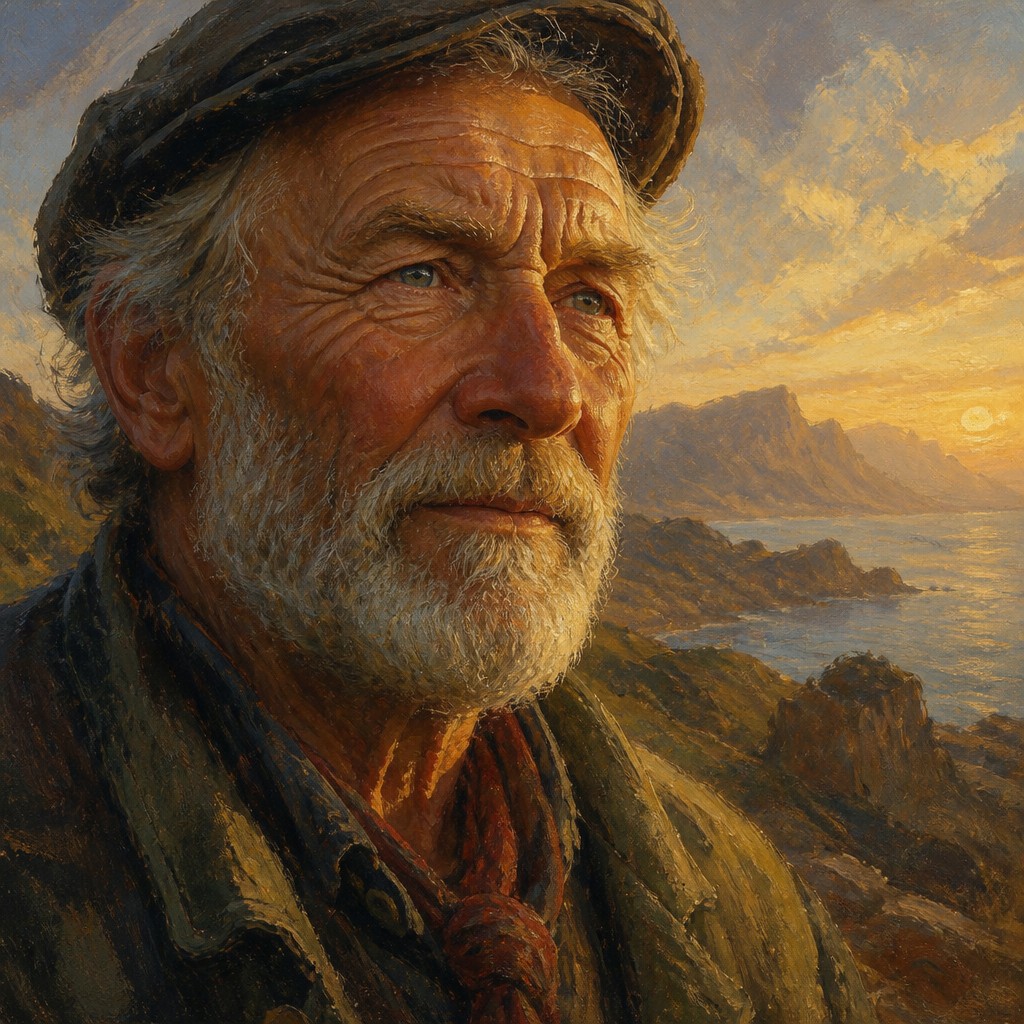
“close-up portrait of an elderly person with expressive weathered features”
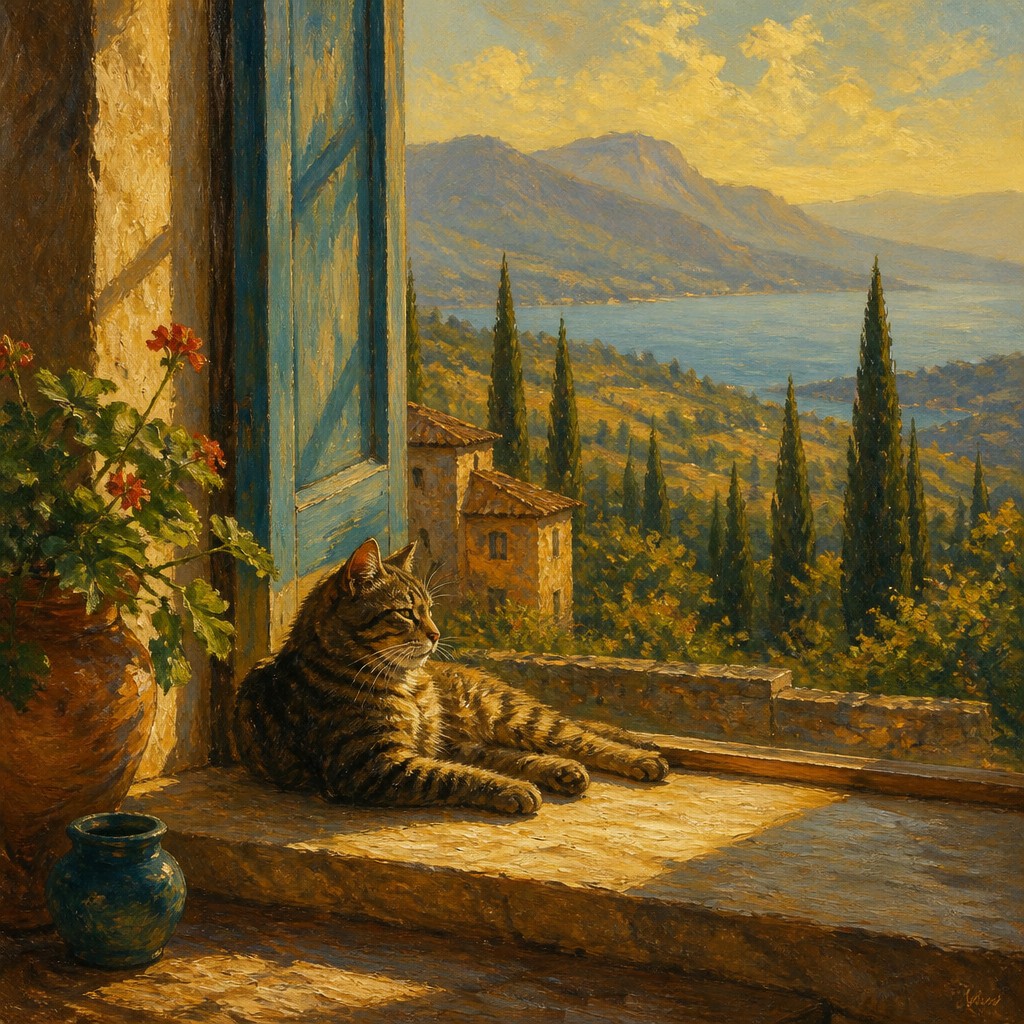
“a cat lounging in a sunlit window”
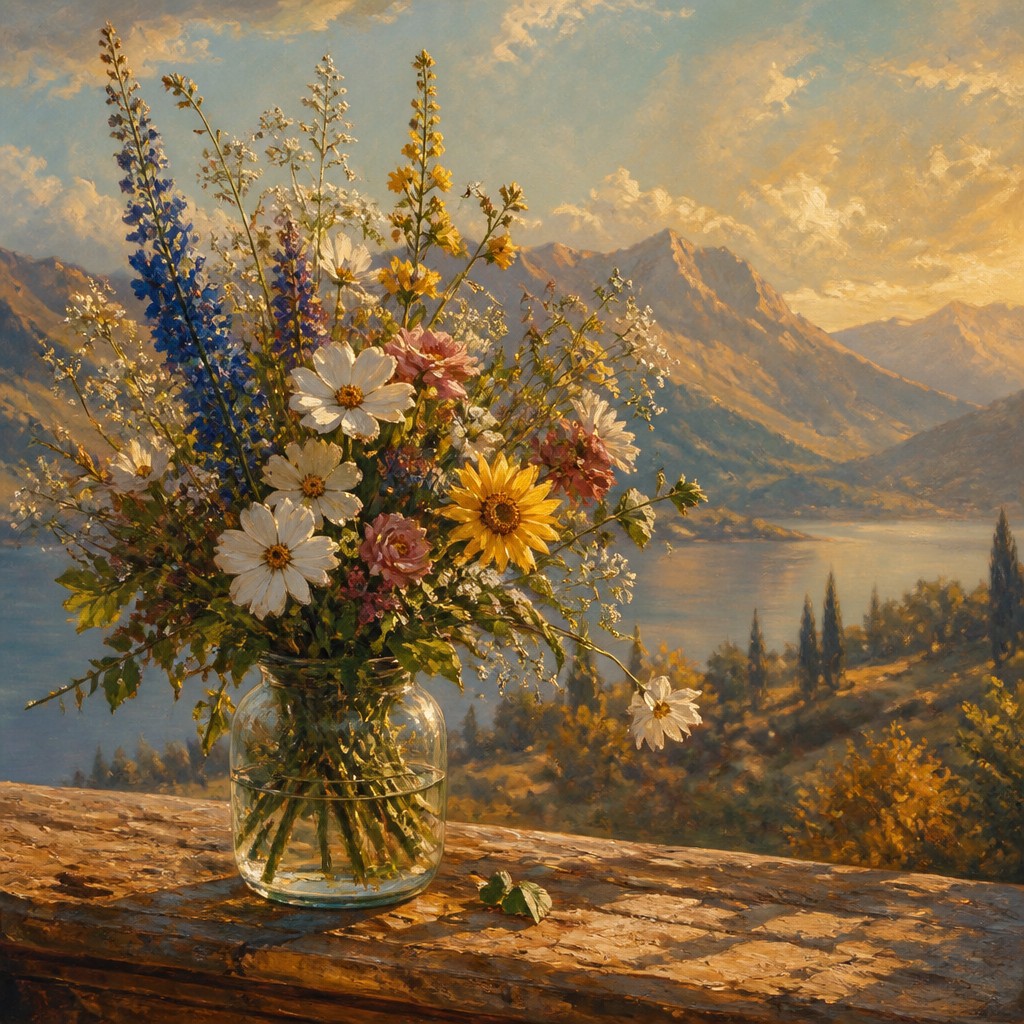
“bouquet of flowers in a glass vase”
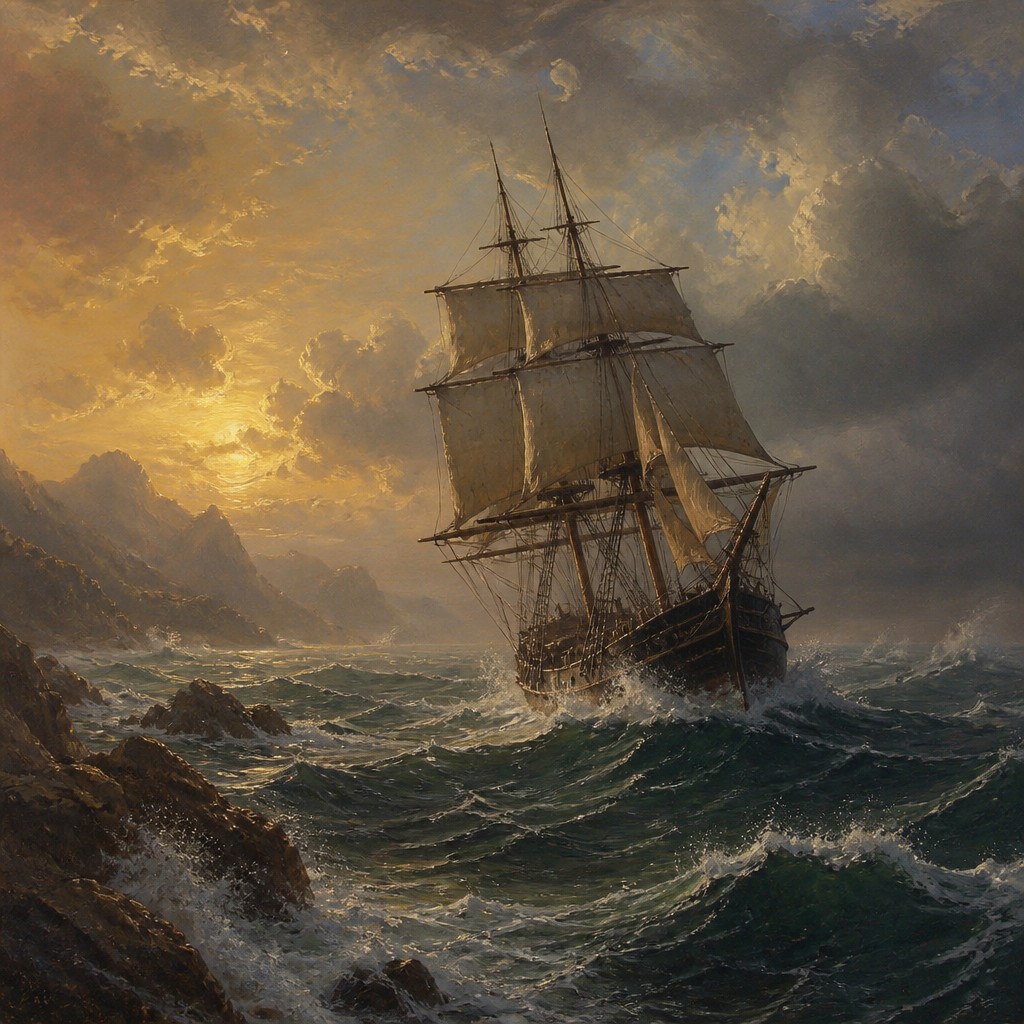
“sailing ship on a stormy sea”
How to Create Landscape Nature Art
Master the craft step by step — or skip straight to creating. Read the full guide →
- 1
Block in large landscape masses first
Begin with the horizon, major landforms, and the biggest value relationships before adding detail. This keeps the scene coherent and avoids overworking foreground texture too early.
- 2
Use atmospheric depth deliberately
Push distant mountains, tree lines, or cliffs cooler and less contrasty than the foreground. Soften edges as forms recede to simulate air and distance.
- 3
Paint light, not just objects
Make sunlight, shadow, and reflected sky color the organizing forces of the composition. In traditional media, layered glazes or opaque overpainting can help model this effect; in digital media, use value grouping and soft transitions.
- 4
Reserve texture for focal areas
Keep some passages rough and energetic—such as grasses, bark, water ripples, or rock faces—while allowing skies and distant areas to remain smoother. The contrast between textured and quiet surfaces is central to the style.
- 5
For prompt-based generation, specify the landscape logic
Describe the subject, time of day, weather, and spatial depth explicitly, for example: 'mountain valley at sunrise, mist in the distance, layered pine forests, warm rim light, painterly brushwork.' Include materials or tradition cues if needed, such as oil painting or plein-air study.
The Story
History & Origins of Landscape Nature
Landscape painting emerged as a major genre in European art during the 17th century, when painters began treating nature as a subject worthy of sustained attention rather than a backdrop for history or religion. Dutch landscape painting, Italian classical landscape, and later British landscape traditions helped establish conventions such as horizon-based composition, convincing weather effects, and careful observation of terrain and light.
In the 18th and 19th centuries, landscape became central to Romantic and naturalist painting, especially through artists who emphasized the emotional power of wilderness and the accuracy of outdoor observation. The practice of plein-air painting, later associated with a rural-naturalist school and Impressionism, reinforced direct study from nature, while academic landscape traditions continued to shape polished, idealized vistas. Landscape Nature Art draws on these long-standing traditions rather than a single historical movement, combining observational realism, atmospheric depth, and painterly outdoor technique.
Influences: Landscape Nature Art draws from the long traditions of European landscape painting, including Dutch naturalism, classical landscape, and the Romantic and Barbizon emphasis on direct observation. Important historical references include a leading idealized luminous landscape painter for atmospheric classicism, a major British weather-and-rural-observation landscape painter for attentive studies of skies and fields, and a tonal-atmosphere-focused plein-air landscape painter for sensitive color and light. It also overlaps with contemporary naturalist illustration and digital matte-painting methods when the goal is a believable but emotionally resonant outdoor vista.

Frequently Asked Questions
What defines Landscape Nature Art?
It is defined by natural outdoor subject matter, believable depth, and a painterly treatment of light and atmosphere. Mountains, forests, rivers, fields, and skies are usually the focus, with the composition organized to emphasize space and environmental mood.
How is it different from Impressionism?
Impressionism emphasizes fleeting light, broken color, and visible moment-to-moment perception, often with looser forms. Landscape Nature Art can include similar brushwork, but it is usually more broadly naturalistic, with clearer structure and a more traditional landscape composition.
How is it different from scenic illustration or fantasy landscape art?
Scenic illustration may be more descriptive or narrative, while fantasy landscape art often includes invented or impossible geography. Landscape Nature Art usually stays closer to observed nature, even when the scene is idealized or romantically composed.
What subjects work best in this style?
Mountain ranges, forests, rivers, waterfalls, lakes, coastlines, valleys, and open countryside all work well. Scenes with strong light, weather, and layered distance are especially effective because they let the style's atmospheric qualities show.
Can this style be made digitally as well as traditionally?
Yes. In traditional media, oil, gouache, watercolor, and acrylic all work well depending on the level of texture and control desired. Digitally, the style benefits from layered painting, textured brushes, value planning, and careful color temperature shifts.
Why does this style often feel calm or contemplative?
The mood comes from spacious composition, natural forms, and a light structure that encourages slow visual movement across the scene. Warm, subdued color and softened distance also reduce visual noise, making the image feel settled and expansive.
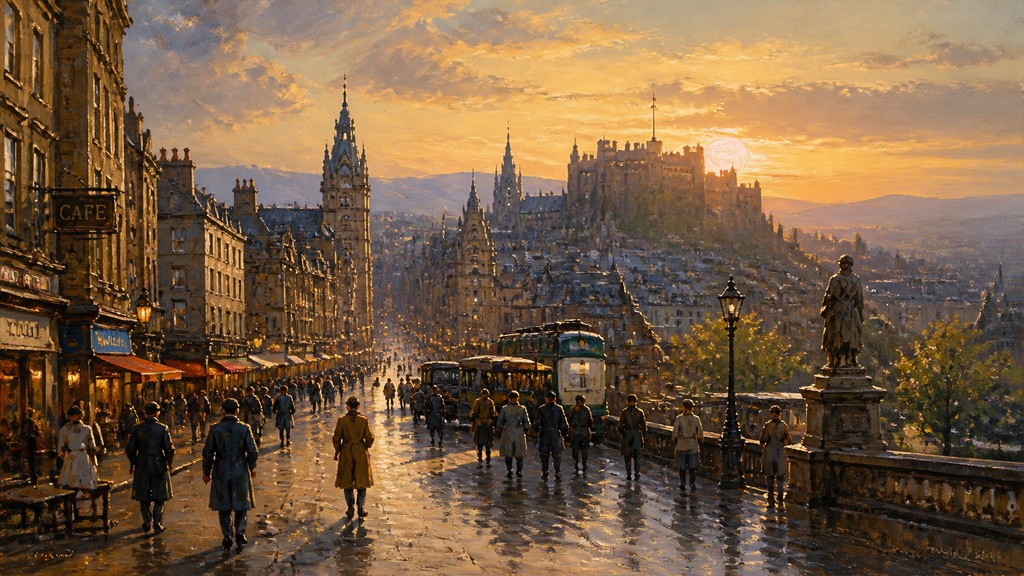
Create your first Landscape Nature artwork
Describe anything — or upload a photo — and see it in Landscape Nature Art in seconds.
Make Something with Landscape Nature
Compare Landscape Nature
Related Styles
Discover similar art styles