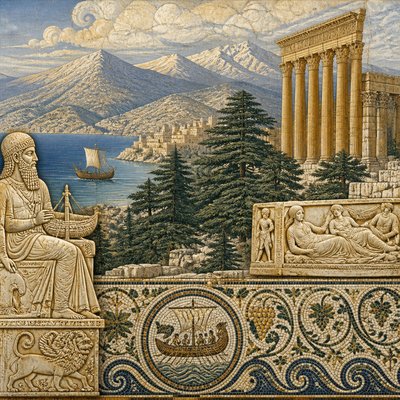
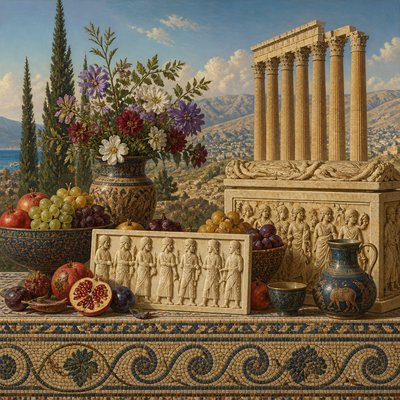
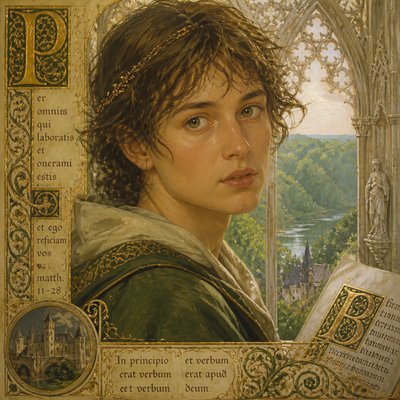
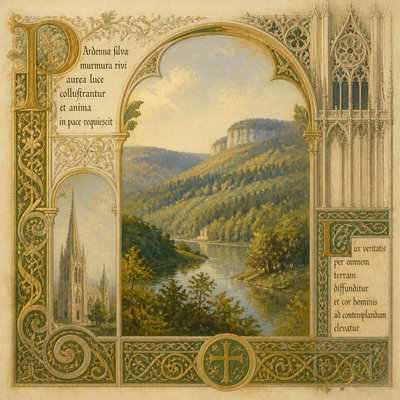
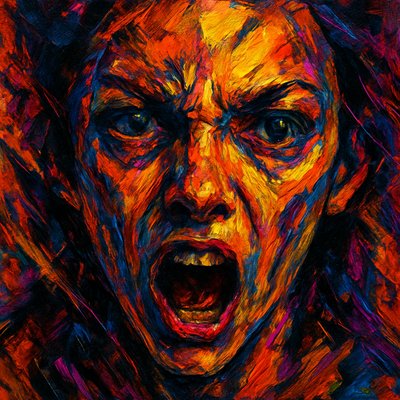
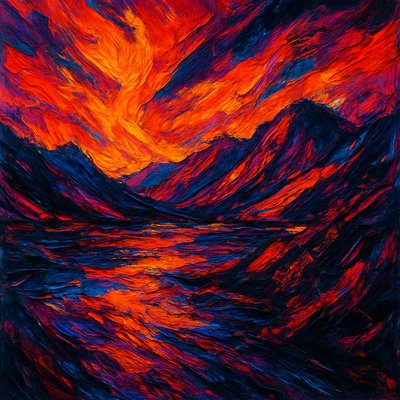
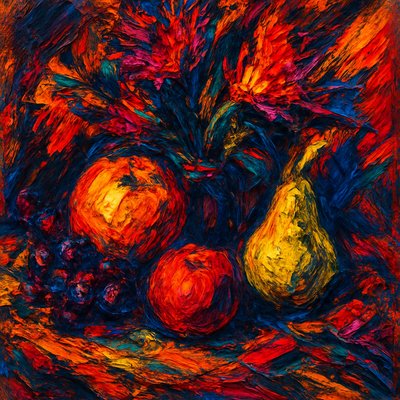
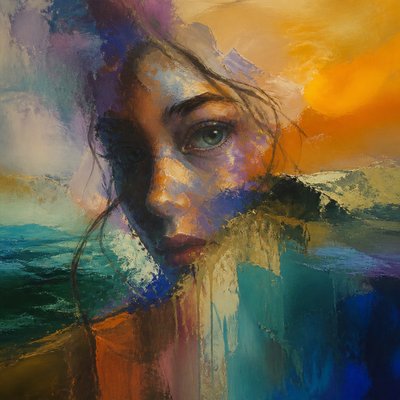
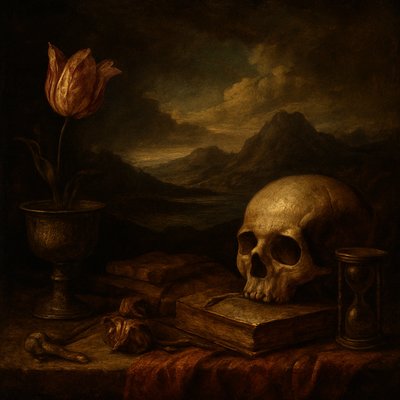
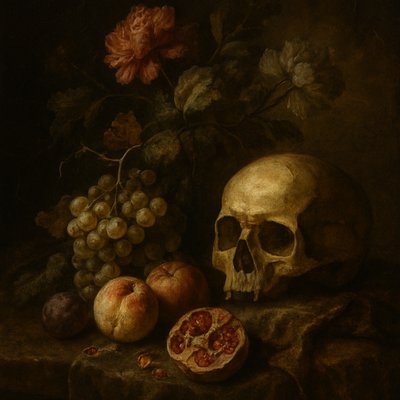
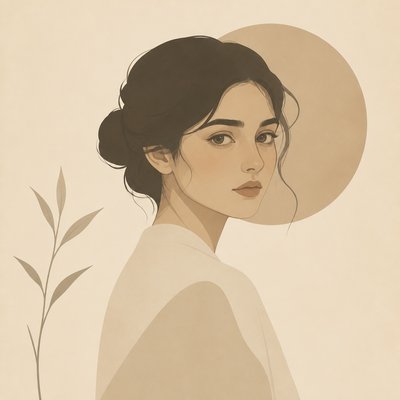
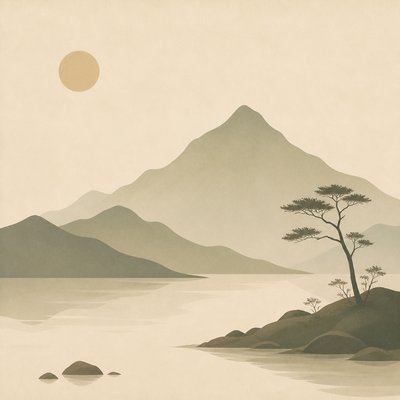
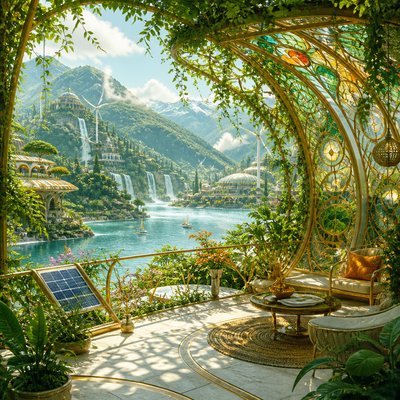
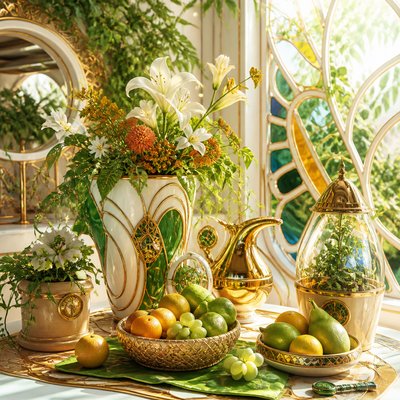
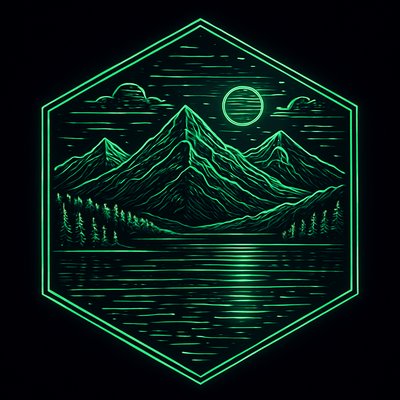
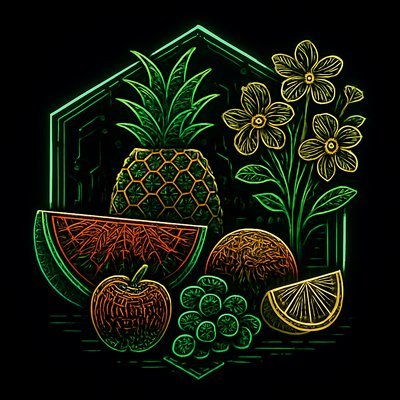
Forest Nature Art
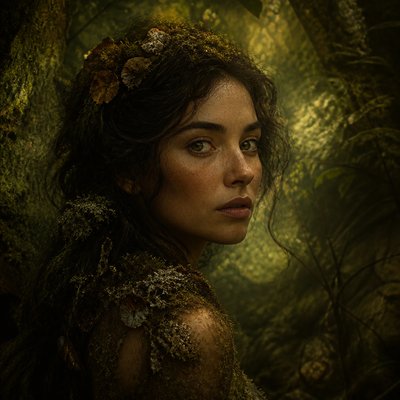
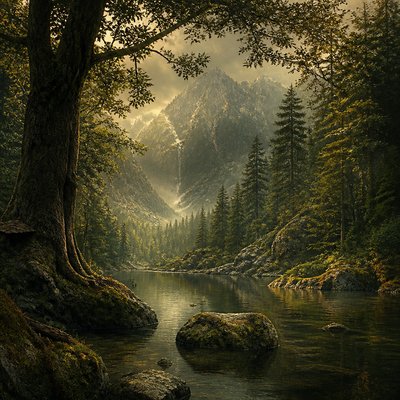
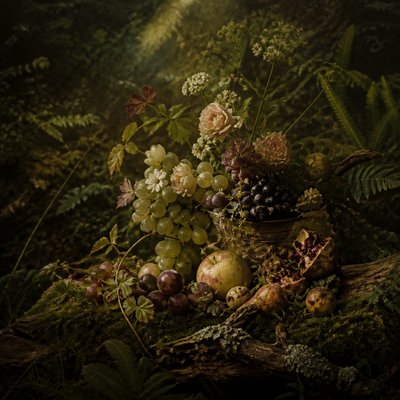
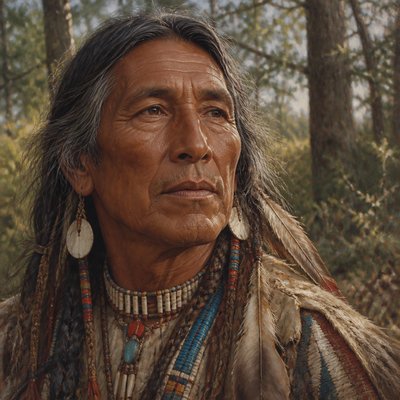
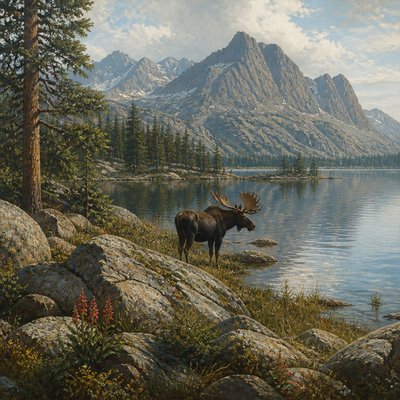
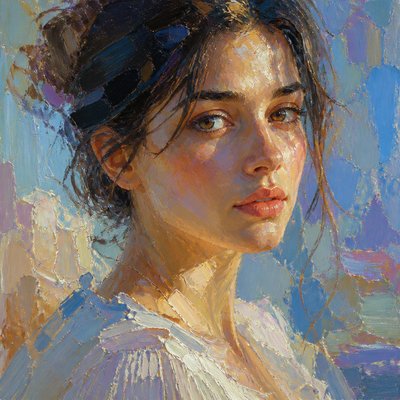
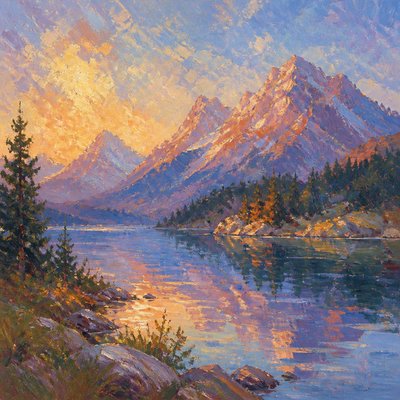
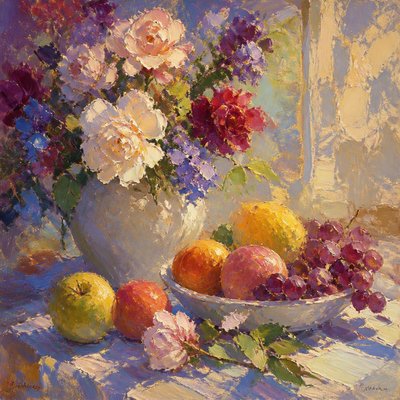
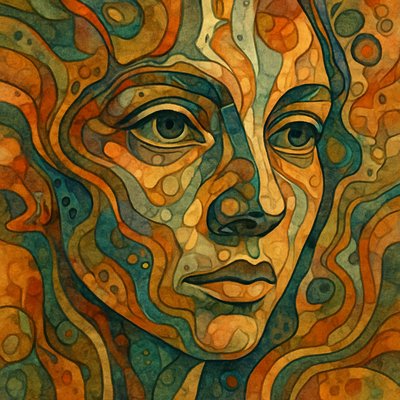
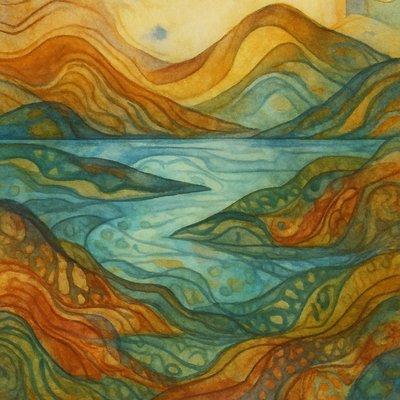
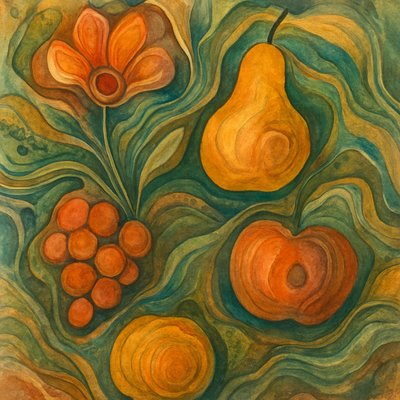
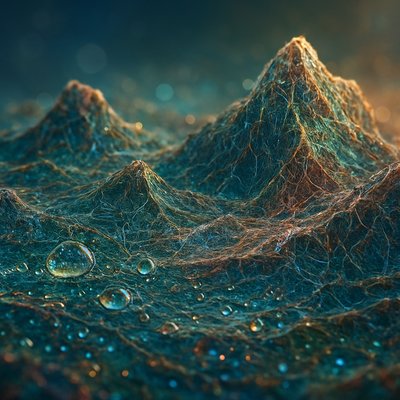
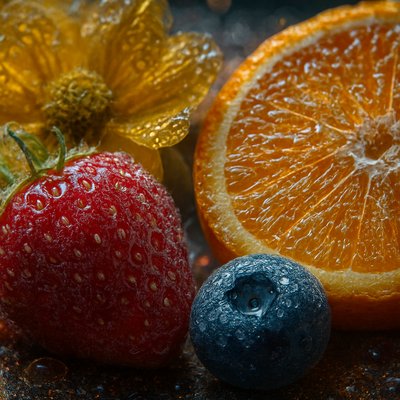
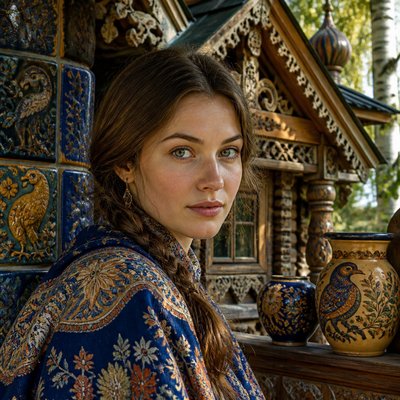
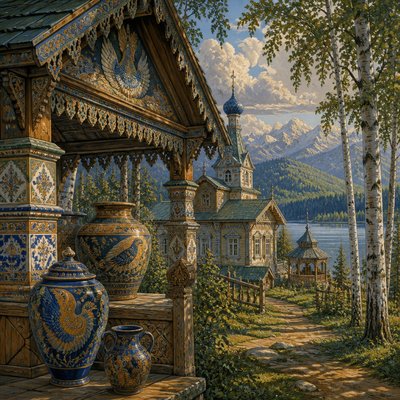
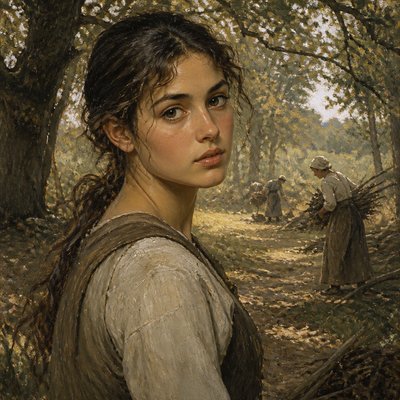
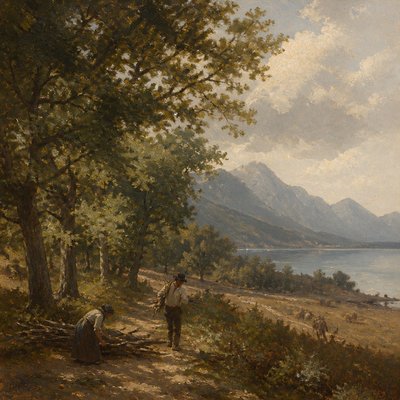
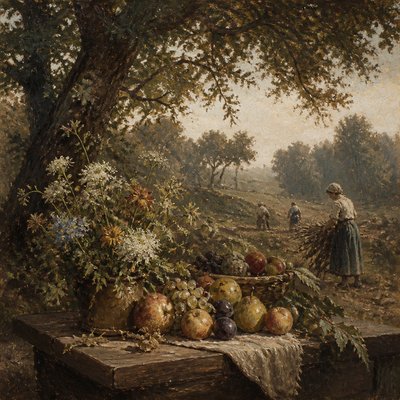
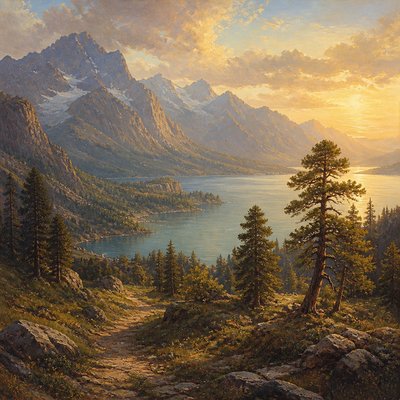
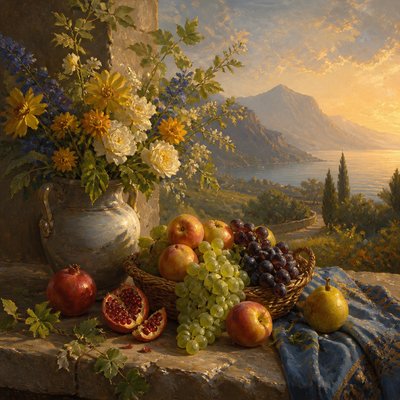
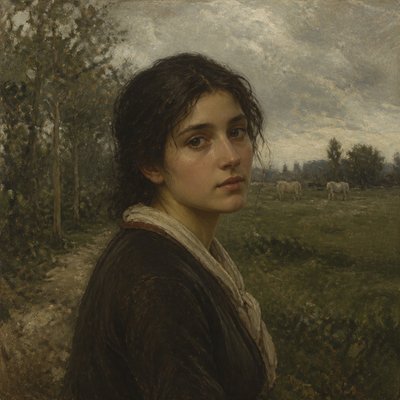
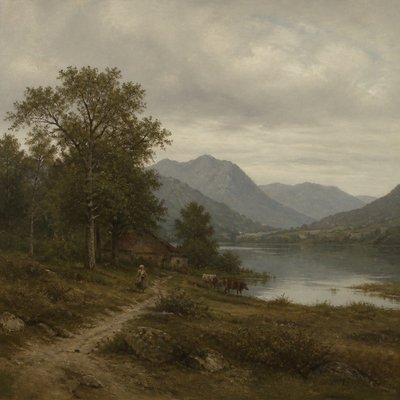
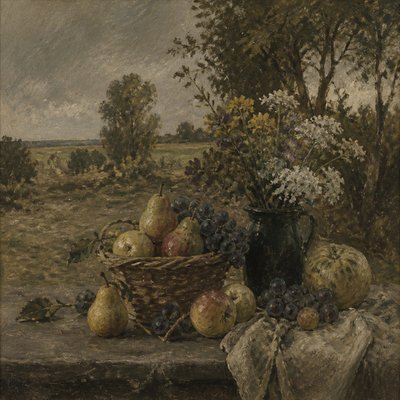
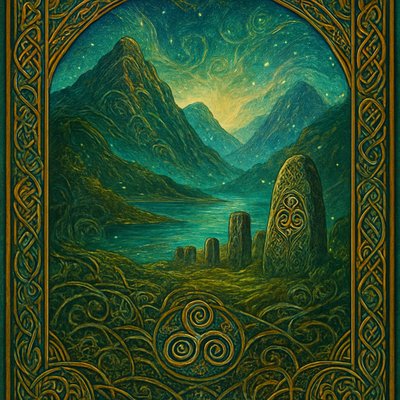
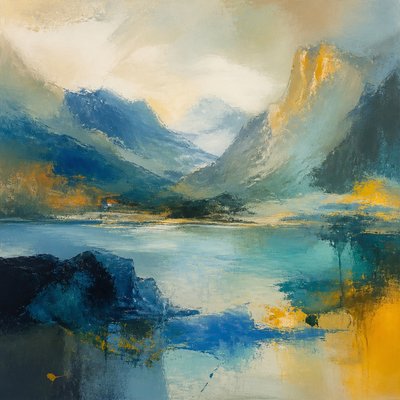
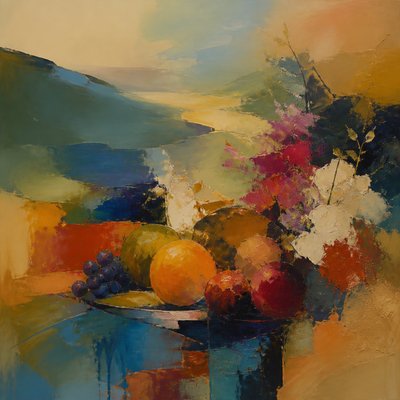
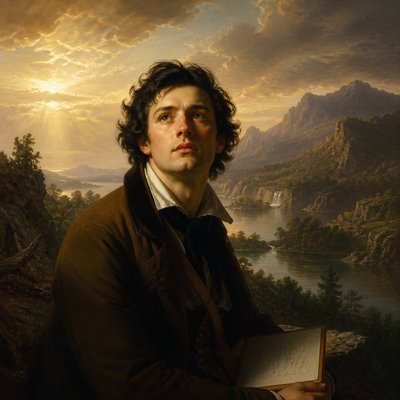
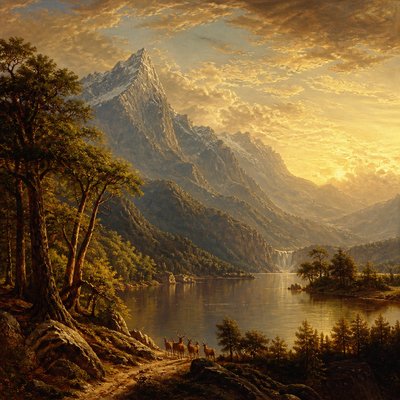
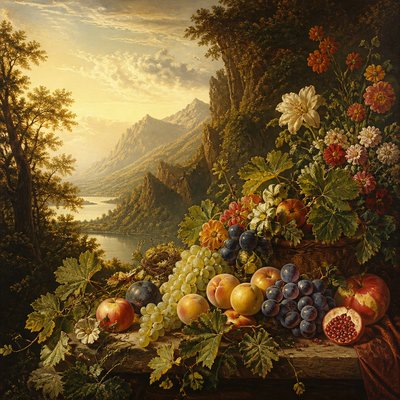
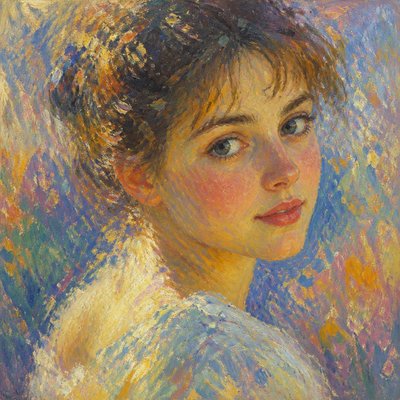
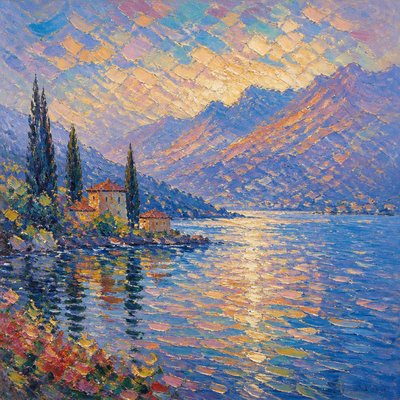
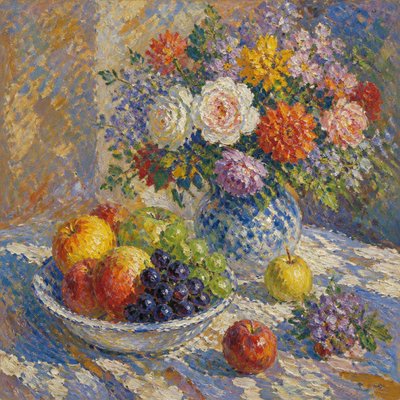
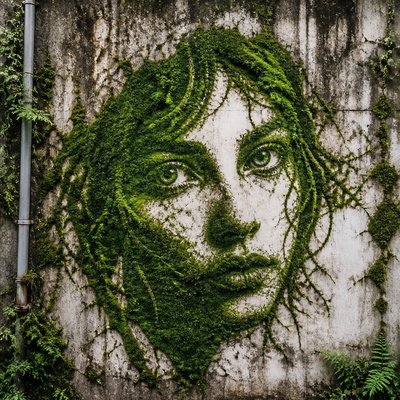
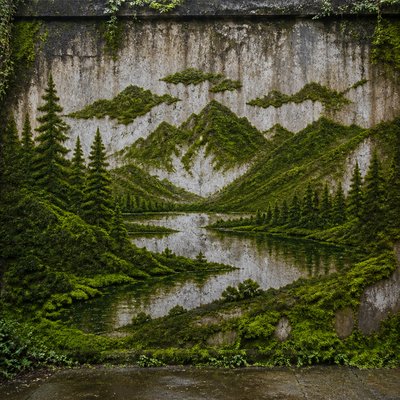
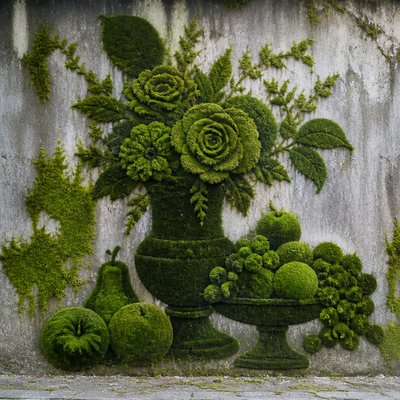
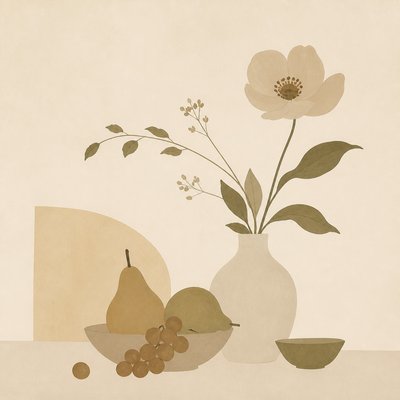
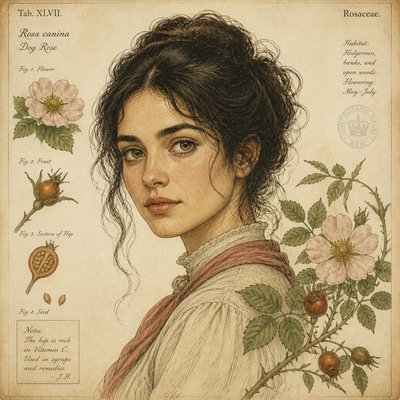
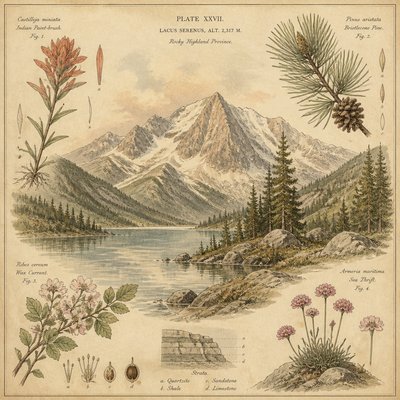
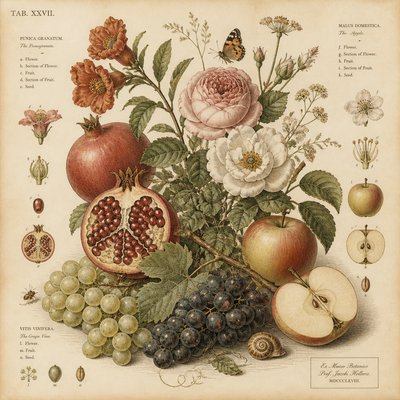
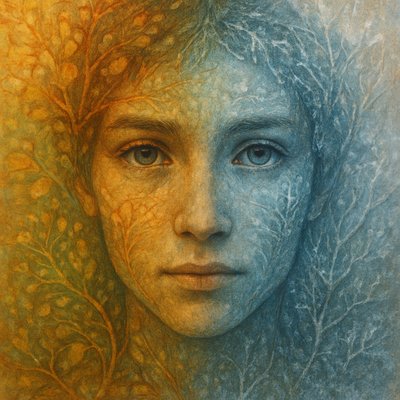
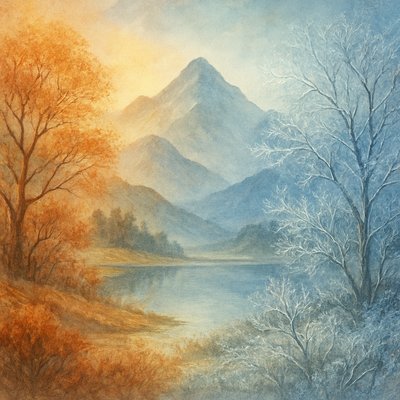
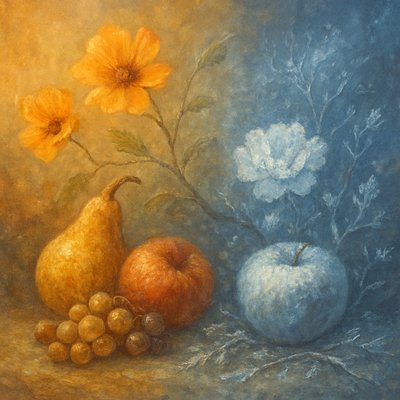
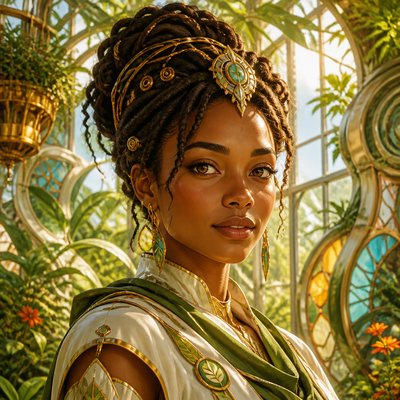
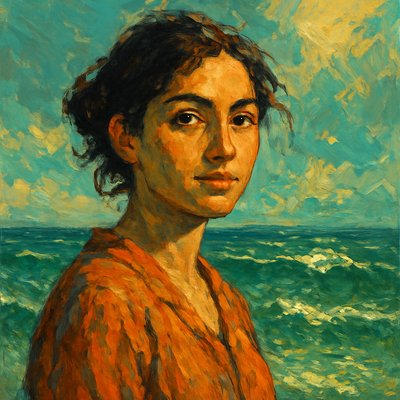
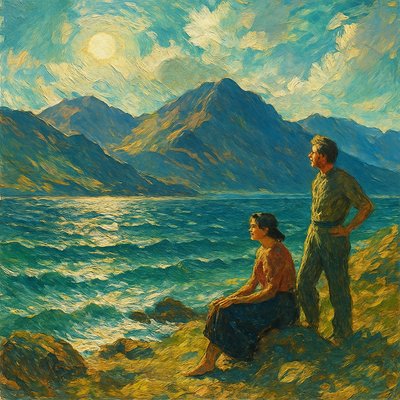
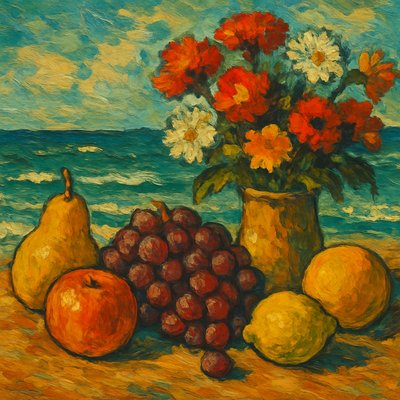
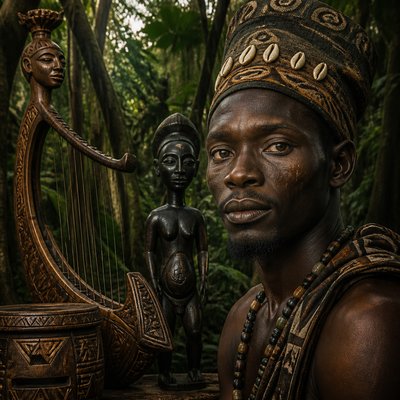
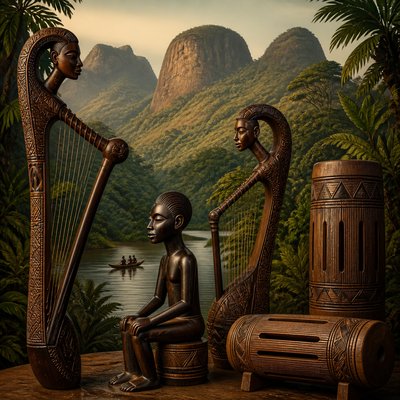
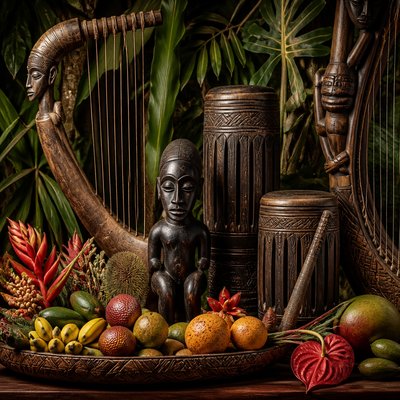
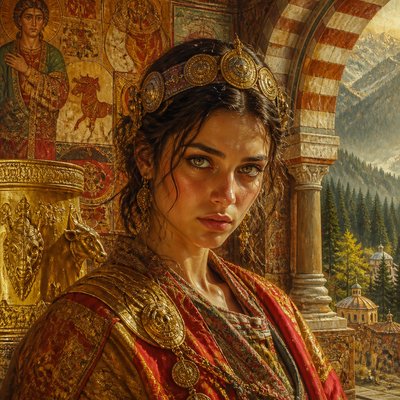
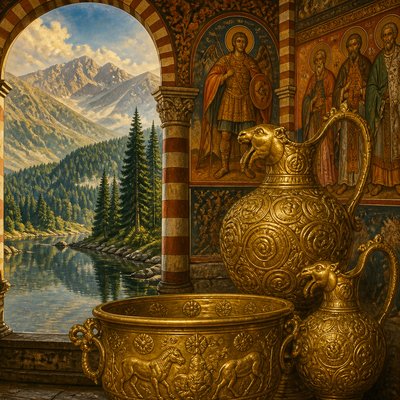
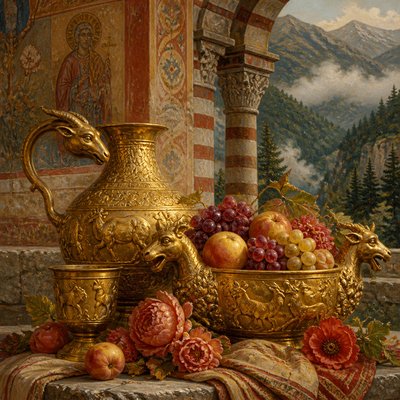
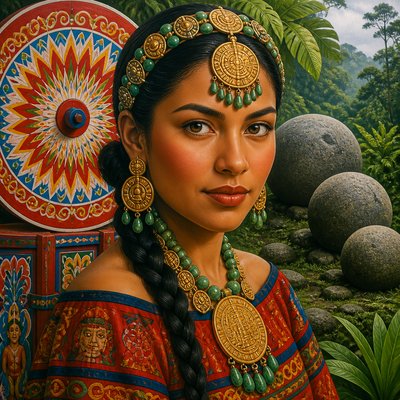
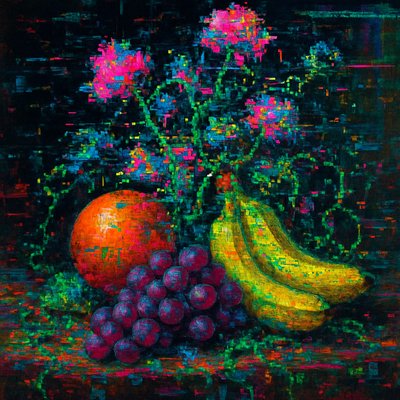
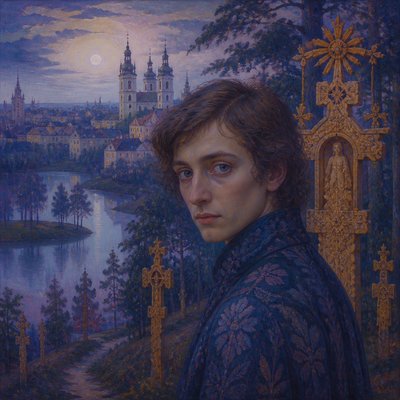
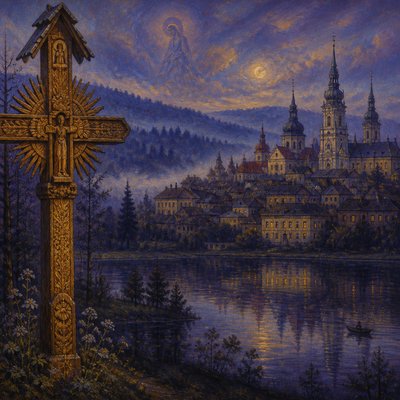
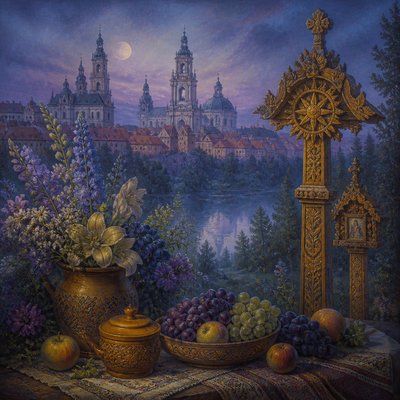
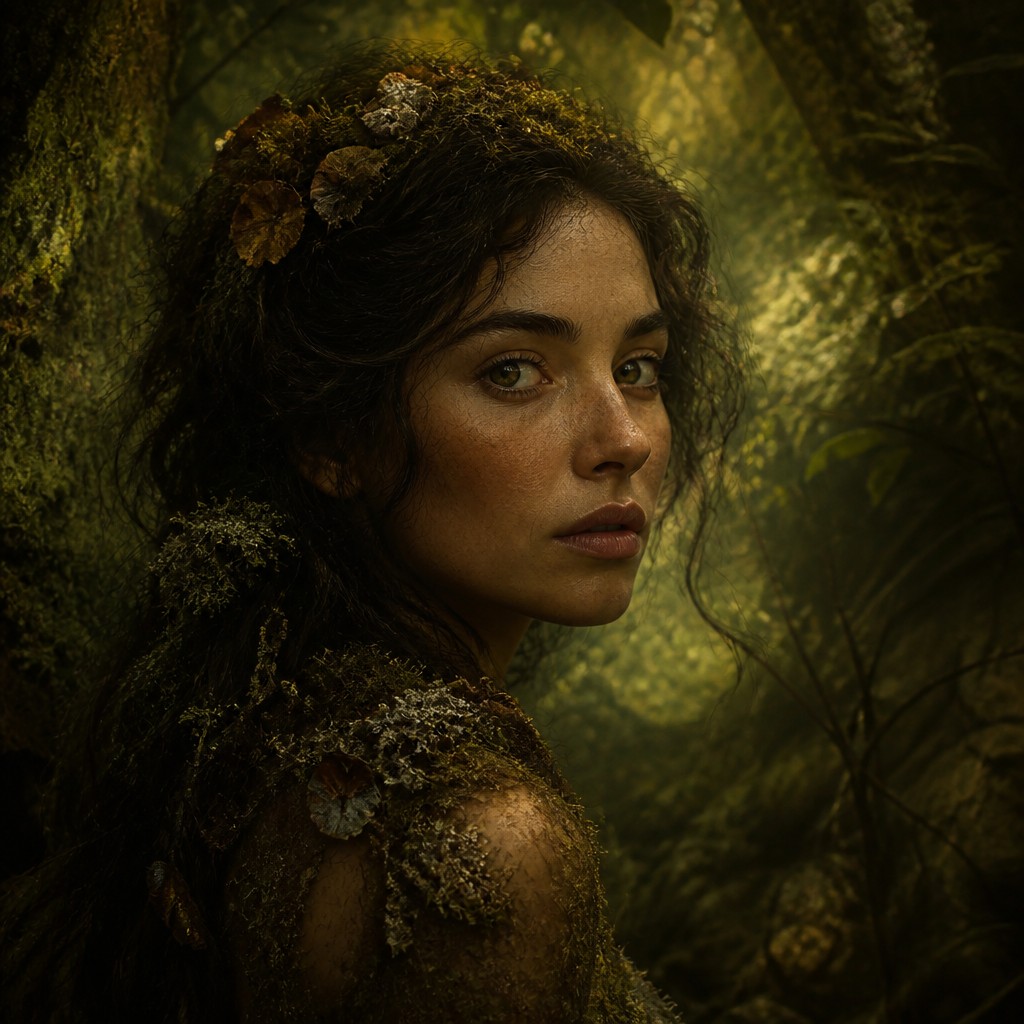
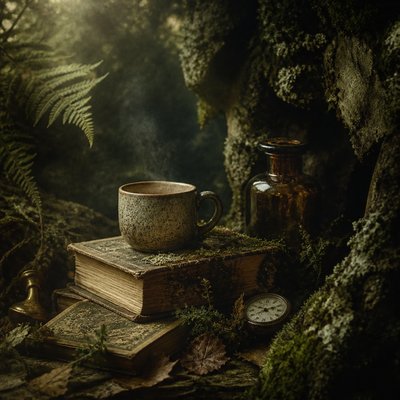
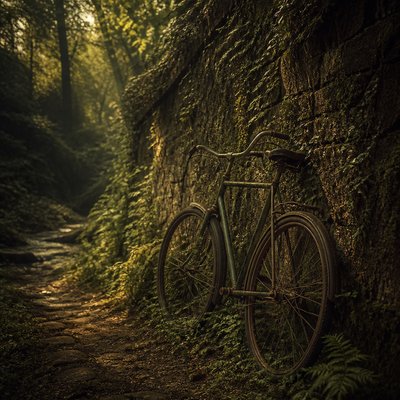
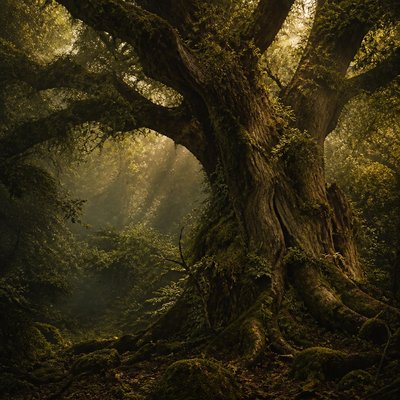
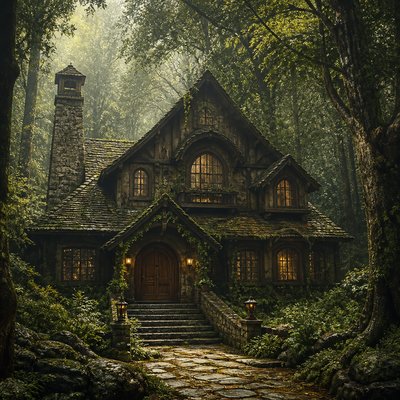
Deep woodland imagery with moss, bark, haze, and dappled light—an atmospheric style blending nature realism with romantic forest mood.
Instantly rendered in Forest Nature — or transform a photo
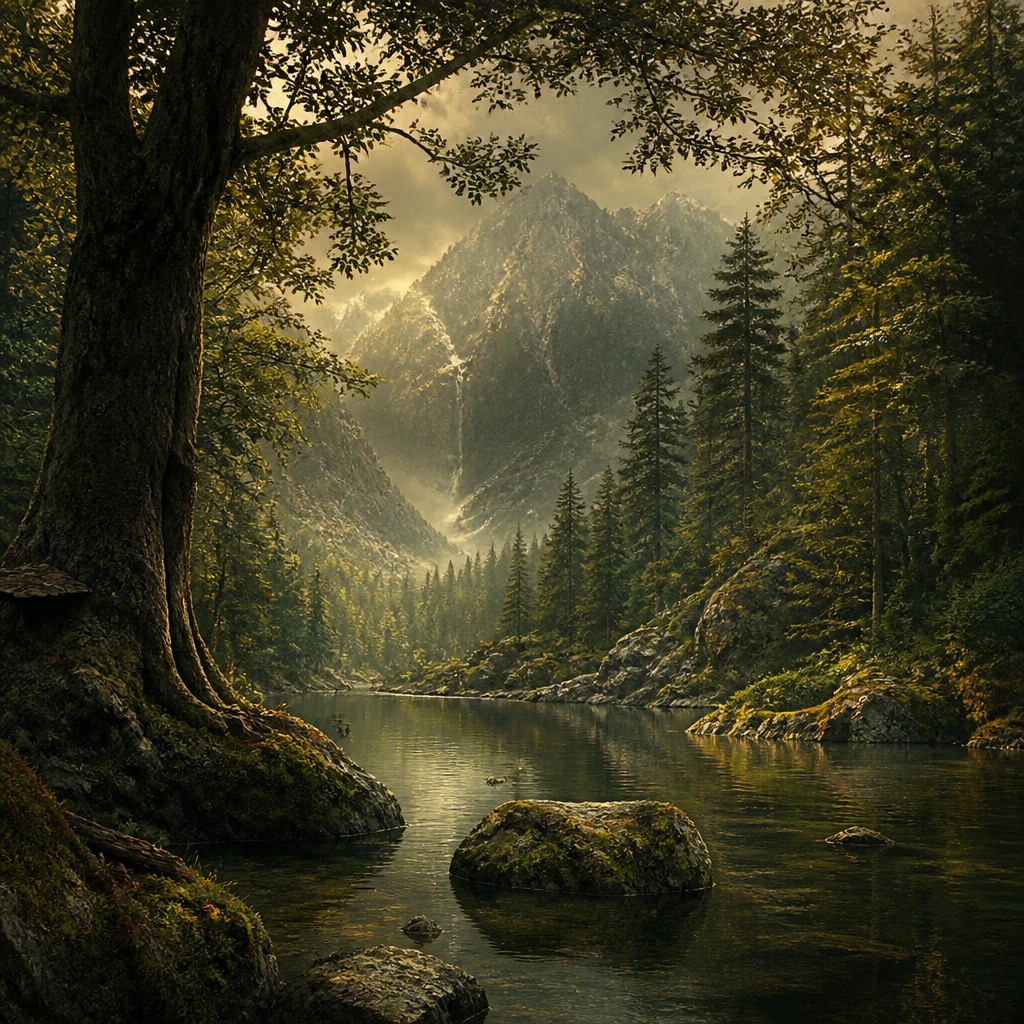
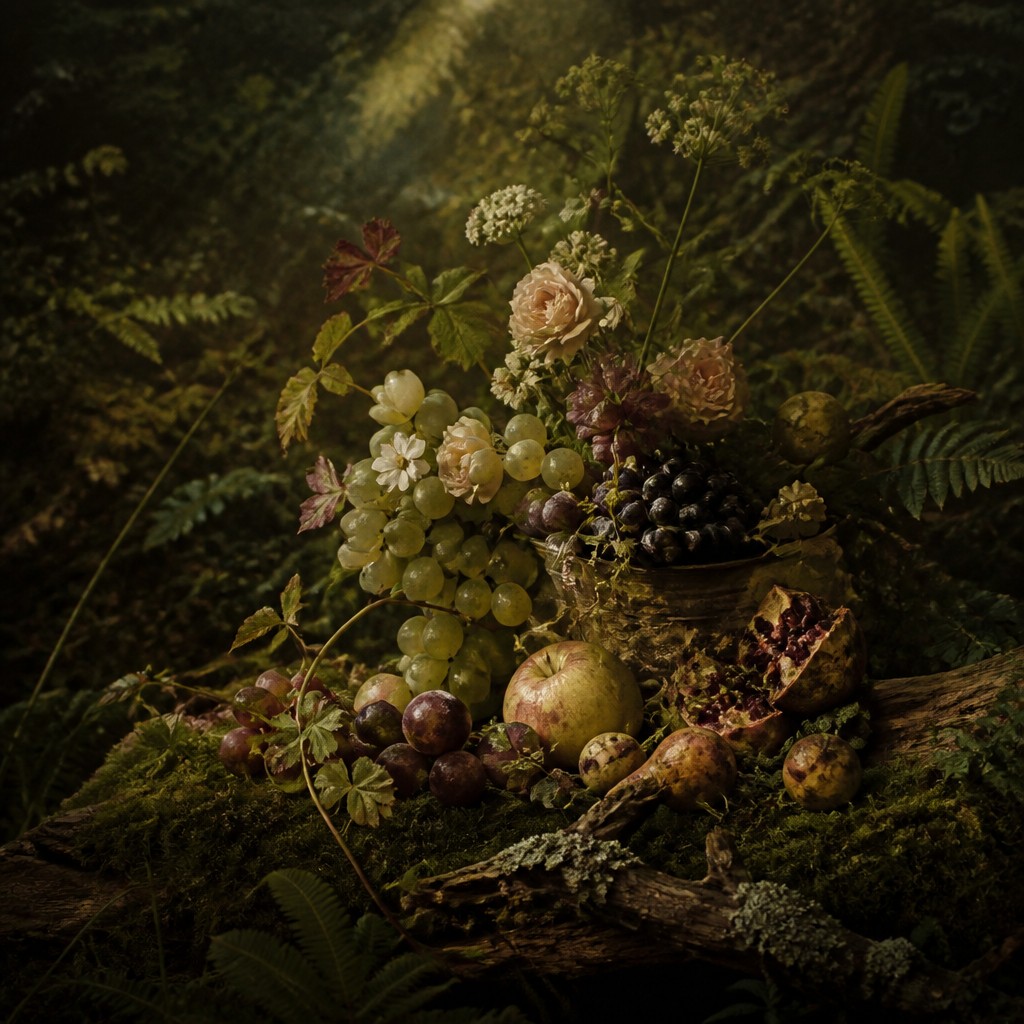
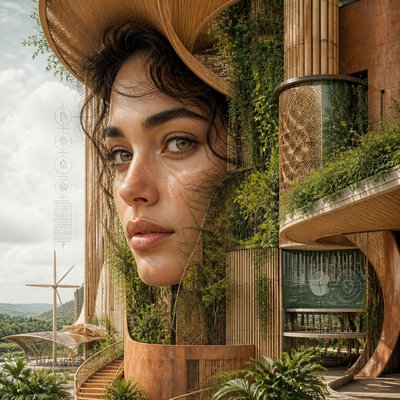
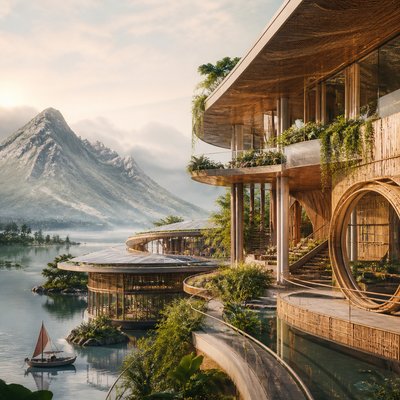
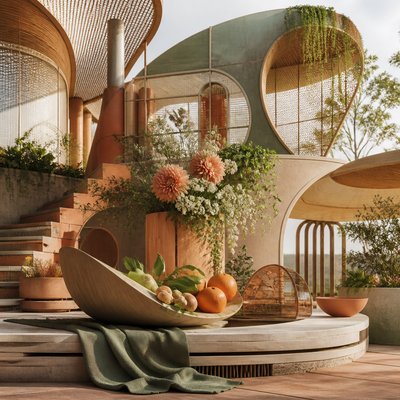
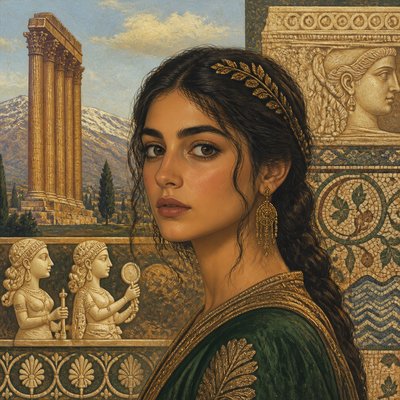
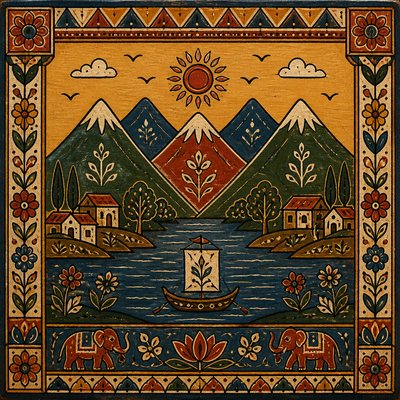
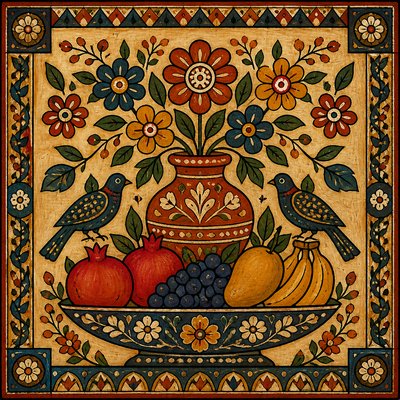
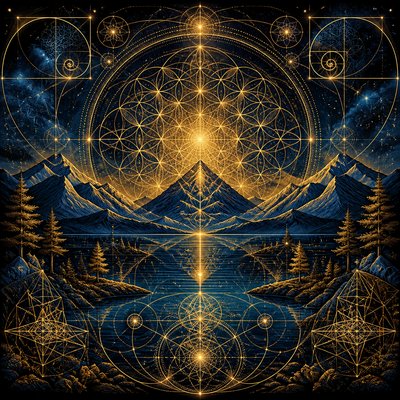
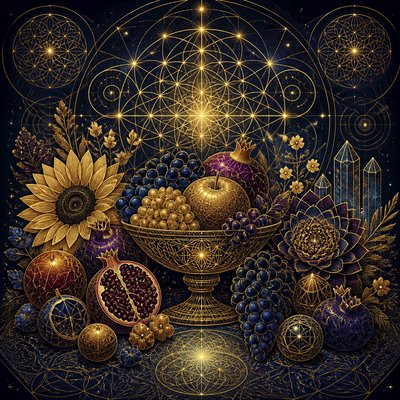
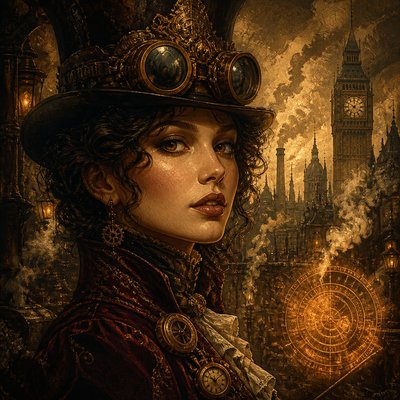
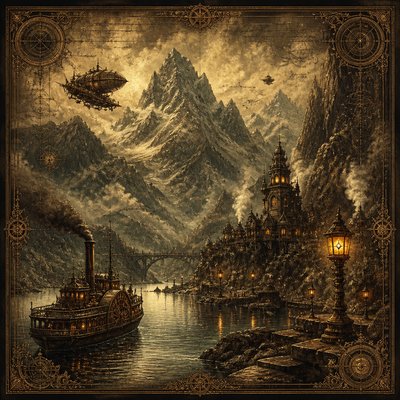
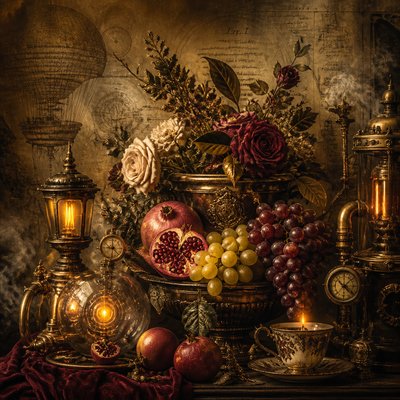
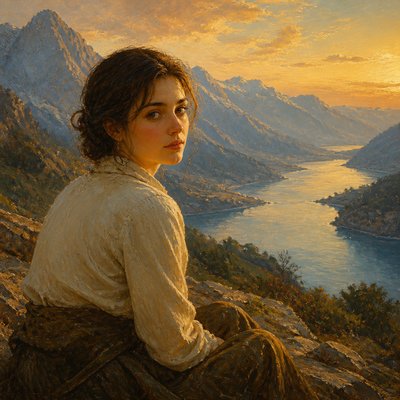
Forest Nature Gallery
Tap any artwork to explore it
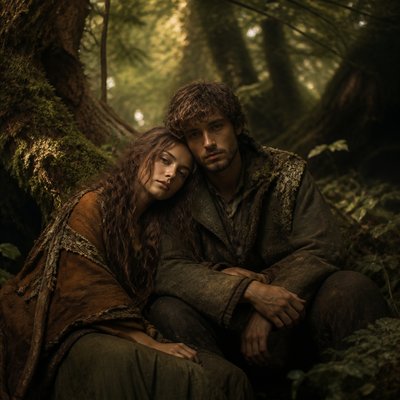
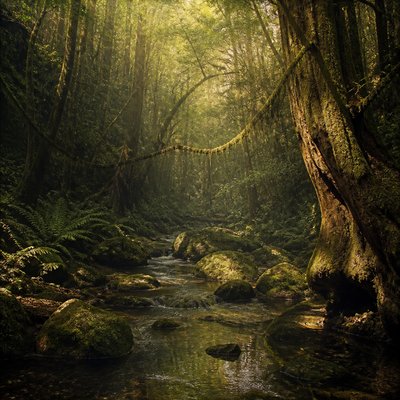
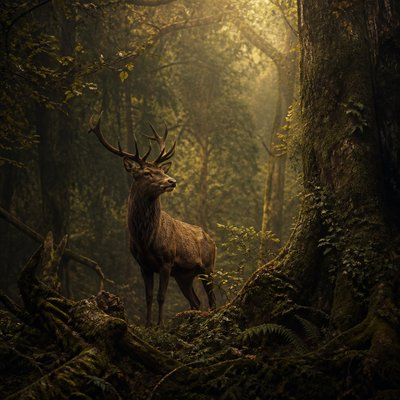
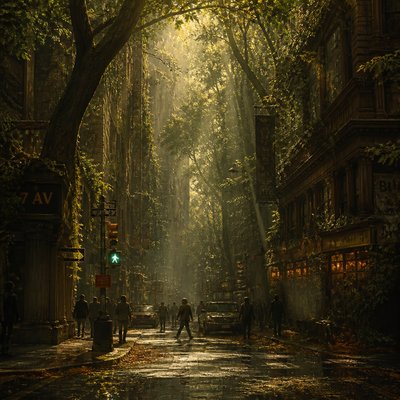
What is Forest Nature Art?
Forest Nature Art is a woodland-centered aesthetic built around the visual character of deep forests: towering trunks, layered understory, mossy ground, filtered sunlight, and a sense of quiet enclosure. It emphasizes the ecology of the forest as much as its scenery, often including bark texture, lichen, ferns, roots, fallen leaves, mushrooms, mist, and the subtle interplay of shadow and light.
The style feels immersive because it combines naturalistic observation with an emotionally charged sense of atmosphere. Compositions tend to use depth, overlapping forms, and asymmetry to suggest hidden spaces beyond the frame, while earthy greens, browns, amber, and muted gold create a damp, living palette. The result is not simply a landscape image, but a visual experience of forest stillness, humidity, and ancient age.
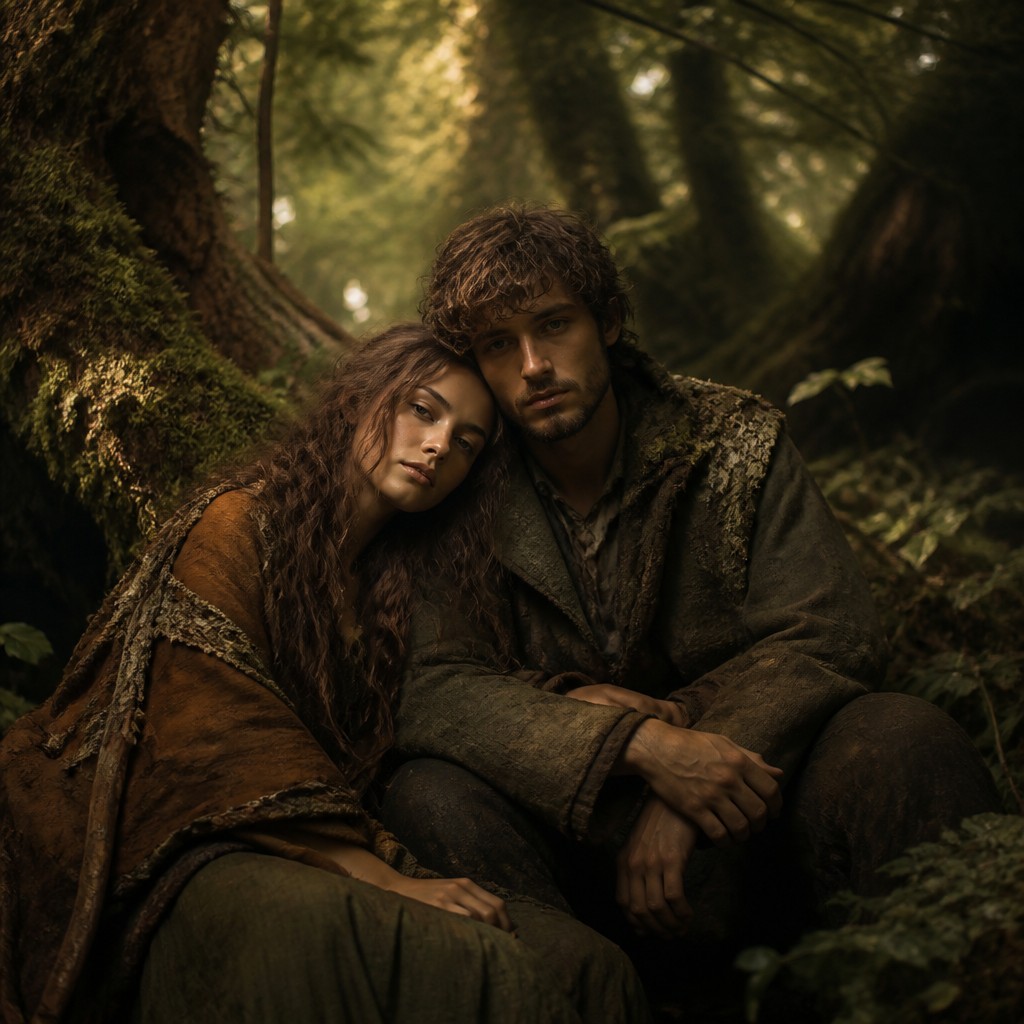
Try It On Your Photos
Upload any photo and convert it into Forest Nature Art — drag the sliders to compare before and after.
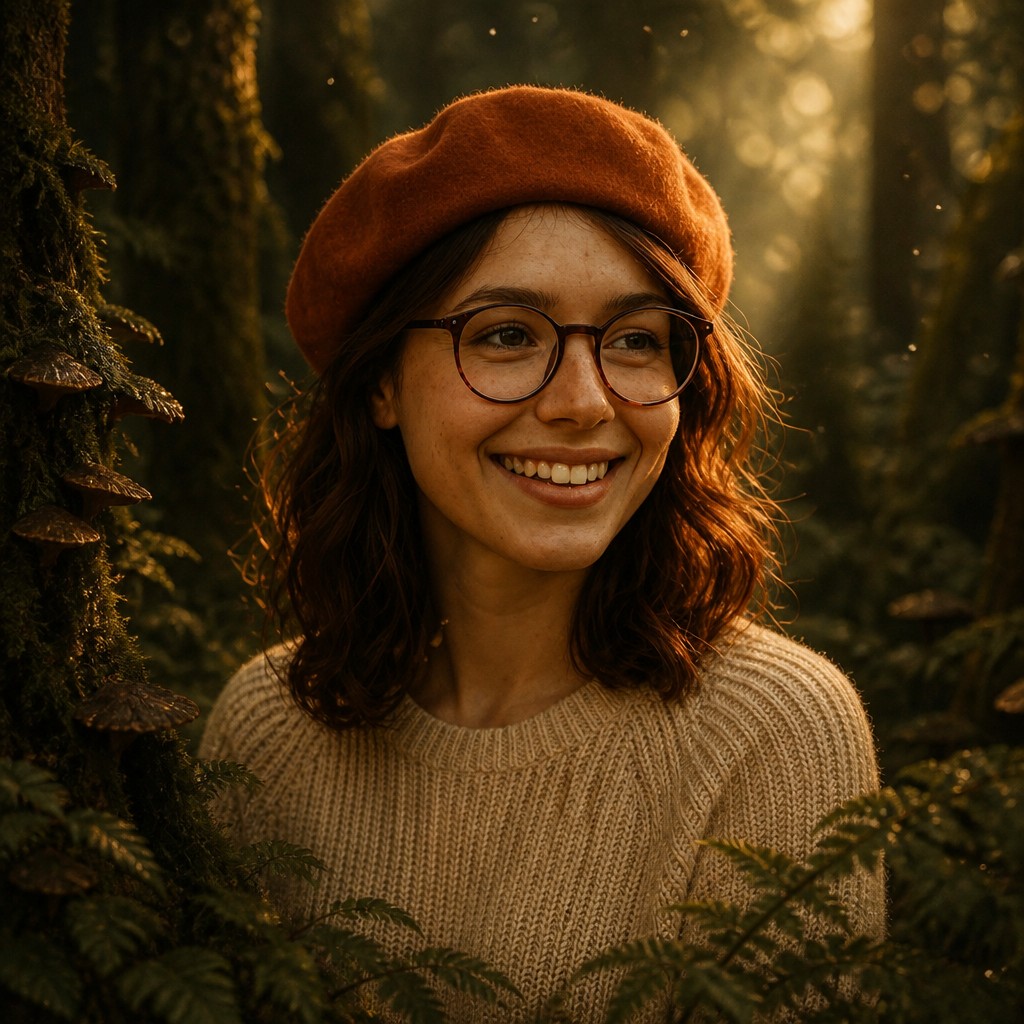

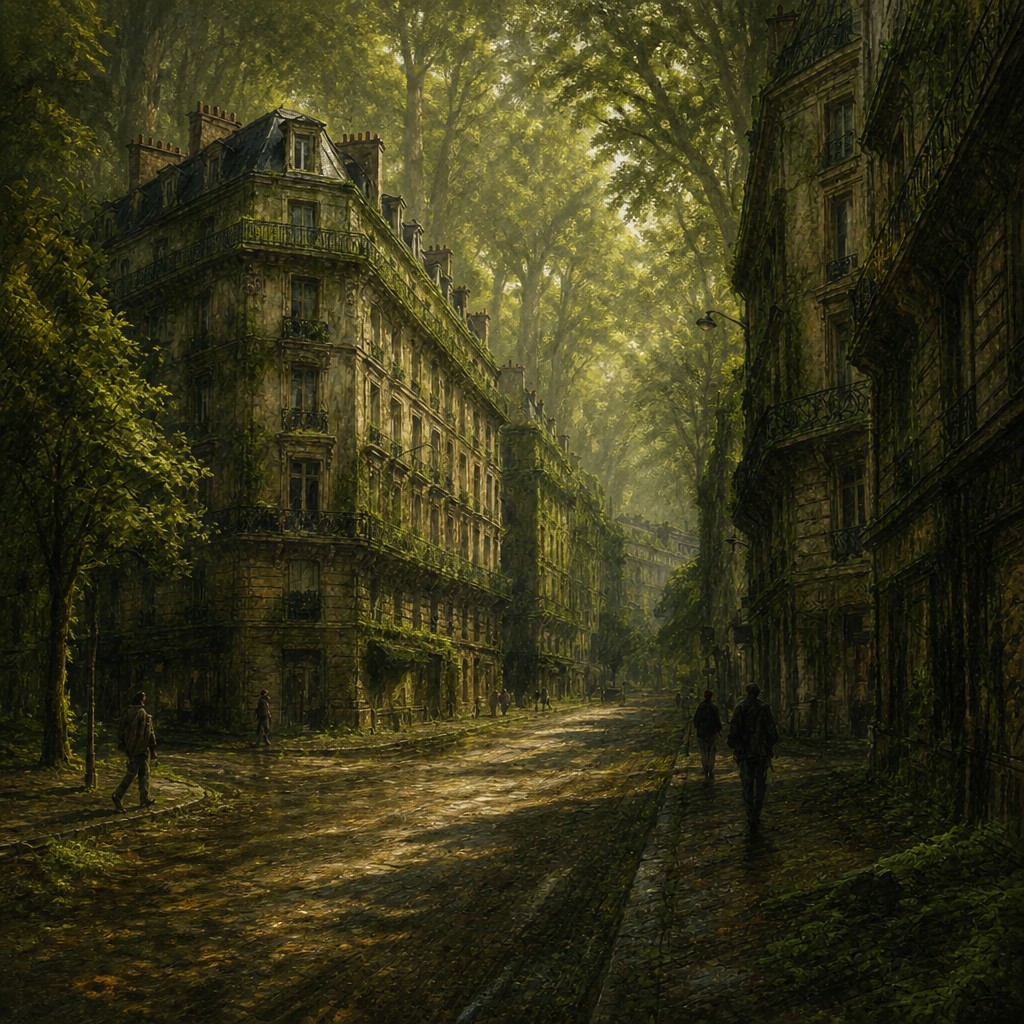

What Defines Forest Nature Art
The signature details, up close
Canopy-filtered light
Light typically appears dappled or diffused, as if passing through dense leaves and branches. This creates bright patches, soft contrast, and a sense of depth beneath the trees.
Earthy, low-saturation palette
The dominant colors are deep greens, browns, olive tones, amber, and muted gold. Color is usually restrained so that moisture, shadow, and foliage texture remain the focus.
Rich organic texture
Bark, moss, lichen, roots, fallen leaves, and damp soil are rendered with tactile attention. The style often relies on visible surface detail to make the forest feel alive and physical.
Atmospheric moisture and haze
Mist, humidity, soft bloom, and suspended haze help create the sensation of a living woodland environment. These effects reduce harsh edges and add visual depth.
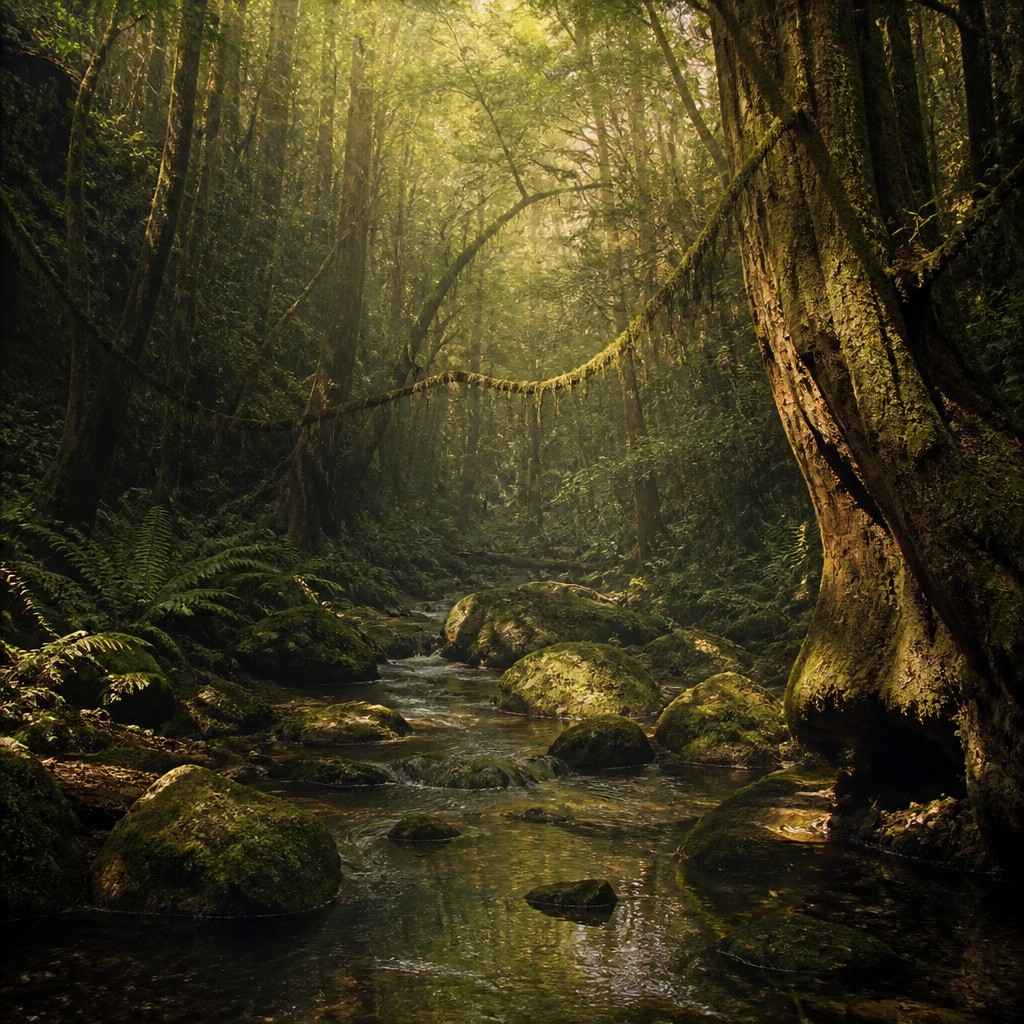
Layered spatial depth
Foreground plants, midground trunks, and shadowed background openings are arranged to suggest hidden recesses. This layering makes the forest feel vast even when the composition is intimate.
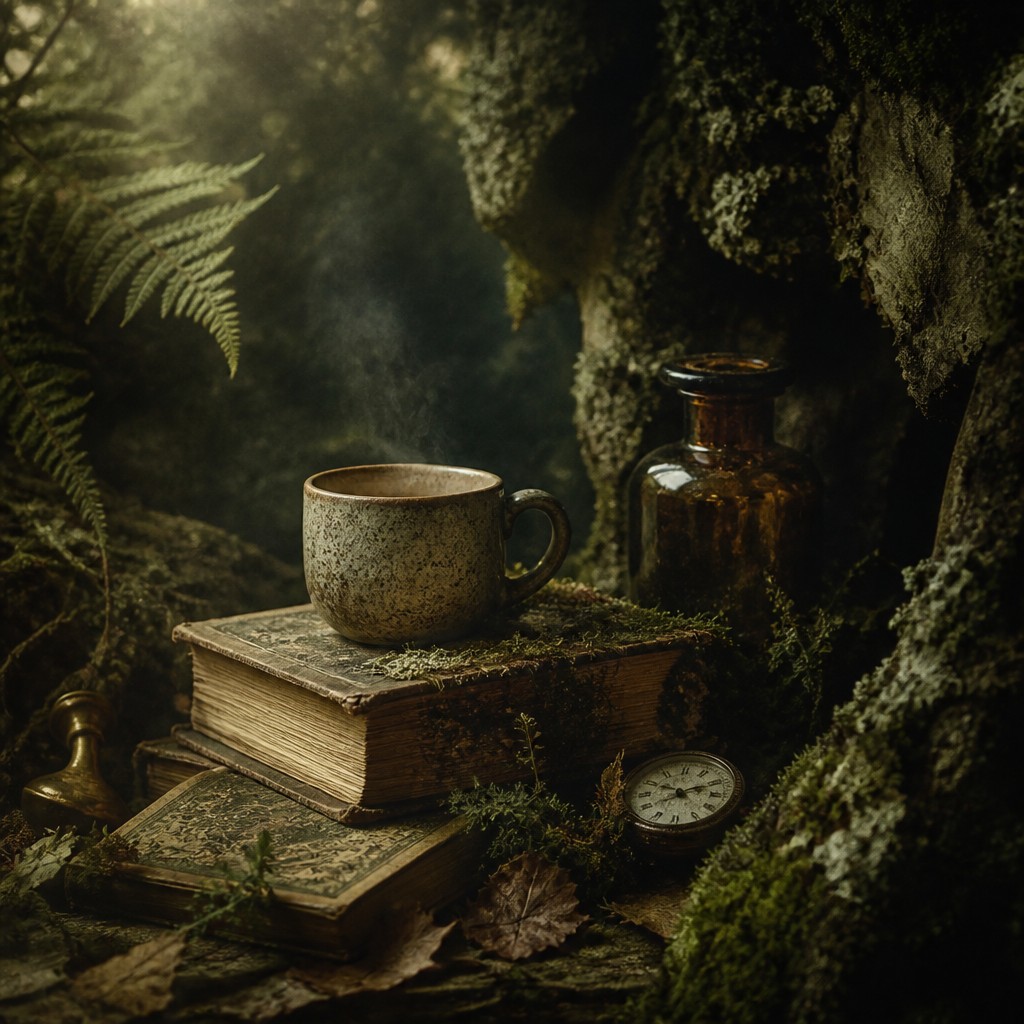
Asymmetric natural composition
Rather than formal symmetry, compositions usually follow the irregular spacing of real woodland growth. This gives the image a natural, unforced rhythm.
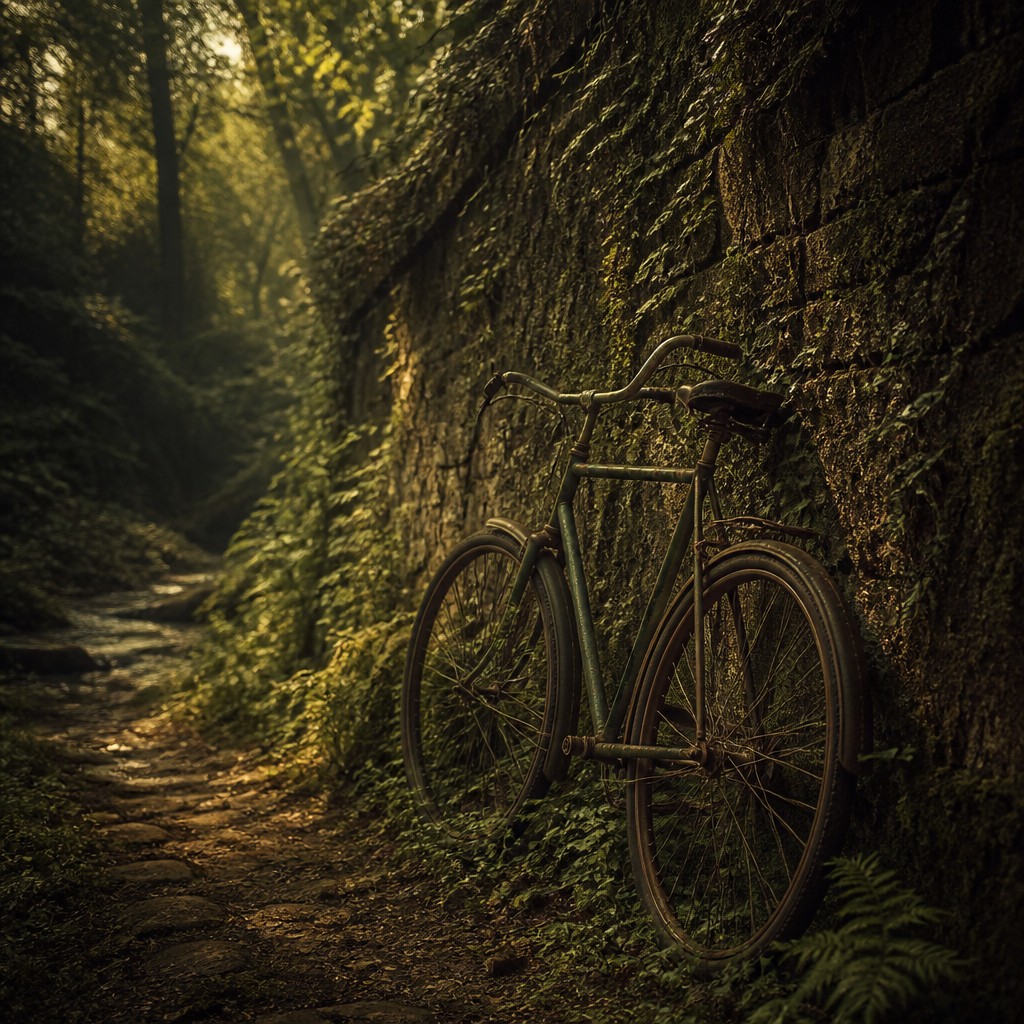
Mood of ancient stillness
The scene often conveys age, quiet, and continuity, as if the forest has existed far longer than the viewer. That emotional tone is central to the style’s identity.
Try It
Create Videos in Forest Nature Art
Styles aren't just for stills — describe a scene or animate an image and get a short video rendered in Forest Nature. Press play to see this pond come to life.
Make a VideoForest Nature Prompt Ideas
Start from an idea — each one opens the generator with the style ready to go. See all 40 Forest Nature prompts →
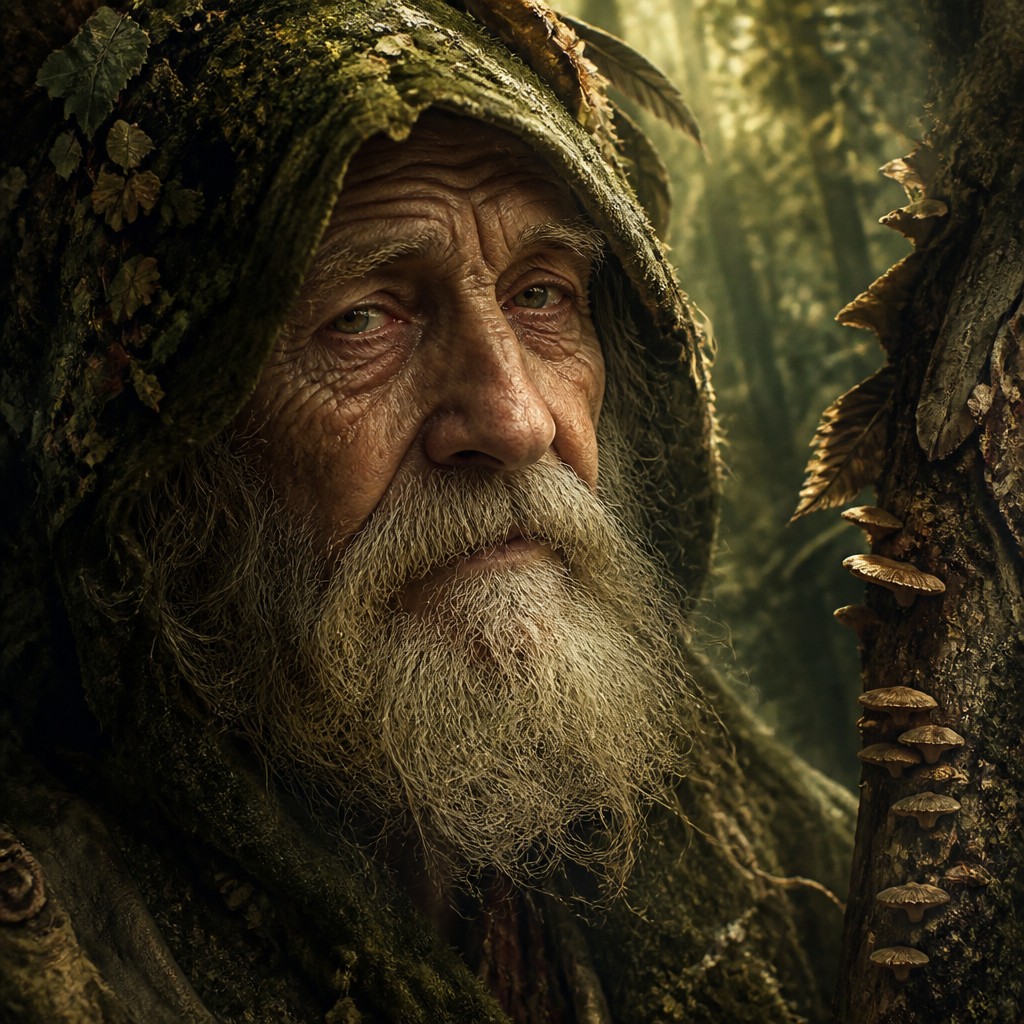
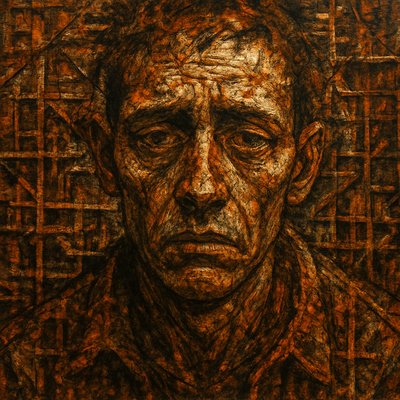
“close-up portrait of an elderly person with expressive weathered features”
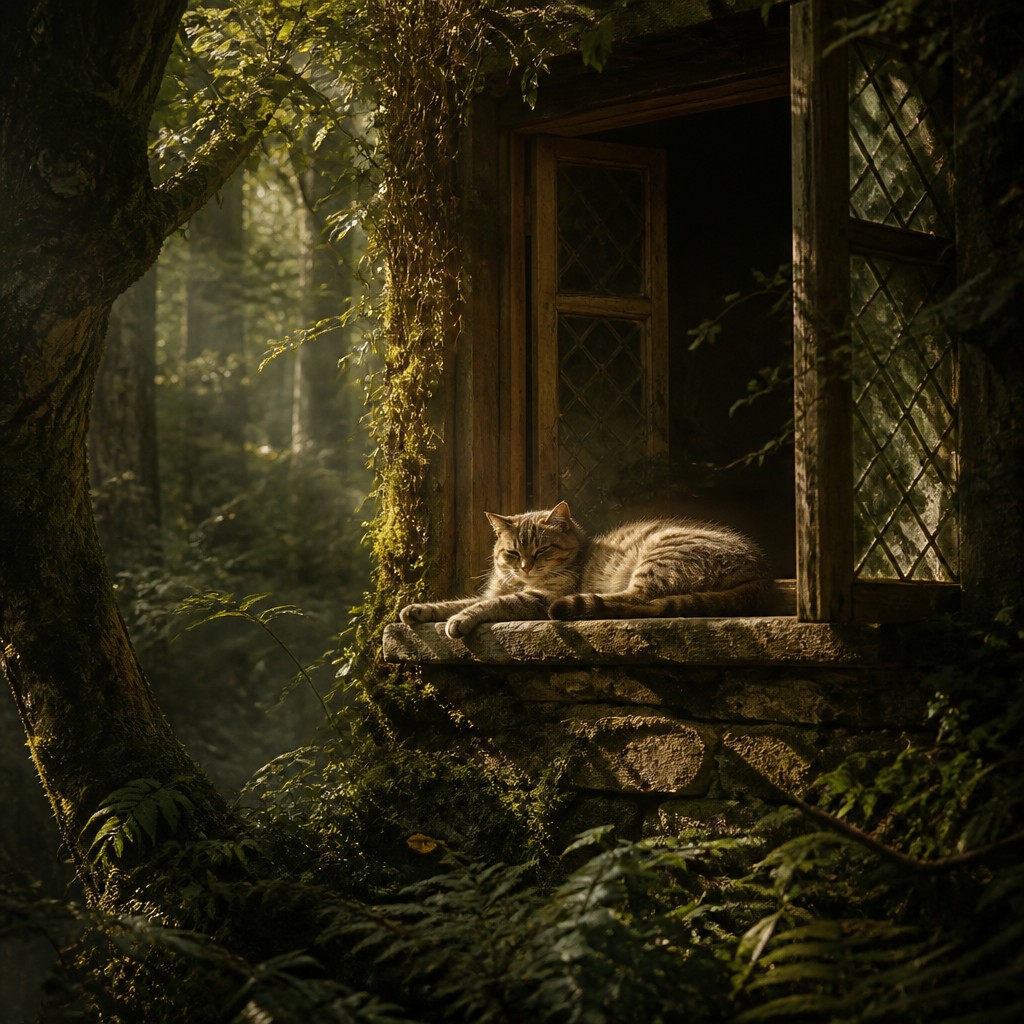
“a cat lounging in a sunlit window”
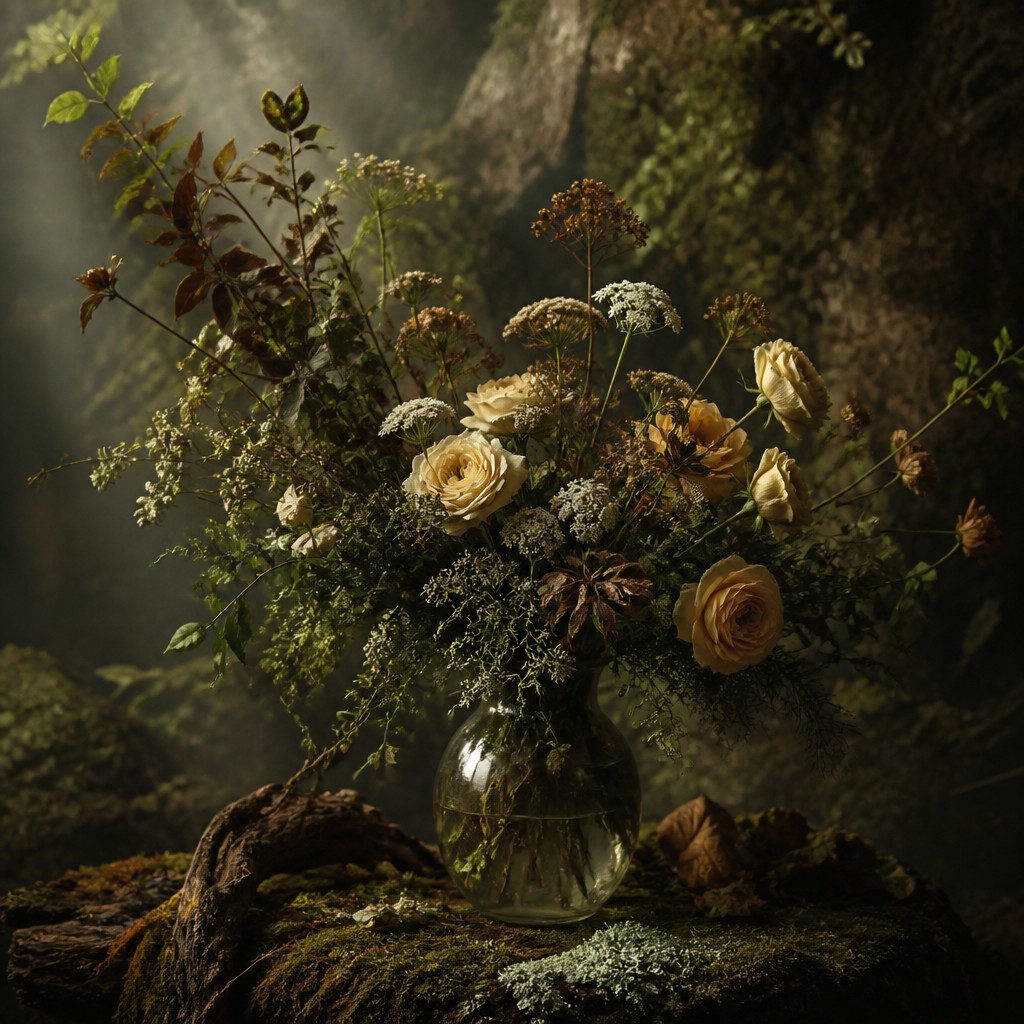
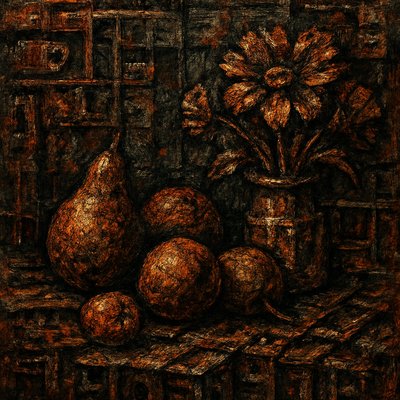
“bouquet of flowers in a glass vase”
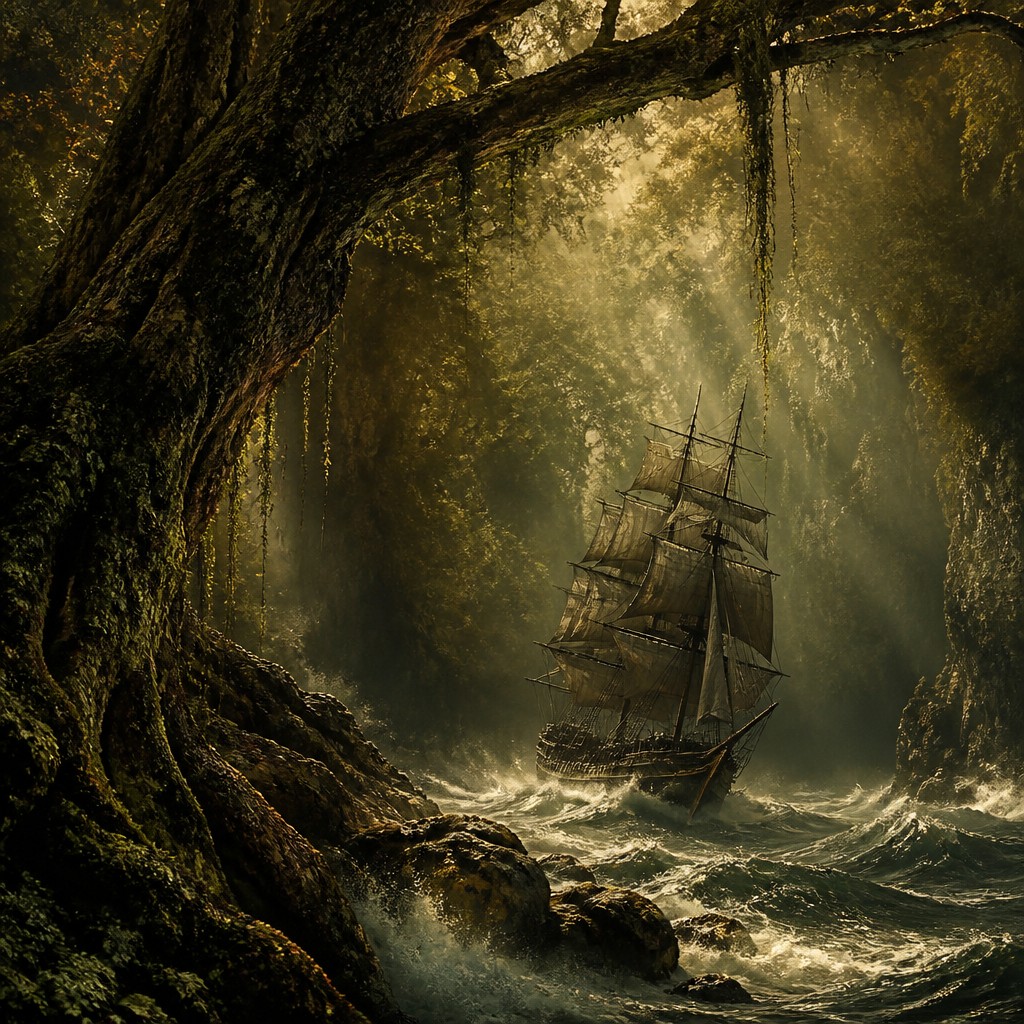
“sailing ship on a stormy sea”
How to Create Forest Nature Art
Master the craft step by step — or skip straight to creating. Read the full guide →
- 1
Build the scene around layered ecology
Start with a clear foreground, middle distance, and background so the image feels deep and inhabited. Include forest-floor elements such as moss, roots, fungi, ferns, and leaf litter to anchor the composition in real woodland detail.
- 2
Use controlled, dappled lighting
In painting or digital work, shape the light as filtered through overhead branches rather than broad open daylight. Let highlights fall irregularly across bark and foliage, while keeping shadows soft and complex.
- 3
Prioritize texture and surface variety
Vary brushwork or rendering between rough bark, velvety moss, wet soil, and translucent leaves. In photo-based work, use detail emphasis and selective softness to preserve the tactile quality of the forest.
- 4
Keep the palette earthy and cohesive
Favor greens, umbers, siennas, olive, and subdued golds, with occasional cooler gray-green shadows. Avoid overly saturated colors unless they appear naturally in fungi, foliage, or autumn leaves.
- 5
Create atmosphere through depth cues
Add mist, humidity, or soft contrast falloff to evoke a damp woodland environment. In prompt-based generation, specify canopy light, organic textures, haze, and layered depth for a more convincing result.
- 6
Prompt with concrete forest specifics
Use subjects like ancient oak trunks, fern beds, moss-covered stones, rain-soaked logs, or hidden woodland paths. Specific natural details usually produce stronger results than vague descriptions of a forest scene.
The Story
History & Origins of Forest Nature
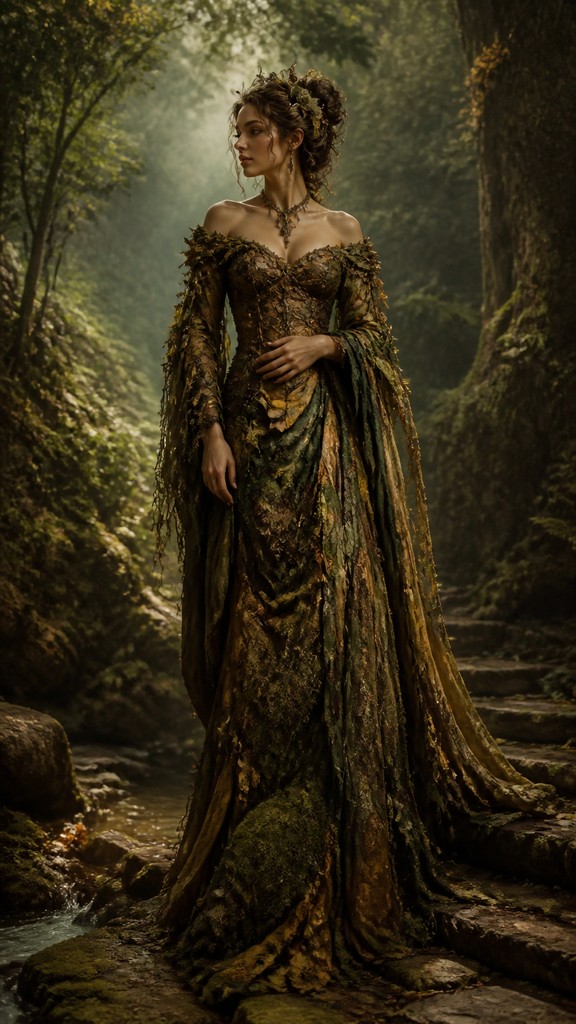
Forest Nature Art is not a single historical movement but an aesthetic lineage drawn from several traditions of representing the natural world. Its roots can be traced to landscape painting, botanical illustration, wilderness photography, and the Romantic fascination with sublime nature, especially the idea of the forest as a place of mystery, spiritual solitude, and ecological abundance.
In modern visual culture, it also inherits from plein-air painting, natural history illustration, conservation imagery, and contemporary nature photography. These influences encouraged close attention to texture, weather, and plant life, while digital image-making later made it easier to combine realistic forest detail with heightened atmosphere, producing the moody, layered look now associated with the style.
Influences: Forest Nature Art draws from Romantic landscape painting, natural history illustration, and modern wilderness photography, while also echoing the environmental sensitivity of contemporary ecological imagery. In the broader tradition of depicting nature, it overlaps with the wooded landscapes of the Hudson River School and with observational approaches associated with leading English landscape painters and major early Romantic landscape painters, though it is not limited to any one historical school. Its visual language also reflects botanical and scientific illustration in its attention to plant structure and forest-floor detail.

Frequently Asked Questions
What defines Forest Nature Art?
It is defined by deep woodland subject matter, atmospheric light, and close attention to natural textures such as bark, moss, lichen, and leaf litter. The style emphasizes layered depth and a quiet, immersive mood rather than dramatic action.
How is it different from generic landscape art?
Generic landscape art may portray mountains, fields, coastlines, or open vistas, while Forest Nature Art is specifically organized around the enclosed, textural experience of the forest. It tends to focus more on shadows, humidity, understory detail, and the sense of being inside nature rather than viewing it from a distance.
Is this style realistic or painterly?
It can be either, and many images combine both approaches. The style often uses realistic forest detail but arranges it with a romantic, atmospheric sensibility that feels more expressive than documentary.
What subjects work best in this style?
Old-growth trees, mossy stones, fern-filled clearings, woodland streams, mushrooms, fallen logs, and misty paths are especially effective. Scenes with strong texture and layered vegetation usually capture the style best.
How do I make a photo look like this style?
Use soft contrast, deepen greens and browns, and emphasize texture in bark, moss, and foliage while keeping highlights gentle and diffused. Adding haze, light beams through the canopy, and subtle shadow depth helps the image feel more like a forest interior.
Where is this style commonly used?
It appears in environmental posters, book covers, fantasy settings, editorial nature imagery, wall art, and immersive scene design. It is especially useful wherever a sense of wilderness, calm, and ecological richness is desired.
Create your first Forest Nature artwork
Describe anything — or upload a photo — and see it in Forest Nature Art in seconds.
Make Something with Forest Nature
Related Styles
Discover similar art styles