Minimalist Nature Art
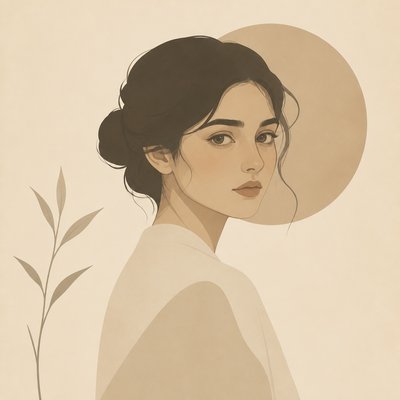
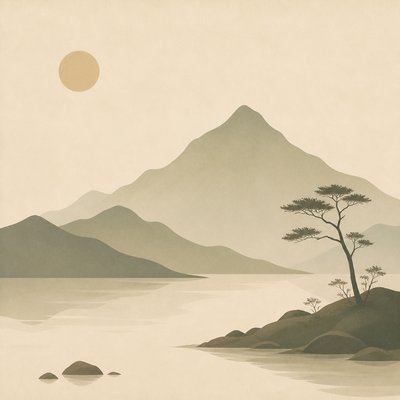
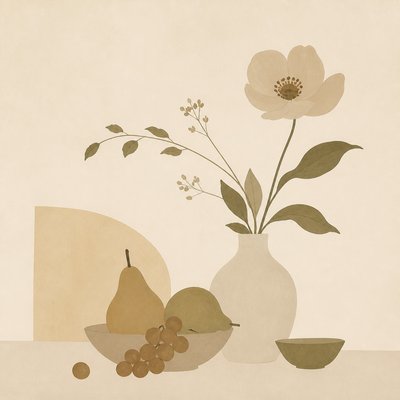
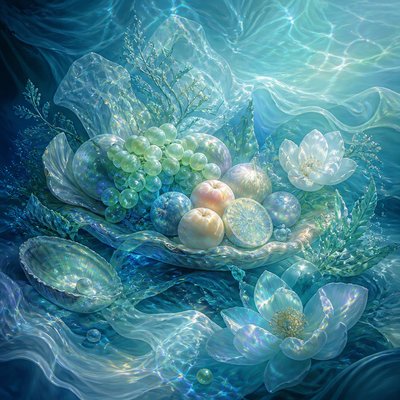
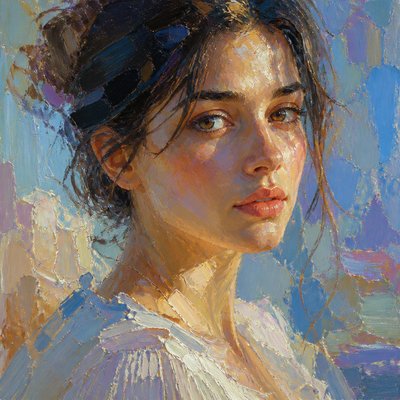
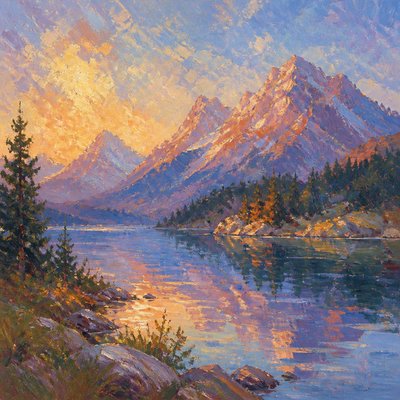
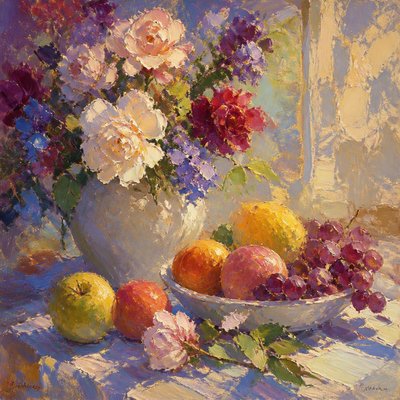
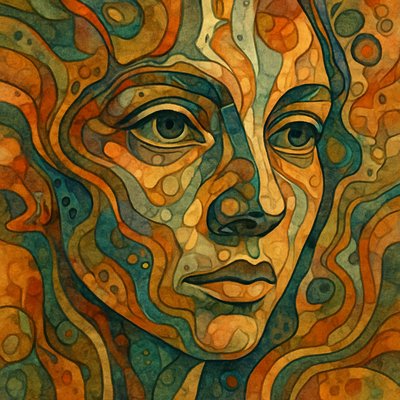
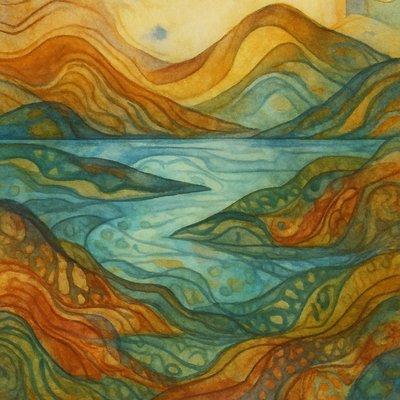
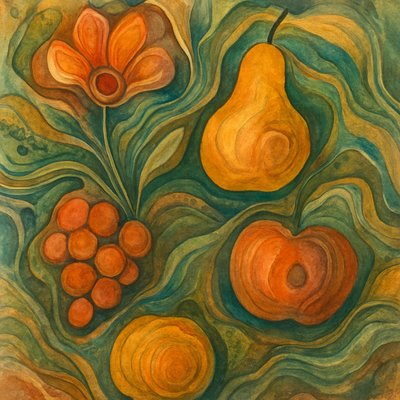
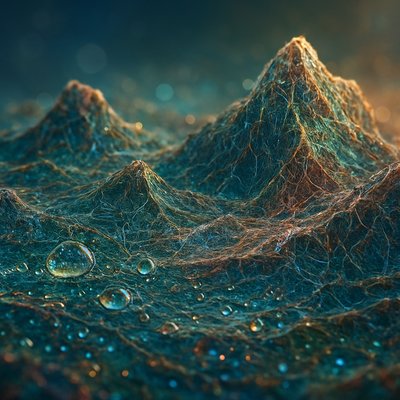
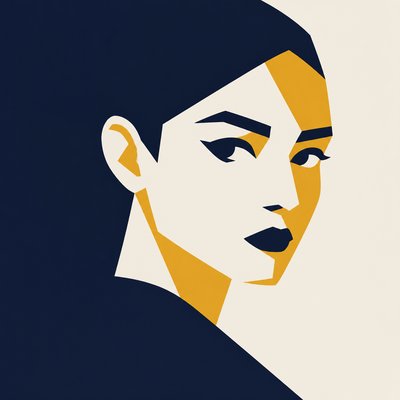
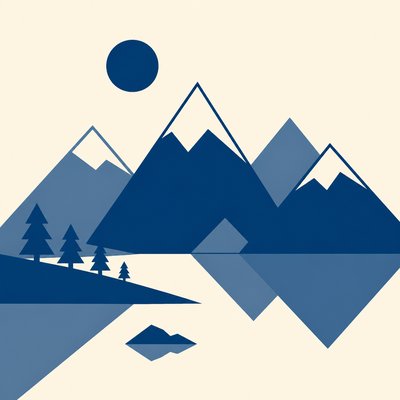
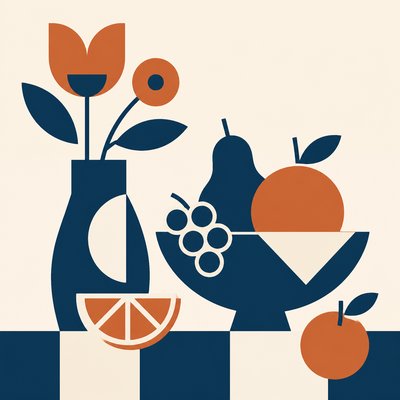
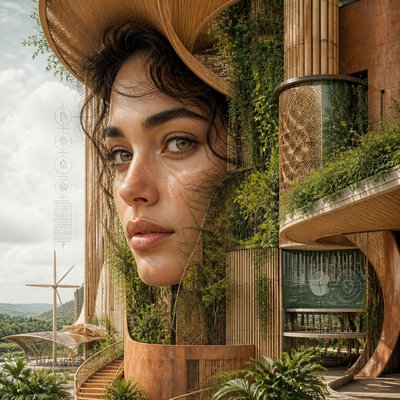
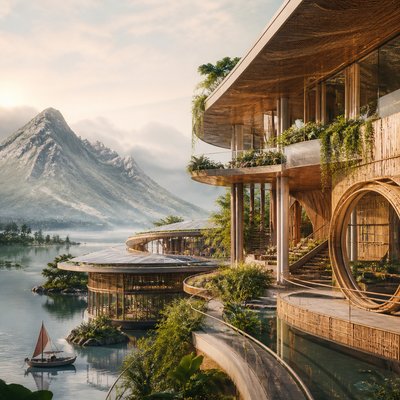
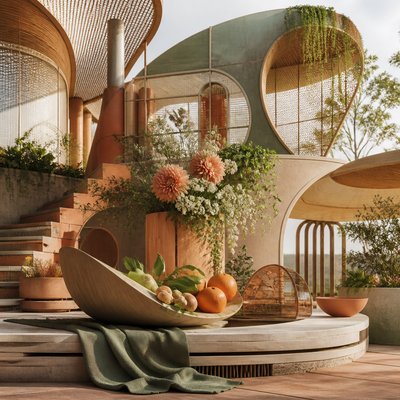
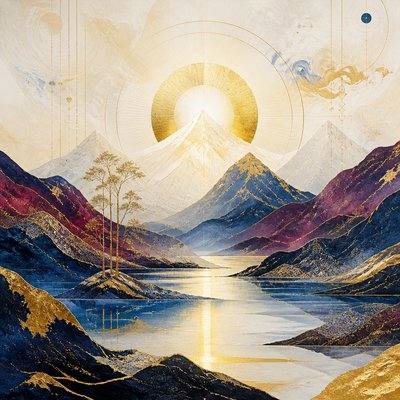
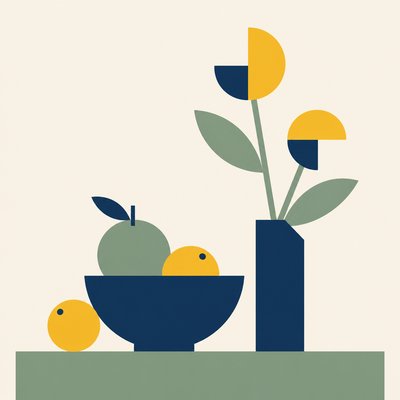
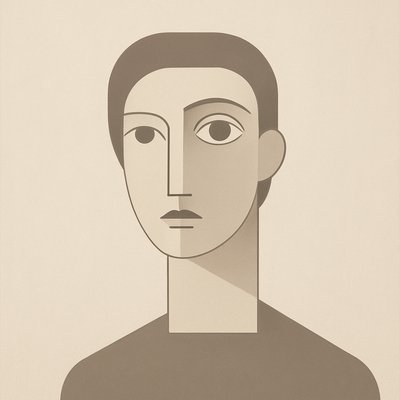
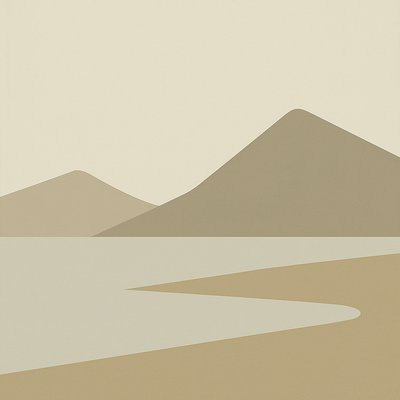
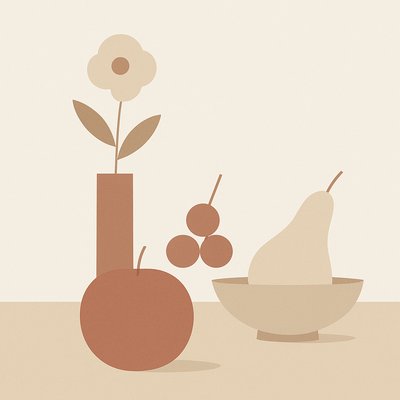
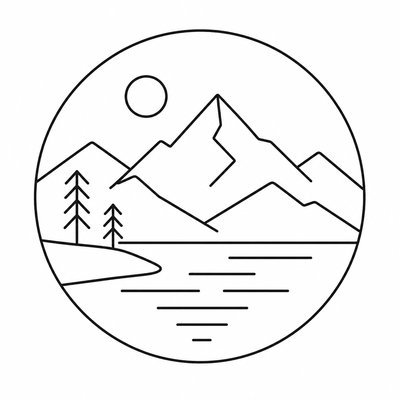
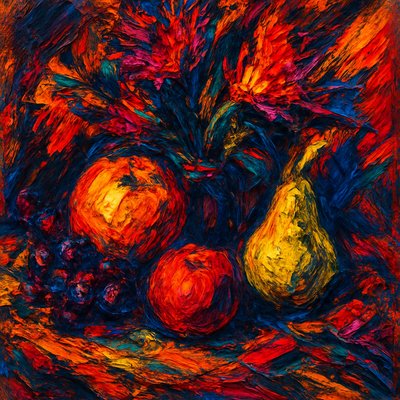
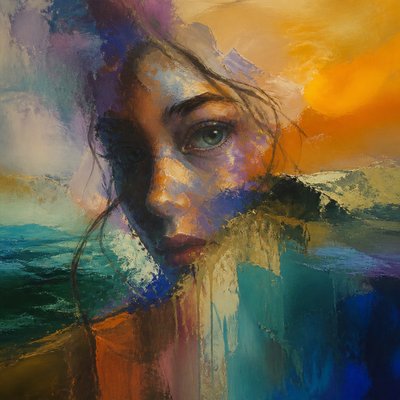
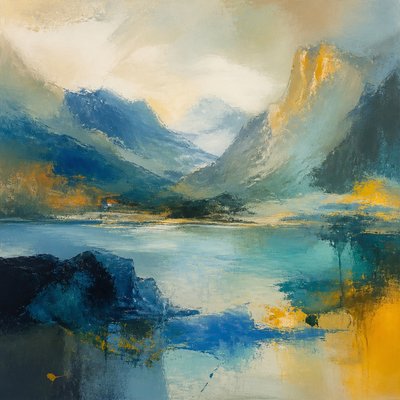
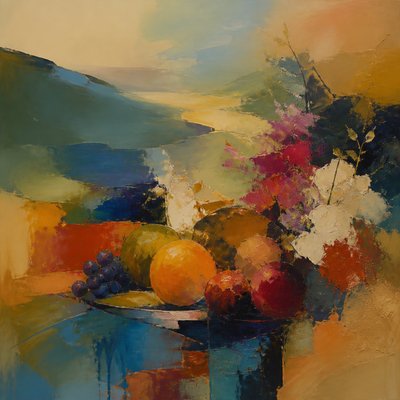
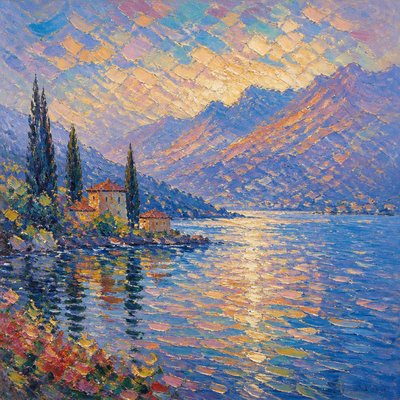
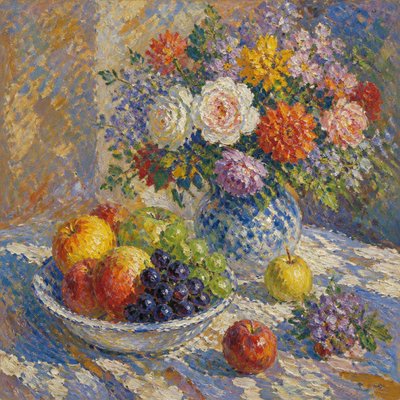
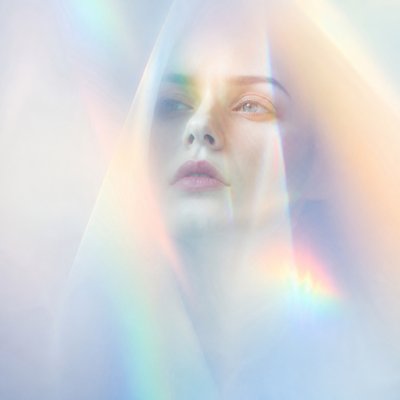
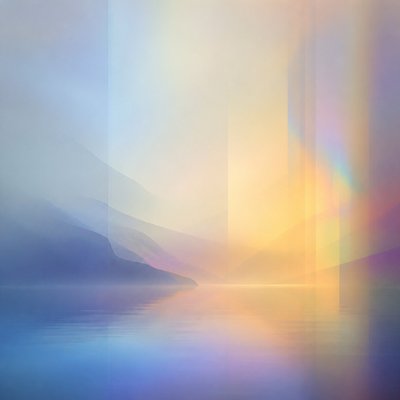
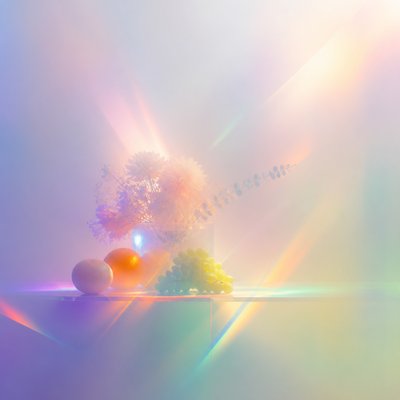
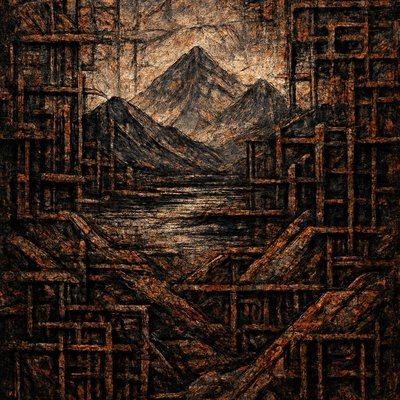
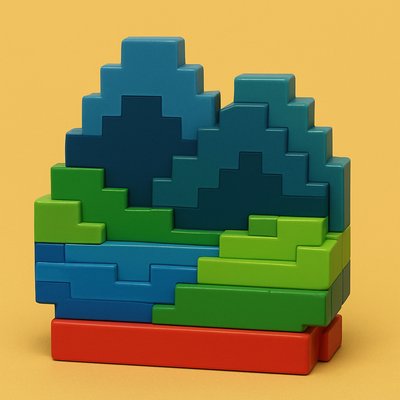
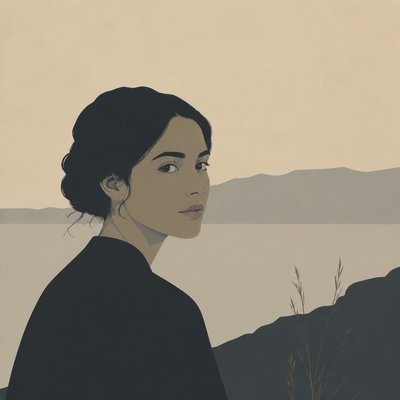
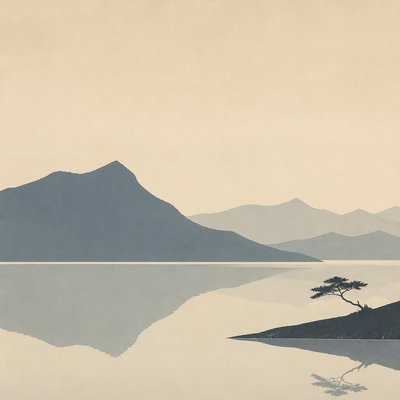
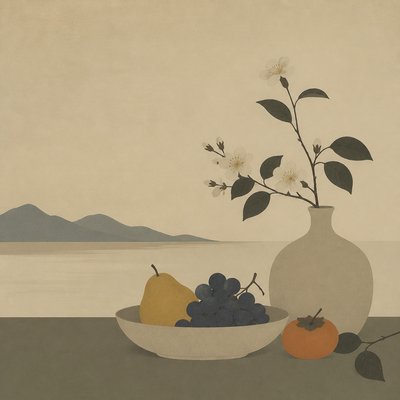
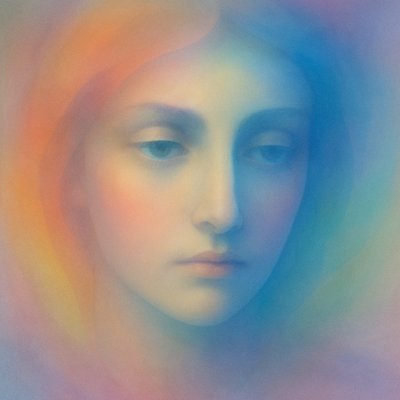
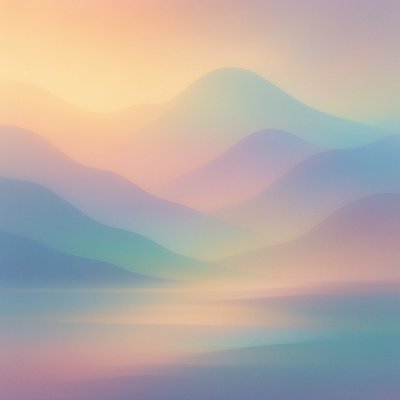
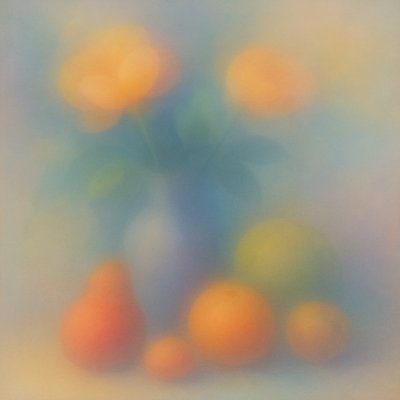
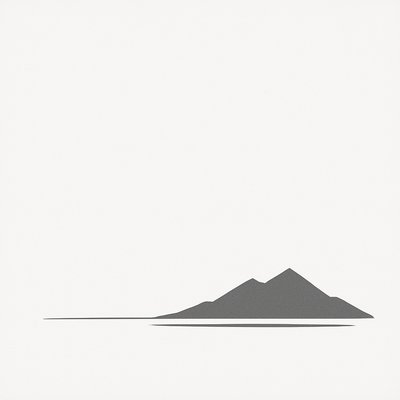
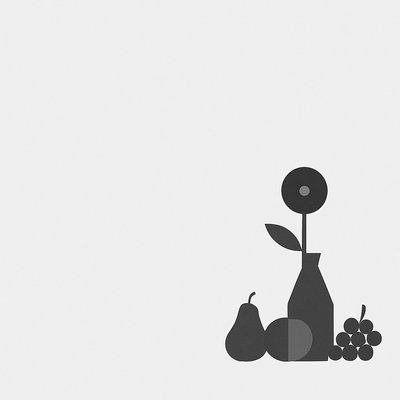
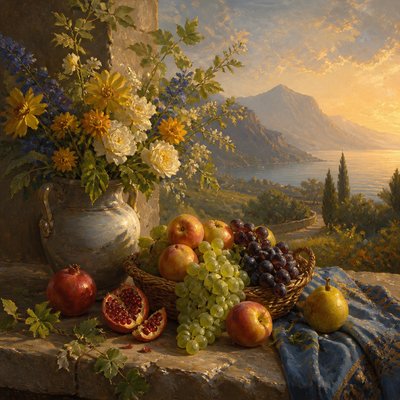
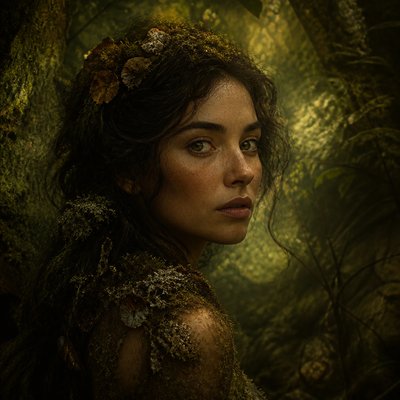
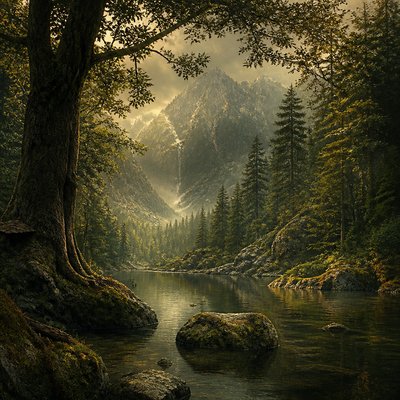
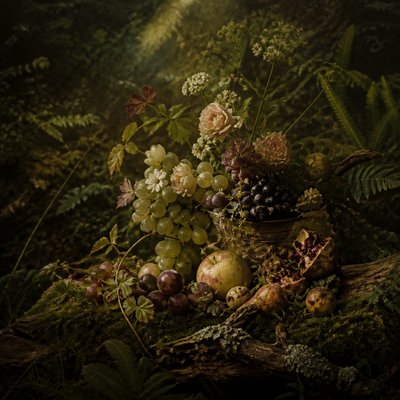
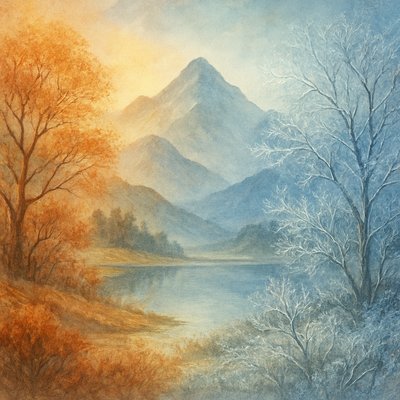
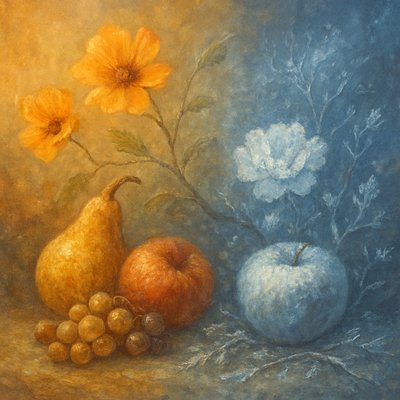
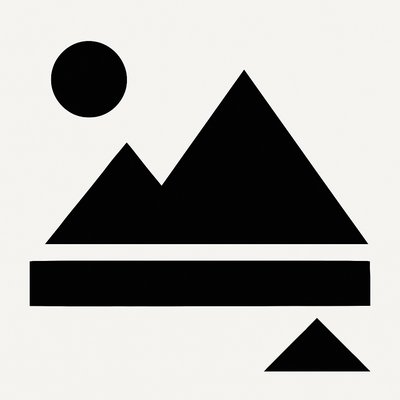
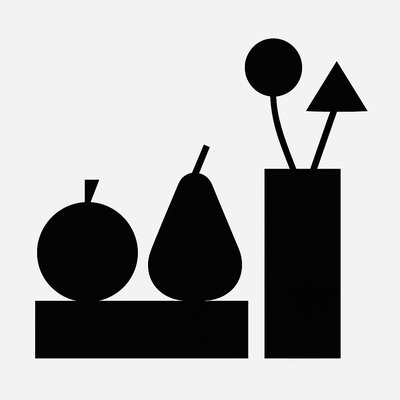
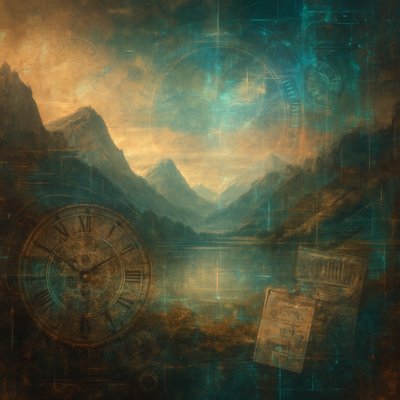
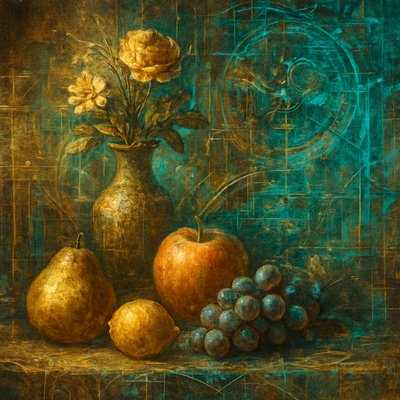
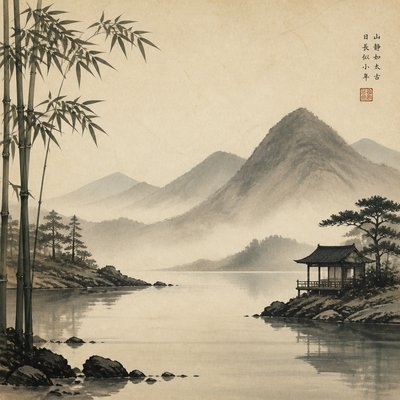
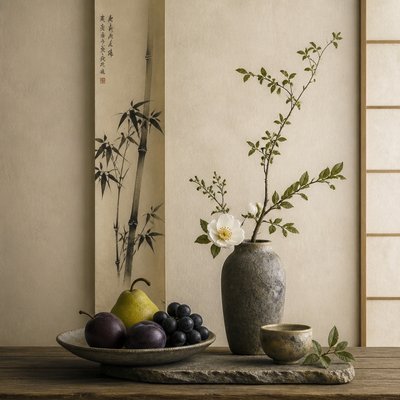
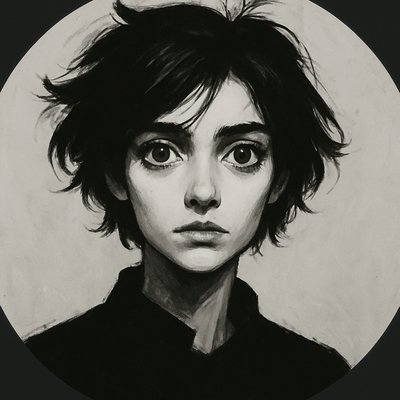
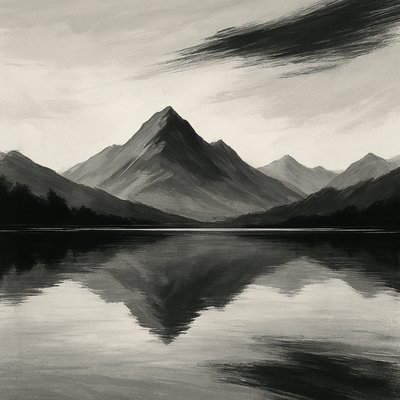
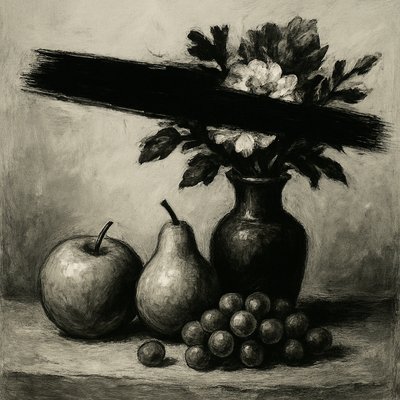
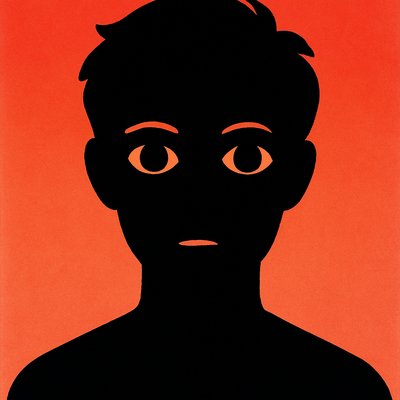
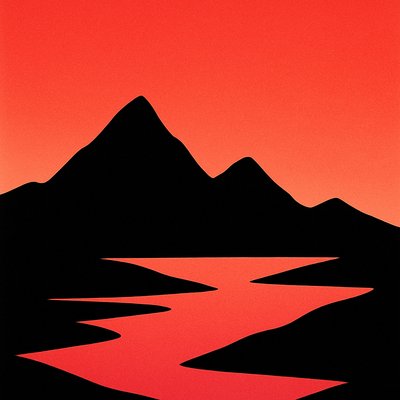
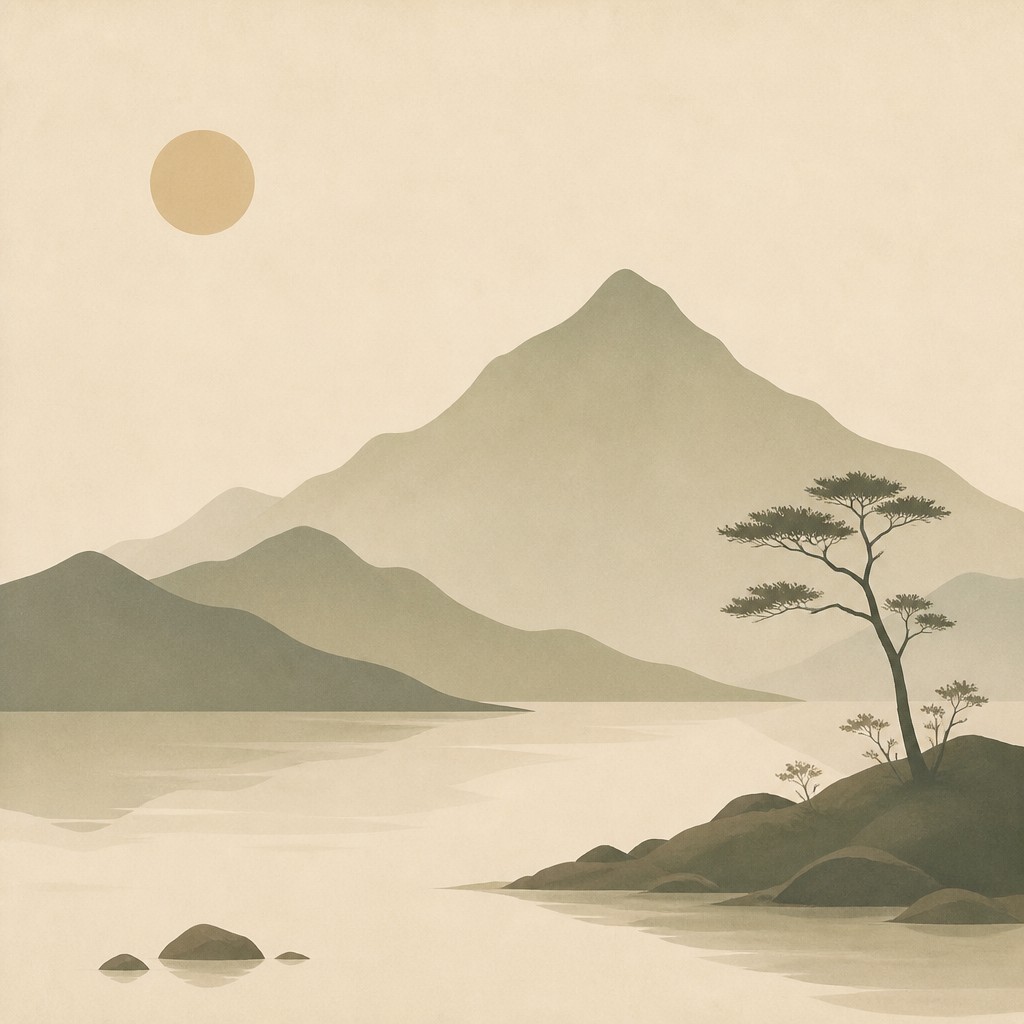
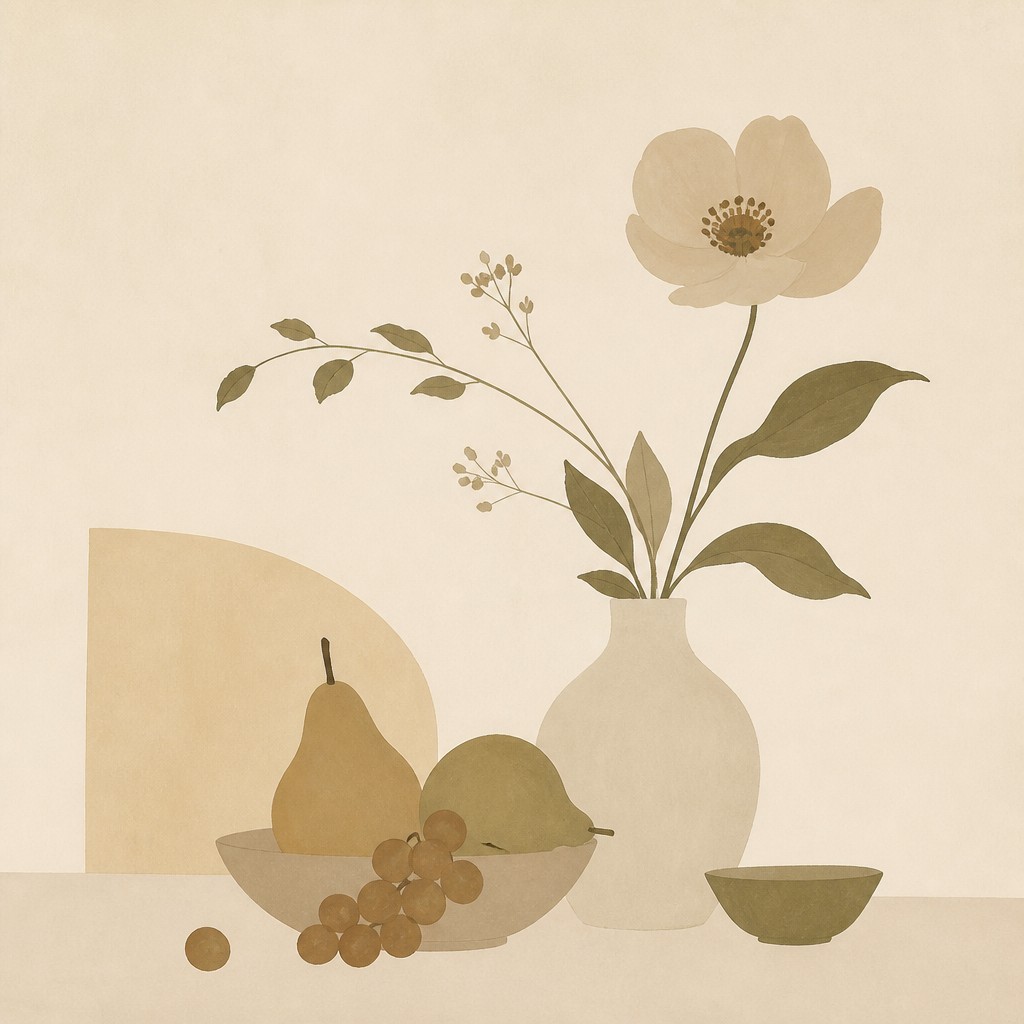
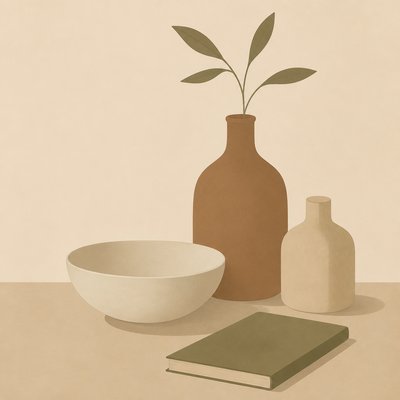
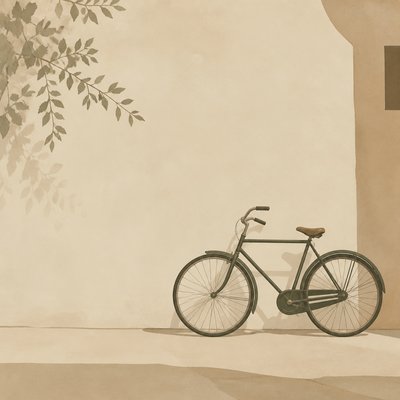
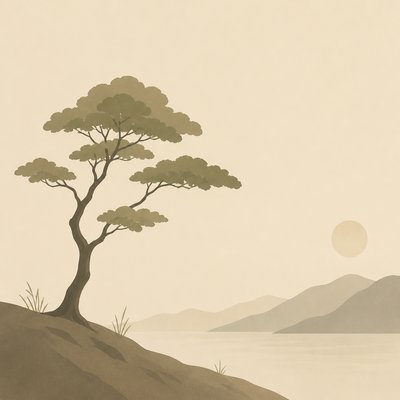
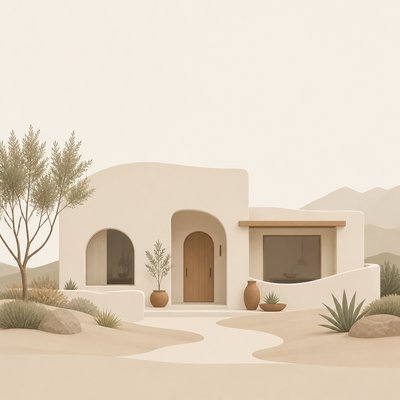
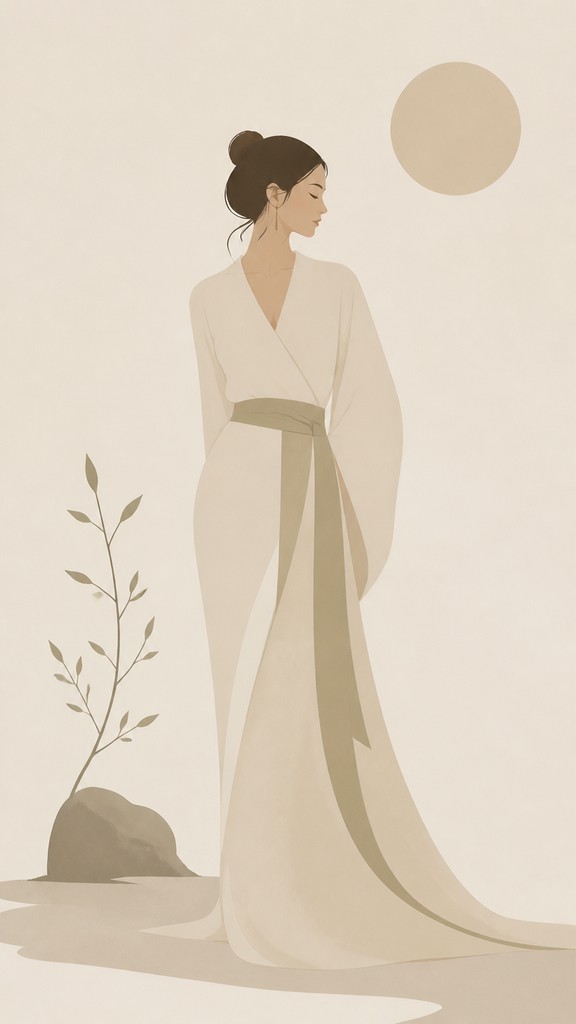
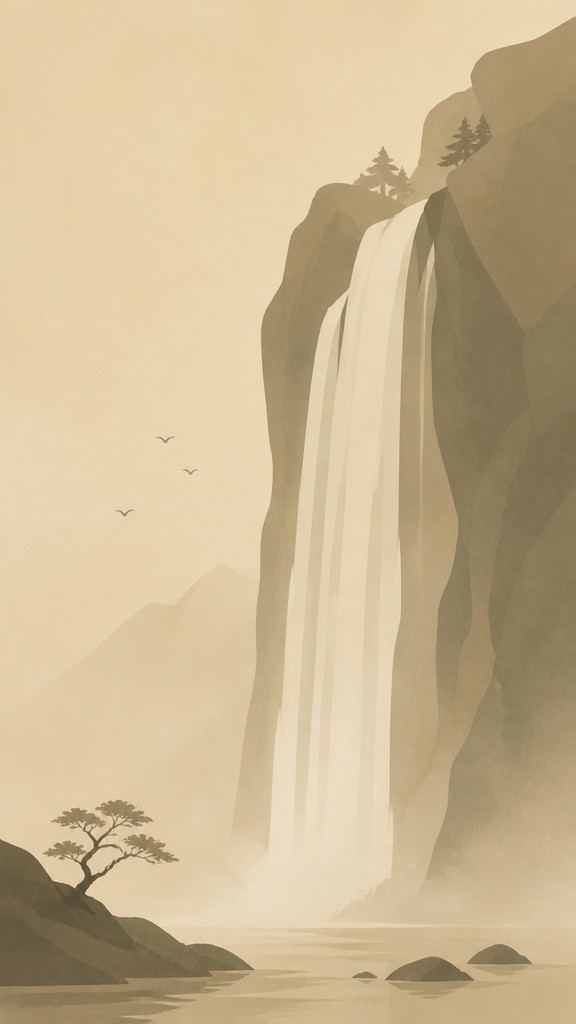
Simplified natural forms, muted earth tones, and generous negative space define this calm, essence-driven nature aesthetic.
Instantly rendered in Minimalist Nature — or transform a photo
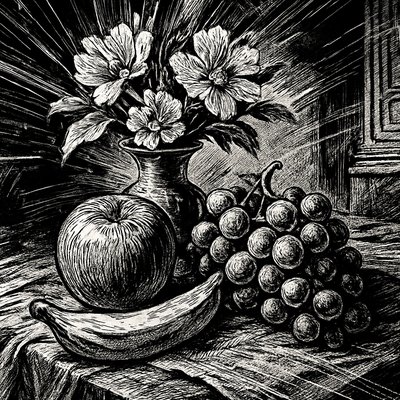
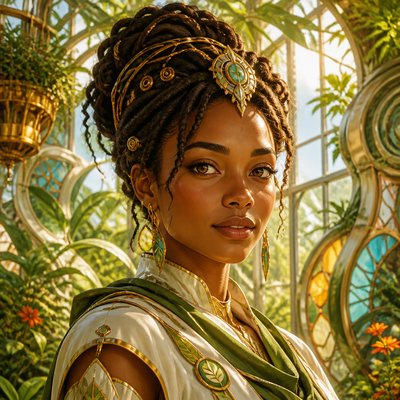
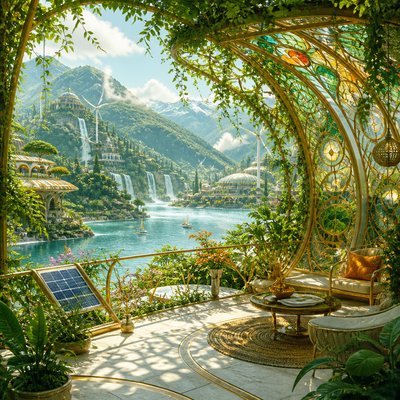
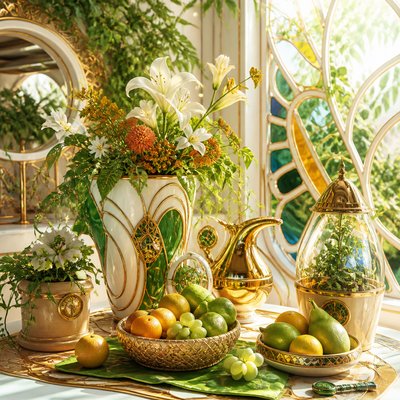
Minimalist Nature Gallery
Tap any artwork to explore it
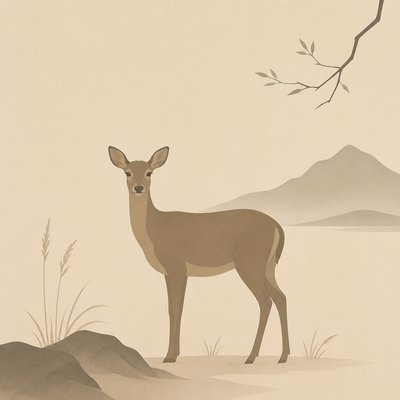
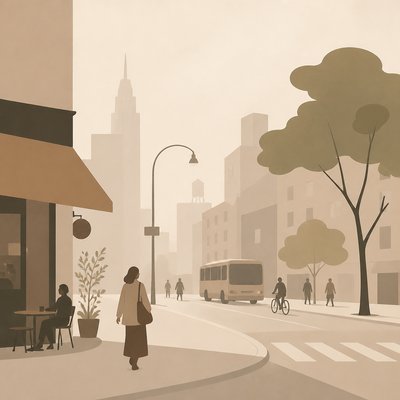
What is Minimalist Nature Art?
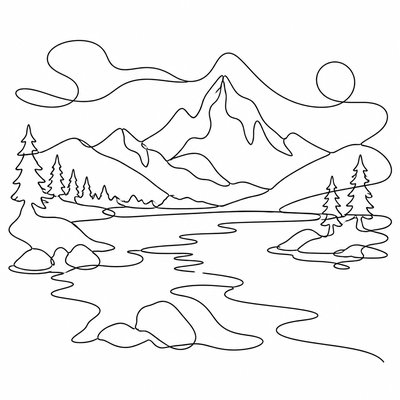
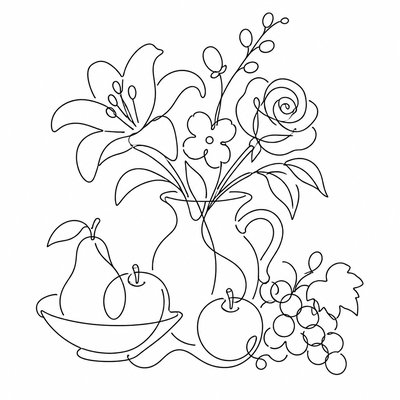
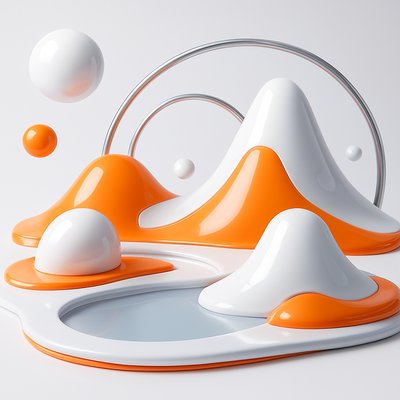
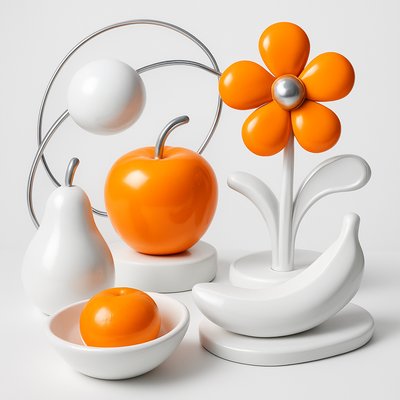
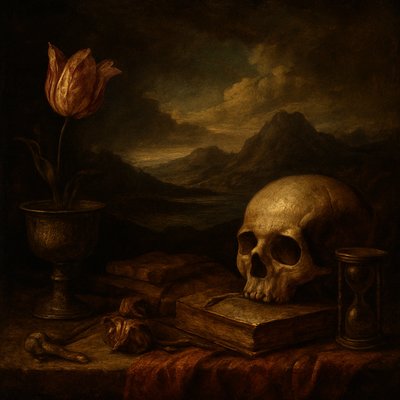
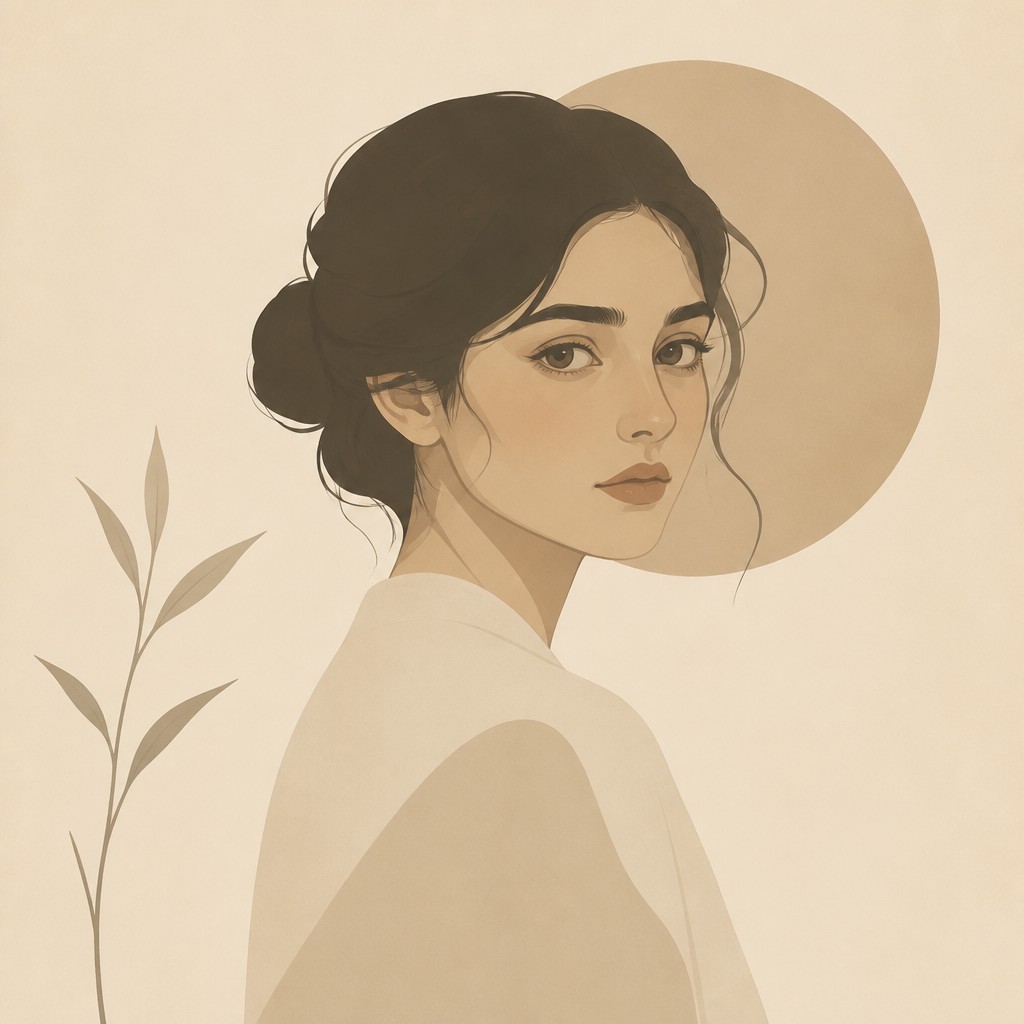
Minimalist Nature Art reduces landscapes, plants, animals, and weather to their most essential shapes. Instead of descriptive detail, it uses soft silhouettes, open space, and a restricted palette to suggest the feeling of nature with very little visual information.
The style depends on restraint. Forms are pared down to clean contours and gentle masses, often arranged with careful asymmetry so that emptiness becomes part of the composition. The result is calm and contemplative: a visual language that emphasizes proportion, balance, and atmosphere over literal realism.
Try It On Your Photos
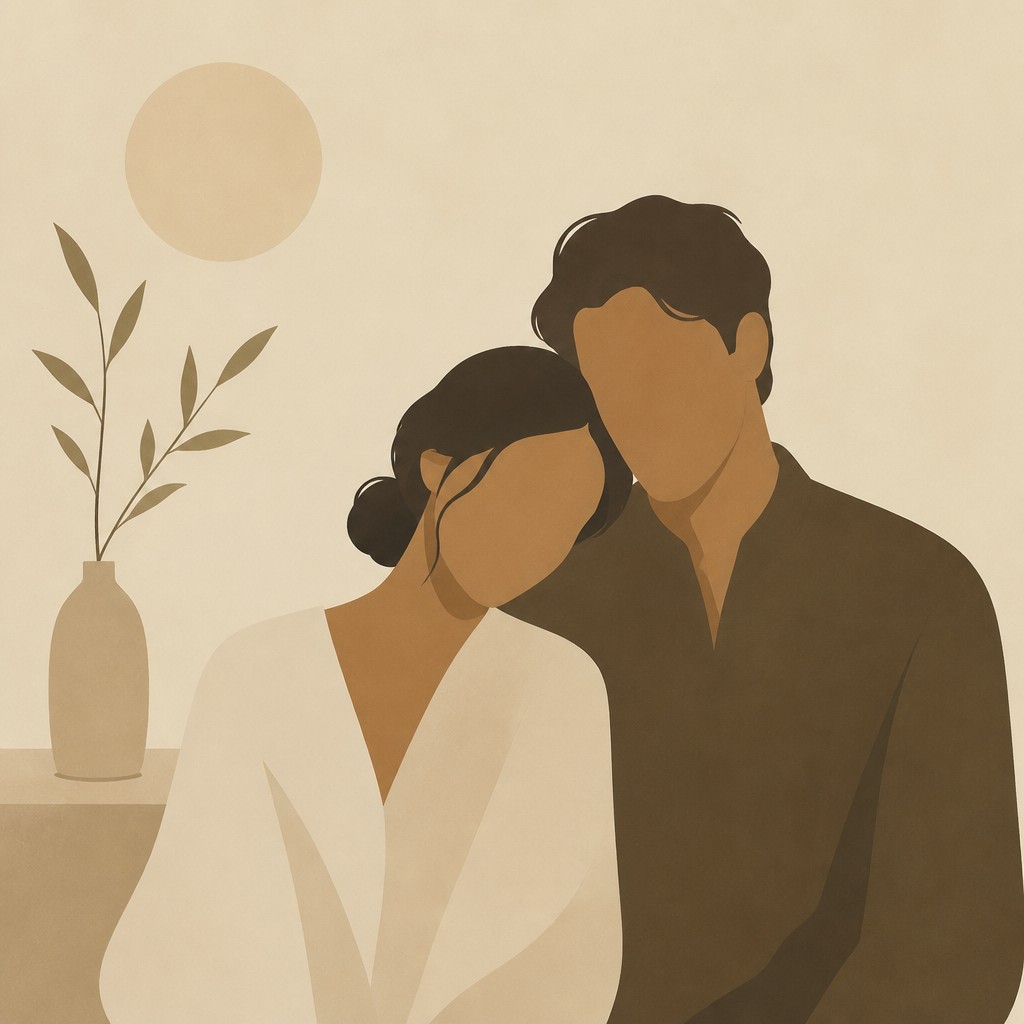
Upload any photo and convert it into Minimalist Nature Art — drag the sliders to compare before and after.



What Defines Minimalist Nature Art
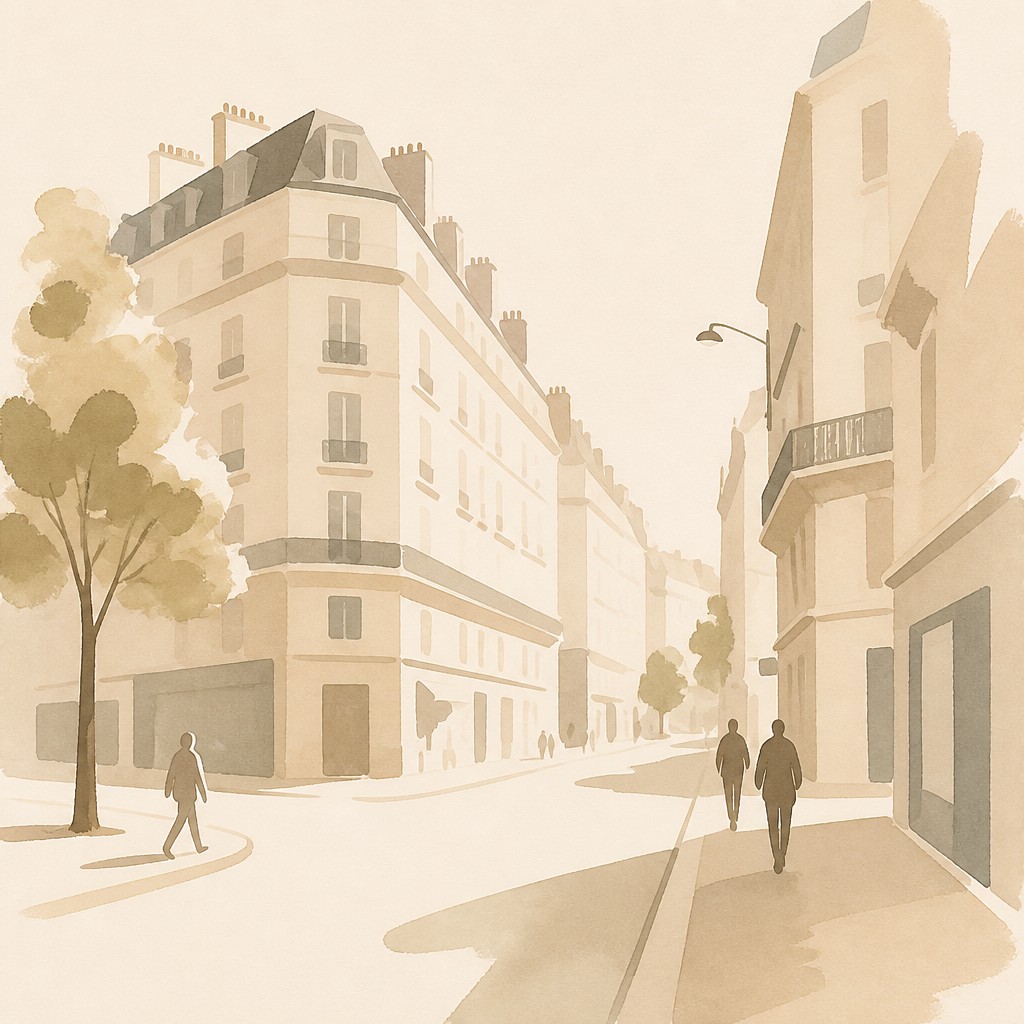
The signature details, up close
Simplified natural forms
Trees, mountains, leaves, waves, birds, and stones are reduced to clear silhouettes or a few essential contours. Details are omitted unless they are needed to identify the subject.
Negative space
Empty space is not background filler but a structural element of the composition. It creates balance, visual rest, and a sense of openness associated with landscapes and natural air.
Muted earth-toned palette
Colors usually stay within two or three subdued tones such as sand, clay, olive, charcoal, mist, or stone. Small tonal shifts provide depth without breaking the overall calm.
Flat shapes with soft edges
Forms are often built from flat color blocks or gentle gradients rather than detailed rendering. Edges may be slightly softened to keep the image organic rather than geometric or harsh.
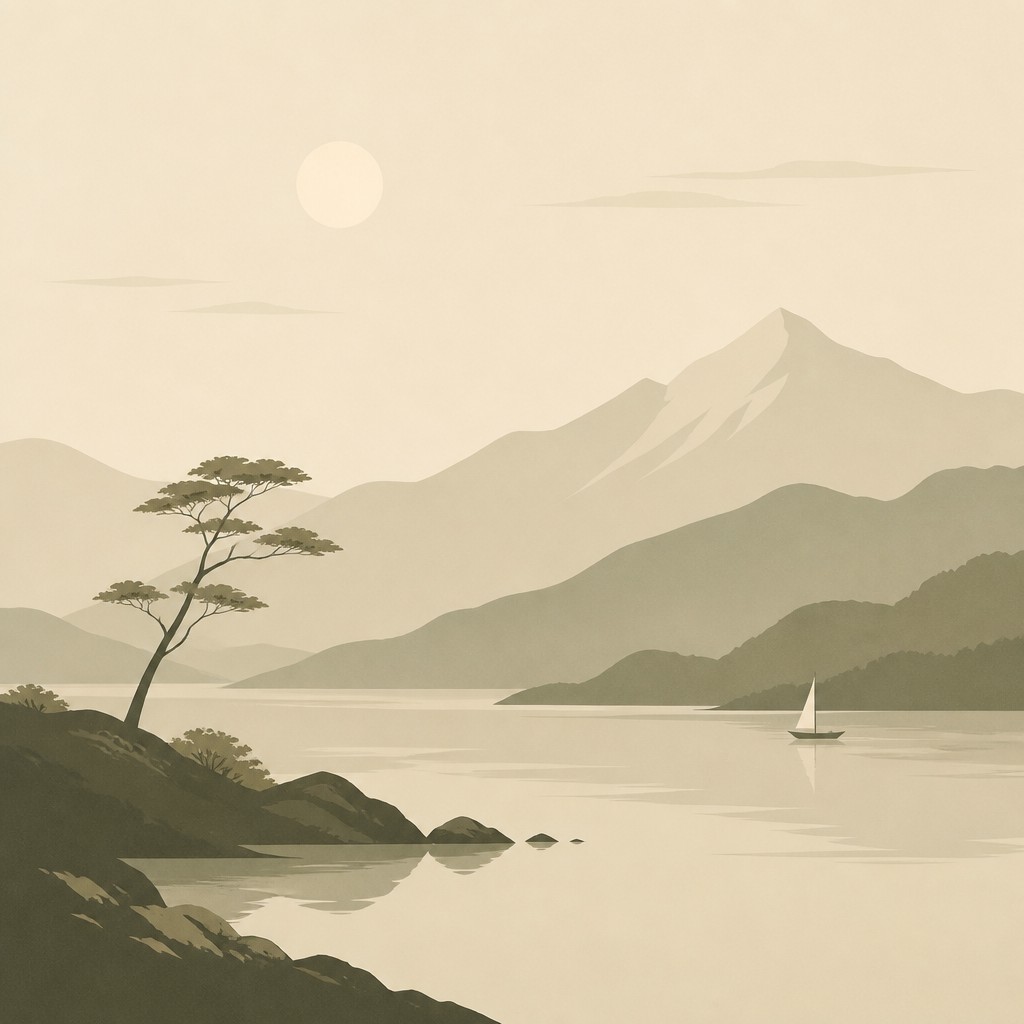
Organic balance
Curves, arcs, and flowing lines dominate, but they are often countered by sparse angular accents like mountain ridges or branches. This tension keeps the image minimal without becoming static.
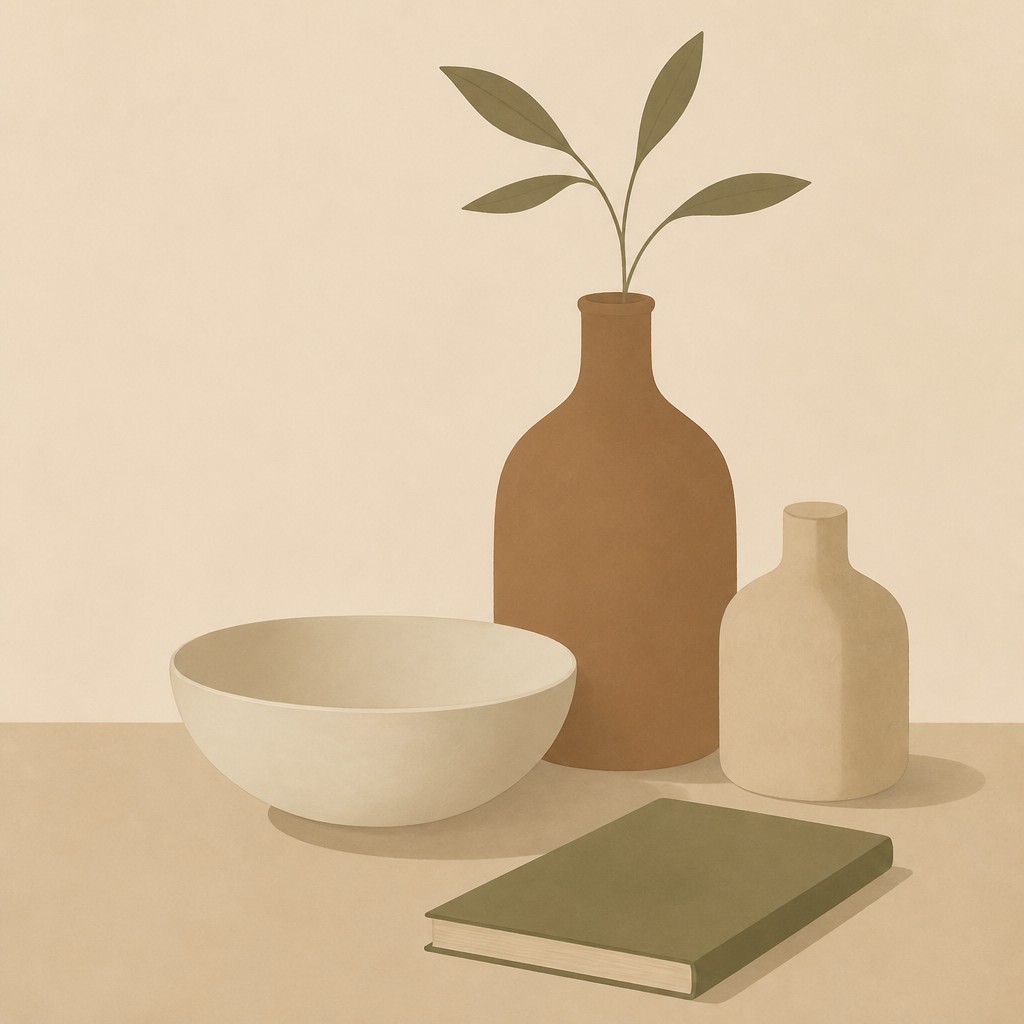
Quiet texture, if any
Texture is usually faint and controlled, such as paper grain, brush bloom, or subtle tonal variation. It should support the material feeling of the image, not compete with the simplicity of the forms.
Try It
Create Videos in Minimalist Nature Art
Styles aren't just for stills — describe a scene or animate an image and get a short video rendered in Minimalist Nature. Press play to see this pond come to life.
Make a VideoMinimalist Nature Prompt Ideas
Start from an idea — each one opens the generator with the style ready to go. See all 40 Minimalist Nature prompts →
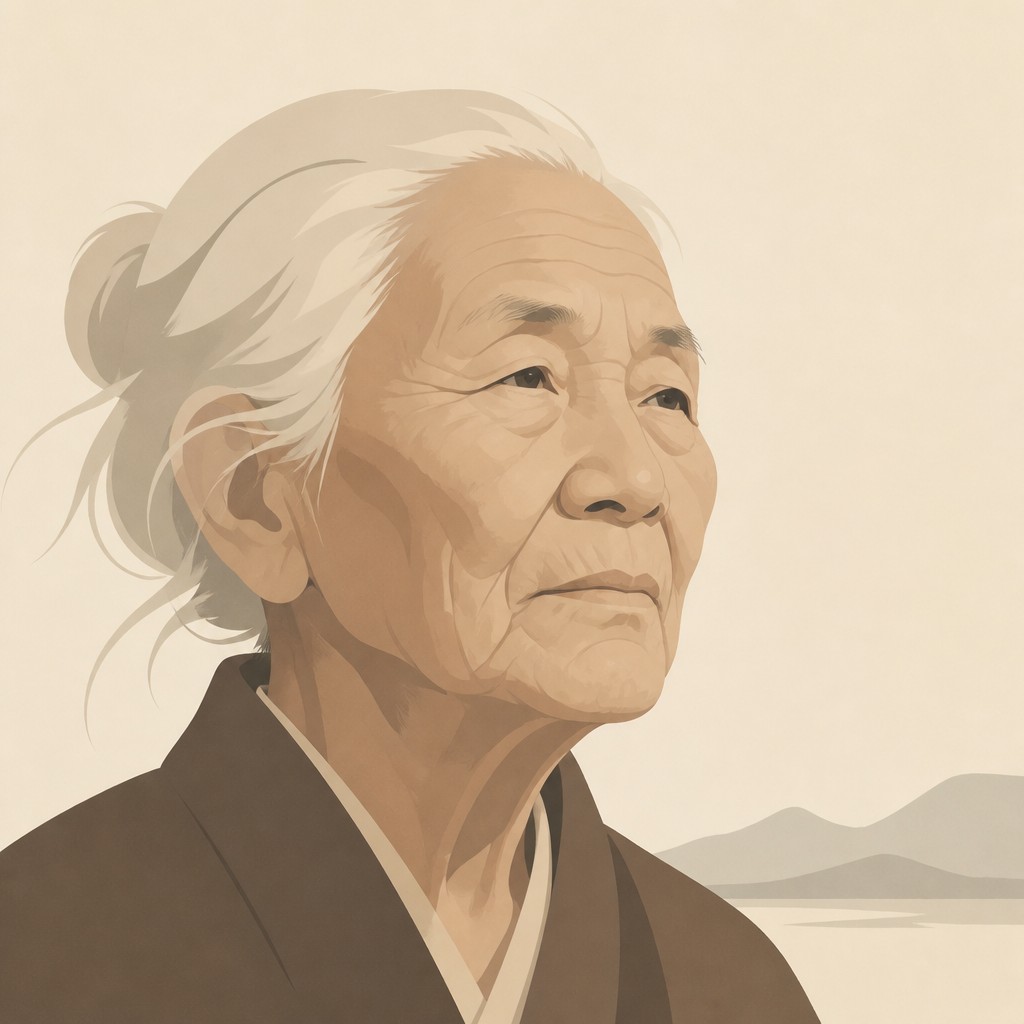
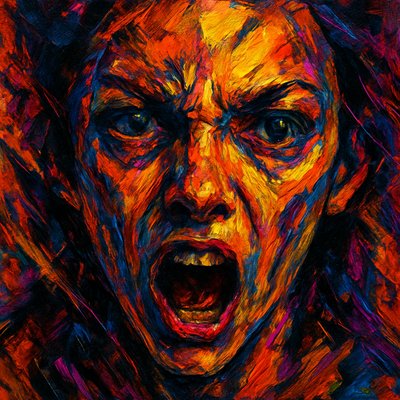
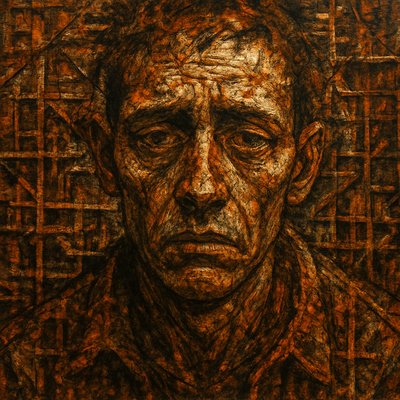
“close-up portrait of an elderly person with expressive weathered features”
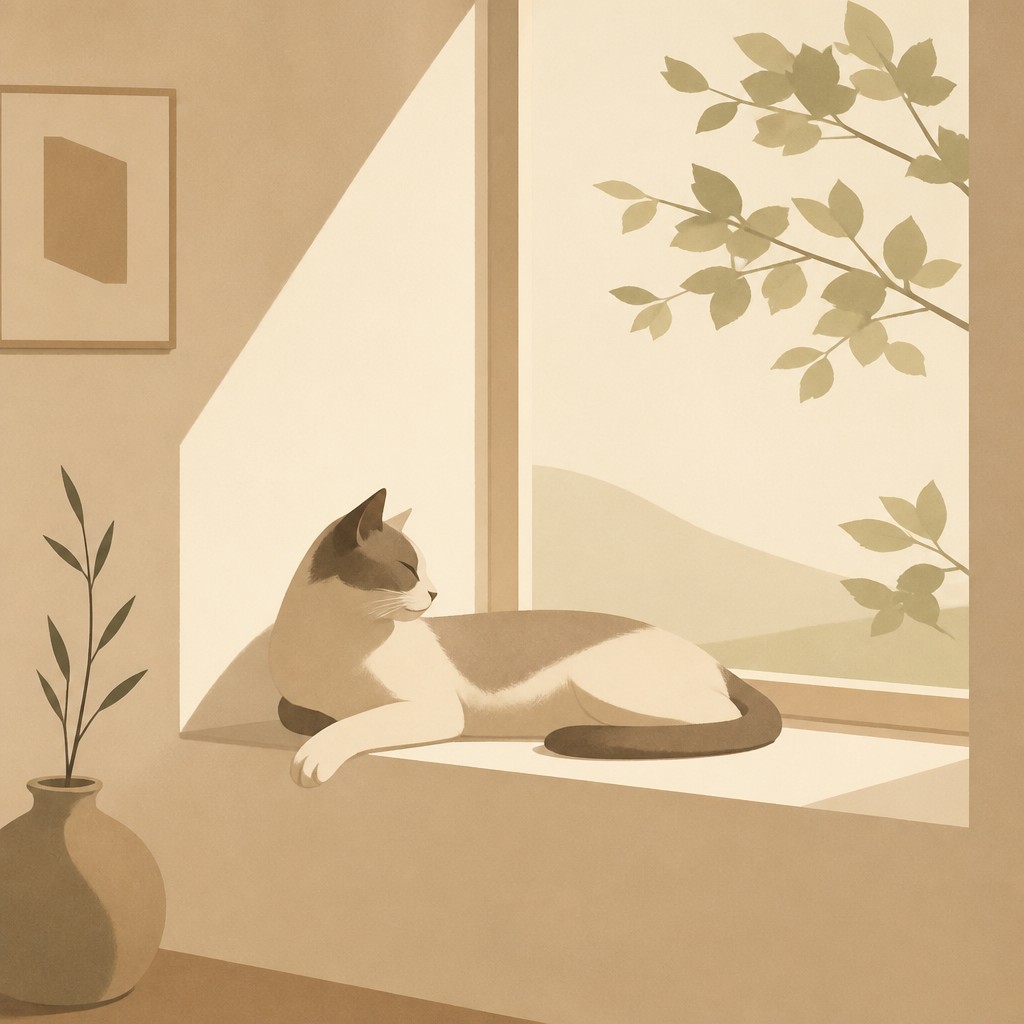
“a cat lounging in a sunlit window”
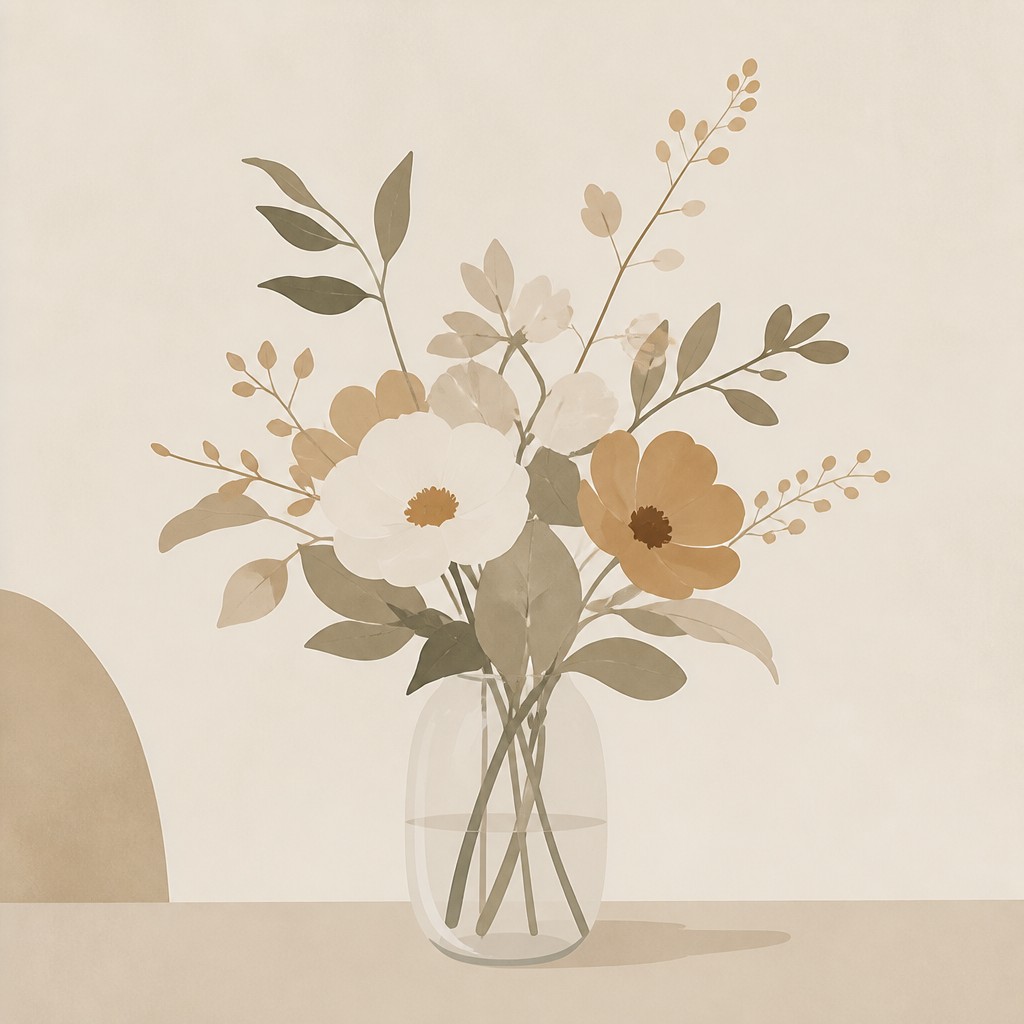
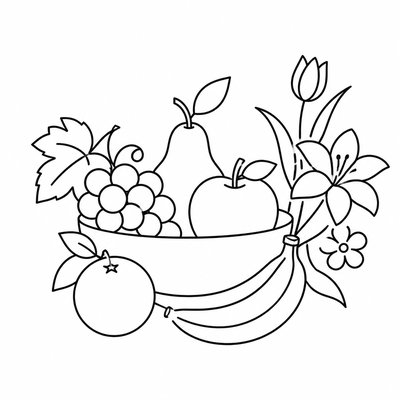
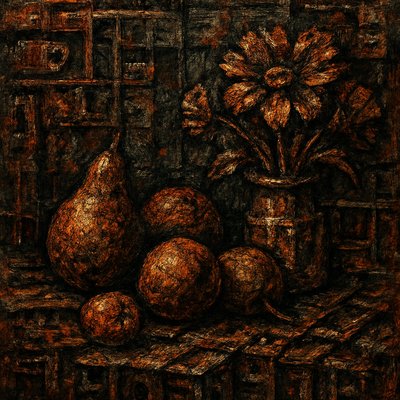
“bouquet of flowers in a glass vase”
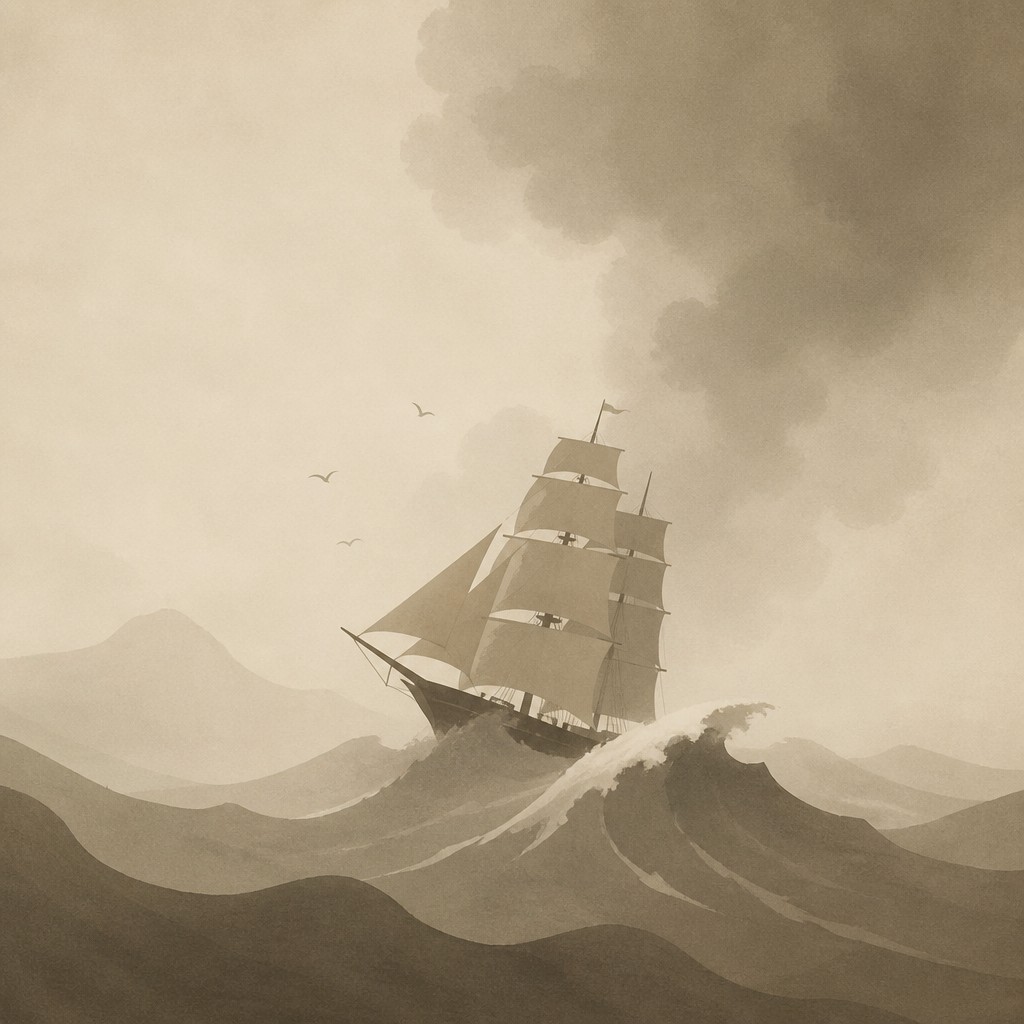
“sailing ship on a stormy sea”
How to Create Minimalist Nature Art
Master the craft step by step — or skip straight to creating. Read the full guide →
- 1
Reduce the subject to its most legible silhouette
Start by identifying the essential shape of the plant, landscape, or animal, then remove secondary detail. In traditional media, sketch in broad masses first; in digital work, block out simple vector-like shapes before refining the composition.
- 2
Design around empty space
Leave generous margins and avoid filling every area of the frame. Place the subject off-center or use asymmetry so the negative space helps define the mood and visual rhythm.
- 3
Limit the palette early
Choose two or three muted tones and keep contrast controlled. Use tonal variation within the same color family to suggest depth, shadow, and atmosphere without introducing many new hues.
- 4
Use soft transitions and restrained texture
Blend colors gently or keep edges clean, depending on the intended finish, but avoid heavy detailing. A touch of paper grain, dry-brush texture, or subtle noise can keep the image from feeling sterile.
- 5
Prioritize shape language in prompts
When generating images from text, specify soft silhouettes, sparse composition, earth tones, and ample breathing room. If transforming a photo, request simplification, reduced detail, and muted natural color treatment rather than realism.
The Story
History & Origins of Minimalist Nature
Minimalist Nature Art is not a single historical movement but a contemporary aesthetic that draws from several older traditions. Its reduced forms and attention to emptiness echo modernist minimalism, Japanese ink painting, Zen aesthetics, Scandinavian design, and the long history of botanical and landscape illustration stripped to essentials.
In digital culture, the style has become especially popular in editorial graphics, wall art, branding, and social media imagery, where simple natural motifs read quickly and reproduce cleanly. Its development reflects a broader preference for visual quiet, organic abstraction, and design systems that make space feel as important as form.
Influences: This aesthetic draws from modernist minimalism, where artists and designers reduced form to essential structure, and from Japanese visual traditions that value emptiness, restraint, and seasonal suggestion, including sumi-e ink painting and related Zen-influenced approaches. It also overlaps with botanical illustration, Scandinavian design, and contemporary editorial graphics that use simplified natural motifs for clarity and calm.
Frequently Asked Questions
What defines Minimalist Nature Art?
It is defined by simplification: natural subjects are reduced to basic forms, limited colors, and spacious compositions. The image should feel serene and intentional rather than detailed or descriptive. Negative space is central to the effect.
How is it different from botanical illustration?
Botanical illustration aims to identify and document a plant accurately, often with close attention to structure and detail. Minimalist Nature Art is more interpretive, emphasizing mood, shape, and balance over scientific precision.
How is it different from abstract art?
Abstract art may abandon recognizable subject matter entirely, while Minimalist Nature Art usually keeps a clear reference to nature. The forms are simplified, but they still suggest a mountain, leaf, bird, tree, or similar natural subject.
What colors work best in this style?
Muted earth tones, soft greens, warm grays, sand, clay, charcoal, and off-white are common choices. The palette is usually limited to two or three related hues so the image stays calm and cohesive.
What techniques help create the look in traditional media?
Use broad shapes, minimal linework, and controlled washes or flat fills. Watercolor, gouache, ink, and cut-paper approaches all work well if the composition stays simple and the empty space is carefully planned.
Where is this style commonly used?
It is often used in wall art, editorial illustration, branding, packaging, wellness visuals, and home decor. It works well anywhere a natural subject needs to feel quiet, modern, and uncluttered.

Create your first Minimalist Nature artwork
Describe anything — or upload a photo — and see it in Minimalist Nature Art in seconds.
Make Something with Minimalist Nature
Related Styles
Discover similar art styles