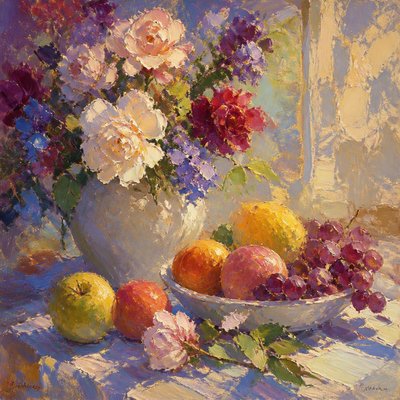
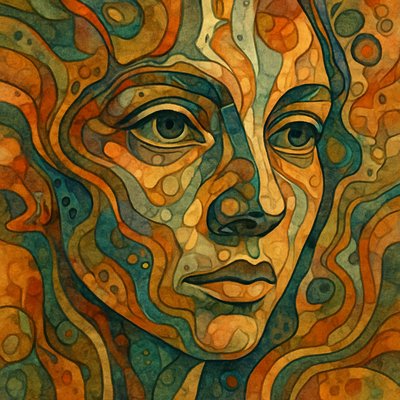
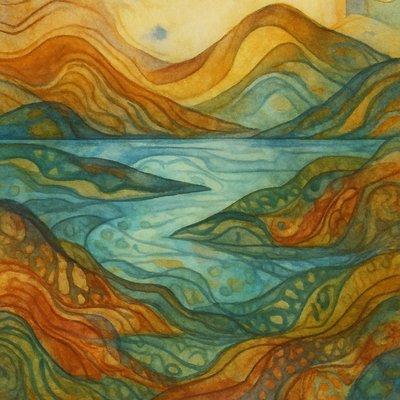
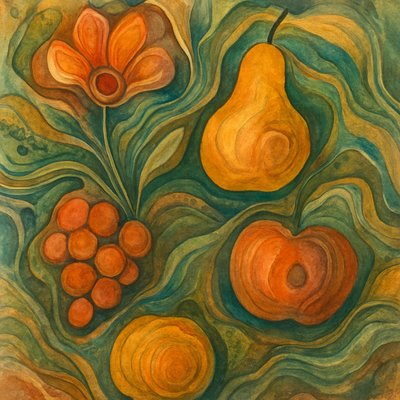
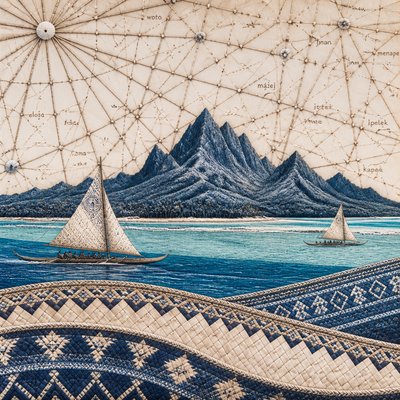
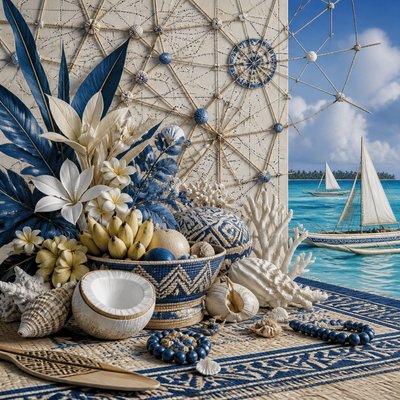
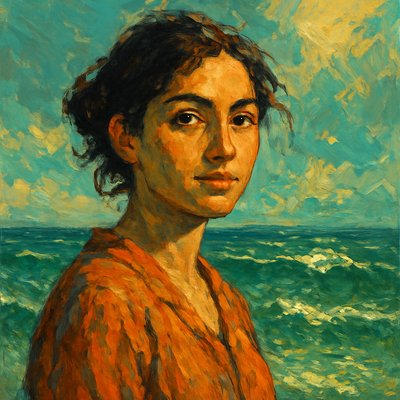
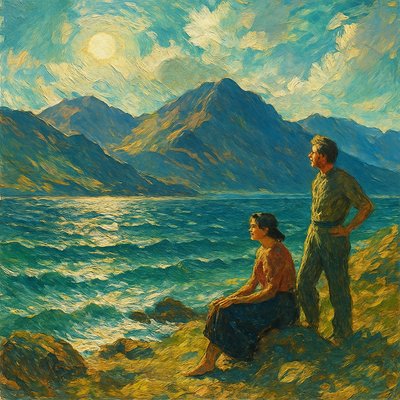
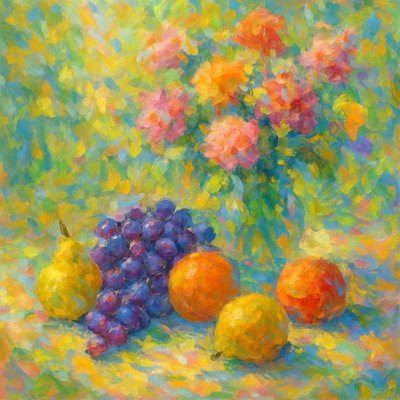
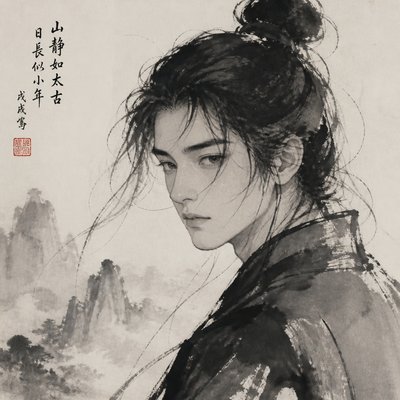
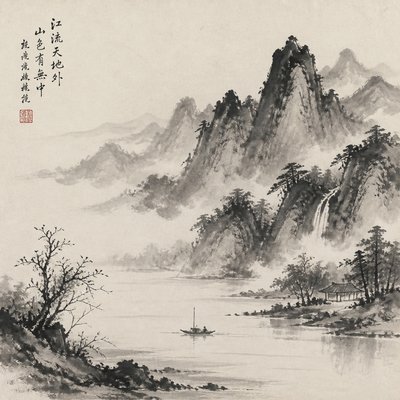
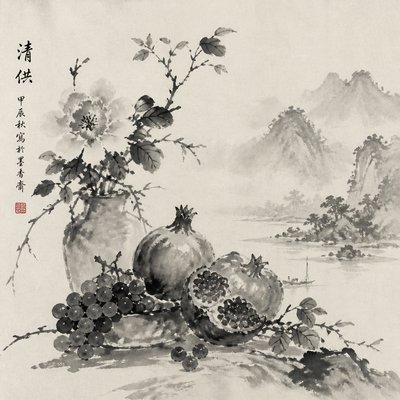
Ocean Nature Art
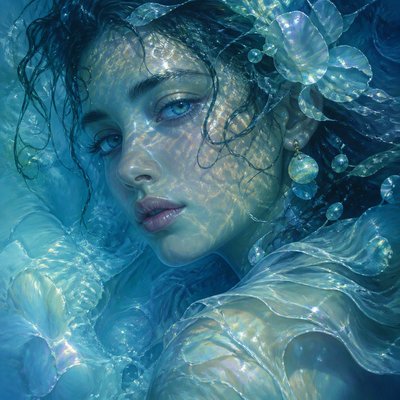
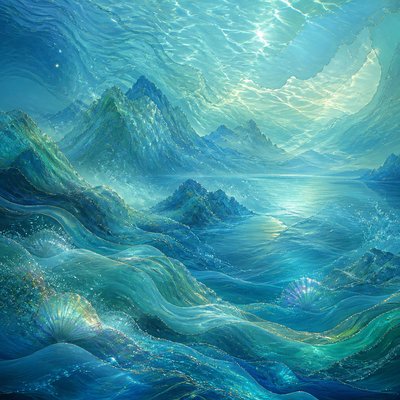
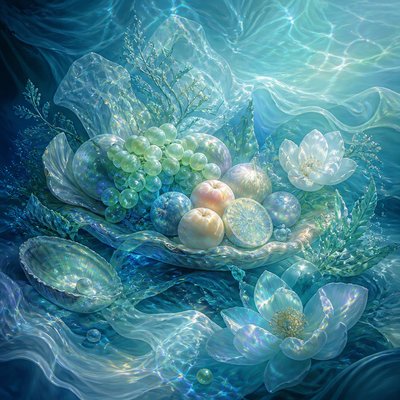
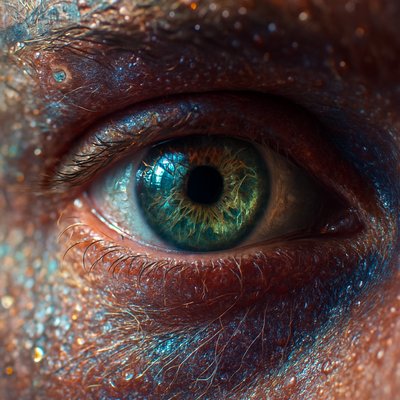
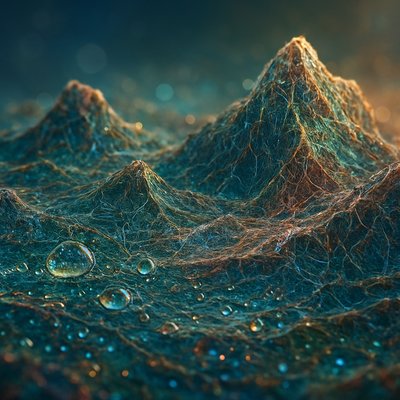
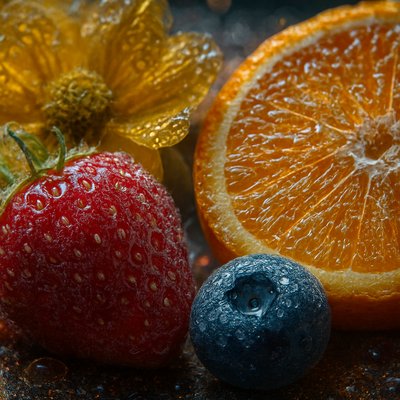
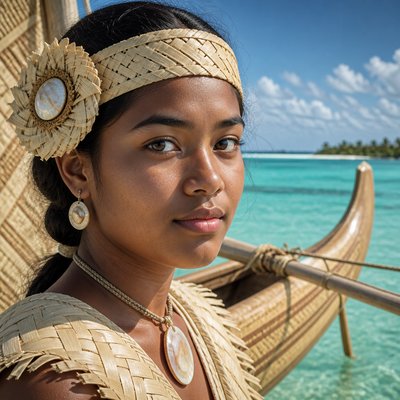
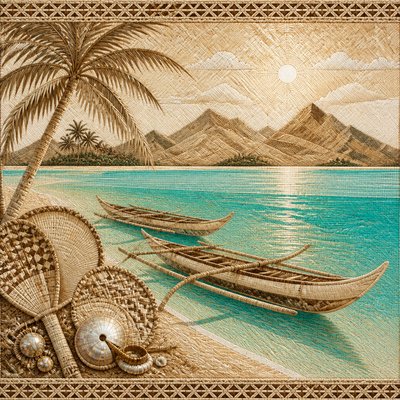
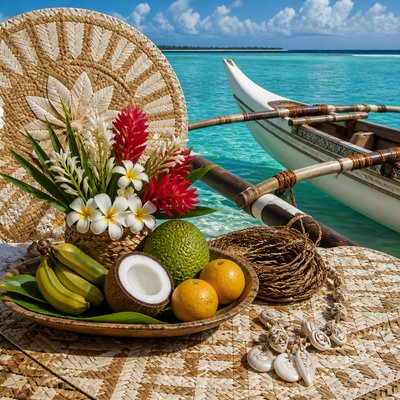
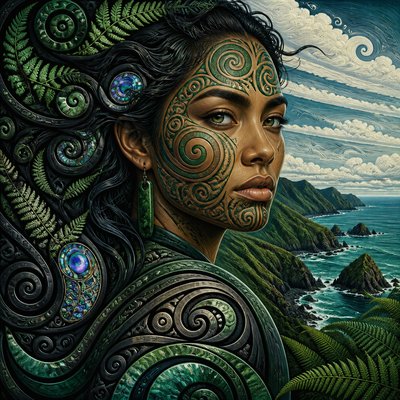
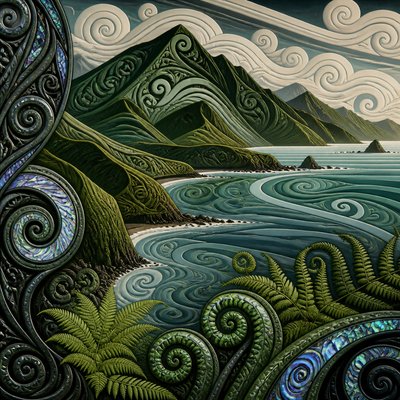
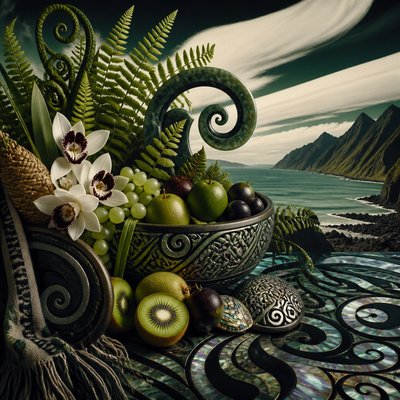
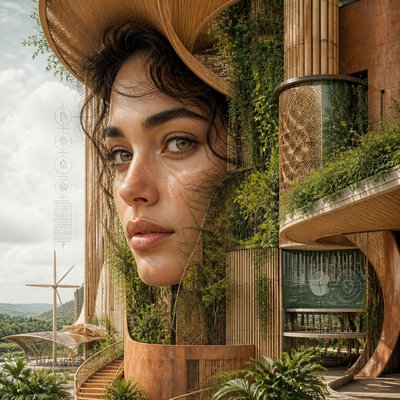
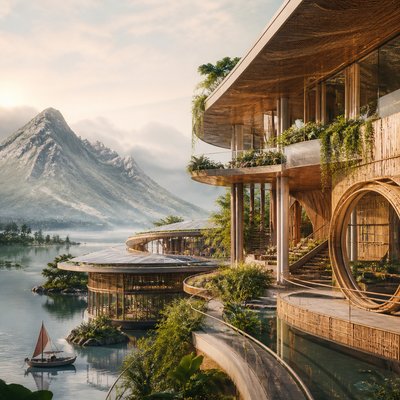
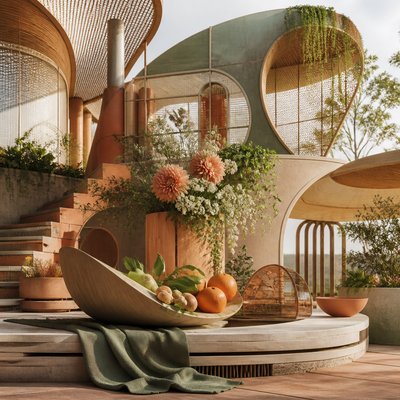
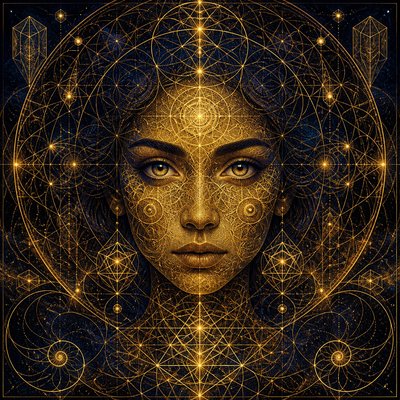
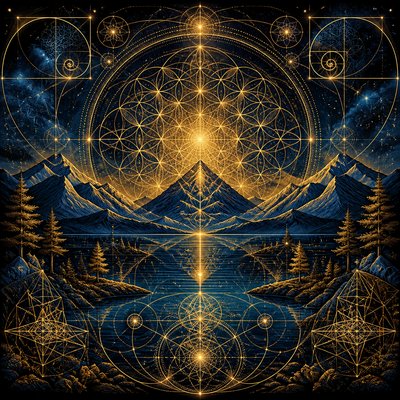
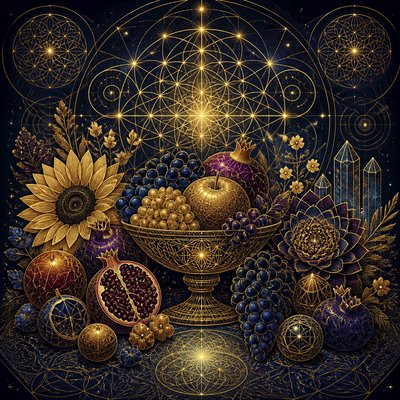
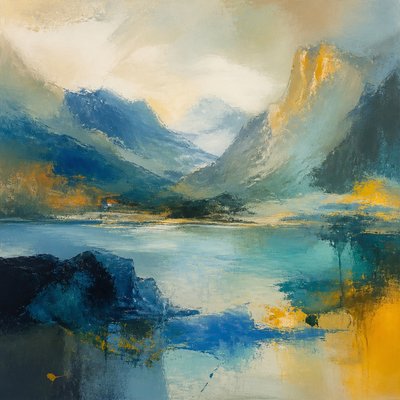
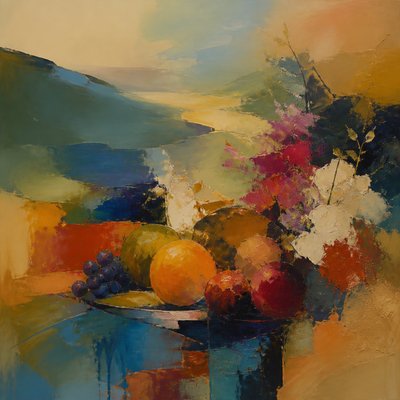
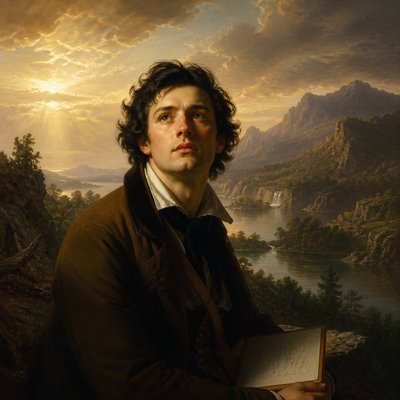
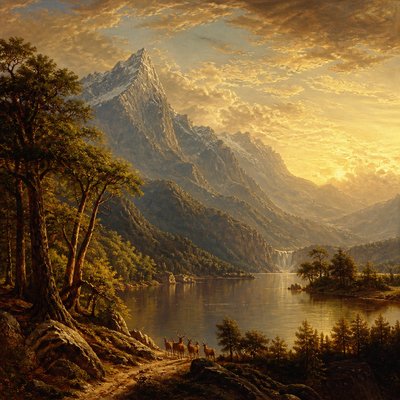
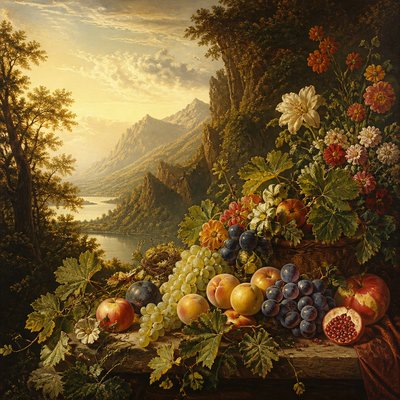
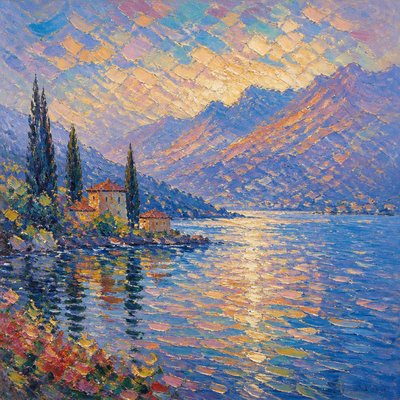
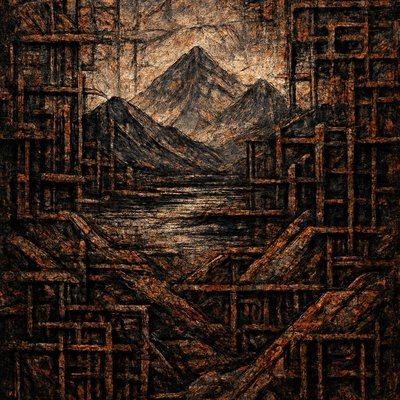
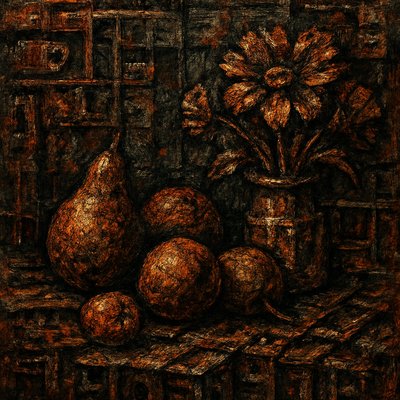
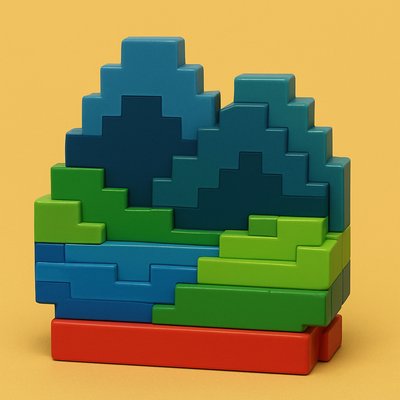
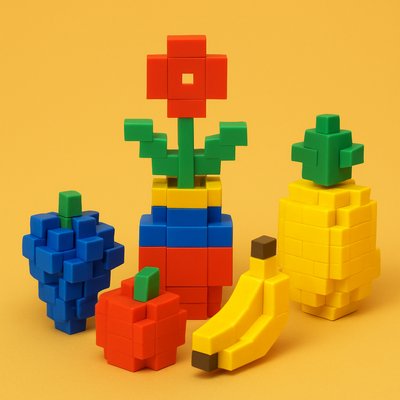
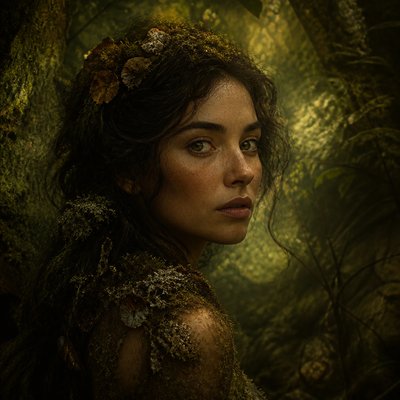
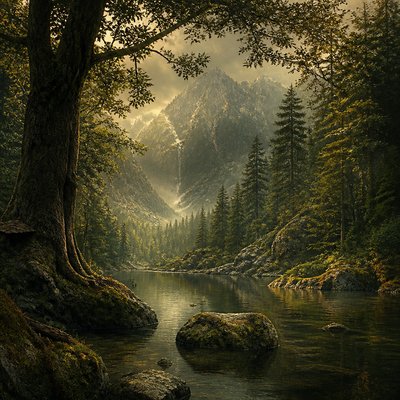
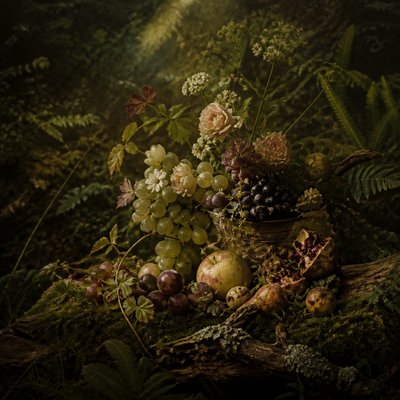
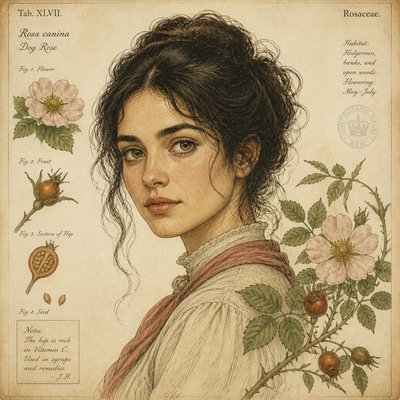
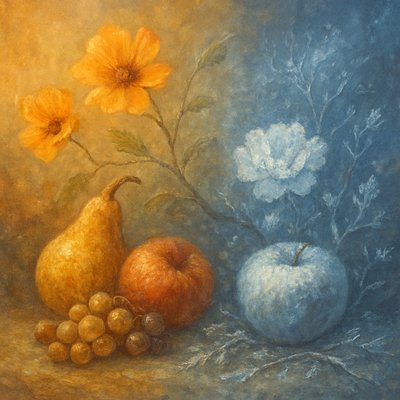
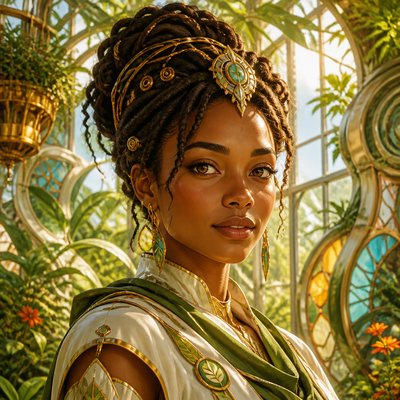
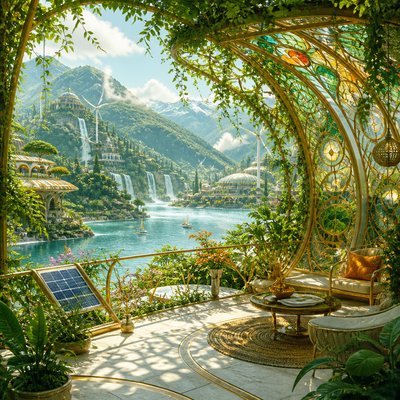
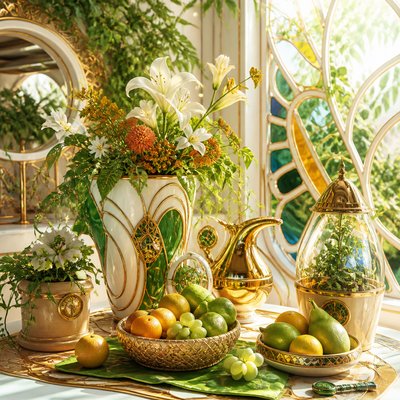
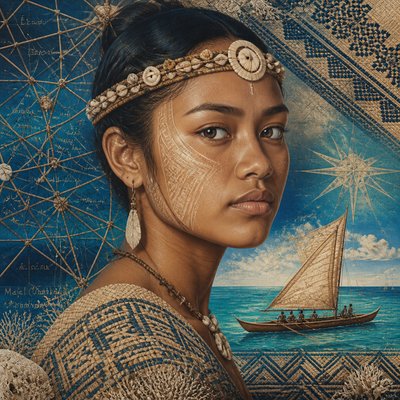
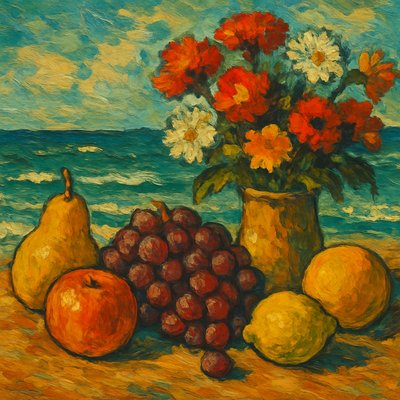
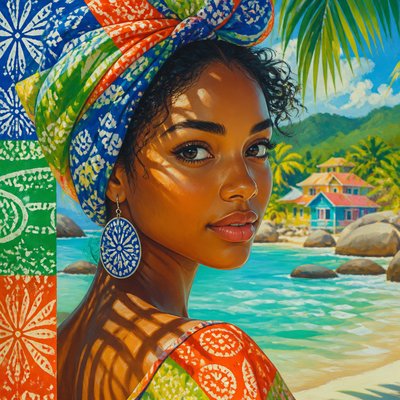
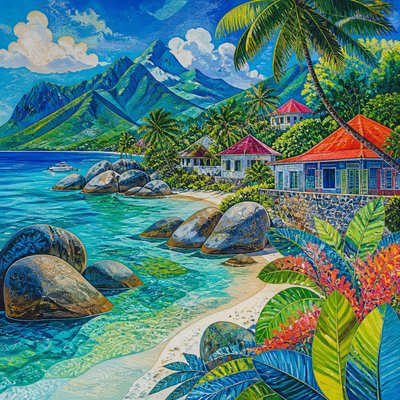
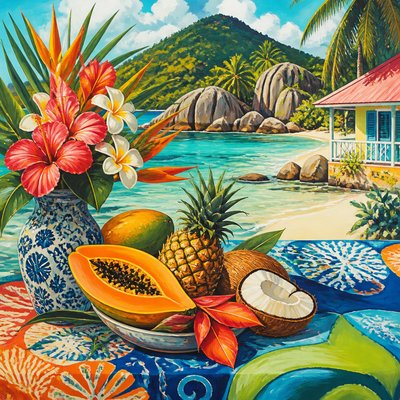
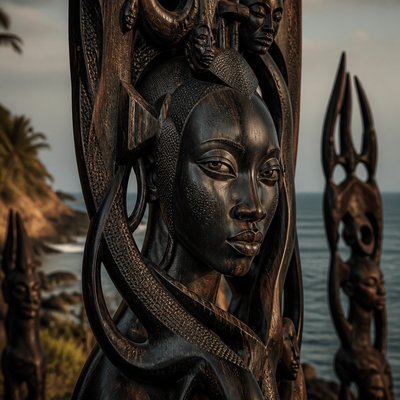
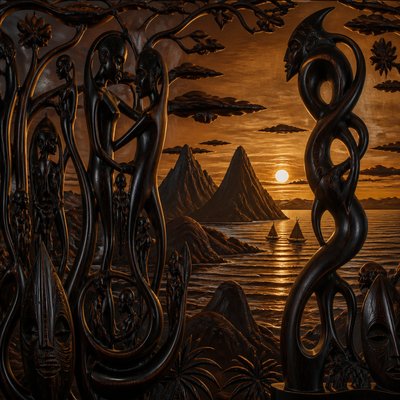
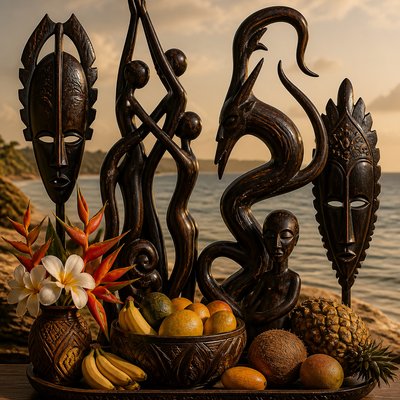
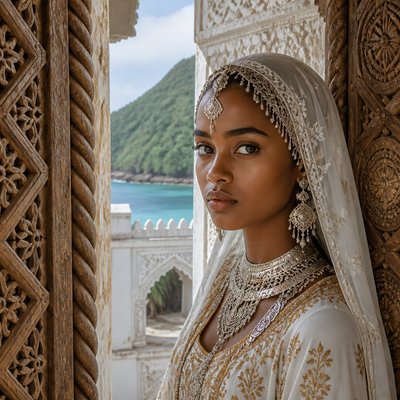
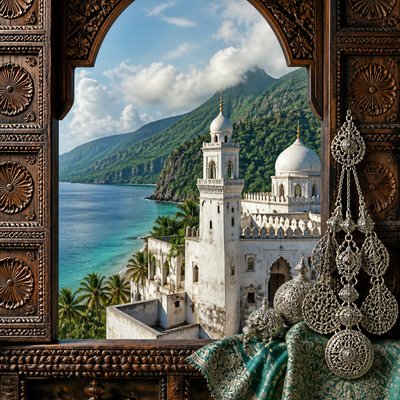
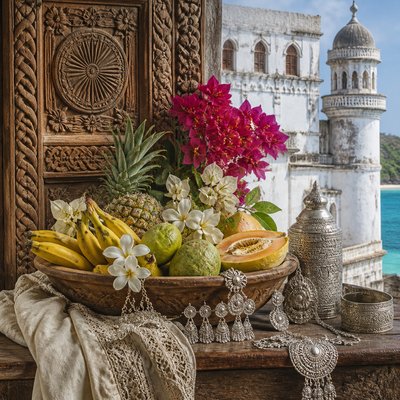
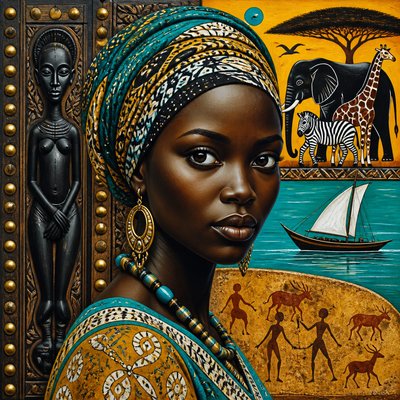
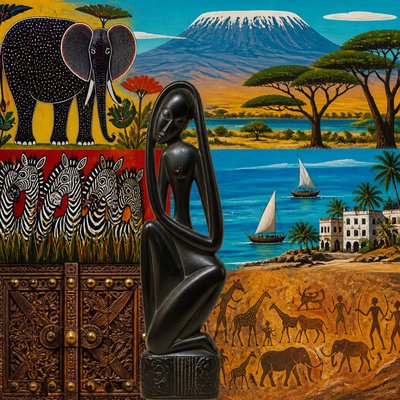
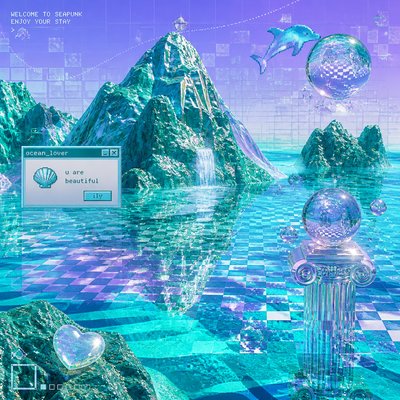
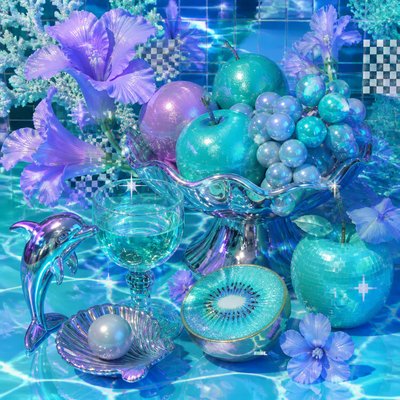
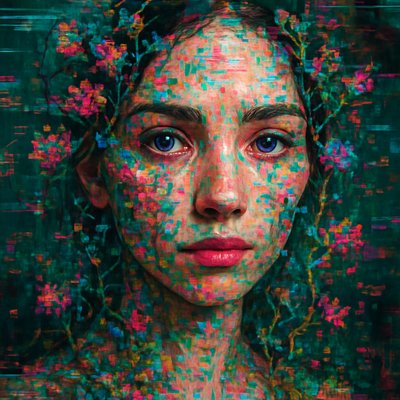
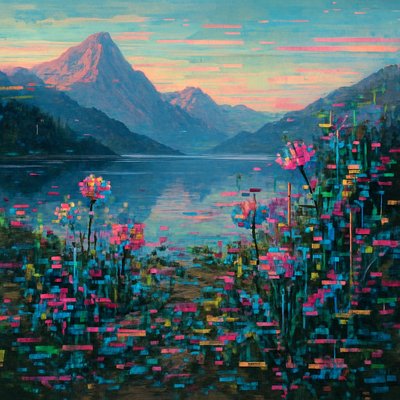
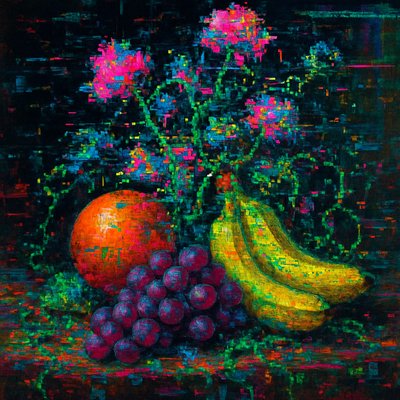
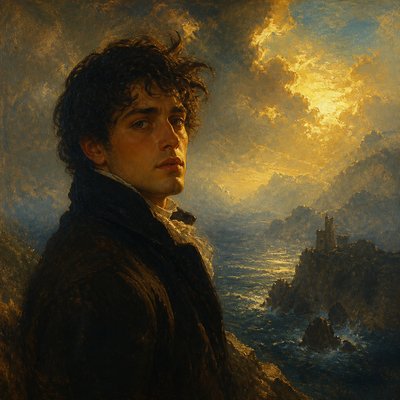
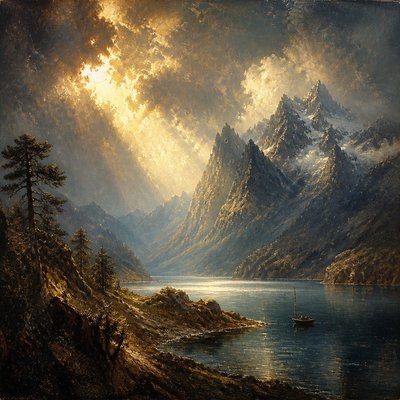
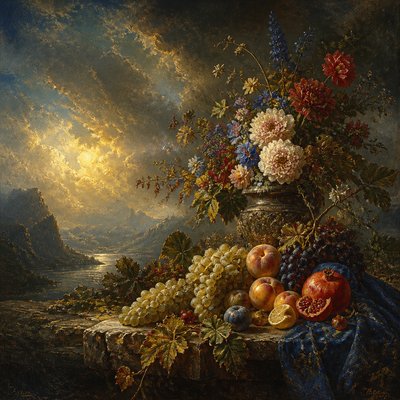
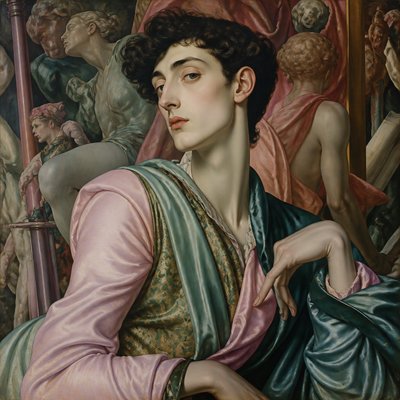
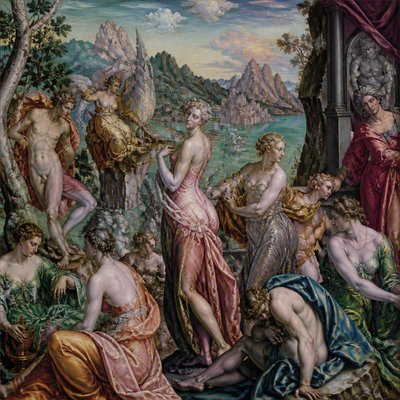
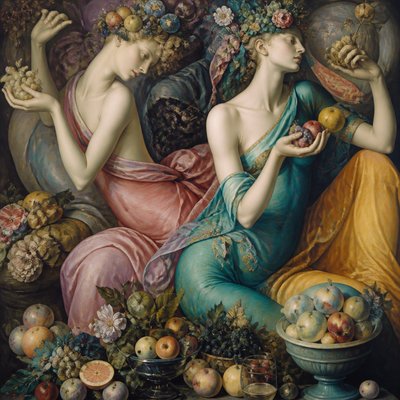
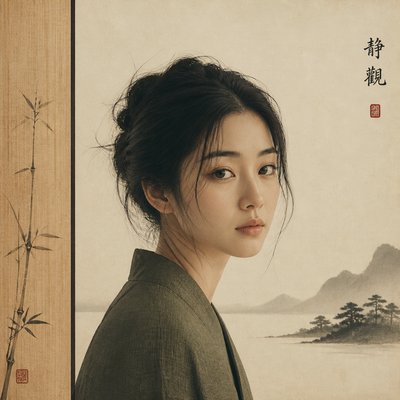
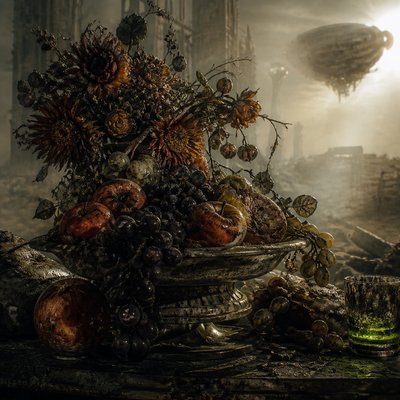
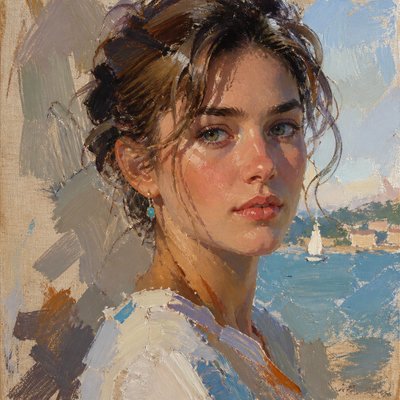
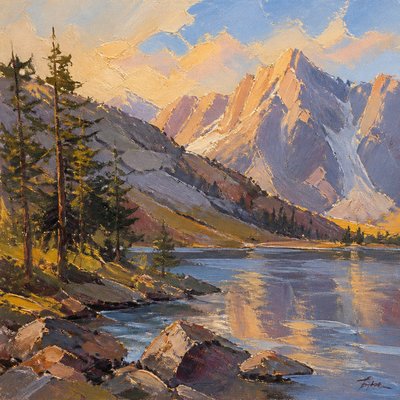
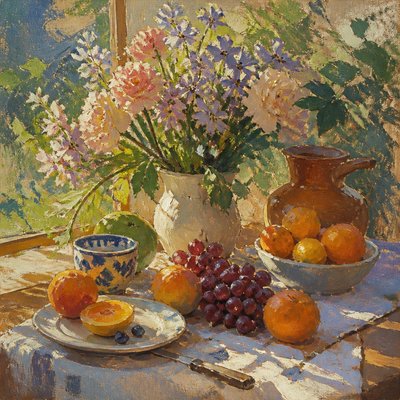
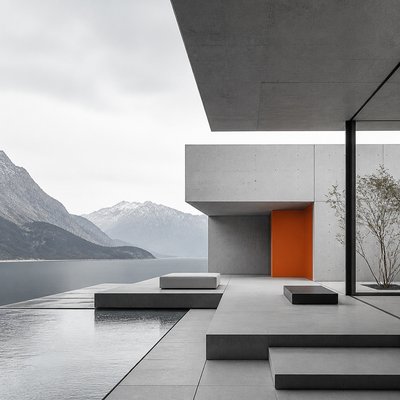
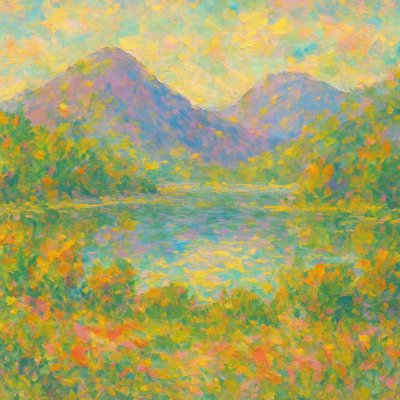
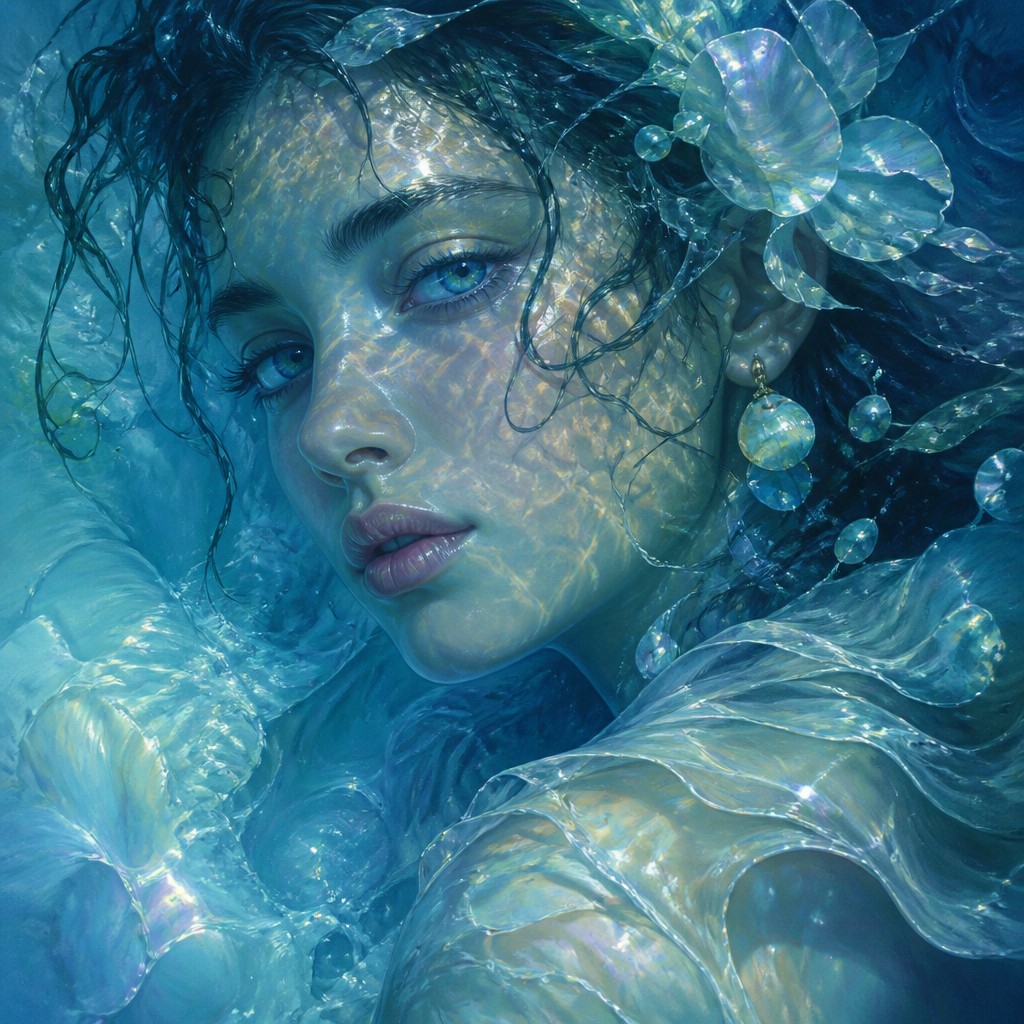
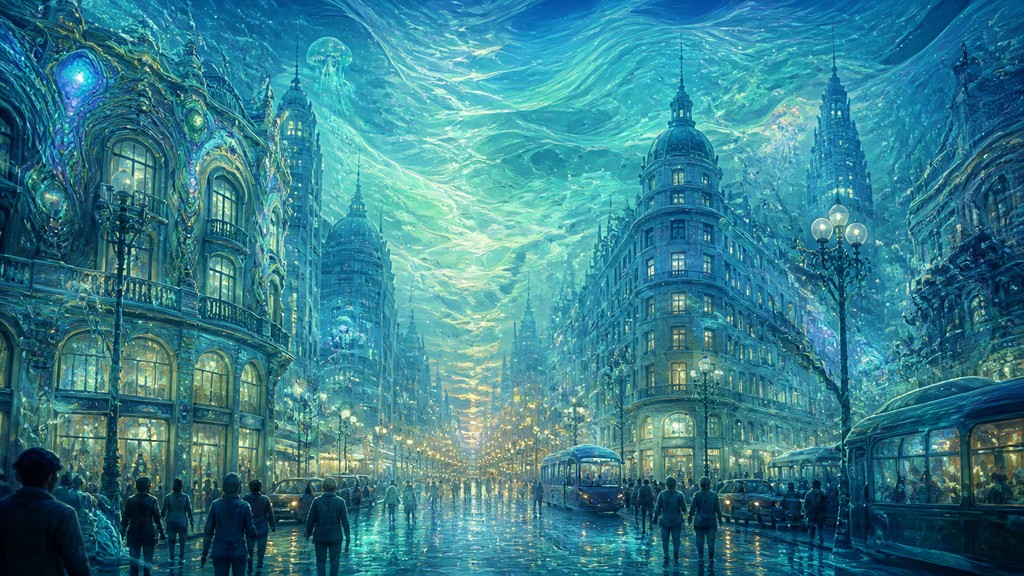
Marine-inspired art with wave-like textures, sea-glass color, caustic light, and dreamlike underwater atmosphere.
Instantly rendered in Ocean Nature — or transform a photo
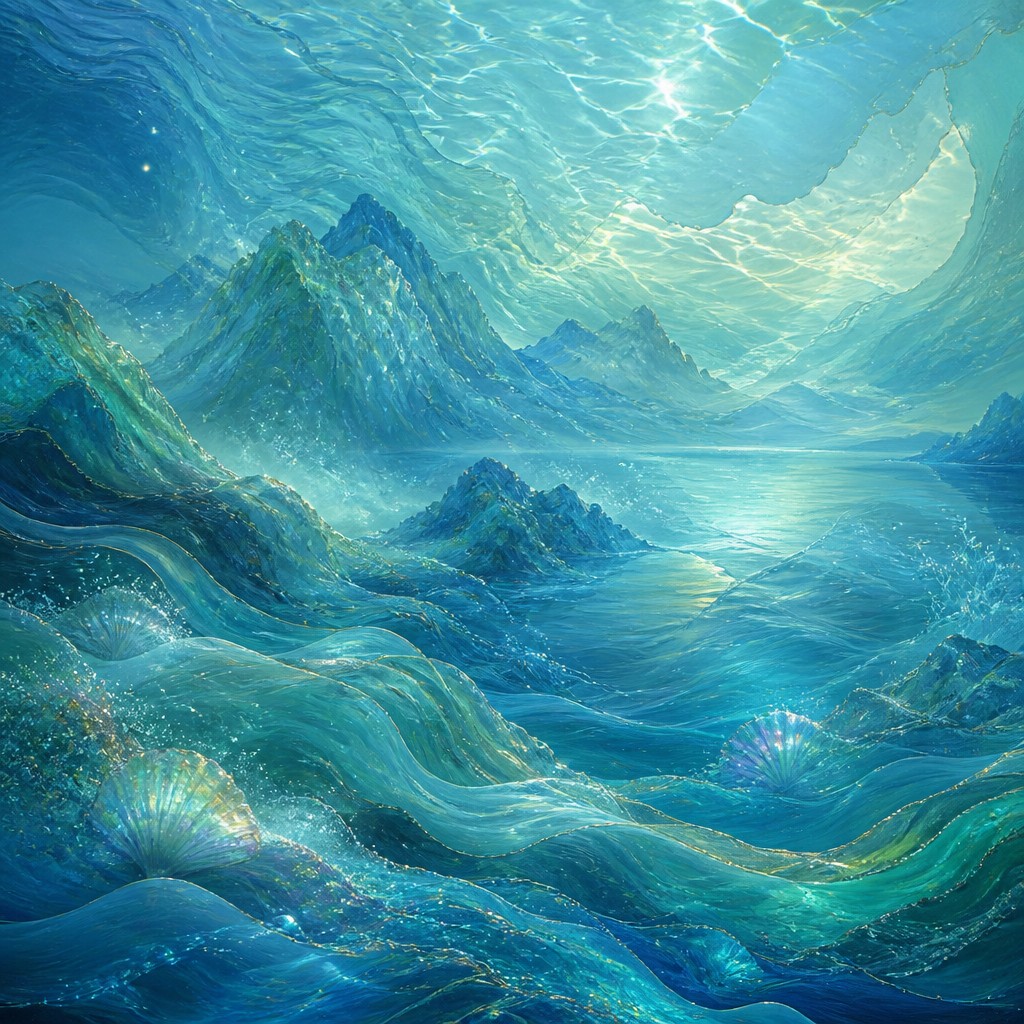
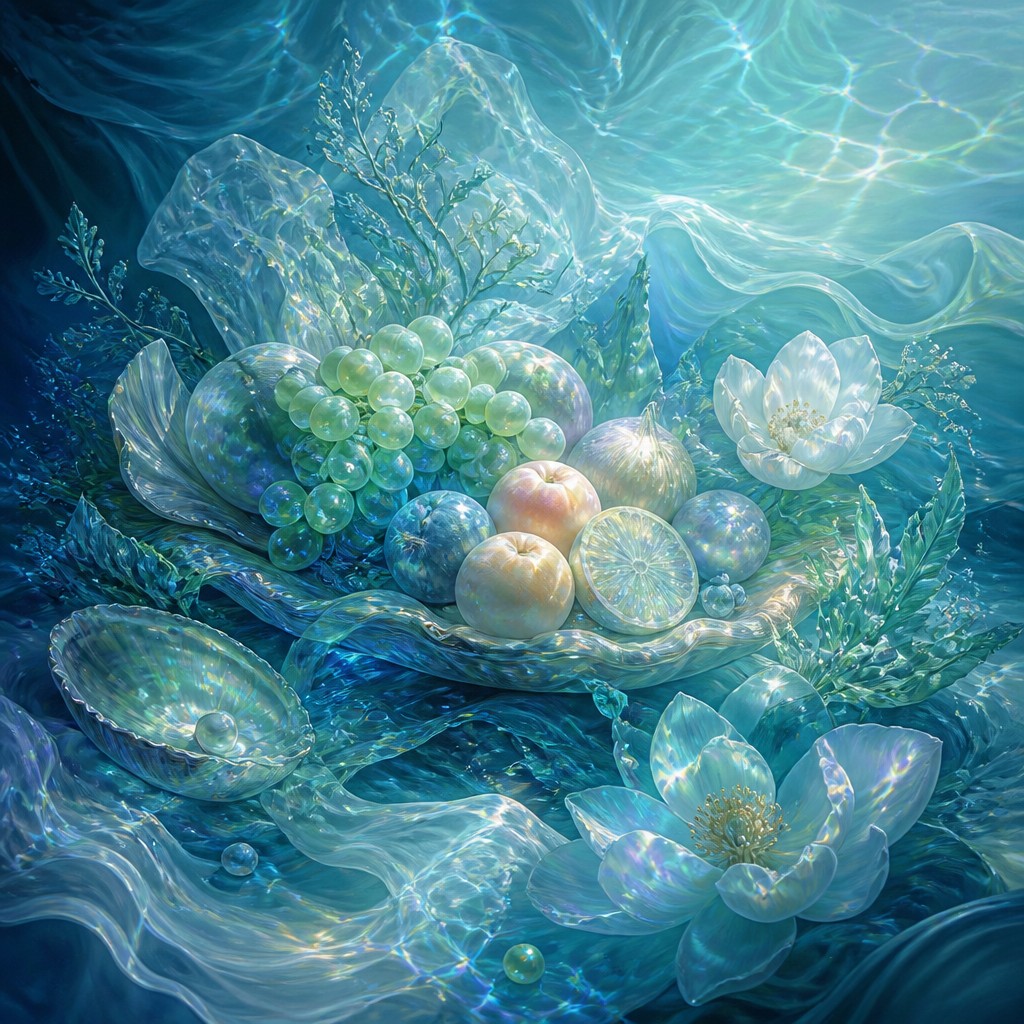
Ocean Nature Gallery
Tap any artwork to explore it
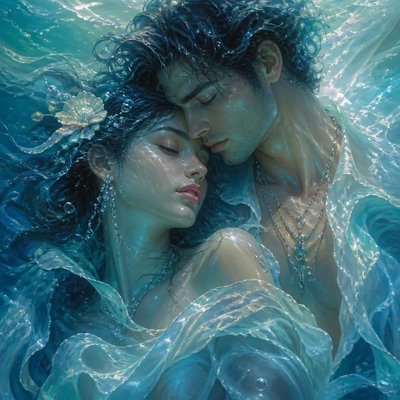
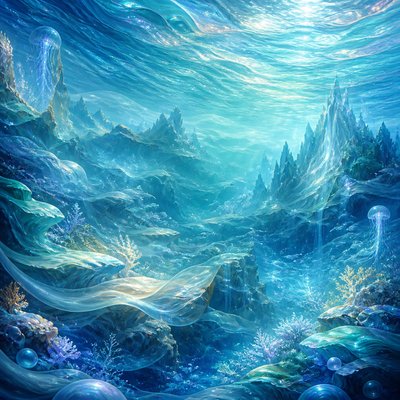
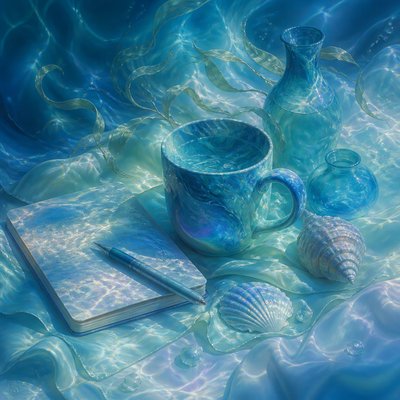
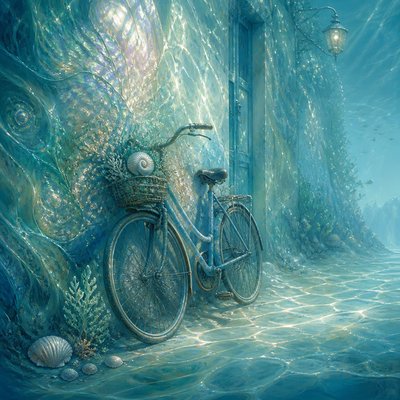
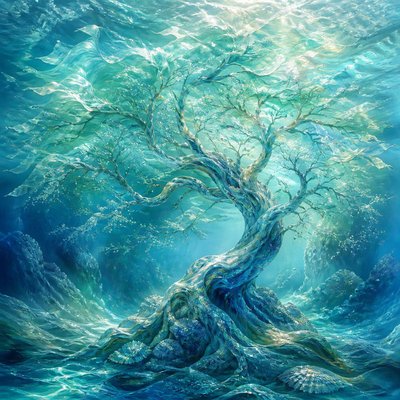
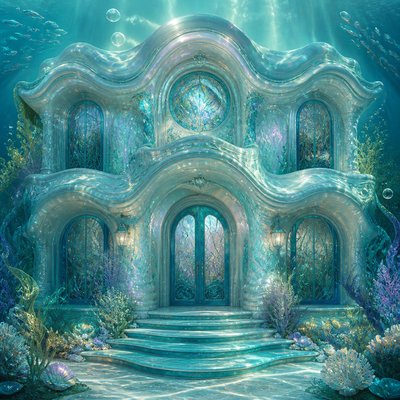
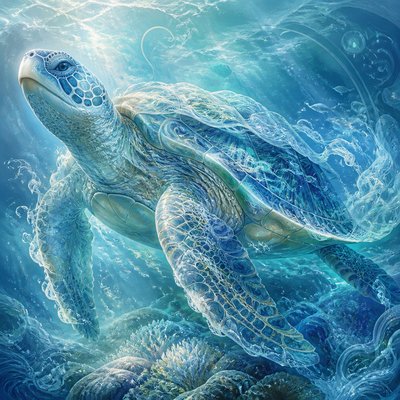
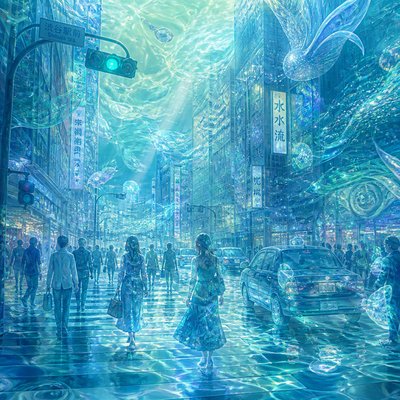
What is Ocean Nature Art?
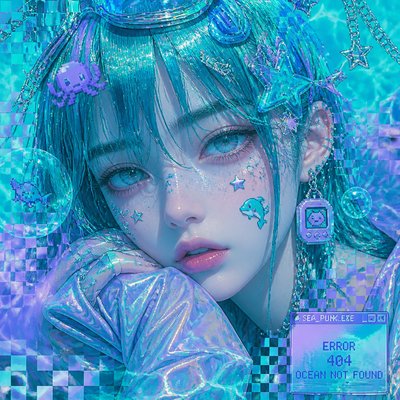
Ocean Nature Art is a marine-themed visual style centered on the forms, colors, and atmospheres of seas, coastlines, and underwater environments. It typically combines rippling, wave-like textures with flowing organic curves, translucent layers, and cool aquatic color fields to evoke movement, depth, and calm. The result is less a literal seascape than a sensory translation of oceanic experience: drifting, reflective, and softly luminous.
Its visual identity comes from the way it blends natural observation with stylization. Light is often treated as a major subject, especially the shifting effects of water: caustic patterns, submerged haze, pearl-like highlights, and bioluminescent accents. Because of this, Ocean Nature Art can feel both realistic and dreamlike, balancing recognizable marine imagery with an abstracted, almost meditative sense of suspended motion.
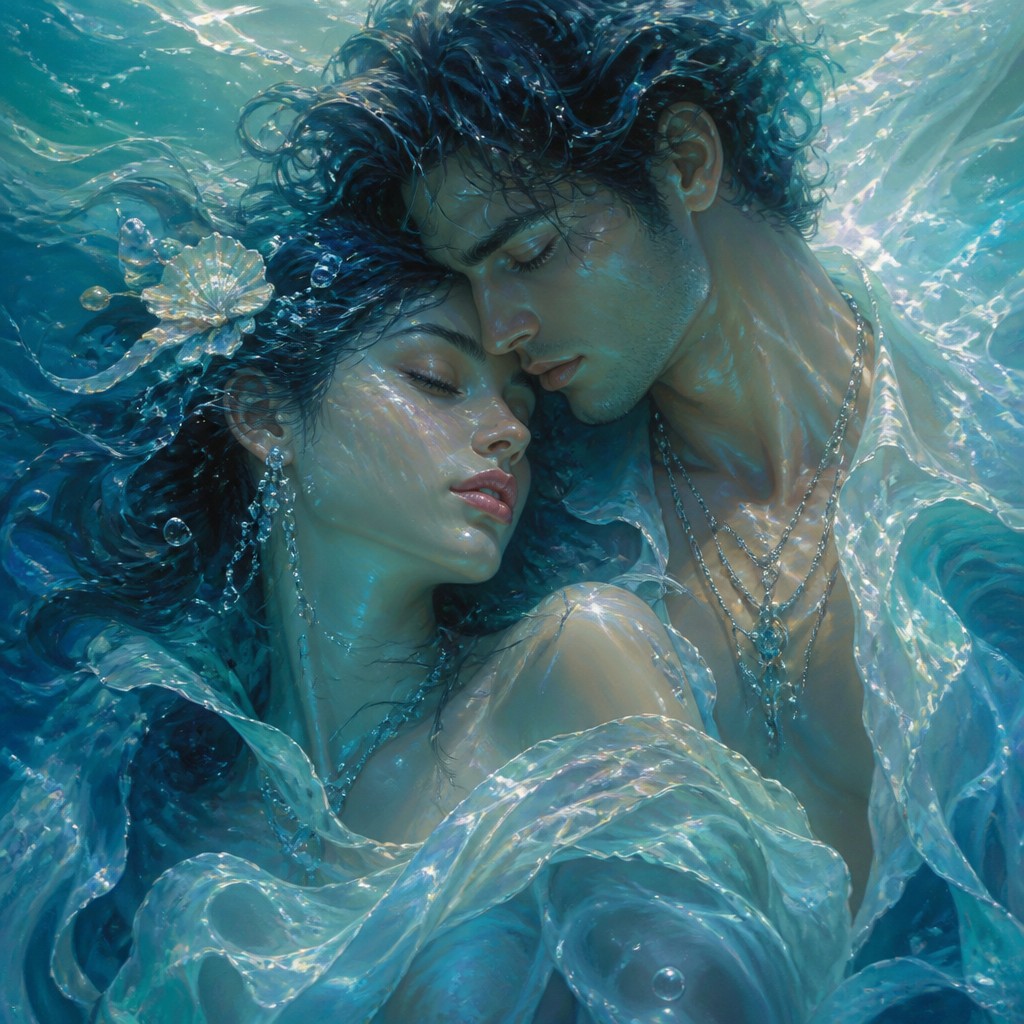
Try It On Your Photos
Upload any photo and convert it into Ocean Nature Art — drag the sliders to compare before and after.
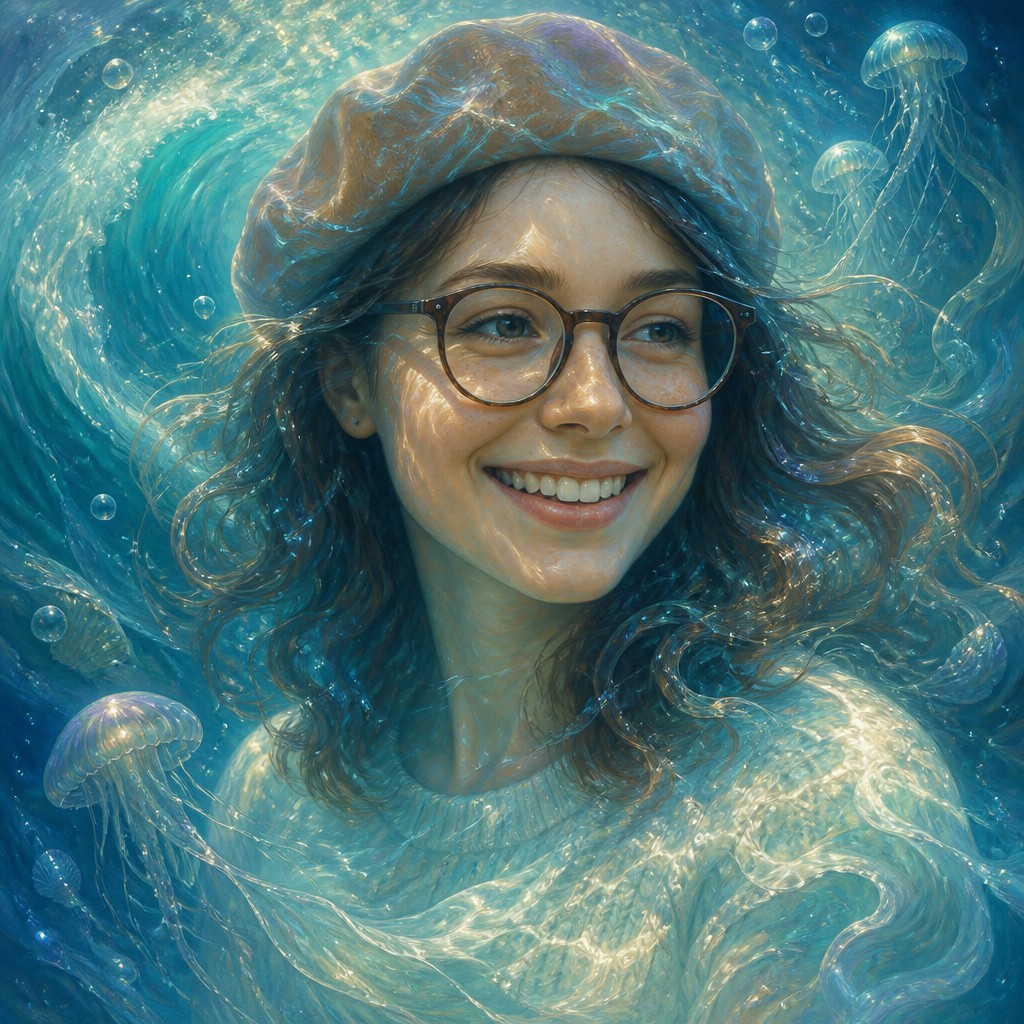

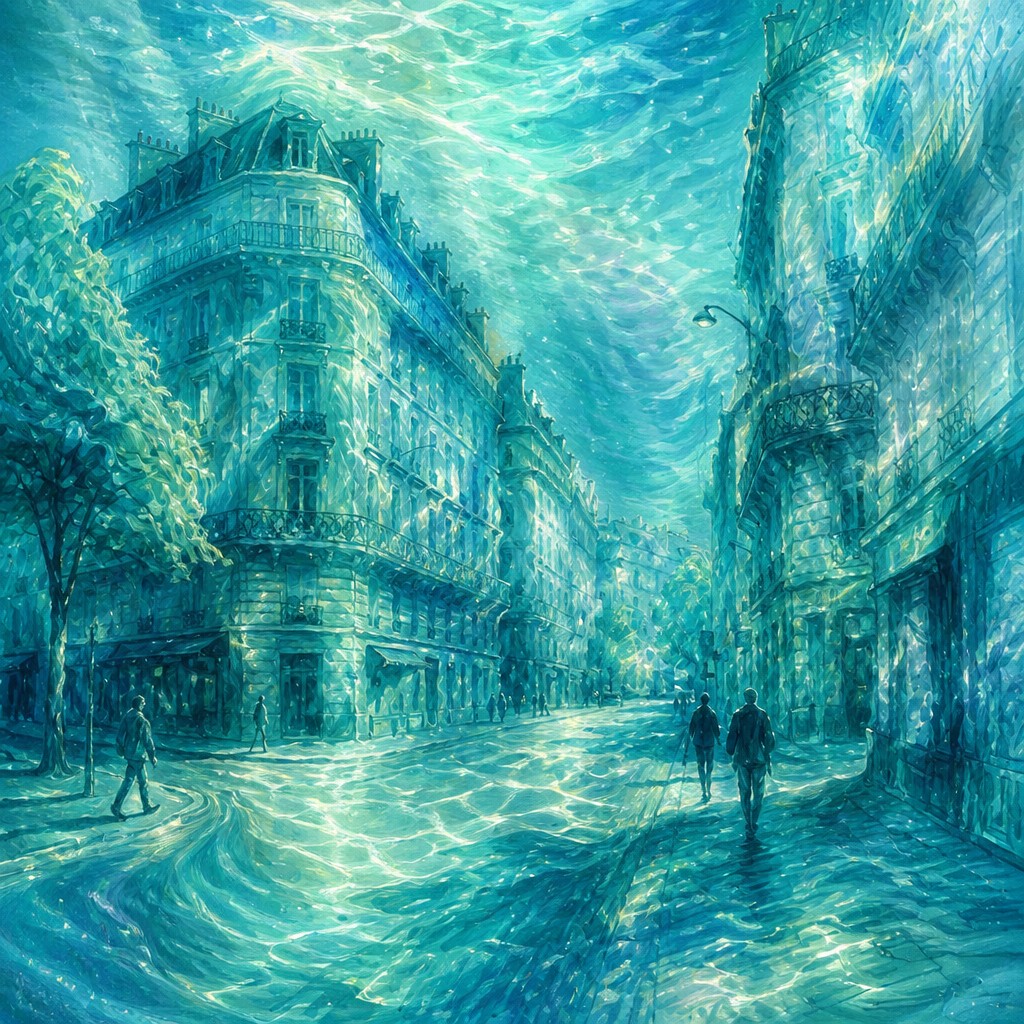

What Defines Ocean Nature Art
The signature details, up close
Aquatic color palette
The style usually relies on deep azure, turquoise, seafoam green, and pearl white, often moderated by cool grays or sandy neutrals. These colors suggest clear water, reflected sky, and the pale glow of sunlight beneath the surface.
Wave-like movement
Forms tend to be softened into rippling contours, drifting arcs, and undulating rhythms. Even static subjects often appear suspended in motion, as if shaped by currents or tides.
Translucent layering
Watercolor-like washes, glazing effects, or digitally built transparent layers create depth without heavy edges. This layering is key to the style’s sense of water, mist, and visibility through fluid medium.
Caustic light and shimmer
Bright, broken light patterns mimic sunlight refracting through moving water. Mother-of-pearl highlights, iridescence, and subtle glow accents help the image feel wet, reflective, and alive.
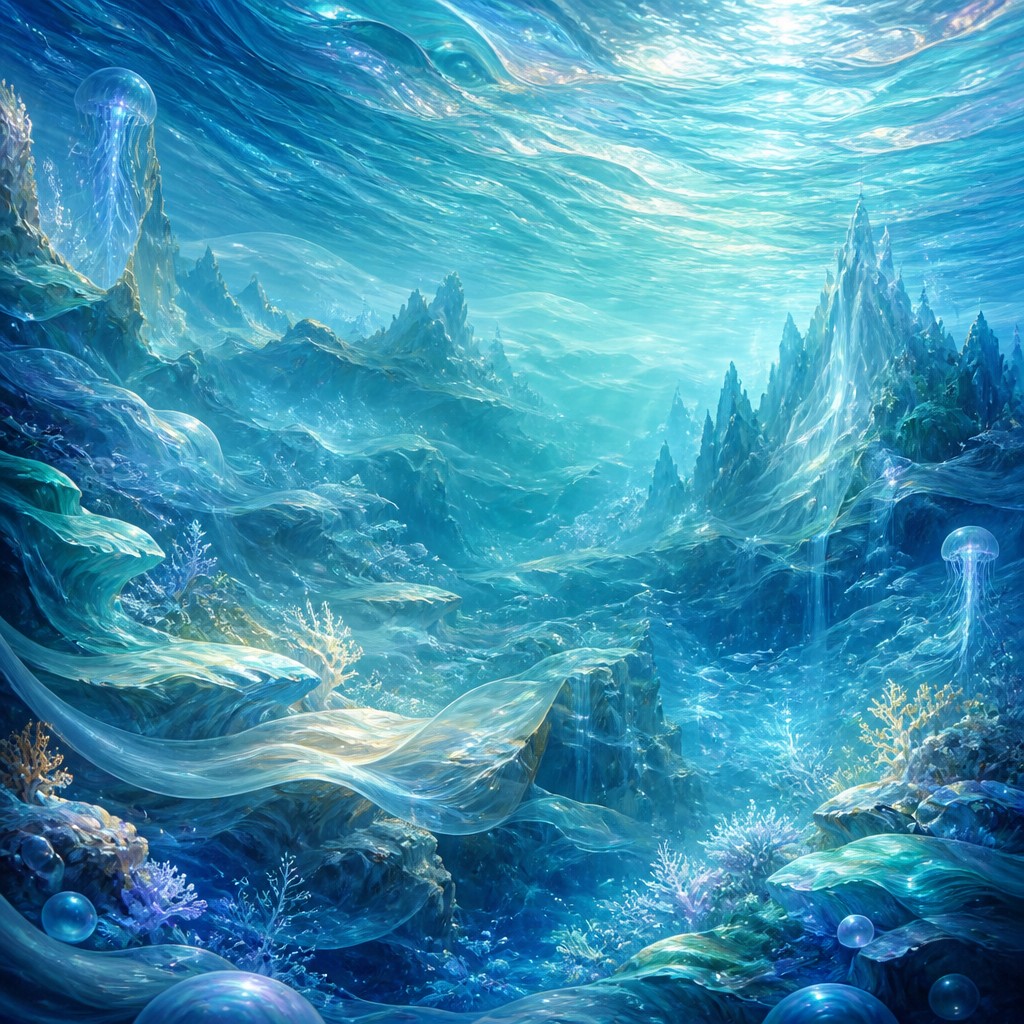
Atmospheric softness
Edges are often diffused by haze, mist, or suspended particulate effects, reducing hard contrast. This soft focus contributes to the serene, submerged feeling characteristic of the style.
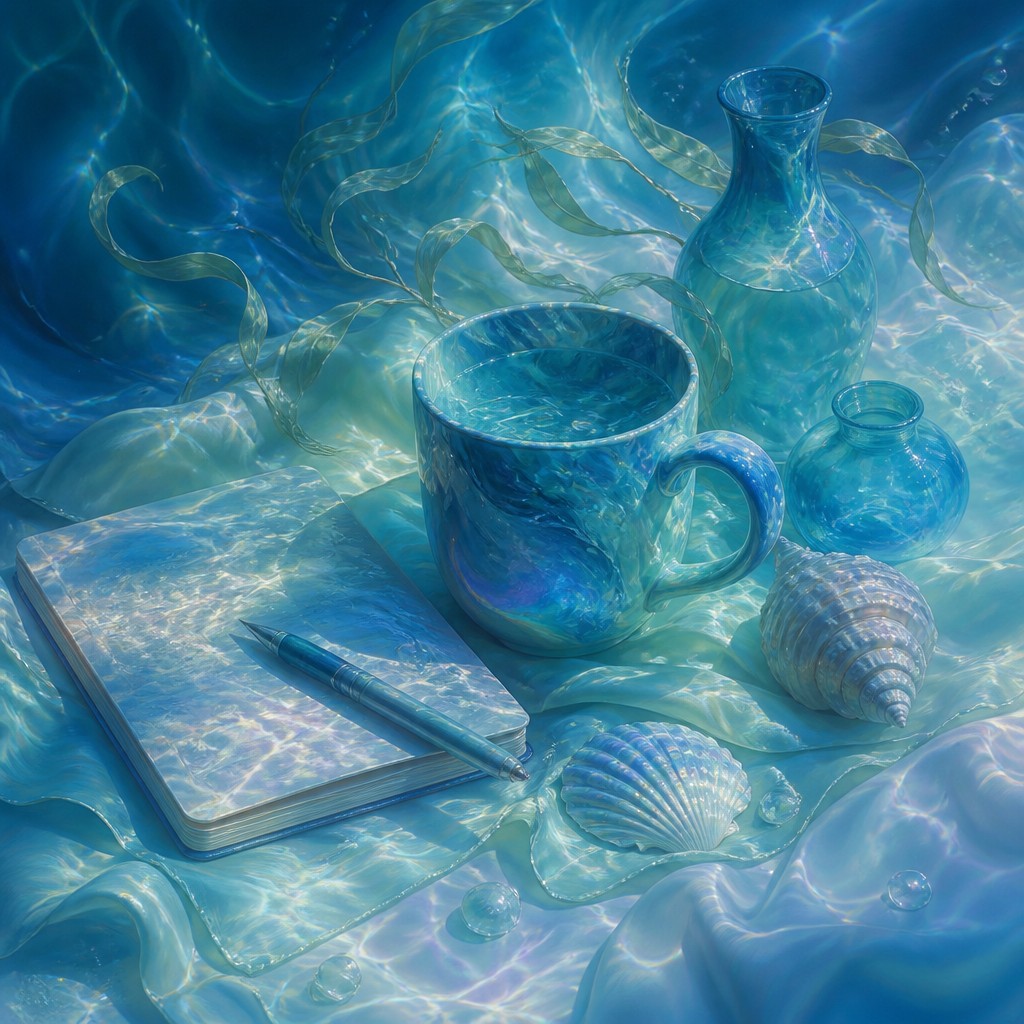
Marine subject matter
Common subjects include reefs, tides, coastlines, shells, kelp forests, fish, sea creatures, coral, and open seascapes. Human figures, if present, are usually secondary to the surrounding aquatic environment.
Try It
Create Videos in Ocean Nature Art
Styles aren't just for stills — describe a scene or animate an image and get a short video rendered in Ocean Nature. Press play to see this pond come to life.
Make a VideoOcean Nature Prompt Ideas
Start from an idea — each one opens the generator with the style ready to go. See all 40 Ocean Nature prompts →
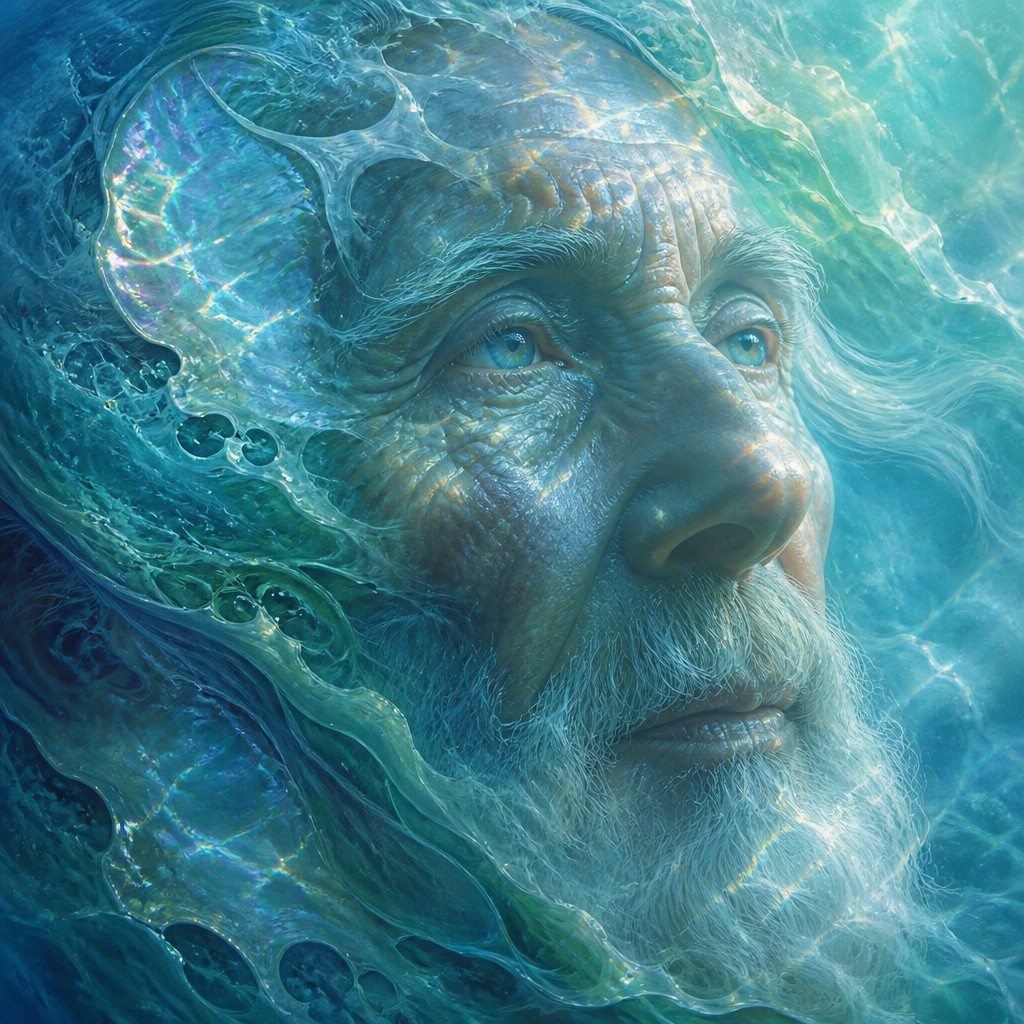
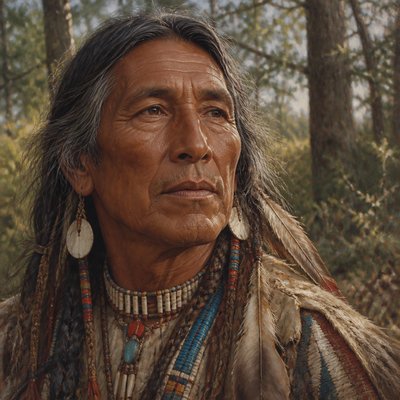
“close-up portrait of an elderly person with expressive weathered features”
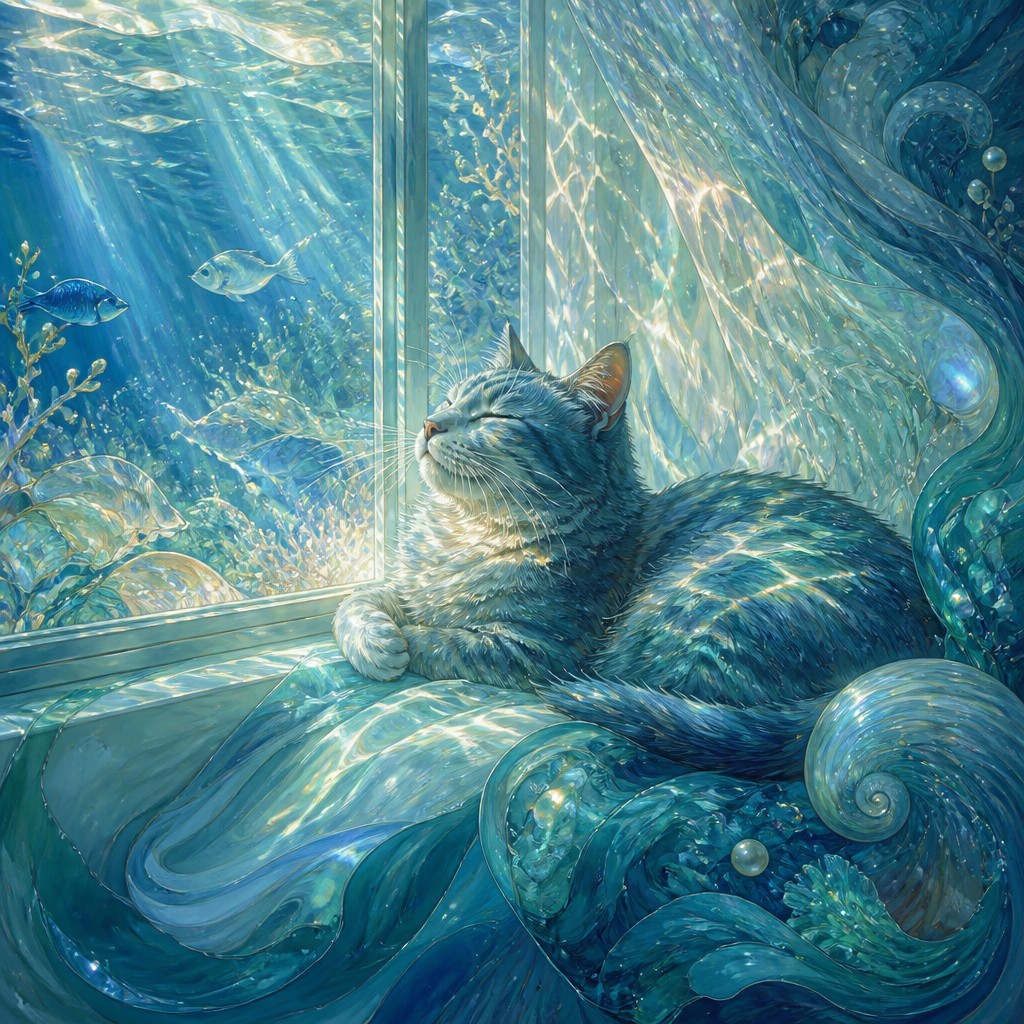
“a cat lounging in a sunlit window”
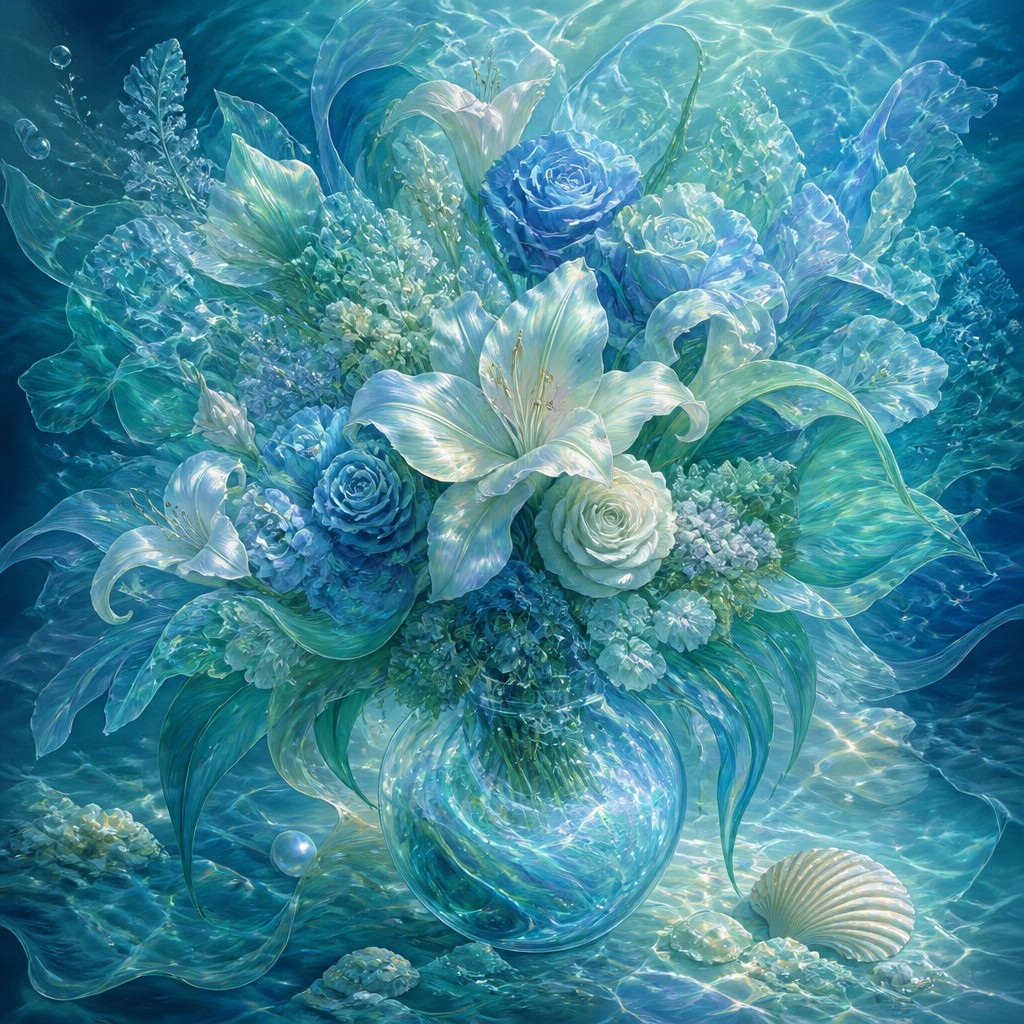
“bouquet of flowers in a glass vase”
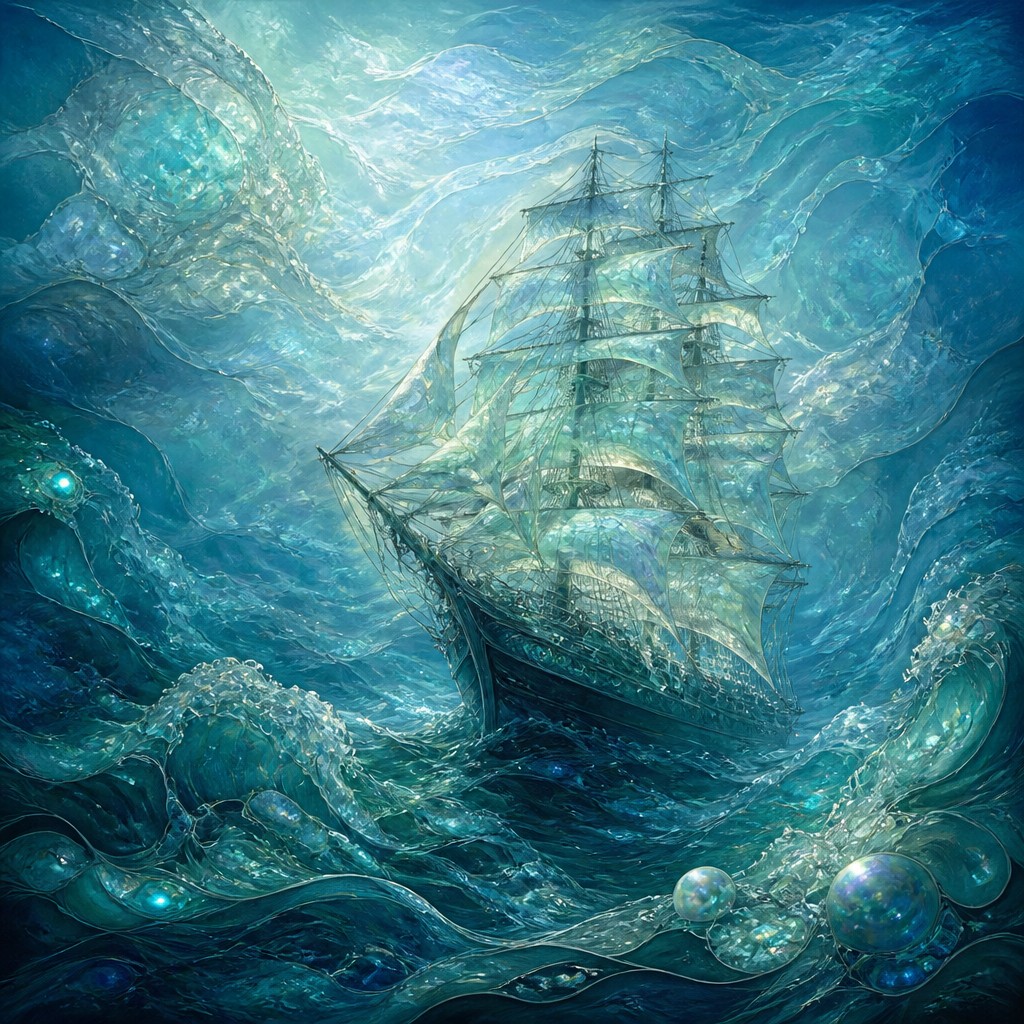
“sailing ship on a stormy sea”
How to Create Ocean Nature Art
Master the craft step by step — or skip straight to creating. Read the full guide →
- 1
Build a water-first composition
Start by designing the image around flow, curvature, and depth rather than hard geometry. In traditional media, use soft washes, glazing, or wet-on-wet techniques; in digital work, prioritize layered opacity, gradient transitions, and directional brushwork that mimics currents.
- 2
Use a cool marine palette
Anchor the image in blues and blue-greens, then add seafoam, pearl, and pale reflective highlights. Keep warm tones minimal and intentional so the scene retains its aquatic mood.
- 3
Model light as refraction
Instead of even illumination, think in terms of light moving through water. Add caustic patterns, soft bloom, and shimmering edge highlights to simulate the optical behavior of the sea.
- 4
Soften edges and deepen atmosphere
Let distant elements dissolve into haze or particulate diffusion, especially in underwater scenes. This increases spatial depth and makes the environment feel immersive rather than flat.
- 5
For prompt-based generation, specify motion and material
Describe the subject, then add cues like flowing wave textures, translucent washes, iridescent shimmer, underwater haze, and dappled caustic light. These terms help the image inherit the style’s distinctive fluidity and luminous softness.

The Story
History & Origins of Ocean Nature
Ocean Nature Art is a contemporary descriptive style rather than a single historical movement. Its visual language draws from multiple precedents: maritime painting, seascape traditions, underwater photography, environmental illustration, and modern digital art that emphasizes atmosphere, translucency, and fluid form. It also overlaps with fantasy and conceptual image-making, especially where the goal is to evoke the emotional qualities of water rather than document a specific place.
Its aesthetic lineage can be traced to artists and traditions that foregrounded nature’s changing surface and light effects, including the marine painting of major Romantic-era seascape artists and the atmospheric seascapes of leading Impressionist painters. In more modern contexts, the style also resonates with scientific illustration, nature documentary imagery, and digital matte painting, which together help explain its mixture of natural detail, luminous color, and immersive depth.
Influences: Ocean Nature Art relates to maritime landscape painting, watercolor seascape traditions, and the atmospheric treatment of light found in the marine works of leading Romantic-era seascape painters and the coastal scenes of major Impressionist painters. It also draws from underwater photography, scientific illustration of marine life, and contemporary digital environments that use translucency, glow, and layered atmospheric effects to suggest immersion in water.
Frequently Asked Questions
What defines Ocean Nature Art?
It is defined by marine subject matter combined with fluid, dreamlike handling of form and light. The key features are wave-like textures, aquatic color palettes, translucent layering, and a calm underwater or coastal atmosphere.
Is this style realistic or abstract?
It can be either, but it usually sits between the two. The subjects may be recognizable—fish, reefs, tides, cliffs, or sea creatures—while the treatment of color, movement, and light becomes highly stylized.
How is it different from a normal seascape?
A conventional seascape often aims to depict a specific place or weather condition. Ocean Nature Art is more sensory and atmospheric, emphasizing the feeling of being in or near water through shimmer, diffusion, and organic motion.
What subjects work best in this style?
Anything related to the sea tends to work well: coral reefs, tidal pools, coastlines, marine animals, shells, kelp forests, and submerged figures. The style is especially effective when the subject has natural curves or reflective surfaces.
Can this style be used for portraits or fantasy scenes?
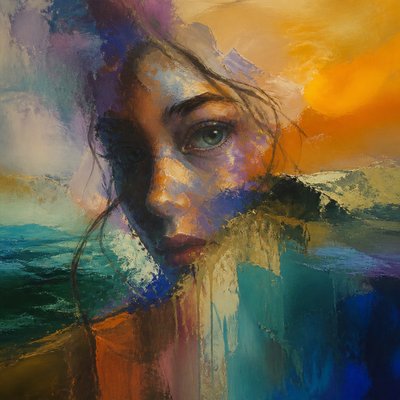
Yes. Portraits can be integrated into aquatic environments, and fantasy scenes can use ocean motifs to create ethereal or mythic imagery. The style works especially well when the figure is partially enveloped by water, mist, or bioluminescent light.
What techniques help recreate it digitally?
Layered transparency, soft blending, luminous highlights, and textured brushes are especially useful. Adding refracted light patterns, gentle haze, and subtle color transitions will make the image feel more convincingly oceanic.
Create your first Ocean Nature artwork
Describe anything — or upload a photo — and see it in Ocean Nature Art in seconds.
Make Something with Ocean Nature
Related Styles
Discover similar art styles