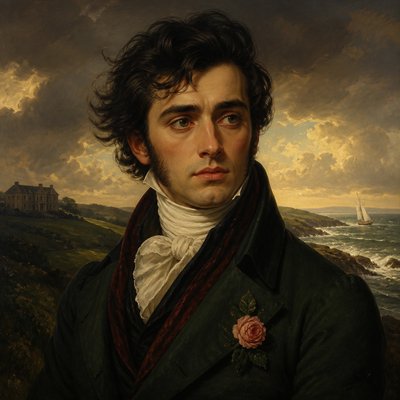
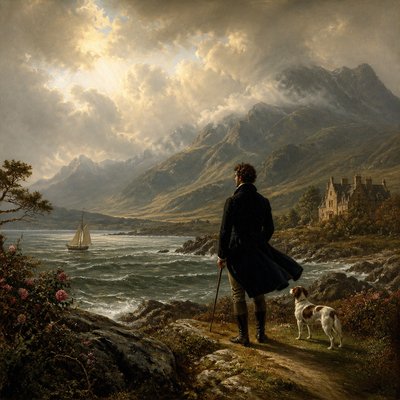
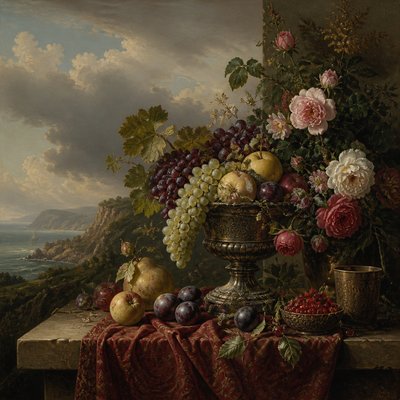
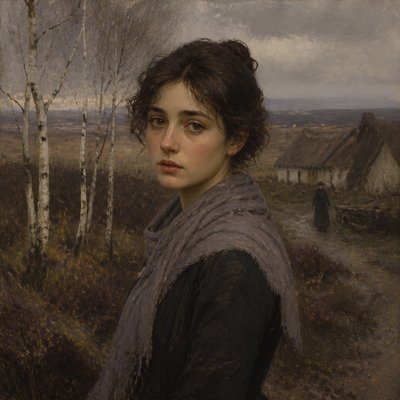
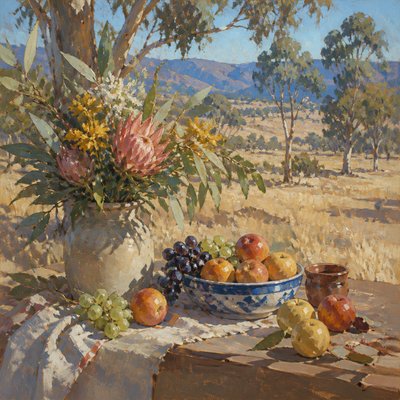
Contemporary Digital Landscape Art Style
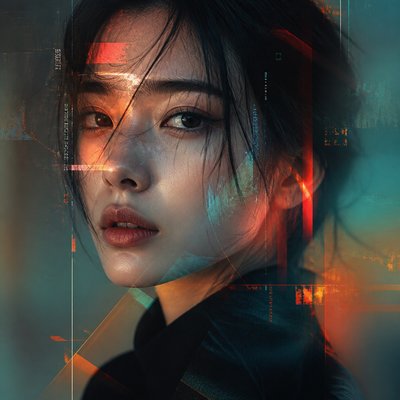
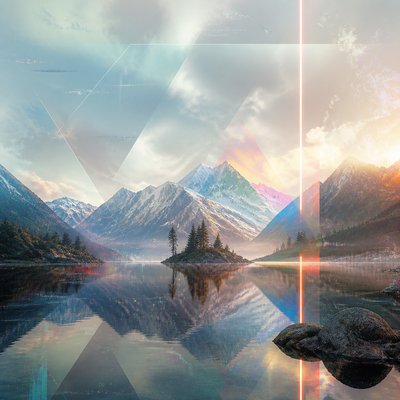
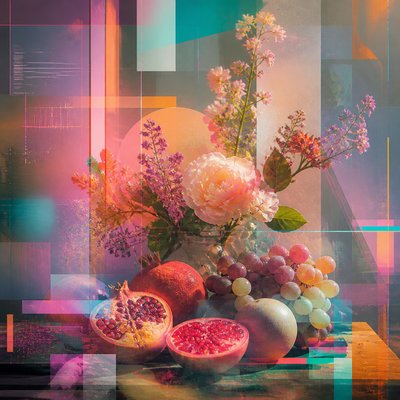
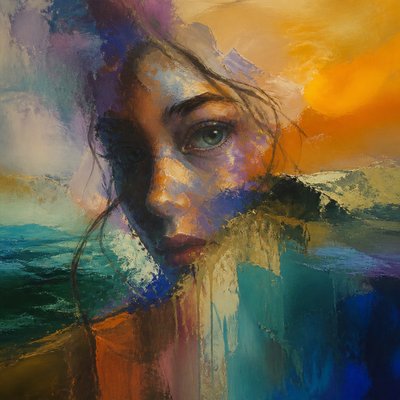
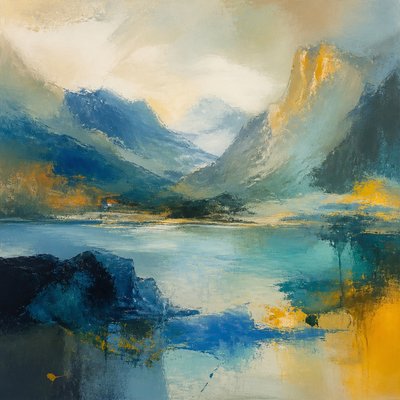
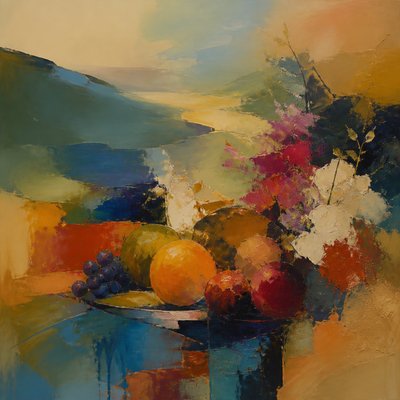
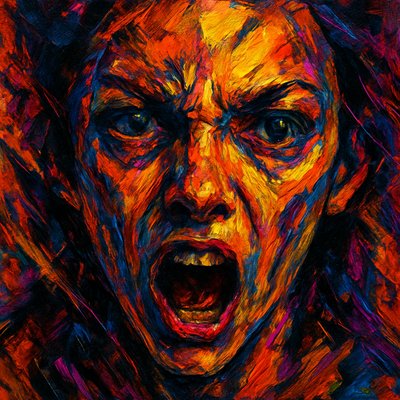
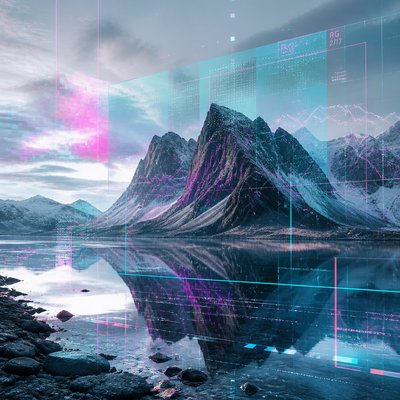
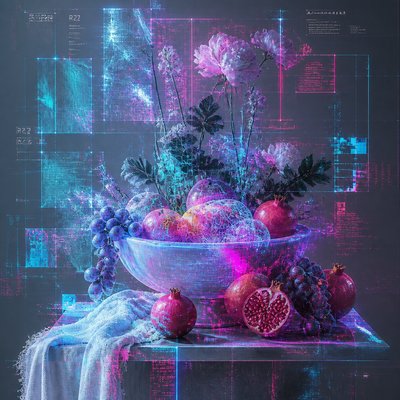
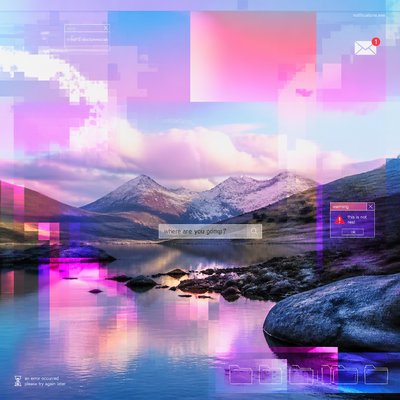
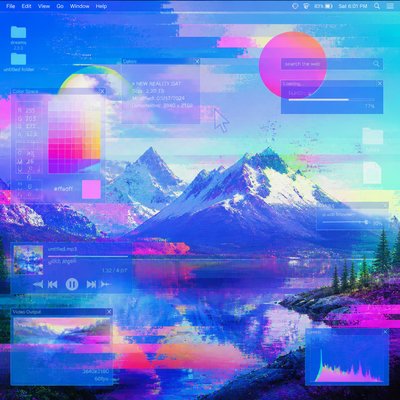
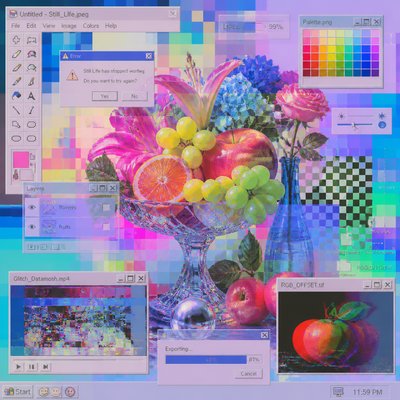
Layered digital landscapes blending photography, gradients, glitch, and neon accents into atmospheric hybrid nature scenes.
Instantly rendered in Contemporary Digital Landscape — or transform a photo
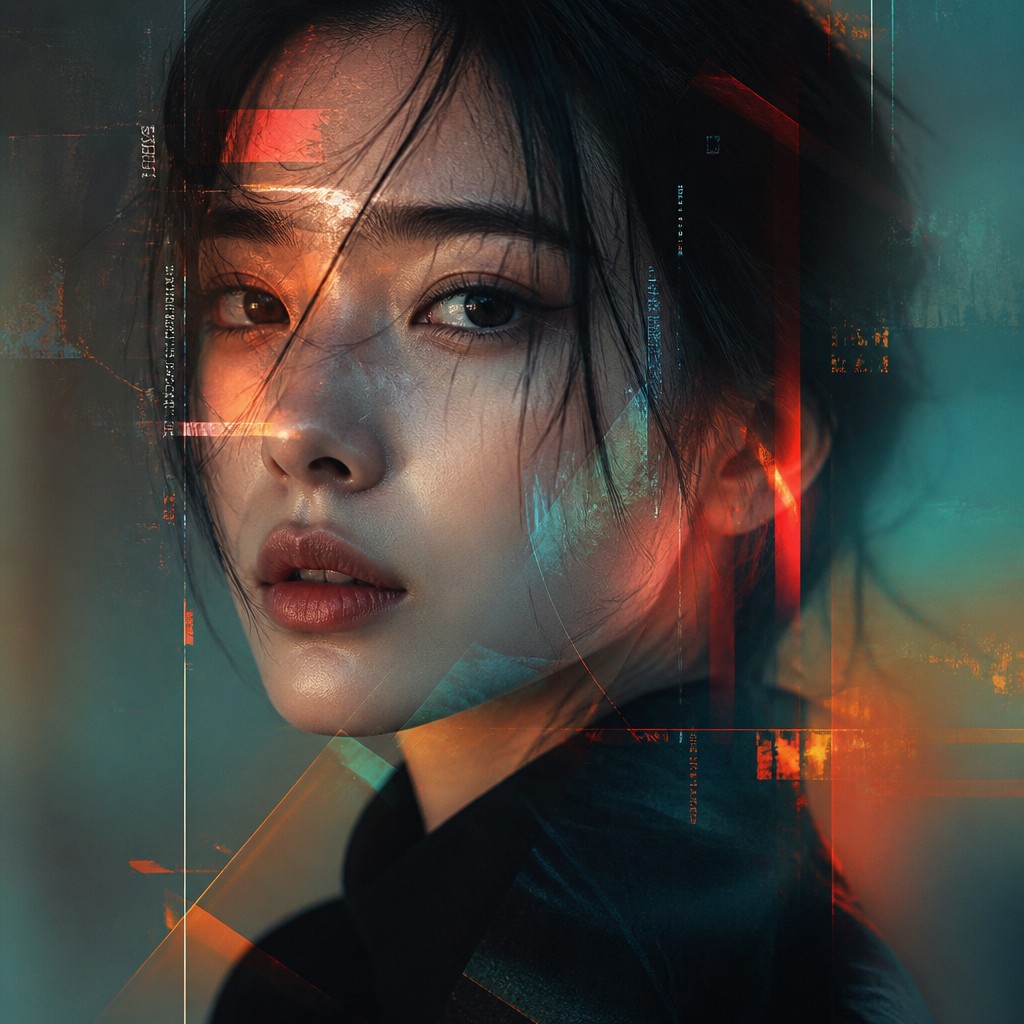
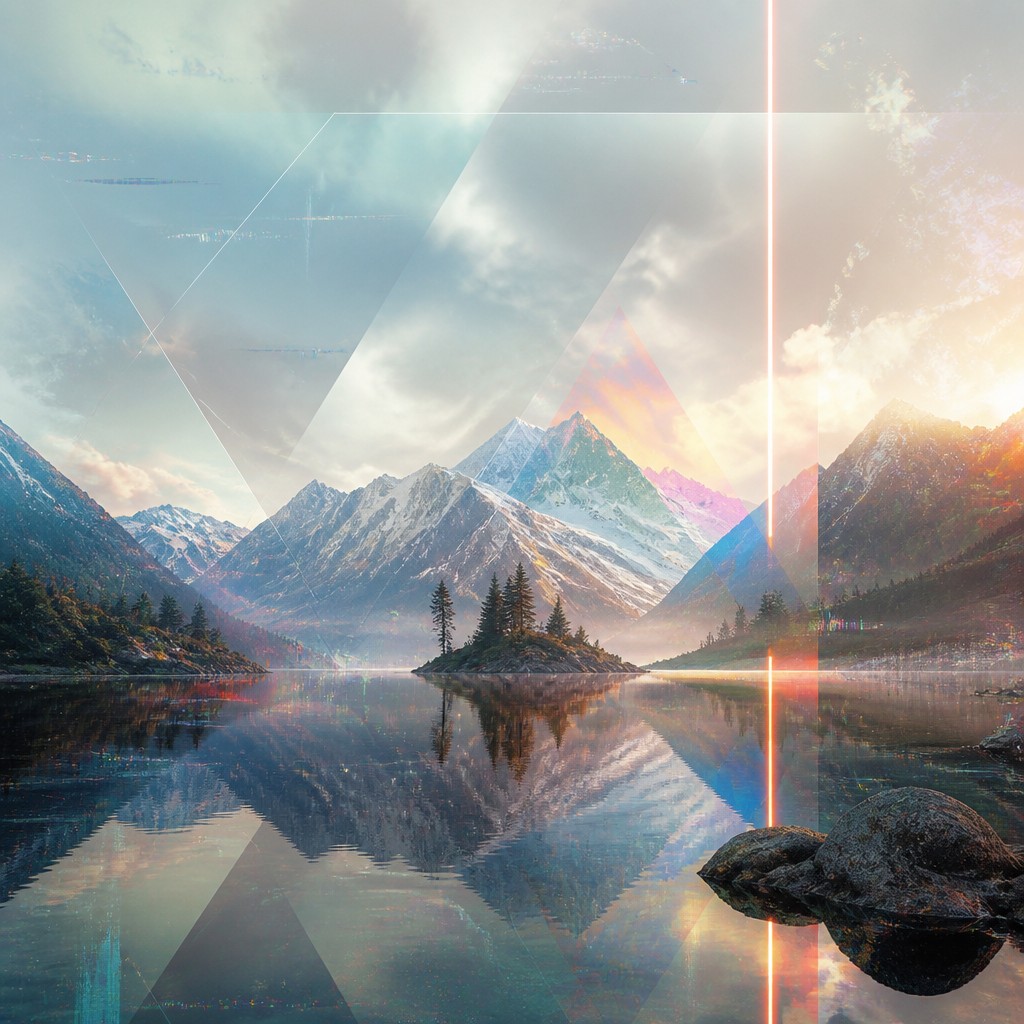
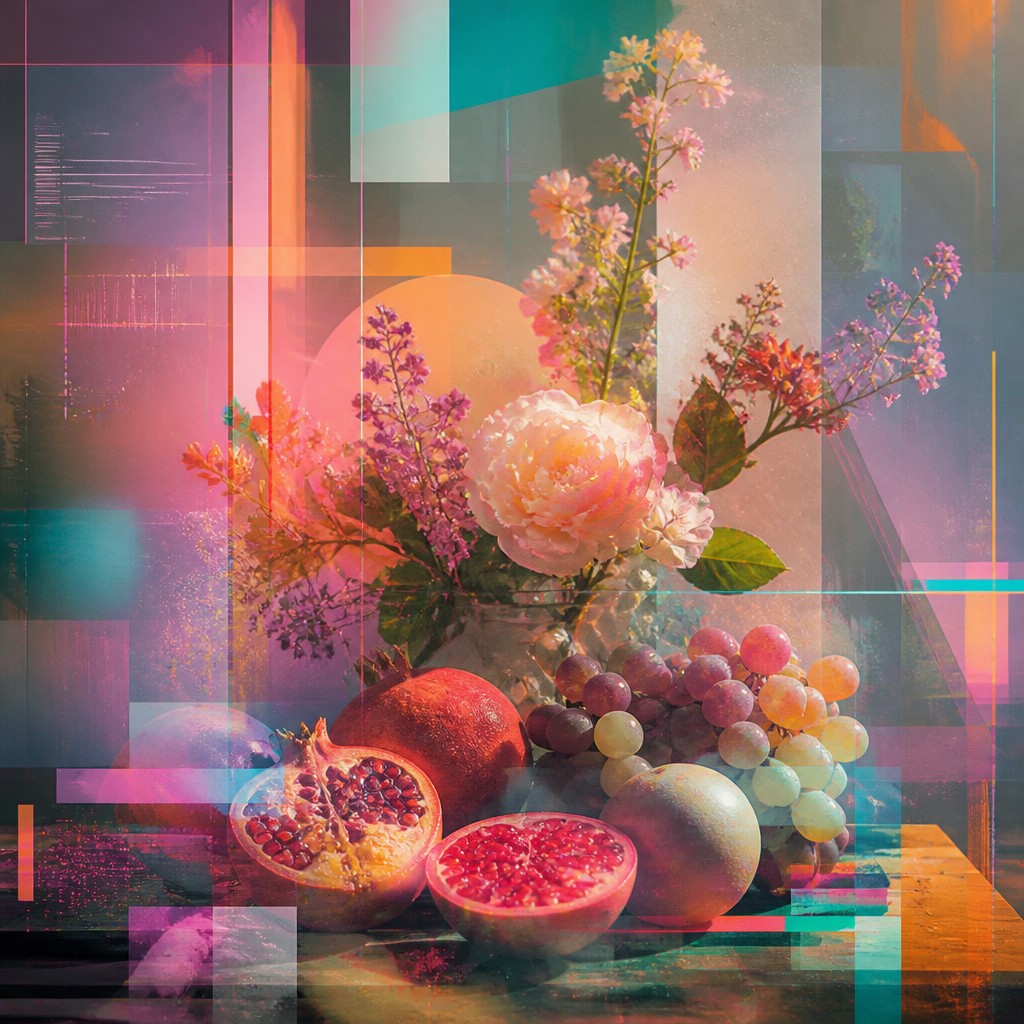
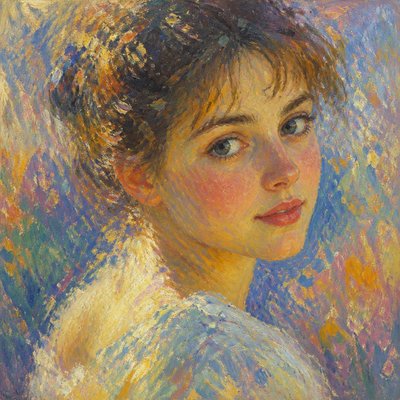
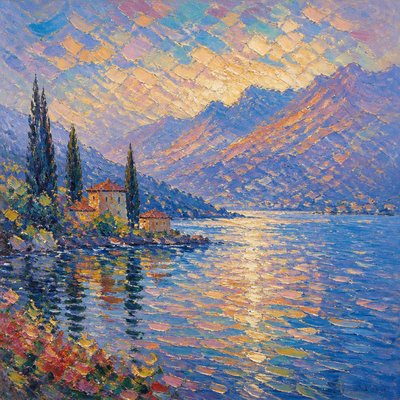
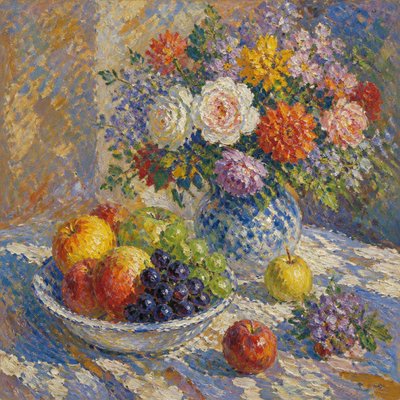
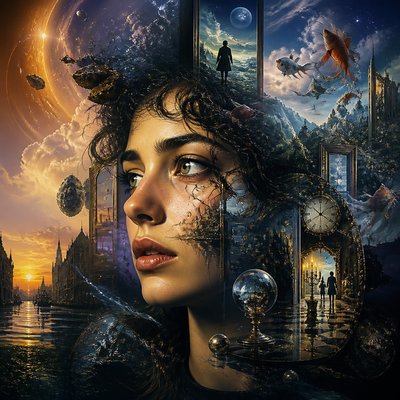
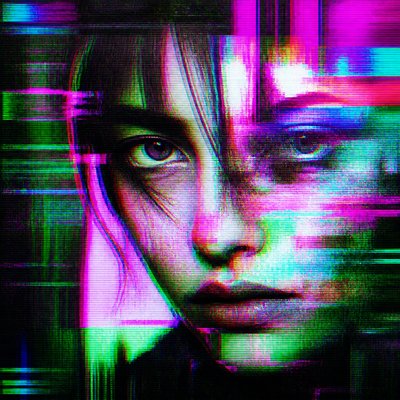
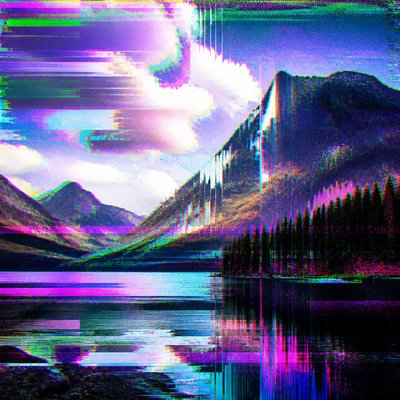
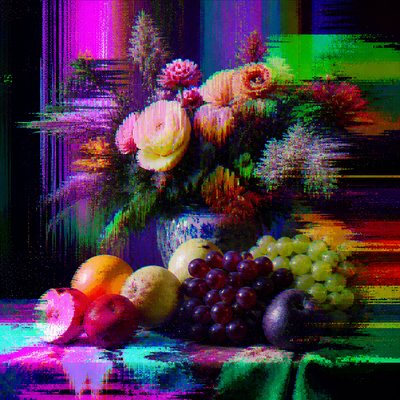
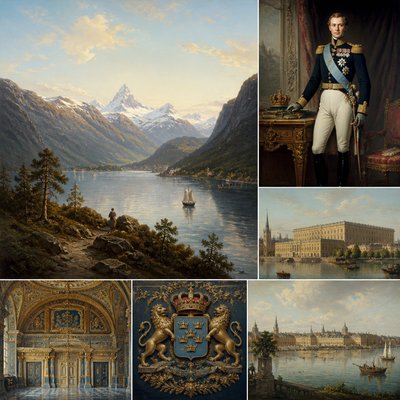
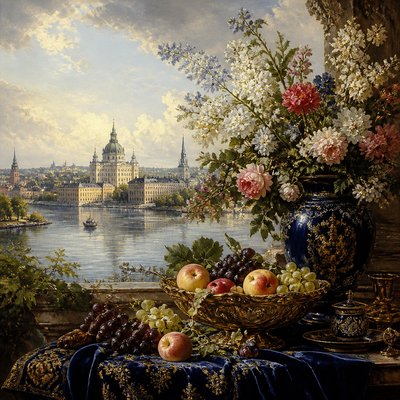
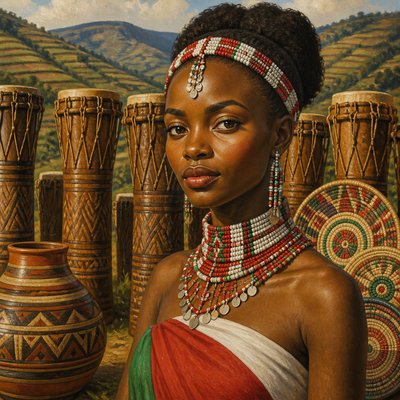
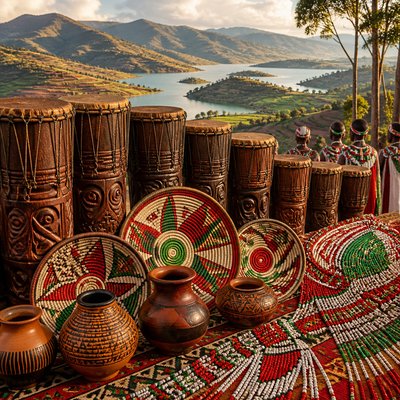
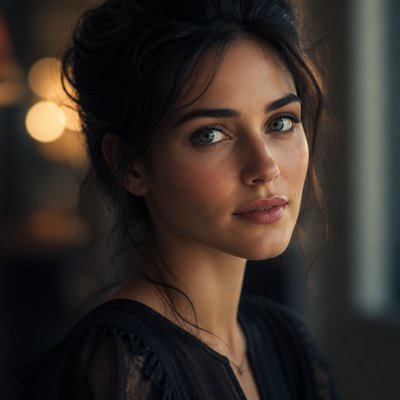
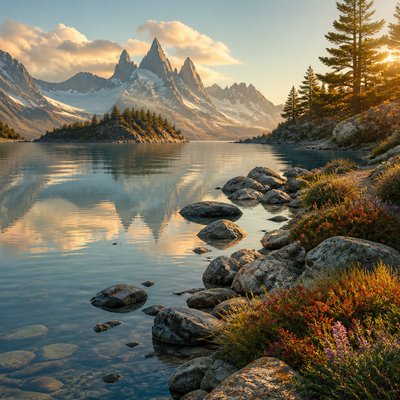
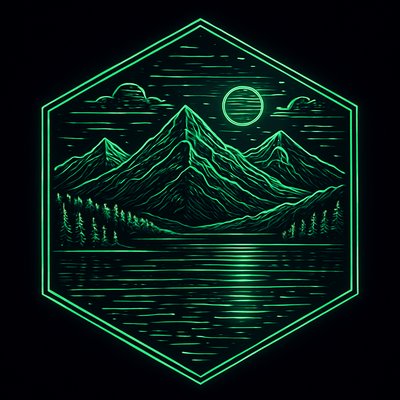
Contemporary Digital Landscape Gallery
Tap any artwork to explore it
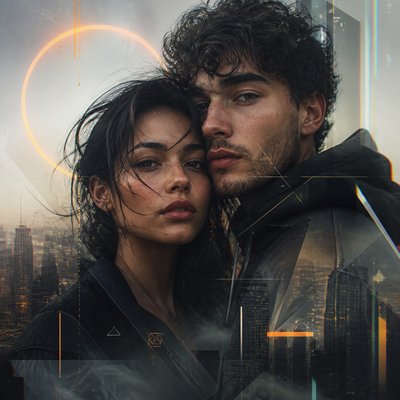
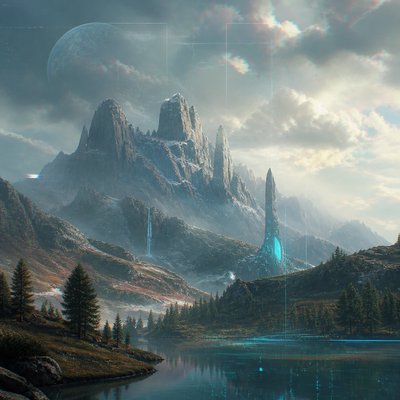
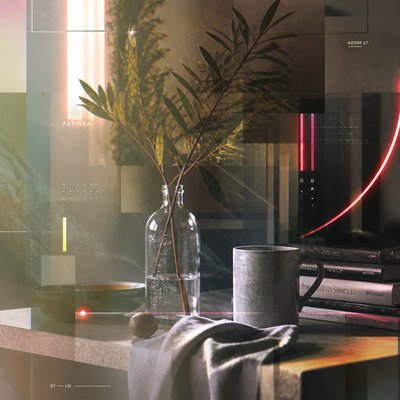
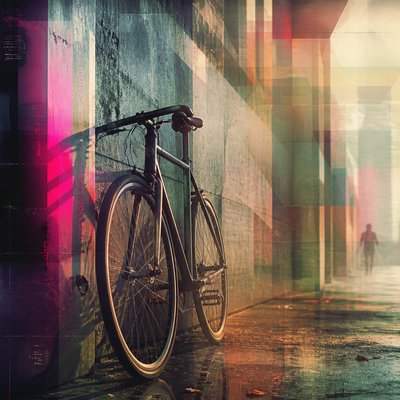
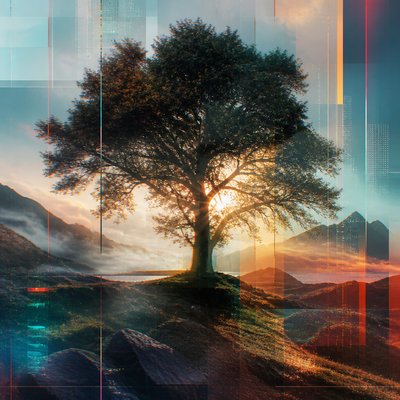
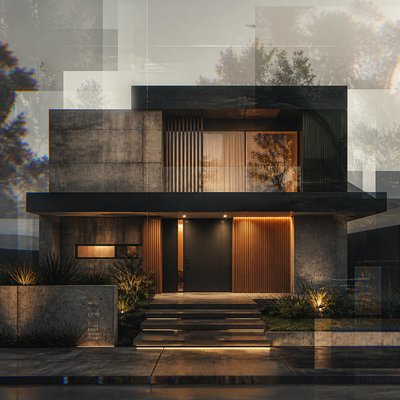
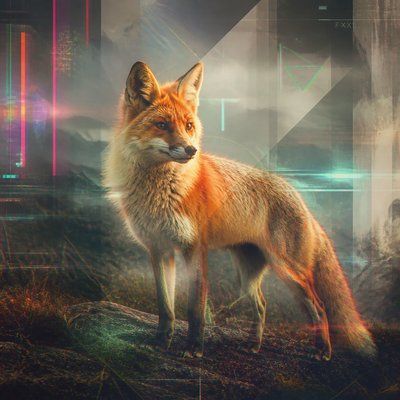
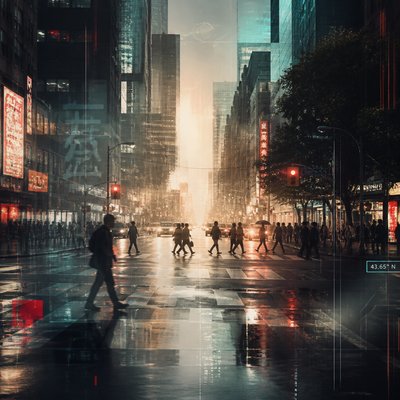
What is Contemporary Digital Landscape Art Style?
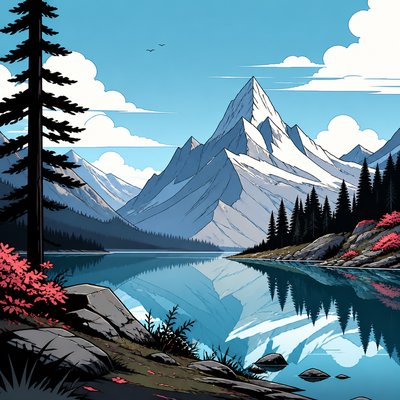
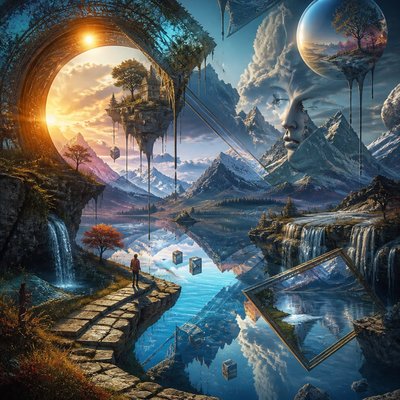
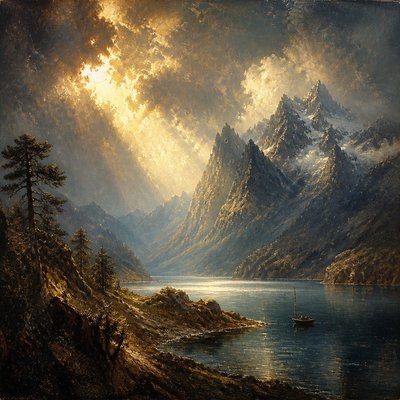
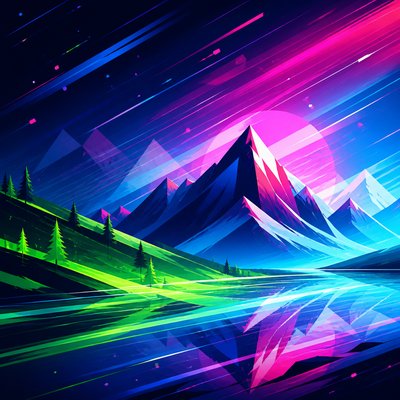
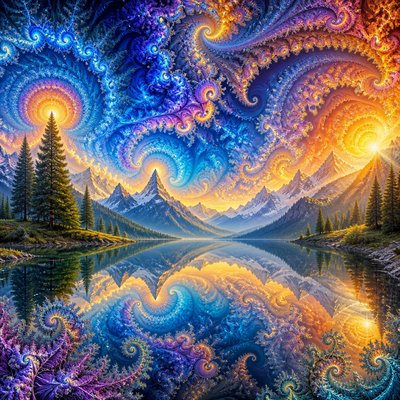
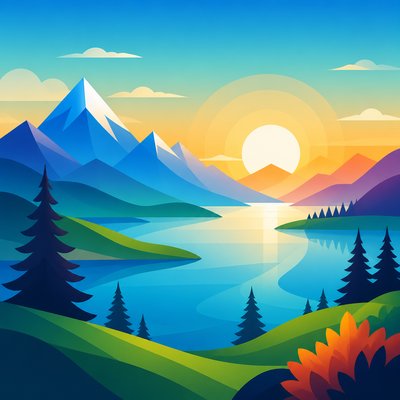
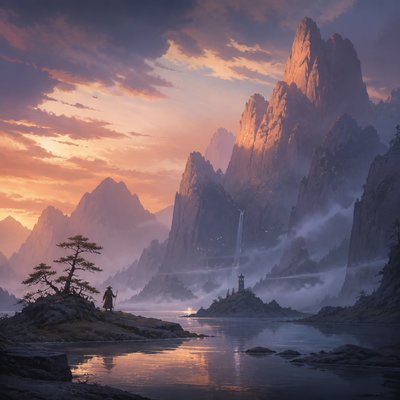
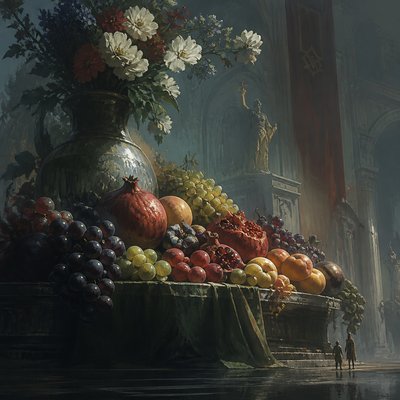
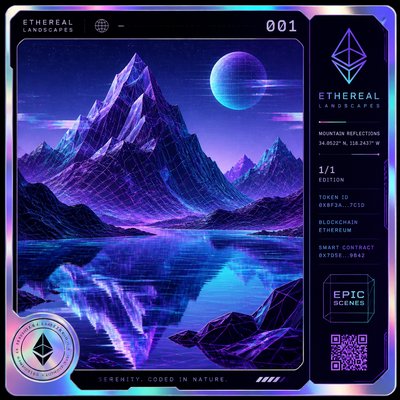
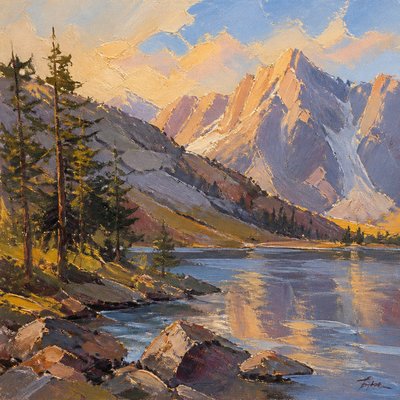
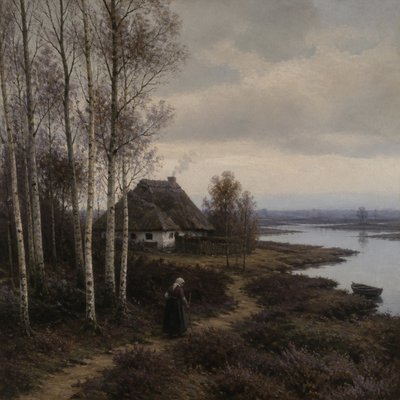
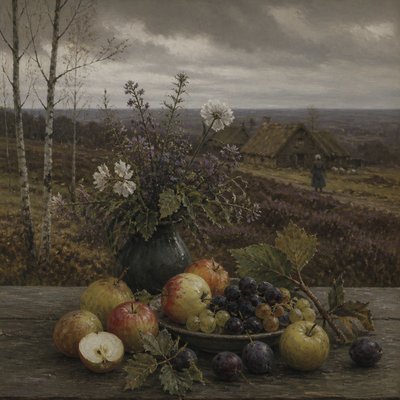
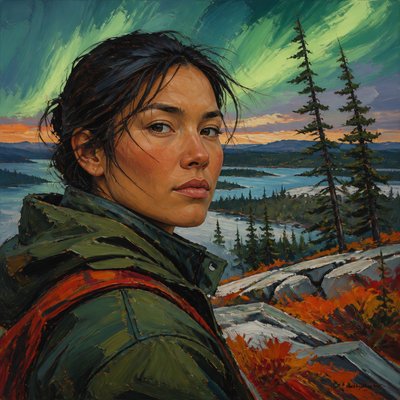
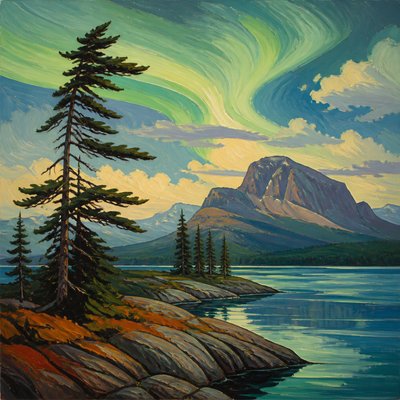
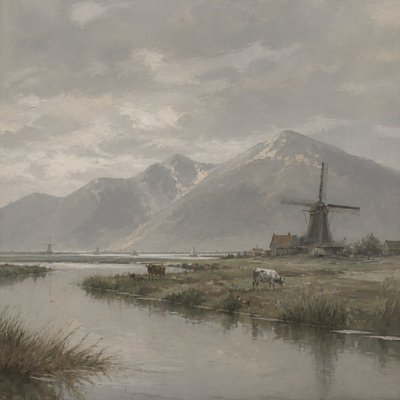
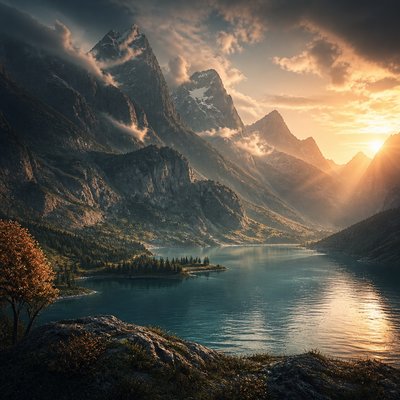
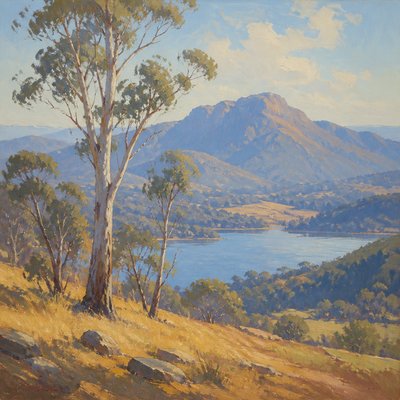
Contemporary digital landscape art is a hybrid approach to depicting nature that combines landscape traditions with post-photographic editing, compositing, and digital effects. It often shows recognizably natural subjects—mountains, forests, coastlines, skies, deserts, or urban edges—reconstructed through layered planes, luminous color shifts, and subtle distortions that make the scene feel both real and technologically reimagined.
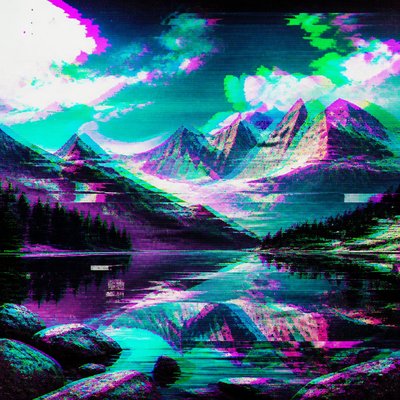
Its visual identity comes from the tension between organic forms and synthetic presentation. Artists working in this mode frequently use photographic textures, atmospheric haze, gradient transitions, chromatic aberration, glow, and glitch-like interruptions to turn a landscape into a constructed digital environment. The result is not a purely documentary view of nature, but a polished, immersive image in which the natural world appears filtered through software, screens, and contemporary image culture.
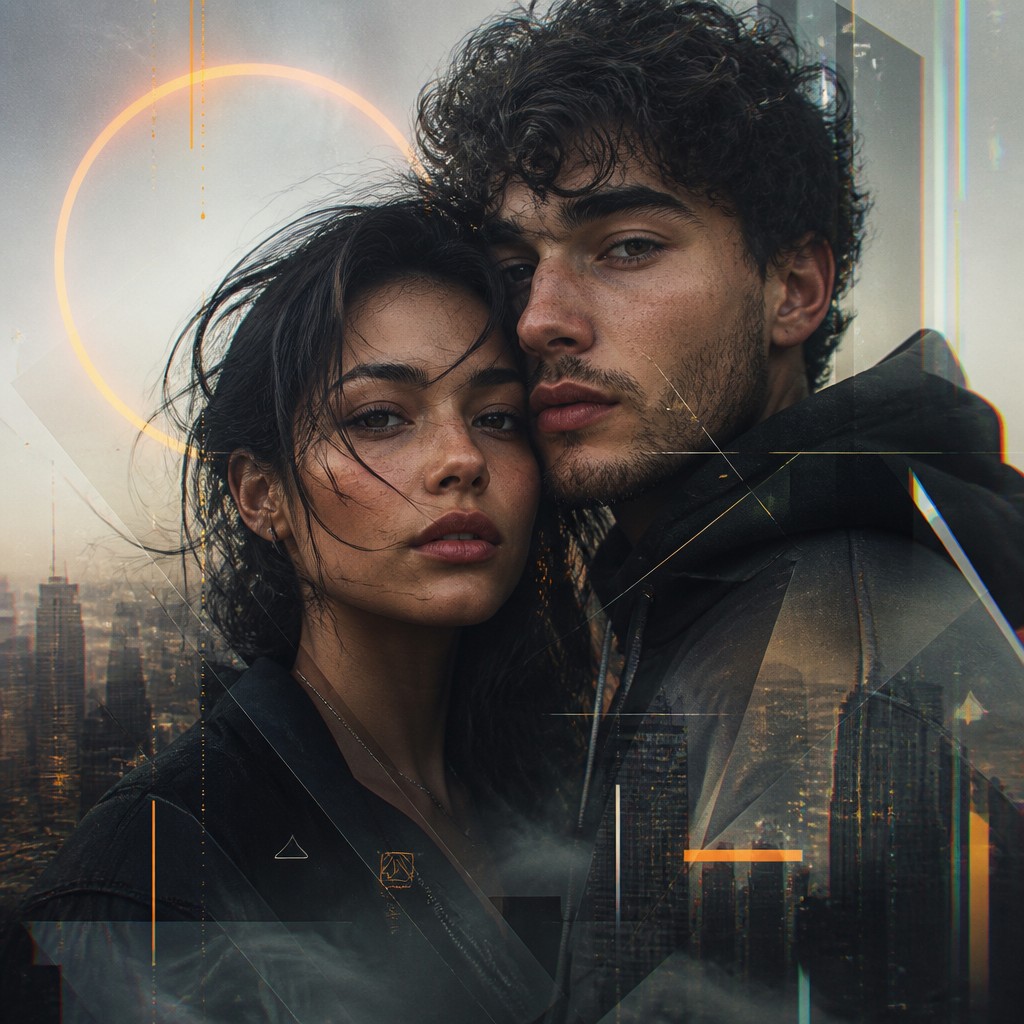
Try It On Your Photos
Upload any photo and convert it into Contemporary Digital Landscape Art Style — drag the sliders to compare before and after.
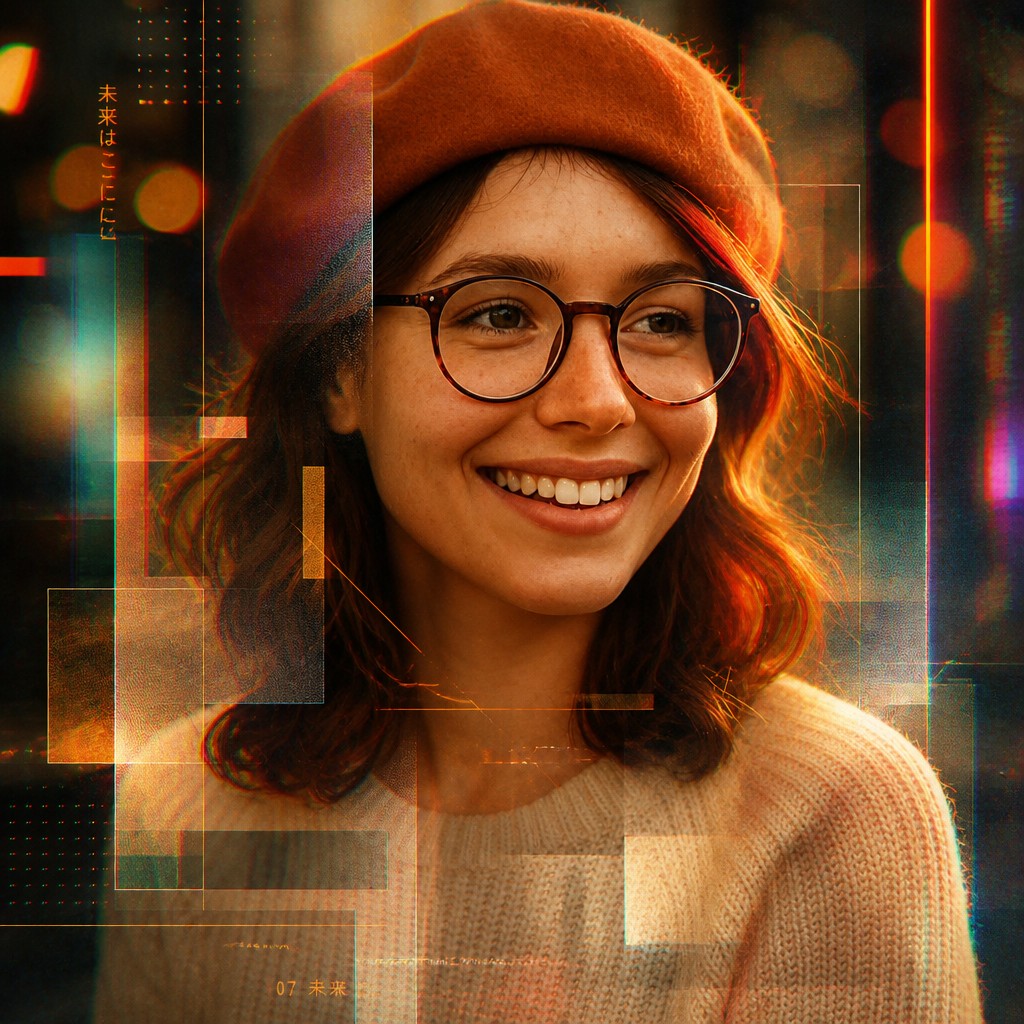

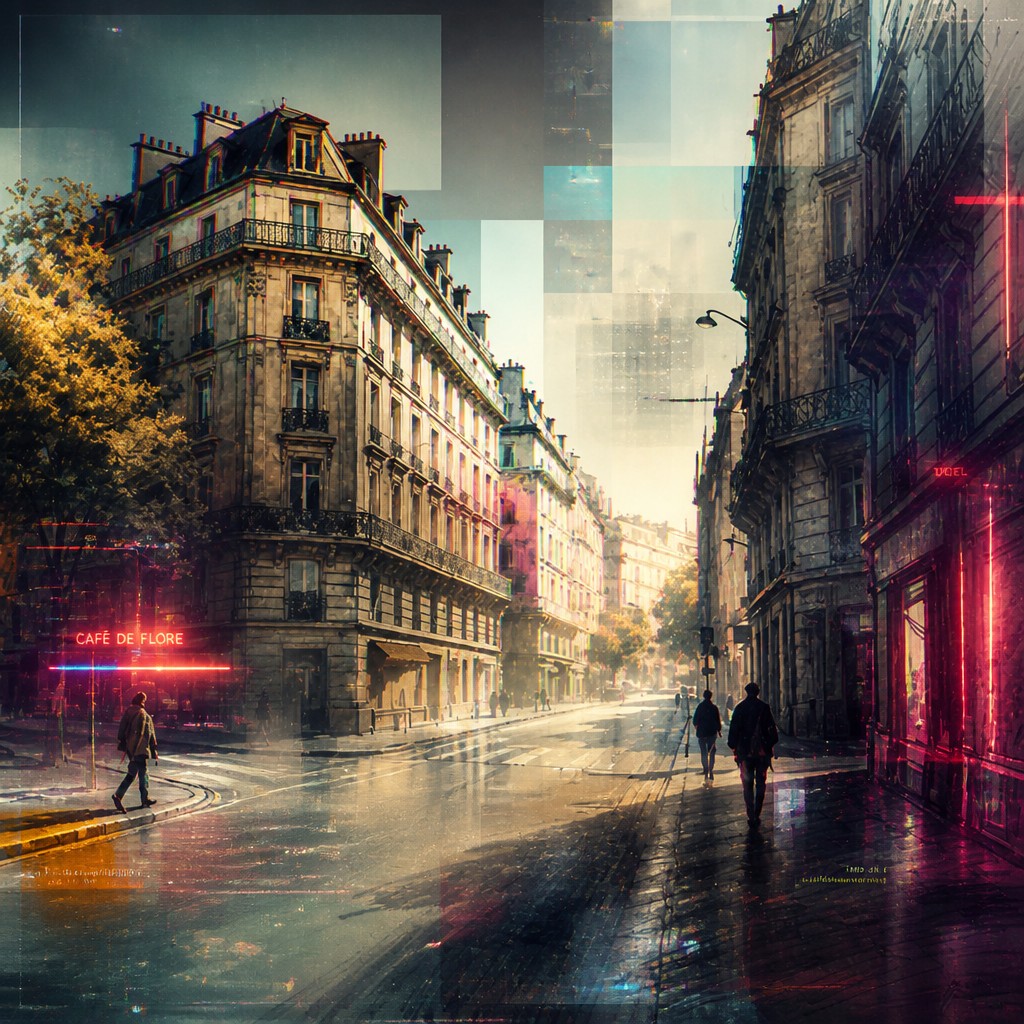

What Defines Contemporary Digital Landscape Art Style
The signature details, up close
Layered spatial construction
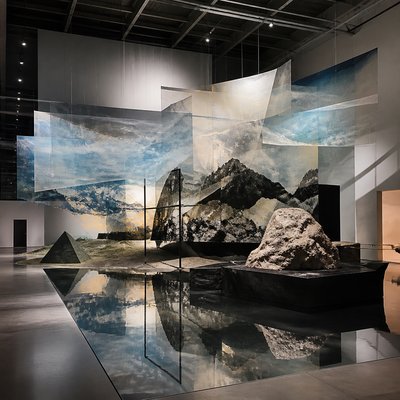
Scenes are built from multiple planes rather than a single continuous view, creating depth through compositing, mist, transparency, and overlapping silhouettes. This layered structure gives the image a cinematic, designed quality.
Photographic realism with digital intervention
The base often resembles a photograph or highly credible landscape rendering, but it is altered by editing artifacts, tonal shifts, or impossible lighting. The realism is intentionally destabilized without becoming fully abstract.
Glowing atmosphere and bloom
Light frequently appears volumetric, hazy, and softly diffused, with luminous highlights around horizons, water, or celestial elements. Gentle bloom effects make the image feel screen-based and immersive.
Chromatic edge effects
Subtle color fringing, aberration, or pixel-like disturbance may appear near edges, especially where forms contrast sharply with the background. These details signal digital mediation without overpowering the landscape.
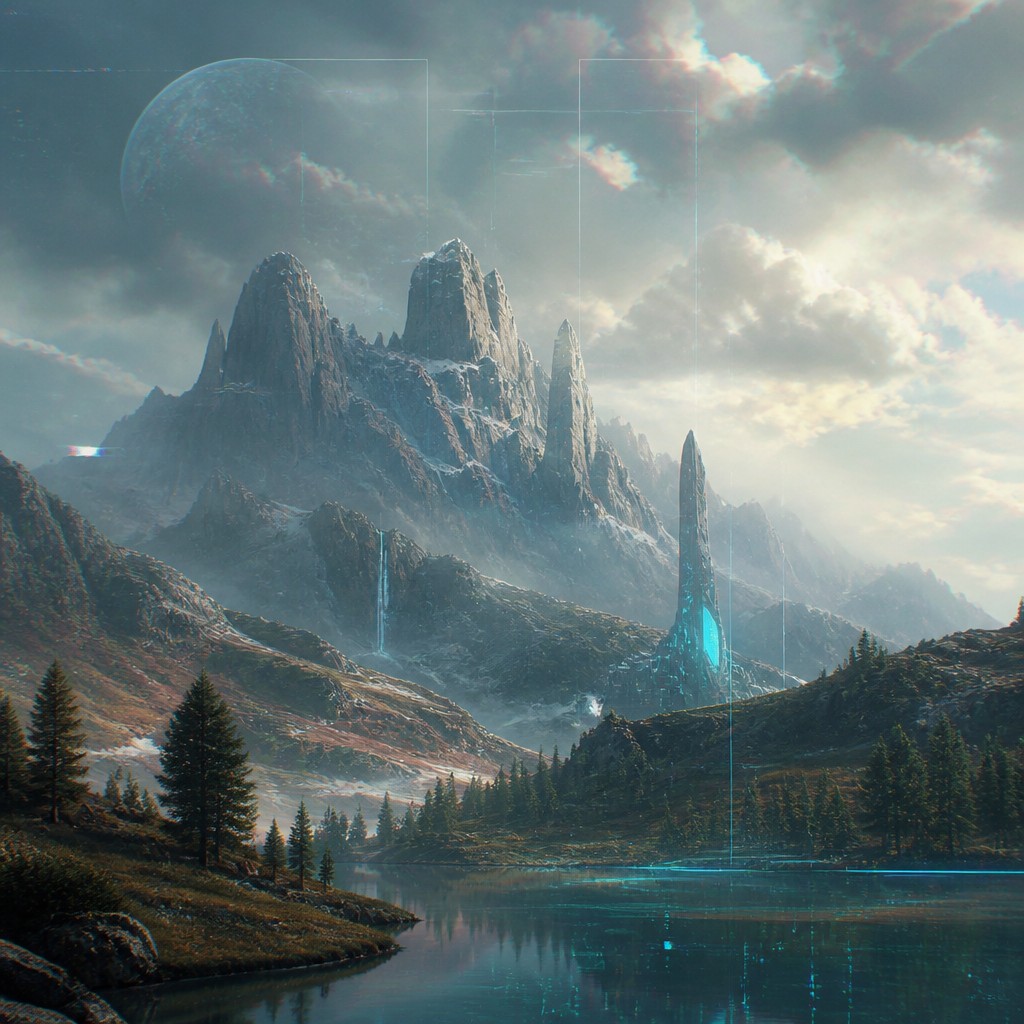
Earth tones plus neon accents
Muted greens, browns, grays, and sky tones often provide the foundation, while selective neon or electric color accents introduce a contemporary synthetic note. The contrast is key to the style’s hybrid identity.
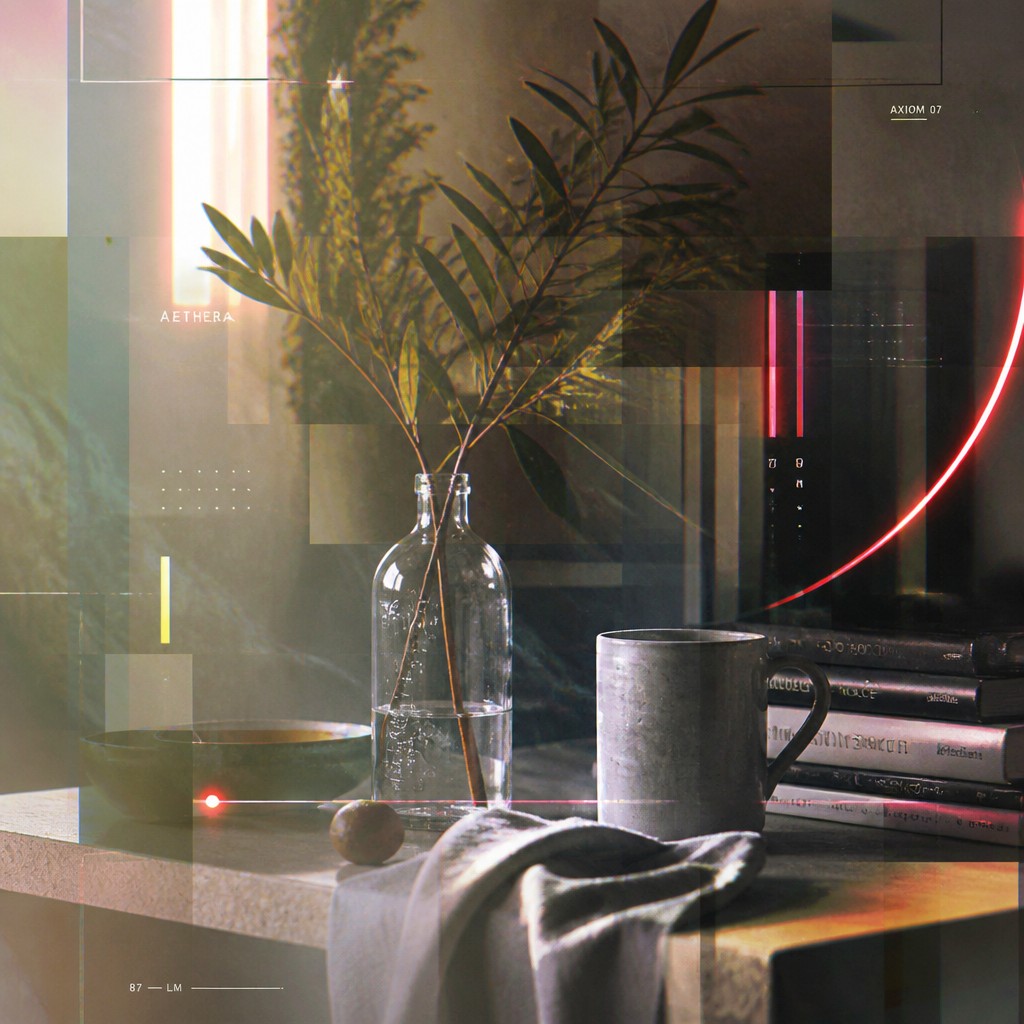
Organic and geometric tension
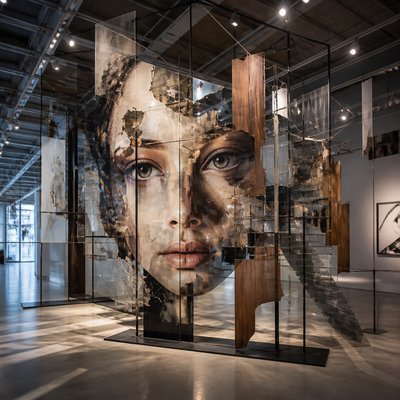
Soft natural forms are paired with grids, frames, overlays, or crisp geometry, producing a visual conversation between the handmade landscape tradition and digital interface logic. This contrast helps the image feel curated and constructed.
Try It
Create Videos in Contemporary Digital Landscape Art Style
Styles aren't just for stills — describe a scene or animate an image and get a short video rendered in Contemporary Digital Landscape. Press play to see this pond come to life.
Make a VideoContemporary Digital Landscape Prompt Ideas
Start from an idea — each one opens the generator with the style ready to go. See all 40 Contemporary Digital Landscape prompts →
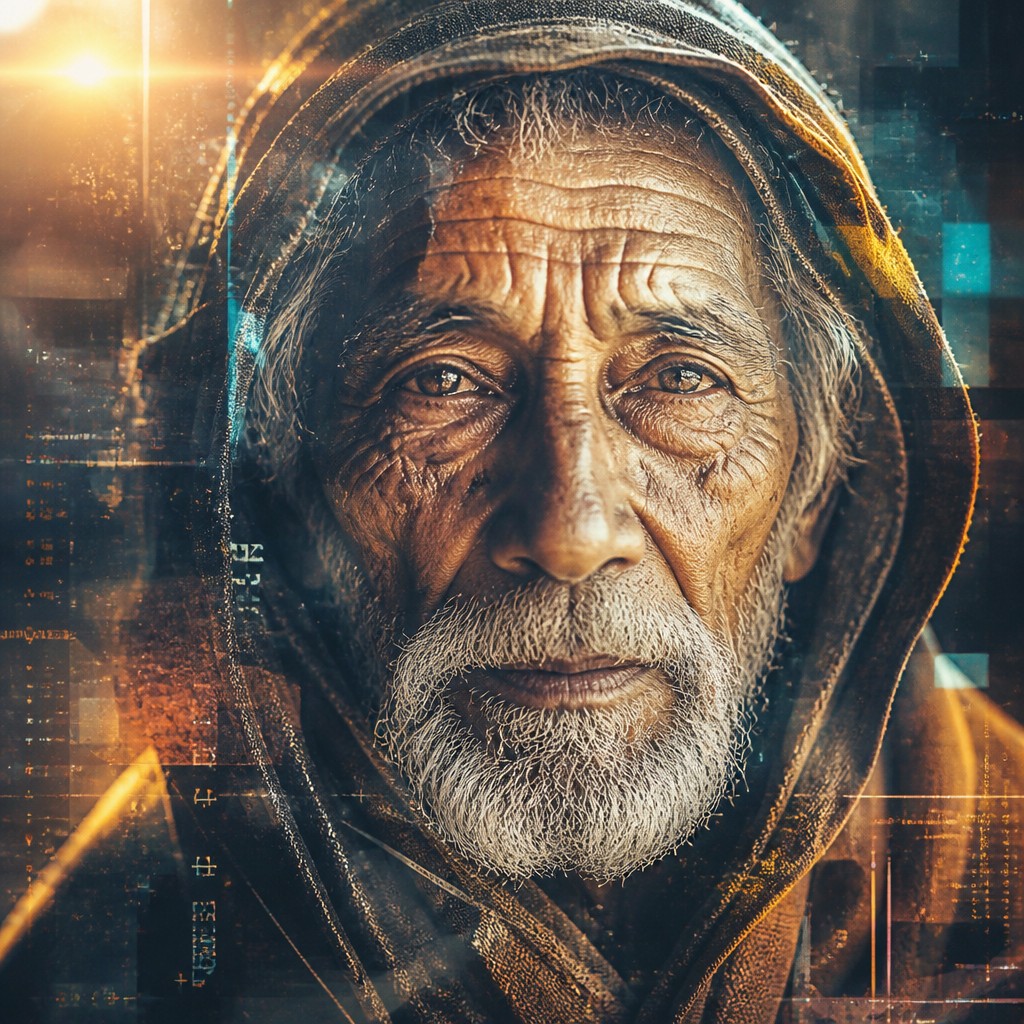
“close-up portrait of an elderly person with expressive weathered features”
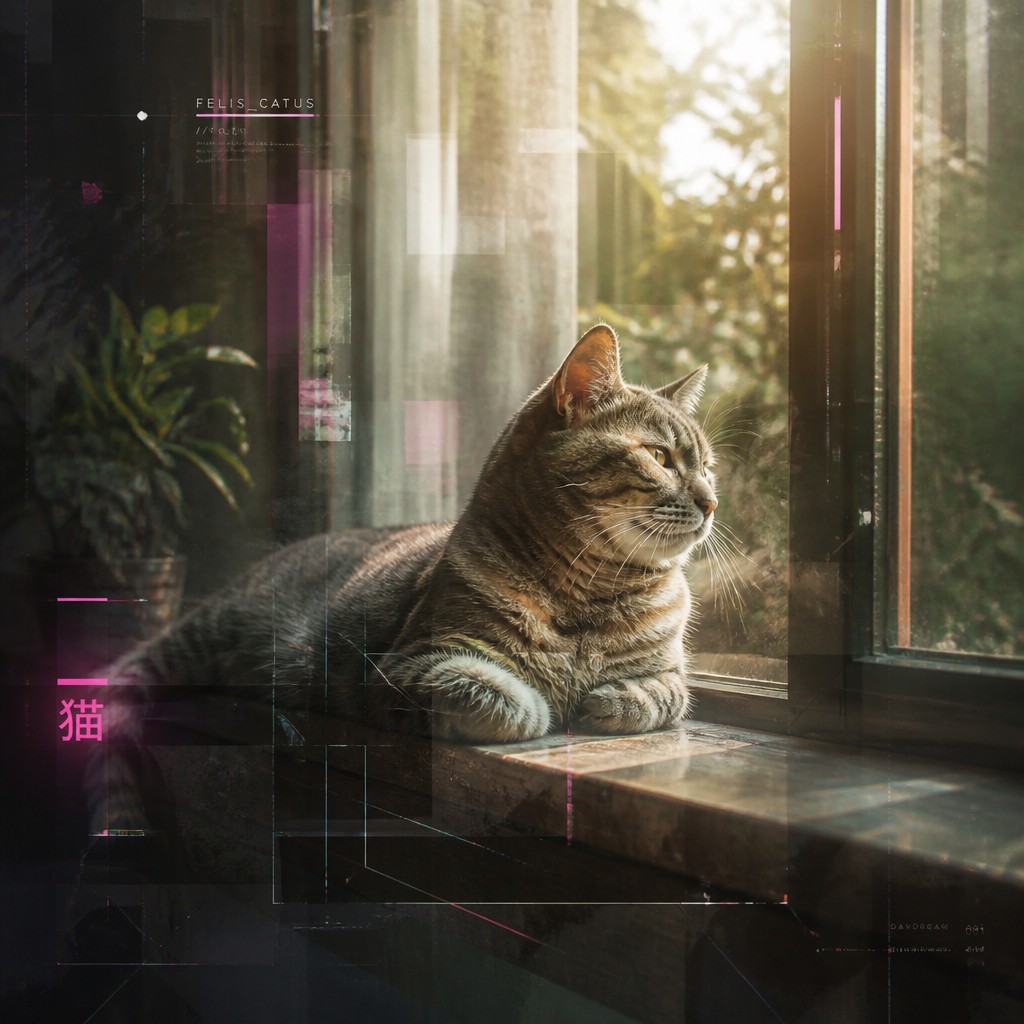
“a cat lounging in a sunlit window”
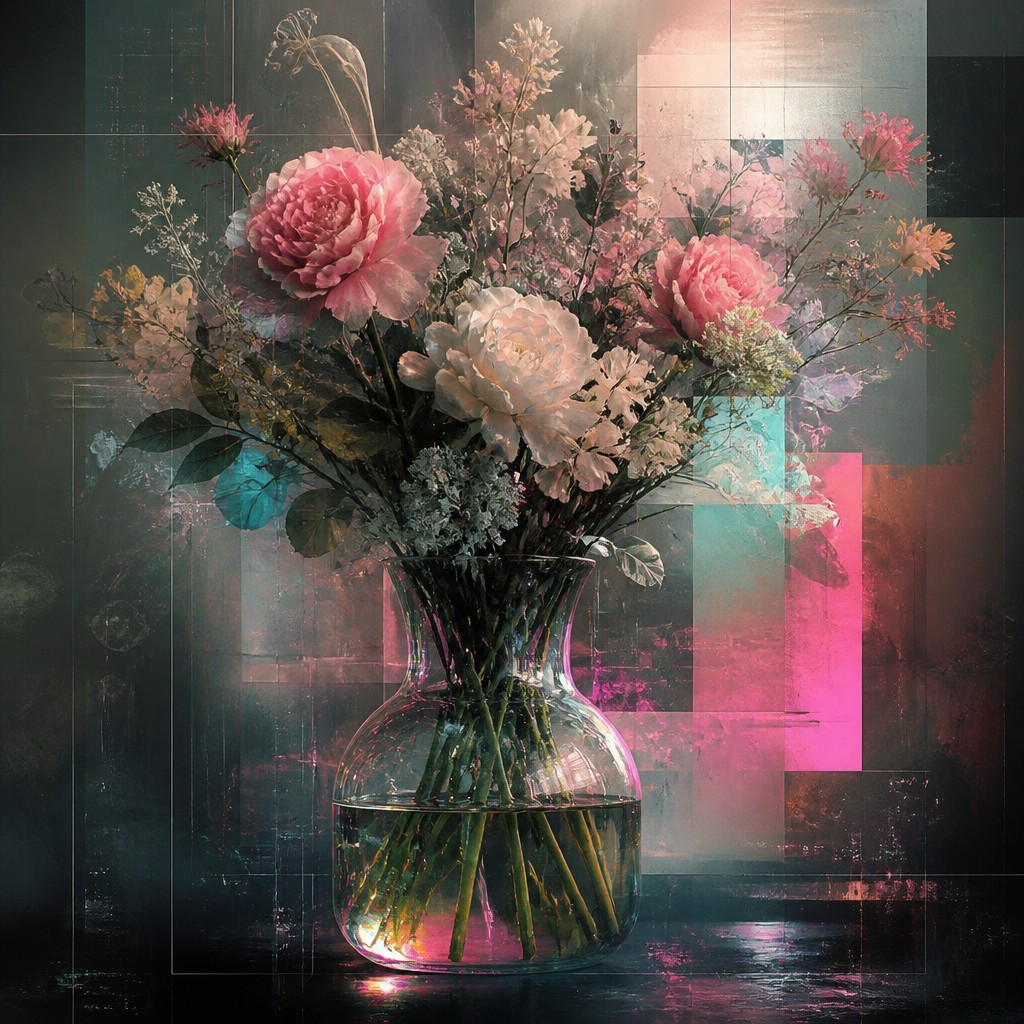
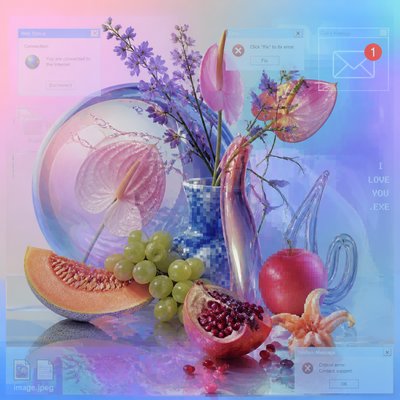
“bouquet of flowers in a glass vase”
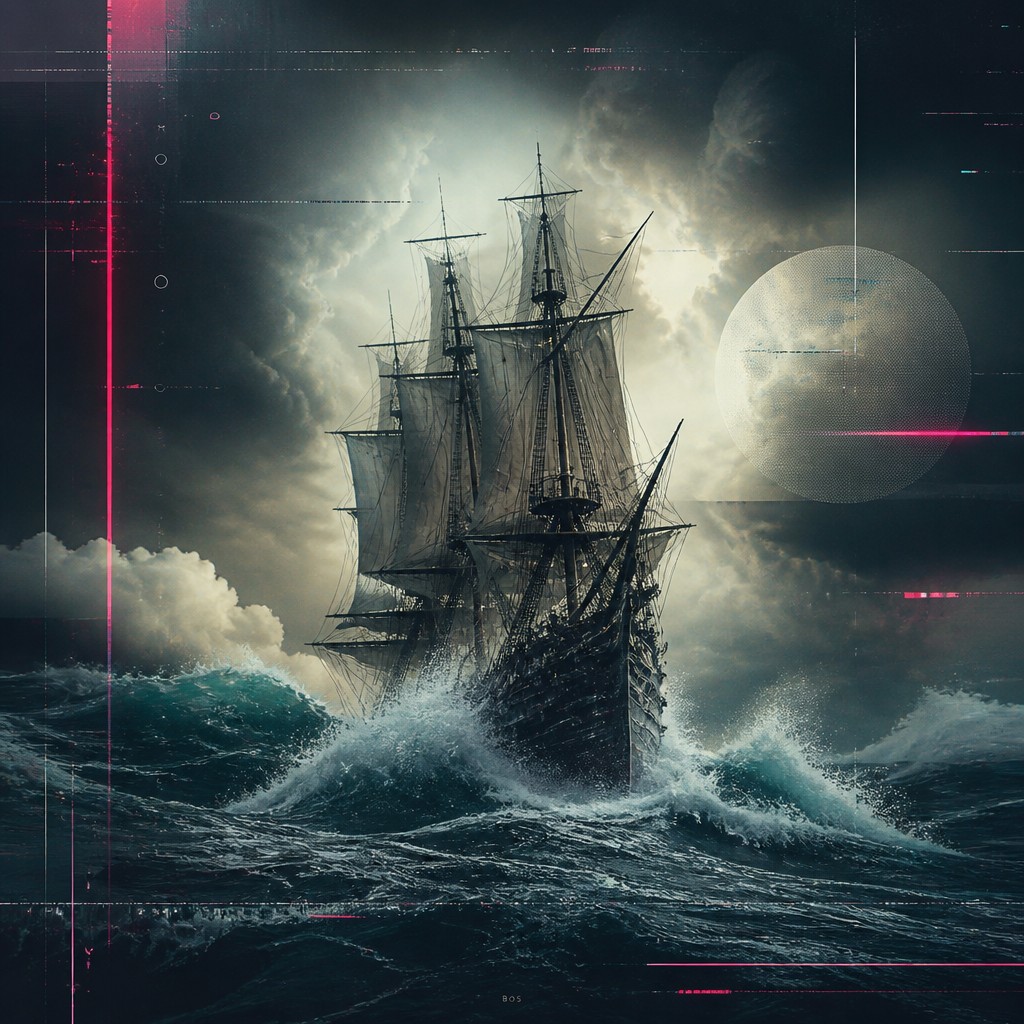
“sailing ship on a stormy sea”
How to Create Contemporary Digital Landscape Art
Master the craft step by step — or skip straight to creating. Read the full guide →
- 1
Start with a strong landscape base
Choose a clear natural subject—mountains, coastline, forest, desert, river valley, or skyline—and establish depth with foreground, midground, and background. Whether painting digitally or working from a photo, a readable spatial foundation makes later effects feel intentional rather than decorative.
- 2
Build in translucent layers
Use semi-transparent shapes, atmospheric veils, and composited textures to separate space and add visual complexity. In traditional mixed media, this can be approximated with glazing, tracing paper overlays, or scanned collage elements.
- 3
Balance realism with digital disruption
Keep some areas sharply believable while introducing subtle glitches, edge fringing, duplicated contours, or unnatural color transitions in others. The style works best when the intervention feels selective and controlled.
- 4
Shape the lighting digitally
Emphasize bloom, haze, rim light, and volumetric illumination so the scene feels like it is lit through a screen or post-production pipeline. Softer gradients and controlled contrast usually work better than hard, literal lighting.
- 5
Use prompt language that names materials and effects
For text-to-image generation, combine the subject with terms like layered translucency, photographic texture, chromatic aberration, neon accents, atmospheric haze, and geometric overlays. Specify the mood and lighting clearly so the result stays landscape-based rather than drifting into generic sci-fi.
- 6
Transform photos by isolating structure and color
For image-to-image work, begin with a clear photo and then alter it through compositing, selective blur, gradient mapping, and edge effects. Preserve the original scene’s topography or perspective while shifting surface treatment into a more synthetic, designed visual language.

The Story
History & Origins of Contemporary Digital Landscape
Contemporary digital landscape art does not belong to a single historical movement; it emerges from the convergence of landscape painting, photography, digital collage, and post-production culture. Its lineage includes romantic and atmospheric landscape traditions, 20th-century photomontage, late-20th-century computer graphics, and the now-common practice of editing, compositing, and color grading images in software. The style reflects a broader shift in visual culture: landscapes are increasingly encountered as mediated images rather than direct views.
Aesthetic precedents can be found in 19th-century landscape painting’s interest in light and distance, in modernist experiments with abstraction and layered space, and in photographic practices that manipulate realism rather than simply record it. In contemporary use, the style has been shaped by digital matte painting, concept art, vaporwave-adjacent color sensibilities, and glitch aesthetics, all of which contributed to its characteristic fusion of natural scenery with synthetic polish.
Influences: This style draws from landscape painting’s attention to atmosphere and depth, especially the tonal and light studies associated with leading Romantic landscape painters, while also borrowing from photographic realism, photomontage, digital matte painting, and glitch aesthetics. It is related to post-photographic art, concept art, and media-driven landscape imagery that treats nature as something edited, layered, and screen-mediated rather than simply observed.

Frequently Asked Questions
What defines contemporary digital landscape art?
It is a landscape-based style that mixes natural scenery with digital compositing, atmospheric effects, and subtle visual distortions. The landscape still reads clearly, but it is presented as a constructed image rather than a straightforward view.
How is this different from traditional landscape painting?
Traditional landscape painting usually emphasizes painterly observation, brushwork, and direct interpretation of nature. Contemporary digital landscape art keeps the subject matter of landscape but often relies on photo-based textures, layered transparency, glow, and software-like effects to create a more mediated feel.
How is it different from sci-fi or fantasy landscape art?
Sci-fi and fantasy landscapes often invent entire worlds, creatures, or architectures, while this style usually stays closer to recognizable nature. Even when it feels surreal, it tends to preserve the logic of real topography, light, and weather.
What kinds of subjects work best in this style?
Mountains, forests, coastlines, deserts, lakes, stormy skies, and urban fringes all work well because they offer strong spatial layers and atmospheric variation. Subjects with clear horizon lines or reflective surfaces are especially effective.
How can I make a photo look like this style?
Use layered editing, color grading, haze, bloom, selective sharpness, and subtle glitch or chromatic edge effects. The goal is not to completely erase the photo’s realism, but to transform it into a more immersive and digitally mediated landscape.
Where is this style commonly used?
It appears in album art, editorial illustration, concept art, exhibition graphics, posters, and online visual culture. Its combination of atmosphere and digital polish makes it useful anywhere a contemporary, contemplative landscape image is needed.
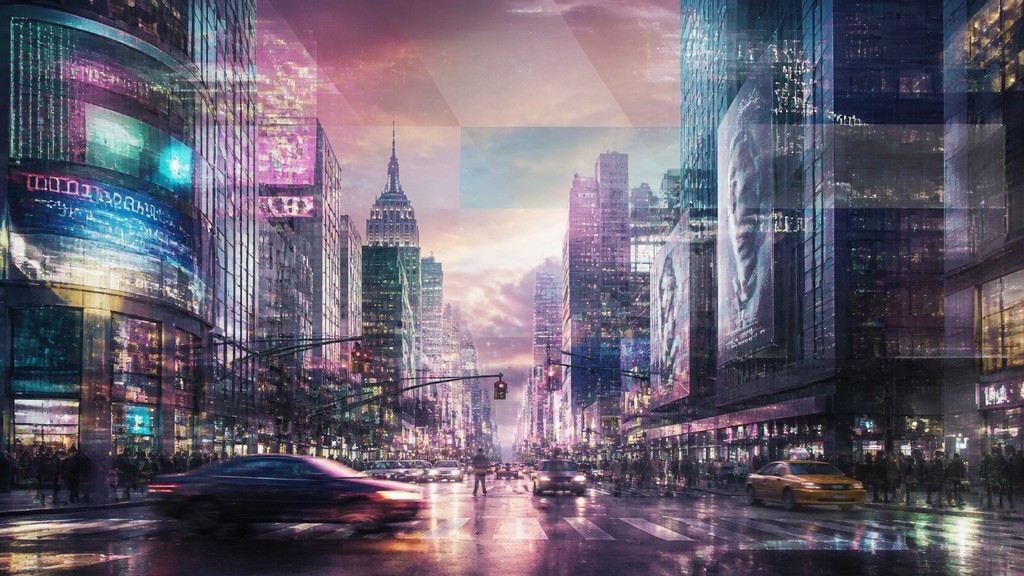
Create your first Contemporary Digital Landscape artwork
Describe anything — or upload a photo — and see it in Contemporary Digital Landscape Art Style in seconds.
Make Something with Contemporary Digital Landscape
Related Styles
Discover similar art styles