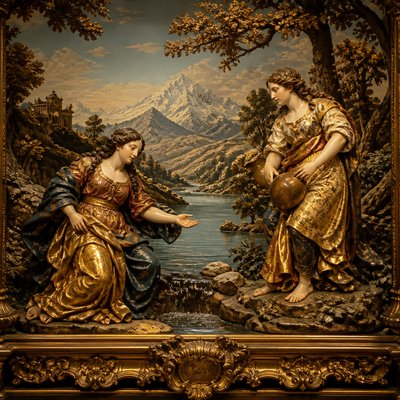
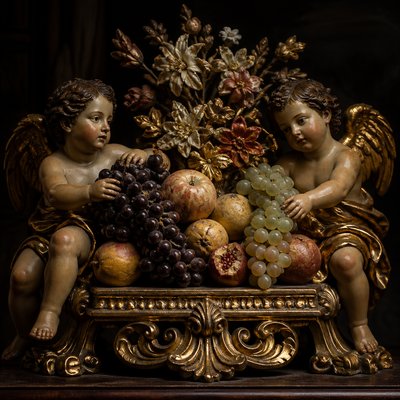
Terra Sigillata Ceramic Art Style
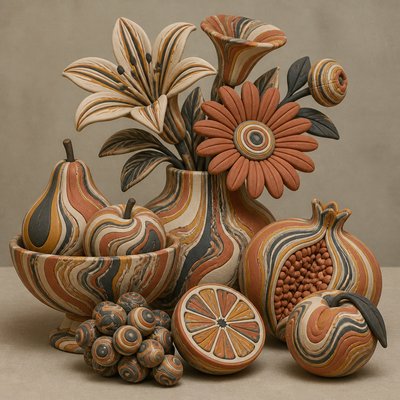
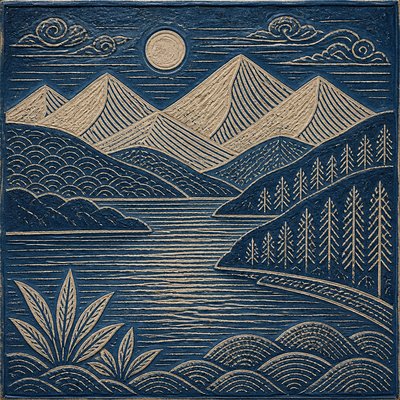
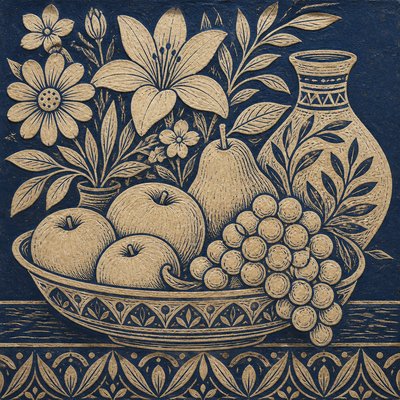
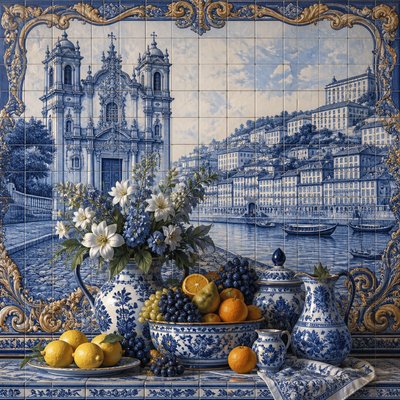
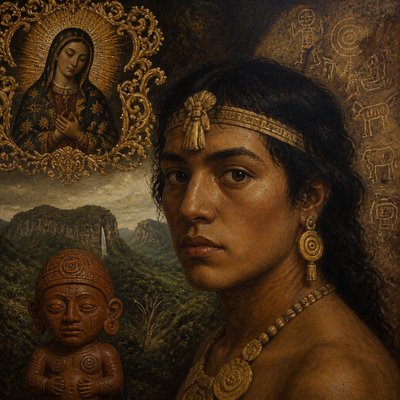
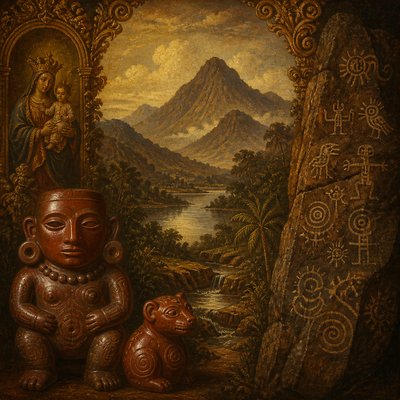
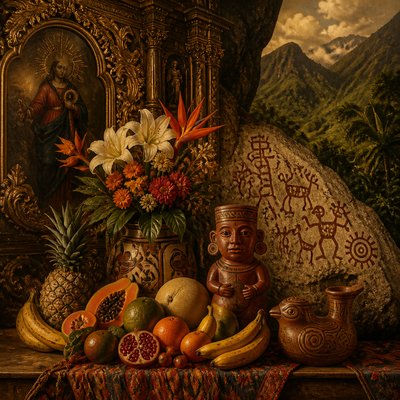
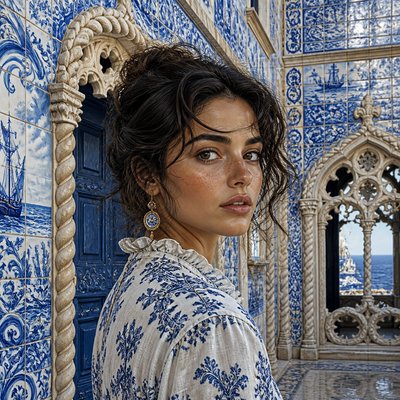
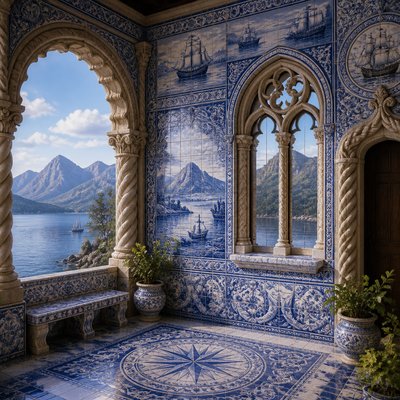
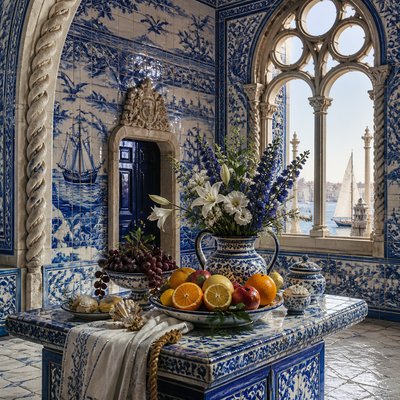
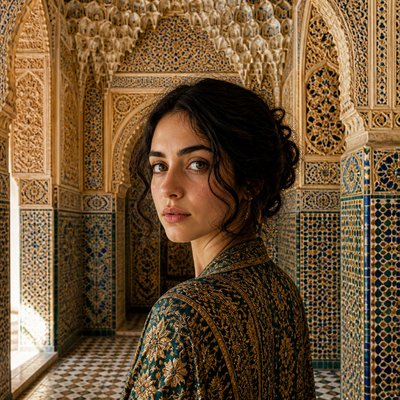
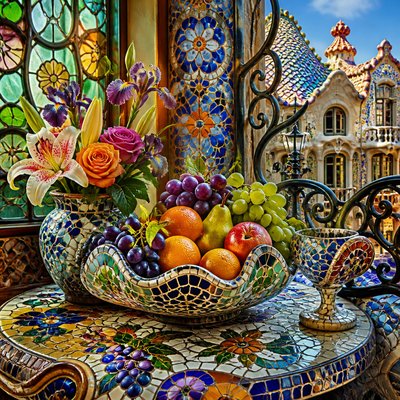
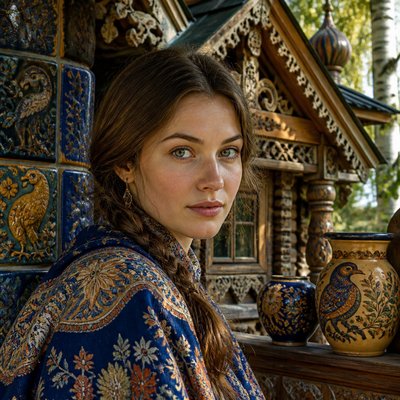
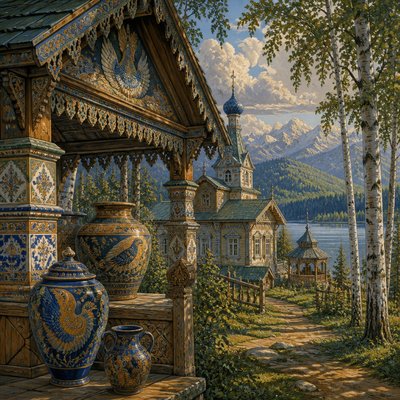
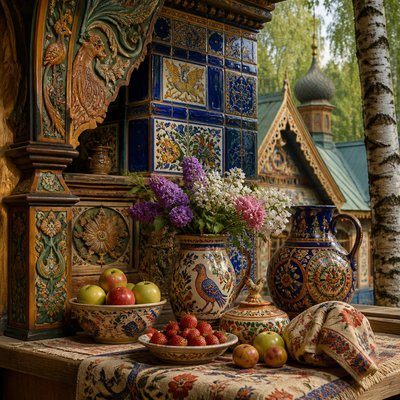
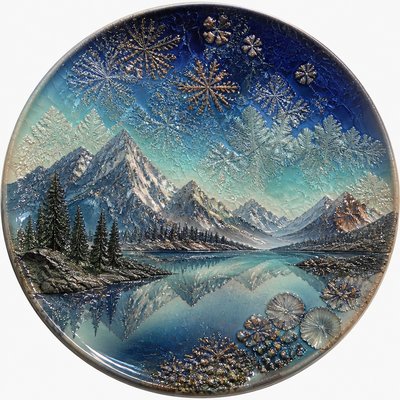
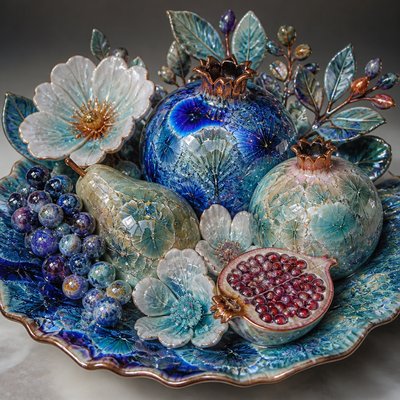
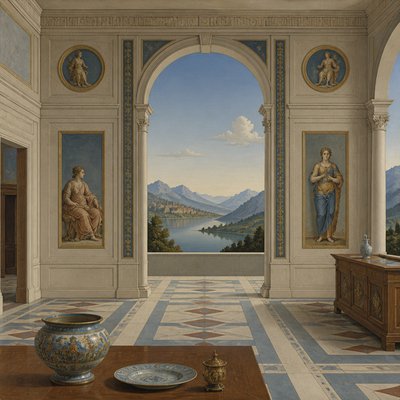
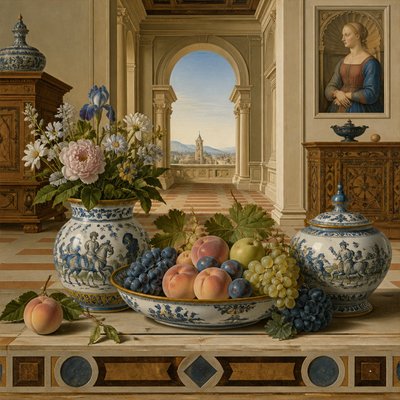
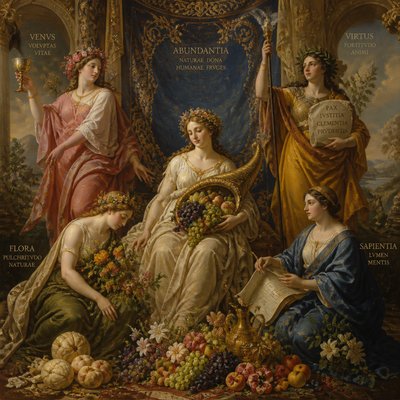
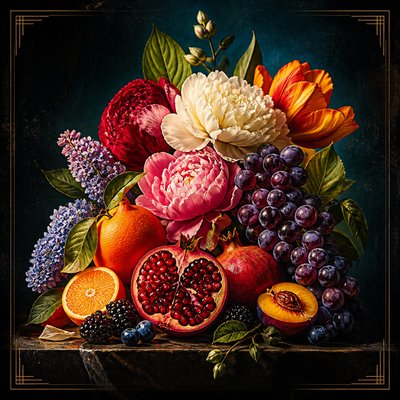
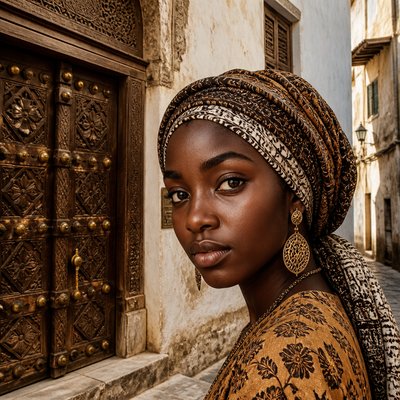
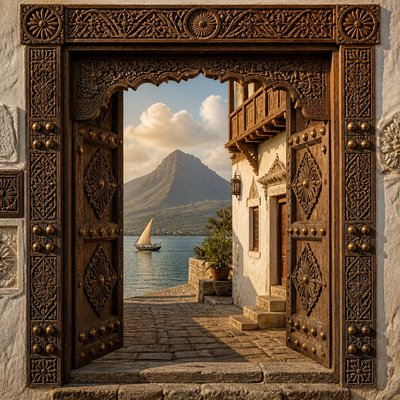
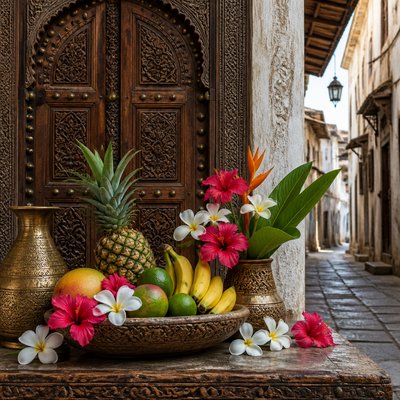
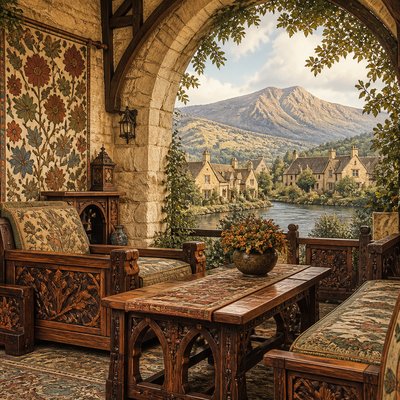
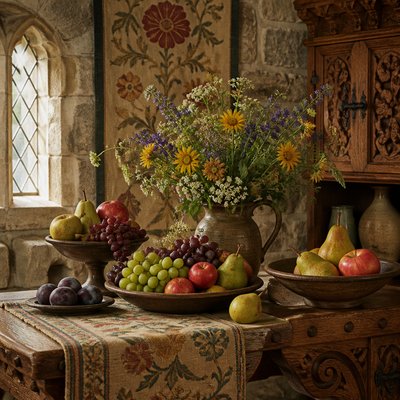
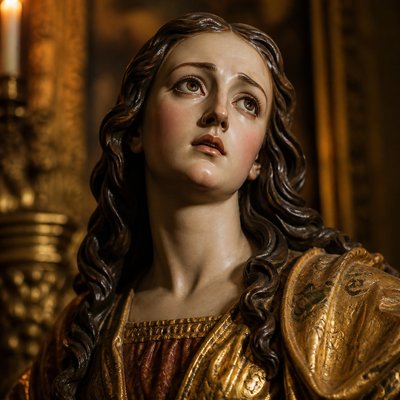
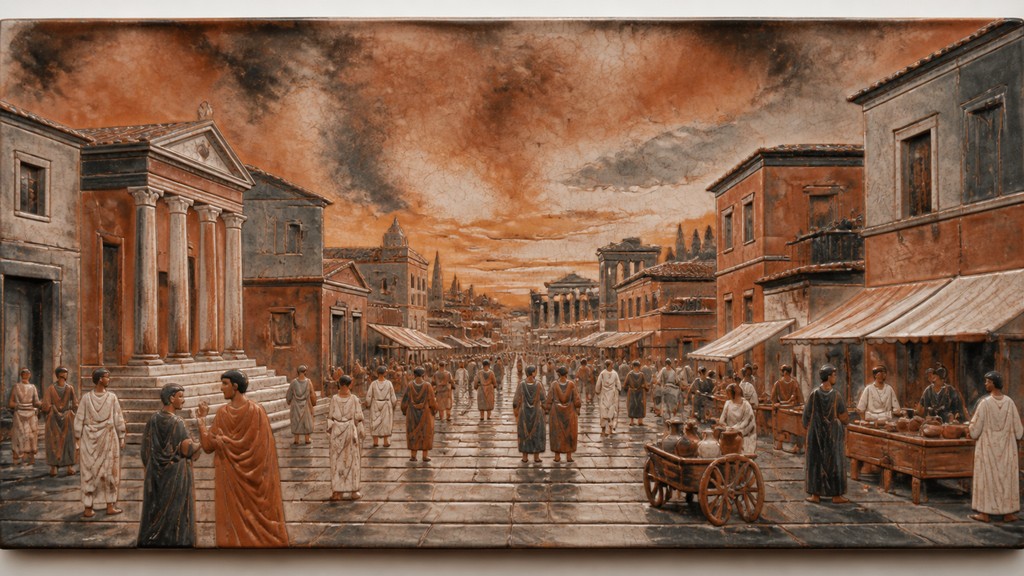
Terra sigillata ceramic art: burnished Roman-inspired surfaces, smoke-fired mottling, refined earth tones, and elegant minimal forms.
Instantly rendered in Terra Sigillata Ceramic — or transform a photo
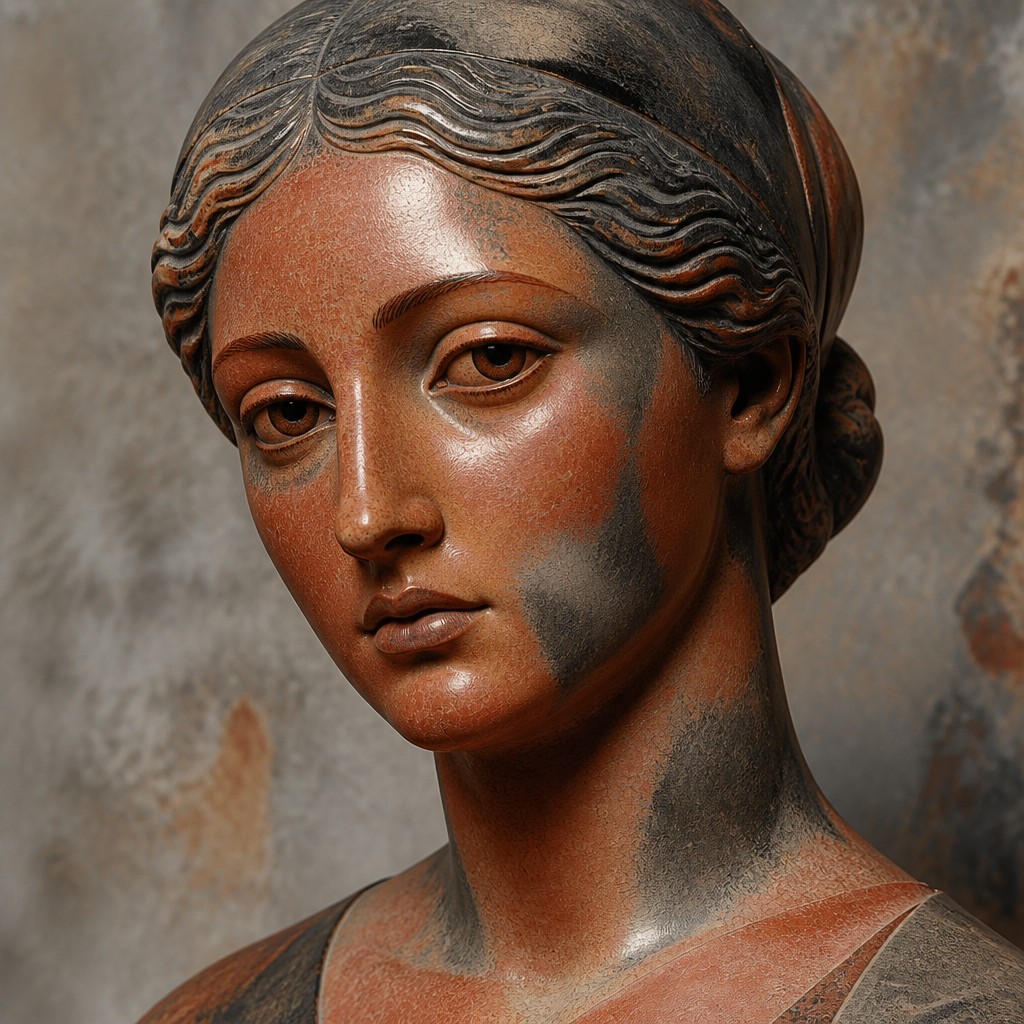
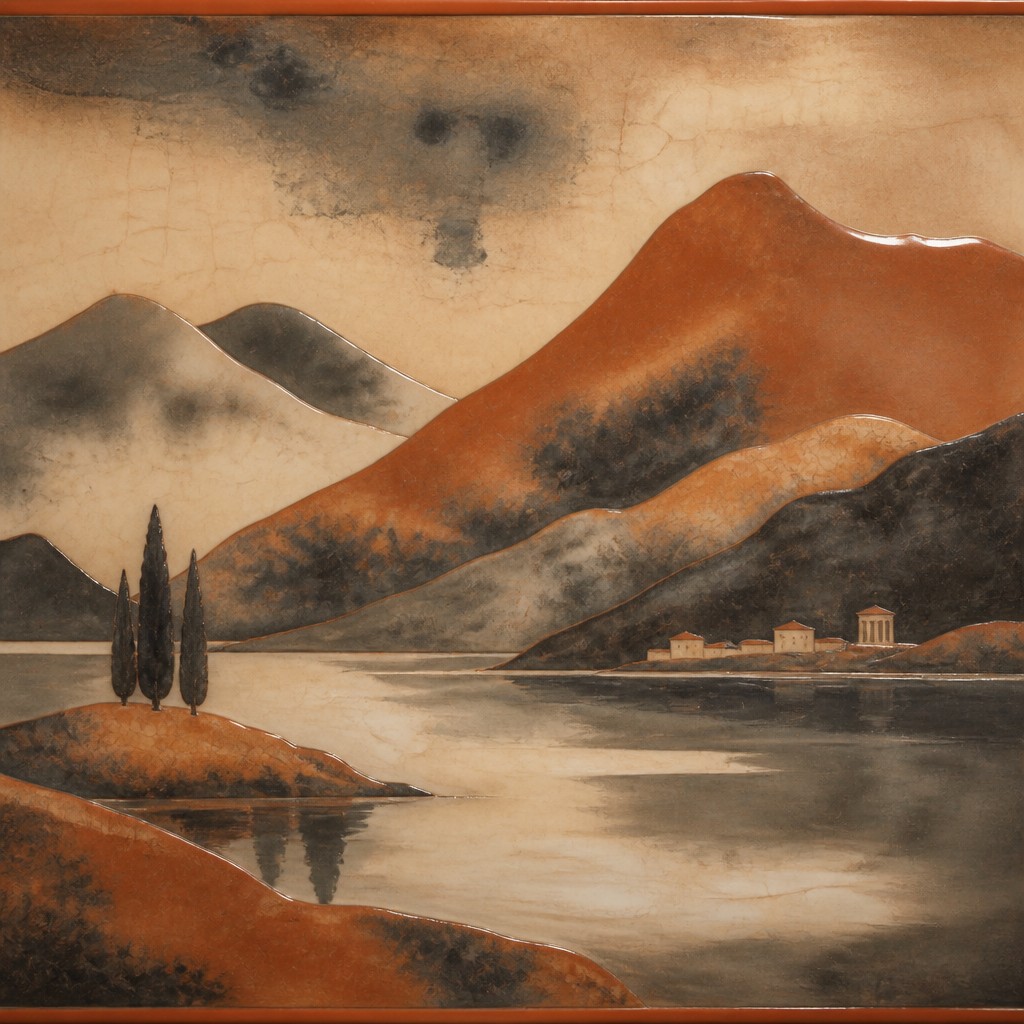
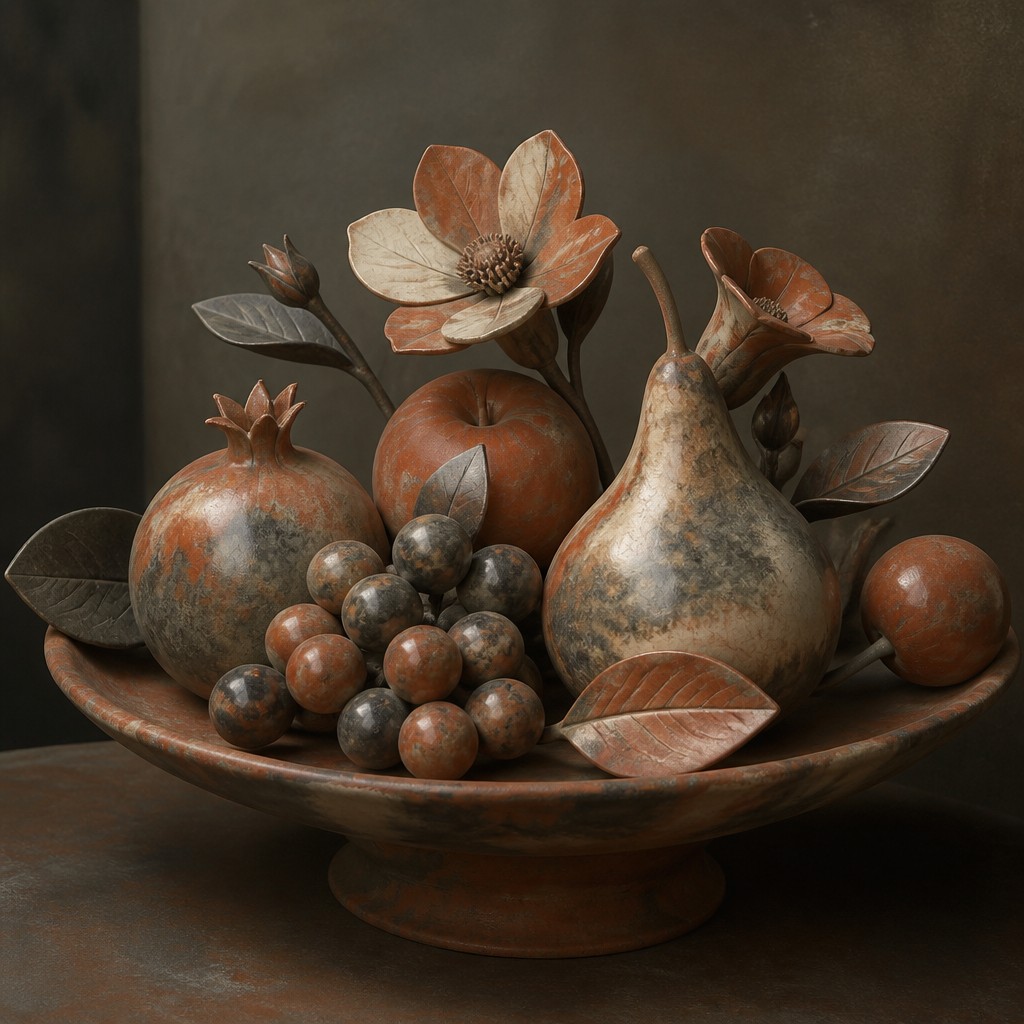
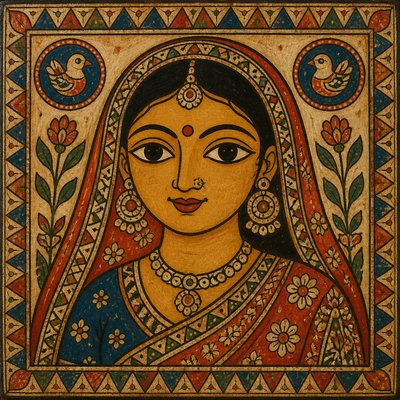
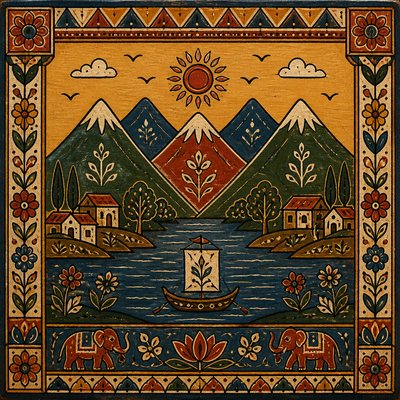
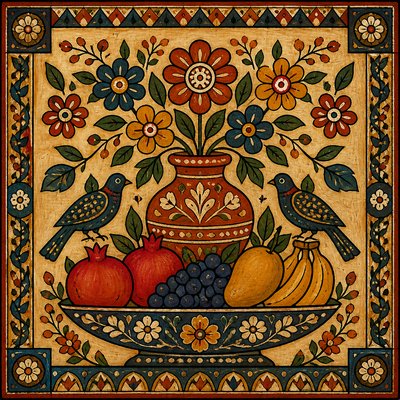
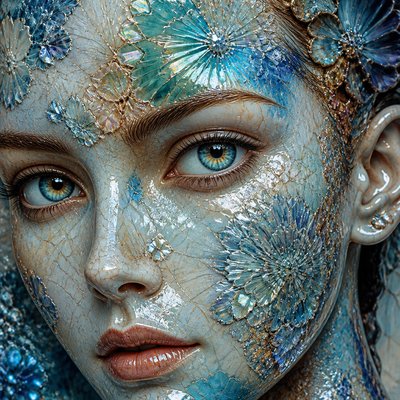
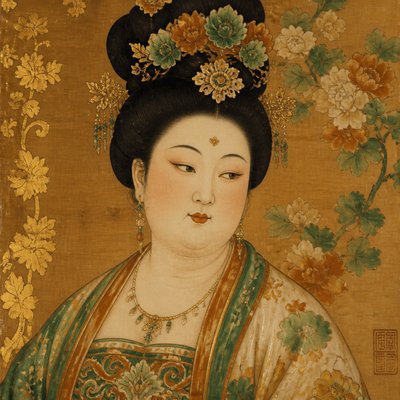
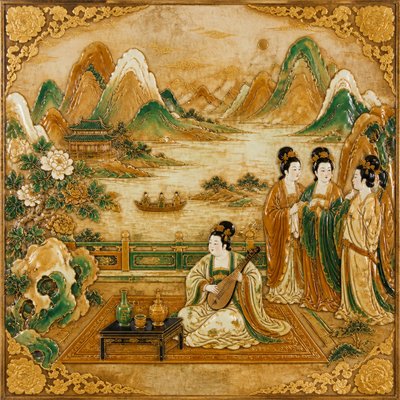
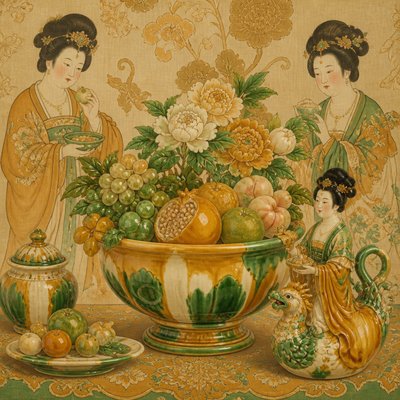
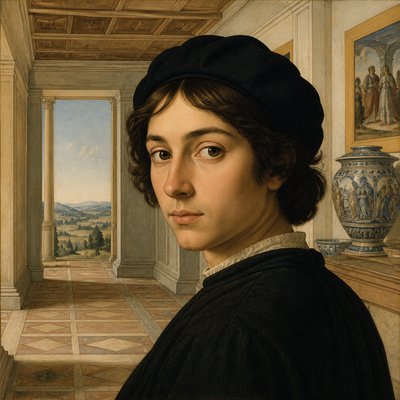
Terra Sigillata Ceramic Gallery
Tap any artwork to explore it
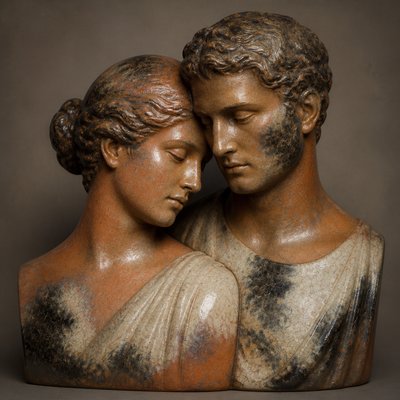
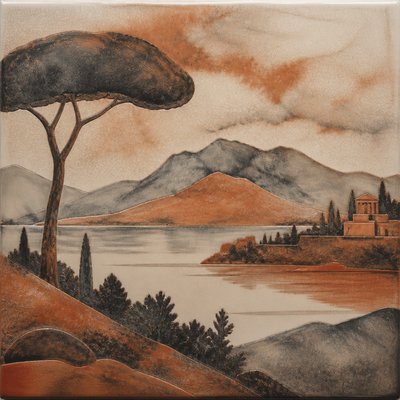
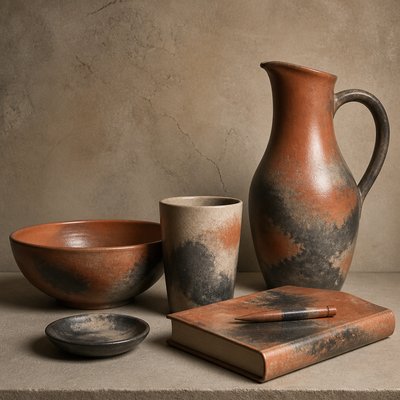
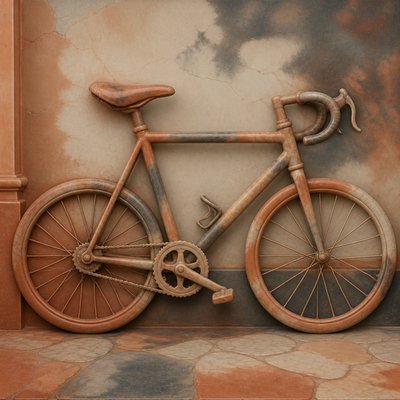
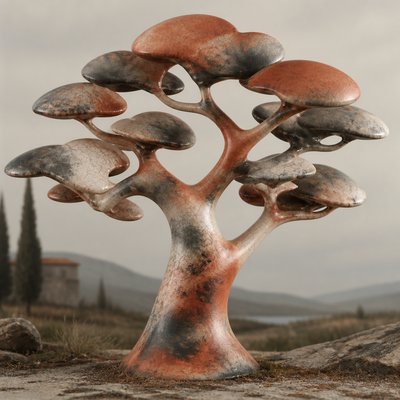
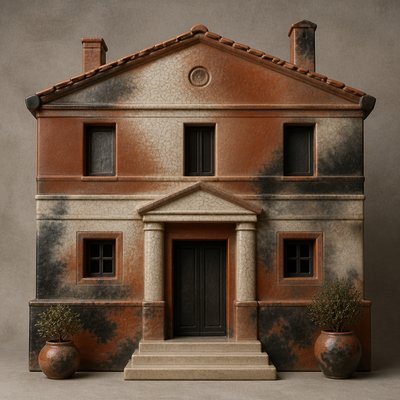
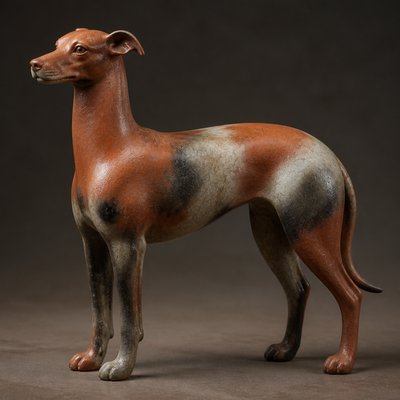
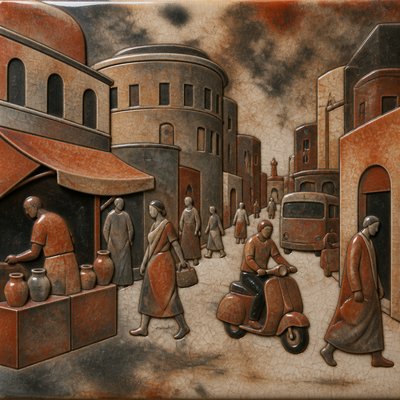
What is Terra Sigillata Ceramic Art Style?
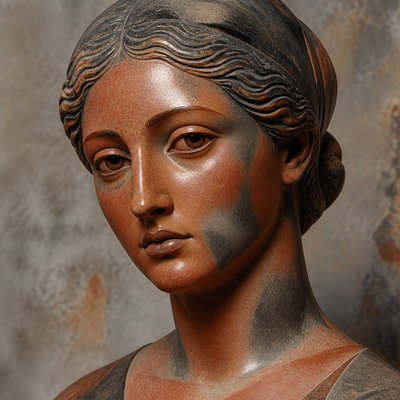
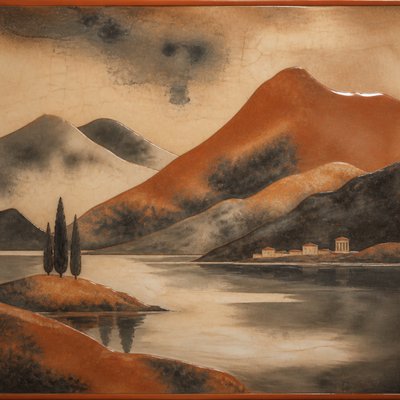
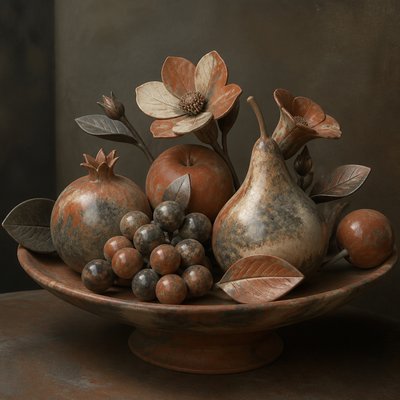
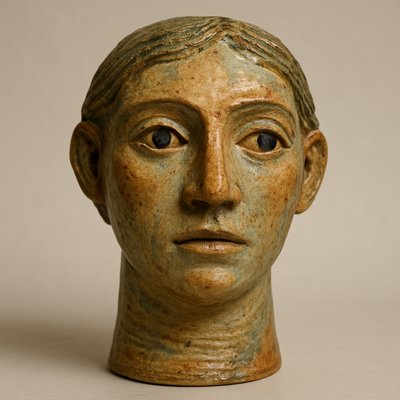
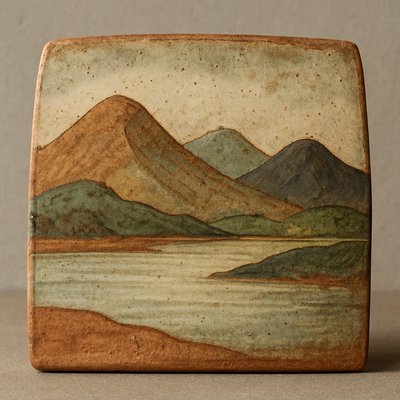
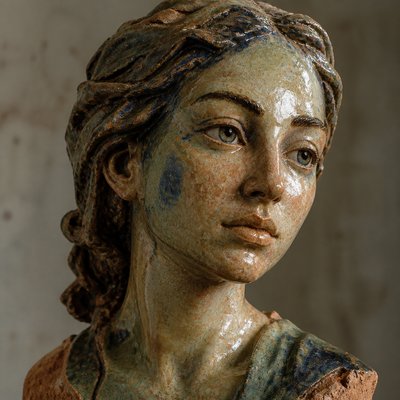
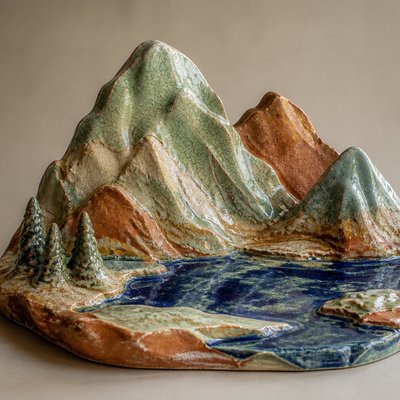
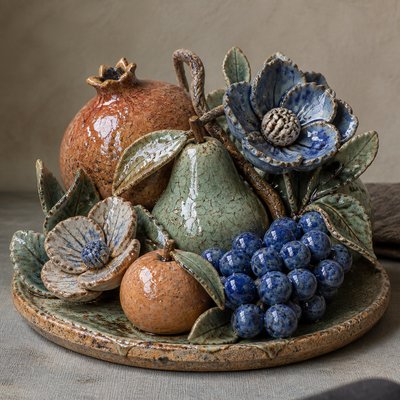
Terra sigillata ceramic art is a contemporary revival of ancient Roman-inspired ceramic surface effects, built around smooth slip-polished finishes, subtle sheen, and restrained earth-toned color. The look is defined by a quiet material richness rather than decoration: forms are often simple and elegant, while the surface carries the visual interest through burnishing, soft mottling, and delicate variations in matte and lustrous passages.
The style appeals because it makes clay appear refined without losing its tactile, handmade character. Smoke firing, reduction effects, and highly polished slips create clouded patterns and satin glazes that feel both archaic and modern. The result is a contemplative ceramic language in which modest forms, subtle color, and controlled surface treatment carry the full expressive weight.
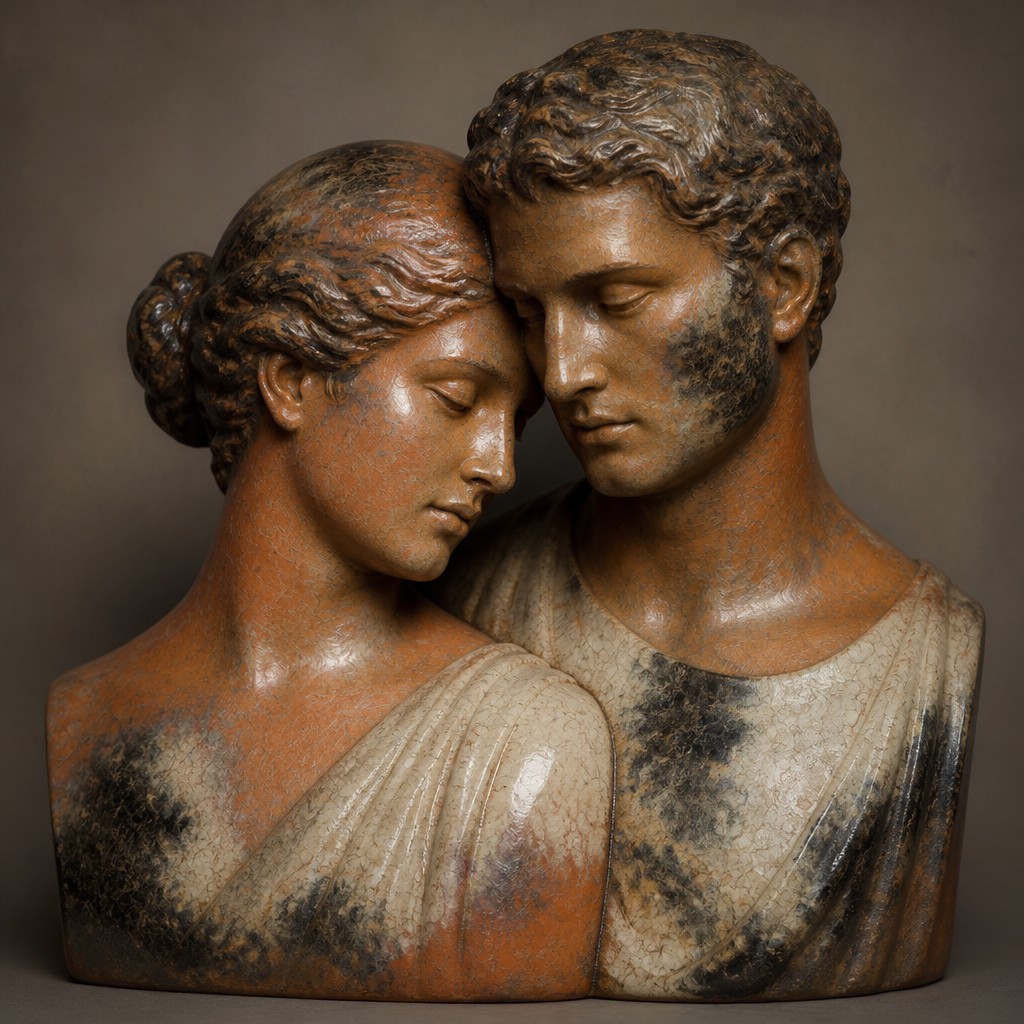
Try It On Your Photos
Upload any photo and convert it into Terra Sigillata Ceramic Art Style — drag the sliders to compare before and after.
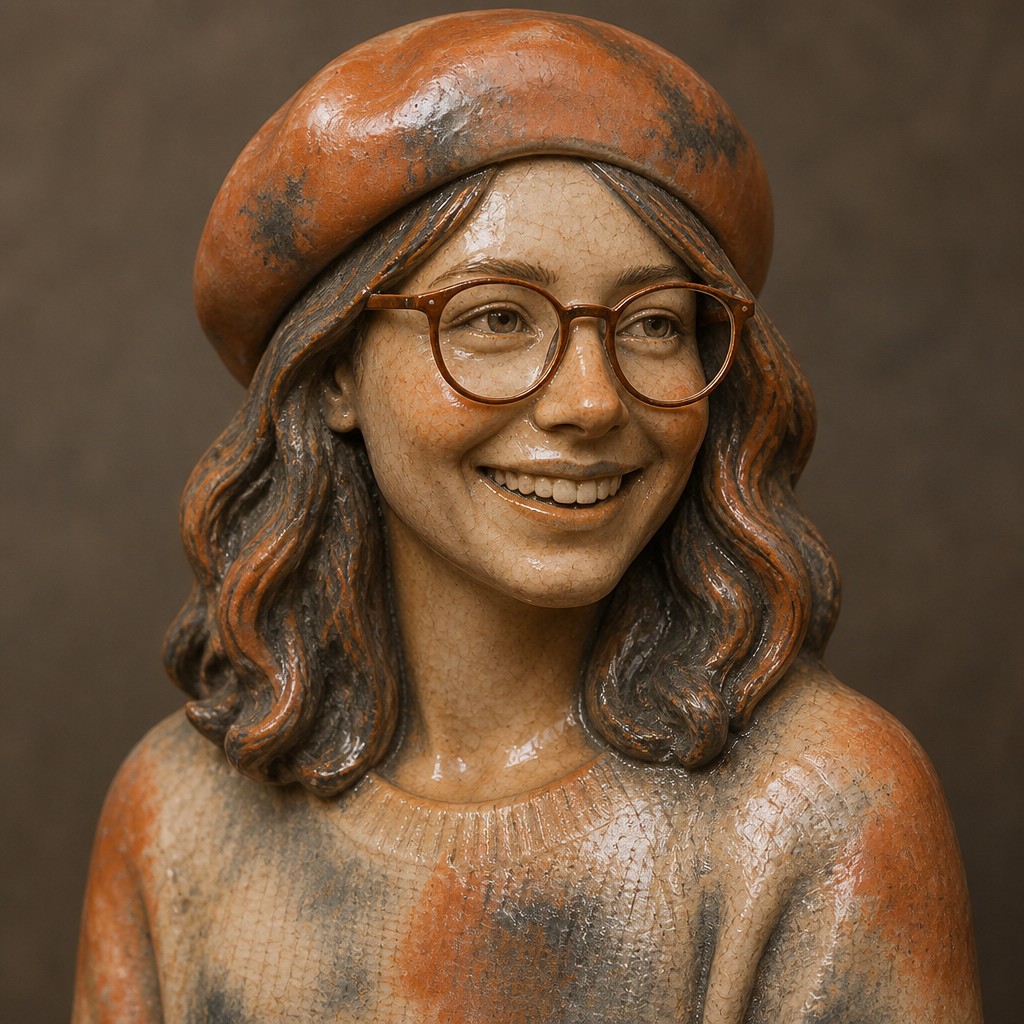

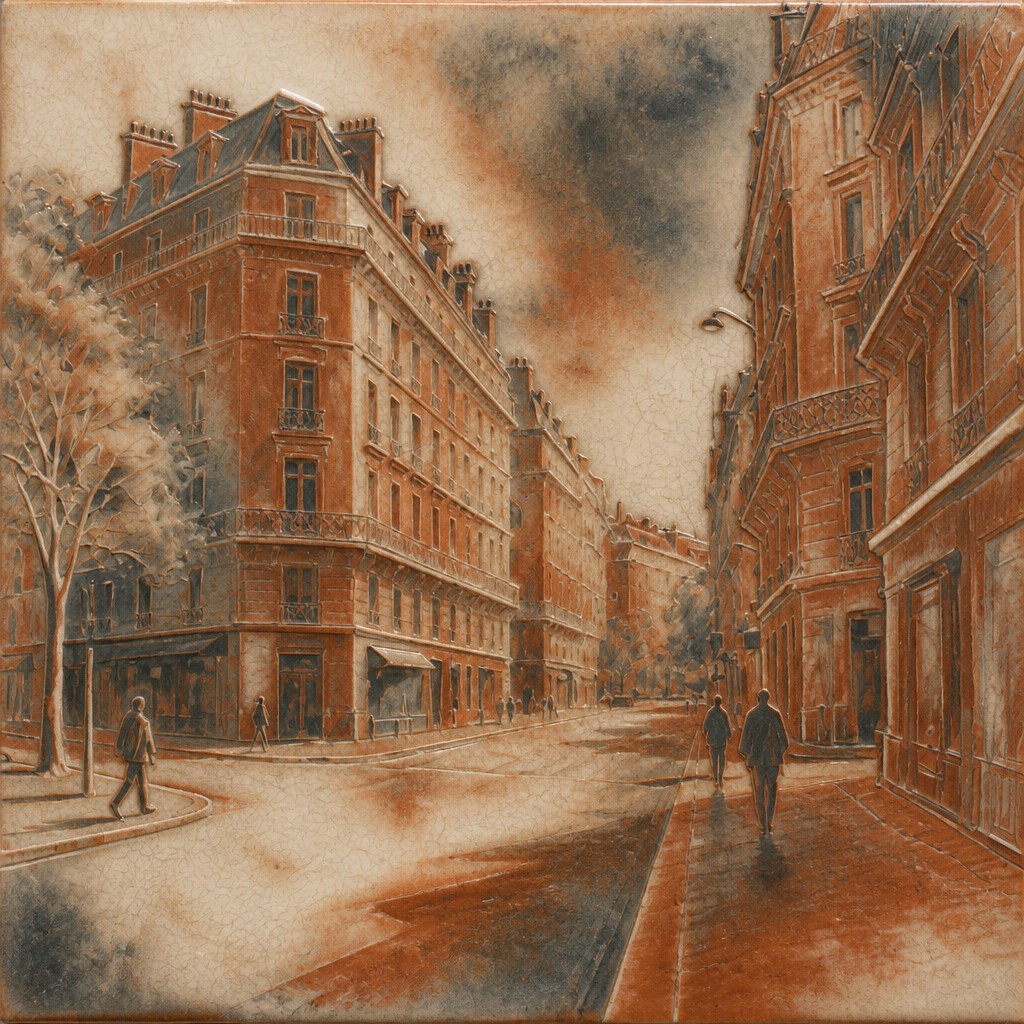

What Defines Terra Sigillata Ceramic Art Style
The signature details, up close
Burnished slip surfaces
A defining feature is the highly smoothed, slip-coated surface that catches light with a soft satin sheen. The polish is usually restrained rather than mirror-like, preserving a tactile sense of clay.
Smoke-fired mottling
Organic clouding, veining, and soft darkened patches often result from smoke firing or reduction atmospheres. These effects drift across the form in unpredictable but controlled patterns.
Earth-toned palette
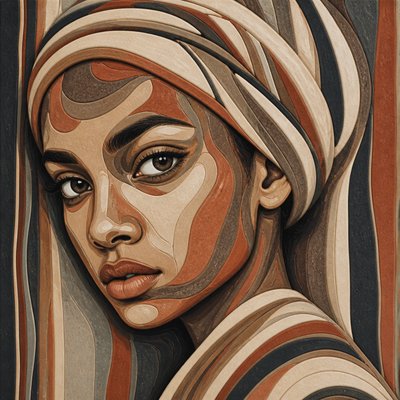
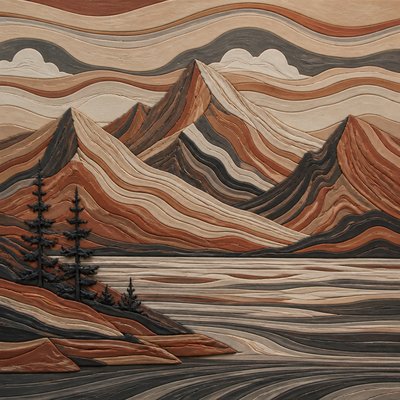
The palette centers on warm terracotta, ash grey, charcoal, bone white, and muted brown. Color is generally understated, with tonal harmony more important than contrast.
Minimal, elegant form
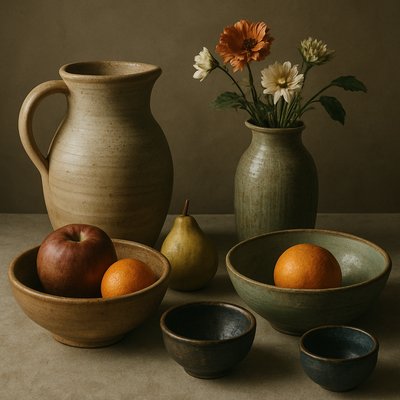
Forms are often simplified into bowls, vessels, tablets, or sculptural volumes with clear silhouettes. The style favors proportion, curve, and restraint over elaborate ornament.
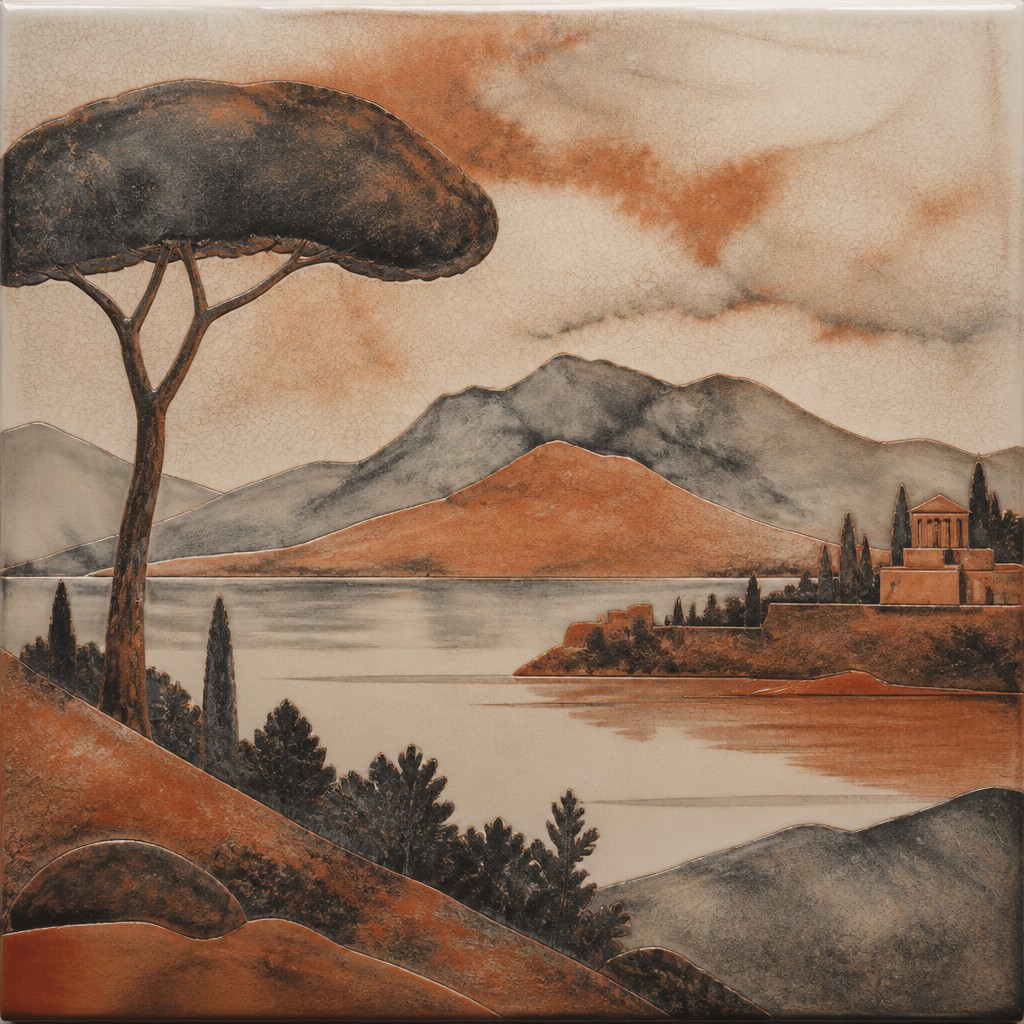
Matte-lustrous interplay
Surfaces may alternate between polished and non-polished areas, creating subtle visual tension. This contrast deepens the form without disrupting its calm appearance.
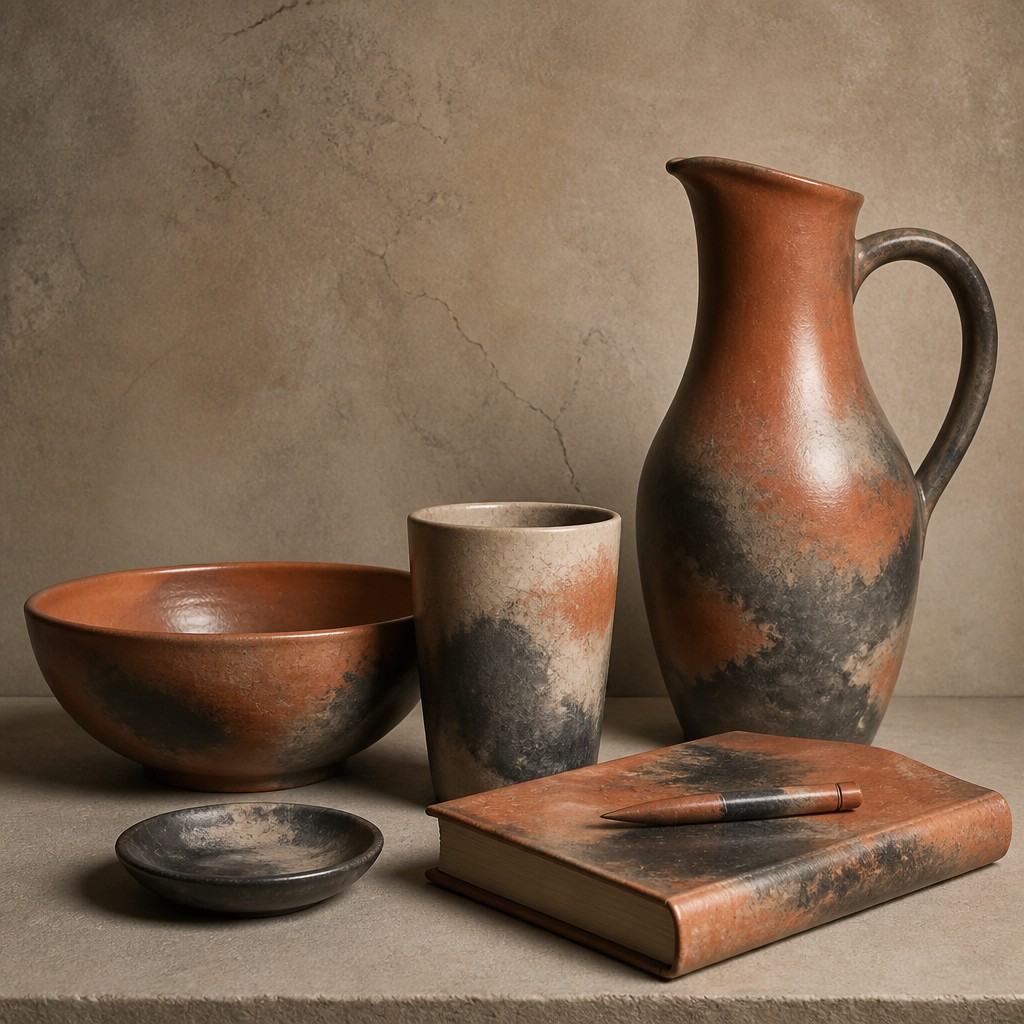
Delicate crackle and surface variation
Fine crackle, abrasion, and slip irregularities may be visible up close. These small imperfections reinforce the handmade character and historical echo of the medium.
Try It
Create Videos in Terra Sigillata Ceramic Art Style
Styles aren't just for stills — describe a scene or animate an image and get a short video rendered in Terra Sigillata Ceramic. Press play to see this pond come to life.
Make a VideoTerra Sigillata Ceramic Prompt Ideas
Start from an idea — each one opens the generator with the style ready to go. See all 40 Terra Sigillata Ceramic prompts →
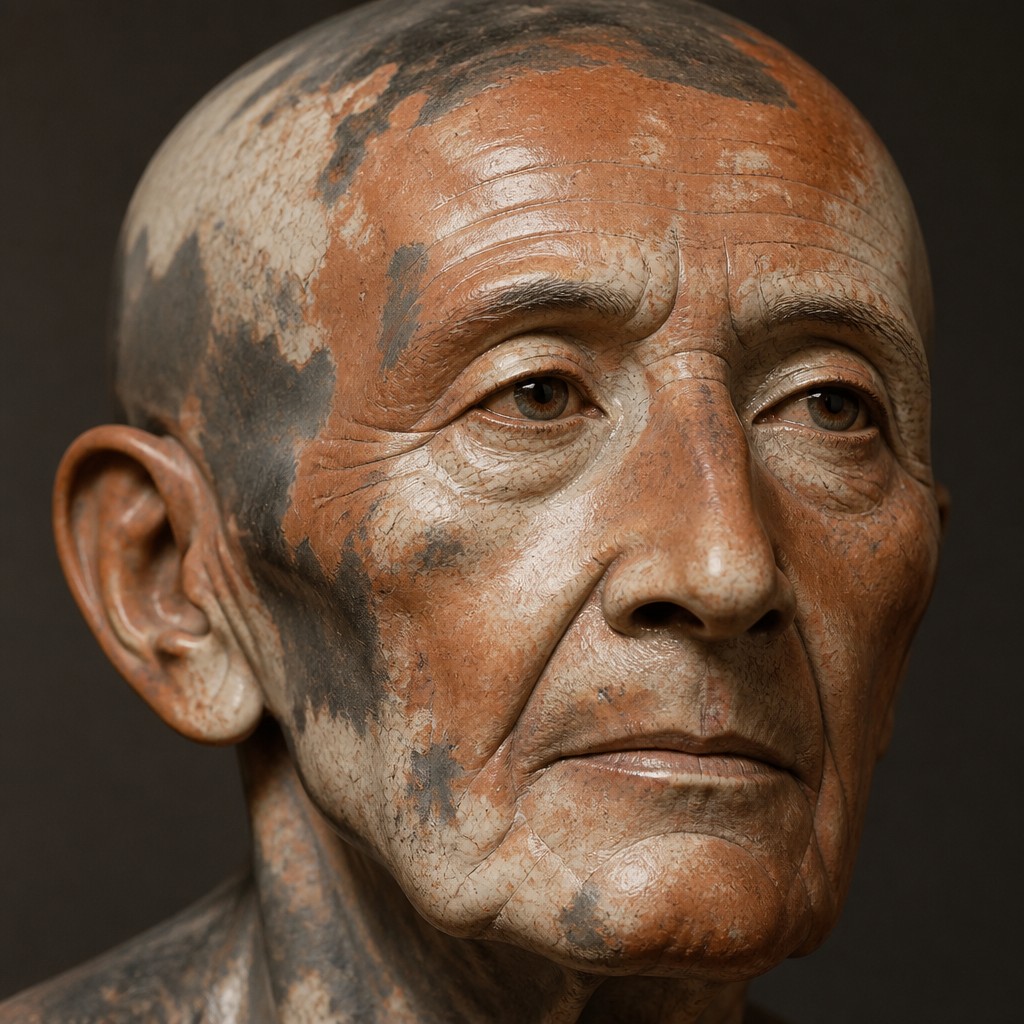
“close-up portrait of an elderly person with expressive weathered features”
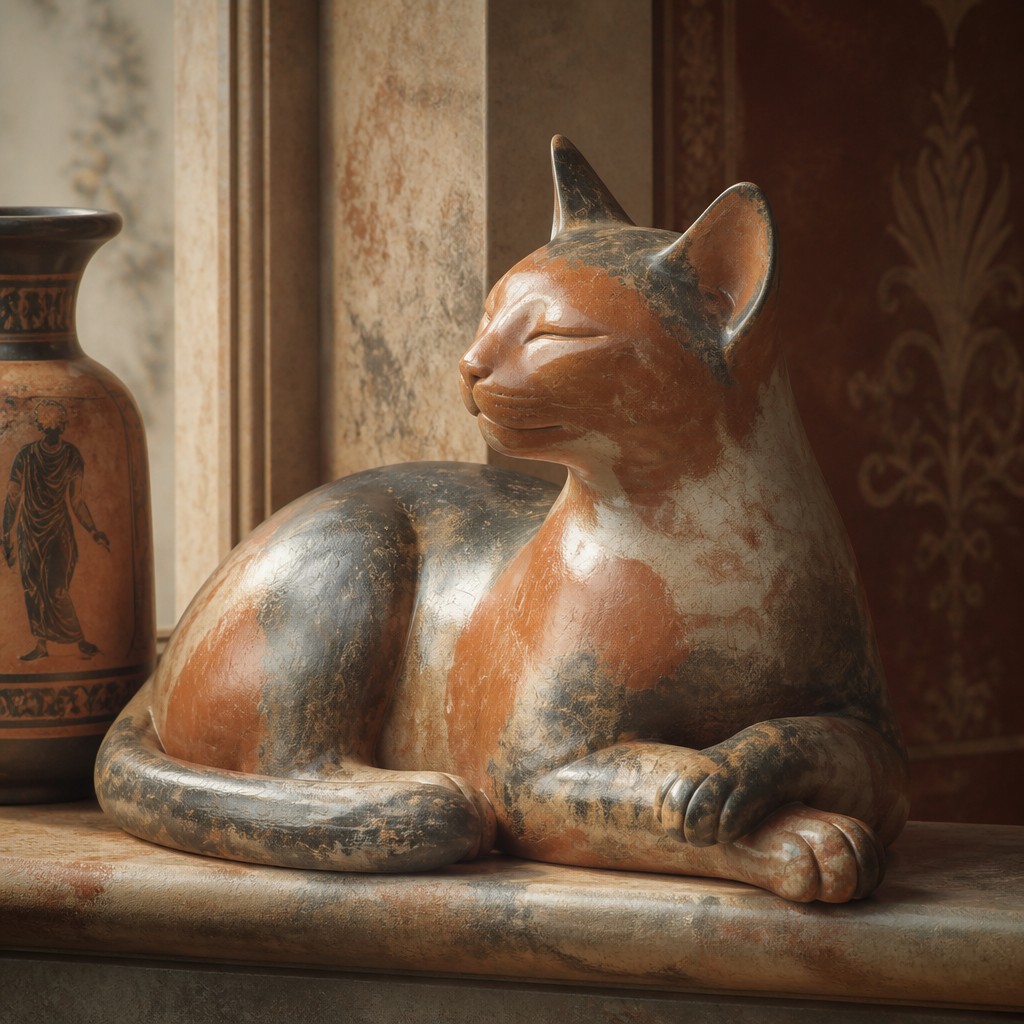
“a cat lounging in a sunlit window”
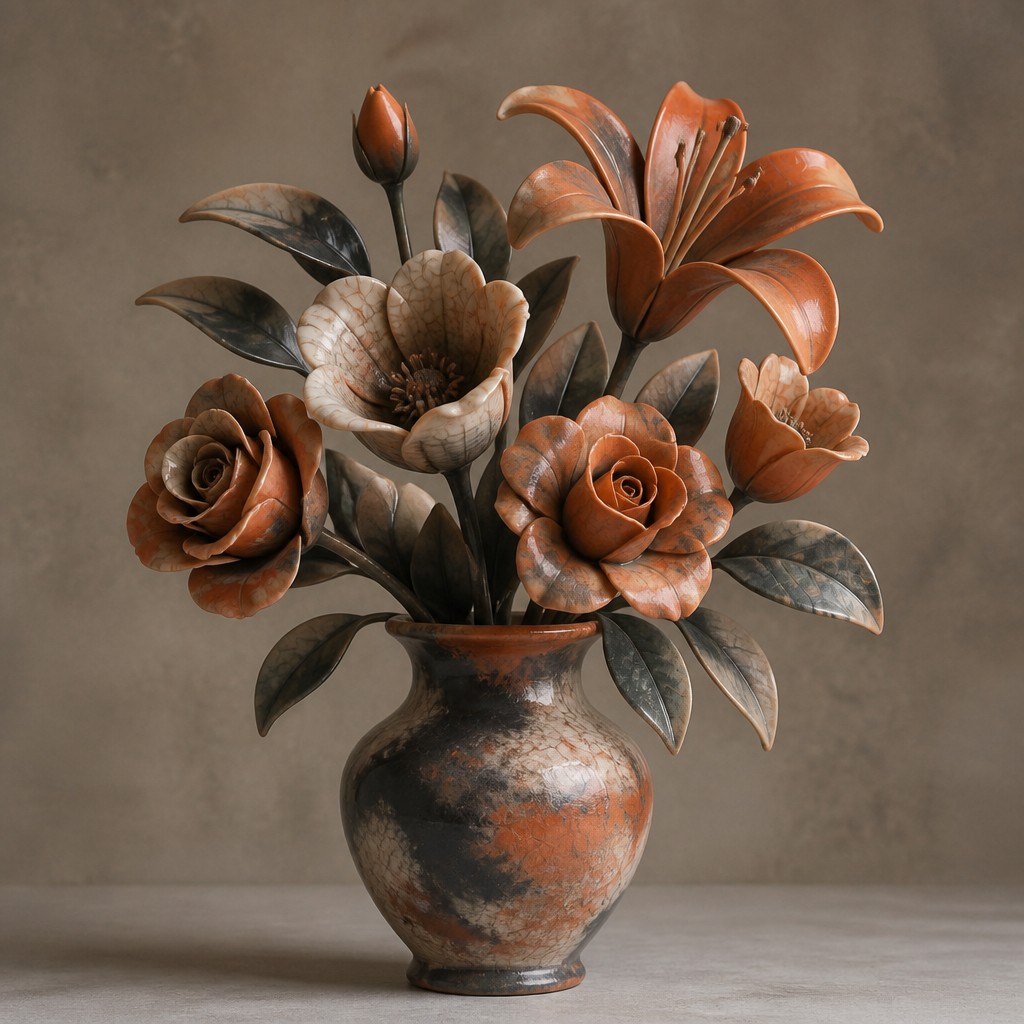
“bouquet of flowers in a glass vase”
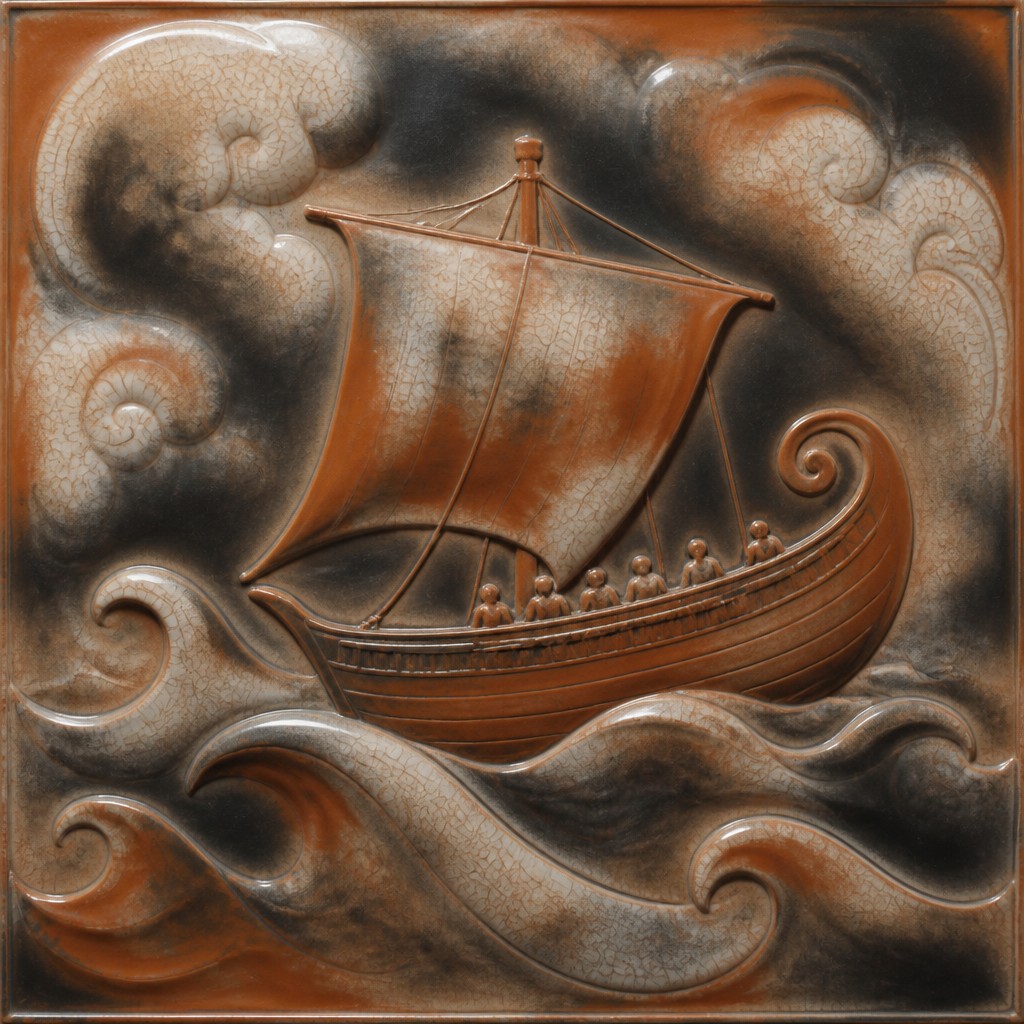
“sailing ship on a stormy sea”
How to Create Terra Sigillata Ceramic Art
Master the craft step by step — or skip straight to creating. Read the full guide →
- 1
Build on simple ceramic forms
Start with a restrained vessel or sculptural shape, since this style depends on silhouette and surface rather than complex modeling. Clean proportions will make the subtle surface effects read more clearly.
- 2
Apply and polish fine slip
Use a refined clay slip, then burnish it with a smooth tool before firing to encourage a satin sheen. Multiple thin layers generally work better than a single heavy coat.
- 3
Introduce smoke-fired effects
Create mottling through smoke firing, saggar firing, or other reduction-based processes that leave soft atmospheric marks. Keep the firing process controlled so the surface reads as nuanced rather than heavily blackened.
- 4
Balance matte and polished zones
Leave some passages less burnished or minimally treated so the polished areas have contrast. This interplay helps the object feel sophisticated and materially legible.
- 5
For digital or AI generation, specify surface behavior
Describe the object first, then add material terms such as burnished terra sigillata, smoke-fired mottling, satin sheen, and earthen palette. Emphasize subtlety, quiet presentation, and ancient Roman ceramic influence rather than glossy glaze or high contrast.
- 6
Preserve tactile realism
In digital work, avoid plastic-like smoothness or uniform shine; the surface should feel made from clay with faint irregularities. Small crackle, clouding, and tonal shifts make the image more convincing.
The Story
History & Origins of Terra Sigillata Ceramic
The term terra sigillata is rooted in Roman antiquity, where it referred to fine tablewares associated with stamped or impressed decoration and, more broadly in modern studio ceramics, to very fine clay slips used to produce polished, luminous surfaces. Contemporary use of the term is linked less to a single continuous historical style than to a revival of ancient ceramic surface practices, especially burnishing, slip application, and smoke or pit firing.
In the twentieth century, studio ceramists and craft revivalists explored these methods as alternatives to industrial glaze aesthetics, valuing their directness and the way they preserved the identity of clay. The modern aesthetic lineage connects Roman pottery traditions to later hand-built and low-fire ceramics, as well as to studio pottery movements that emphasized material honesty, restrained form, and surface subtlety over ornate decoration.
Influences: This aesthetic draws from ancient Roman pottery traditions, especially fine earthenware and slip-treated wares associated with terra sigillata, while also relating to broader studio pottery and contemporary ceramic sculpture. It shares an emphasis on material clarity with modernist craft traditions and the work of ceramists who explored smoke firing, burnishing, and low-fire surface techniques; however, it is best understood as a lineage of ceramic methods rather than a single historical movement with a fixed canon.
Frequently Asked Questions
What defines terra sigillata ceramic art?
It is defined by very smooth, slip-polished ceramic surfaces, soft sheen, and understated earth tones. Smoke-fired mottling and fine surface variations are common, but the overall effect remains quiet and restrained. The form usually stays simple so the surface can carry the visual interest.
Is terra sigillata the same as ancient Roman pottery?
Not exactly. The term comes from Roman antiquity, but in contemporary use it often refers to ceramic surface techniques inspired by or derived from ancient practices. Modern works may not replicate Roman wares directly; instead, they adapt the material effects for contemporary forms.
How is this style different from glossy glazed ceramics?
Glossy glazed ceramics typically have a more reflective, glass-like finish and can support brighter color and more decorative effects. Terra sigillata surfaces are usually softer, subtler, and more tactile, with a satin sheen rather than a hard gloss. The mood is more earthy and contemplative.
What kinds of subjects or objects suit this style?
It works especially well for bowls, amphora-like vessels, tablets, sculptural containers, and quiet abstract forms. Objects with clear silhouettes and modest ornament tend to benefit most from the refined surface treatment. Figurative subjects can also work if they are simplified and material-focused.
Can this style be made digitally?
Yes, if the prompt emphasizes clay materiality, burnished slip, smoke-fired patterns, and restrained color. The key is to avoid rendering it like metal, glass, or plastic; it should read as ceramic with subtle surface irregularities. Digital tools can simulate the look, but the language should still describe a hand-made ceramic finish.
What is the best way to make it feel authentic in an image?
Use a limited palette, keep the lighting soft, and let the surface show slight variation rather than uniform perfection. Authenticity comes from the relationship between the simple form and the nuanced clay surface. Overly ornate shapes or high-contrast effects usually weaken the style.
Create your first Terra Sigillata Ceramic artwork
Describe anything — or upload a photo — and see it in Terra Sigillata Ceramic Art Style in seconds.
Make Something with Terra Sigillata Ceramic
Related Styles
Discover similar art styles