Ceramic Mosaic Art Style
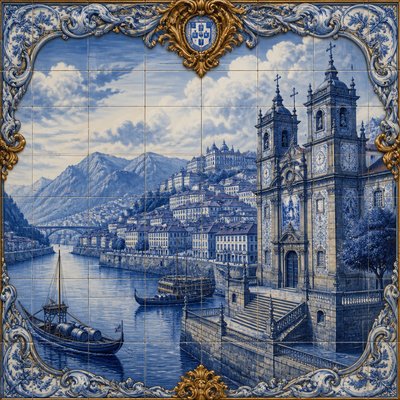
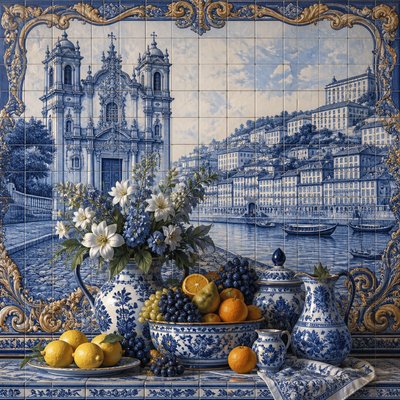
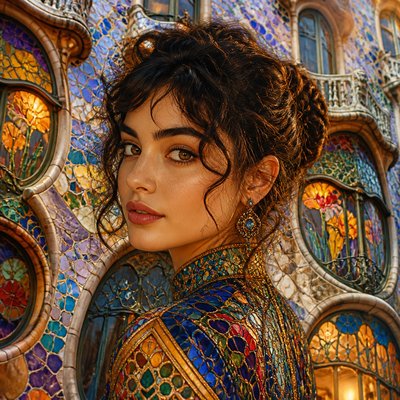
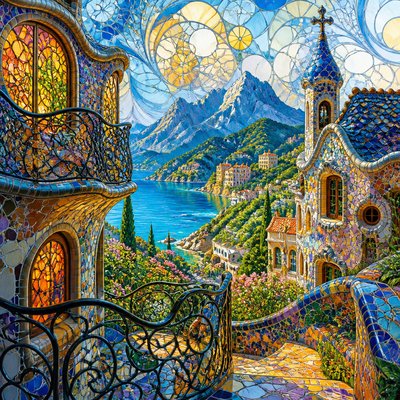
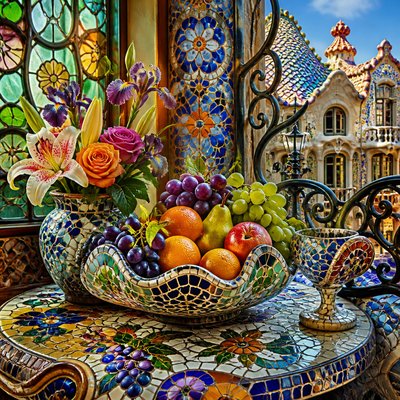
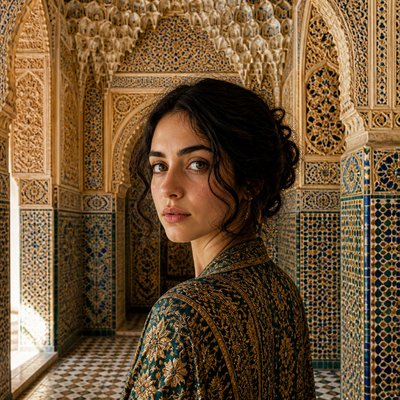
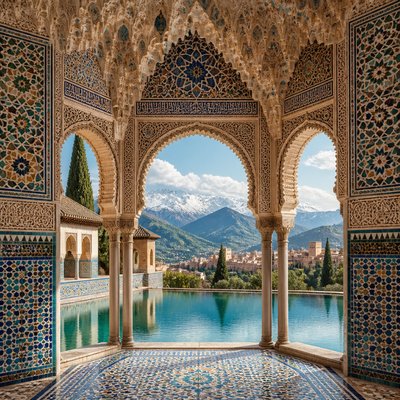
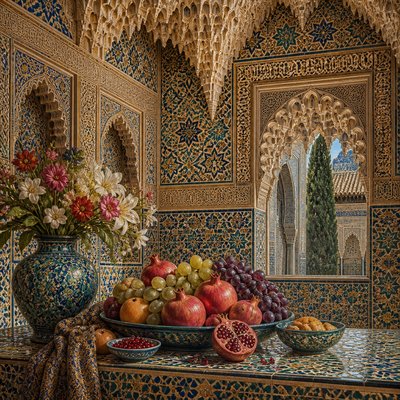
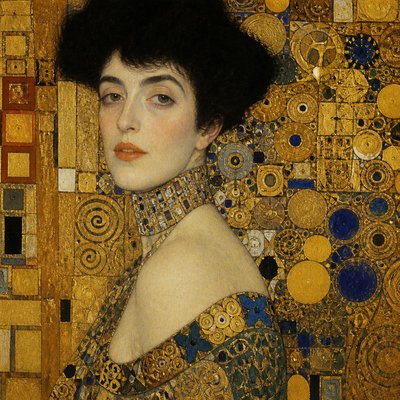
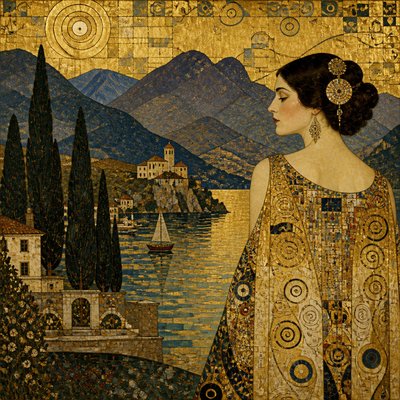
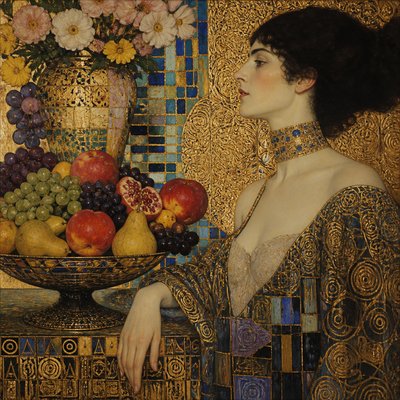
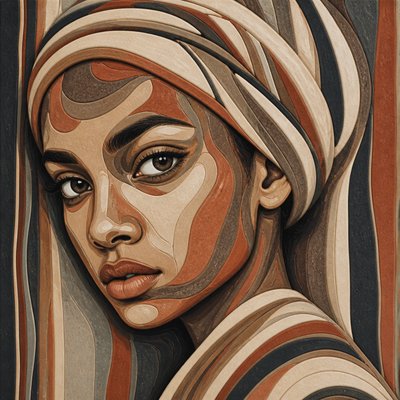
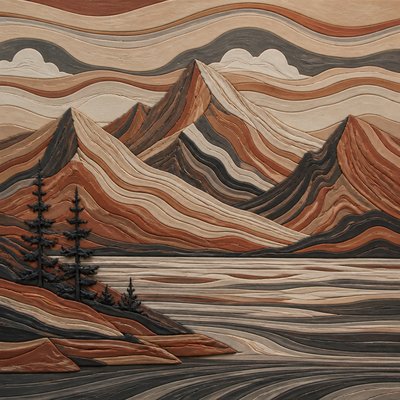
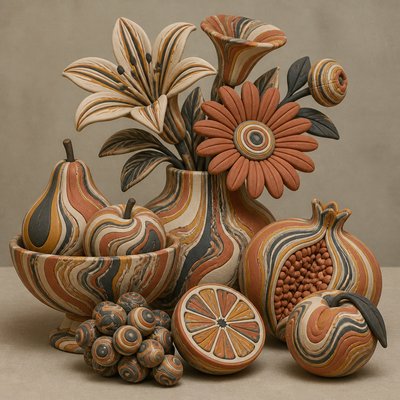
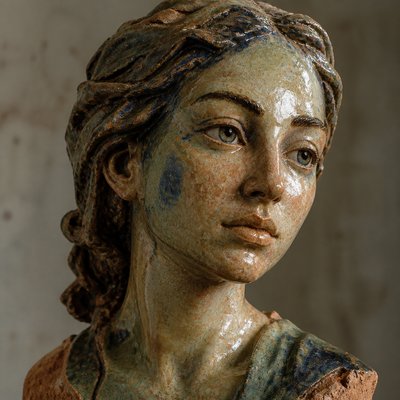
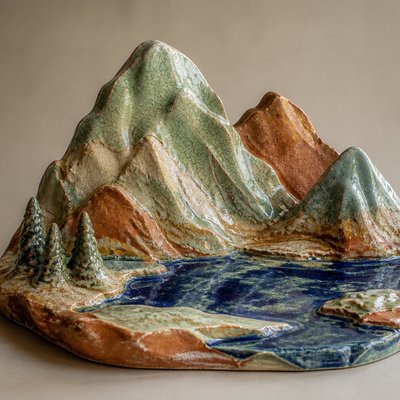
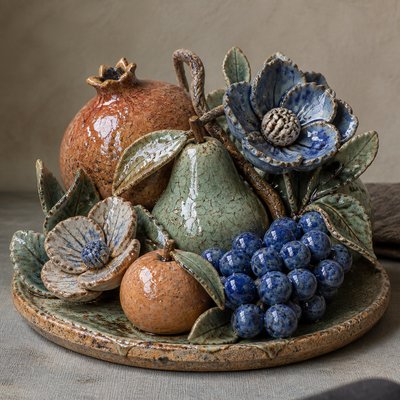
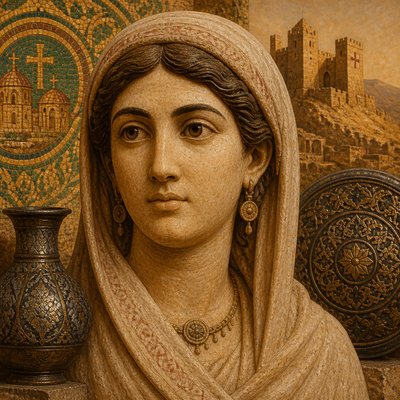
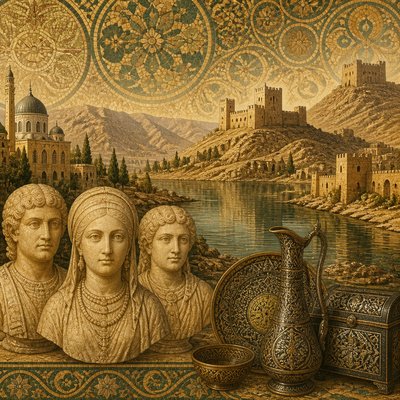
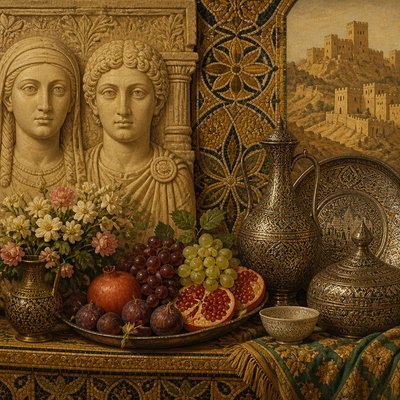
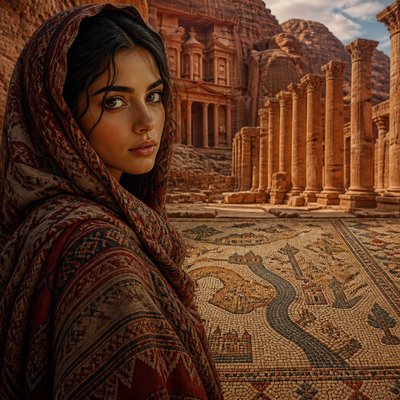
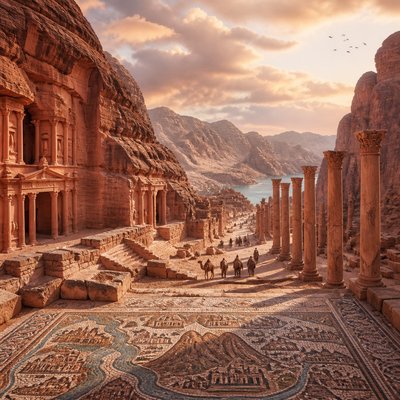
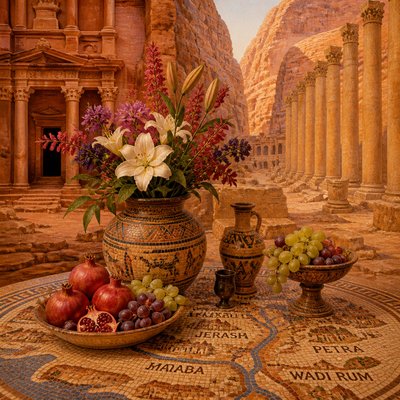
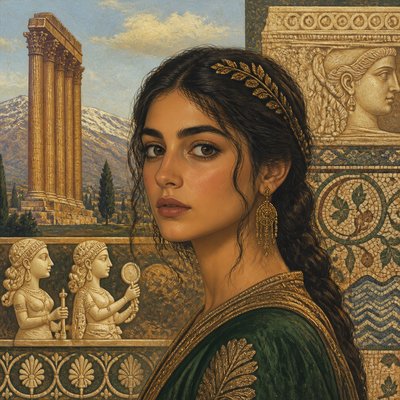
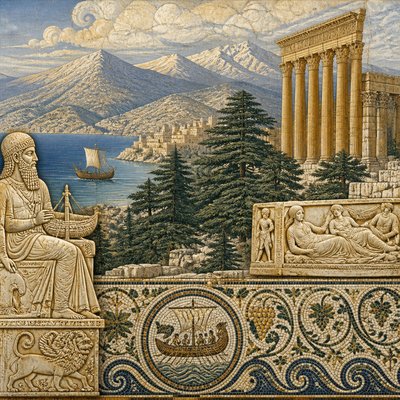
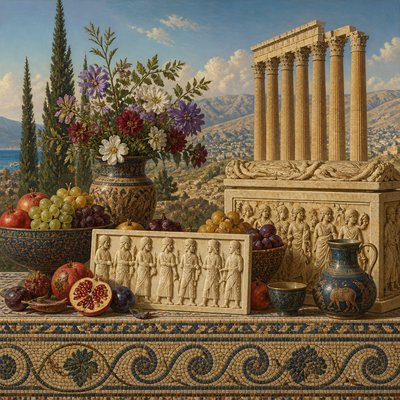
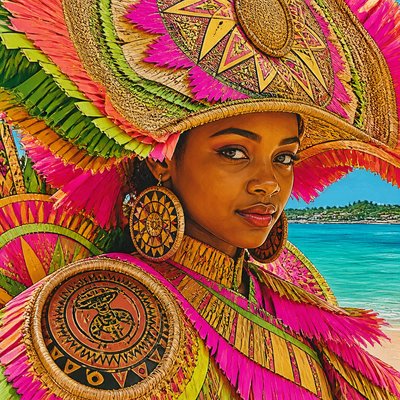
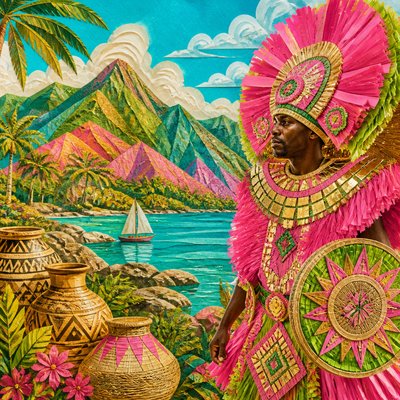
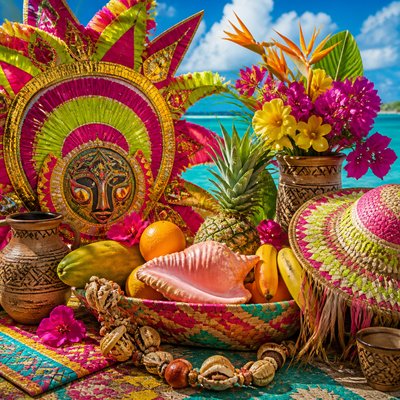
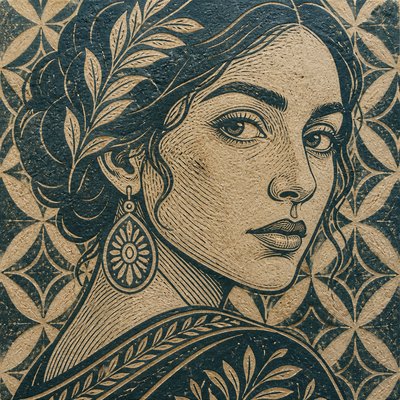
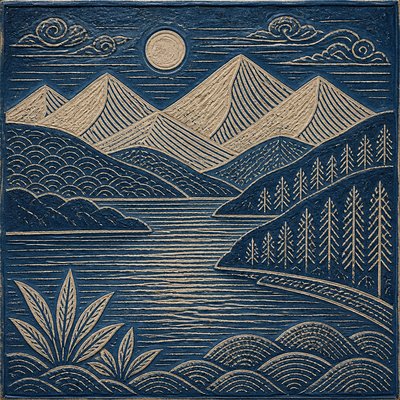
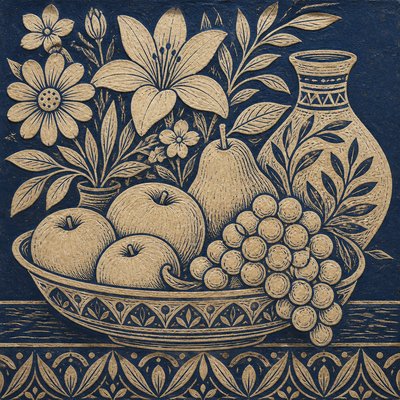
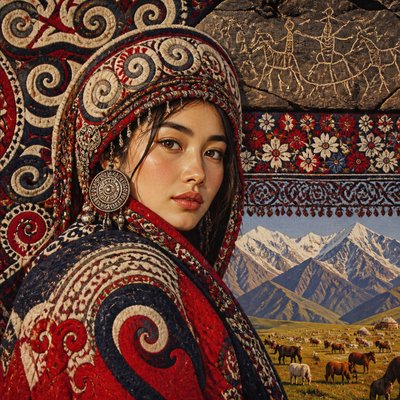
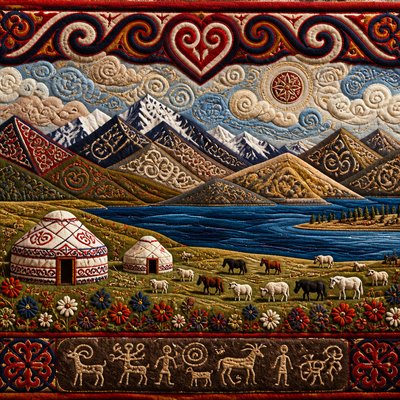
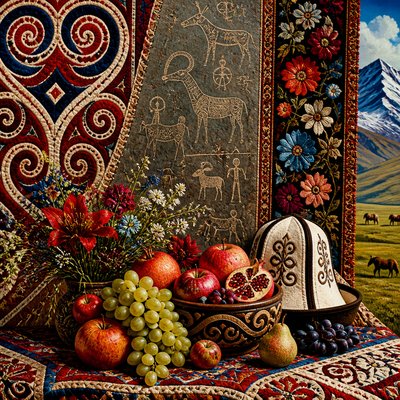
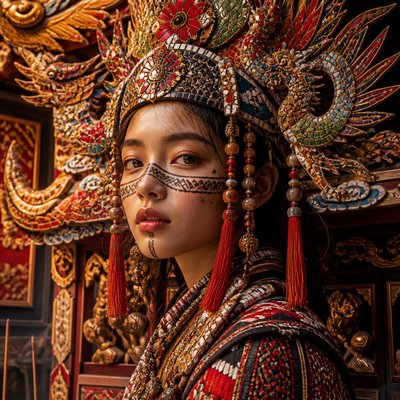
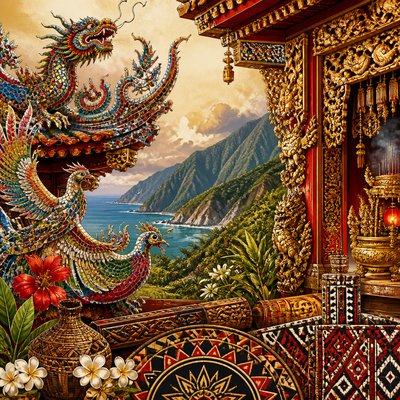
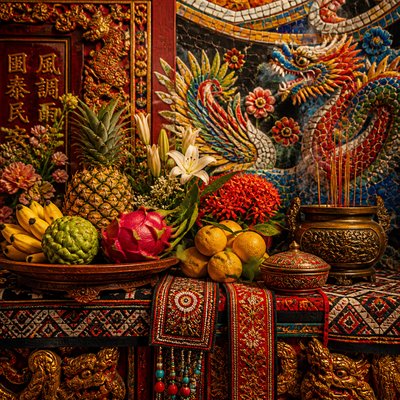
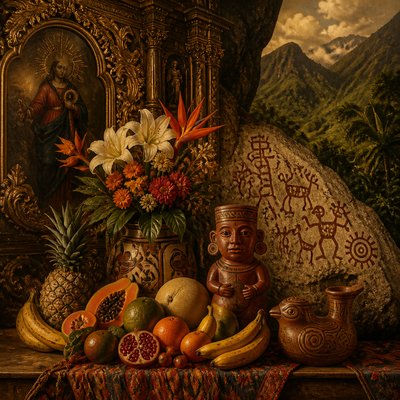
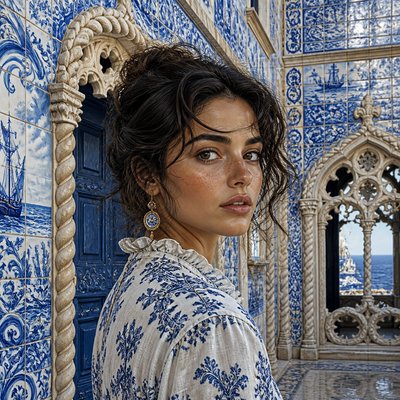
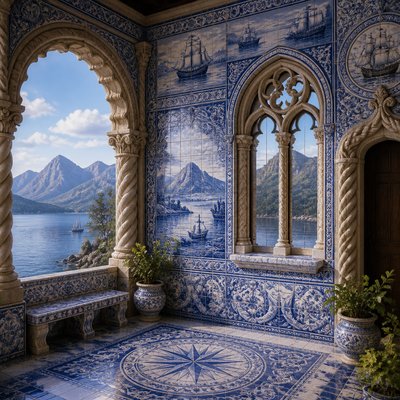
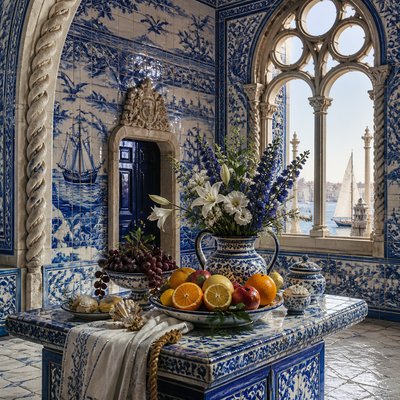
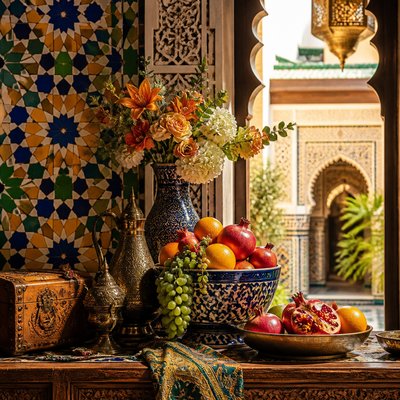
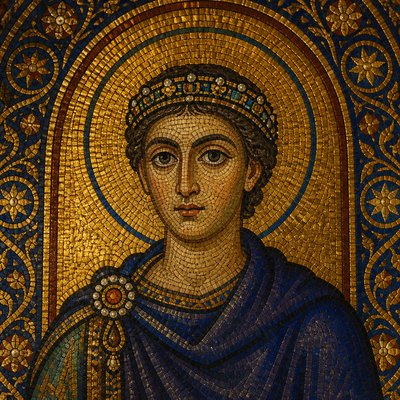
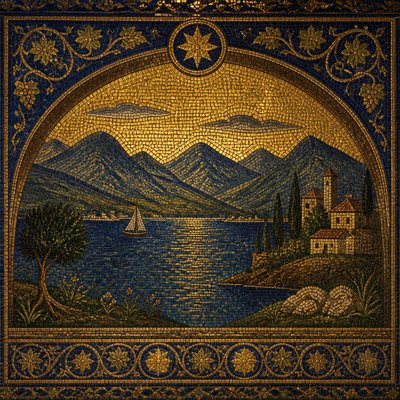
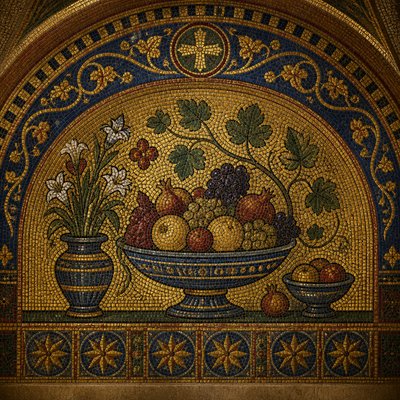
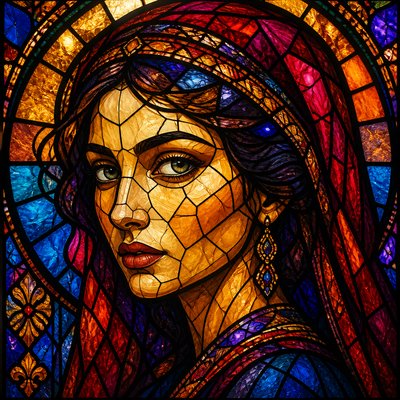
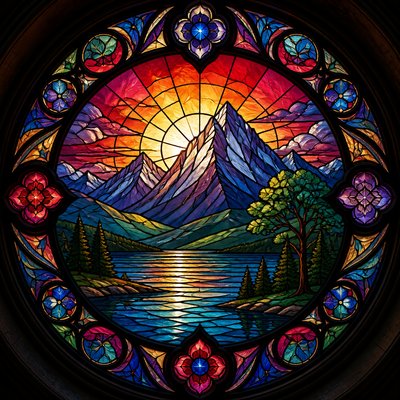
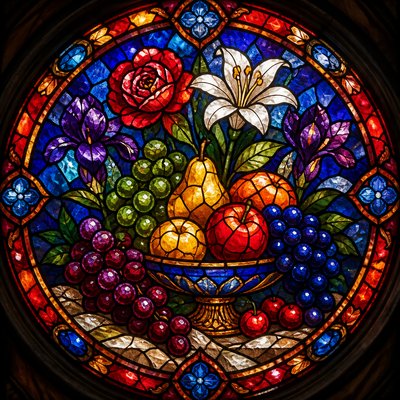
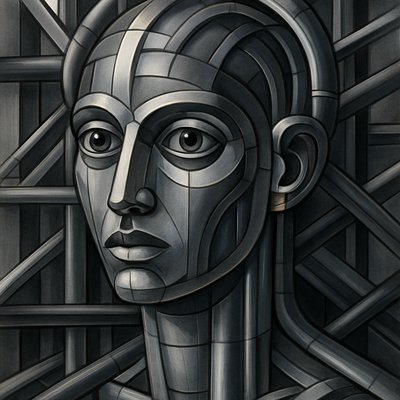
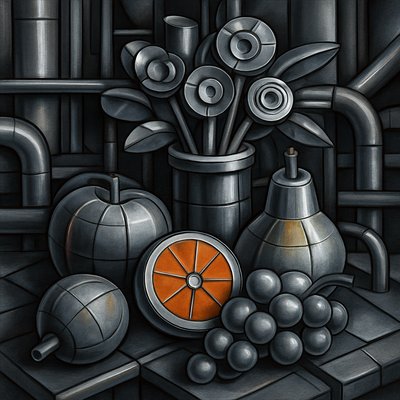
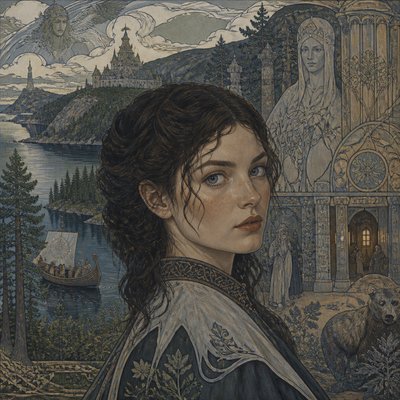
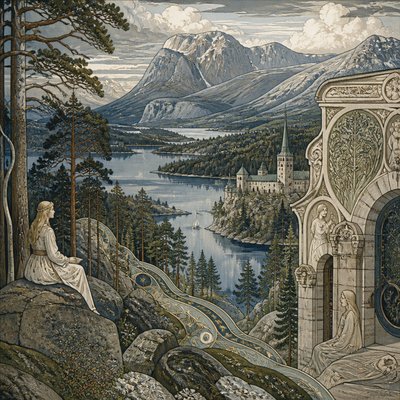
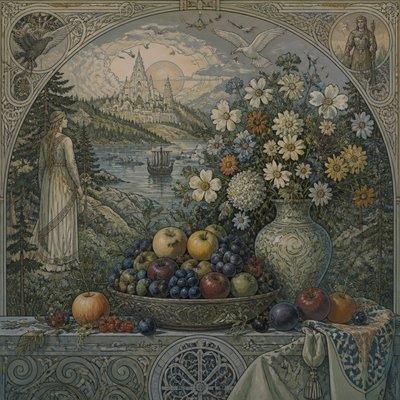
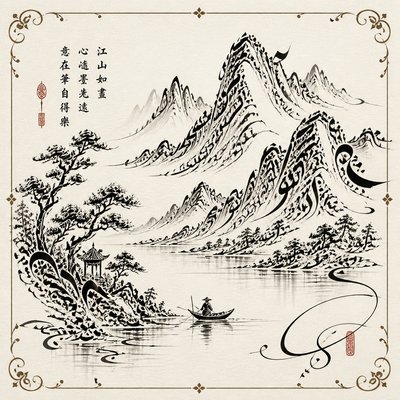
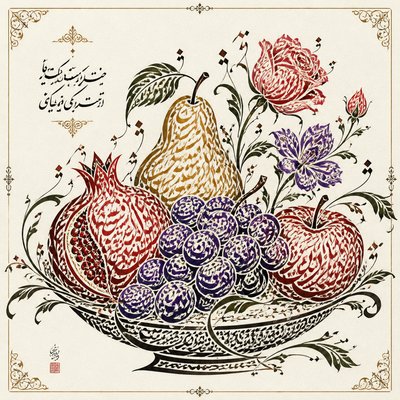
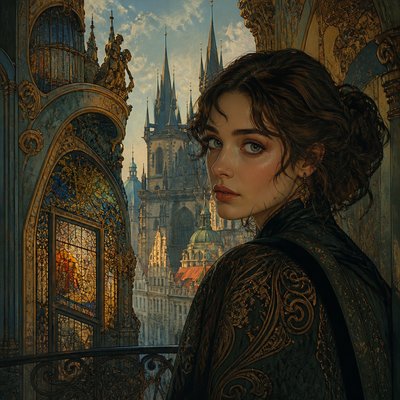
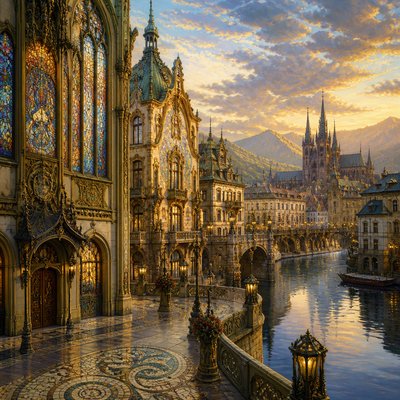
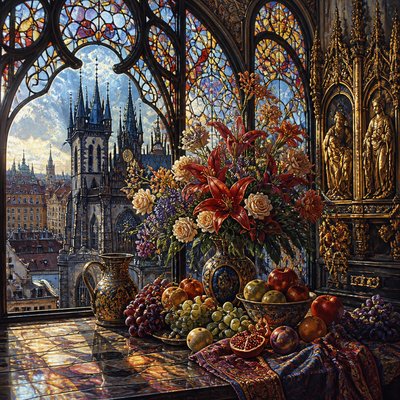
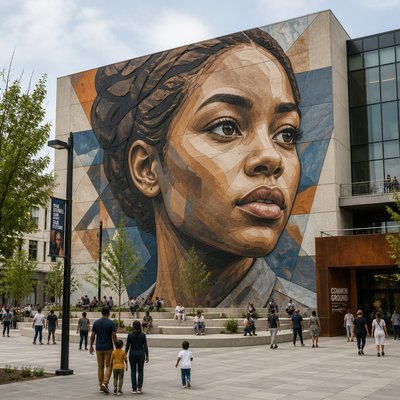
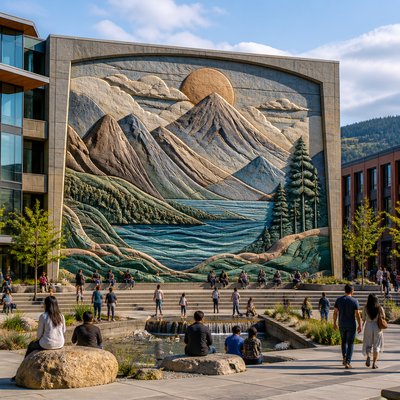
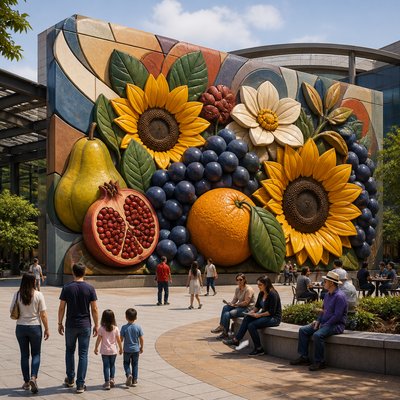
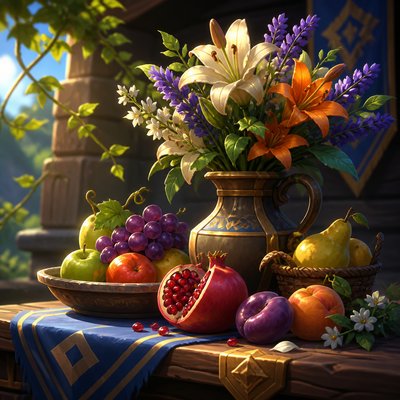
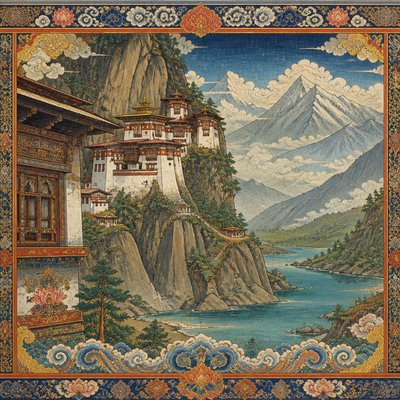
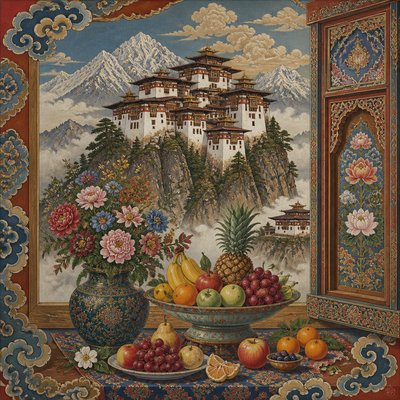
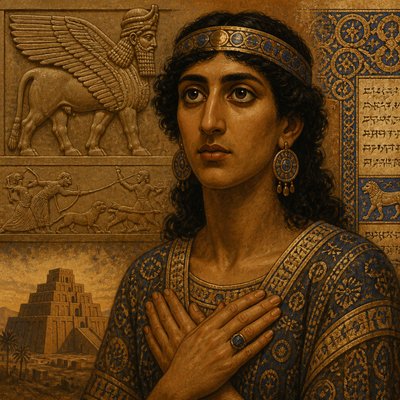
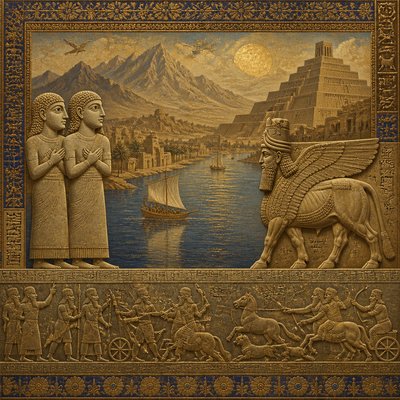
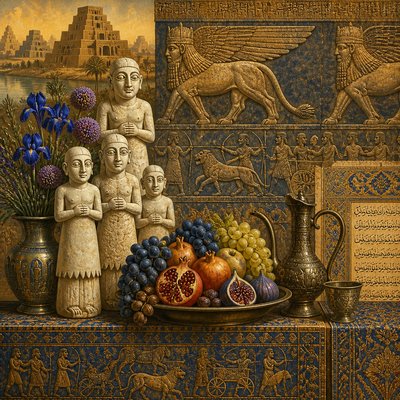
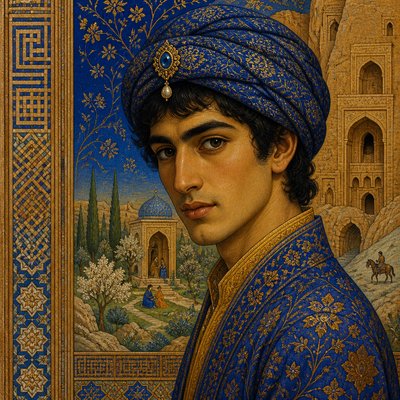
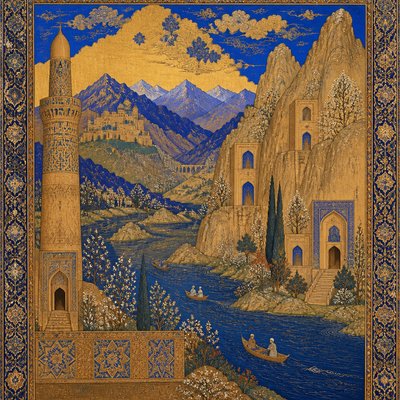
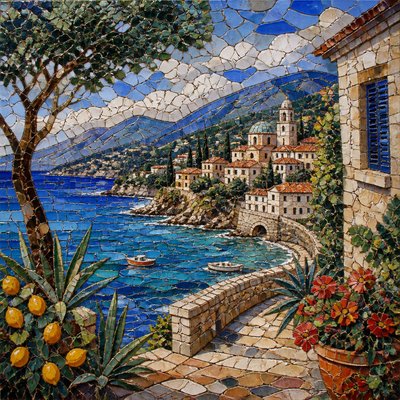
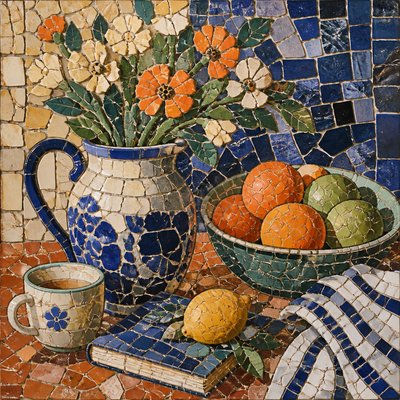
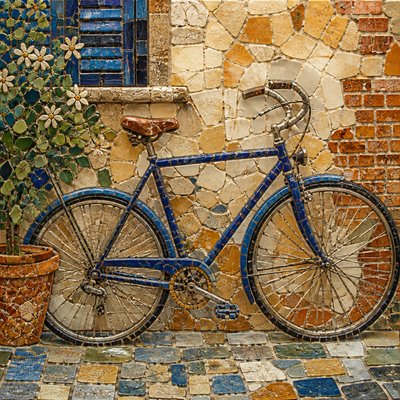
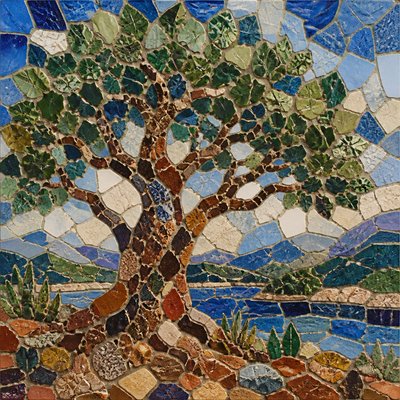
Ceramic mosaic art uses broken glazed fragments and grout lines to build textured, patterned images with rich color and light.
Instantly rendered in Ceramic Mosaic — or transform a photo
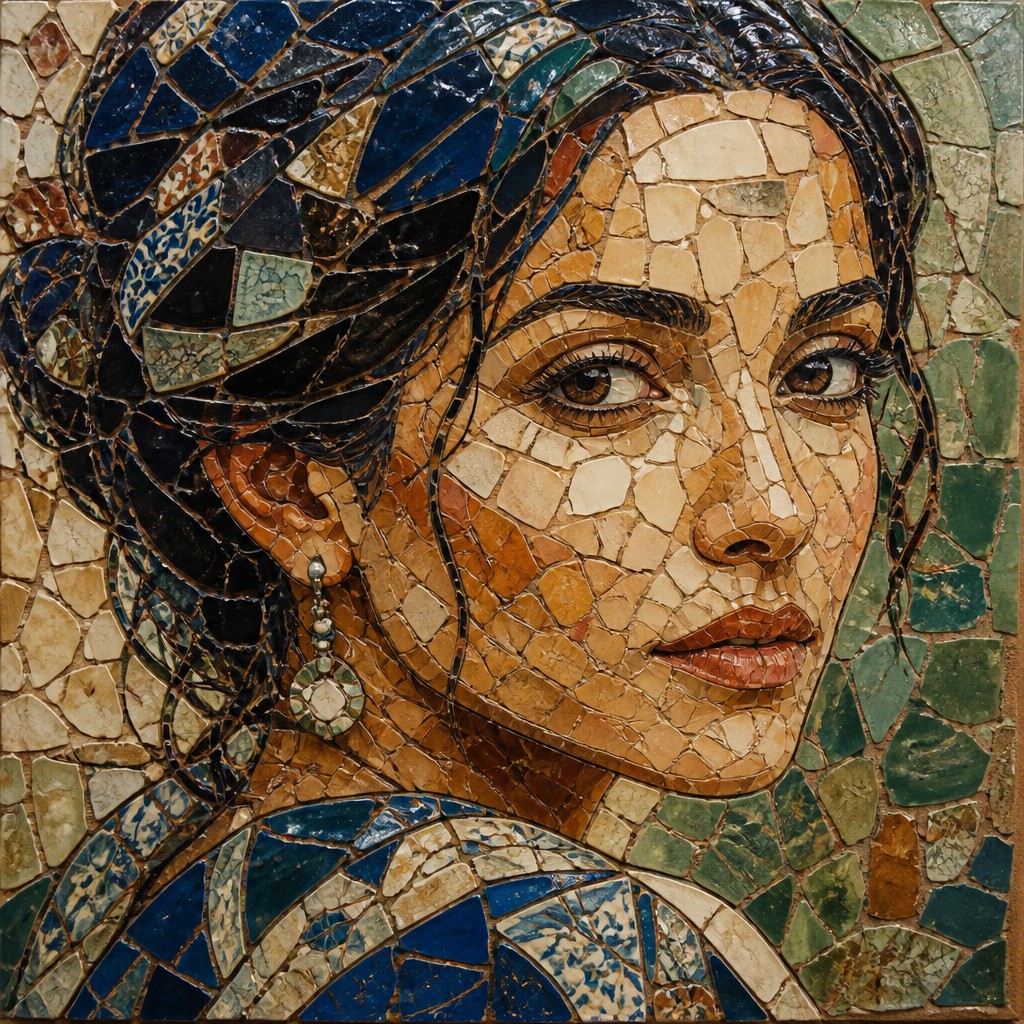
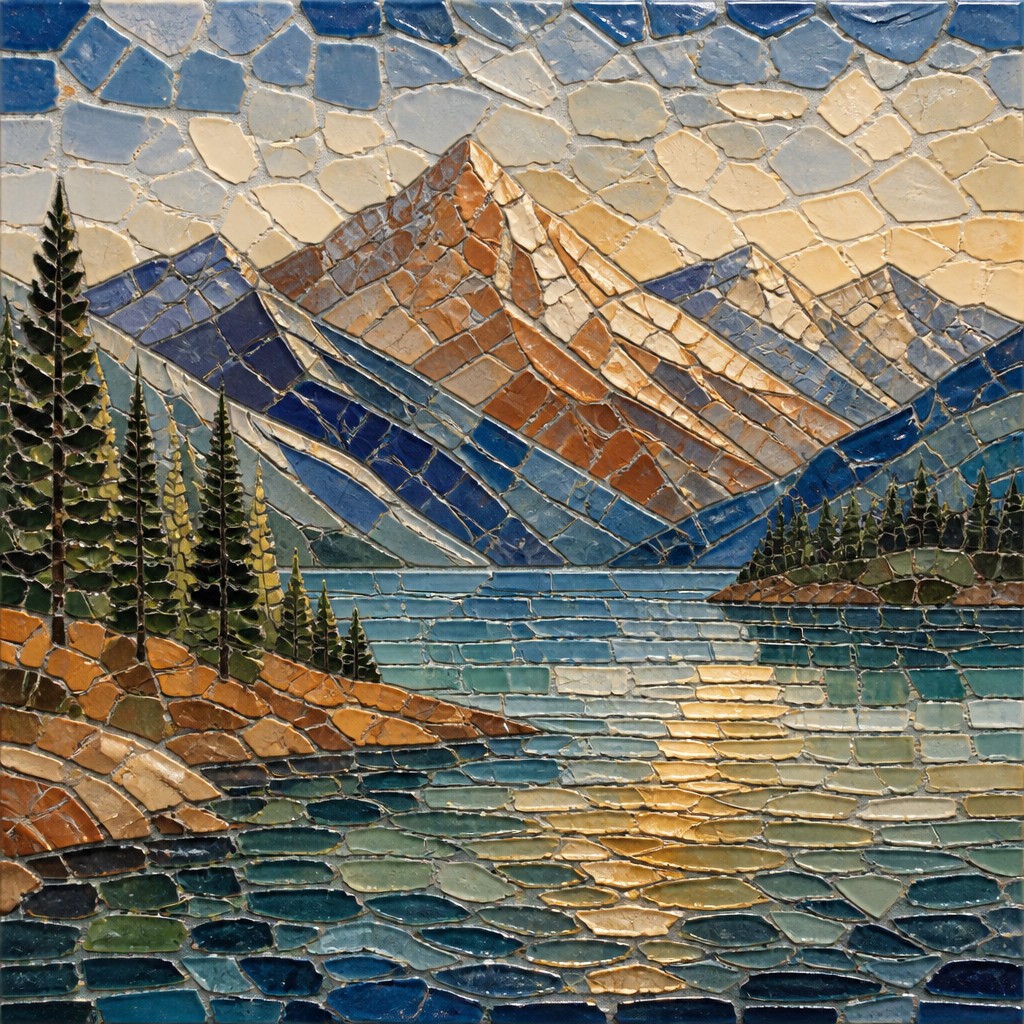
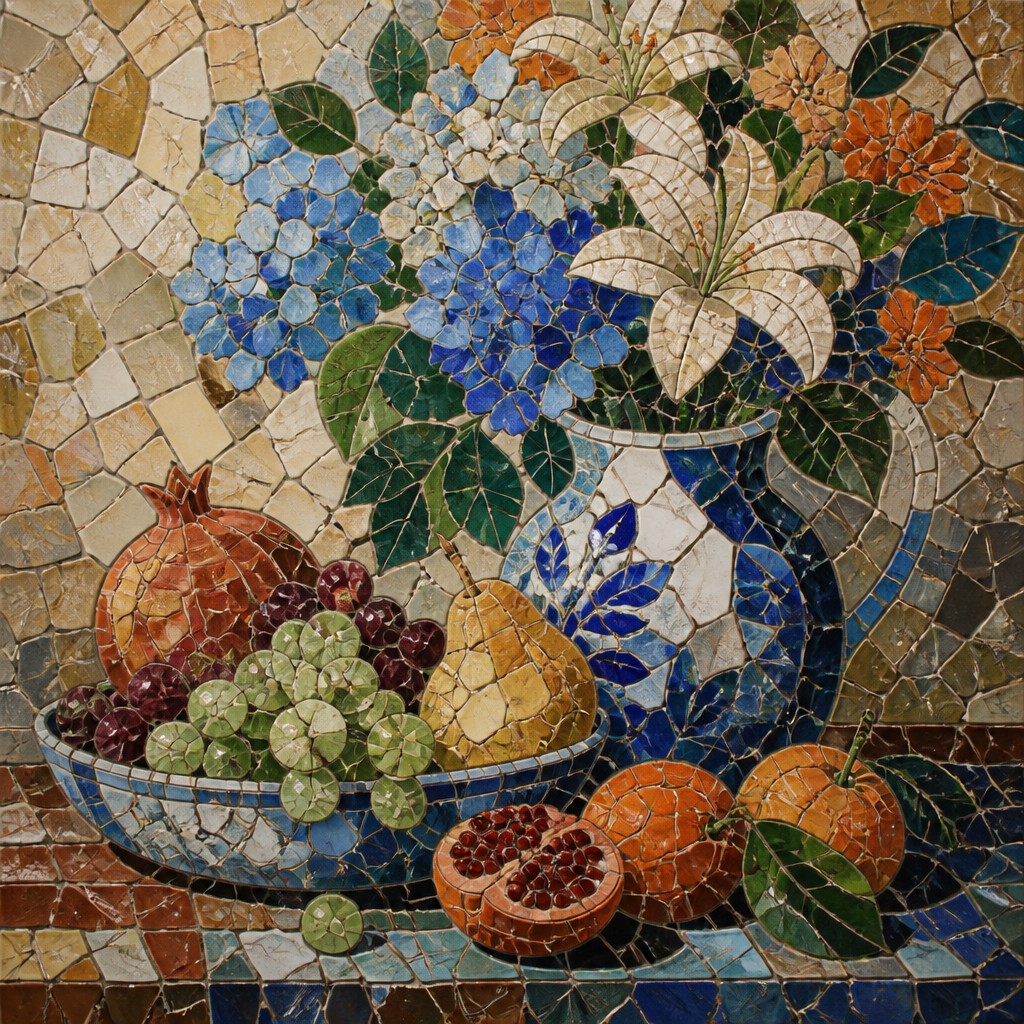
Ceramic Mosaic Gallery
Tap any artwork to explore it
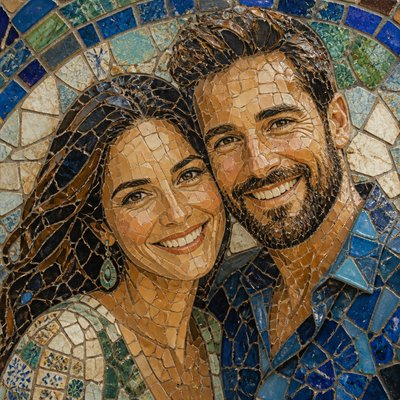
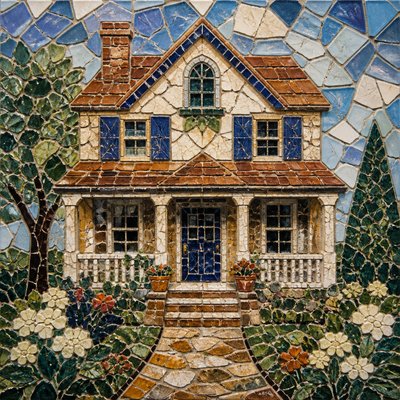
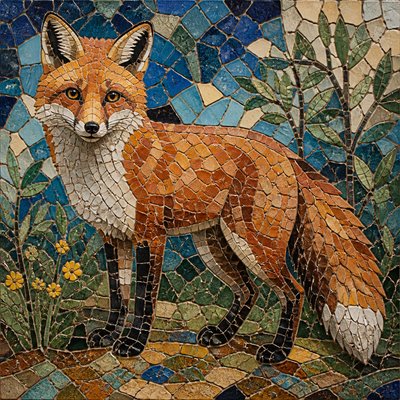
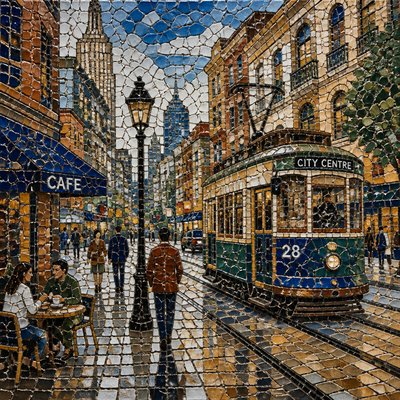
What is Ceramic Mosaic Art Style?
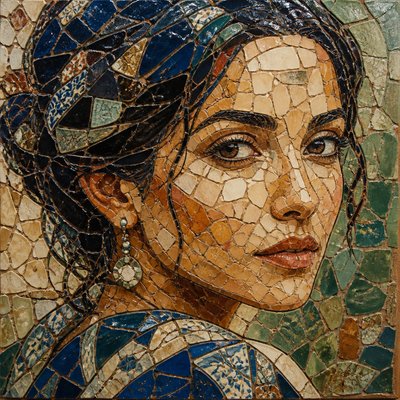
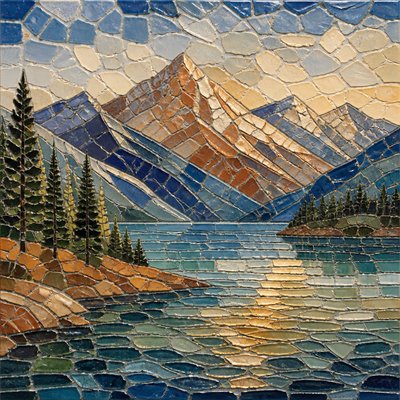
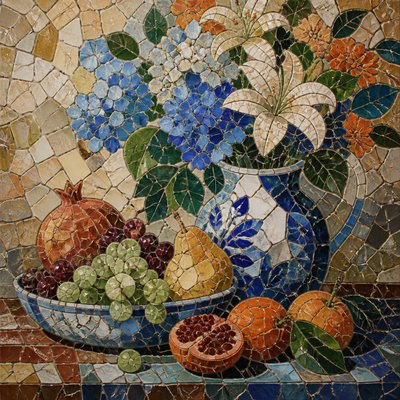
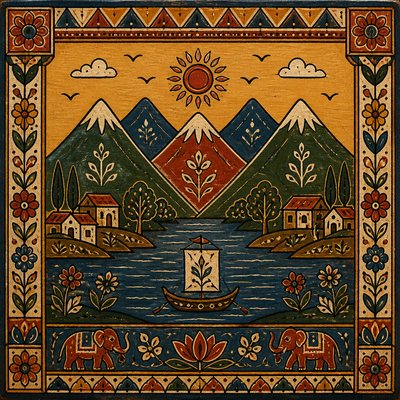
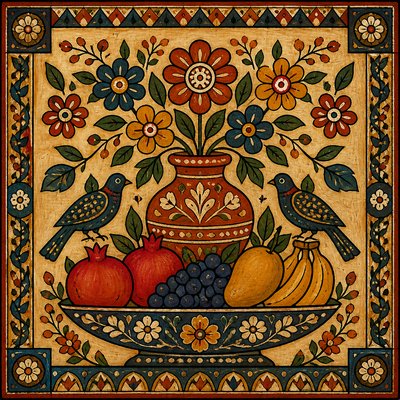
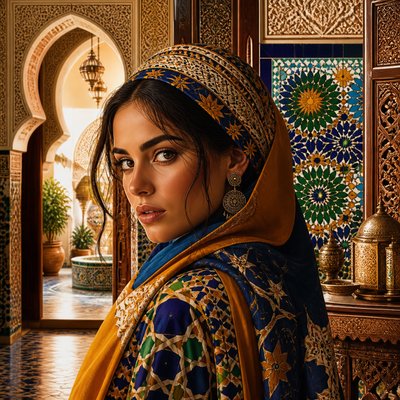
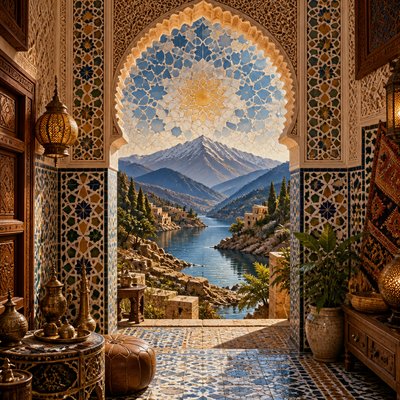
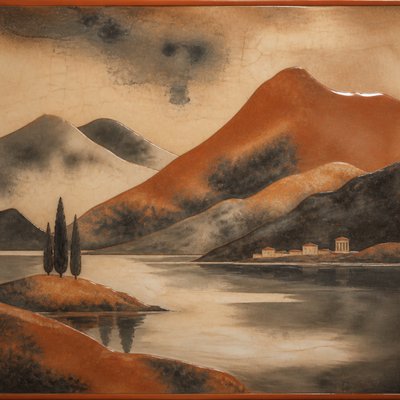
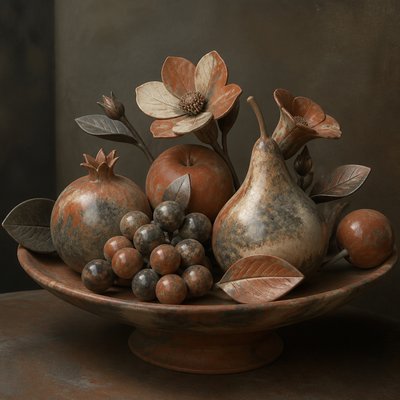
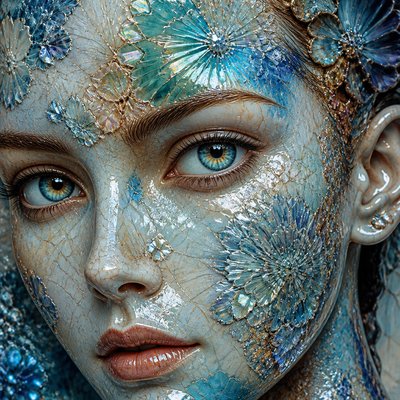
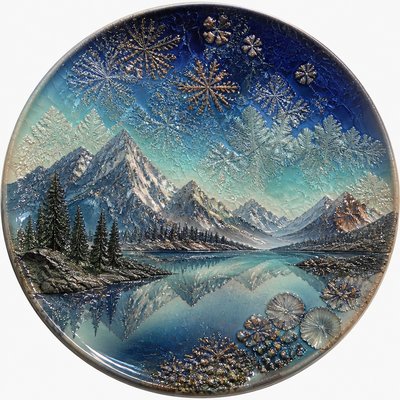
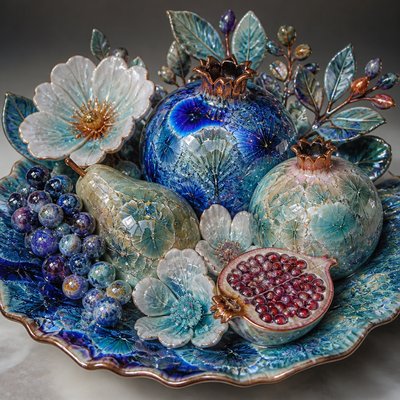
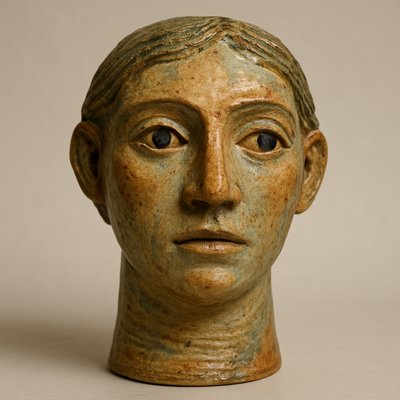
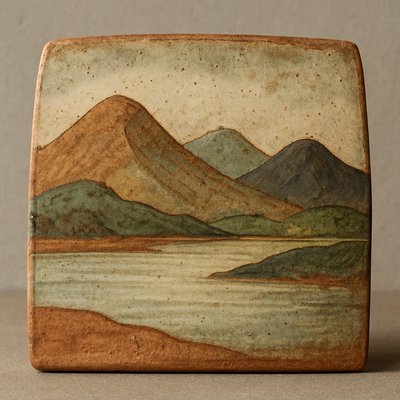
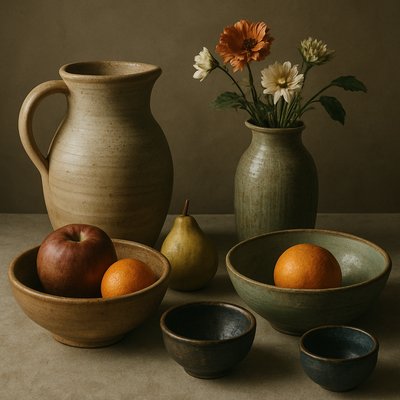
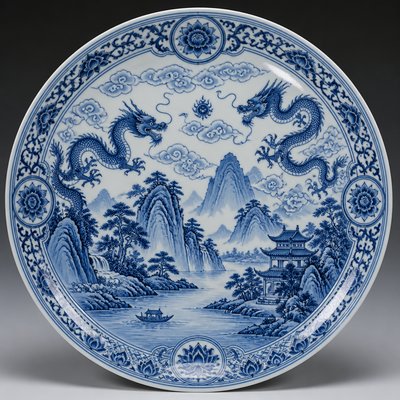
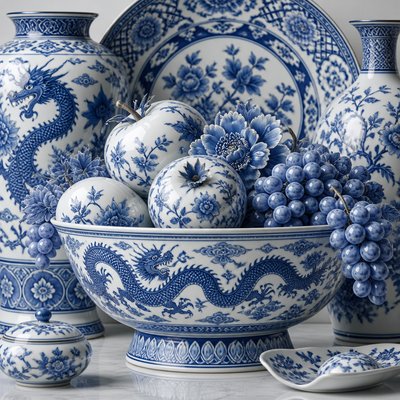
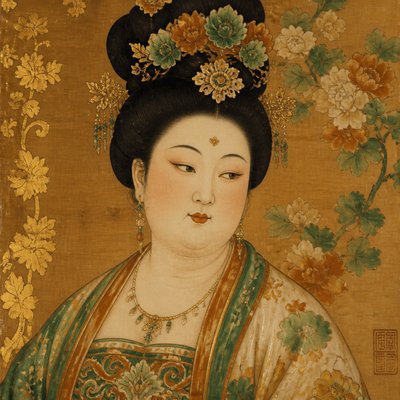
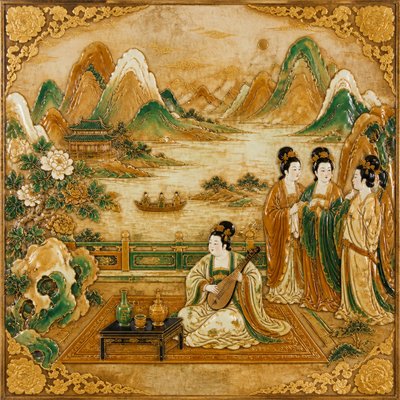
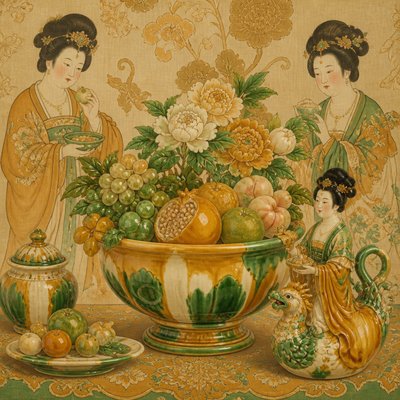
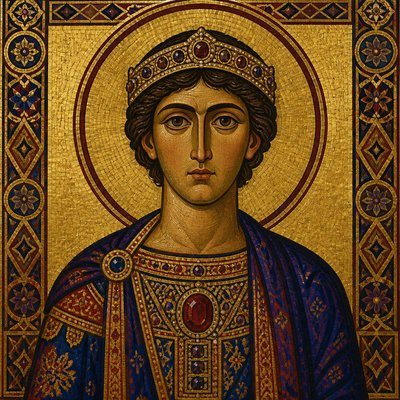
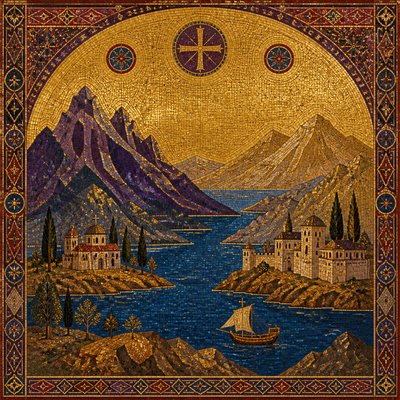
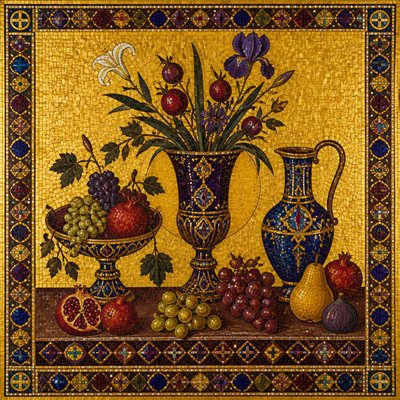
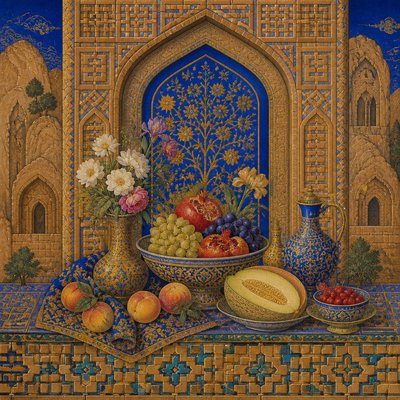
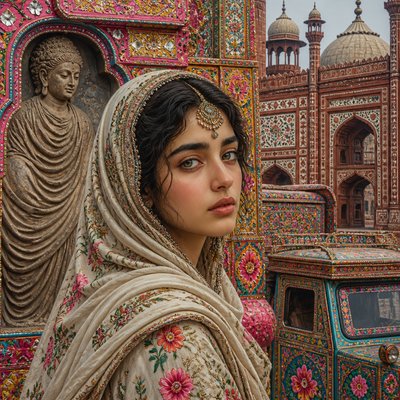
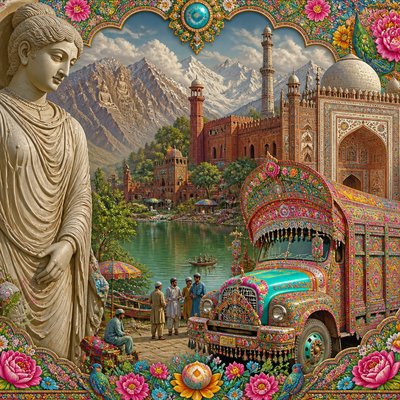
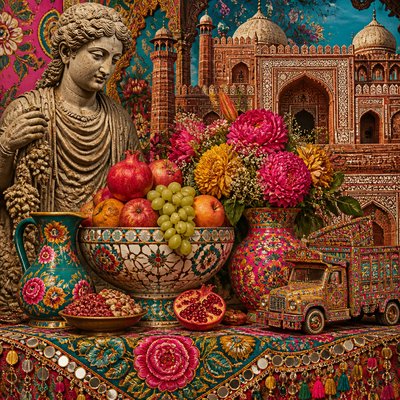
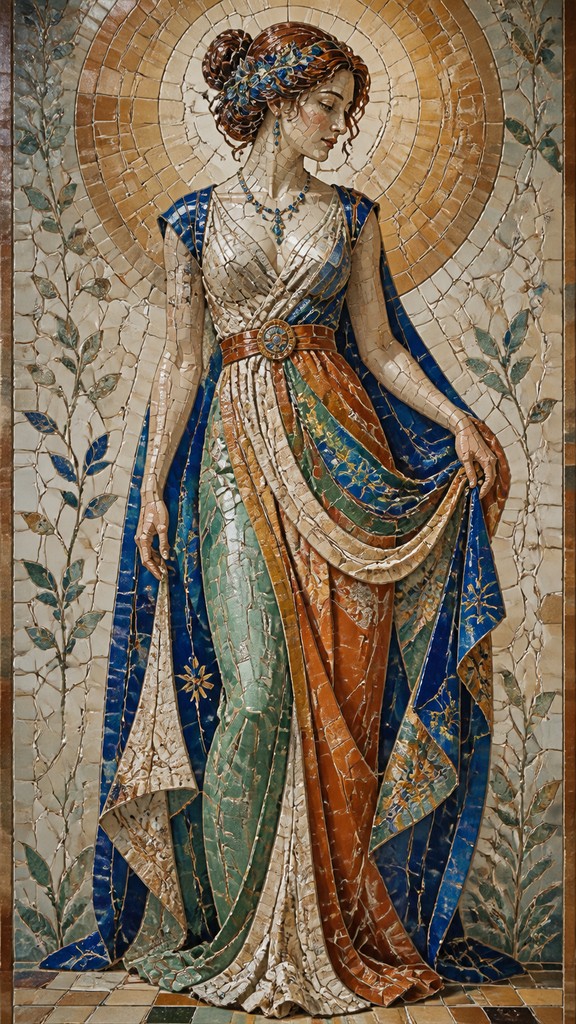
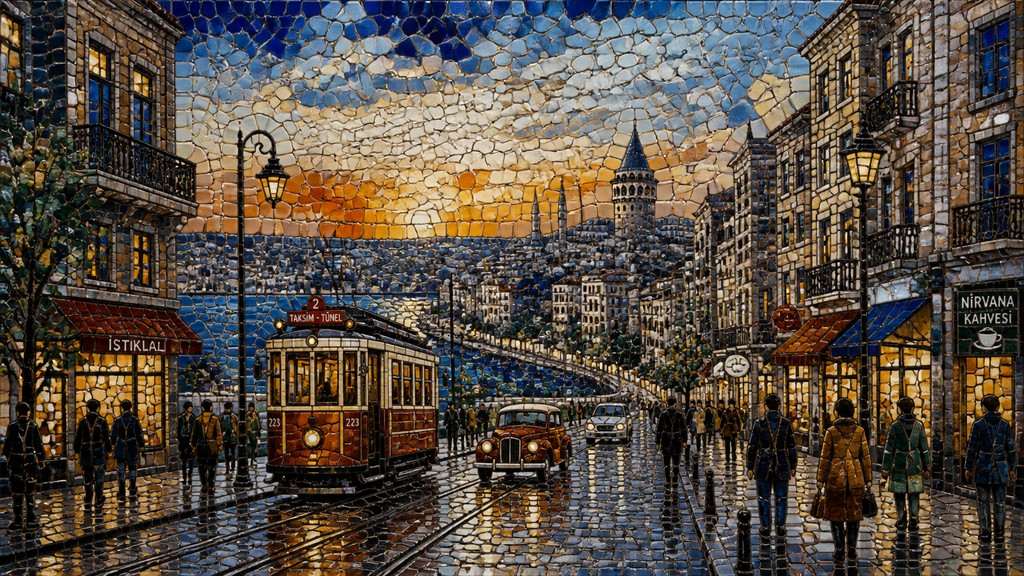
Ceramic mosaic art is a compositional style built from individual ceramic fragments—shards, tiles, tesserae, and cut pieces—arranged into a unified image or pattern. Its visual identity comes from the contrast between broken edges and carefully planned structure: irregular shapes are fitted together with visible grout lines, while varied glaze finishes create shifts between matte, glossy, crackled, and reflective surfaces.
The style often feels tactile, layered, and luminous because each fragment retains the material memory of clay, glaze, and firing. Color is typically assembled from multiple ceramic sources rather than painted as a continuous surface, so tonal variation emerges through placement. This gives ceramic mosaic imagery a handcrafted character, with light catching angled facets and small surface differences producing a shimmering, multifaceted effect.
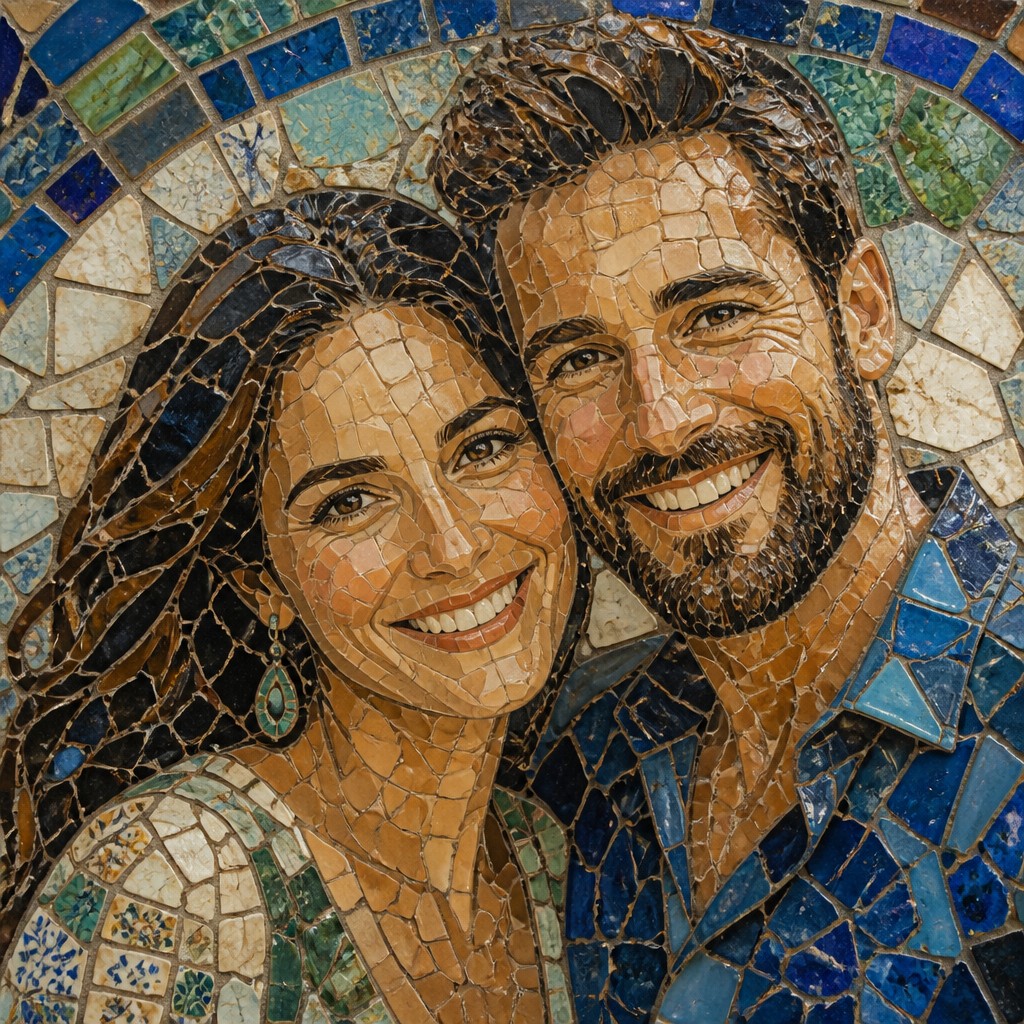
Try It On Your Photos
Upload any photo and convert it into Ceramic Mosaic Art Style — drag the sliders to compare before and after.
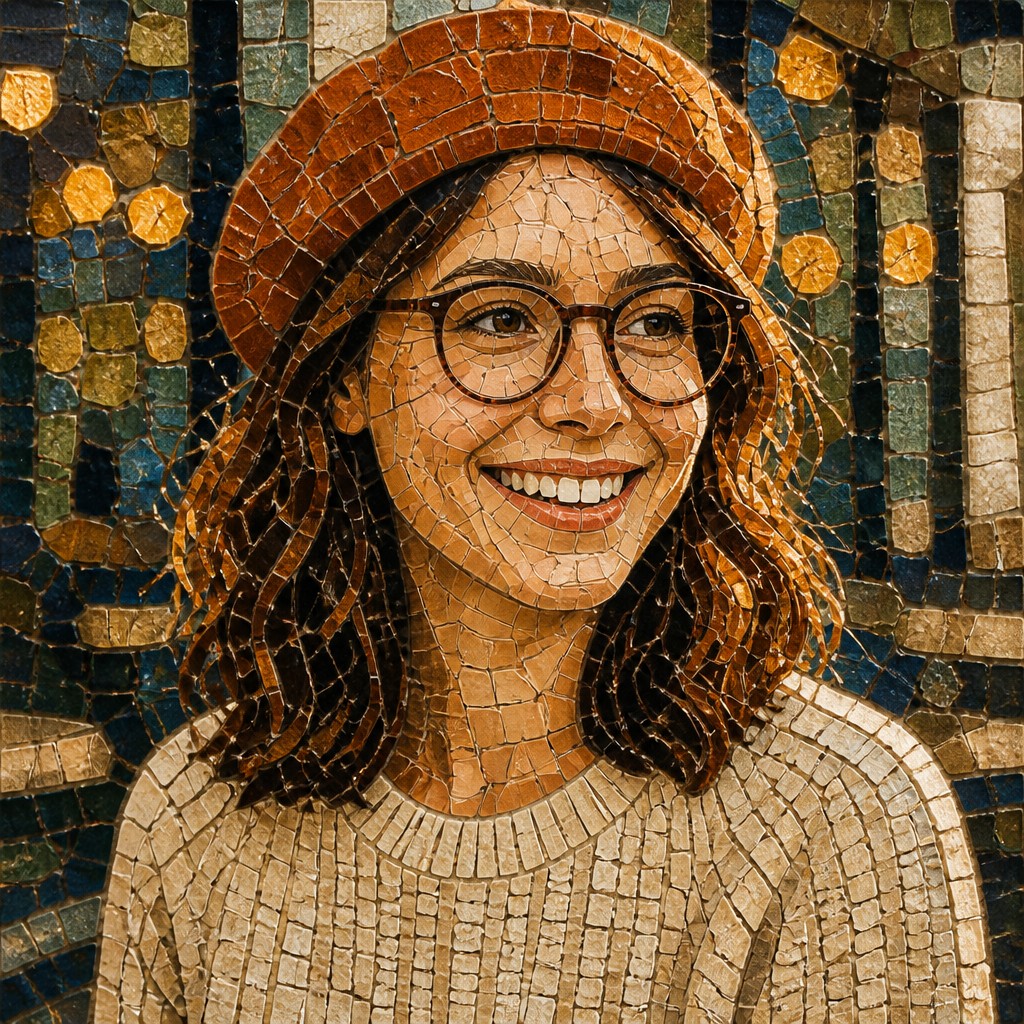

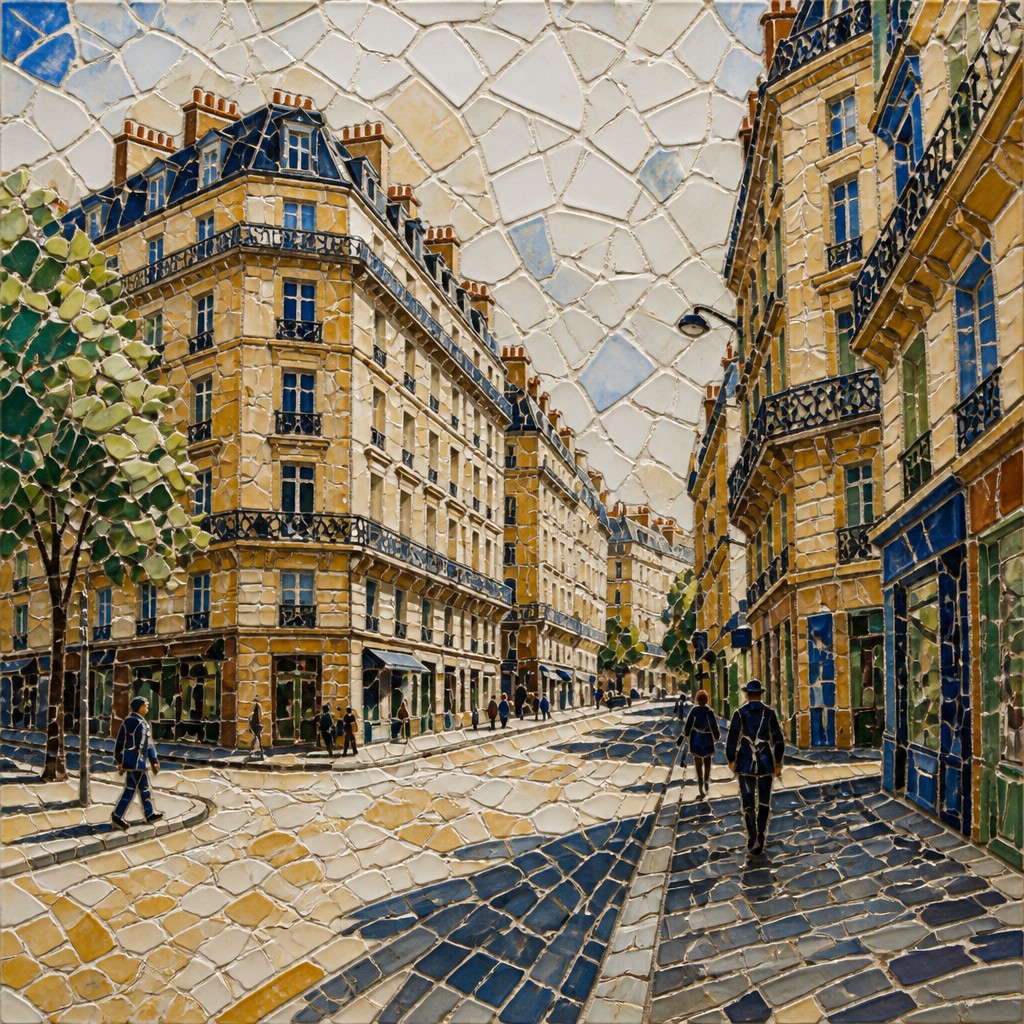

What Defines Ceramic Mosaic Art Style
The signature details, up close
Visible fragment structure
The image is built from discrete ceramic pieces with clearly readable seams. Grout lines are part of the composition rather than hidden, reinforcing the handmade, assembled quality.
Glazed surface variation
Fragments may alternate between glossy, satin, matte, and crackled finishes. This variation creates depth and a sense of shifting light across the surface.
Shards with irregular edges
Pieces often keep broken or cut edges rather than perfect uniform shapes. These organic boundaries add tactility and prevent the image from feeling mechanically flat.
Color built from tesserae
Tones are formed by arranging small colored pieces rather than blending pigment continuously. Terracotta, cobalt blue, jade green, ivory, ochre, and other ceramic hues are common because they read clearly in fragment form.
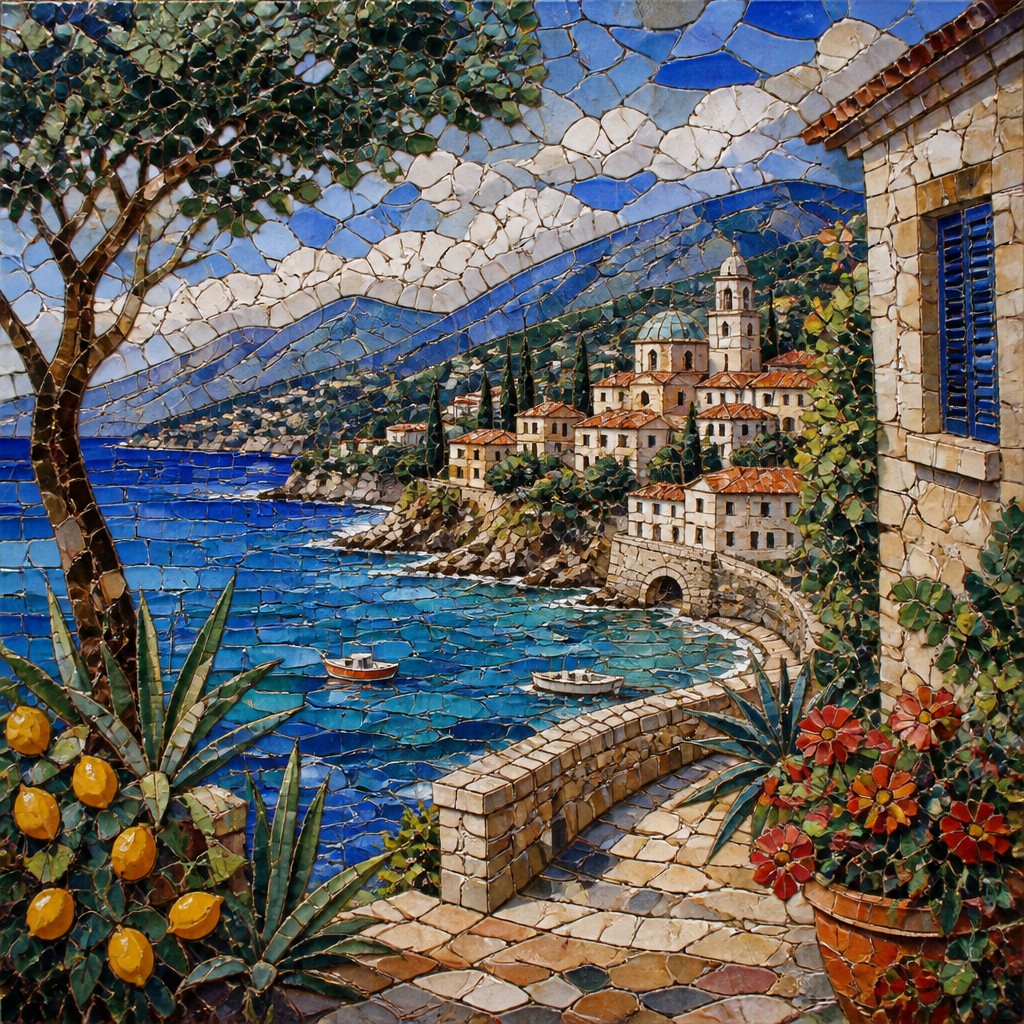
Faceted light effects
Angled ceramic surfaces catch highlights differently across the composition. This produces a subtle shimmer and a sculptural sense of relief.
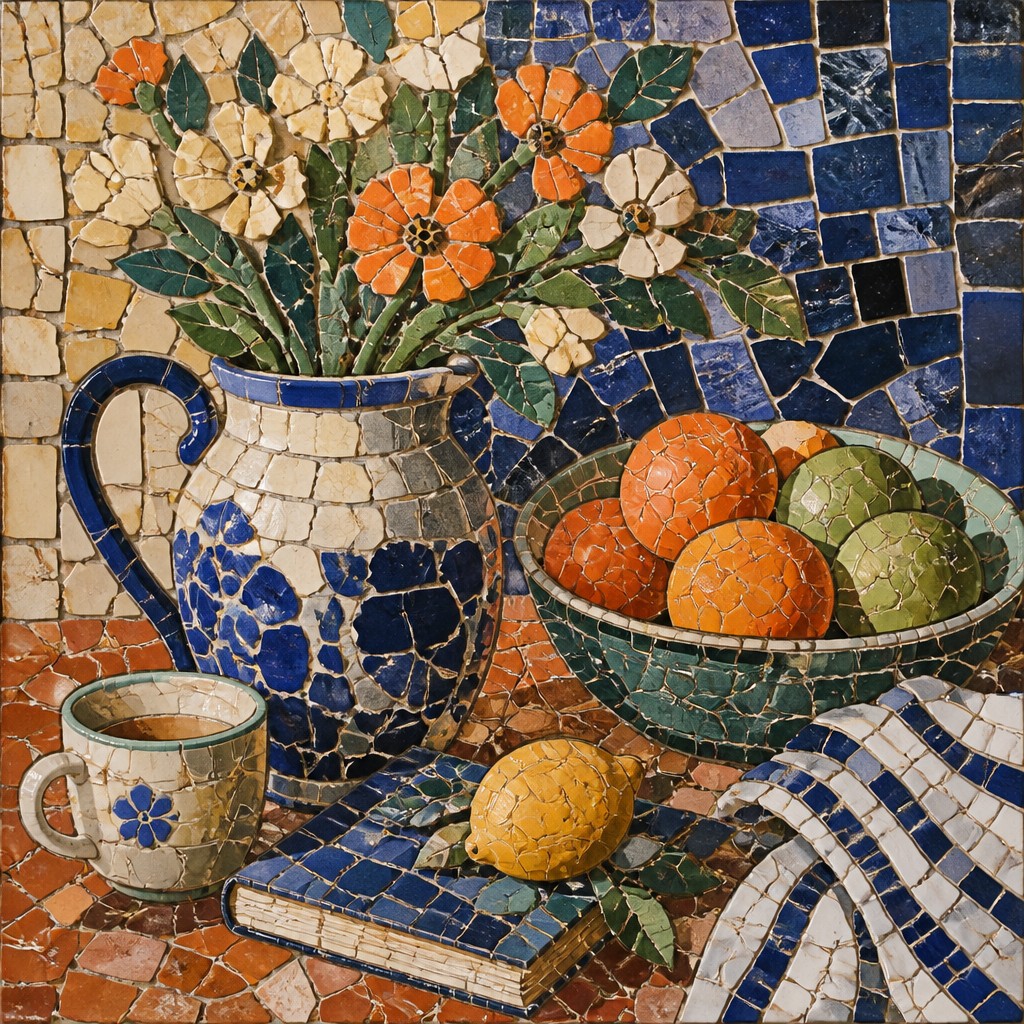
Patterned unity
The style often balances irregularity with repeated pattern, border rhythms, or image structure. The result feels both fractured and ordered.
Try It
Create Videos in Ceramic Mosaic Art Style
Styles aren't just for stills — describe a scene or animate an image and get a short video rendered in Ceramic Mosaic. Press play to see this pond come to life.
Make a VideoCeramic Mosaic Prompt Ideas
Start from an idea — each one opens the generator with the style ready to go. See all 40 Ceramic Mosaic prompts →
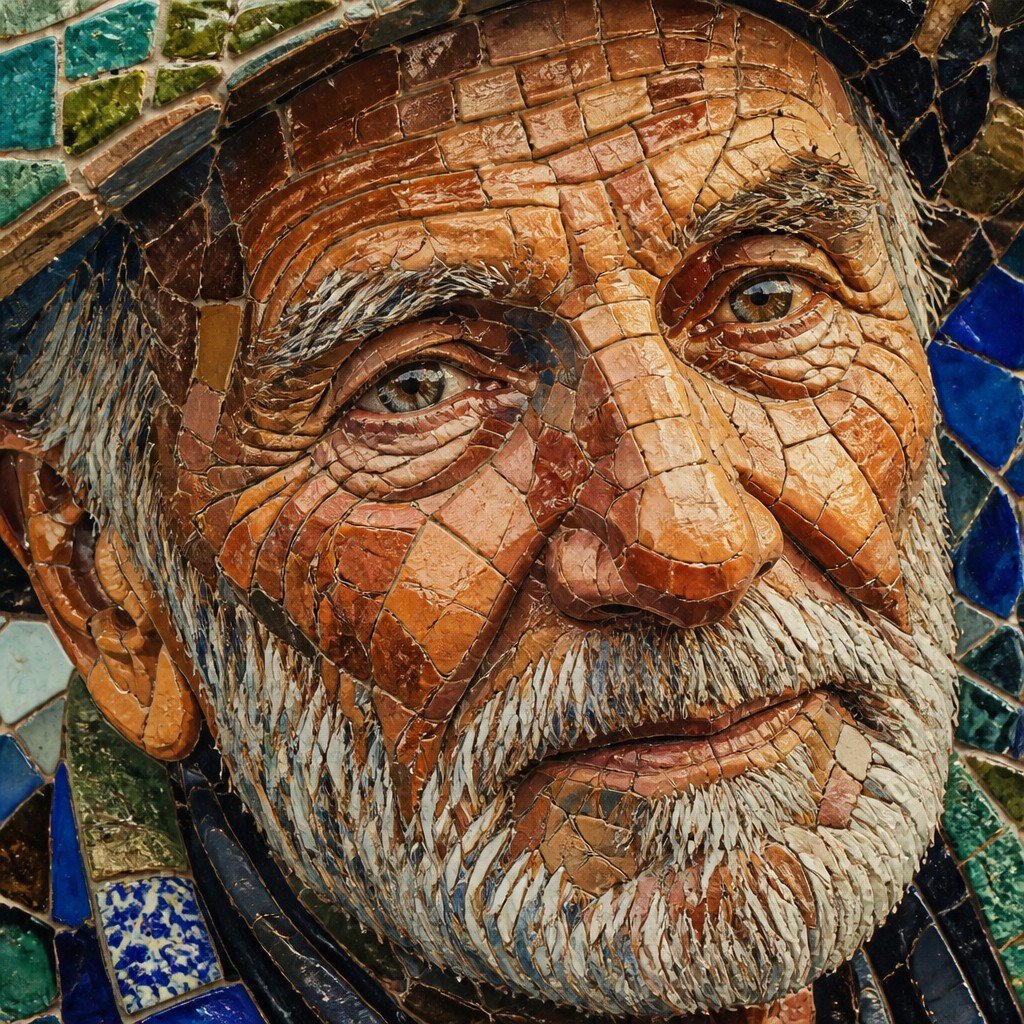
“close-up portrait of an elderly person with expressive weathered features”
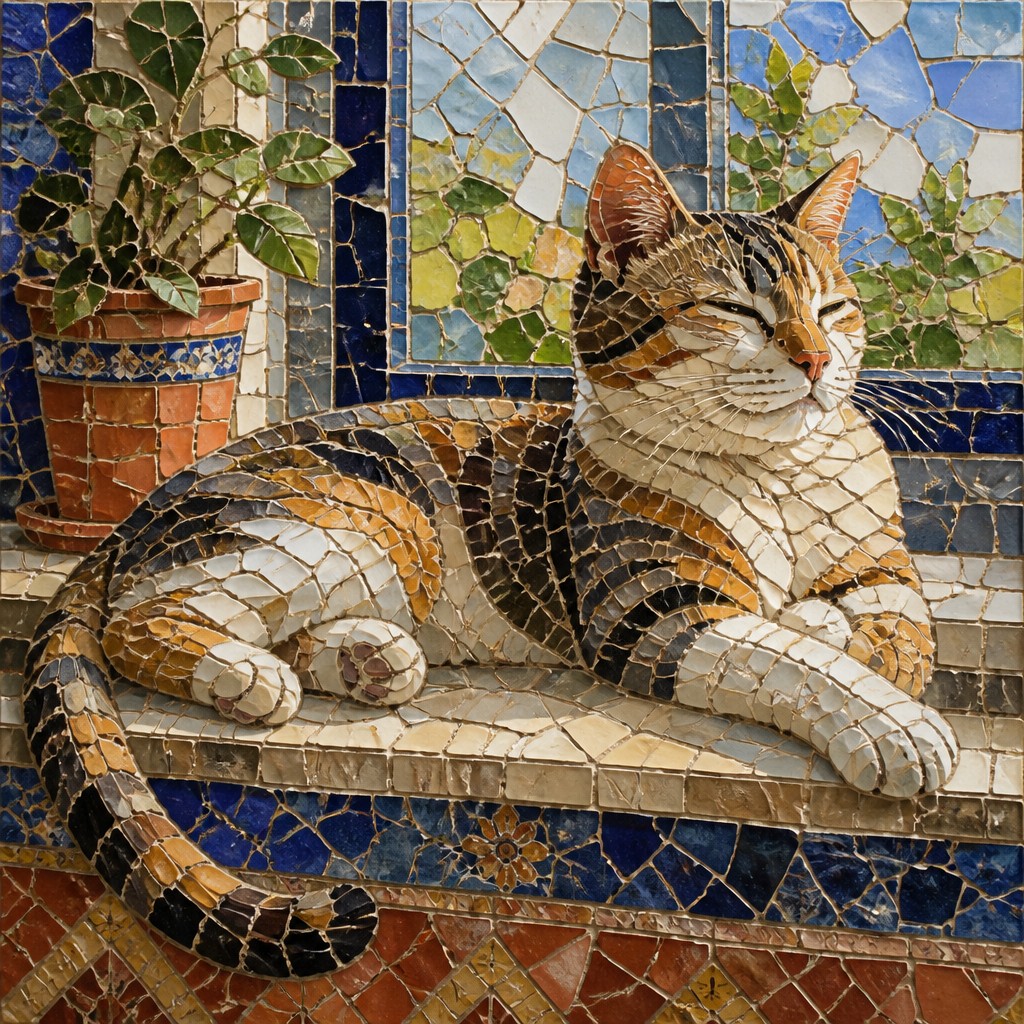
“a cat lounging in a sunlit window”
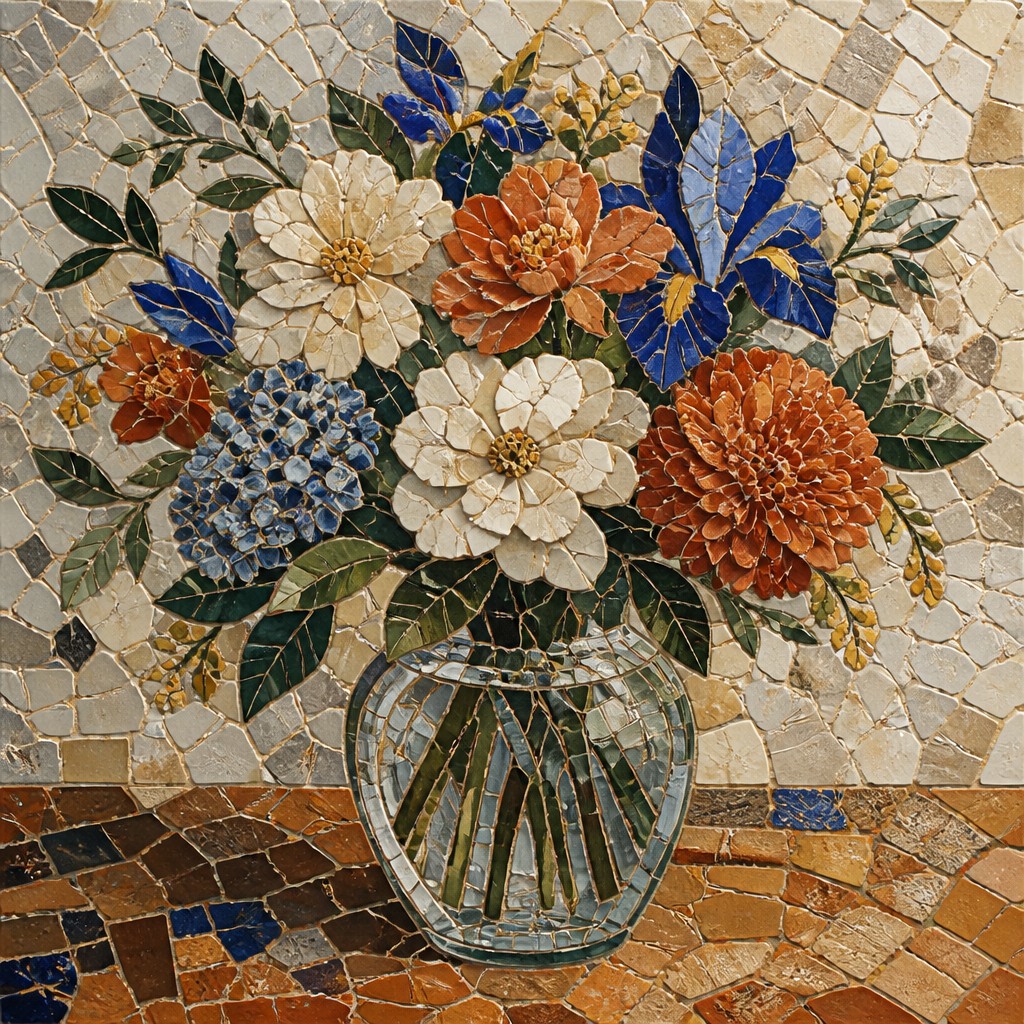
“bouquet of flowers in a glass vase”
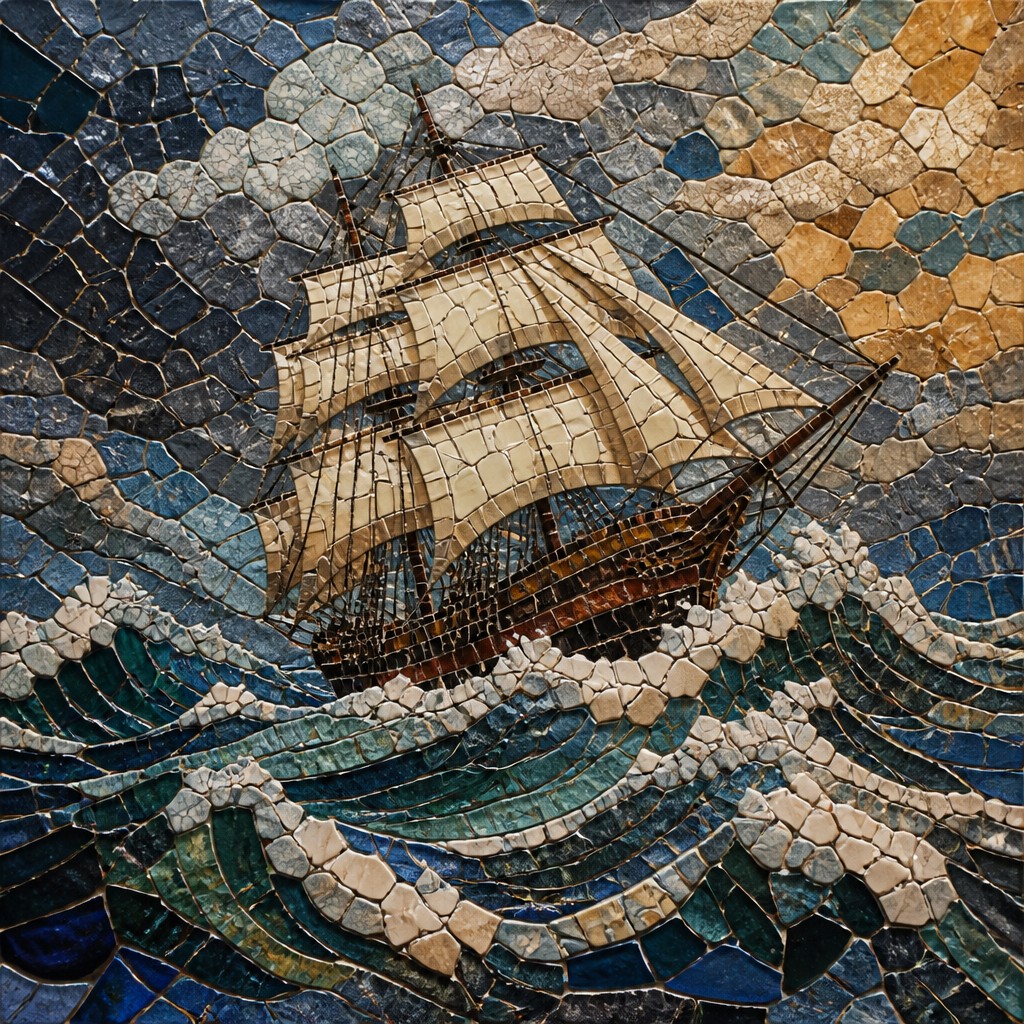
“sailing ship on a stormy sea”
How to Create Ceramic Mosaic Art
Master the craft step by step — or skip straight to creating. Read the full guide →
- 1
Plan the image as a mosaic grid
Start with a clear underlying composition and decide where major color masses will fall. In traditional work, sketch the design first and then map fragment sizes to shapes and contours.
- 2
Choose ceramic materials with contrasting finishes
Mix glazed, unglazed, crackled, and polished pieces so the final surface has visual variety. Keep a consistent grout color if you want a unified look, or vary it for stronger contrast.
- 3
Use fragment shape to model form
Place smaller pieces in areas that need detail and larger shards in broader zones like sky, clothing, or background. Let the direction of seams help describe curves, shadows, and movement.
- 4
Balance precision with irregularity
Do not force every edge into perfect symmetry; slight mismatches make the work feel authentic and handcrafted. At the same time, maintain enough structure that the overall image reads clearly from a distance.
- 5
For digital or prompt-based creation, describe material, seams, and surface behavior
Specify broken ceramic fragments, visible grout lines, glazed variation, and faceted light so the image model treats the style as material construction rather than a flat filter. Emphasize the subject first, then add mosaic-related texture and color instructions.
The Story
History & Origins of Ceramic Mosaic
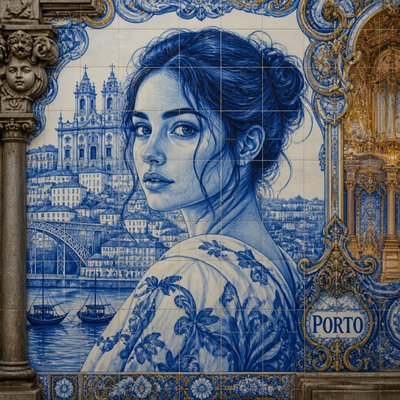
Ceramic mosaic belongs to the long history of mosaic-making and decorative ceramic arts rather than a single modern movement. Its roots lie in ancient and medieval mosaic traditions across the Mediterranean and Near East, where stone, glass, and ceramic tesserae were used to create durable patterned surfaces in architecture and sacred spaces. The ceramic-specific form also draws on pottery and tilework traditions, including glazed tile ornament in Islamic, Spanish, Portuguese, and later Arts and Crafts interiors.
As an aesthetic lineage, it combines the structural logic of mosaic with the material variety of broken pottery and ceramic tesserae. In contemporary visual culture it appears in murals, public art, craft-based sculpture, and digital image-making, where the look of assembled fragments is used to emphasize texture, repair, pattern, and transformation. The style’s appeal comes from turning discontinuous pieces into a coherent whole.
Influences: Ceramic mosaic art is closely related to ancient mosaic traditions, ceramic tilework, and craft movements that value handmade surface variation. Its material logic recalls Byzantine and Roman mosaics, while its decorative sensitivity overlaps with Islamic tile design and with the Arts and Crafts emphasis on honest materials and pattern. In a broader art-historical sense, it also shares with modern collage and assemblage the principle of constructing a whole from disparate parts, though in ceramic mosaic the emphasis remains on fired clay, glaze, and surface texture rather than paper or found objects.

Frequently Asked Questions
What defines ceramic mosaic art?
Ceramic mosaic art is defined by composing an image from separate ceramic pieces rather than painting it as a continuous surface. The visible joins, grout, and varied glaze finishes are essential to the look. The material itself is part of the image’s meaning.
How is it different from regular mosaic art?
Regular mosaic can use stone, glass, shell, or many other materials. Ceramic mosaic specifically uses fired clay pieces, tiles, or pottery shards, which gives the surface more glaze variation and a warmer, more tactile character. Ceramic fragments also tend to create stronger color blocks and a distinctive handmade irregularity.
Is ceramic mosaic a historical art movement?
Not as a single named movement. It is better understood as a medium and decorative tradition with roots in ancient mosaic and ceramic tilework. Contemporary works continue that lineage in architecture, public art, and studio craft.
What subjects work well in this style?
Strong silhouettes and images with clear areas of color work especially well, such as animals, portraits, landscapes, and symbolic motifs. Abstract compositions also suit the medium because the fragment structure can become the subject itself. Complex details are possible, but they usually need careful placement of smaller tesserae.
Why do ceramic mosaic images look so luminous?
The light comes from the surfaces and angles of the fragments. Glossy glaze reflects highlights, crackled glaze scatters them, and uneven edges create tiny planes that catch light differently. That combination produces a shimmering effect even in still images.
How can I make this style digitally?
Build the image using a ceramic texture mindset: visible seams, irregular tesserae, glaze variation, and color blocks assembled from fragments. In digital painting or image generation, describe the subject and then add material instructions such as broken ceramic pieces, grout lines, and faceted reflective surfaces.
Create your first Ceramic Mosaic artwork
Describe anything — or upload a photo — and see it in Ceramic Mosaic Art Style in seconds.
Make Something with Ceramic Mosaic
Related Styles
Discover similar art styles