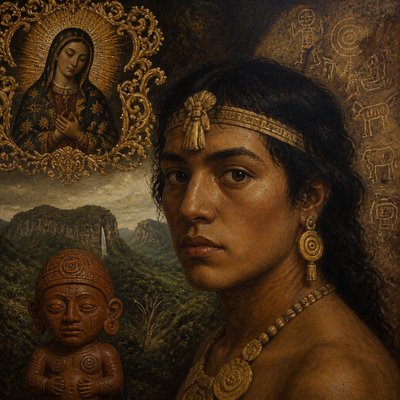
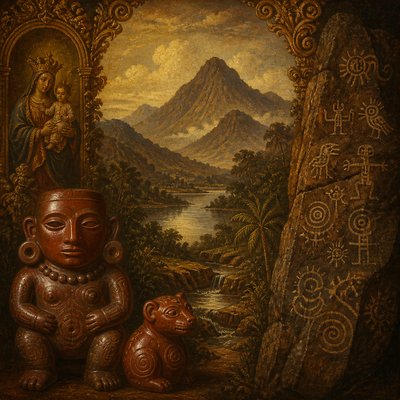
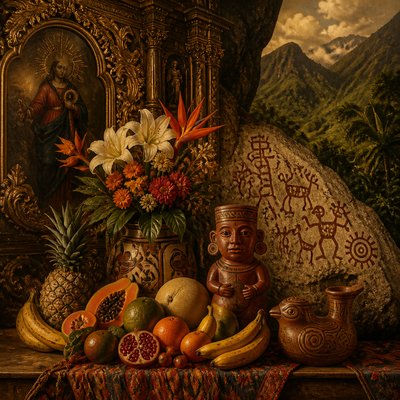
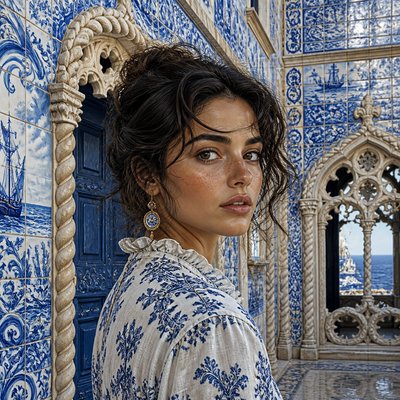
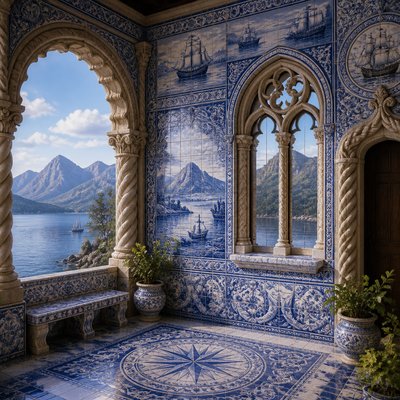
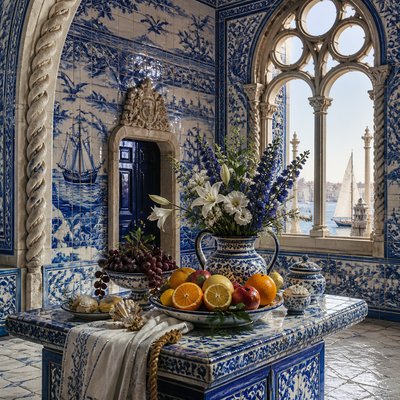
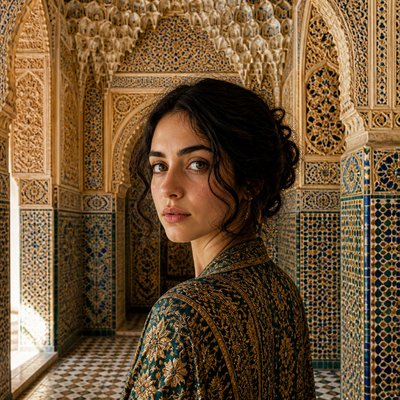
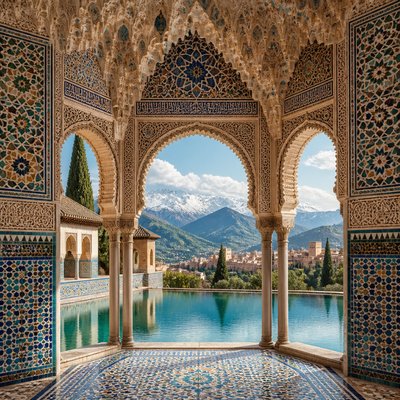
Ceramic Sculpture Art Style
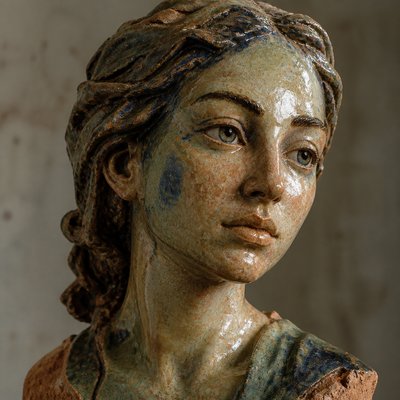
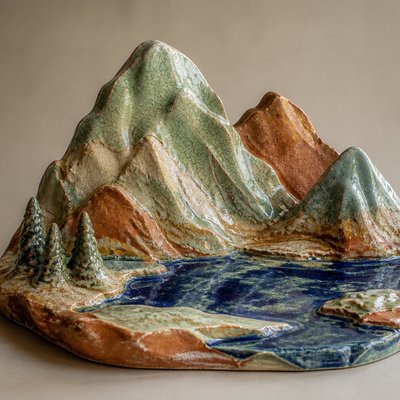
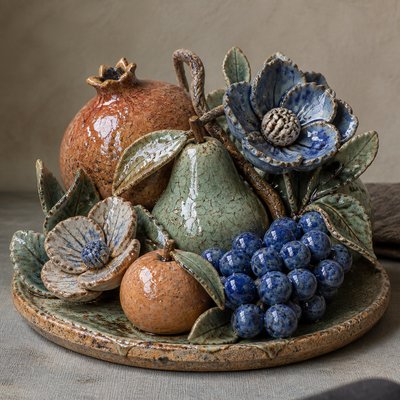
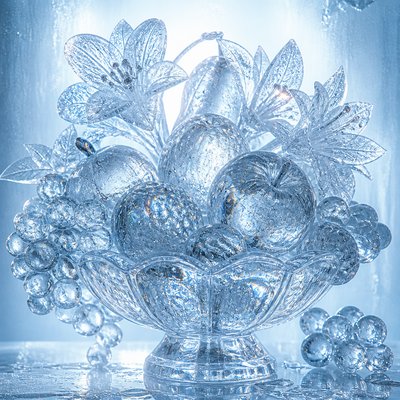
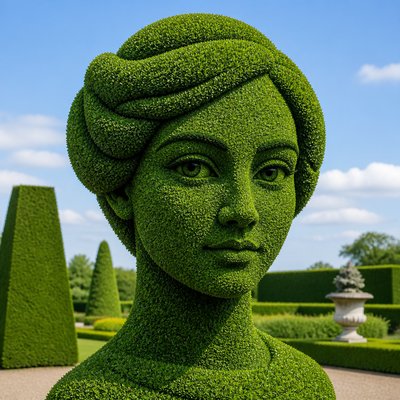
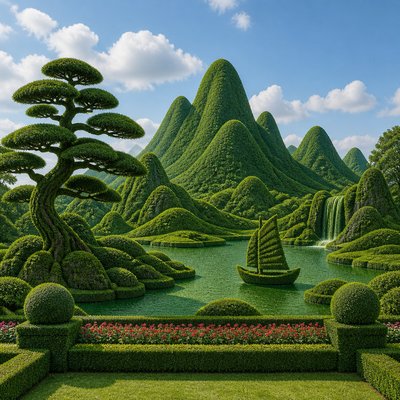
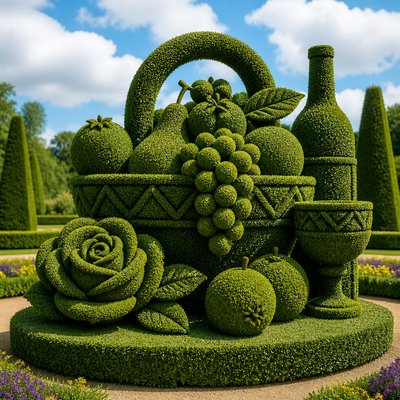
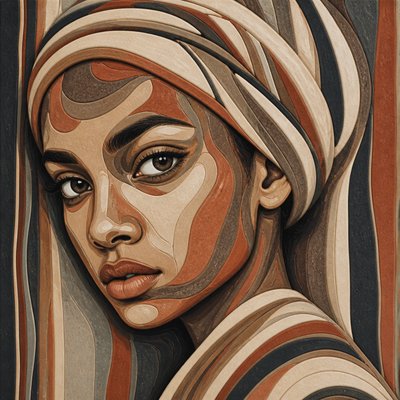
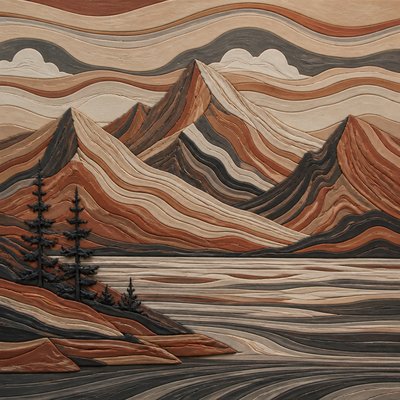
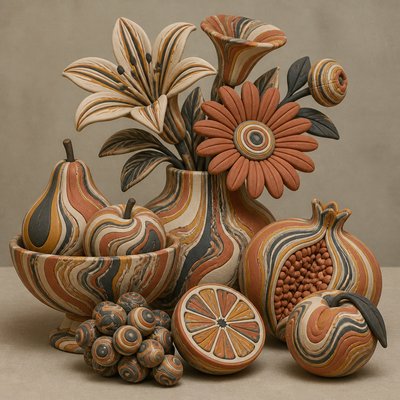
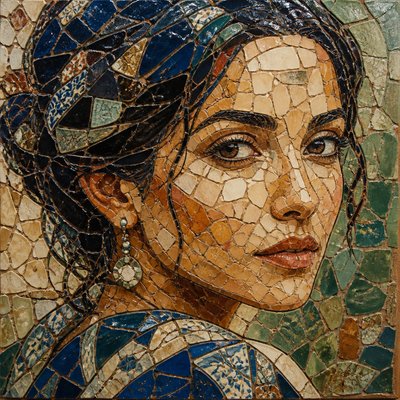
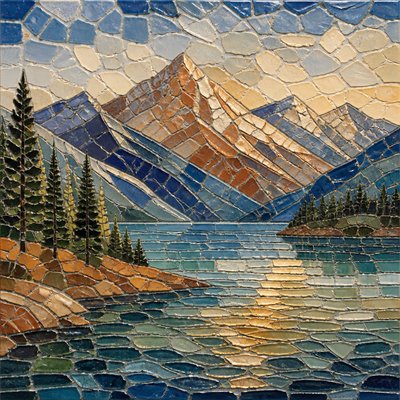
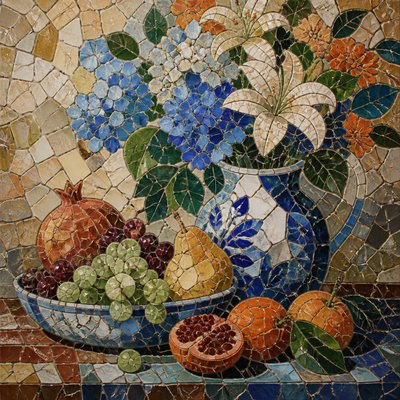
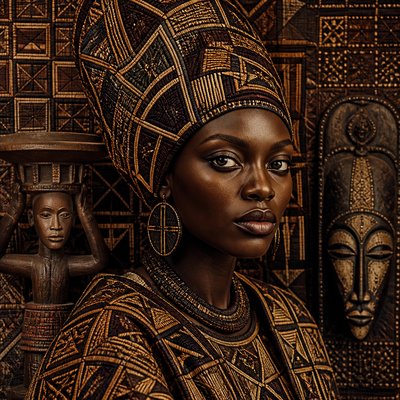
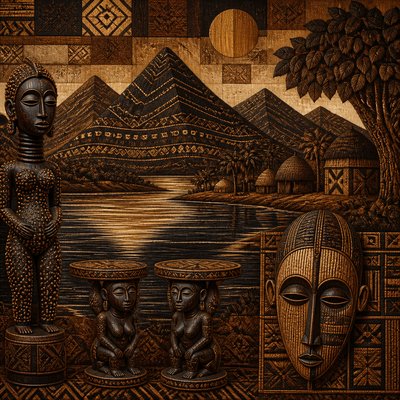
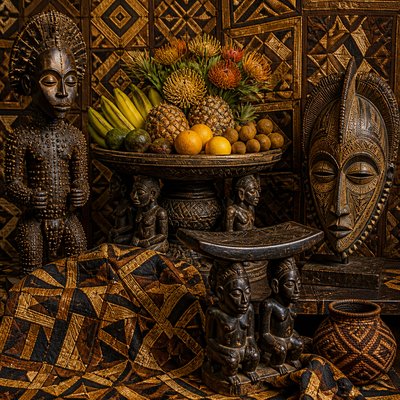
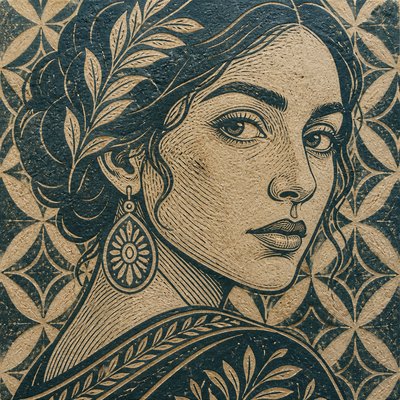
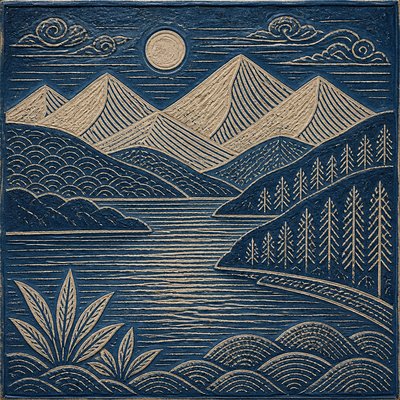
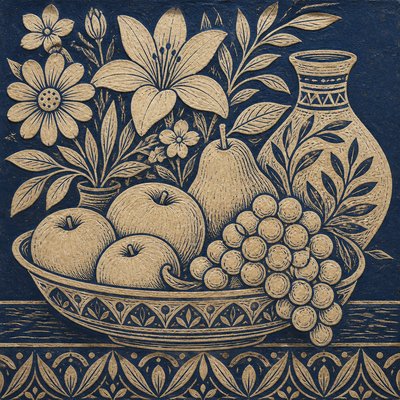
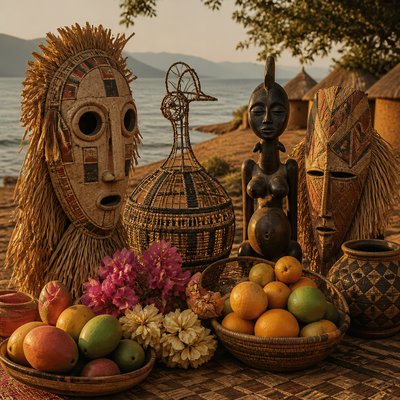
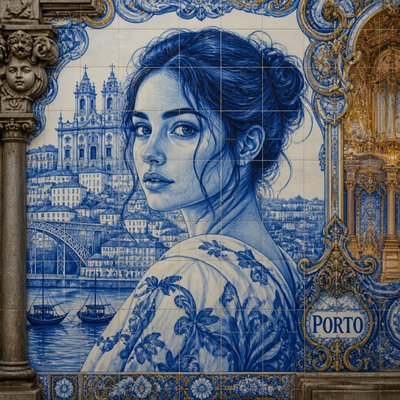
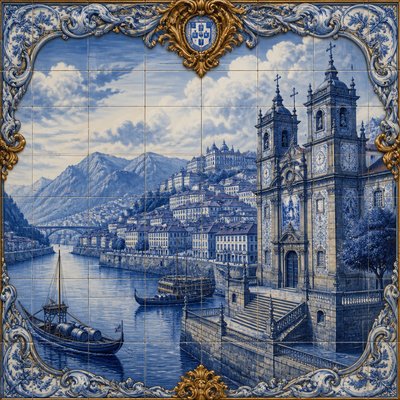
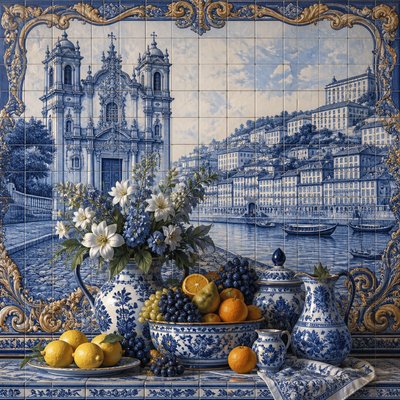
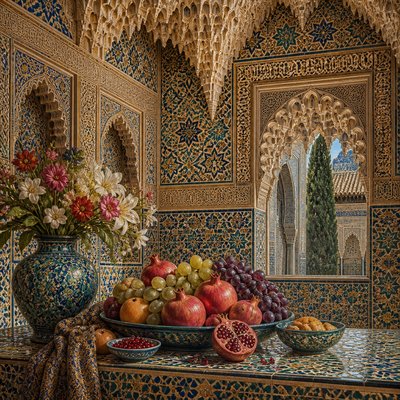
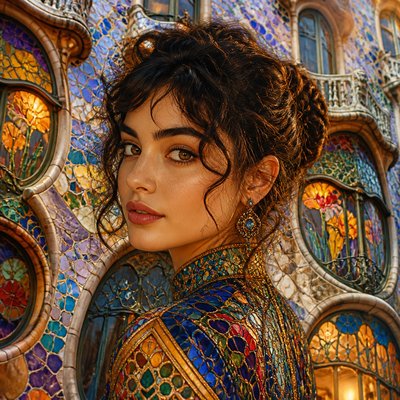
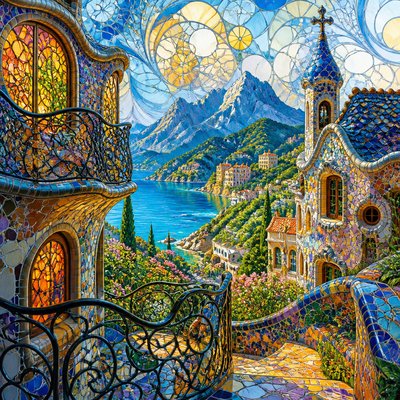
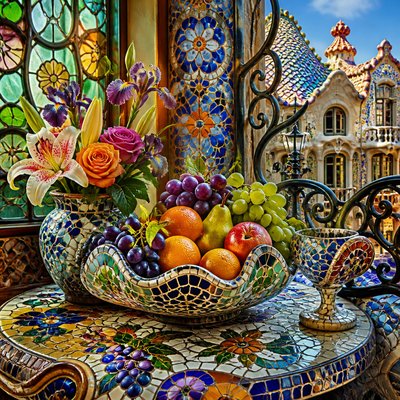
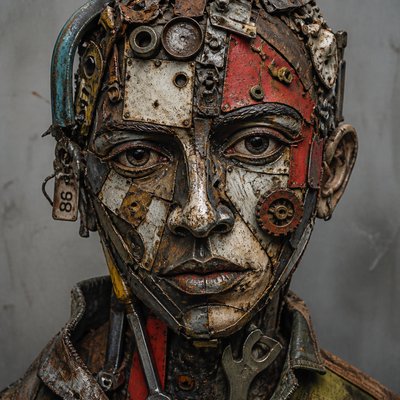
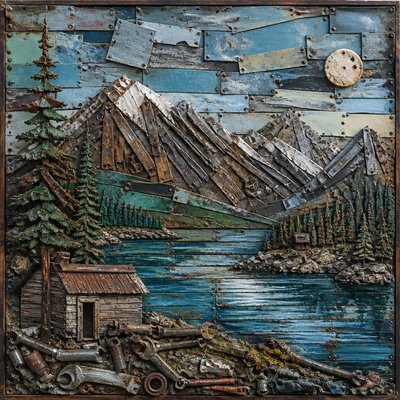
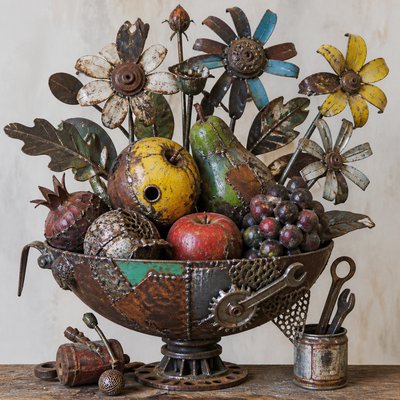
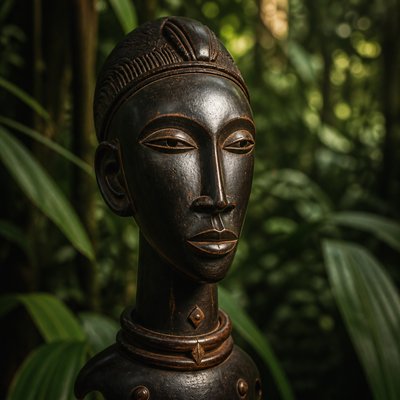
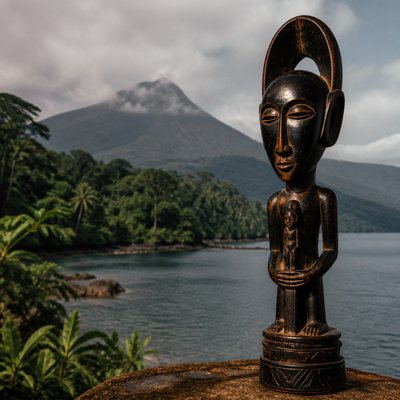
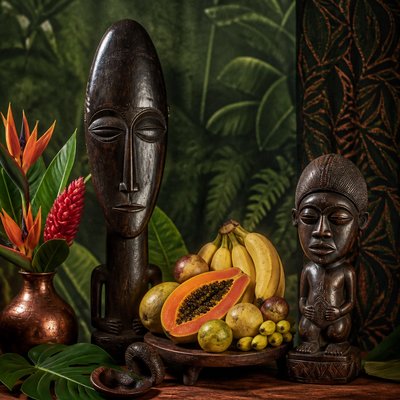
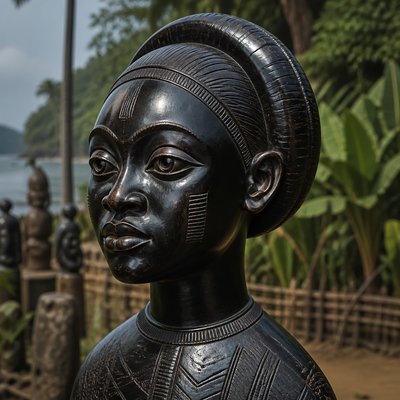
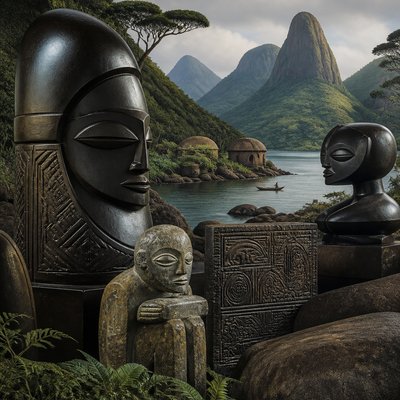
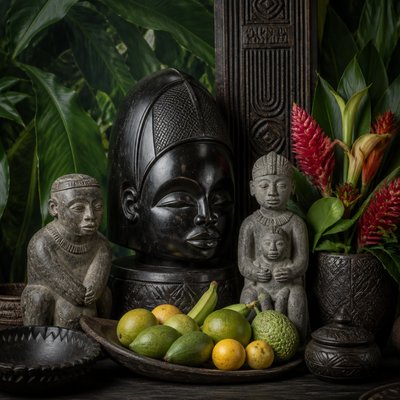
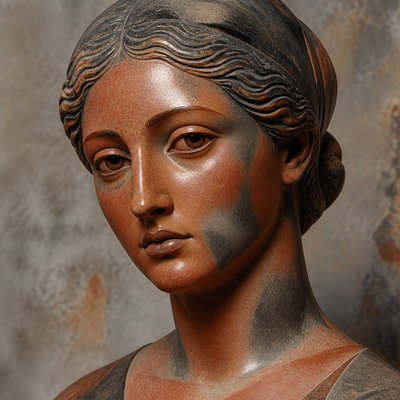
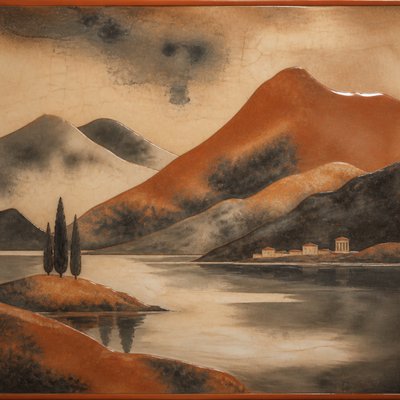
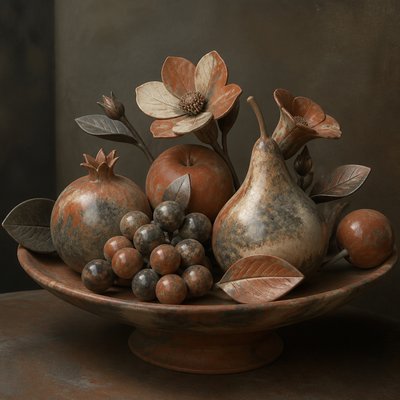
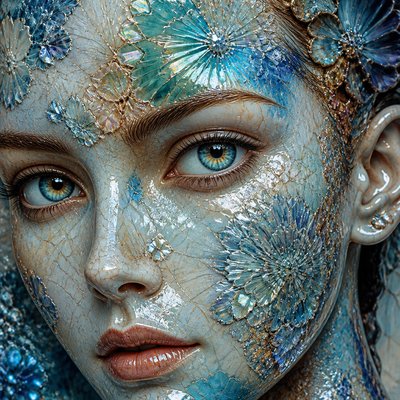
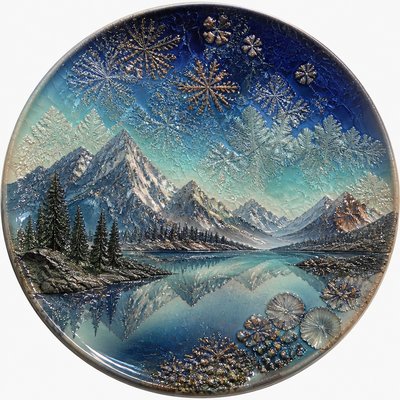
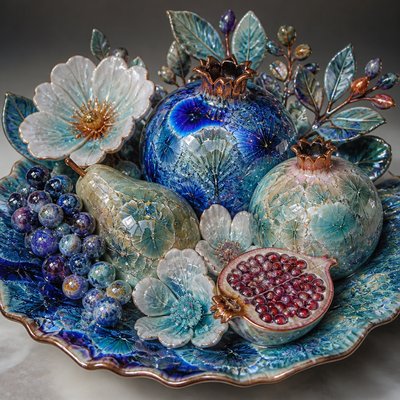
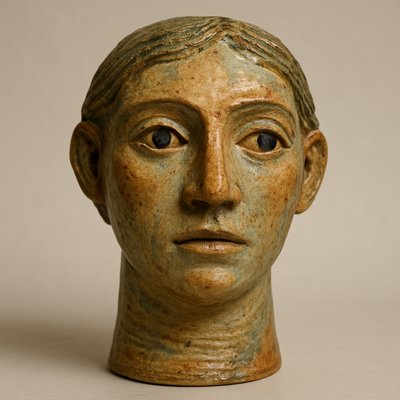
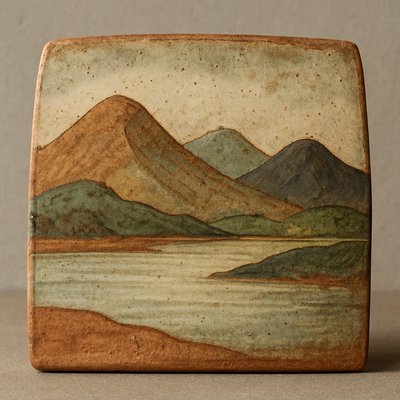
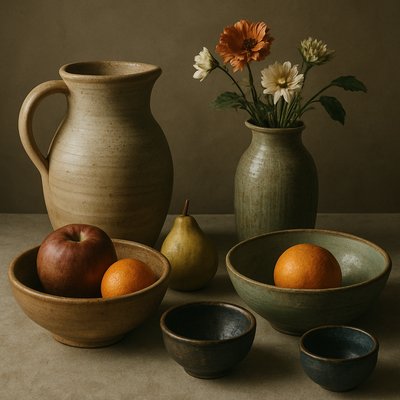
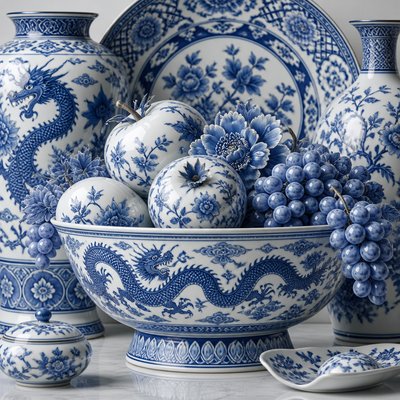
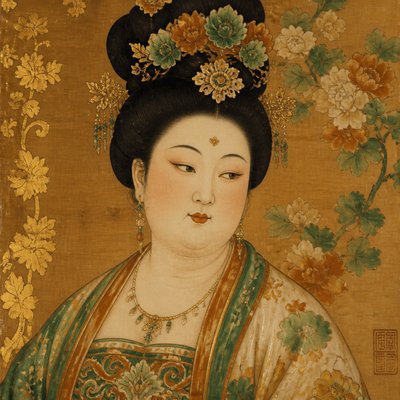
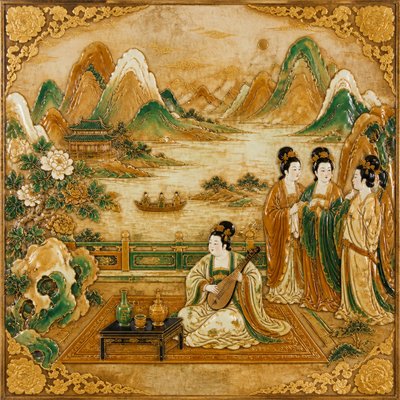
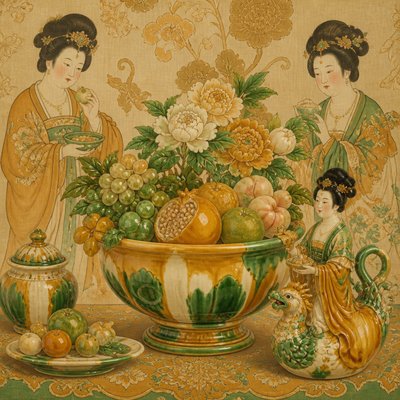
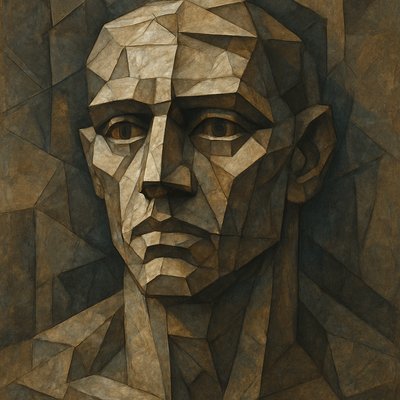
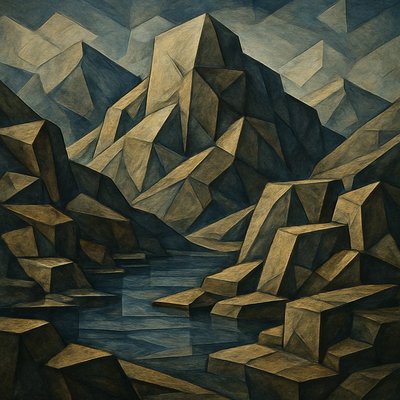
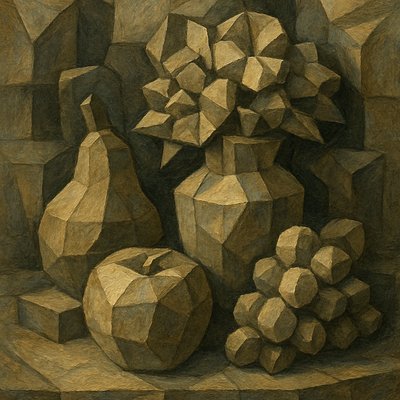
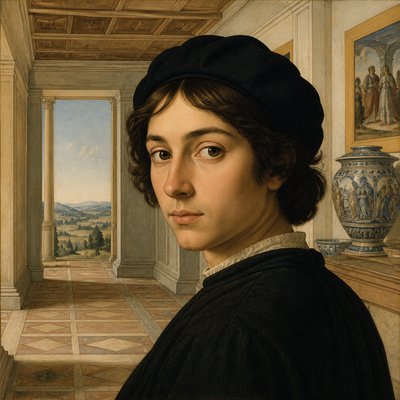
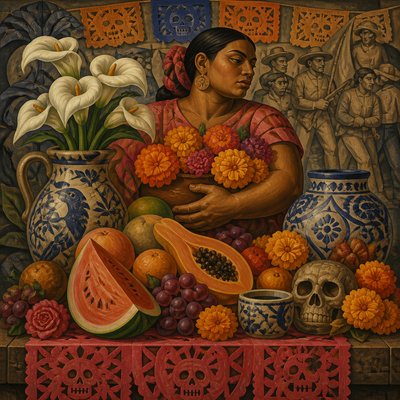
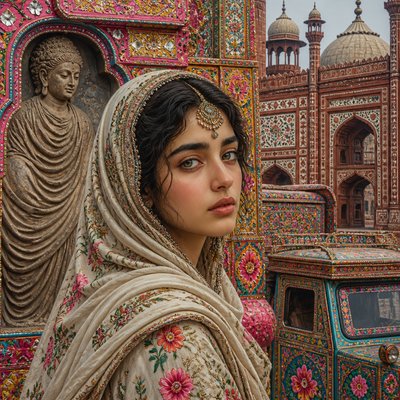
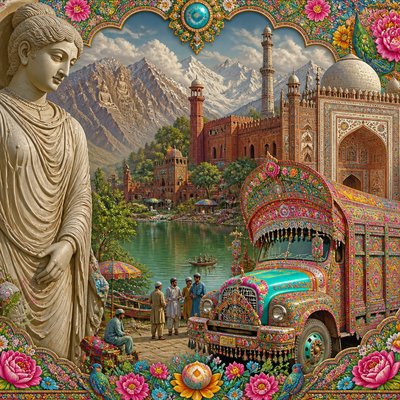
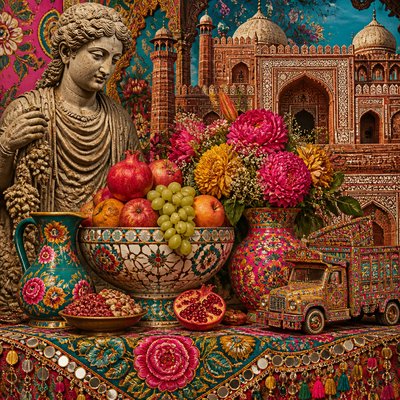
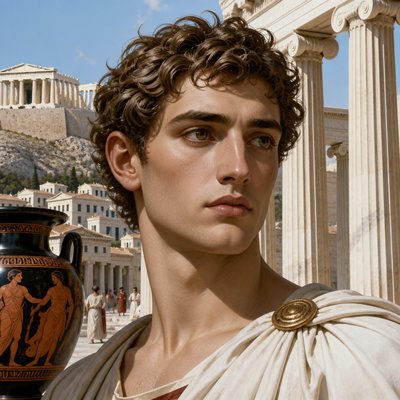
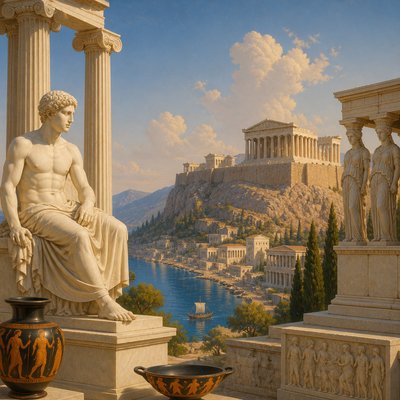
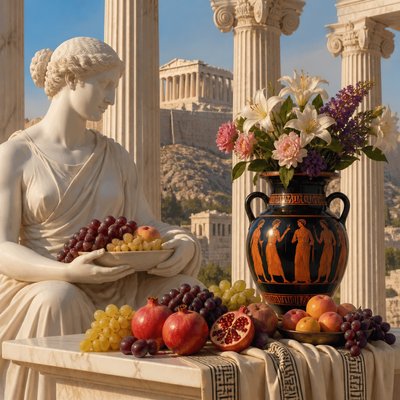
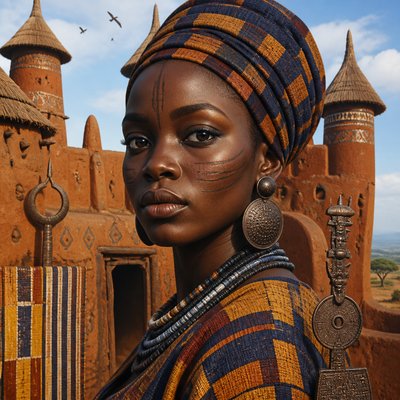
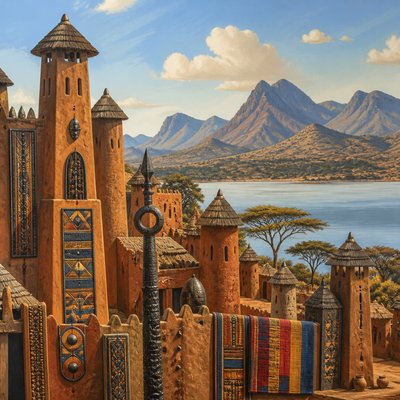
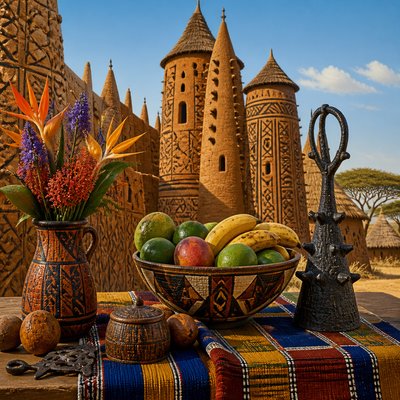
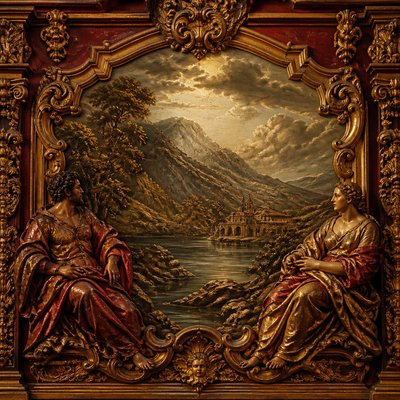
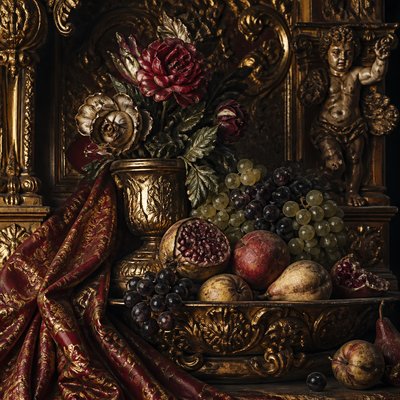
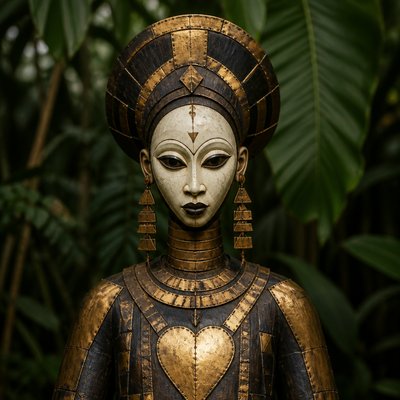
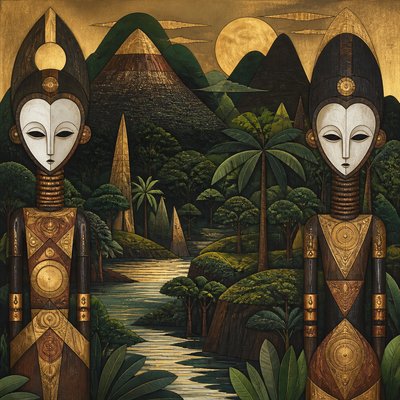
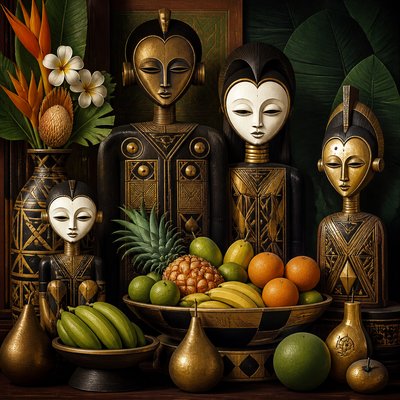
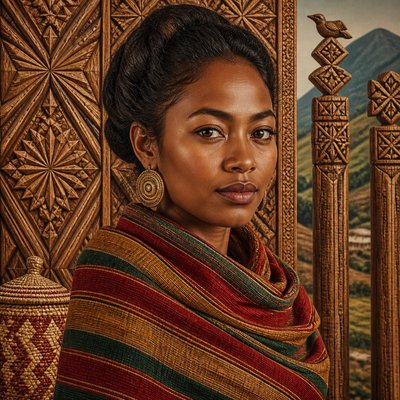
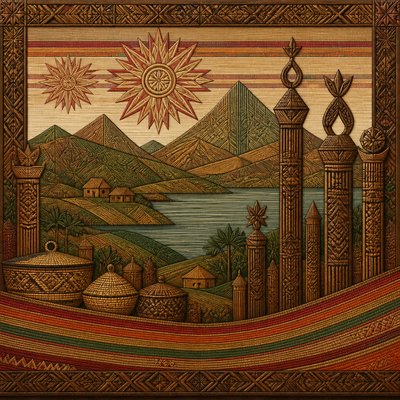
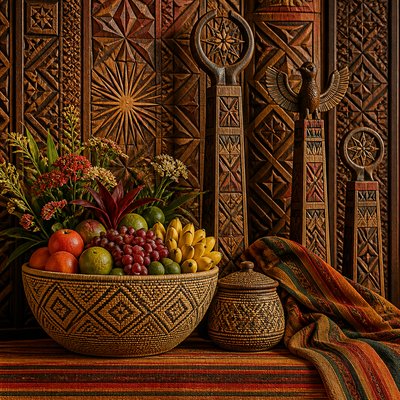
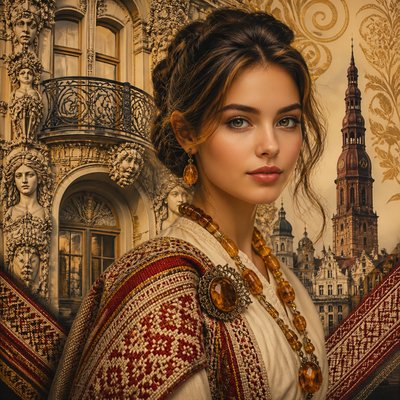
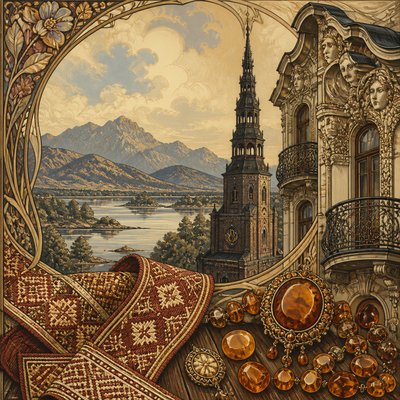
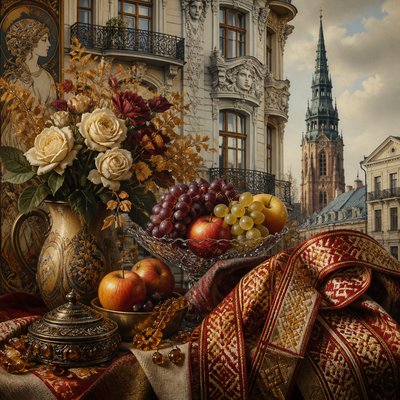
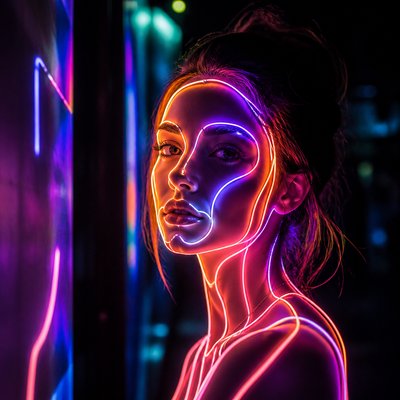
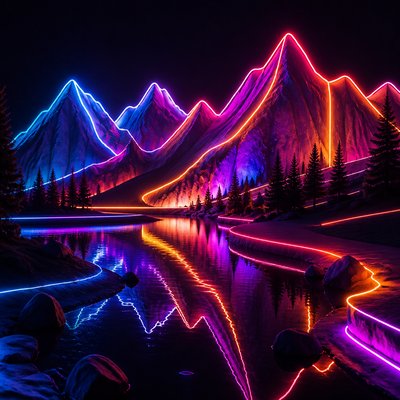
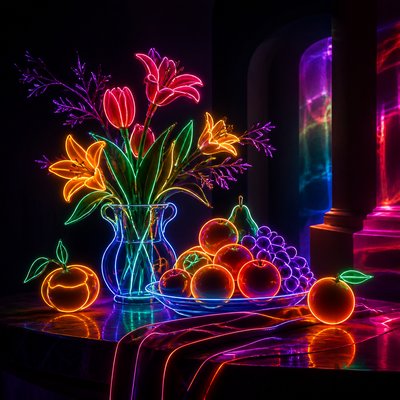
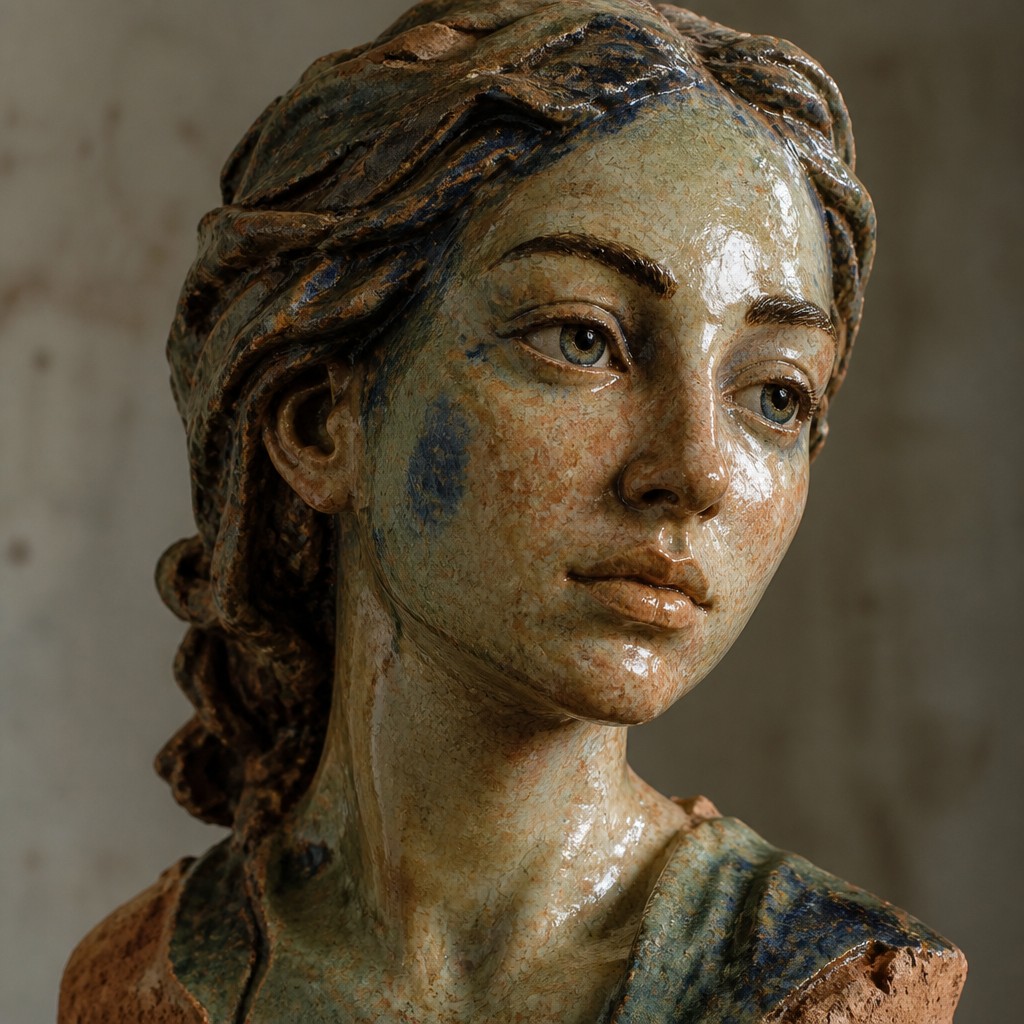
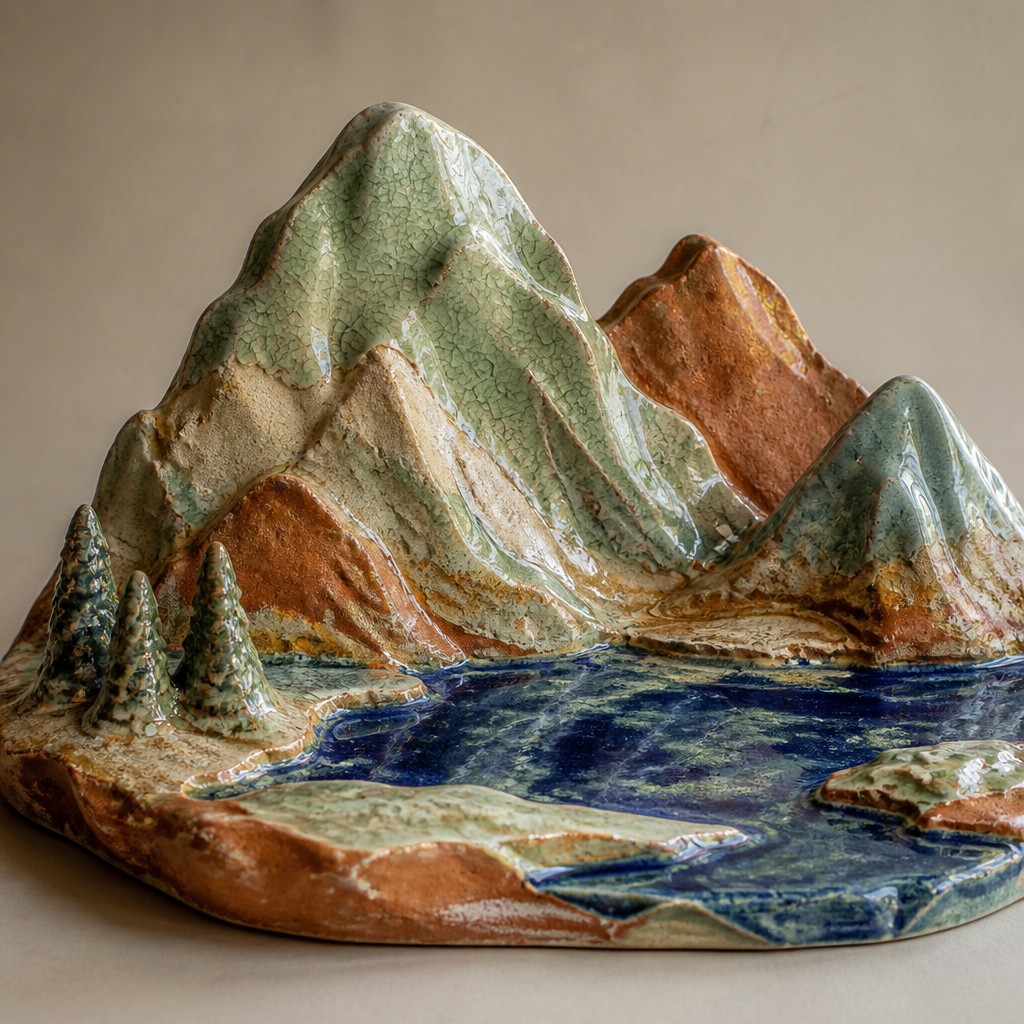
Clay forms with glazes, hand-built texture, crackle finishes, and earthy kiln-fired color variation in ceramic sculpture.
Instantly rendered in Ceramic Sculpture — or transform a photo
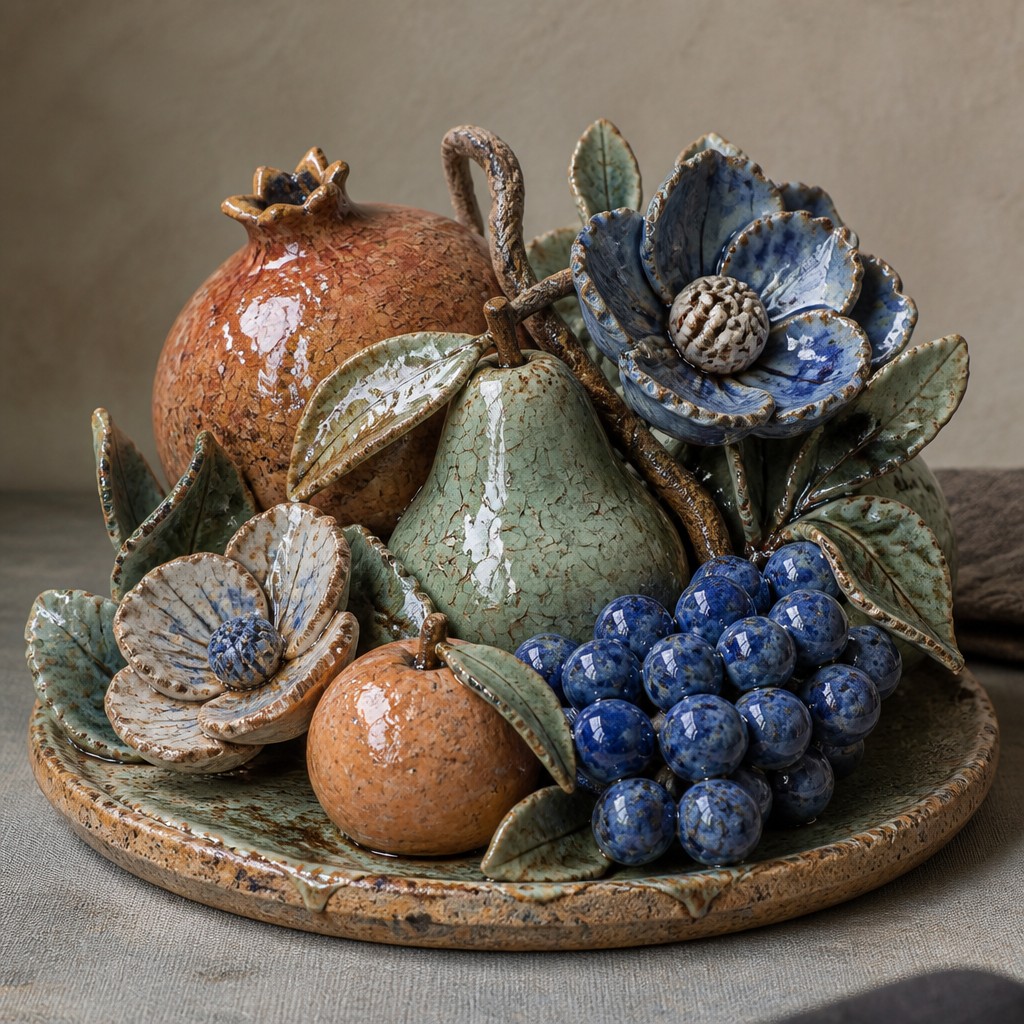
Ceramic Sculpture Gallery
Tap any artwork to explore it
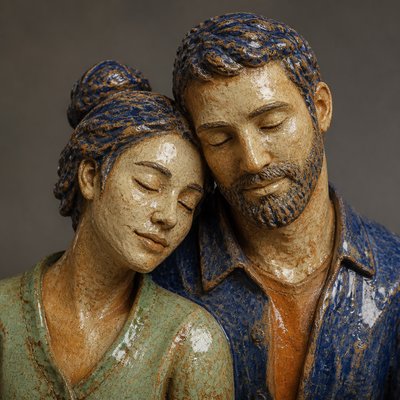
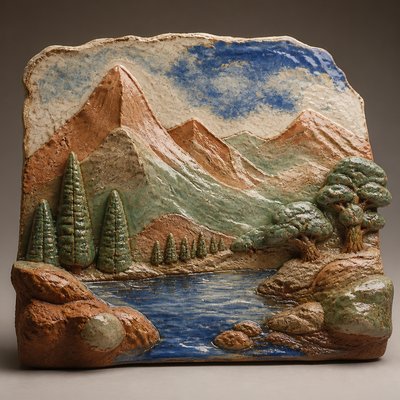
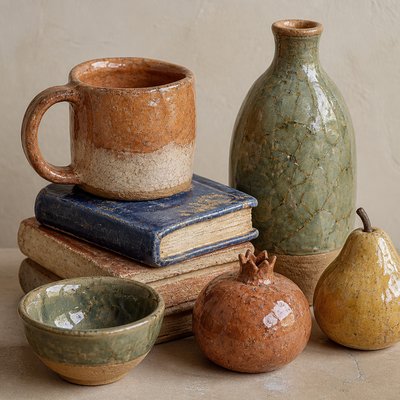
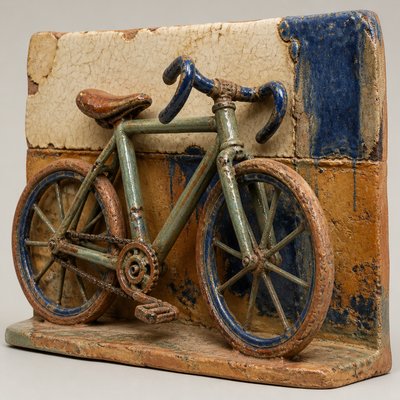
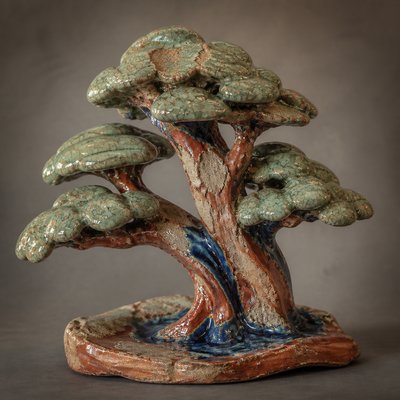
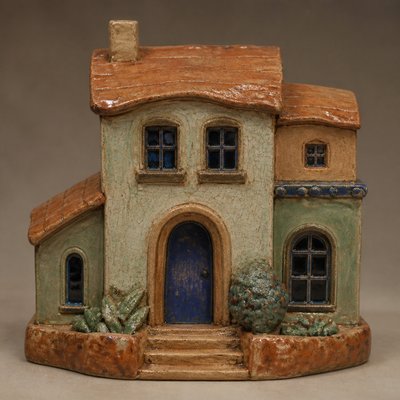
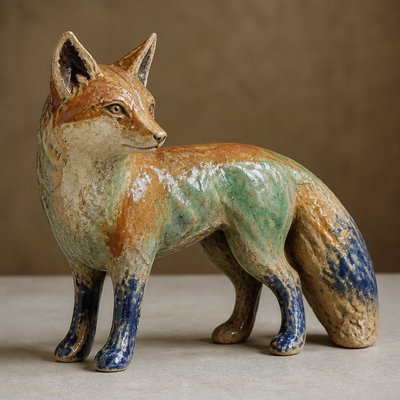
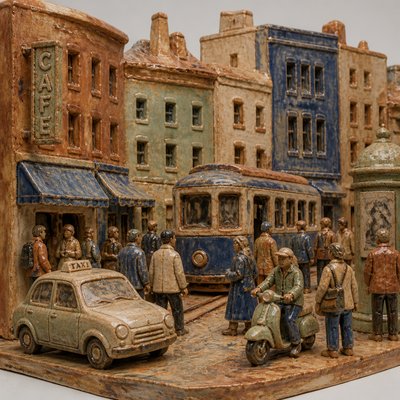
What is Ceramic Sculpture Art Style?
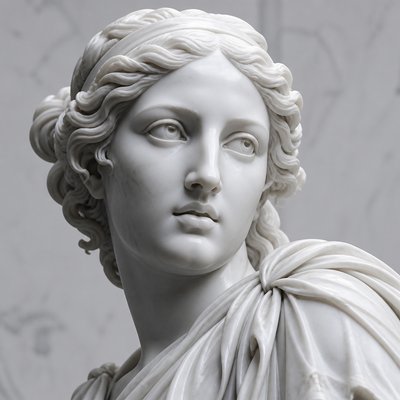
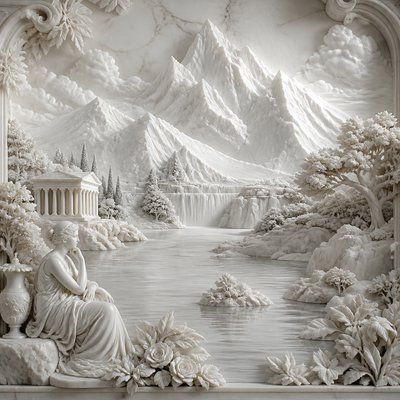
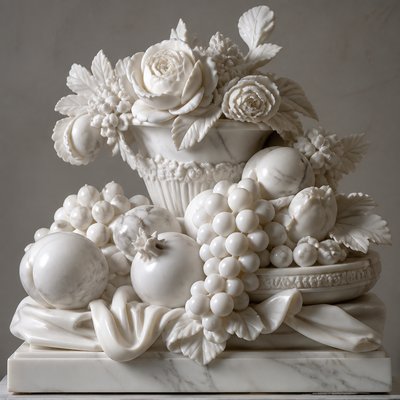
Ceramic sculpture is an art style and medium defined by forms made from clay and permanently transformed by drying, firing, and glazing. It ranges from refined porcelain figures and vessels to rugged stoneware objects with heavy texture, grog, and visible tool marks. In visual terms, it emphasizes rounded volumes, tactile surfaces, and the physical evidence of making: pinching, coiling, carving, joining, and the irregularities introduced by heat and glaze in the kiln.
Its appearance is shaped by the material logic of clay itself. Soft modeling naturally produces compact, earthy masses and gentle contours, while glaze creates contrasts between gloss and matte, translucence and opacity, smoothness and crust. Even when ceramic sculpture is abstract or purely contemporary, it often retains a sense of handcraft and fired materiality, with crackle patterns, color shifts, and surface imperfections that make each object look singular rather than mechanically uniform.
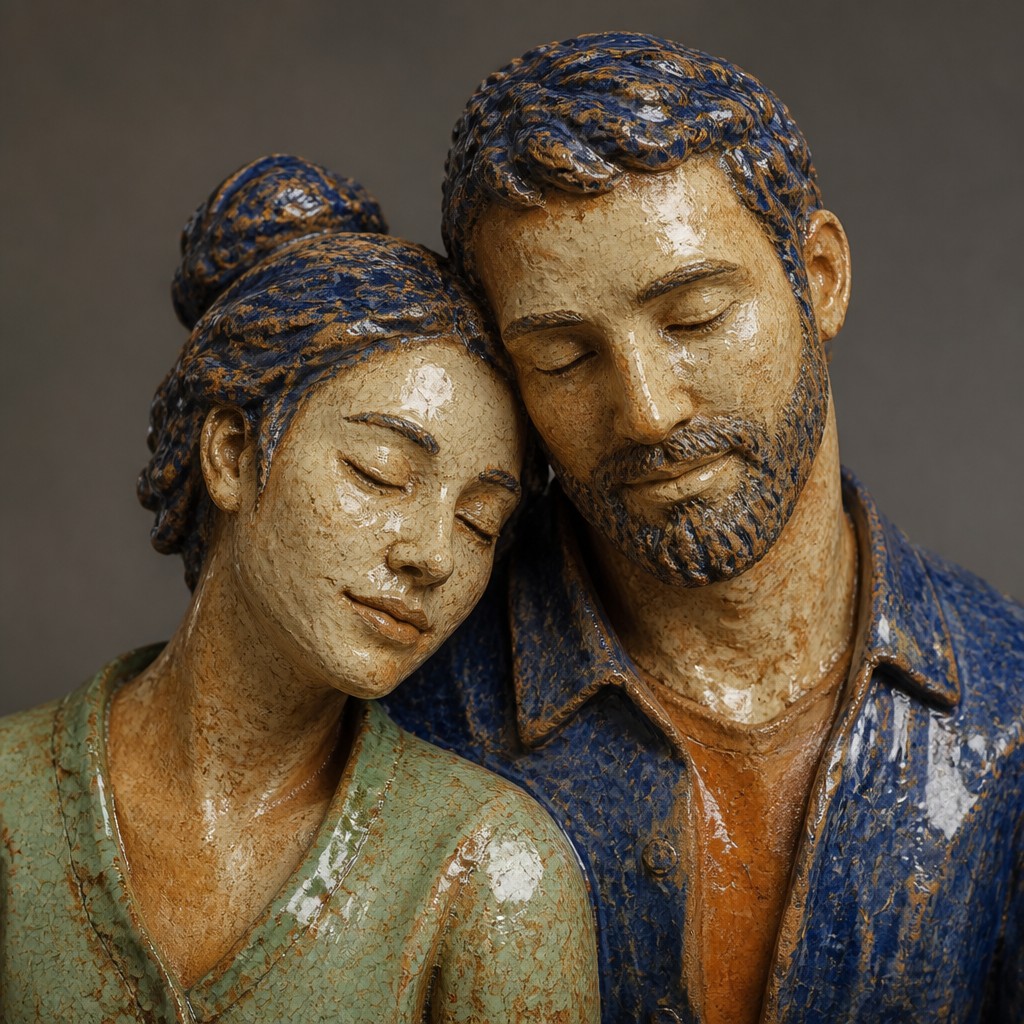
Try It On Your Photos
Upload any photo and convert it into Ceramic Sculpture Art Style — drag the sliders to compare before and after.
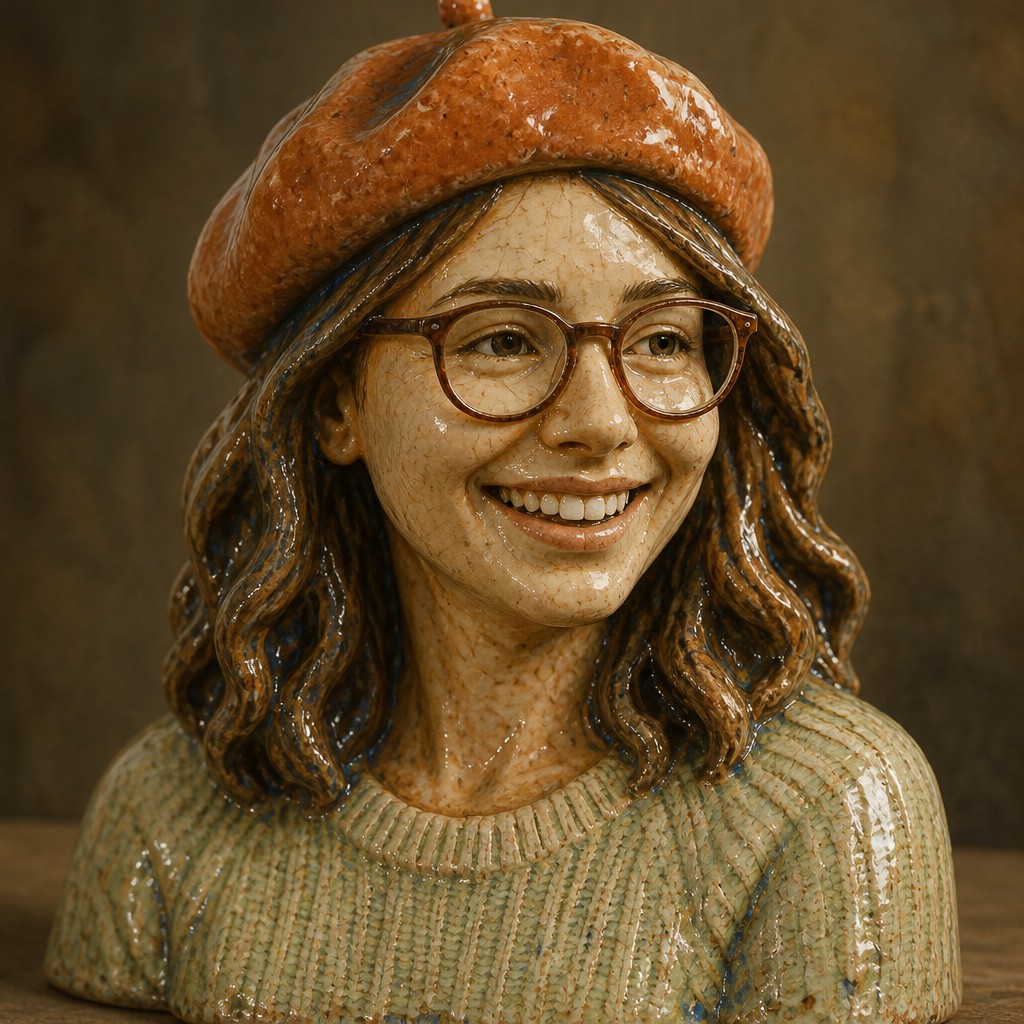

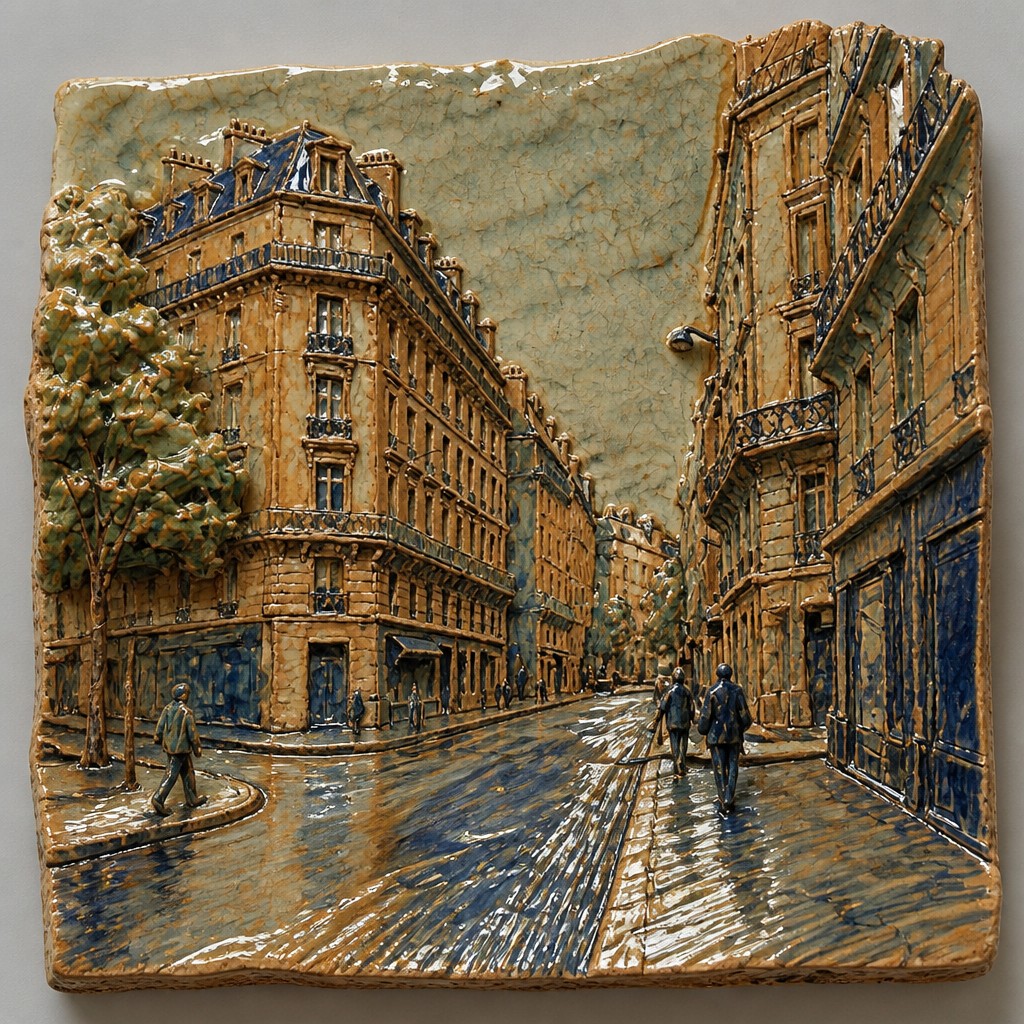

What Defines Ceramic Sculpture Art Style
The signature details, up close
Clay-built volumes
Forms typically read as modeled, assembled, or hand-shaped rather than machined. Rounded contours, seams, and subtle asymmetries often reveal the maker's touch.
Glaze contrast
A defining feature is the tension between glossy glazed passages and dry, unglazed, or matte areas. This contrast heightens the sense of depth and makes the surface feel tactile and varied.
Kiln-fired variation
Ceramic surfaces often show color shifts, pooling, drips, speckling, and slight unpredictability from firing. These effects are part of the medium's character rather than flaws.
Earthy palette
Common colors include terracotta, sienna, cream, celadon, cobalt, ash gray, and iron-rich browns. Even brighter glazes usually feel grounded by the material quality of clay.
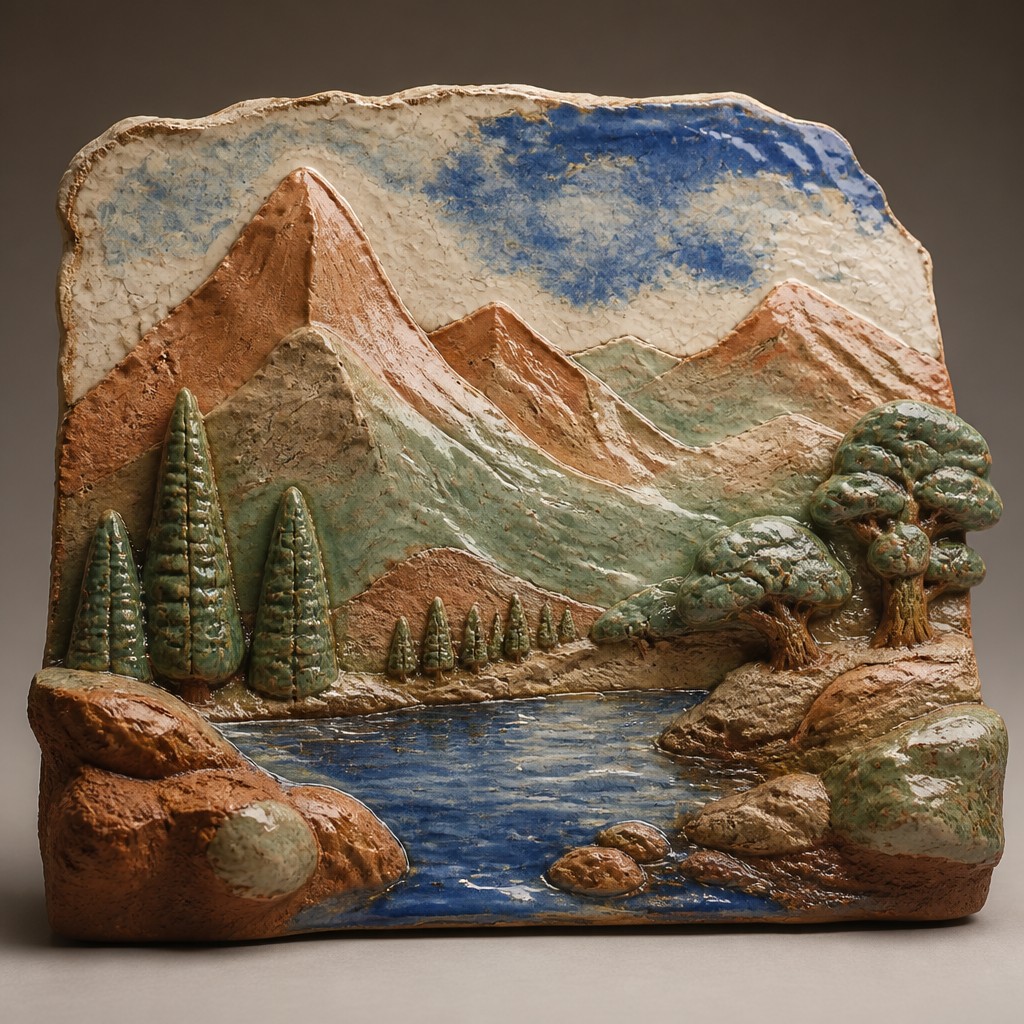
Textural range
Surfaces may be polished and porcelain-smooth or heavily grogged, carved, scored, and rough. Textural variation is often used to emphasize light, shadow, and the object's physical presence.
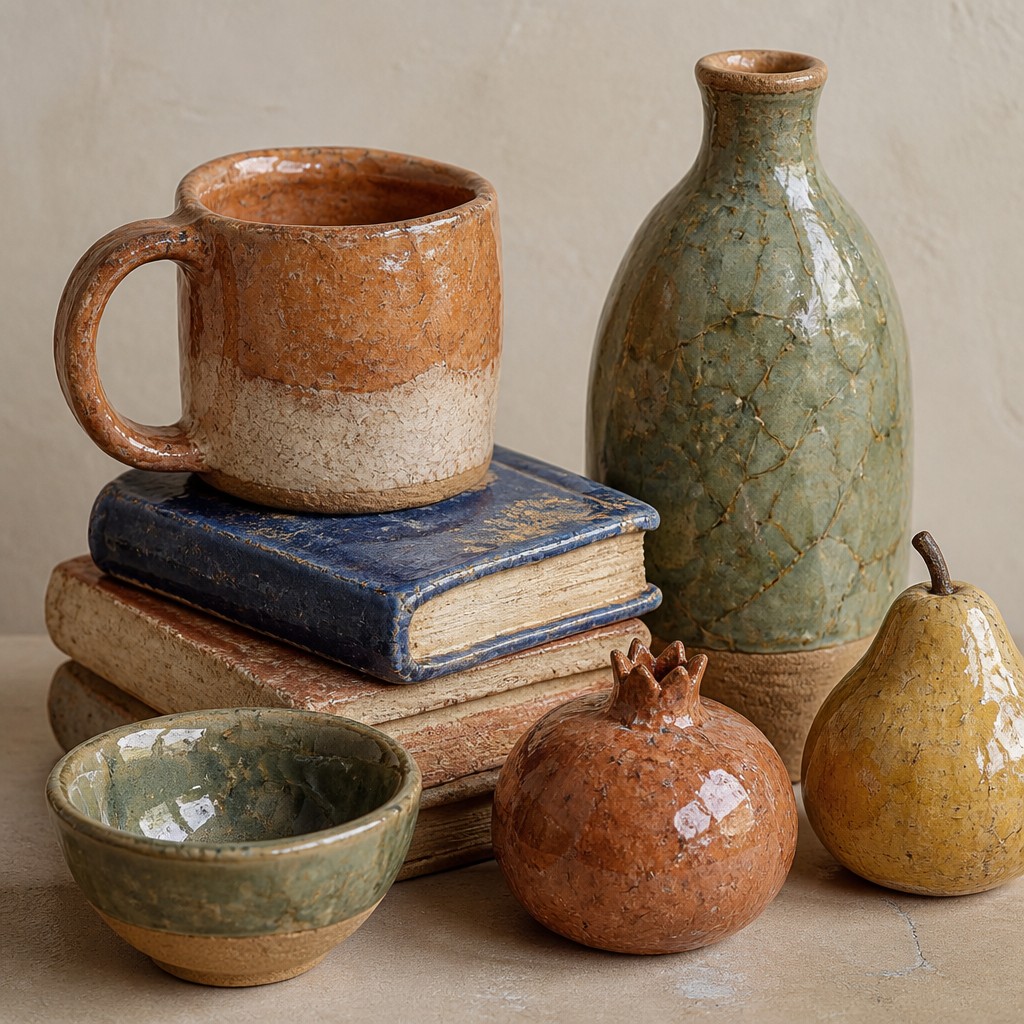
Functional or sculptural intent
Some works retain vessel, bowl, vase, or figure-like functions, while others are fully nonfunctional art objects. The style accommodates both utility and pure form.
Try It
Create Videos in Ceramic Sculpture Art Style
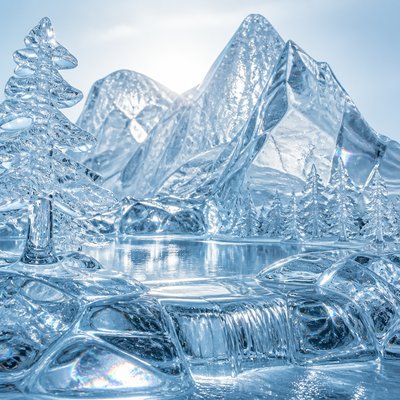
Styles aren't just for stills — describe a scene or animate an image and get a short video rendered in Ceramic Sculpture. Press play to see this pond come to life.
Make a VideoCeramic Sculpture Prompt Ideas
Start from an idea — each one opens the generator with the style ready to go. See all 40 Ceramic Sculpture prompts →
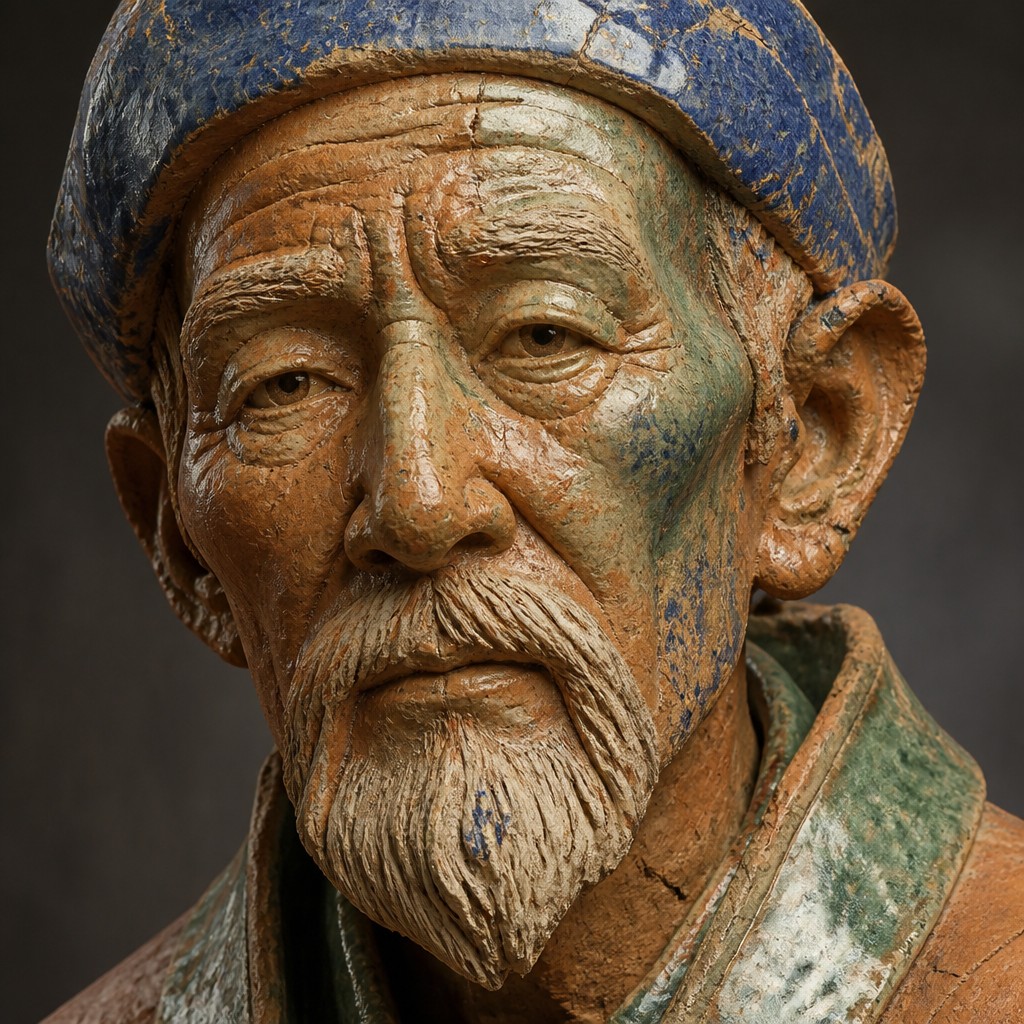
“close-up portrait of an elderly person with expressive weathered features”
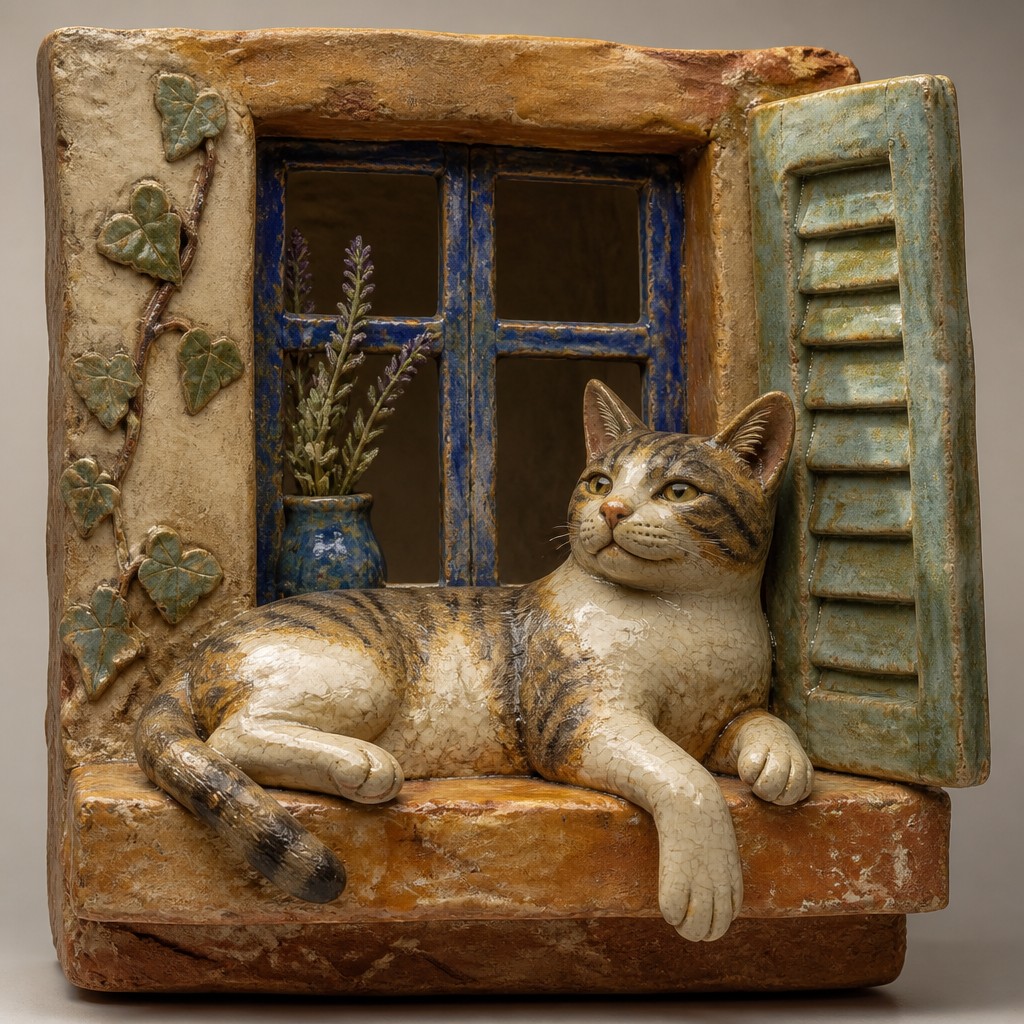
“a cat lounging in a sunlit window”
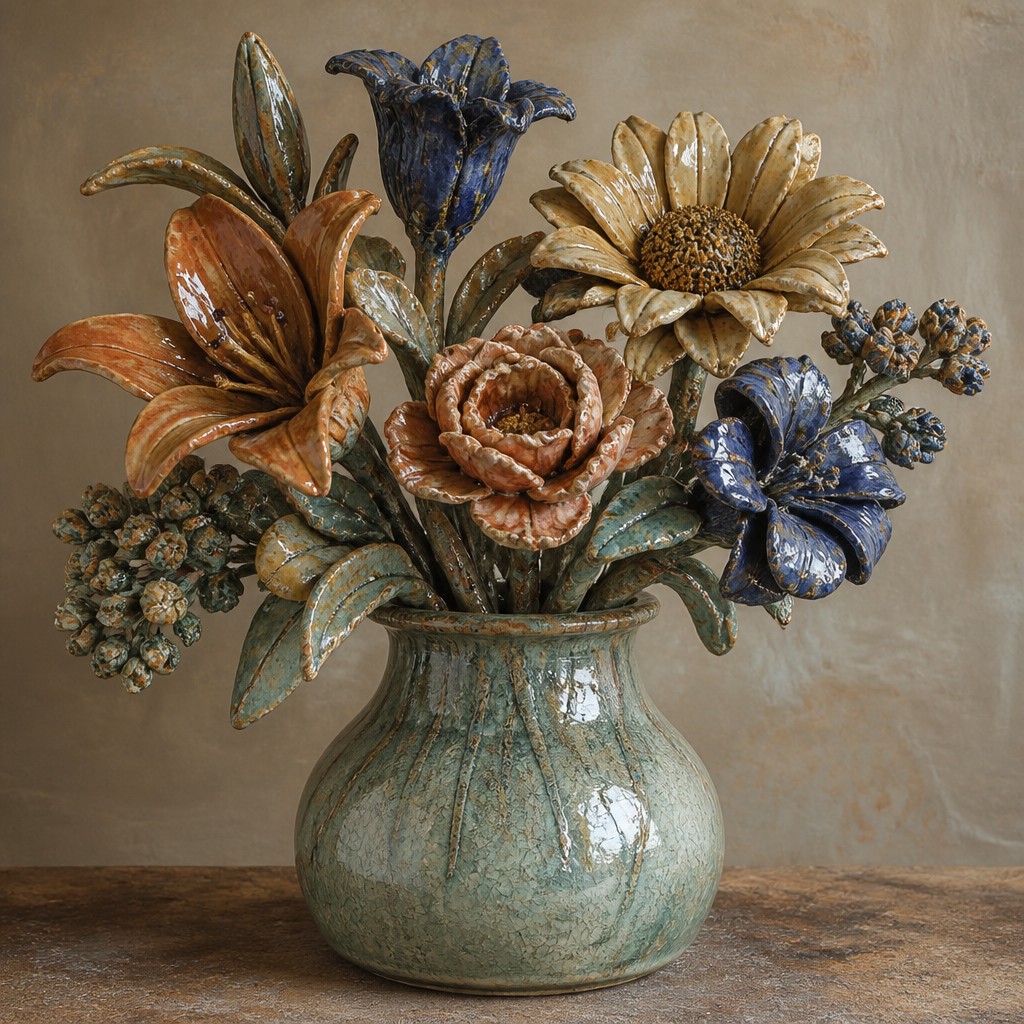
“bouquet of flowers in a glass vase”
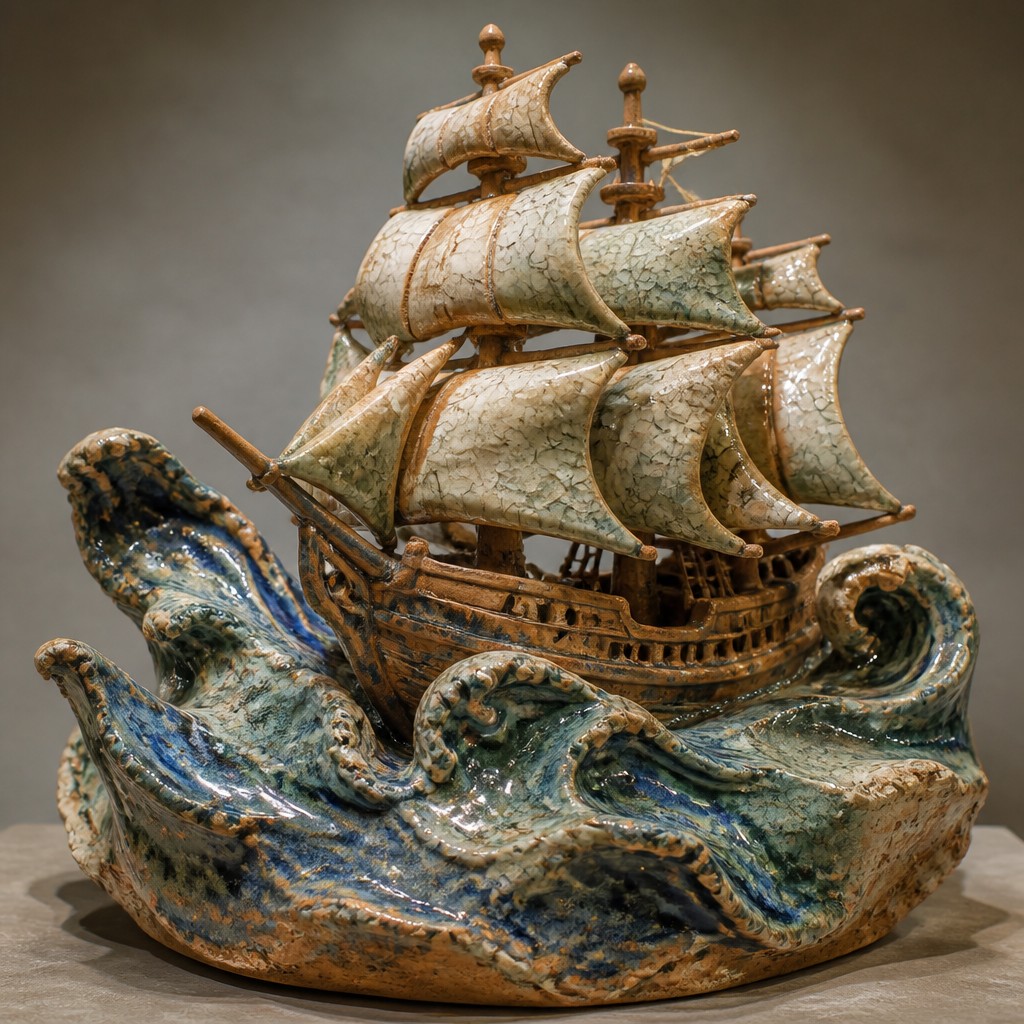
“sailing ship on a stormy sea”
How to Create Ceramic Sculpture Art
Master the craft step by step — or skip straight to creating. Read the full guide →
- 1
Model the form first
In hand-built ceramics, begin with a strong silhouette and simple massing before refining details. For digital or AI-based generation, describe the object as clay-built, softly rounded, and visibly handmade so the form reads as sculpted rather than manufactured.
- 2
Use surface contrast deliberately
Combine glazed and unglazed zones to create focal points and tactile variation. In prompt-based creation, specify glossy glaze, matte clay, crackle glaze, or rough grog to control how the surface behaves visually.
- 3
Let firing effects show
Subtle irregularities such as glaze pooling, color blooming, ash deposits, and tiny cracks help establish authenticity. Avoid over-perfect symmetry unless the concept calls for a refined porcelain or industrial-looking ceramic.
- 4
Light for volume, not flatness
Studio lighting with soft directional highlights is ideal because it reveals curves, ridges, and surface relief. In photography or render-oriented prompts, ask for gentle studio lighting or diffused side light to emphasize dimensional depth.
- 5
Match the clay body to the concept
Porcelain suits delicate, luminous, or elegant forms; stoneware and grogged clay suit sturdier, weightier, and more earthy objects. In prompts, naming the clay type can help steer the image toward the right texture and density.
- 6
Describe the object, then the ceramic treatment
Whether making a bowl, figure, mask, vessel, or abstract form, define the subject first and then layer ceramic-specific details on top. For example: 'a seated figure rendered in stoneware with celadon glaze and unglazed incised accents.'
The Story
History & Origins of Ceramic Sculpture
Ceramic sculpture has deep roots in ancient craft traditions across the world, from early functional pottery to ritual vessels, figurines, and architectural ornament. In many cultures, clay was both utilitarian and expressive, allowing makers to build forms that were carried, displayed, exchanged, and used in daily life. Over time, ceramics developed as a distinct sculptural language in its own right, especially as glazing techniques, kilns, and firing control became more sophisticated.
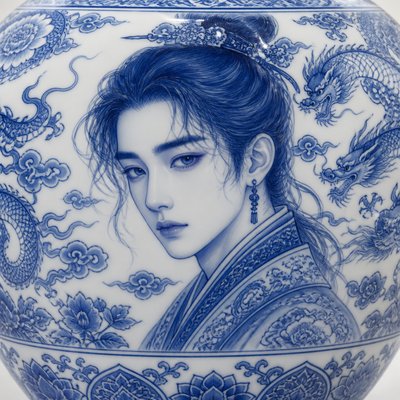
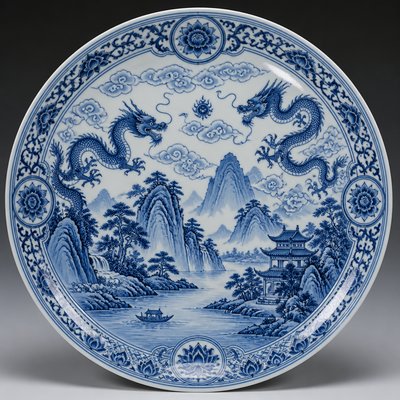
In the modern and contemporary eras, ceramic art expanded beyond vessel forms into studio ceramics and autonomous sculpture. Influences include East Asian porcelain traditions, Islamic glaze traditions, European majolica and stoneware, and the studio craft movement of the 20th century, which treated clay as a serious sculptural medium rather than only a craft material. Contemporary ceramic sculpture often combines historical techniques with experimental surfaces, abstraction, and conceptual form, while still retaining the material character of fired earth.
Influences: Ceramic sculpture draws from many historical ceramic traditions, including Chinese porcelain, Korean celadon, Japanese tea ceramics, Islamic lustre and glaze work, European stoneware and majolica, and the long global history of terracotta figurines and ritual vessels. In modern studio ceramics, important lineage also comes from 20th-century craft-centered practice, where leading mid-century ceramic sculptors and vessel-makers expanded clay into expressive sculpture. Related visual traditions include hand-built pottery, vessel-based abstraction, and contemporary sculpture that values material process and surface as much as finished form.
Frequently Asked Questions
What defines ceramic sculpture as a style?
It is defined by forms made in clay and finished through firing, often with glaze, texture, and visible handcraft. The key visual qualities are material weight, rounded modeling, surface variation, and kiln-induced irregularity.
How is ceramic sculpture different from pottery?
Pottery usually refers to functional vessels such as bowls, cups, and jars, while ceramic sculpture emphasizes sculptural intent. Many works sit between the two, but ceramic sculpture is generally judged by form, surface, and artistic expression rather than utility alone.
What materials and finishes are typical?
Common materials include earthenware, stoneware, and porcelain, each with different density and surface character. Finishes often include glossy glaze, matte slips, crackle glaze, engobes, or bare clay left exposed for contrast.
Why do ceramic surfaces often look uneven or imperfect?
Clay changes during drying and firing, and glazes behave unpredictably in the kiln. Those irregularities are a major part of the medium's aesthetic, giving the work a handmade and materially honest presence.
Can ceramic sculpture look modern or abstract?
Yes. Contemporary ceramic sculpture often uses simplified geometry, biomorphic forms, or conceptual abstraction while retaining the tactile qualities of fired clay. The material can look ancient, minimalist, playful, or experimental depending on shape and glaze.
How can I create this look in a digital image?
Describe the subject as a glazed ceramic sculpture and specify the clay body, surface treatment, and lighting. Useful details include hand-modeled forms, crackle glaze, rough unglazed passages, earthy colors, and soft studio light to reveal texture.

Create your first Ceramic Sculpture artwork
Describe anything — or upload a photo — and see it in Ceramic Sculpture Art Style in seconds.
Make Something with Ceramic Sculpture
Compare Ceramic Sculpture
Related Styles
Discover similar art styles