Ceramic Sculpture vs Contemporary Sculptural Ceramic: What's the Difference?
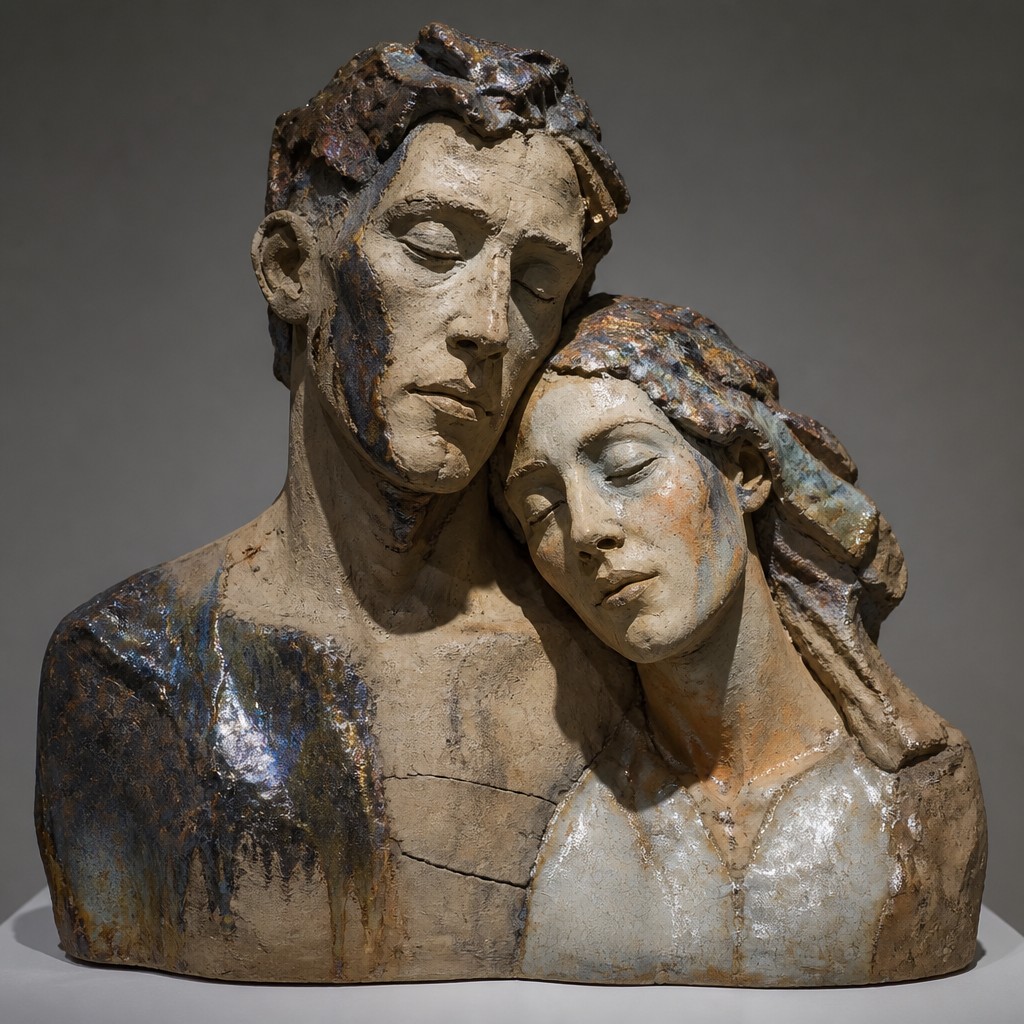
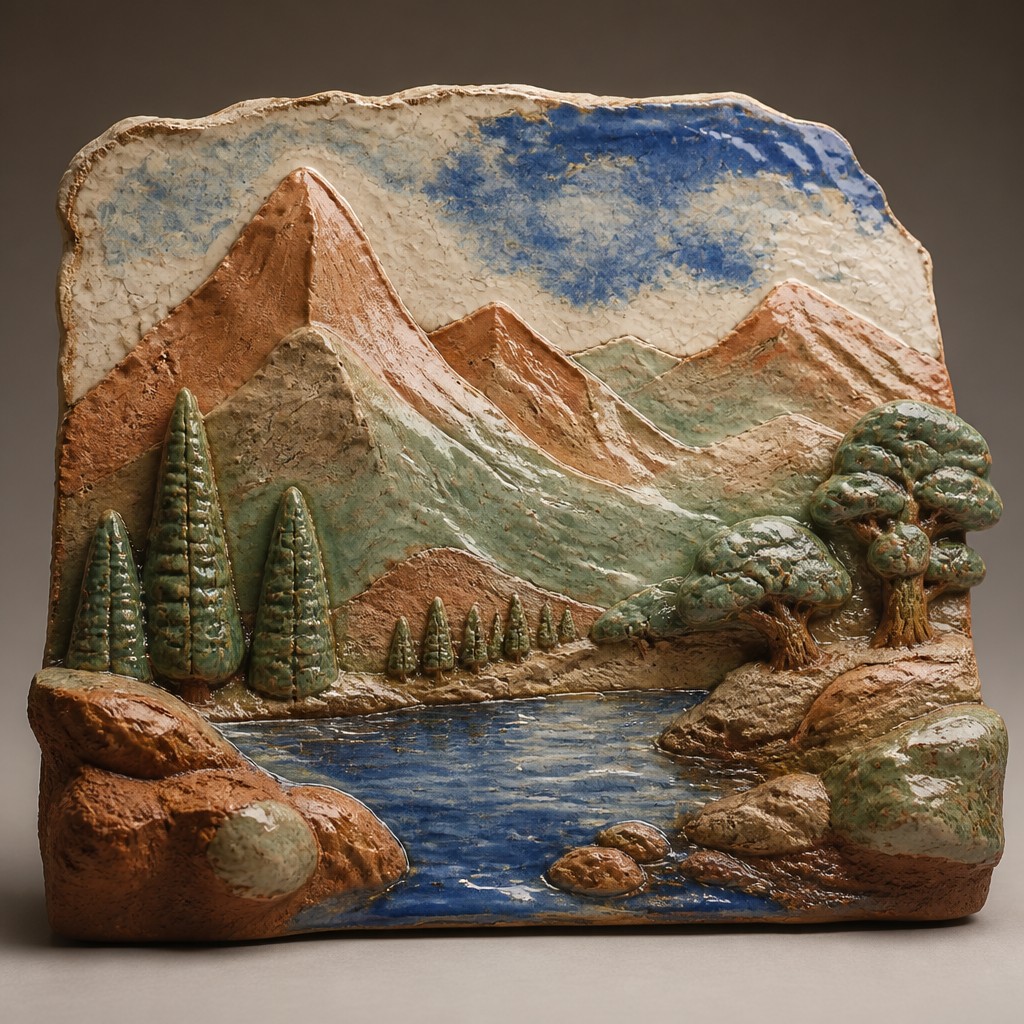
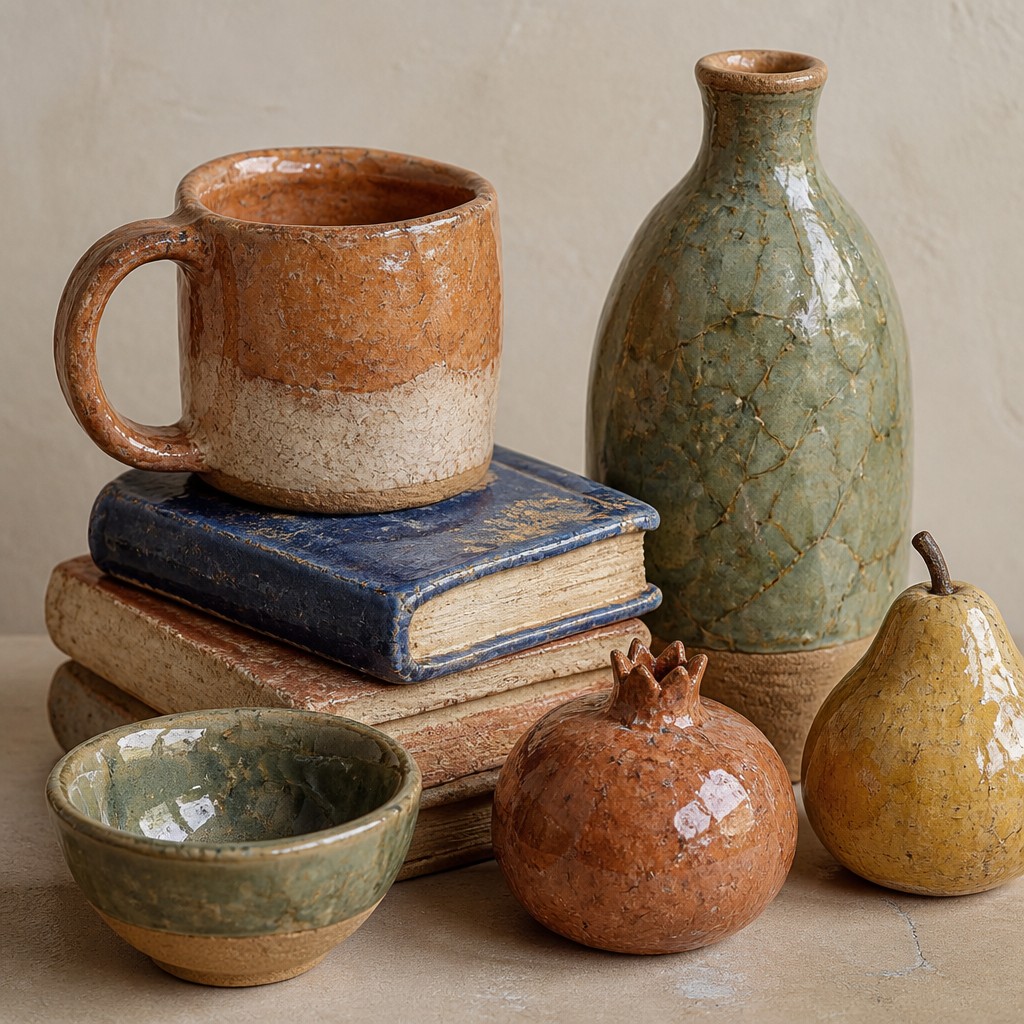
Ceramic Sculpture Art Style centers on clay forms shaped by hand, then finished with glazes, crackle effects, and kiln-fired color shifts. It often emphasizes tactile surfaces, earthy tones, and the visible character of fired clay, making the material itself part of the artwork.
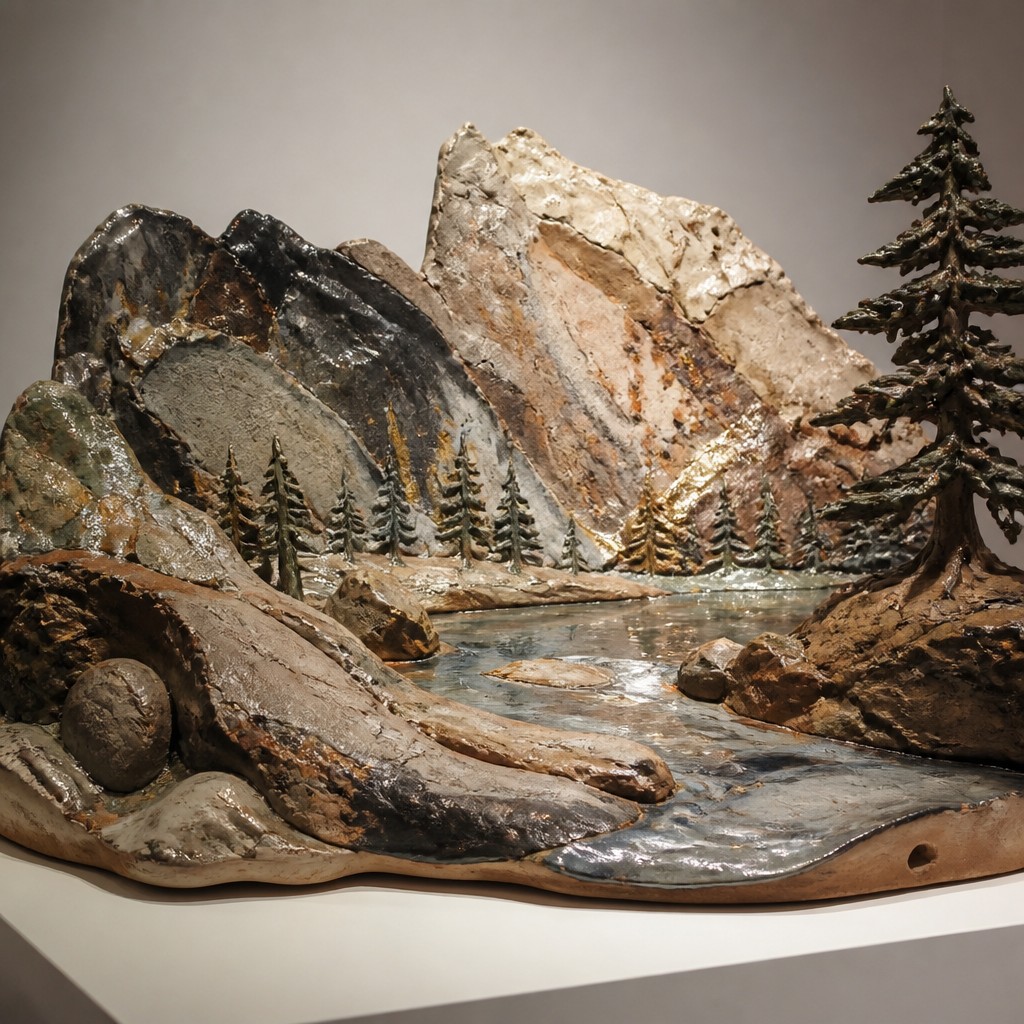
Contemporary Sculptural Ceramic Art Style also uses clay, but approaches it more experimentally. It combines hand-built forms with mixed media, matte glaze, and conceptual surfaces, often pushing beyond traditional ceramic looks. People compare them because both are sculptural and clay-based, yet one tends to highlight craft and fired finish while the other leans toward idea-driven experimentation.
Same Prompt, Both Styles
Each pair below was generated from the identical prompt — only the style changed.
“portrait of two people together”

“wide landscape with natural scenery”
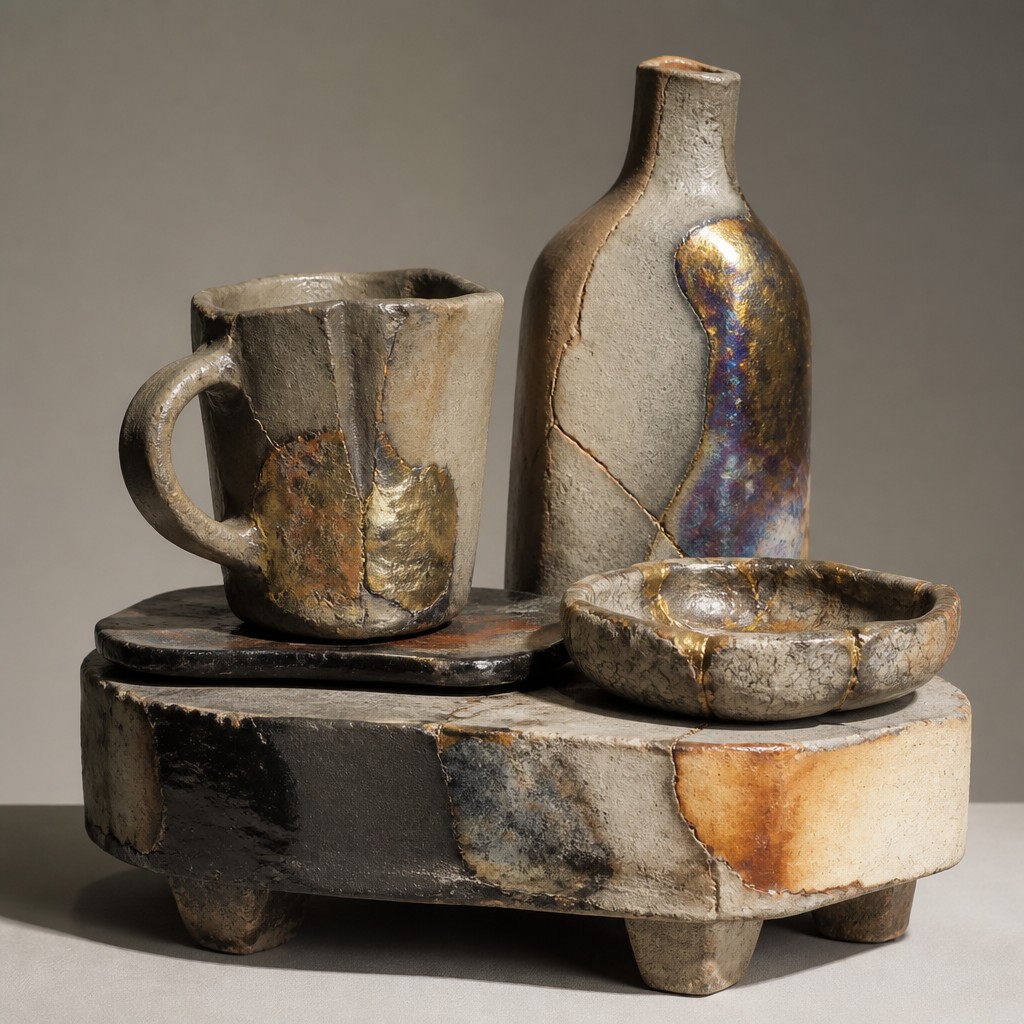
“still life with everyday objects”
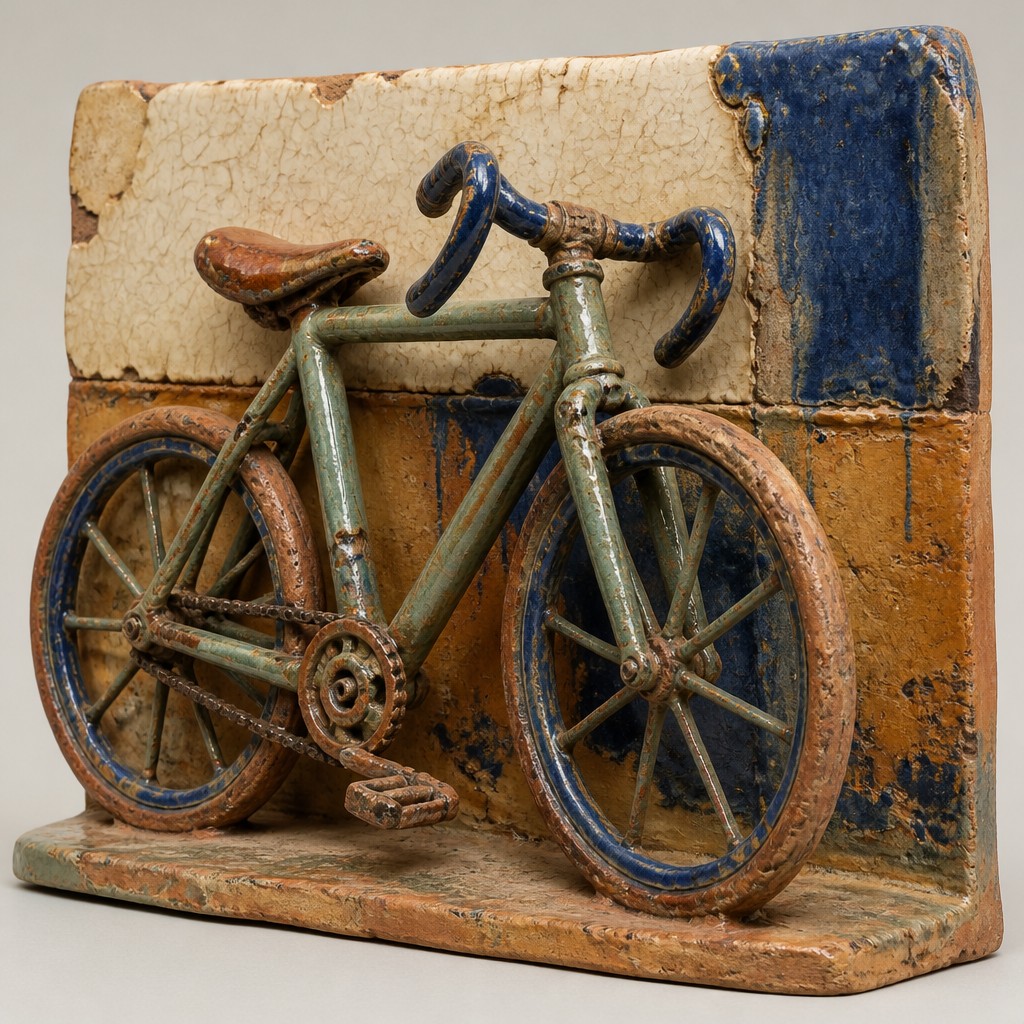
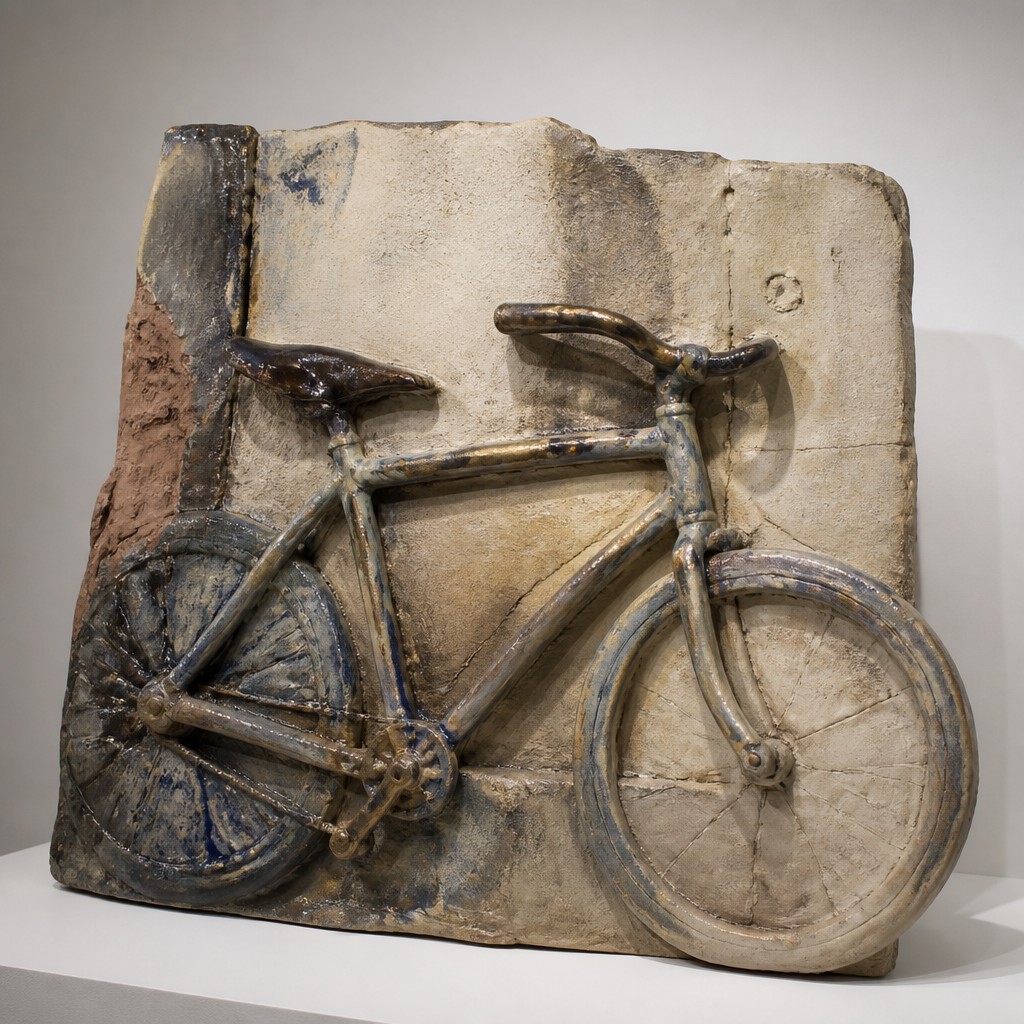
“bicyle resting against a wall”
Key Differences
| Ceramic Sculpture | Contemporary Sculptural Ceramic | |
|---|---|---|
| Surface finish | Glossy, crackled, or variegated glaze emphasizes fired clay character. | Matte, restrained, or mixed-surface finishes create a more experimental look. |
| Material use | Primarily ceramic clay with glaze and kiln-fired surface effects. | Clay paired with mixed media or other materials for broader expression. |
| Texture | Hand-built texture and visible firing marks are central to the look. | Texture may be smoother, layered, or conceptually altered. |
| Color palette | Earthy, warm, and naturally varied kiln-fired colors are common. | Often more muted, controlled, or intentionally unconventional in color. |
| Conceptual focus | Often celebrates material beauty, craft, and ceramic tradition. | Often prioritizes ideas, contemporary themes, and sculptural experimentation. |
| Overall impression | Feels grounded, organic, and materially rich. | Feels modern, intentional, and sometimes more provocative. |
| Mood | tactile, earthy, refined, organic | experimental, tactile, conceptual, earthy |
| Energy | calm | balanced |
| Detail level | detailed | detailed |
| Color | earth tones, whites, muted glazes | earth tones with muted accents |
| Texture | smooth to grogged, visibly handcrafted | rough, layered, mixed-media surfaces |
| Origin | ancient global pottery traditions | late 20th-century contemporary art |
| Best for | gallery sculpture, decor objects, editorial illustrations, museum visuals, product mockups | gallery pieces, editorial illustration, museum posters, book covers, design mockups |
| Difficulty | advanced | advanced |
Which Should You Choose?
Choose Style A if you want a ceramic look that highlights traditional hand-built craft, glazed surfaces, and earthy kiln-fired variation. Choose Style B if you want a more contemporary presentation with matte finishes, mixed materials, and a stronger conceptual or experimental edge. If the goal is warmth and tactile ceramic character, A is the better fit; if the goal is innovation and sculptural abstraction, B is stronger.
Frequently Asked Questions
Are these two styles opposites?
No. They overlap because both are clay-based sculptural styles built by hand. The main difference is that Style A leans toward traditional ceramic surface qualities, while Style B leans toward experimentation and contemporary concepts.
Which style looks more traditional?
Style A usually feels more traditional because it emphasizes glaze, crackle, and kiln-fired color variation. Those qualities are closely associated with classic ceramic craft and material-centered making.
Which style is better for mixed materials?
Style B is better suited to mixed materials because it explicitly includes them as part of the aesthetic. It is designed to accommodate broader surface treatments and contemporary sculptural approaches.
Can a work belong to both styles?
Yes, a piece can sit between them if it combines hand-built ceramic structure with both glazed and experimental surface choices. In practice, the balance of finish, material mix, and conceptual intent determines which style is more dominant.