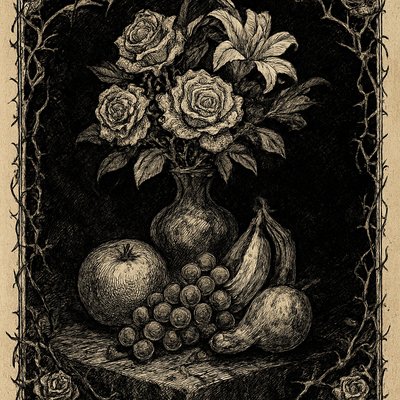
Gothic Cathedral Art
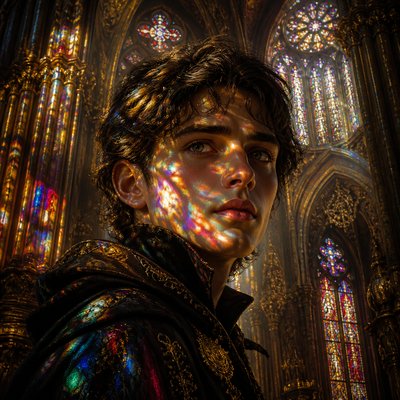
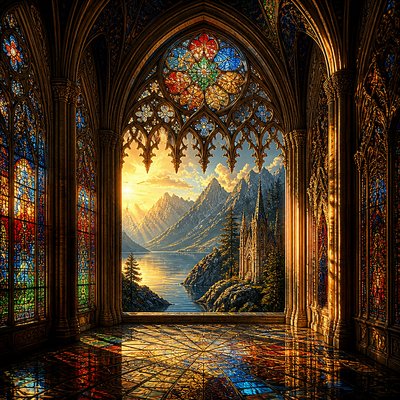
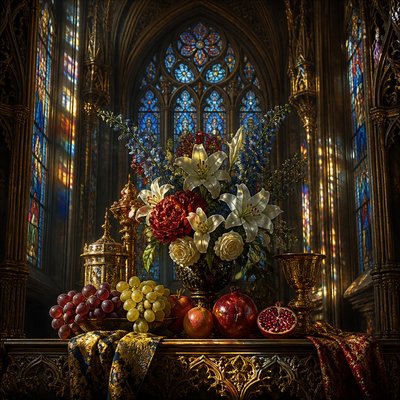
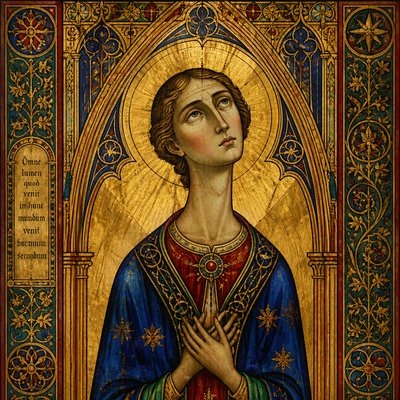
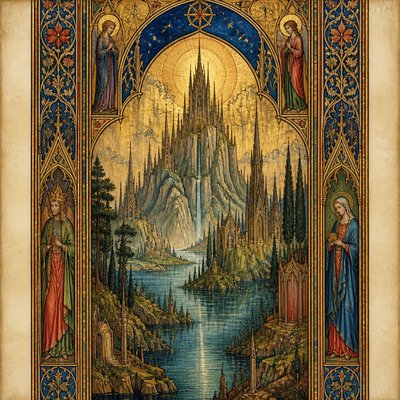
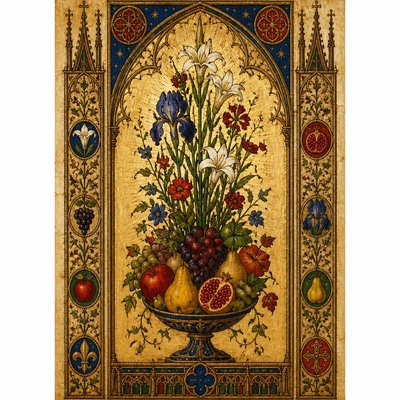
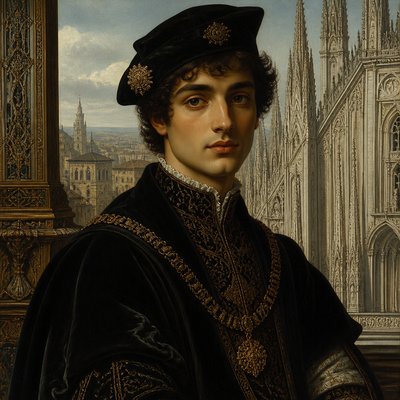
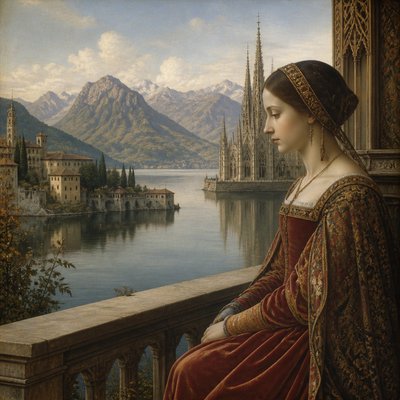
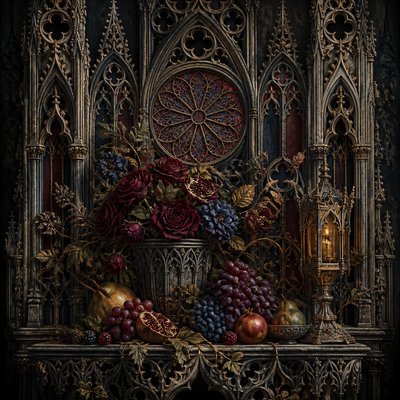
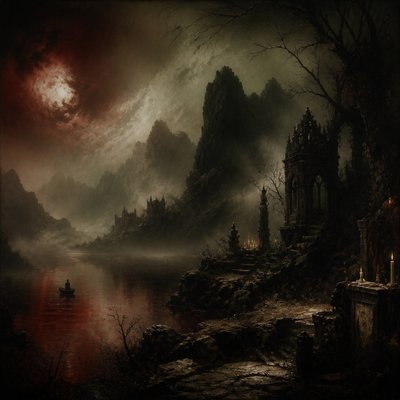
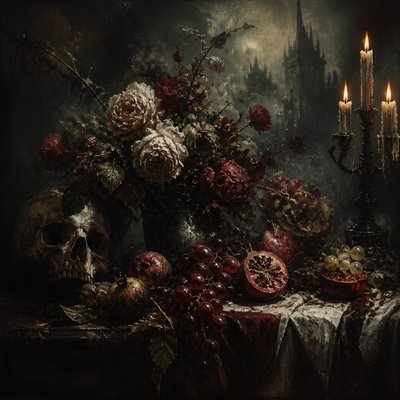
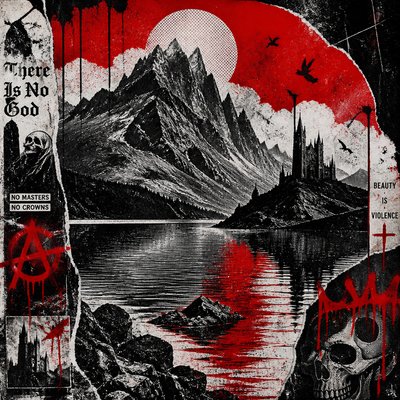
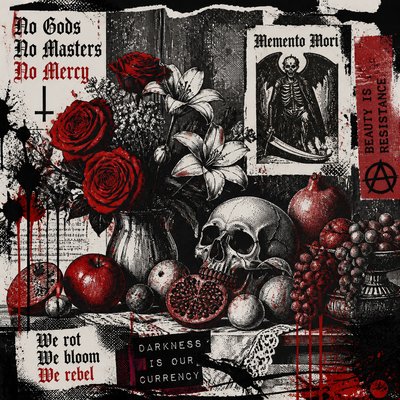
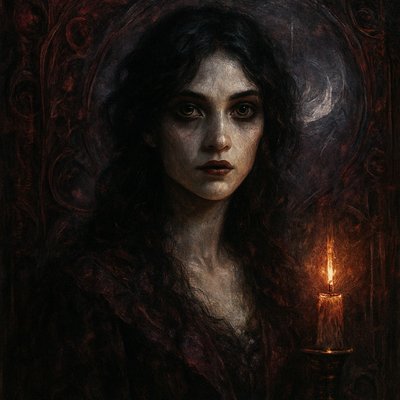
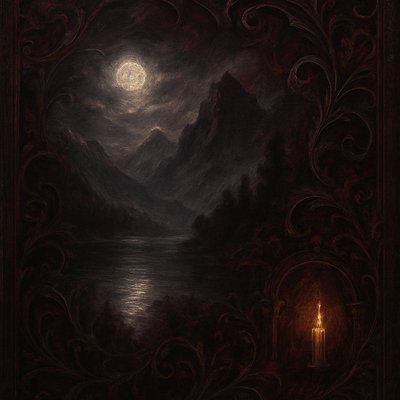
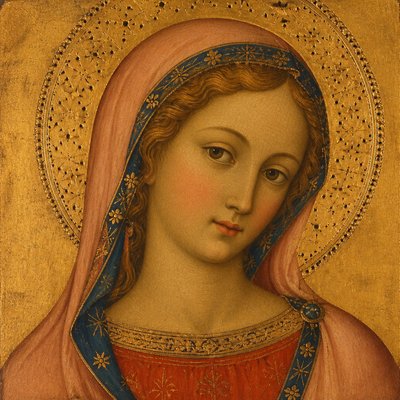
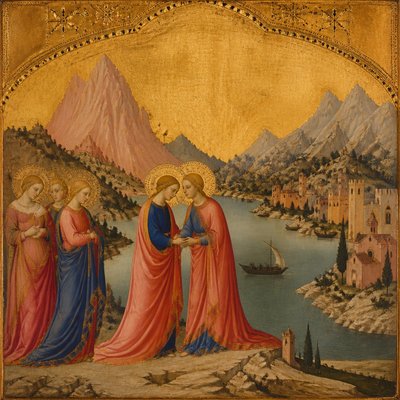
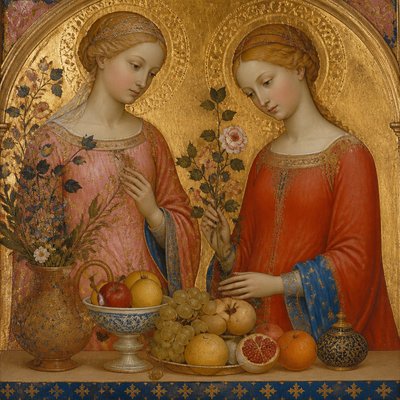
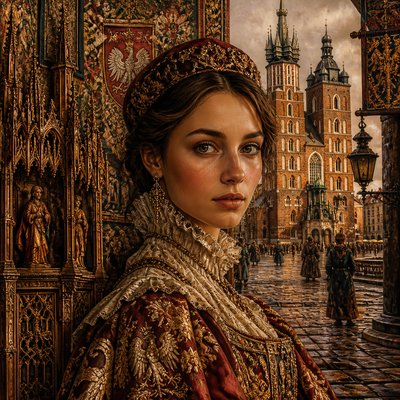
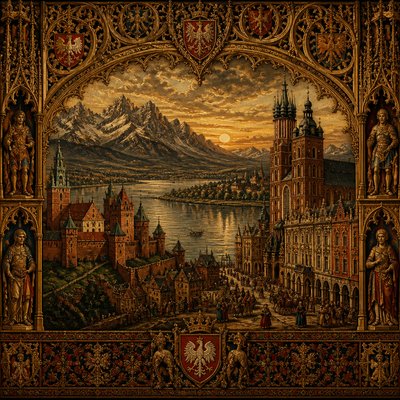
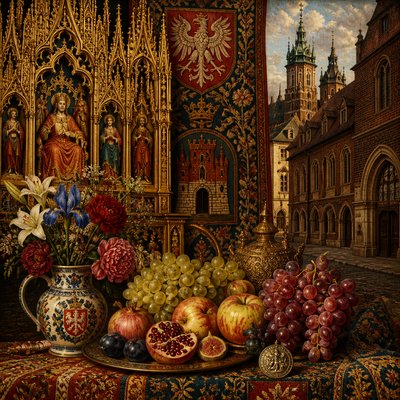
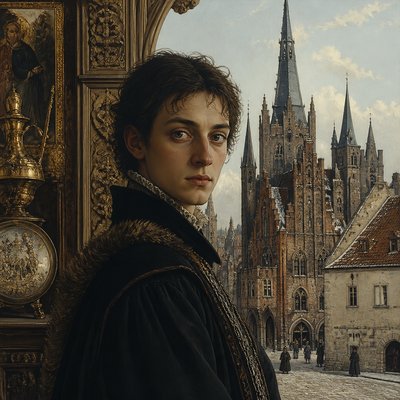
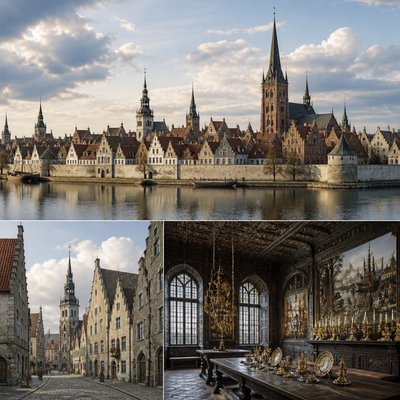
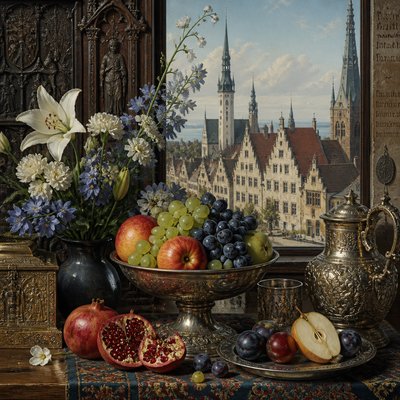
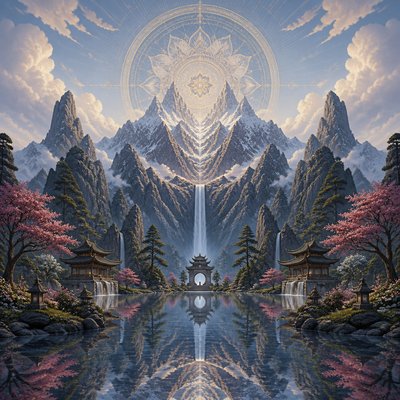
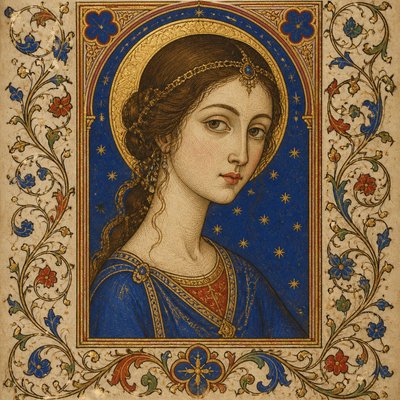
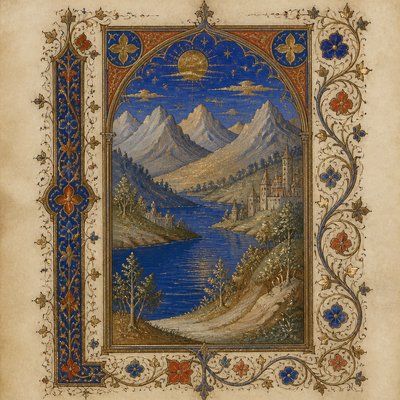
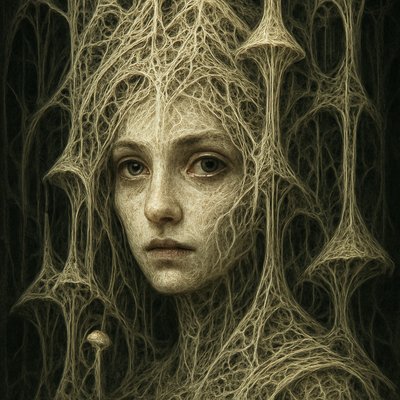
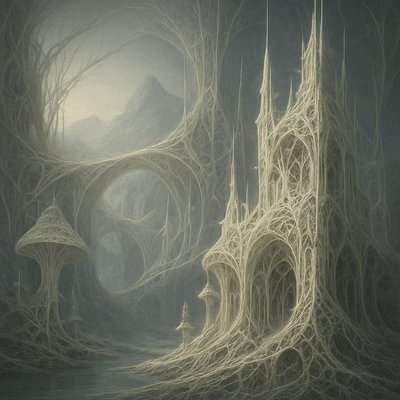
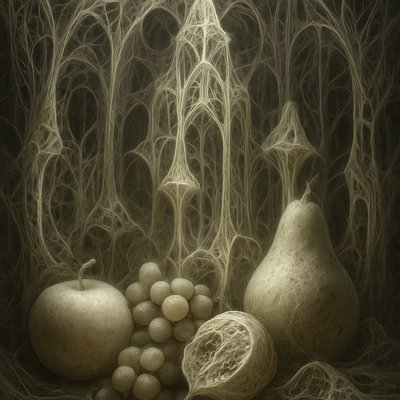
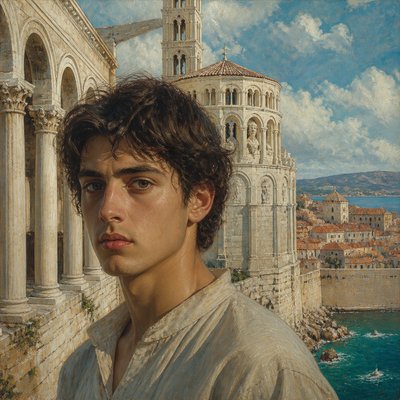
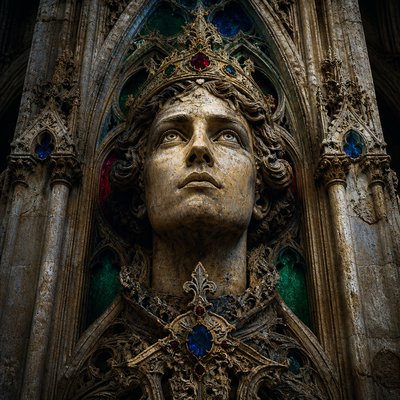
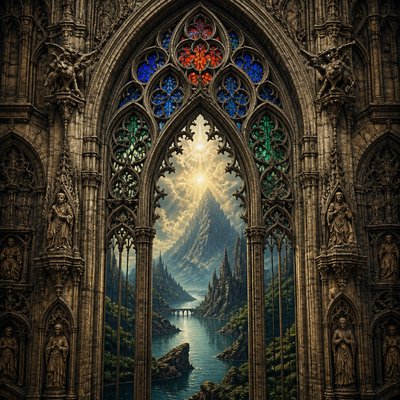
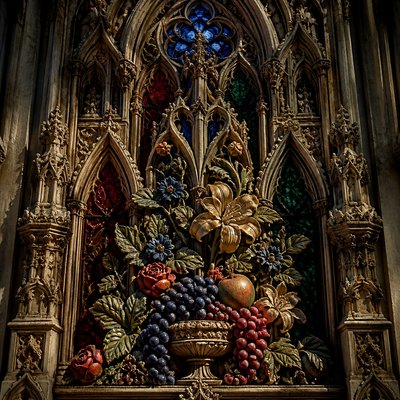
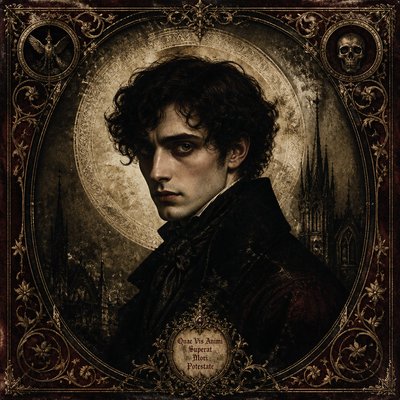
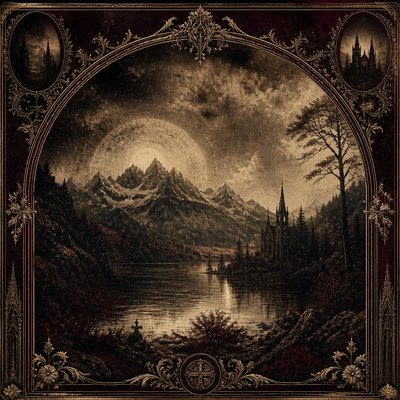
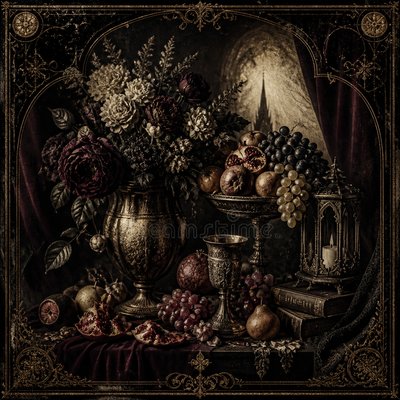
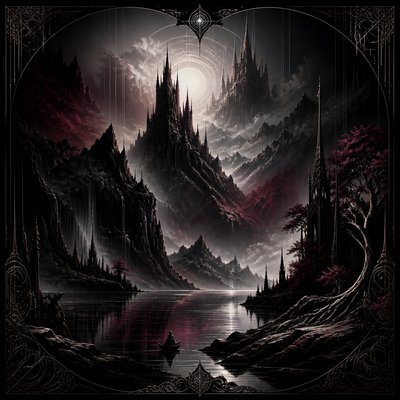
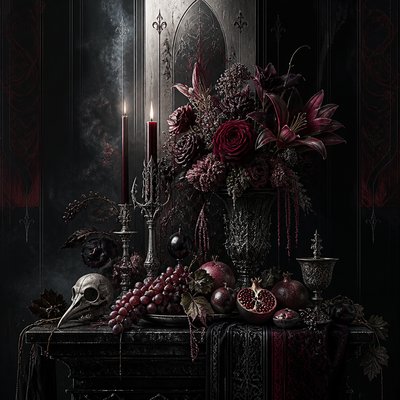
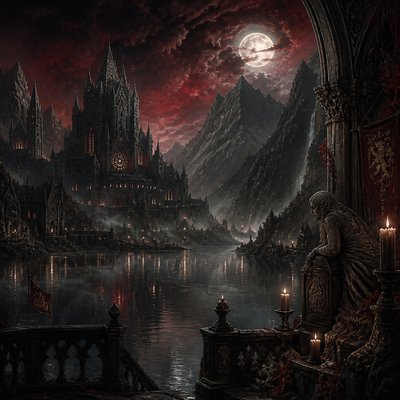
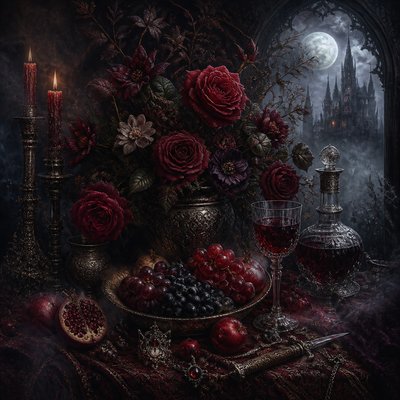
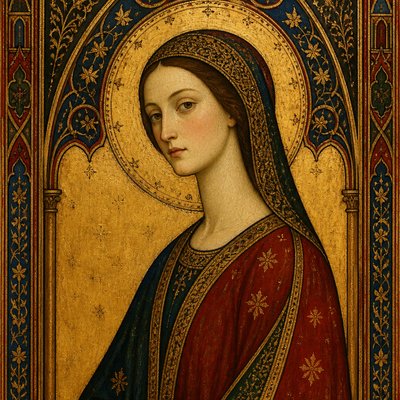
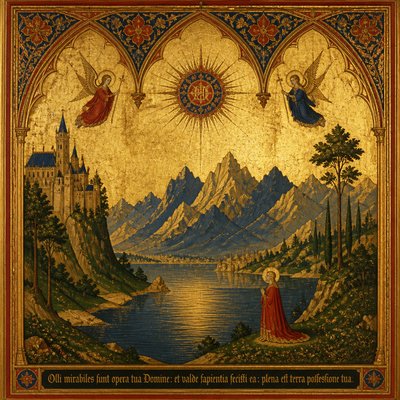
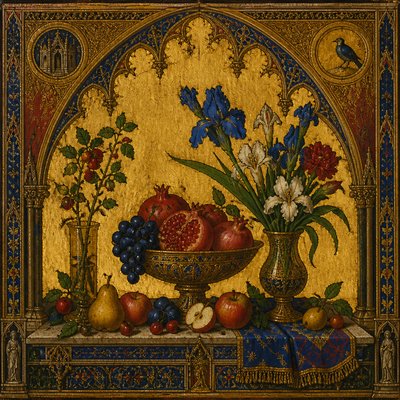
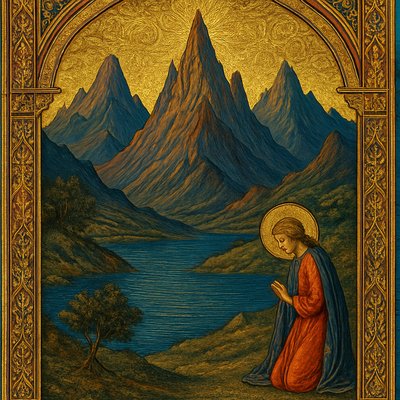
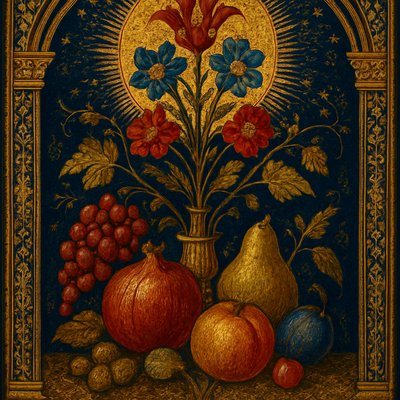
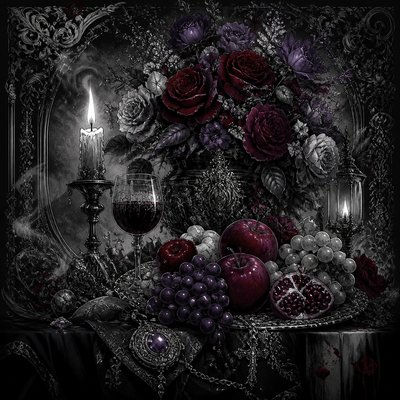
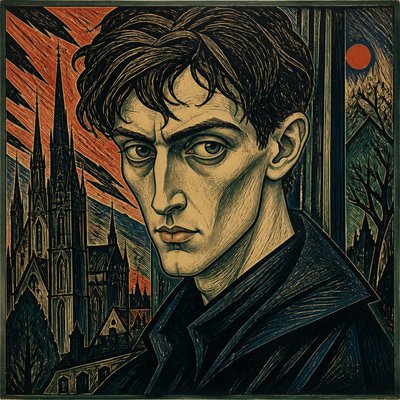
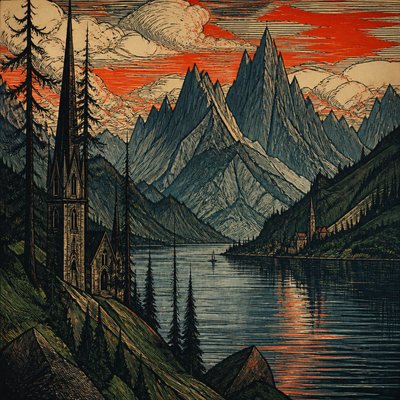
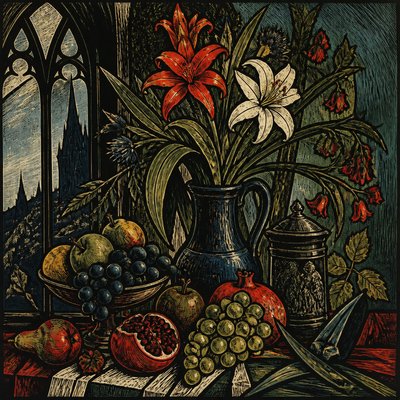
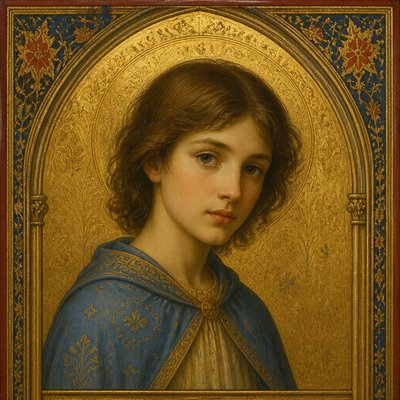
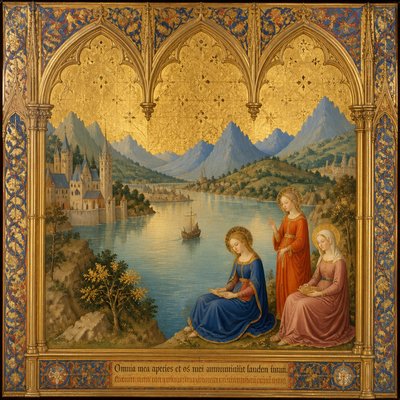
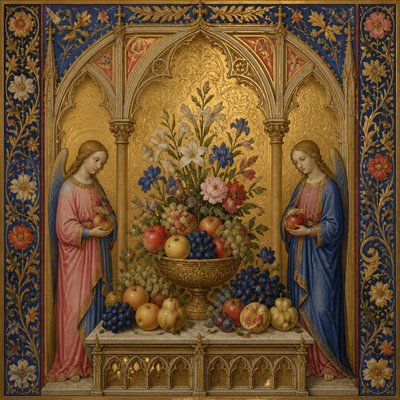
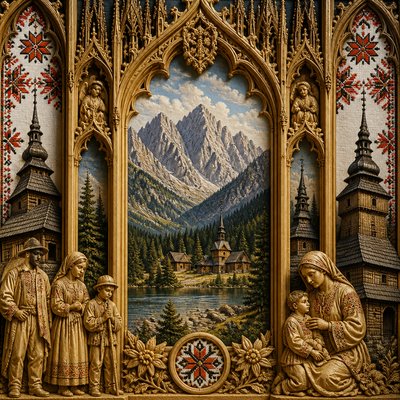
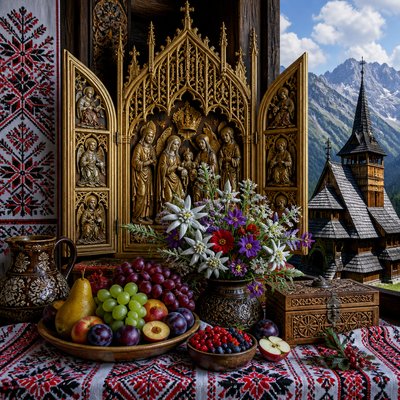
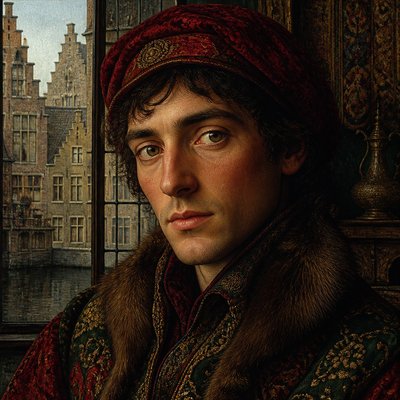
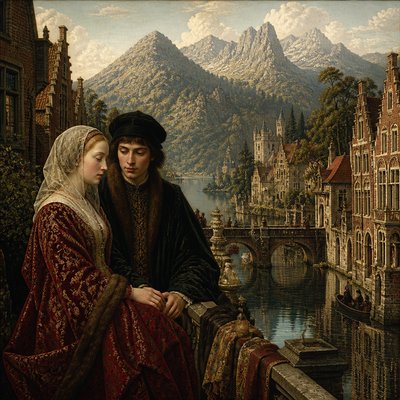
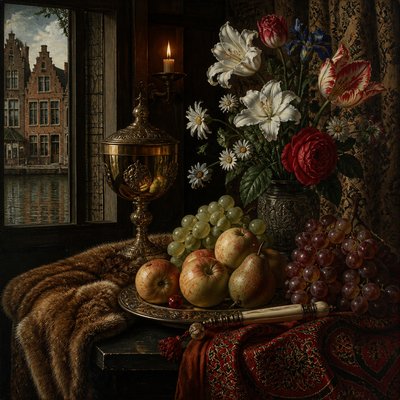
Sacred Gothic art inspired by cathedrals, stained glass, carved stone, and divine light with a reverent, monumental atmosphere.
Instantly rendered in Gothic Cathedral — or transform a photo
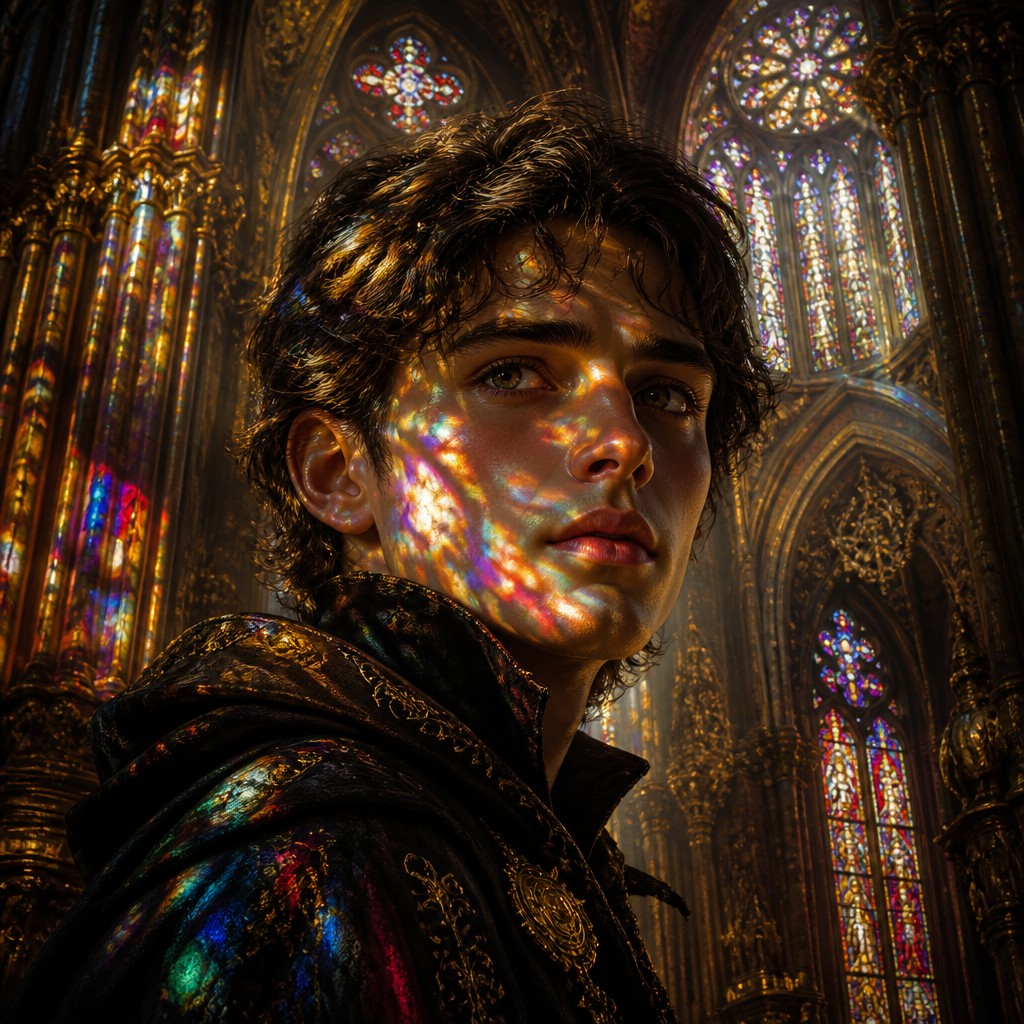
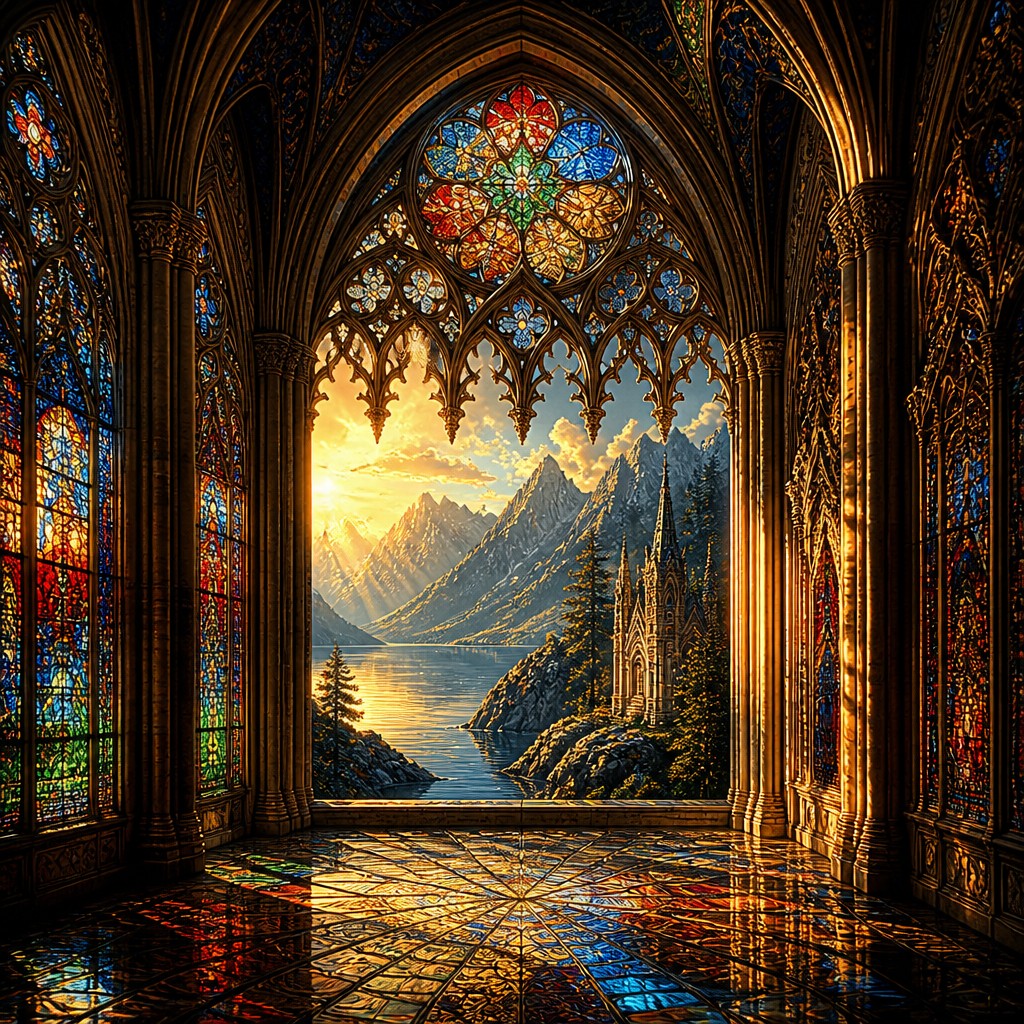
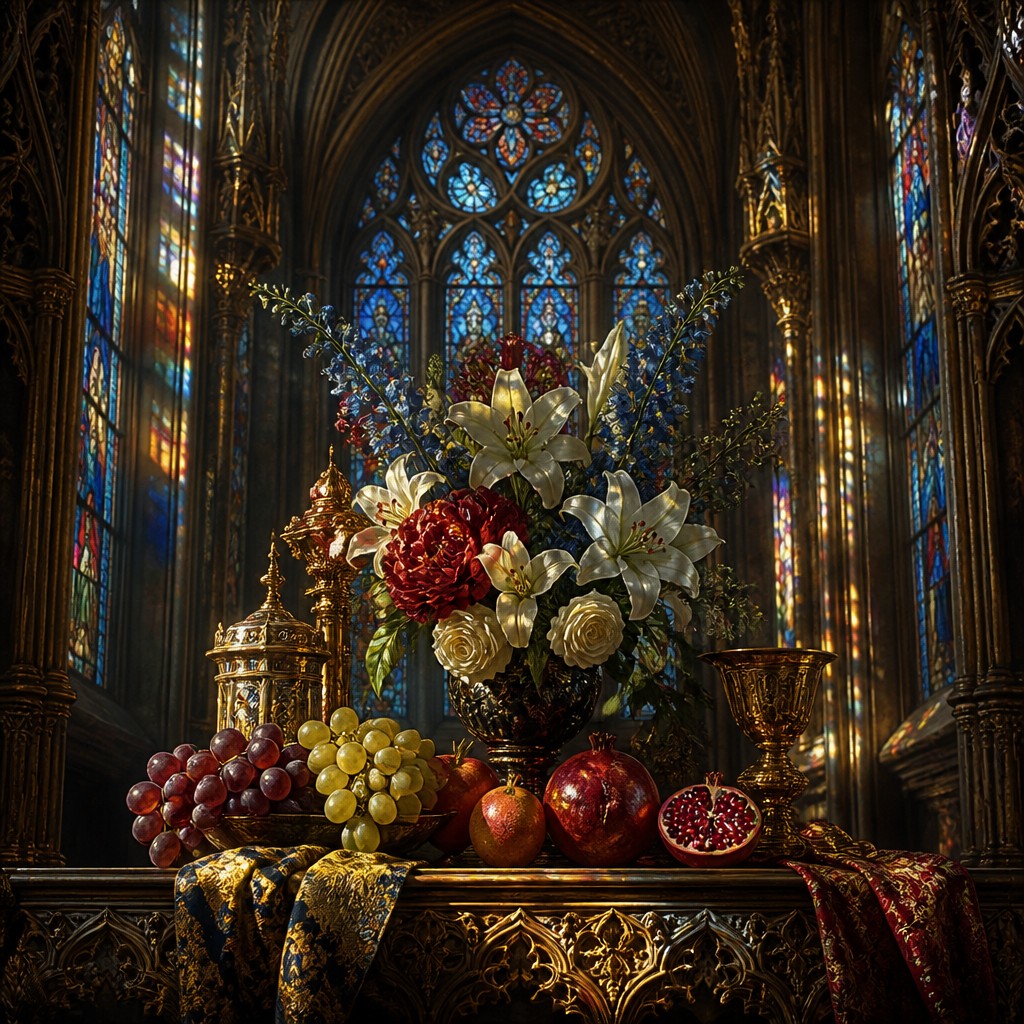
Gothic Cathedral Gallery
Tap any artwork to explore it
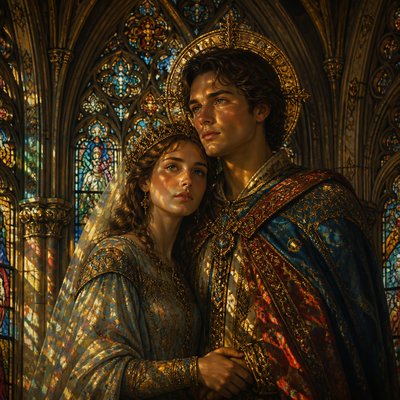
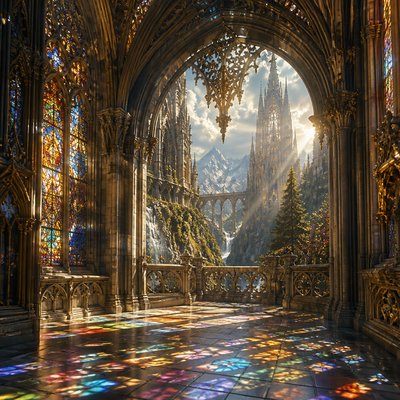
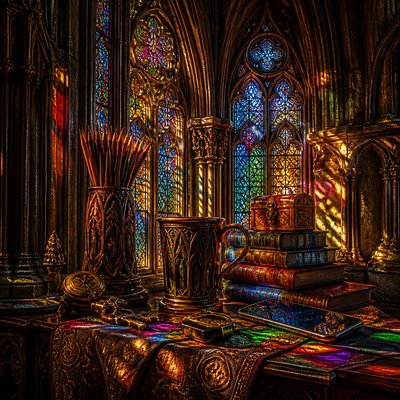
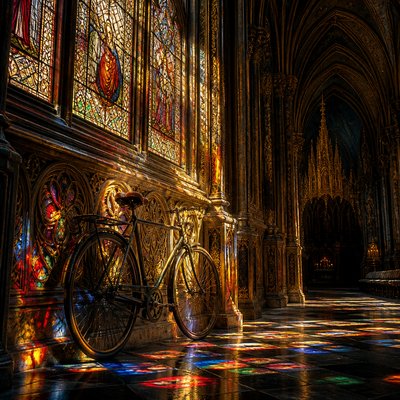
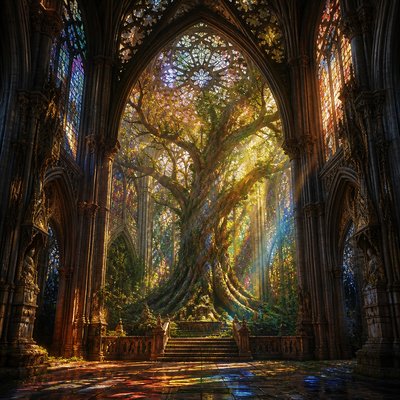
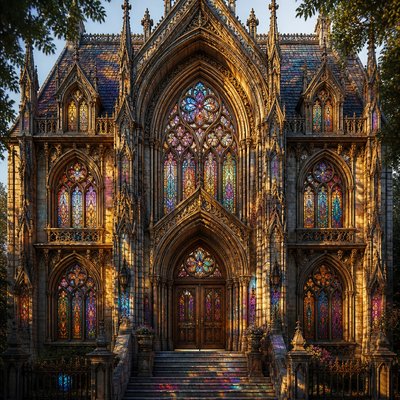
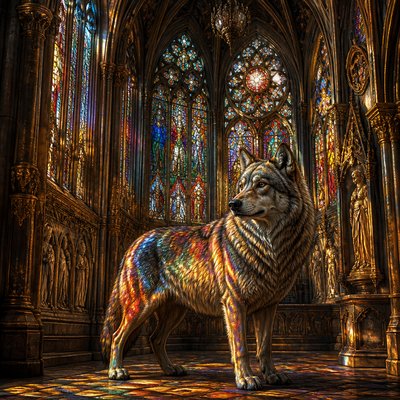
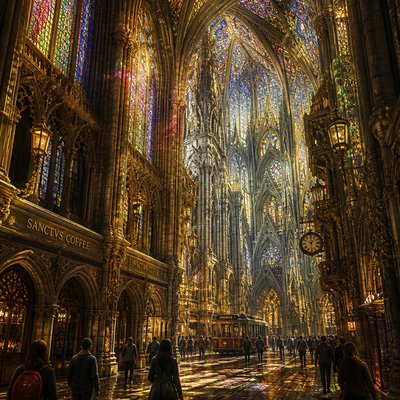
What is Gothic Cathedral Art?
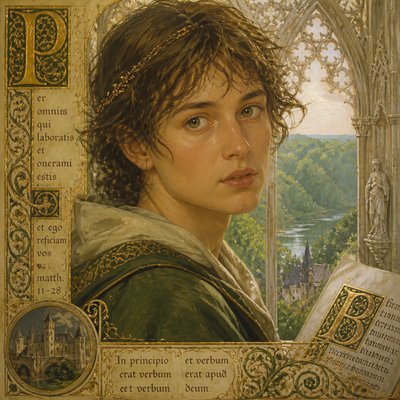
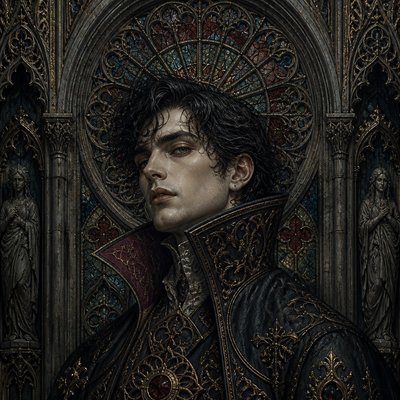
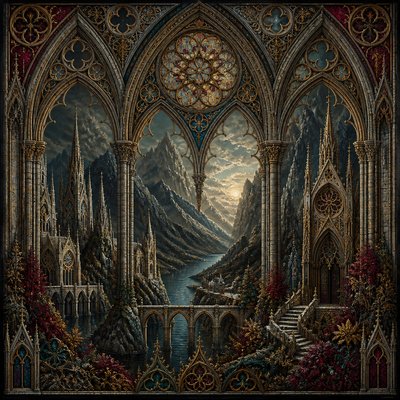
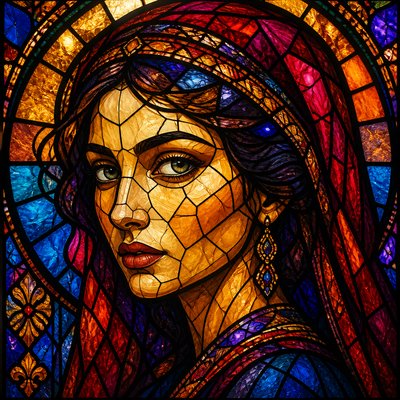
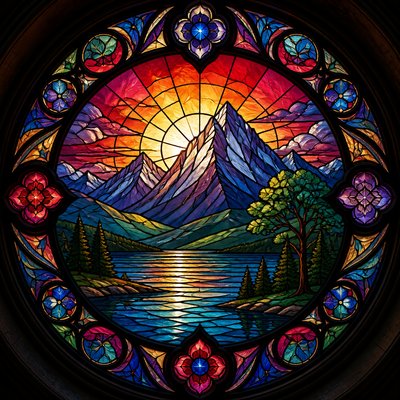
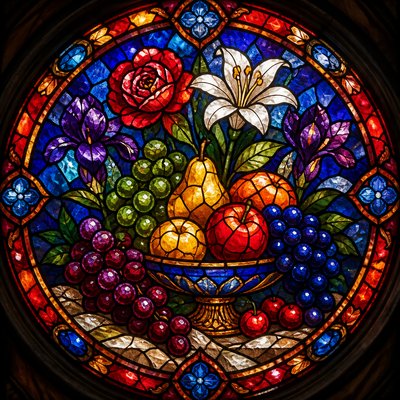
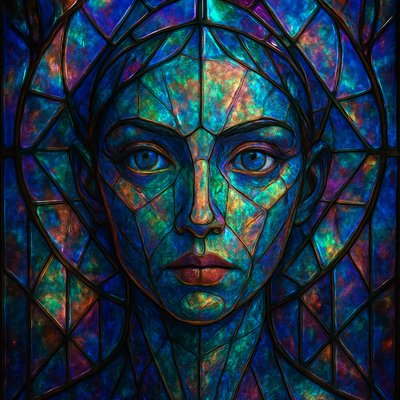
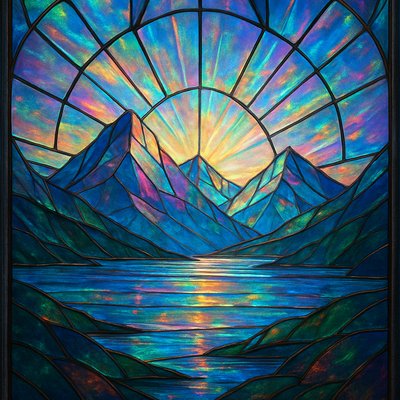
Gothic Cathedral Art is a sacred visual style centered on the architecture, ornament, and devotional atmosphere of medieval cathedrals. It emphasizes vertical ascent, pointed arches, ribbed vaults, tracery, sculpted saints, and stained glass light, turning ordinary subjects into visions of solemn grandeur and spiritual radiance.
Its visual identity is defined by the interplay of colored light and shadow. Jewel-toned illumination, gilded accents, and aged stone surfaces create a sense of awe, while dense ornament and architectural framing give the composition a ritual, enclosed quality. The style often feels contemplative and transcendent because it translates the symbolic language of Gothic church design into image-making: height suggests heaven, light suggests divinity, and intricate detail suggests sacred devotion.
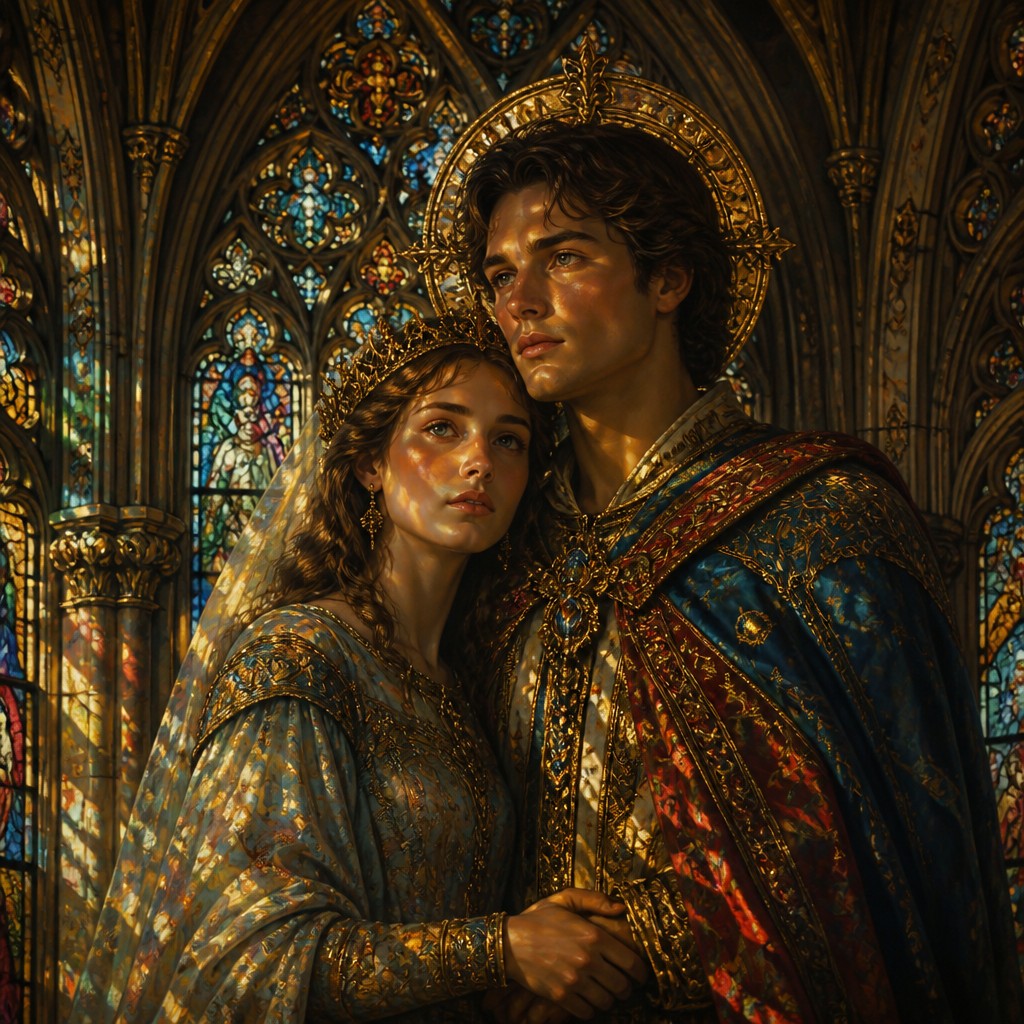
Try It On Your Photos
Upload any photo and convert it into Gothic Cathedral Art — drag the sliders to compare before and after.
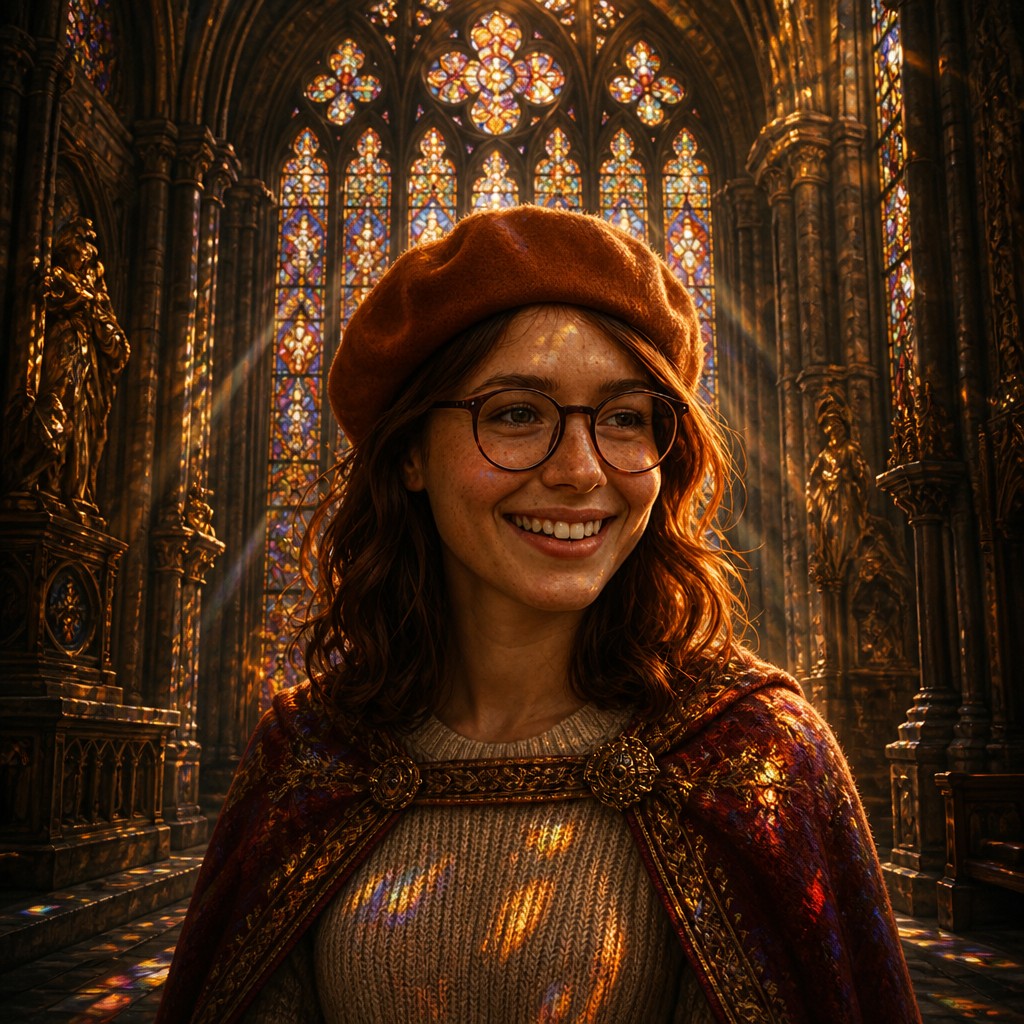

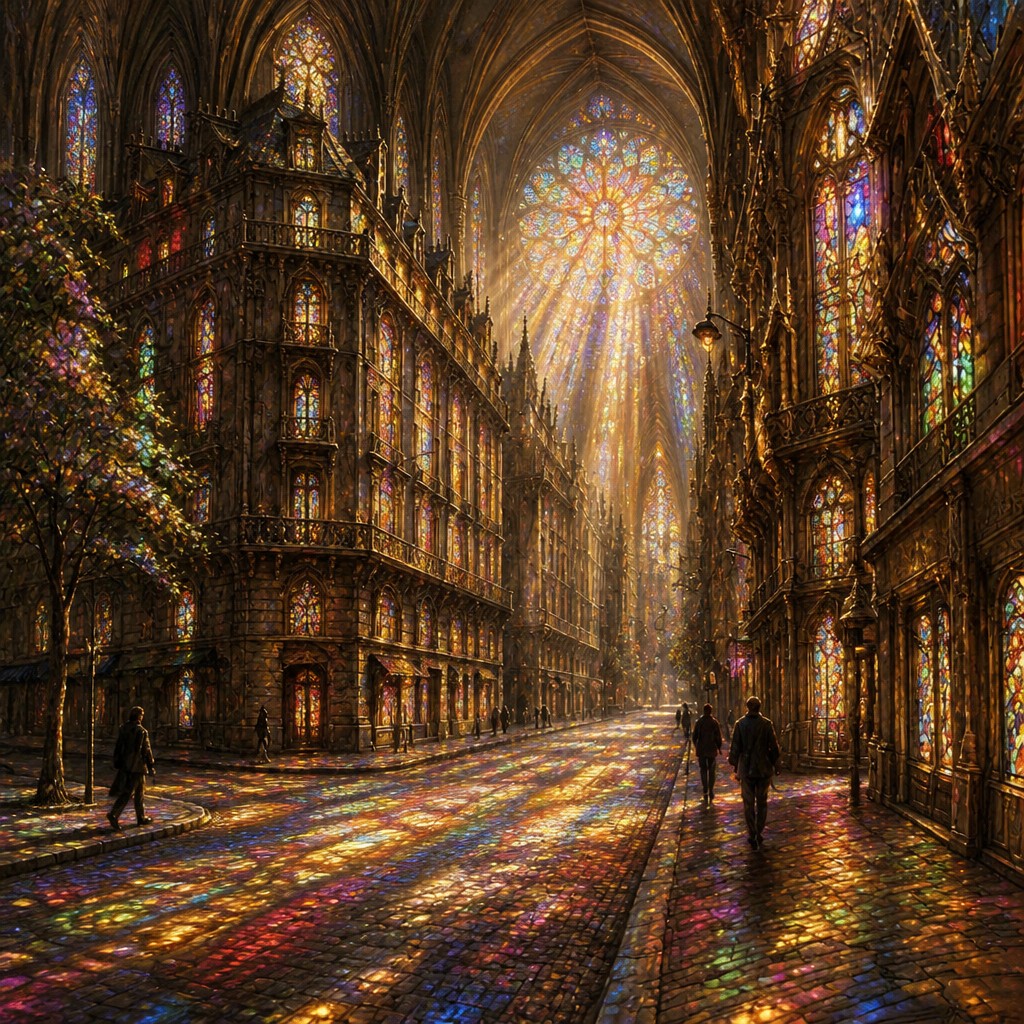

What Defines Gothic Cathedral Art
The signature details, up close
Vertical composition
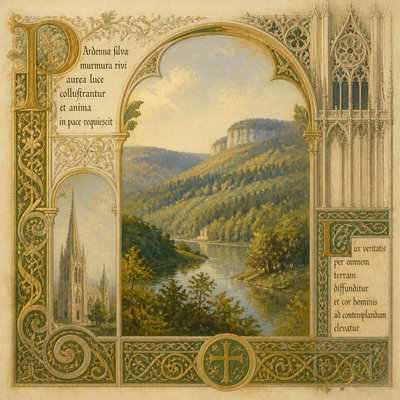
Forms are often arranged to emphasize height, ascent, and transcendence. Pointed arches, spires, and elongated figures direct the eye upward and create a sense of spiritual striving.
Stained-glass color light
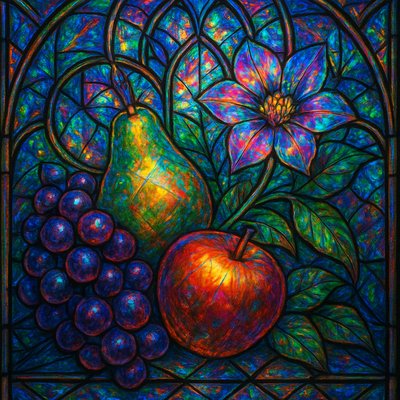
Light passes through jewel tones such as ruby, sapphire, emerald, and amber, producing radiant color patterns. This creates a luminous, reverent atmosphere rather than flat illumination.
Ornate Gothic architecture
Tracery, ribbed vaults, pinnacles, filigree, and carved stone details frame the subject. The architecture is not merely background; it is part of the style’s symbolic meaning.
Sacred iconography
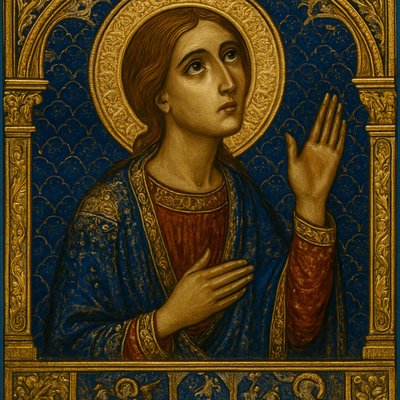
Religious sculptures, saints, altarpieces, halos, reliquaries, and devotional gestures commonly appear. Even secular subjects are often presented with the gravity and composure of religious imagery.
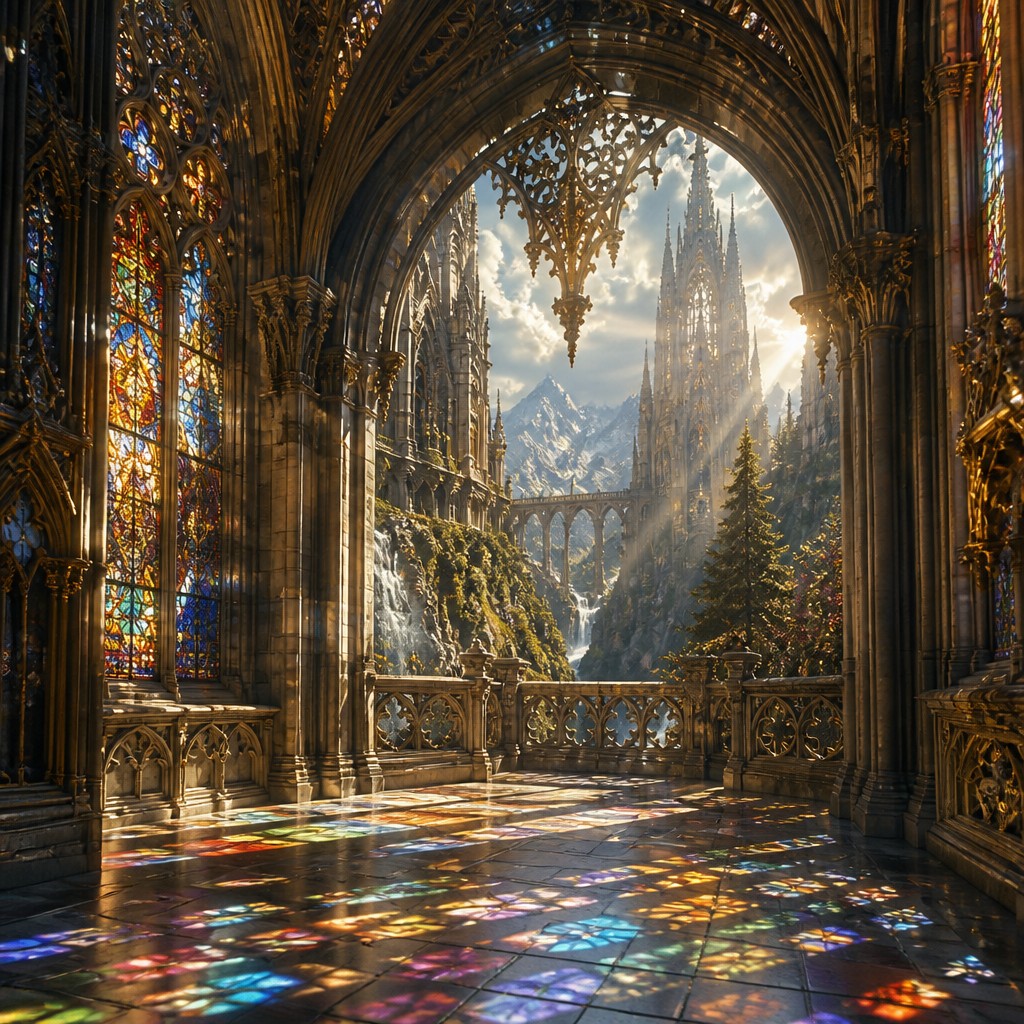
Chiaroscuro and mystery
Bright celestial highlights contrast with deep shadowed recesses, producing visual drama. The darkness is usually structural and contemplative rather than ominous for its own sake.
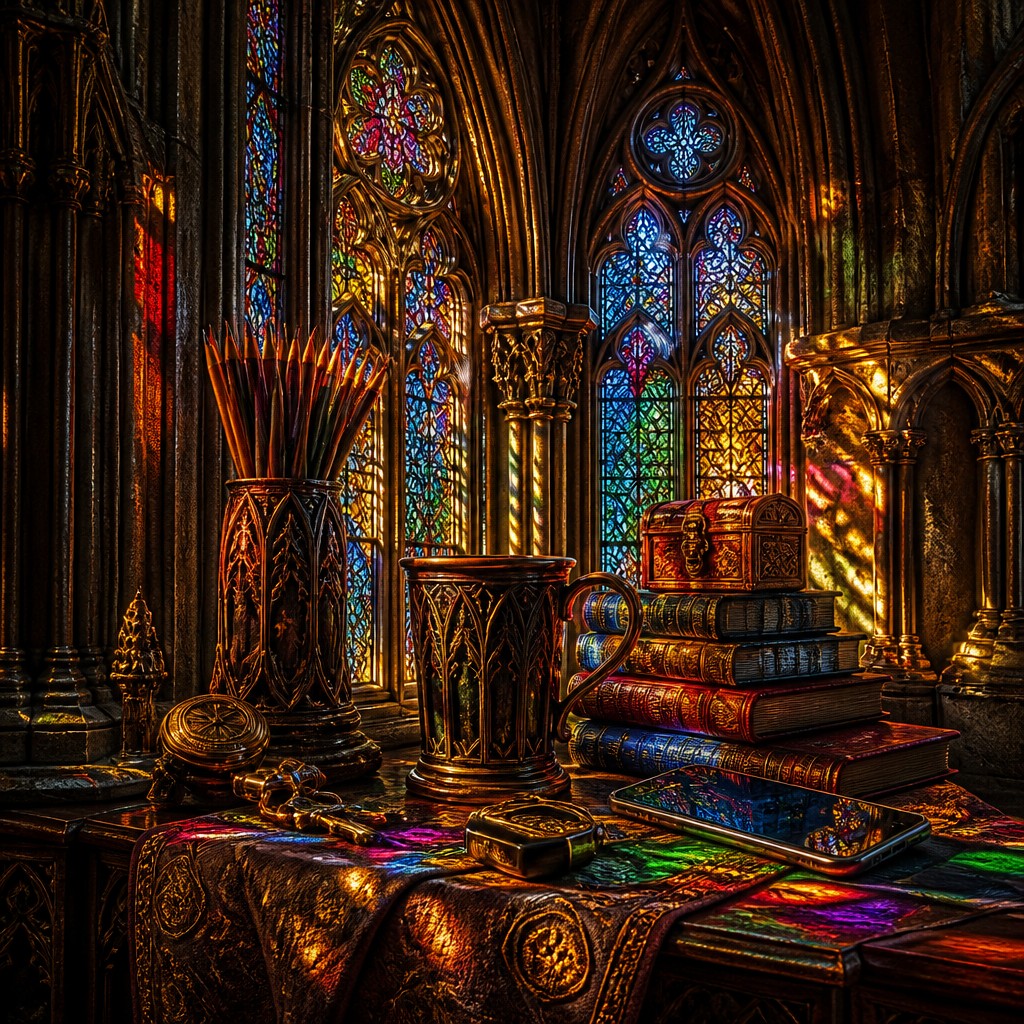
Stone, gold, and age
Materials are rendered with tactile realism: weathered limestone, polished bronze, gilded details, and worn surfaces. The aged quality reinforces historical depth and spiritual permanence.
Try It
Create Videos in Gothic Cathedral Art
Styles aren't just for stills — describe a scene or animate an image and get a short video rendered in Gothic Cathedral. Press play to see this pond come to life.
Make a VideoGothic Cathedral Prompt Ideas
Start from an idea — each one opens the generator with the style ready to go. See all 40 Gothic Cathedral prompts →
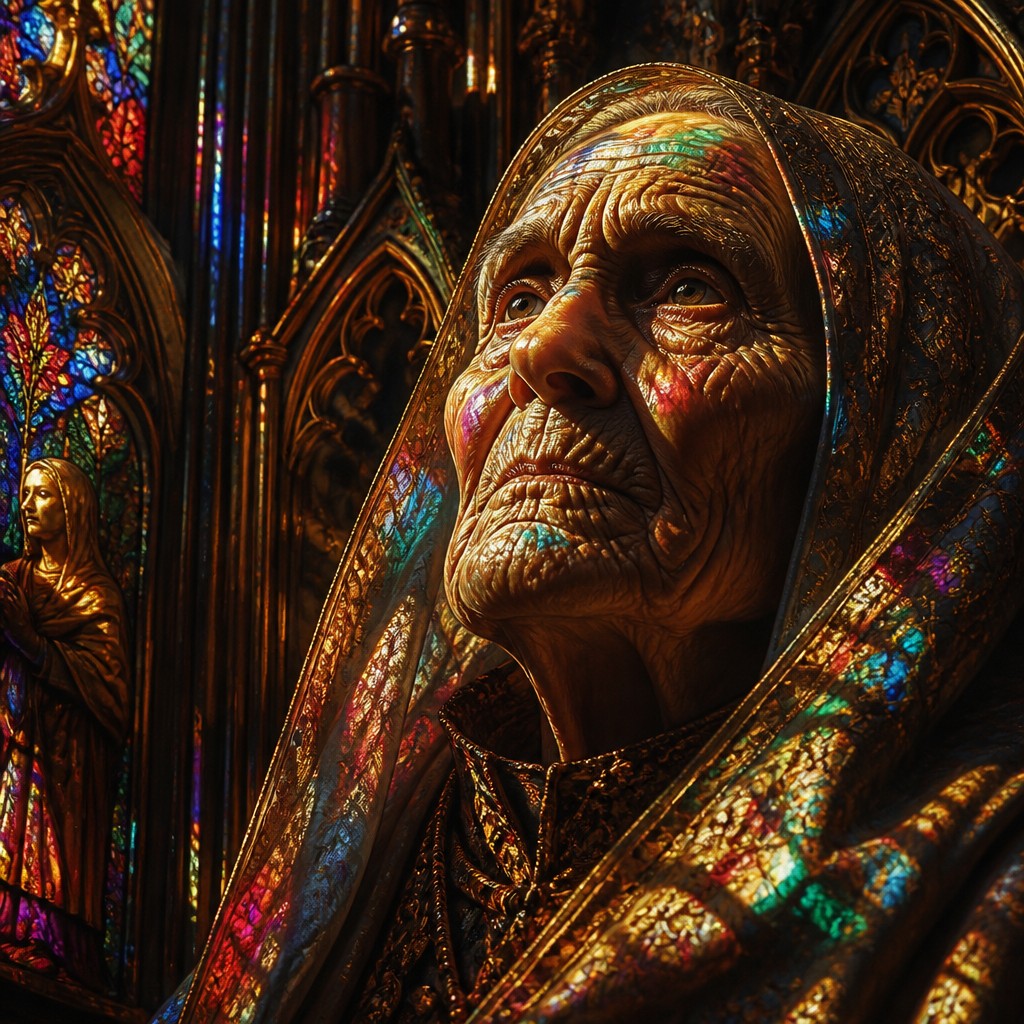
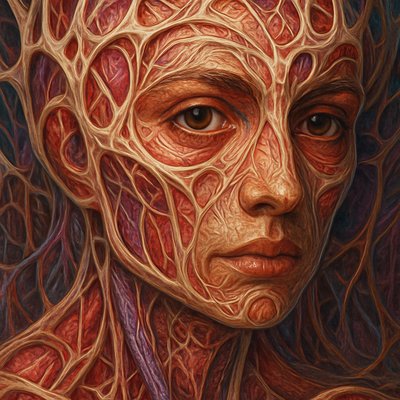
“close-up portrait of an elderly person with expressive weathered features”
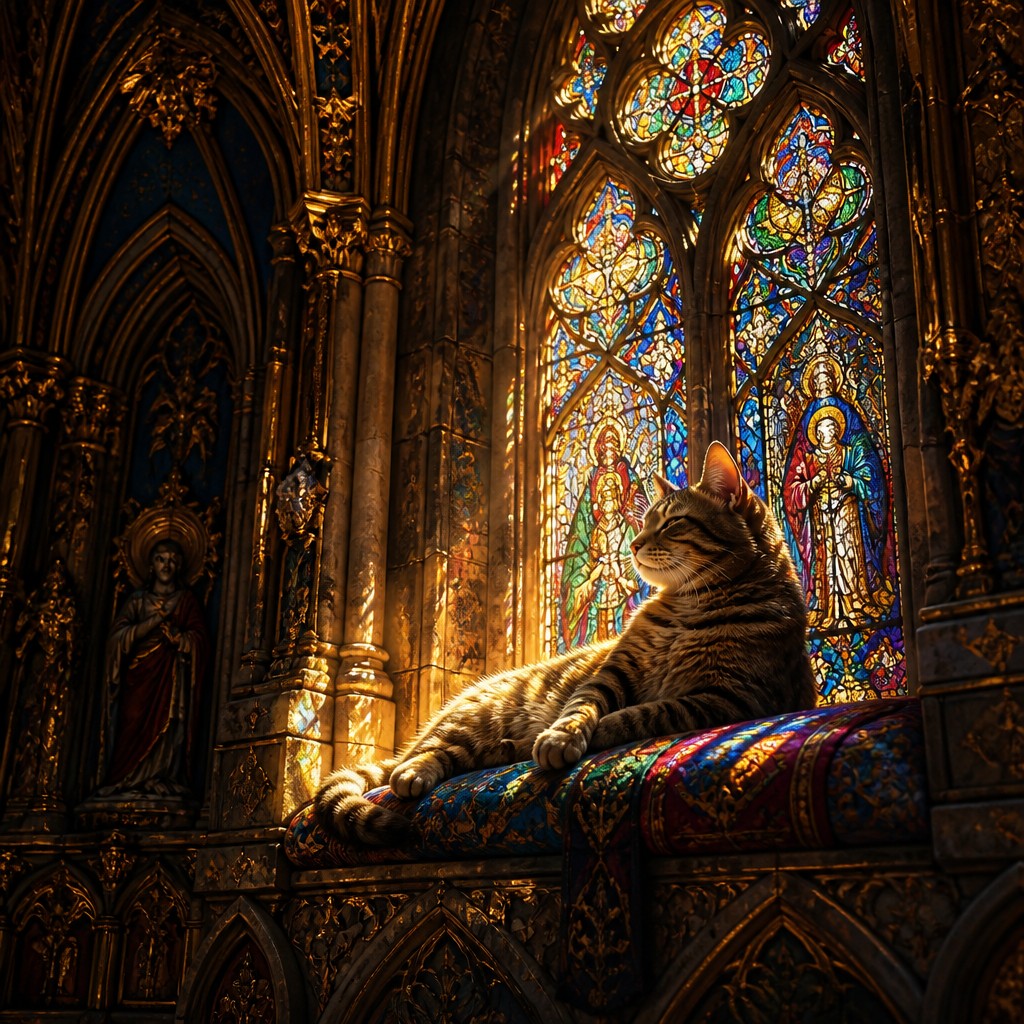
“a cat lounging in a sunlit window”
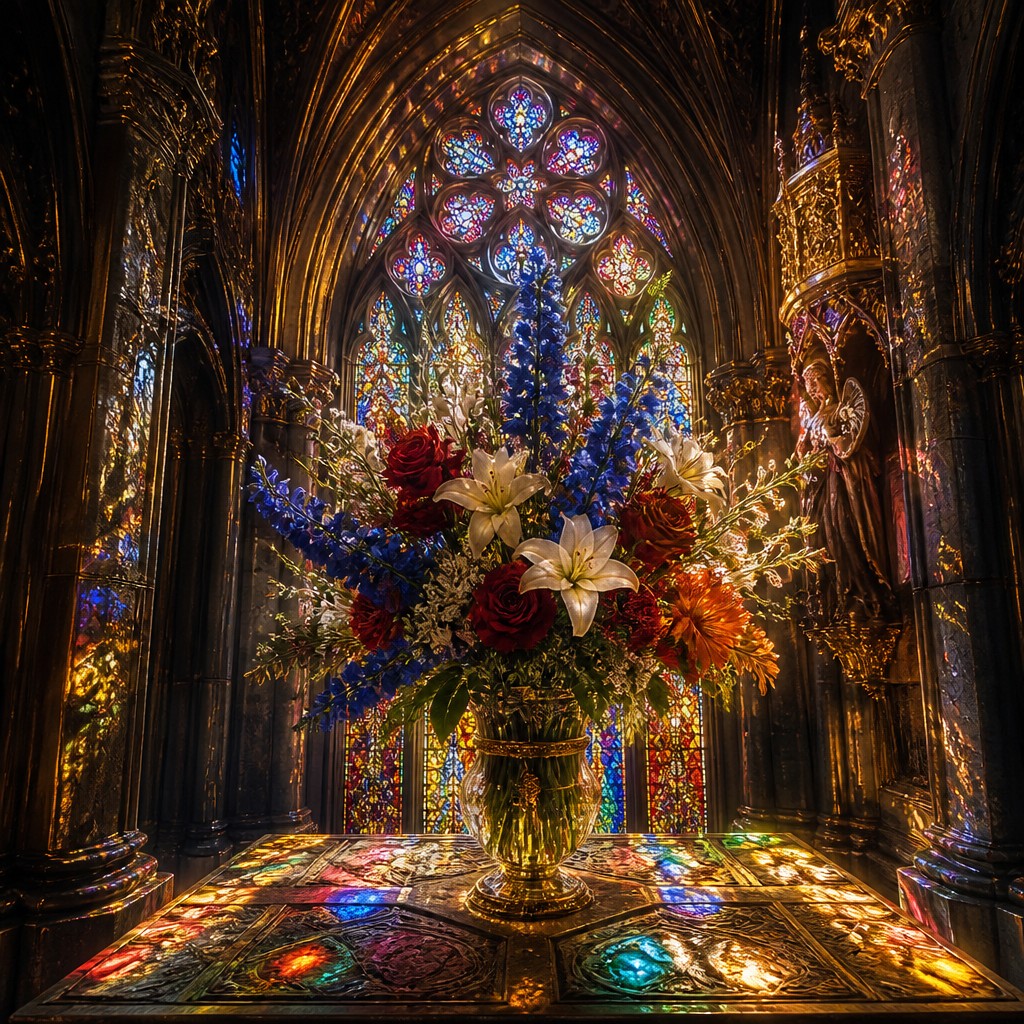
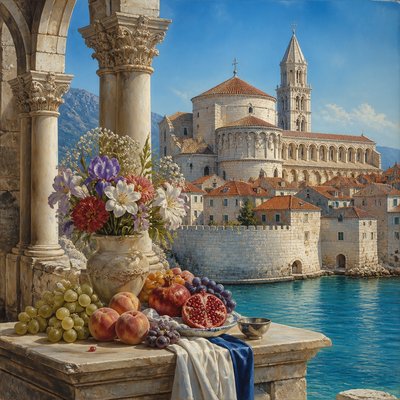
“bouquet of flowers in a glass vase”
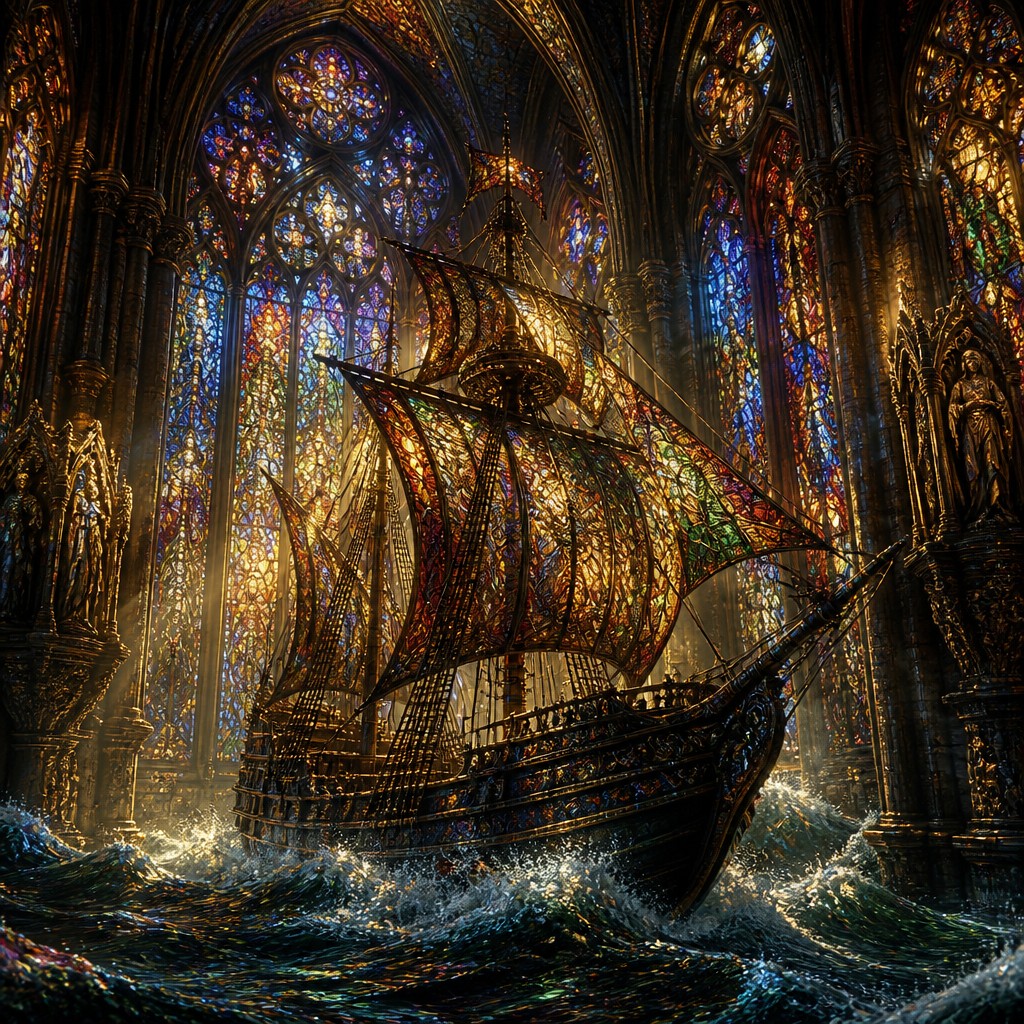
“sailing ship on a stormy sea”
How to Create Gothic Cathedral Art
Master the craft step by step — or skip straight to creating. Read the full guide →
- 1
Build the composition around cathedral structure
Use pointed arches, clustered columns, rose windows, or vaulted ceilings as framing devices. In painting or illustration, sketch the architecture first so the entire image inherits a Gothic rhythm of vertical lines and ornamental symmetry.
- 2
Design lighting as if it passes through stained glass
Replace neutral light with colored illumination in ruby, cobalt, emerald, and gold. Strong directional light and colored cast shadows help the scene feel ceremonial rather than simply decorative.
- 3
Layer textures and surface detail
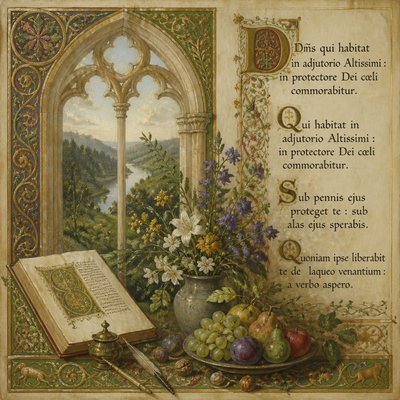
Combine rough stone, carved filigree, polished metal, and patterned glass to create visual richness. In digital work, use detailed texture brushes and subtle weathering; in traditional media, build surfaces through glazing, cross-hatching, and fine linework.
- 4
Use devotional poses and symbolic objects
Figures should appear contemplative, reverent, or icon-like, with controlled gestures and frontal or three-quarter presentation. Add candles, books, reliquaries, incense, crowns, or saints’ attributes to reinforce the sacred tone.
- 5
If generating from text, specify mood and architecture clearly
Prompt for cathedral interiors, stained-glass illumination, carved stone, gilded accents, and a hushed atmosphere. Strong subject prompts work best when paired with visual instructions about verticality, color, and chiaroscuro.
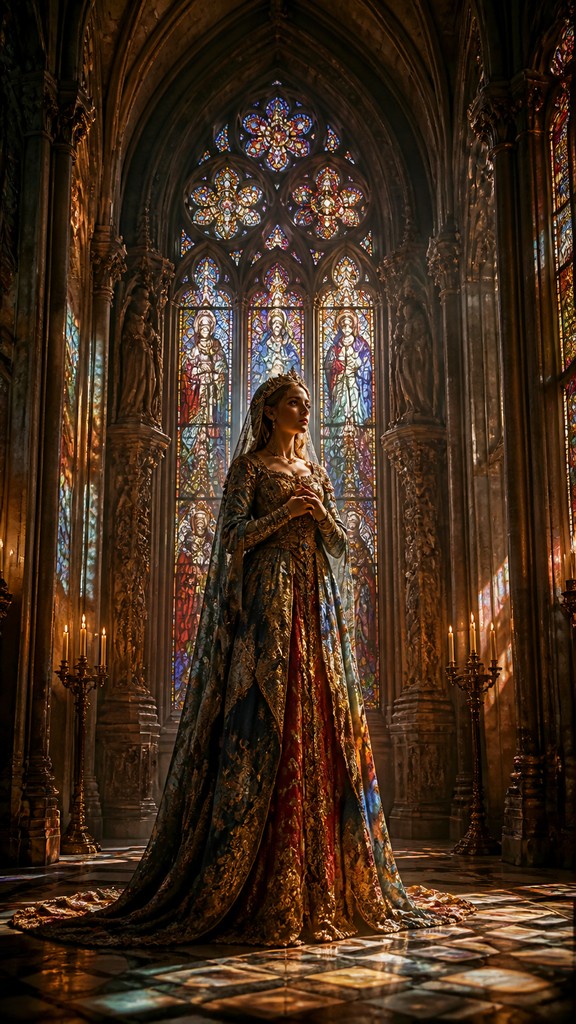
The Story
History & Origins of Gothic Cathedral
Gothic Cathedral Art is rooted in the visual culture of medieval Gothic architecture, which emerged in 12th-century France and spread across Europe through the High and Late Middle Ages. Cathedrals such as Saint-Denis, Chartres, Reims, and Amiens established a vocabulary of pointed arches, flying buttresses, rose windows, and stained glass that shaped both architecture and religious imagery. The style is therefore not a single modern school of painting but a devotional aesthetic drawn from cathedral spaces, ecclesiastical sculpture, manuscript illumination, and liturgical objects.
In later centuries, Gothic imagery was revived and reinterpreted by the Gothic Revival of the 18th and 19th centuries, and by subsequent fantasy, illustration, and digital art traditions that use medieval architecture as a symbol of mystery, faith, and solemn beauty. Contemporary uses often synthesize historical church ornament with cinematic lighting and highly detailed digital rendering, but the lineage remains anchored in medieval sacred art and the symbolic power of cathedral interiors.
Influences: This style draws most directly from High Gothic and Late Gothic cathedral architecture, medieval ecclesiastical sculpture, and stained-glass design, especially the visual programs associated with French Gothic cathedrals. Its later reinterpretations also connect to the Gothic Revival of the 18th and 19th centuries and to fantasy illustration that uses medieval sacred spaces as symbols of transcendence. In broader art history, it shares devotional intensity with medieval manuscript illumination and with the liturgical splendor found in Byzantine and Romanesque church art, though its spatial drama is distinctly Gothic.

Frequently Asked Questions
What defines Gothic Cathedral Art?
It is defined by cathedral architecture, stained-glass lighting, sacred symbolism, and a solemn sense of vertical grandeur. The style emphasizes carved stone detail, jewel-toned color, and an atmosphere of reverence or mystical awe.
Is Gothic Cathedral Art the same as Gothic art?
Not exactly. Gothic art is the broader historical medieval style that includes architecture, sculpture, painting, and manuscript illumination from roughly the 12th to 15th centuries. Gothic Cathedral Art is a more focused visual category centered specifically on cathedral spaces and their sacred light.
How is it different from dark fantasy or horror gothic imagery?
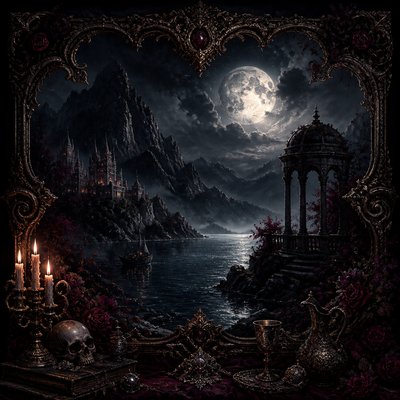
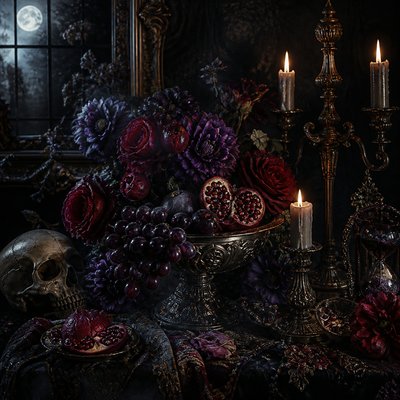
Dark fantasy gothic often emphasizes decay, menace, or the supernatural, while Gothic Cathedral Art centers on devotion, architectural splendor, and divine radiance. It can be dramatic and shadowed, but its emotional core is usually spiritual rather than threatening.
What subjects work best in this style?
Religious figures, saints, angels, kings, monks, cathedrals, altars, and processions fit especially well. Even portraits or symbolic scenes can work if they are framed by Gothic architecture and lit with stained-glass color.
How do I make a modern image look like this style?
Focus on vertical framing, ornate architectural detail, and colored light. A modern subject can be transformed by placing it in a cathedral interior, adding stone tracery and gilded ornament, and using a restrained, reverent pose.
Where is this style commonly used today?
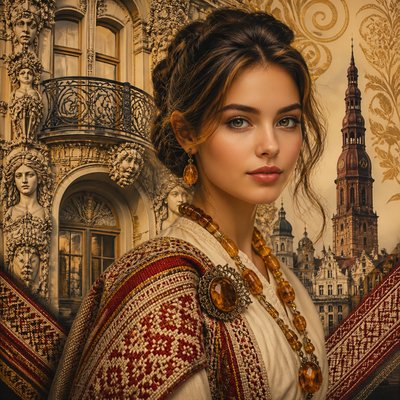
It appears in fantasy illustration, book covers, game art, religious imagery, album art, and architectural concept art. It is also used in decorative portraiture and atmospheric scenes that aim for grandeur, spirituality, or medieval symbolism.
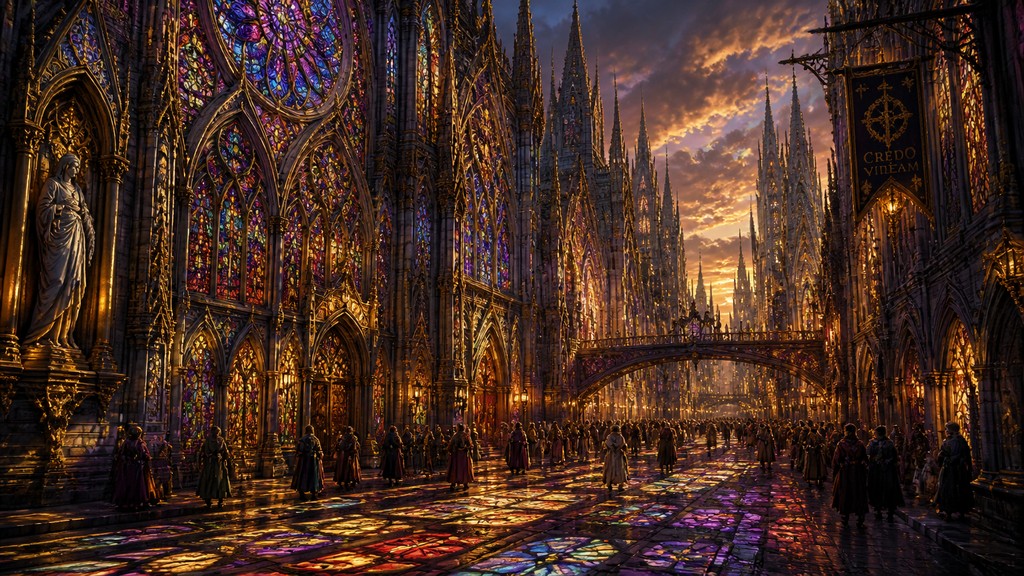
Create your first Gothic Cathedral artwork
Describe anything — or upload a photo — and see it in Gothic Cathedral Art in seconds.
Make Something with Gothic Cathedral
Compare Gothic Cathedral
Related Styles
Discover similar art styles