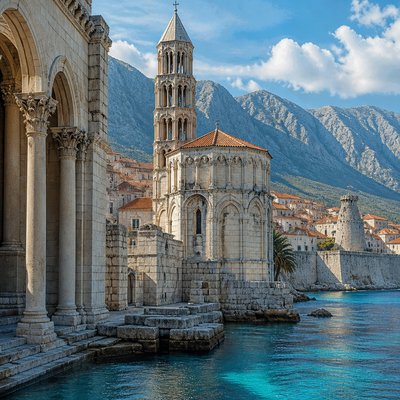
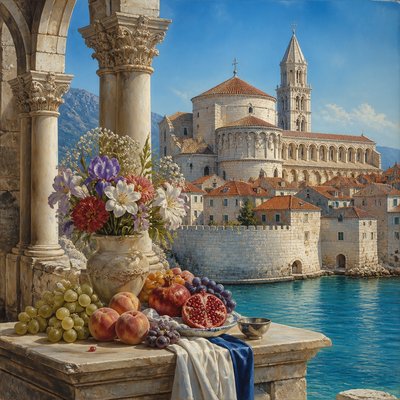
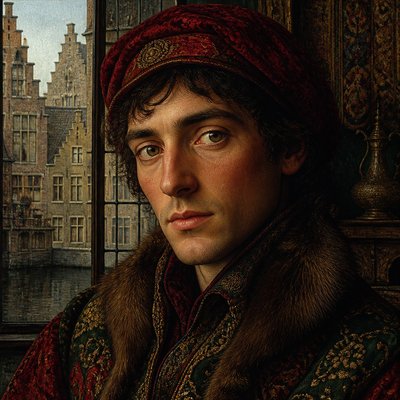
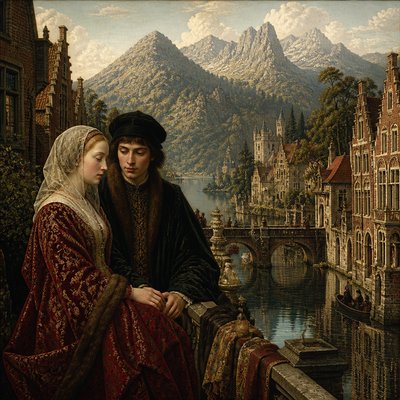
Victorian Gothic Art
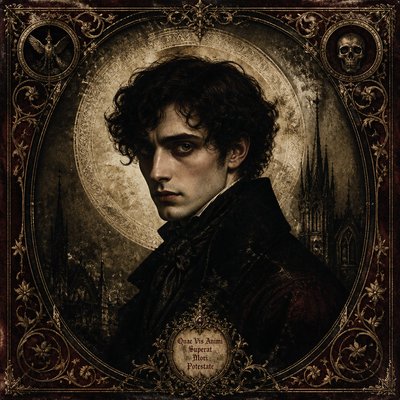
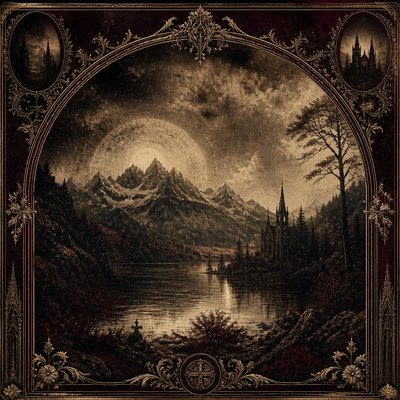
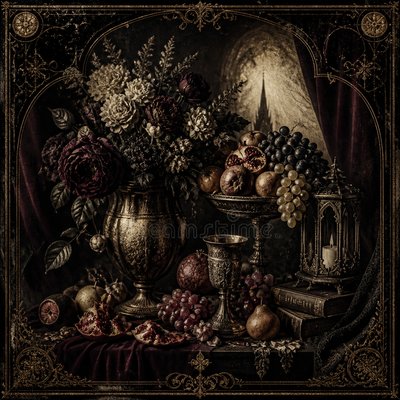
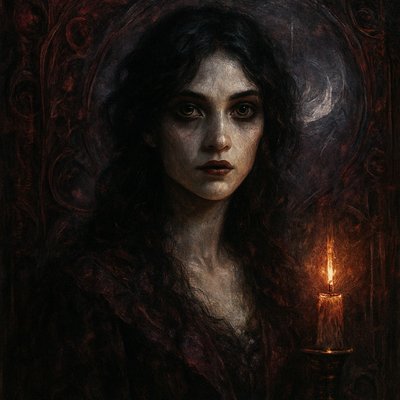
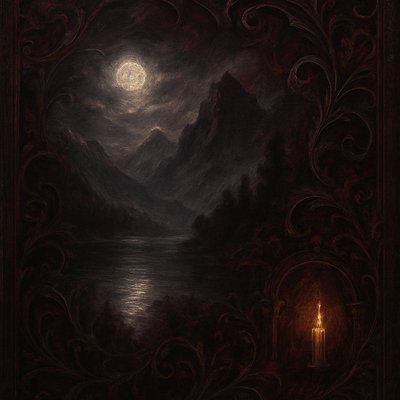
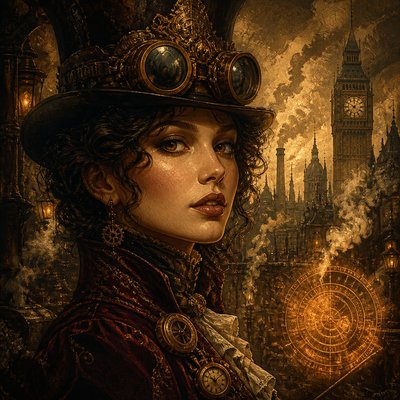
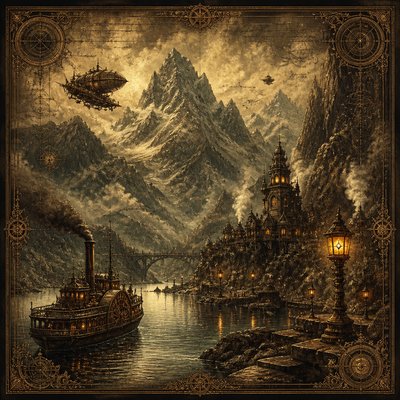
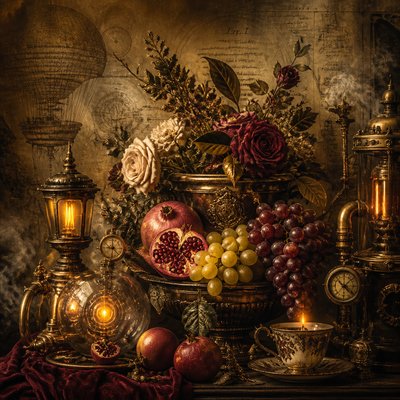
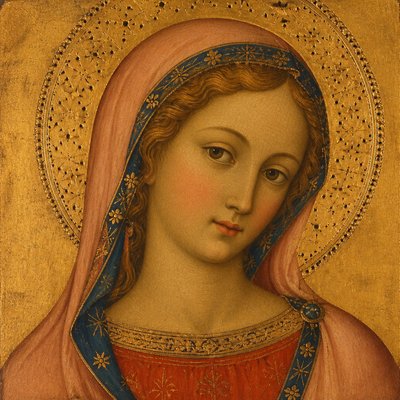
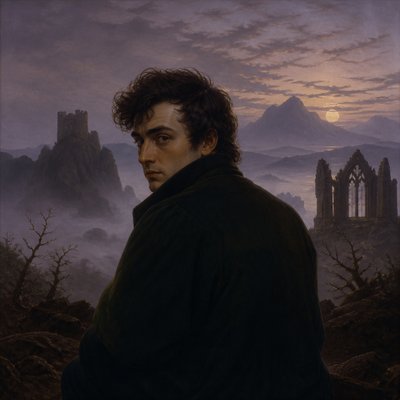
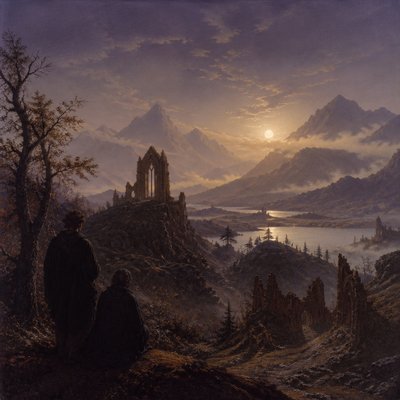
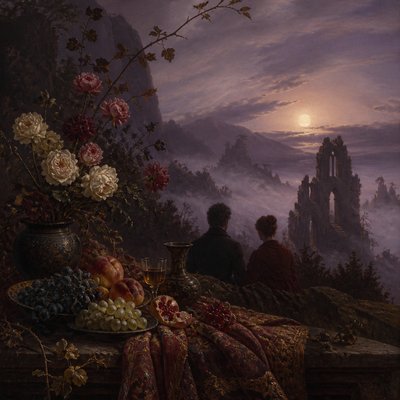
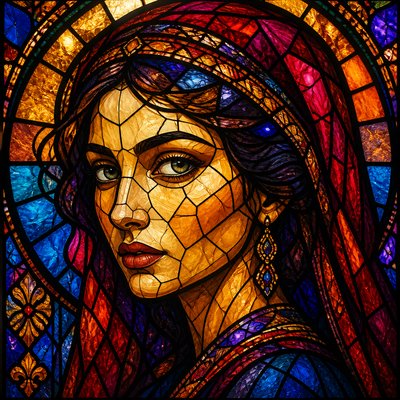
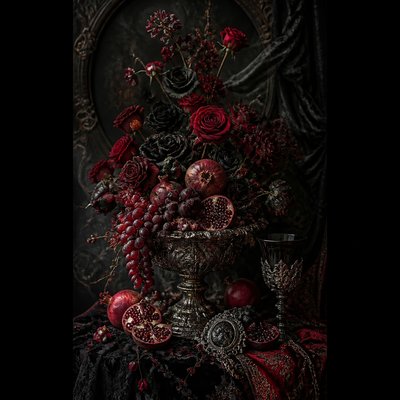
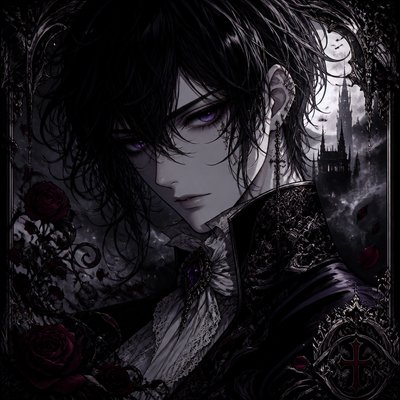
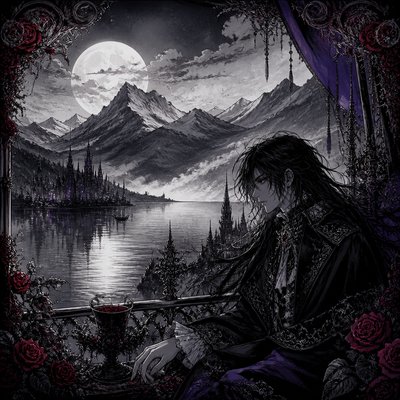
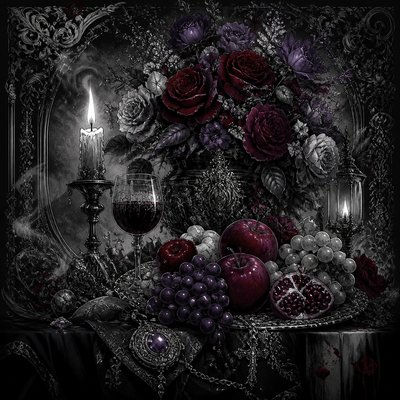
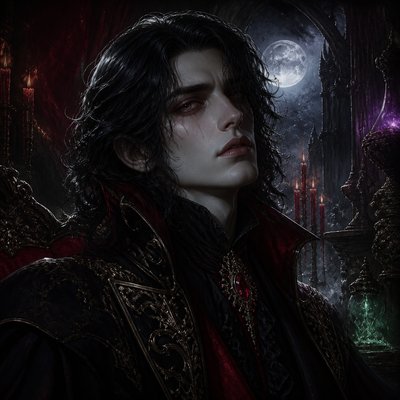
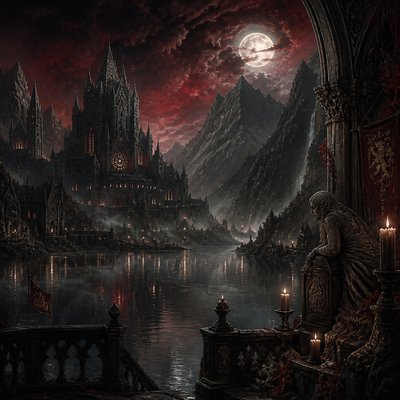
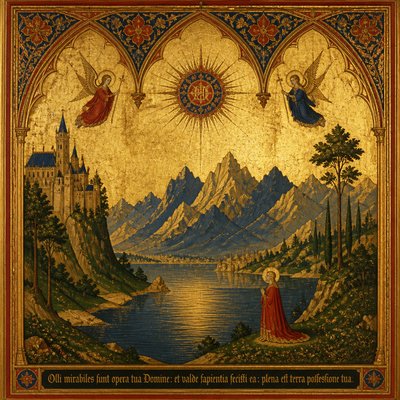
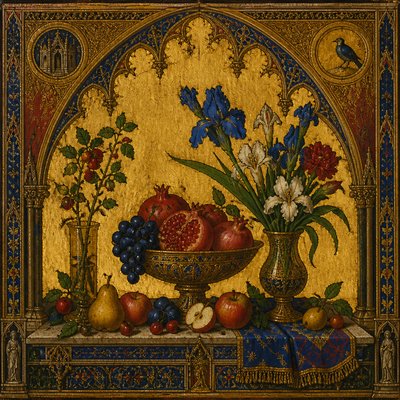
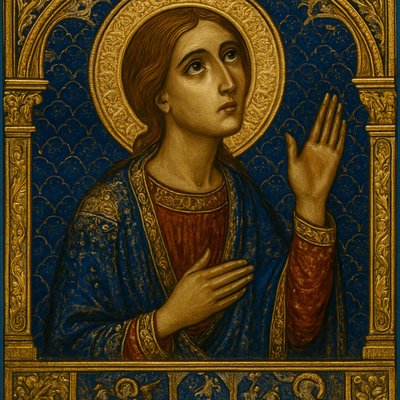
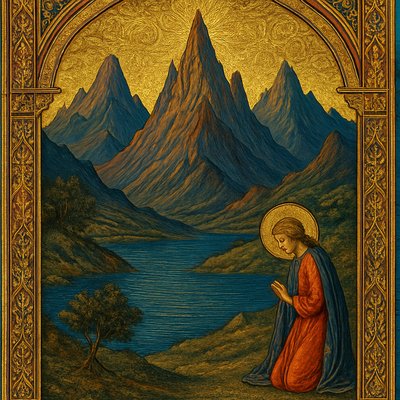
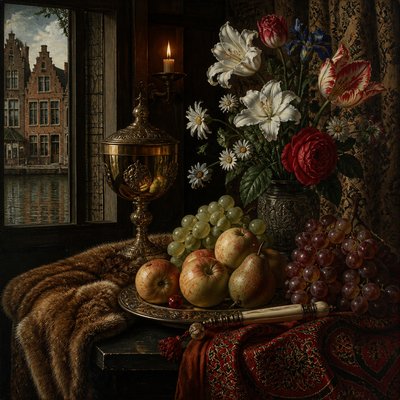
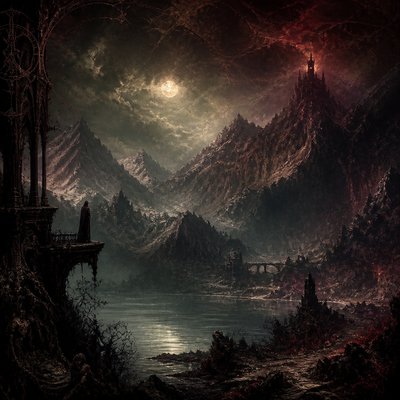
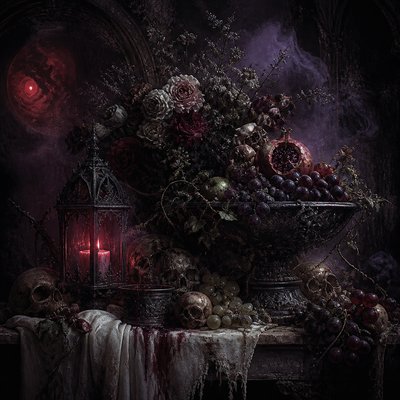
19th-century Gothic Revival mood with mourning symbolism, spiritualist haze, ornate filigree, and romantic darkness.
Instantly rendered in Victorian Gothic — or transform a photo
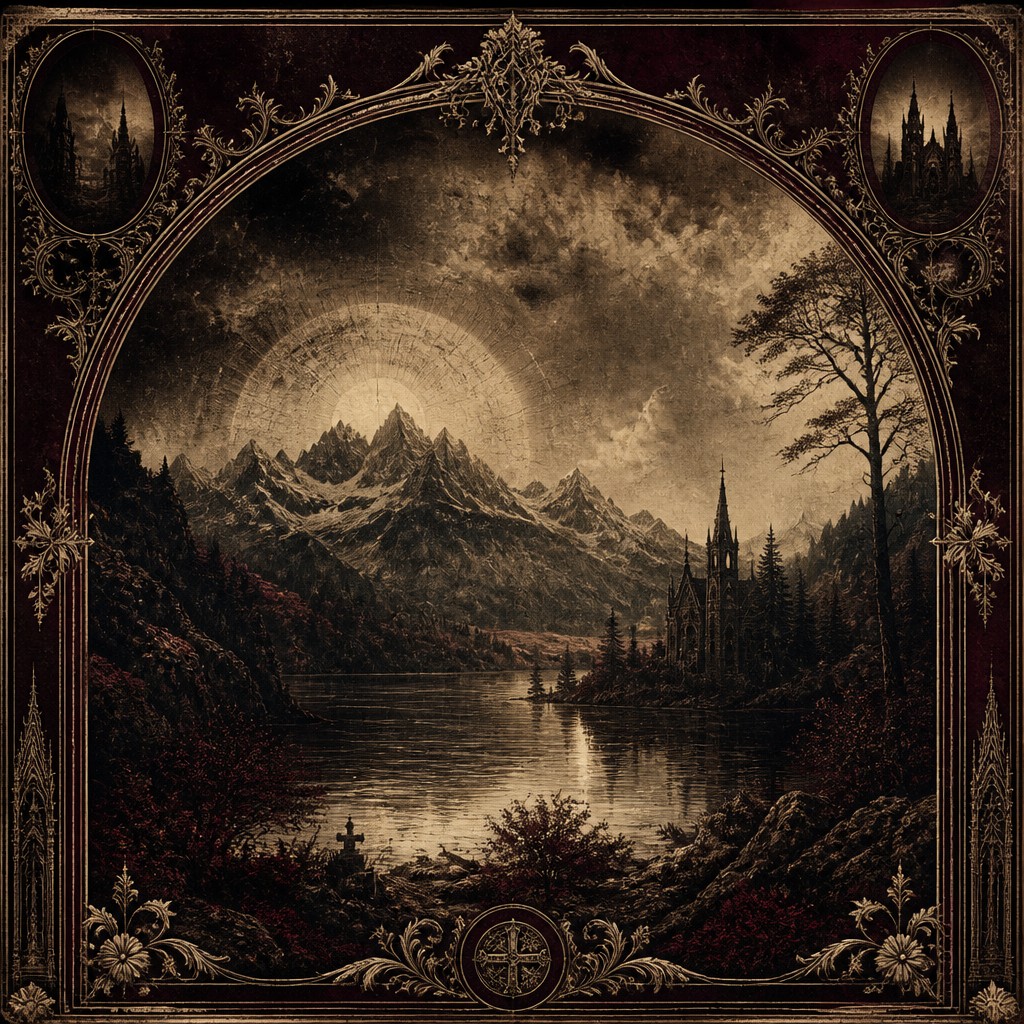
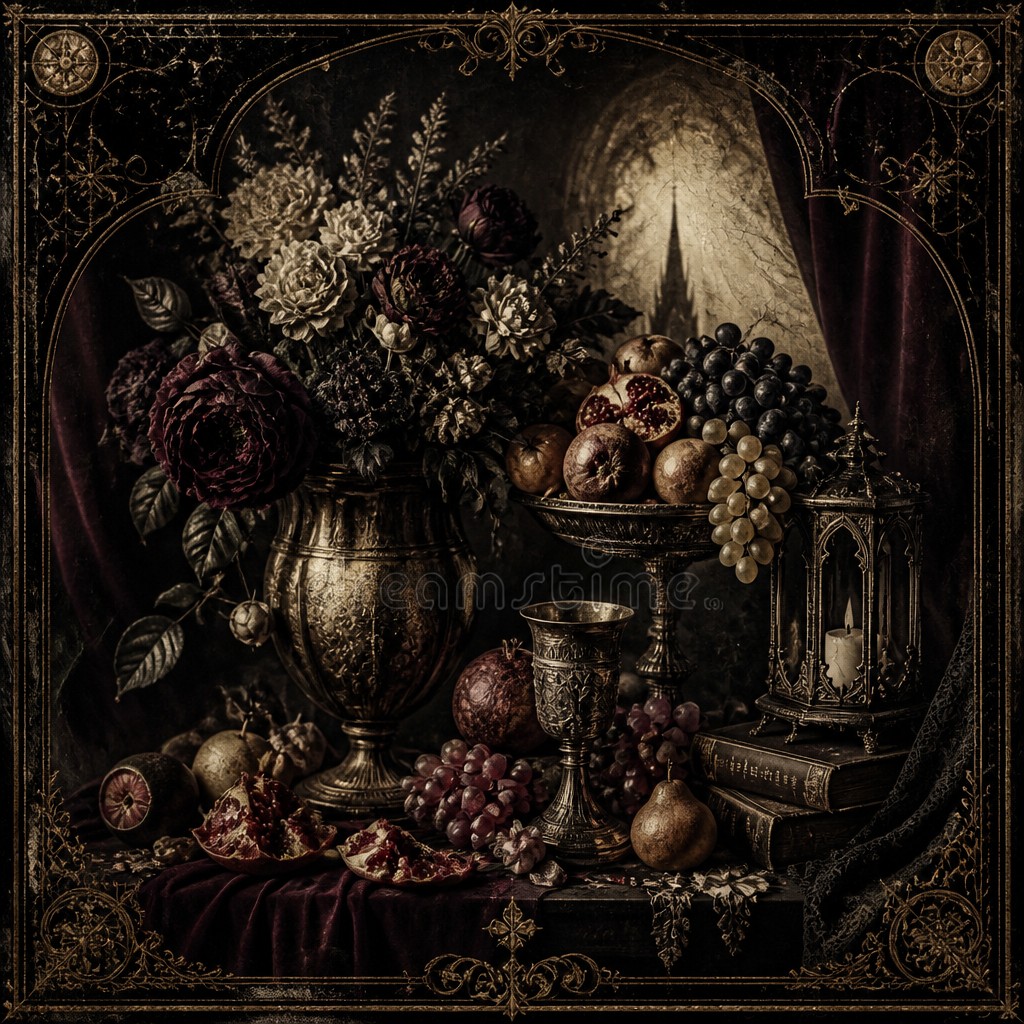
Victorian Gothic Gallery
Tap any artwork to explore it
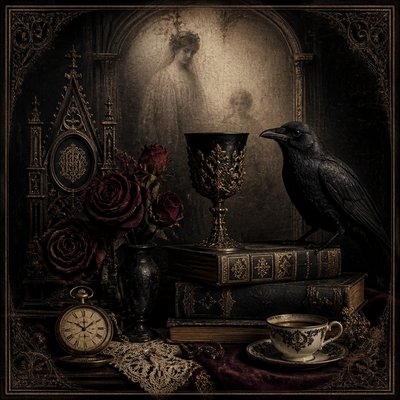
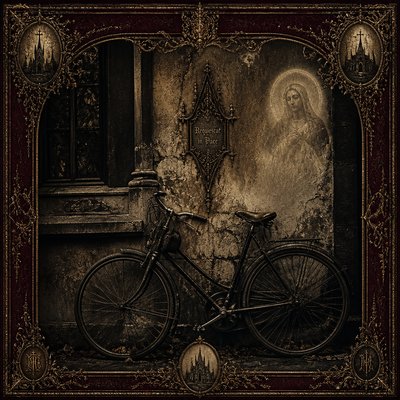
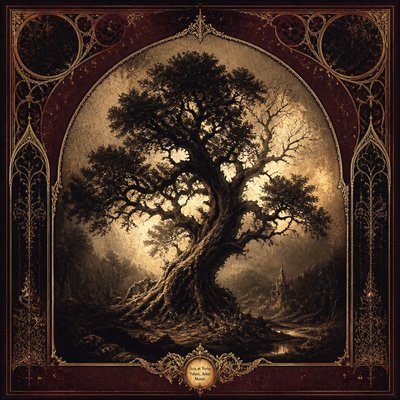
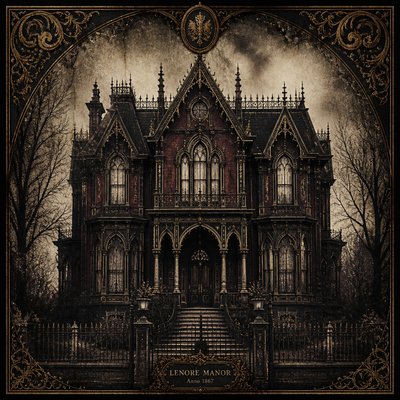
What is Victorian Gothic Art?
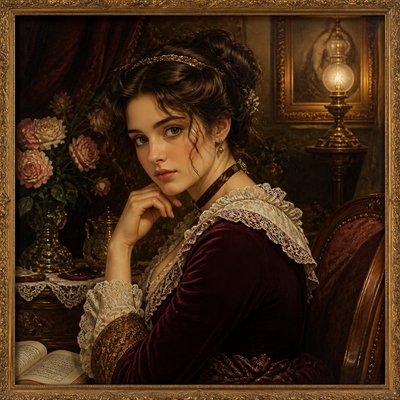
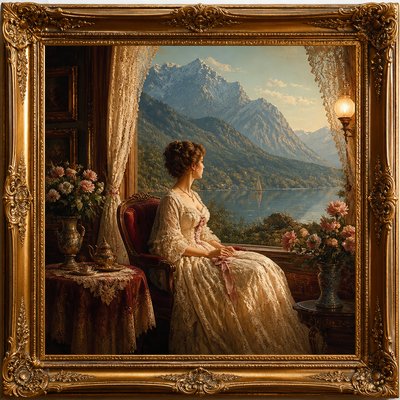
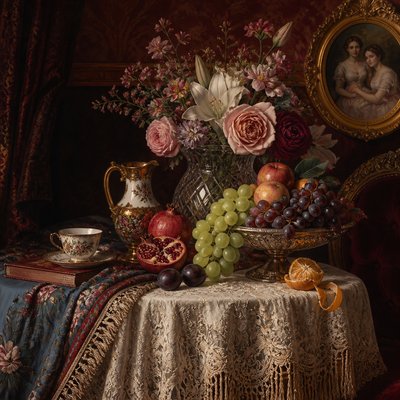
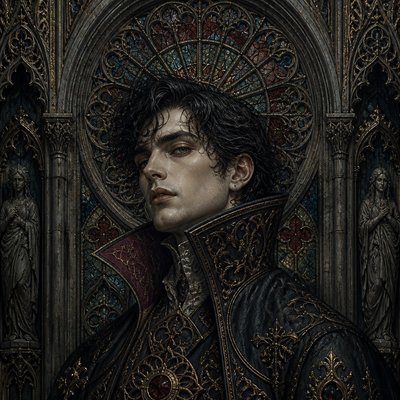
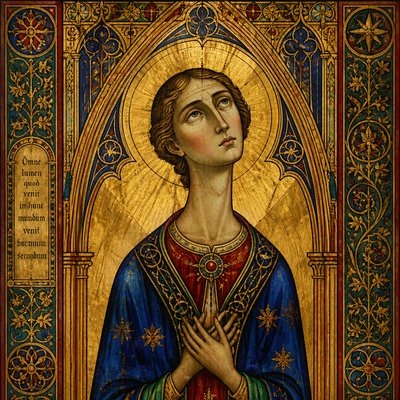
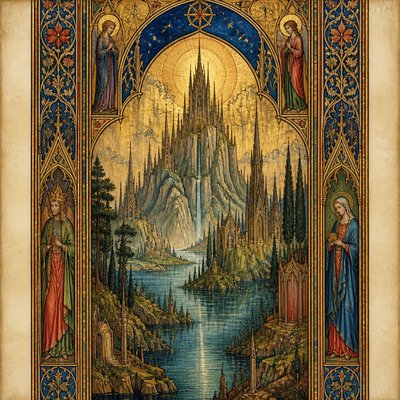
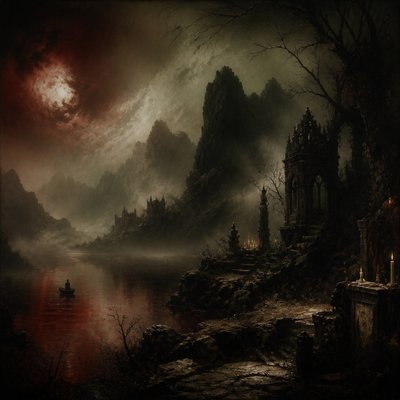
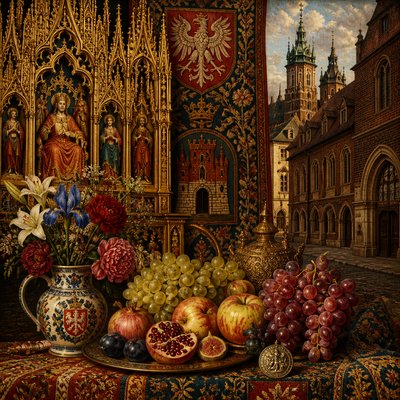
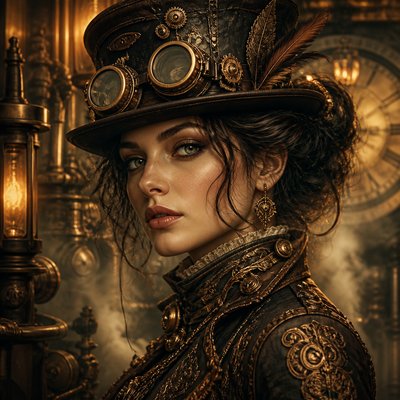
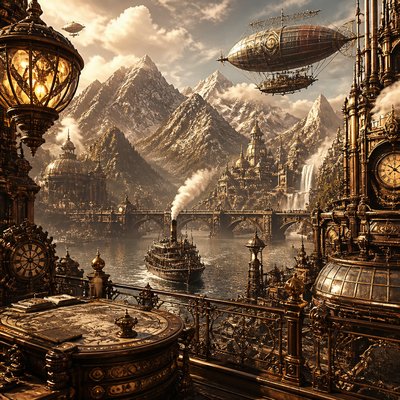
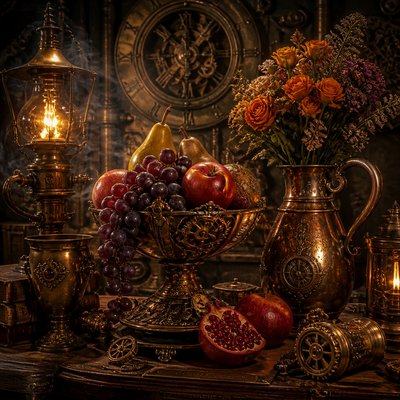
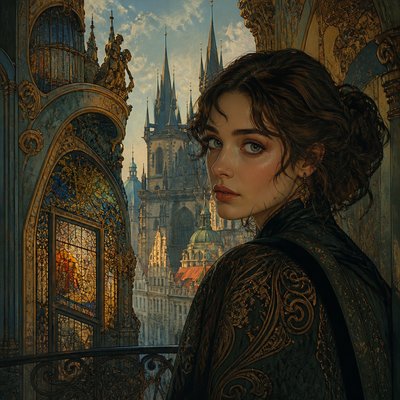
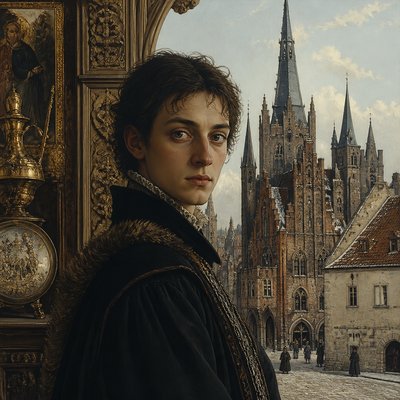
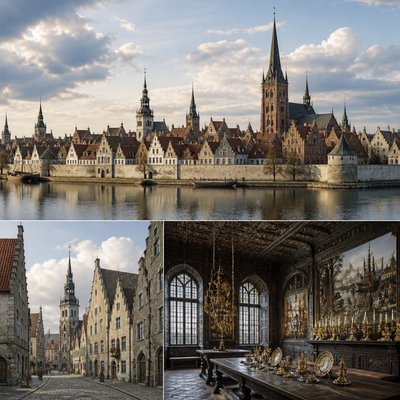
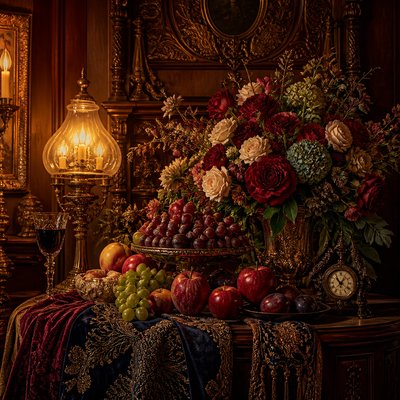
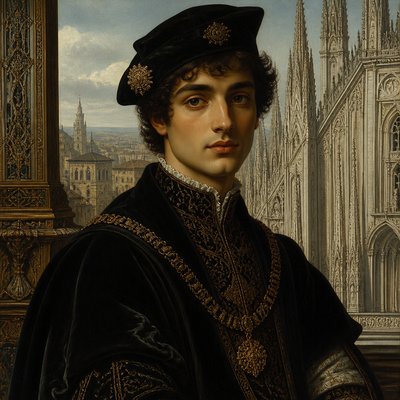
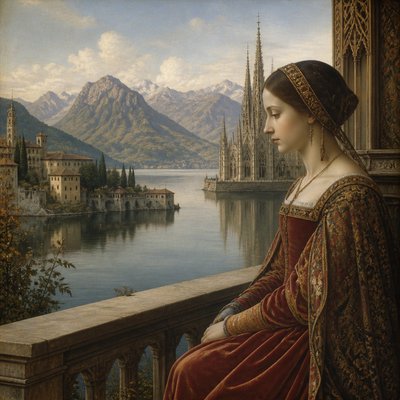
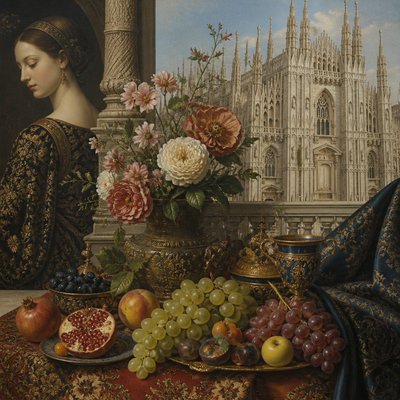
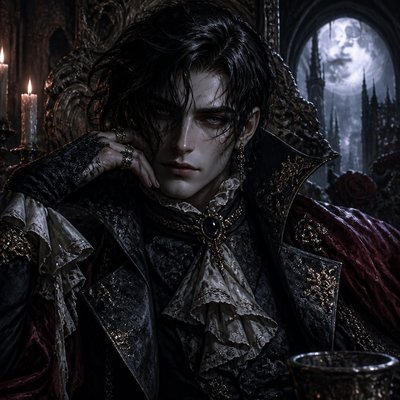
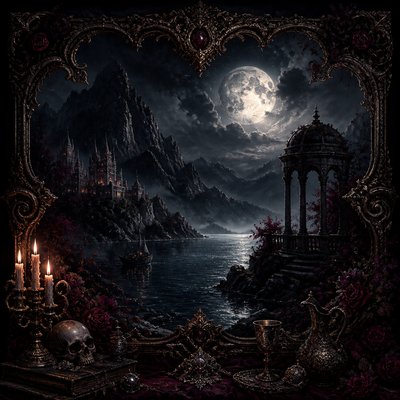
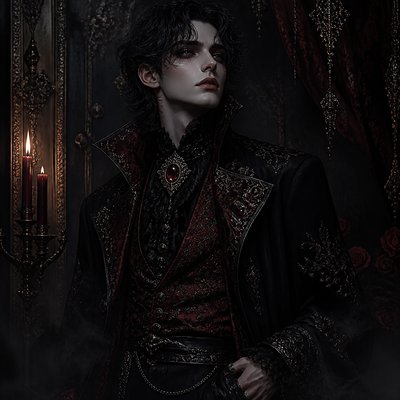
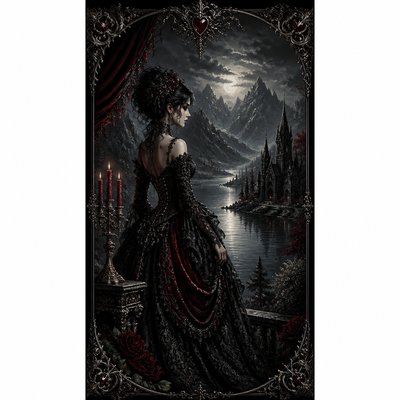
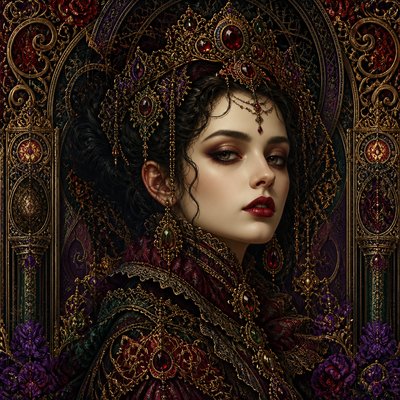
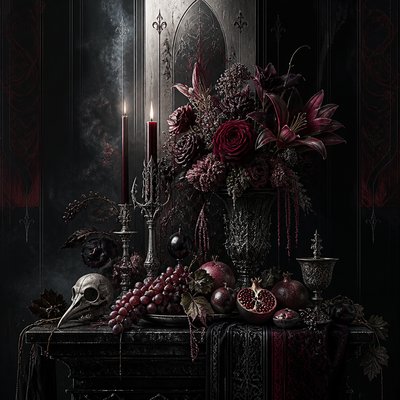
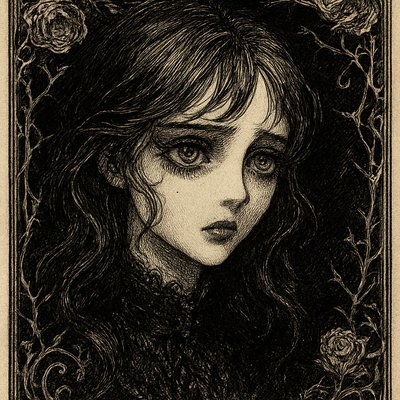
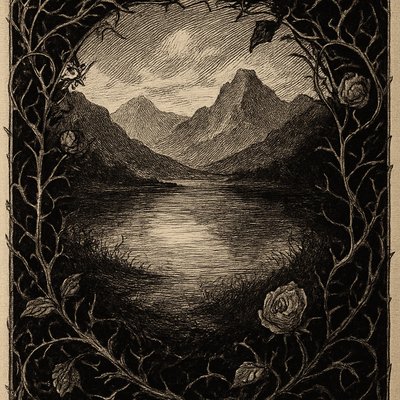
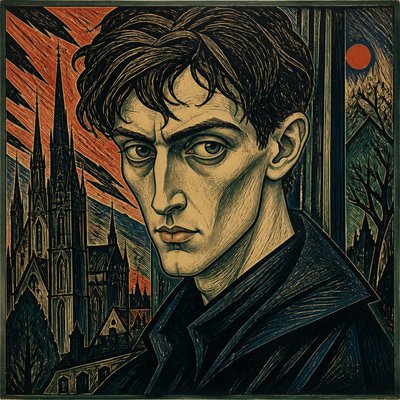
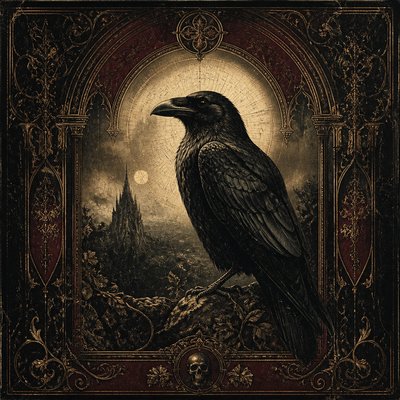
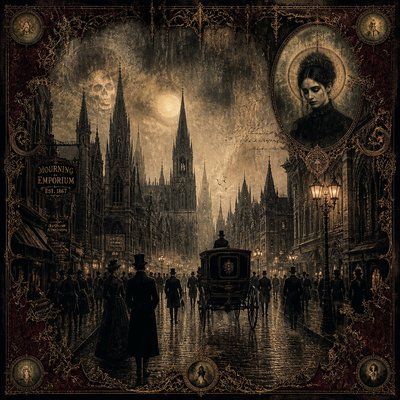
Victorian Gothic Art is the dark romantic visual language associated with the later 19th century, especially the reign of the British monarch of the era. It combines Gothic Revival architecture and ornament with mourning culture, supernatural fascination, and the era’s taste for sentiment, decay, and moral drama. The result is an image world of candlelit interiors, black lace, carved arches, memorial objects, and figures suspended between piety and melancholy.
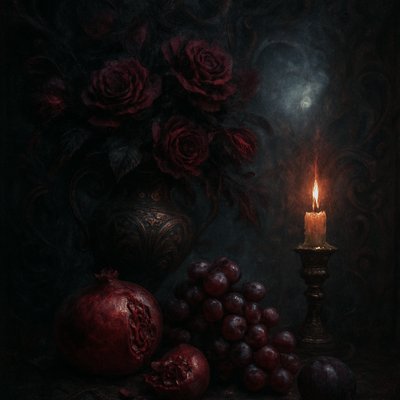
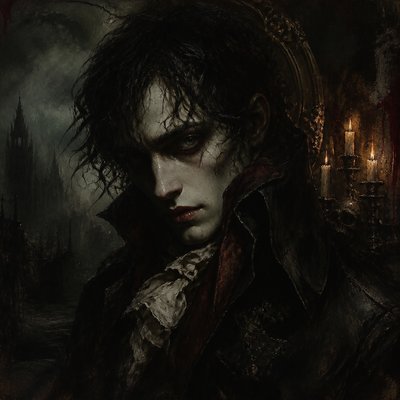
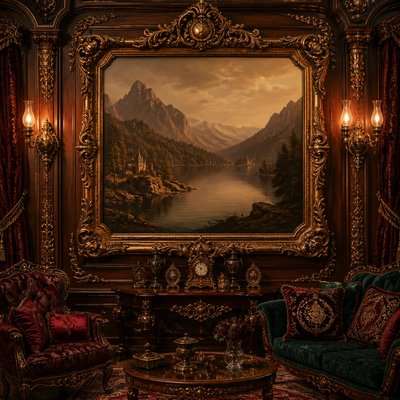
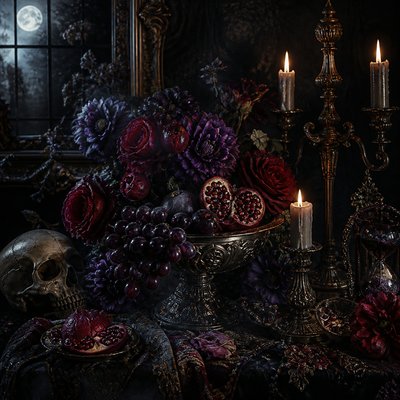
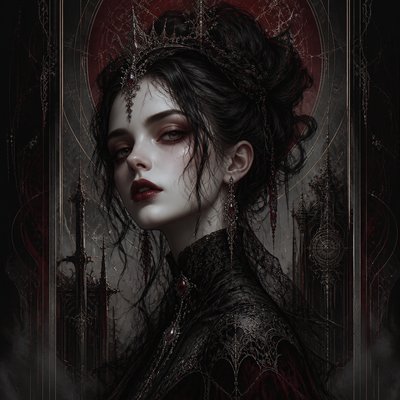
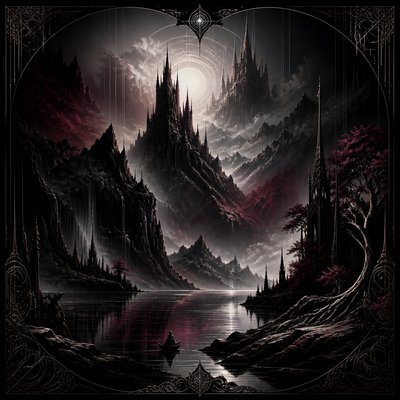
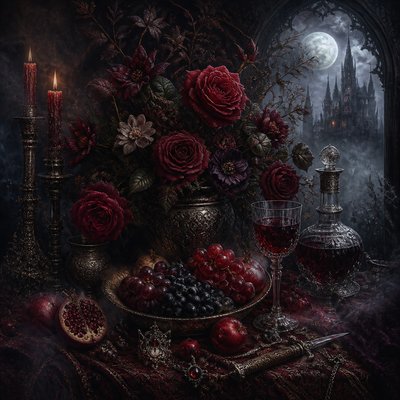
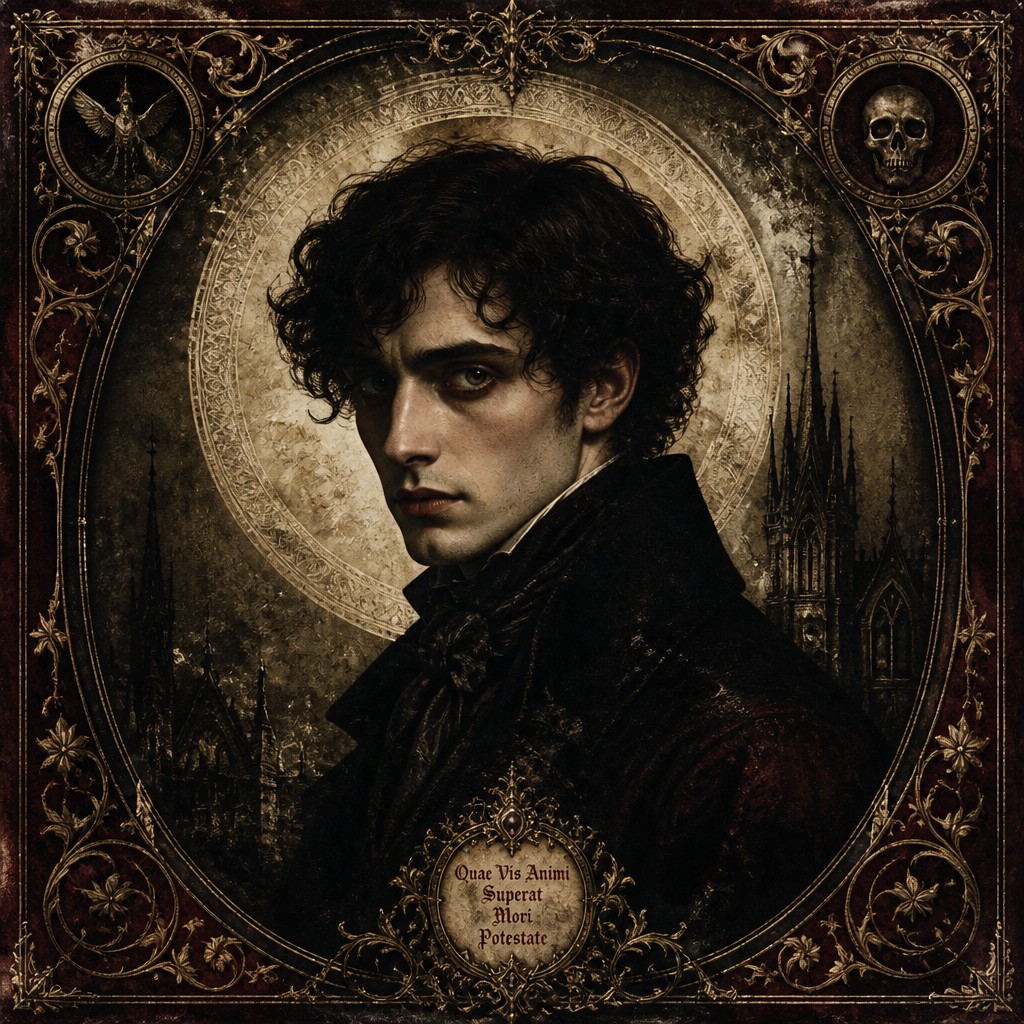
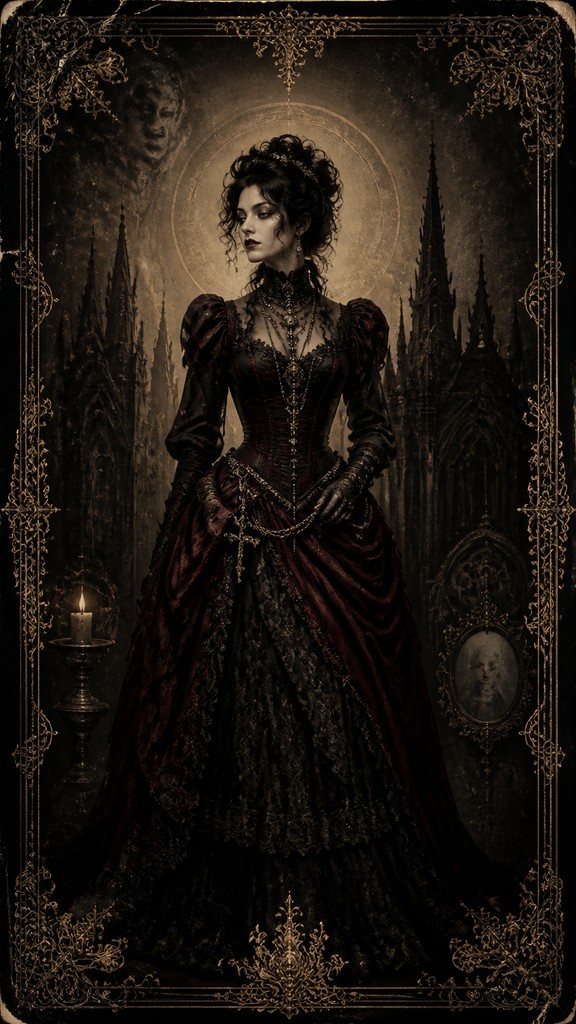
Its visual identity is built from contrast: deep burgundy and midnight black against pale ivory, tarnished gold, and sepia haze; intricate filigree beside distressed surfaces; and heavy chiaroscuro that makes faces, drapery, and architecture seem to emerge from shadow. The style feels the way it does because it draws on Victorian mourning customs, spiritualism, Gothic literature, ecclesiastical ornament, and the technical look of period photography and printmaking.
Try It On Your Photos
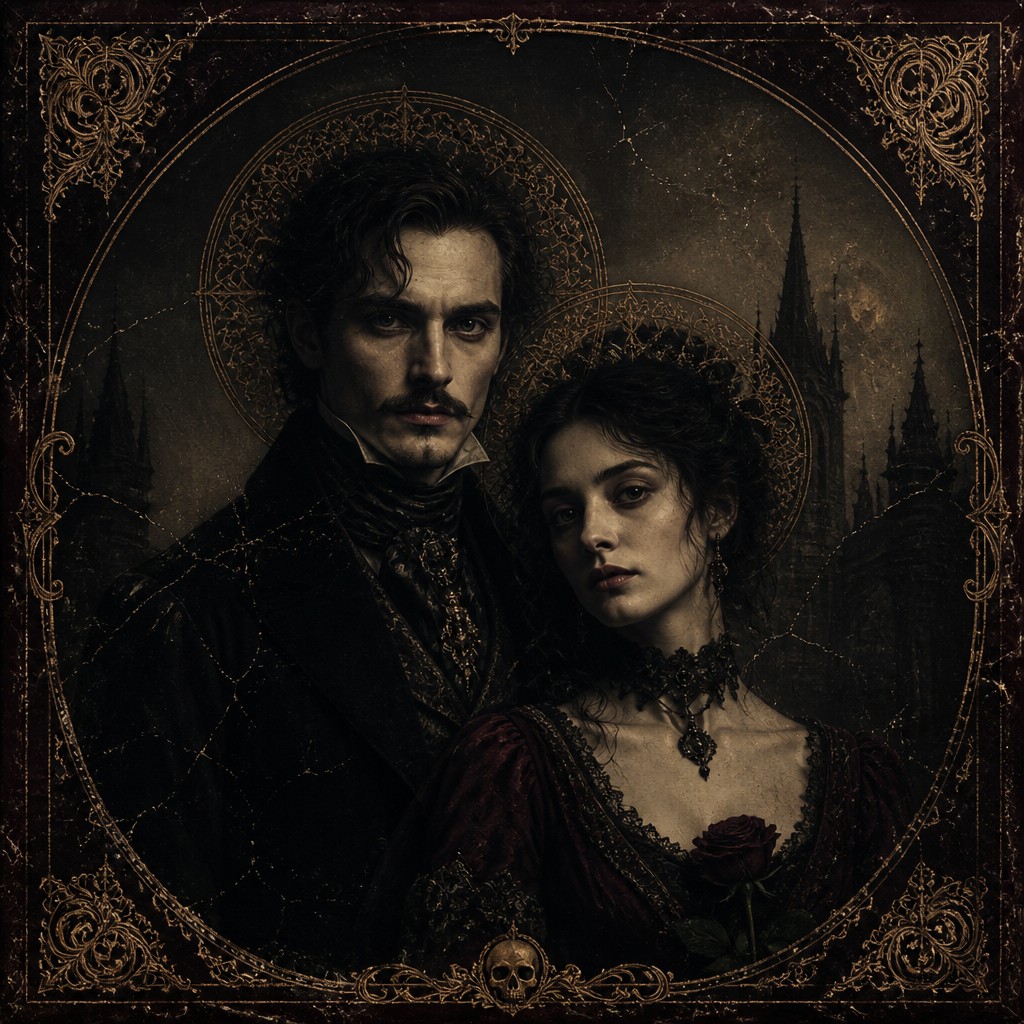
Upload any photo and convert it into Victorian Gothic Art — drag the sliders to compare before and after.

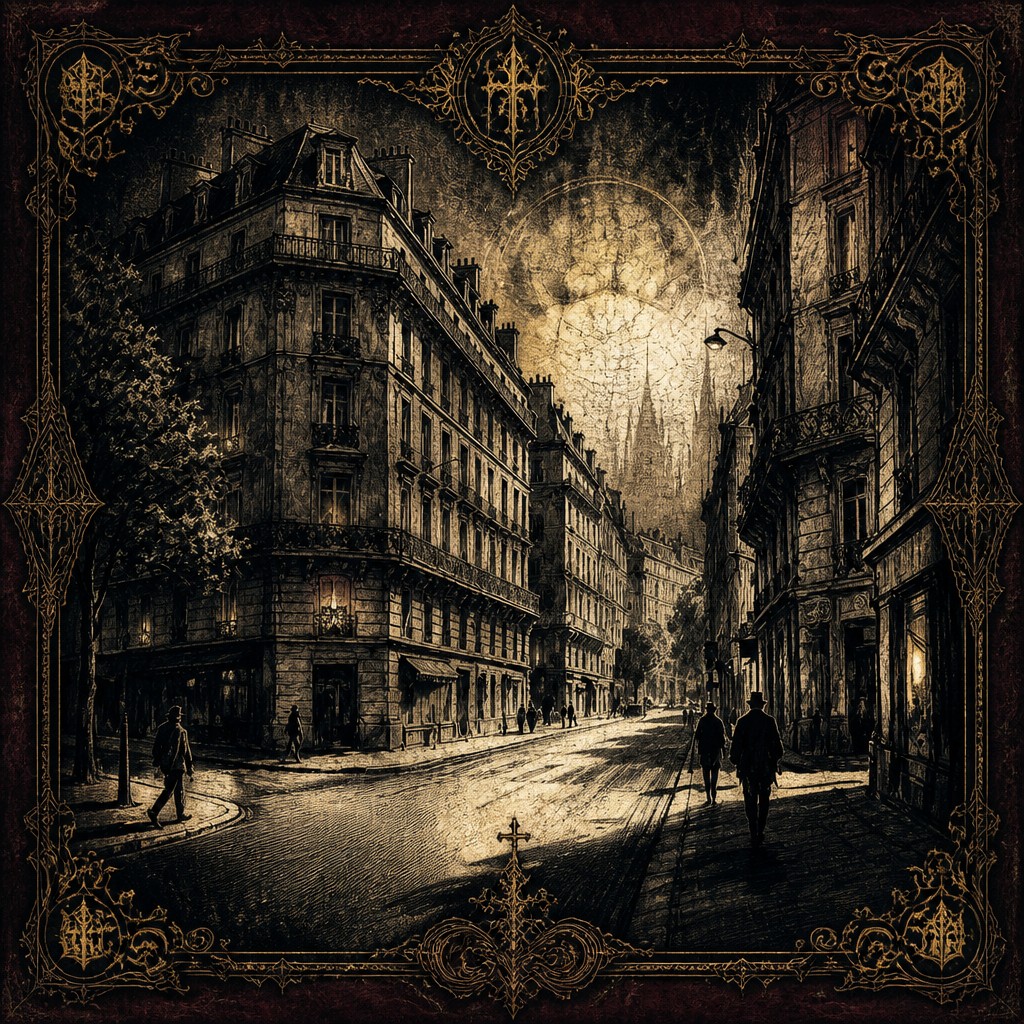

What Defines Victorian Gothic Art
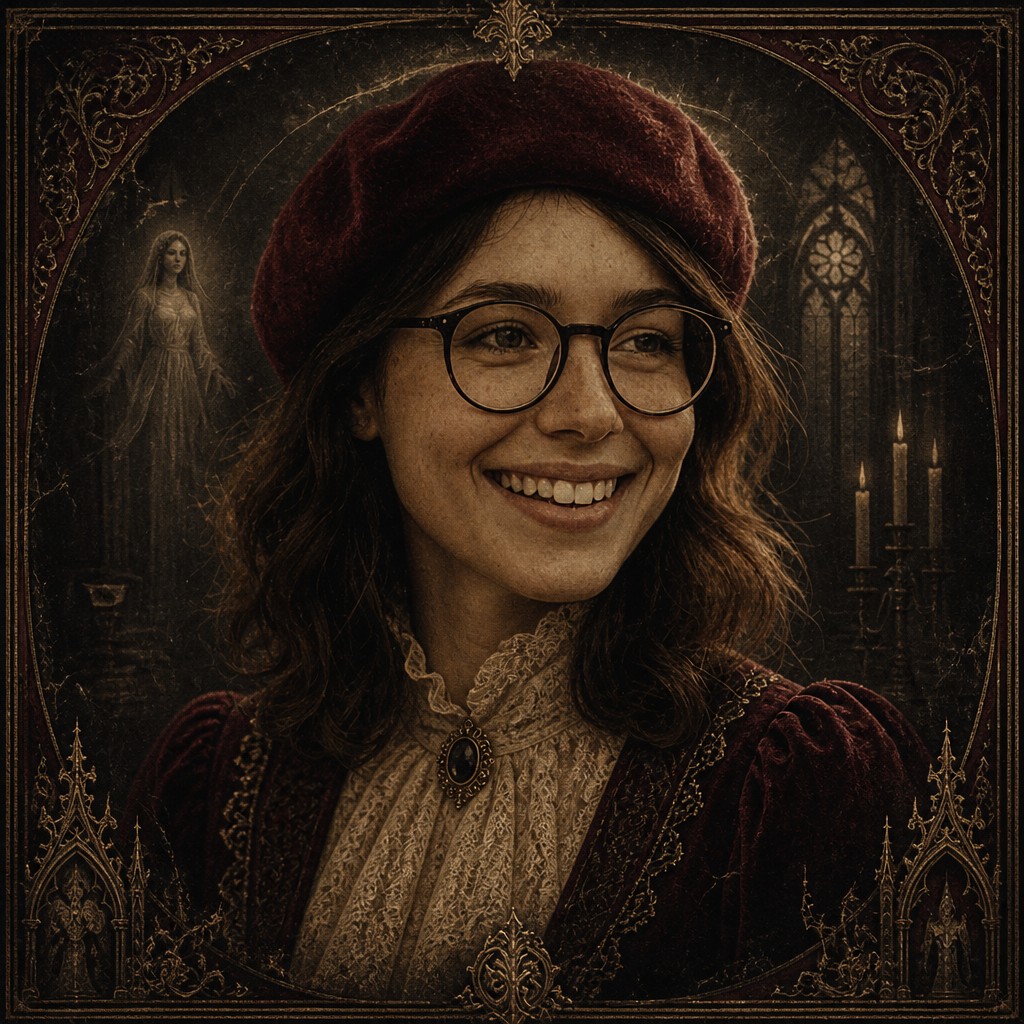
The signature details, up close
Mourning palette
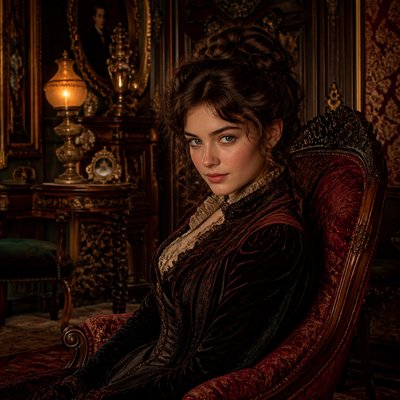
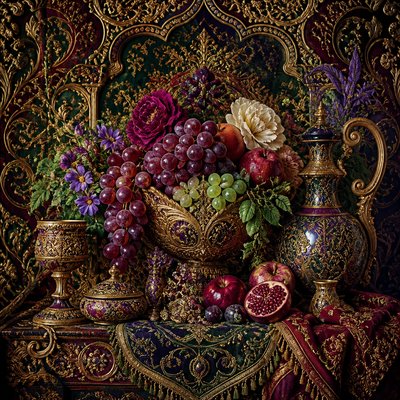
The dominant colors are black, burgundy, oxblood, sepia, and tarnished gold, often tempered by ivory highlights. This palette echoes Victorian mourning dress, memorial objects, and candlelit interiors.
Chiaroscuro and shadow
Strong light-and-dark contrast creates a theatrical, candlelit look. Faces, hands, lace, and architecture are often partially obscured, as if emerging from gloom or memory.
Gothic ornament
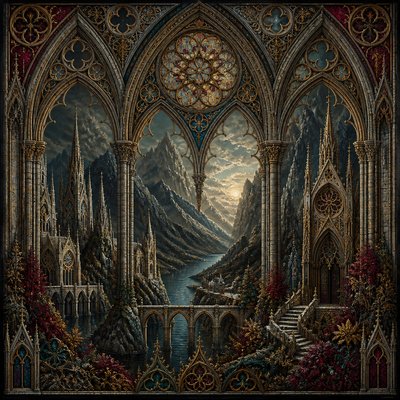
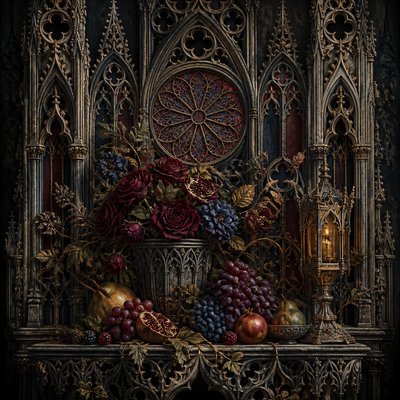
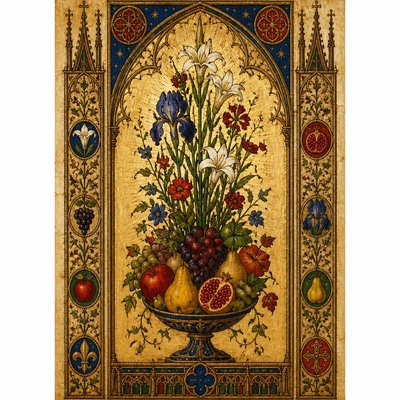
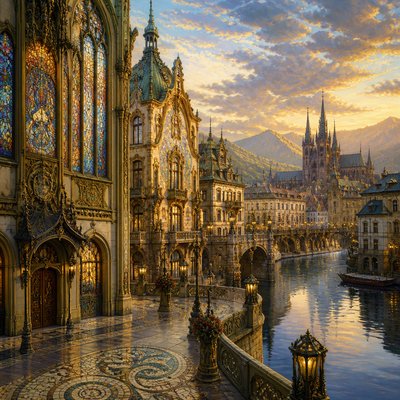
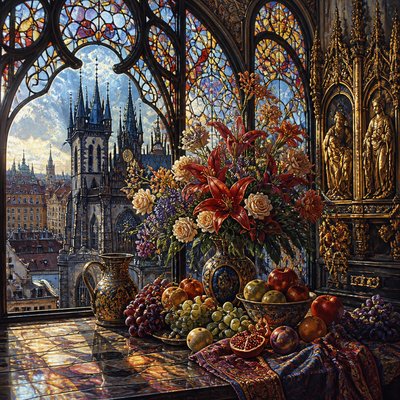
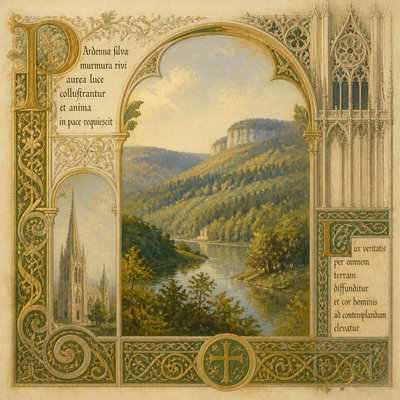
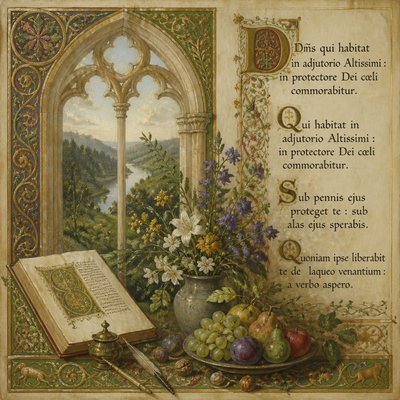
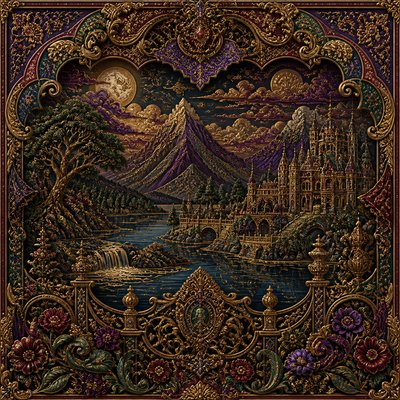
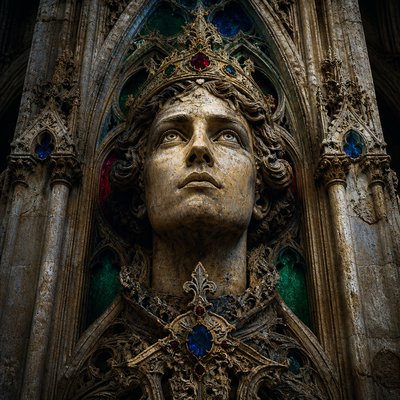
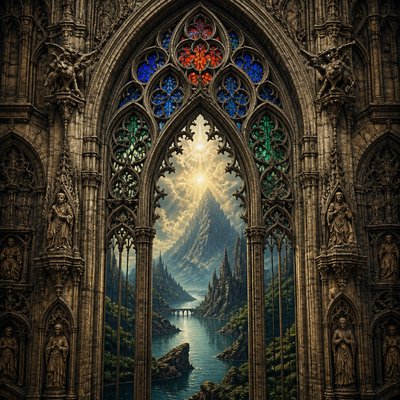
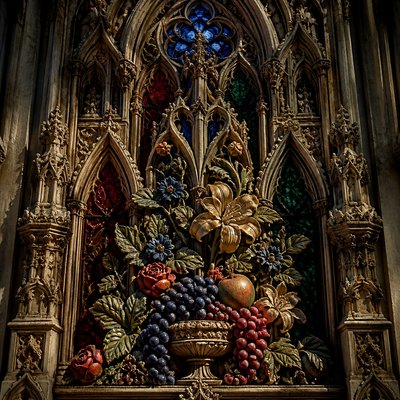
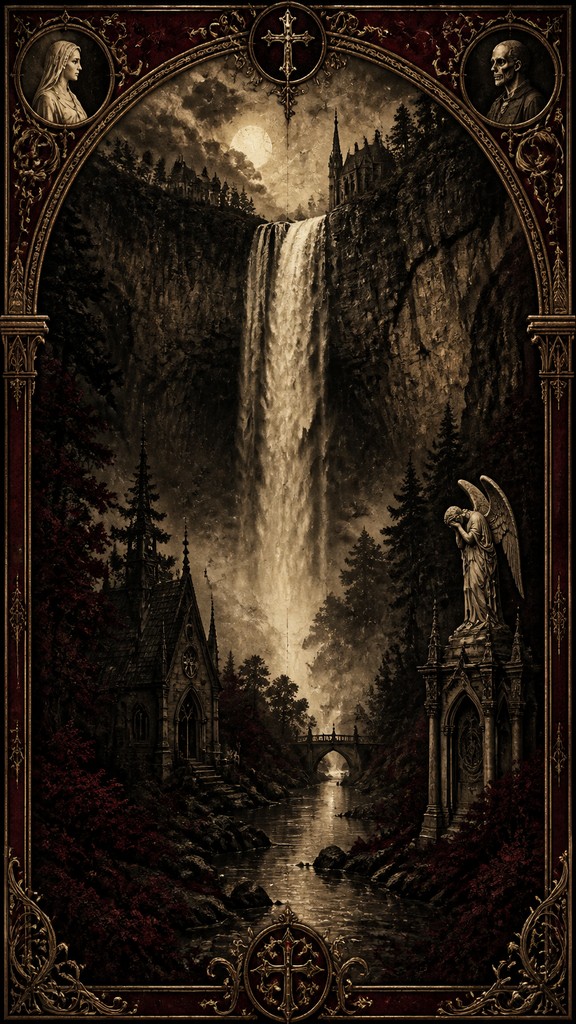
Pointed arches, tracery, quatrefoils, spires, carved frames, and wrought-iron curves appear as framing devices or background structures. Ornament is dense, decorative, and often symmetrical.
Aged, time-worn surfaces
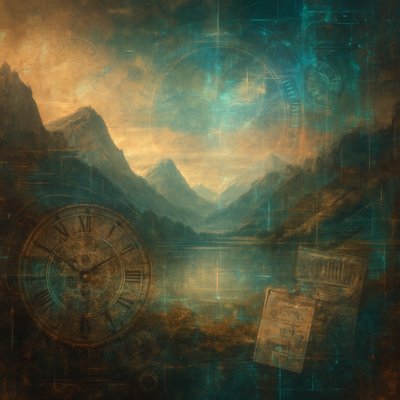
Craquelure, patina, stained paper, tarnished metal, and soot-like texture suggest age and decay. Surfaces often look handled, preserved, or inherited rather than new.
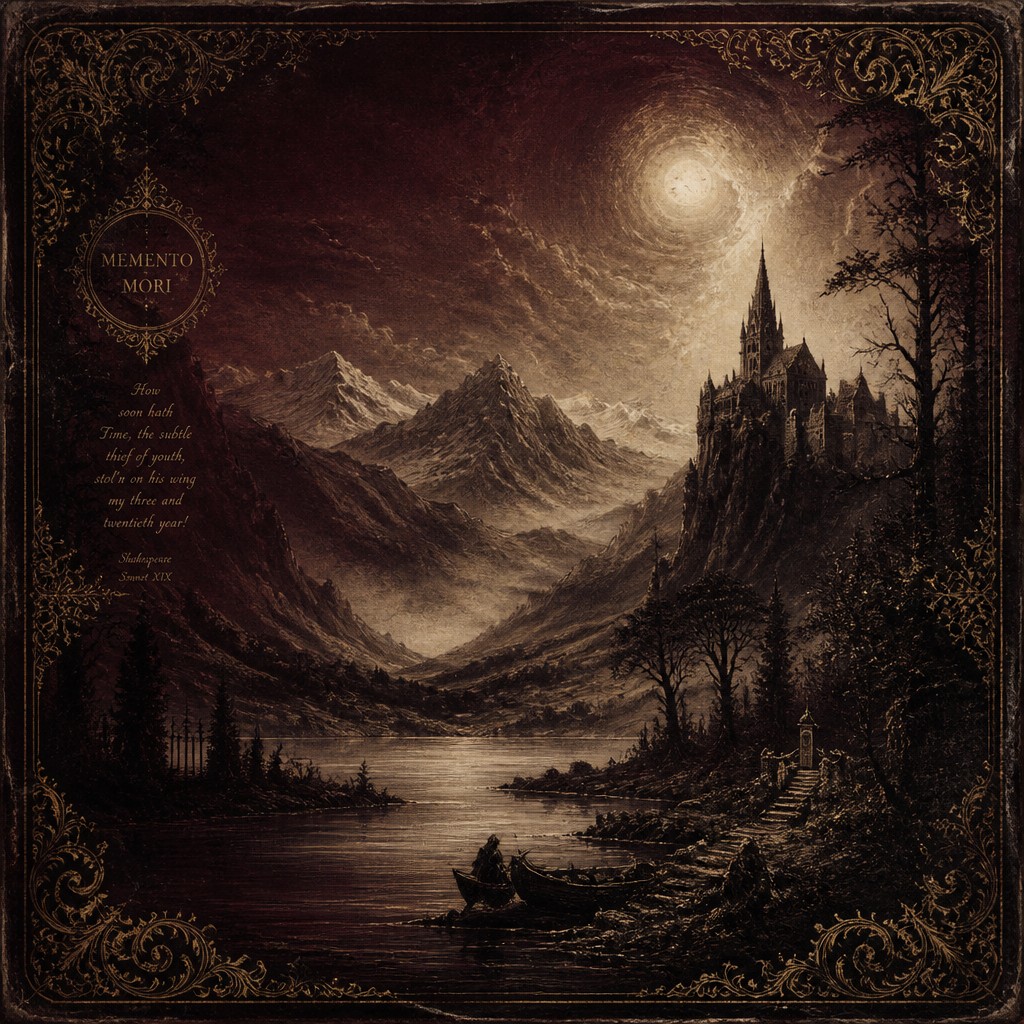
Spiritualist atmosphere
Soft halos, mist, veils, blurred edges, and photographic glow imply apparition, trance, or séance imagery. The effect makes the image feel psychologically suspended between the material and the supernatural.
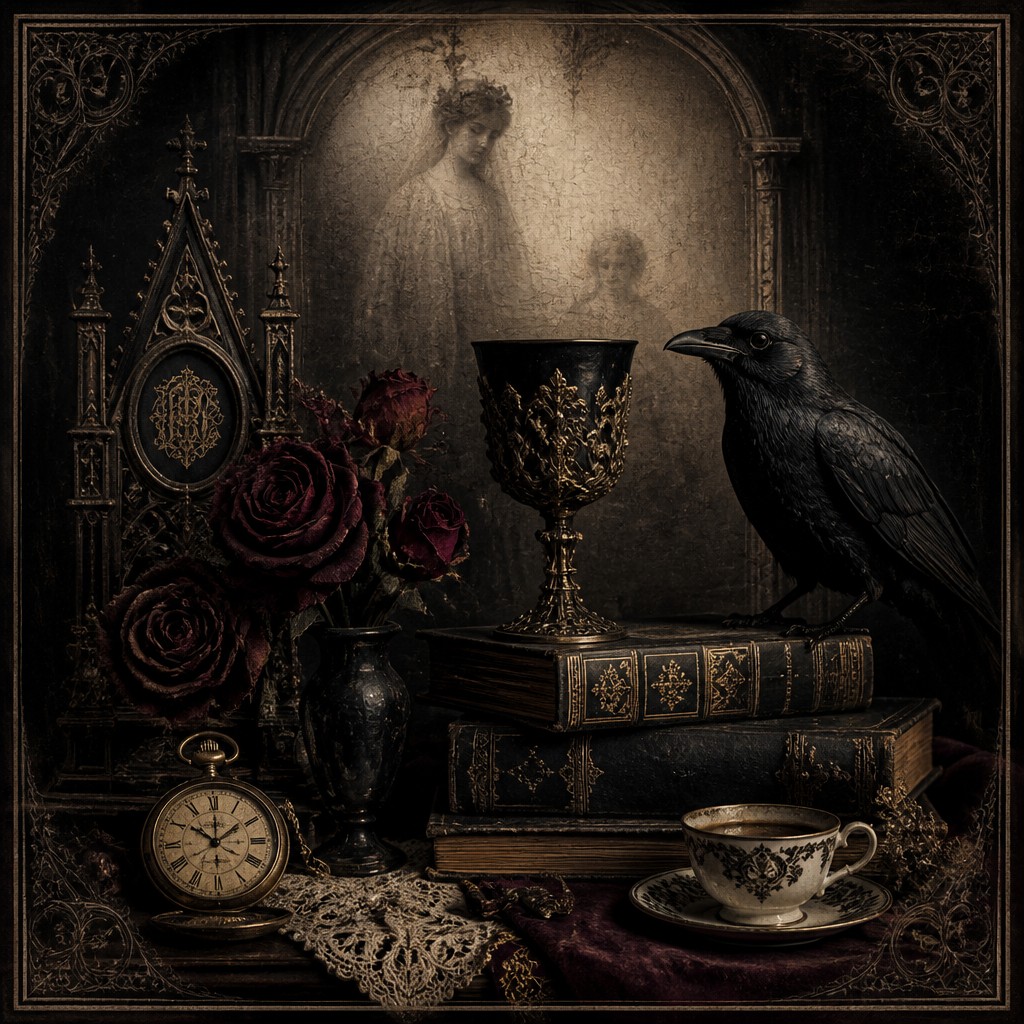
Symbolic objects
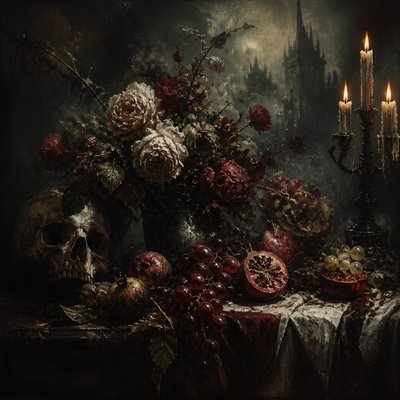
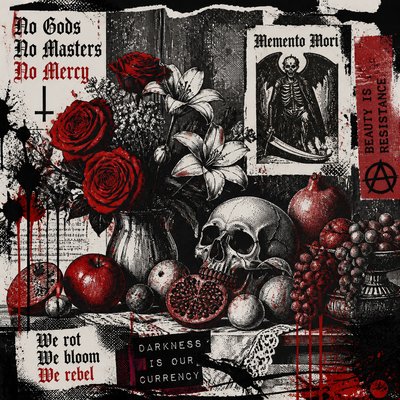
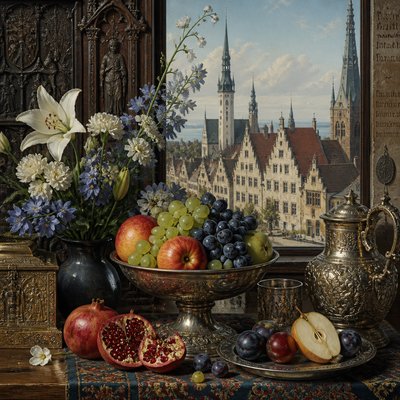
Common motifs include mourning jewelry, candles, skulls, roses, hourglasses, caskets, books, reliquaries, and mourning portraits. These objects carry themes of memory, mortality, devotion, and loss.
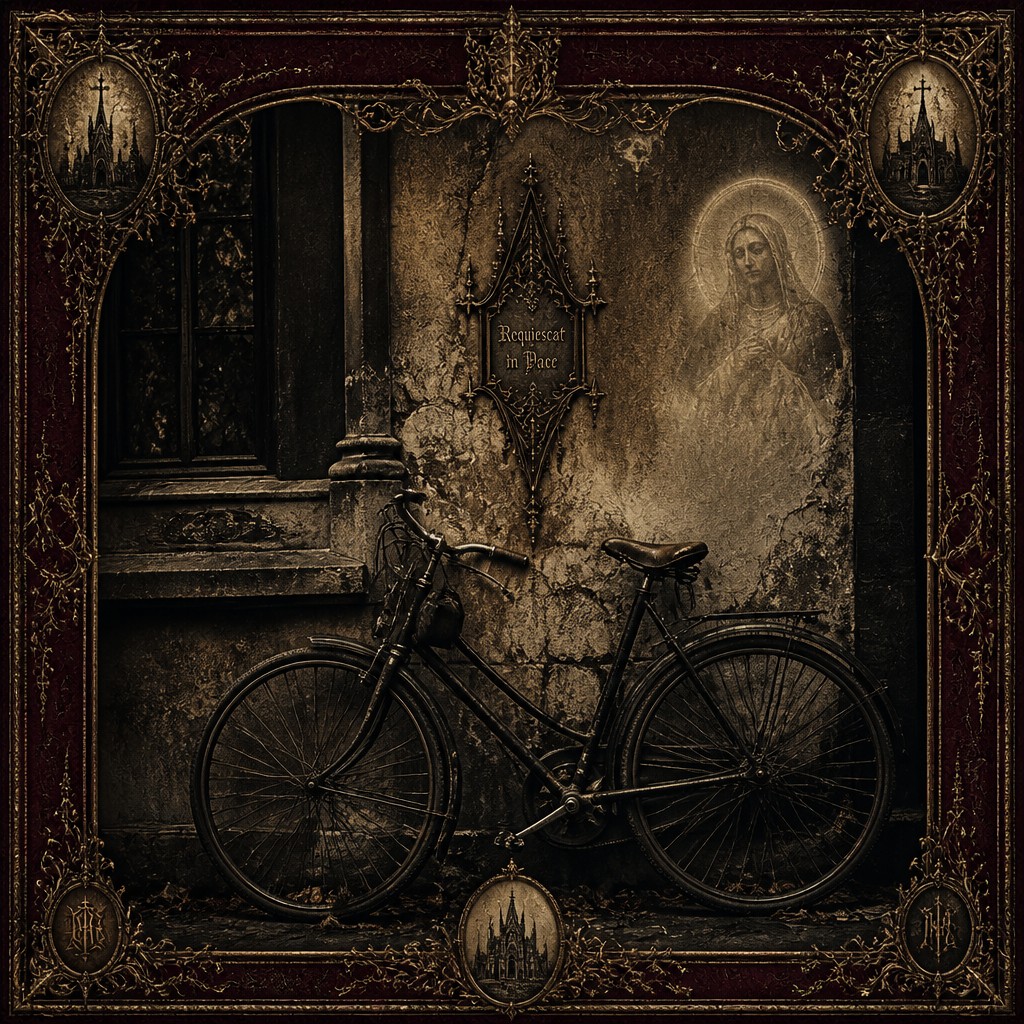
Fine linear detail
Cross-hatching, stippling, lacework, and engraved line quality reinforce the 19th-century look. Detail is intricate rather than glossy, often resembling illustration, etching, or old print media.
Try It
Create Videos in Victorian Gothic Art
Styles aren't just for stills — describe a scene or animate an image and get a short video rendered in Victorian Gothic. Press play to see this pond come to life.
Make a VideoVictorian Gothic Prompt Ideas
Start from an idea — each one opens the generator with the style ready to go. See all 40 Victorian Gothic prompts →
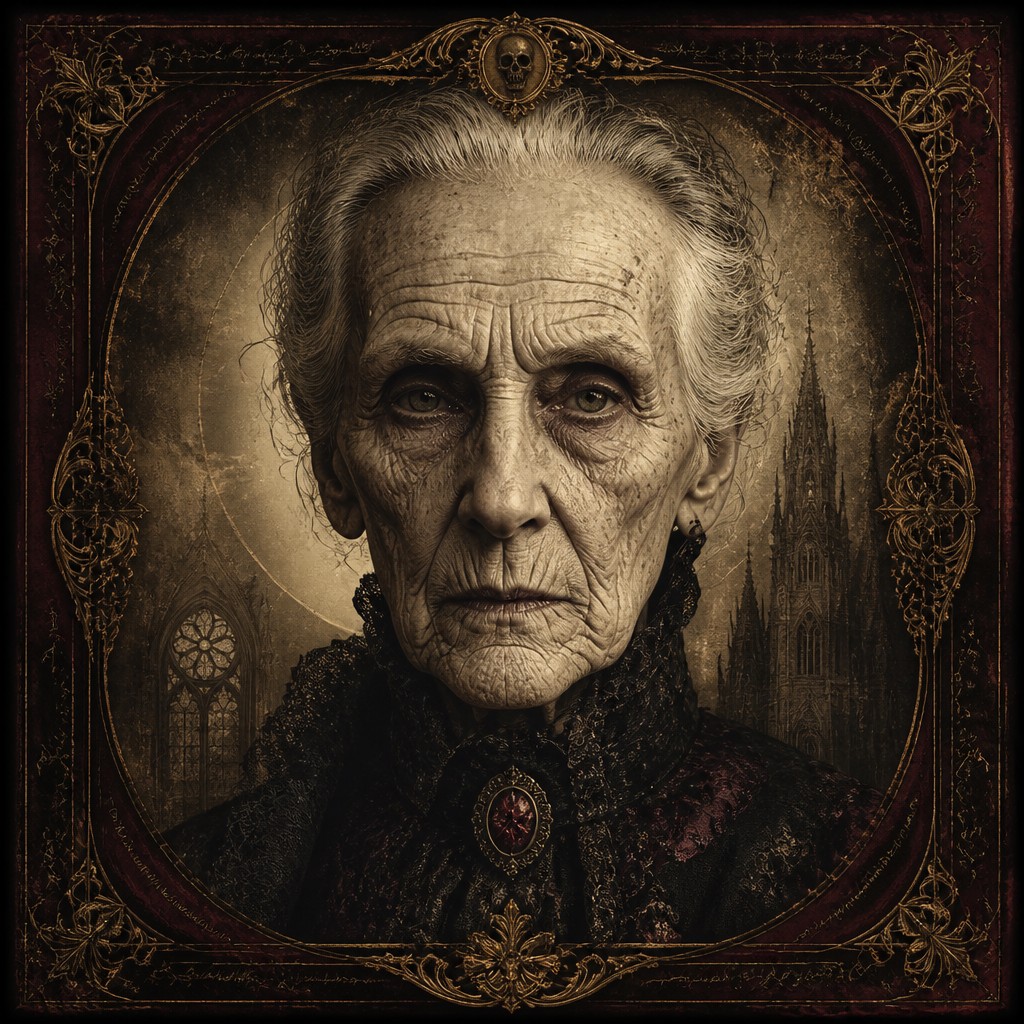
“close-up portrait of an elderly person with expressive weathered features”
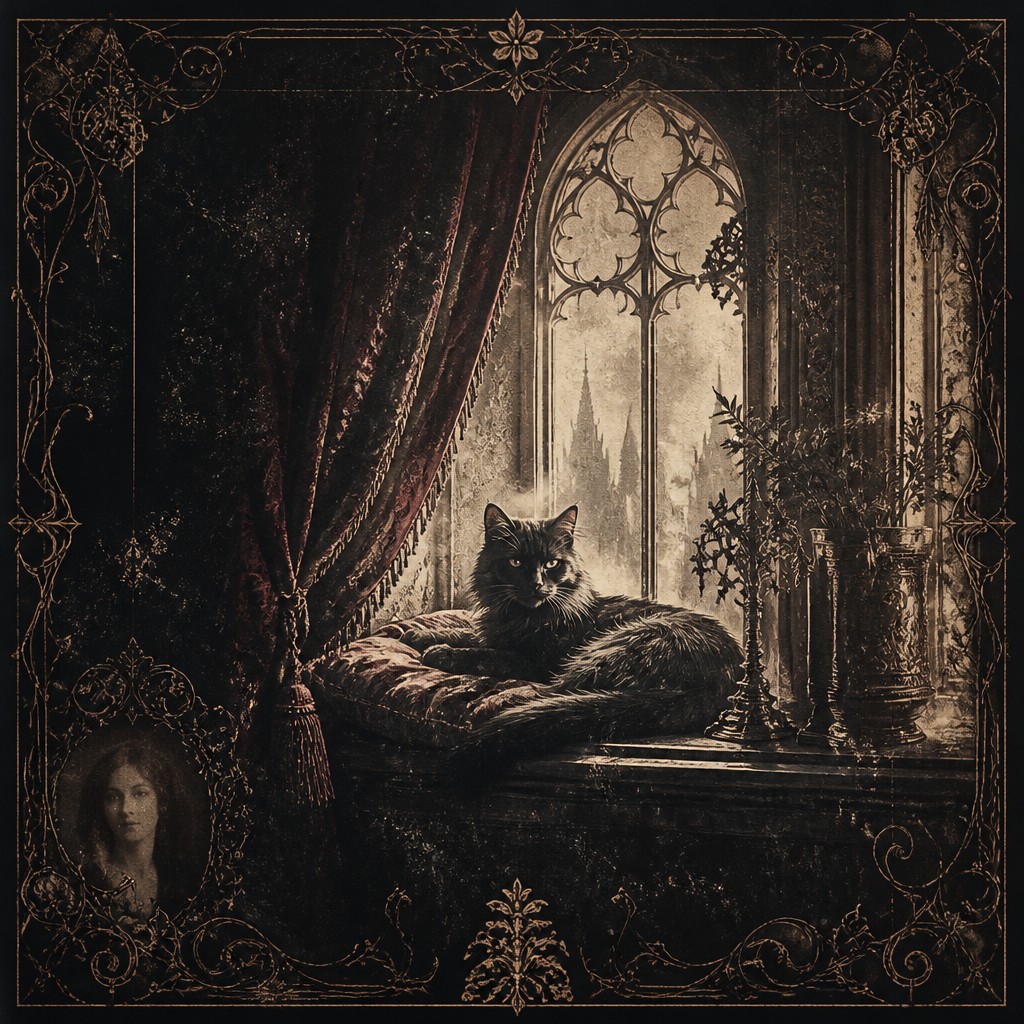
“a cat lounging in a sunlit window”
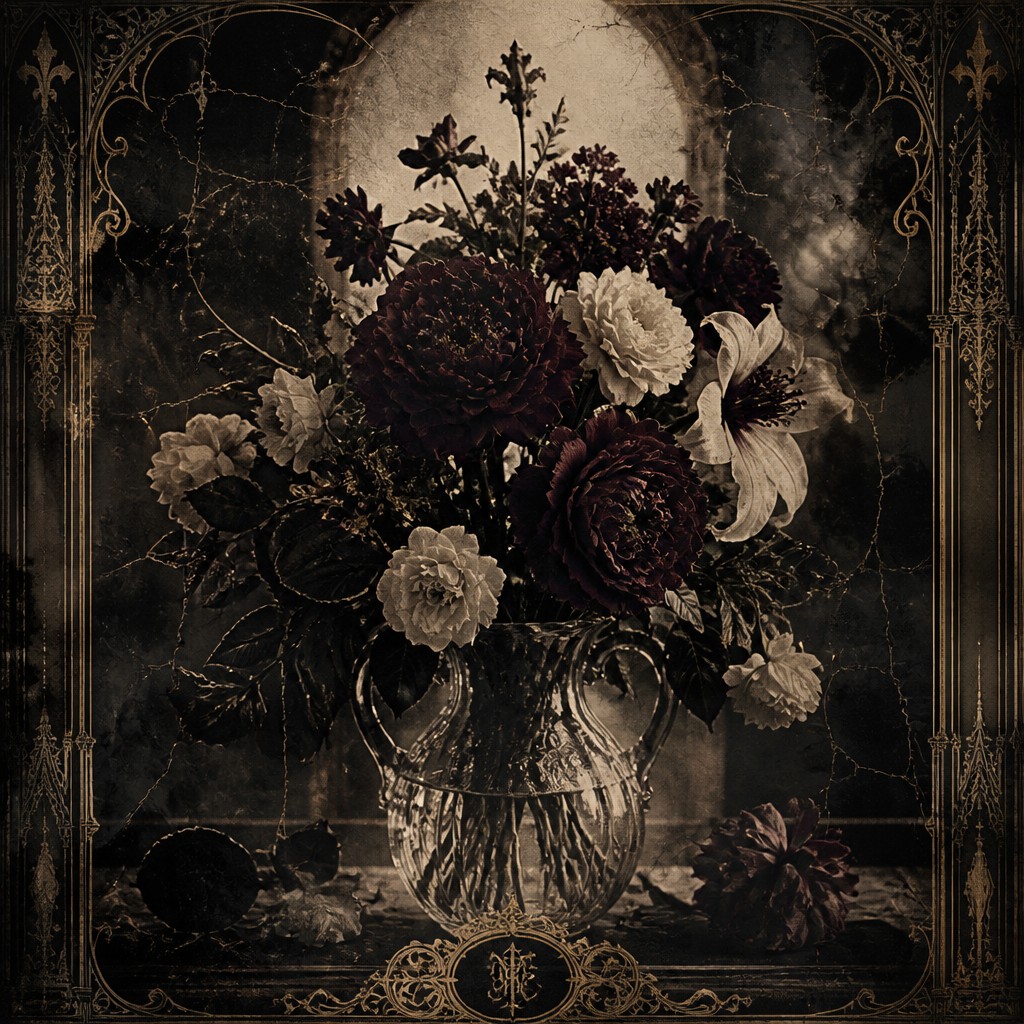
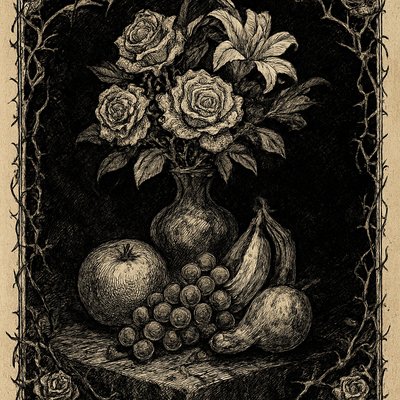
“bouquet of flowers in a glass vase”
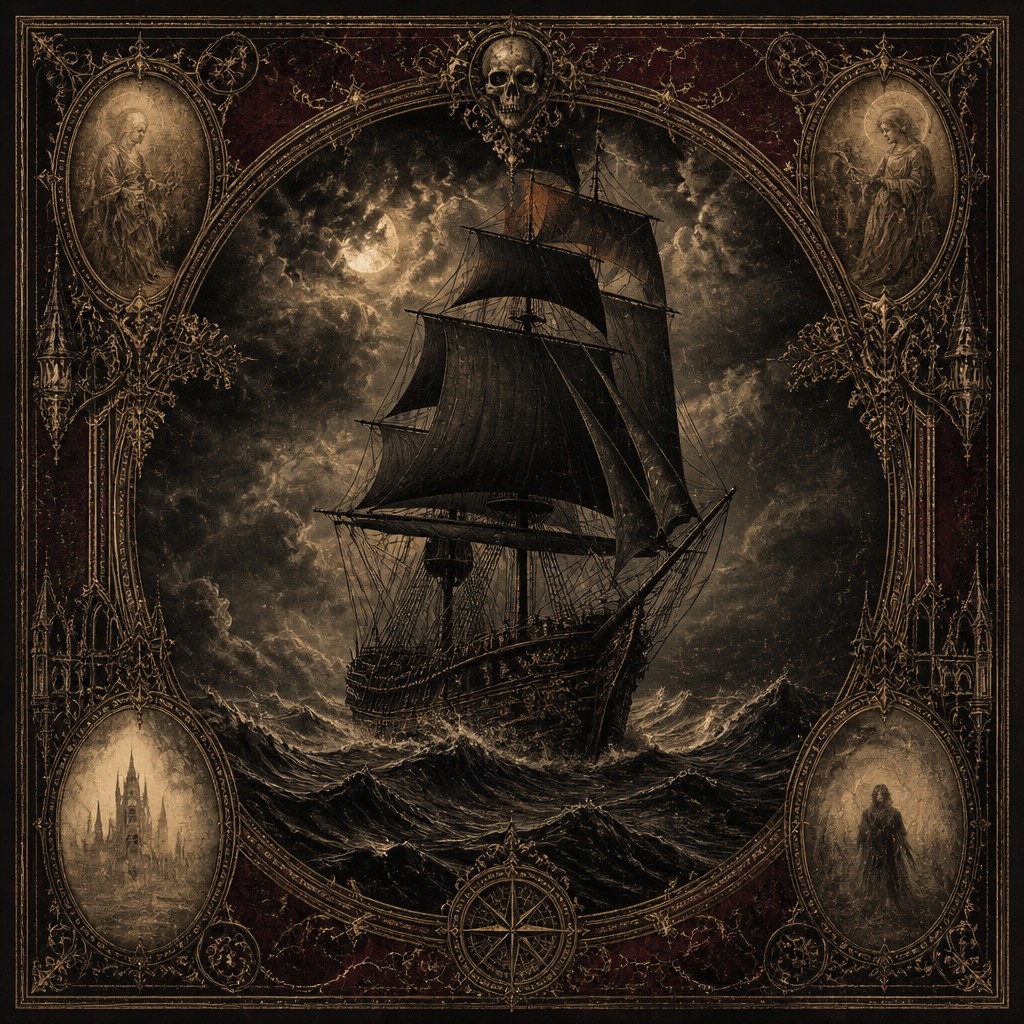
“sailing ship on a stormy sea”
How to Create Victorian Gothic Art
Master the craft step by step — or skip straight to creating. Read the full guide →
- 1
Build a dark Victorian palette
Start with blacks, deep reds, sepias, and muted metallics, then reserve pale ivory for highlights and skin. Keep saturation controlled so the work feels historically grounded rather than fantasy-bright.
- 2
Use dramatic lighting
Stage the composition with a single candle, window beam, or low sidelight to produce deep shadows and luminous edges. In digital work, increase local contrast; in traditional media, layer glazes or ink washes to deepen the blacks.
- 3
Add period texture and ornament
Incorporate filigree borders, carved frames, lace, patterned wallpaper, and aged paper or canvas surfaces. Fine linework, stippling, and controlled crackle effects help the image read as timeworn and archival.
- 4
Anchor the image in Victorian symbolism
Include objects associated with mourning, memory, religion, or séance culture, such as black flowers, cameos, candles, mirrors, and handwritten notes. These details make the image feel culturally specific rather than generic Gothic.
- 5
Balance realism with atmosphere
Keep faces, fabric folds, and props believable, but soften edges with haze, veil-like blur, or ghostly halos. For prompt-based generation, specify 'ornate Gothic ornament,' 'candlelit chiaroscuro,' 'aged patina,' and 'sepia underlayers' to steer the model toward the intended mood.
The Story
History & Origins of Victorian Gothic
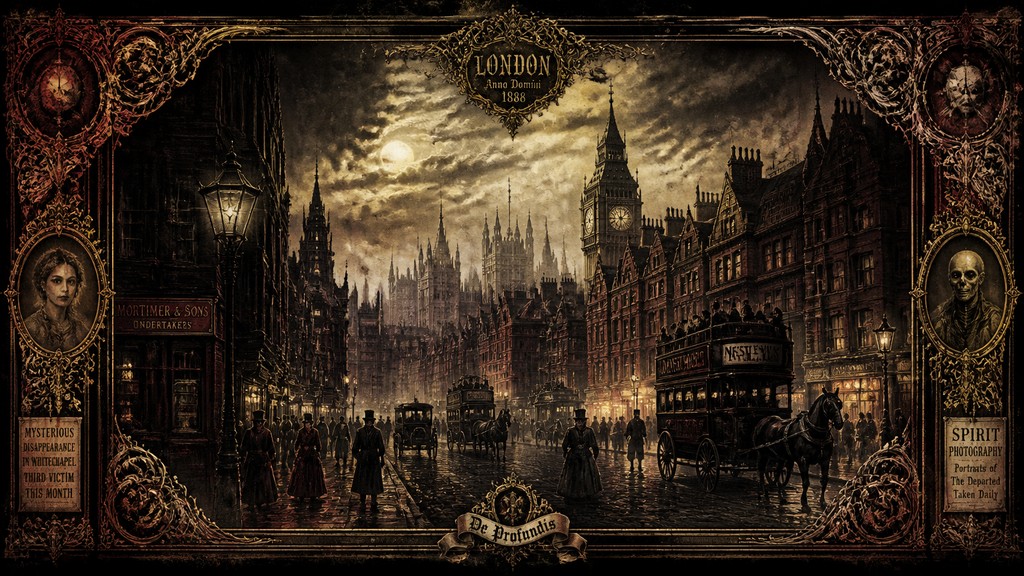
Victorian Gothic Art is not a single formal movement with a manifesto so much as a cultural aesthetic that developed in Britain and spread through Europe and North America during the 19th century. Its sources include the Gothic Revival in architecture and decorative arts, the popularity of medievalism, the cult of mourning after the death of the consort of the British monarch, and the era’s fascination with séances, ghosts, and the afterlife. Visual culture of the period—mourning portraits, cartes de visite, engraved book illustration, and theatrical costume—helped define the style’s dark, ornate character.
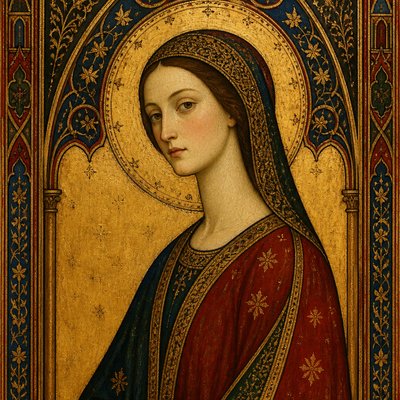
The aesthetic matured alongside Gothic fiction and Pre-Raphaelite medievalism, but it is distinct from both: more funereal and atmospheric than most Gothic Revival design, and more symbolically somber than the Pre-Raphaelites’ luminous historicism. Later revivals in film, fashion, and illustration preserved the style’s core vocabulary, especially its combination of black ornament, memorial imagery, and haunted interior spaces.
Influences: Victorian Gothic Art draws from the Gothic Revival in architecture and decorative arts, Victorian mourning customs, spiritualism, and Gothic literature, as well as period illustration and photography. It overlaps with aspects of Pre-Raphaelitism in its medieval references and emotional symbolism, but it is usually darker and more funereal than the work of canonical Pre-Raphaelite painters such as leading Pre-Raphaelite figures associated with medieval subject matter, rich symbolism, and jewel-toned detail. It also resonates with the visual language of 19th-century engraving, carte de visite photography, and ecclesiastical ornament.
Frequently Asked Questions
What defines Victorian Gothic Art?
It is defined by a combination of Gothic ornament, Victorian mourning symbolism, and a dark romantic mood. Expect black lace, candles, arches, memorial objects, and strong shadow, all rendered with an antique, time-worn feel.
How is it different from general Gothic art or modern goth style?
Victorian Gothic Art is specifically rooted in 19th-century British visual culture, not in contemporary subculture alone. Compared with modern goth, it tends to be more historical, more ornate, and more tied to mourning imagery, spiritualism, and period design.
Is this the same as Gothic Revival?
Not exactly. Gothic Revival is a broader architectural and decorative movement that revived medieval forms, while Victorian Gothic Art is the darker visual atmosphere that grew around Victorian-era Gothic tastes, mourning culture, and supernatural imagery.
What subjects work best in this style?
Portraits, cemeteries, old houses, churches, séances, relics, and literary scenes are especially effective. Subjects with emotional gravity, memory, or decay fit the style better than bright or highly contemporary themes.
How do I make an image look authentically Victorian Gothic?
Use a restrained palette, candlelit chiaroscuro, ornate framing, and aged textures such as sepia stains or craquelure. Include historically specific details like mourning dress, black ribbon, carved wood, or antique photography cues.
Where is Victorian Gothic Art commonly used today?
It appears in book covers, poster design, costume references, editorial illustration, horror imagery, and historical fantasy. It is also popular for portraits and atmospheric scenes that need elegance, melancholy, and a sense of old-world mystery.
Create your first Victorian Gothic artwork
Describe anything — or upload a photo — and see it in Victorian Gothic Art in seconds.
Make Something with Victorian Gothic
Compare Victorian Gothic
Related Styles
Discover similar art styles