Gothic Fashion Design
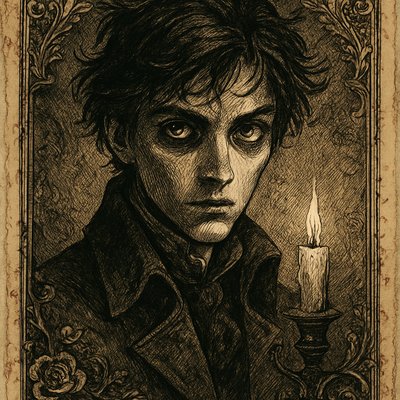
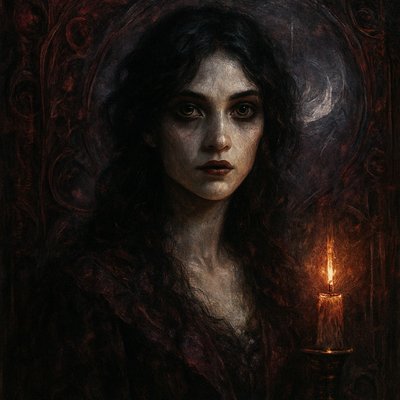
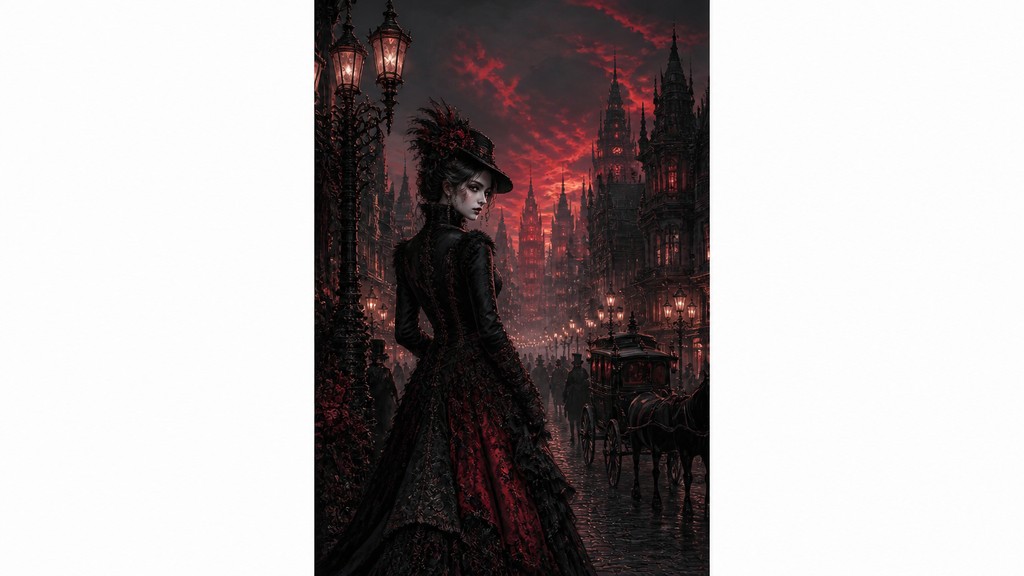
Dark romantic fashion with black velvet, Victorian detail, dramatic silhouettes, and mysterious elegance.
Instantly rendered in Gothic Fashion Design — or transform a photo
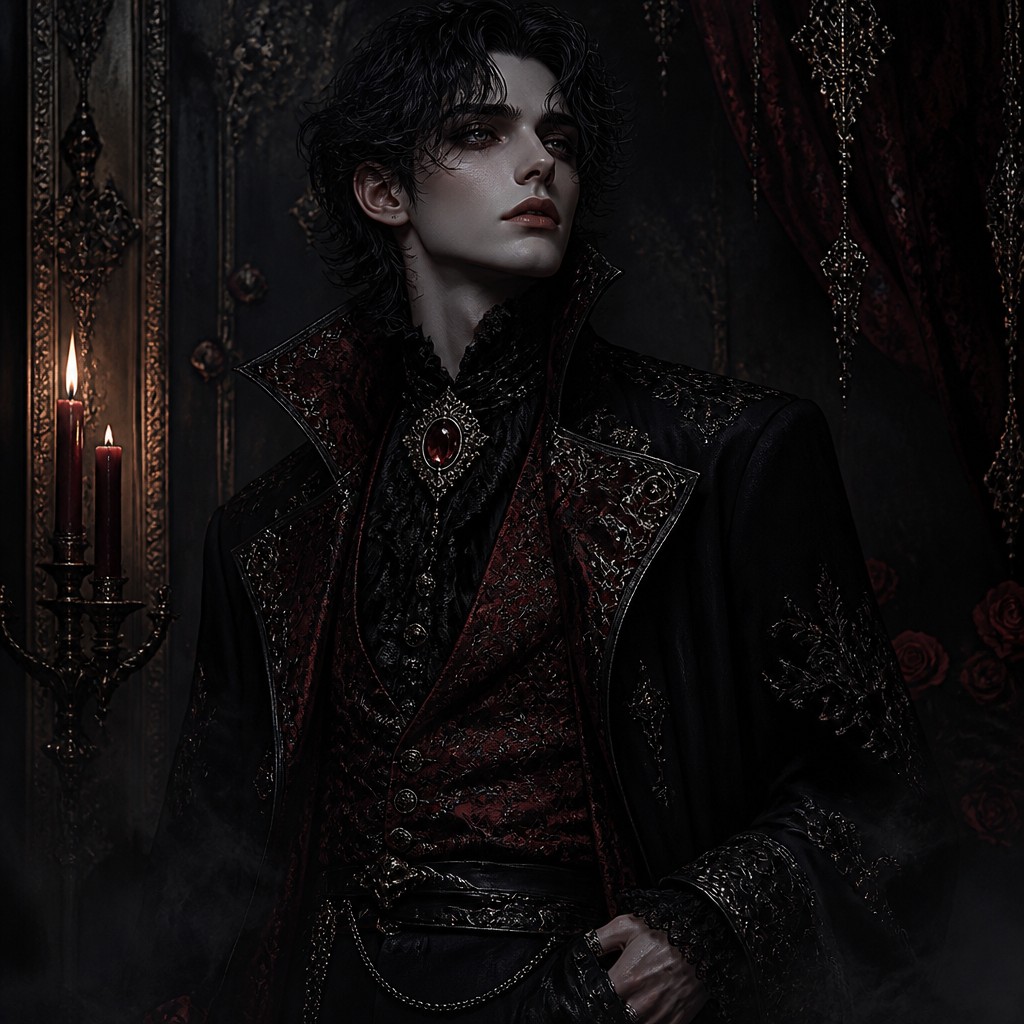
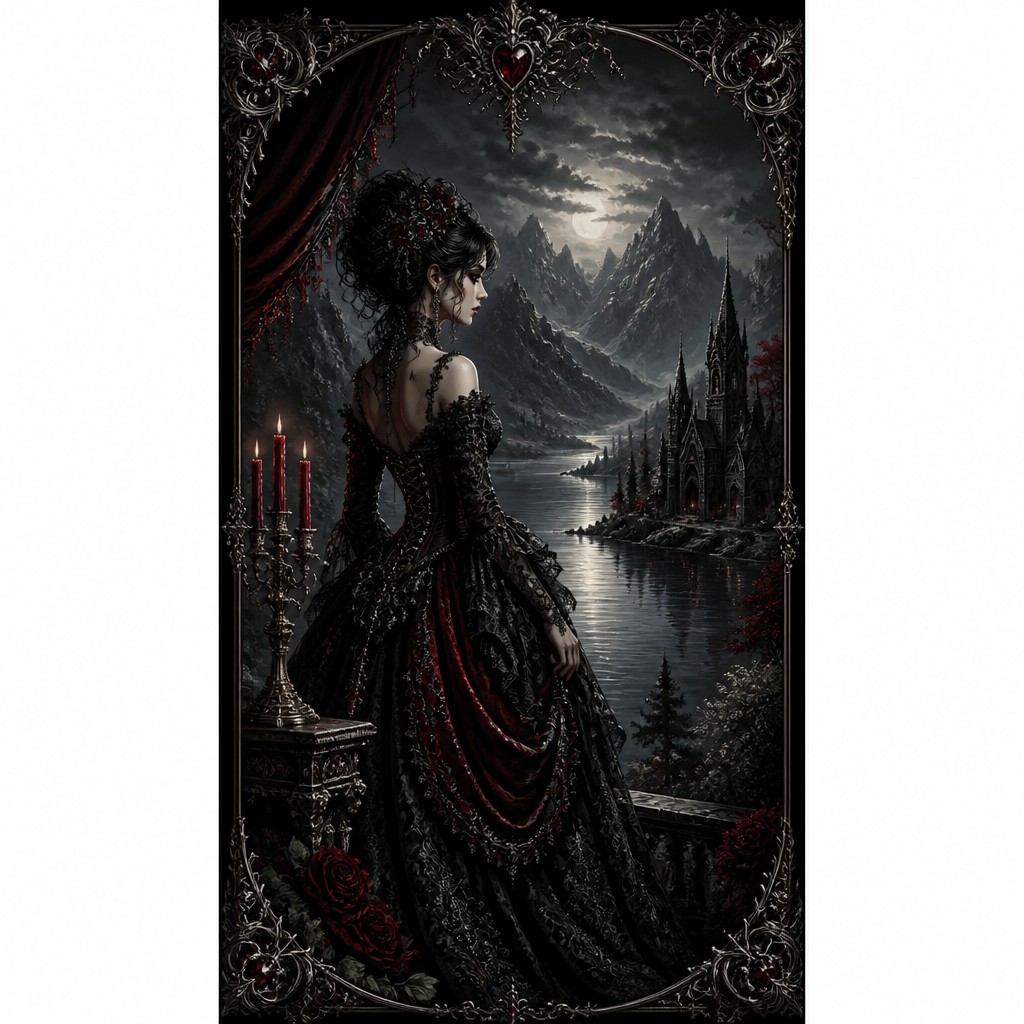
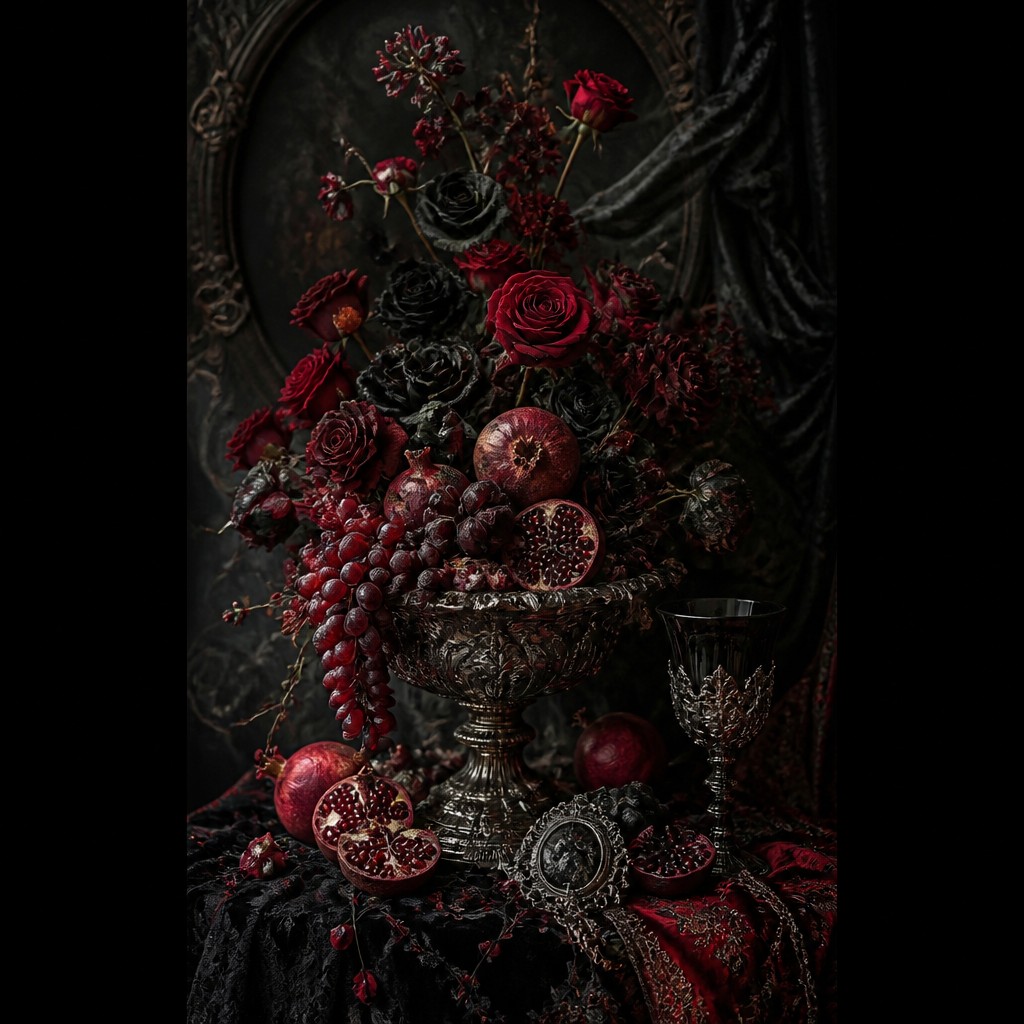
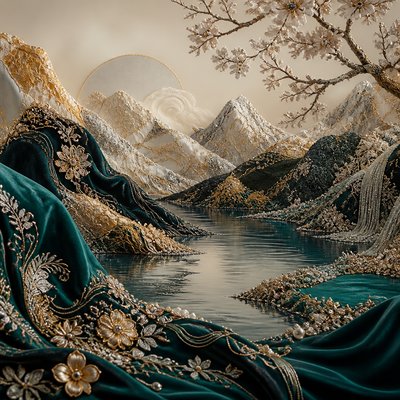
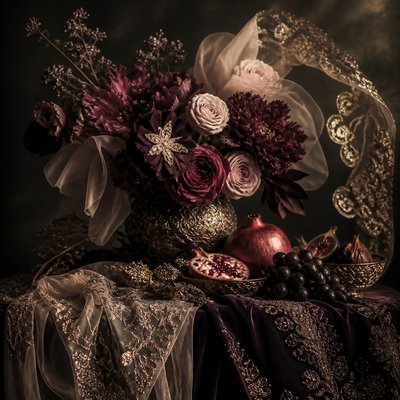
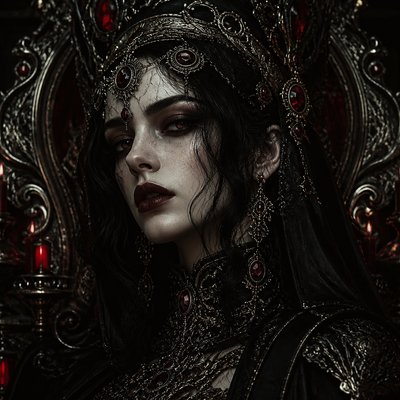
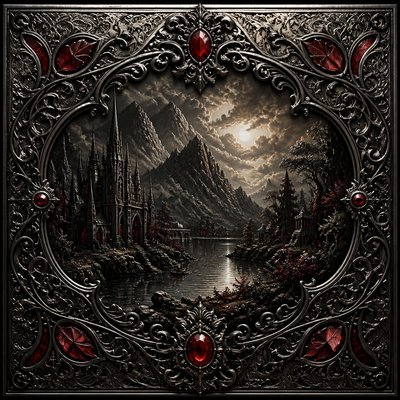
Gothic Fashion Design Gallery
Tap any artwork to explore it
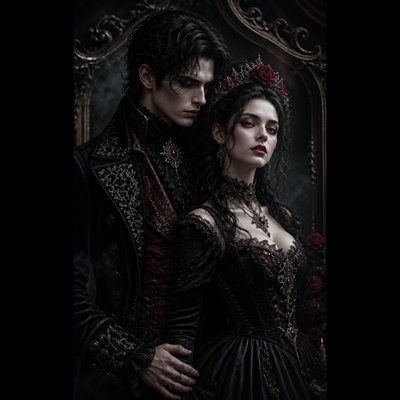
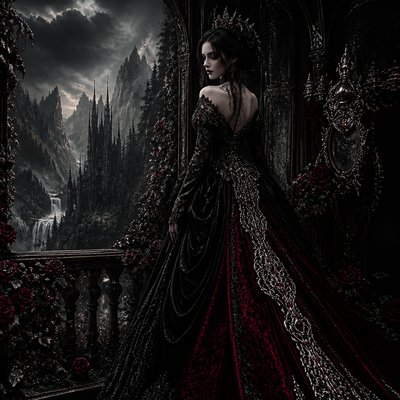
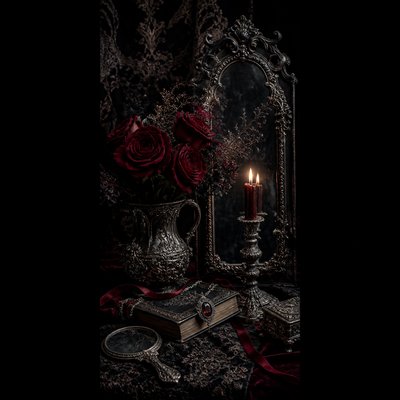
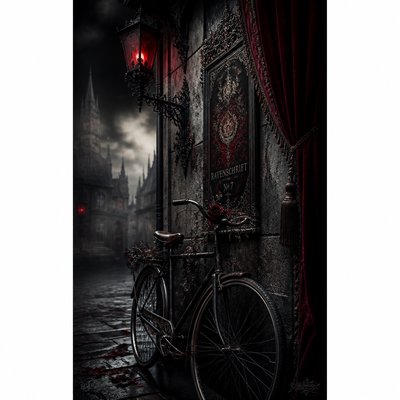
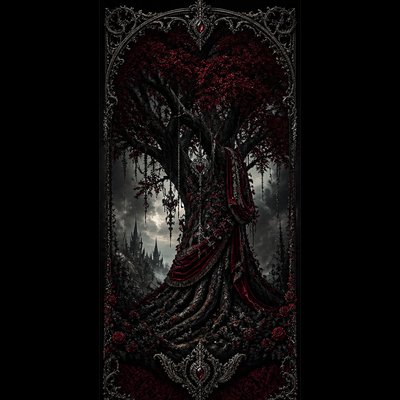
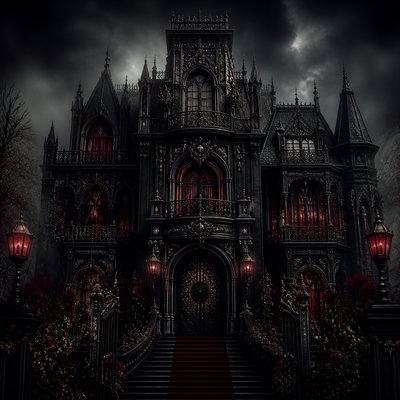
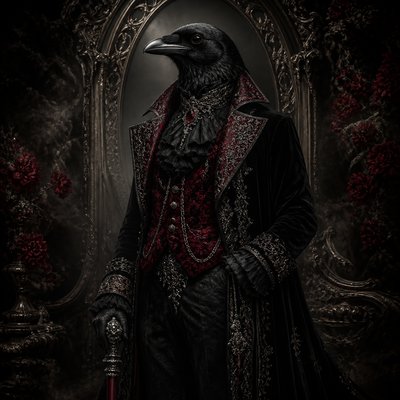
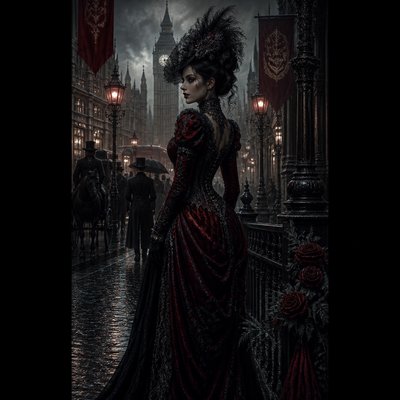
What is Gothic Fashion Design?
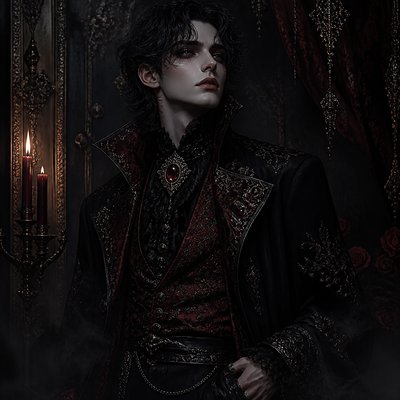
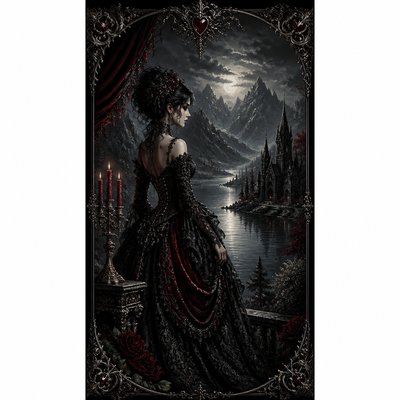
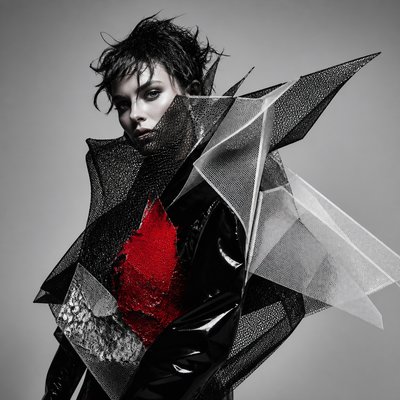
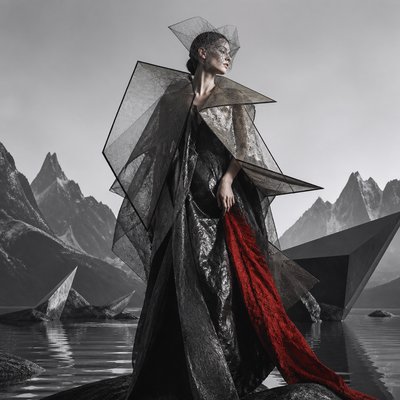
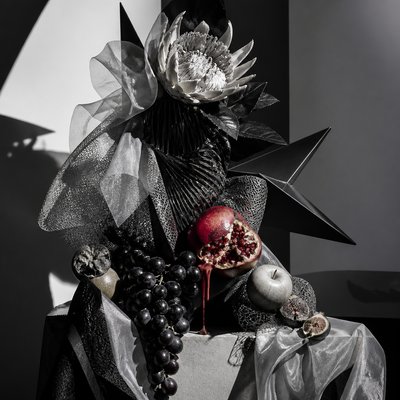
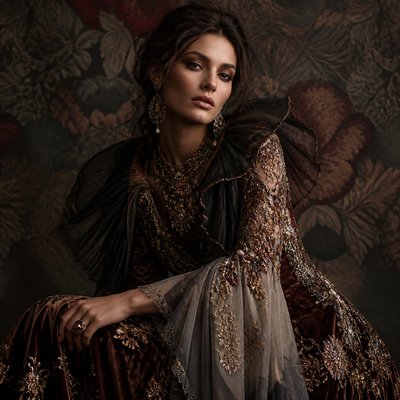
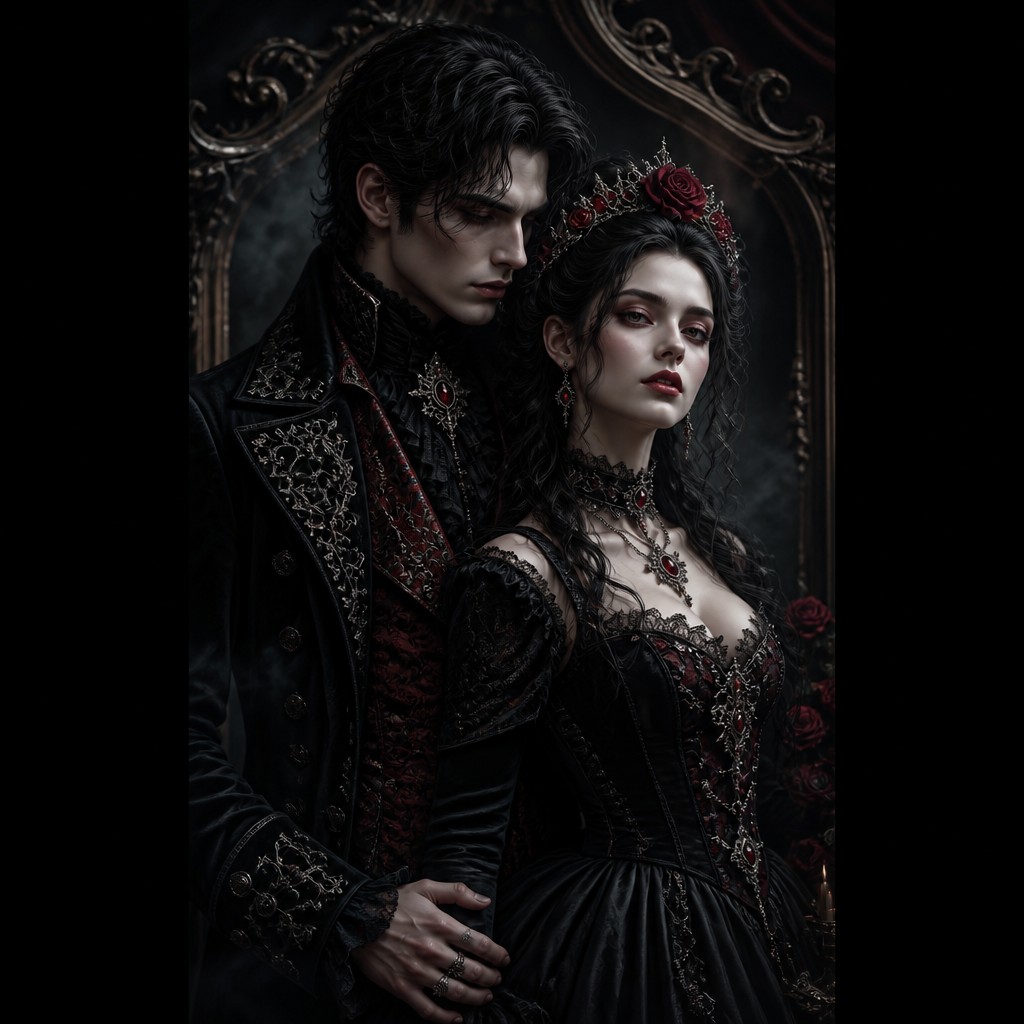
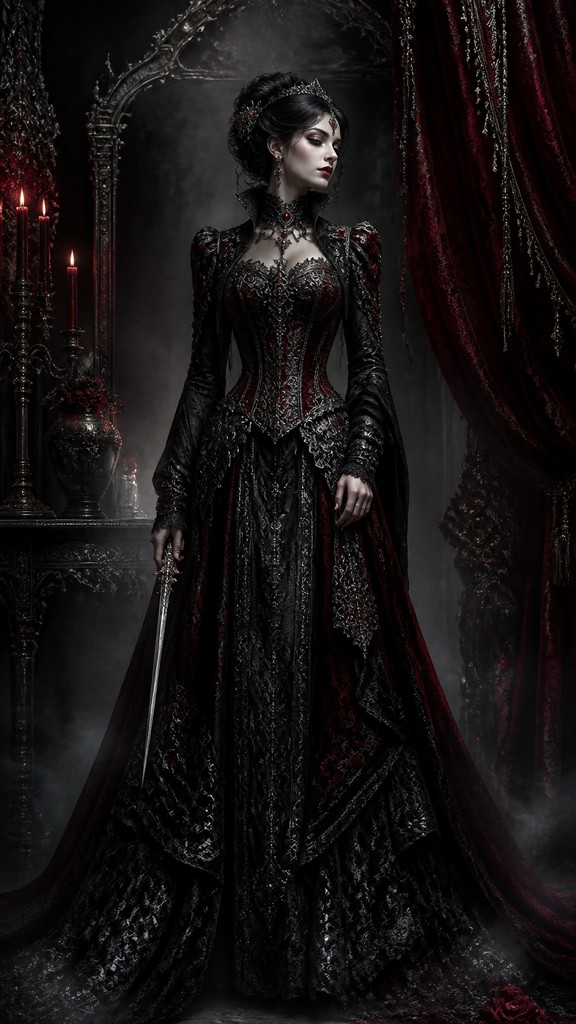
Gothic Fashion Design is a dark romantic clothing aesthetic built around black-dominant palettes, elongated silhouettes, and ornate historical detailing. It combines elegance with severity: corsetry, high collars, lace, brocade, veils, and structured tailoring often appear alongside metallic accents, mourning references, and theatrical drapery.
Its visual identity comes from the tension between refinement and darkness. The style often evokes Victorian and neo-Victorian dress, but it is not a strict historical reenactment; it filters those references through contemporary fashion, subcultural expression, and fantasy imagery. The result is clothing that feels aristocratic, mysterious, and expressive, with strong contrast, rich texture, and a sense of controlled drama.
Try It On Your Photos
Upload any photo and convert it into Gothic Fashion Design — drag the sliders to compare before and after.

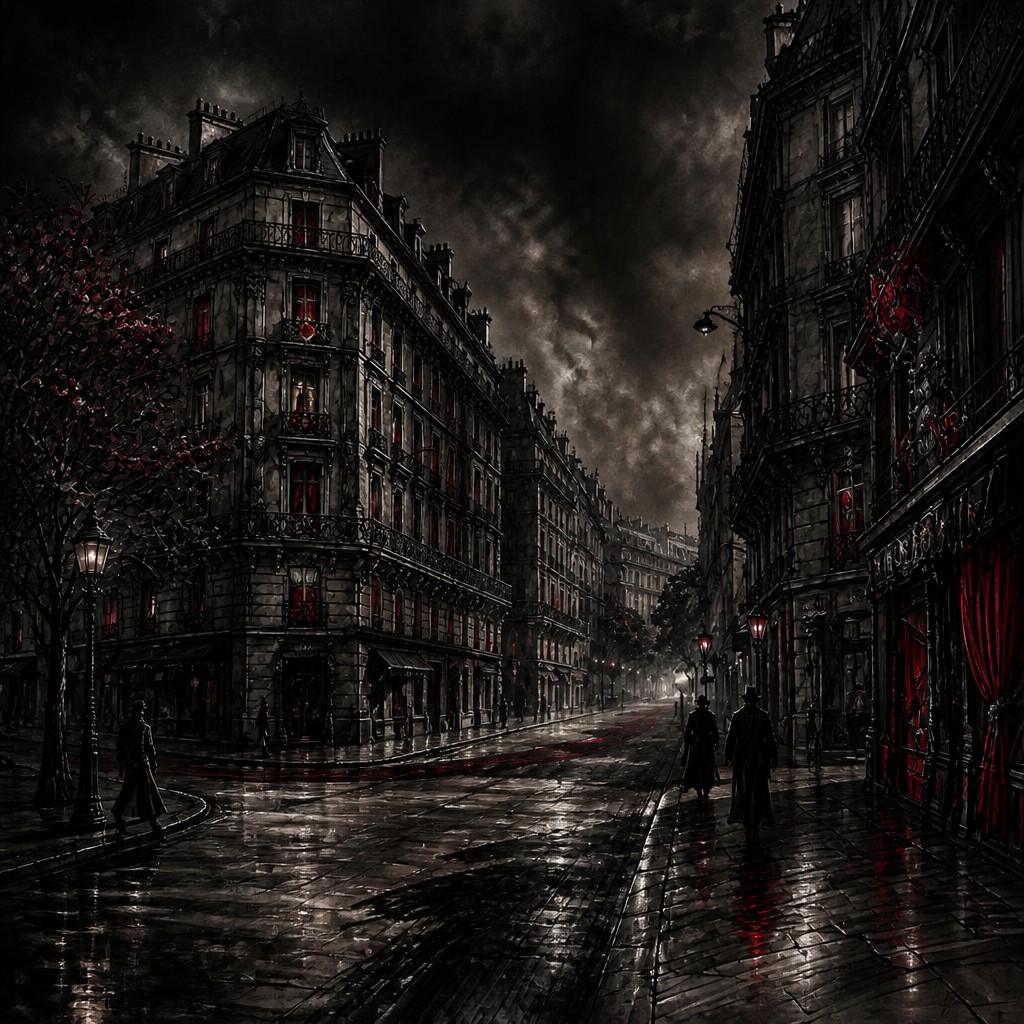

What Defines Gothic Fashion Design
The signature details, up close
Black-first palette
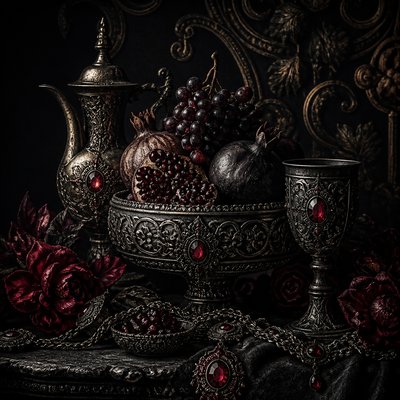
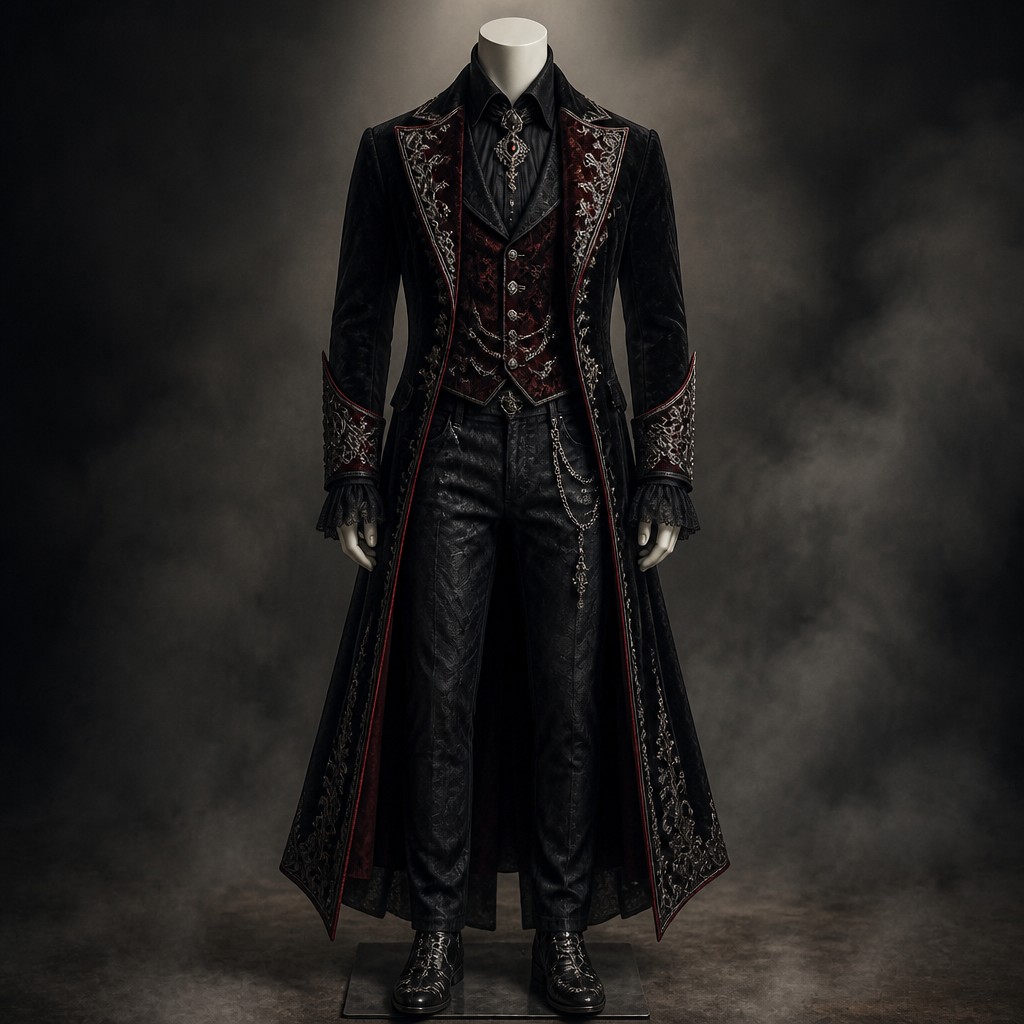
Deep black, charcoal, and very dark neutrals form the core of the style, often punctuated by crimson, plum, ivory, or tarnished silver. The limited palette heightens contrast and reinforces the mood of restraint and mystery.
Victorian and neo-Victorian silhouettes
Corseted waists, fitted bodices, bustle references, long skirts, tailcoats, and high necklines are common. These forms create a vertical, elongated body shape that feels formal and theatrical.
Rich surface texture
Velvet, lace, brocade, satin, chiffon, leather, and mesh are frequently combined for tactile contrast. Surface detail matters as much as silhouette, since texture carries much of the style’s visual richness.
Ornament and filigree
Buttons, clasps, chains, cameos, embroidery, ruffles, brooches, and oxidized-metal details add complexity. Ornament is usually precise rather than chaotic, giving the clothing an antique, curated quality.
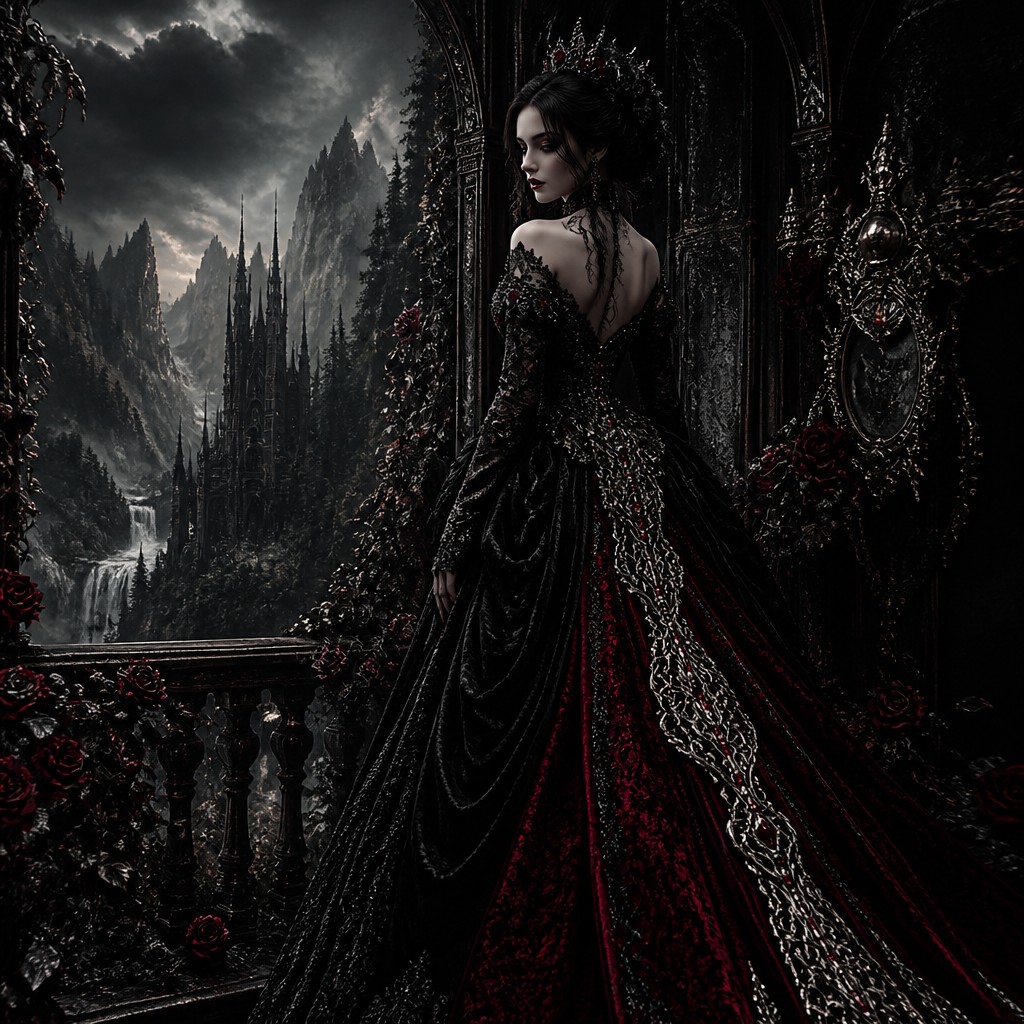
Dramatic chiaroscuro
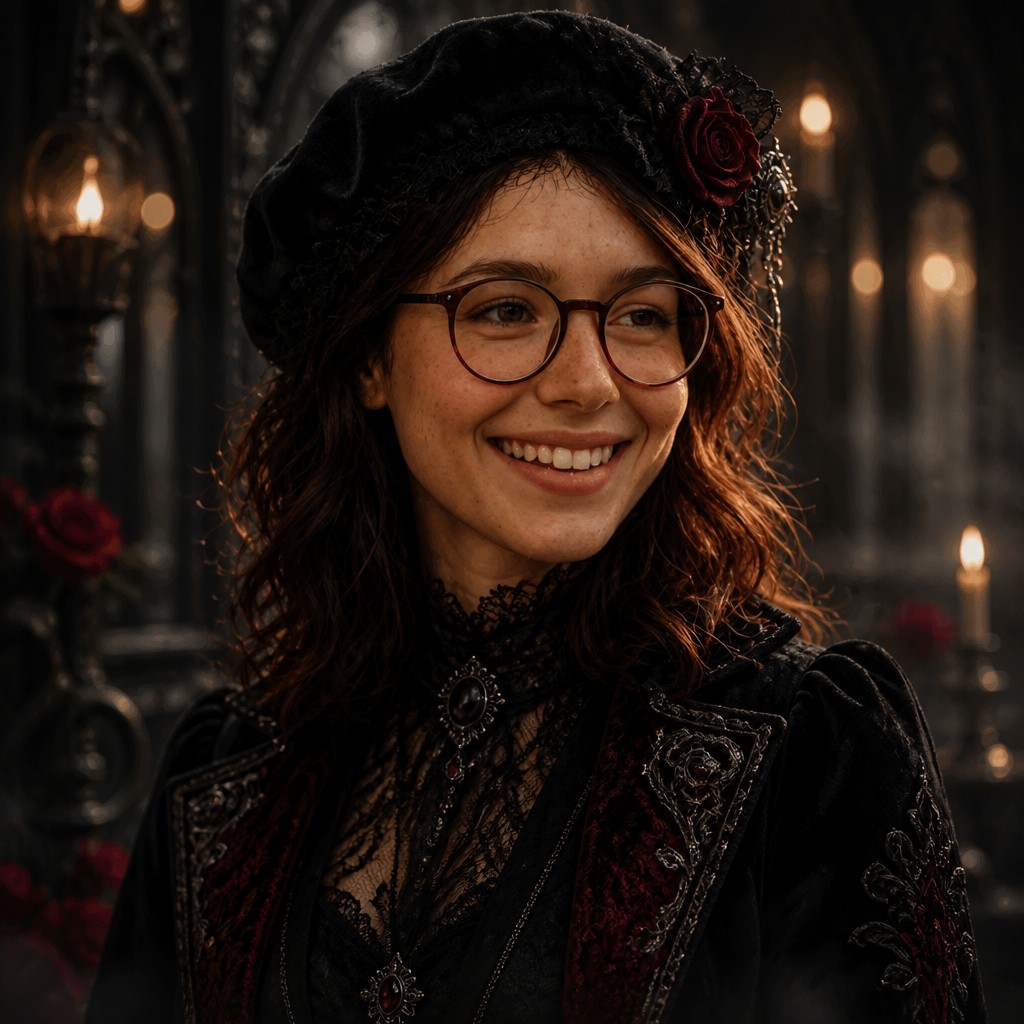
Lighting and rendering often emphasize strong light-dark contrast, with highlights catching lace edges, metal trim, and folds of fabric. This dramatic contrast is central to the style’s emotional effect.
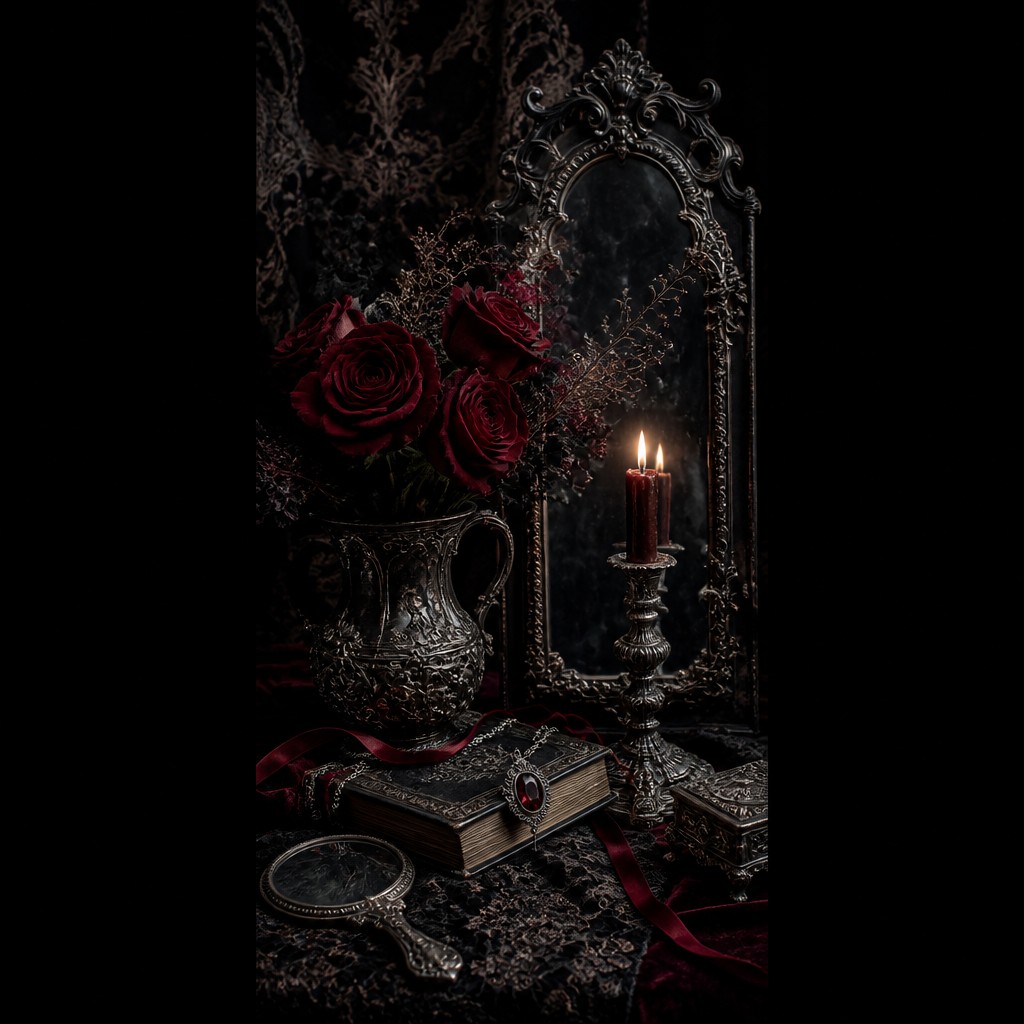
Theatrical elegance
The aesthetic balances severity and grace, often suggesting mourning, aristocracy, or supernatural fiction. Even when exaggerated, the design usually aims for poised, controlled drama rather than raw disarray.
Try It
Create Videos in Gothic Fashion Design
Styles aren't just for stills — describe a scene or animate an image and get a short video rendered in Gothic Fashion Design. Press play to see this pond come to life.
Make a VideoGothic Fashion Design Prompt Ideas
Start from an idea — each one opens the generator with the style ready to go. See all 40 Gothic Fashion Design prompts →
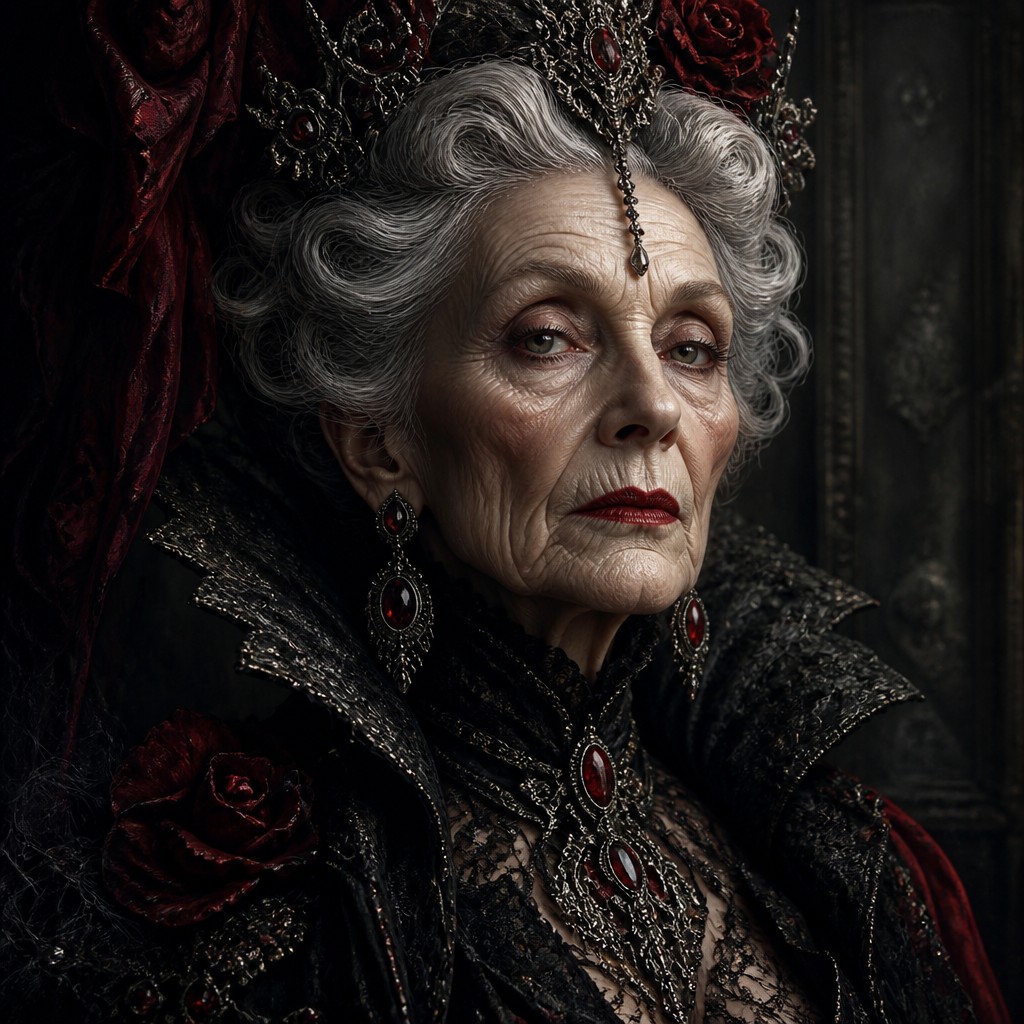
“close-up portrait of an elderly person with expressive weathered features”
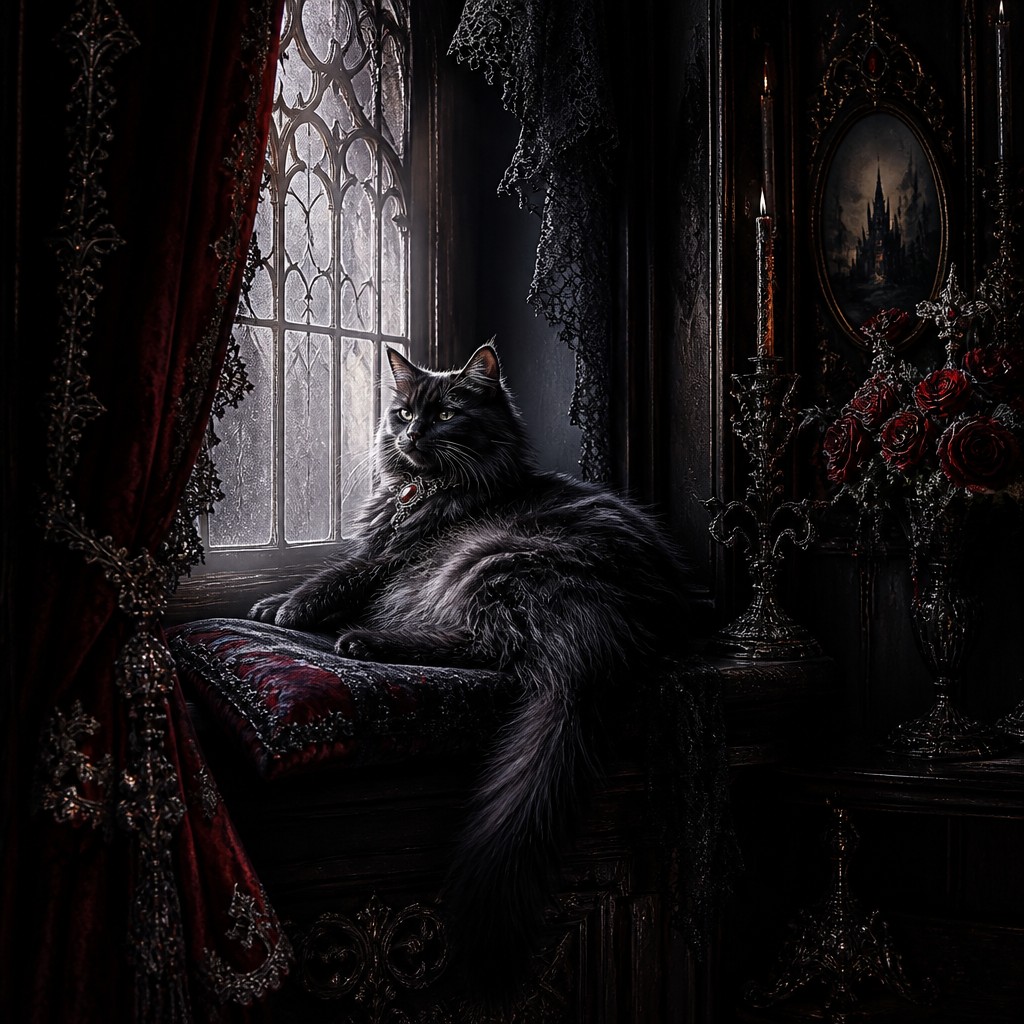
“a cat lounging in a sunlit window”
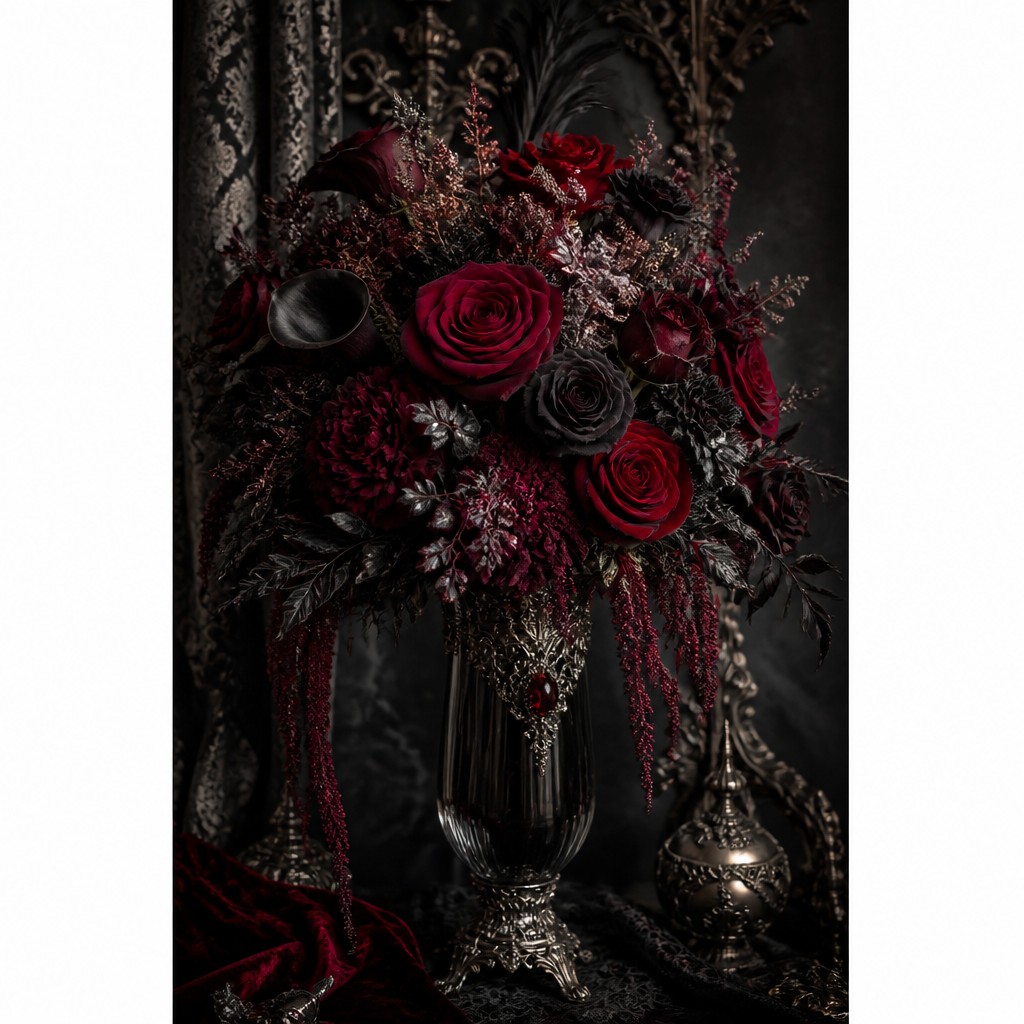
“bouquet of flowers in a glass vase”
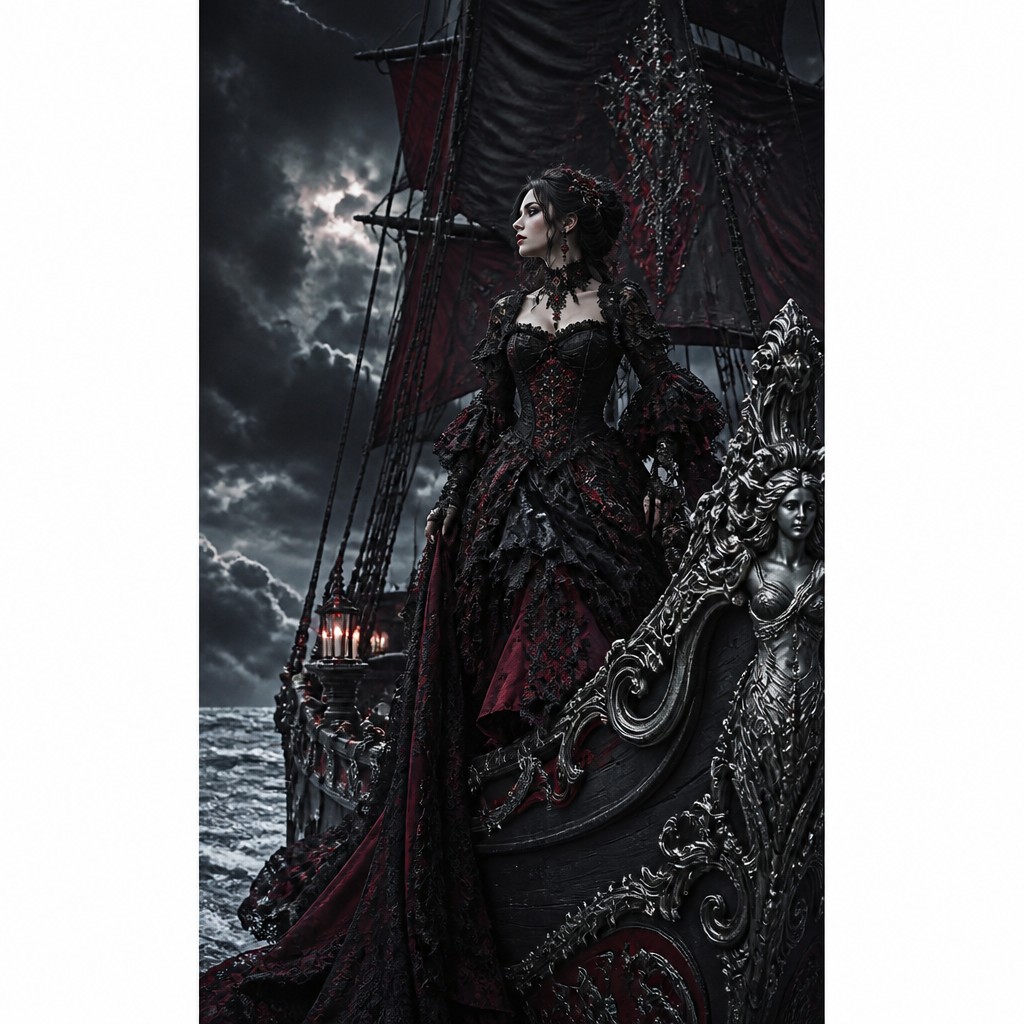
“sailing ship on a stormy sea”
How to Create Gothic Fashion Design Art
Master the craft step by step — or skip straight to creating. Read the full guide →
- 1
Build a strong silhouette first
Start with a clean, elongated outline: high waist, long sleeves, fitted torso, and flowing lower volumes. In traditional sketching, block in the silhouette before details; in digital work, use simple shape layers to keep the form elegant and readable.
- 2
Use texture to signal luxury
Differentiate materials by rendering them distinctly: velvet should absorb light, lace should read as delicate and open, and metal should catch crisp highlights. For prompts, name specific fabrics and finishes so the image has tactile variety.
- 3
Restrict the palette
Keep the design anchored in black and charcoal, then introduce small accents with purpose rather than saturation everywhere. A controlled palette helps the image feel cohesive and preserves the gothic mood.
- 4
Add historical references carefully
Borrow from Victorian and mourning dress—such as high collars, bustles, or corsetry—without overcrowding the design. The best results usually come from selective reference rather than costume-level imitation.
- 5
Shape the lighting for drama
Use hard-edged highlights, deep shadows, and atmospheric falloff to make fabric layers and ornament stand out. In prompt-based generation, ask for chiaroscuro, shadowed backgrounds, and jewel-like highlights to reinforce the mood.
- 6
Balance narrative and restraint
A good design suggests character, rank, or story without becoming overly literal. Mentioning words like 'mourning,' 'aristocratic,' 'mysterious,' or 'occult-tinged' can guide the concept while still leaving room for refined interpretation.
The Story
History & Origins of Gothic Fashion Design
As a fashion aesthetic, Gothic Fashion Design draws on several historical and cultural lineages rather than a single origin point. Its primary references include Victorian and Edwardian mourning dress, Romantic-era ideas of the sublime, and later gothic subcultures that formed in the late 20th century around post-punk music, dark fashion, and theatrical self-presentation.
In visual terms, the style also absorbs elements from neo-Victorian design, costume illustration, fantasy art, and editorial fashion photography. Modern interpretations often merge antique silhouette language with contemporary materials and styling, producing a hybrid aesthetic that is historically referential without being historically fixed.
Influences: This aesthetic is closely related to Victorian mourning dress, Romanticism’s fascination with the sublime, and post-punk gothic subculture. It also overlaps with neo-Victorian fashion, dark fantasy illustration, and editorial couture imagery. Historical references may evoke lush, melancholic romantic painting associated with the Pre-Raphaelite movement and similar romantic medievalist tendencies when the look leans toward richly symbolic detail, though the style itself is primarily a fashion design language rather than a single art-historical movement.

Frequently Asked Questions
What defines Gothic Fashion Design?
It is defined by black-centered color schemes, Victorian-inspired structure, and dramatic, elegant silhouettes. The style typically combines dark romance with ornate detail, using lace, velvet, brocade, corsetry, and metallic accents to create a mysterious look.
Is Gothic Fashion Design the same as Victorian fashion?
No. Victorian fashion is a historical period with specific garments and rules, while Gothic Fashion Design is a modern aesthetic that borrows selectively from that period. It reinterprets Victorian elements through a darker, more expressive lens.
How is this different from punk or alternative fashion?
Punk tends to emphasize rebellion, roughness, and DIY distortion, while Gothic Fashion Design usually prioritizes elegance, restraint, and atmosphere. It may share black clothing and subcultural roots, but its visual language is more romantic and ornamental.
What colors work best in this style?
Black is the foundation, supported by charcoal, deep burgundy, oxblood, plum, silver, ivory, and muted antique gold. Bright colors are usually used sparingly, if at all, because the style relies on contrast and tonal depth.
What fabrics and materials are most associated with it?
Velvet, lace, brocade, satin, chiffon, leather, and mesh are all common because they create strong visual and tactile contrast. Accessories often include oxidized metal, jet-like beads, pearls, and cameo-style ornament.
Where is Gothic Fashion Design commonly used?
It appears in fashion illustration, costume design, editorial photography, music visuals, fantasy character design, and alternative clothing branding. It is also popular in portraiture and concept art because it communicates mood and identity very efficiently.
Create your first Gothic Fashion Design artwork
Describe anything — or upload a photo — and see it in Gothic Fashion Design in seconds.
Make Something with Gothic Fashion Design
Compare Gothic Fashion Design
Related Styles
Discover similar art styles