Sustainable Fashion Design
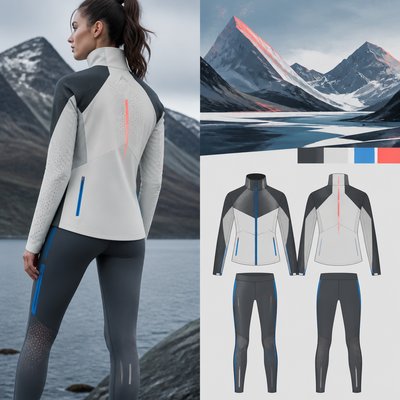
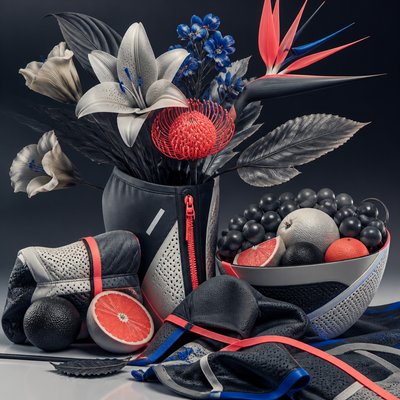
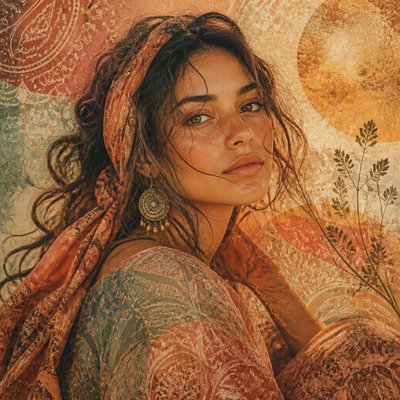
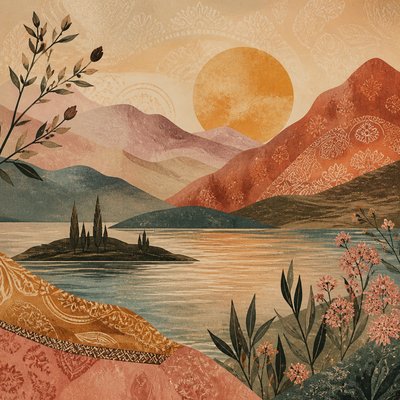
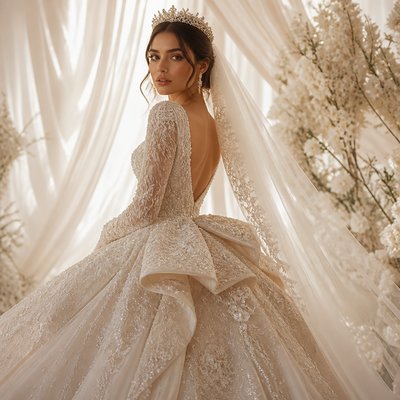
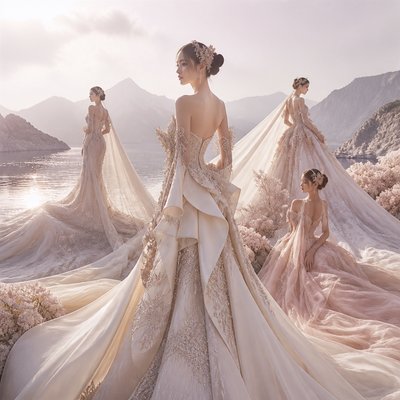
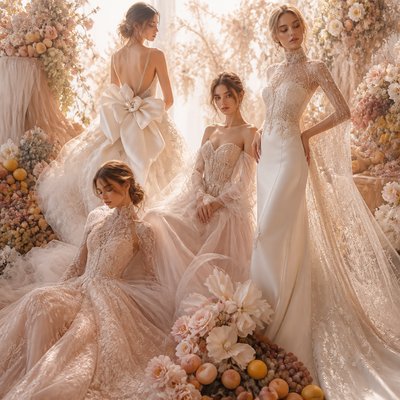
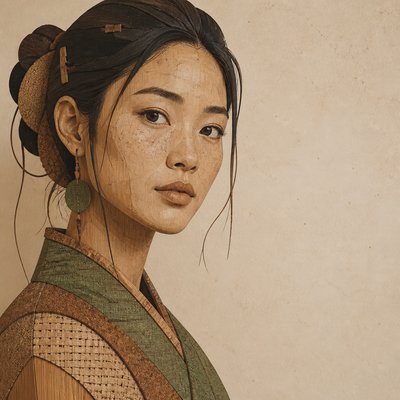
Eco-conscious clothing design with organic fibers, zero-waste cuts, earthy tones, and handcrafted details.
Instantly rendered in Sustainable Fashion Design — or transform a photo
Sustainable Fashion Design Gallery
Tap any artwork to explore it
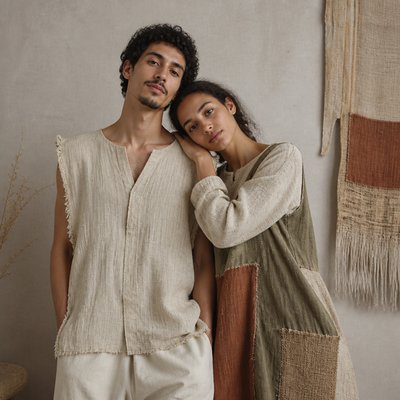
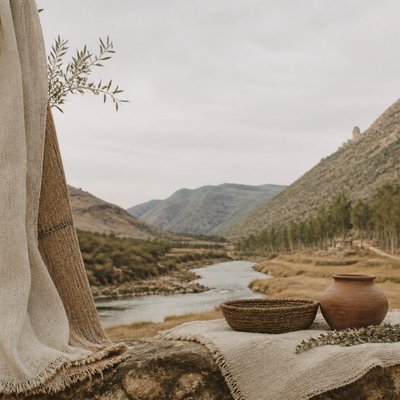
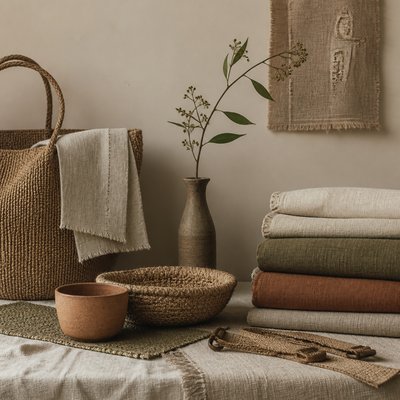
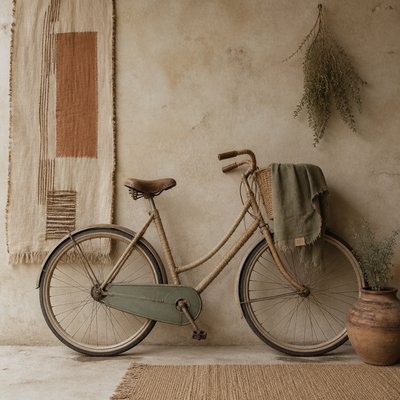
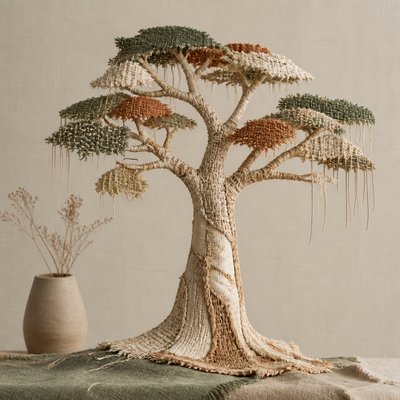
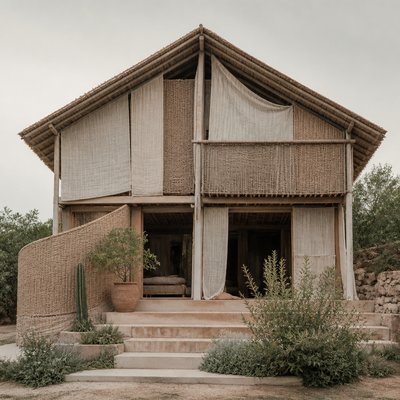
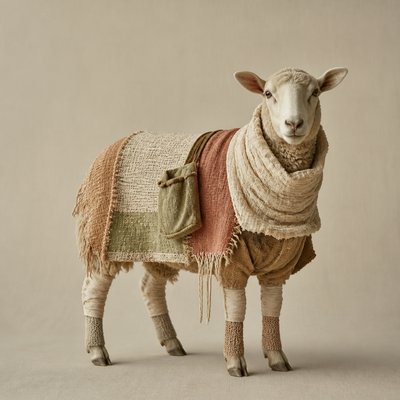
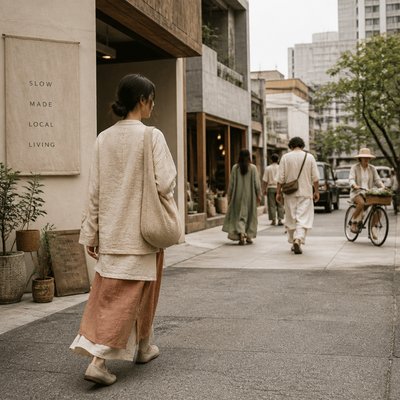
What is Sustainable Fashion Design?
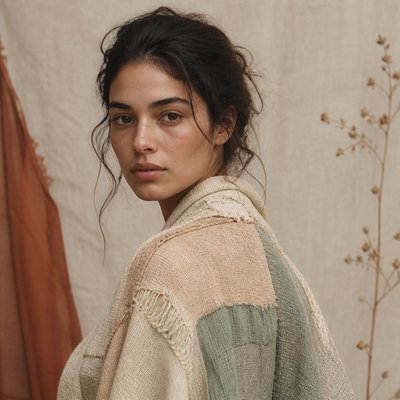
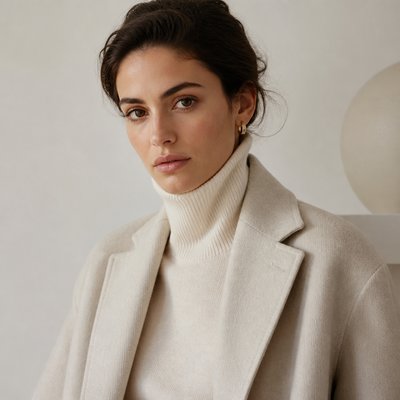
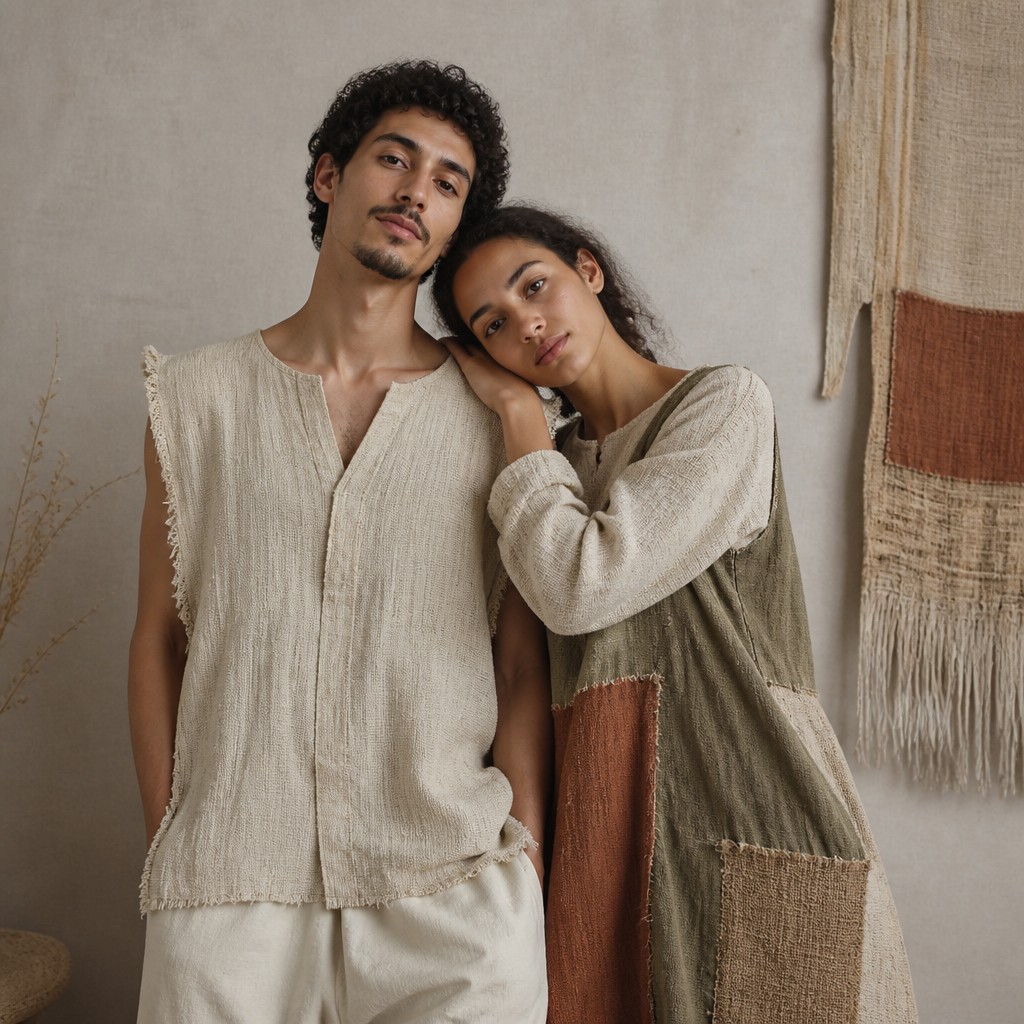
Sustainable fashion design is an approach to clothing that prioritizes environmental responsibility, ethical labor, and long-lasting wear. Visually, it often emphasizes natural fibers, undyed or low-impact colors, visible stitching, and silhouettes that communicate restraint, utility, and material honesty.
Its look is shaped by process as much as appearance. Zero-waste patterning, reclaimed textiles, hand-finished details, and a preference for breathable, biodegradable materials produce garments that seem calm, practical, and grounded in the properties of the fabric itself. The result is a design language where texture, construction, and modest color carry the visual interest rather than ornament or excess.
Try It On Your Photos
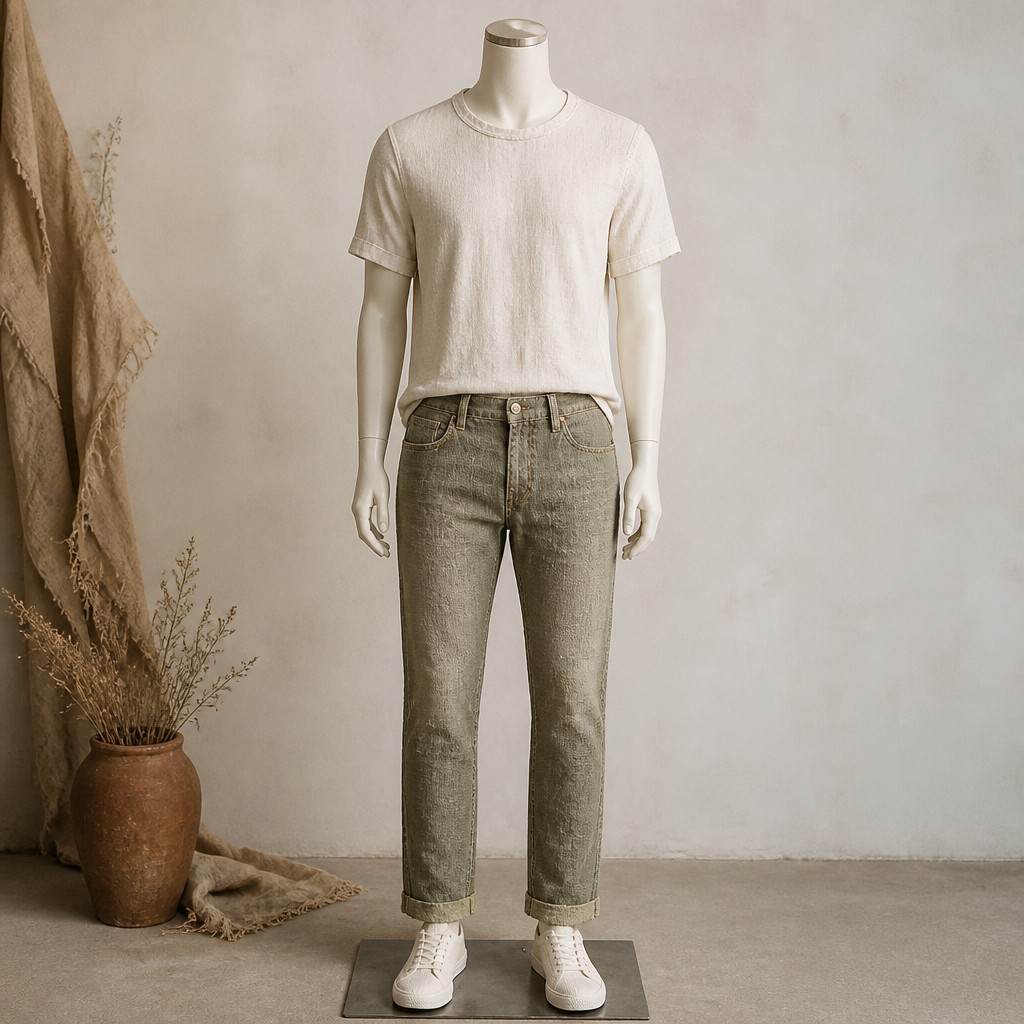
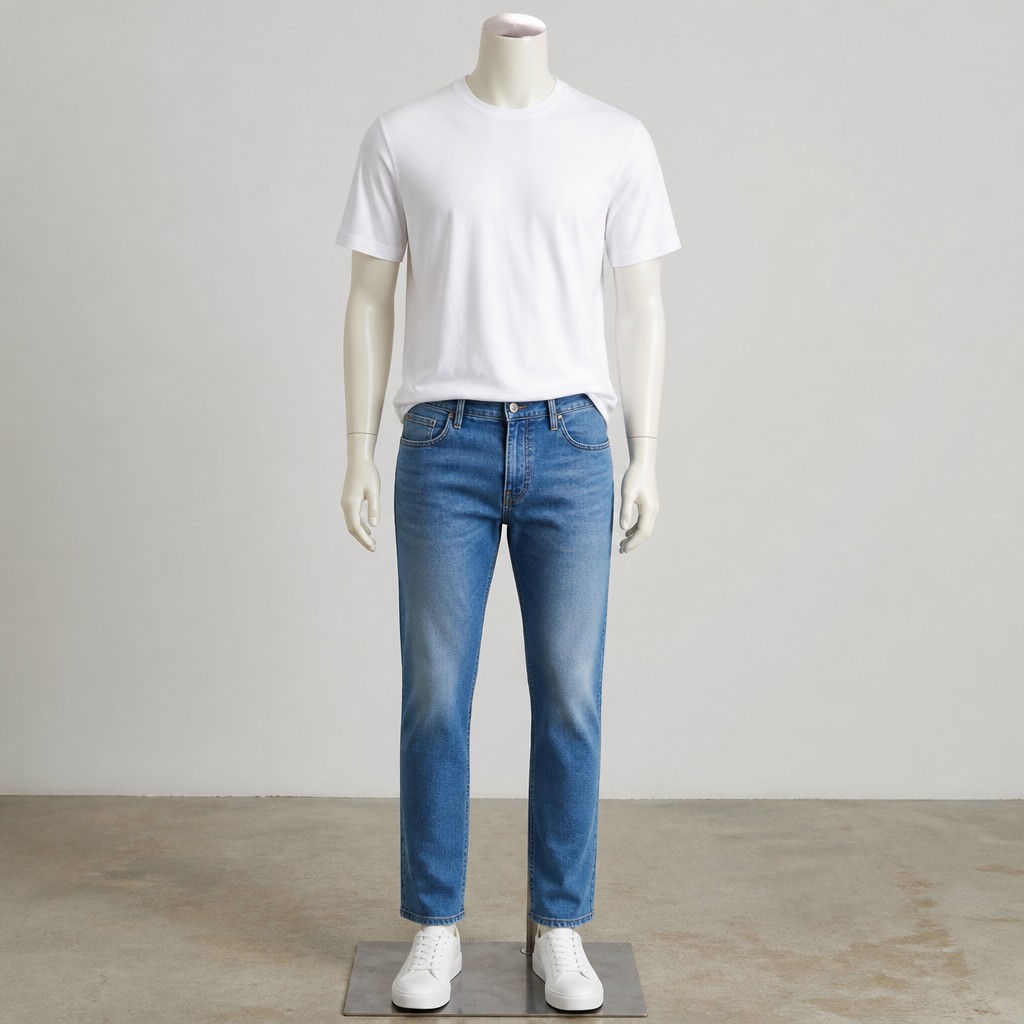
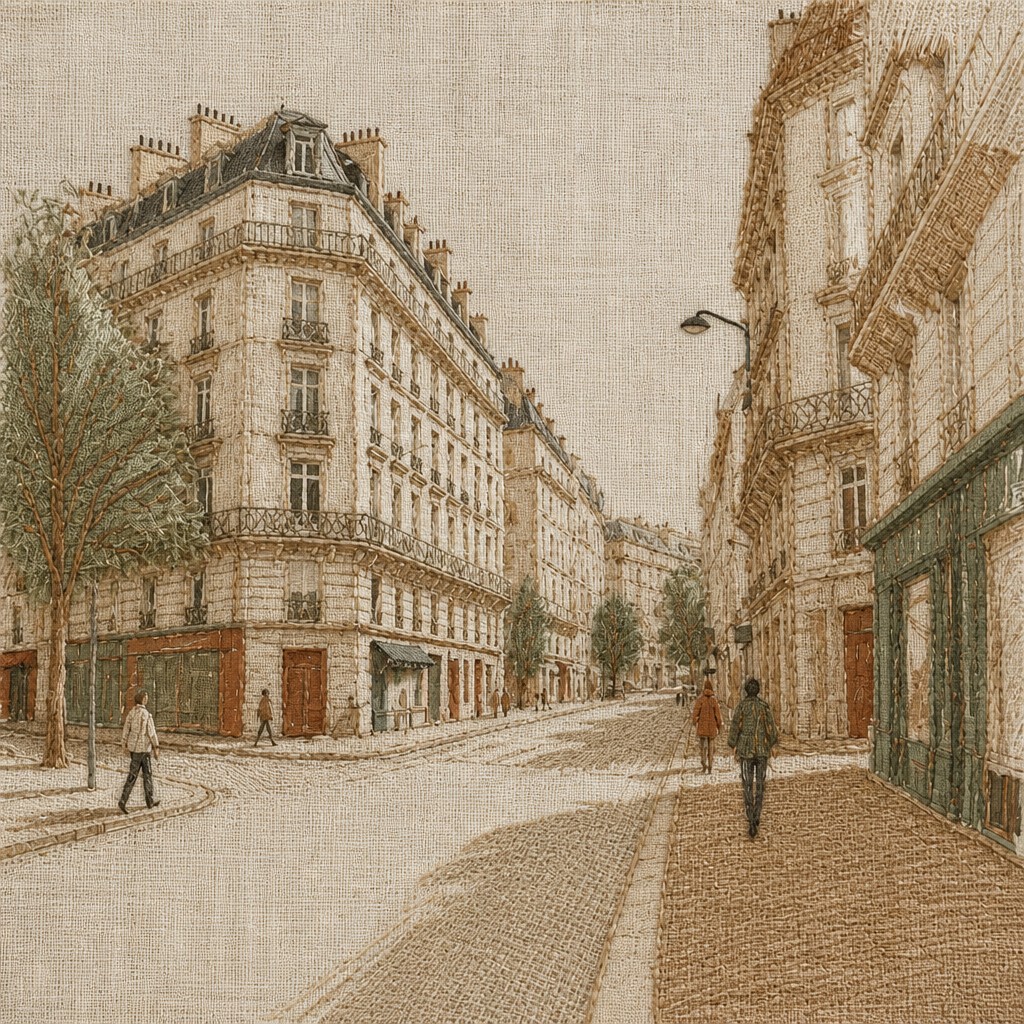
Upload any photo and convert it into Sustainable Fashion Design — drag the sliders to compare before and after.



What Defines Sustainable Fashion Design
The signature details, up close
Natural-fiber materials
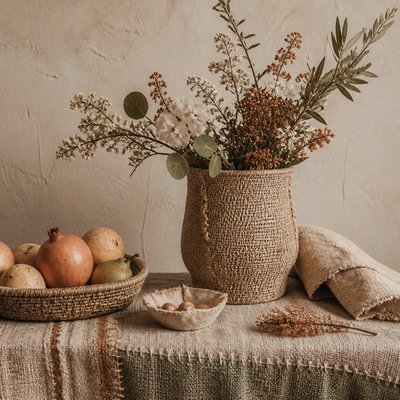
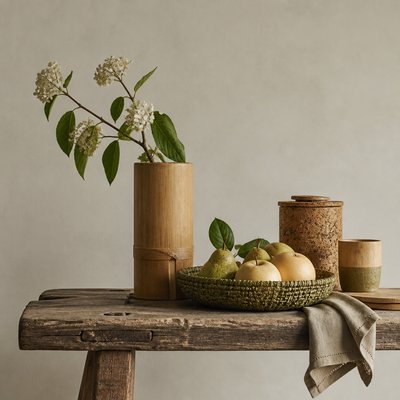
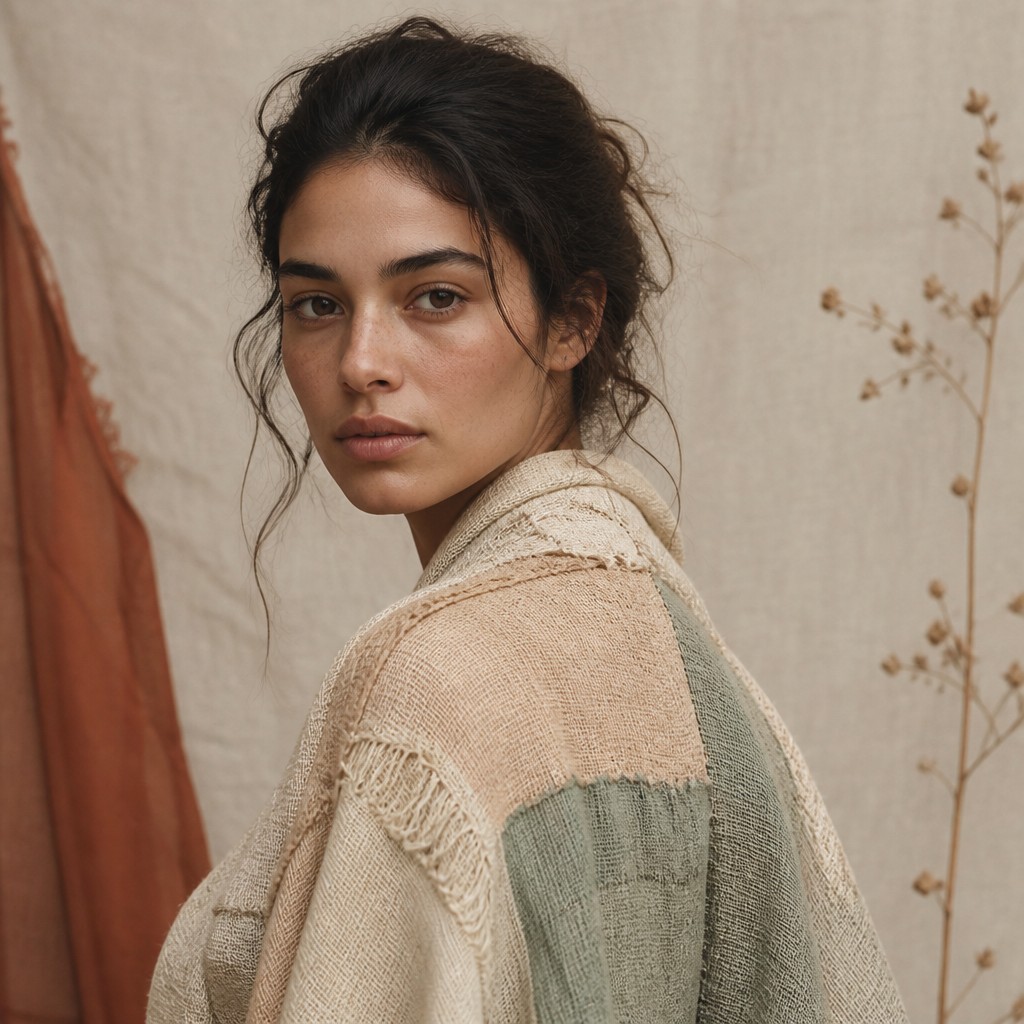
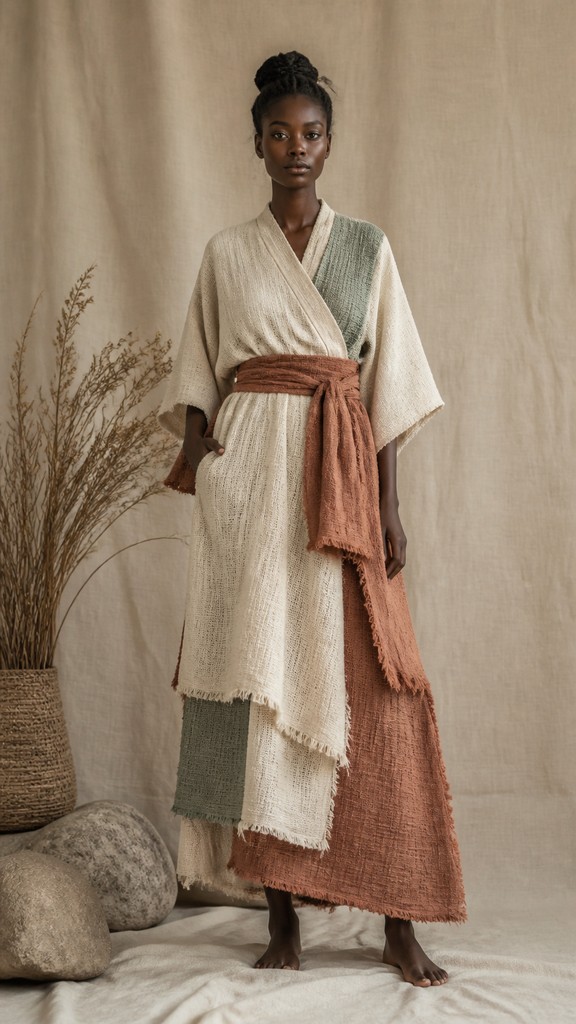
Garments often feature organic cotton, linen, hemp, wool, silk, or recycled blends that show slub, weave, and fiber variation. The texture is usually foregrounded rather than concealed.
Earth-tone palette
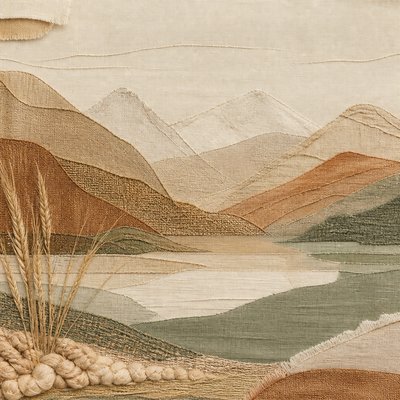
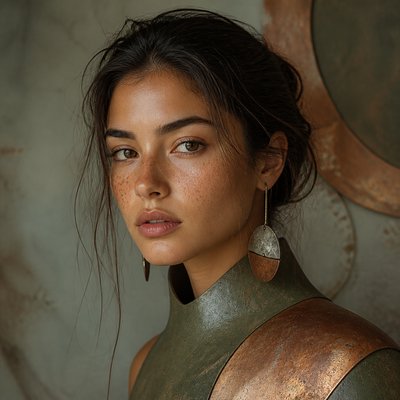
Color tends to stay close to nature: cream, oatmeal, brown, sage, olive, clay, rust, and muted gray. Even when dyed, the palette usually feels soft, low-saturation, and mineral-like.
Visible construction
Seams, topstitching, darts, binding, patching, and hems are often left legible. This makes the making process part of the visual identity.
Zero-waste or efficient patterning
Shapes are often designed from rectangles, panels, or carefully nested cuts to minimize textile waste. This can produce modular silhouettes, drape-driven forms, or unusual but practical proportions.
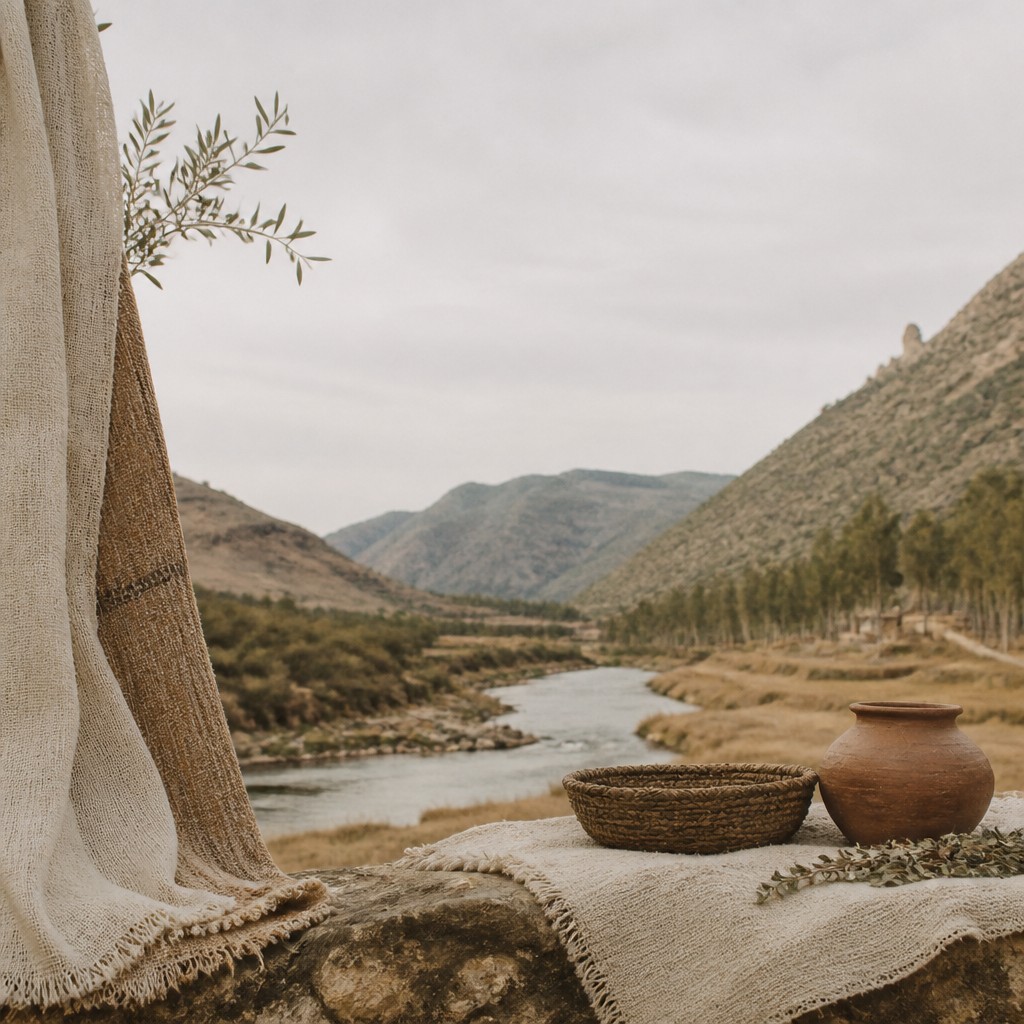
Handcrafted imperfections
Slight irregularities in stitching, dye absorption, weave density, or edge finish are not hidden. They contribute to a human, tactile quality that contrasts with mass-produced uniformity.
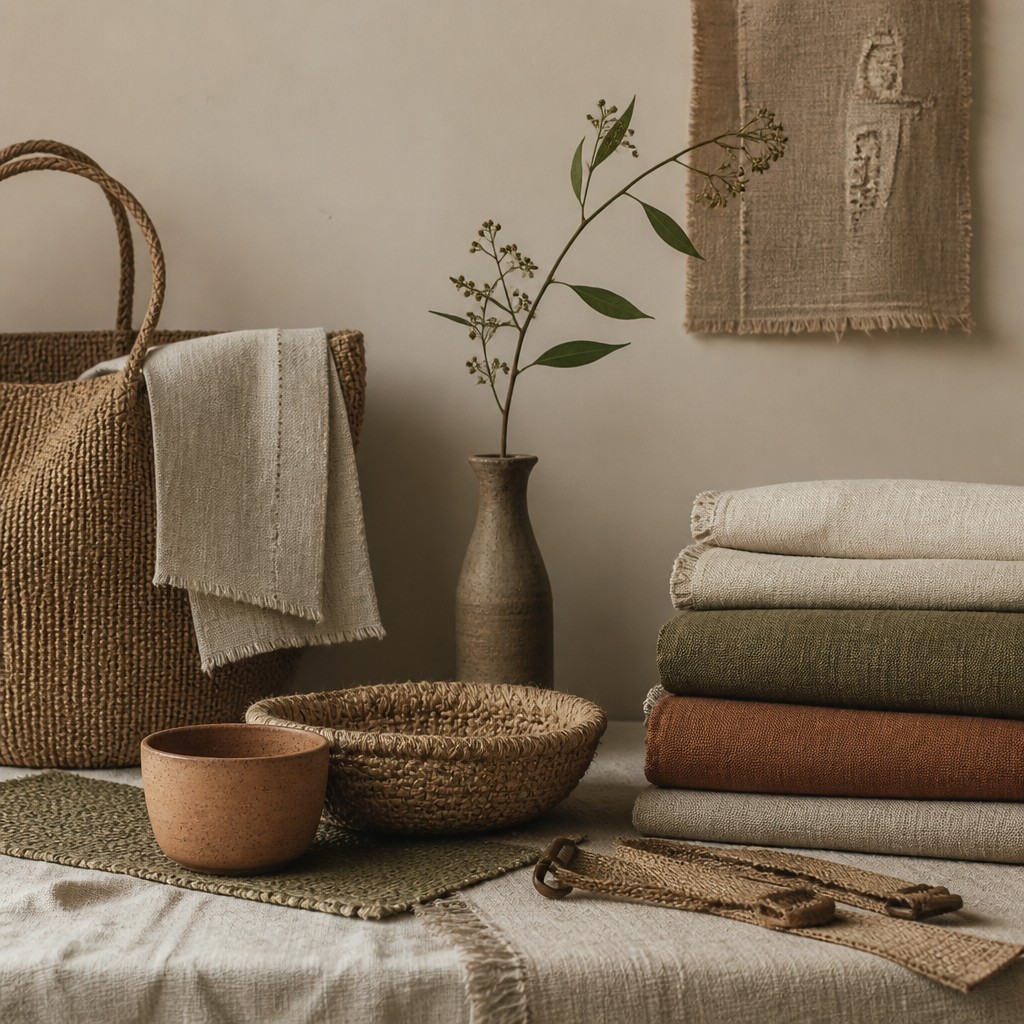
Minimal, functional silhouettes
Clothing often favors relaxed tailoring, layered basics, wrap forms, and adaptable shapes. The emphasis is on longevity, comfort, and versatility rather than trend-driven decoration.
Try It
Create Videos in Sustainable Fashion Design
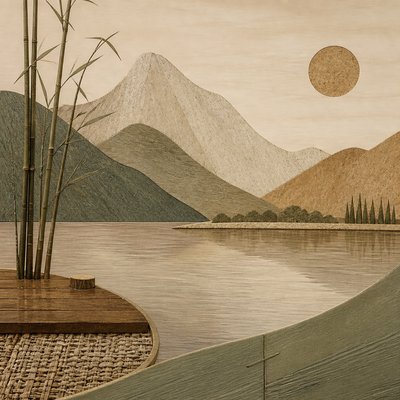
Styles aren't just for stills — describe a scene or animate an image and get a short video rendered in Sustainable Fashion Design. Press play to see this pond come to life.
Make a VideoSustainable Fashion Design Prompt Ideas
Start from an idea — each one opens the generator with the style ready to go. See all 40 Sustainable Fashion Design prompts →
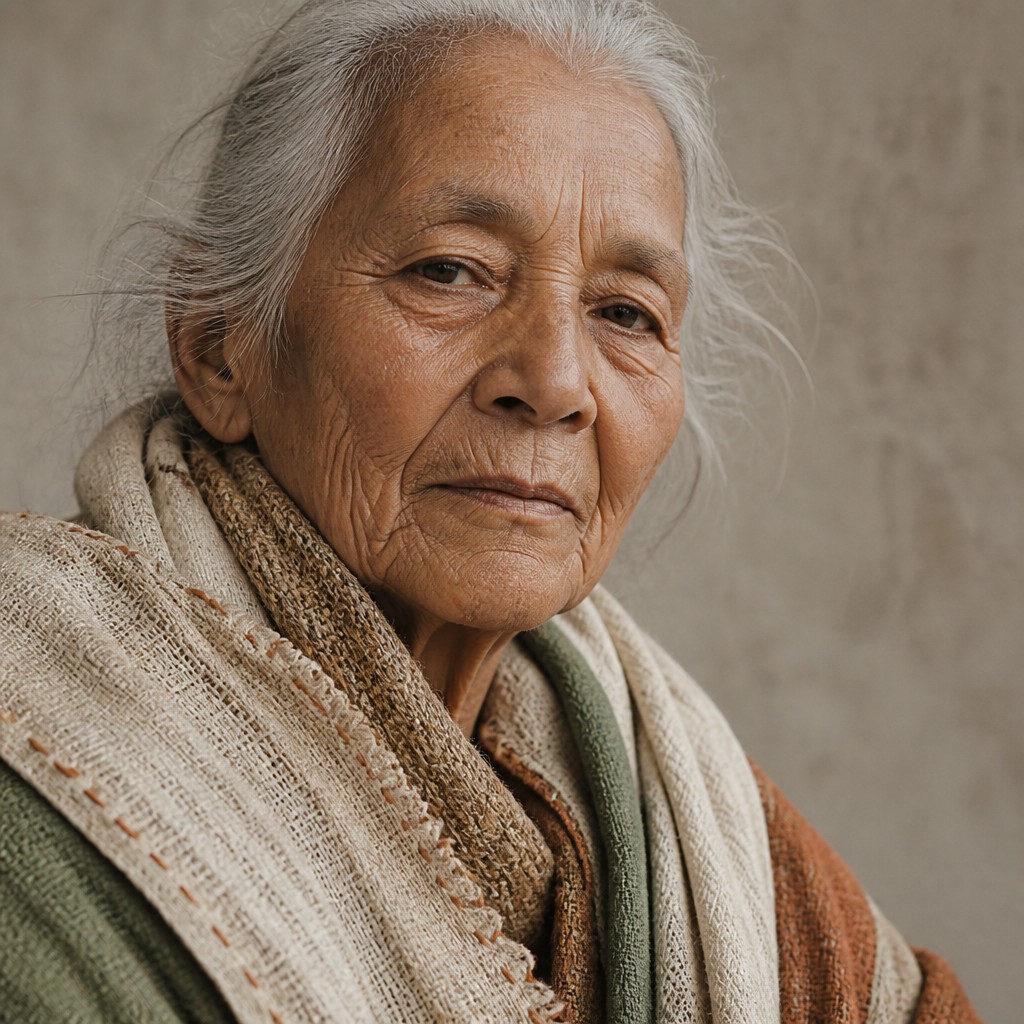
“close-up portrait of an elderly person with expressive weathered features”
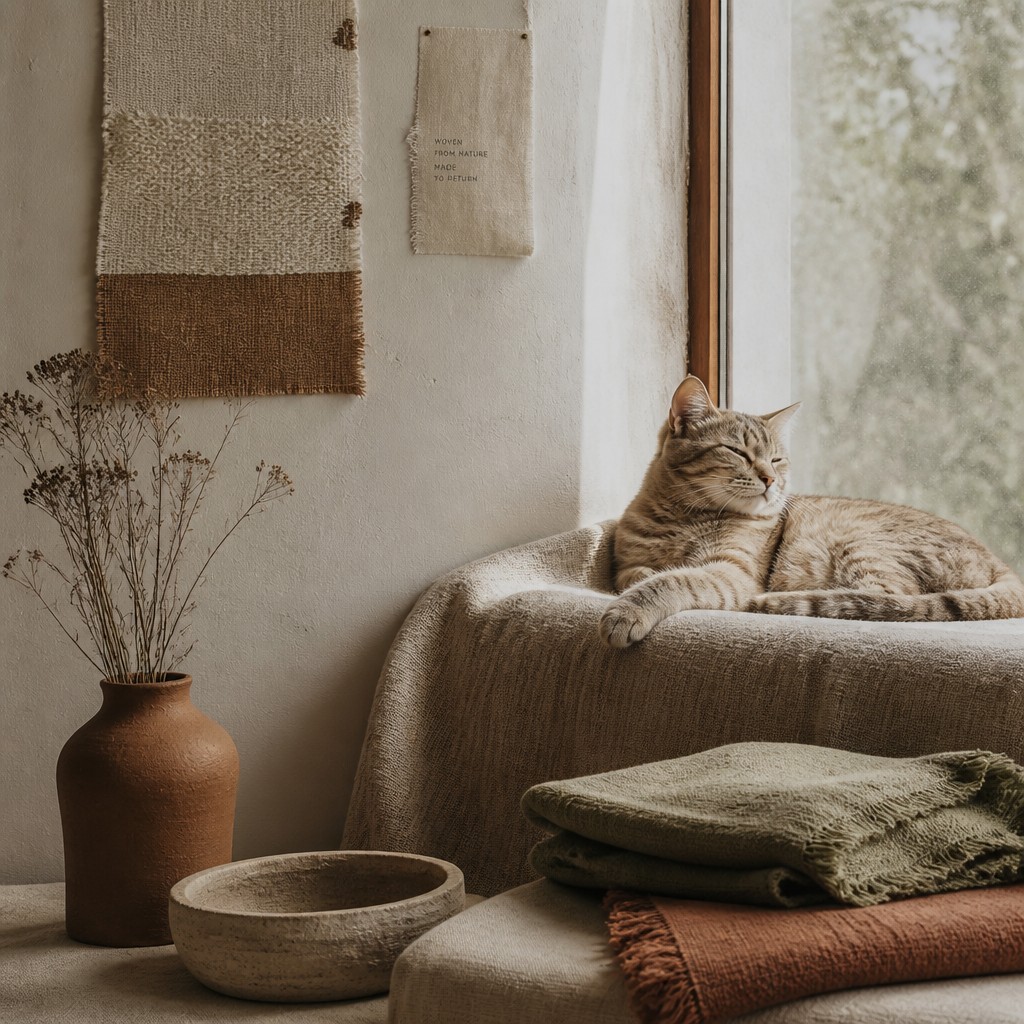
“a cat lounging in a sunlit window”
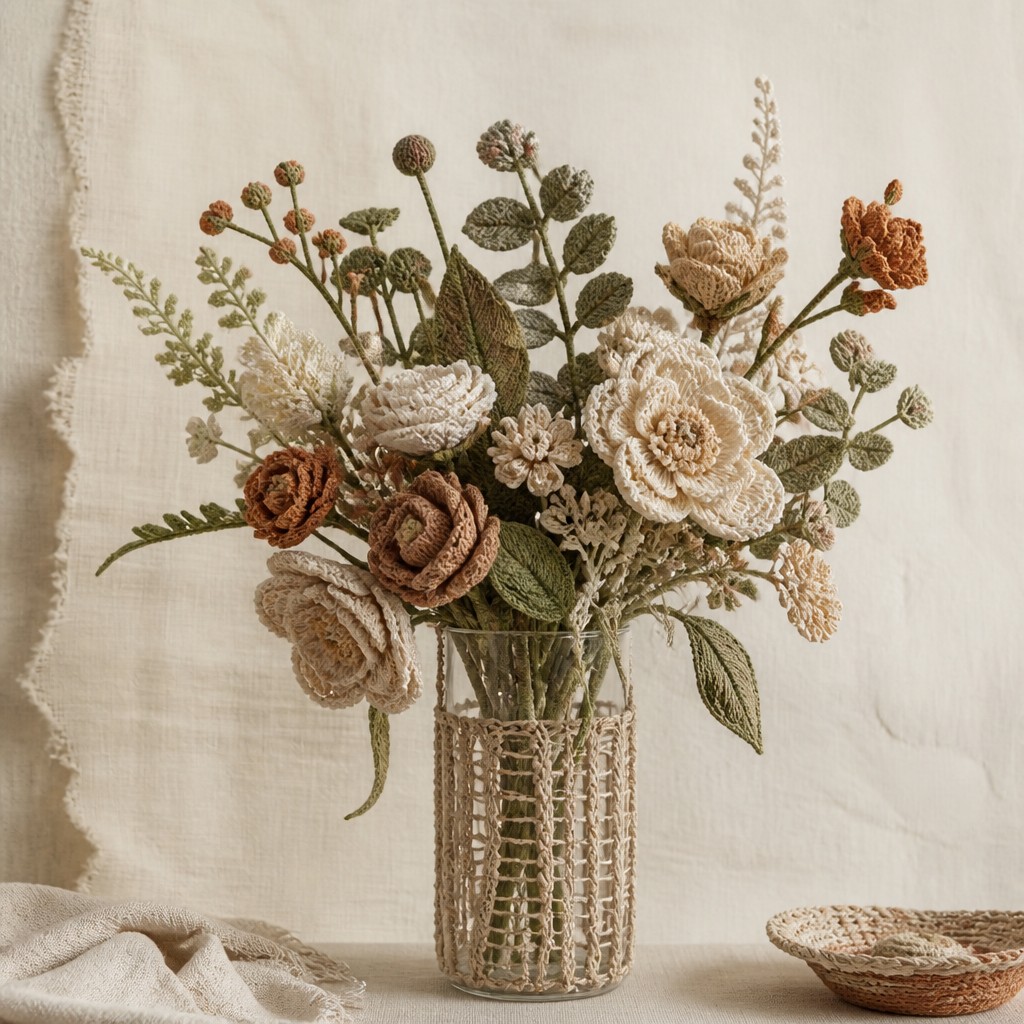
“bouquet of flowers in a glass vase”
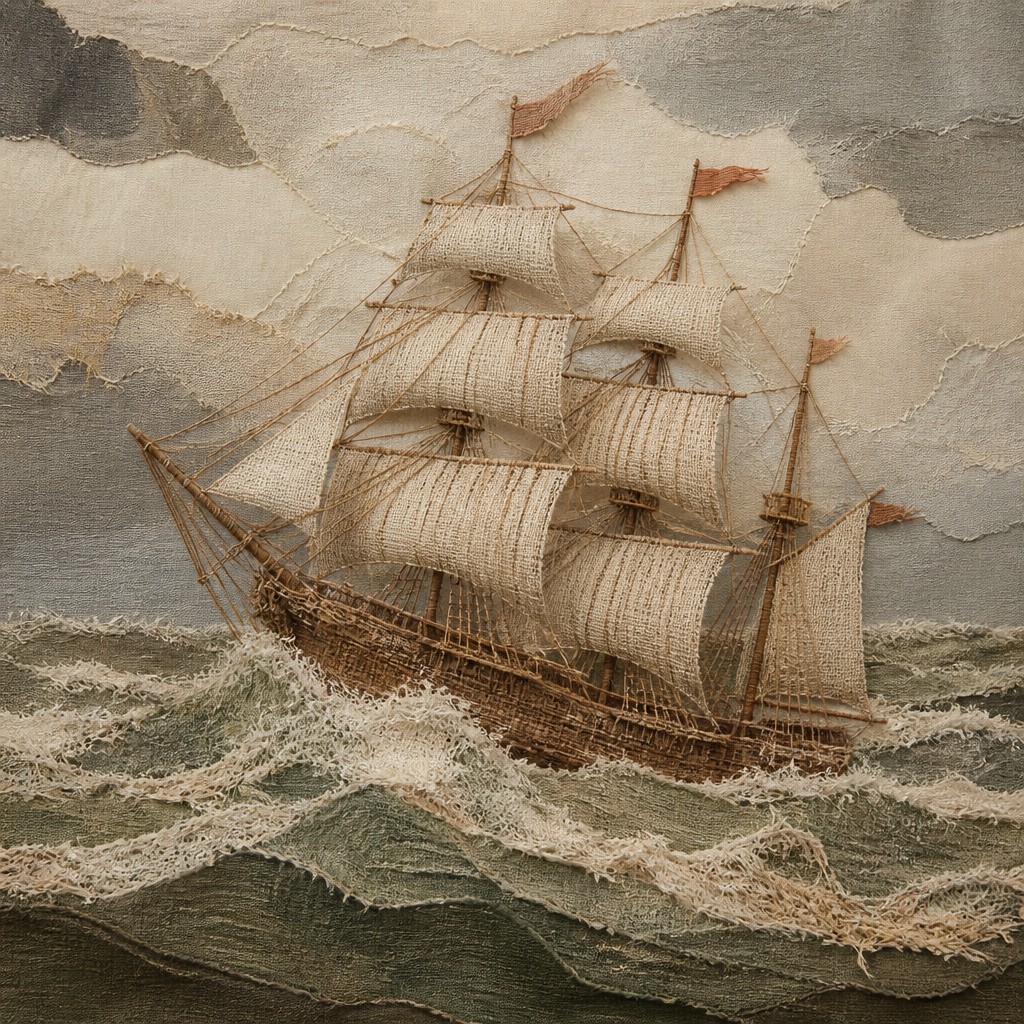
“sailing ship on a stormy sea”
How to Create Sustainable Fashion Design Art
Master the craft step by step — or skip straight to creating. Read the full guide →
- 1
Choose honest materials
In traditional work, start with fabrics that visibly support the concept: linen, hemp, organic cotton, wool, or reclaimed cloth. In digital or prompt-based creation, specify raw textile textures, natural fiber weaves, and undyed or low-impact coloration.
- 2
Build from the pattern, not the ornament
Design garments around efficient cutting and construction methods such as zero-waste patterning, modular panels, or draped rectangles. Let seams, closures, and structure become part of the aesthetic rather than hiding them.
- 3
Use restrained color logic
Work with muted earth tones and natural-dye-like variation instead of bright synthetic contrast. If painting or rendering, keep saturation low and allow gentle tonal shifts to suggest plant dyes or sun-faded cloth.
- 4
Show craft and wearability
Include details like mending, patching, topstitching, and hand-finished edges to communicate durability and care. In image generation, ask for balanced negative space, soft diffused light, and documentary presentation to keep the focus on garment form and material truth.
- 5
Make sustainability visible in the final image
Photograph or render the garment with a calm, practical presentation: neutral backgrounds, natural light, and clear views of seams, texture, and drape. For prompt-based work, describe ethical production cues, handcrafted quality, and intentional imperfections so the output reads as designed rather than glossy and disposable.
The Story
History & Origins of Sustainable Fashion Design
Sustainable fashion is not a single historical movement but a contemporary design field that emerged from environmentalism, labor-rights advocacy, and criticism of industrial fast fashion. Its development accelerated from the late 20th century onward as designers and consumers became more aware of pollution, textile waste, chemical dye impacts, and exploitative production chains.
Its aesthetic lineage draws from several real traditions: utilitarian workwear, artisanal craft, minimalism, natural-dye practices, and the functional simplicity of certain modernist design approaches. In visual terms, it also overlaps with slow fashion, zero-waste pattern cutting, upcycling, and handmade textile traditions that value repair, longevity, and the expressive character of materials.
Influences: This style is closely related to slow fashion, utilitarian workwear, artisanal craft traditions, and modern minimalism. In the broader history of design, it shares values with handmaking and material clarity found in textile practices across cultures, while its pared-down visual language also recalls aspects of modernist simplicity associated with influential Finnish designers and architects in architecture and product design, though sustainable fashion itself is a contemporary field rather than a historical art movement.
Frequently Asked Questions
What defines sustainable fashion design visually?
It is defined by natural materials, muted colors, visible construction, and a generally calm, practical look. The aesthetic usually suggests longevity, repairability, and careful use of resources rather than seasonal novelty.
How is this different from minimalist fashion?
Minimalist fashion can be purely stylistic, focused on clean lines and reduced ornament. Sustainable fashion design adds an ethical and material dimension: organic or recycled fabrics, low-waste methods, and production choices intended to reduce environmental harm.
What fabrics are most associated with this style?
Common fabrics include organic cotton, linen, hemp, wool, silk, and recycled textiles. Textures are often left visible so the viewer can see the weave, slub, or hand of the material.
What colors work best for this style?
Earth tones and low-saturation hues are the most characteristic: cream, oat, brown, sage, olive, terracotta, and muted charcoal. These colors support the natural-material ethos and pair well with subtle dye variation.
How do I make an image look sustainable rather than just rustic?
Include specific design cues such as zero-waste seams, modular construction, thoughtful tailoring, and ethical-production details. Pair those with clean presentation and controlled composition so the result feels intentional, not simply weathered or folkloric.
Where is sustainable fashion design used?
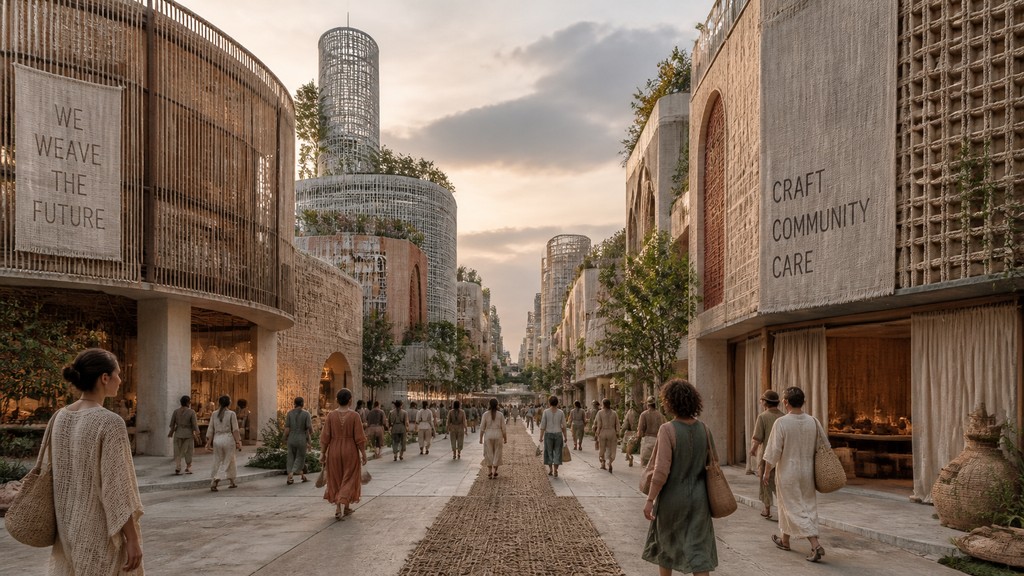
It appears in independent fashion labels, capsule collections, editorial lookbooks, concept boards, and product imagery for ethically produced clothing. It is also common in speculative design projects that explore more responsible futures for apparel.
Create your first Sustainable Fashion Design artwork
Describe anything — or upload a photo — and see it in Sustainable Fashion Design in seconds.
Make Something with Sustainable Fashion Design
Compare Sustainable Fashion Design
Related Styles
Discover similar art styles