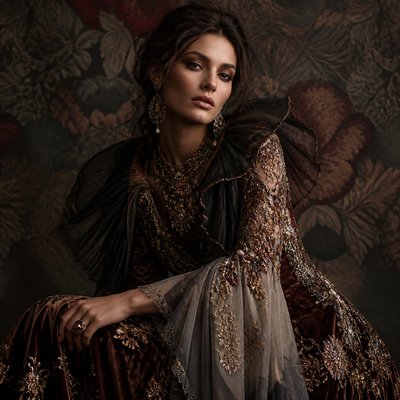
Streetwear Fashion Design
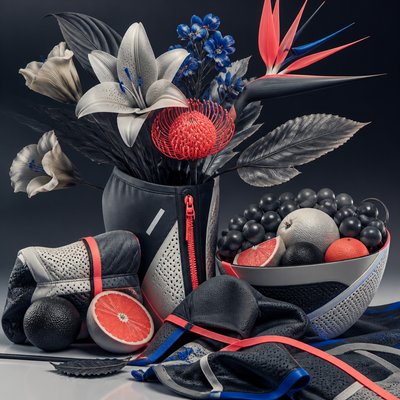
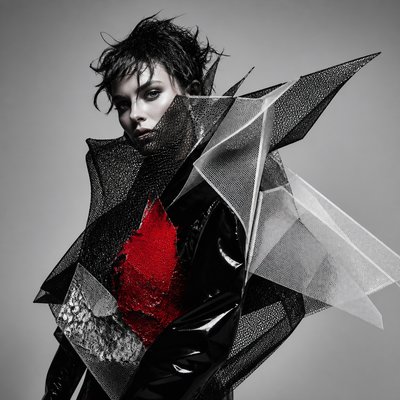
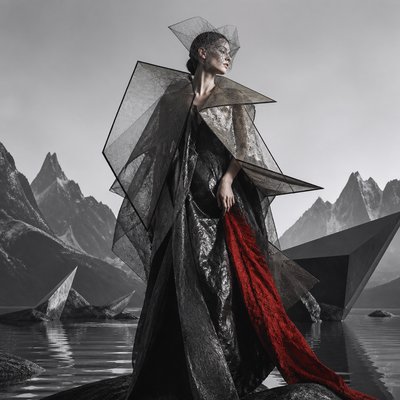
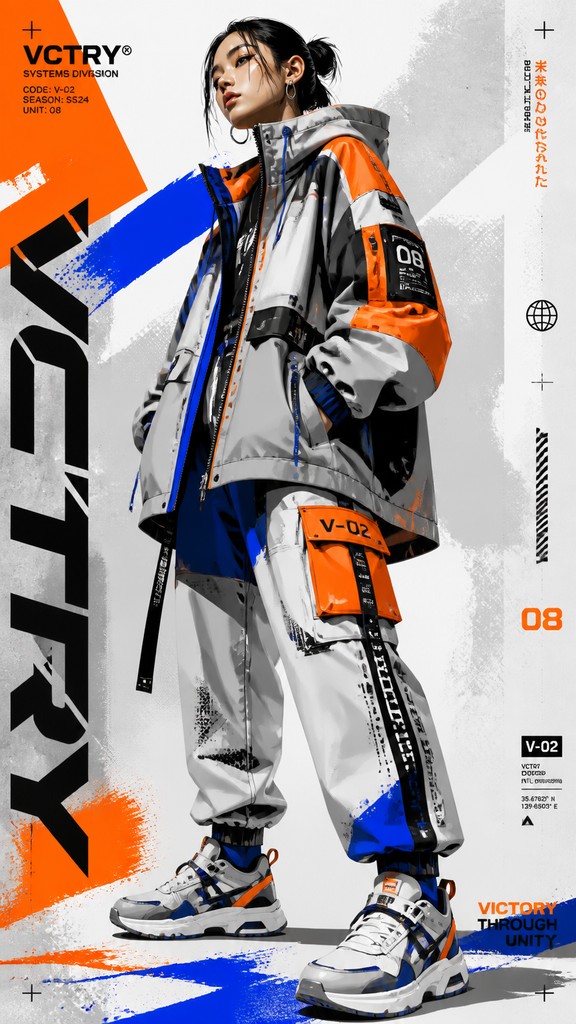
Urban fashion aesthetic mixing athletic wear, bold graphics, oversized silhouettes, and sneaker-culture details.
Instantly rendered in Streetwear Fashion Design — or transform a photo
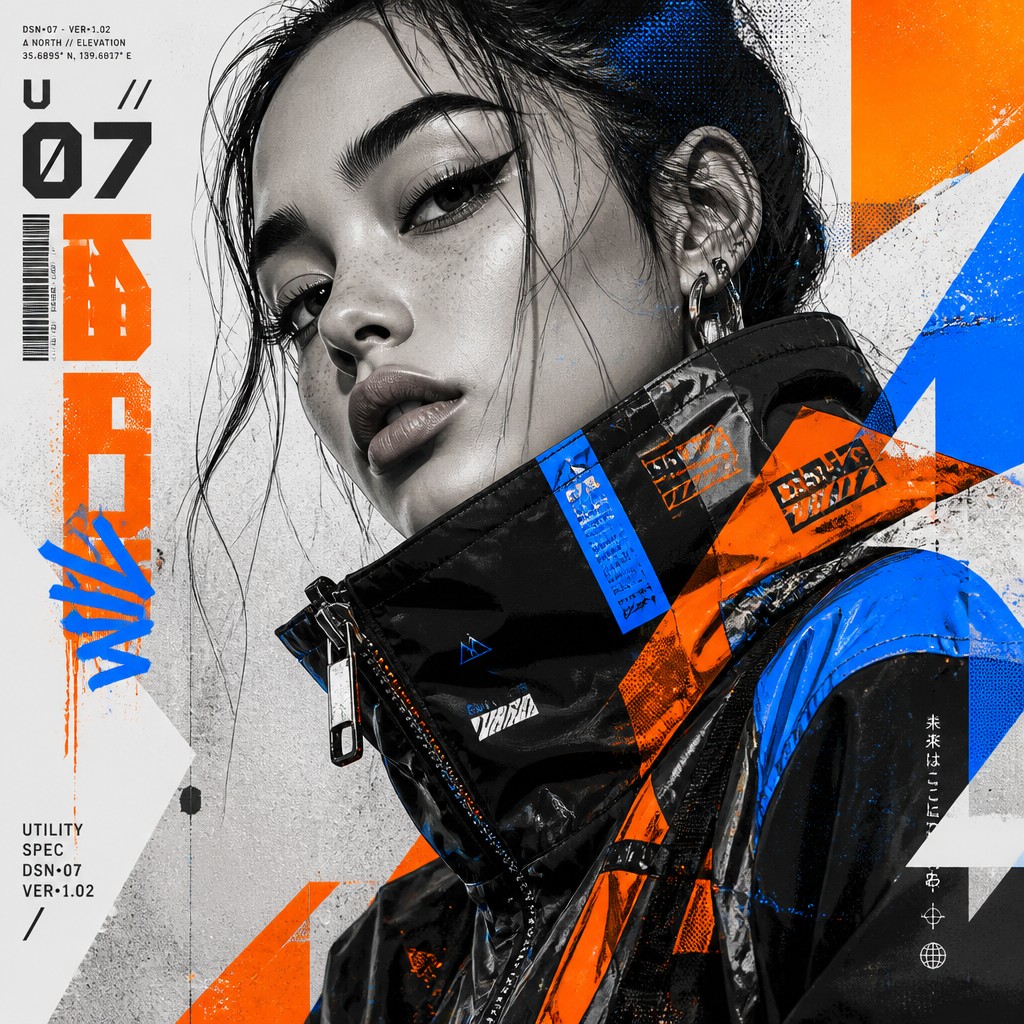
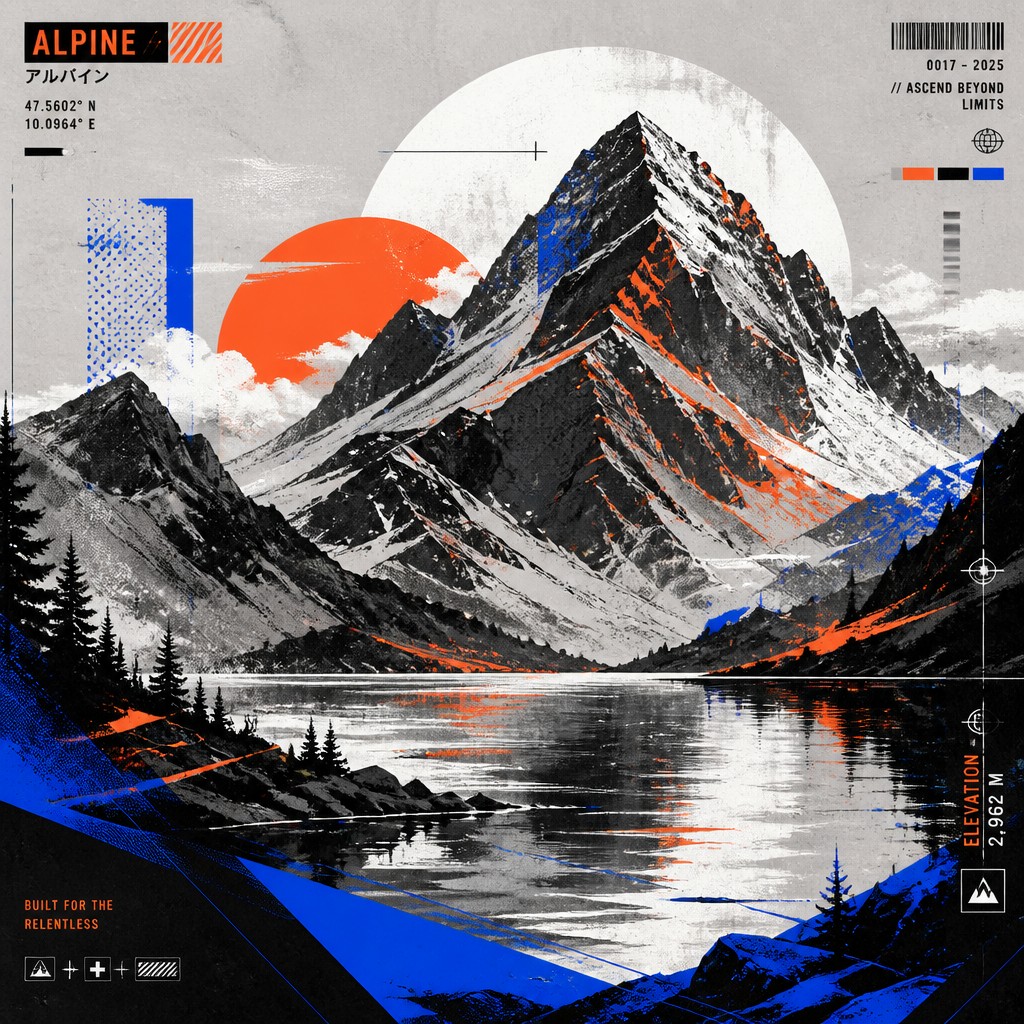

Streetwear Fashion Design Gallery
Tap any artwork to explore it
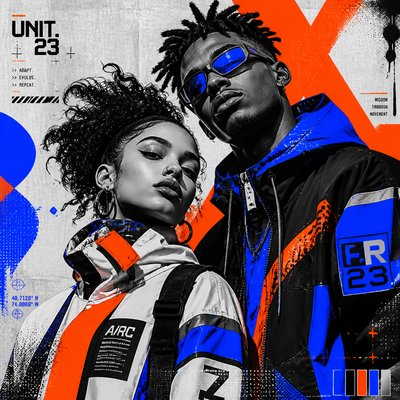
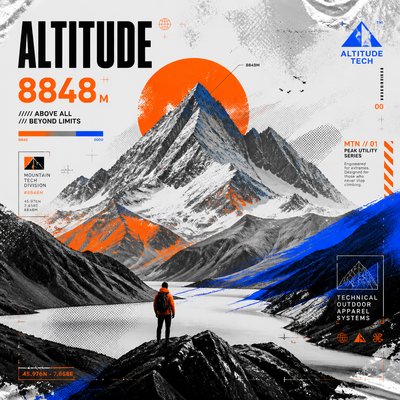
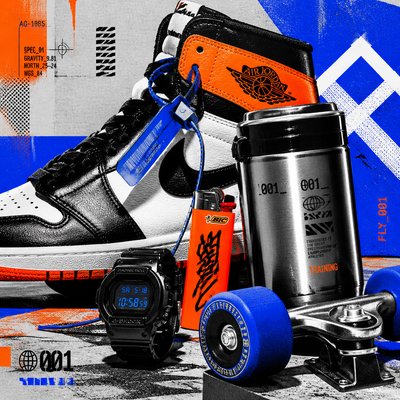
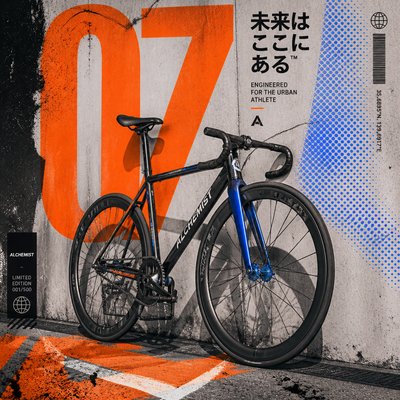
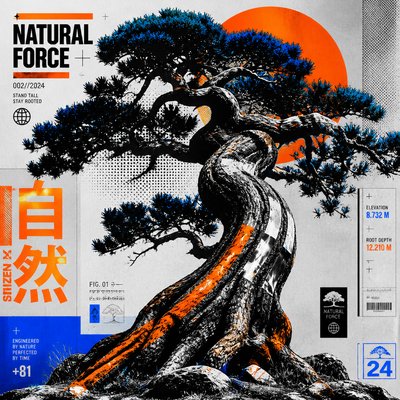
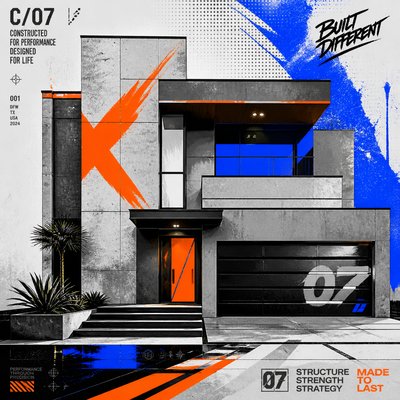
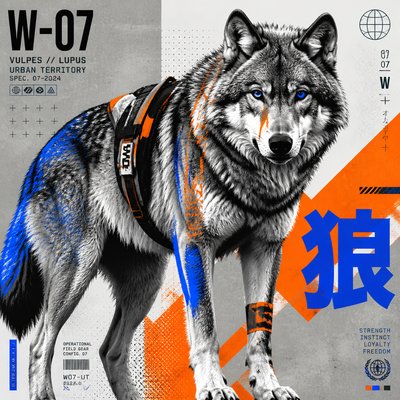
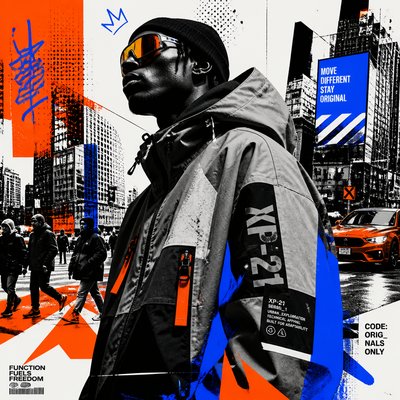
What is Streetwear Fashion Design?
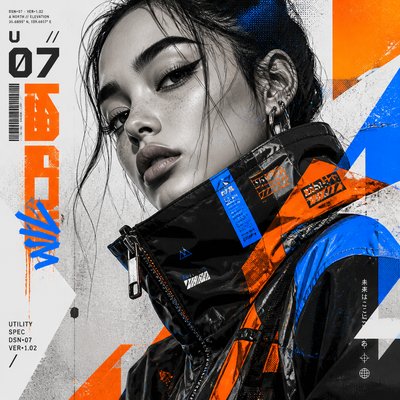
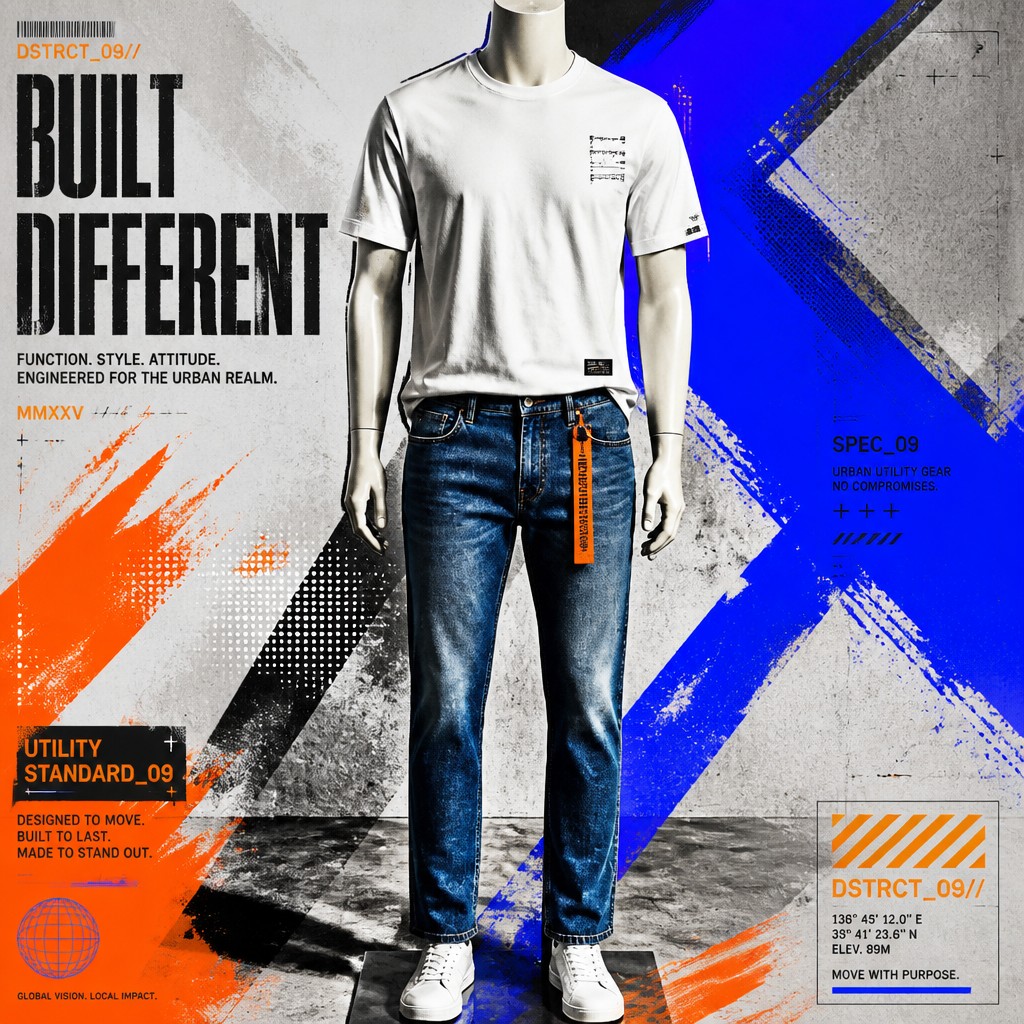
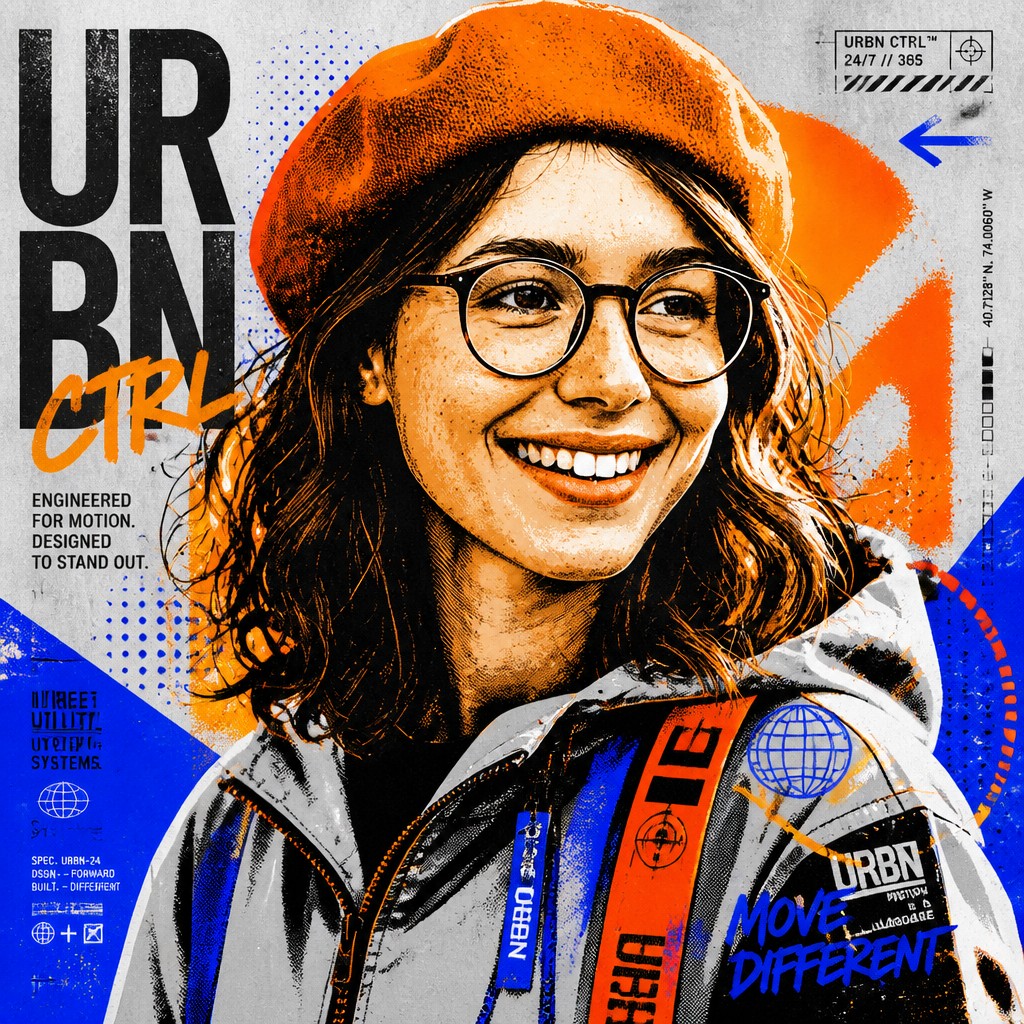
Streetwear fashion design is an urban clothing aesthetic that combines elements of sportswear, workwear, hip-hop style, and high fashion. It is defined by relaxed silhouettes, oversized proportions, graphic logos or slogans, and a practical but expressive attitude toward dress. The look often emphasizes layers, utility details, and footwear as a central design statement.
Visually, the style tends to use strong contrast, clean shapes, and assertive branding. Its appeal comes from the way it balances comfort and status: athletic materials, hoodies, cargo pants, varsity references, and technical fabrics are paired with elevated tailoring, limited-edition graphics, or premium finishing. The result is clothing that reads as both functional and culturally coded, with sneaker culture, youth subcultures, and contemporary city life shaping its identity.
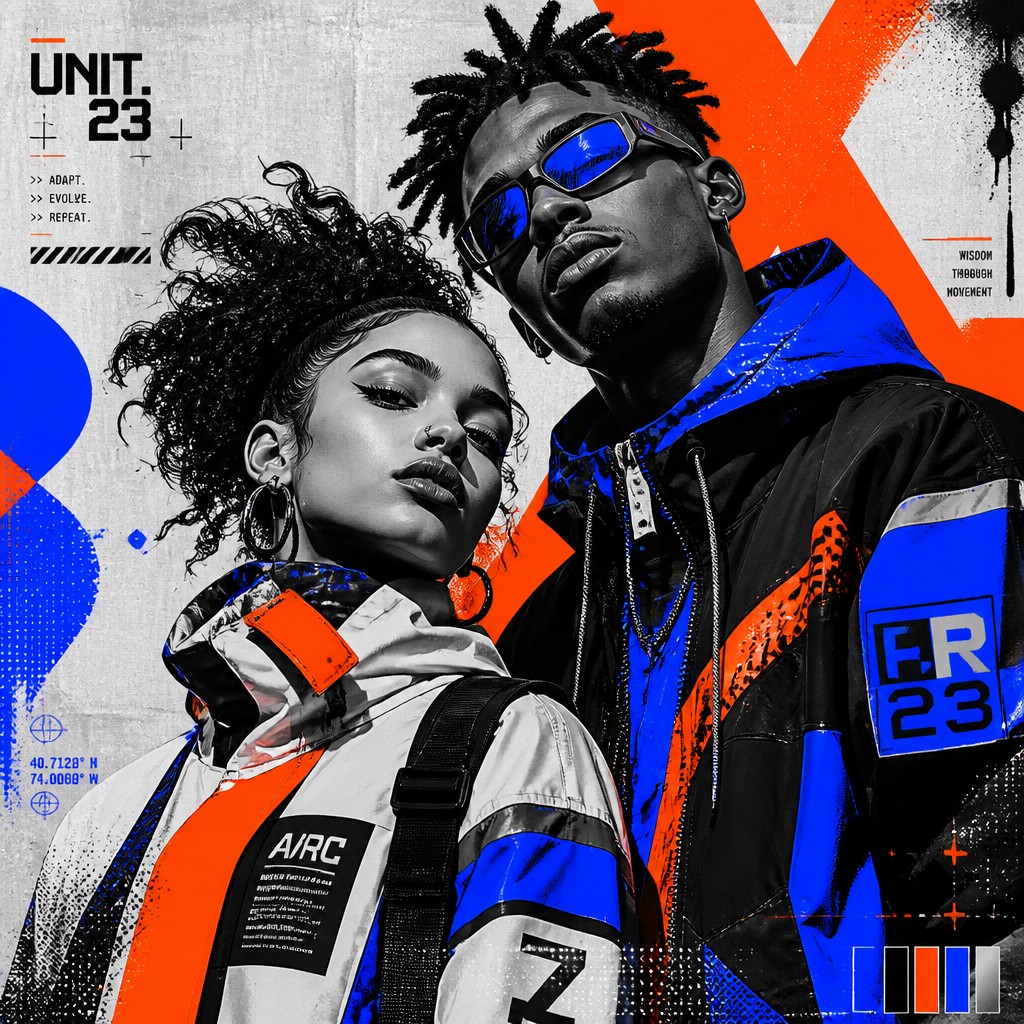
Try It On Your Photos
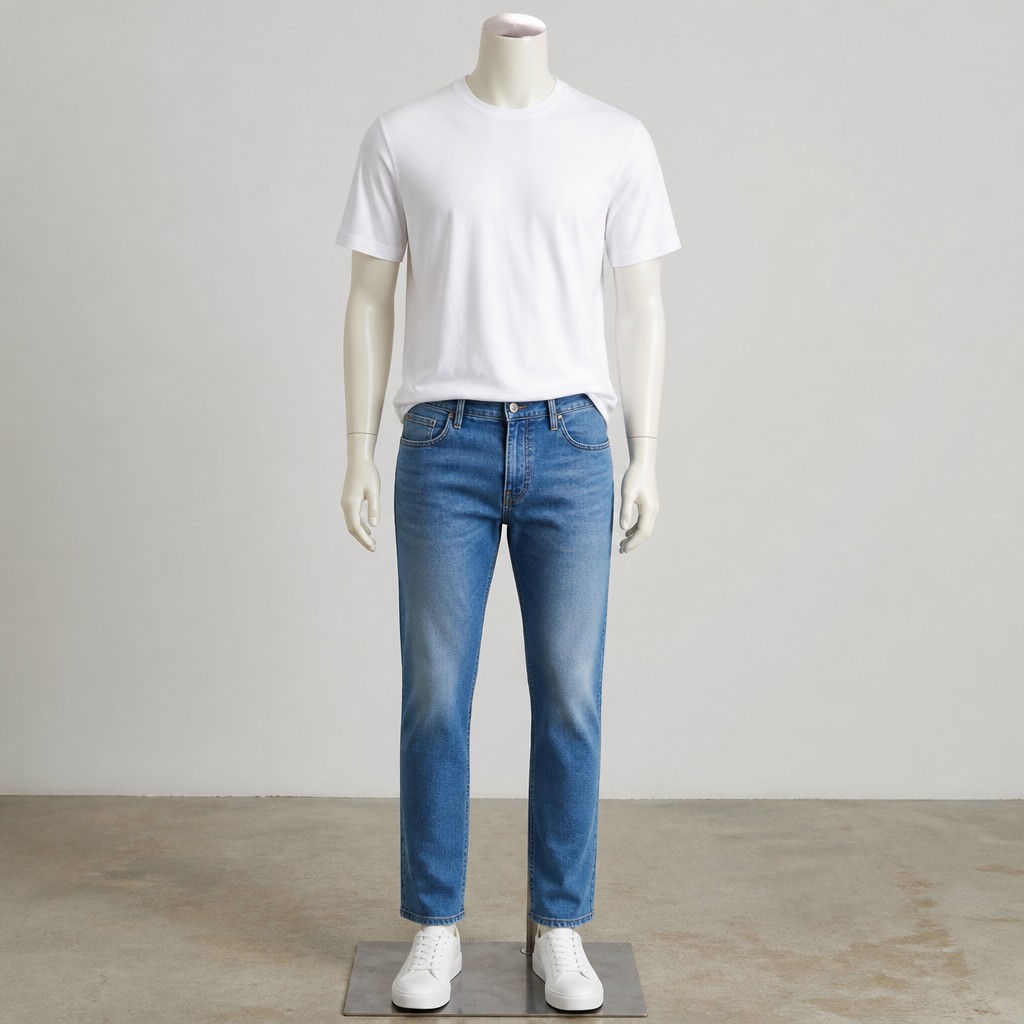
Upload any photo and convert it into Streetwear Fashion Design — drag the sliders to compare before and after.


What Defines Streetwear Fashion Design
The signature details, up close
Oversized silhouettes
Loose hoodies, wide pants, boxy jackets, and dropped shoulders are common. The proportions create a relaxed, contemporary profile and let the clothing read as intentional rather than fitted.
Bold graphic identity
Large logos, typographic slogans, patches, and emblem-like imagery are central to the look. Graphics often function as both decoration and cultural signal.
Athletic and technical materials
Jersey, fleece, nylon, ripstop, mesh, and weather-resistant textiles are widely used. These materials support movement and reinforce the style's connection to sportswear and utility.
Sneaker-centered styling
Footwear is often treated as the anchor of the outfit, with attention to silhouette, colorway, and rarity. Sneakers influence the rest of the look through matching palettes and layered visual rhythm.
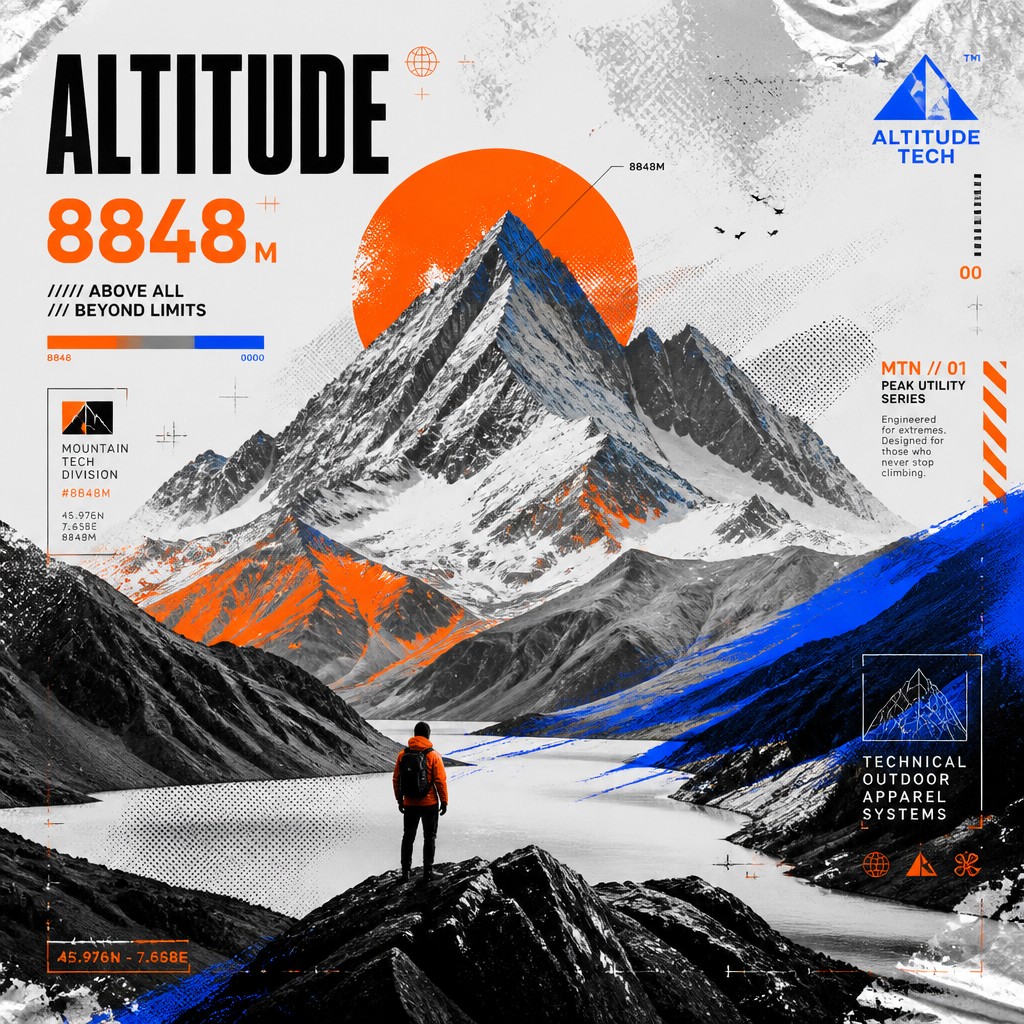
Utility detailing
Cargo pockets, straps, zippers, drawcords, buckles, and modular components add functional texture. These details make garments feel engineered for city movement.
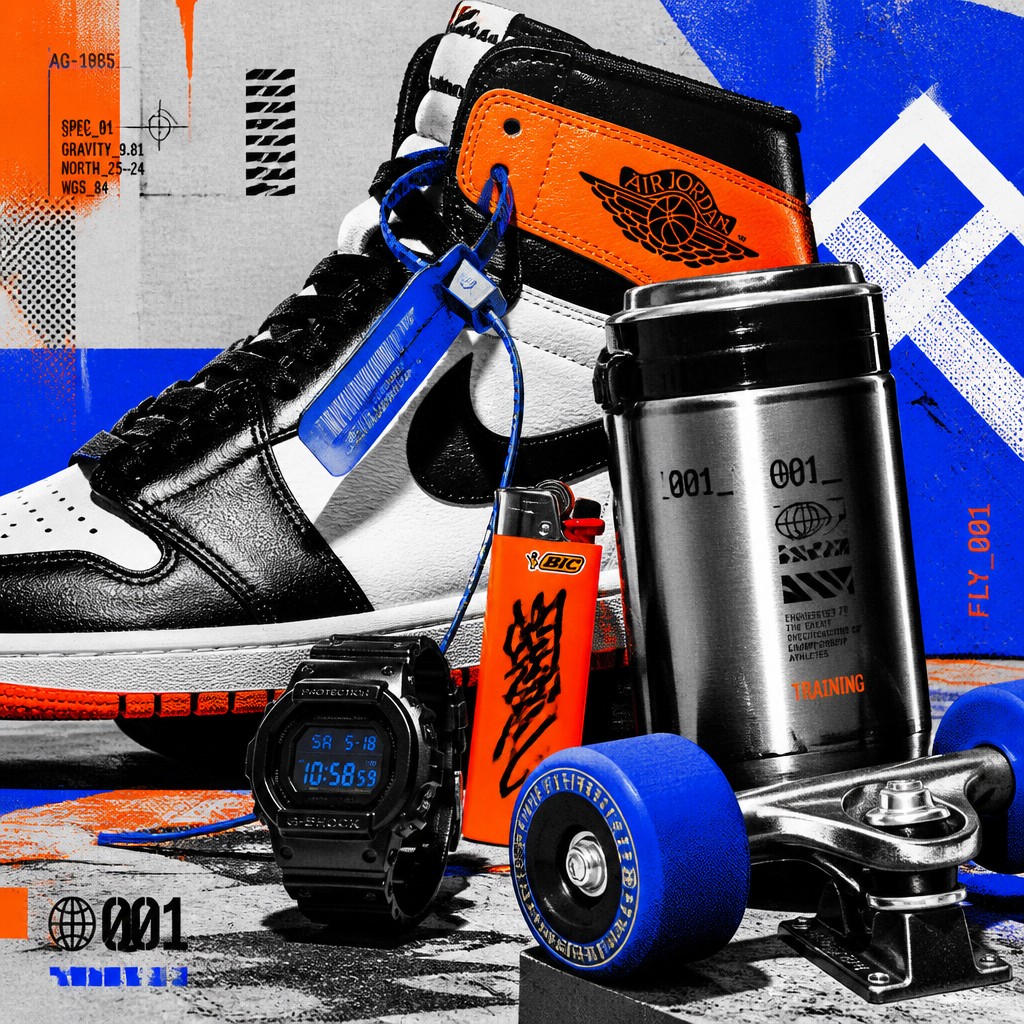
High-low contrast
Streetwear frequently mixes casual basics with luxury cues such as premium fabrics, refined construction, or runway-inspired proportions. This tension between everyday wear and fashion status is part of its identity.
Try It
Create Videos in Streetwear Fashion Design
Styles aren't just for stills — describe a scene or animate an image and get a short video rendered in Streetwear Fashion Design. Press play to see this pond come to life.
Make a VideoStreetwear Fashion Design Prompt Ideas
Start from an idea — each one opens the generator with the style ready to go. See all 40 Streetwear Fashion Design prompts →
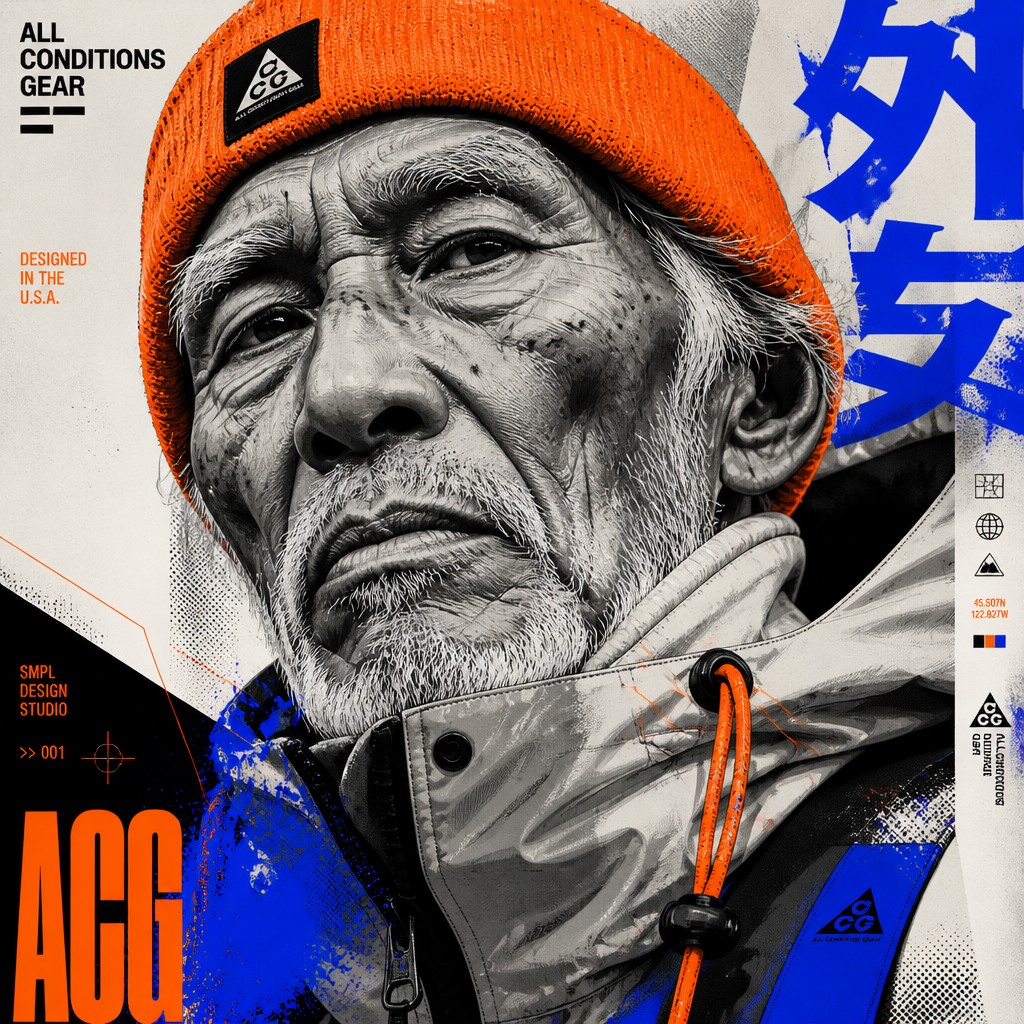
“close-up portrait of an elderly person with expressive weathered features”

“a cat lounging in a sunlit window”
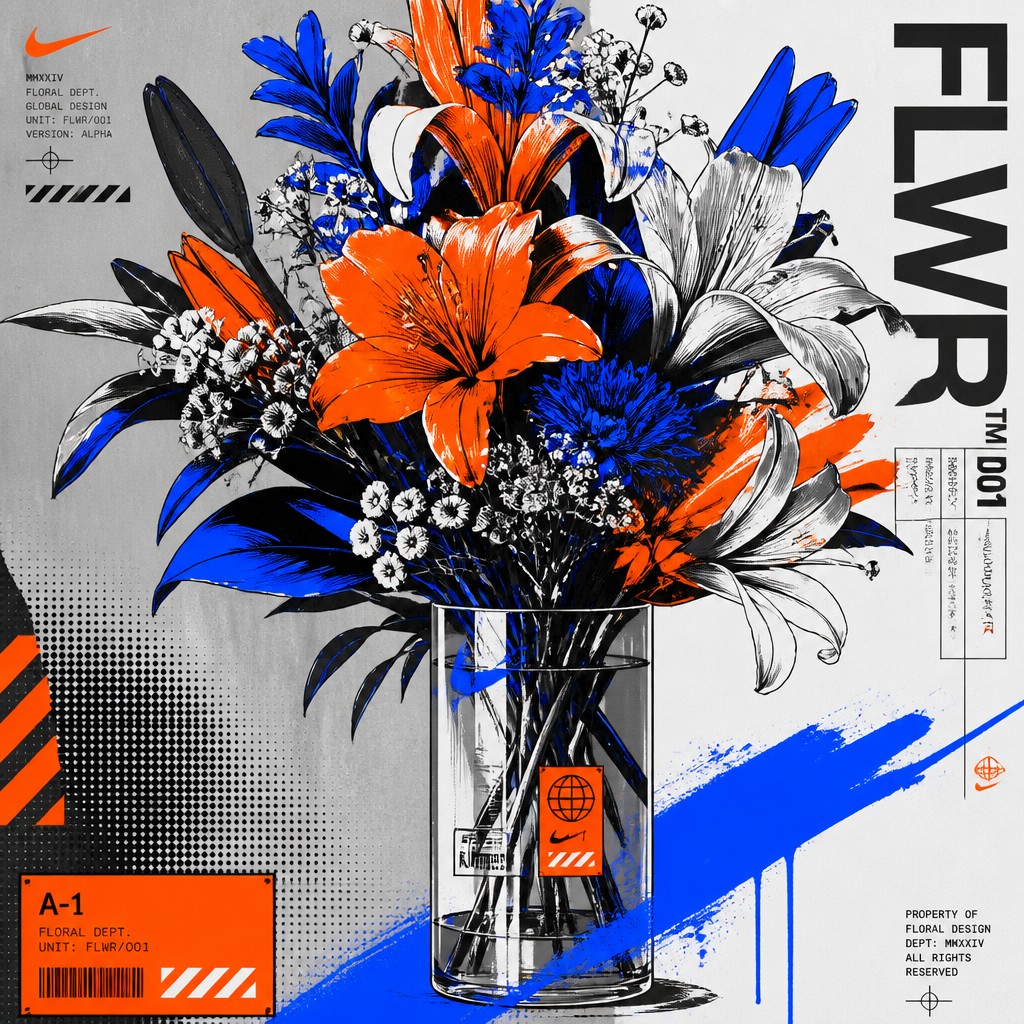
“bouquet of flowers in a glass vase”

“sailing ship on a stormy sea”
How to Create Streetwear Fashion Design Art
Master the craft step by step — or skip straight to creating. Read the full guide →
- 1
Build around silhouette first
Start with the overall shape: oversized hoodie, cropped puffer, relaxed cargo pant, or elongated tee. In illustration or concept design, block in the garment volume before adding seams and details so the outfit reads clearly at a glance.
- 2
Use a limited but high-contrast palette
Choose neutrals such as black, white, gray, olive, or beige, then add one or two accent colors for emphasis. Digital work can benefit from strong edge contrast and crisp value separation to preserve the graphic feel.
- 3
Prioritize texture and finish
Show the difference between matte fleece, glossy nylon, brushed cotton, and metallic hardware. In traditional media, vary line weight and surface rendering; in digital work, use subtle grain, print texture, and specular highlights.
- 4
Treat graphics as design elements
Place logos, symbols, or text with clear hierarchy and confident spacing. Keep the graphic language legible and integrated with the garment rather than randomly pasted on.
- 5
Reference real street styling
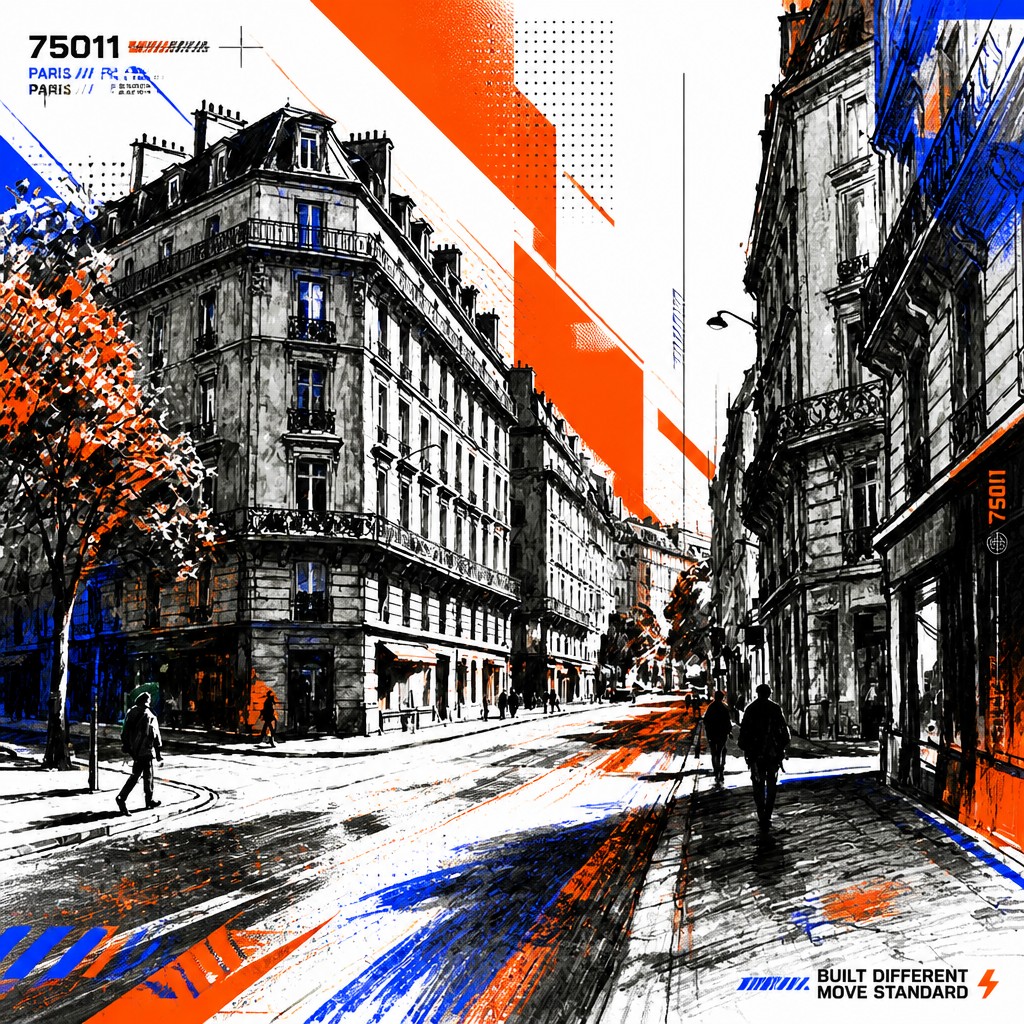
Pose the figure with relaxed attitude, layered clothing, and grounded footwear proportions. For image-based work, use candid urban settings, concrete tones, and directional lighting to reinforce the cultural context.
- 6
Prompt for materials, fit, and mood
When generating images, specify oversized fits, technical fabrics, sneaker culture, bold graphics, and urban color palettes. Mention composition and surface treatment if you want a more editorial or design-board result.
The Story
History & Origins of Streetwear Fashion Design
Streetwear emerged in the late twentieth century through a convergence of surf, skate, hip-hop, punk, and Japanese casual fashion scenes. In the United States, early streetwear labels grew from subcultural communities in Los Angeles, New York, and other urban centers, where T-shirts, hoodies, caps, and sneakers became tools of self-definition as much as clothing. By the 1990s and 2000s, streetwear had developed a distinct design language centered on limited drops, graphic identity, and community signaling.
Its visual lineage draws from sportswear, workwear, graffiti, and advertising graphics, while luxury fashion later absorbed and reinterpreted many of its codes. Contemporary streetwear fashion design often reflects this crossover: oversized tailoring, technical outerwear, logo treatment, and sneaker-focused styling borrow from both everyday utility and runway presentation. Because it is rooted in subculture rather than a single historical art movement, the style continues to evolve through music, youth culture, social media, and brand collaboration.
Influences: Streetwear fashion design draws from sportswear, workwear, skate and surf culture, hip-hop styling, graffiti graphics, and Japanese street fashion. It also intersects with contemporary graphic design and luxury fashion, where branding, typography, and silhouette are used as visual identity markers. Related historical references include Pop Art for its use of bold signs and consumer imagery, and Bauhaus and modernist design for their emphasis on functional form, though streetwear's development is primarily cultural and subcultural rather than academic.

Frequently Asked Questions
What defines streetwear fashion design?
Streetwear is defined by casual, urban clothing with strong graphic identity, relaxed silhouettes, and influences from athletic wear, skate culture, and hip-hop. It often uses hoodies, sneakers, caps, cargo pants, and oversized outerwear. The style is as much about cultural signaling as it is about clothing form.
How is streetwear different from casual fashion?
Casual fashion may prioritize comfort without a strong visual code, while streetwear usually has a sharper design identity. Graphics, limited-edition drops, sneaker relevance, and subcultural references are central to streetwear. It often feels more intentional, branded, and visually assertive.
Is streetwear the same as athleisure?
No. Athleisure is mainly about clothing that blends athletic function with everyday wear, while streetwear includes broader cultural references and more graphic, fashion-forward styling. Streetwear may use sportswear pieces, but it also relies on typography, logos, layering, and status-based sneaker culture.
What colors work best in this style?
Neutral foundations such as black, white, gray, navy, olive, and beige are common, often accented with a bright color like red, orange, cobalt, or neon green. The contrast helps graphics and silhouettes stand out. Some versions lean monochrome, while others use punchy color blocking.
How can I make streetwear art look authentic?
Focus on believable garment structure, realistic proportions, and details like stitching, pockets, cuffs, and hardware. Use references from actual street styling and current silhouette trends rather than generic fashion poses. The outfit should feel wearable and culturally grounded, not just decorative.
Where is streetwear fashion design used?
It appears in apparel design, brand campaigns, lookbooks, album art, editorial illustration, product mockups, and concept development for clothing collections. It is also common in social-media fashion content and sneaker marketing. Because the style is highly visual, it works well wherever identity and lifestyle are communicated through clothing.

Create your first Streetwear Fashion Design artwork
Describe anything — or upload a photo — and see it in Streetwear Fashion Design in seconds.
Make Something with Streetwear Fashion Design
Compare Streetwear Fashion Design
Related Styles
Discover similar art styles