Haute Couture Fashion Design
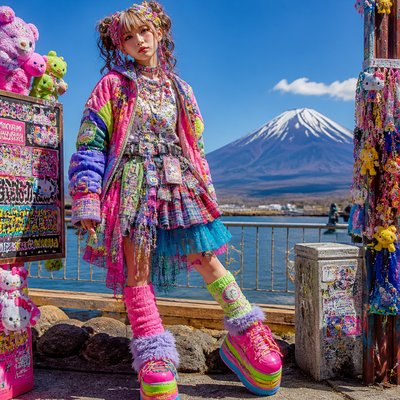
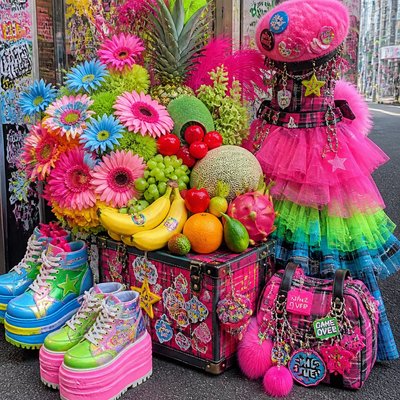
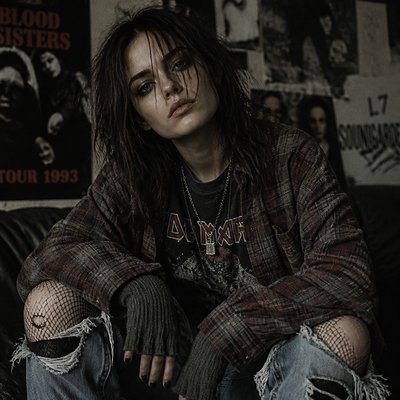
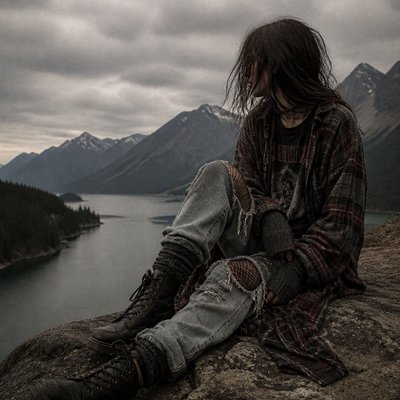
Explore haute couture fashion design: handcrafted garments, lavish textiles, sculptural silhouettes, and exquisite atelier-level detailing.
Instantly rendered in Haute Couture Fashion Design — or transform a photo
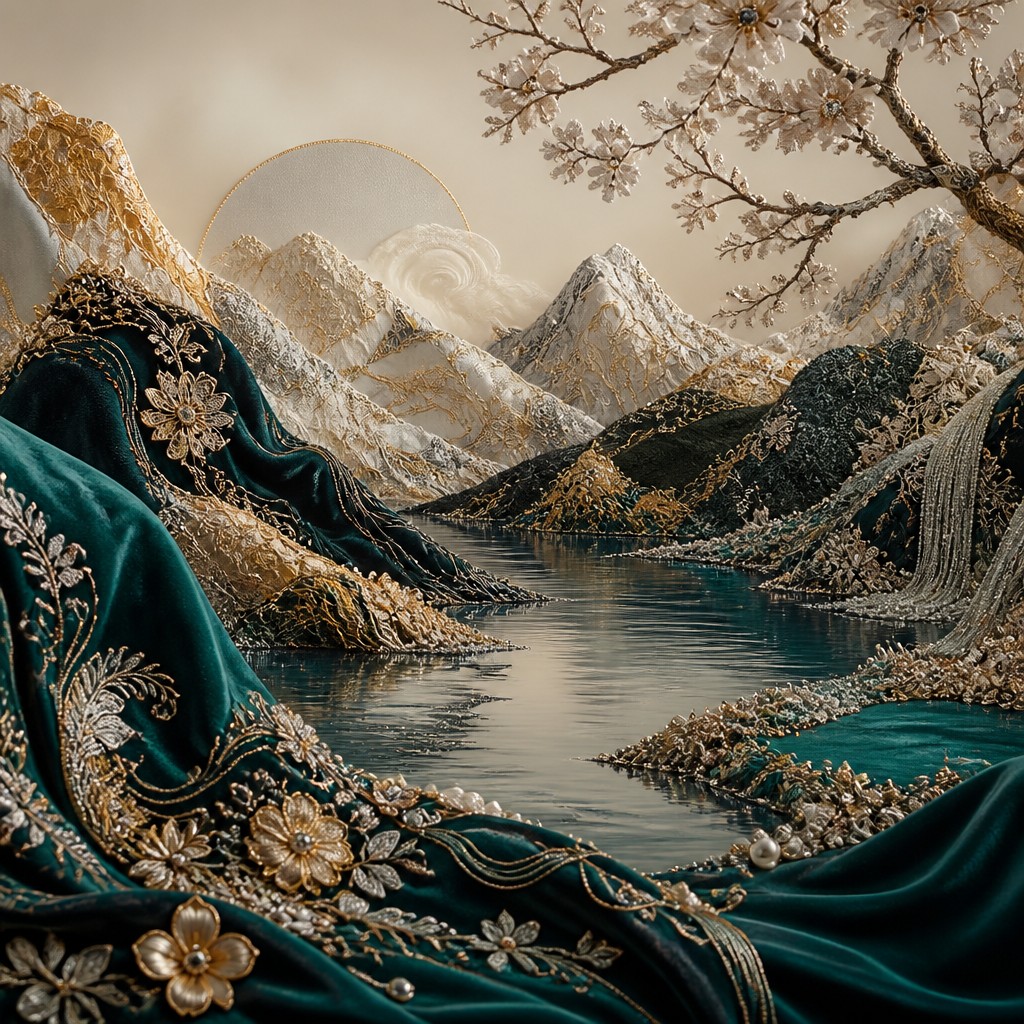
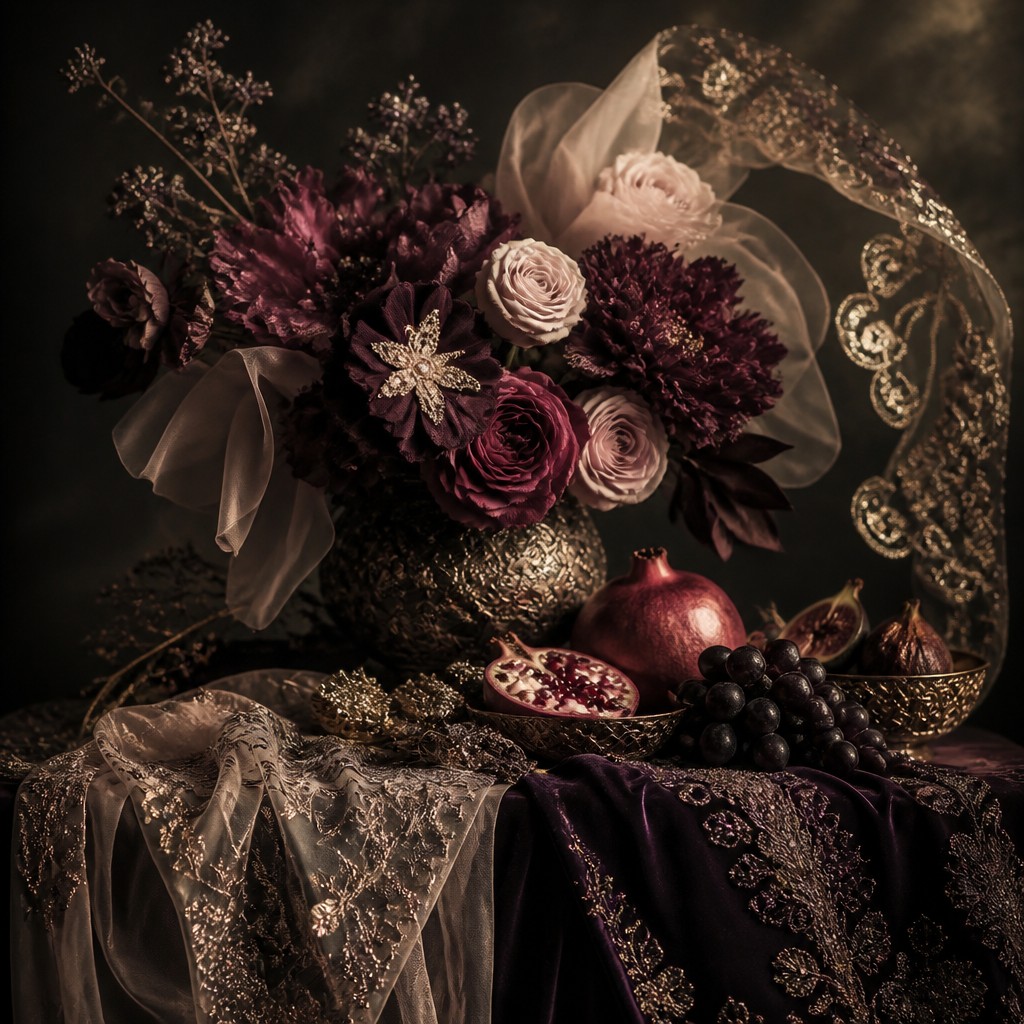
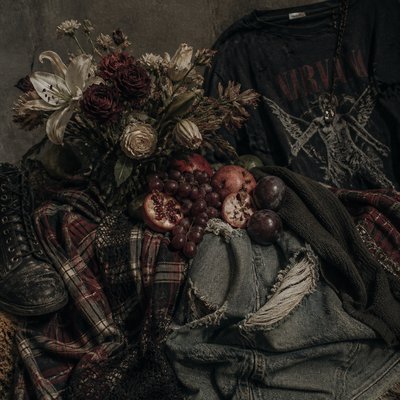
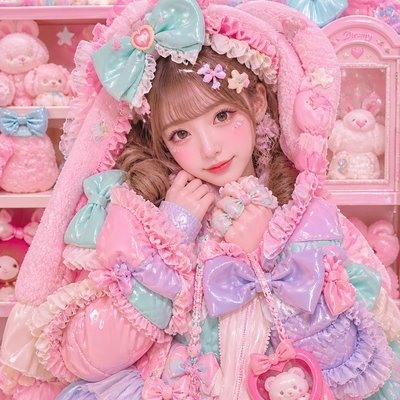
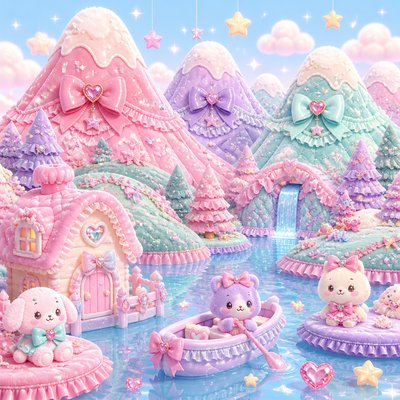
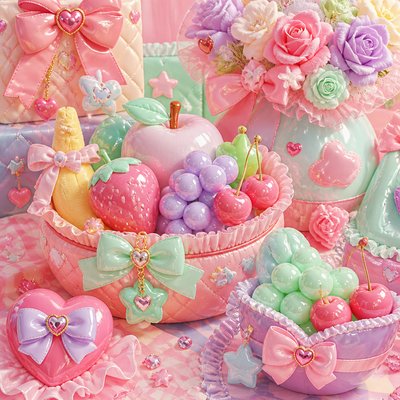
Haute Couture Fashion Design Gallery
Tap any artwork to explore it
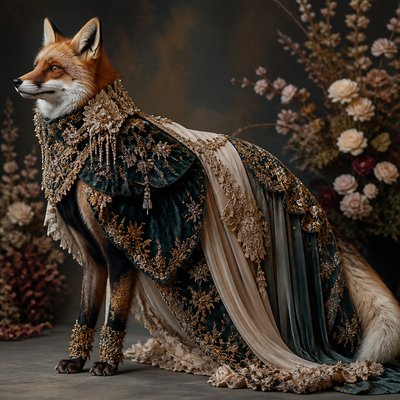
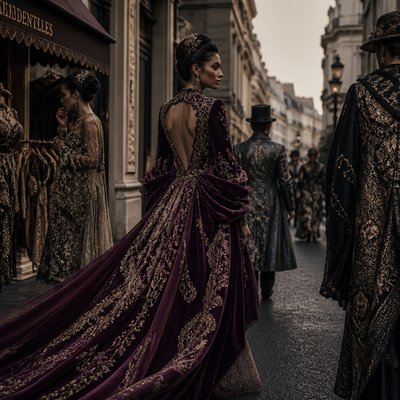
What is Haute Couture Fashion Design?
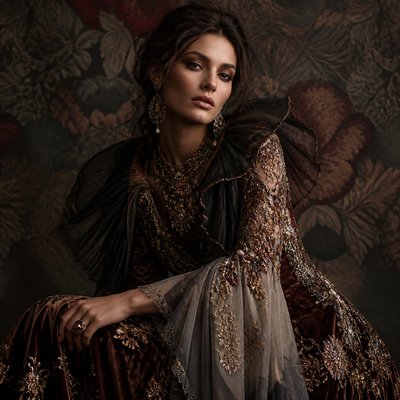
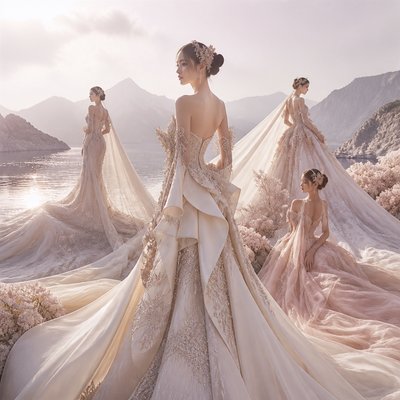
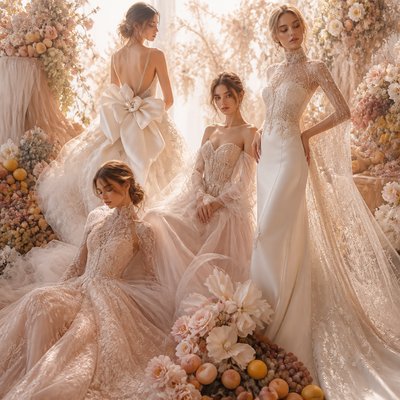
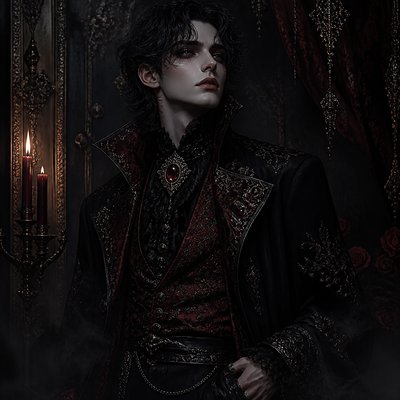
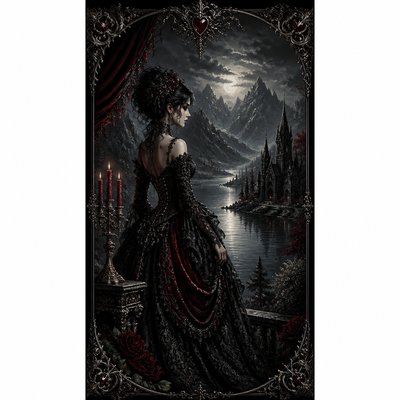
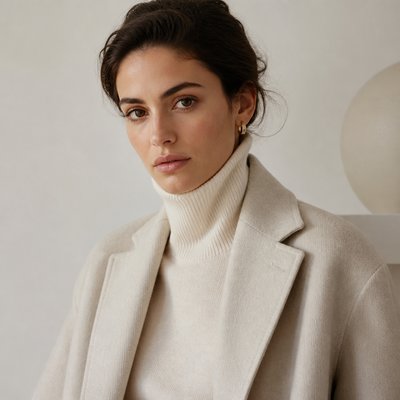
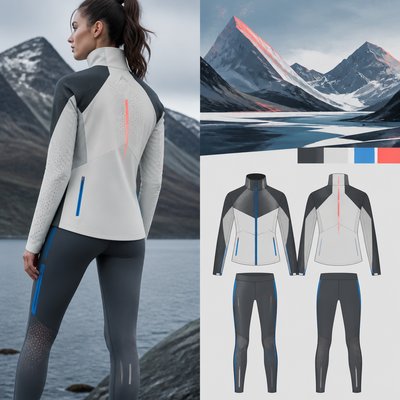
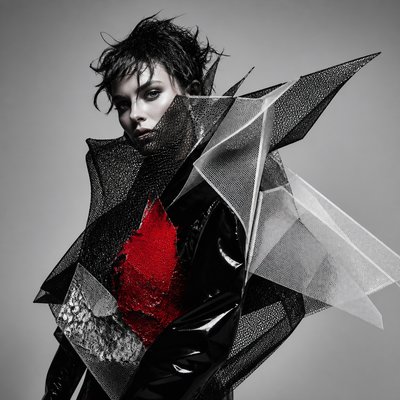
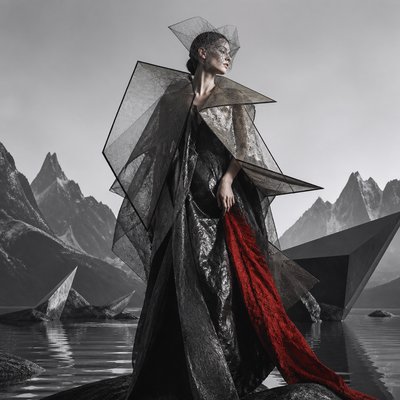
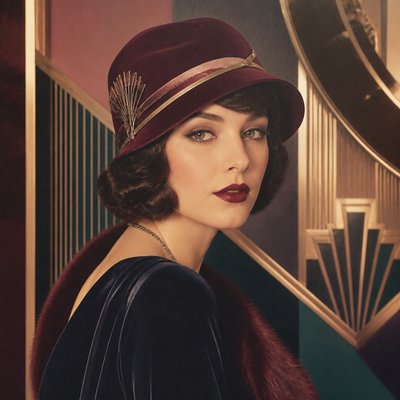
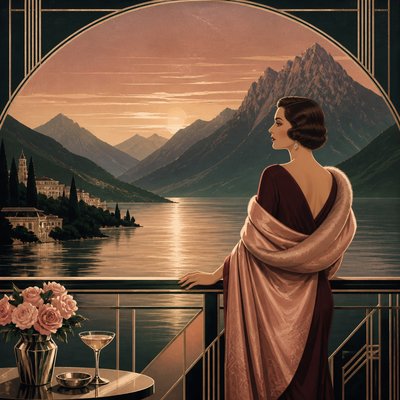
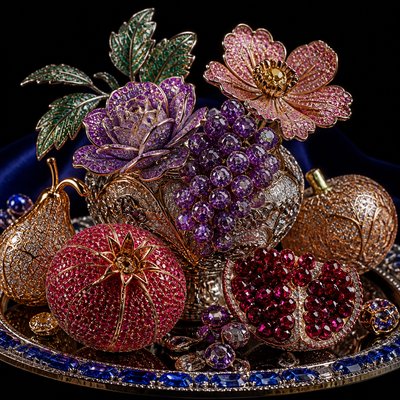
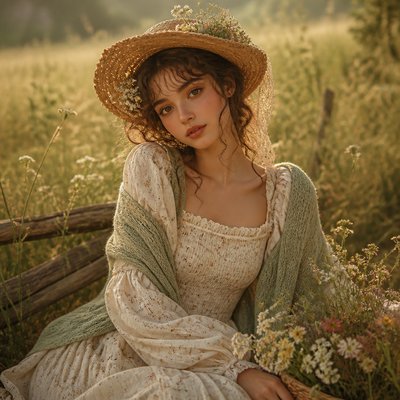
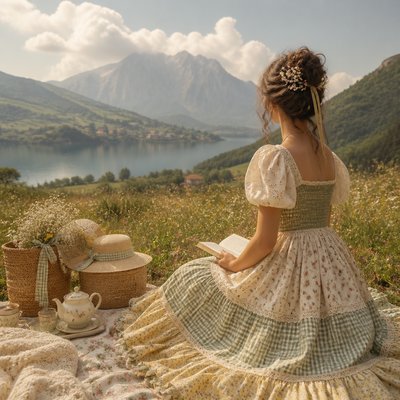
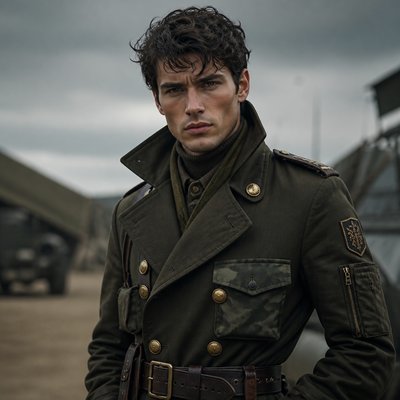
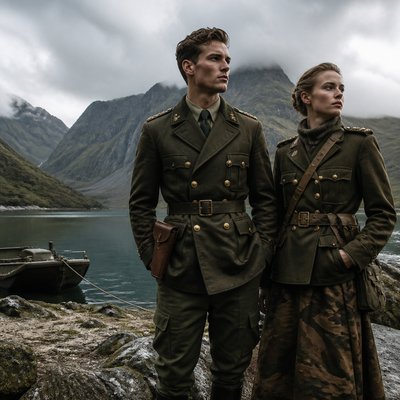
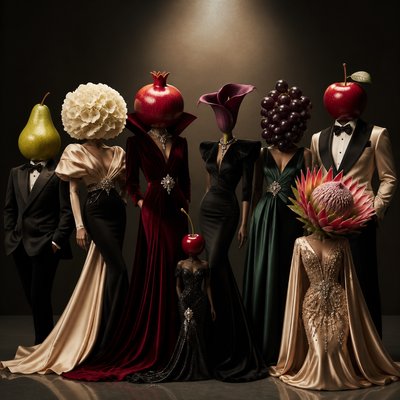
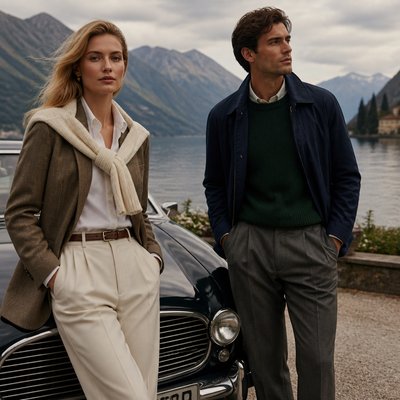
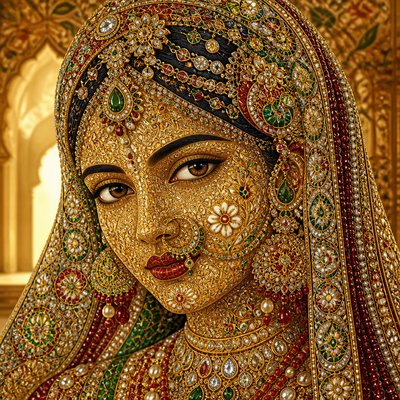
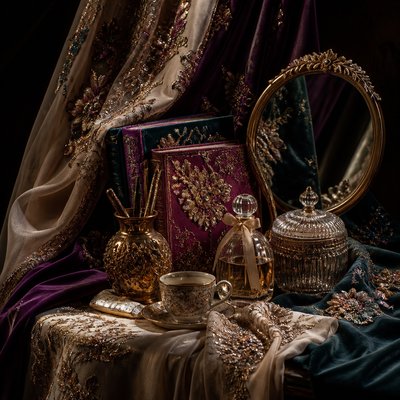
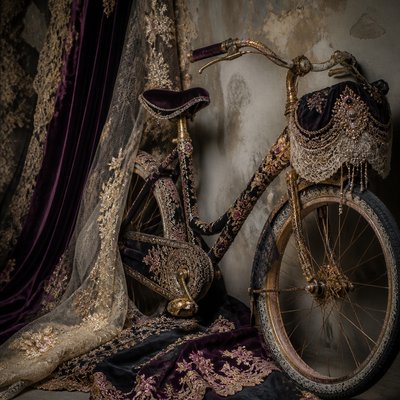
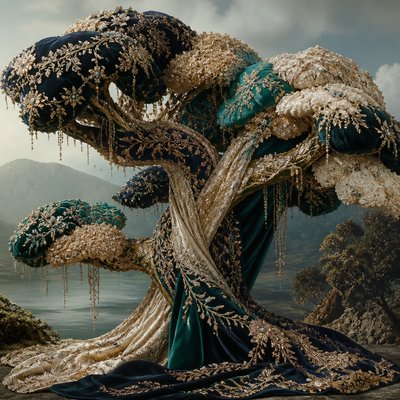
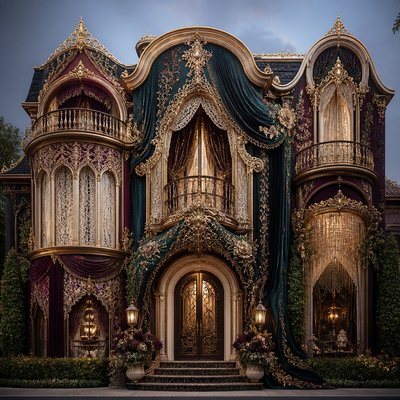
Haute couture fashion design refers to the highest level of dressmaking, where garments are conceived as custom, hand-constructed works of art. Its visual identity is defined by exacting tailoring, luxurious fabrics, elaborate surface decoration, and silhouettes that balance structural control with fluid drape.
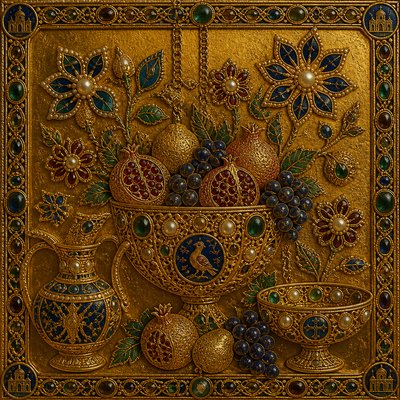
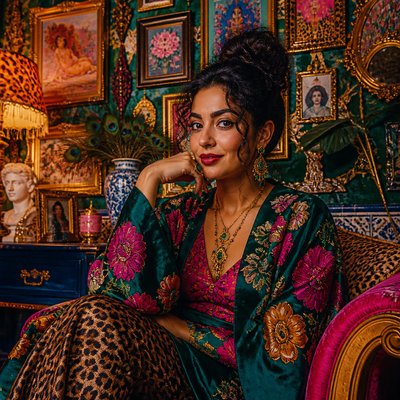
The style looks the way it does because it emerges from atelier practice: patternmaking, draping, embroidery, beading, corsetry, and meticulous fitting all shape the final form. In imagery, haute couture often emphasizes the garment as the central subject, with editorial lighting, elegant posture, and a sense of craftsmanship that communicates exclusivity, precision, and artistic intent.
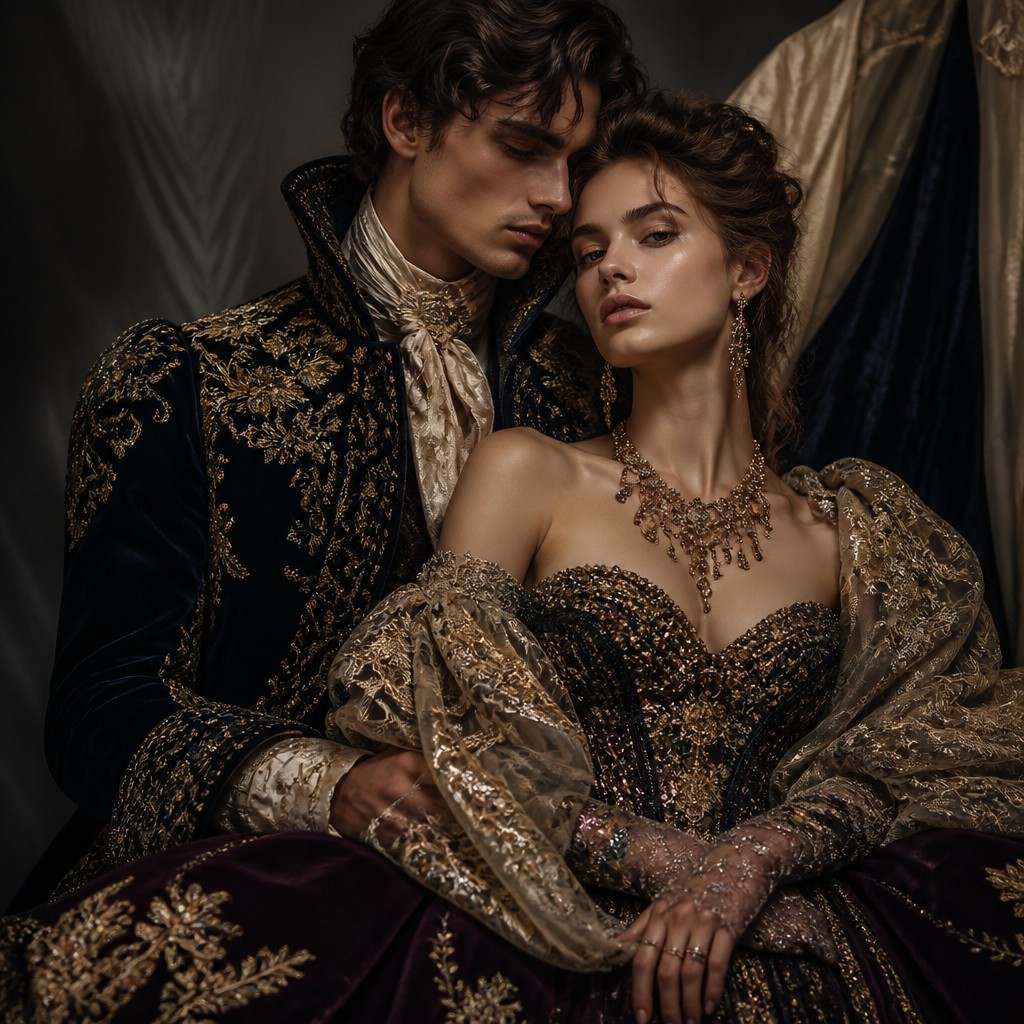
Try It On Your Photos
Upload any photo and convert it into Haute Couture Fashion Design — drag the sliders to compare before and after.
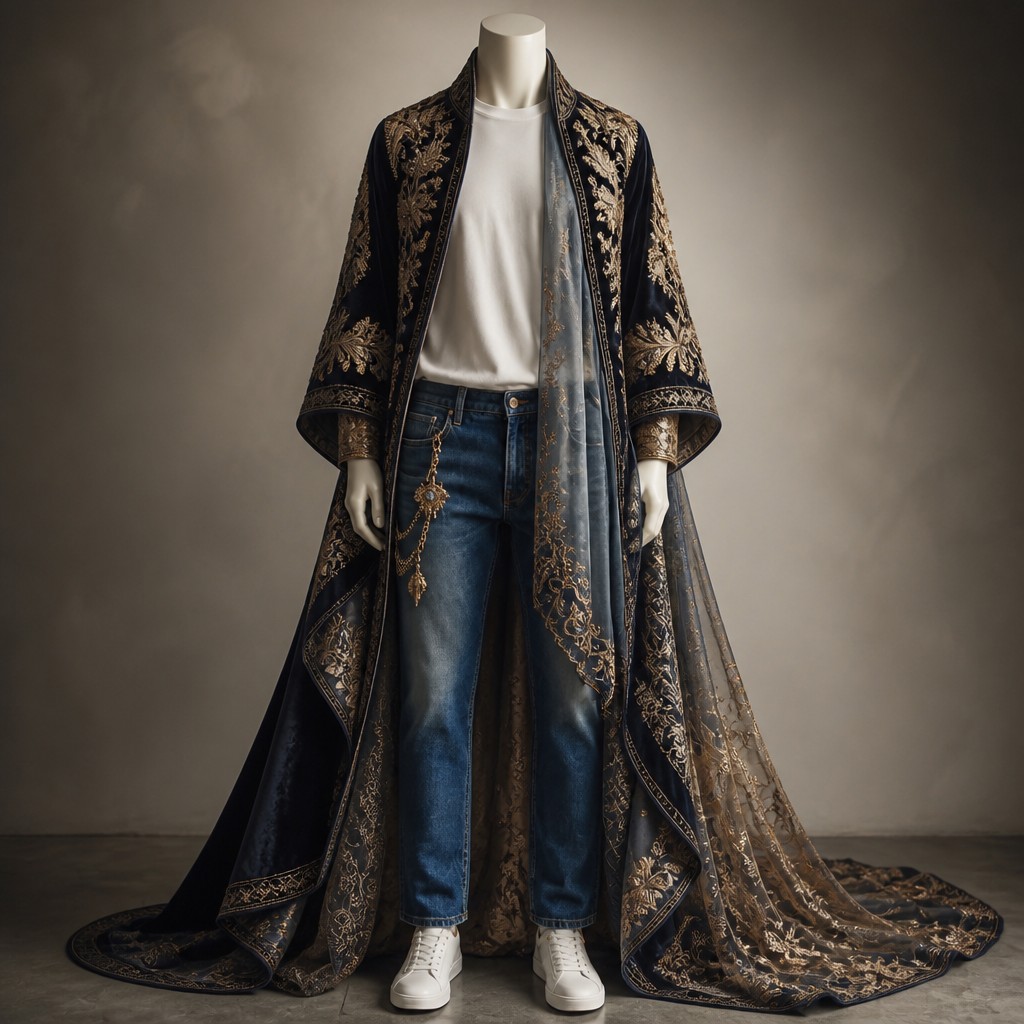


What Defines Haute Couture Fashion Design
The signature details, up close
Handcrafted construction
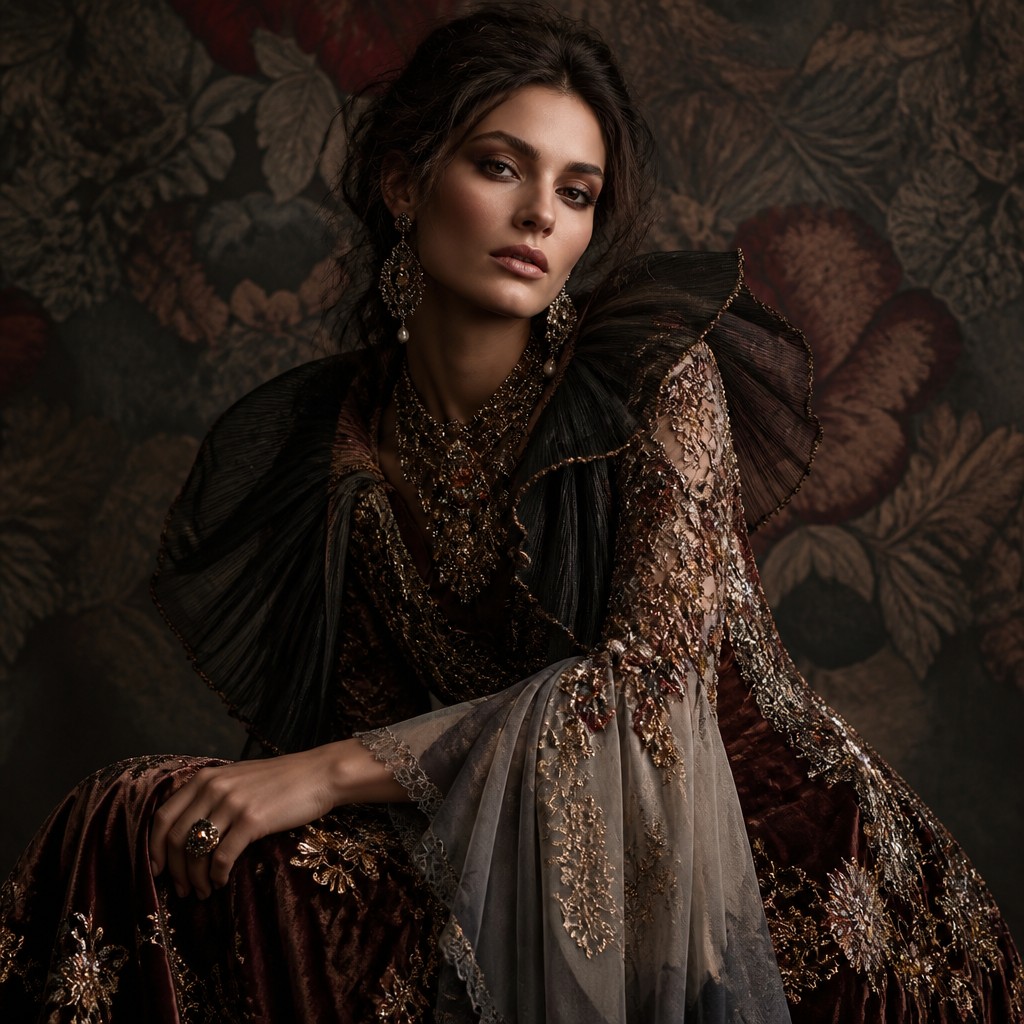
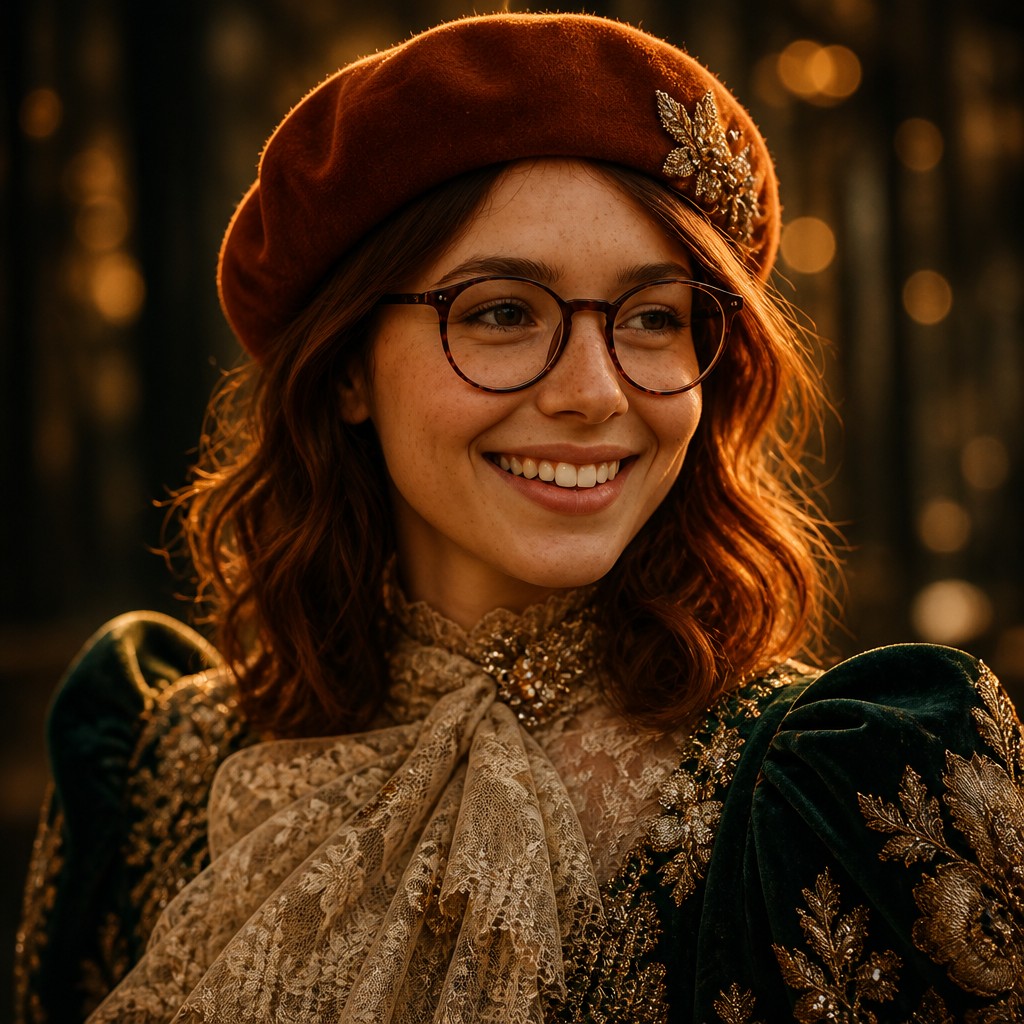
Couture garments are distinguished by visible evidence of labor: precise seams, internal structure, fitted linings, and finish work that suggests hours of hand assembly. The design feels engineered as much as it is styled.
Luxurious textiles
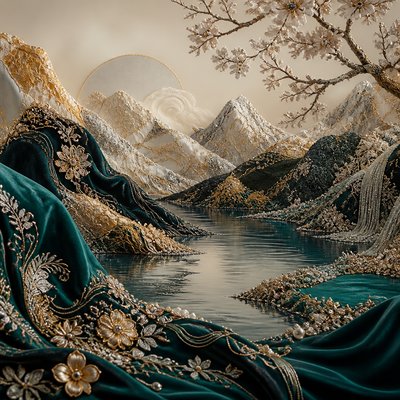
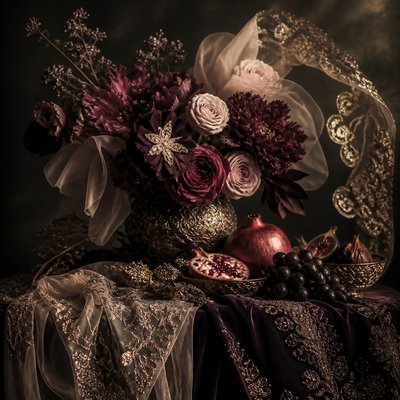
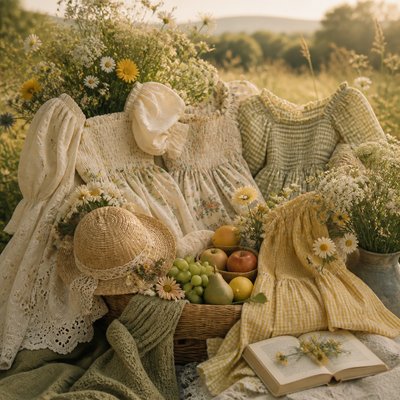
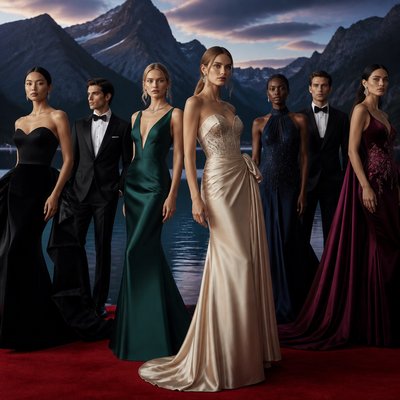
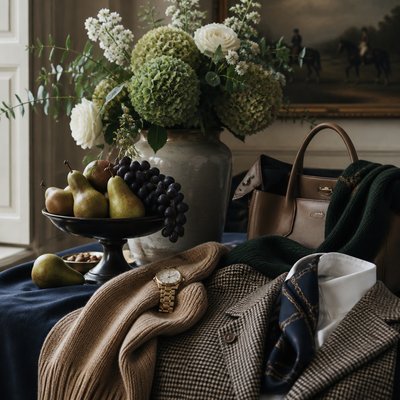
Brocade, silk, velvet, lace, satin, tulle, organza, and chiffon are common visual cues. Surface quality matters as much as cut, so the fabric often reads as rich, tactile, and light-responsive.
Sculptural silhouette
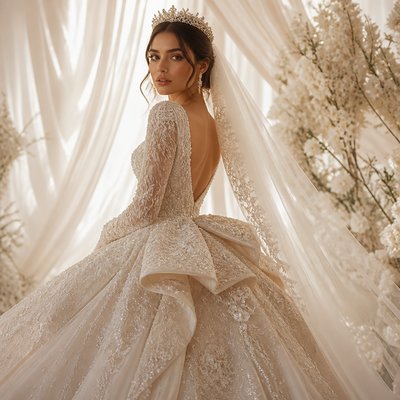
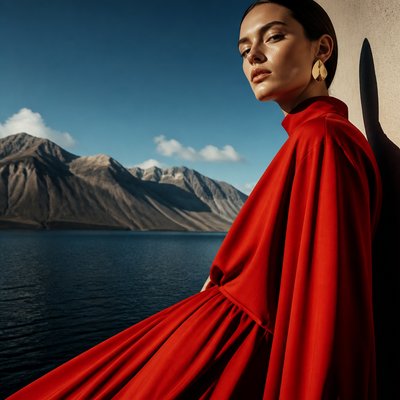
The body is shaped through corsetry, padding, boning, drape, or volume, creating dramatic outlines. The silhouette is usually intentional and architectural, whether fitted, flared, billowing, or sharply tailored.
Ornament at focal points
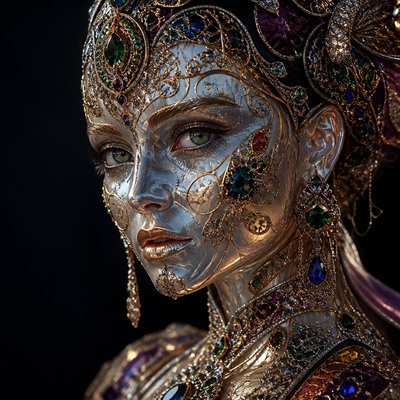
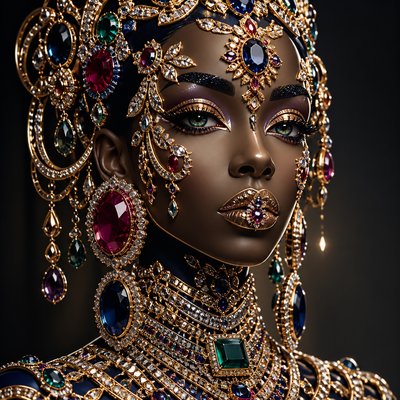
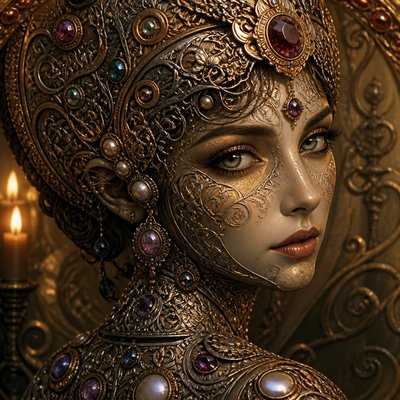
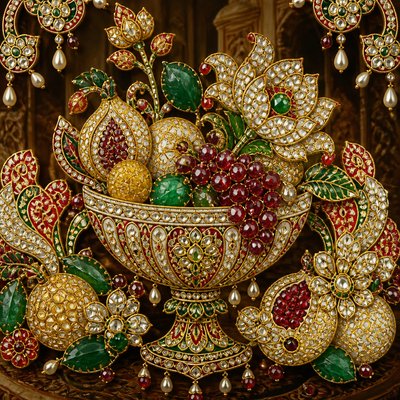
Embroidery, beadwork, sequins, appliqué, feathering, and crystal details concentrate attention on bodices, hems, cuffs, collars, and seams. Decoration tends to feel hand-placed rather than uniformly printed.
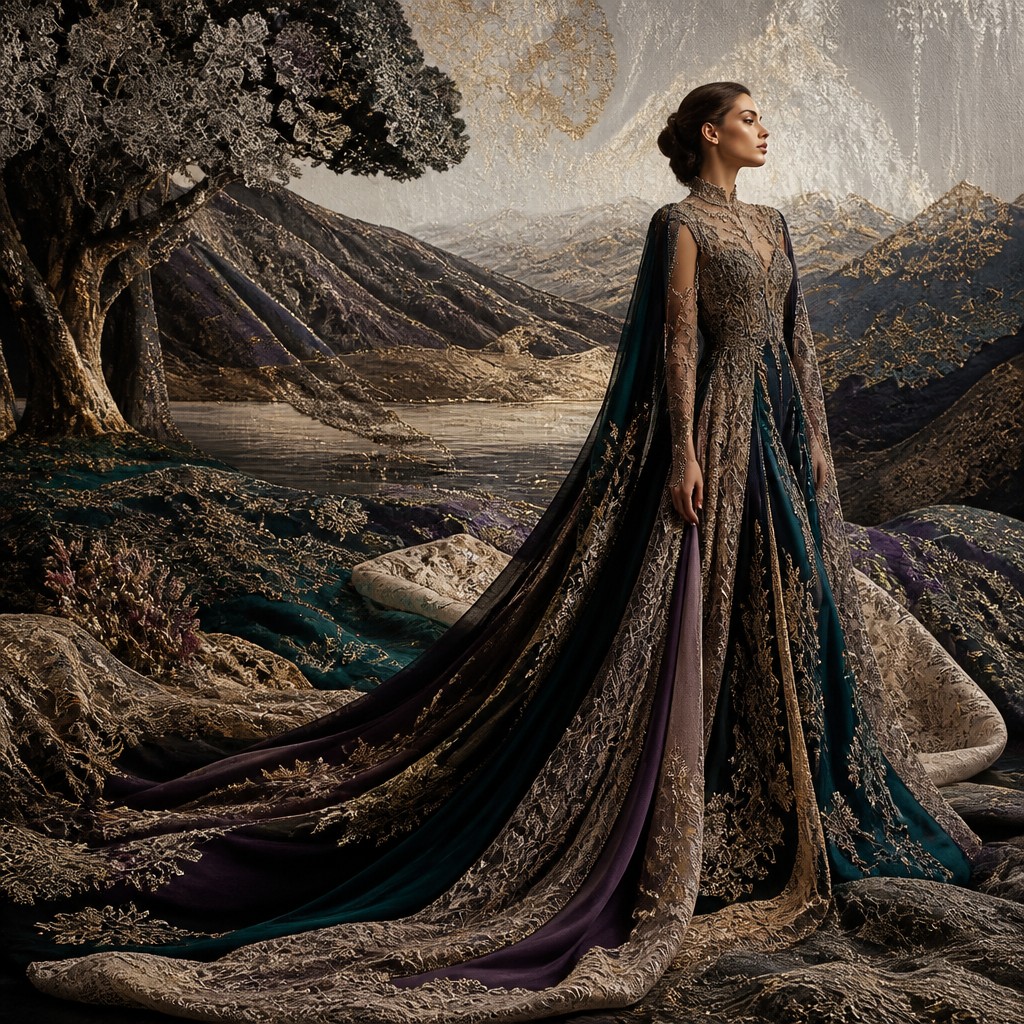
Editorial elegance
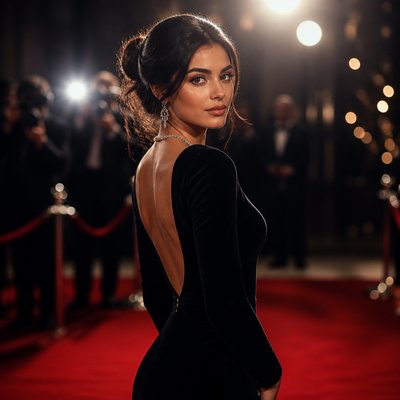
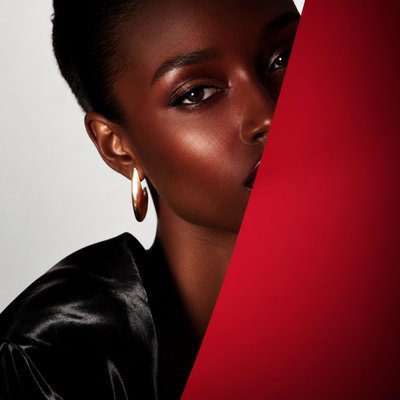
The presentation typically assumes a fashion editorial or runway context, with poised figure placement and refined composition. Even when the garment is fantastical, the mood remains controlled and sophisticated.
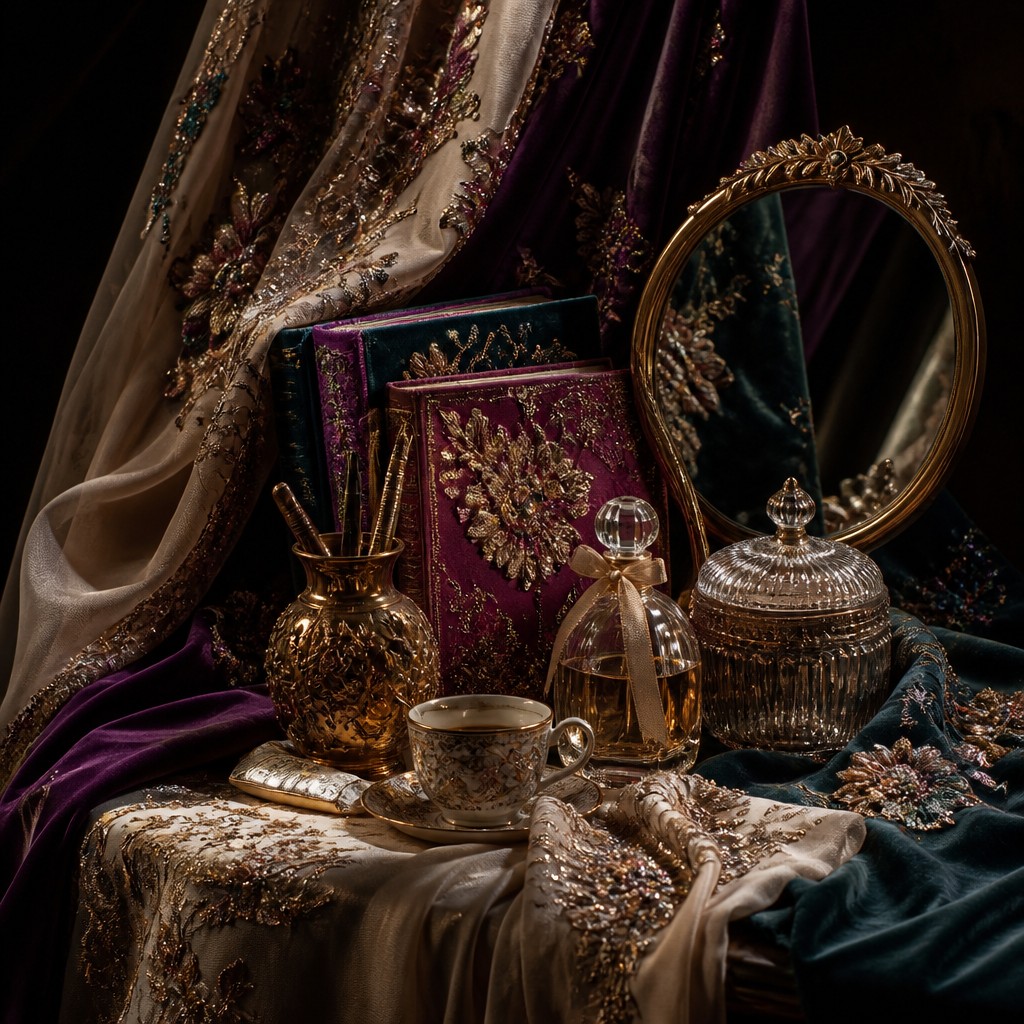
Atelier lighting and shadow
Soft, dramatic lighting emphasizes folds, texture, and dimensional form. Shadows are used to reveal structure, making the garment feel like a three-dimensional object rather than a flat costume.
Try It
Create Videos in Haute Couture Fashion Design
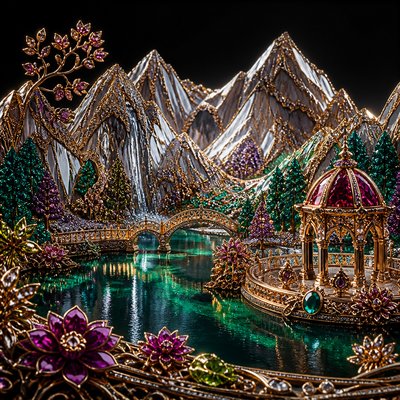
Styles aren't just for stills — describe a scene or animate an image and get a short video rendered in Haute Couture Fashion Design. Press play to see this pond come to life.
Make a VideoHaute Couture Fashion Design Prompt Ideas
Start from an idea — each one opens the generator with the style ready to go. See all 40 Haute Couture Fashion Design prompts →
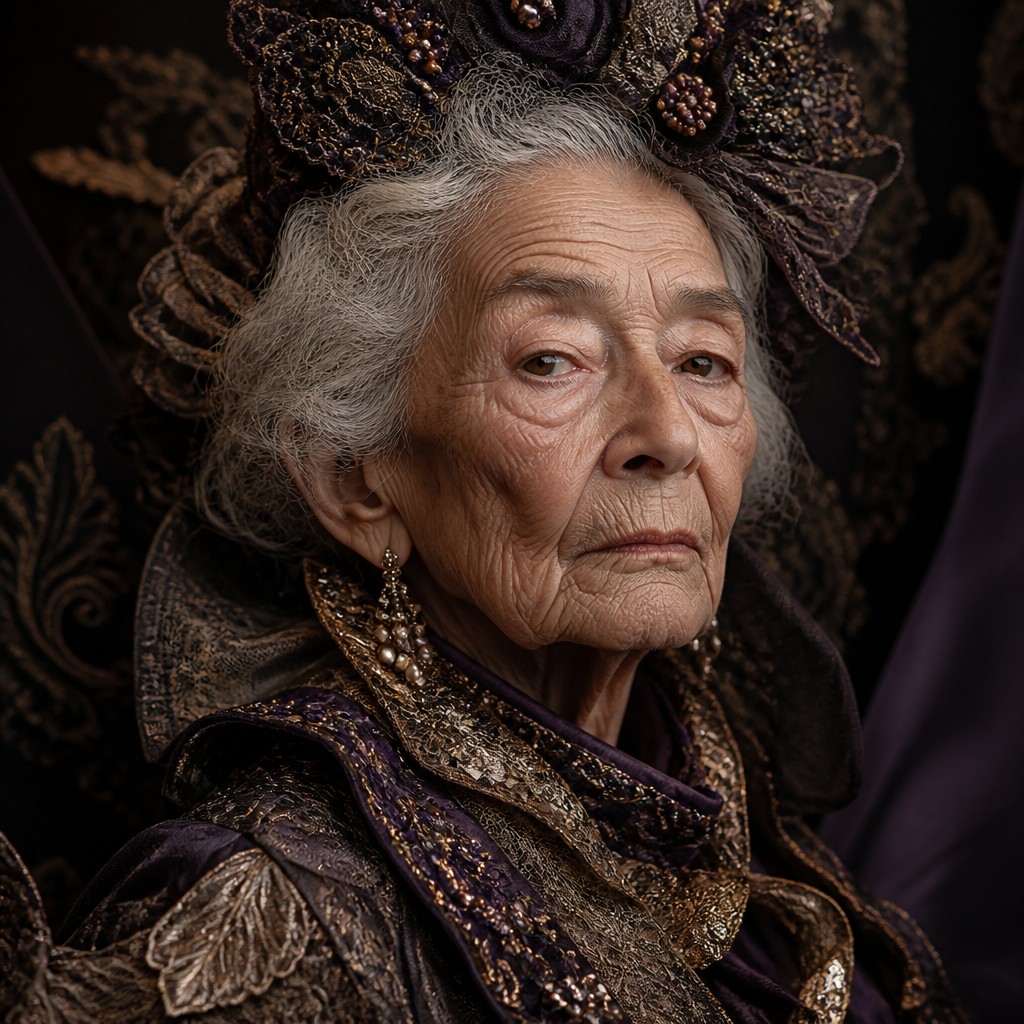
“close-up portrait of an elderly person with expressive weathered features”
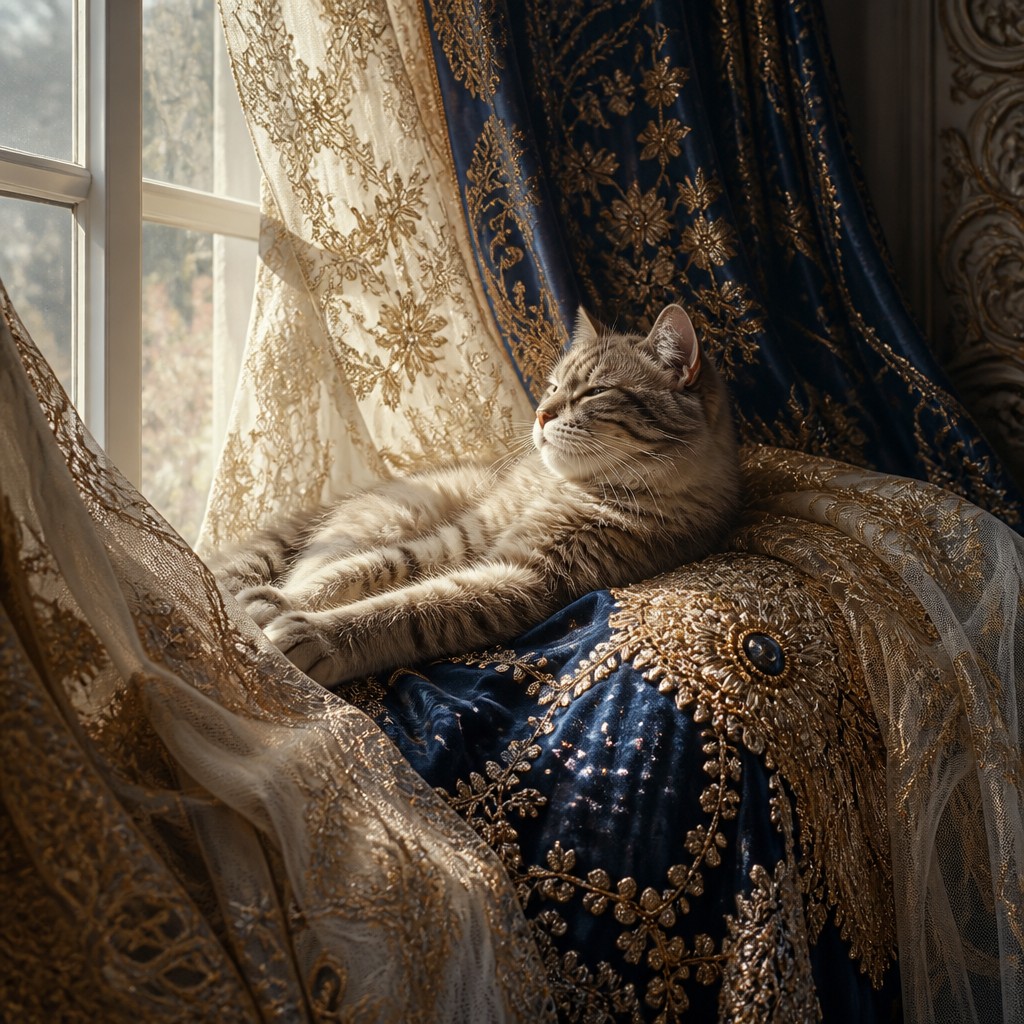
“a cat lounging in a sunlit window”
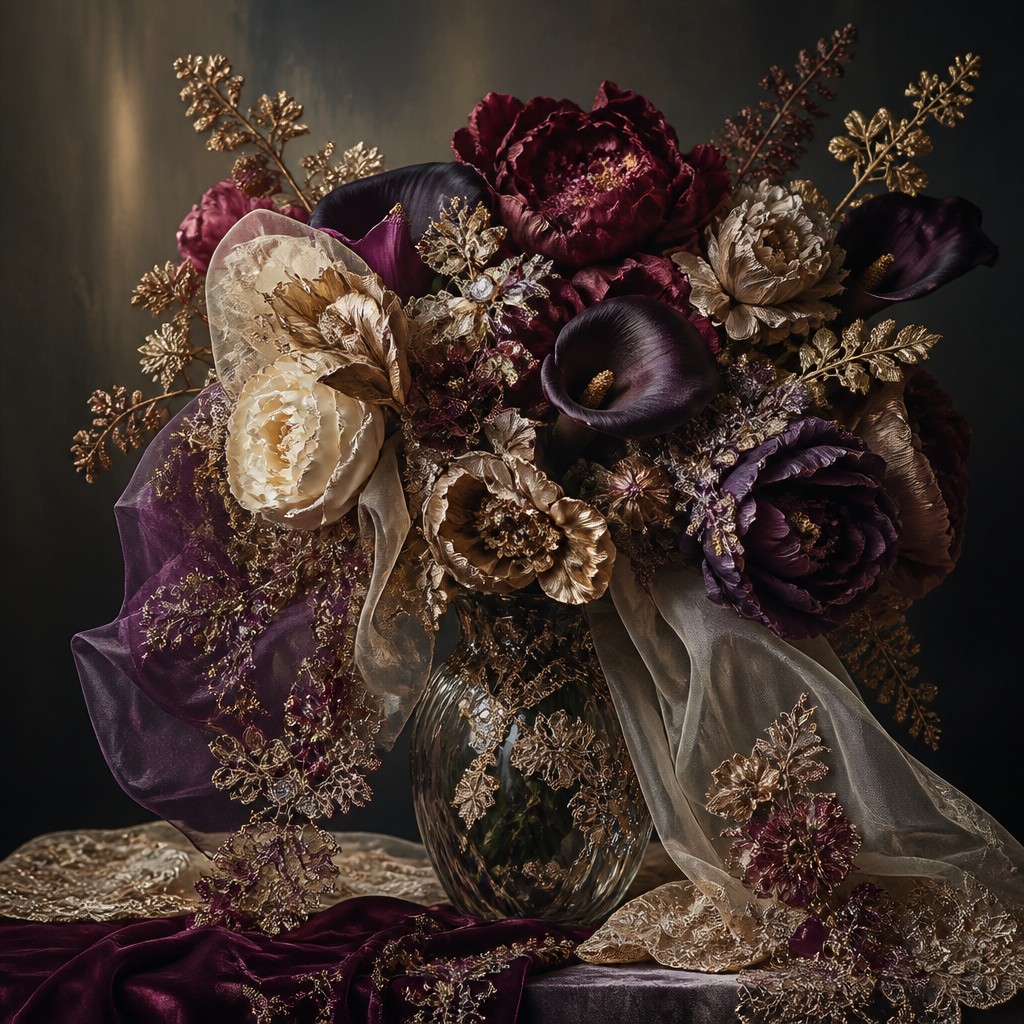
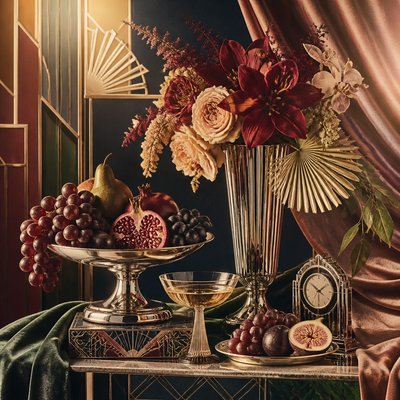
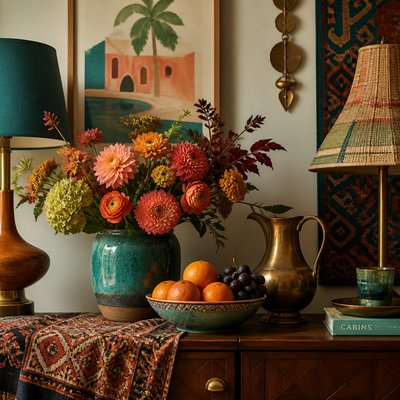
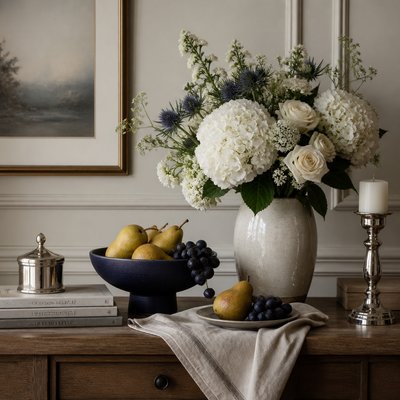
“bouquet of flowers in a glass vase”
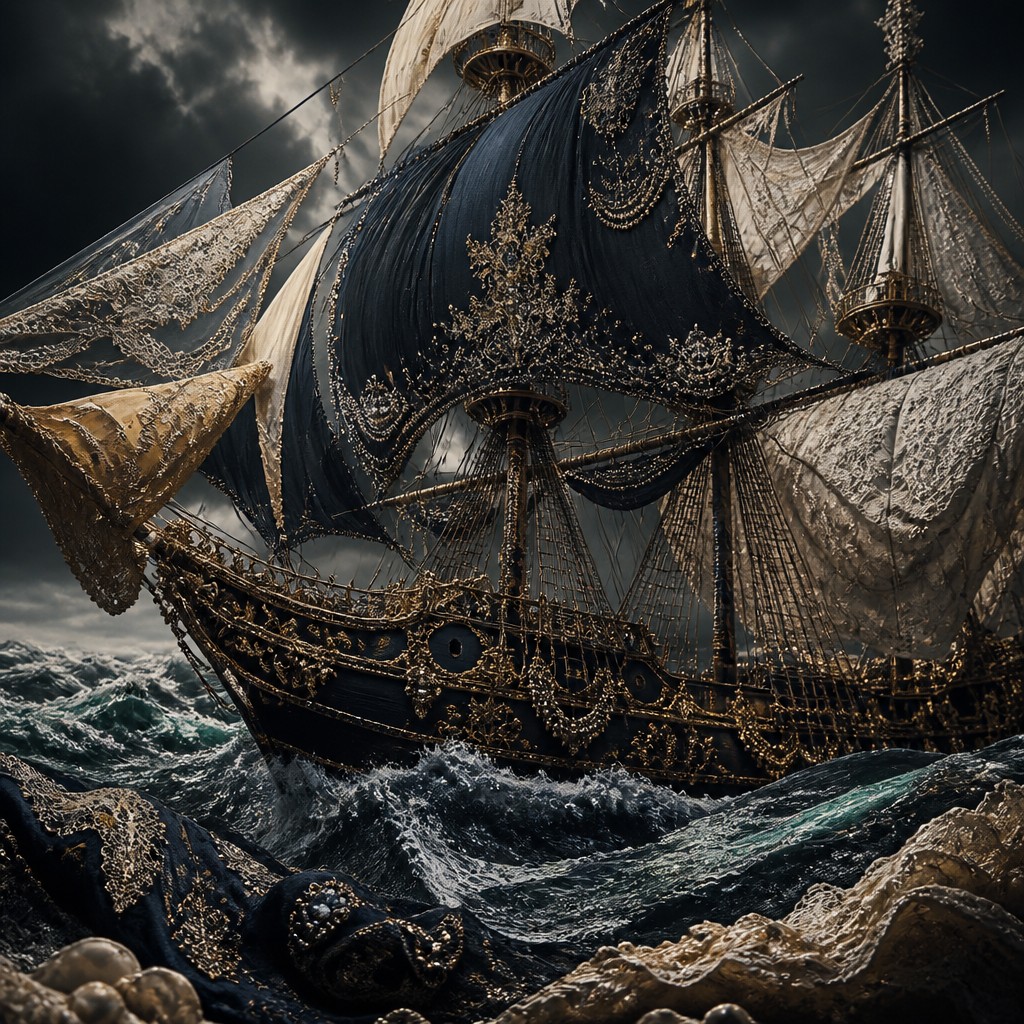
“sailing ship on a stormy sea”
How to Create Haute Couture Fashion Design Art
Master the craft step by step — or skip straight to creating. Read the full guide →
- 1
Build the form first
Start with a strong silhouette: define how the garment sits on the body, where it narrows, and where it expands. In traditional work, use draping studies or fashion croquis; in digital work, block in the garment shape before adding decorative details.
- 2
Layer materials with intention
Choose a limited set of textiles and assign each one a clear role, such as structure, softness, or contrast. Render fabric behavior accurately by varying sheen, transparency, and fold logic instead of applying the same texture everywhere.
- 3
Place embellishment strategically
Reserve embroidery, beadwork, and appliqué for areas that guide the eye, such as the neckline, waist, sleeves, or hem. This keeps the design from looking cluttered and makes the craftsmanship feel deliberate.
- 4
Use fashion drawing conventions
A long, elegant figure, clean posture, and refined proportions help communicate couture presentation. For illustration, emphasize line quality, fabric movement, and the relationship between garment and body.
- 5
Control light and presentation
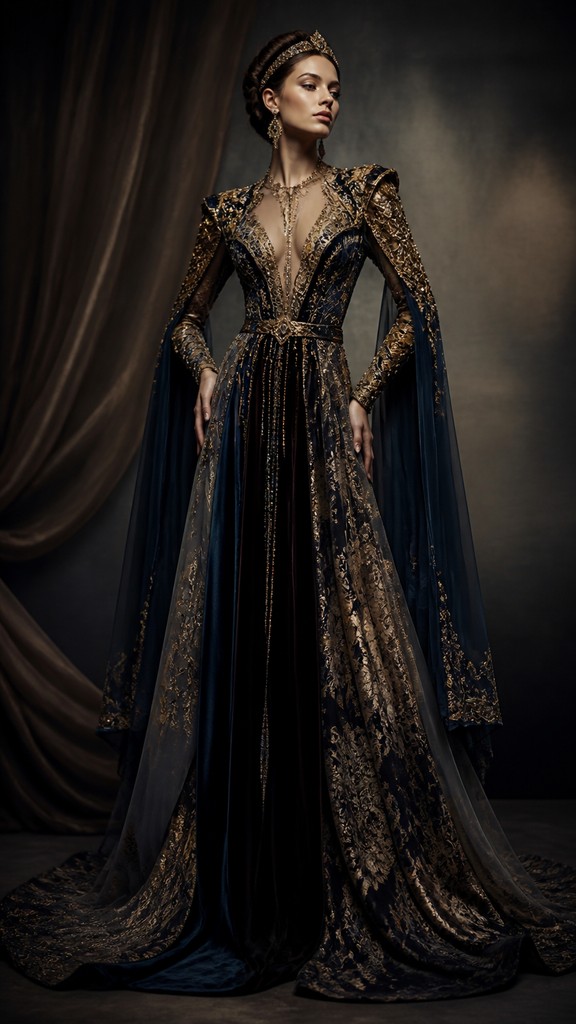
Use soft directional lighting to model folds and create luxurious contrast without flattening detail. In image generation, describe atelier lighting, editorial staging, and specific textiles so the result reads as couture rather than generic formalwear.
The Story
History & Origins of Haute Couture Fashion Design
Haute couture developed in Paris in the nineteenth century and became formally associated with the French fashion system, especially after the rise of a foundational nineteenth-century Parisian couturier who helped establish the designer as a creative authority rather than a mere dressmaker. Over time, couture houses refined a mode of fashion based on custom commissions, hand labor, and protected standards of construction, with Paris remaining the central historical reference point.
As a visual and design tradition, couture draws from the broader history of court dress, tailoring, theatrical costume, and decorative textile arts. Its imagery has been shaped by fashion illustration, editorial photography, and runway presentation, while twentieth-century couture houses associated with leading Parisian couture designers helped define many of its enduring forms, from sculpted jackets to dramatic eveningwear.
Influences: Haute couture is closely related to the traditions of dressmaking, tailoring, court costume, and fashion illustration, and it intersects with the visual language of editorial photography and runway staging. Among historical designers, the foundational figure behind the couture system is a nineteenth-century Parisian couturier who helped establish the designer as a creative authority rather than a mere dressmaker, while later canonical couture houses associated with leading twentieth-century Parisian couture designers are references for silhouette, construction, and modern elegance.
Frequently Asked Questions
What defines haute couture fashion design?
It is defined by custom-made garments built with exceptional handwork, precise fit, and luxurious materials. The style emphasizes construction and craftsmanship as much as visual spectacle.
How is haute couture different from ready-to-wear?
Ready-to-wear is produced in standardized sizes for broader distribution, while couture is made individually for a client or a specific presentation. Couture typically involves more hand finishing, more fittings, and more elaborate construction.
What fabrics are most associated with couture?
Silk, satin, velvet, lace, brocade, chiffon, organza, tulle, and fine wool tailoring fabrics are all common. The important trait is not just luxury, but how the material supports shape, drape, and surface detail.
How do I make an image look like couture fashion design?
Focus on silhouette, textile realism, and embellishment placement. A strong pose, editorial lighting, and visible construction details such as seams, pleats, and embroidery will make the image read as couture.
Is haute couture always extremely ornate?
No. Some couture is highly decorated, but other examples are restrained and architectural. What matters is the level of craftsmanship, fit, and originality, not just ornament.
Where is haute couture commonly used?
It appears in runway presentations, editorial fashion imagery, gala culture, bridal design, and special-occasion garments. It also inspires costume design and concept art that seeks a luxurious, bespoke look.
Create your first Haute Couture Fashion Design artwork
Describe anything — or upload a photo — and see it in Haute Couture Fashion Design in seconds.
Make Something with Haute Couture Fashion Design
Compare Haute Couture Fashion Design
Related Styles
Discover similar art styles