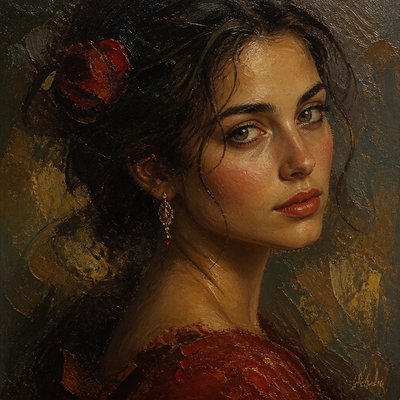
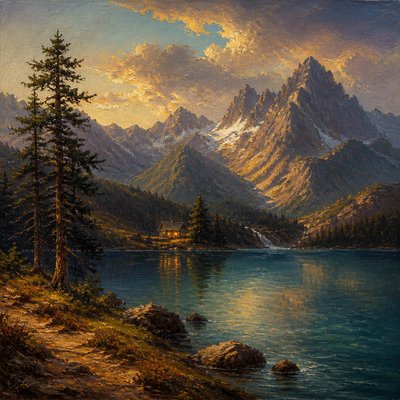
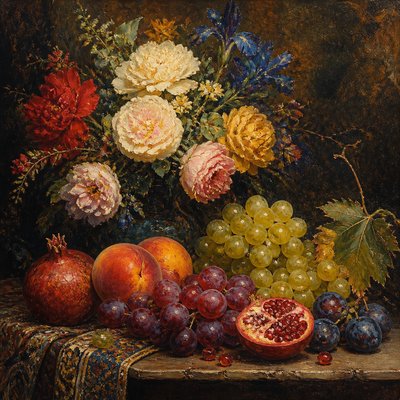
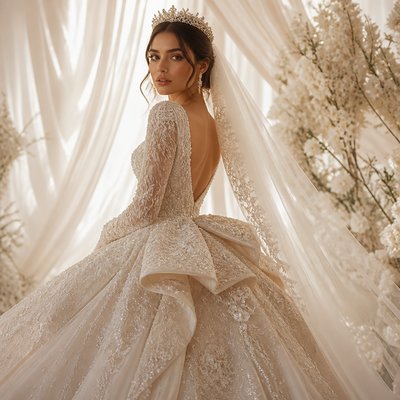
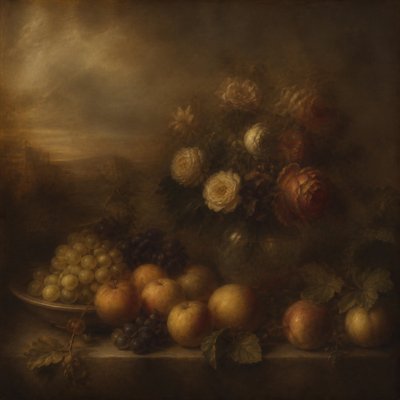
Old Money Fashion Style
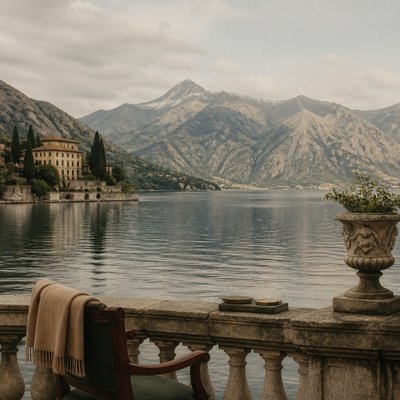
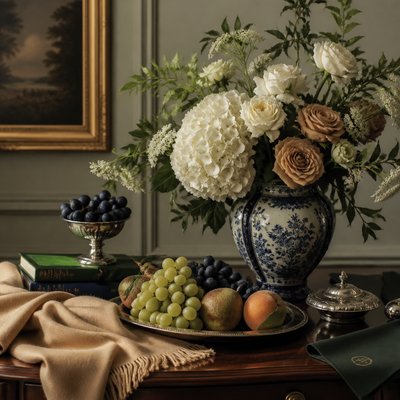
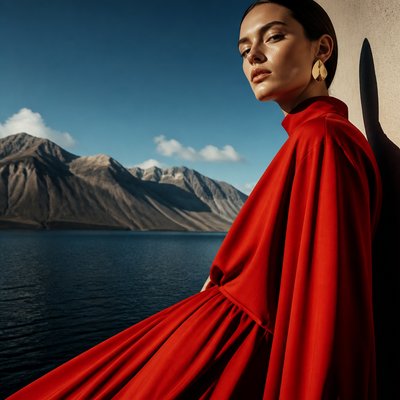
Quiet luxury style with cashmere, camel tones, tailored silhouettes, heritage fabrics, and understated equestrian polish.
Instantly rendered in Old Money Fashion — or transform a photo
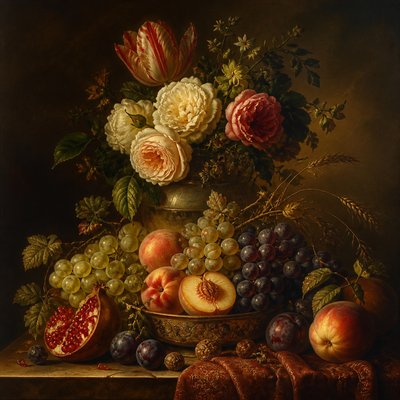
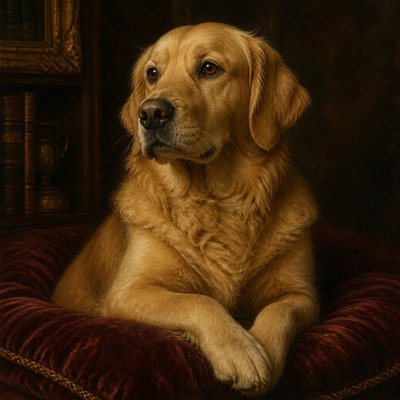
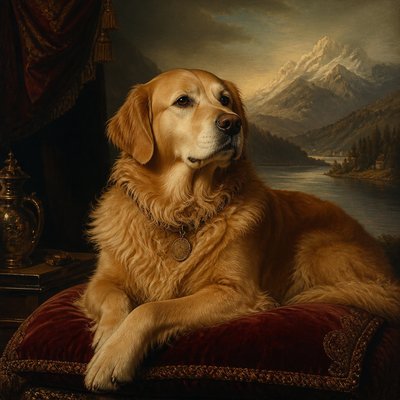
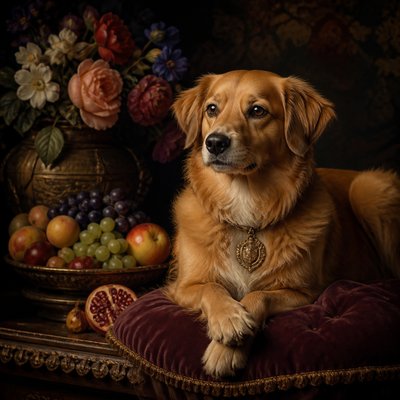
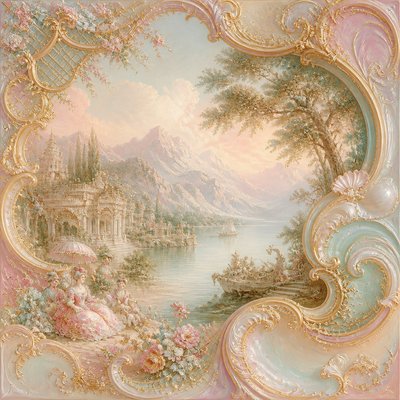
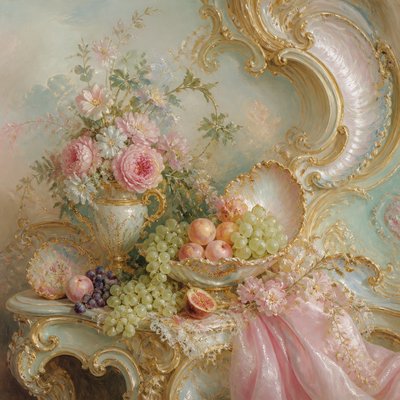
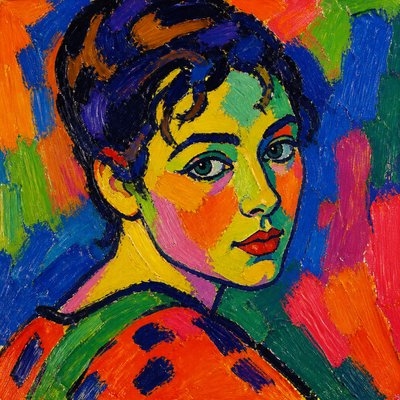
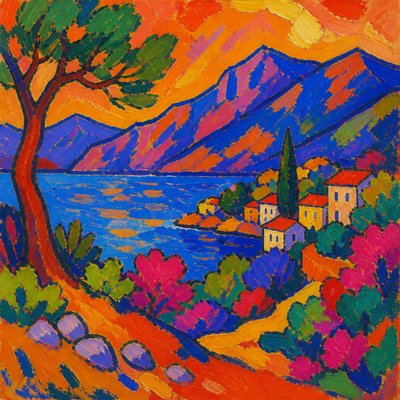
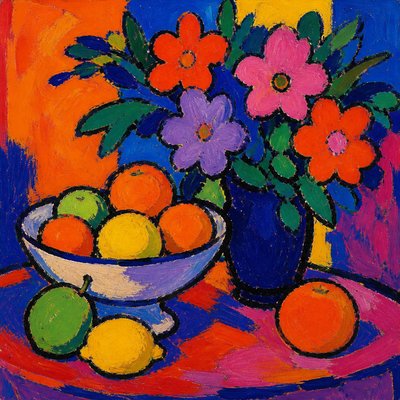
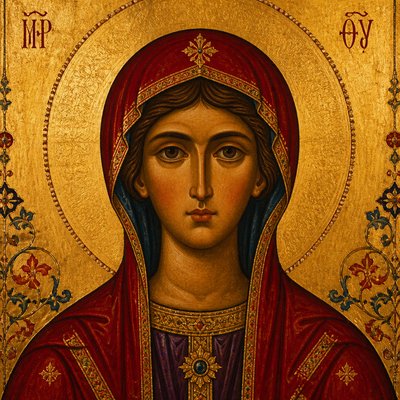
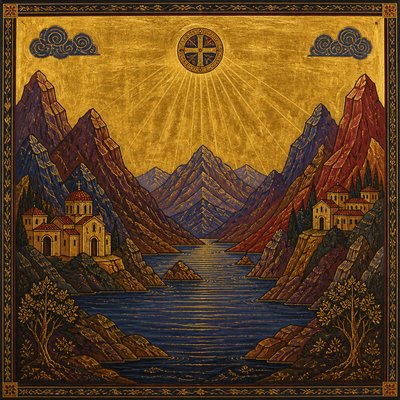
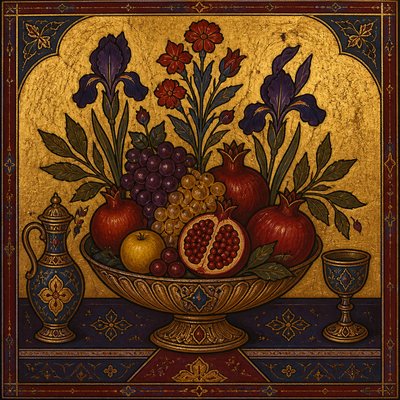
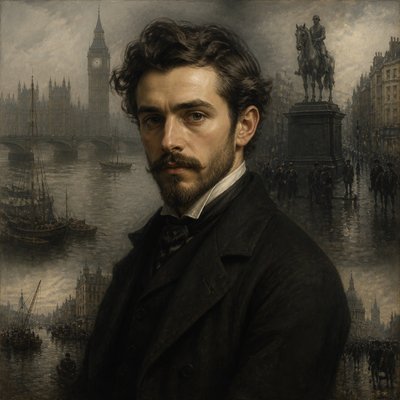
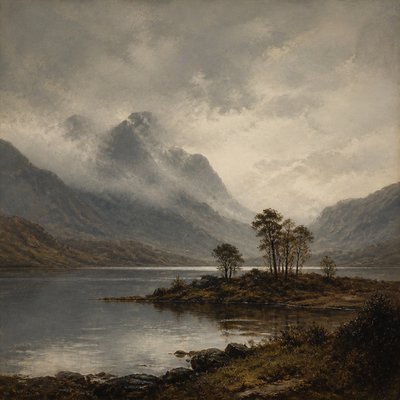
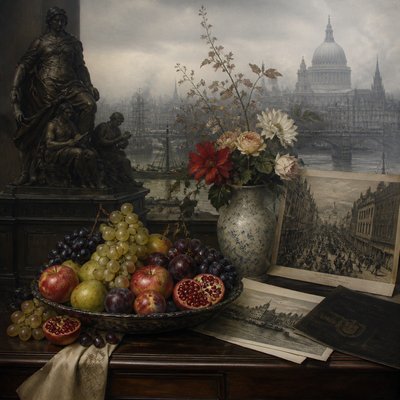
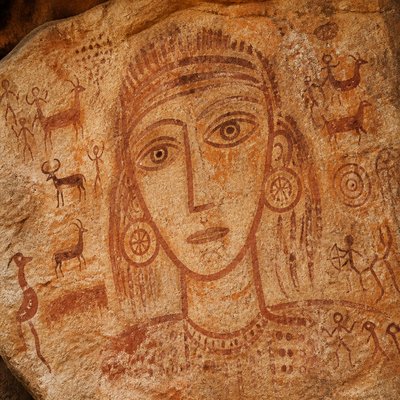
Old Money Fashion Gallery
Tap any artwork to explore it
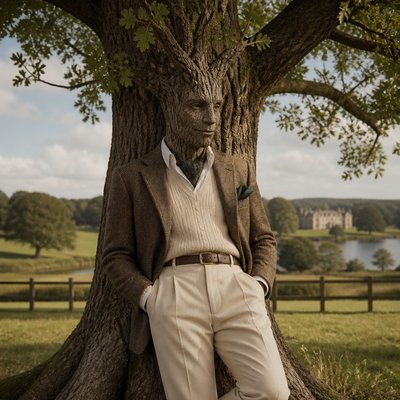
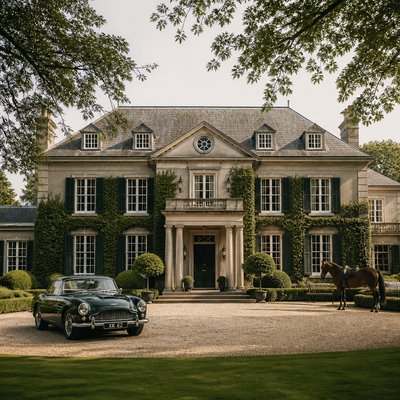
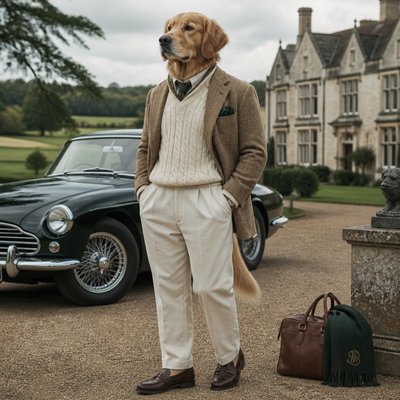
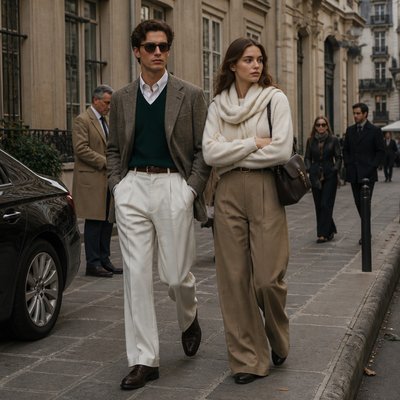
What is Old Money Fashion Style?
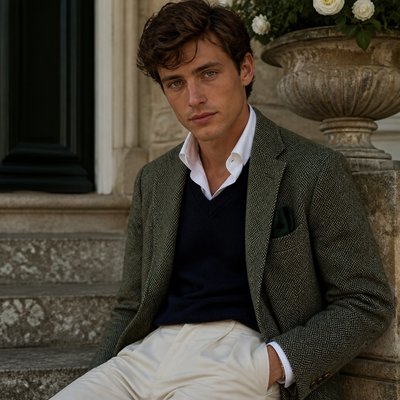
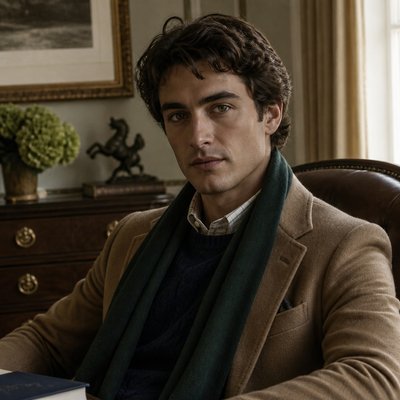
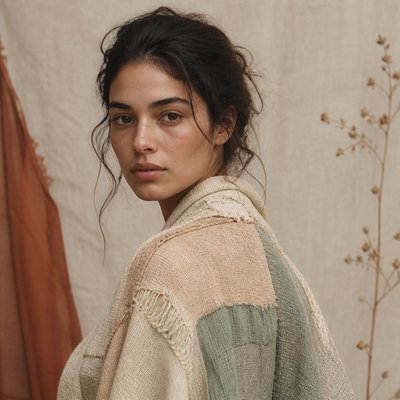
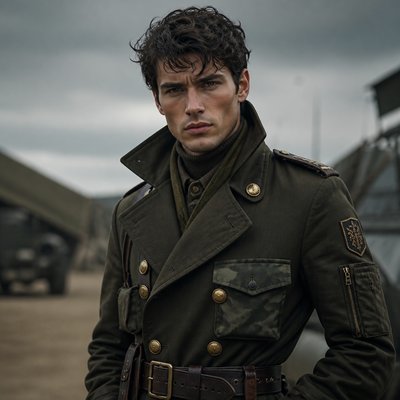
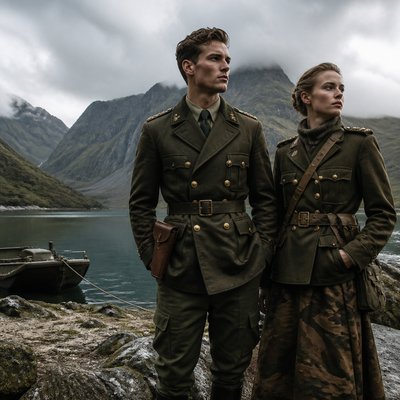
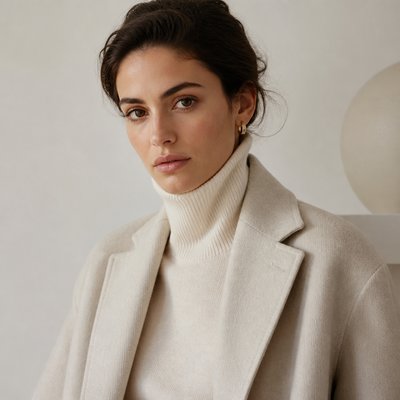
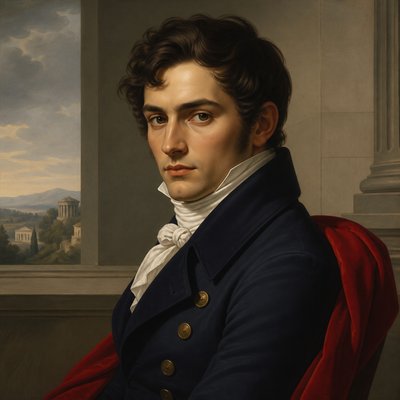
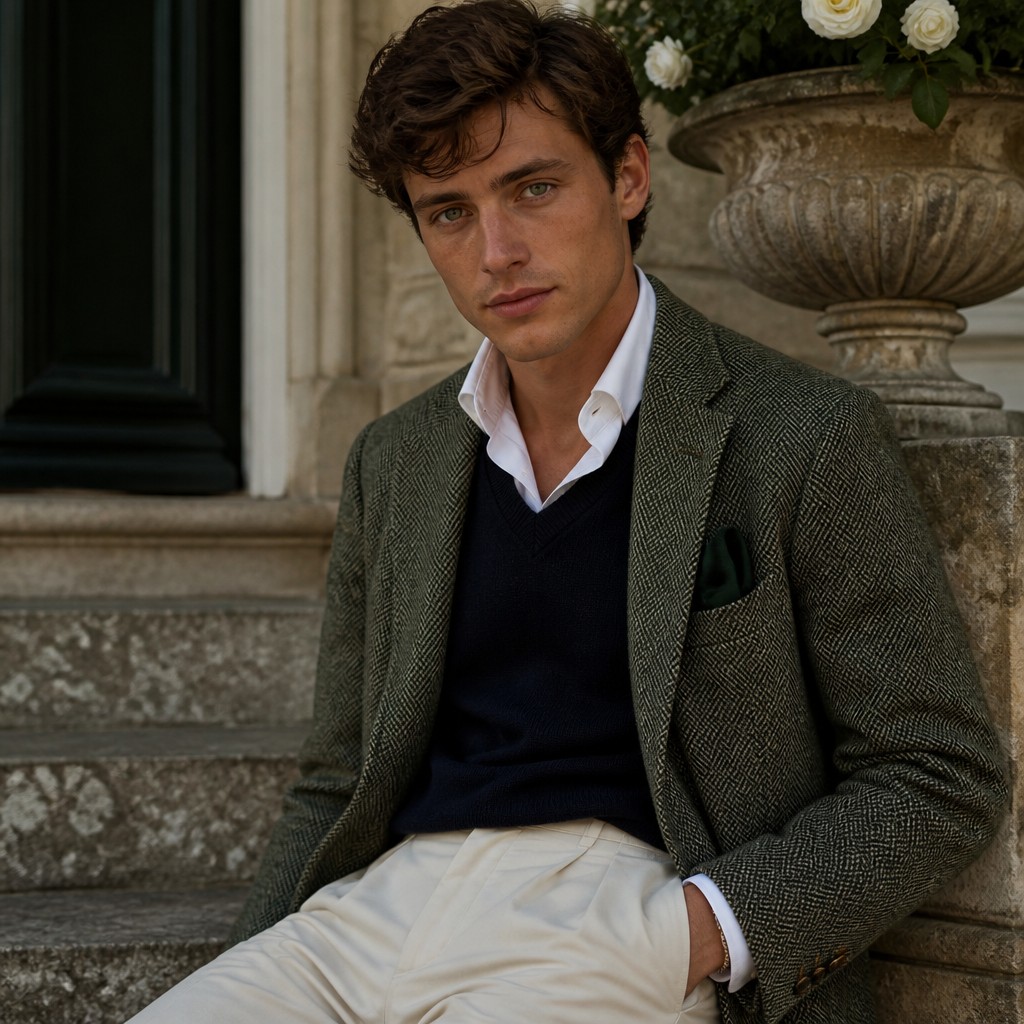
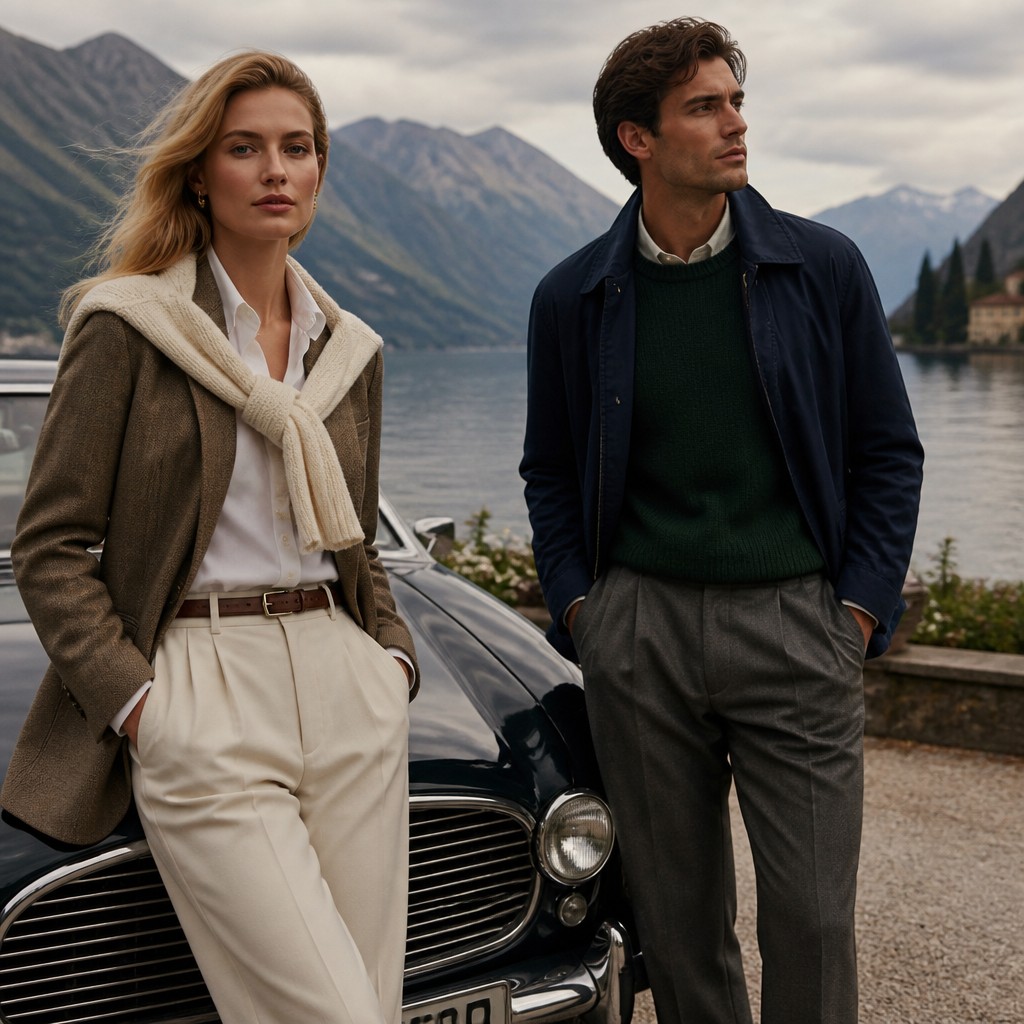
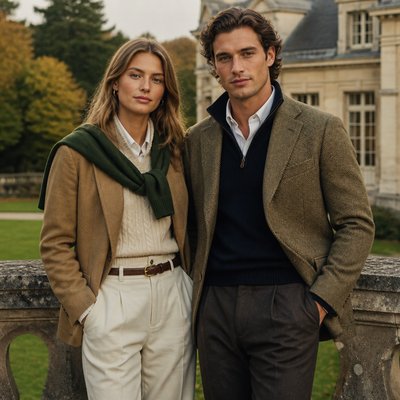
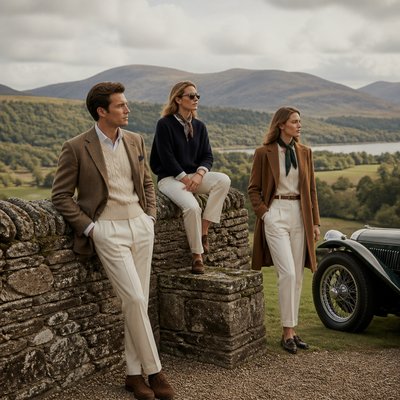
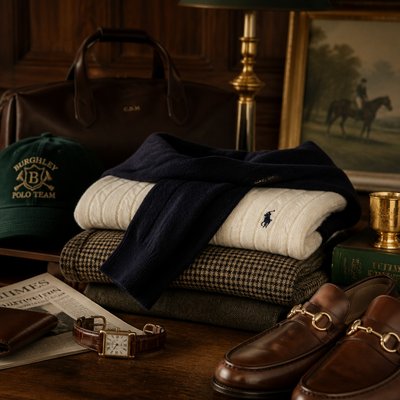
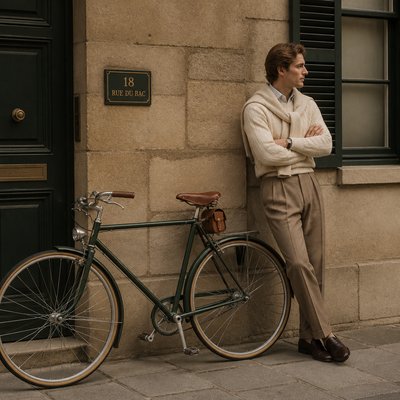
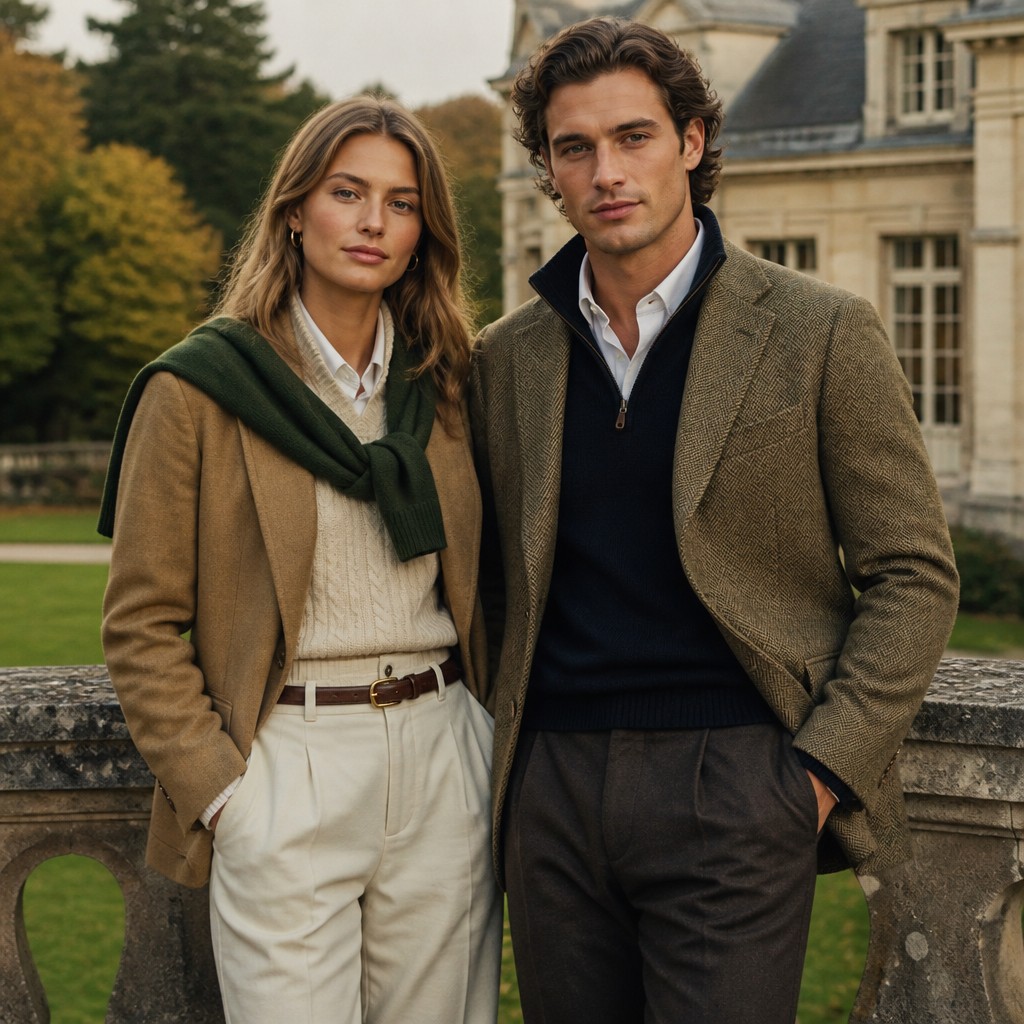
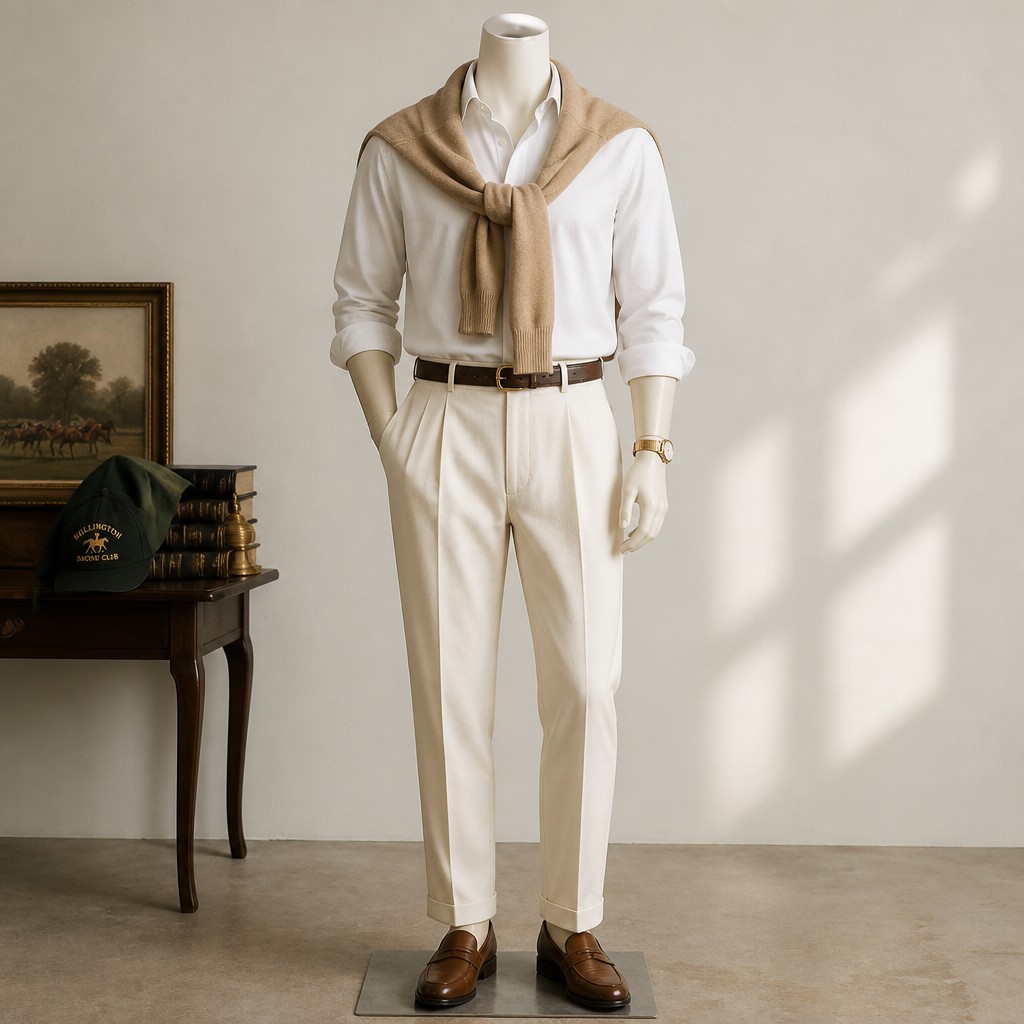
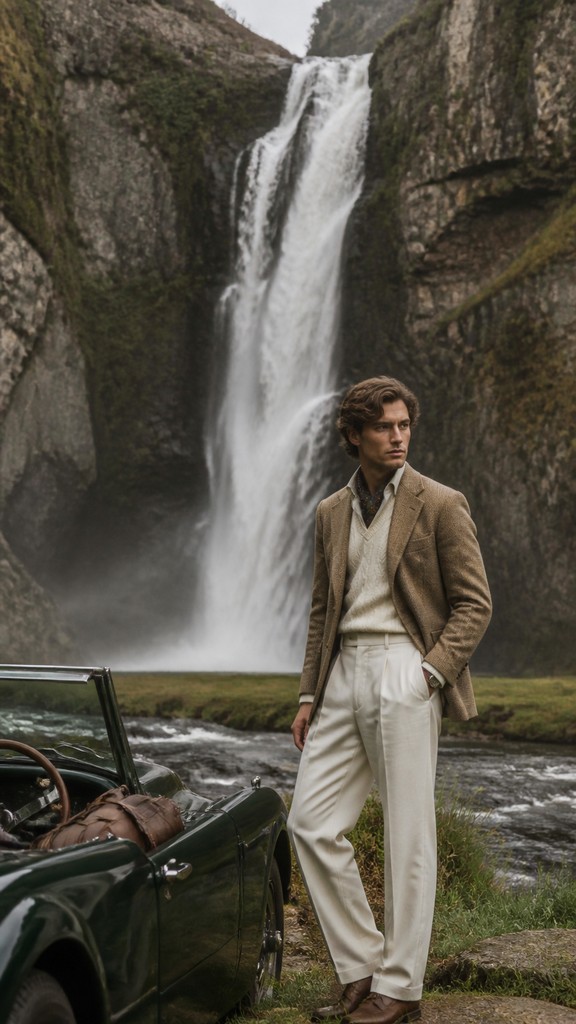
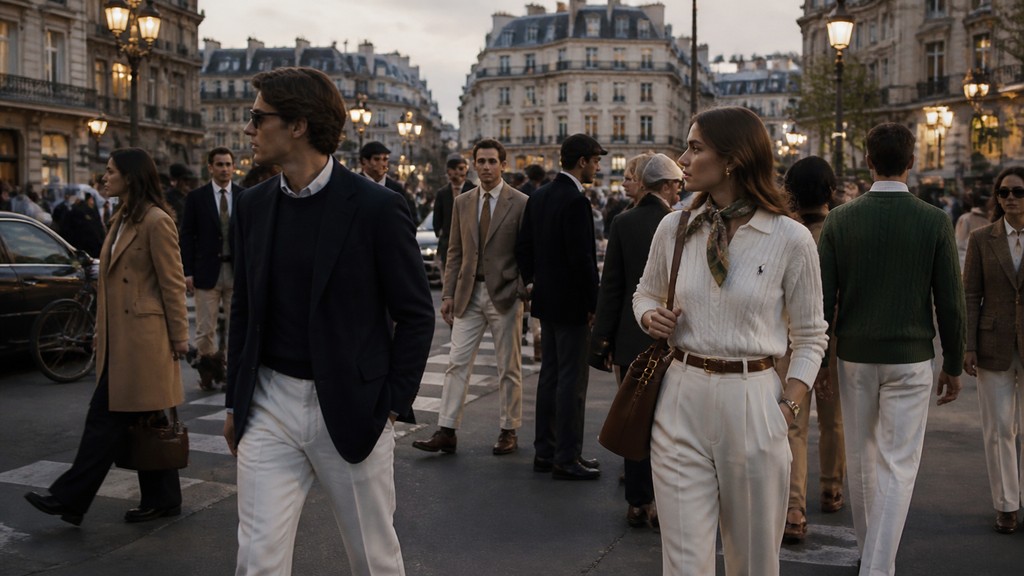
Old money fashion style is an aesthetic of restrained affluence: polished but never loud, classic rather than trend-driven. It centers on impeccably tailored relaxed silhouettes, draped knitwear, pressed trousers, crisp shirts, loafers, riding boots, and outerwear made from heritage materials such as cashmere, tweed, wool, poplin, and supple leather. The palette typically stays within camel, ivory, navy, forest or racing green, brown, and soft gold, with very limited ornamentation.
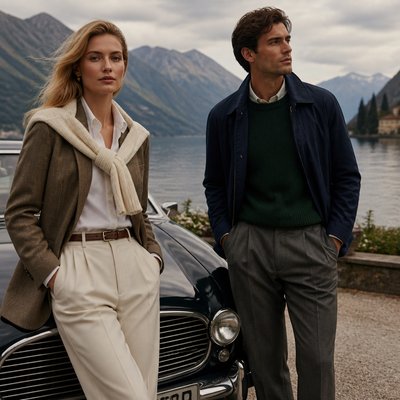
Its visual identity comes from the codes of inherited leisure and country-club dressing rather than from conspicuous display. The result is clothing that appears well-made, well-kept, and quietly expensive, often with references to equestrian life, prep school traditions, estate weekends, and old European tailoring. In photographs and illustrations, this style reads through texture, fit, and atmosphere: soft natural daylight, calm posture, orderly composition, and materials that signal longevity rather than novelty.
Try It On Your Photos
Upload any photo and convert it into Old Money Fashion Style — drag the sliders to compare before and after.

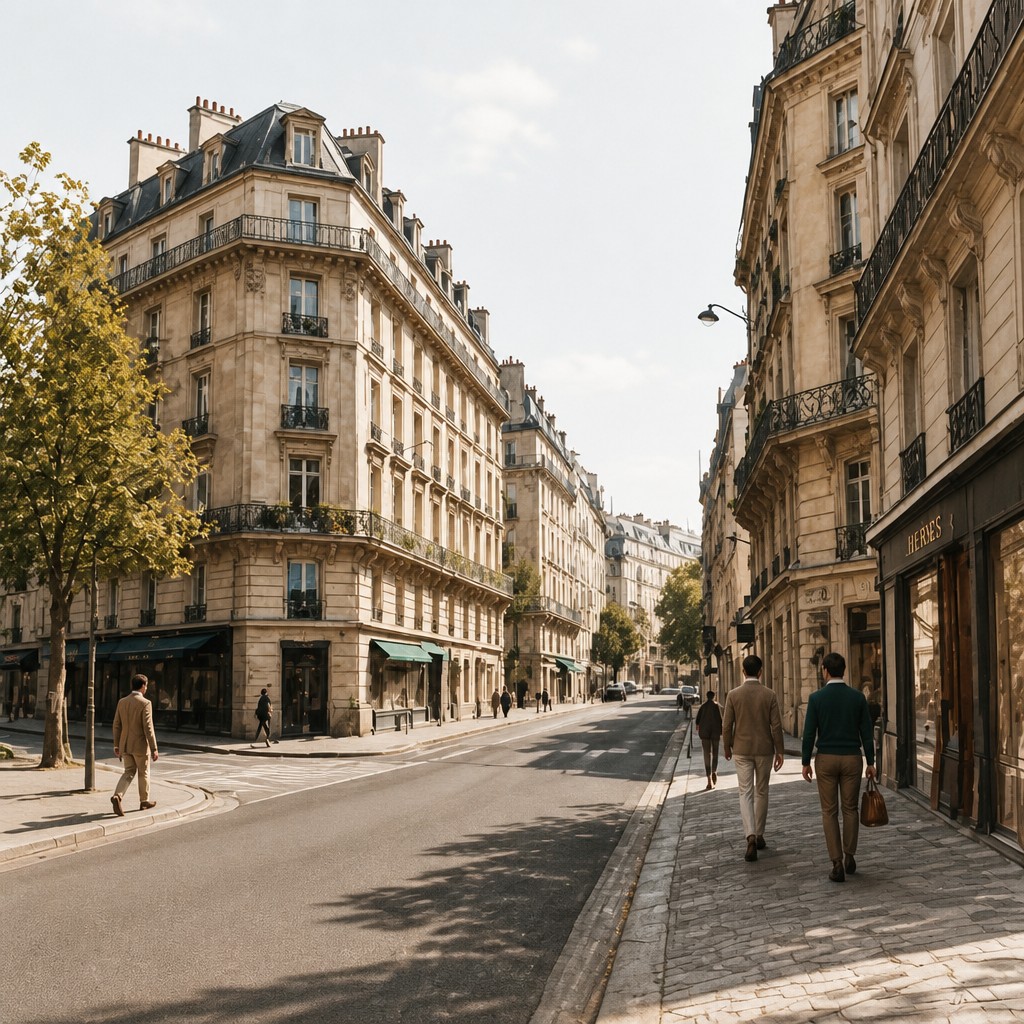

What Defines Old Money Fashion Style
The signature details, up close
Neutral, muted palette
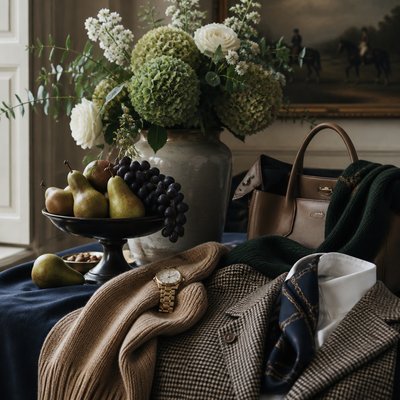
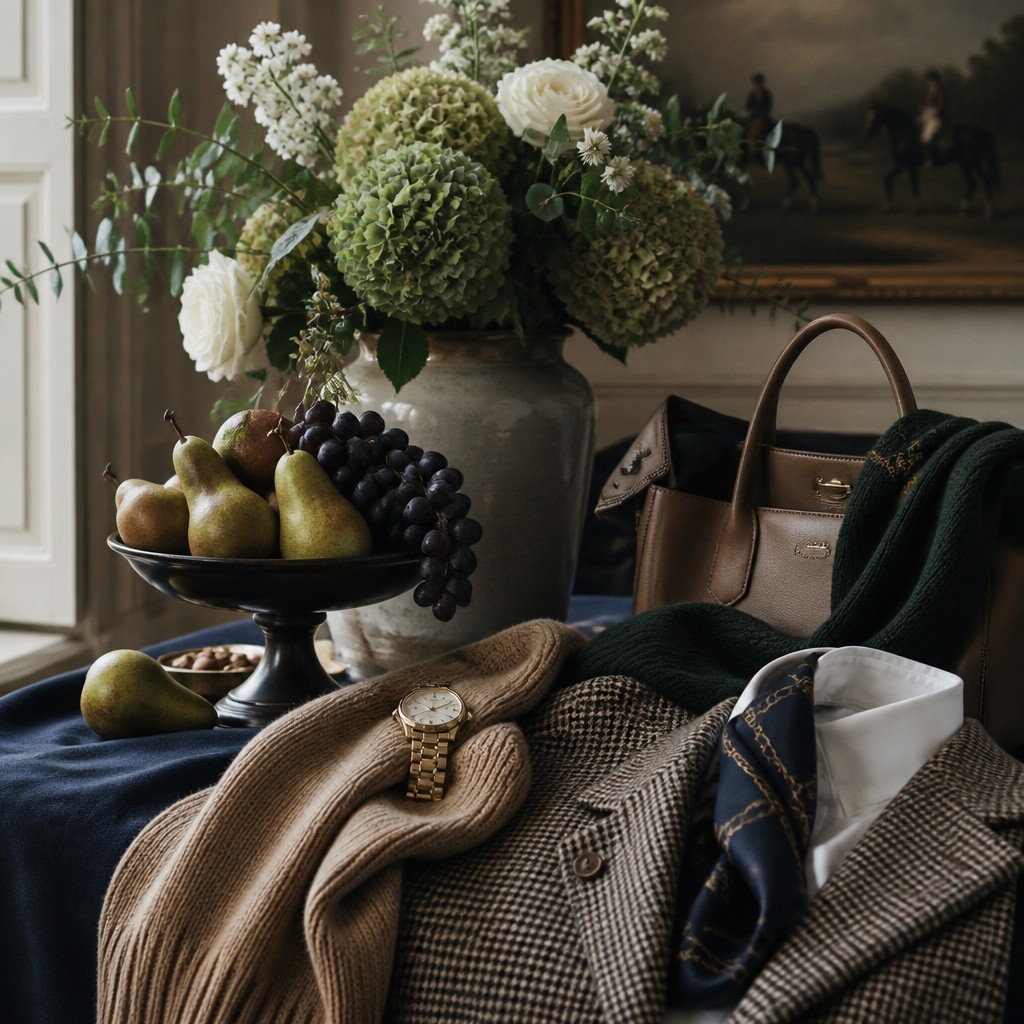
Camel, ivory, navy, tan, olive, and dark green dominate the look. Colors are usually softened and balanced rather than saturated, which gives the style its calm and inherited feel.
Tailoring with ease
Garments are structured but relaxed: blazers, straight-leg trousers, pleated skirts, polo shirts, and long coats are cut to drape cleanly without looking stiff. The fit suggests care and refinement, not fashion drama.
Heritage fabrics
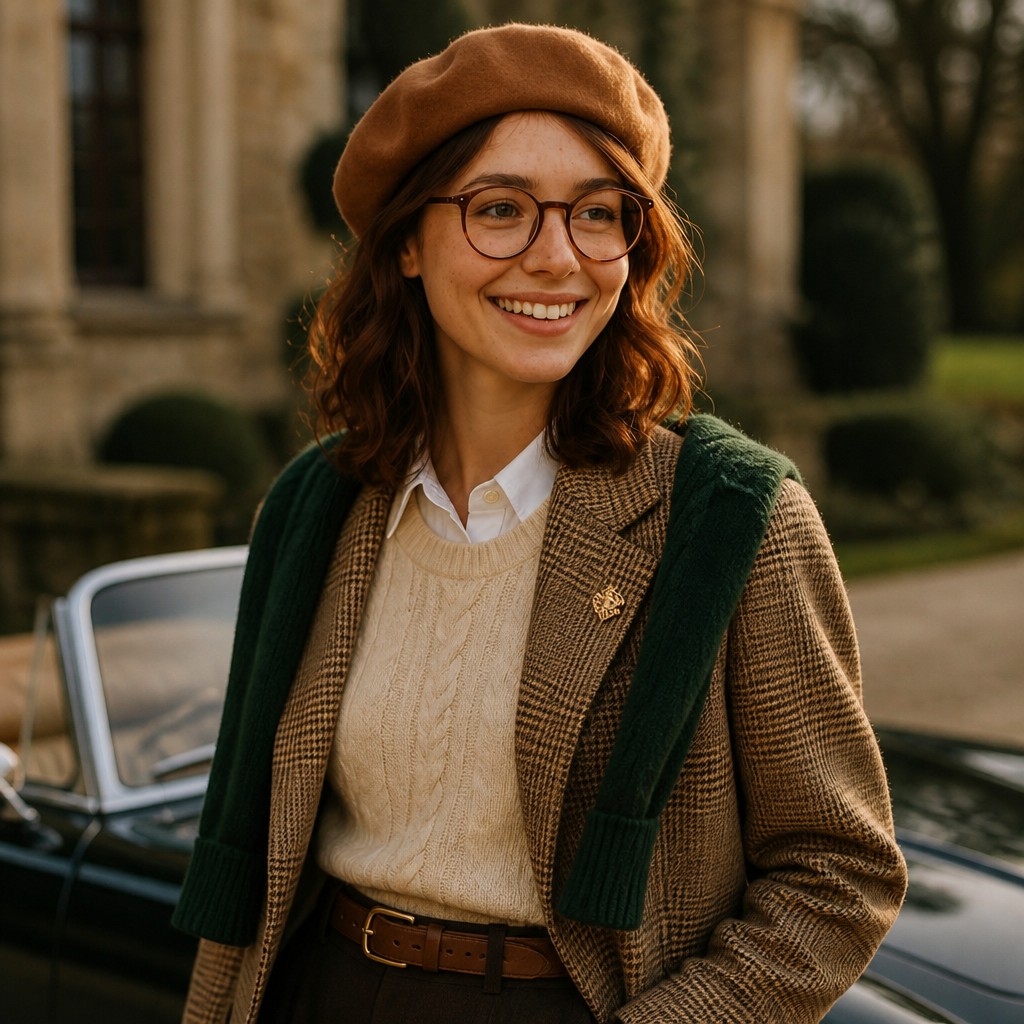
Cashmere, tweed, flannel, wool, poplin, corduroy, and leather define the tactile vocabulary. Texture matters as much as silhouette because the fabrics imply longevity, maintenance, and quality.
Minimal visible branding
Logos and decorative flourishes are kept to a minimum. Any detailing tends to be discreet: horn buttons, leather trim, subtle monograms, or a small gold accent.
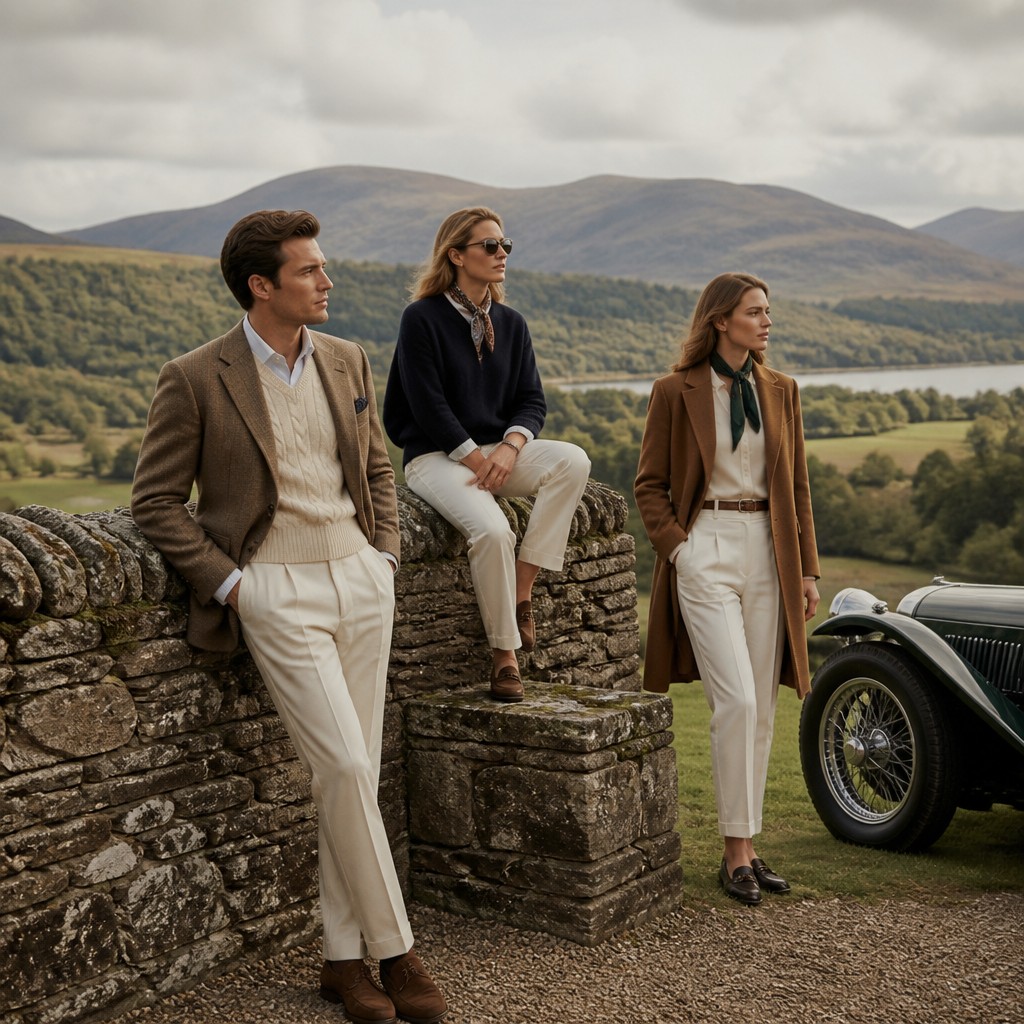
Equestrian and country-club references
Riding boots, loafers, scarves, saddle bags, blazers, and classic shirting evoke boarding schools, stables, and weekend estates. These cues anchor the style in traditional leisure culture.
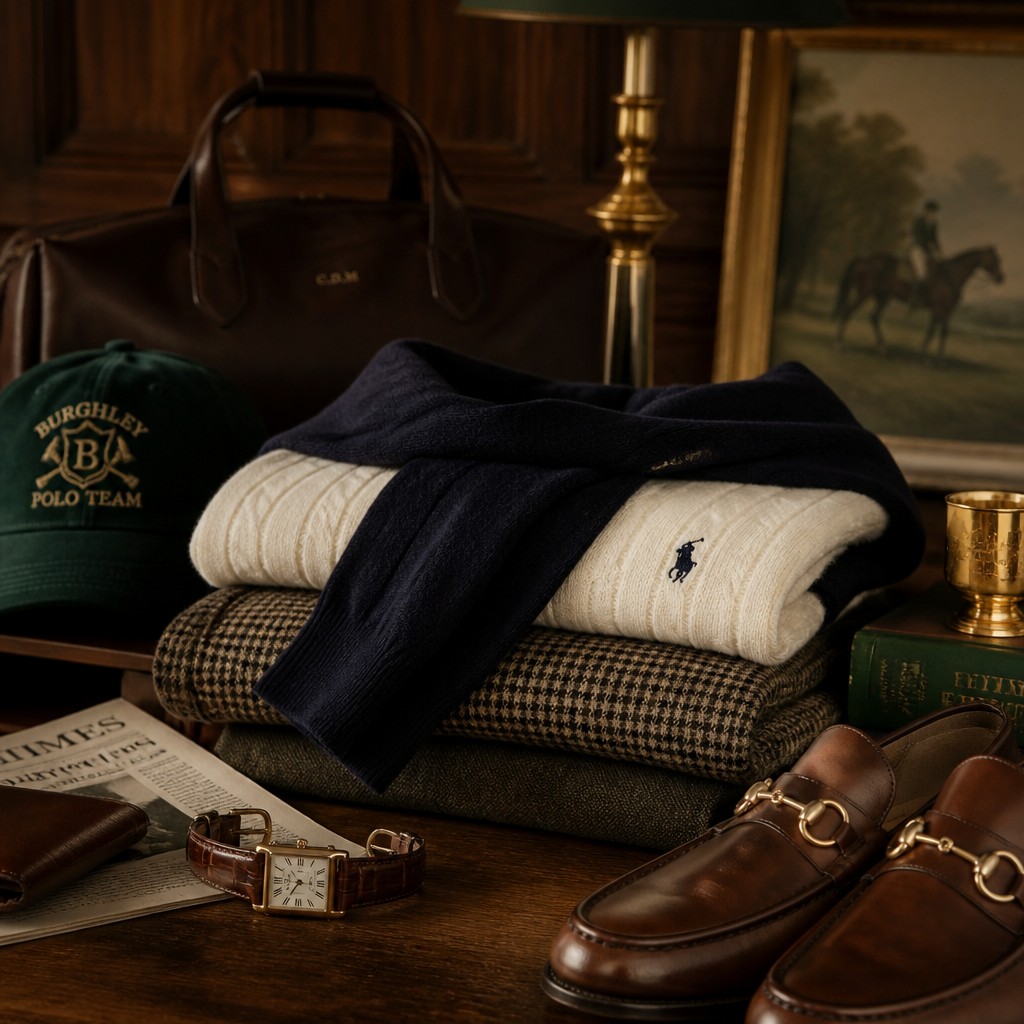
Composed, natural presentation
The overall mood is polished but unforced, often photographed in estate daylight or softly lit interiors. Hair, makeup, and accessories are usually tidy and restrained rather than highly styled.
Try It
Create Videos in Old Money Fashion Style
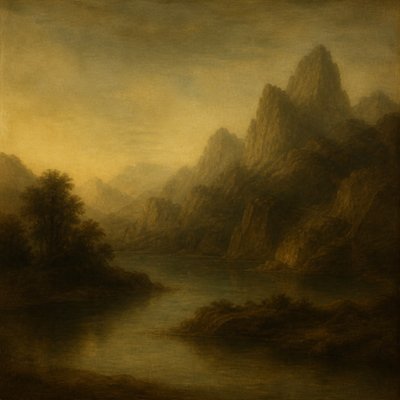
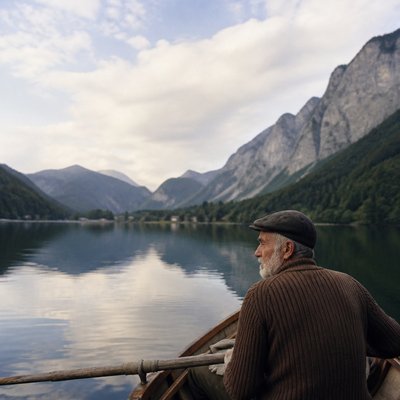
Styles aren't just for stills — describe a scene or animate an image and get a short video rendered in Old Money Fashion. Press play to see this pond come to life.
Make a VideoOld Money Fashion Prompt Ideas
Start from an idea — each one opens the generator with the style ready to go. See all 40 Old Money Fashion prompts →
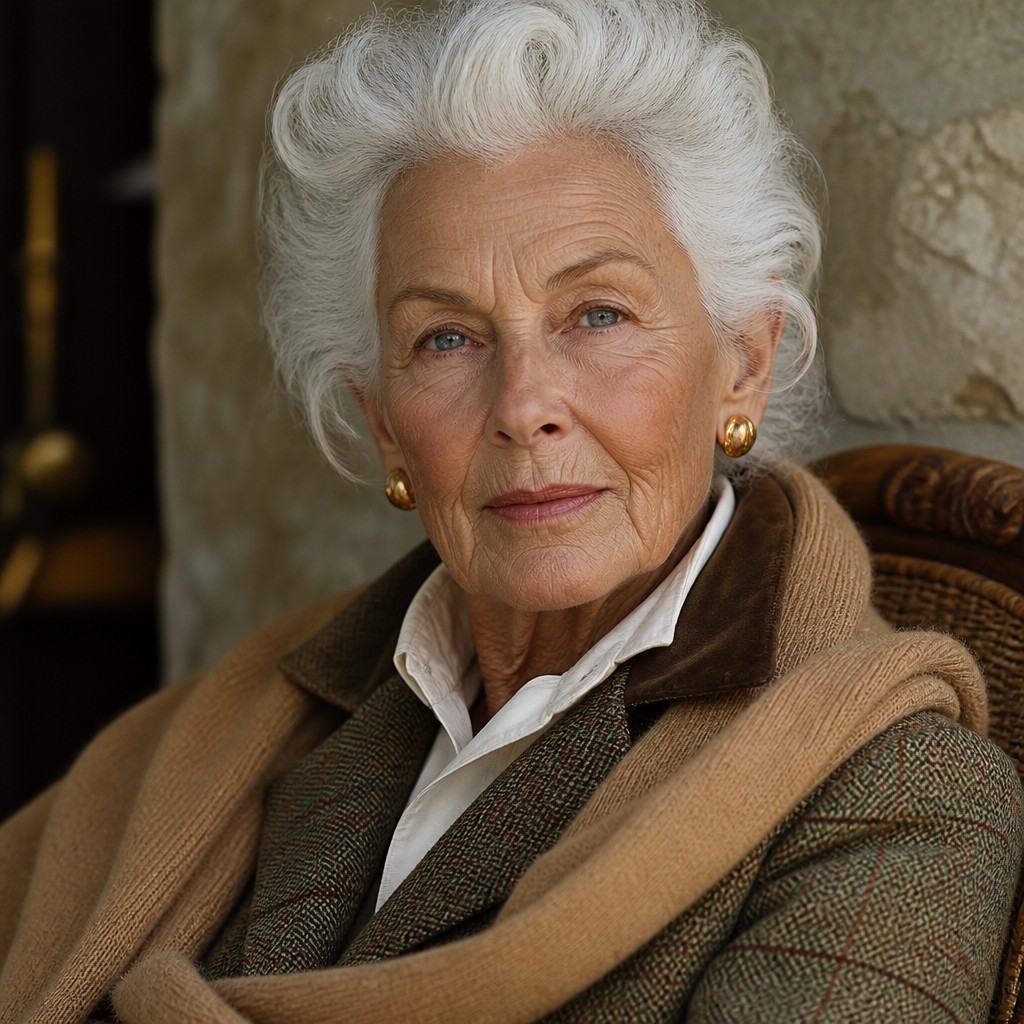
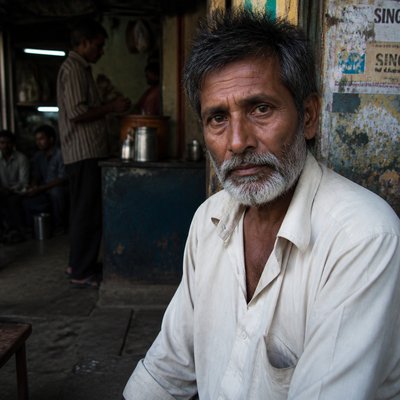
“close-up portrait of an elderly person with expressive weathered features”
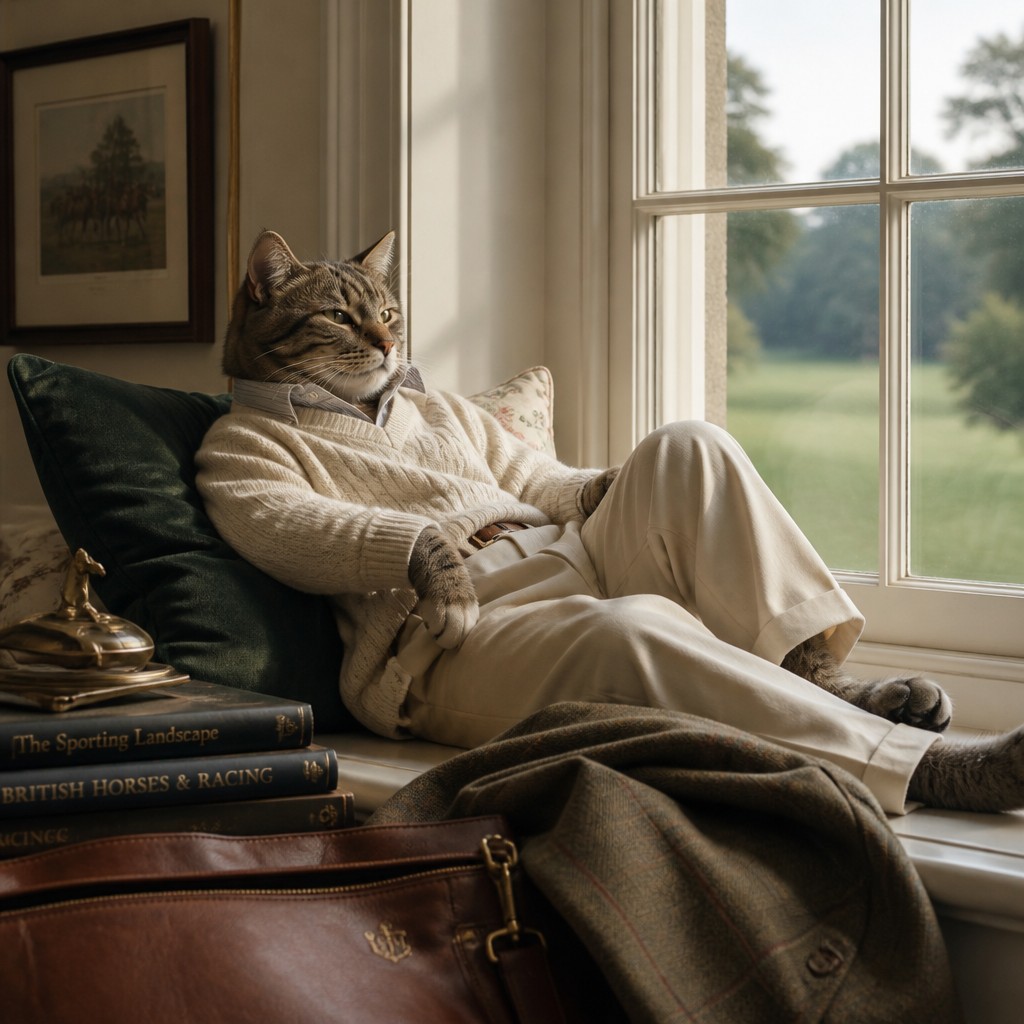
“a cat lounging in a sunlit window”
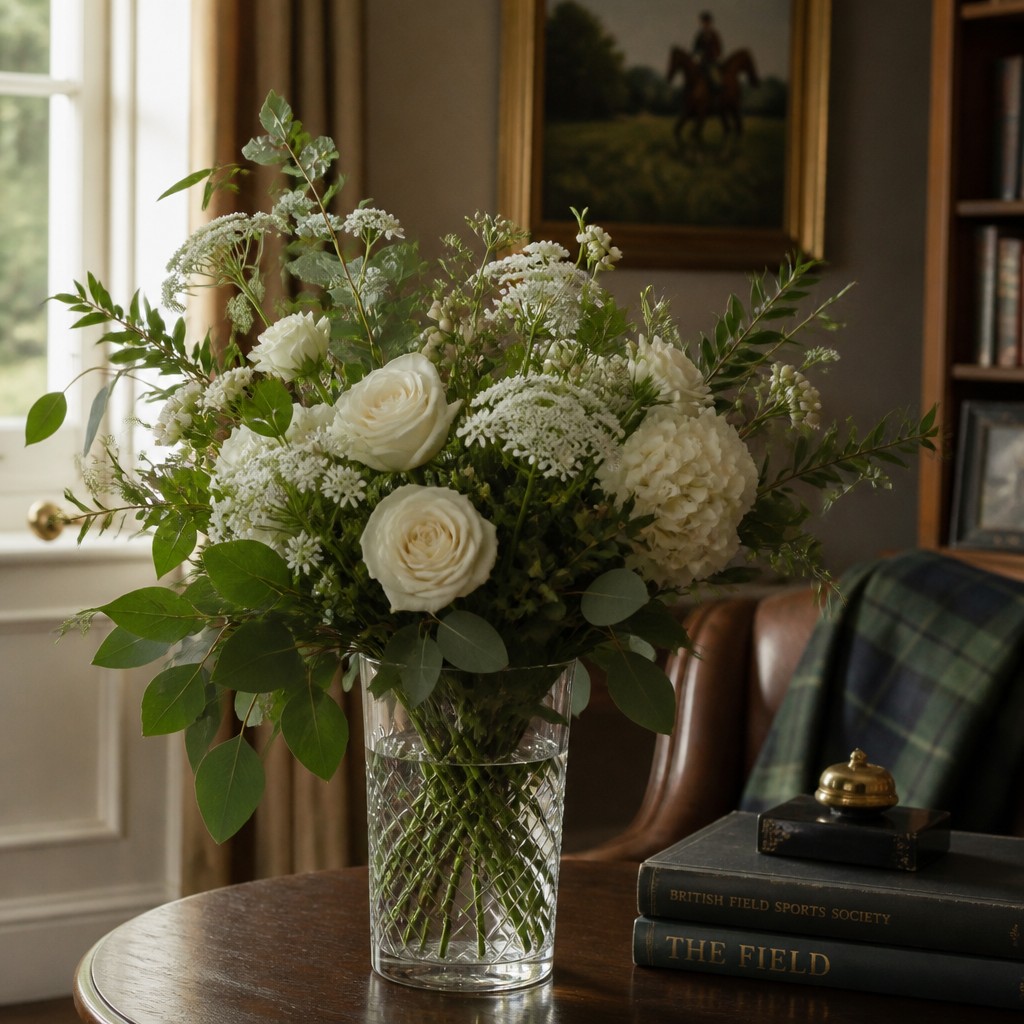
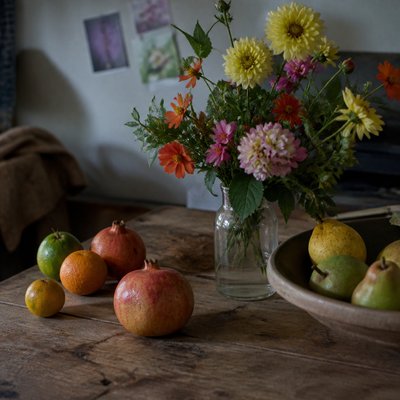
“bouquet of flowers in a glass vase”
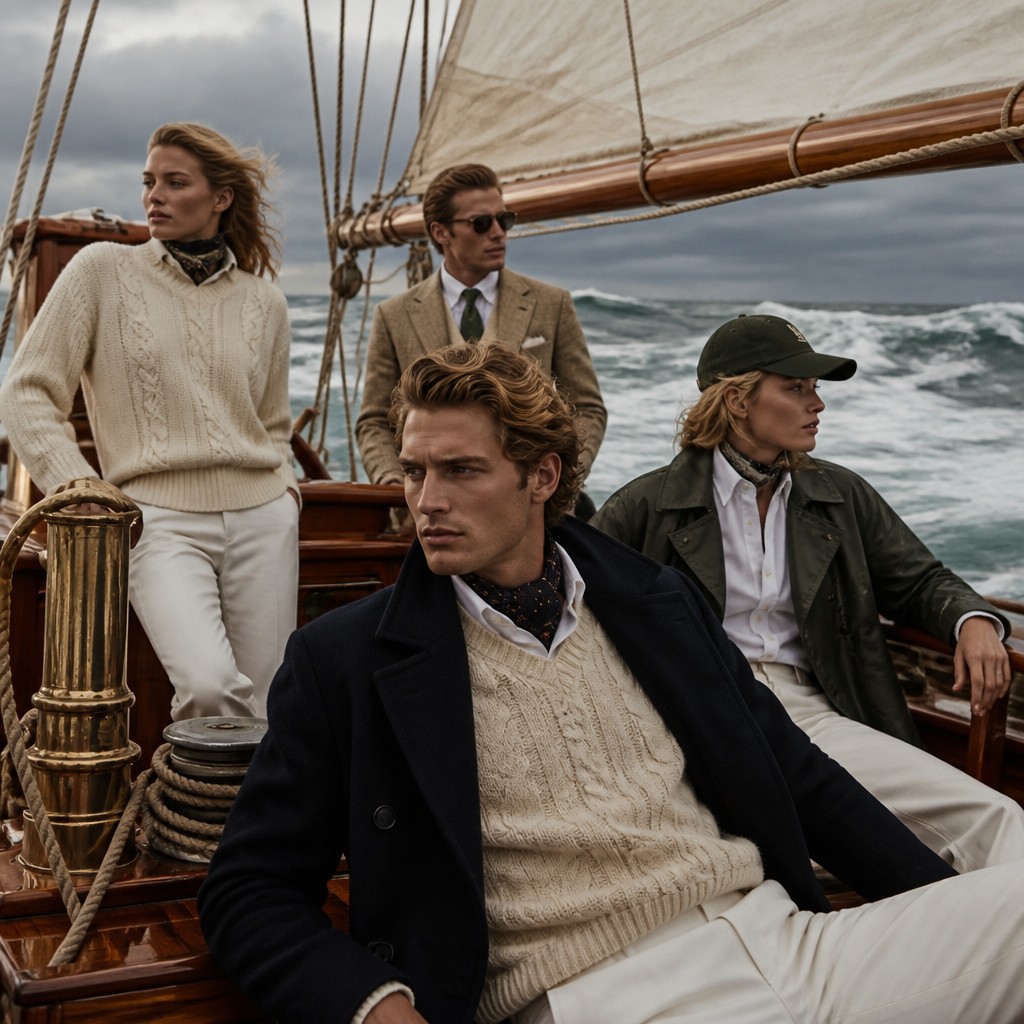
“sailing ship on a stormy sea”
How to Create Old Money Fashion Art
Master the craft step by step — or skip straight to creating. Read the full guide →
- 1
Build the look from silhouette first
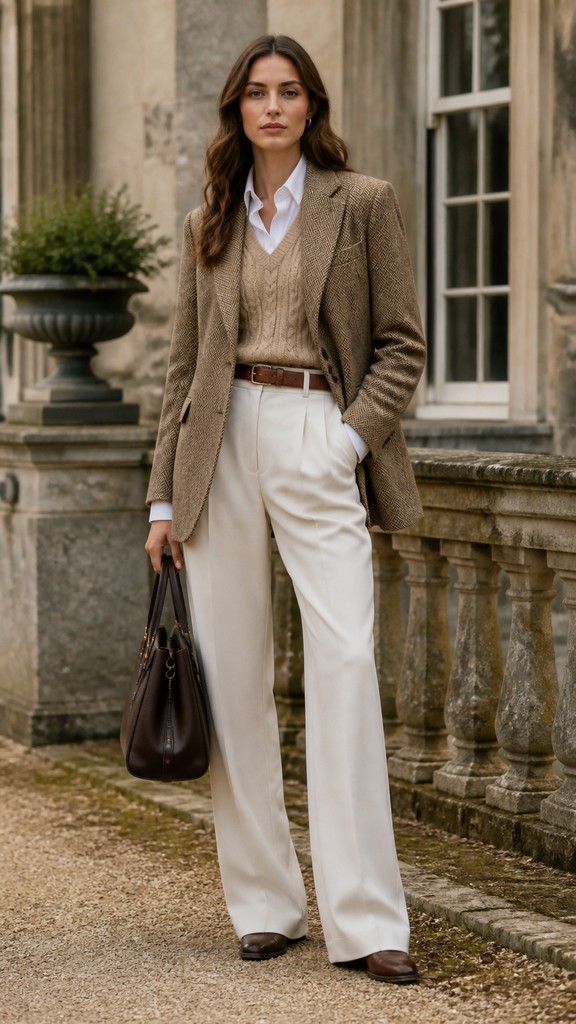
Start with relaxed tailoring: straight trousers, an unstructured blazer, a long coat, a knit layered over a collared shirt, or a simple dress with a clean line. Keep shapes elegant and functional rather than exaggerated.
- 2
Use heritage textures and low-contrast color
Choose materials and surface detail that read well at close range—cashmere ribbing, tweed flecks, wool weave, polished leather, and crisp cotton. Limit the palette to two or three muted tones so the image feels cohesive and composed.
- 3
Keep styling discreet and believable
Avoid oversized trend pieces, flashy logos, neon accents, and overly perfect glamour. Accessories should feel inherited or timeless: a leather belt, pearl earrings, a silk scarf, a watch, or a classic handbag.
- 4
Control the lighting and setting
For photography or digital art, use soft daylight, window light, overcast outdoor light, or warm interior shadows. Settings like country houses, libraries, horse stables, old cars, private clubs, and clean urban stone facades reinforce the atmosphere.
- 5
Render the fabric behavior clearly
If drawing or painting, pay attention to how cashmere falls, how tweed holds structure, and how pressed trousers create crisp verticals. Subtle folds and accurate material contrast are more important than decorative complexity.
- 6
Write prompts with wardrobe and mood terms
When generating images, specify garments, fabrics, palette, and environment together—for example, tailored camel blazer, ivory knit, navy trousers, estate daylight, understated elegance. This keeps the output grounded in the style’s visual logic.
The Story
History & Origins of Old Money Fashion
Old money fashion is not a single historical movement with a formal manifesto; it is a contemporary aesthetic built from long-standing elite dress traditions in Britain, the United States, and parts of continental Europe. Its visual language draws on aristocratic country wear, Ivy League and prep-school dressing, mid-century tailoring, and luxury wardrobe staples that were designed to last and to look appropriate across seasons.
Over time, this look has been reinforced by the visual culture of family estates, private clubs, yachting, equestrian sports, and heritage luxury brands. In the late 20th and early 21st centuries, it became a shorthand for “quiet luxury” and “stealth wealth,” especially in fashion photography and digital mood-board culture. What makes the style legible today is not any single garment, but the consistent preference for understatement, natural materials, and conservative polish over overt branding or novelty.
Influences: The style draws from British country dress, Ivy League and prep-school fashion, traditional menswear tailoring, and the visual culture of equestrian and club life. In fashion history, its nearest relatives are classic tailoring and elite leisure dress rather than a single avant-garde movement. For visual reference, it sits comfortably beside the restrained elegance associated with designers such as Ralph Lauren in his heritage-coded work, while its broader roots are older and less commercially defined than any one brand.
Frequently Asked Questions
What defines old money fashion style?
It is defined by quiet, conservative polish: tailored silhouettes, natural fabrics, muted colors, and very little visible branding. The style is less about looking luxurious in an obvious way than about appearing well-made, timeless, and composed.
How is it different from quiet luxury?
The two overlap heavily, but old money fashion usually leans more explicitly into inherited, preppy, and country-club references. Quiet luxury can be more minimal and modern, while old money styling often includes more heritage cues such as tweed, riding boots, loafers, and classic shirting.
What clothes are most associated with this style?
Cashmere sweaters, tailored blazers, pressed trousers, trench coats, loafers, silk scarves, crisp button-downs, wool skirts, and leather accessories are all central. Fabrics and fit matter as much as the specific garment categories.
Can this style be casual?
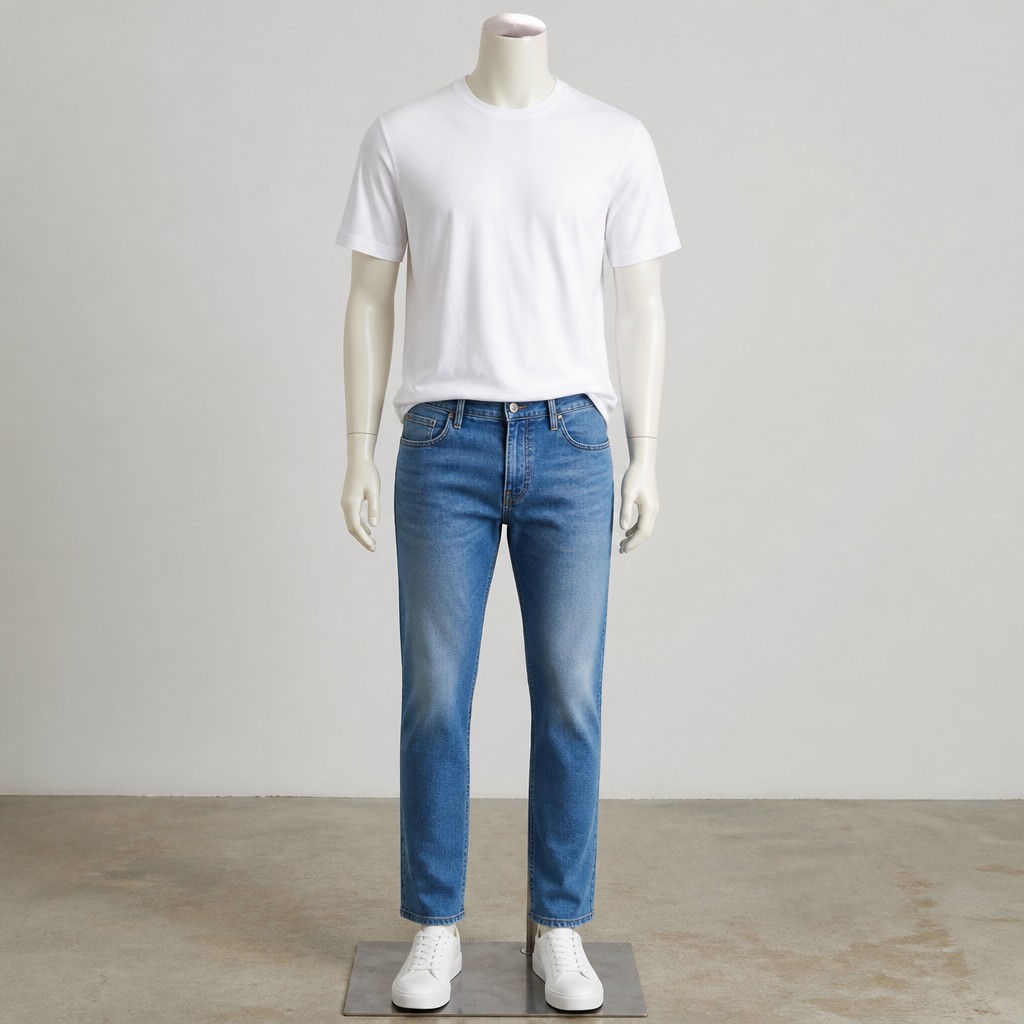
Yes, but even casual looks stay neat and intentional. A simple knit, straight jeans or trousers, a clean polo, and understated shoes can still fit the style if the colors are muted and the materials look high quality.
What settings work best for images in this style?
Country houses, libraries, ivy-covered architecture, horse stables, prep-school corridors, classic cars, and elegant interiors are common visual contexts. Soft natural light helps preserve the calm, inherited atmosphere that the style relies on.
How do I create this look without expensive clothing?
Focus on fit, fabric texture, and color rather than labels. A well-pressed secondhand blazer, a neutral sweater, clean loafers, and restrained accessories can capture the style more effectively than flashy new items.
Create your first Old Money Fashion artwork
Describe anything — or upload a photo — and see it in Old Money Fashion Style in seconds.
Make Something with Old Money Fashion
Related Styles
Discover similar art styles