Bohemian Fashion Design
Free-spirited fashion with flowing layers, ethnic prints, vintage touches, and romantic handmade textures.
Instantly rendered in Bohemian Fashion Design — or transform a photo
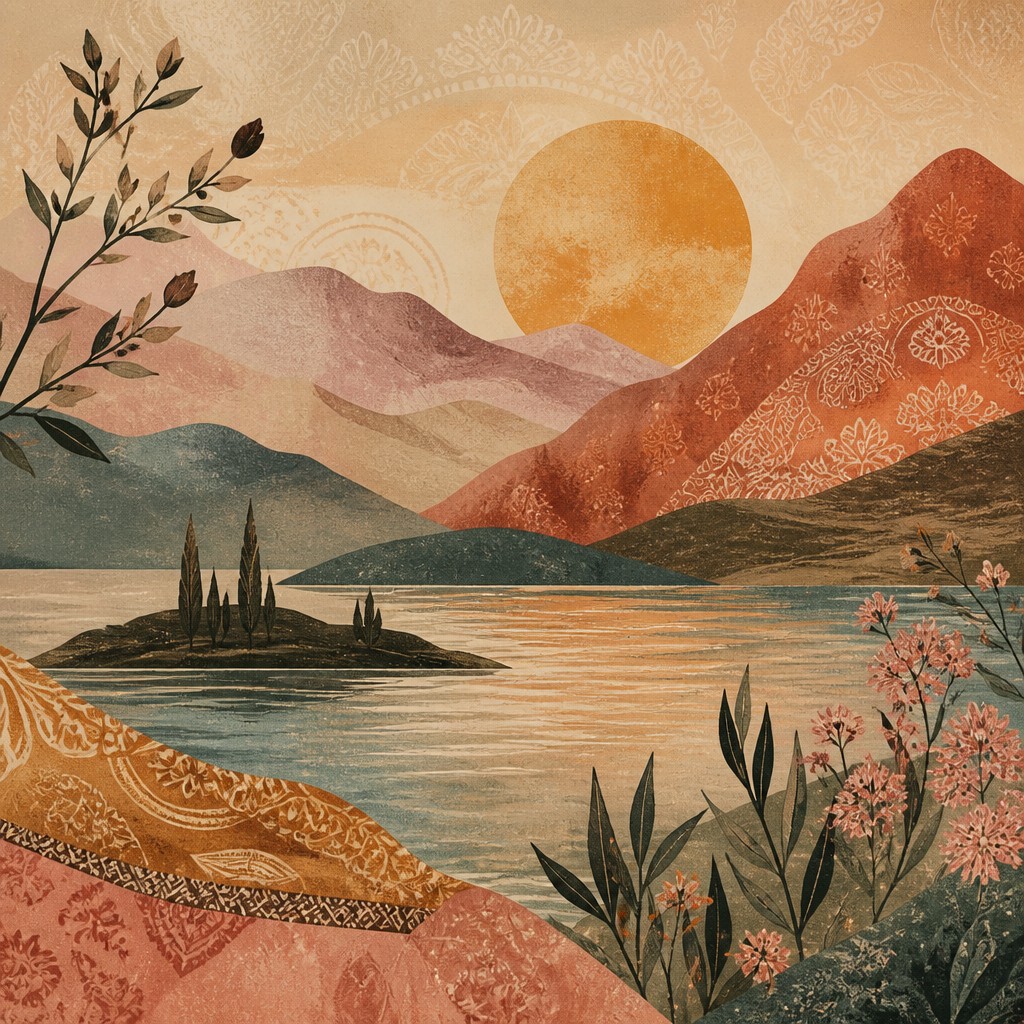
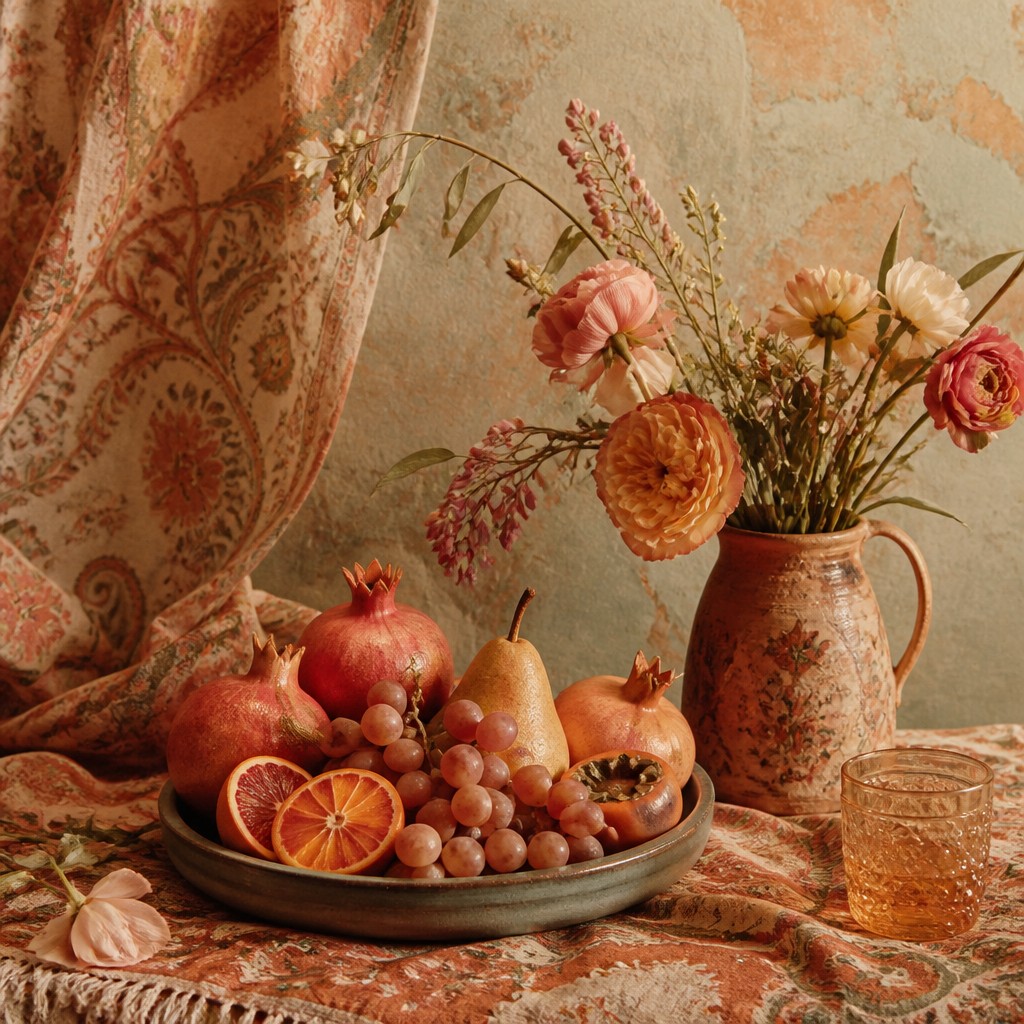
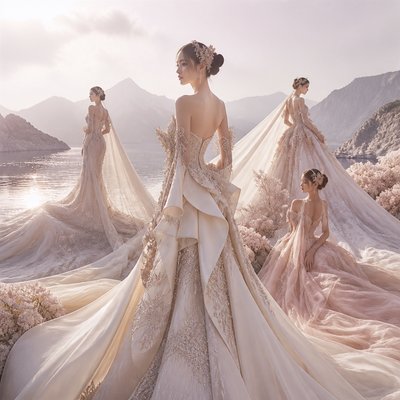
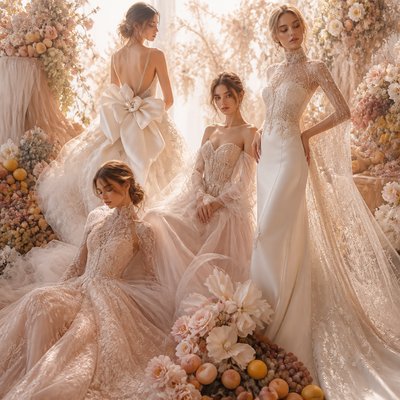
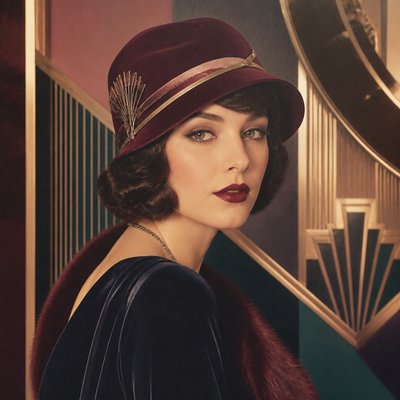
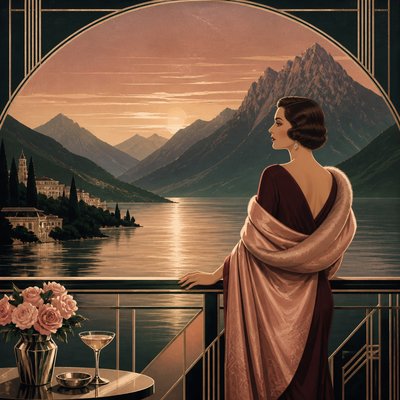
Bohemian Fashion Design Gallery
Tap any artwork to explore it
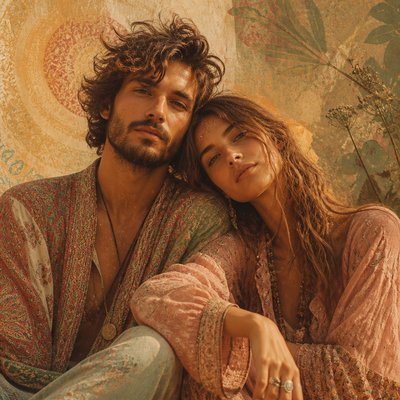
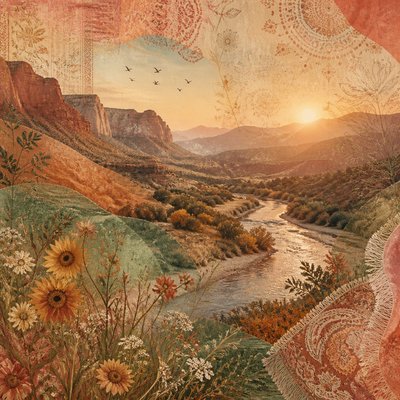
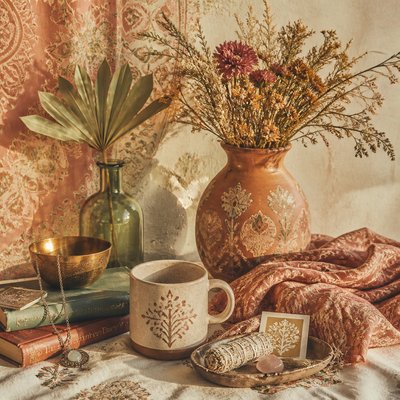
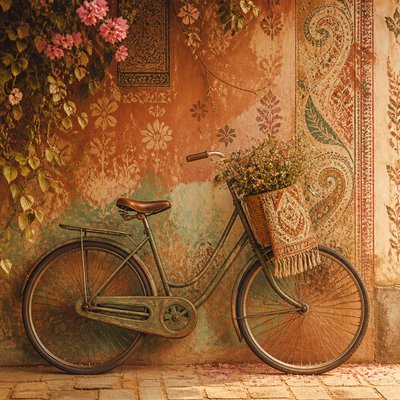
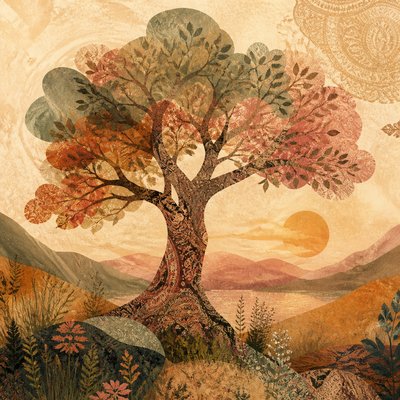
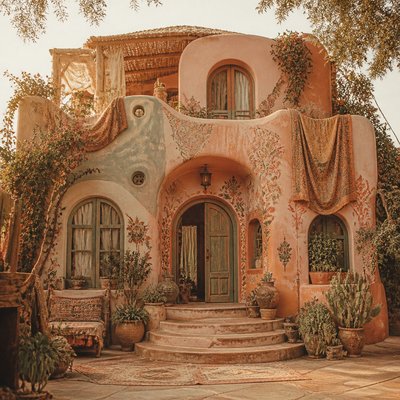
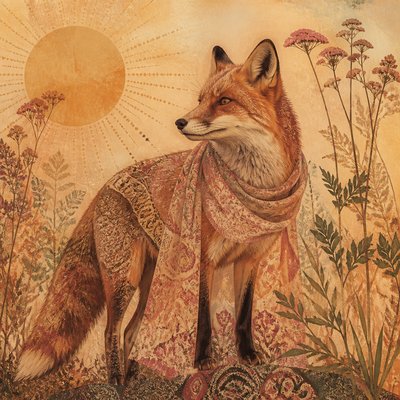
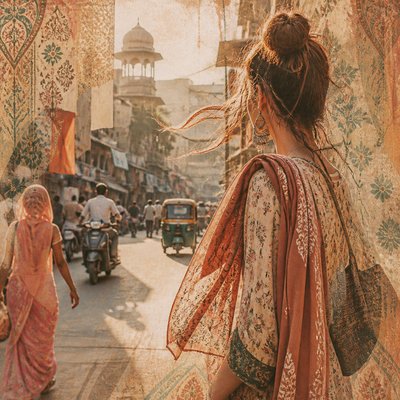
What is Bohemian Fashion Design?
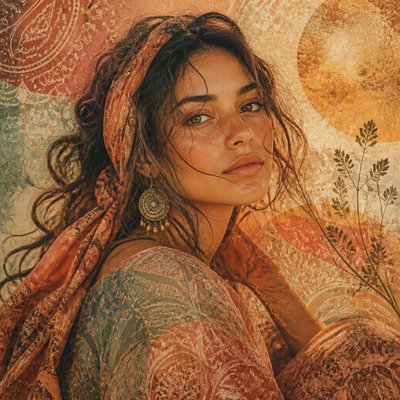
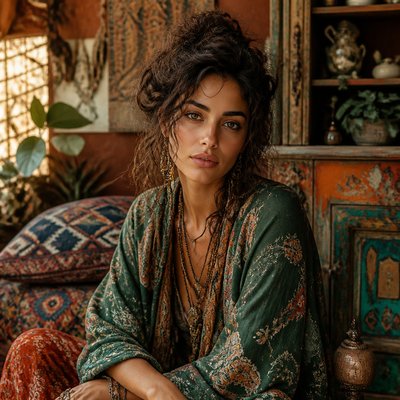
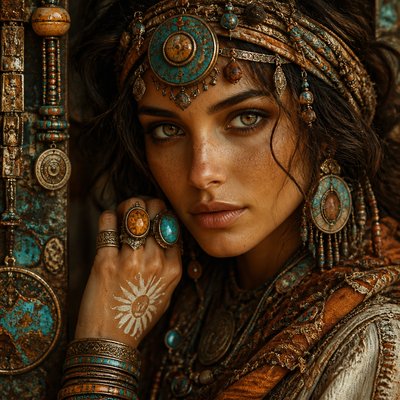
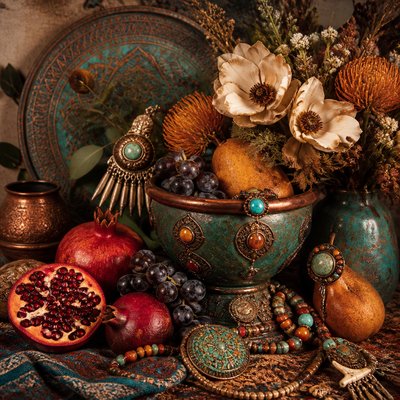
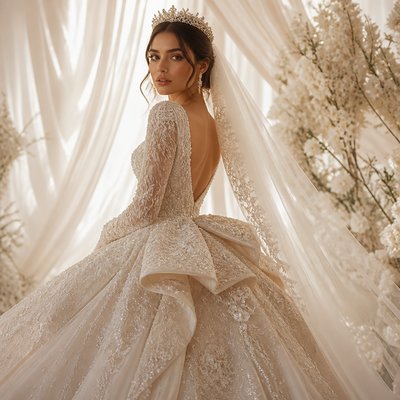
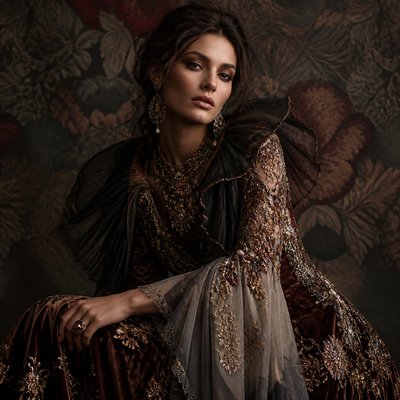
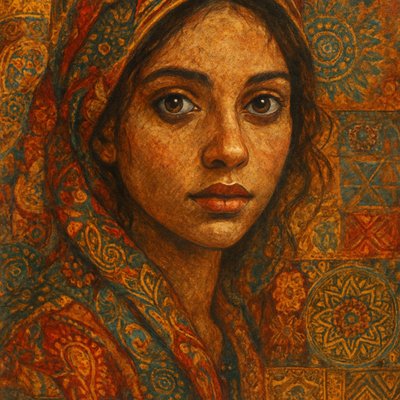
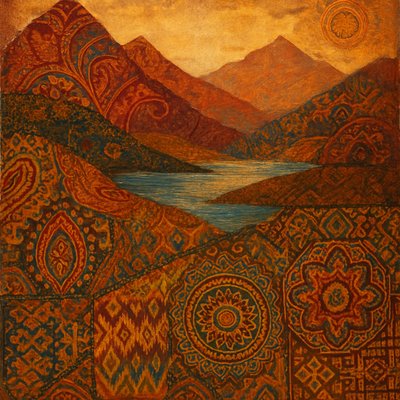
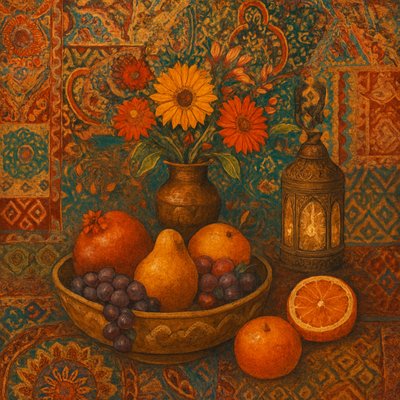
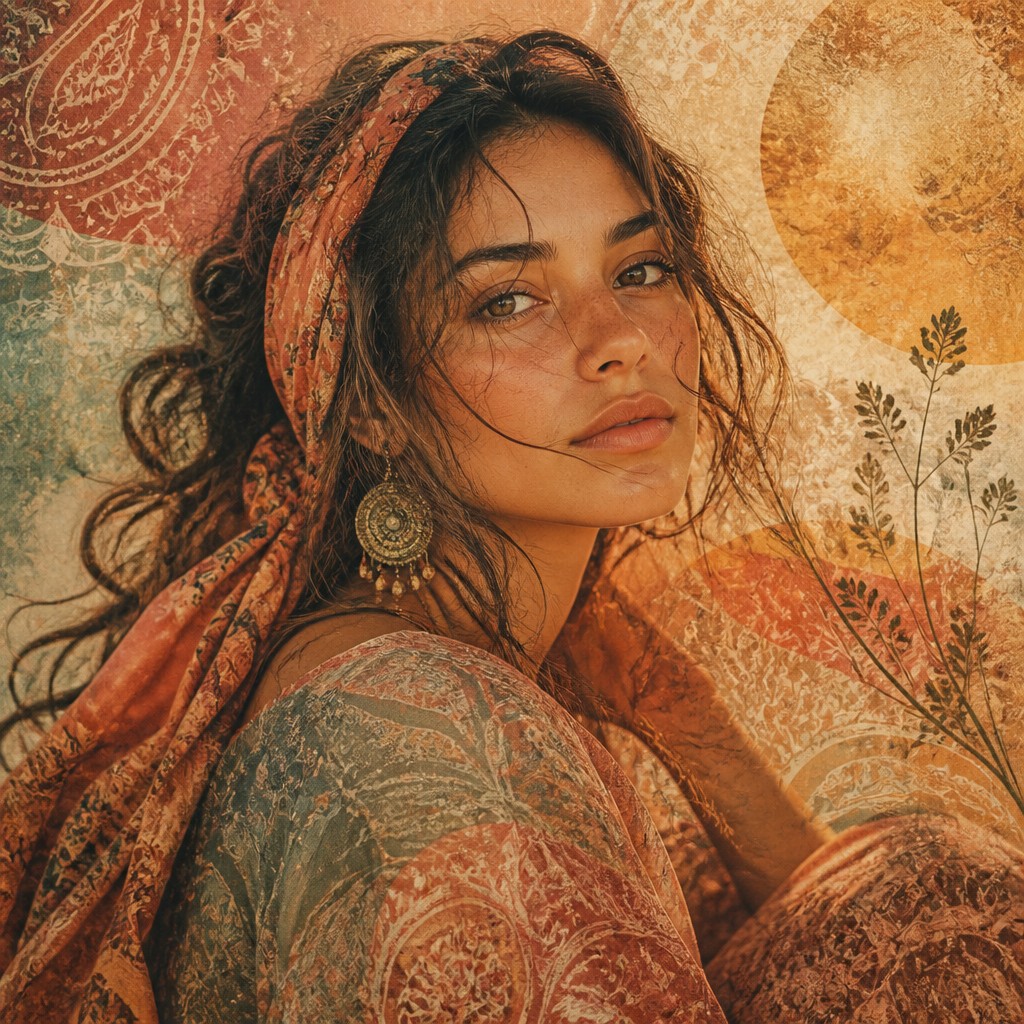
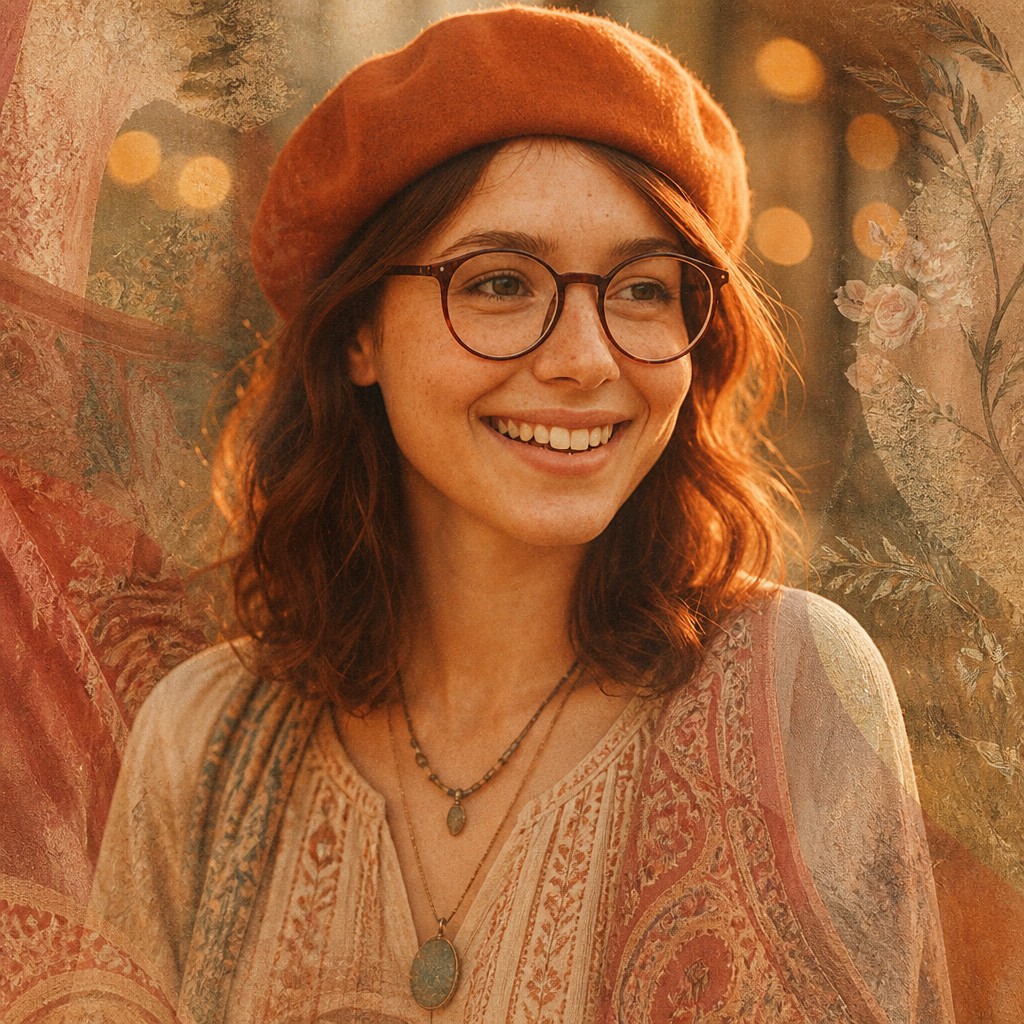
Bohemian Fashion Design is a clothing aesthetic built around ease, softness, and a handcrafted look. It favors flowing silhouettes, layered garments, mixed prints, embroidered surfaces, fringe, lace, and other details that suggest travel, individuality, and creative self-expression. The overall effect is relaxed rather than rigid, with asymmetry, movement, and an intentionally unpolished elegance.
Its visual identity comes from the blending of several real-world influences: 1960s and 1970s bohemian dress, folk costume details, vintage romantic fashion, artisanal textile traditions, and the broader “free-spirited” countercultural wardrobe. That is why the style often uses earthy or sun-washed palettes, natural fabrics, and ornament that feels handmade. Even when the garments are highly styled, the look typically emphasizes softness, tactility, and a sense of ease.
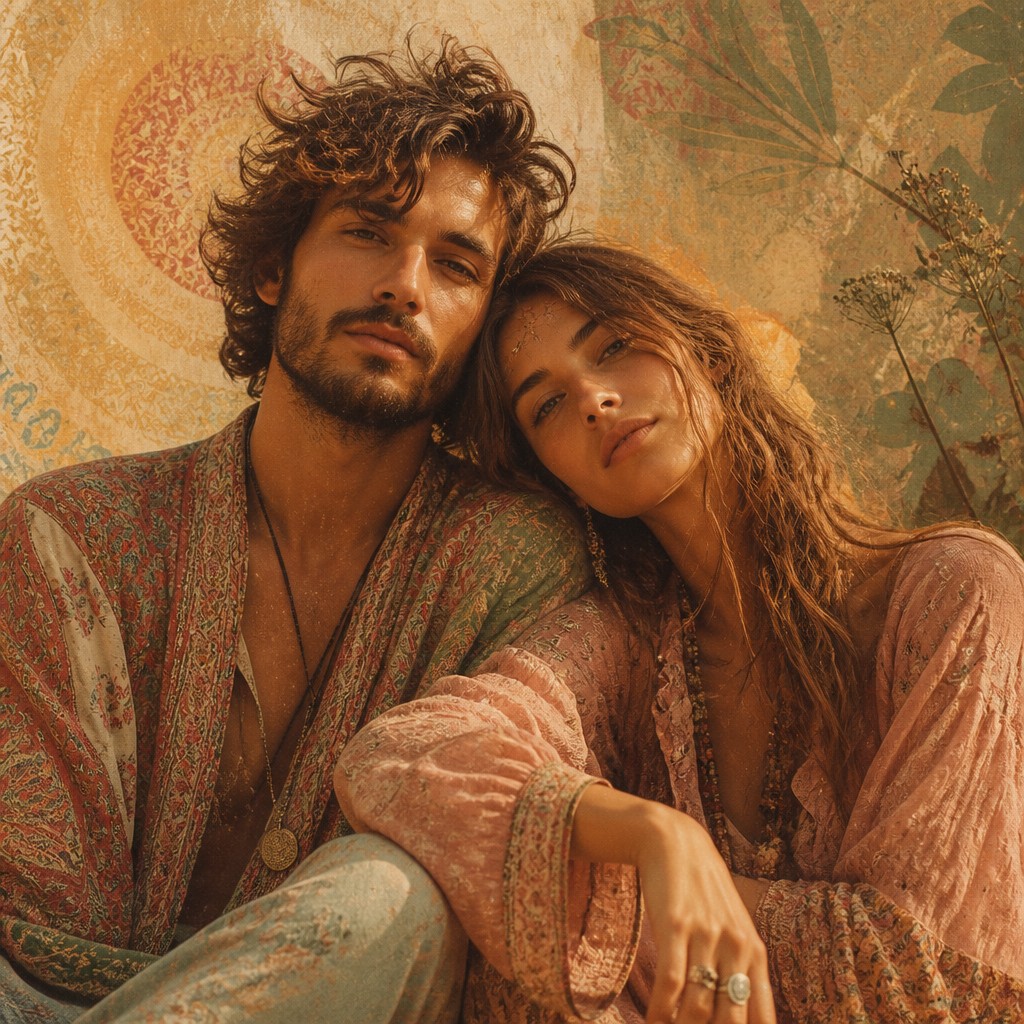
Try It On Your Photos
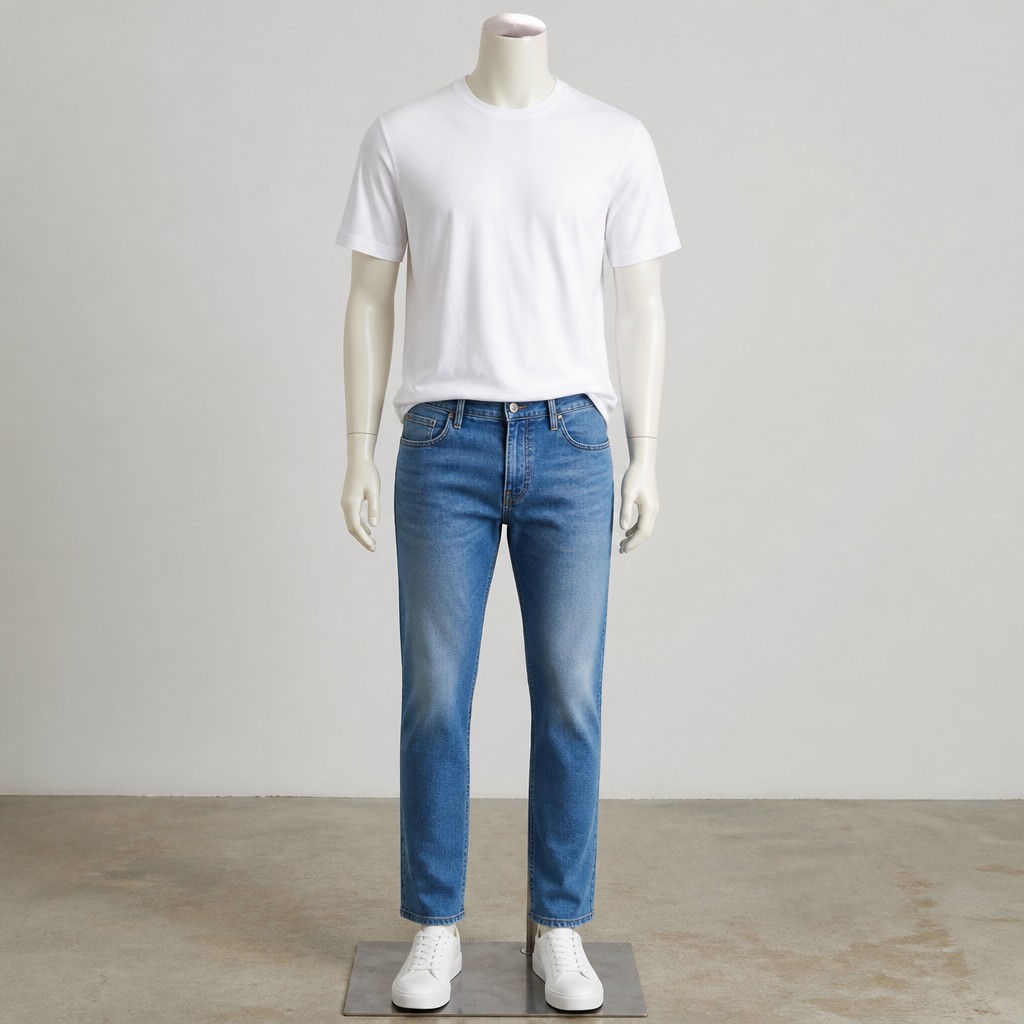
Upload any photo and convert it into Bohemian Fashion Design — drag the sliders to compare before and after.
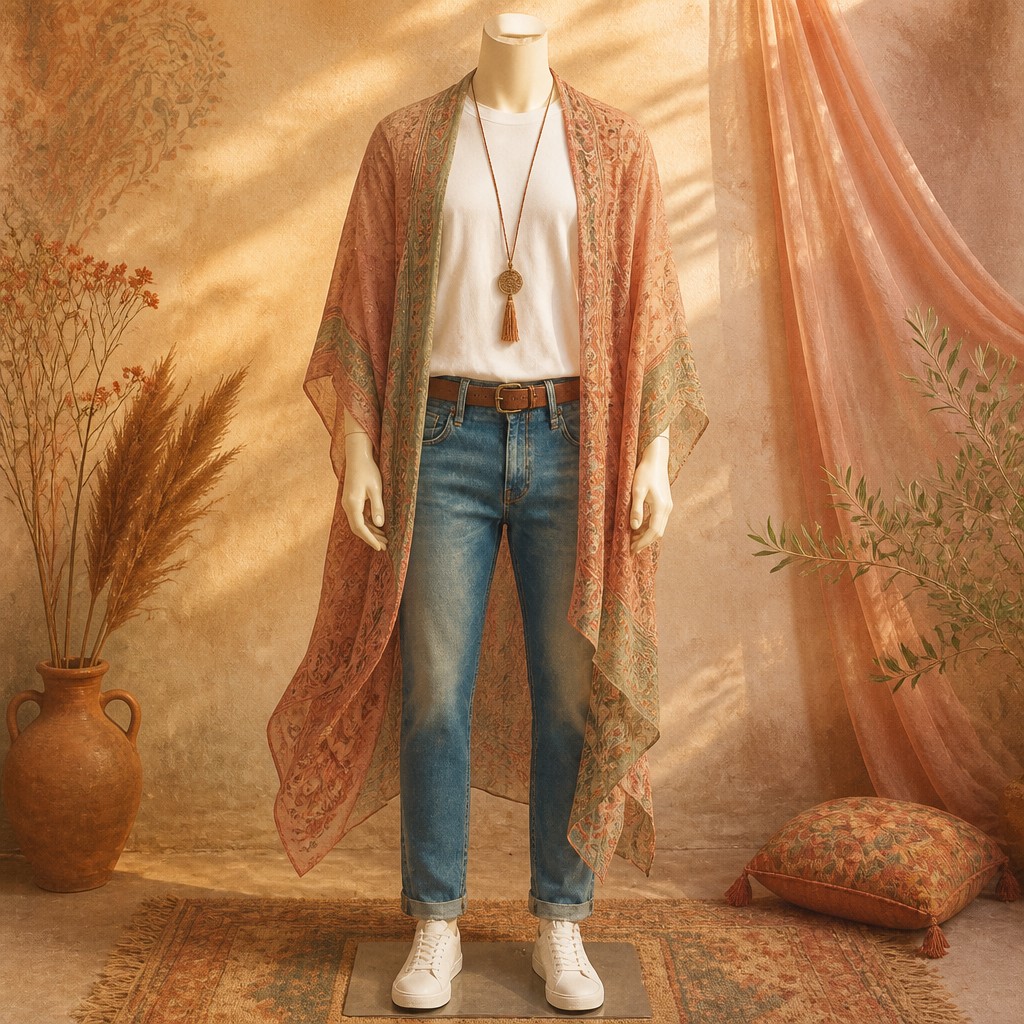


What Defines Bohemian Fashion Design
The signature details, up close
Flowing silhouettes
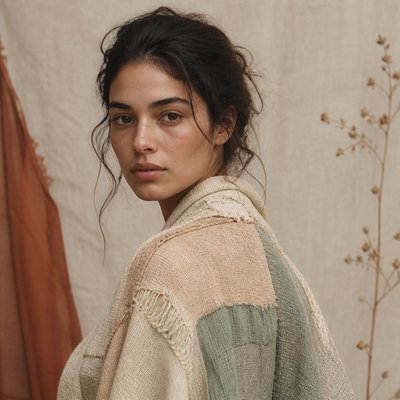
Garments usually emphasize movement through maxi lengths, wide sleeves, draped wraps, tiered skirts, and loose tailoring. The shape is soft and unrestrictive, giving the clothing an airy, romantic presence.
Layered construction
The style often combines vests, shawls, cardigans, slip dresses, blouses, and outer layers in one outfit. Layering creates visual richness and an effortless, collected-over-time feeling.
Ethnic and folk-inspired ornament
Paisley, embroidery, woven trims, borders, and folk motifs are common, often used as accents rather than strict costume reference. The key is a handmade or textile-rich appearance rather than symmetry or polish.
Vintage and weathered surfaces
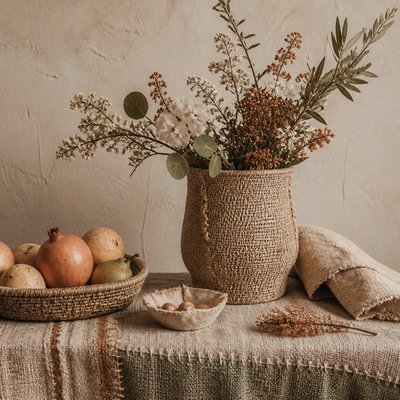
Washed cotton, soft linen, suede, crochet, and worn-looking denim are typical materials or material cues. Finishes often appear sun-faded, gently distressed, or softened with age.
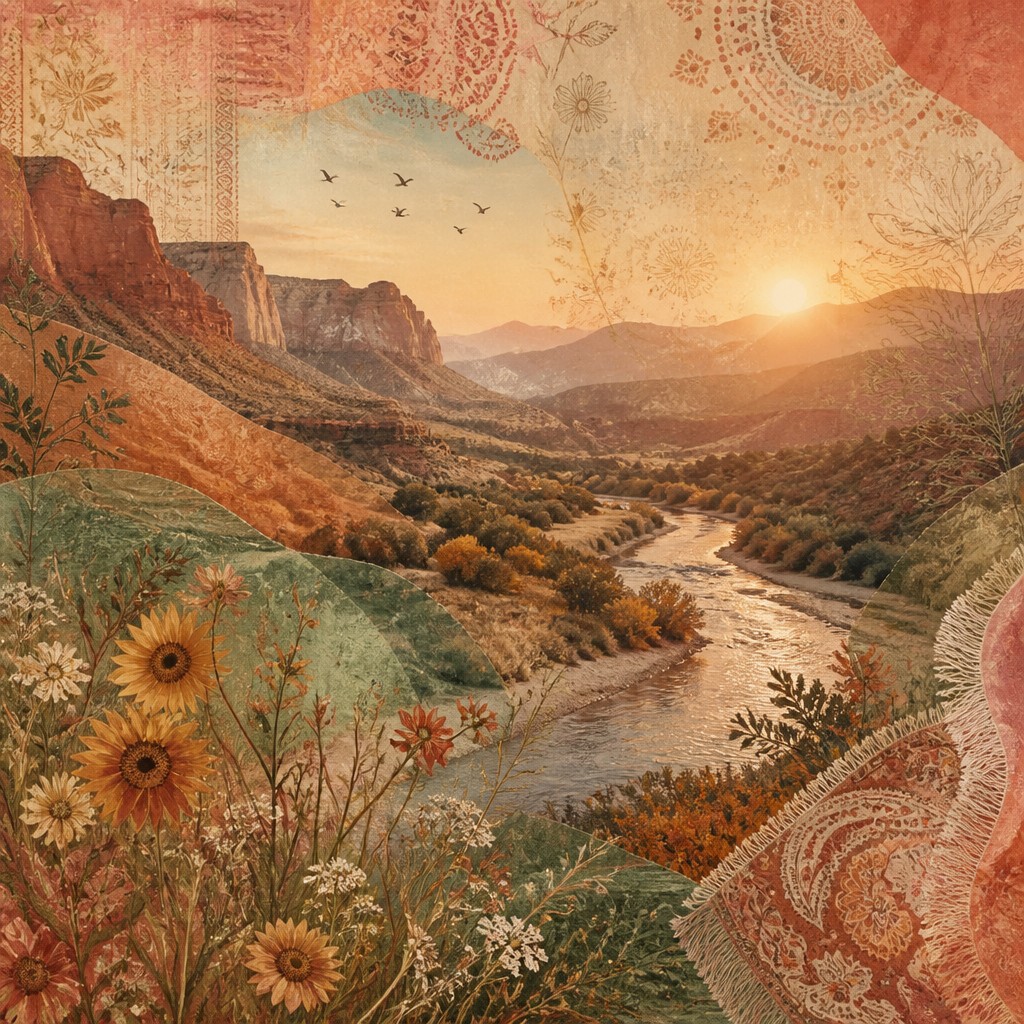
Earth-toned romantic palette
Terracotta, dusty rose, sage green, amber, cream, and muted gold are frequently used to evoke warmth and natural light. The palette tends to feel sun-bleached and organic rather than bright or synthetic.
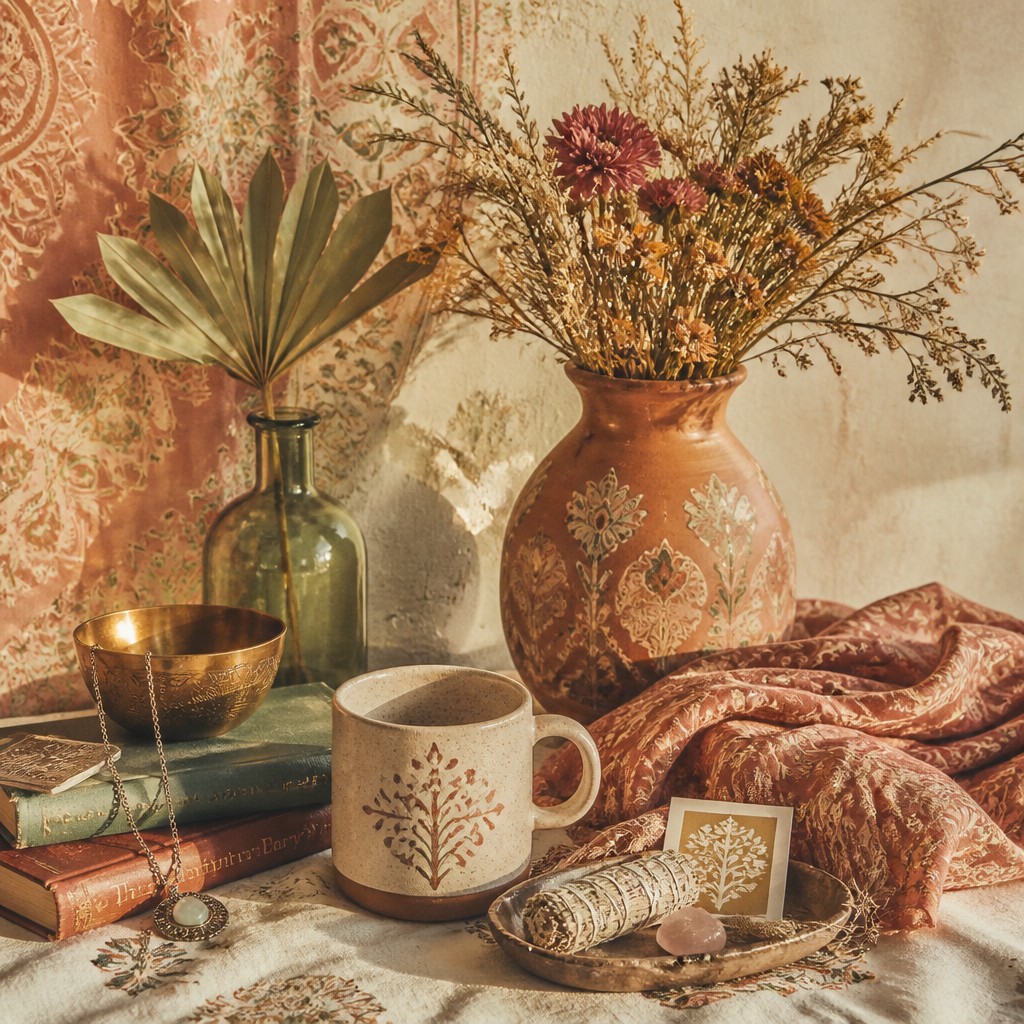
Asymmetry and ease
Hemlines, wraps, drapes, and accessories often feel intentionally unbalanced in a loose, graceful way. This irregularity gives the style its informal character and avoids a rigidly structured silhouette.
Try It
Create Videos in Bohemian Fashion Design
Styles aren't just for stills — describe a scene or animate an image and get a short video rendered in Bohemian Fashion Design. Press play to see this pond come to life.
Make a VideoBohemian Fashion Design Prompt Ideas
Start from an idea — each one opens the generator with the style ready to go. See all 40 Bohemian Fashion Design prompts →
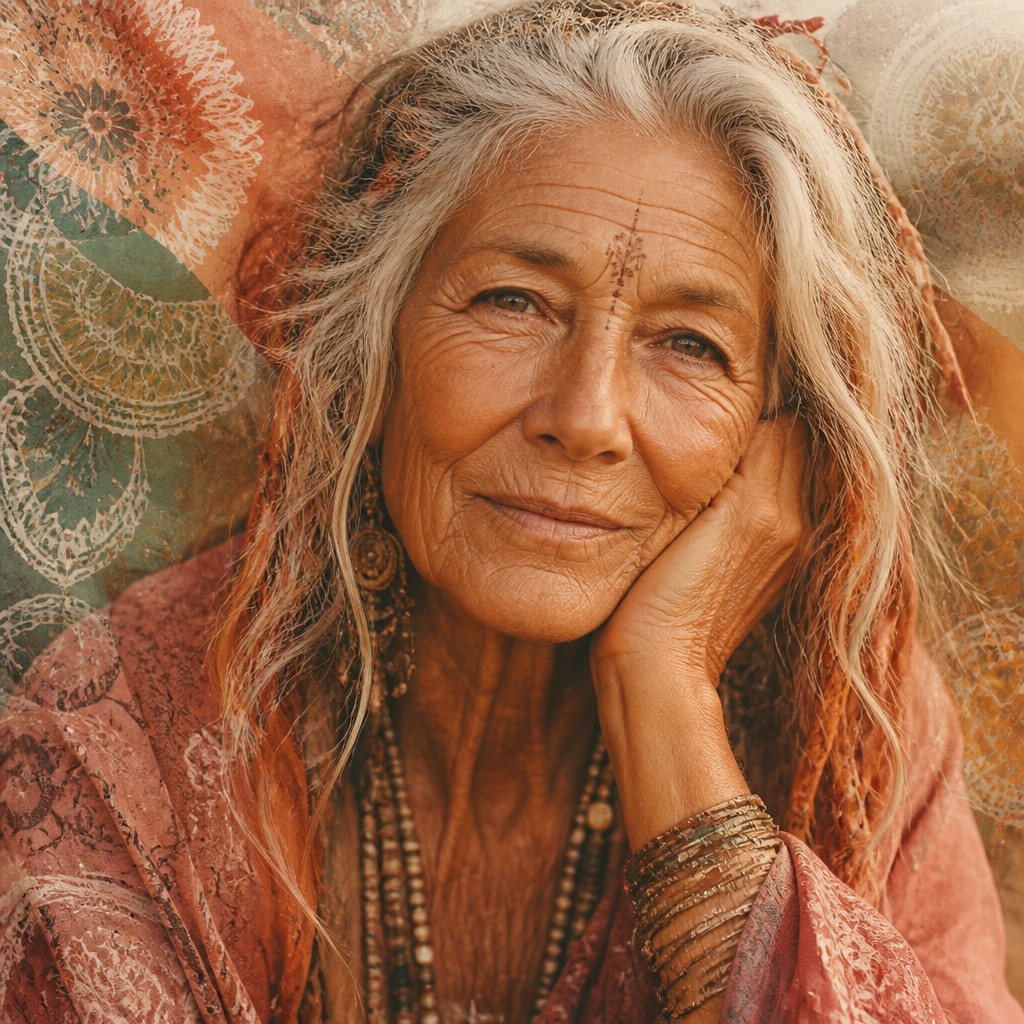
“close-up portrait of an elderly person with expressive weathered features”
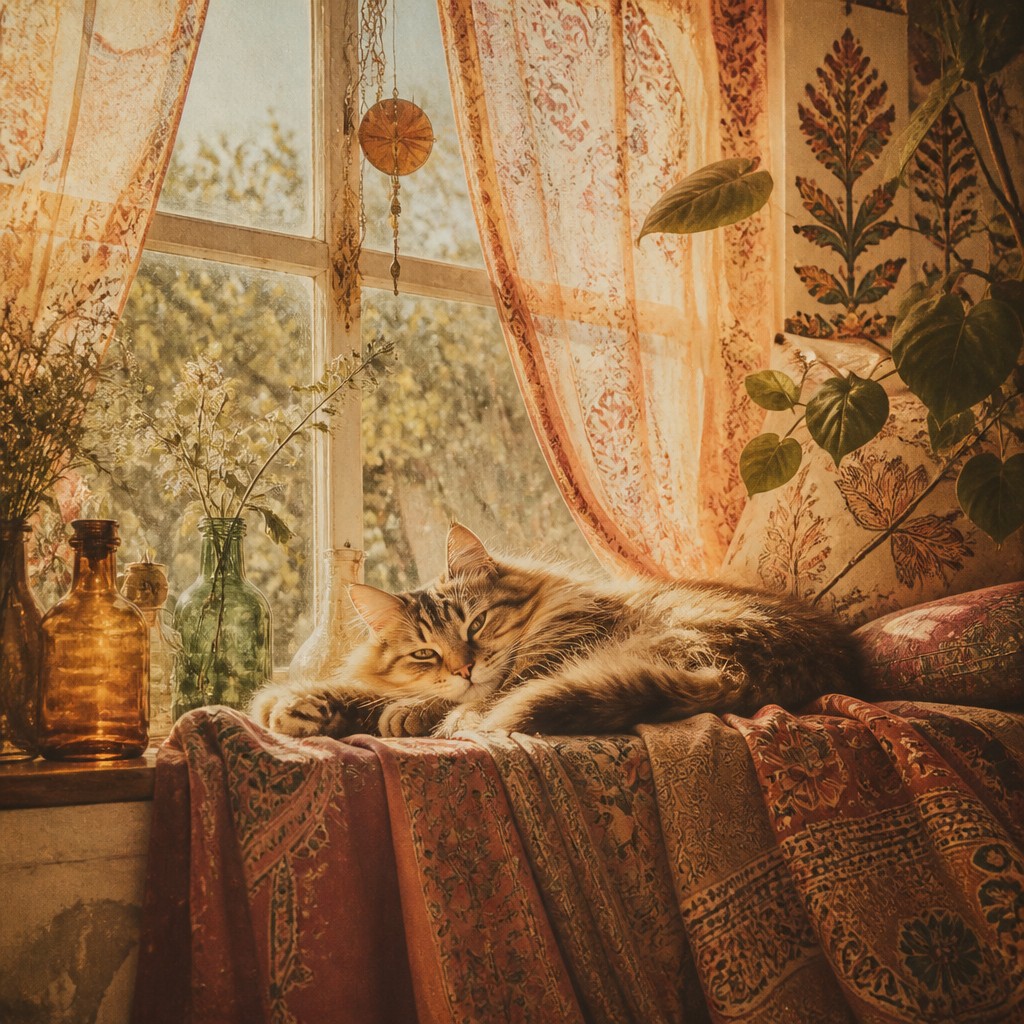
“a cat lounging in a sunlit window”
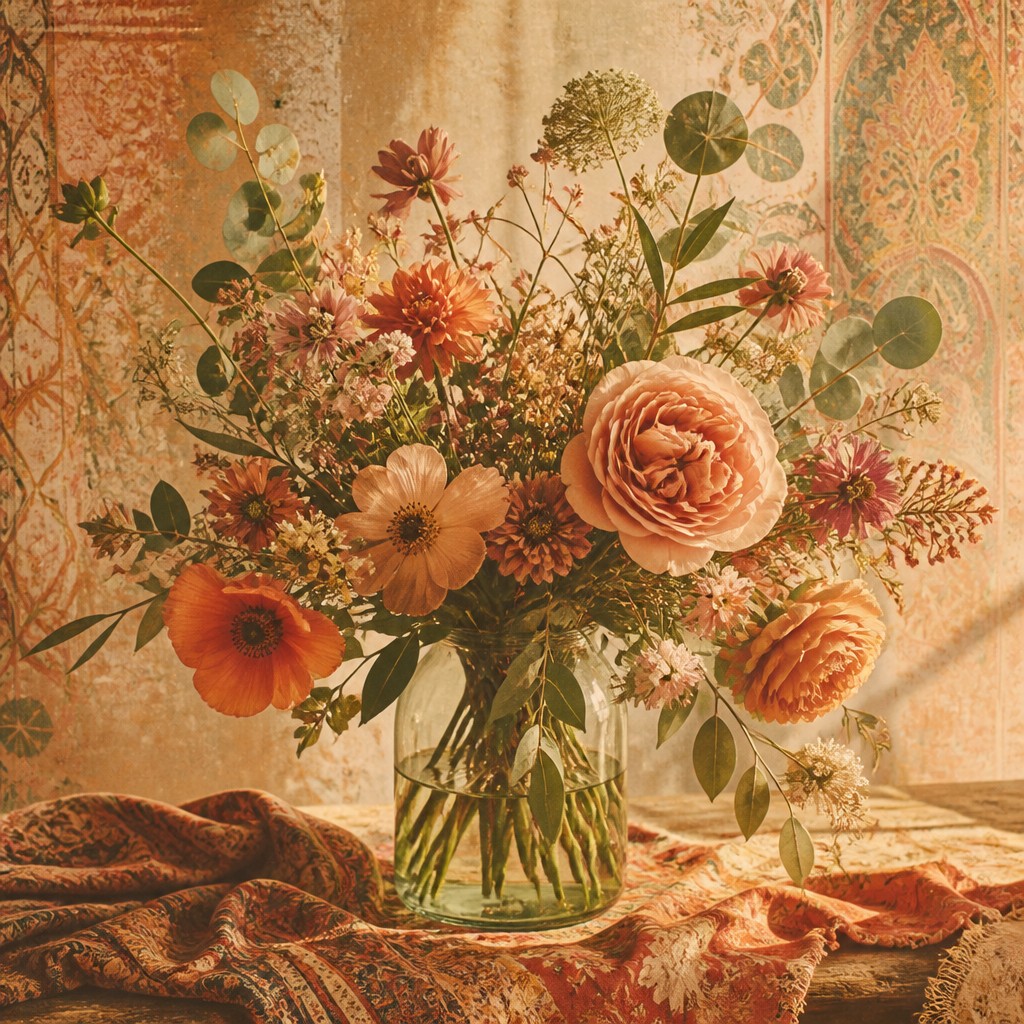
“bouquet of flowers in a glass vase”
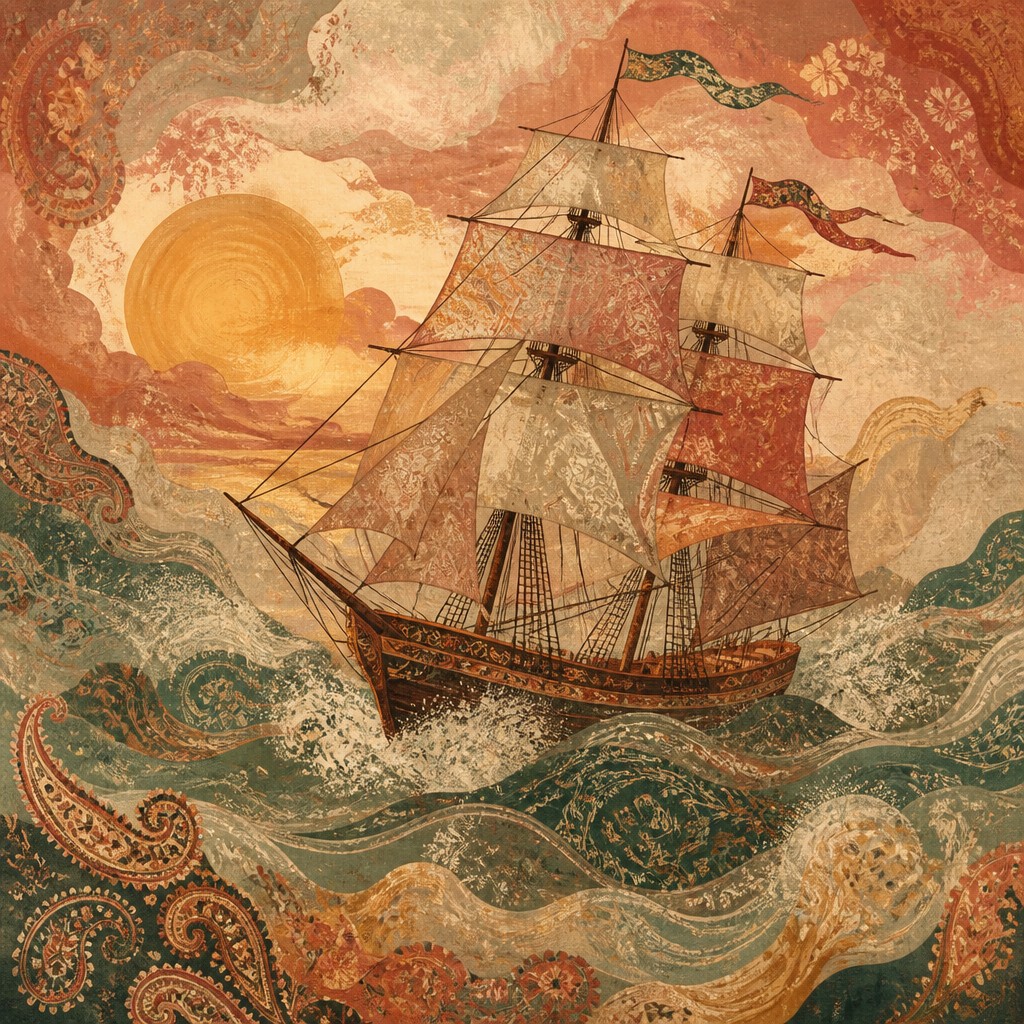
“sailing ship on a stormy sea”
How to Create Bohemian Fashion Design Art
Master the craft step by step — or skip straight to creating. Read the full guide →
- 1
Build a soft silhouette first
Start with a base of draped or loose shapes such as a maxi dress, peasant blouse, wrap skirt, or wide-leg trousers. In illustration or photo styling, let the body read through movement and layering rather than tight tailoring.
- 2
Mix texture, not just pattern
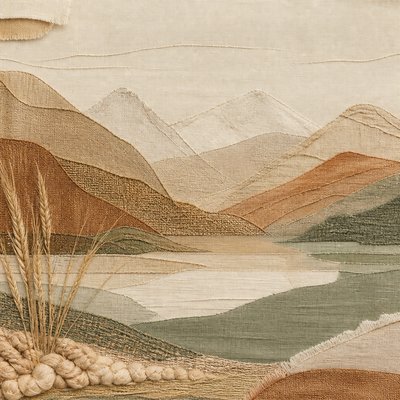
Combine fabrics that feel tactile: lace, cotton gauze, crochet, denim, suede, silk, or embroidery. In digital work, emphasize surface variation with visible weave, stitched edges, and slightly irregular ornament.
- 3
Use a restrained, sun-washed palette
Favor warm neutrals and muted earthy colors, then add small accents of amber, rose, or sage. Whether painting or editing photos, keep contrast gentle and avoid overly crisp blacks or neon saturation.
- 4
Let the details look handmade
Add folk-inspired borders, paisley, tassels, beads, patchwork, or embroidery, but avoid making them too perfect or repetitive. Small asymmetries and wear marks help the design feel authentic and lived-in.
- 5
Compose with relaxed imbalance
Place accessories, drapery, and pattern blocks in a way that feels naturally collected rather than centered and formal. For prompt-based generation, specify layered garments, vintage textiles, soft golden light, and artisanal imperfections.

The Story
History & Origins of Bohemian Fashion Design
Bohemian fashion does not have a single origin point, but grows out of a long cultural lineage. The term “bohemian” originally referred to unconventional artistic and literary lifestyles in 19th-century Europe, and by the 20th century it was associated with anti-establishment dress, thrifted clothing, folk influences, and personal eclecticism. The style became especially visible in the 1960s and 1970s, when hippie fashion, ethnic-inspired textiles, vintage revival, and unstructured silhouettes merged into a recognizable bohemian wardrobe.
In contemporary fashion, bohemian design continues to evolve through festival wear, resort wear, slow-fashion labels, and styling trends that combine vintage references with global craft motifs. Its appearance is less about a fixed historical uniform than about recurring design principles: layering, artisanal surface detail, relaxed proportion, and an affinity for fabrics and motifs that suggest handmaking, travel, and individual expression.
Influences: Bohemian Fashion Design draws from 19th-century bohemian cultural identity, 1960s–1970s hippie dress, folk costume details, vintage revival, and artisan textile traditions from many regions. In a broader art and design sense, it shares qualities with Arts and Crafts ideals of handwork, with Romantic-era emotional softness, and with later slow-fashion and eclectic styling practices. Because the style is synthetic rather than tied to one canonical art movement, its references are best understood as a converging lineage of dress history, craft, and countercultural fashion rather than as the work of a single artist or school.
Frequently Asked Questions
What defines bohemian fashion design?
It is defined by flowing silhouettes, layered styling, earthy colors, and decorative elements that feel handmade or vintage. The style tends to value ease, texture, and personal expression over structure or symmetry.
Is bohemian fashion the same as hippie fashion?
They overlap, but they are not identical. Hippie fashion is tied more specifically to the 1960s and 1970s counterculture, while bohemian fashion is broader and can include vintage, folk, romantic, and artisanal references from many periods.
What colors are most common in this style?
Muted earth tones are especially common: terracotta, beige, cream, dusty rose, sage, ochre, and amber. The palette usually looks sun-washed or softened rather than bold and high-contrast.
What fabrics and textures work best?
Natural-feeling fabrics such as cotton, linen, lace, crochet, suede, silk, and gauze are strongly associated with the style. Visible texture matters more than slick uniformity, because the look depends on tactility and layered detail.
How do I make an image look bohemian without overdoing it?
Choose one or two focal elements, such as a flowing dress plus a woven shawl, rather than combining every possible motif. Keep the palette coherent and let the composition feel relaxed, with subtle patterning and gentle light.
Where is bohemian fashion used today?
It appears in festival outfits, bridal wear, resort collections, editorial fashion, interior-inspired lifestyle branding, and vintage-focused styling. It is also common in illustration and concept art when a relaxed romantic wardrobe is needed.

Create your first Bohemian Fashion Design artwork
Describe anything — or upload a photo — and see it in Bohemian Fashion Design in seconds.
Make Something with Bohemian Fashion Design
Compare Bohemian Fashion Design
Related Styles
Discover similar art styles