Bohemian Jewelry Design
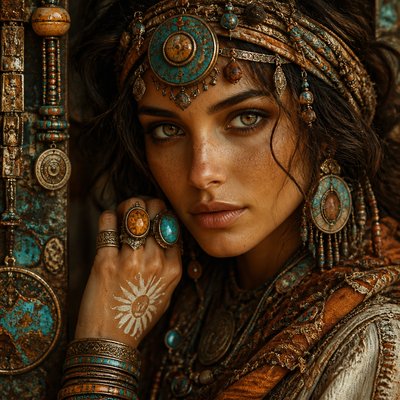
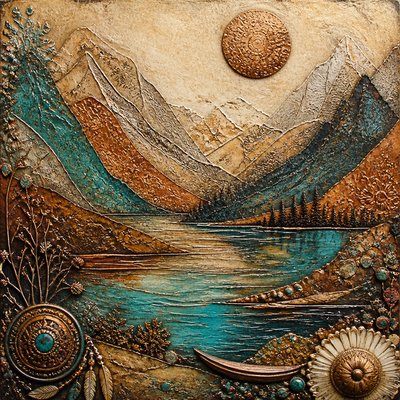
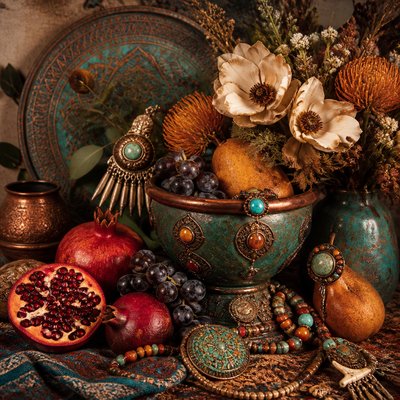
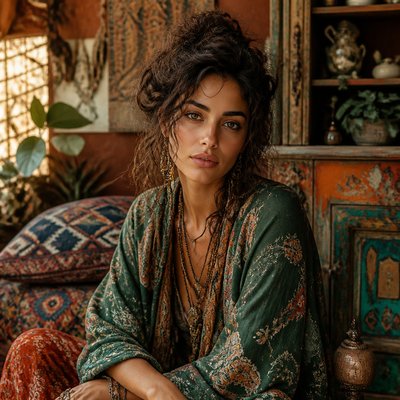
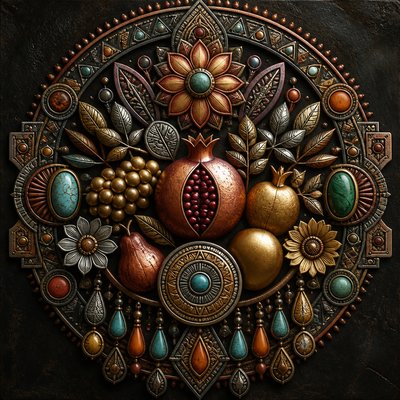
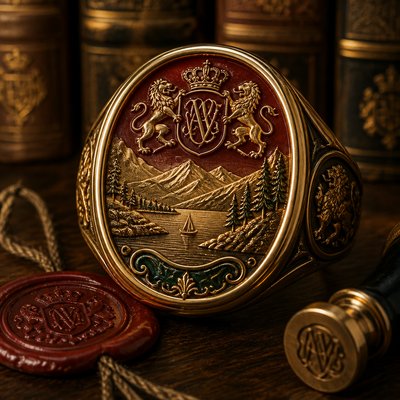
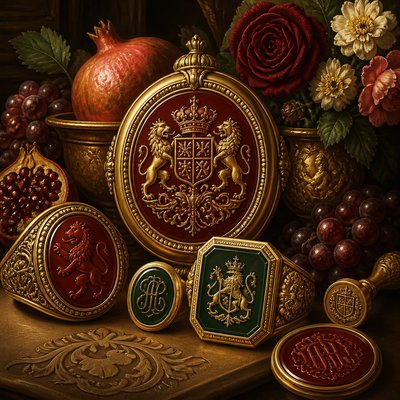
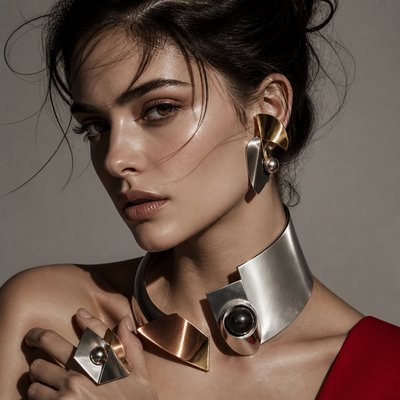
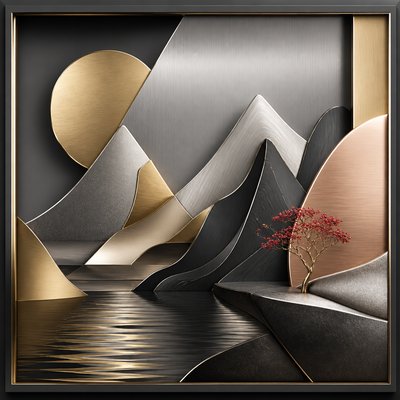
Earthy, layered jewelry design with turquoise, copper, bone, and handcrafted patina inspired by bohemian artisan traditions.
Instantly rendered in Bohemian Jewelry Design — or transform a photo
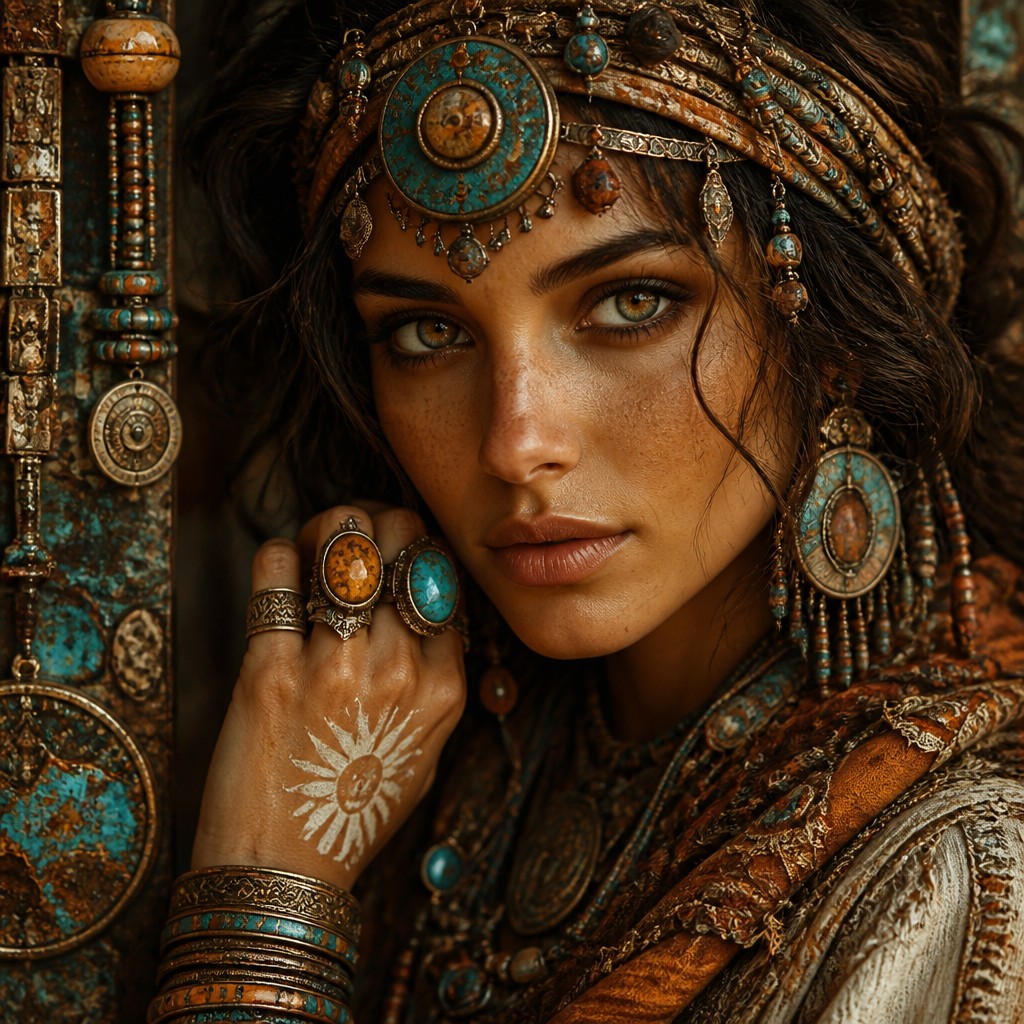
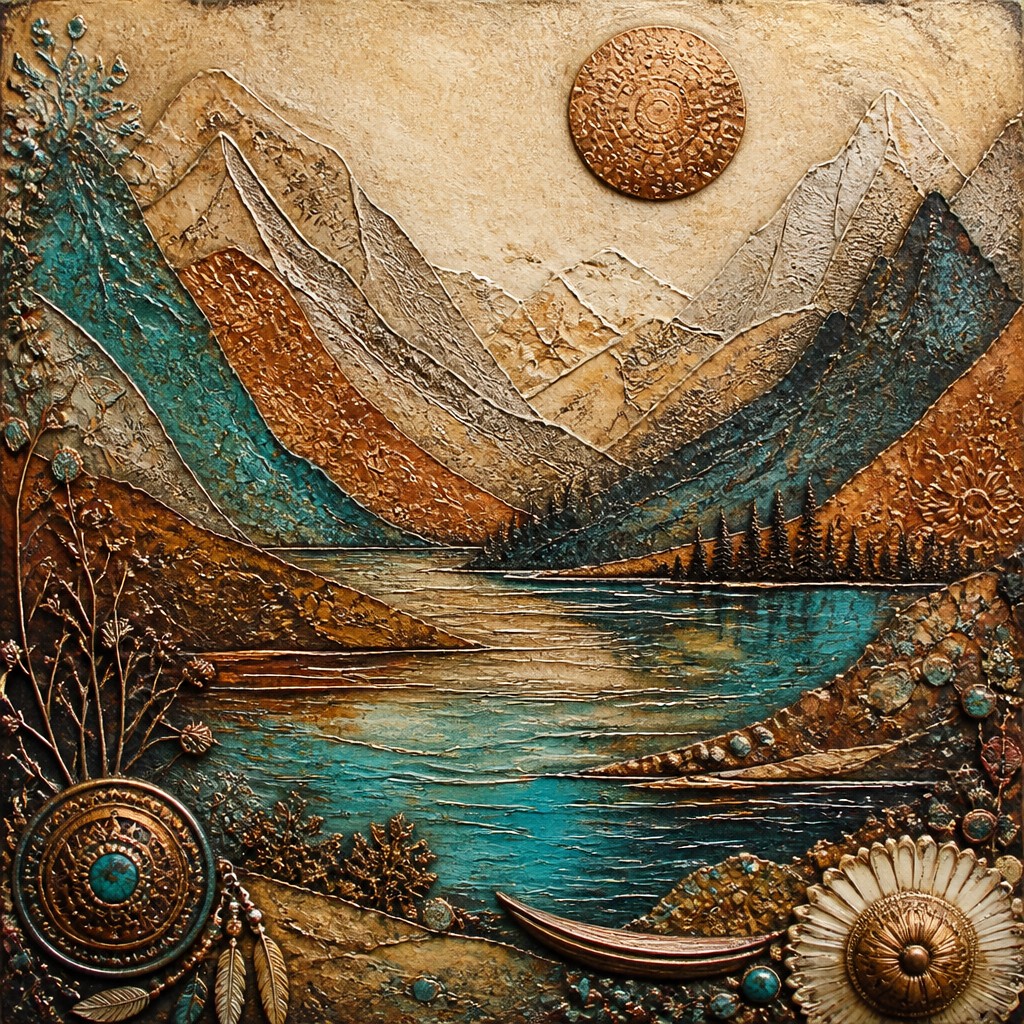
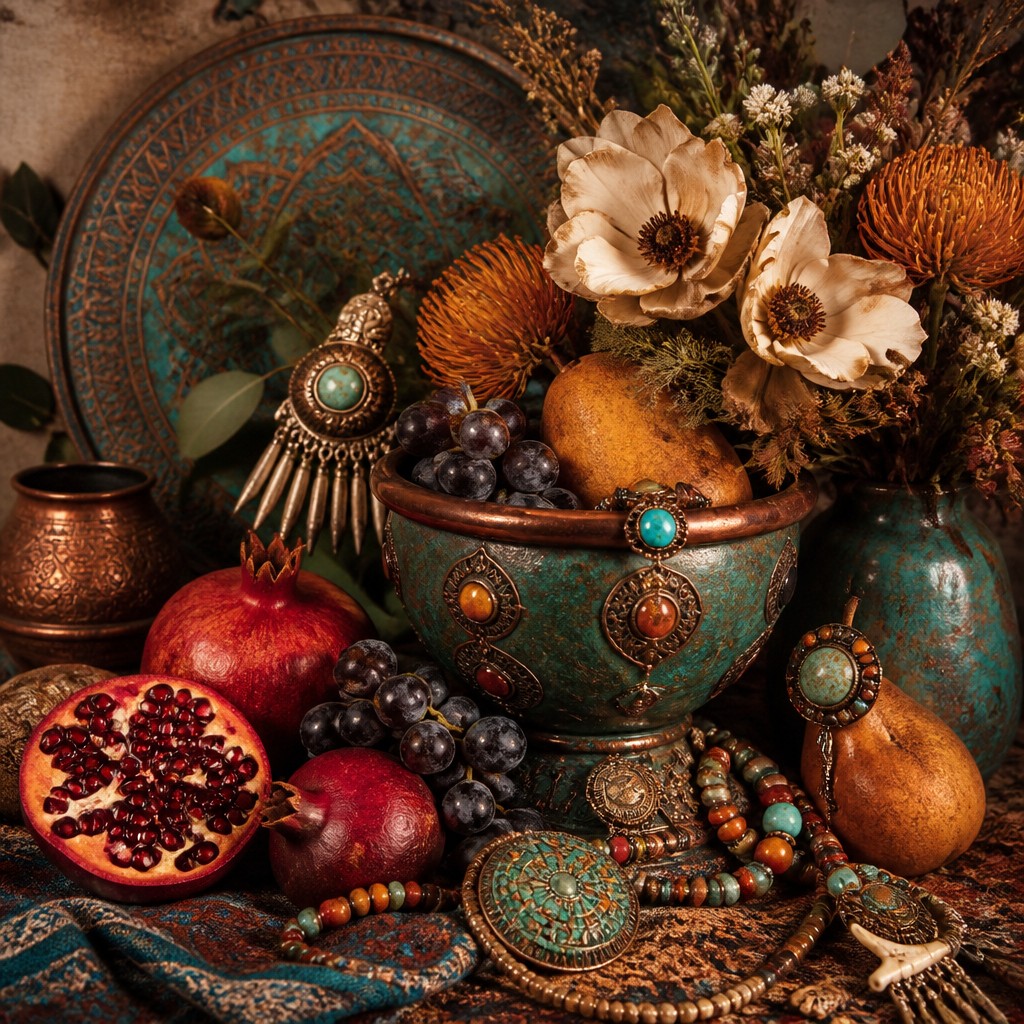
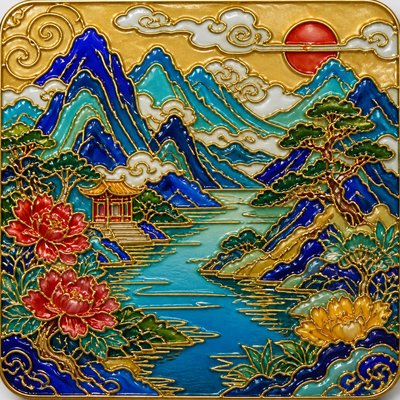
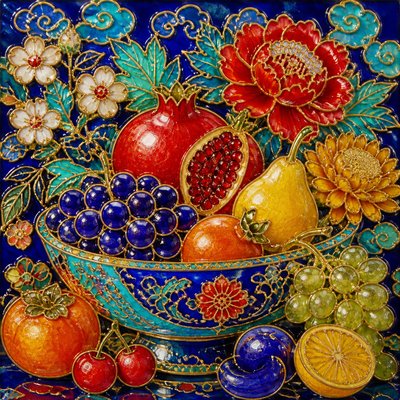
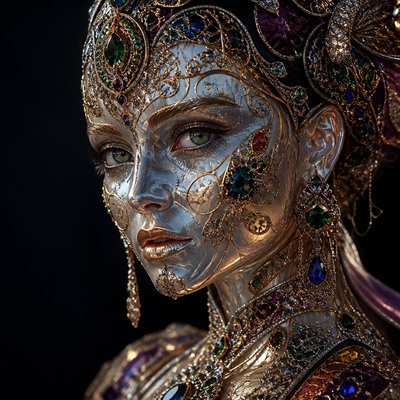
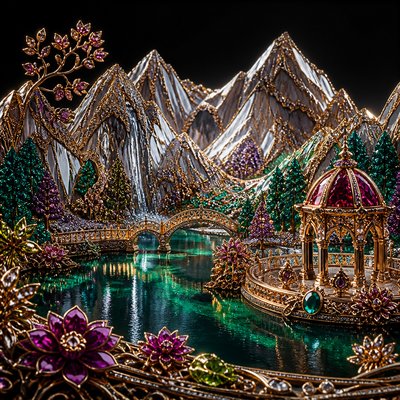
Bohemian Jewelry Design Gallery
Tap any artwork to explore it
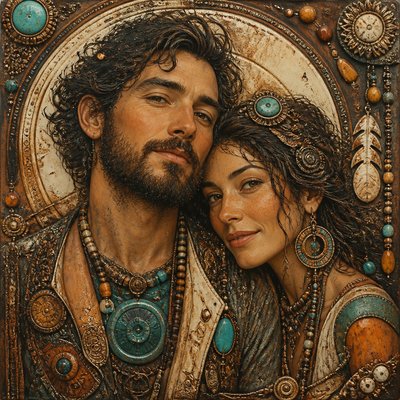
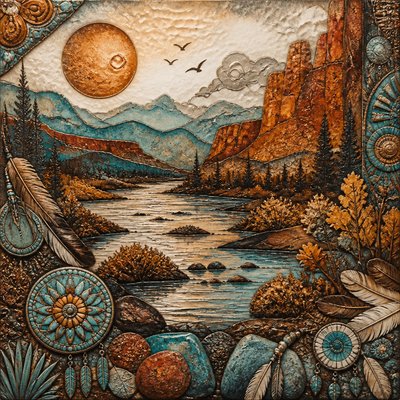
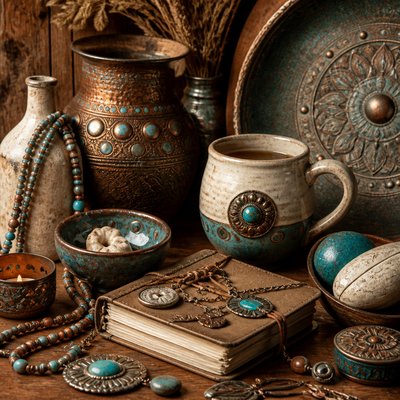
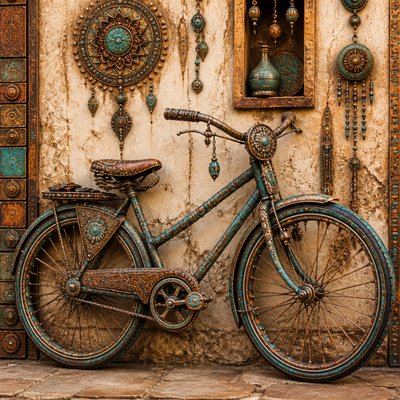
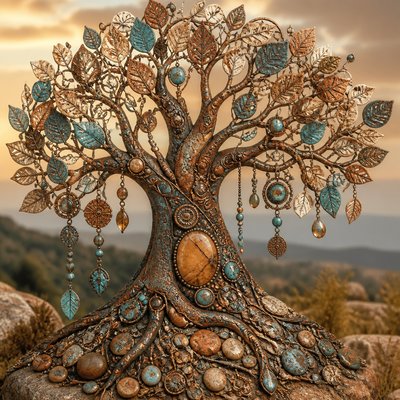
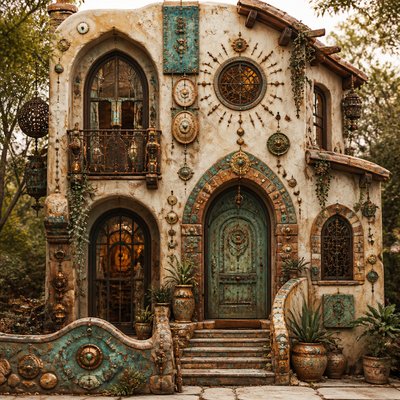
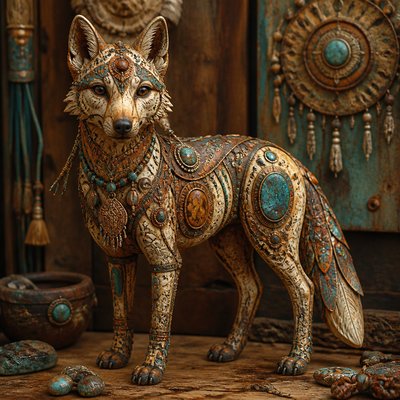
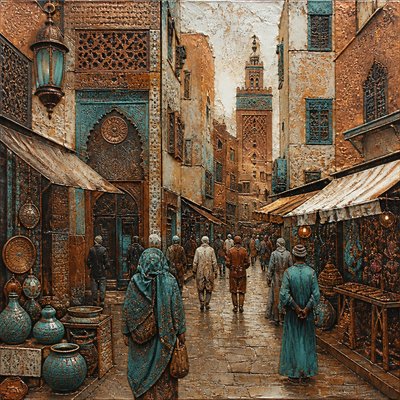
What is Bohemian Jewelry Design?
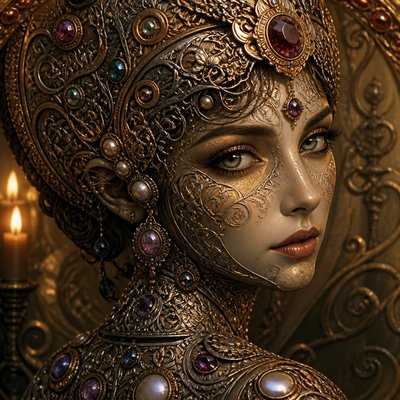
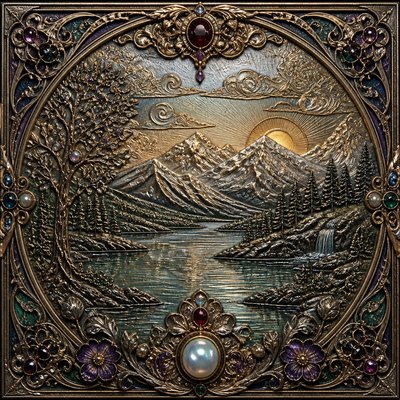
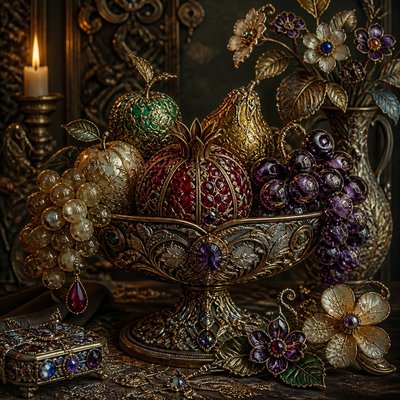
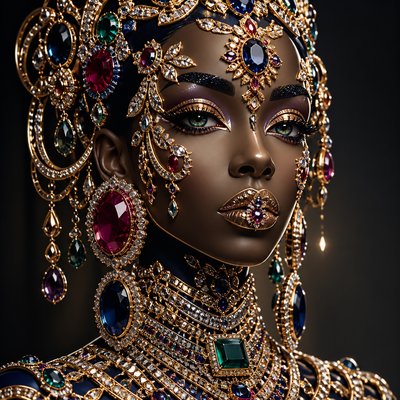
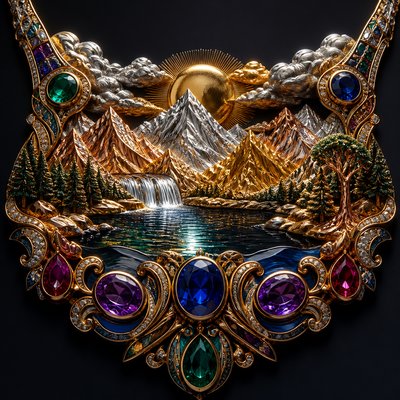
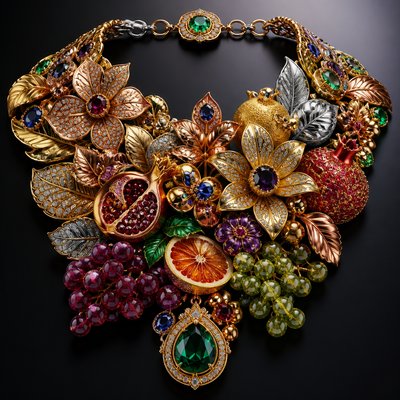
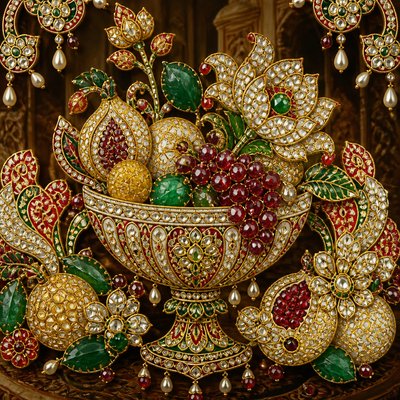
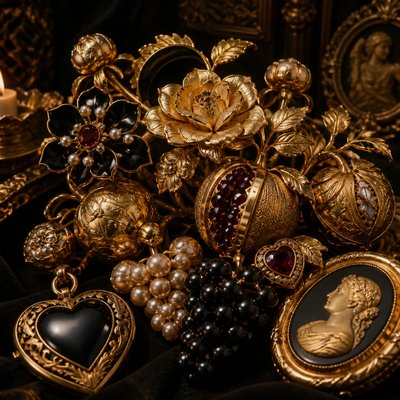
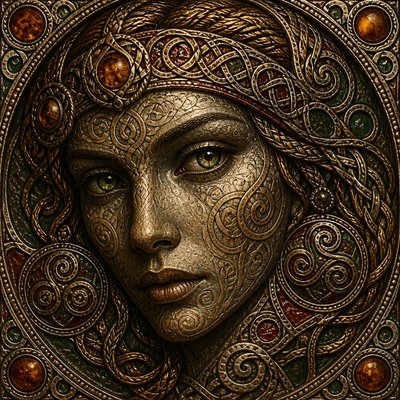
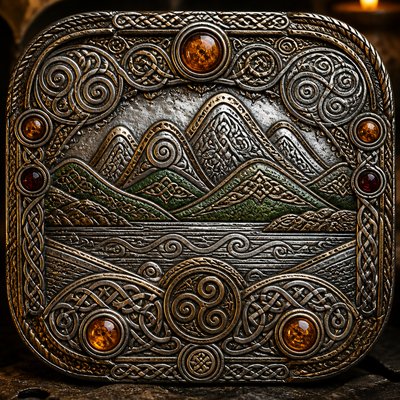
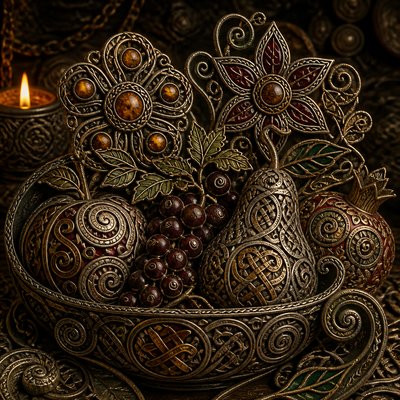
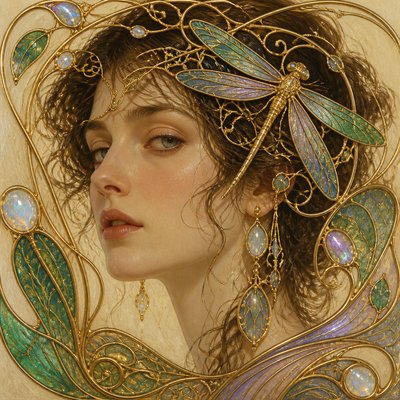
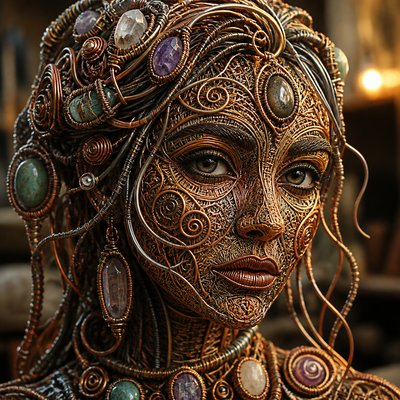
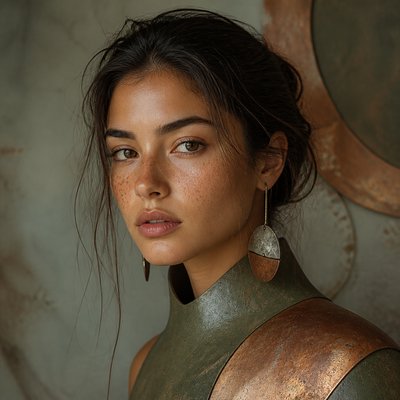
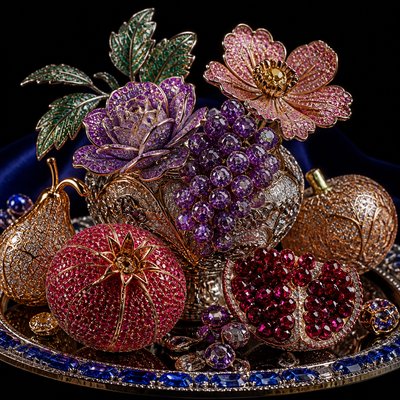
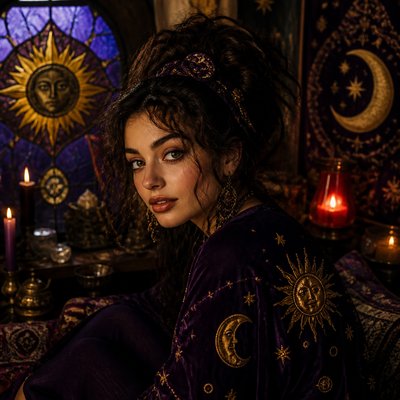
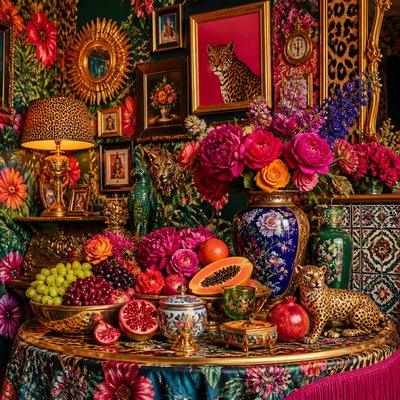
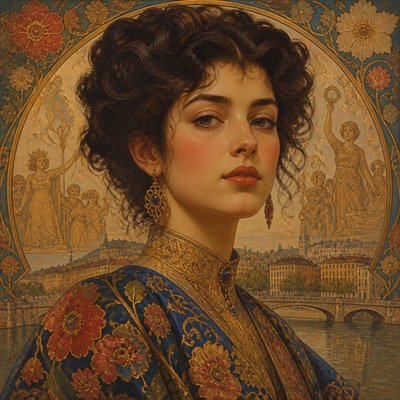
Bohemian jewelry design is an eclectic ornamental style associated with free-spirited, layered adornment and a handmade, collected-over-time look. It combines natural materials such as stone, shell, leather, bone, wood, and metal with warm earthy color palettes and decorative details that feel artisanal rather than polished or strictly symmetrical.
Its visual identity comes from the meeting of several traditions: folk craft, ethnic adornment, vintage antique markets, and the late-20th-century bohemian lifestyle aesthetic. The result is jewelry that looks personally assembled, with mixed textures, oxidized surfaces, dangling elements, wrapped cords, and asymmetrical arrangements that emphasize individuality, tactile richness, and a lived-in sense of character.
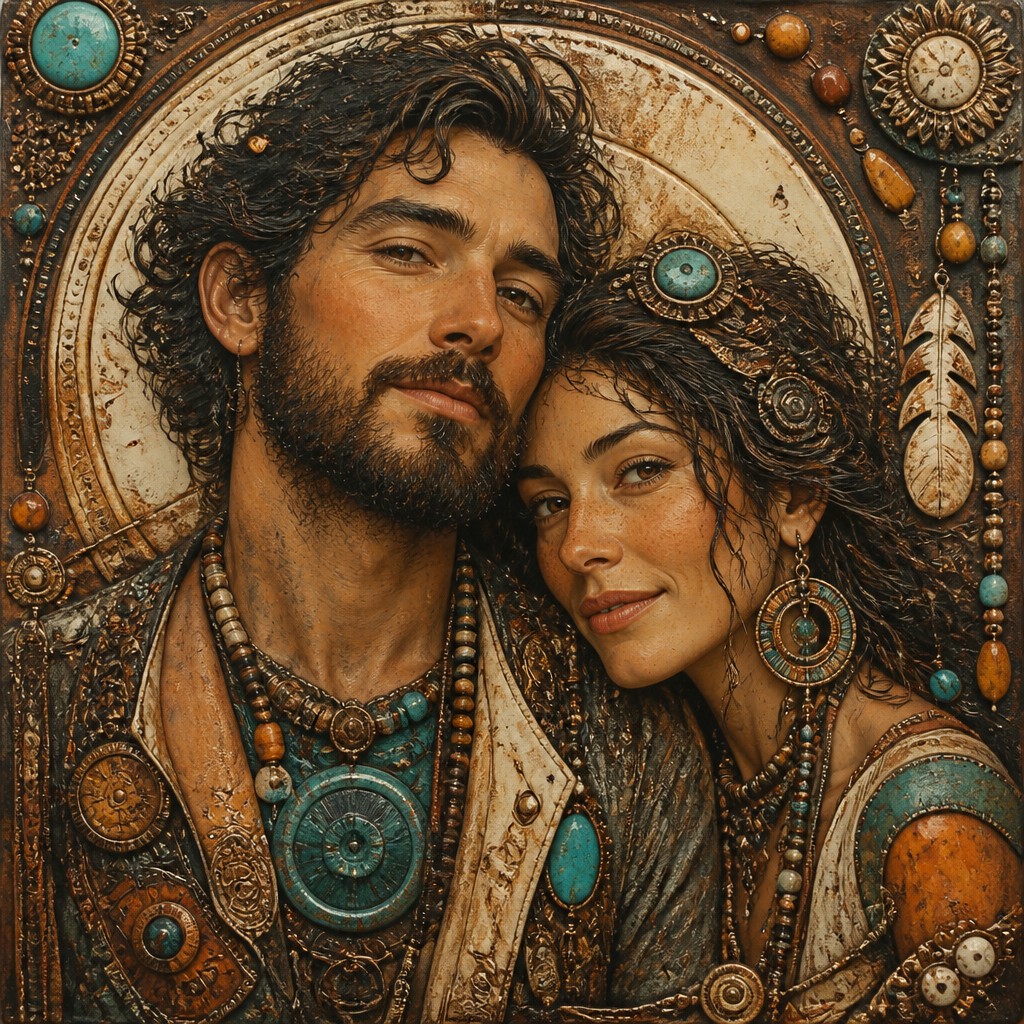
Try It On Your Photos
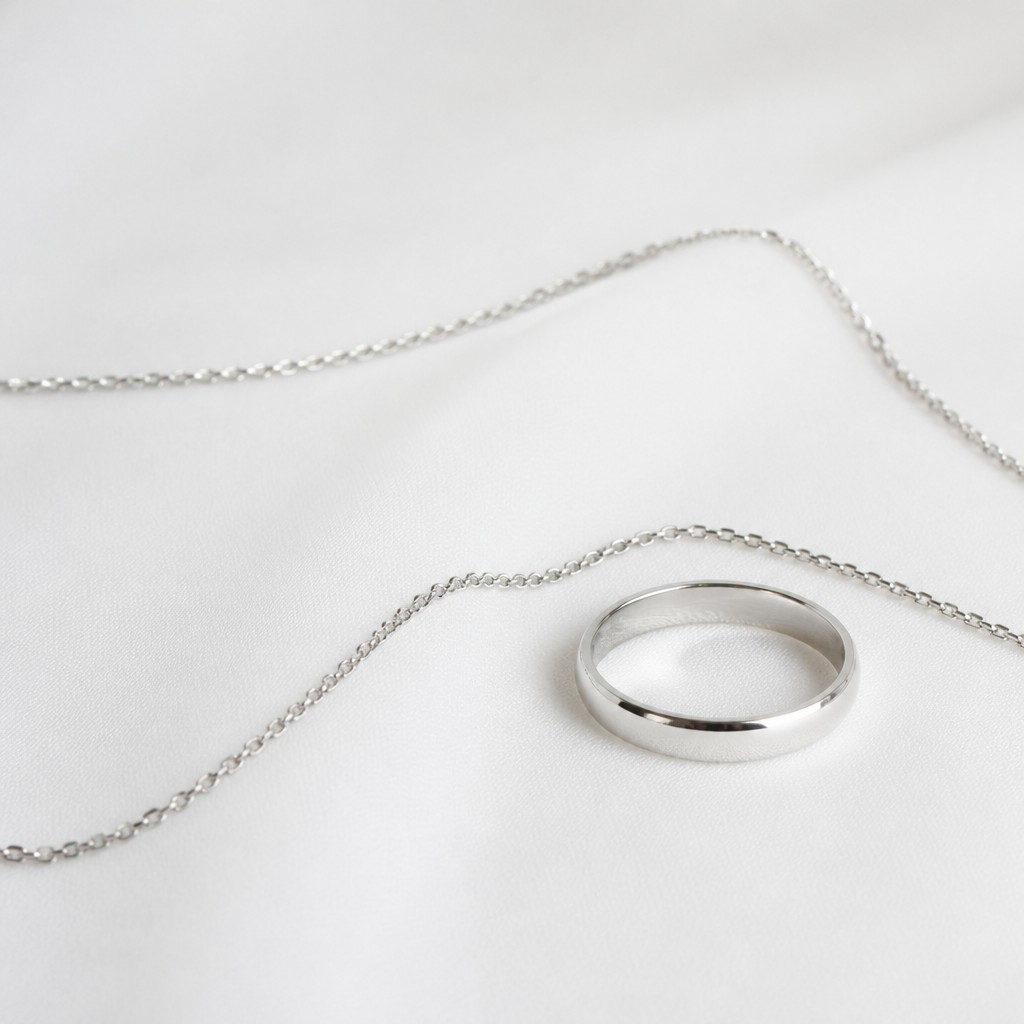
Upload any photo and convert it into Bohemian Jewelry Design — drag the sliders to compare before and after.
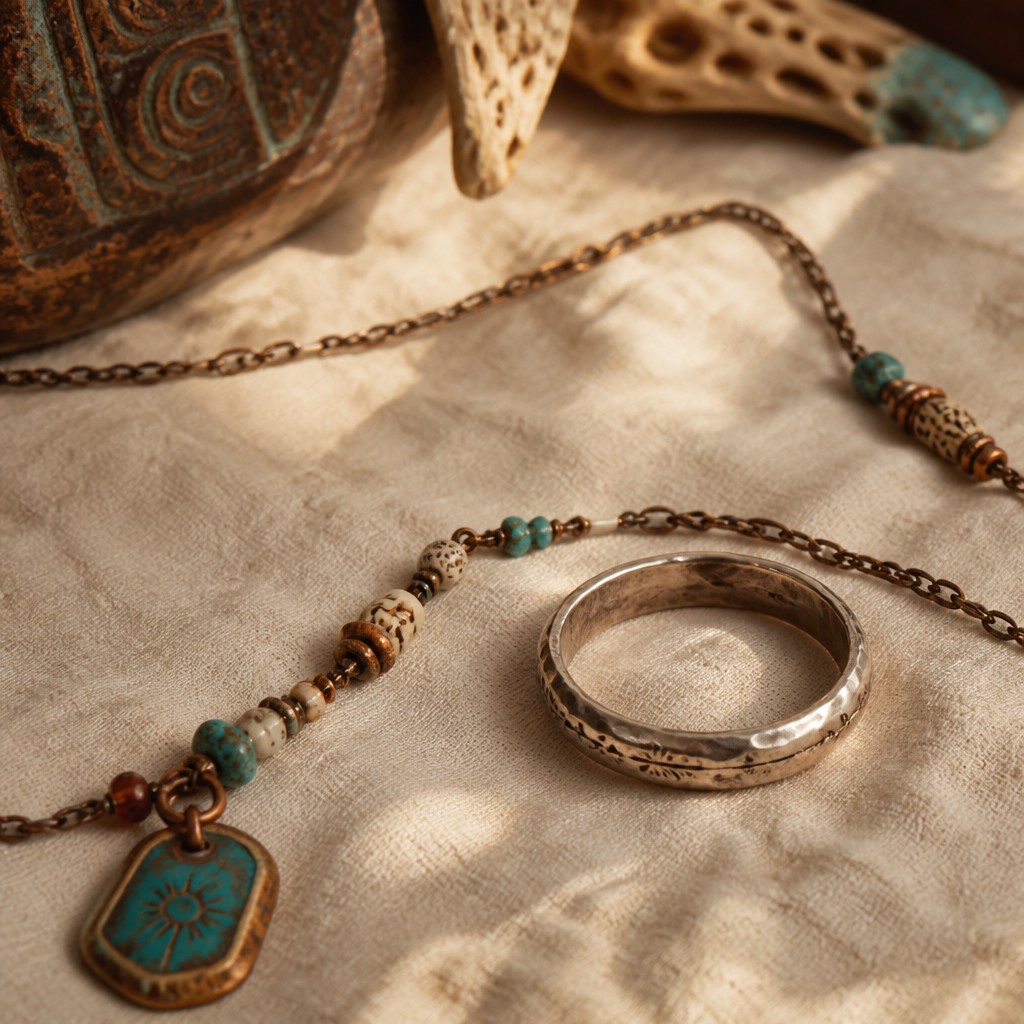
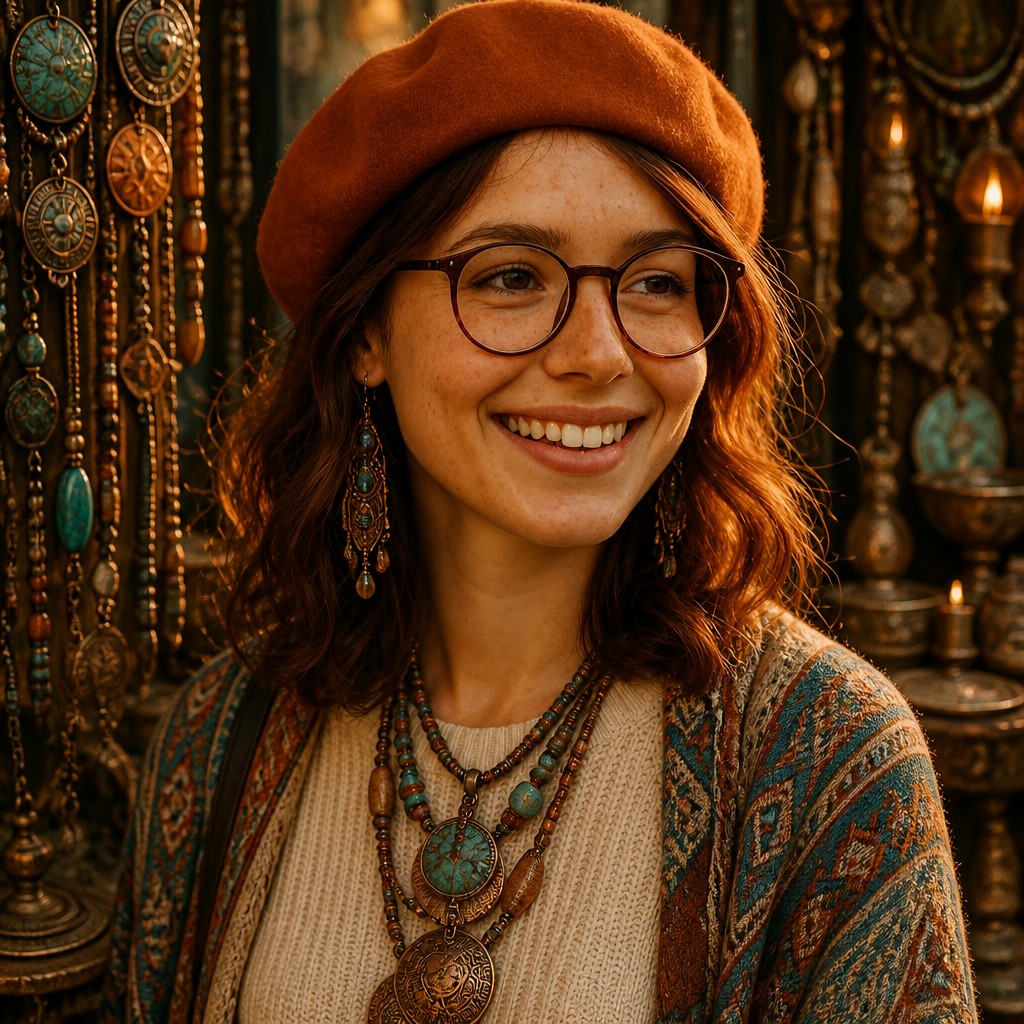

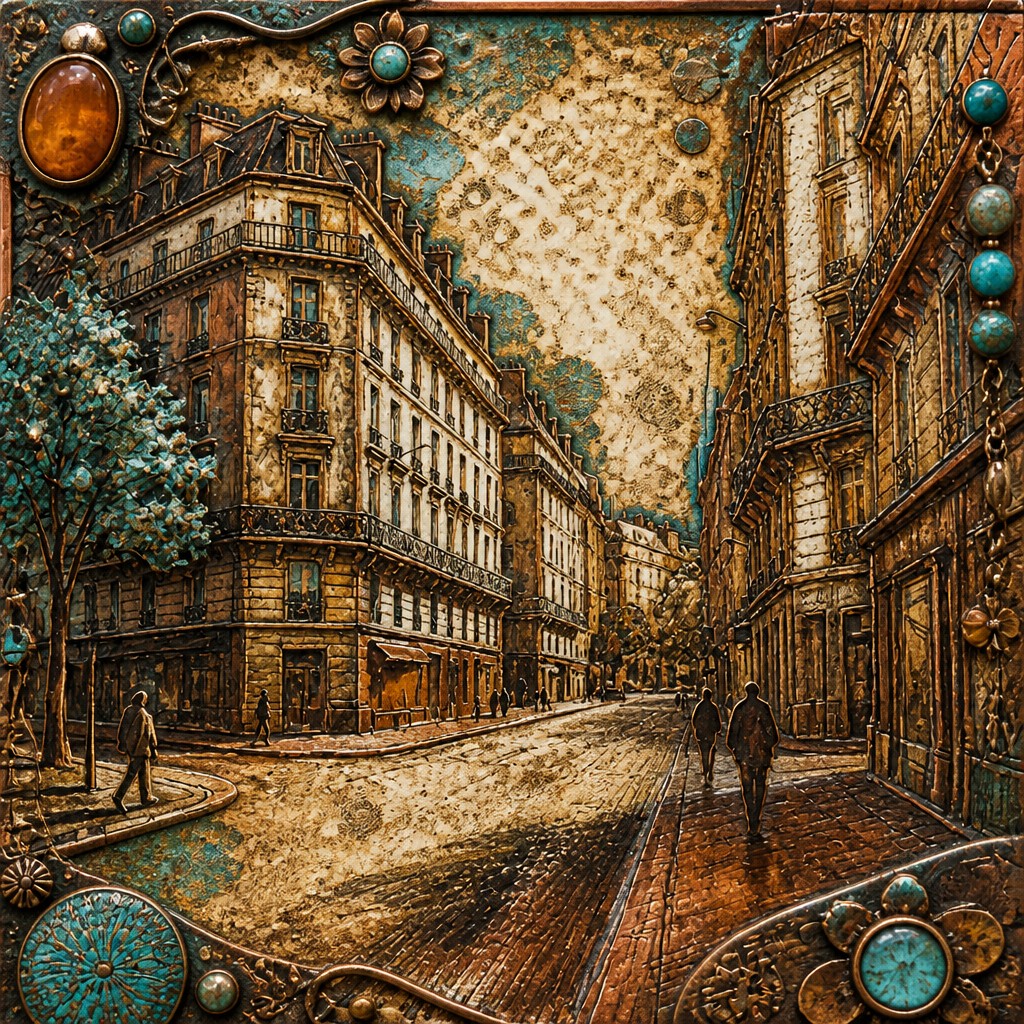

What Defines Bohemian Jewelry Design
The signature details, up close
Earthy, mineral palette
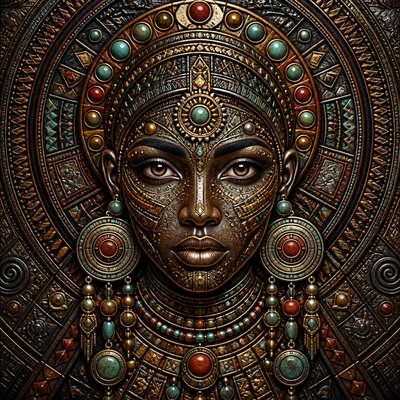
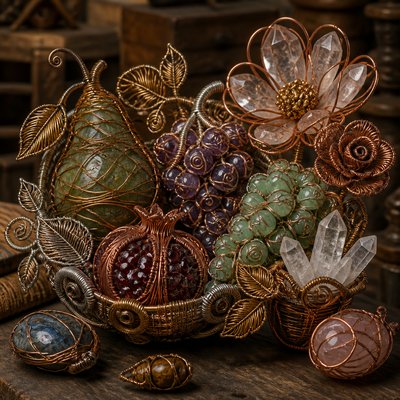
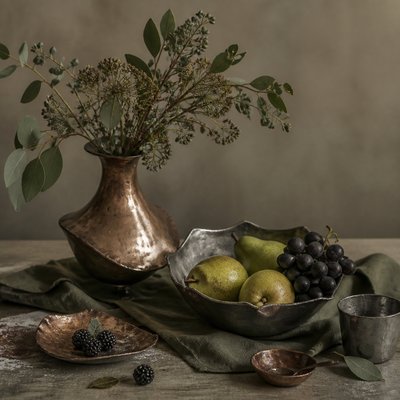
The style typically uses warm amber, turquoise, terracotta, brass, copper, bone white, and muted greens. These colors evoke earth, stone, sun-faded textiles, and weathered metal rather than bright synthetic finishes.
Layered ornament
Pieces often combine multiple strands, pendants, charms, and bead sizes to create visual density. The accumulation of elements gives the work a collected, travel-worn feeling.
Handcrafted textures
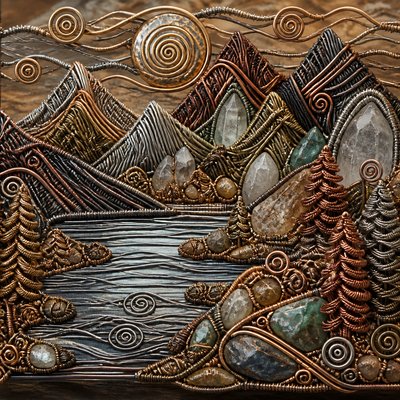
Hammering, etching, filigree, wire-wrapping, and patina are central surface qualities. Visible tool marks and irregular finishes are valued because they signal handmaking and age.
Natural and symbolic materials
Stone, shell, wood, leather, bone, ceramic, and unrefined metals are common. Motifs may include feathers, flowers, suns, moons, leaves, tassels, and talisman-like forms.
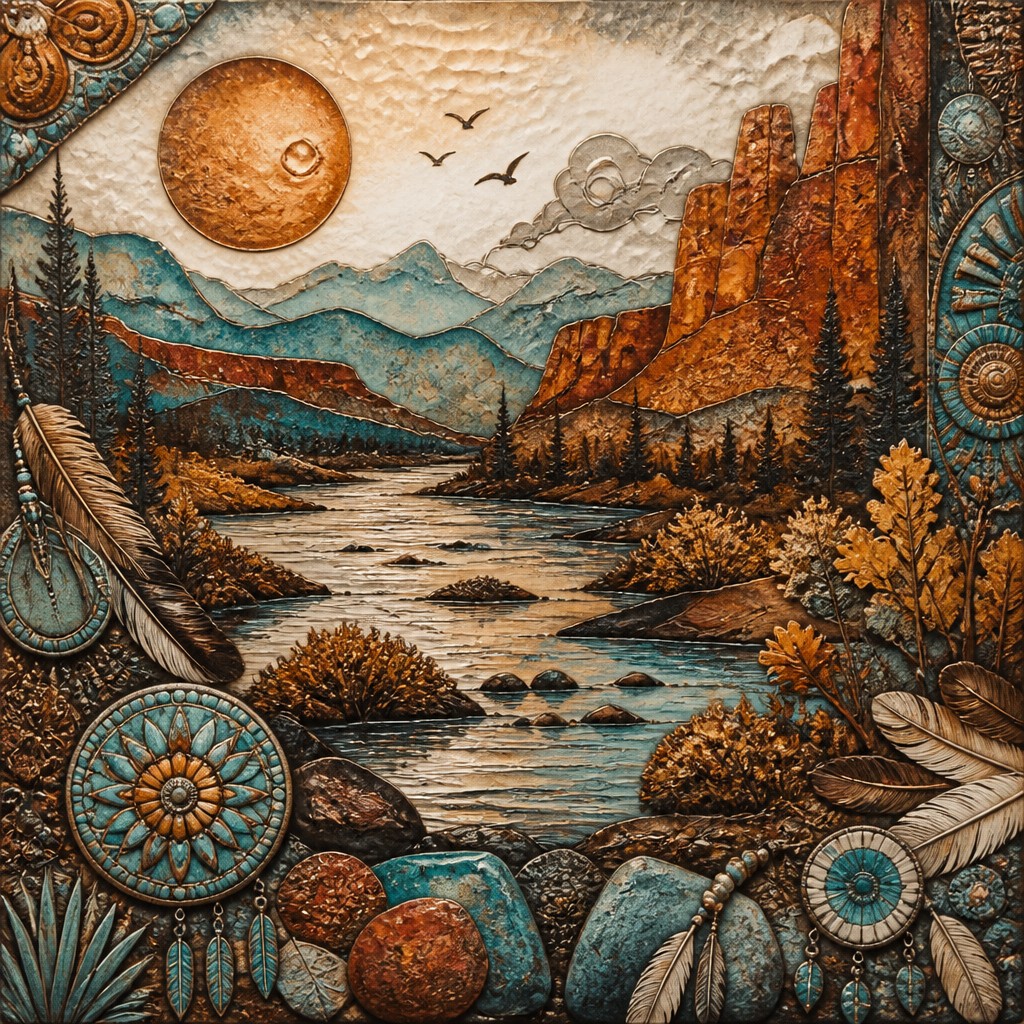
Asymmetry and irregularity
Bohemian jewelry often avoids strict balance in favor of free-form arrangements. Uneven spacing, mixed bead sizes, and off-center pendants help create a relaxed, improvised look.
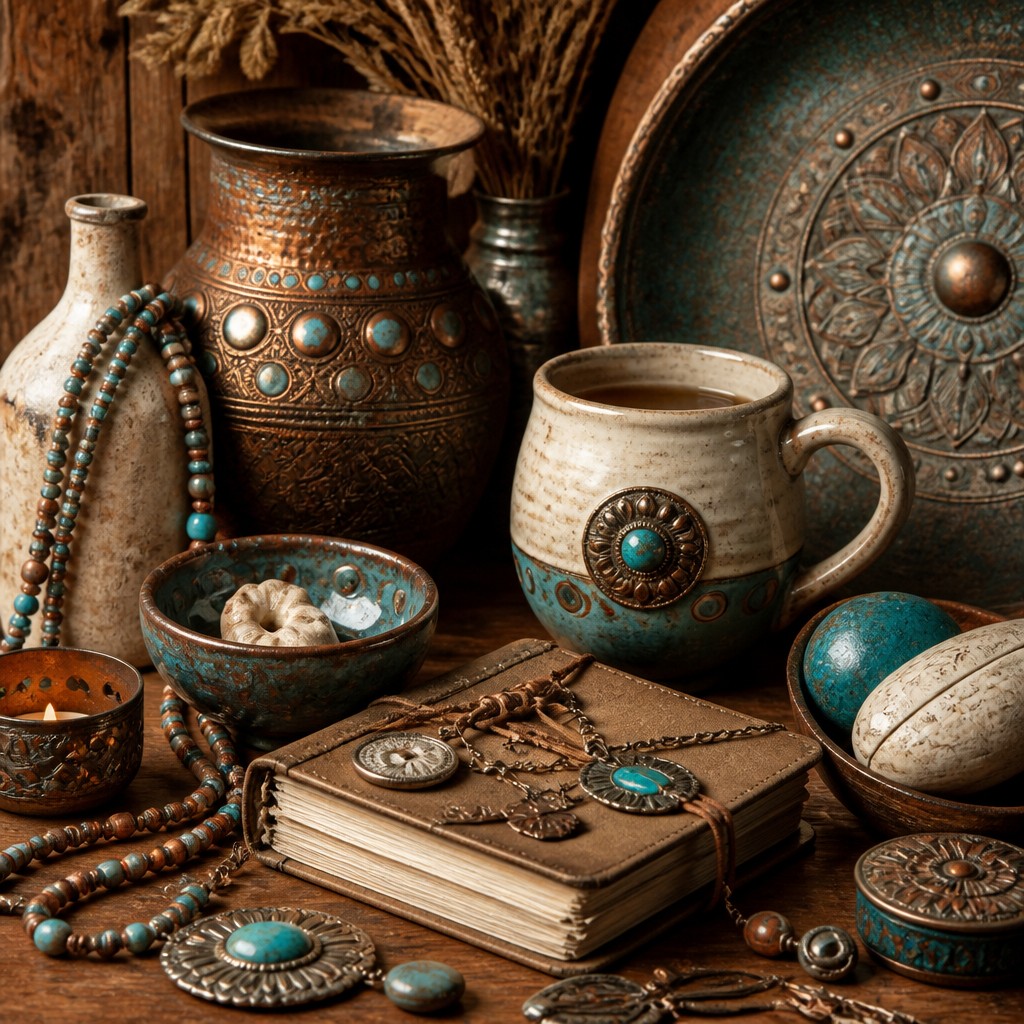
Collected-treasures character
The style suggests pieces gathered from different places and times. Vintage references, ethnic-inspired details, and eclectic mixing are unified by a common handmade sensibility.
Try It
Create Videos in Bohemian Jewelry Design
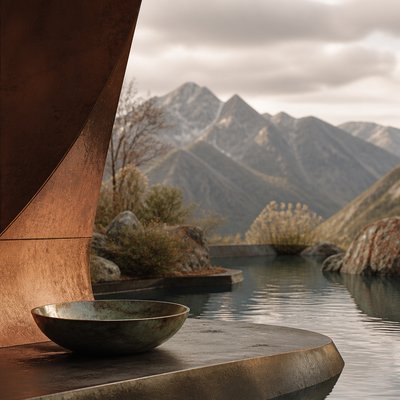
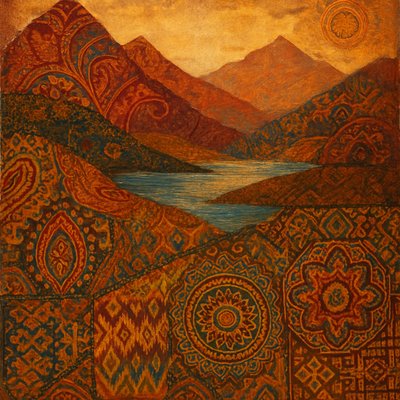
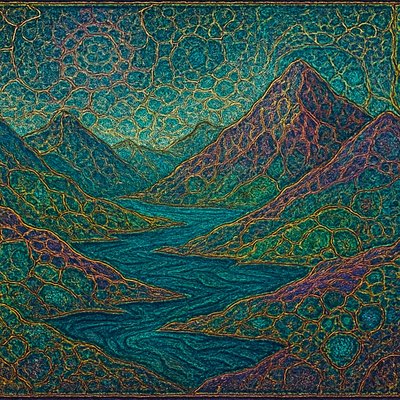
Styles aren't just for stills — describe a scene or animate an image and get a short video rendered in Bohemian Jewelry Design. Press play to see this pond come to life.
Make a VideoBohemian Jewelry Design Prompt Ideas
Start from an idea — each one opens the generator with the style ready to go. See all 40 Bohemian Jewelry Design prompts →
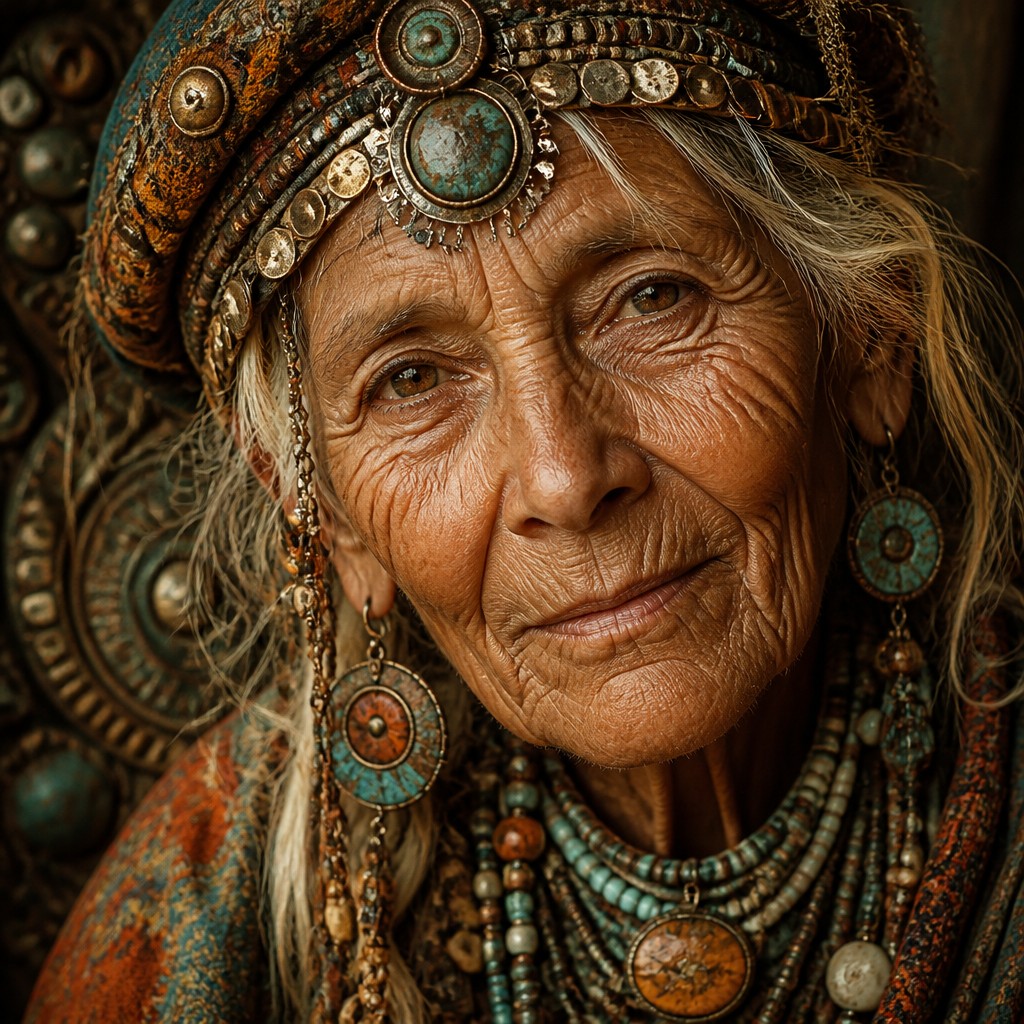
“close-up portrait of an elderly person with expressive weathered features”
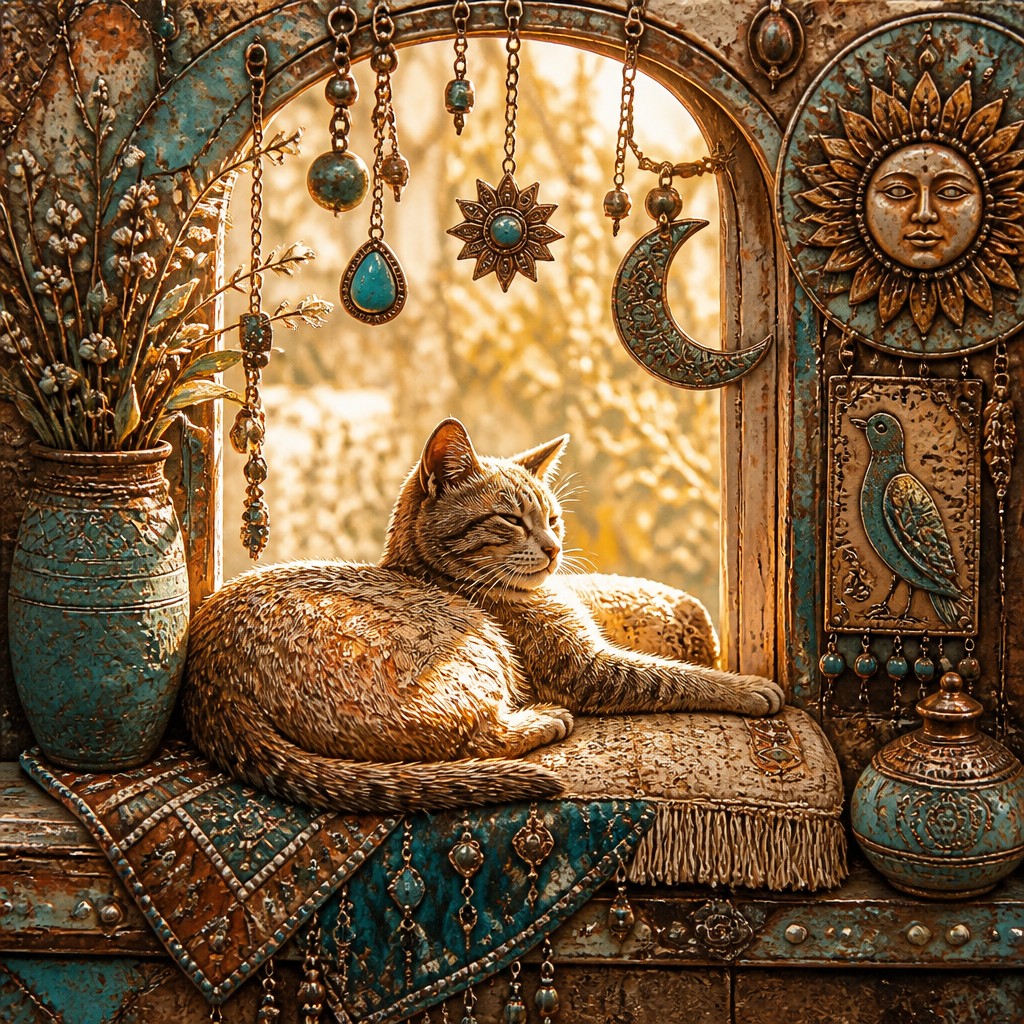
“a cat lounging in a sunlit window”
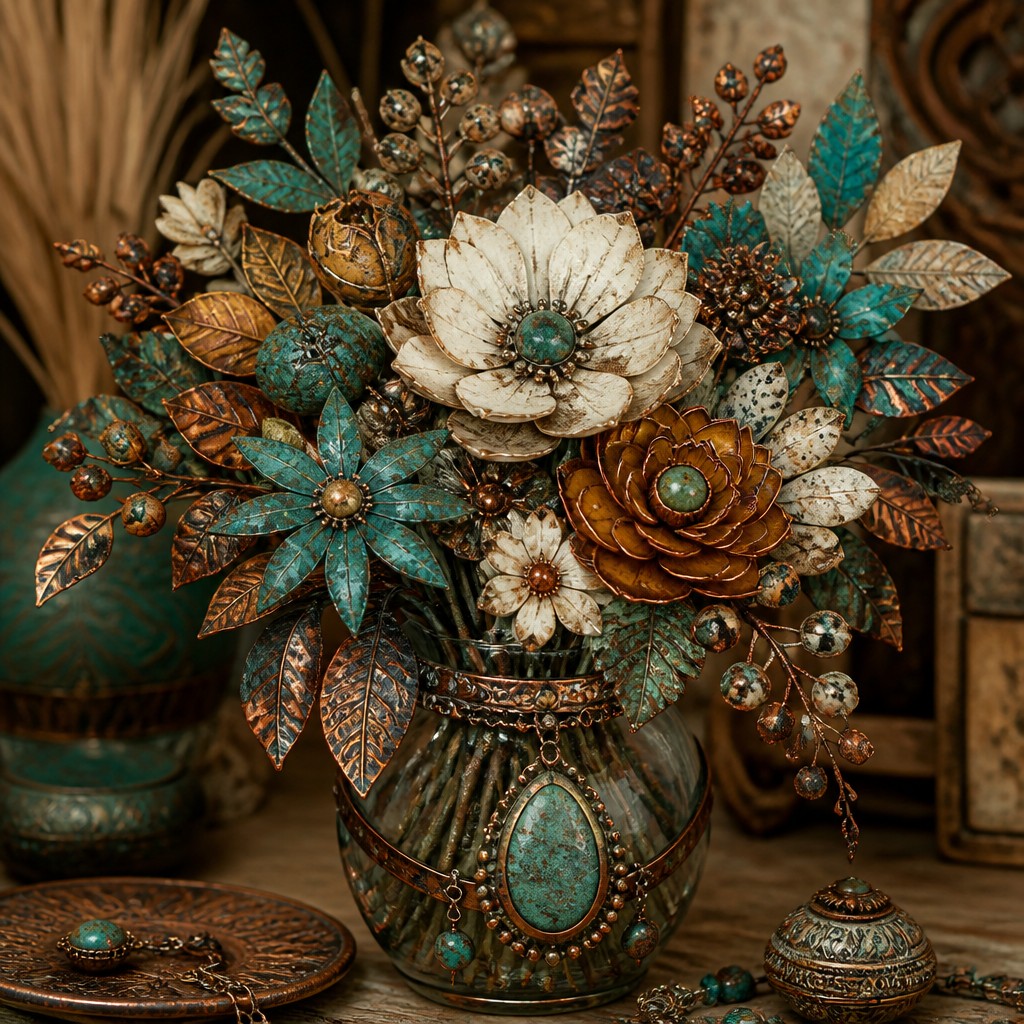
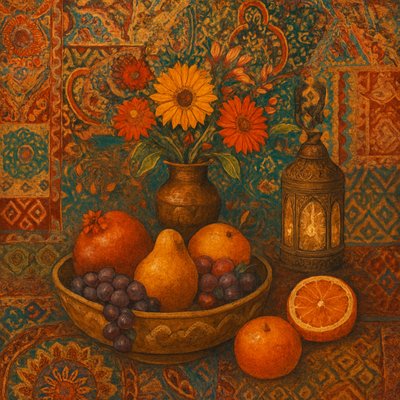
“bouquet of flowers in a glass vase”
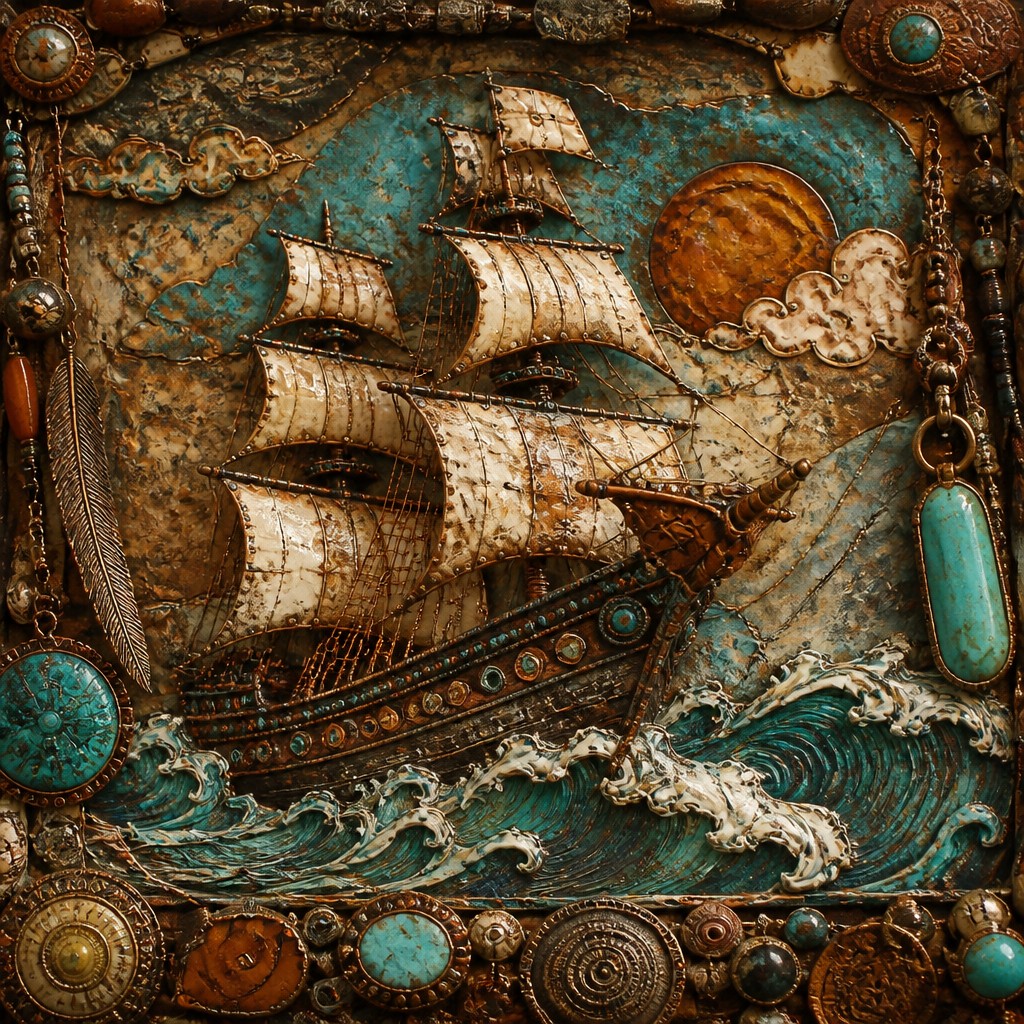
“sailing ship on a stormy sea”
How to Create Bohemian Jewelry Design Art
Master the craft step by step — or skip straight to creating. Read the full guide →
- 1
Build from natural, tactile materials
Start with stones, beads, wire, leather, cord, brass, copper, or textured paper and collage elements if you are illustrating the style. Prioritize surfaces that can show grain, wear, patina, and irregular edges.
- 2
Use layered composition
Stack necklaces, cluster charms, and vary scale so the design feels accumulated rather than single-object. In digital work, duplicate forms with slight changes in rotation, size, and opacity to create depth.
- 3
Emphasize hand-worked finishes
For traditional media, add hammered marks, etched lines, and uneven shading to mimic metalwork and age. In digital or AI-based prompts, ask for oxidized surfaces, weathered patina, and handcrafted irregularity.
- 4
Choose an earthy lighting scheme
Use warm, diffused light that catches highlights on copper, stones, and polished edges while leaving recesses subdued. Soft shadows and gentle contrast help the materials read as tactile and substantial.
- 5
Let asymmetry guide the design
Avoid perfect mirror balance and uniform repetition. Place the focal pendant slightly off-center, mix bead sizes, and allow dangling components to vary so the piece feels organic and artisanal.
- 6
Prompt with material specificity
When generating imagery, describe the subject first and then specify the materials, palette, surface treatment, and composition. Phrases such as 'hammered copper,' 'turquoise cabochons,' 'layered beads,' and 'sun-faded patina' produce more faithful results.

The Story
History & Origins of Bohemian Jewelry Design
Bohemian jewelry design is not a single historical movement with a fixed origin; it is a modern style that grew from older craft traditions and from bohemian dress culture in Europe and North America. Its lineage reaches back to folk jewelry, nomadic and regional adornment practices, Arts and Crafts ideals of handmade work, and the 1960s–1970s counterculture embrace of natural materials, global motifs, and layered self-expression.
In contemporary use, the style has been shaped by vintage revival, festival fashion, artisan metalwork, and eclectic interior and fashion imagery. Its common visual language—turquoise, amber, oxidized copper, mixed beads, hammered metal, tassels, charms, and organic asymmetry—reflects a preference for individual assembly and visible handwork over machine-perfect uniformity.
Influences: Bohemian jewelry design draws from folk and regional adornment traditions, Arts and Crafts ideals of visible handwork, and the eclectic material culture of 1960s–1970s counterculture. It also overlaps with tribal revival and ethnic-inspired fashion aesthetics, though these references should be approached with care and specificity rather than treated as a single unified source. In visual art and craft terms, its emphasis on handmade irregularity aligns more with artisan production than with a named fine-art movement.

Frequently Asked Questions
What defines bohemian jewelry design?
It is defined by earthy materials, layered ornament, visible handwork, and an intentionally eclectic mix of influences. The look is relaxed and personal rather than symmetrical or highly polished. Patina, texture, and asymmetry are central to its identity.
How is it different from hippie jewelry?
The two styles overlap strongly, but bohemian jewelry is broader and can include vintage, folk, and artisan references beyond the 1960s counterculture. Hippie jewelry usually points more directly to the 1960s–1970s era, while bohemian design can also read as contemporary artisan eclecticism. Bohemian pieces may feel more curated and materially varied.
What materials are most associated with this style?
Common materials include turquoise, amber, brass, copper, silver, leather, beads, shells, wood, bone, and natural stones. Weathered or oxidized finishes are especially important because they add age and tactile depth. Textile elements like cord and tassels are also common.
Can this style be used in modern fashion design?
Yes. It appears frequently in jewelry collections, festival accessories, editorial styling, and handmade crafts. The style adapts well to modern contexts because it can be scaled from subtle layered pieces to elaborate statement jewelry.
How do I make a design look authentic rather than costume-like?
Focus on material coherence, restraint in symbolism, and believable wear. A few well-chosen stones, good surface texture, and subtle asymmetry usually work better than overloading every element at once. Mixing references should still feel grounded in craftsmanship.
What kinds of images work well in this style?
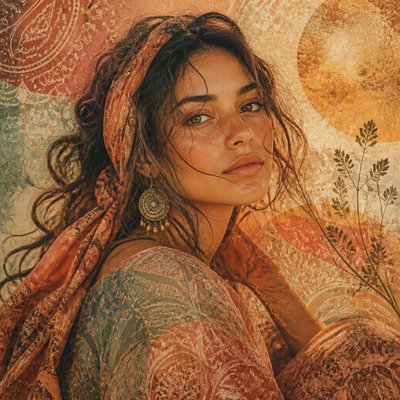
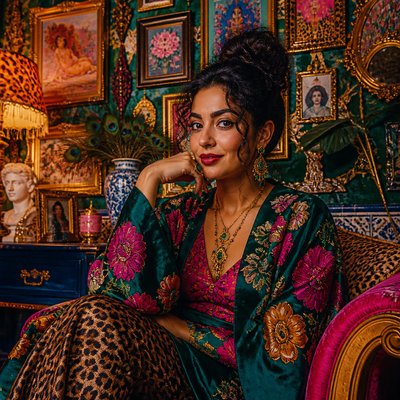
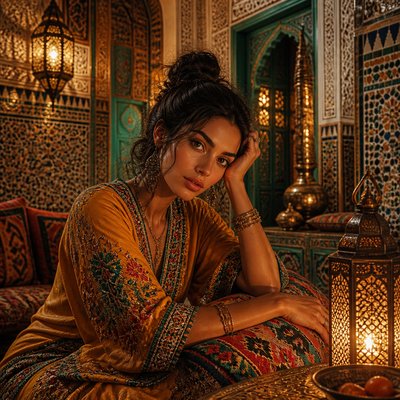
Close-ups of necklaces, bracelets, rings, and earrings are especially effective, as are styled flat lays and product-like presentations on linen, wood, or stone. The style also suits fashion portraits when the jewelry is prominent and the lighting remains warm and natural. In image generation, clear material descriptions help maintain the look.
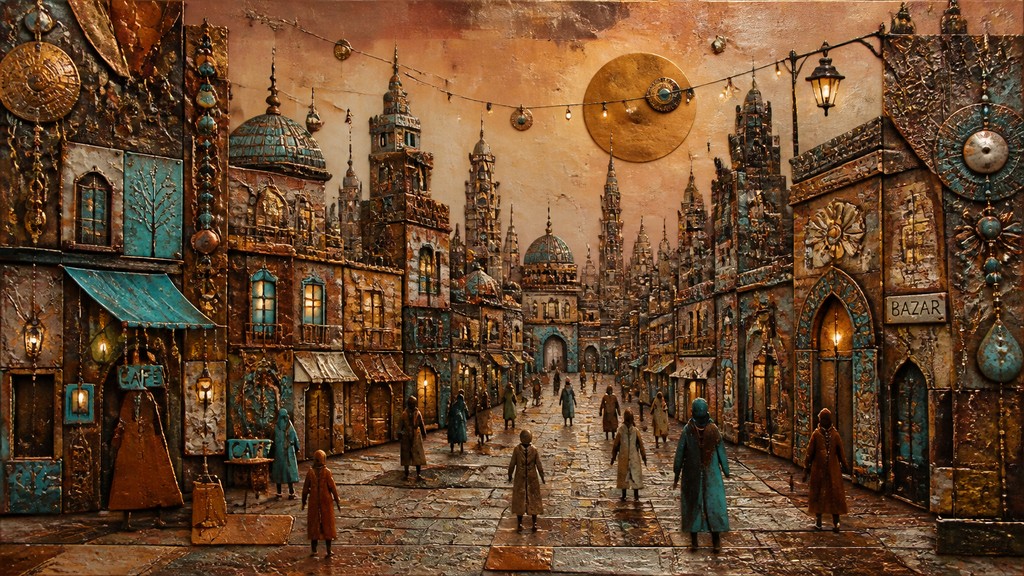
Create your first Bohemian Jewelry Design artwork
Describe anything — or upload a photo — and see it in Bohemian Jewelry Design in seconds.
Make Something with Bohemian Jewelry Design
Compare Bohemian Jewelry Design
Related Styles
Discover similar art styles