Ethnic Tribal Jewelry Design
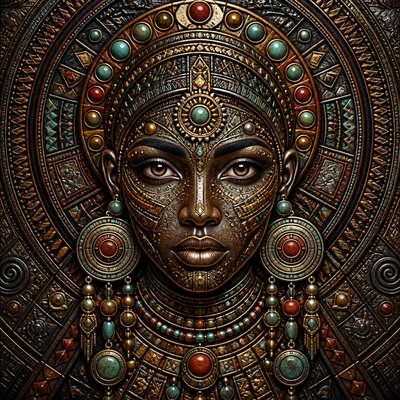
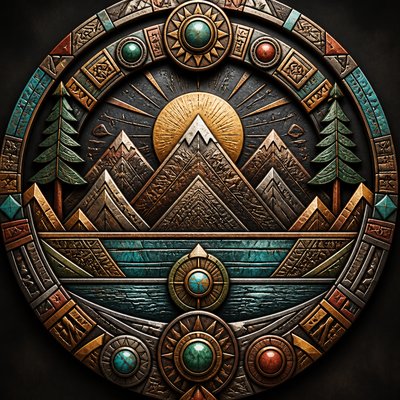
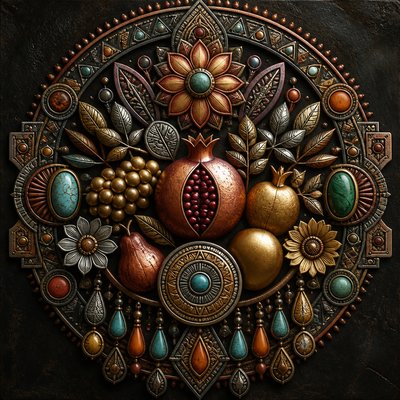
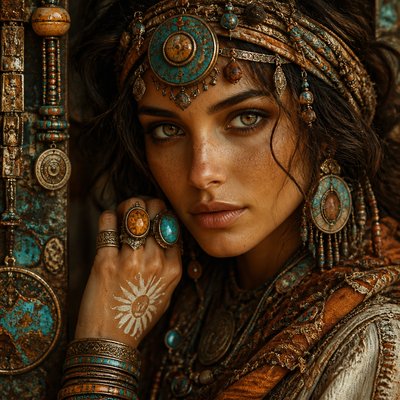
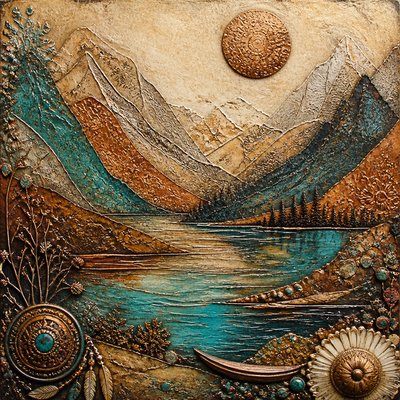
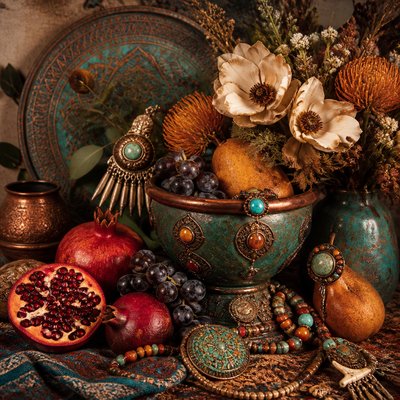
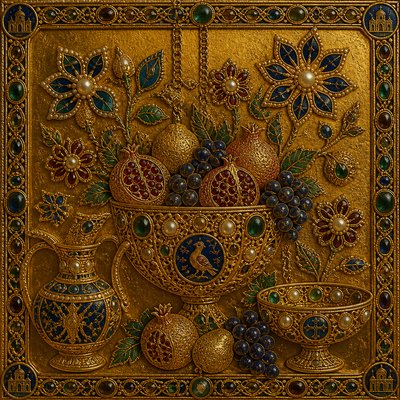
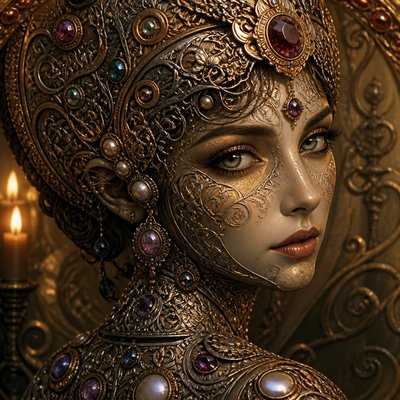
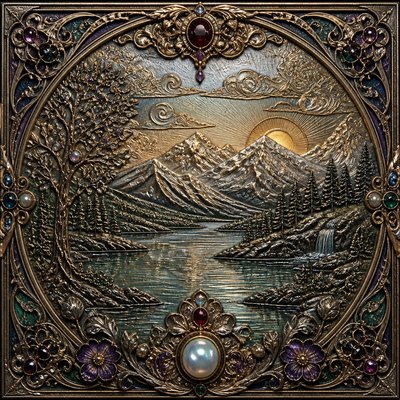
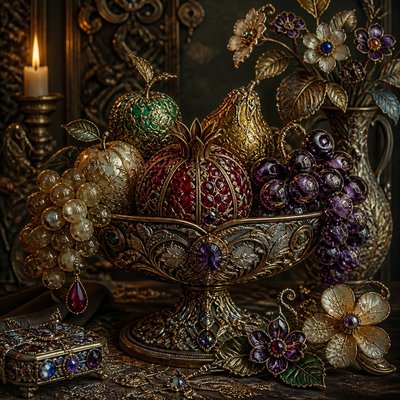
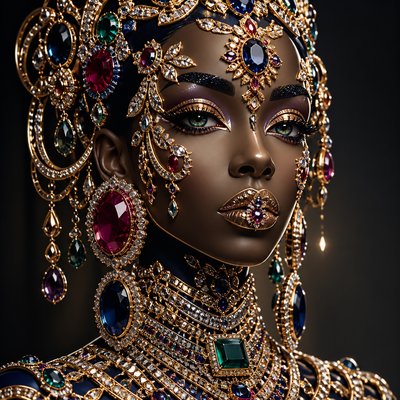
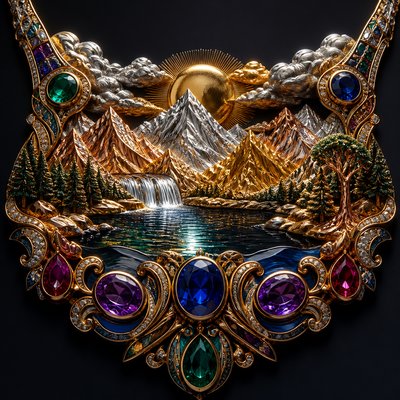
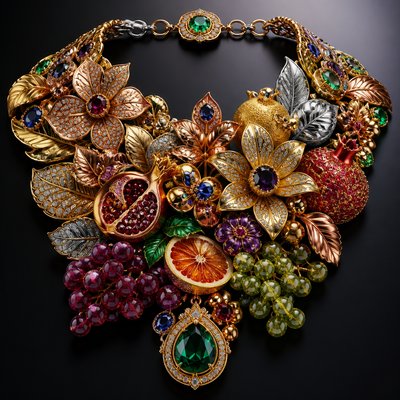
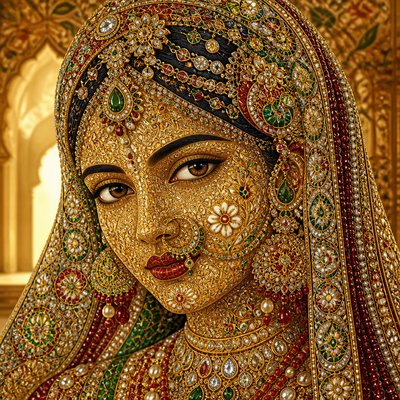
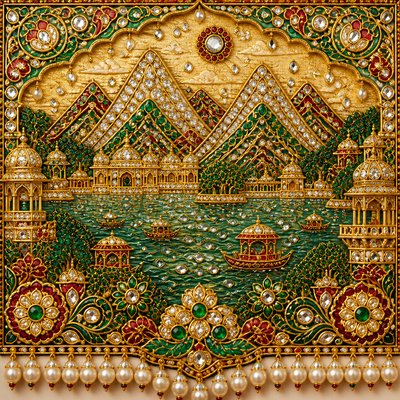
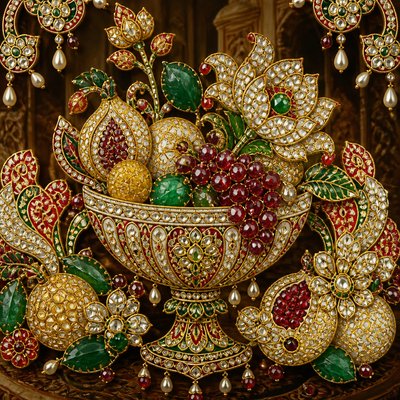
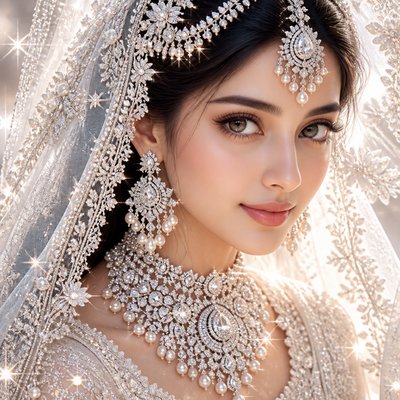
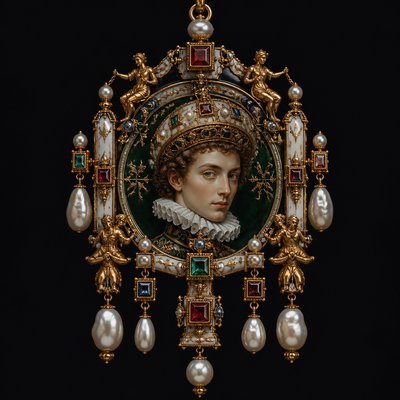
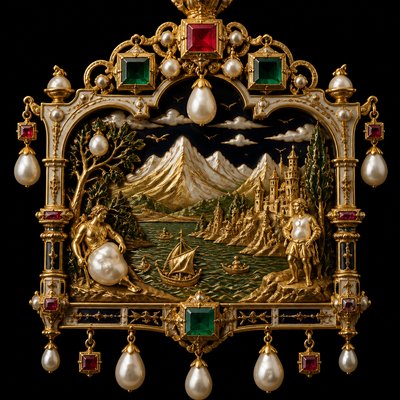
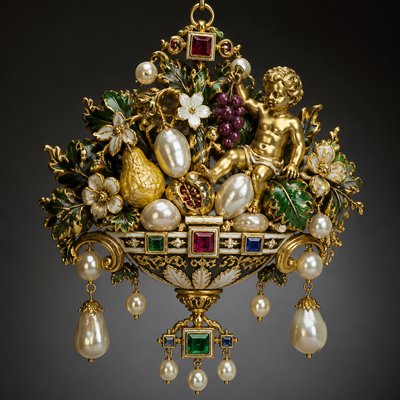
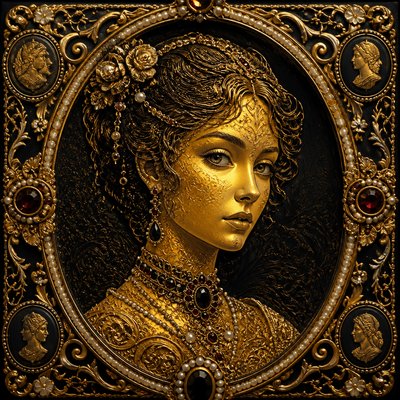
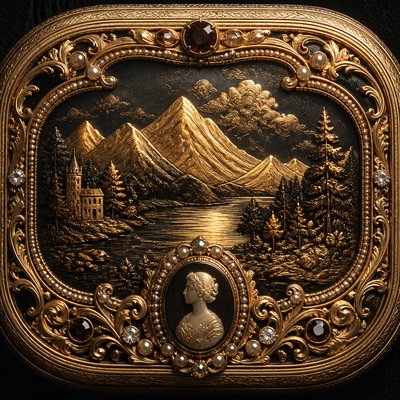
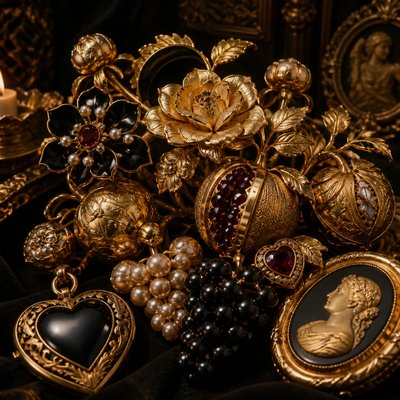
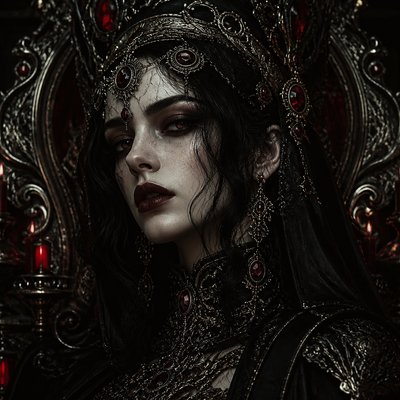
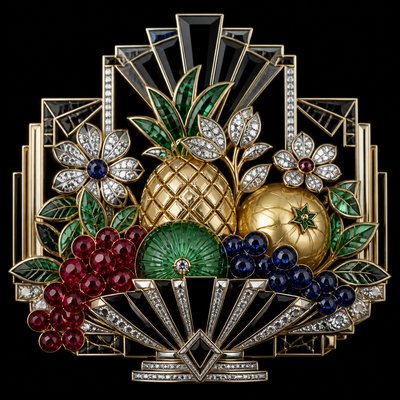
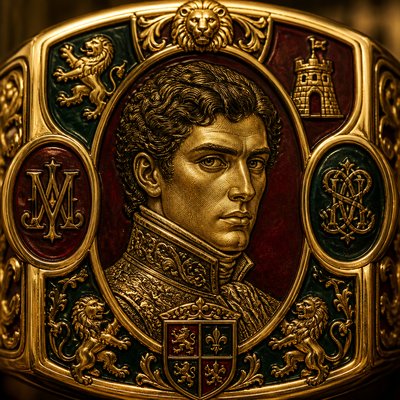
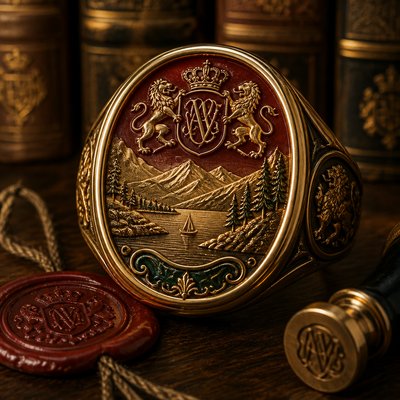
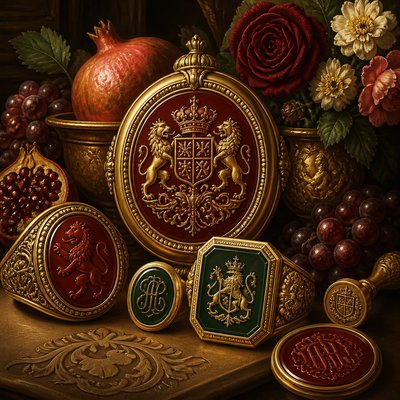
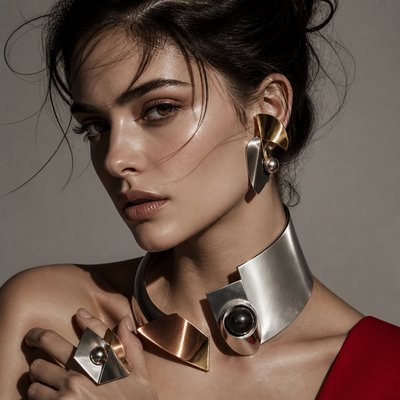
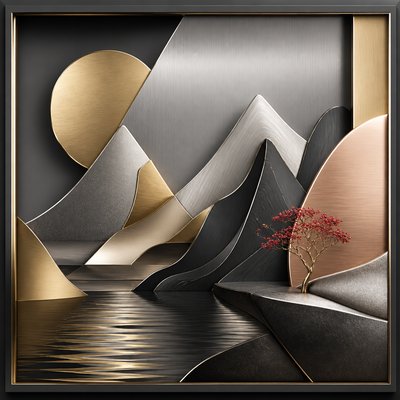
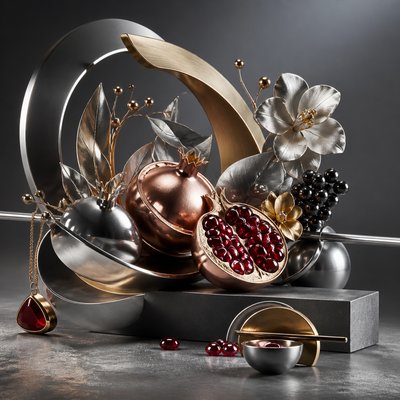
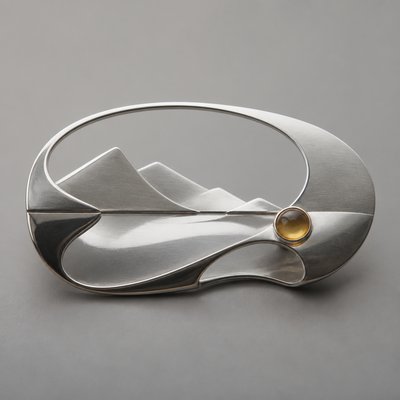
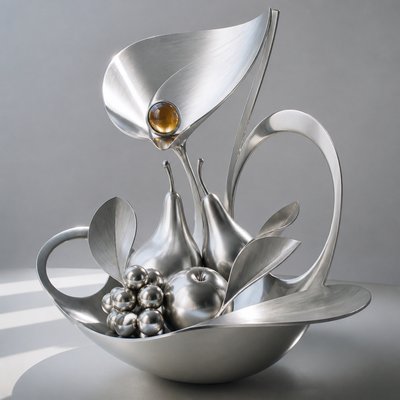
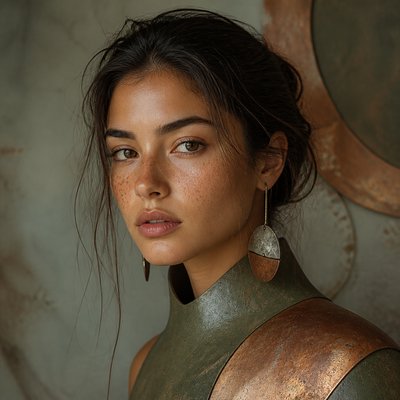
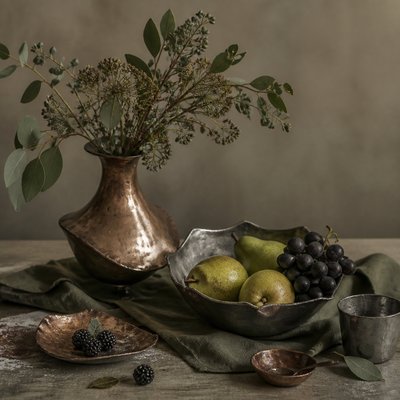
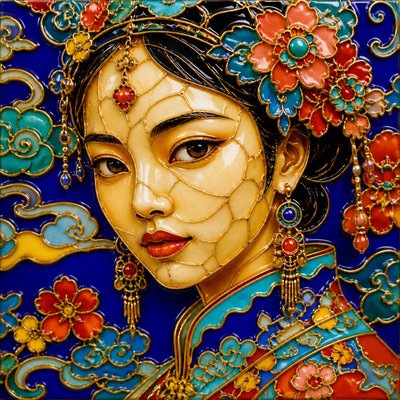
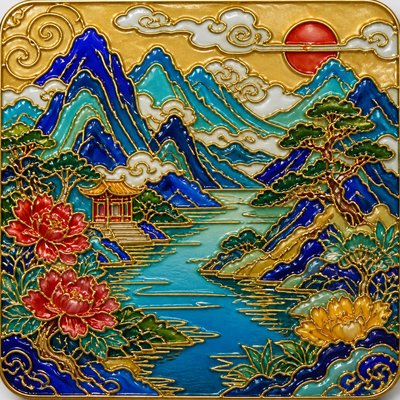
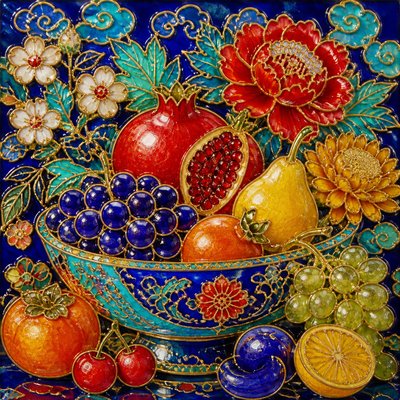
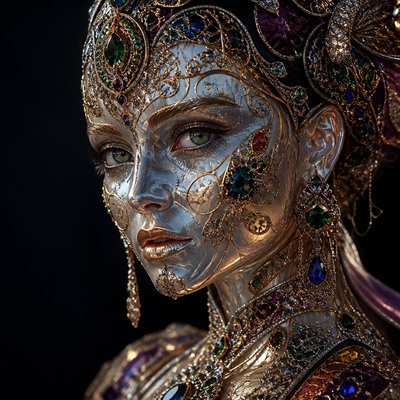
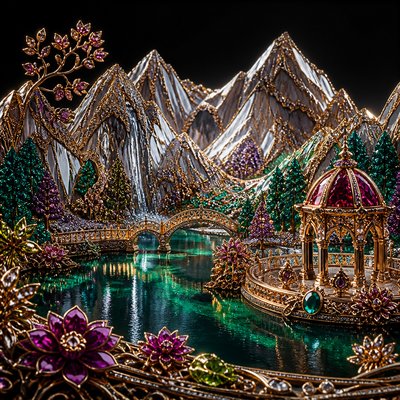
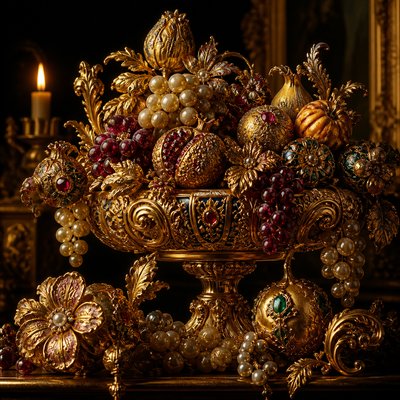
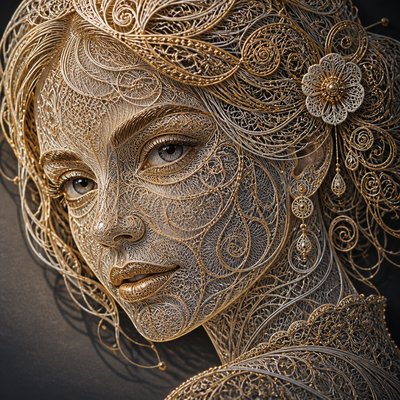
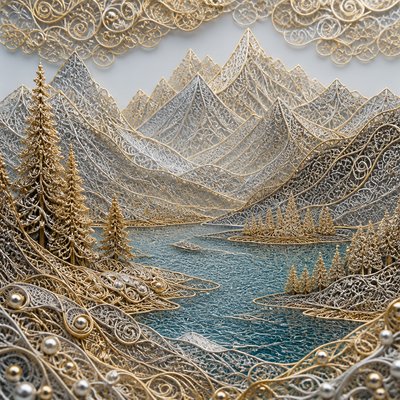
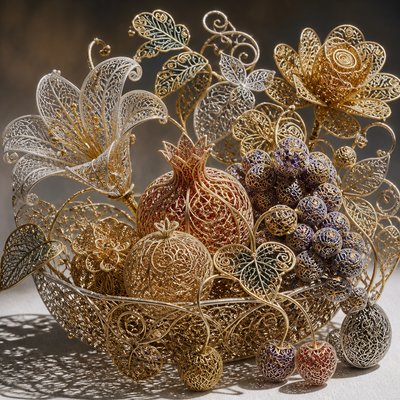
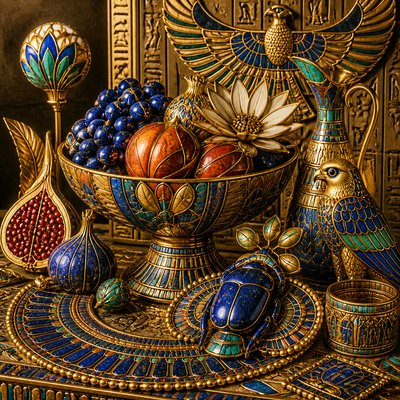
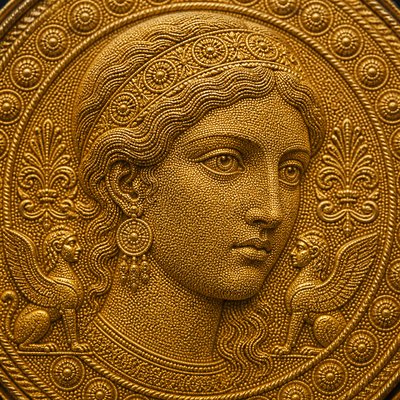
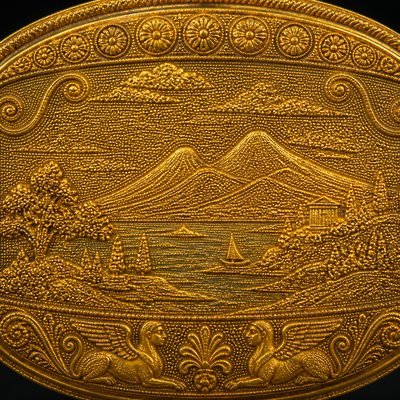
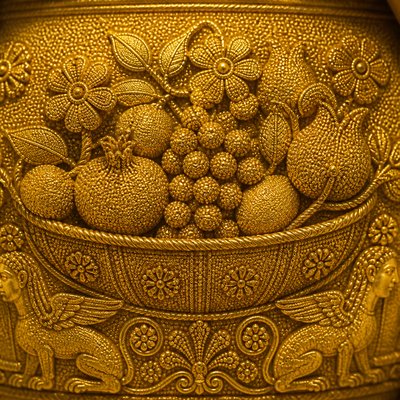
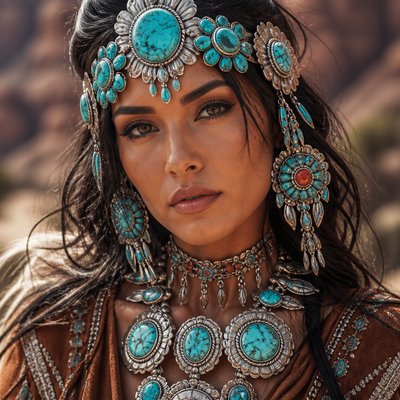
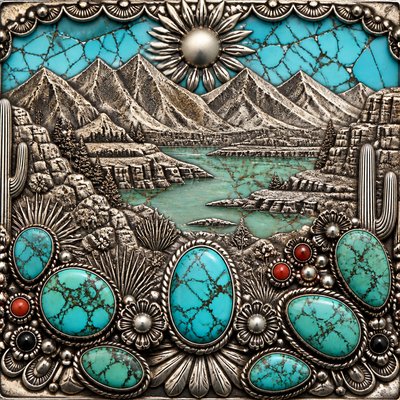
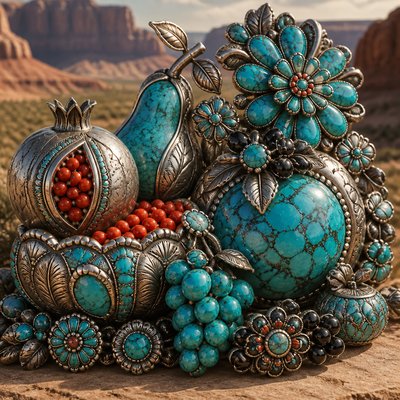
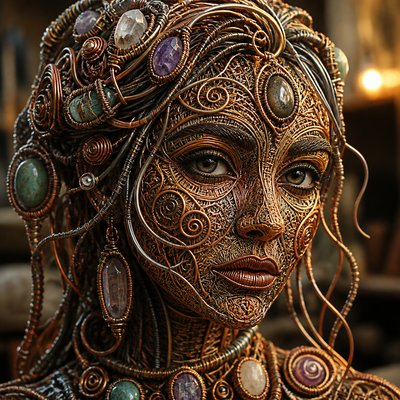
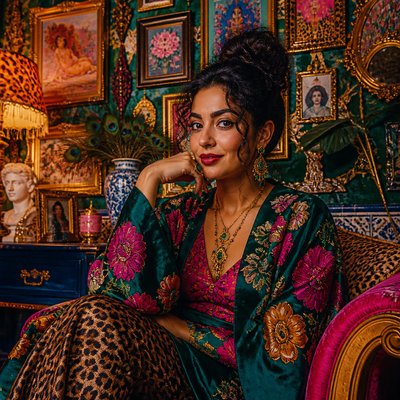
Bold ceremonial jewelry inspired by global tribal traditions, with embossed metal, symbolic motifs, and turquoise, coral, gold, and bronze.
Instantly rendered in Ethnic Tribal Jewelry Design — or transform a photo
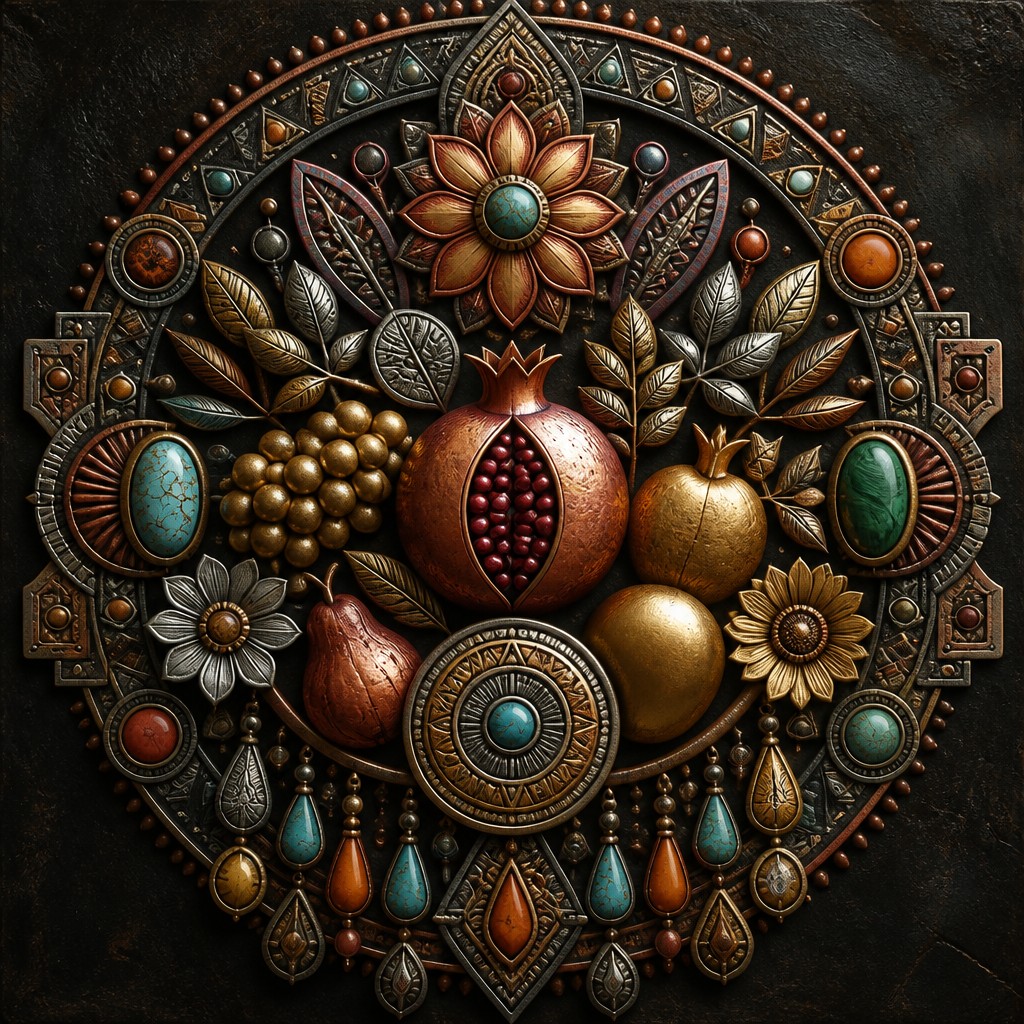
Ethnic Tribal Jewelry Design Gallery
Tap any artwork to explore it
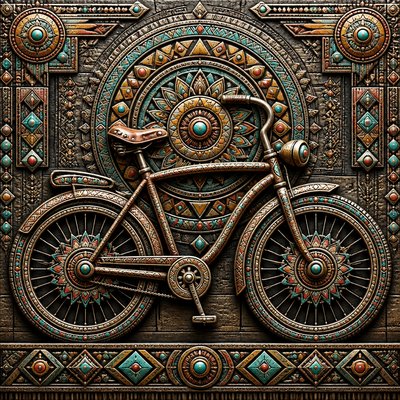
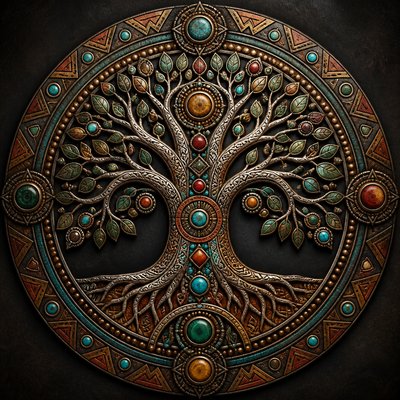
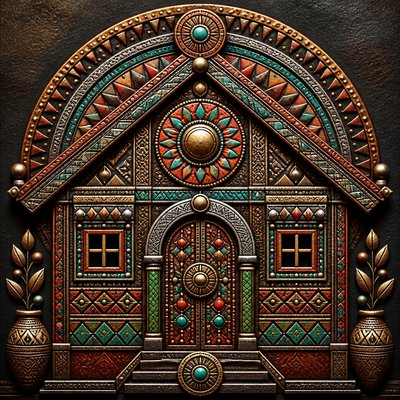
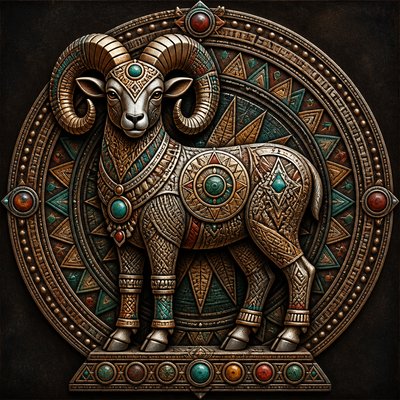
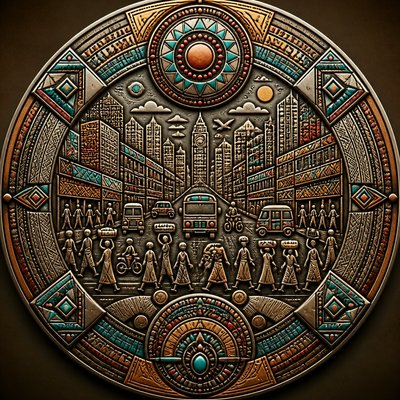
What is Ethnic Tribal Jewelry Design?
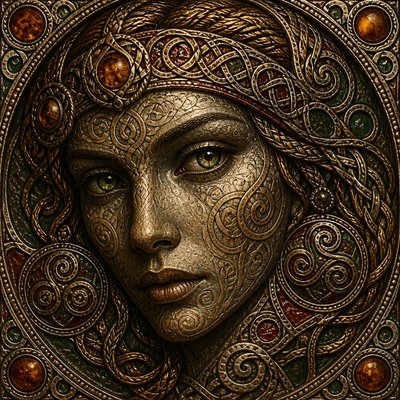
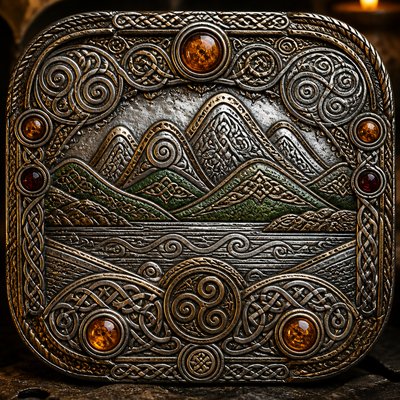
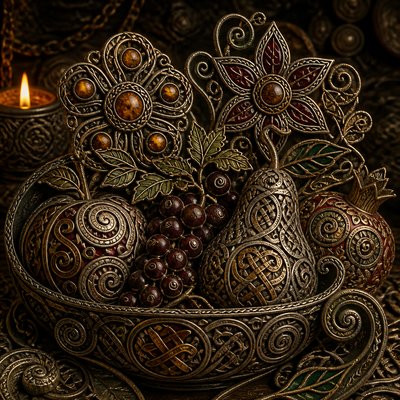
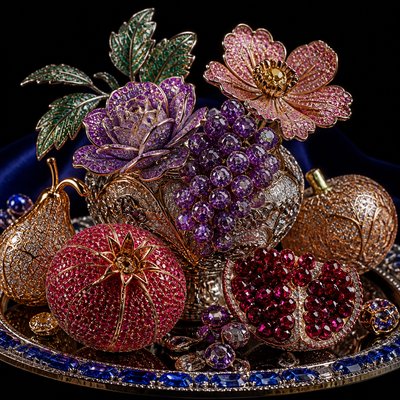
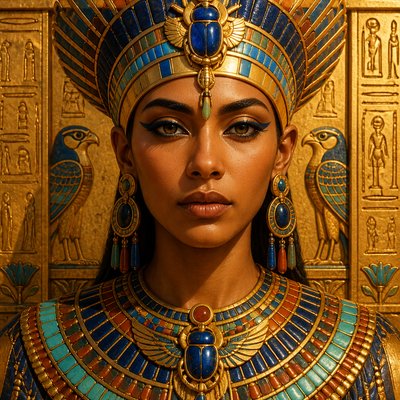
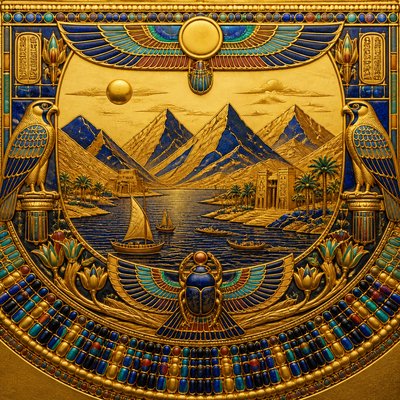
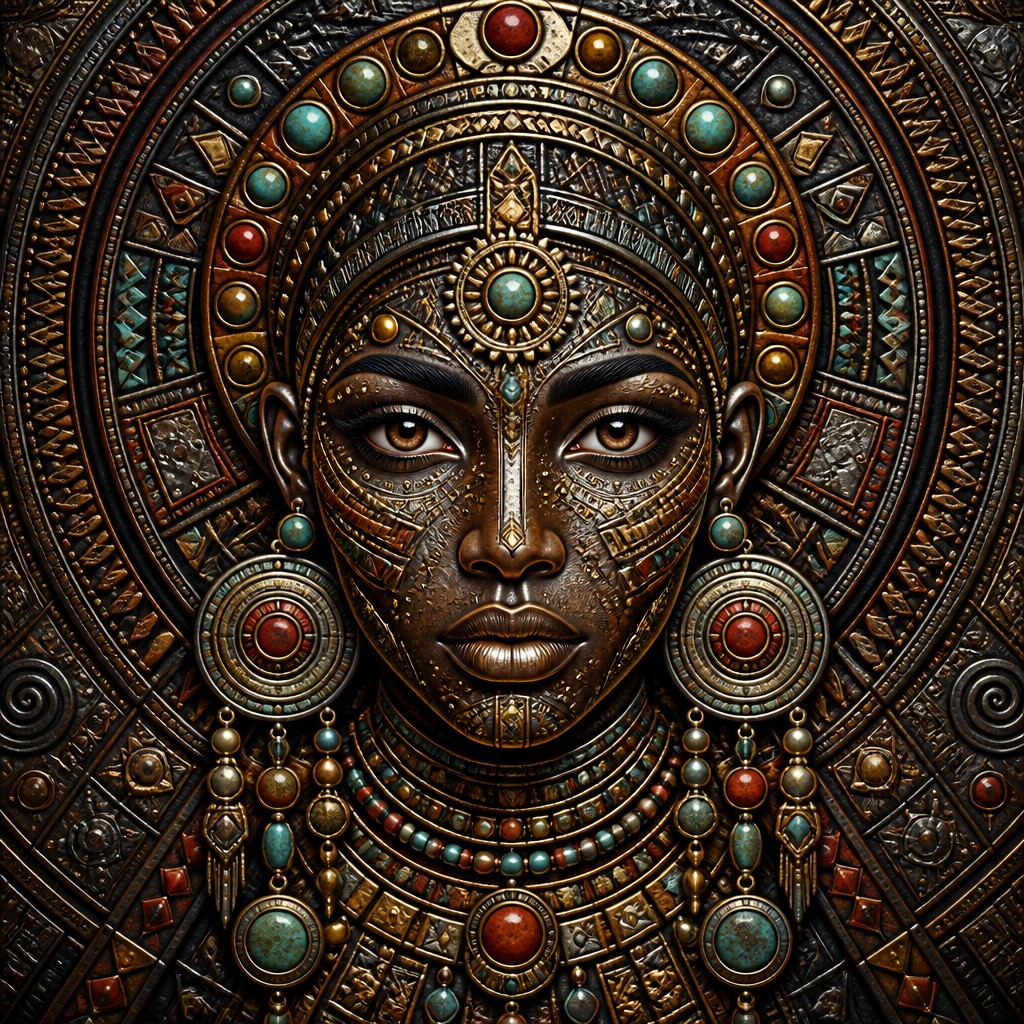
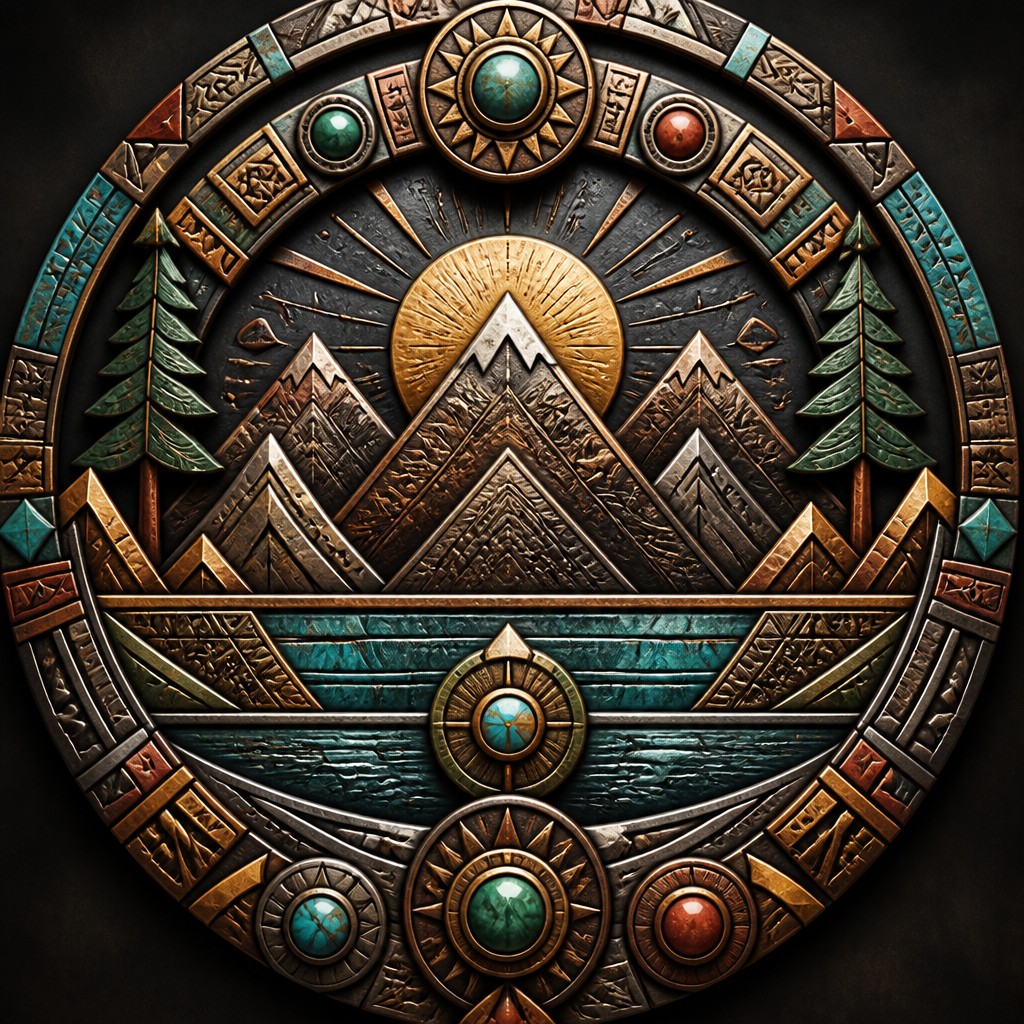
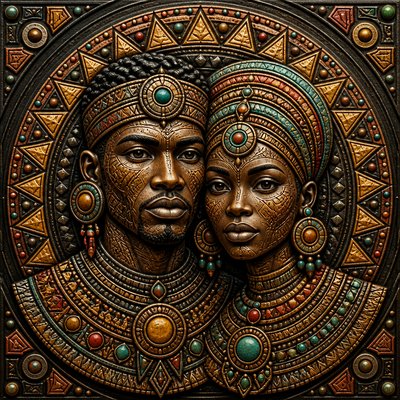
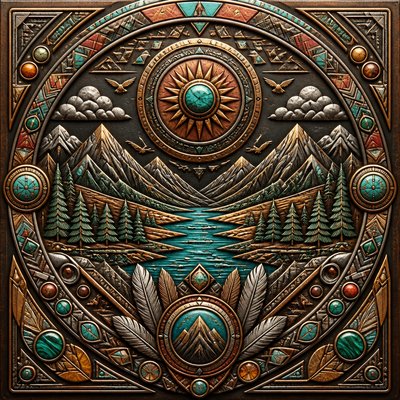
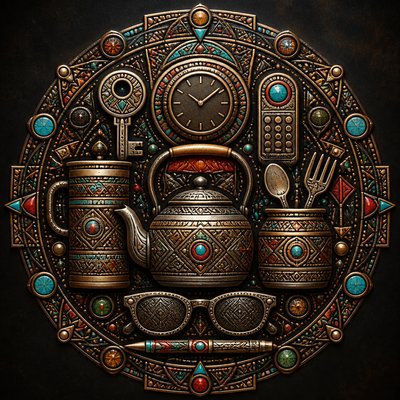
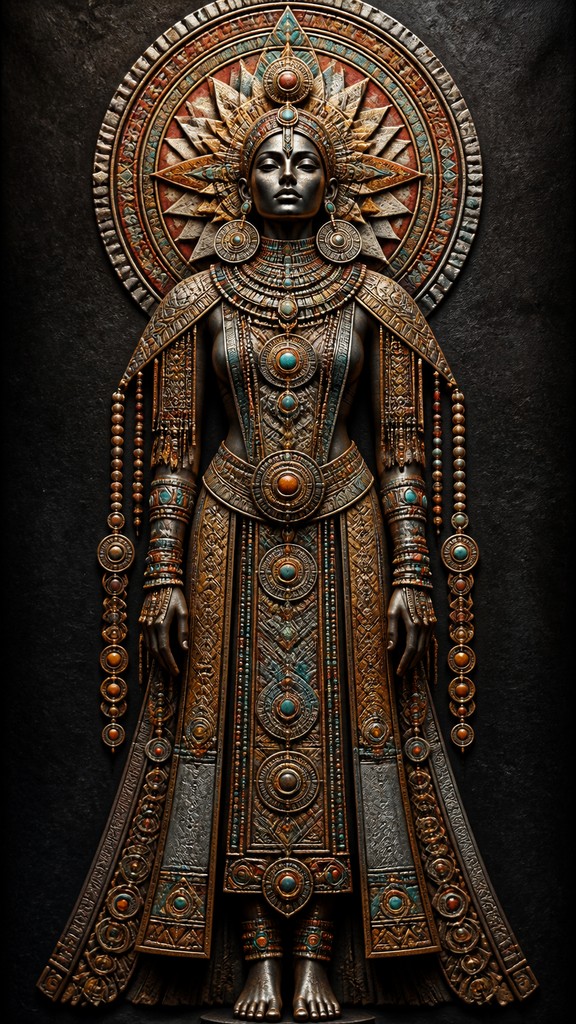
Ethnic Tribal Jewelry Design is a decorative style rooted in the visual language of traditional adornment from many cultures around the world. It is characterized by bold, symmetrical forms; repeating geometric or radial motifs; and the look of hand-worked metal combined with stone, bead, shell, or enamel accents. The style emphasizes ornament as both visual statement and cultural symbol, often suggesting ceremony, status, protection, ancestry, or ritual use.
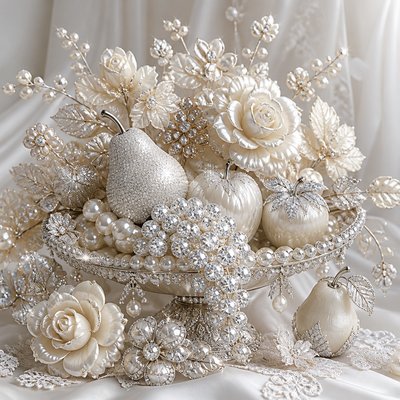
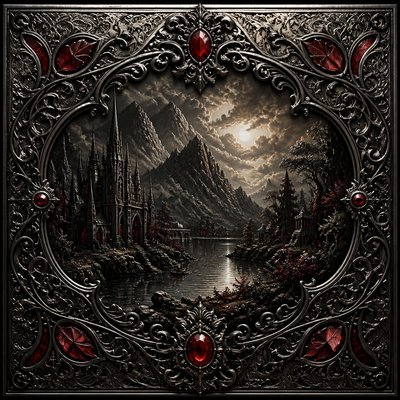
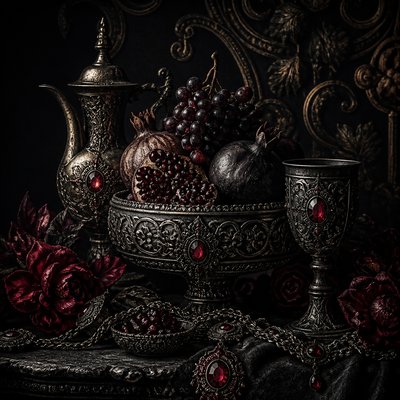
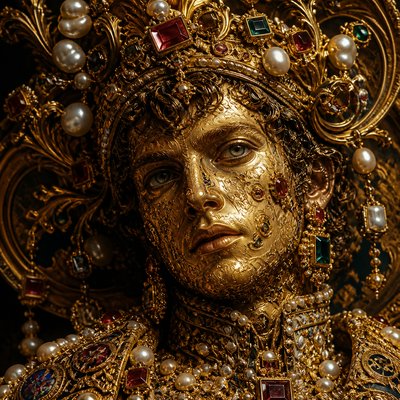
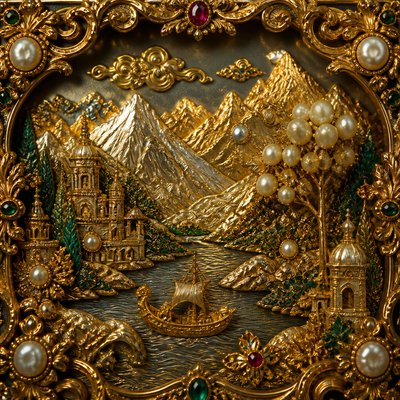
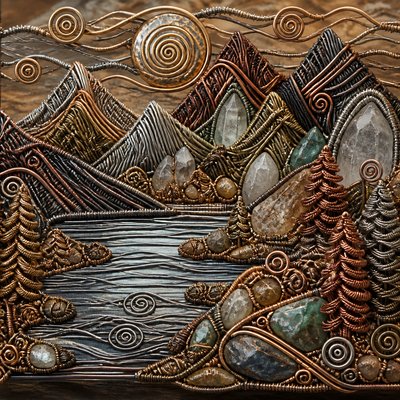
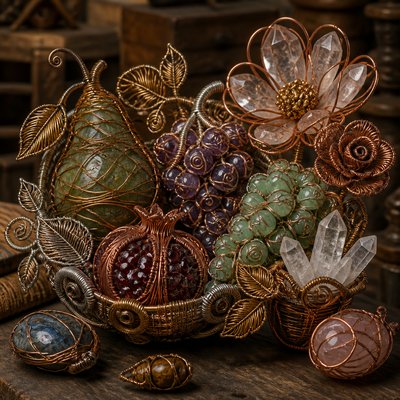
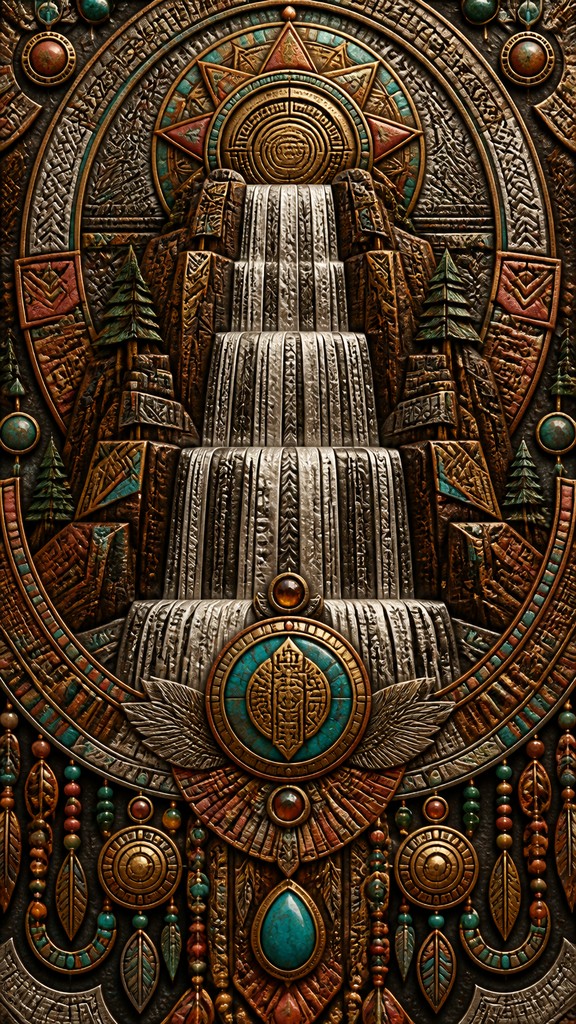
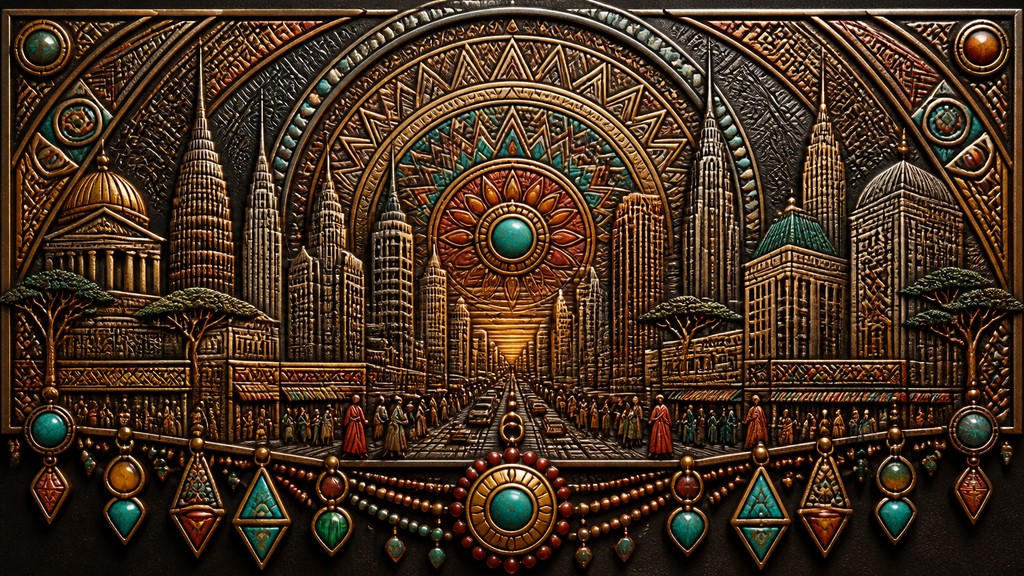
Visually, the style tends to favor hammered, etched, embossed, and repousse9 surfaces with strong relief and deep shadow. Warm metallics such as oxidized copper, burnished gold, aged silver, and bronze are often paired with saturated mineral colors like turquoise, coral red, amber, and malachite. The result is a richly tactile, handcrafted aesthetic that feels weighty, symbolic, and deliberately formal, with a strong emphasis on symmetry, repetition, and the artistry of metalwork.
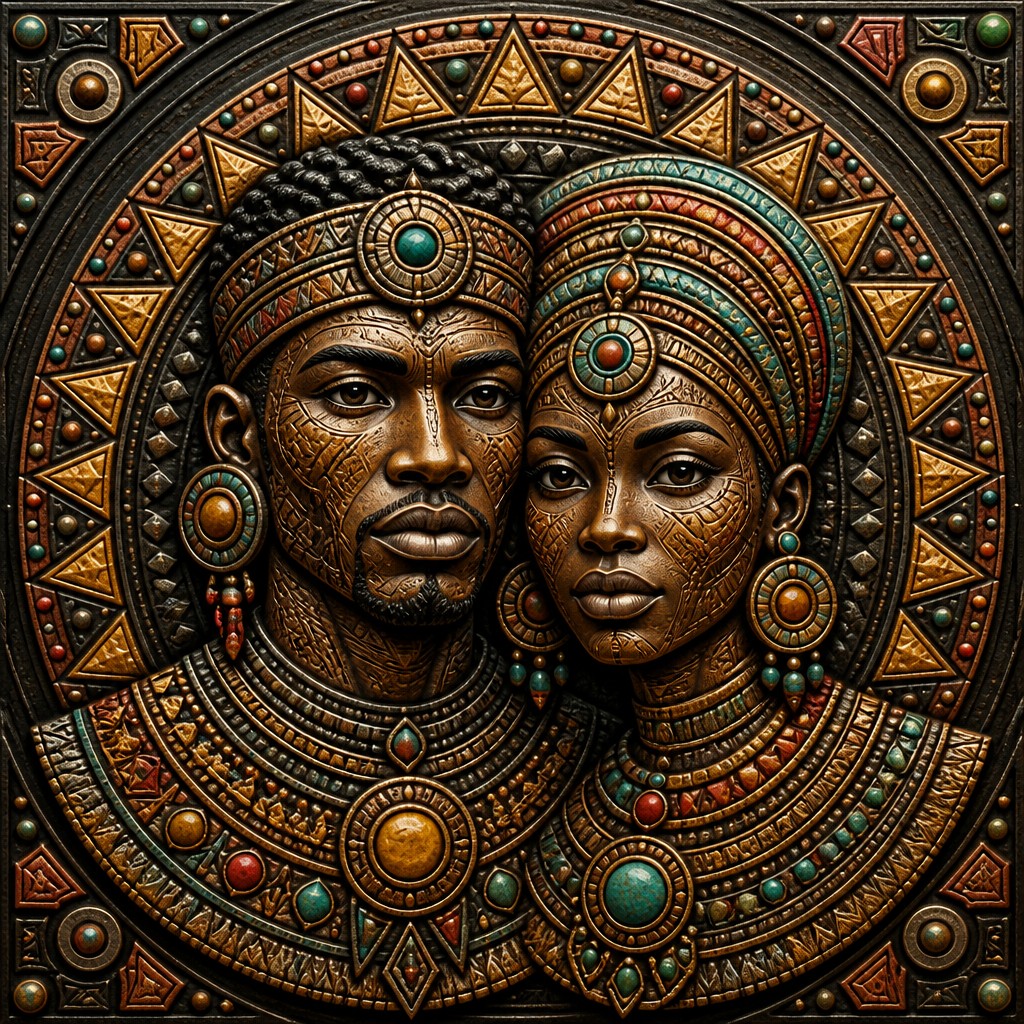
Try It On Your Photos
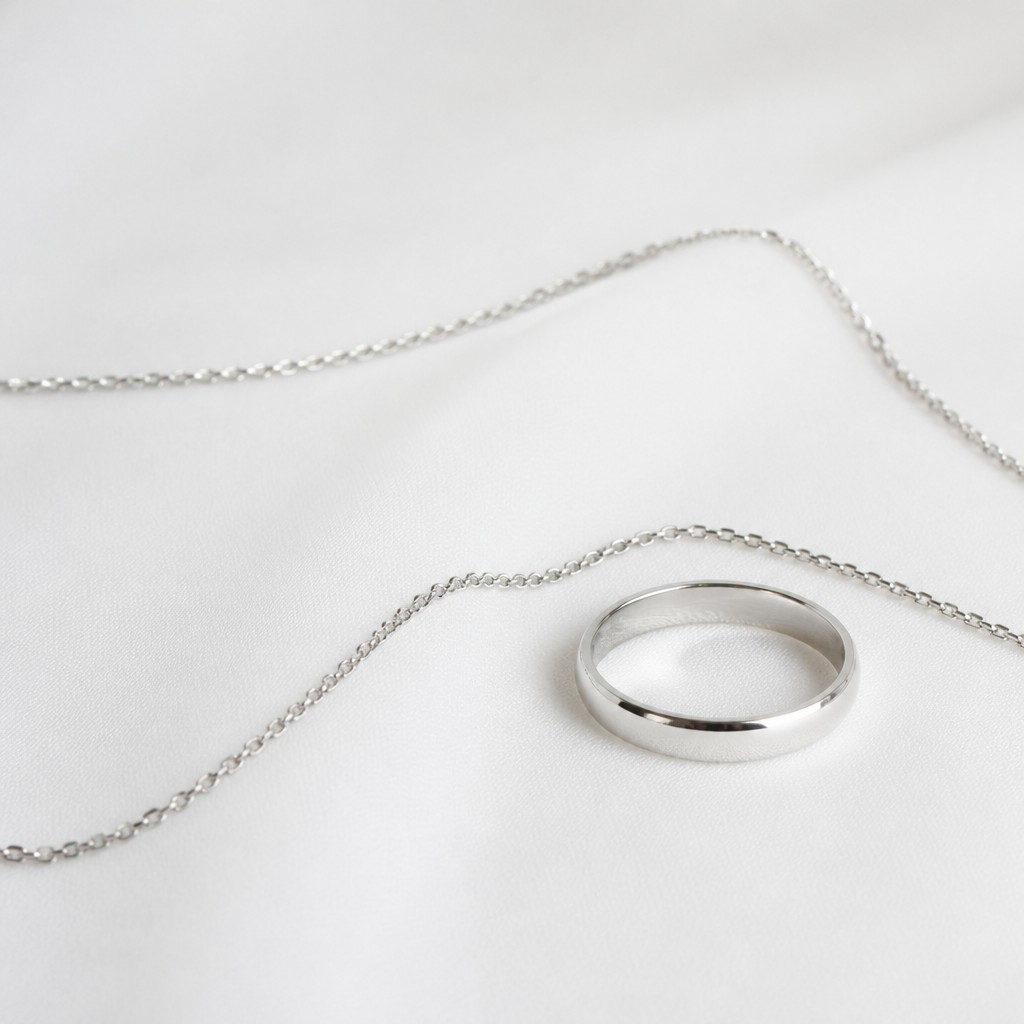
Upload any photo and convert it into Ethnic Tribal Jewelry Design — drag the sliders to compare before and after.
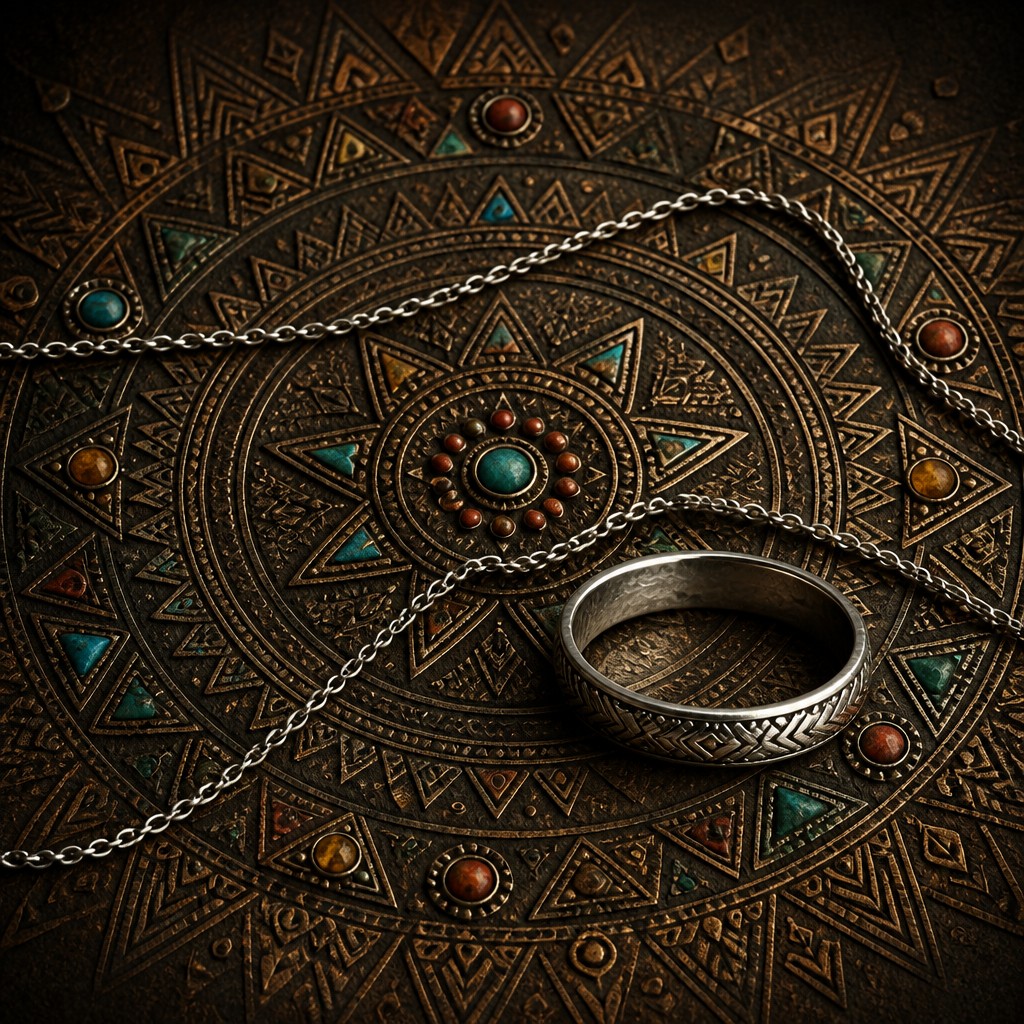
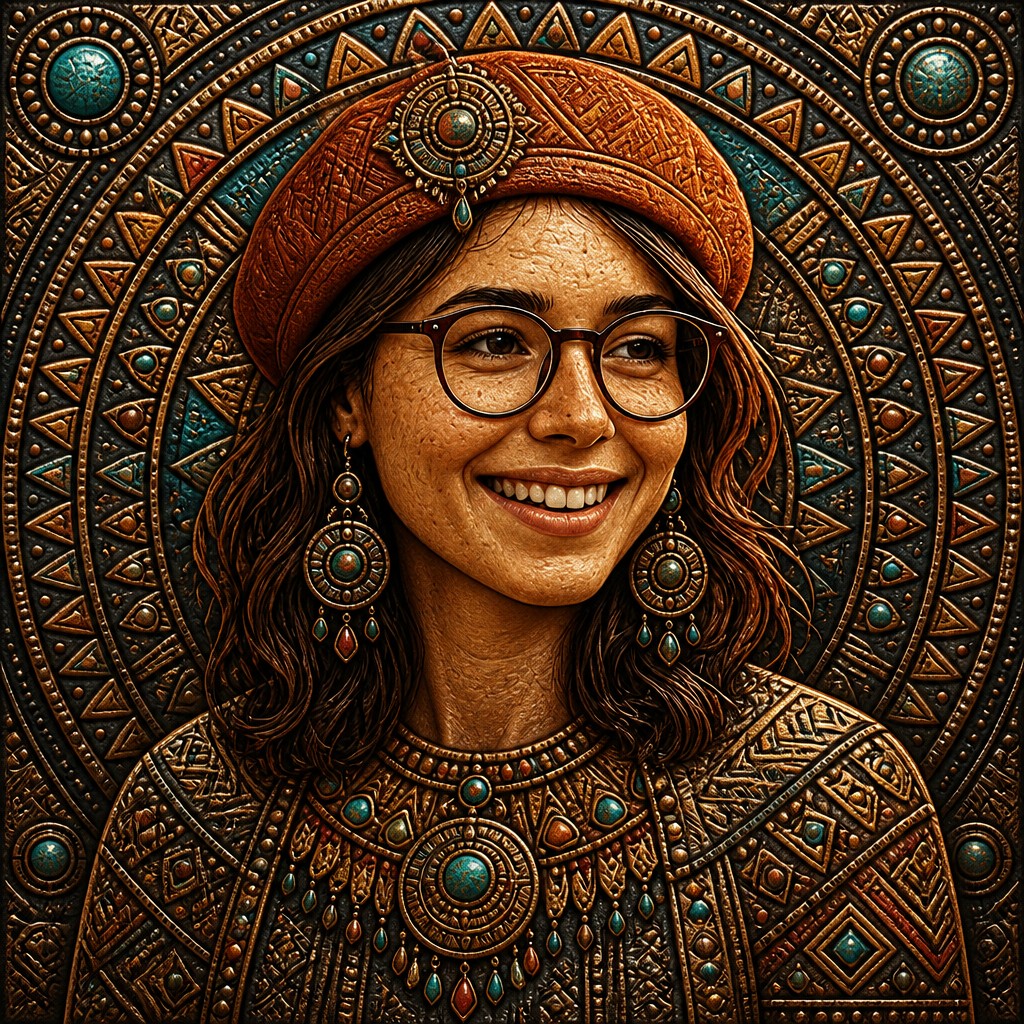

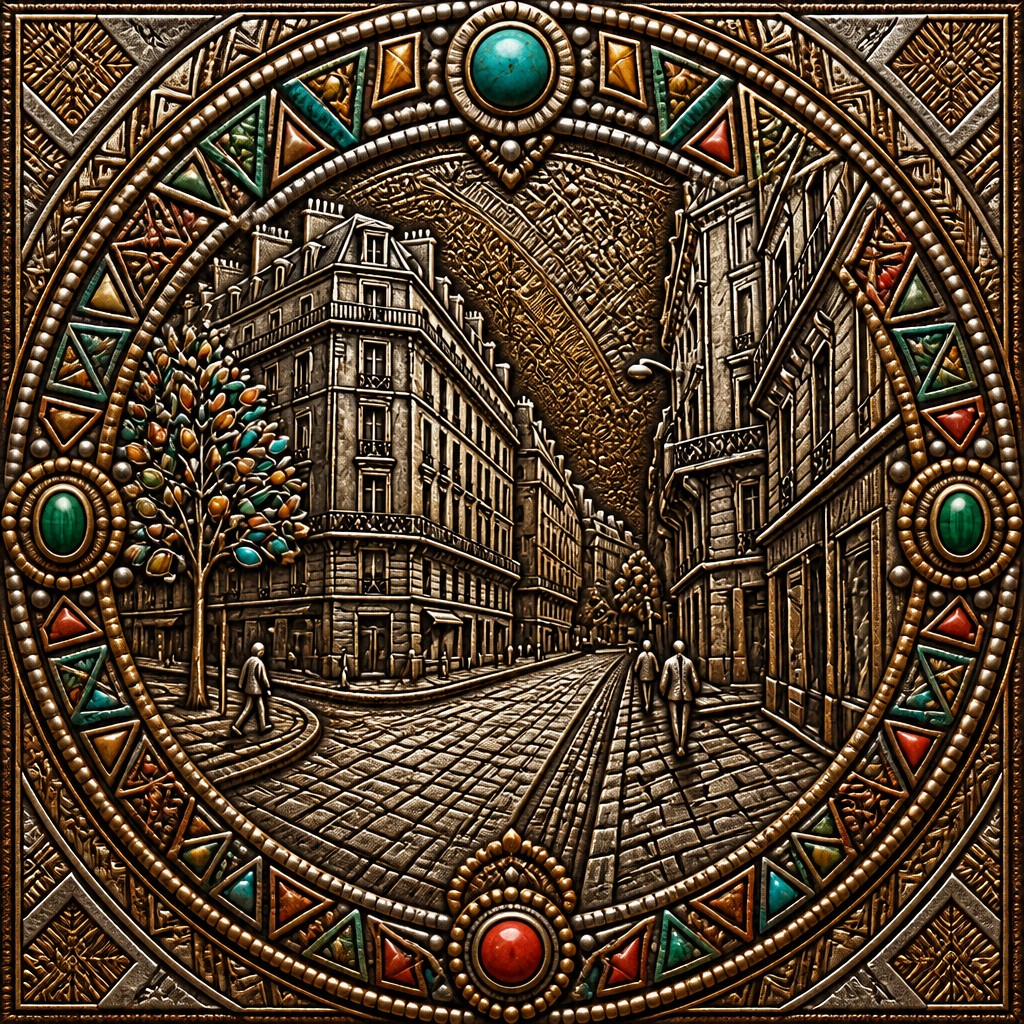

What Defines Ethnic Tribal Jewelry Design
The signature details, up close
Bold symmetrical structure
Forms are usually organized around central axes, mirrored halves, or radial layouts. This creates a sense of balance, ritual order, and visual authority.
Hammered and embossed metal surfaces
The metalwork often looks hand-shaped, with visible texture from chasing, engraving, stamping, or repousse9. Highlights and shadows emphasize the raised relief.
Earthy metallic palette
Common materials and colors include oxidized copper, aged silver, bronze, and burnished gold. These are often enriched with turquoise, coral, amber, lapis-like blue, or malachite green.
Symbolic geometric motifs
Mandalas, spirals, rosettes, chevrons, triangles, dots, and nested borders are frequent. The motifs suggest inherited pattern systems rather than purely decorative randomness.
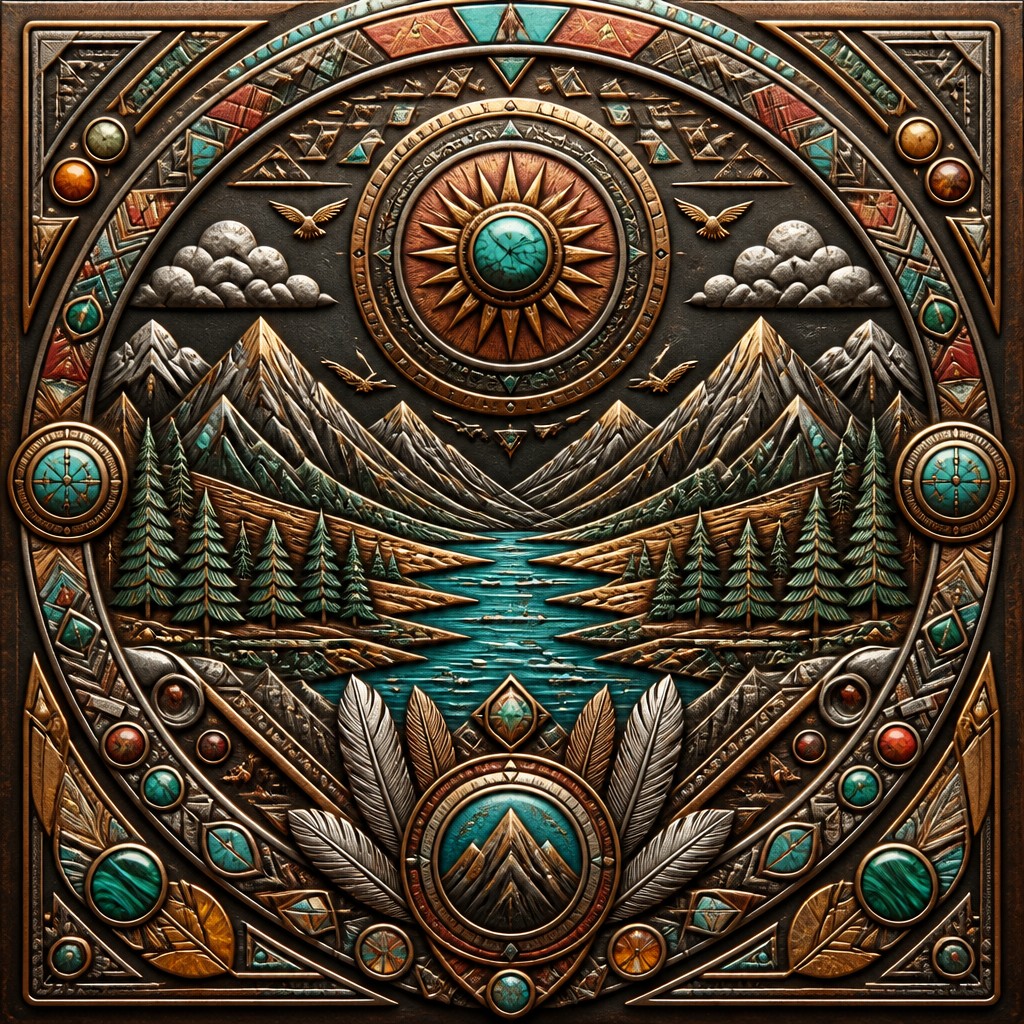
Ceremonial presence
Pieces often feel substantial and dignified, with a sense of occasion or ritual function. Even when stylized, they imply status, protection, or spiritual meaning.
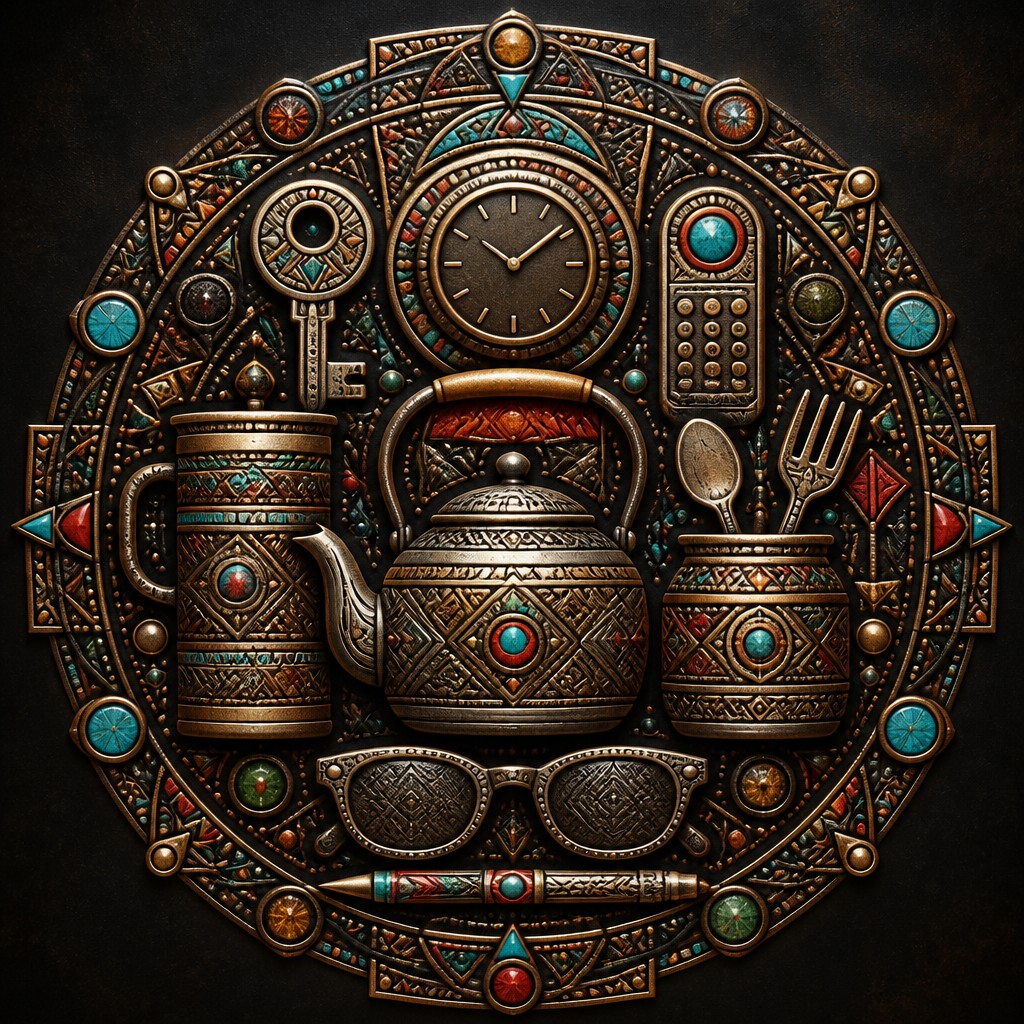
Mixed matte and polished finishes
Designs frequently combine glossy edges with dulled or oxidized recesses. This contrast increases depth and reinforces the handcrafted look.
Try It
Create Videos in Ethnic Tribal Jewelry Design
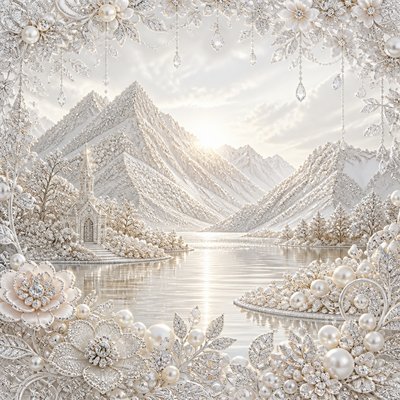
Styles aren't just for stills — describe a scene or animate an image and get a short video rendered in Ethnic Tribal Jewelry Design. Press play to see this pond come to life.
Make a VideoEthnic Tribal Jewelry Design Prompt Ideas
Start from an idea — each one opens the generator with the style ready to go. See all 40 Ethnic Tribal Jewelry Design prompts →
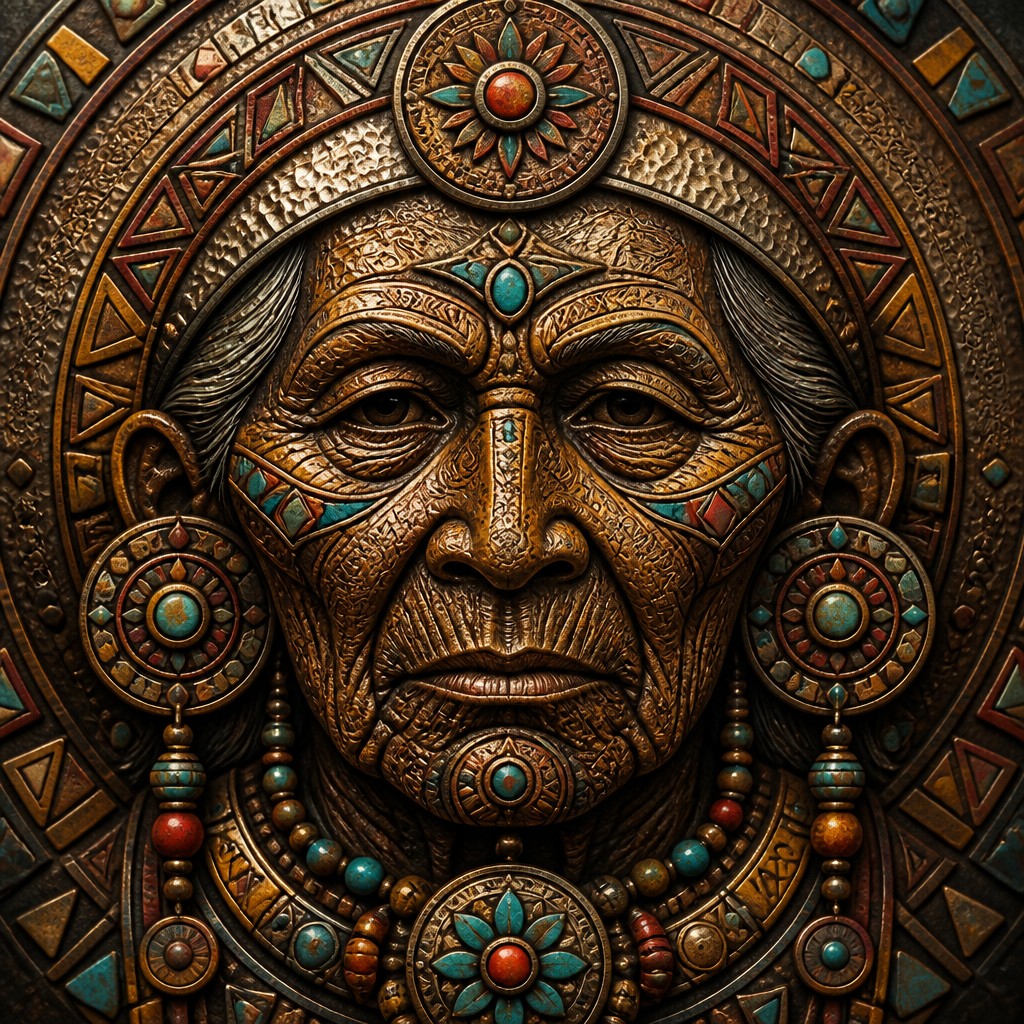
“close-up portrait of an elderly person with expressive weathered features”
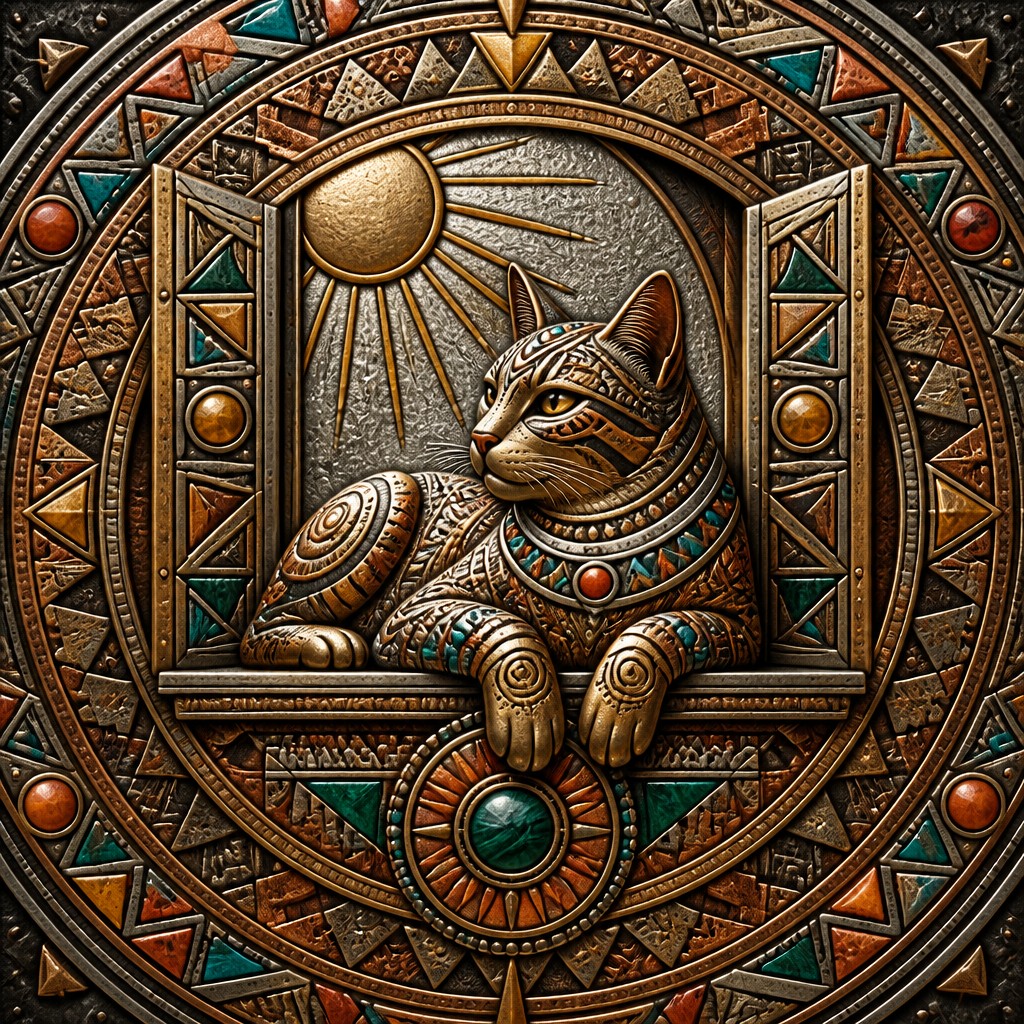
“a cat lounging in a sunlit window”
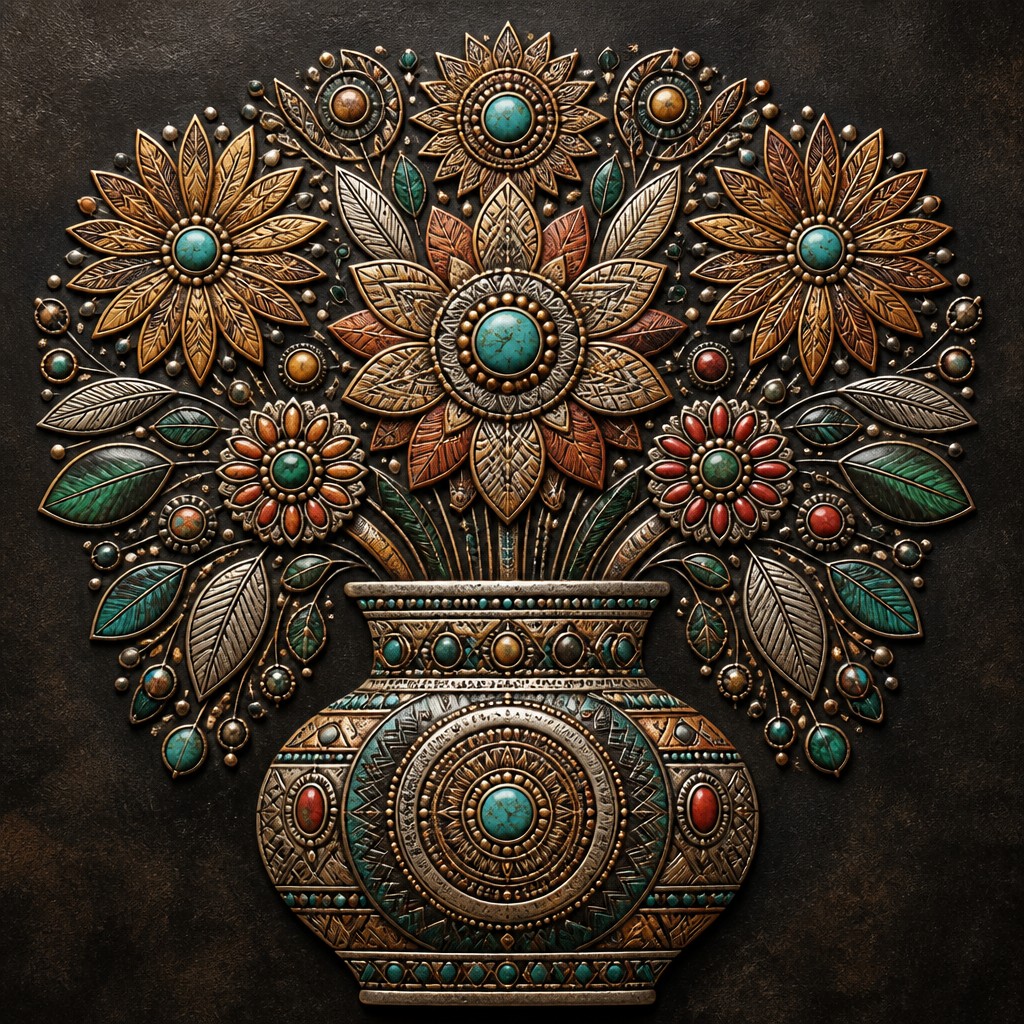
“bouquet of flowers in a glass vase”
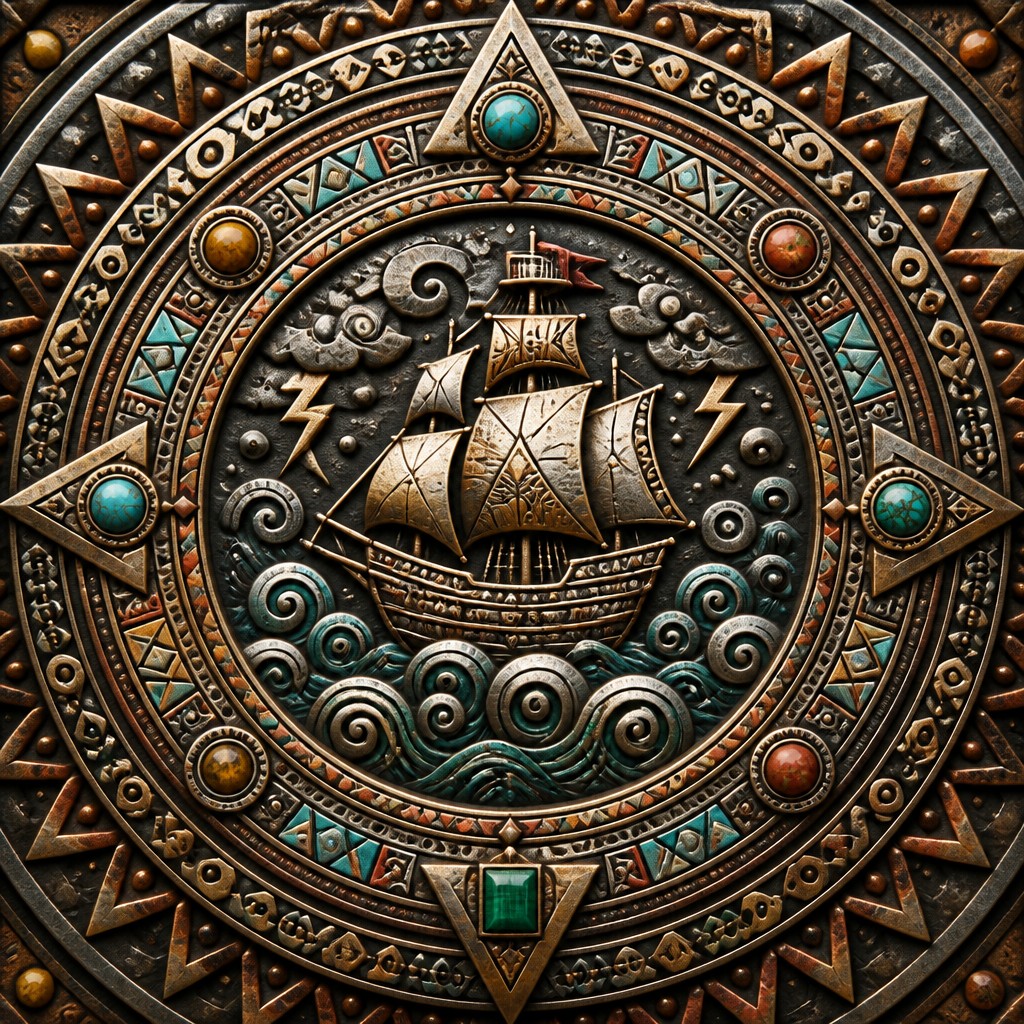
“sailing ship on a stormy sea”
How to Create Ethnic Tribal Jewelry Design Art
Master the craft step by step — or skip straight to creating. Read the full guide →
- 1
Build from a central ornamental structure
Start with a clear symmetrical framework: pendant, collar, medallion, cuff, diadem, or amulet-like form. Anchor the design with a strong center and repeat motifs outward in balanced layers.
- 2
Use relief techniques to simulate handcraft
For traditional work, combine engraving, embossing, stamping, filigree, or wire wrapping with patina and polish. In digital illustration, mimic these effects with textured brushes, beveled lighting, and controlled shadow to suggest depth.
- 3
Limit the palette to natural mineral tones
Choose a metallic base of bronze, copper, silver, or gold, then add a few high-impact accents such as turquoise, coral red, amber, or green stone. Restricting color makes the piece feel authentic and materially coherent.
- 4
Layer motifs with clear hierarchy
Use large structural shapes first, then secondary borders, then small repeating details. This layering helps the design read as a crafted object rather than a flat pattern.
- 5
When generating from text, specify material and surface treatment
Describe the object type, symmetry, metal finish, relief depth, and accent materials. Phrases like 'hammered bronze,' 'etched silver,' 'turquoise inlay,' and 'radial mandala motifs' help produce the right visual logic.
- 6
Reference the object as jewelry, not just ornament
State whether the subject is a necklace, cuff, earrings, headdress ornament, amulet, or pendant. Clear object identity improves realism and keeps the style grounded in wearable or ceremonial design.
The Story
History & Origins of Ethnic Tribal Jewelry Design
This style is not a single historical movement but an umbrella description for ornamental traditions drawn from global ethnic and tribal jewelry-making practices. Its visual lineage includes metalworking and adornment traditions from South Asia, West and North Africa, Central Asia, the Middle East, the Americas, and Indigenous cultures worldwide, where jewelry has long served social, spiritual, and ceremonial roles as well as decorative ones. The design language often reflects techniques such as embossing, casting, chasing, filigree, inlay, beadwork, and textile-inspired patterning.
In contemporary visual culture, the style is frequently reinterpreted through illustration, costume design, fashion rendering, and decorative graphics. Modern adaptations often synthesize motifs from multiple traditions into a single ornamental vocabulary, especially when depicting fantasy characters, ceremonial artifacts, or symbolic objects. Because the style draws on living cultural traditions, careful use benefits from attention to provenance, motif meanings, and respectful reference rather than treating global ornament as a generic pattern source.
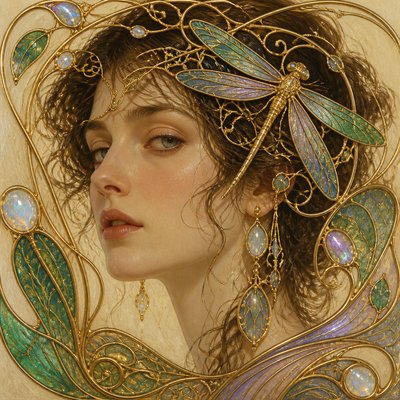
Influences: This aesthetic draws from a broad field of traditional metalwork and adornment practices rather than from a single school. It overlaps with South Asian, North African, West African, Middle Eastern, Central Asian, Indigenous American, and Himalayan jewelry traditions, as well as decorative principles found in folk metalwork and ceremonial regalia. In modern illustration and design, it is also influenced by Art Nouveau's ornamental flow, Arts and Crafts handcraft ideals, and fantasy art's interest in symbolic, artifact-like objects.
Frequently Asked Questions
What defines Ethnic Tribal Jewelry Design?
It is defined by bold, handcrafted ornament inspired by traditional jewelry and ceremonial adornment from many cultures. Key traits include symmetry, strong metal relief, symbolic motifs, and earthy metallic tones with stone accents.
Is this a single historical style?
No. It is a contemporary umbrella term for a look based on multiple cultural jewelry traditions. The style is best understood as an aesthetic lineage rather than one fixed period or movement.
How is it different from boho jewelry design?
Boho jewelry is usually looser, trend-driven, and fashion-forward, while this style emphasizes heavier symbolism, ceremonial structure, and handcrafted metal detail. It tends to look more formal, ancestral, and artifact-like.
What materials look most authentic in this style?
Metals such as bronze, copper, silver, and gold work well, especially when paired with turquoise, coral, amber, malachite, beads, or shell. Surface texture and patina are just as important as the material itself.
Can this style be used for digital art and character design?
Yes. It is widely used for fantasy characters, cultural-inspired costume concepts, and decorative props such as crowns, amulets, cuffs, and ceremonial necklaces. The key is to preserve symmetry, material weight, and symbolic structure.
How can I avoid making the design feel generic?
Focus on one or two specific traditions or material cues rather than blending everything together. Study the construction, motif logic, and symbolic role of real jewelry forms so the result has coherence and respect for source traditions.
Create your first Ethnic Tribal Jewelry Design artwork
Describe anything — or upload a photo — and see it in Ethnic Tribal Jewelry Design in seconds.
Make Something with Ethnic Tribal Jewelry Design
Related Styles
Discover similar art styles