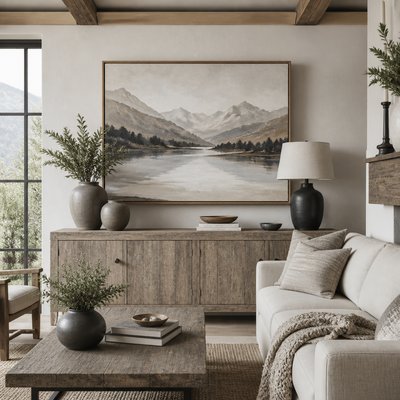
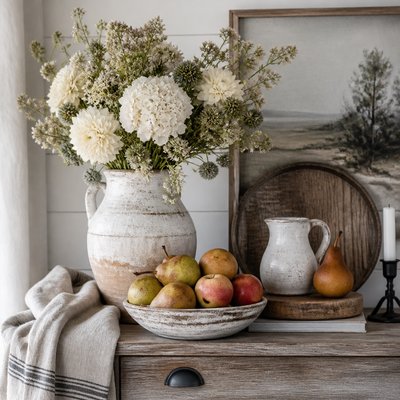
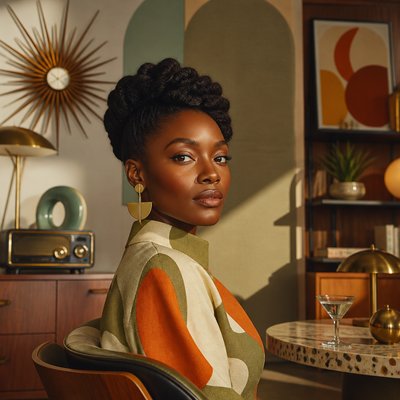
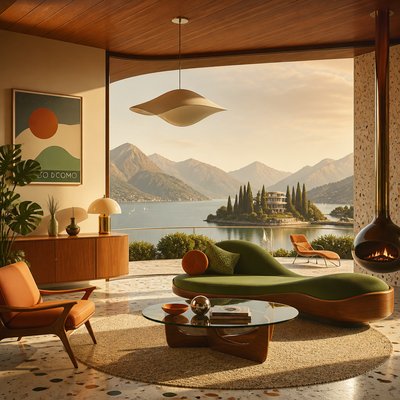
Traditional Interior Design
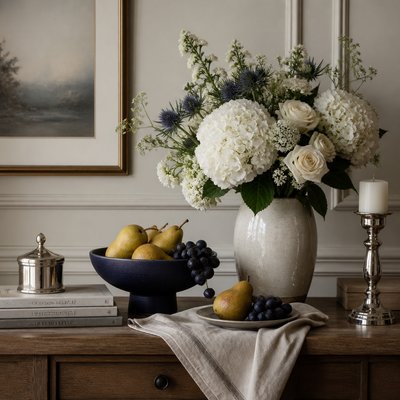
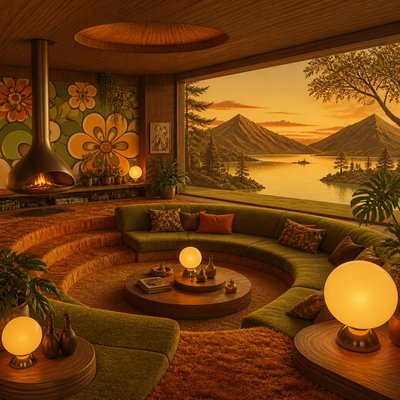
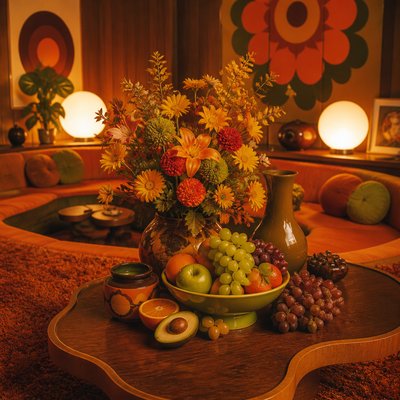
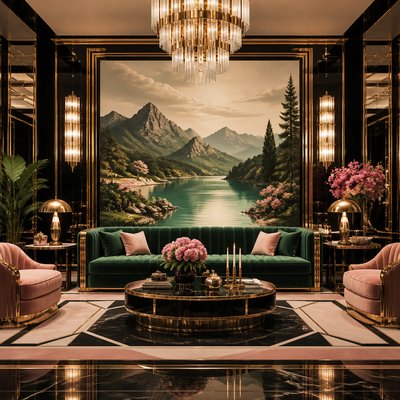
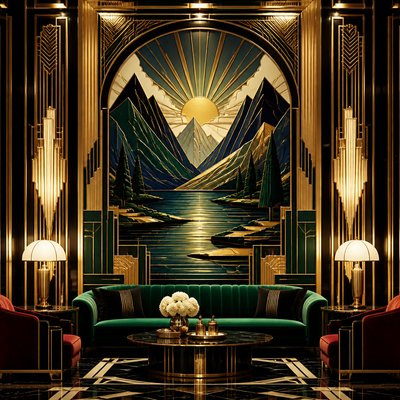
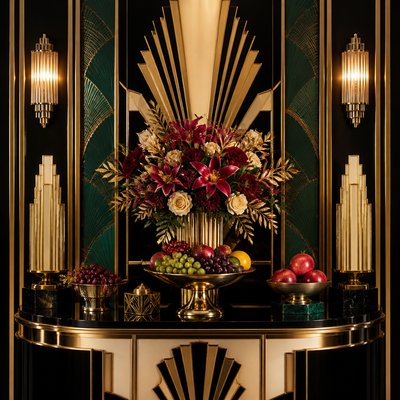
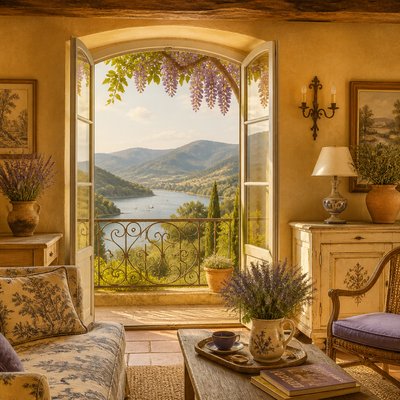
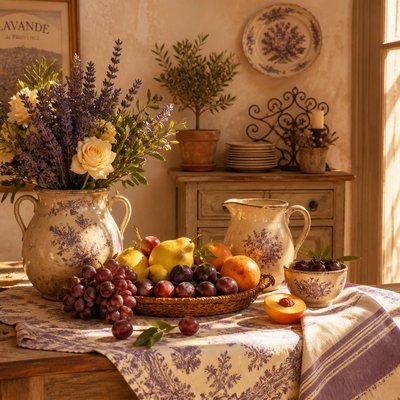
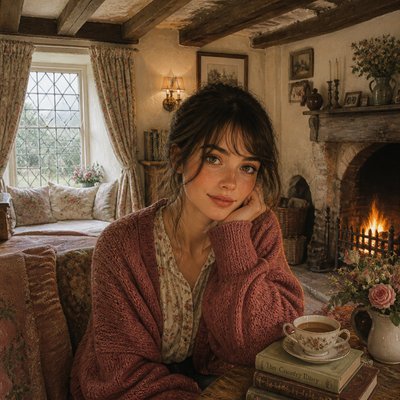
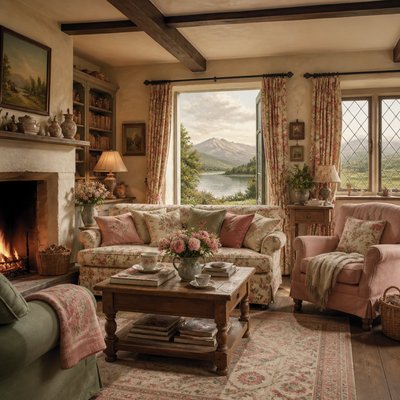
Classic interiors with rich woods, formal symmetry, elegant furnishings, and European-inspired detailing.
Instantly rendered in Traditional Interior Design — or transform a photo

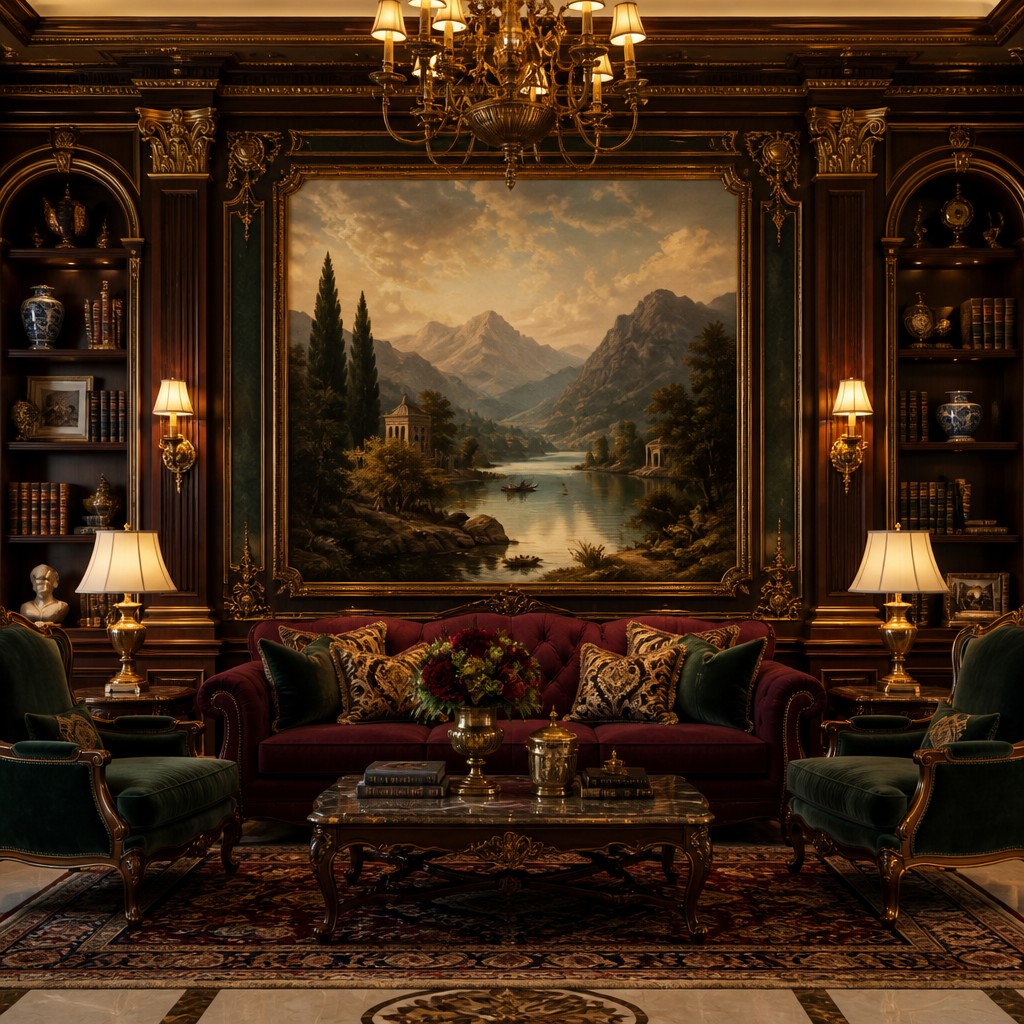
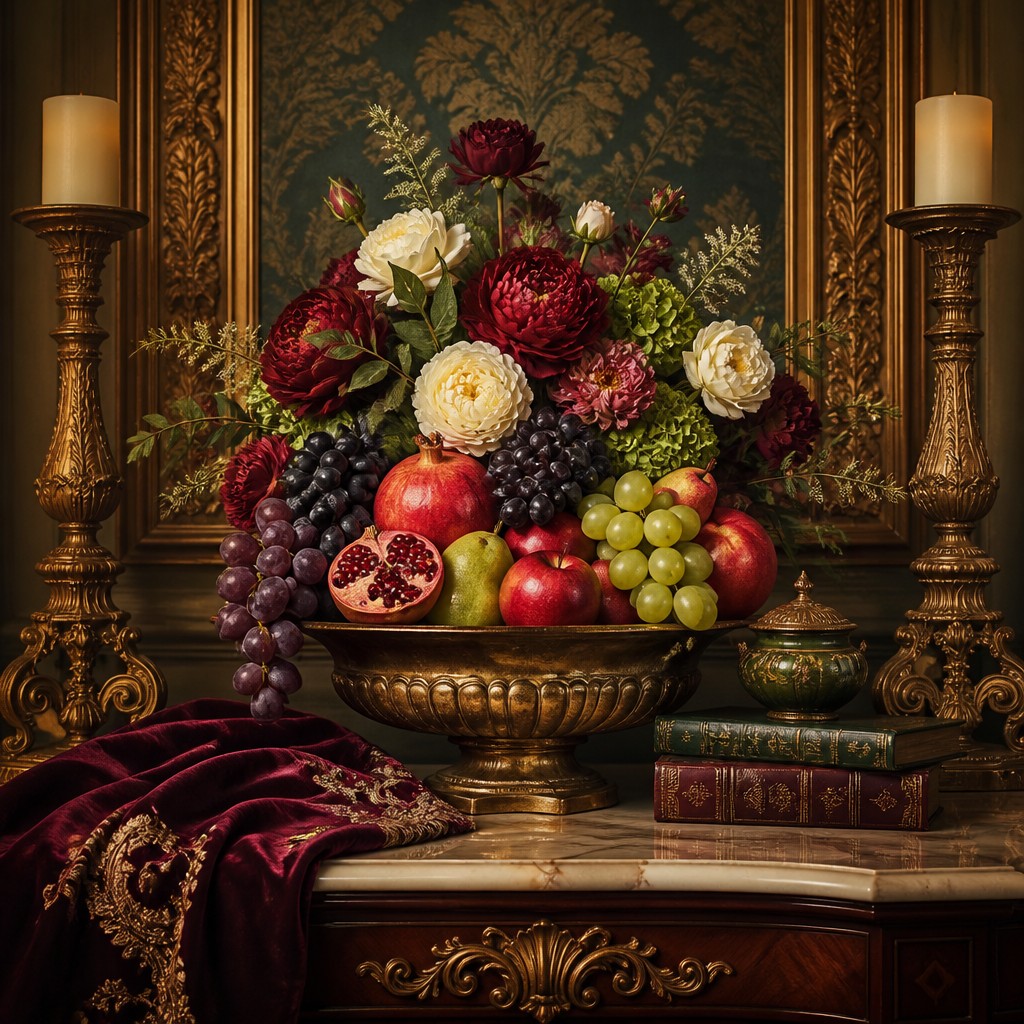
Traditional Interior Design Gallery
Tap any artwork to explore it

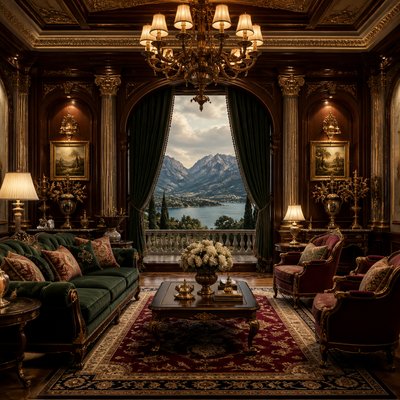
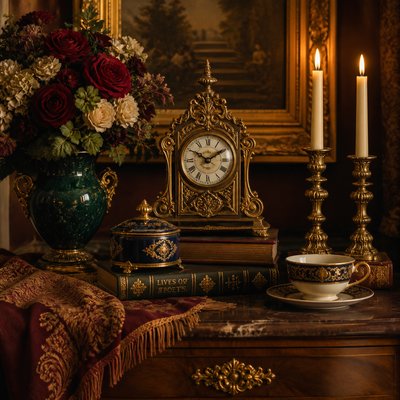
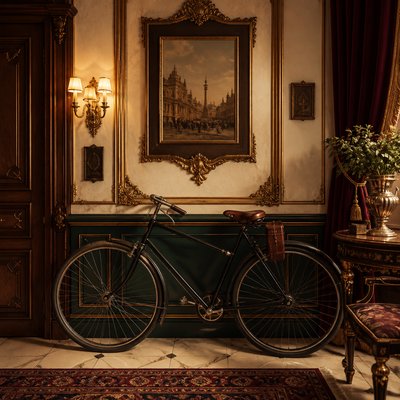
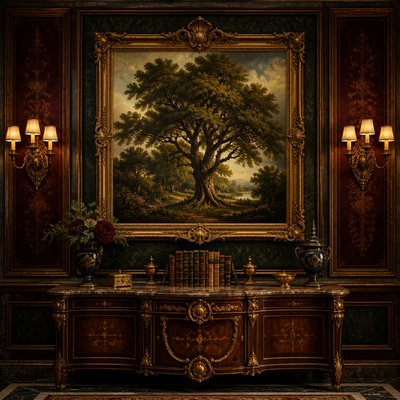
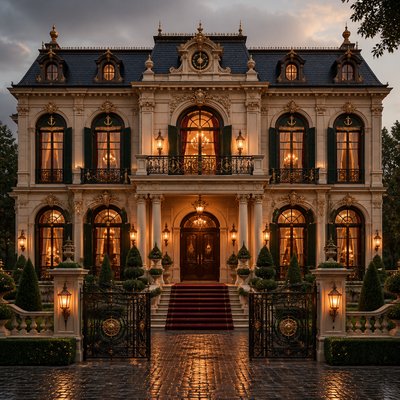
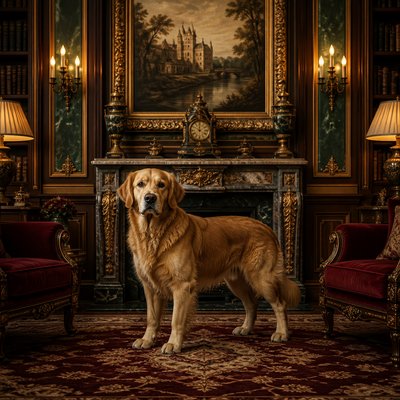
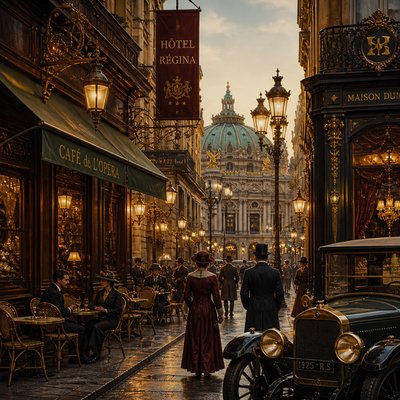
What is Traditional Interior Design?
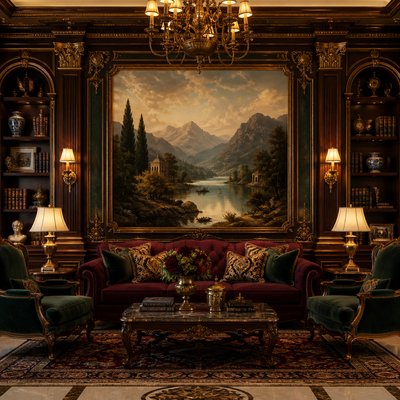
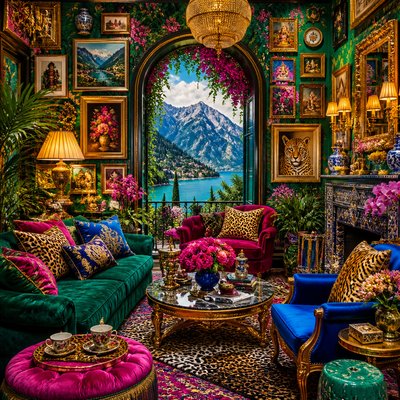
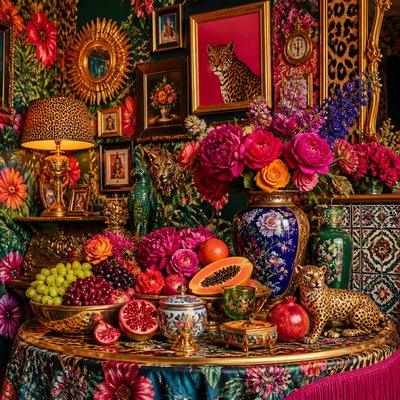
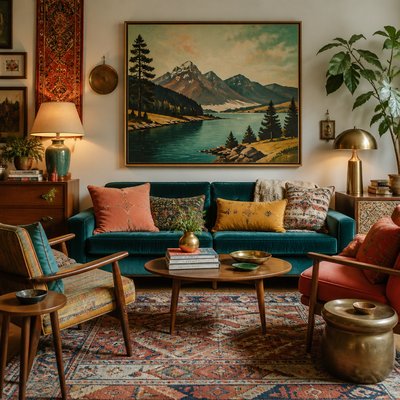
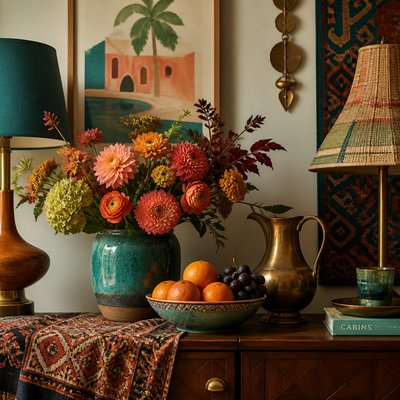
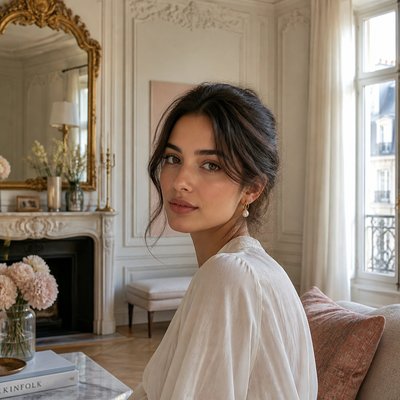
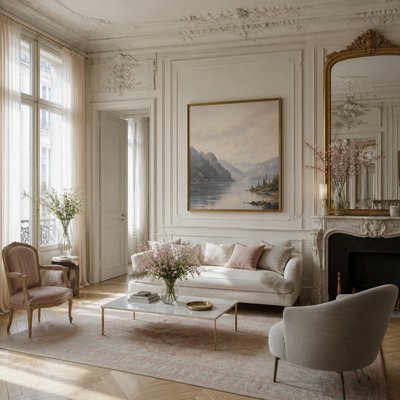
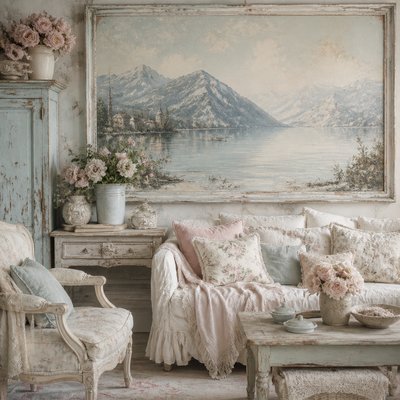
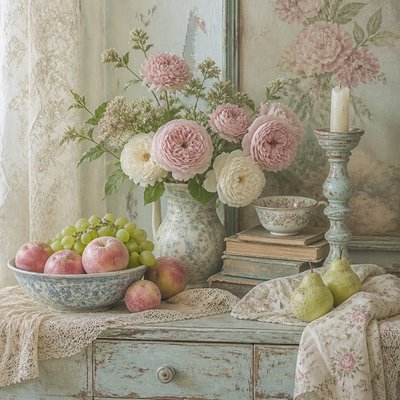
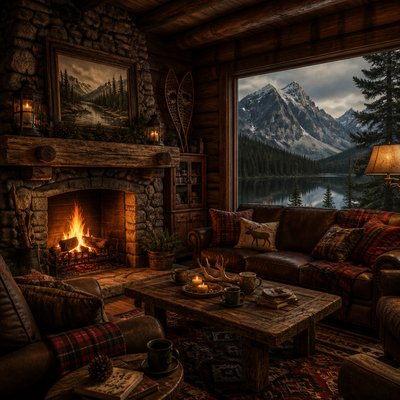
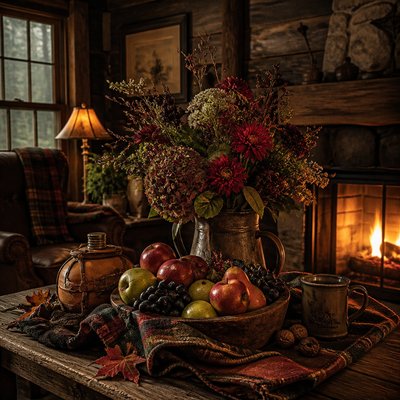
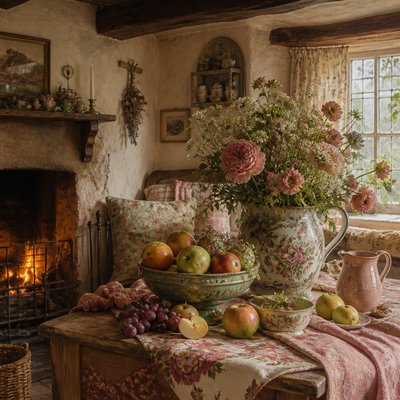
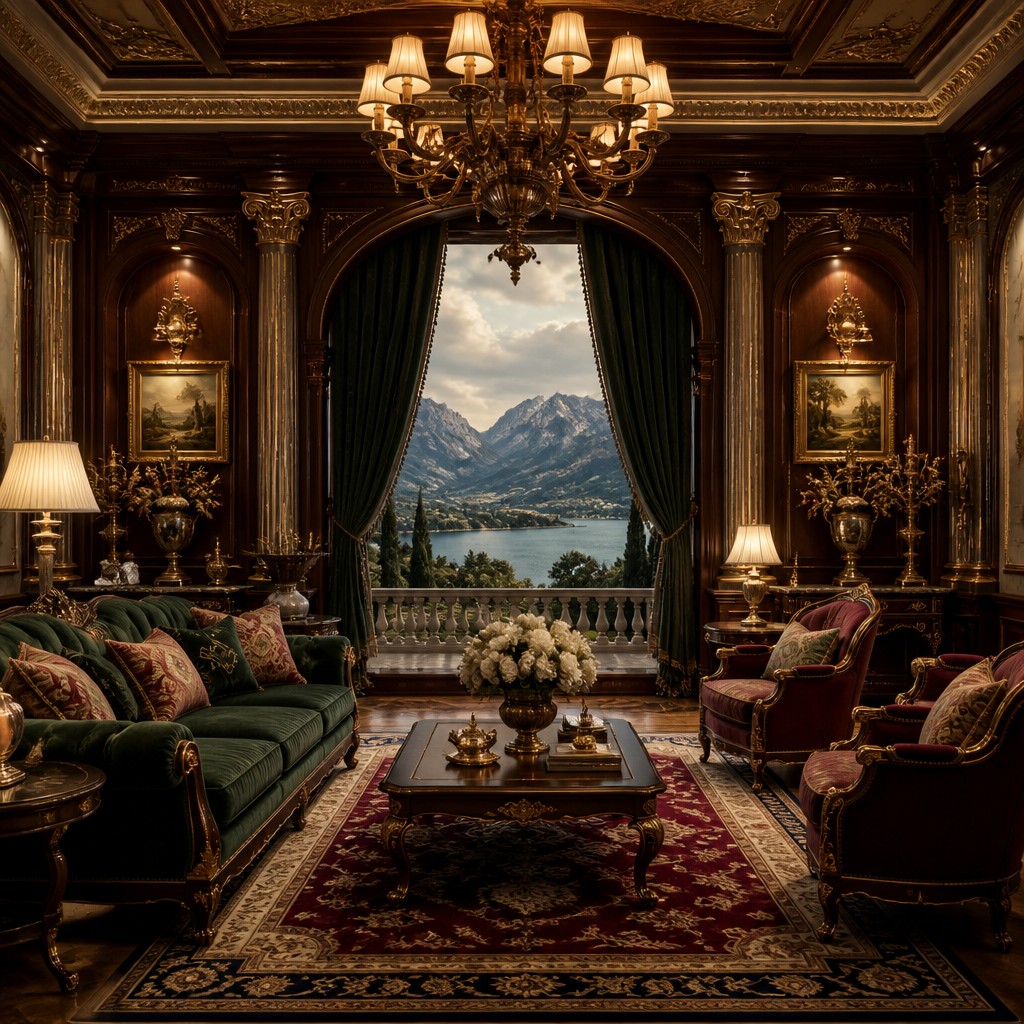
Traditional interior design is a formal, historically rooted approach to decorating that emphasizes balance, comfort, and refined ornament. It typically features symmetrical room arrangements, substantial wood furniture, classic upholstery, and decorative details drawn from European domestic traditions, especially English, French, and broader Continental interiors from the 18th through early 20th centuries.
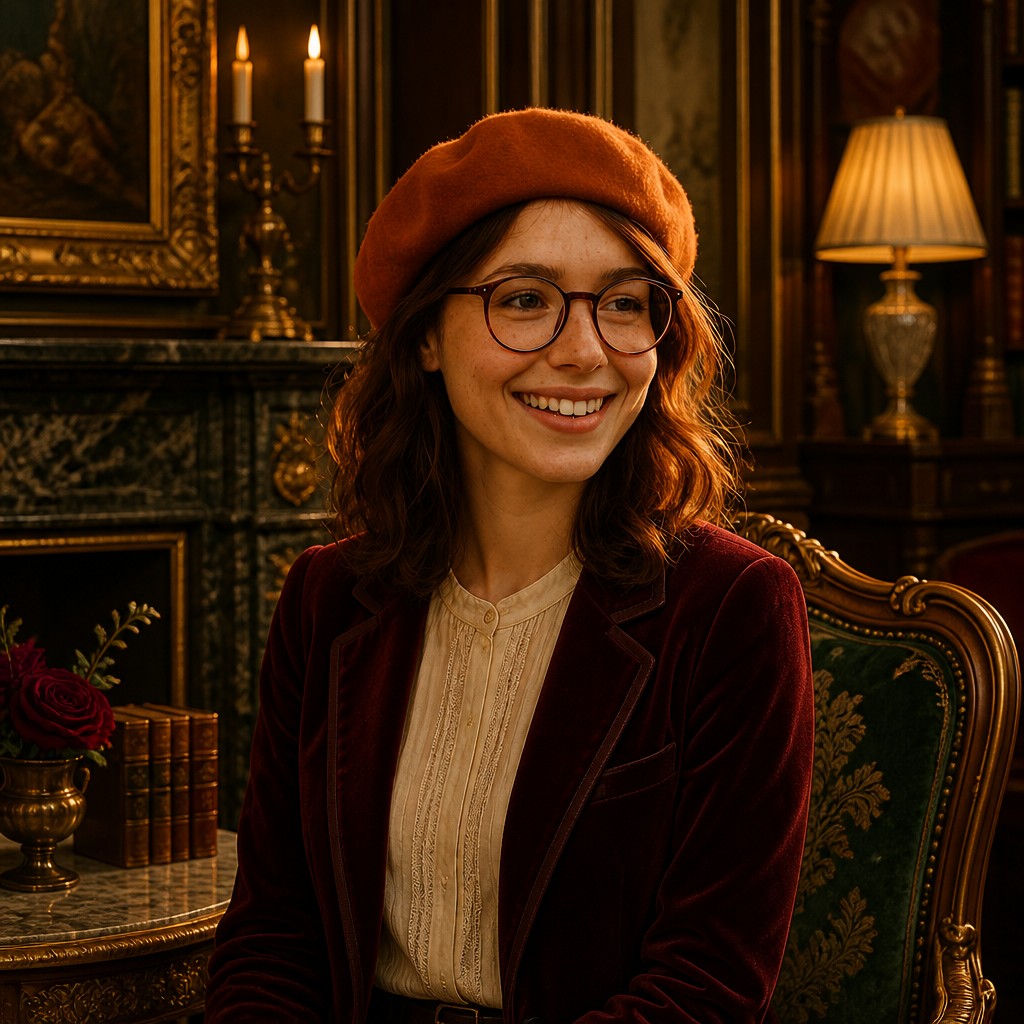
Its visual identity comes from proportion and layering rather than novelty. Rooms often combine dark mahogany or walnut, cream or ivory walls, patterned textiles such as damask or silk, warm metallic finishes, and antiques or antique-inspired pieces. The result is a composed, enduring atmosphere that feels cultivated and settled, with an emphasis on craftsmanship, visual order, and timeless domestic elegance.
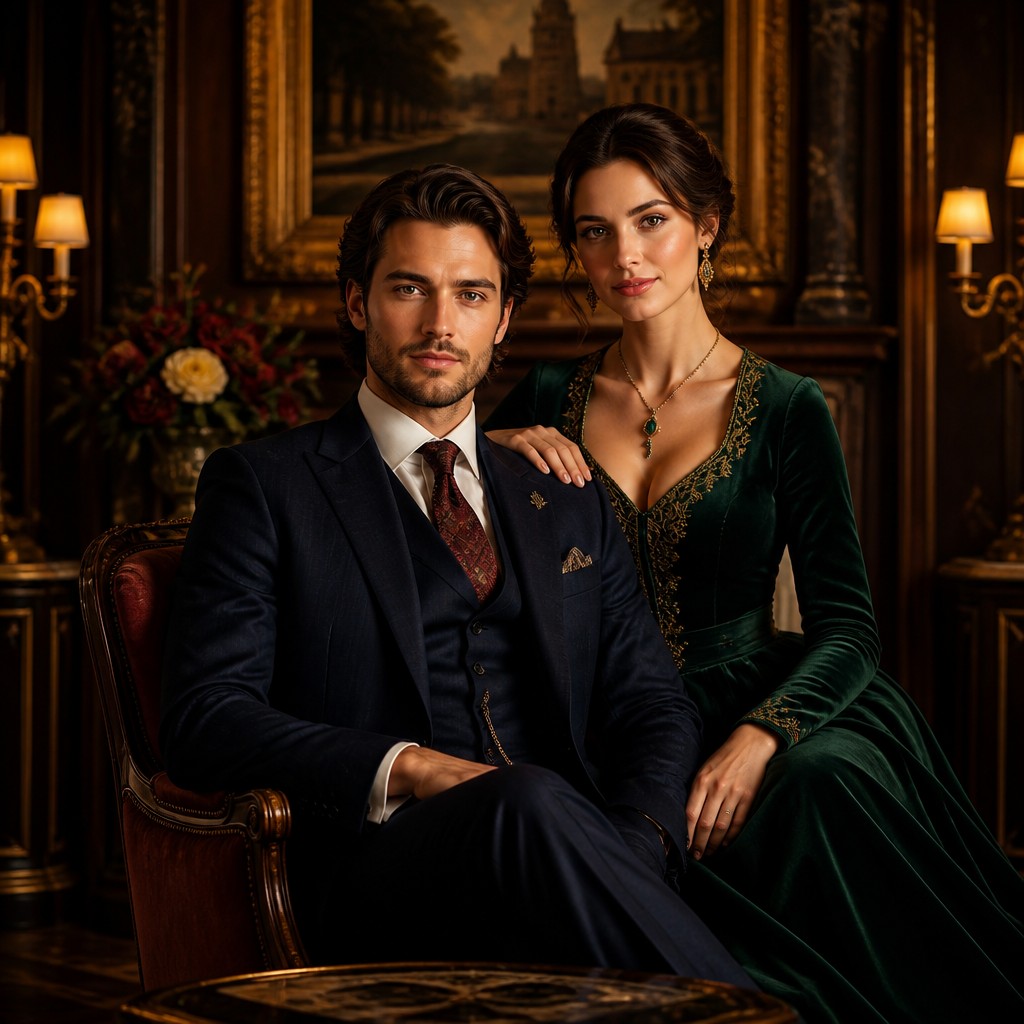
Try It On Your Photos
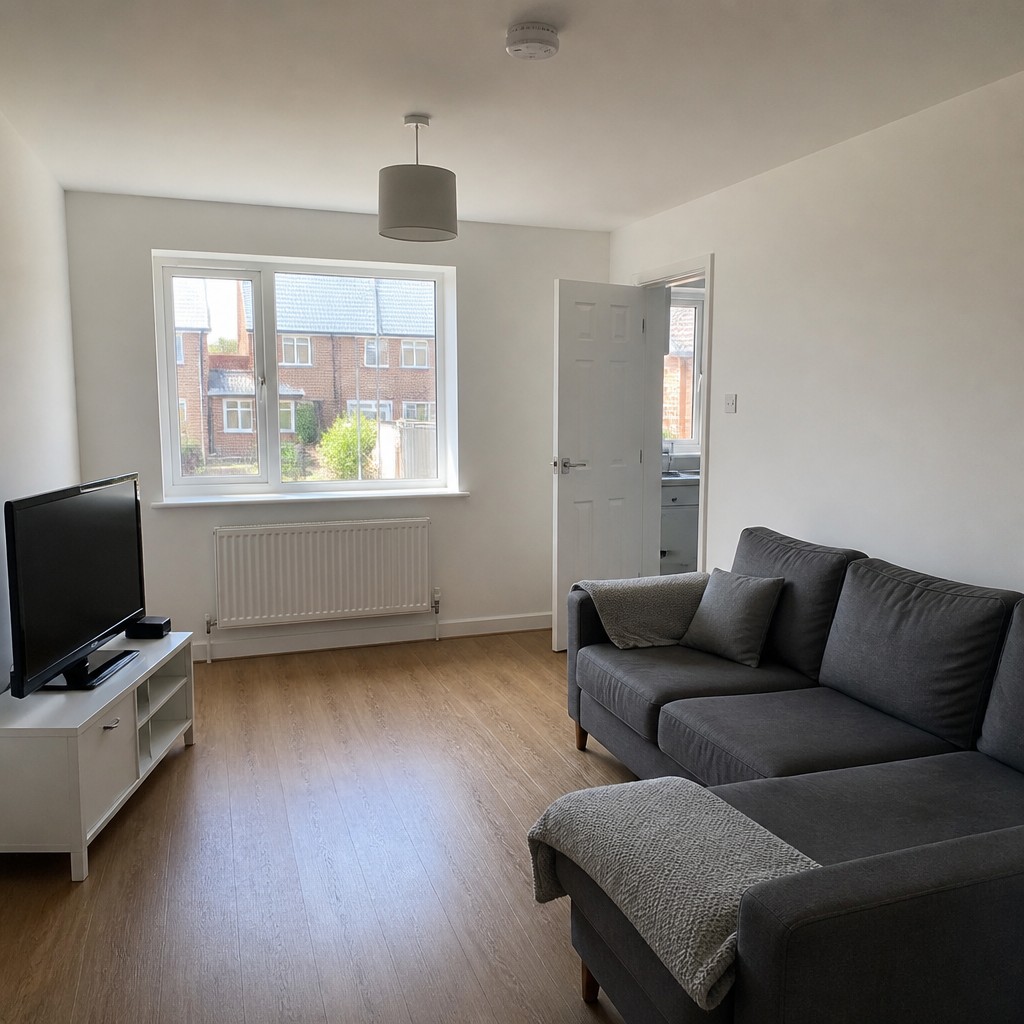
Upload any photo and convert it into Traditional Interior Design — drag the sliders to compare before and after.
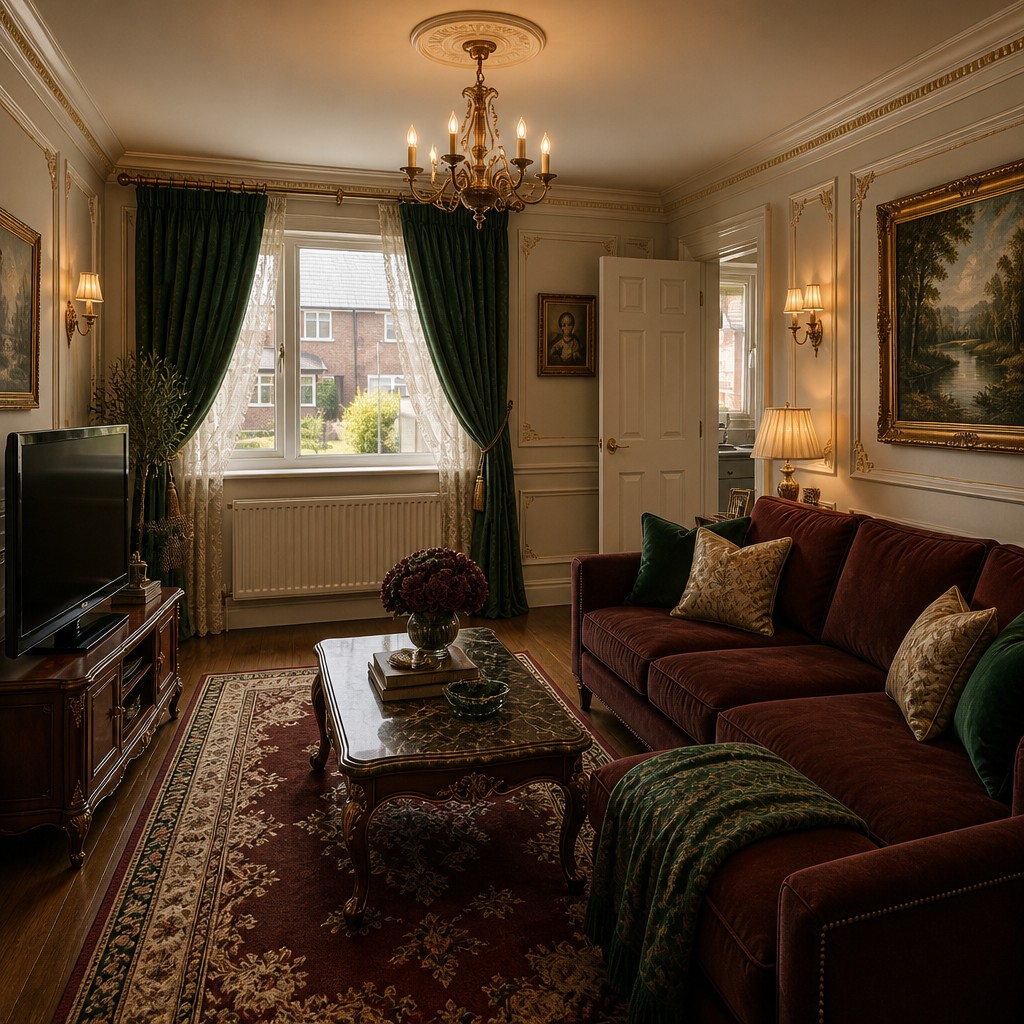


What Defines Traditional Interior Design
The signature details, up close
Formal symmetry
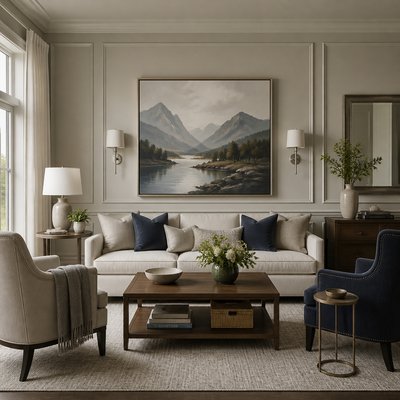
Furniture and decor are usually arranged in balanced pairs or mirrored compositions. This creates a calm, orderly room that reads as intentionally composed rather than casual.
Rich woods and classic joinery
Mahogany, walnut, cherry, and similarly warm woods are common in tables, cabinets, and paneling. Visible craftsmanship, carved legs, moldings, and raised detailing reinforce the sense of permanence.
Layered textiles
Velvet, damask, brocade, silk, and patterned upholstery add softness and visual depth. These textiles often appear in curtains, cushions, wall coverings, and upholstered furniture.
Refined color palette
Traditional interiors often use creams, ivories, deep reds, forest greens, navy, sapphire, and gold accents. The palette tends to feel warm, restrained, and classically harmonious.
Ornamental accents
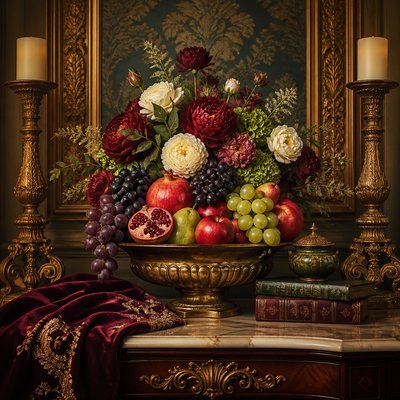
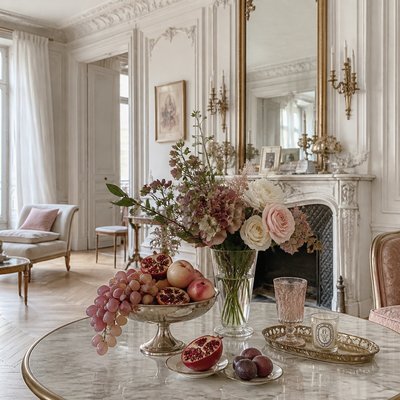
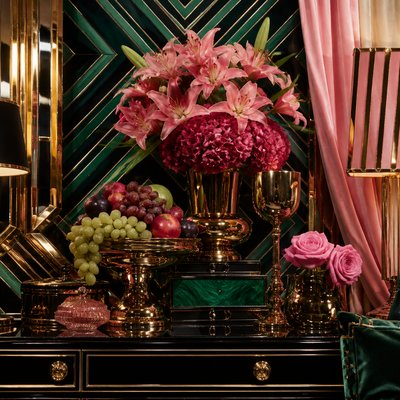
Gilded mirrors, brass hardware, chandeliers, framed paintings, and decorative molding are common finishing elements. Ornament is used sparingly but deliberately to signal elegance and heritage.
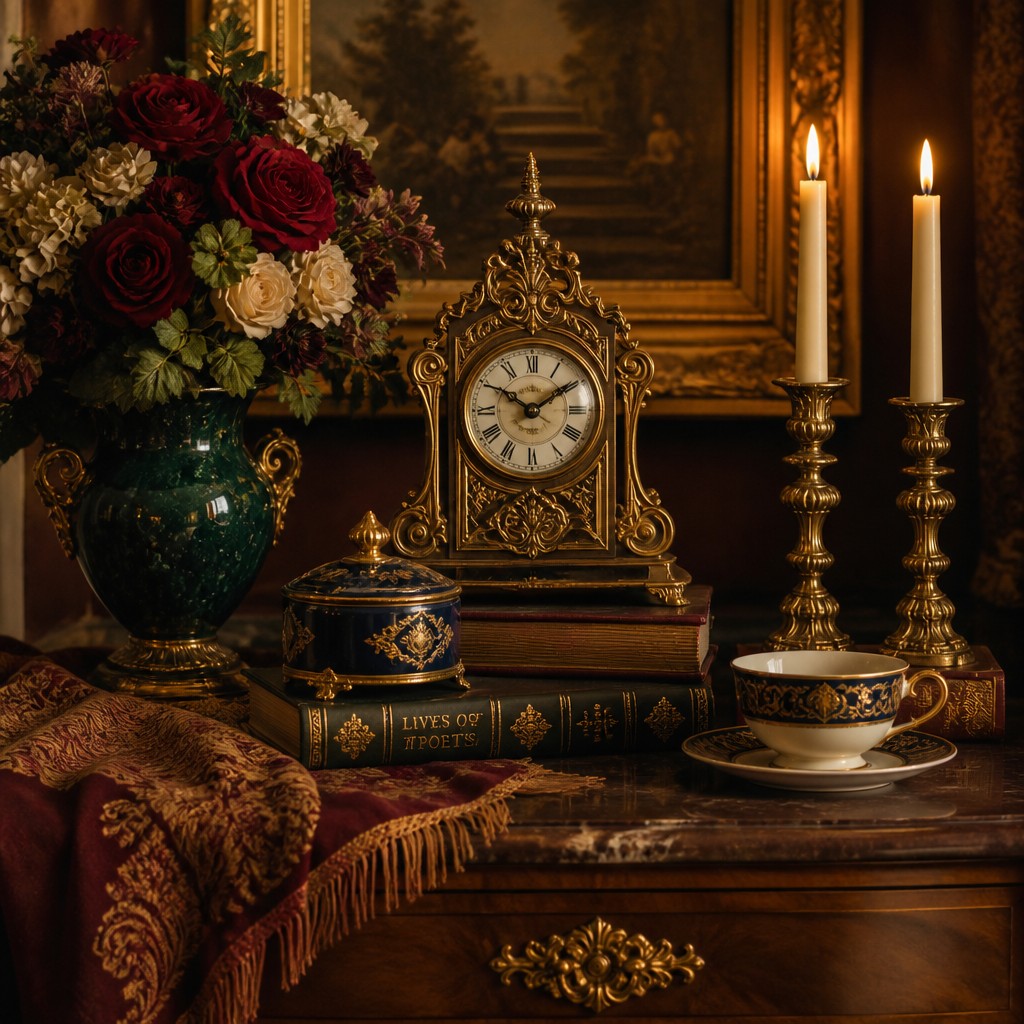
Warm, atmospheric lighting
Lighting is usually soft and amber-toned, from lamps, sconces, or low chandeliers. This light flatters wood finishes and textiles while creating a sense of intimacy and old-world warmth.
Try It
Create Videos in Traditional Interior Design
Styles aren't just for stills — describe a scene or animate an image and get a short video rendered in Traditional Interior Design. Press play to see this pond come to life.
Make a VideoTraditional Interior Design Prompt Ideas
Start from an idea — each one opens the generator with the style ready to go. See all 40 Traditional Interior Design prompts →

“close-up portrait of an elderly person with expressive weathered features”
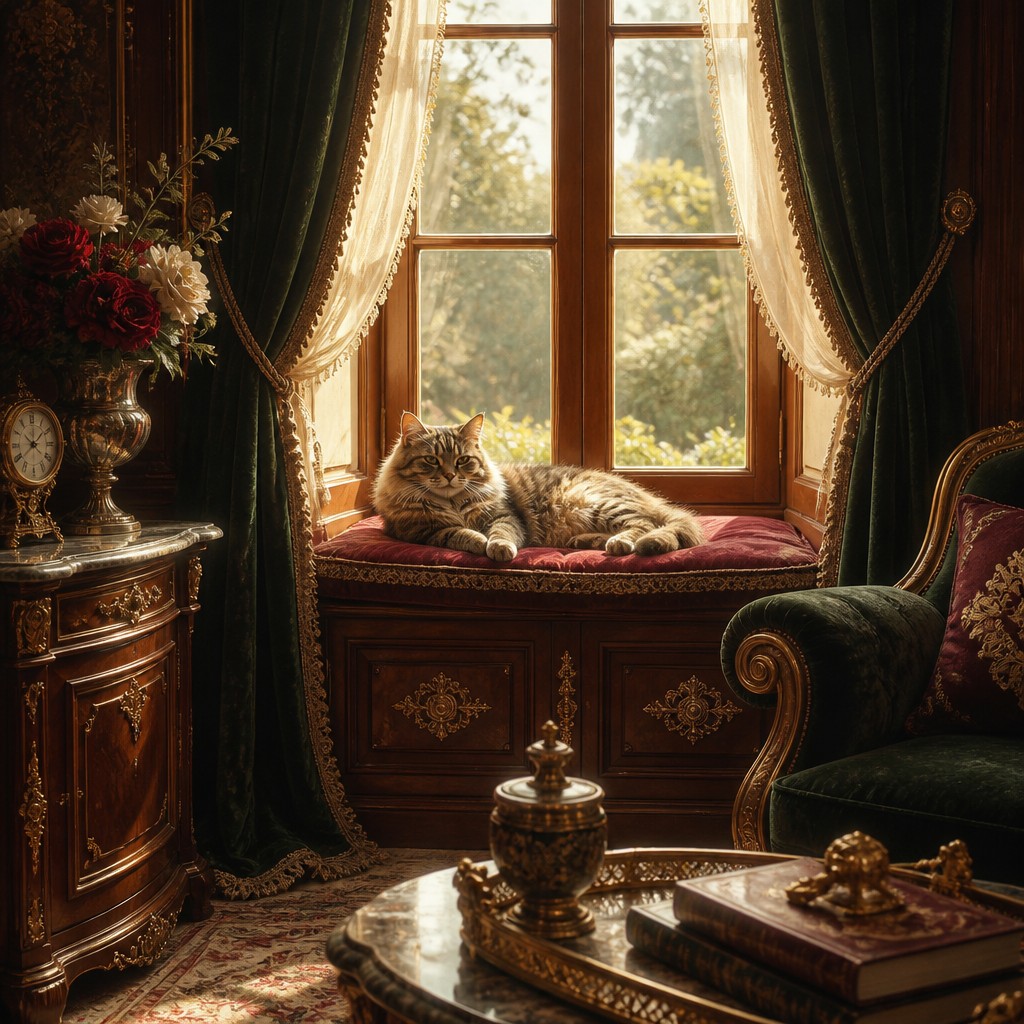
“a cat lounging in a sunlit window”
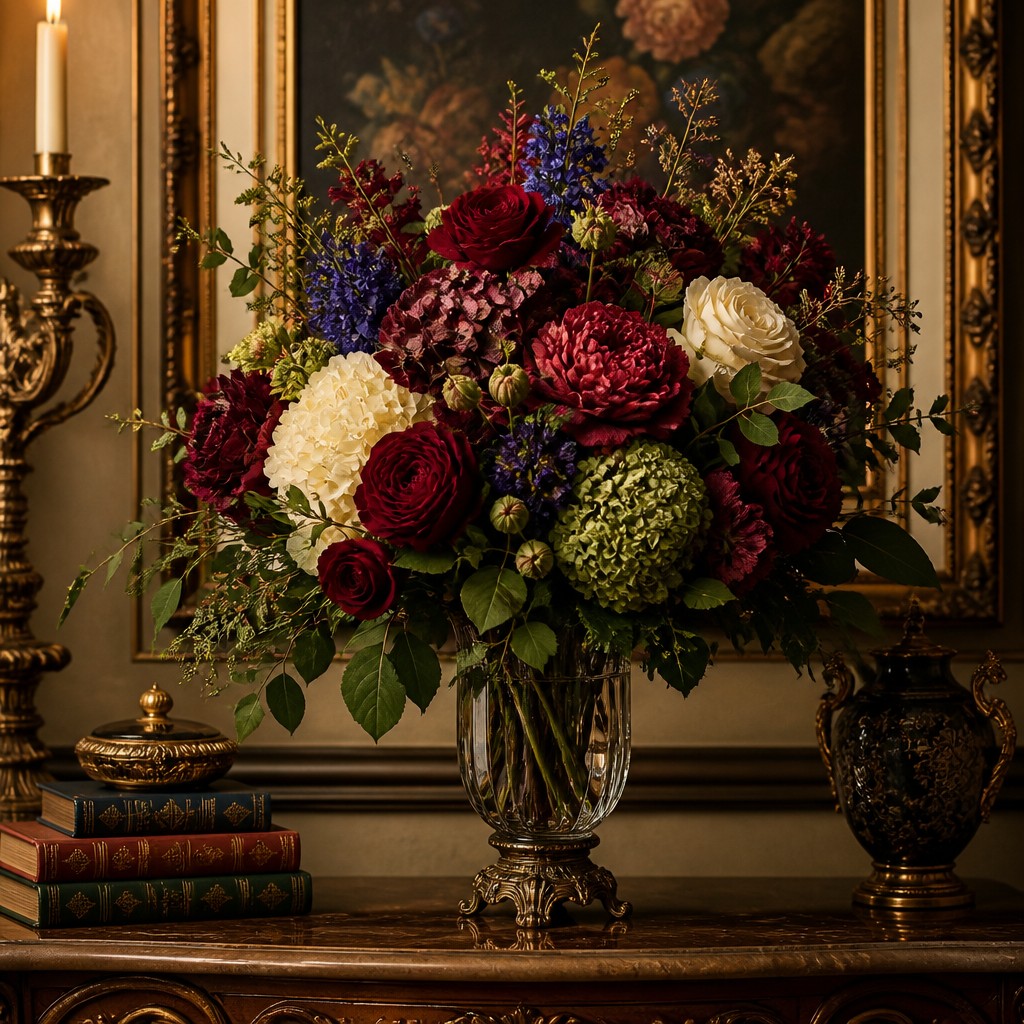
“bouquet of flowers in a glass vase”
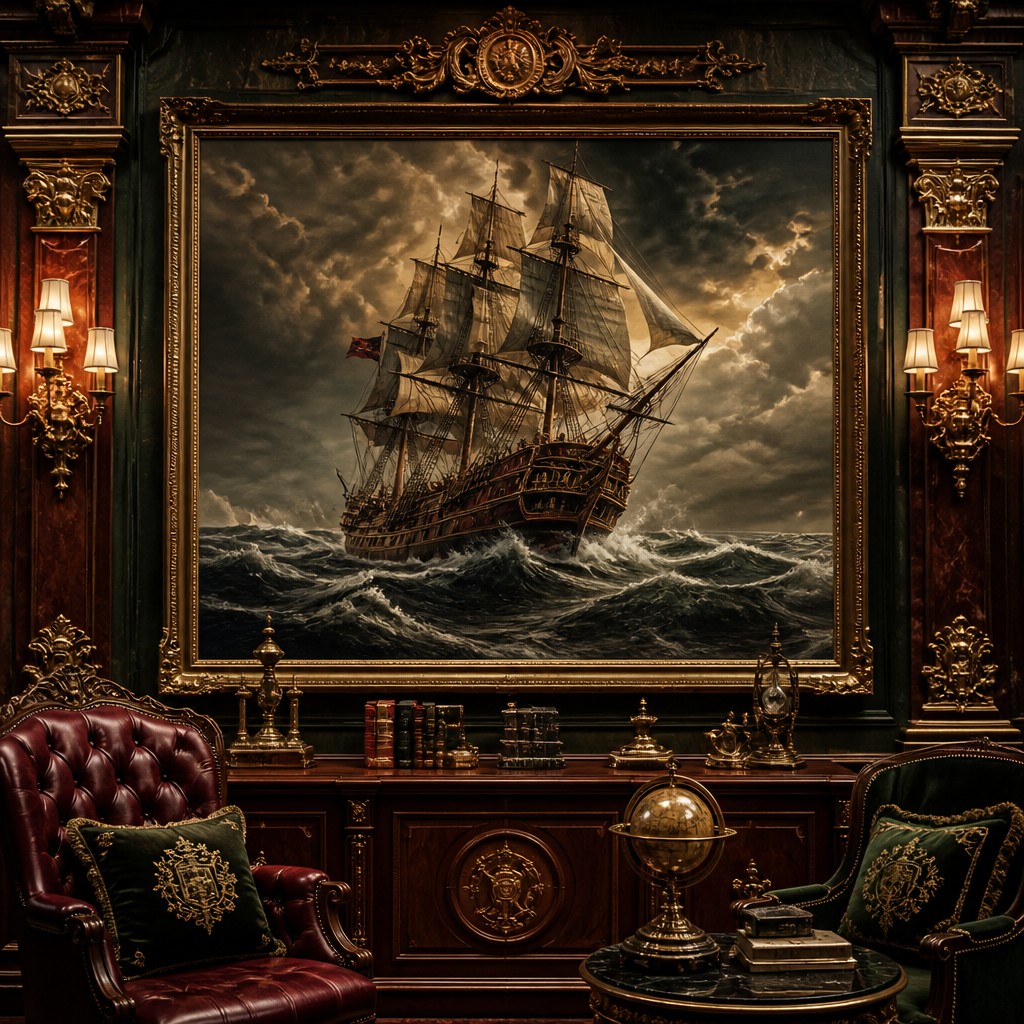
“sailing ship on a stormy sea”
How to Create Traditional Interior Design Art
Master the craft step by step — or skip straight to creating. Read the full guide →
- 1
Build a symmetrical room plan
Start with a centered focal point such as a fireplace, sofa, bed, or dining table, then mirror major furnishings on either side. Keep traffic flow clear, but maintain visual balance through paired lamps, chairs, or artwork.
- 2
Use classic materials and finishes
Choose wood furniture with visible grain, carved details, and traditional silhouettes, then add marble, brass, velvet, linen, or patterned fabric. In digital work, emphasize believable material rendering and avoid overly glossy or futuristic surfaces.
- 3
Layer pattern with restraint
Combine one or two main motifs, such as damask, floral upholstery, stripes, or a subtle Persian rug, rather than mixing many competing prints. The goal is richness and coherence, not visual clutter.
- 4
Shape the palette around warm neutrals and jewel tones
Anchor the space with cream, ivory, taupe, or muted beige, then introduce burgundy, emerald, sapphire, or forest green as accents. A limited palette helps the room feel formal and unified.
- 5
Control the lighting and atmosphere
Use soft directional light, lampshade glow, and gentle shadow to make wood and textile surfaces feel dimensional. For prompt-based generation, specify warm amber light, balanced composition, and layered textures to avoid flat or overly modern results.
- 6
Reference historic interiors without copying one exact period
Mix classical proportions, antique-inspired furniture, and traditional decorative elements so the room feels believable and lived-in. When creating digitally or with prompts, describe the specific room type and materials alongside the style cues for stronger results.
The Story
History & Origins of Traditional Interior Design
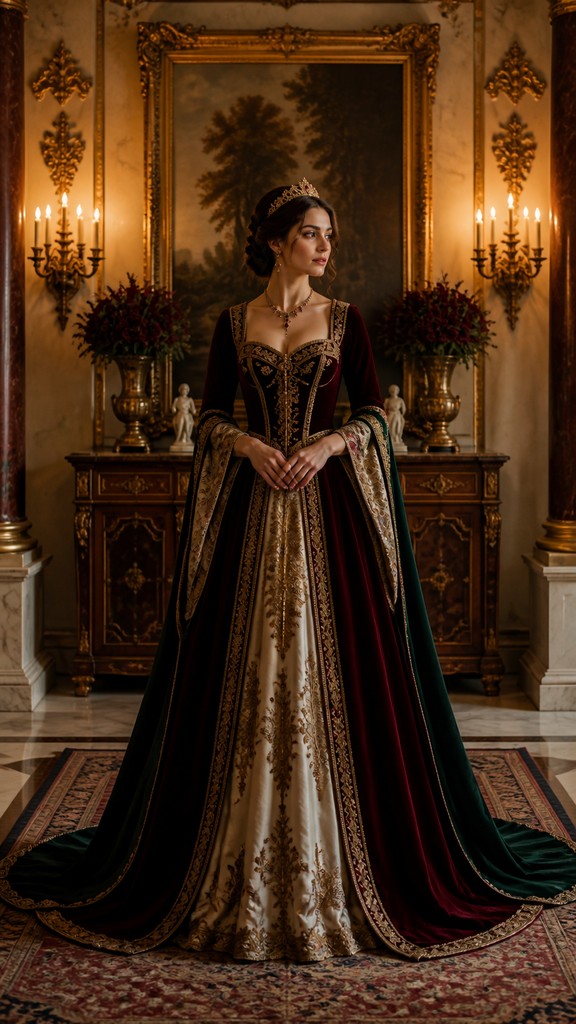
Traditional interior design is not a single historical style but a modern umbrella term for interior aesthetics informed by inherited European design traditions. Its core vocabulary comes from Georgian, Regency, Victorian, Edwardian, French neoclassical, and other classical domestic interiors, all of which valued symmetry, ornament, and furniture scaled to formal rooms.
In the 20th century, traditional design remained influential in upper-middle-class and institutional interiors even as modernism promoted simplification. Contemporary traditional interiors often combine period references with updated comfort, but they still preserve the essential lineage: classical proportion, carved wood, layered textiles, and a room arrangement that privileges structure over experimentation.
Influences: Traditional interior design draws from Georgian, Regency, Victorian, Edwardian, French neoclassical, and broader Continental domestic traditions, all of which stressed proportion, ornament, and craftsmanship. It also overlaps with decorative arts, historic revivalism, and the domestic settings favored in portraiture and genre painting, where interiors by leading Dutch genre painters, major French still-life and domestic-life painters, and later a prominent American society portrait painter helped shape ideas of cultivated domestic space.
Frequently Asked Questions
What defines traditional interior design?
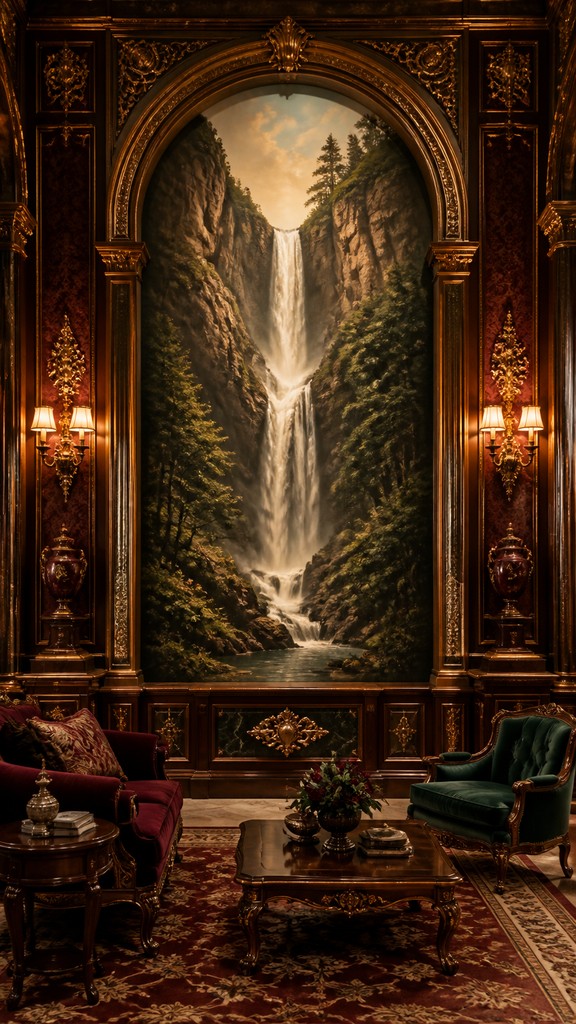
Traditional interior design is defined by symmetry, classic furniture forms, rich materials, and a composed, heritage-informed atmosphere. It favors familiar historical references over stark minimalism or experimental ornament.
Is traditional interior design the same as vintage or antique style?
Not exactly. Traditional design can include antiques, but it is broader: it combines historic references with a coherent overall room composition. Vintage and antique styles usually emphasize objects from a specific period, while traditional design is more about a classical visual language.
What colors are most common in traditional interiors?
Warm neutrals such as cream, ivory, and taupe are common foundations, often paired with deep accent colors like burgundy, green, navy, and gold. The palette is usually rich but controlled, avoiding neon or highly saturated modern colors.
What materials should I use for this style?
Wood is central, especially walnut, mahogany, and cherry, along with velvet, silk, damask, linen, brass, marble, and crystal. These materials support the style’s emphasis on texture, craftsmanship, and warmth.
How is it different from modern interior design?
Modern design tends to simplify forms, minimize ornament, and favor open, spare spaces. Traditional design uses more detailing, layered textiles, furniture with classic profiles, and a stronger sense of symmetry and formality.
How do I create this look in a room or image?
Focus on a centered layout, a warm palette, classic furniture silhouettes, and one or two strong decorative focal points such as a fireplace, chandelier, or large framed artwork. For digital or prompt-based creation, specify materials, lighting, and room type so the result feels grounded and spatially coherent.
Create your first Traditional Interior Design artwork
Describe anything — or upload a photo — and see it in Traditional Interior Design in seconds.
Make Something with Traditional Interior Design
Compare Traditional Interior Design
Related Styles
Discover similar art styles