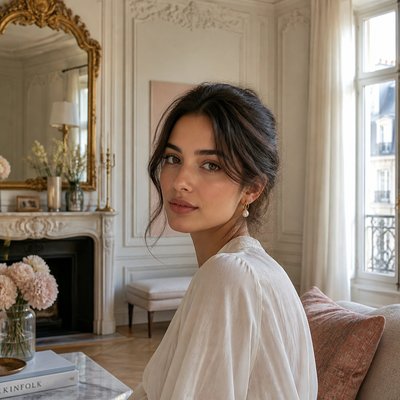
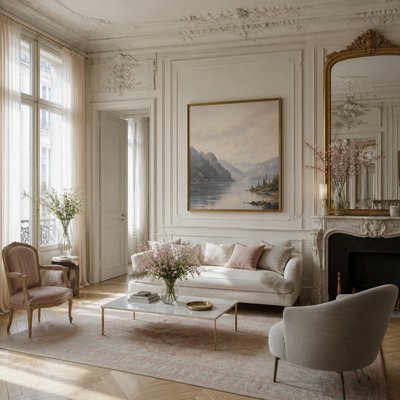
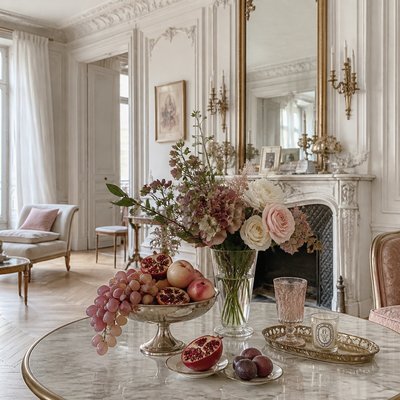
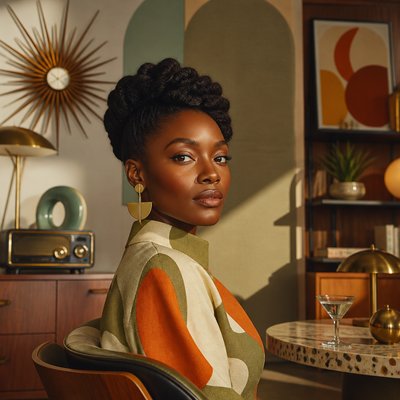
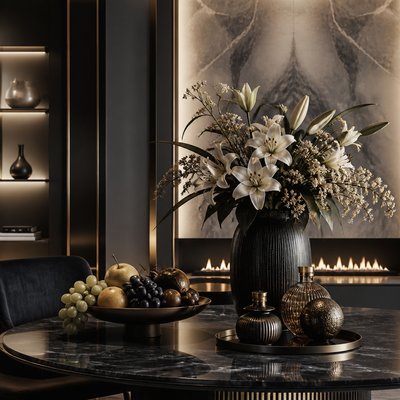
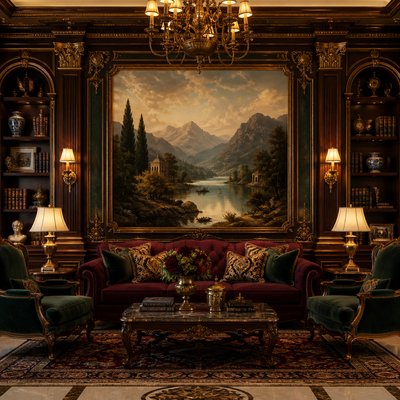
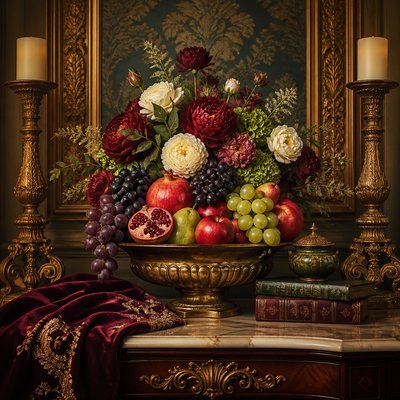
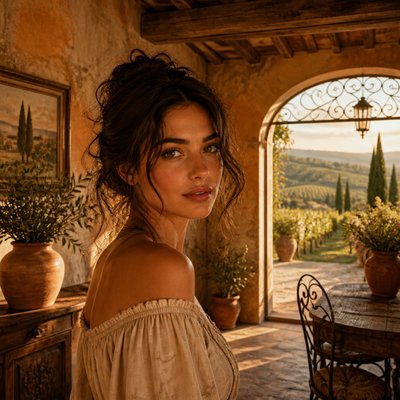
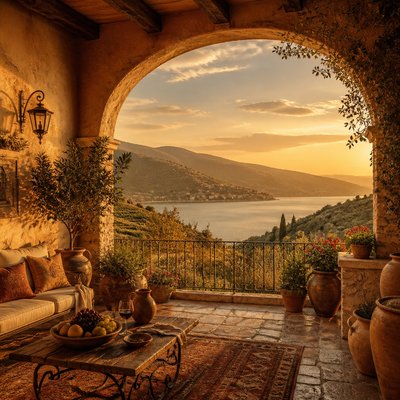
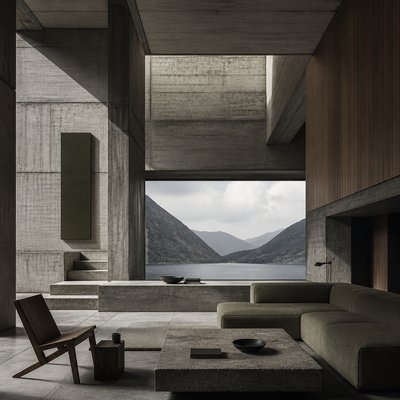
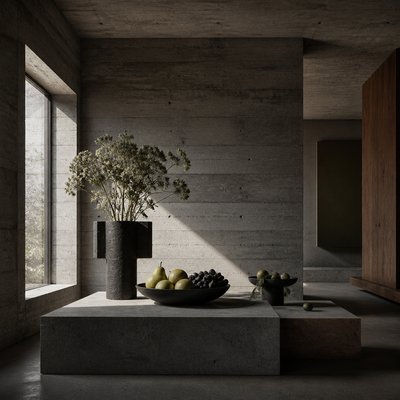
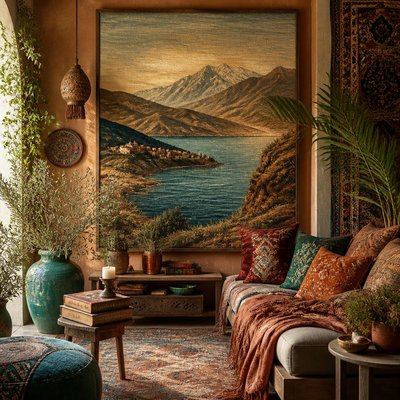
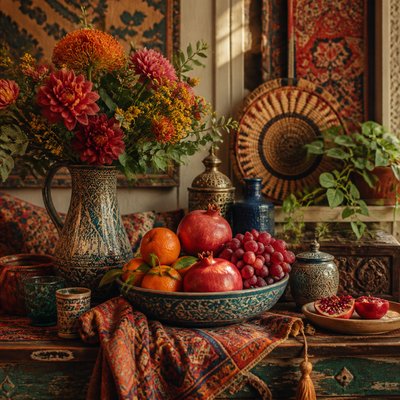
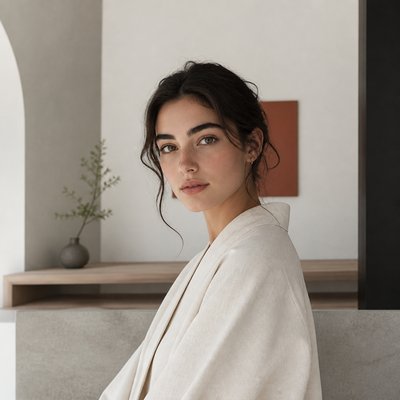
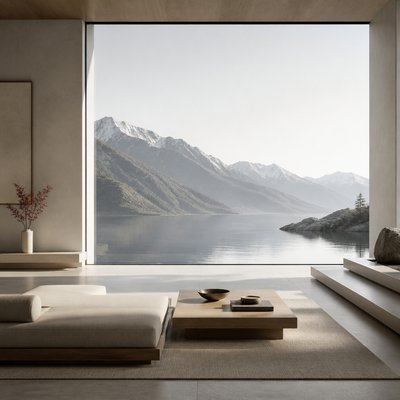
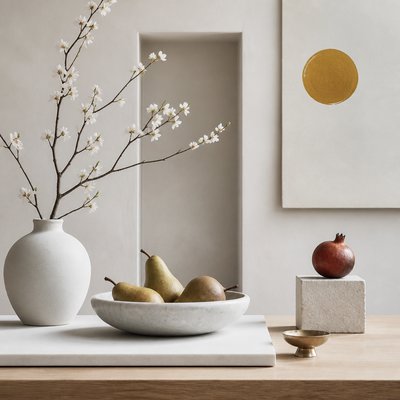
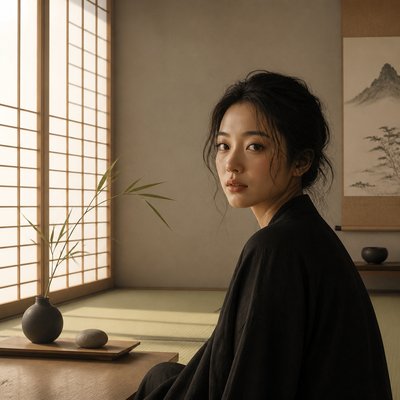
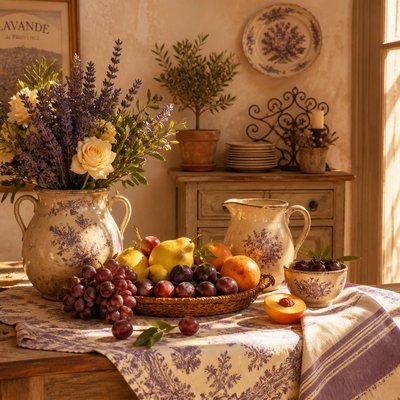
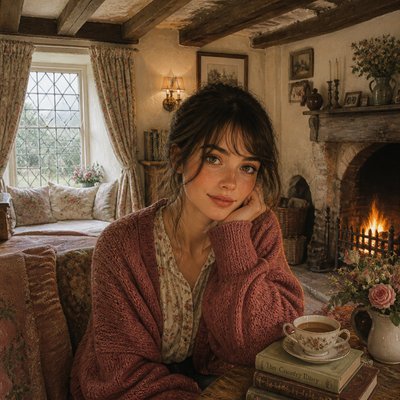
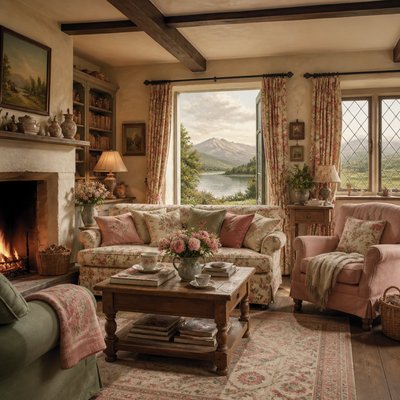
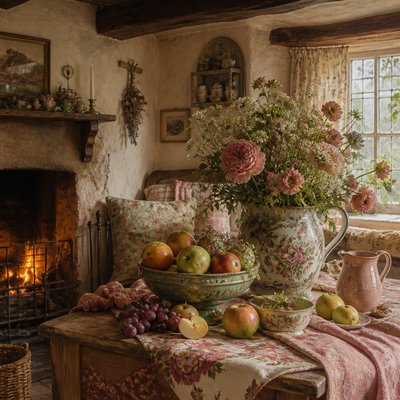
Modern Farmhouse Interior Design
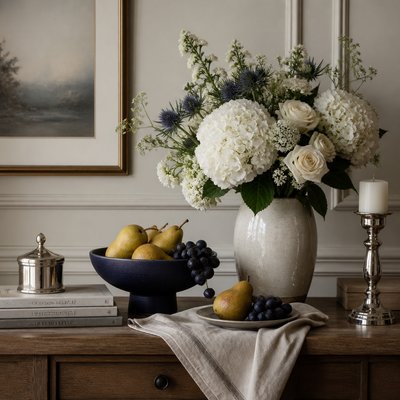
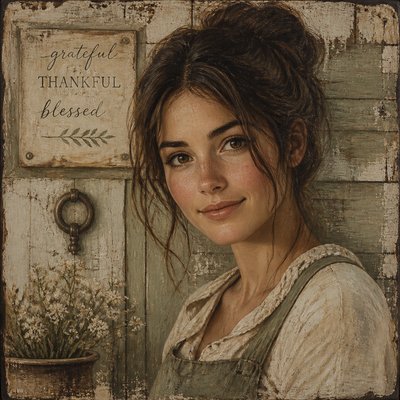
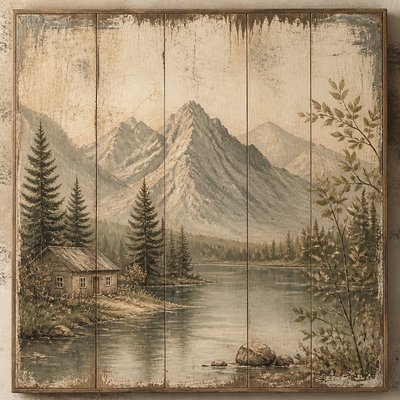
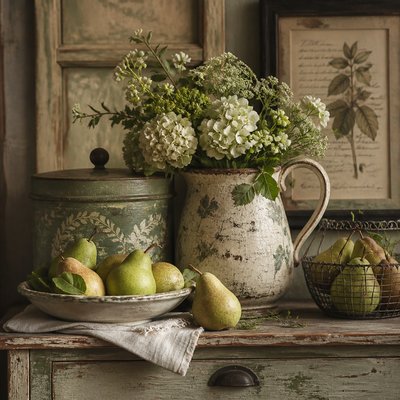
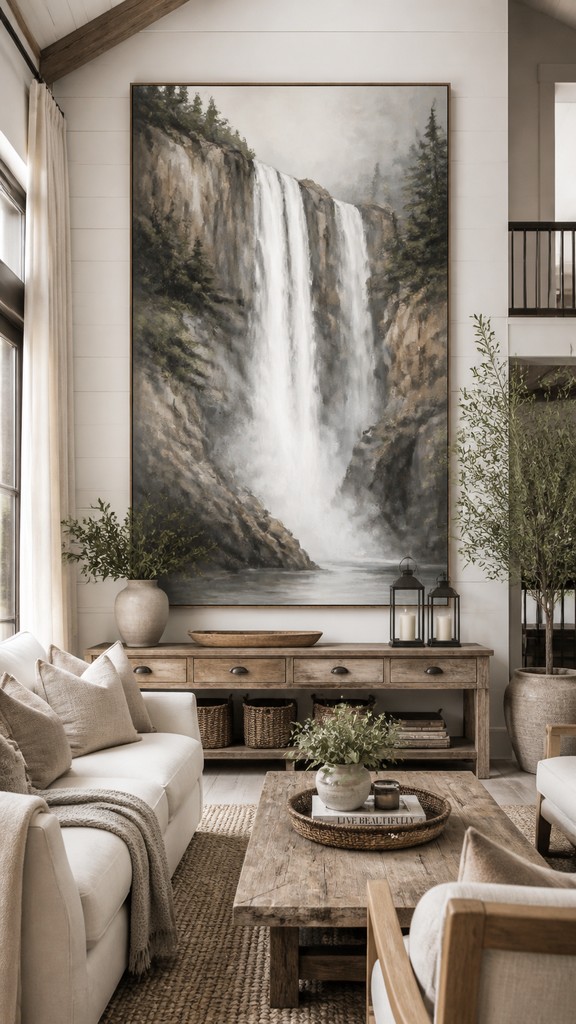
Warm neutral interiors with shiplap, barn doors, rustic wood, black accents, and clean contemporary lines.
Instantly rendered in Modern Farmhouse Interior Design — or transform a photo

Modern Farmhouse Interior Design Gallery
Tap any artwork to explore it

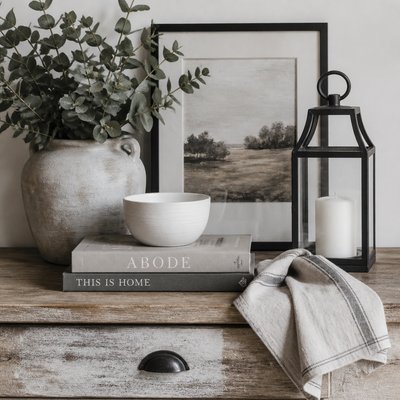
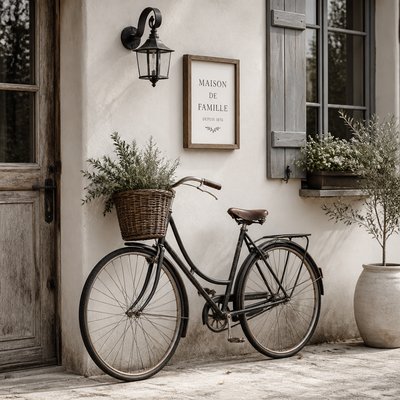
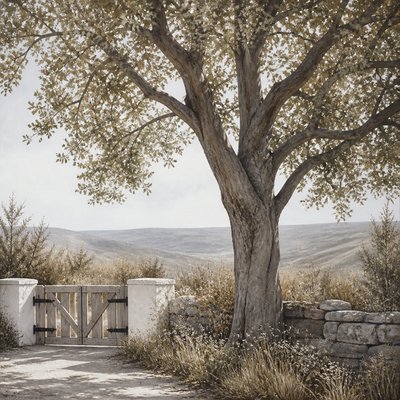
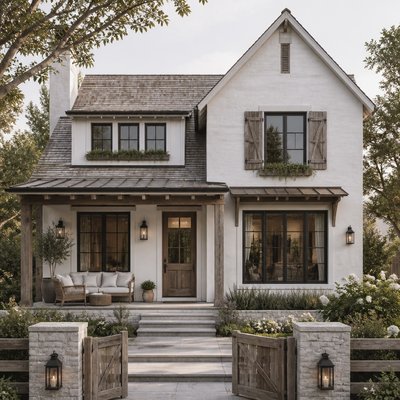
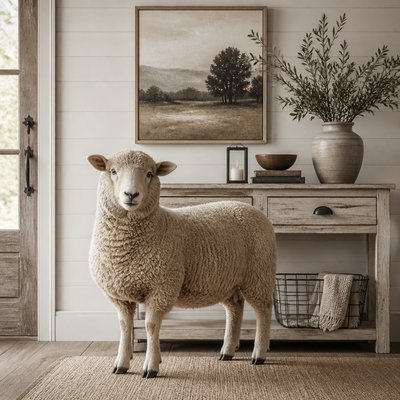
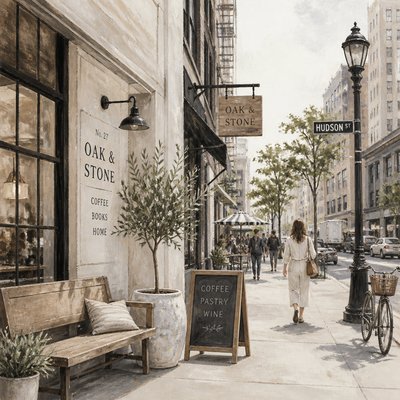
What is Modern Farmhouse Interior Design?
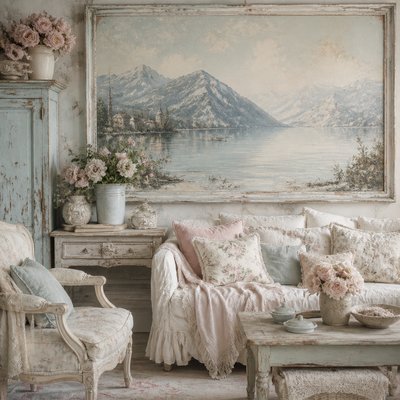
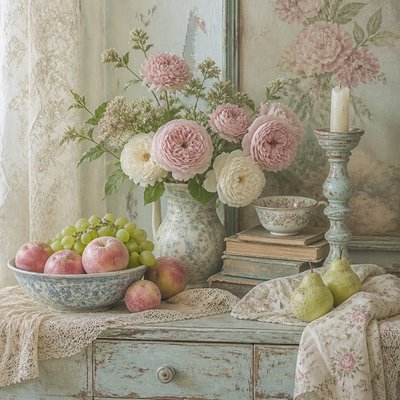
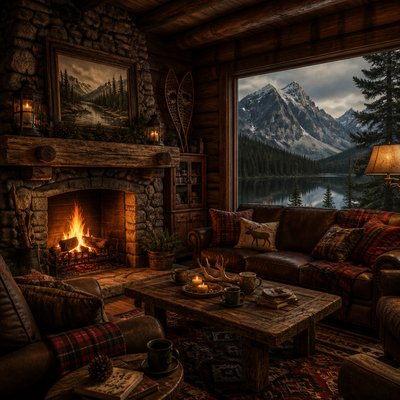
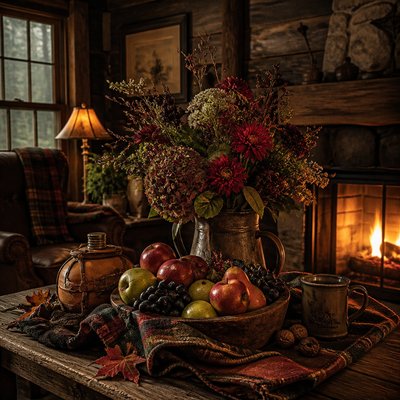
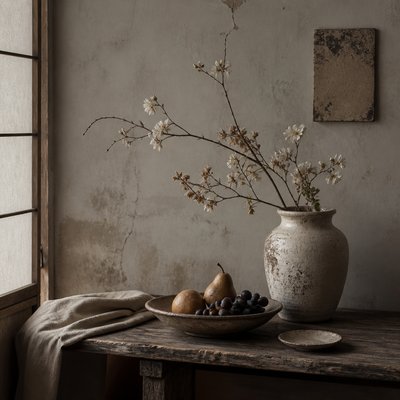
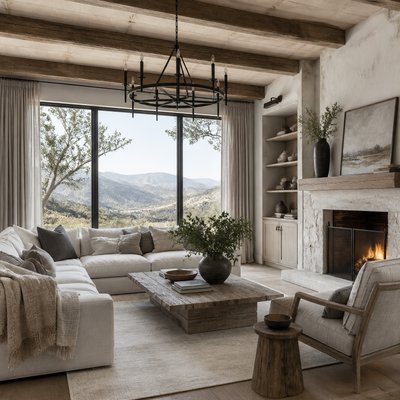
Modern farmhouse interior design is a contemporary domestic style that blends rural vernacular details with a restrained, updated sense of comfort. Its visual identity is built from warm neutral color palettes, whitewashed or painted wood surfaces, simple furnishings, and a mix of rustic materials with crisp modern silhouettes.
The style looks the way it does because it borrows from older agricultural buildings and everyday craft traditions while softening them for present-day living. Shiplap walls, reclaimed wood, iron hardware, linen textures, and barn-style doors create a sense of handcrafted warmth, while clean lines, uncluttered layouts, and matte finishes keep the space from feeling heavily ornamental.

Try It On Your Photos
Upload any photo and convert it into Modern Farmhouse Interior Design — drag the sliders to compare before and after.
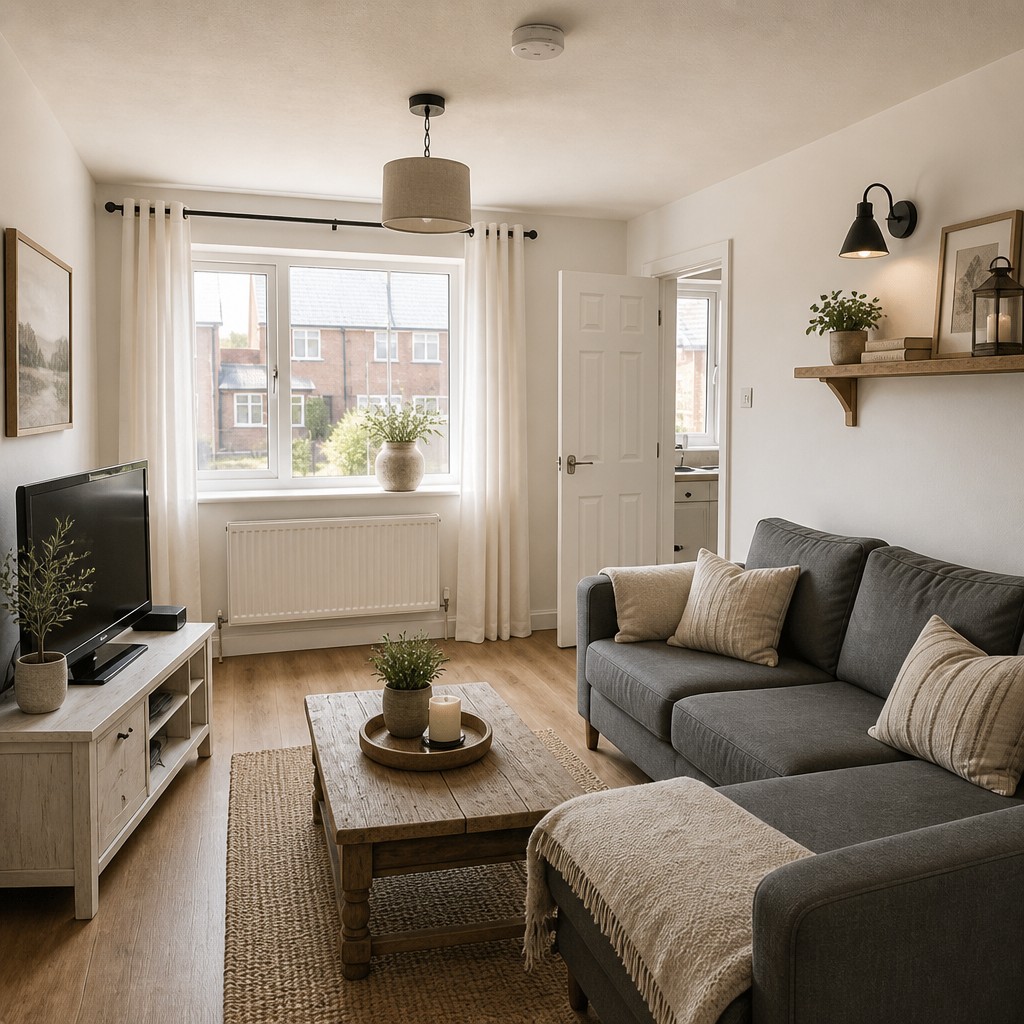
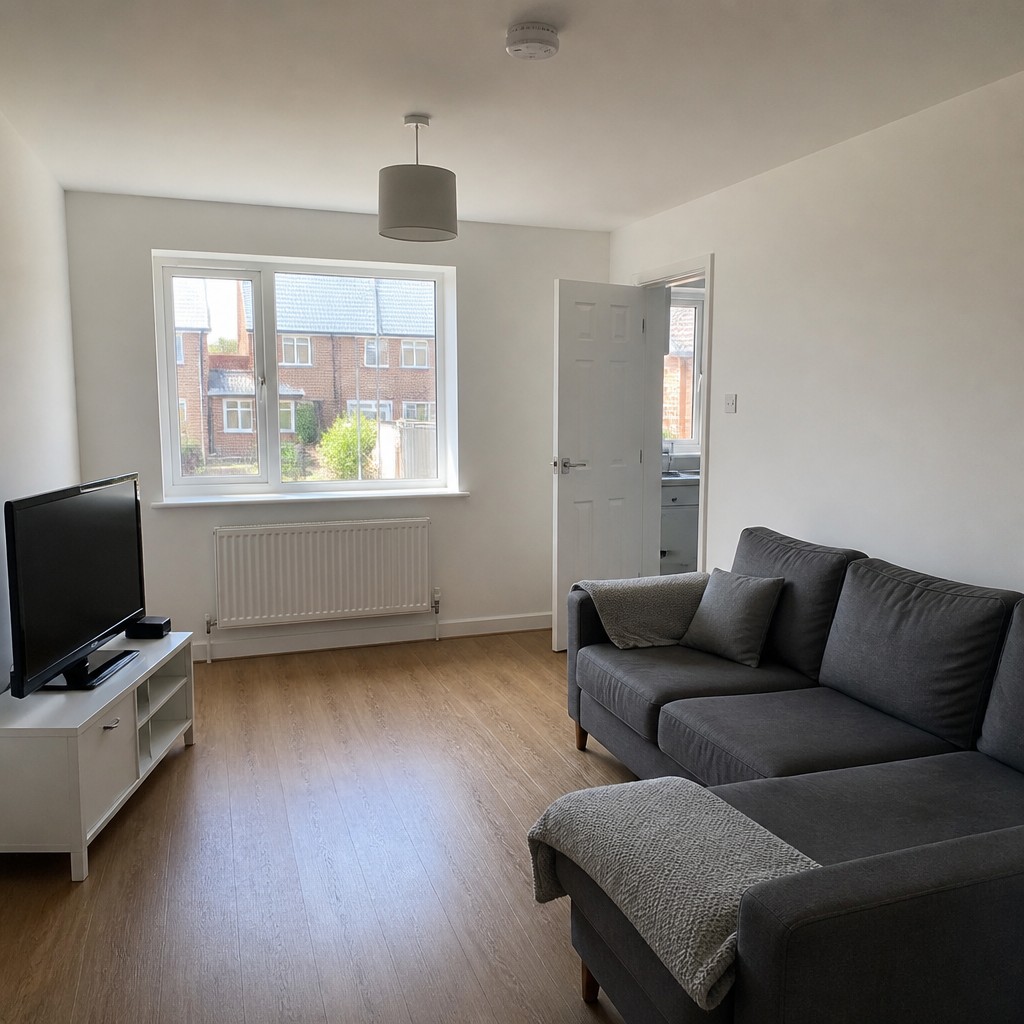


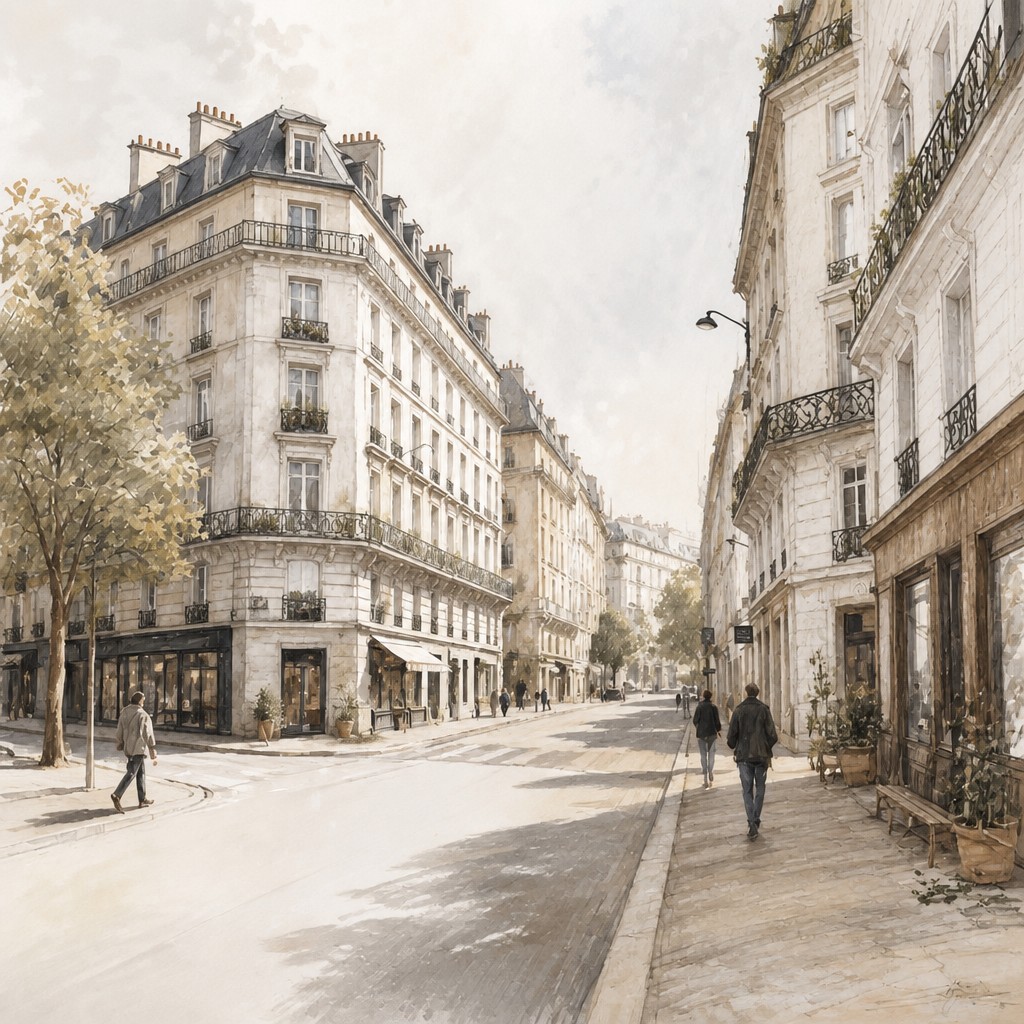

What Defines Modern Farmhouse Interior Design
The signature details, up close
Warm neutral palette
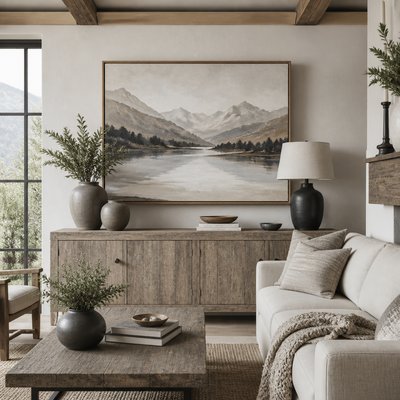
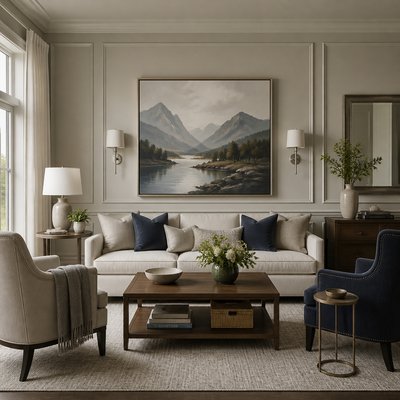
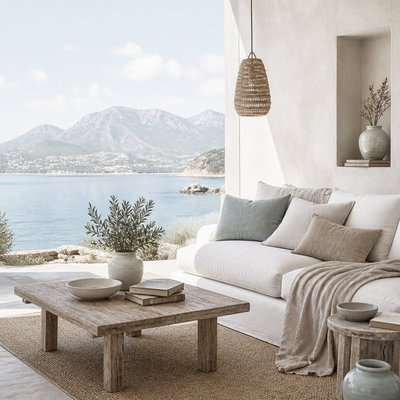
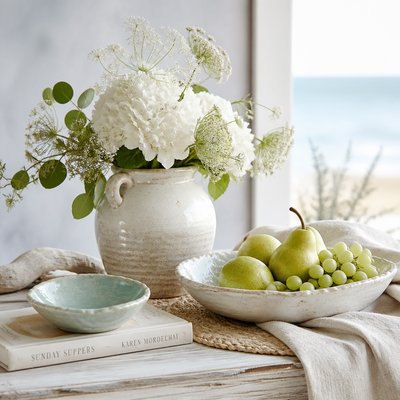
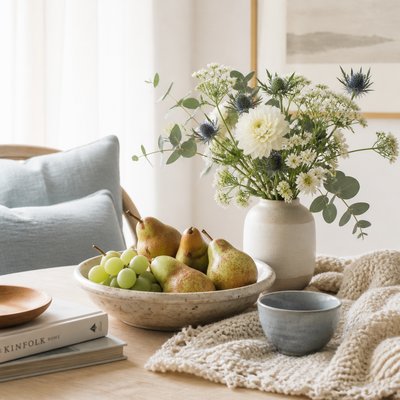
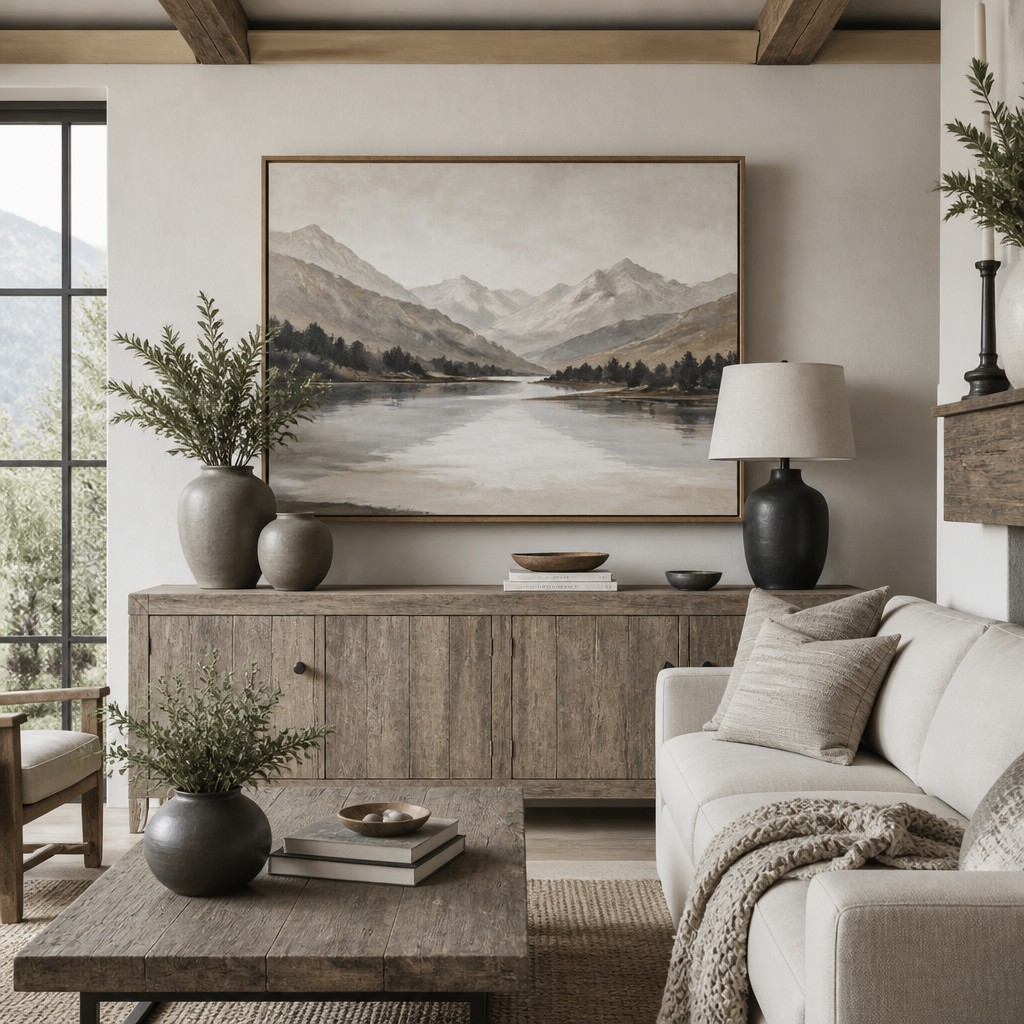
The palette usually centers on soft whites, cream, pale gray, taupe, and muted brown or sage tones. Color is restrained so that texture and light become the main sources of visual interest.
Shiplap and paneled walls
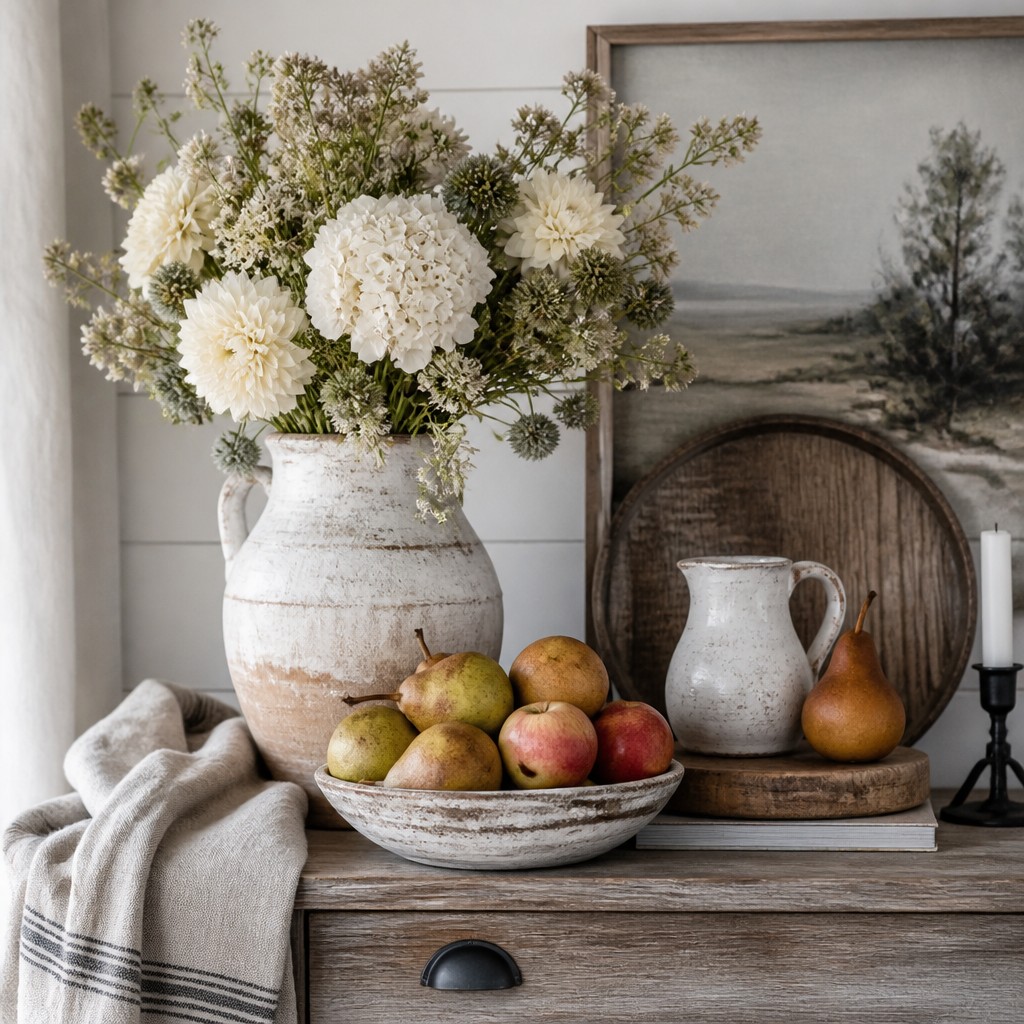
Horizontal wall cladding, board-and-batten details, and simple paneling are recurring features. These surfaces create rhythm and a sense of handcrafted architecture without elaborate decoration.
Rustic wood textures
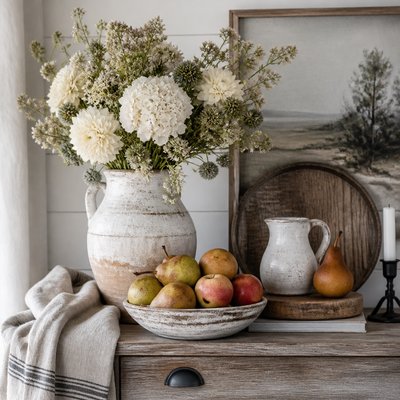
Reclaimed, distressed, whitewashed, or lightly stained wood adds warmth and a sense of age. Grain, knots, and patina are often visible rather than concealed.
Black iron accents
Hardware, light fixtures, railings, and frames often use matte black metal for contrast. These accents provide crisp definition against the otherwise soft palette.
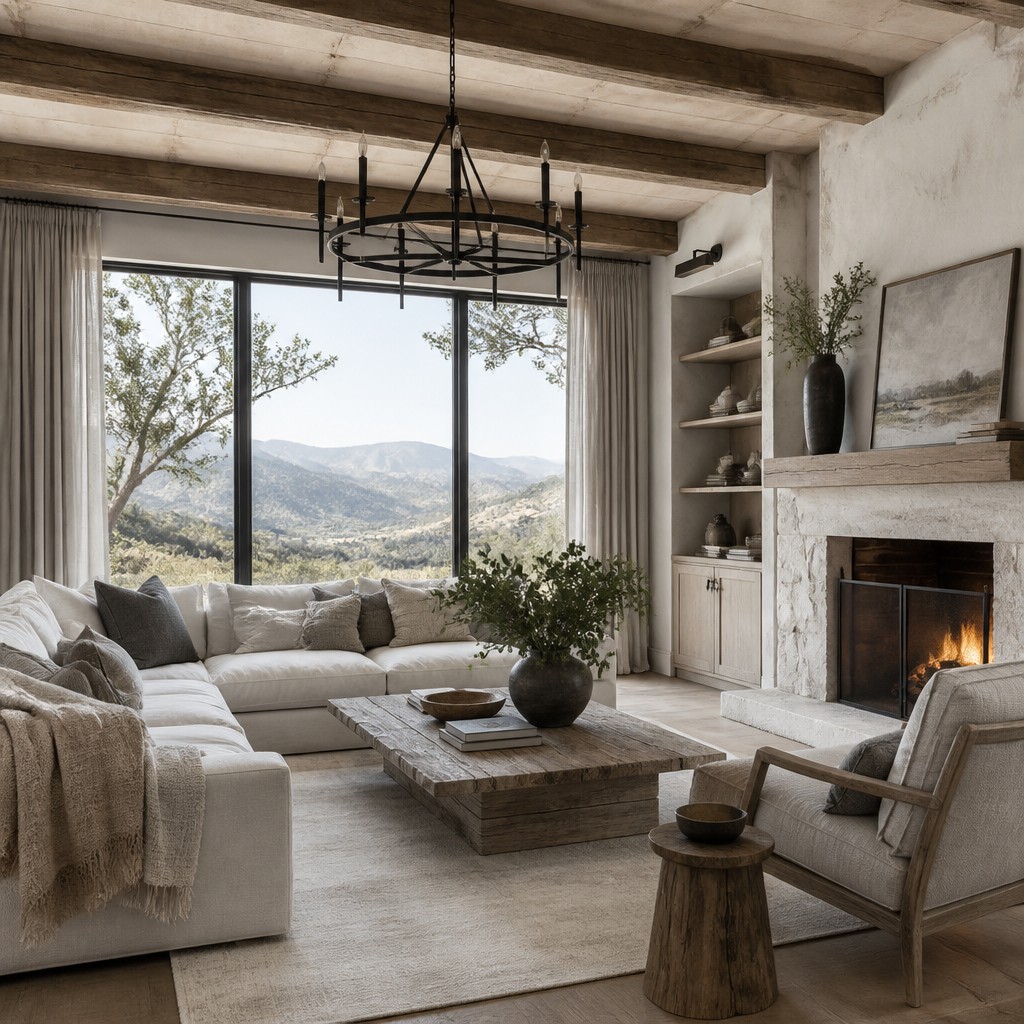
Clean contemporary lines
Furniture and millwork are typically simple and geometric, with reduced ornament. Even when pieces feel rustic, they are usually edited down to straightforward forms.
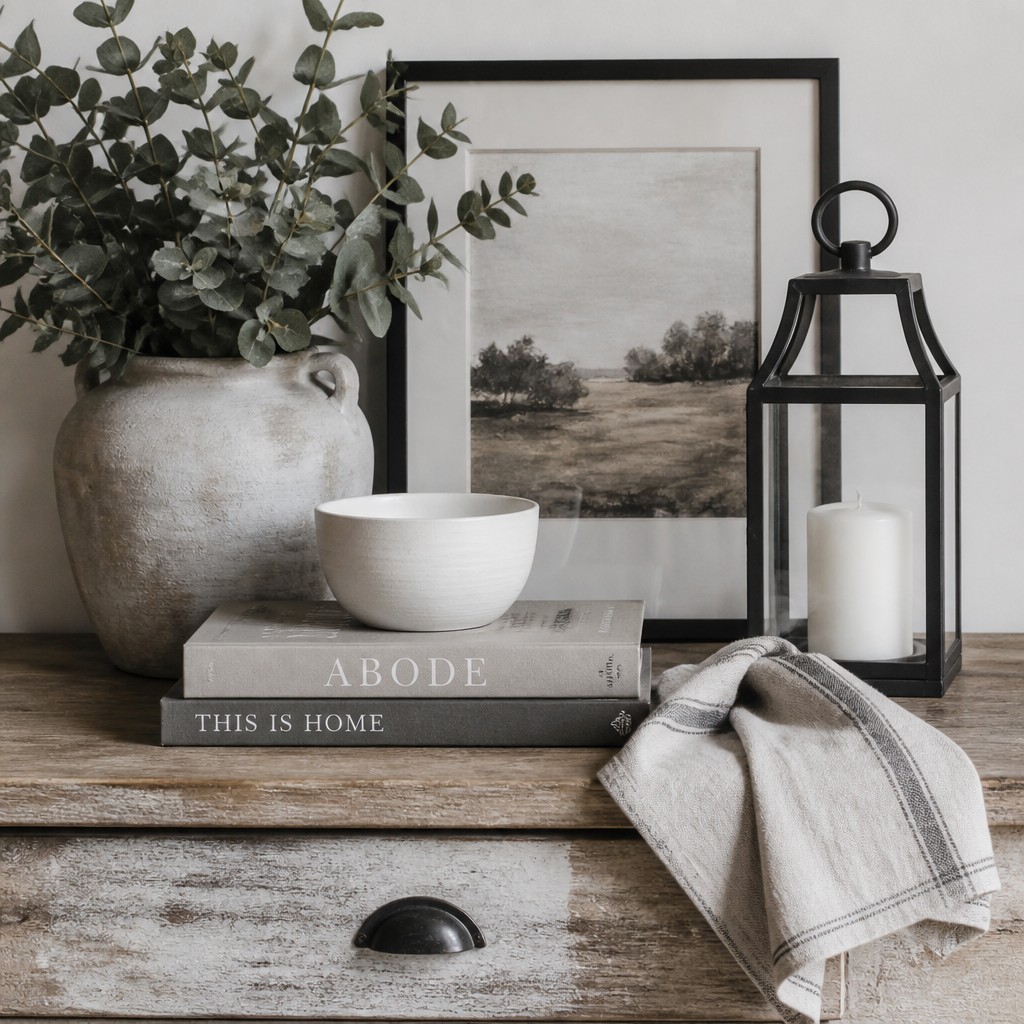
Soft textile comfort
Linen-like upholstery, cotton throws, woven baskets, and neutral rugs contribute tactile softness. These materials balance harder surfaces and make the room feel lived-in.
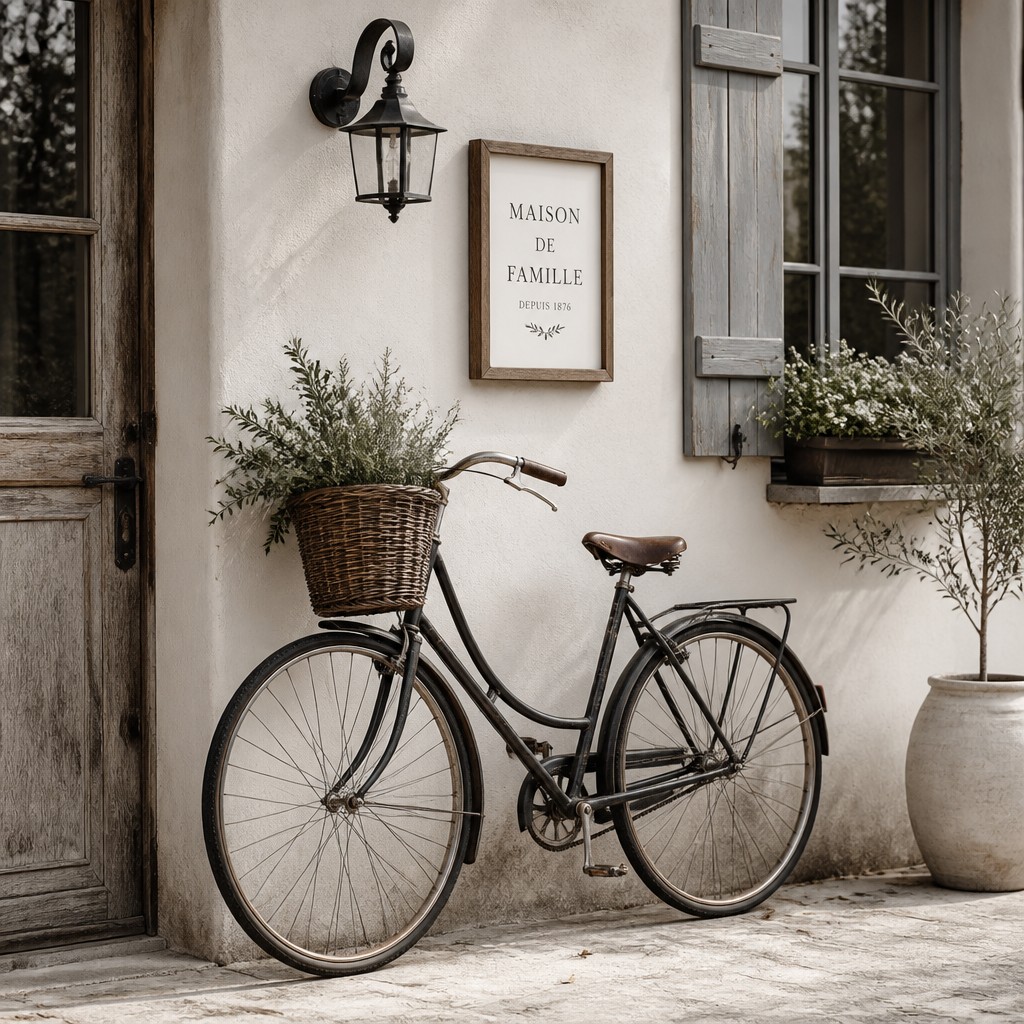
Diffused natural light
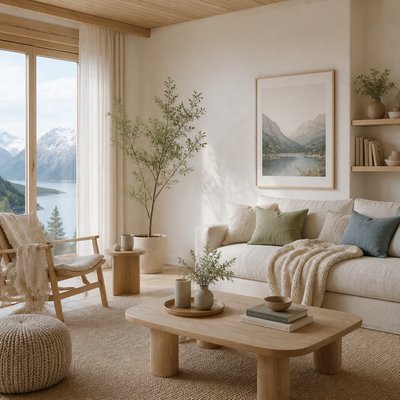
Interiors are often shown with gentle daylight, sheer window treatments, and open layouts. Light emphasizes matte finishes and creates calm, even shadows rather than dramatic contrast.
Try It
Create Videos in Modern Farmhouse Interior Design
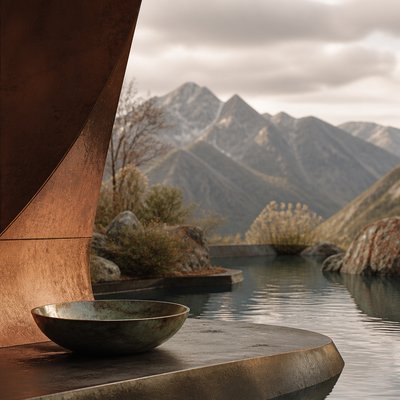
Styles aren't just for stills — describe a scene or animate an image and get a short video rendered in Modern Farmhouse Interior Design. Press play to see this pond come to life.
Make a VideoModern Farmhouse Interior Design Prompt Ideas
Start from an idea — each one opens the generator with the style ready to go. See all 40 Modern Farmhouse Interior Design prompts →
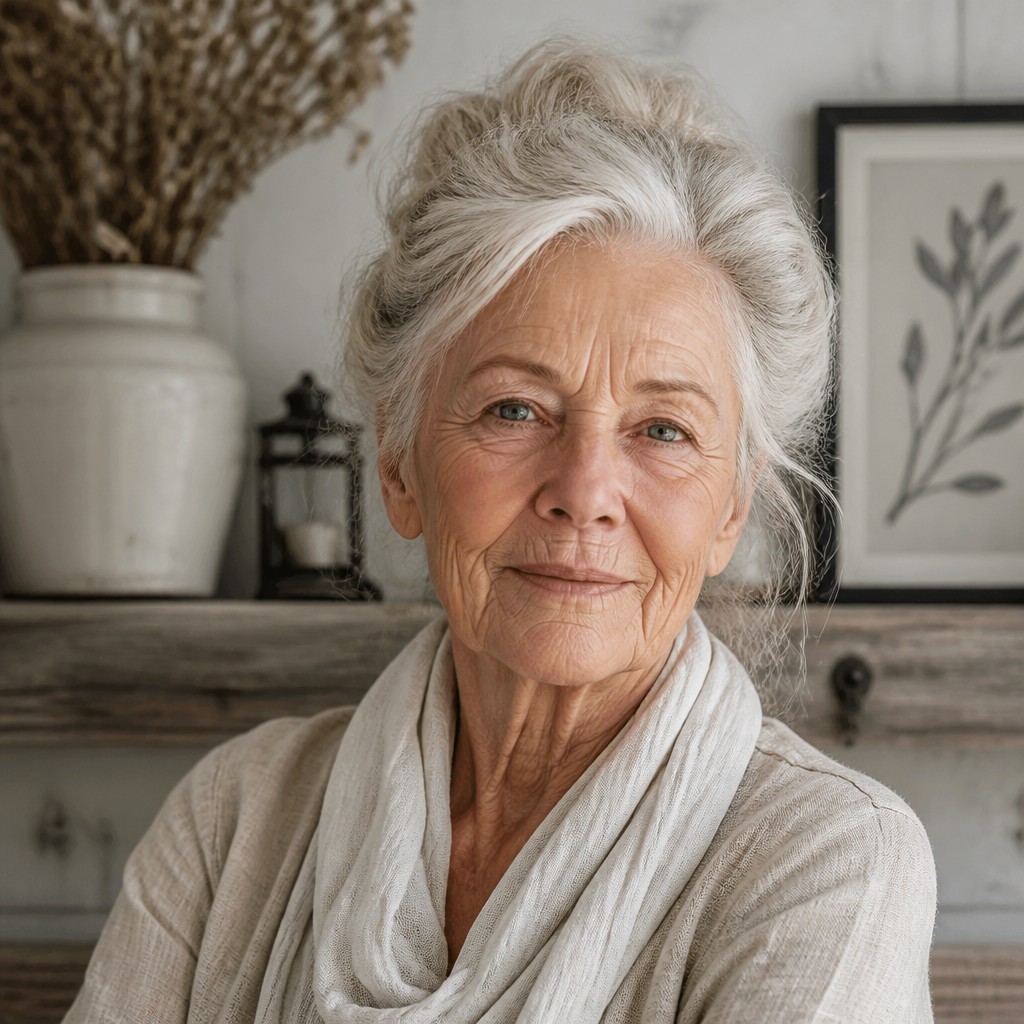
“close-up portrait of an elderly person with expressive weathered features”
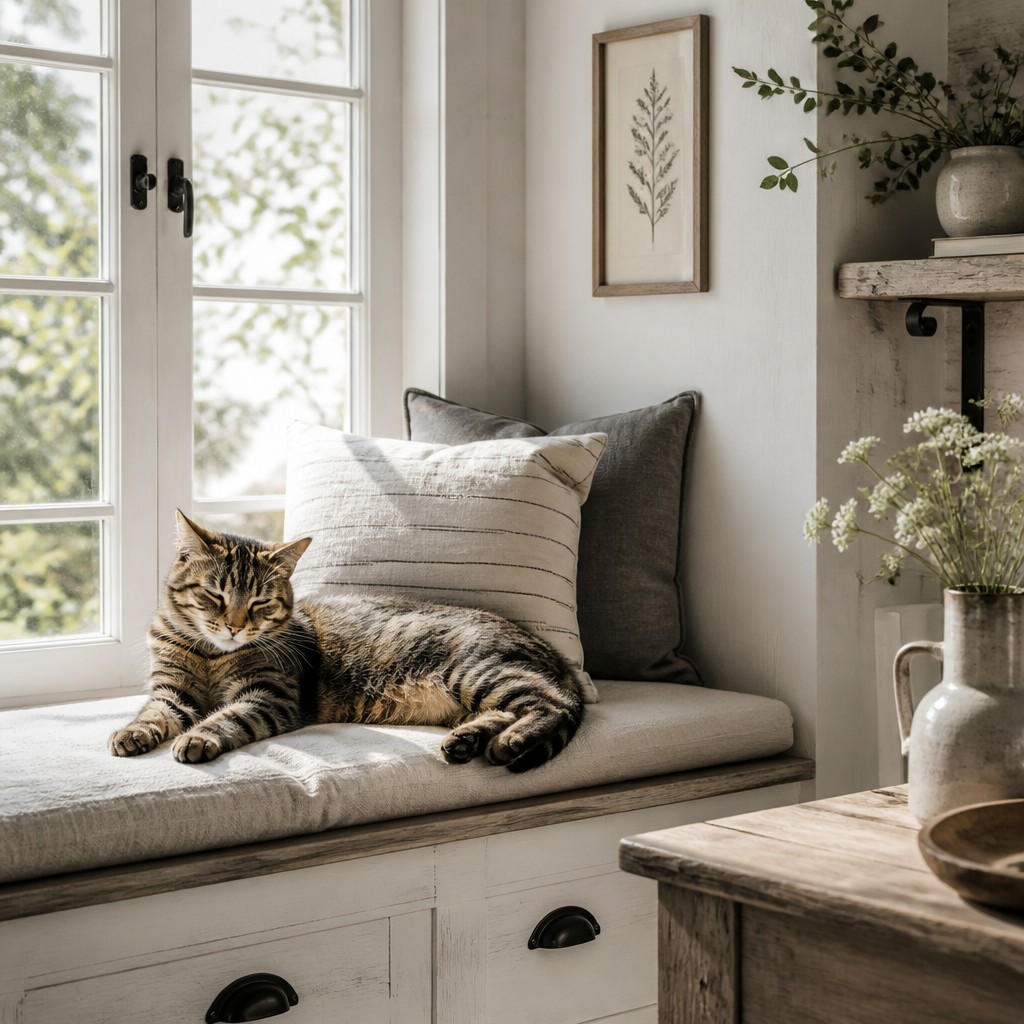
“a cat lounging in a sunlit window”
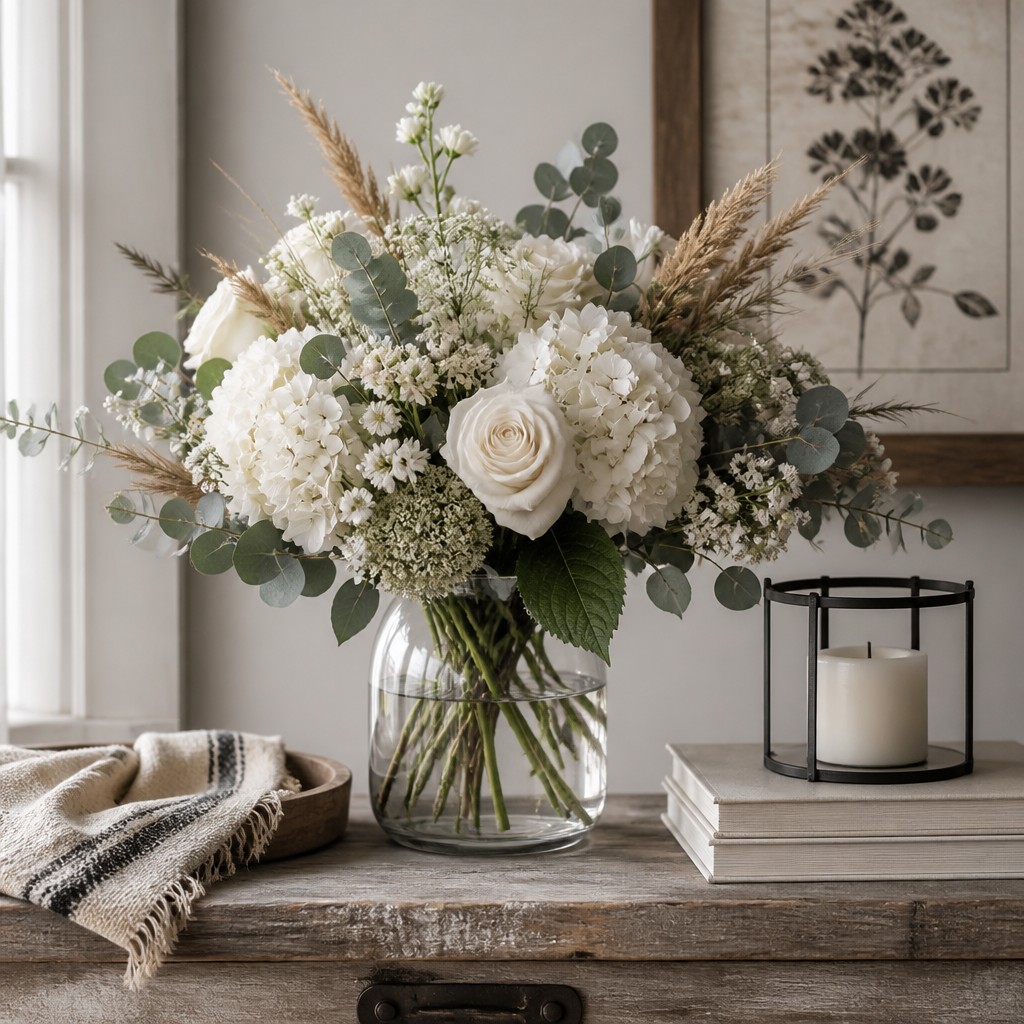
“bouquet of flowers in a glass vase”
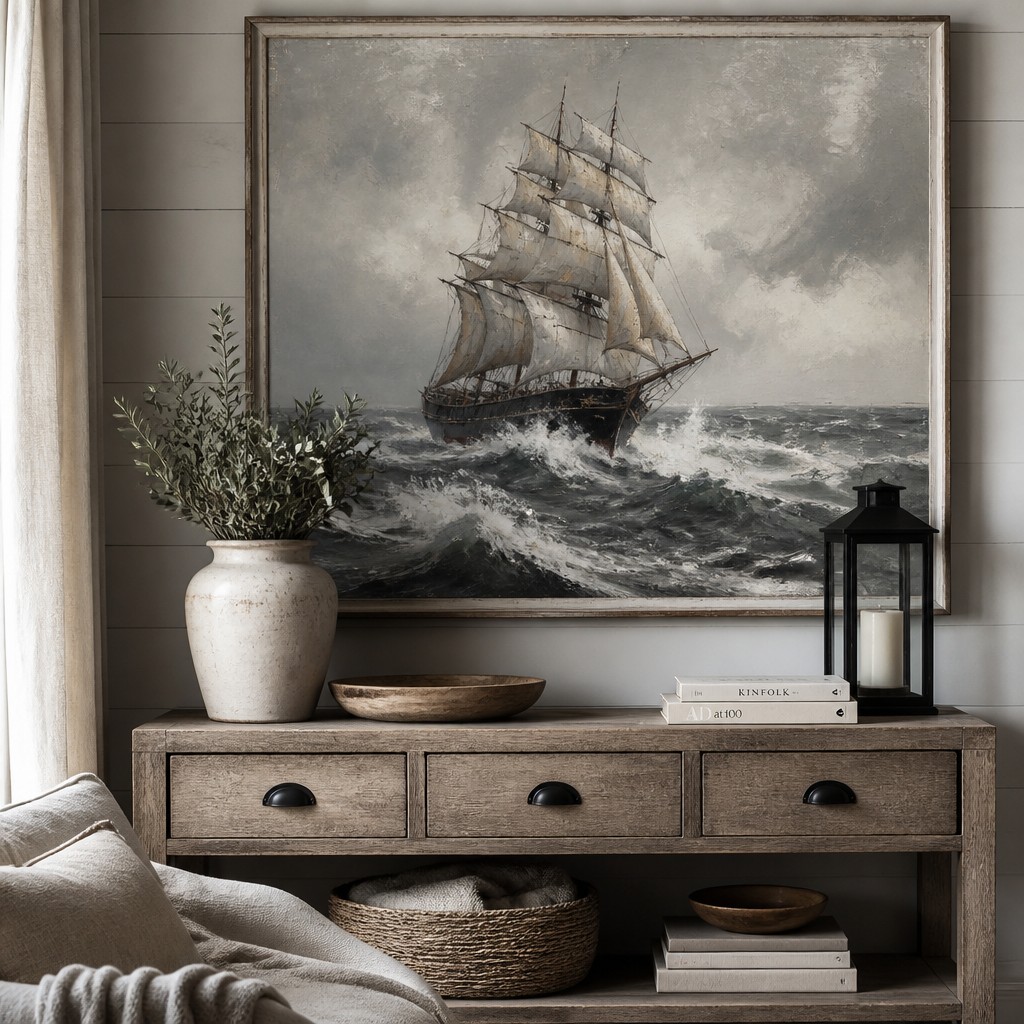
“sailing ship on a stormy sea”
How to Create Modern Farmhouse Interior Design Art
Master the craft step by step — or skip straight to creating. Read the full guide →
- 1
Build the room from simple architecture
Start with a plain, bright shell: white walls, shiplap, board-and-batten, or lightly paneled surfaces. Keep the architectural language legible and understated so the room feels calm rather than busy.
- 2
Mix rustic and modern materials
Pair reclaimed or weathered wood with smooth painted finishes, matte black fixtures, and clean-lined furniture. The style depends on contrast, so avoid making every surface either fully rough or fully polished.
- 3
Control the palette and finish
Use mostly warm neutrals, with limited accent colors in earthy greens, soft blues, or aged browns. Favor matte, chalky, or low-sheen finishes, and let visible texture do more work than glossy decoration.
- 4
Compose for comfort and openness
Arrange furniture with breathing room, clear pathways, and a sense of practical use. In image-making, prompt for wide, uncluttered spaces, natural light, and a balanced mix of soft textiles and sturdy furnishings.
- 5
Treat details as character, not ornament
Use barn doors, iron pulls, pendant lights, and woven accessories sparingly but purposefully. These elements should feel functional and grounded, not decorative in a theme-park sense.
- 6
For digital or prompt-based work, specify atmosphere and surfaces
Include terms like warm neutral palette, whitewashed wood, matte black accents, soft diffused daylight, linen textures, and clean contemporary lines. If generating scenes, name the room and the mood clearly: kitchen, living room, entryway, mudroom, or bedroom.

The Story
History & Origins of Modern Farmhouse Interior Design
Modern farmhouse is not a single historical movement so much as a late-20th- and early-21st-century interior design synthesis. It draws from American farmhouse architecture, rural vernacular interiors, and the long tradition of utilitarian furniture and finishes shaped by necessity rather than luxury. The contemporary version became especially popular through home renovation culture, lifestyle media, and suburban new-build interiors that sought a lived-in, approachable look without the density of fully rustic design.
Its lineage also connects to Scandinavian-influenced simplicity, country cottage interiors, and the broader shift toward pared-down, neutral domestic spaces in contemporary design. What distinguishes it from older farmhouse interiors is the deliberate balance between rustic authenticity and polished modernity: weathered textures are refined, ornament is reduced, and traditional materials are often paired with black metal, minimalist lighting, and open-plan layouts.
Influences: Modern farmhouse interior design draws from American rural vernacular architecture, 19th- and early-20th-century farmhouse practicality, and country craft traditions, while also absorbing elements from Scandinavian minimalism and contemporary residential design. Its edited forms and emphasis on white space align it loosely with modernist restraint, though its materials and atmosphere remain rooted in domestic warmth rather than abstract purity. In historical interiors, it shares some concerns with Shaker simplicity and the plain, functional values seen in unadorned craft traditions, but it is not a direct revival of any single canonical movement.
Frequently Asked Questions
What defines modern farmhouse interior design?
It is defined by a mix of rustic and contemporary elements: shiplap or paneled walls, wood textures, black metal accents, and a warm neutral palette. The overall effect is cozy and approachable, but visually edited and uncluttered.
How is it different from rustic farmhouse style?
Rustic farmhouse interiors tend to be rougher, heavier, and more visibly aged, with more emphasis on antique wear and traditional country objects. Modern farmhouse keeps the rural warmth but pares it back with cleaner lines, lighter colors, and more contemporary furniture.
How is it different from Scandinavian minimalism?
Both styles favor light, simplicity, and natural materials, but modern farmhouse is warmer and more explicitly rustic. Scandinavian interiors often look cleaner and more spare, while modern farmhouse allows for more texture, black hardware, and vernacular details like barn doors and shiplap.
What materials are most associated with this style?
Common materials include painted wood, reclaimed timber, linen, cotton, iron, stone, and matte ceramics. Finishes are usually low-sheen, tactile, and slightly weathered rather than glossy or highly polished.
Where is modern farmhouse interior design used most often?
It is especially common in kitchens, living rooms, entryways, mudrooms, and bedrooms. It works well in residential spaces because it balances practicality with a sense of warmth and familiarity.
How do I create this look without making it feel overdone?
Use the farmhouse references selectively and keep the room visually edited. A few strong cues—such as a paneled wall, a wood table, and black fixtures—are usually enough when the palette and layout remain simple.

Create your first Modern Farmhouse Interior Design artwork
Describe anything — or upload a photo — and see it in Modern Farmhouse Interior Design in seconds.
Make Something with Modern Farmhouse Interior Design
Related Styles
Discover similar art styles