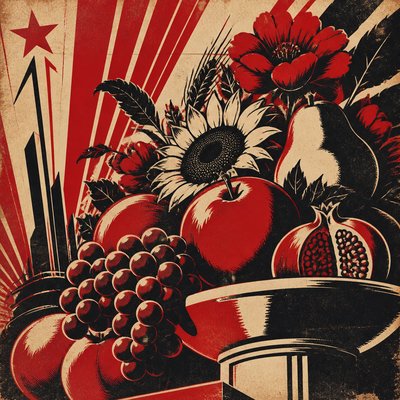
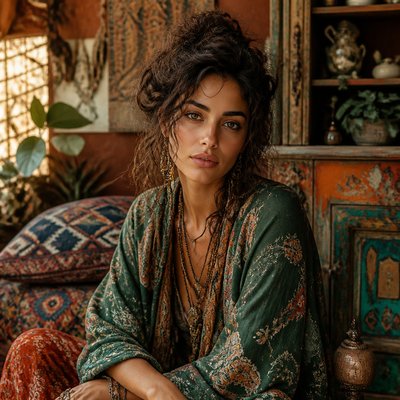
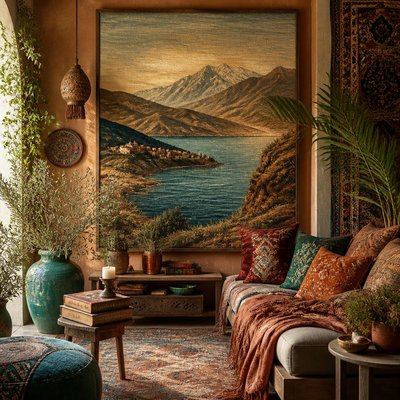
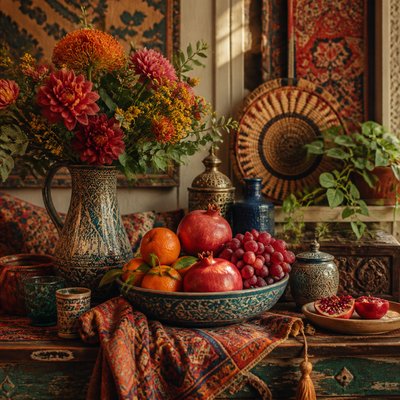
Vintage Retro Fashion Design
Period-inspired fashion visuals from the 1920s–1980s, blending nostalgic silhouettes, rich textures, and modern polish.
Instantly rendered in Vintage Retro Fashion Design — or transform a photo
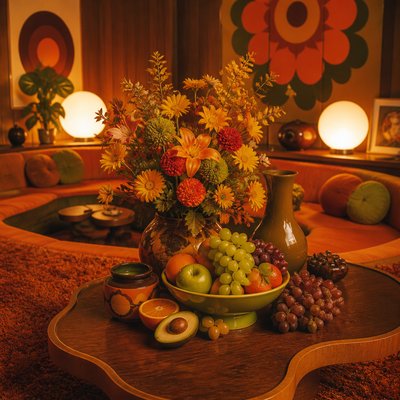
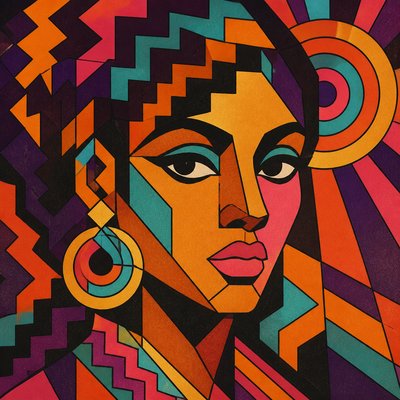
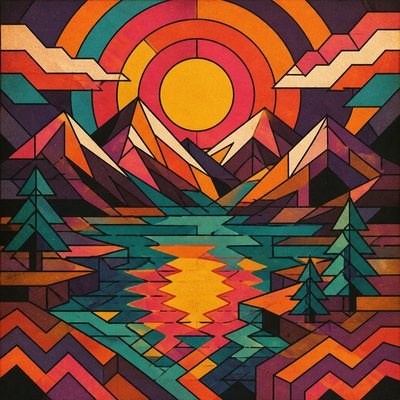
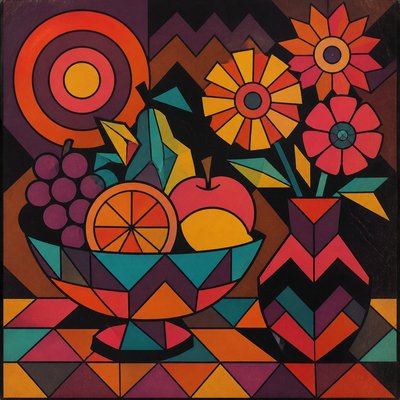
Vintage Retro Fashion Design Gallery
Tap any artwork to explore it
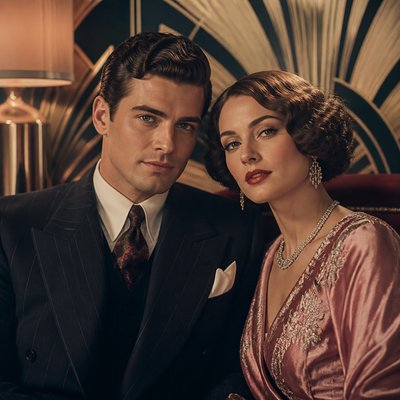
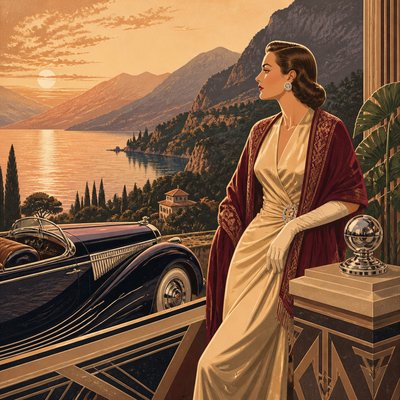
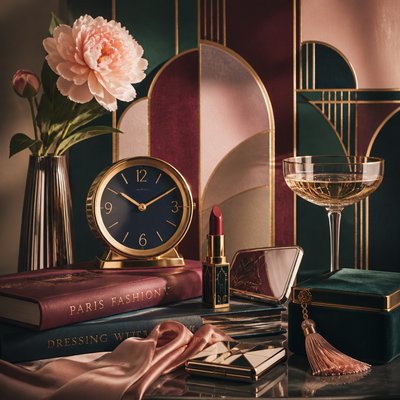
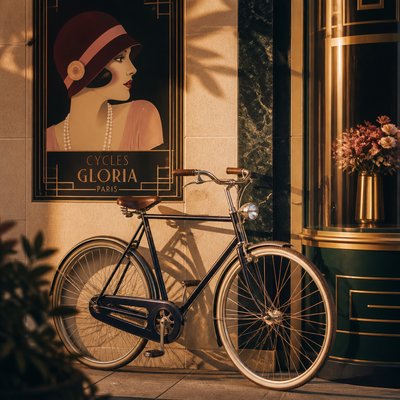

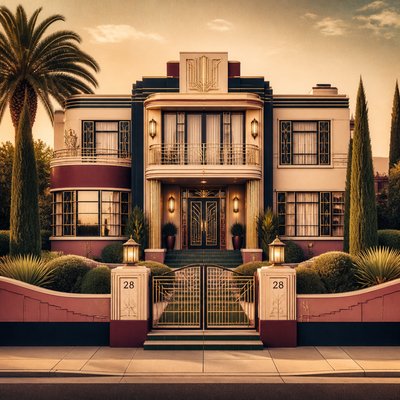
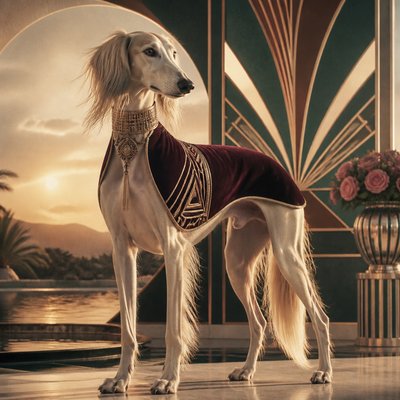
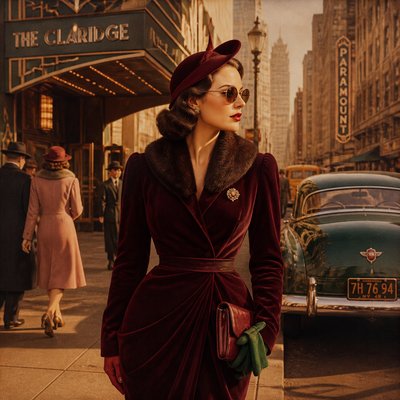
What is Vintage Retro Fashion Design?
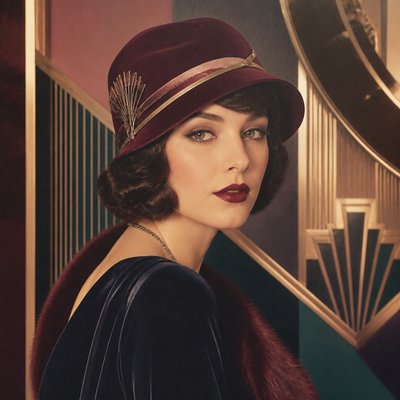
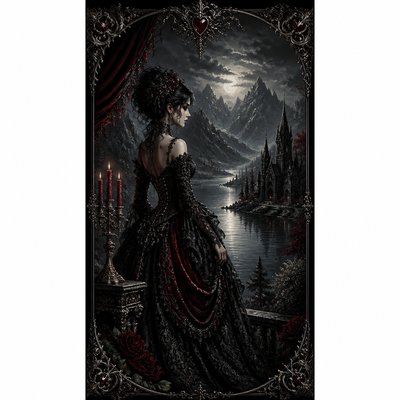
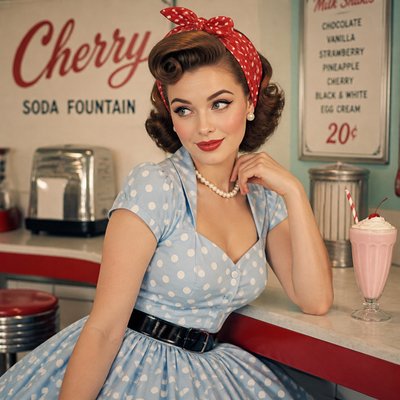
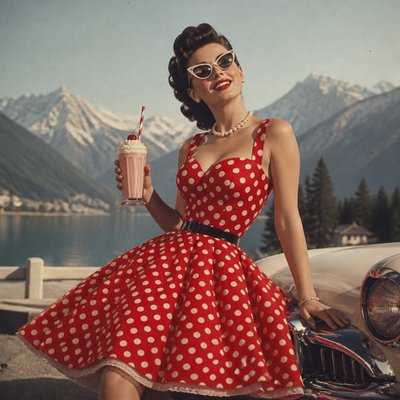
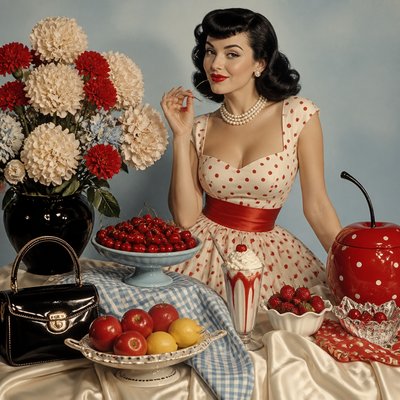
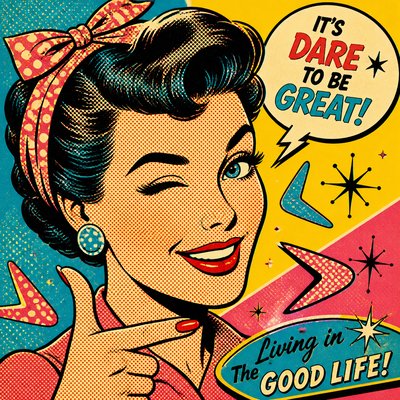
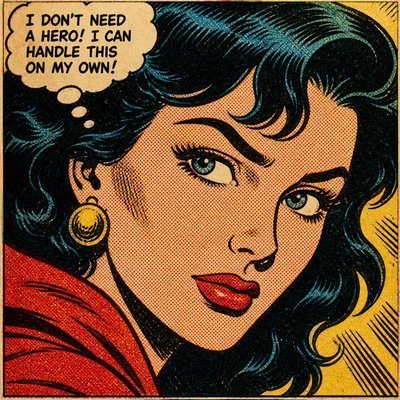
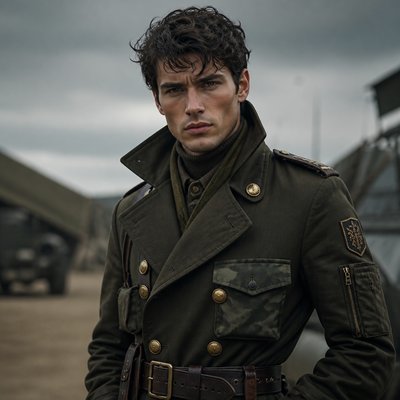
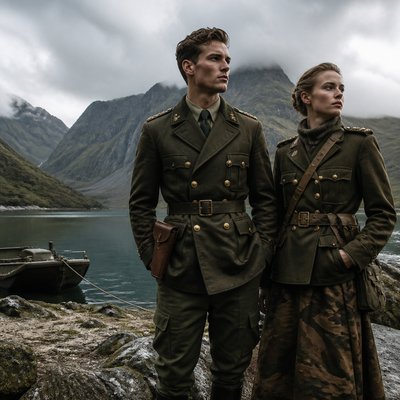
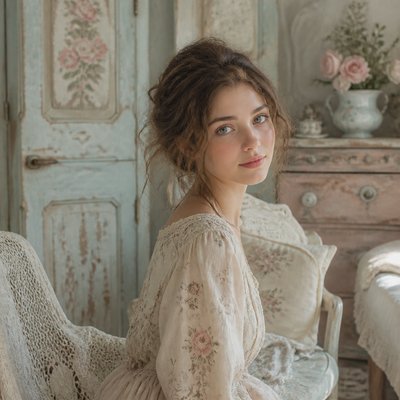
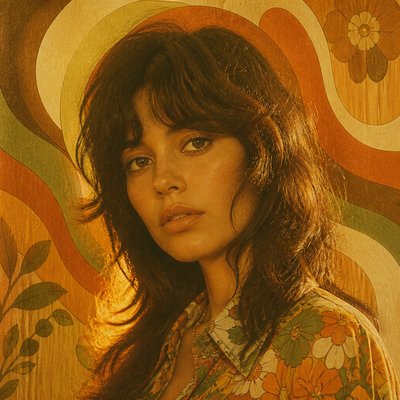
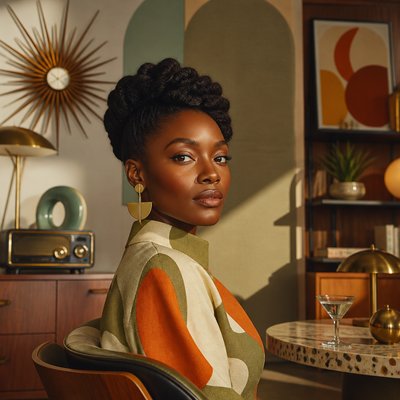
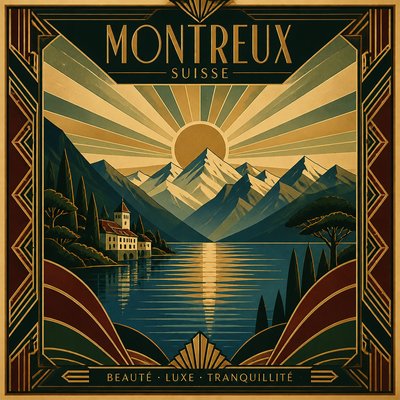
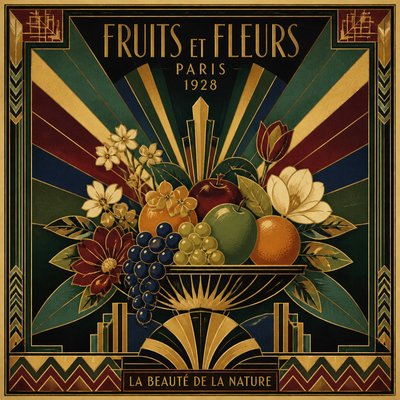
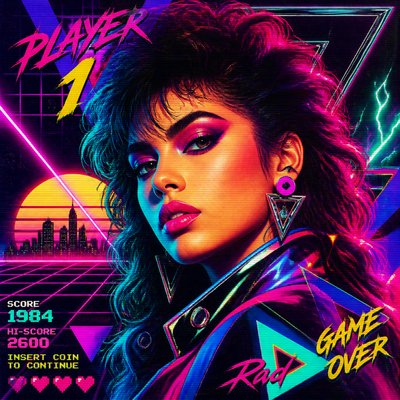
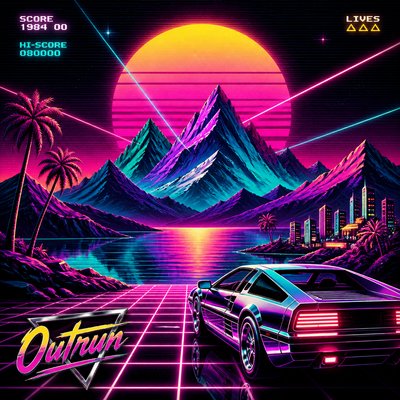
Vintage Retro Fashion Design is a nostalgic fashion aesthetic that reworks recognizable clothing silhouettes from the 1920s through the 1980s with a contemporary sensibility. It draws on the crisp tailoring of mid-century dressing, the glamour of Art Deco and Hollywood costume, the playful optimism of postwar fashion, the mod lines of the 1960s, the disco sheen of the 1970s, and the bold structure of the 1980s, often combining these references into a single polished look.
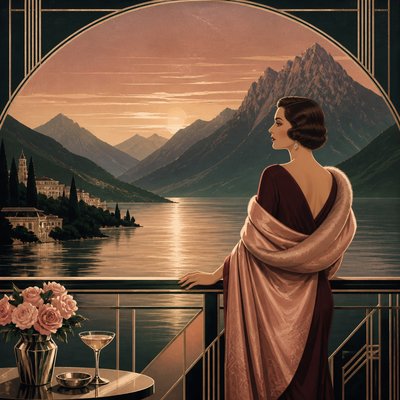
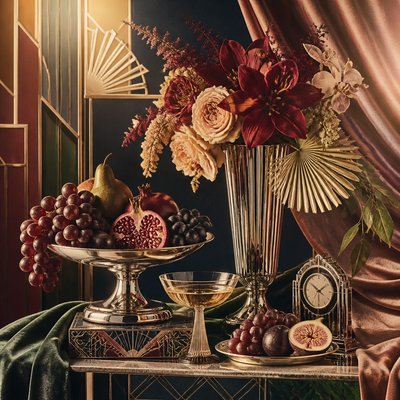
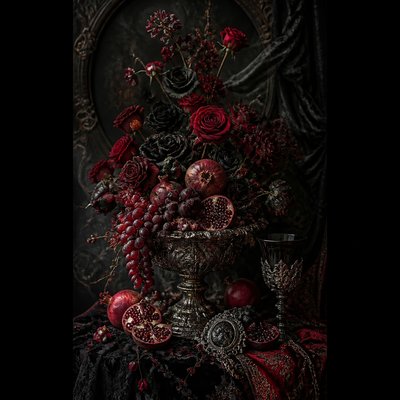
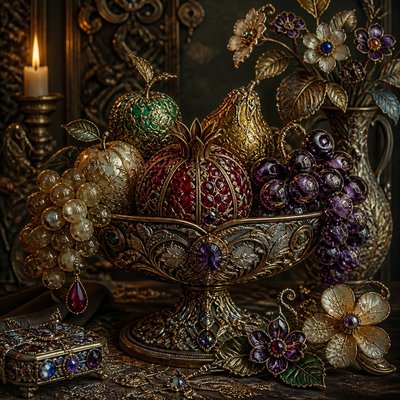
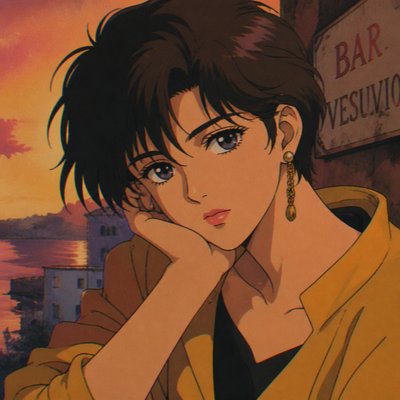
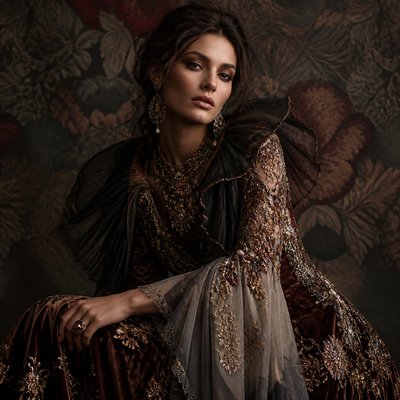
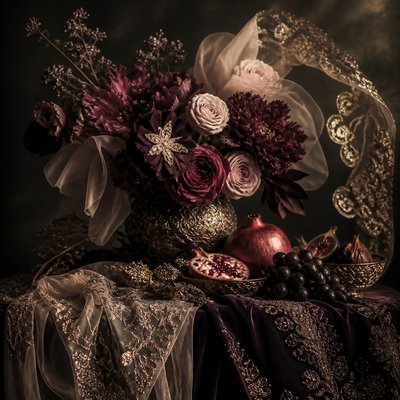
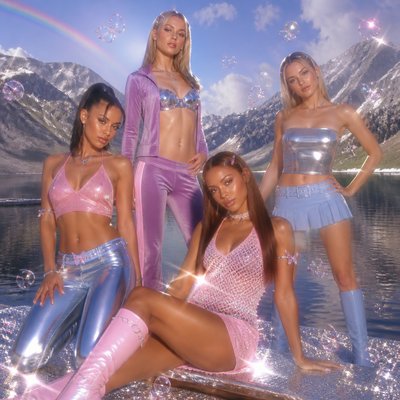
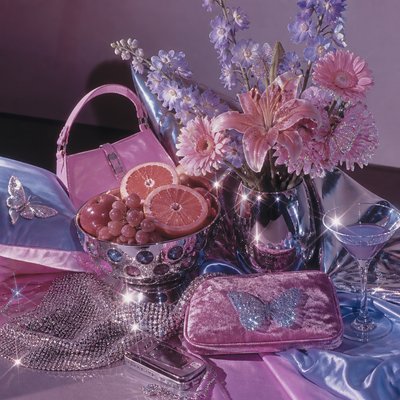
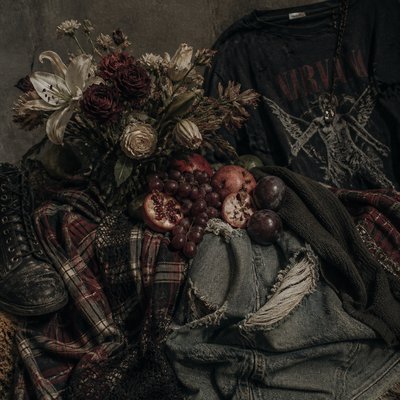
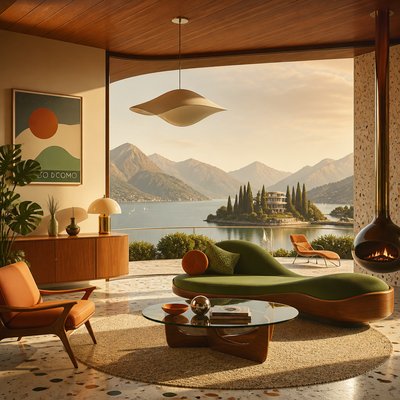
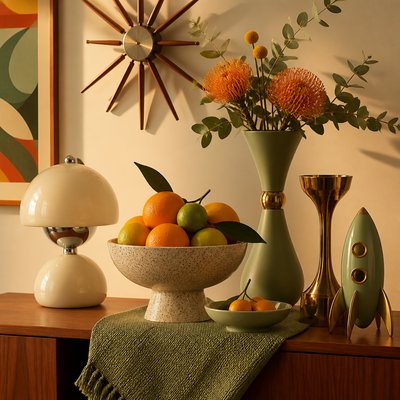
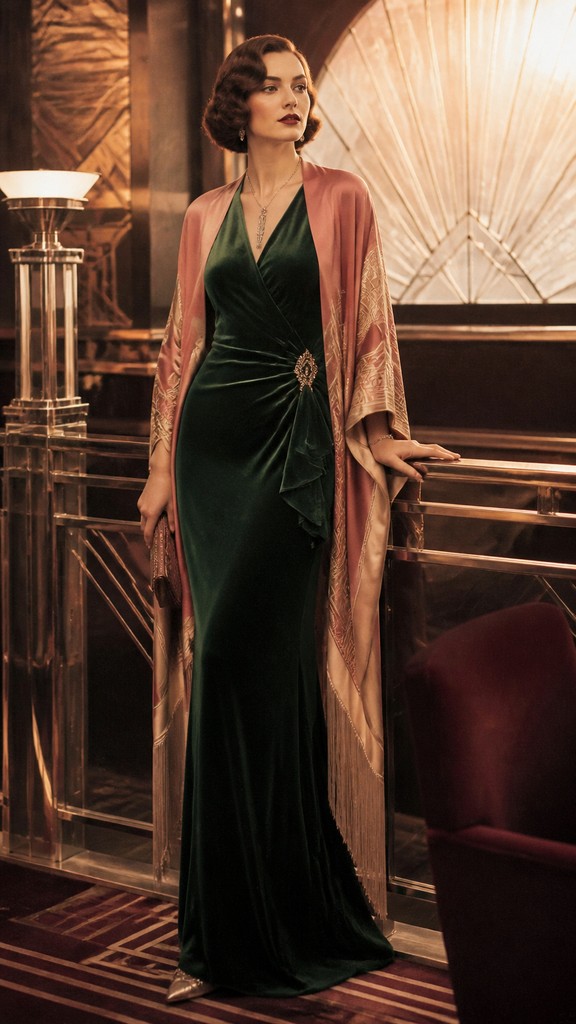
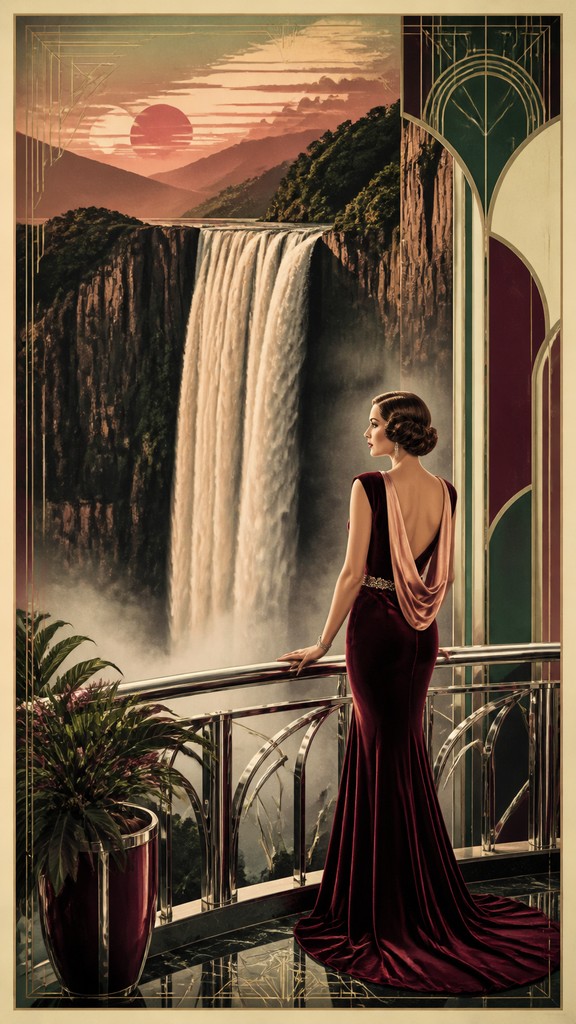
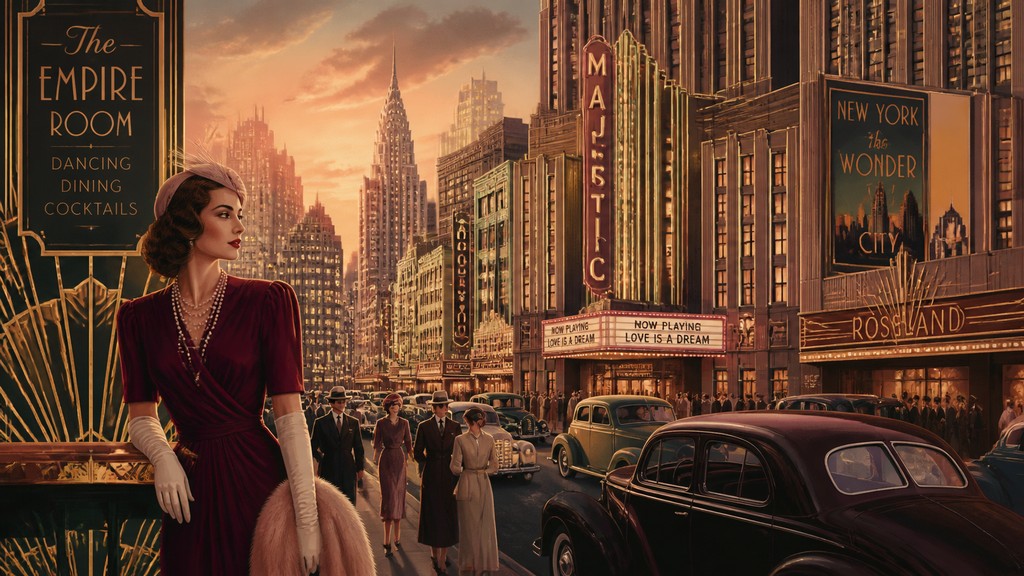
Its visual identity is built from streamlined forms, decorative but controlled detailing, and materials that suggest richness and tactility: velvet, satin, silk, chrome hardware, pearl accents, and tailored wool. The style often uses jewel tones, softened pastels, and warm, nostalgic lighting to create an image that feels both historically referential and newly refined. The result is less a strict period reconstruction than a curated fashion memory, where iconic silhouettes are updated for clarity, elegance, and present-day appeal.
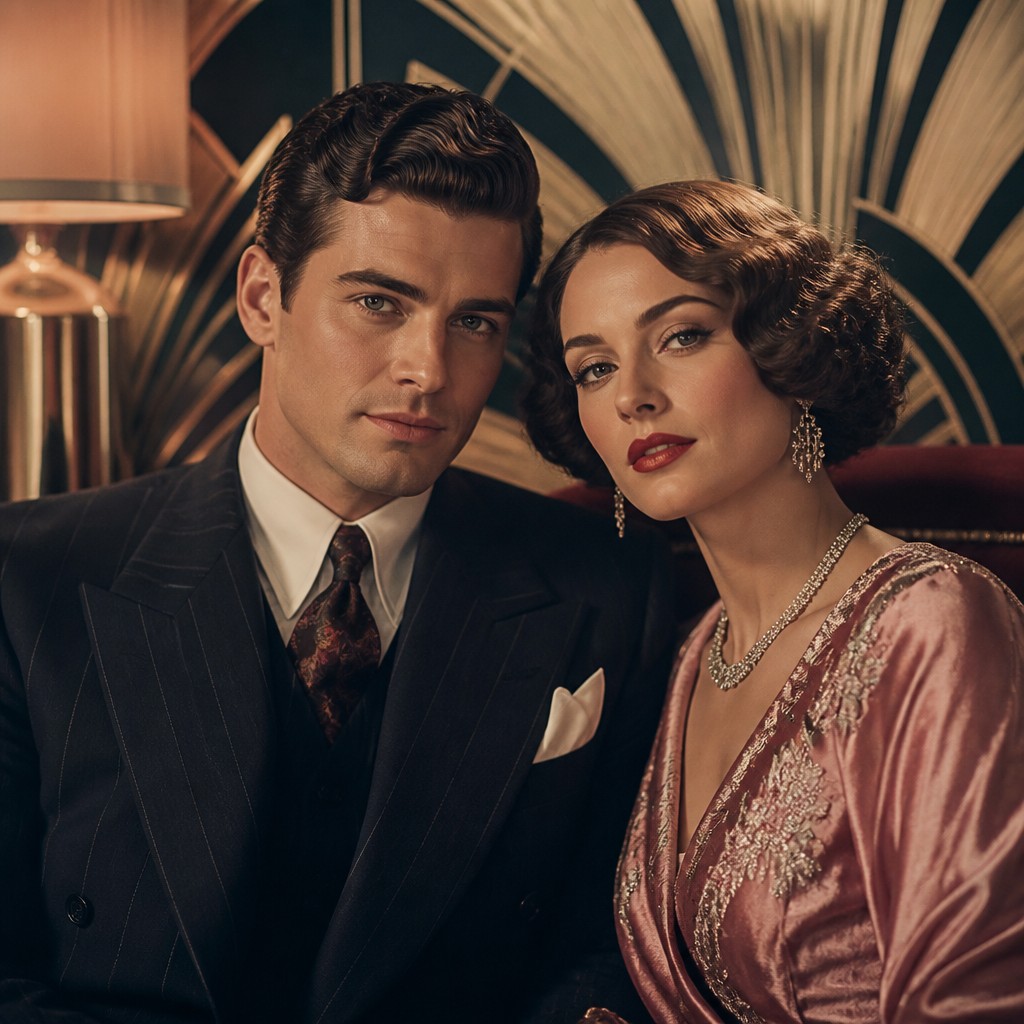
Try It On Your Photos
Upload any photo and convert it into Vintage Retro Fashion Design — drag the sliders to compare before and after.
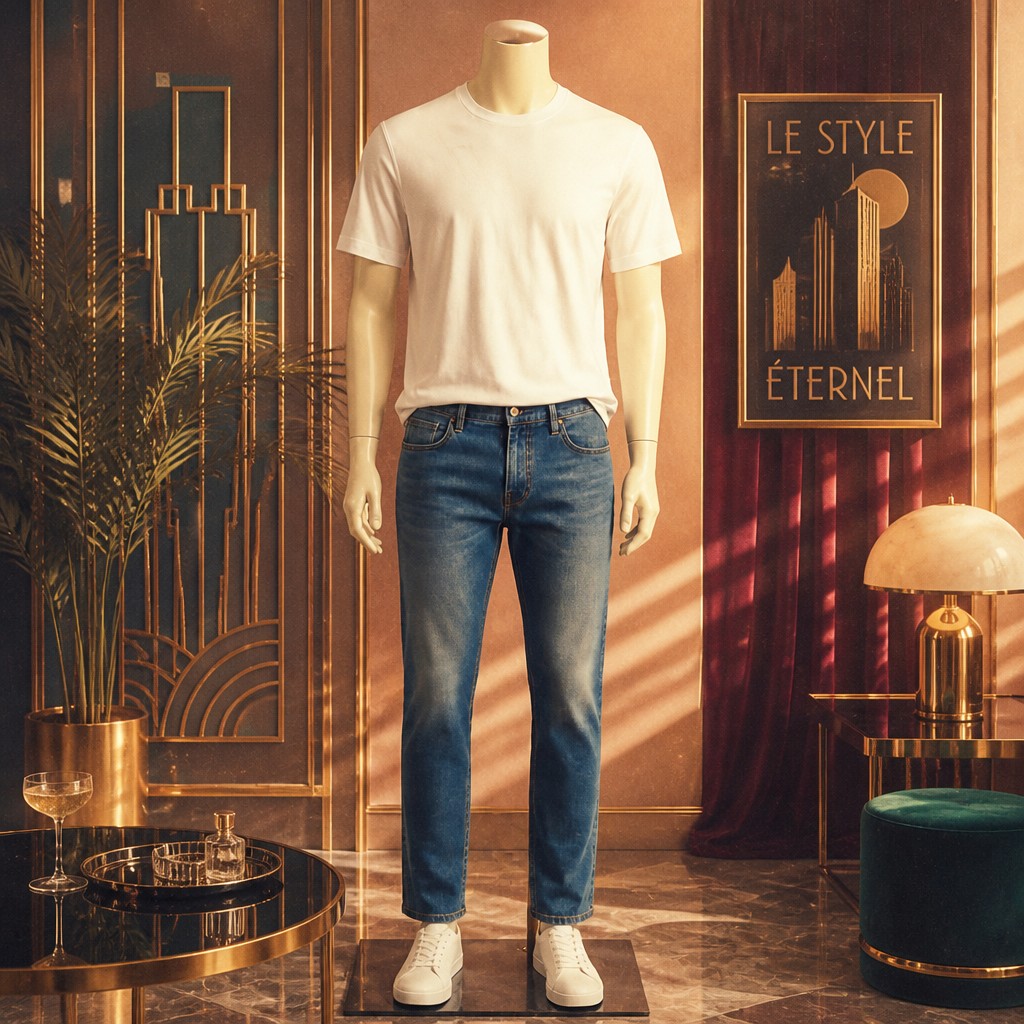
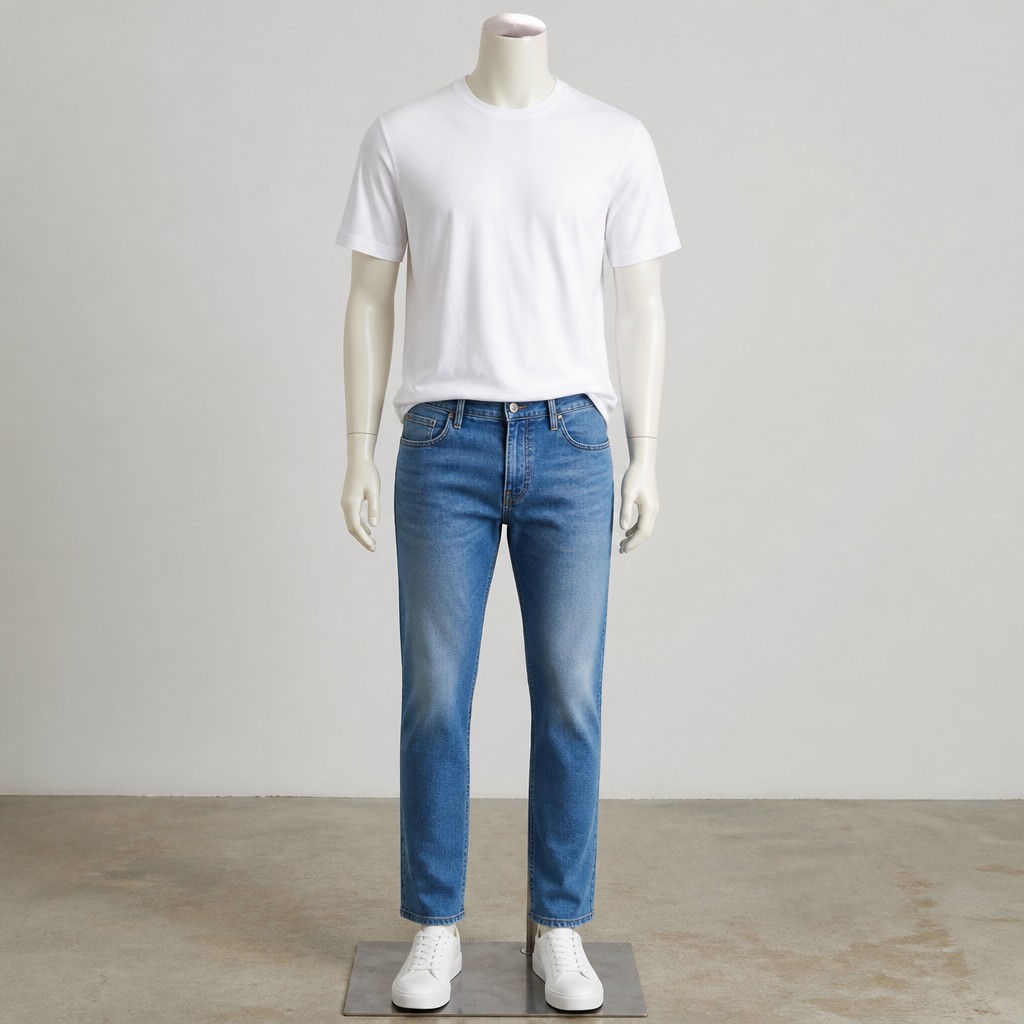
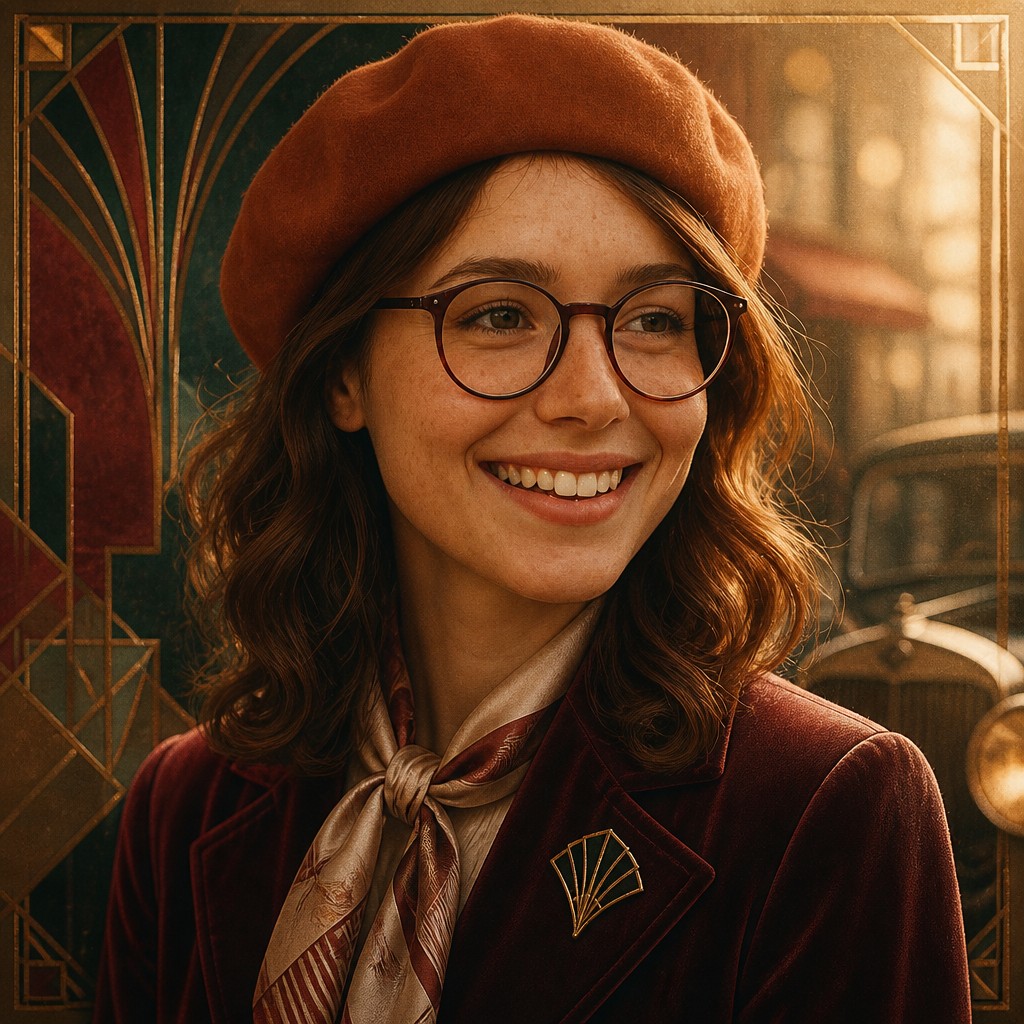

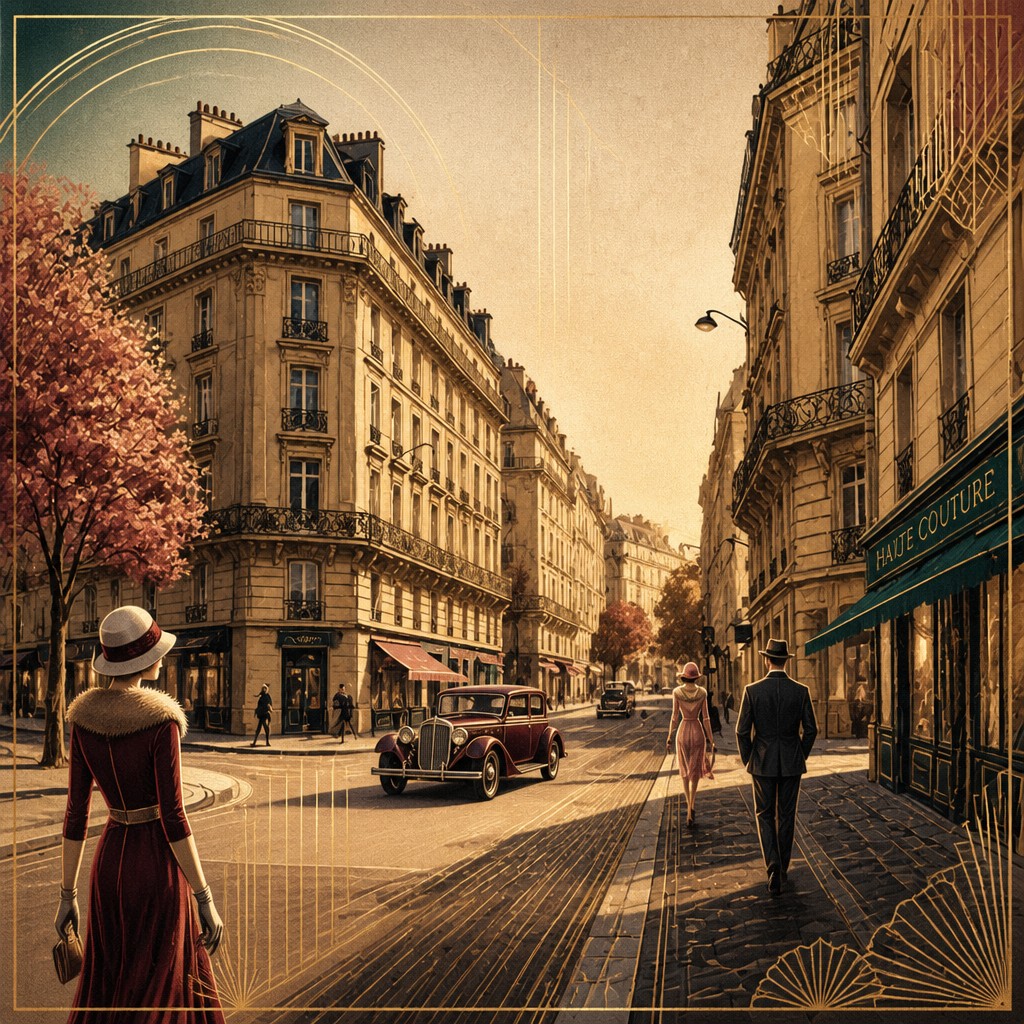

What Defines Vintage Retro Fashion Design
The signature details, up close
Period-inspired silhouettes
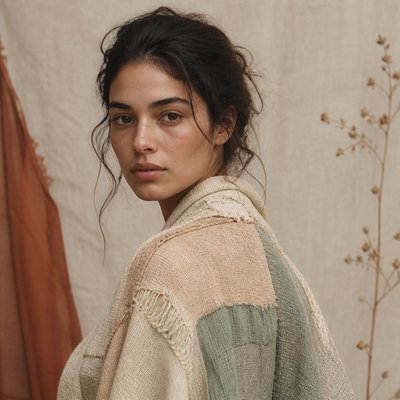
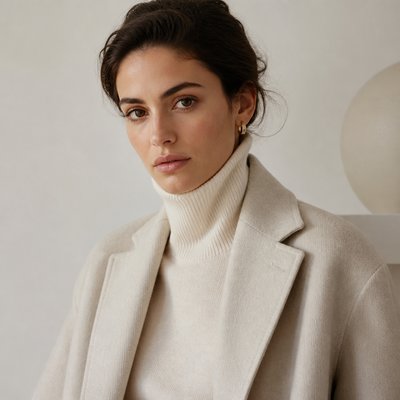
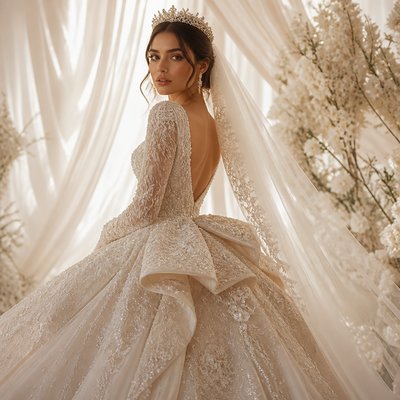
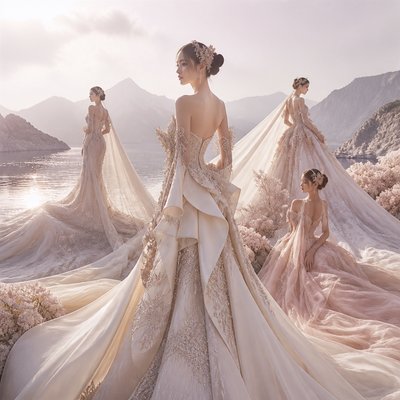
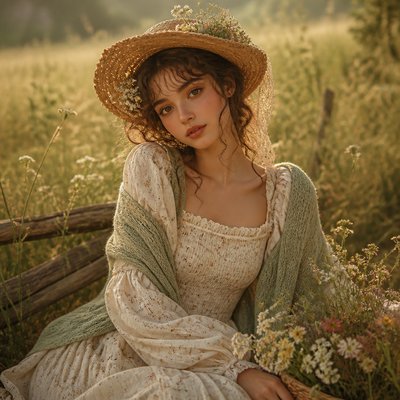
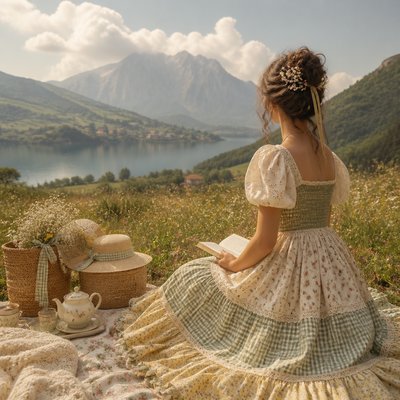
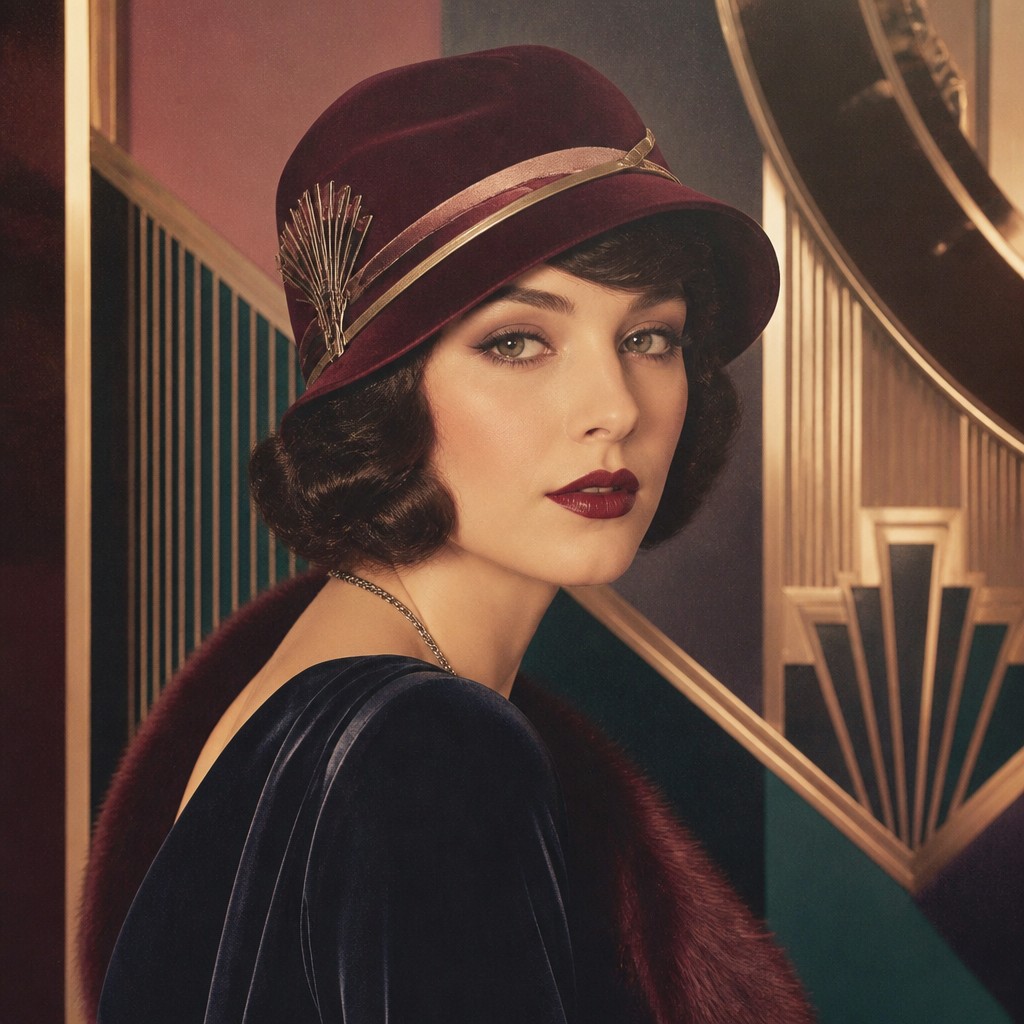
Garments often echo flapper shapes, nipped waists, A-line skirts, mod minis, wide lapels, bell-bottoms, or power shoulders. The silhouette is usually the strongest historical signal, even when the details are simplified.
Decorative restraint
Embroidery, piping, buttons, bows, and geometric trim are used deliberately rather than excessively. Ornament tends to frame the garment structure and reinforce the era reference.
Rich but softened color
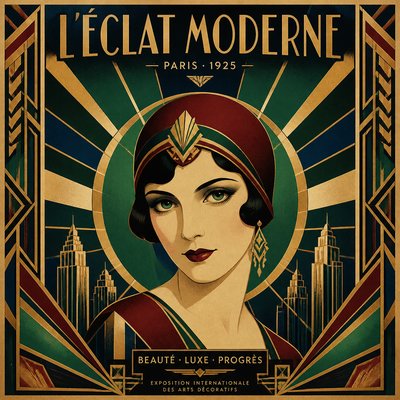
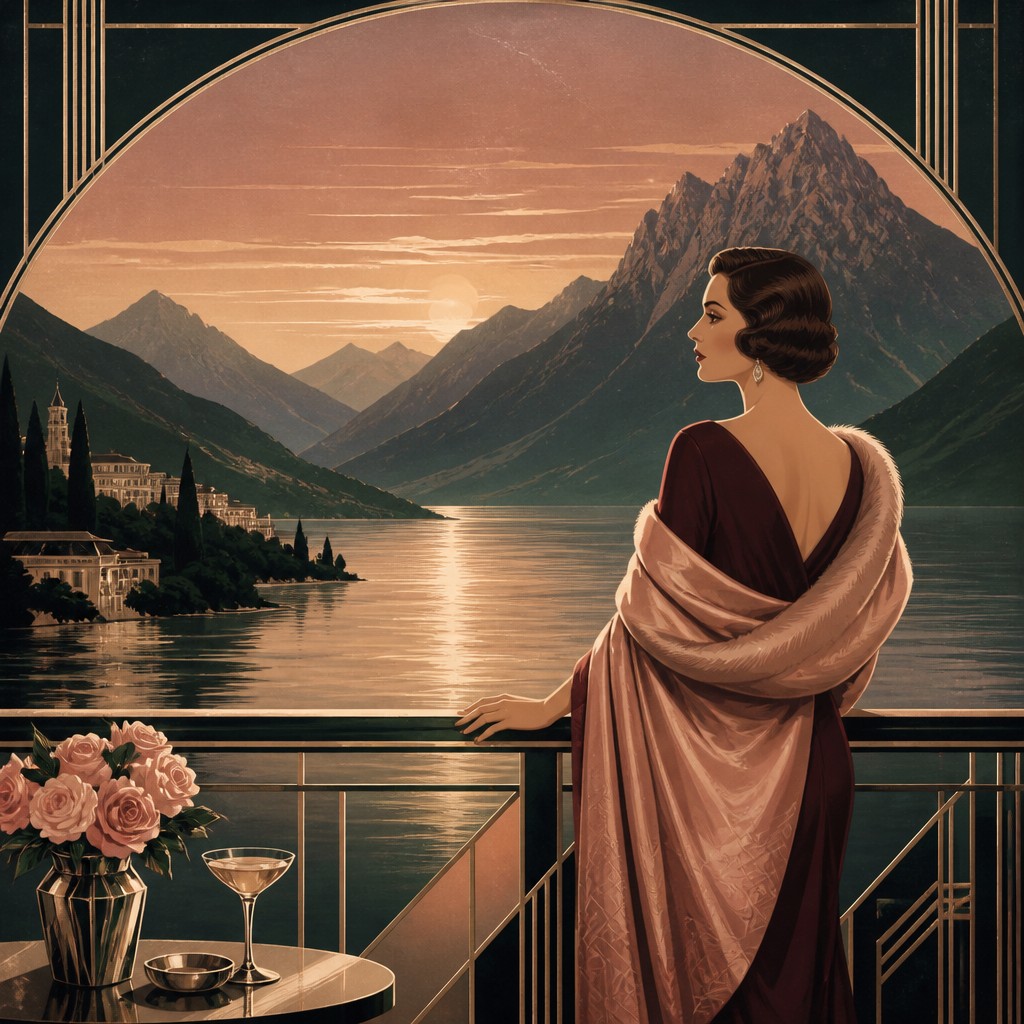
Burgundy, emerald, navy, champagne, cream, dusty rose, and muted gold are especially common. The palette feels luxurious without becoming overly saturated or neon.
Tactile surface emphasis
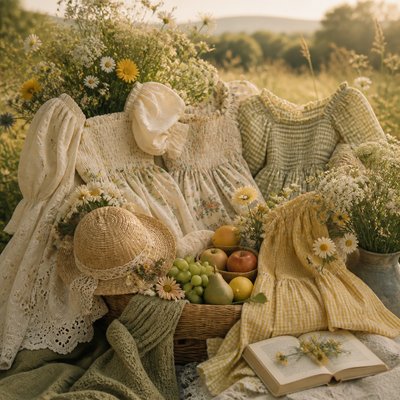
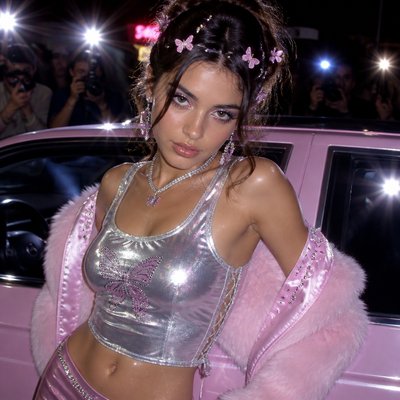
Materials are suggested through sheen, drape, and texture: satin reflections, velvet depth, wool structure, or chrome-like highlights. Even in flat illustration, surface quality is important to the style.
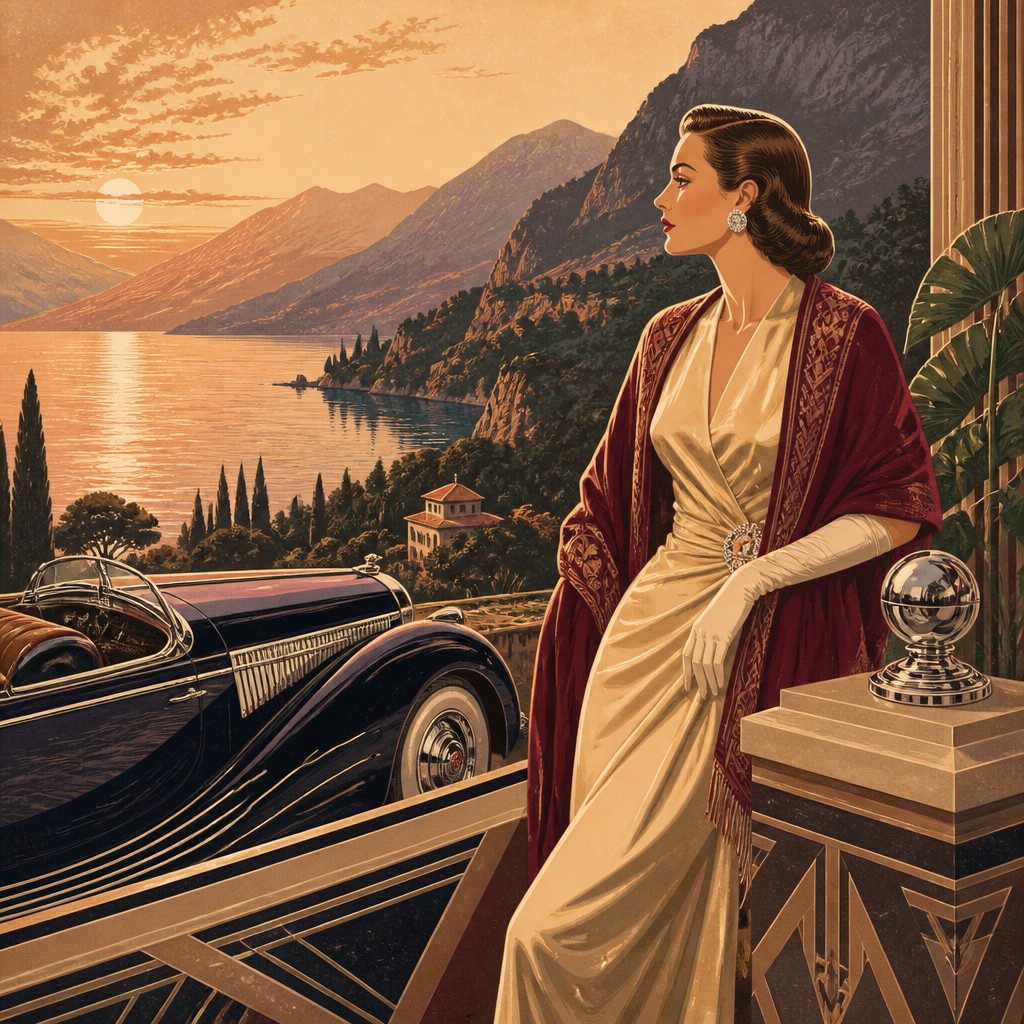
Editorial composition
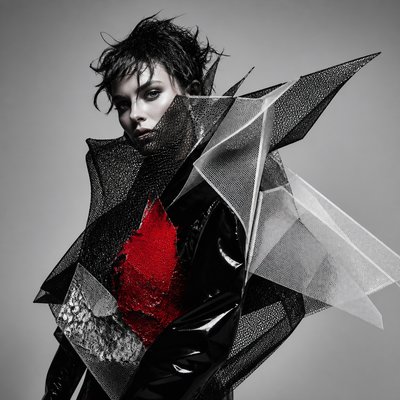
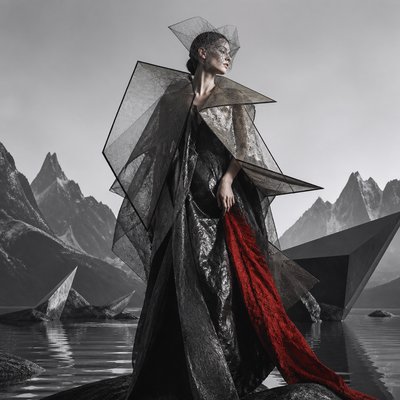
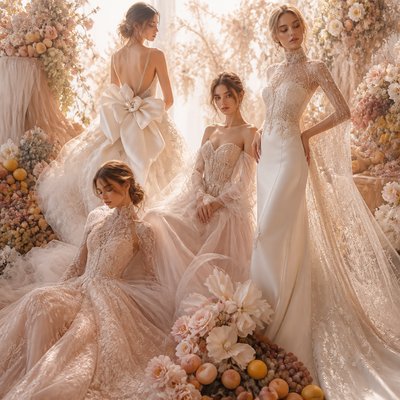
Figures are usually posed with balance and poise, as if photographed for a fashion spread or catalog. The framing tends to be clean, allowing the clothing to remain the focal point.
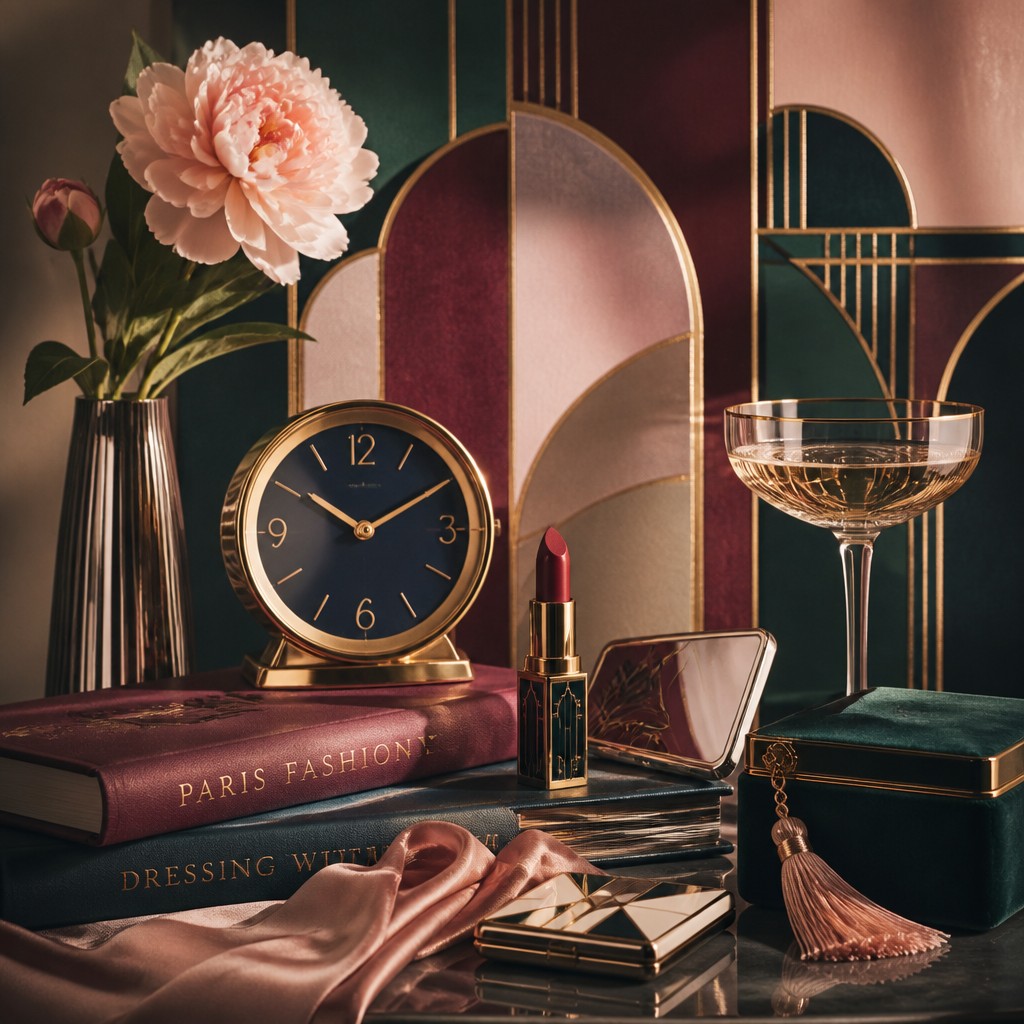
Vintage photographic atmosphere
Warm light, soft diffusion, and subtle grain help the image feel archival or magazine-like. These effects add nostalgia and distinguish the style from crisp contemporary fashion rendering.
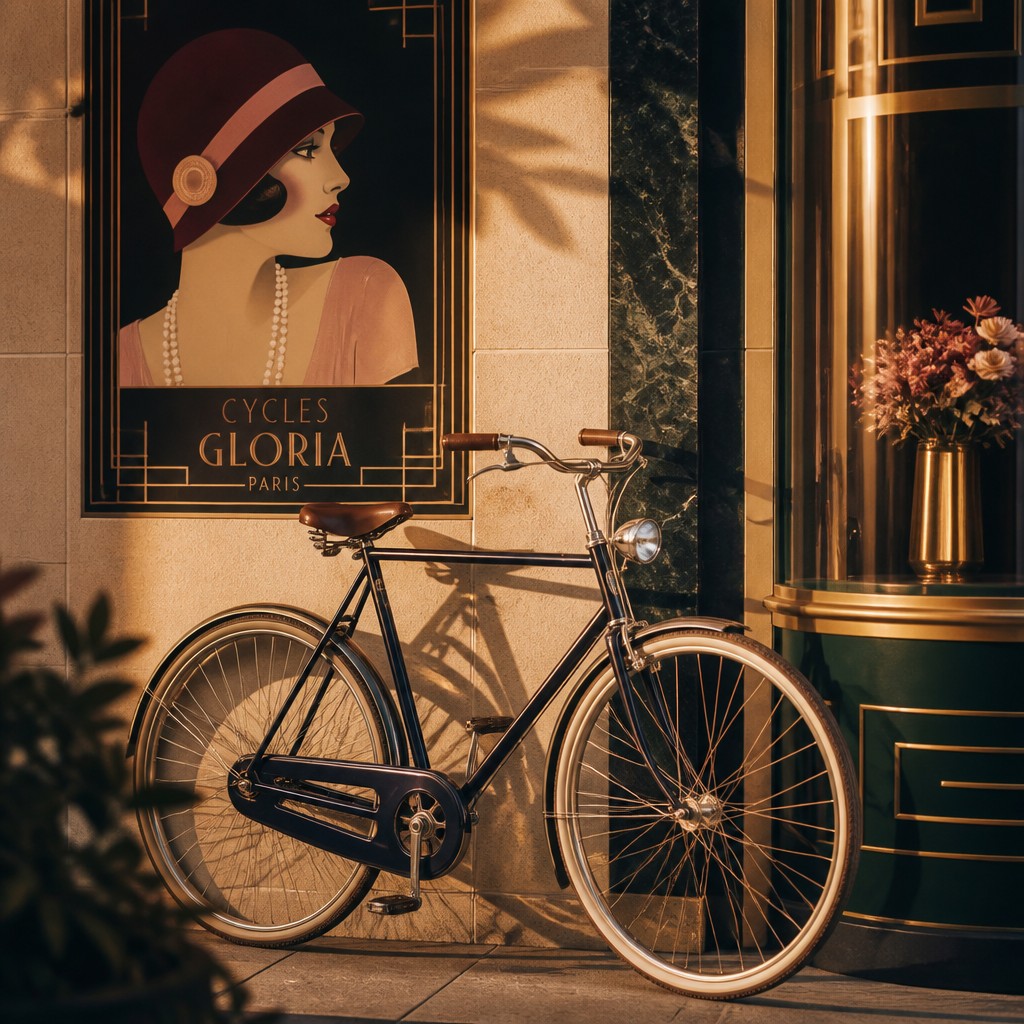
Modernized retro finish
The final look avoids exact historical reconstruction by smoothing proportions, refining edges, and updating styling details. This gives the clothing a timeless quality rather than a dated costume effect.
Try It
Create Videos in Vintage Retro Fashion Design
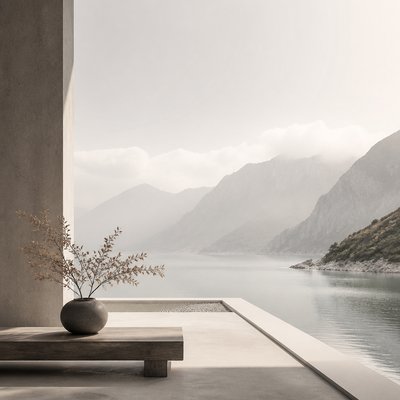
Styles aren't just for stills — describe a scene or animate an image and get a short video rendered in Vintage Retro Fashion Design. Press play to see this pond come to life.
Make a VideoVintage Retro Fashion Design Prompt Ideas
Start from an idea — each one opens the generator with the style ready to go. See all 40 Vintage Retro Fashion Design prompts →
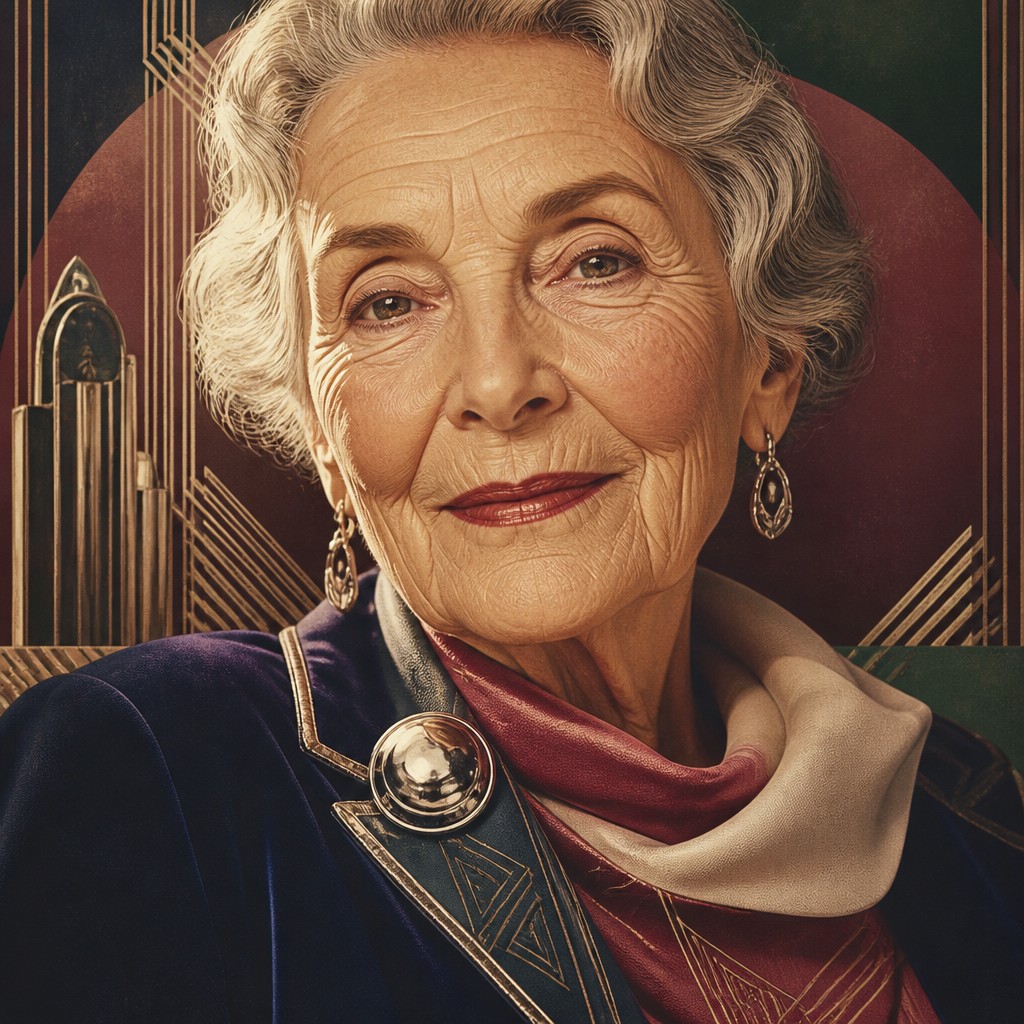
“close-up portrait of an elderly person with expressive weathered features”
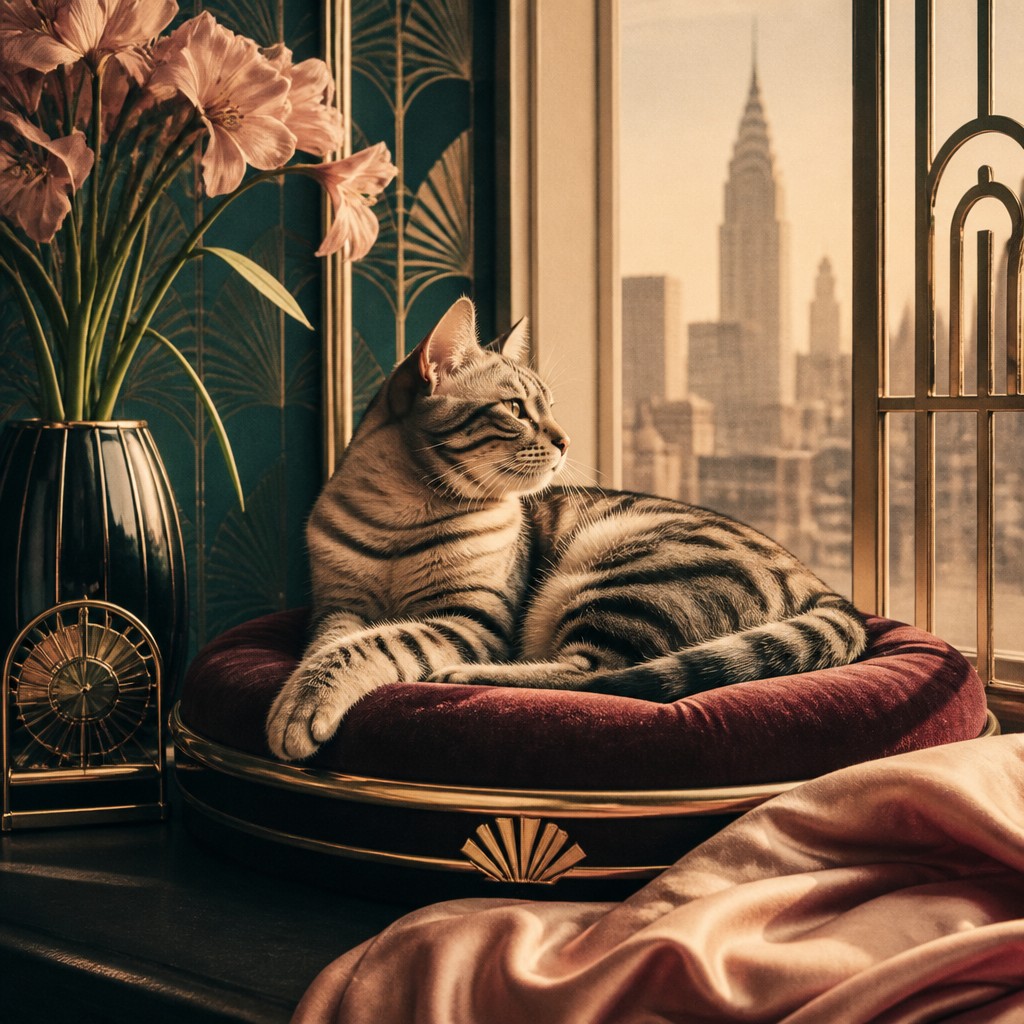
“a cat lounging in a sunlit window”
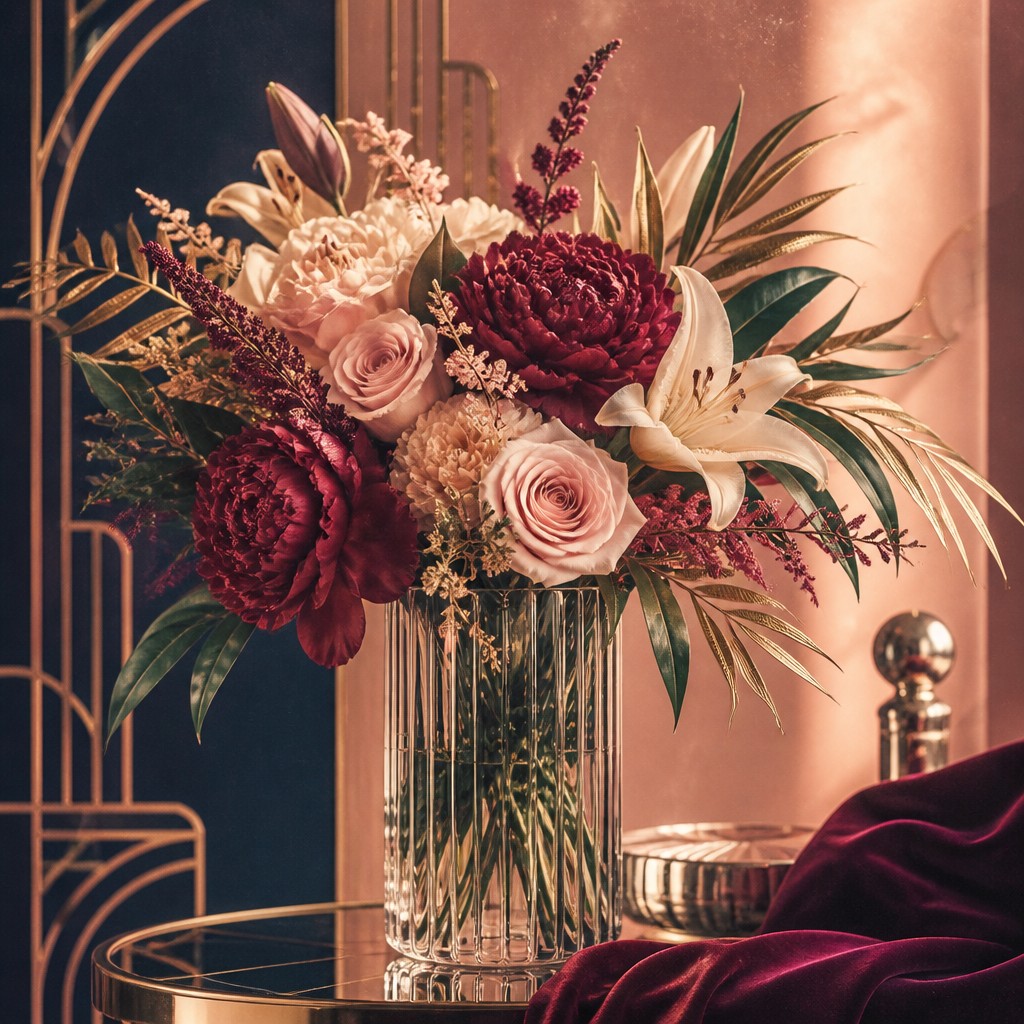
“bouquet of flowers in a glass vase”
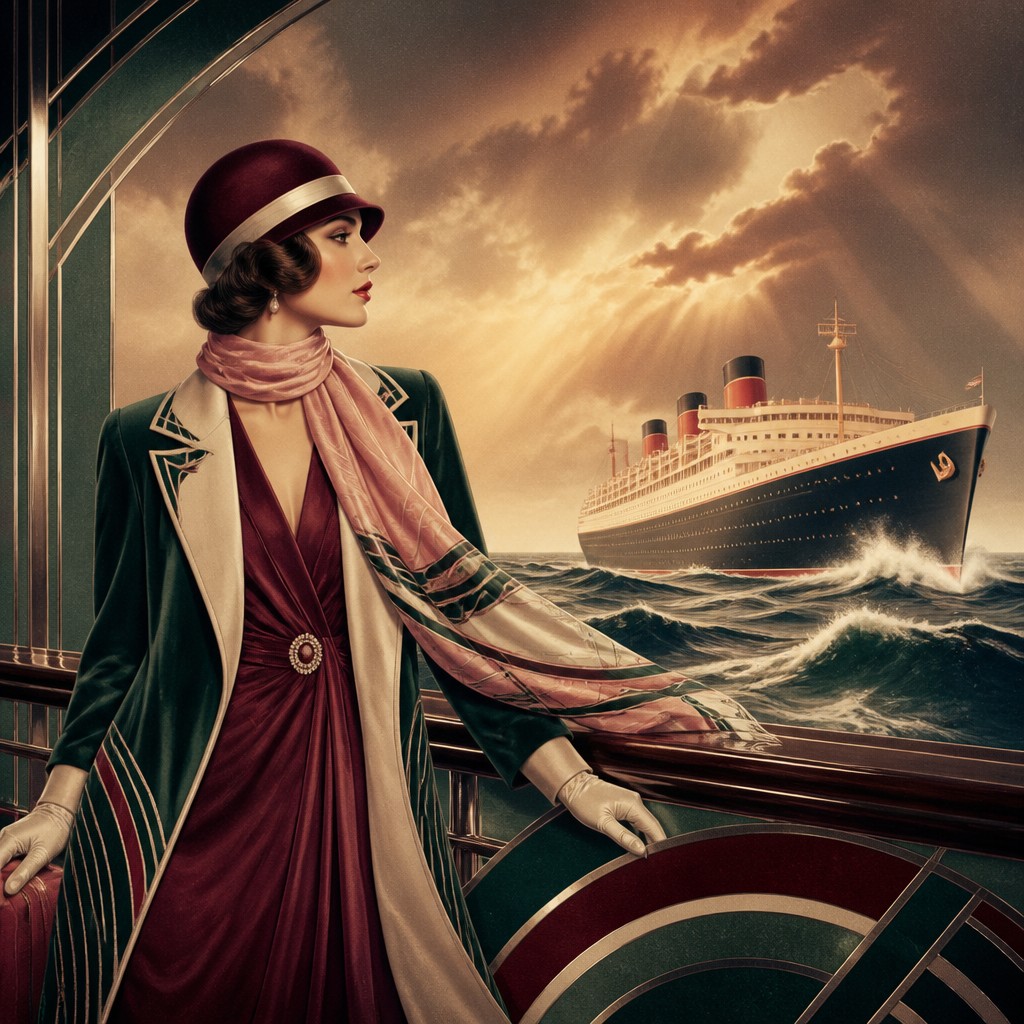
“sailing ship on a stormy sea”
How to Create Vintage Retro Fashion Design Art
Master the craft step by step — or skip straight to creating. Read the full guide →
- 1
Start with the decade reference
Choose one or two historical anchors before designing the outfit, such as 1930s eveningwear, 1960s mod tailoring, or 1970s disco glamour. Build the silhouette first, then add era-specific details like lapels, waistlines, sleeve shapes, or hem lengths.
- 2
Prioritize fabric behavior
Render drape, sheen, and structure clearly so the garment reads as fashion rather than generic costume. Use soft highlights for silk and satin, deeper shadows for velvet, and crisp edges for tailored wool or suiting.
- 3
Use a controlled decorative language
Limit ornament to motifs that support the period feel, such as geometric borders, pearl accents, contrast piping, or metallic buttons. Too many mixed references can make the look feel unfocused.
- 4
Balance nostalgia with clean modern styling
Keep the composition uncluttered and let the outfit remain the focus. Modern polish often comes from simplified backgrounds, elegant posing, and a more selective use of vintage cues.
- 5
For digital or AI generation, specify mood and material
Prompt for the historical silhouette, color palette, fabric qualities, and lighting together so the result does not drift into generic retro. Phrases like 'golden-hour diffusion,' 'subtle film grain,' and 'art-deco linear accents' help preserve the intended atmosphere.
The Story
History & Origins of Vintage Retro Fashion Design
This style does not belong to a single historical movement; it is an aesthetic lineage assembled from several major eras of fashion history. Its core references come from the interwar glamour of the 1920s and 1930s, the structured femininity of 1940s–1950s dress, the graphic youth culture of the 1960s, and the expressive glamour of the 1970s and 1980s. In visual culture, it also borrows from vintage magazine illustration, couture photography, film costume design, and Art Deco ornament, all of which helped define how fashion was pictured as aspirational and stylish.
As a contemporary design language, it emerged from broader retro revival trends in fashion editorsials, branding, and digital illustration. Designers and image-makers use historical cues selectively rather than faithfully reproducing a single decade, which allows the style to feel familiar without becoming costume. The modern update usually appears in cleaner composition, refined color balance, simplified silhouettes, and more polished rendering, giving old references a current, editorial finish.
Influences: Vintage Retro Fashion Design draws from Art Deco ornament, mid-century fashion illustration, couture photography, and film costume traditions, especially the glamorous visual language associated with major Parisian couture houses and influential fashion designers of the 20th century. It also overlaps with editorial graphic design and the revivalist habit of reusing earlier decades as style references, rather than treating any one period as a fixed template.
Frequently Asked Questions
What defines Vintage Retro Fashion Design?
It is defined by historically informed clothing silhouettes combined with a polished, contemporary presentation. The style usually includes recognizable details from the 1920s through the 1980s, but they are edited for elegance, clarity, and visual cohesion.
Is this the same as vintage fashion?
Not exactly. Vintage fashion refers to actual clothing from earlier decades, while this style is a design aesthetic that reinterprets those decades. It can look authentic, but it is usually a modern composition rather than a pure period reproduction.
How is it different from plain retro style?
Retro can simply mean referencing the past, often loosely or playfully. Vintage Retro Fashion Design is more specific and fashion-centered, with stronger attention to silhouette, textile texture, and editorial glamour.
What colors work best in this style?
Jewel tones and softened neutrals are especially effective: burgundy, emerald, navy, cream, champagne, dusty rose, and muted gold. These colors support the nostalgic mood while keeping the look refined rather than costume-like.
Where is this style commonly used?
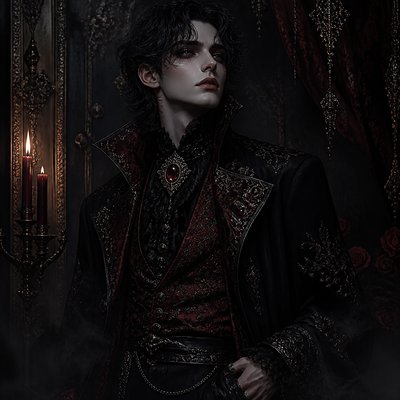
It appears in fashion illustration, magazine-style portraits, branding, posters, costume concepts, and editorial imagery. It is also popular for character design when a historical mood is needed without strict period accuracy.
How do I make it look modern instead of dated?
Keep the composition clean, reduce clutter, and focus on a single era reference or a carefully blended combination of references. Modern lighting, simplified backgrounds, and refined proportions help the image feel current while preserving nostalgia.
Create your first Vintage Retro Fashion Design artwork
Describe anything — or upload a photo — and see it in Vintage Retro Fashion Design in seconds.
Make Something with Vintage Retro Fashion Design
Related Styles
Discover similar art styles