Holographic Sticker Design
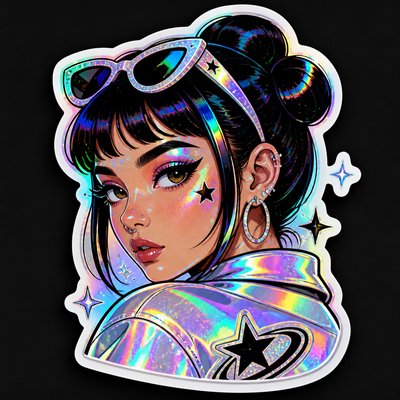
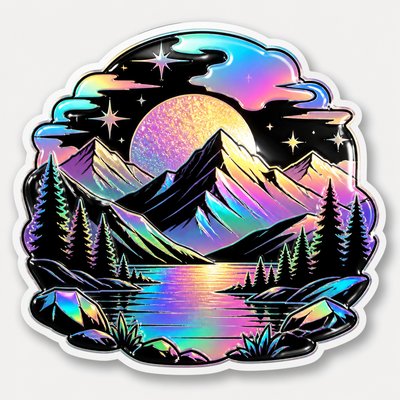
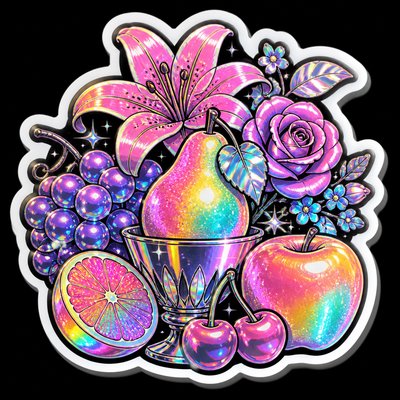
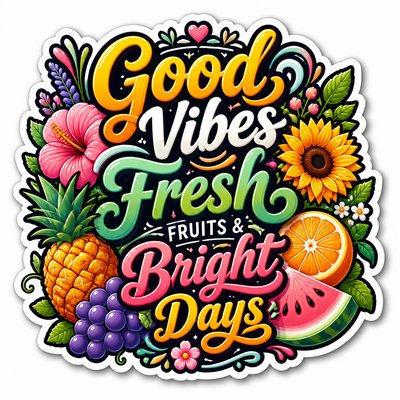
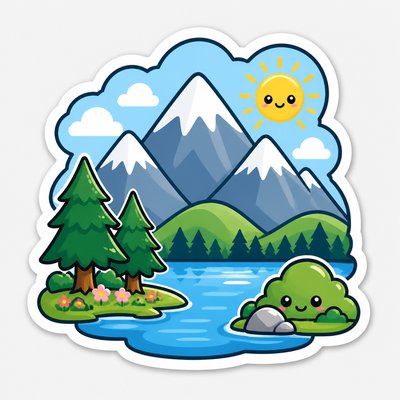
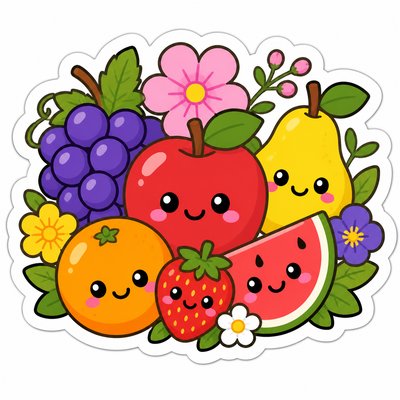
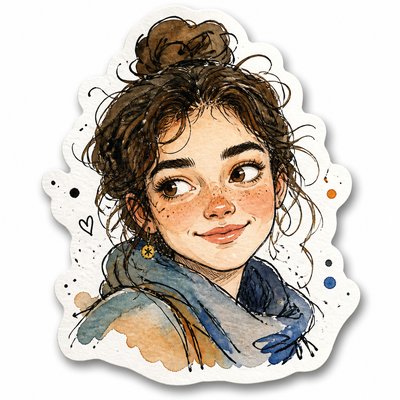
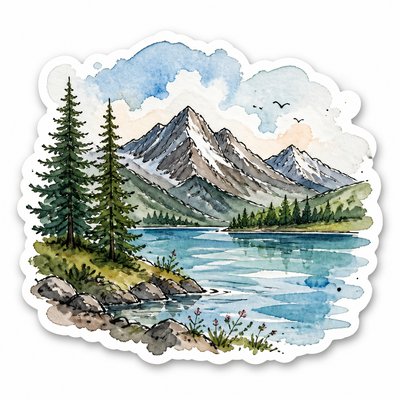
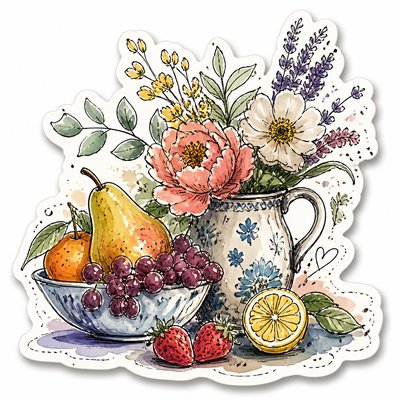
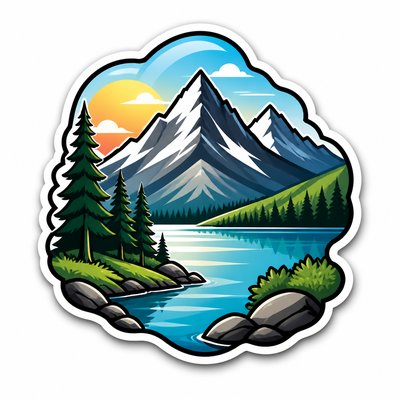
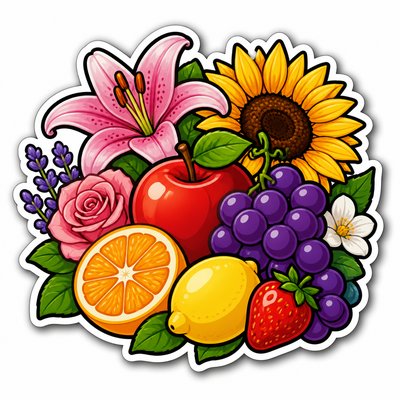
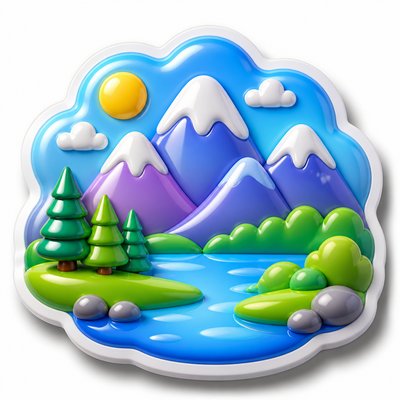
Iridescent sticker art with rainbow foil, glossy highlights, bold shapes, and die-cut borders inspired by premium collectible stickers.
Instantly rendered in Holographic Sticker Design — or transform a photo
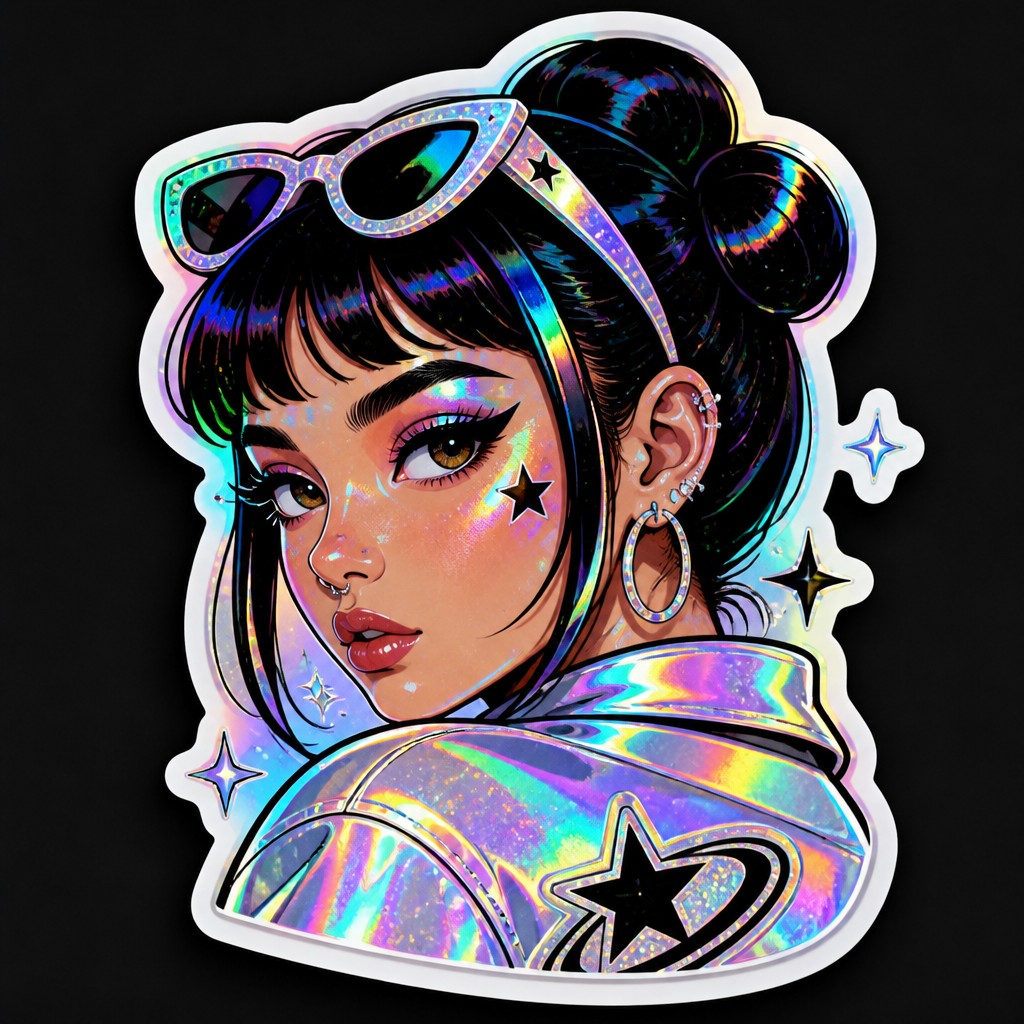
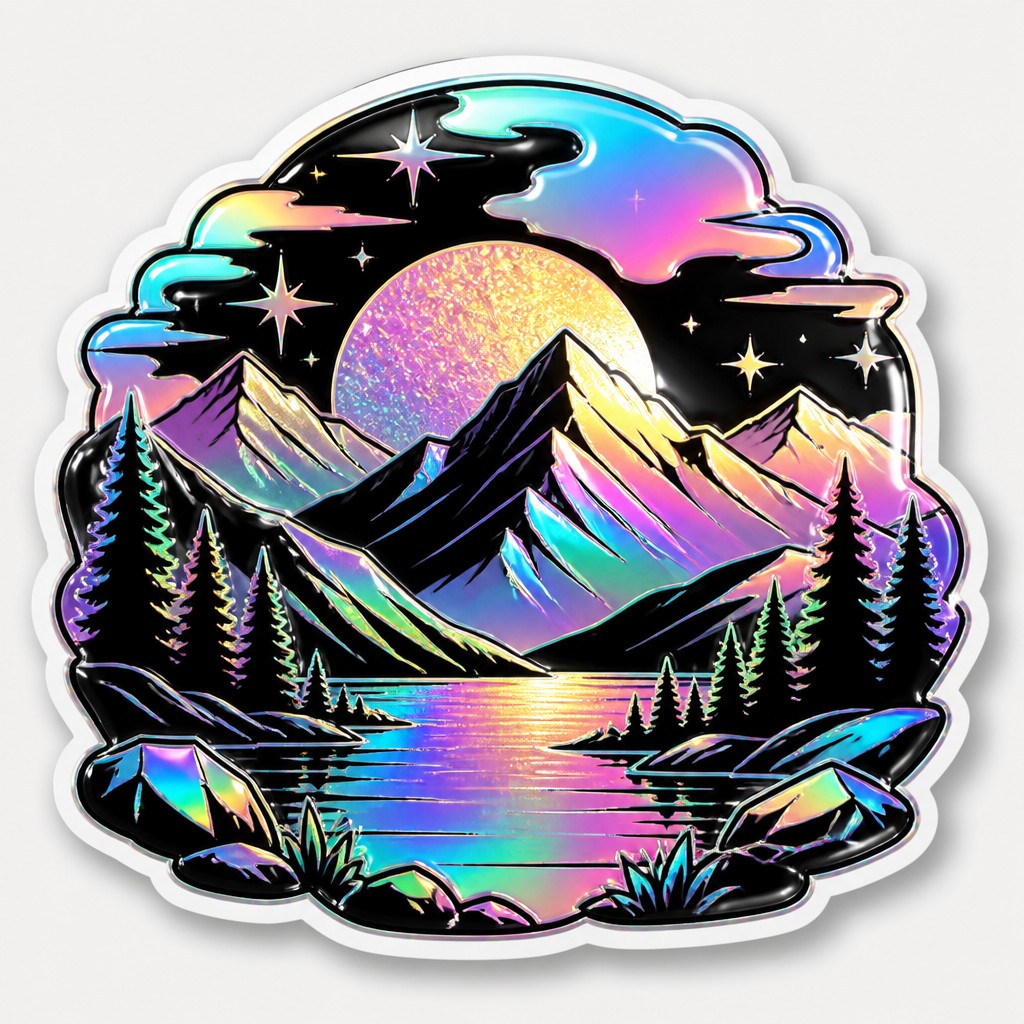
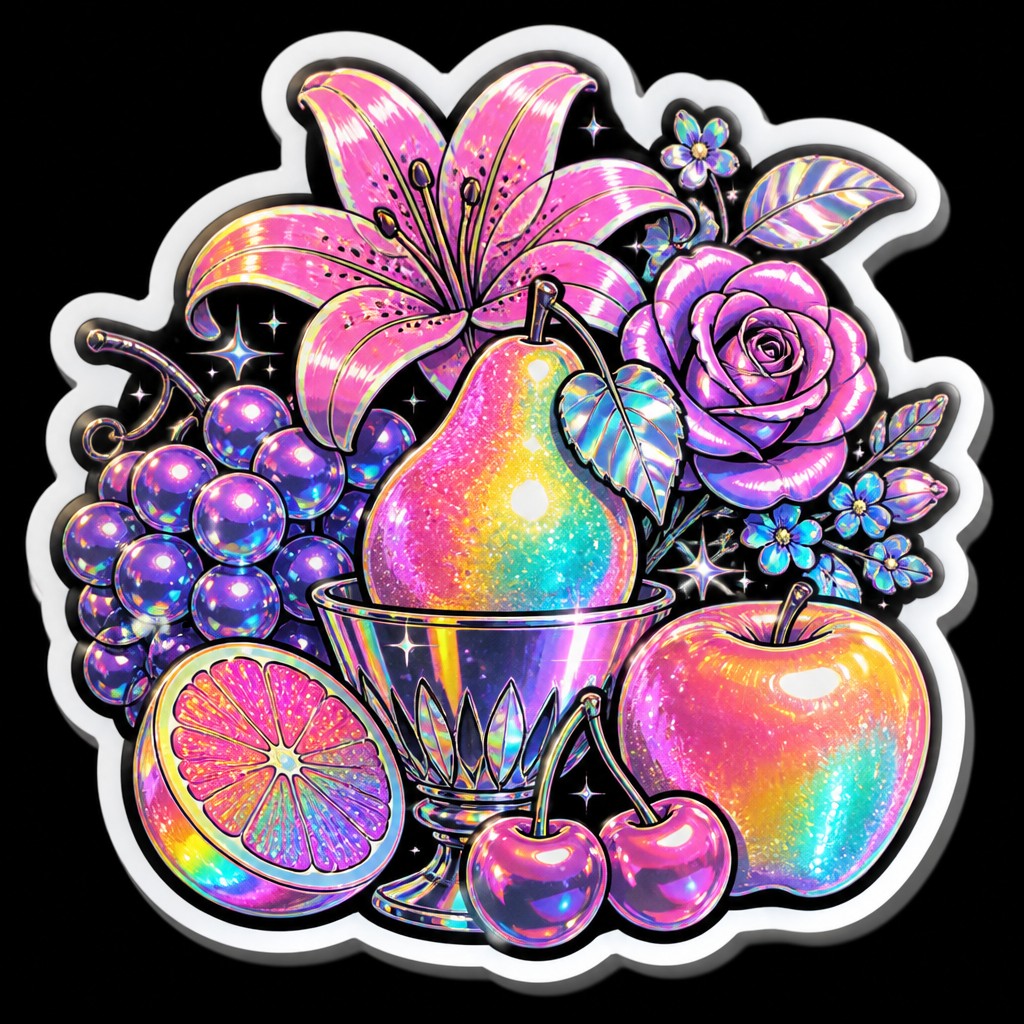
Holographic Sticker Design Gallery
Tap any artwork to explore it
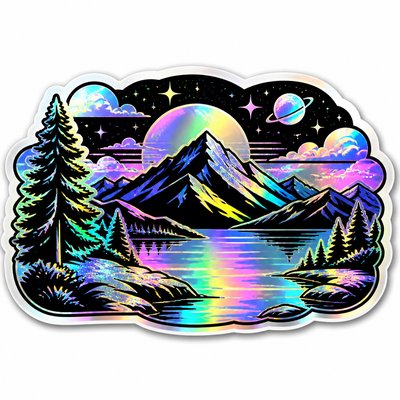
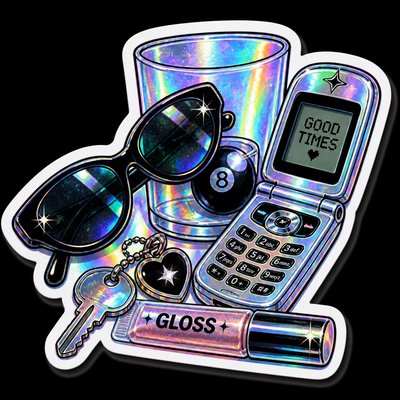
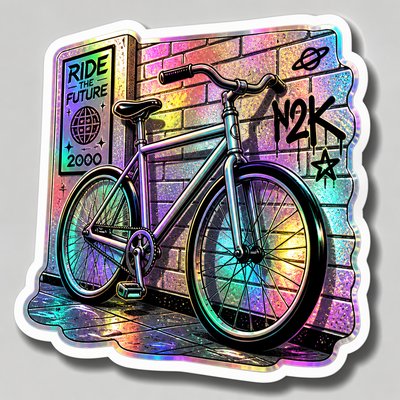
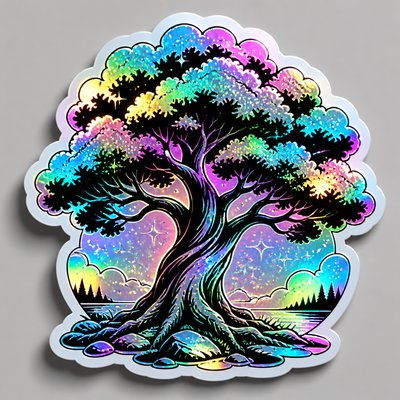
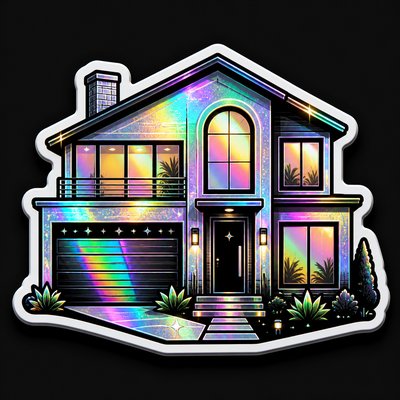
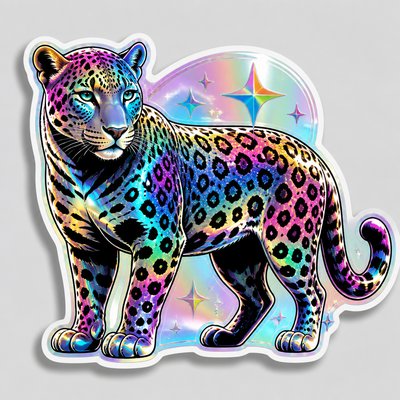
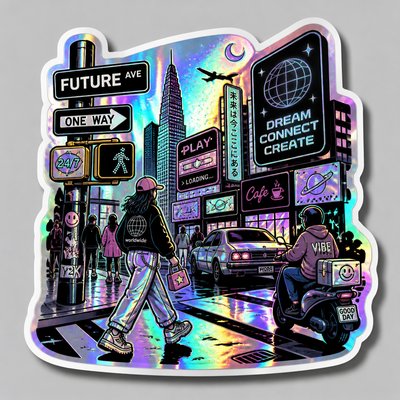
What is Holographic Sticker Design?
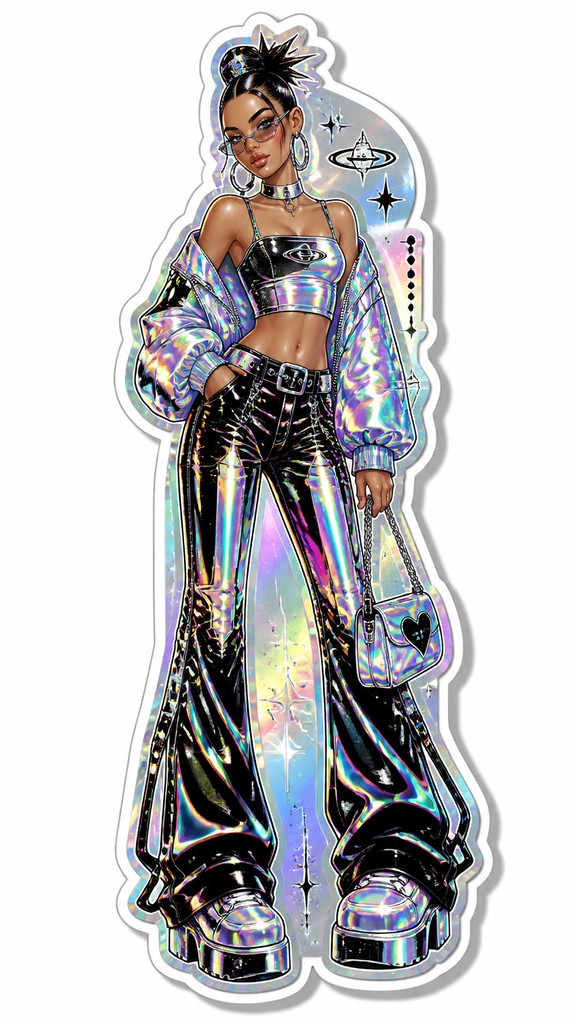
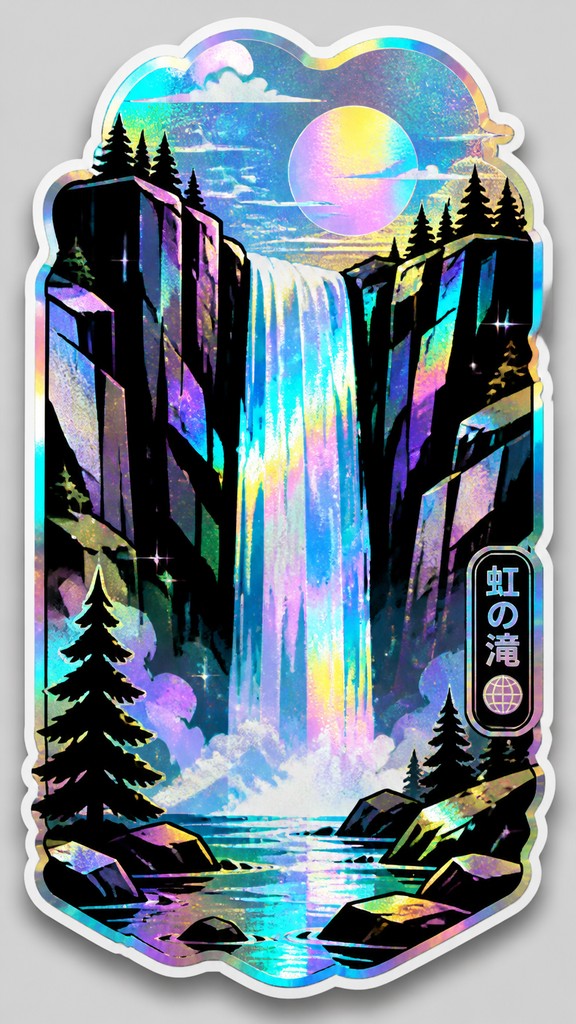
Holographic Sticker Design is a contemporary decorative style built around the look of premium collectible stickers: bold, simplified imagery; a crisp die-cut border; and a reflective foil surface that breaks light into shifting rainbow color. The overall effect is compact, high-contrast, and instantly legible, with the image designed to read clearly even at small sizes.
Its visual identity comes from the interplay of vector-like graphic clarity and highly synthetic surface effects. Smooth gradients, chrome-like reflections, micro-glitter, and prismatic highlights mimic laminated foil and diffraction film, producing the familiar color shifts associated with holographic packaging, novelty stickers, and late-1990s/Y2K merchandise aesthetics.
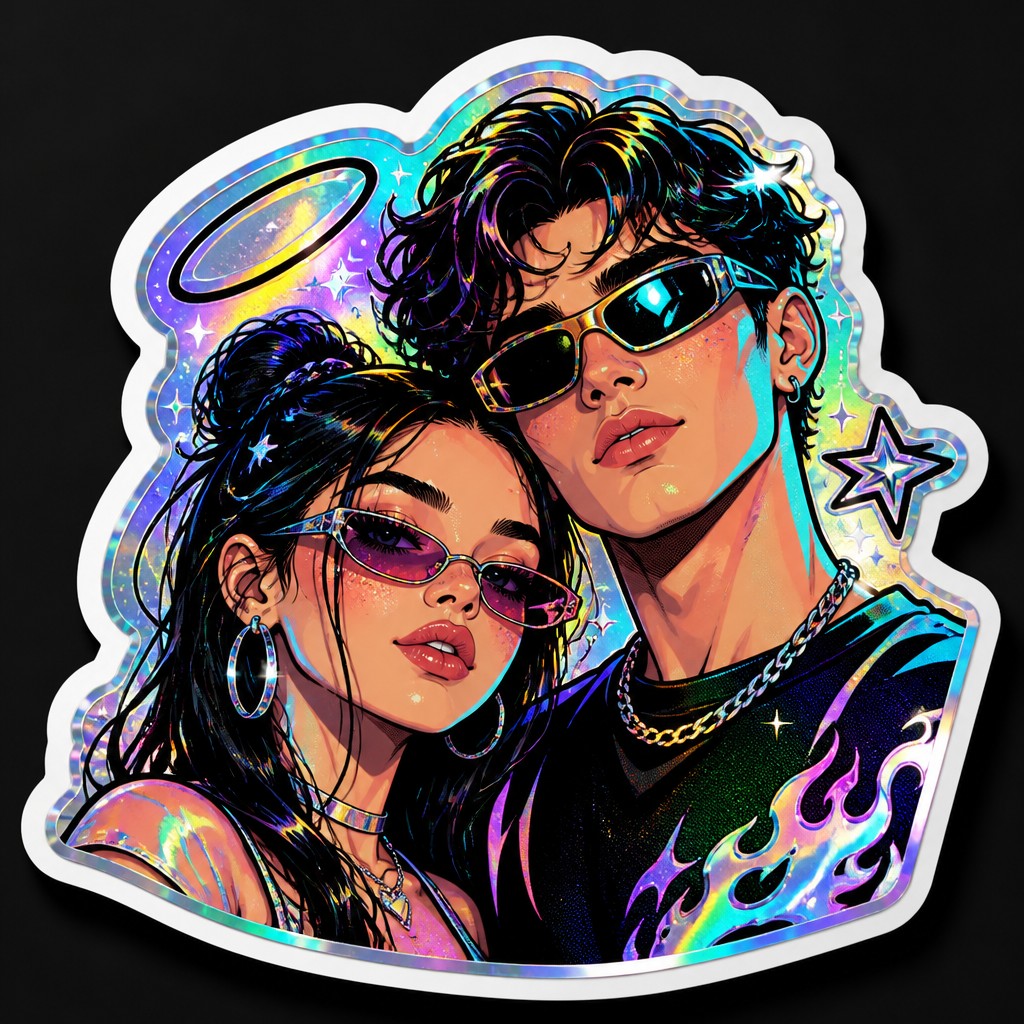
Try It On Your Photos
Upload any photo and convert it into Holographic Sticker Design — drag the sliders to compare before and after.
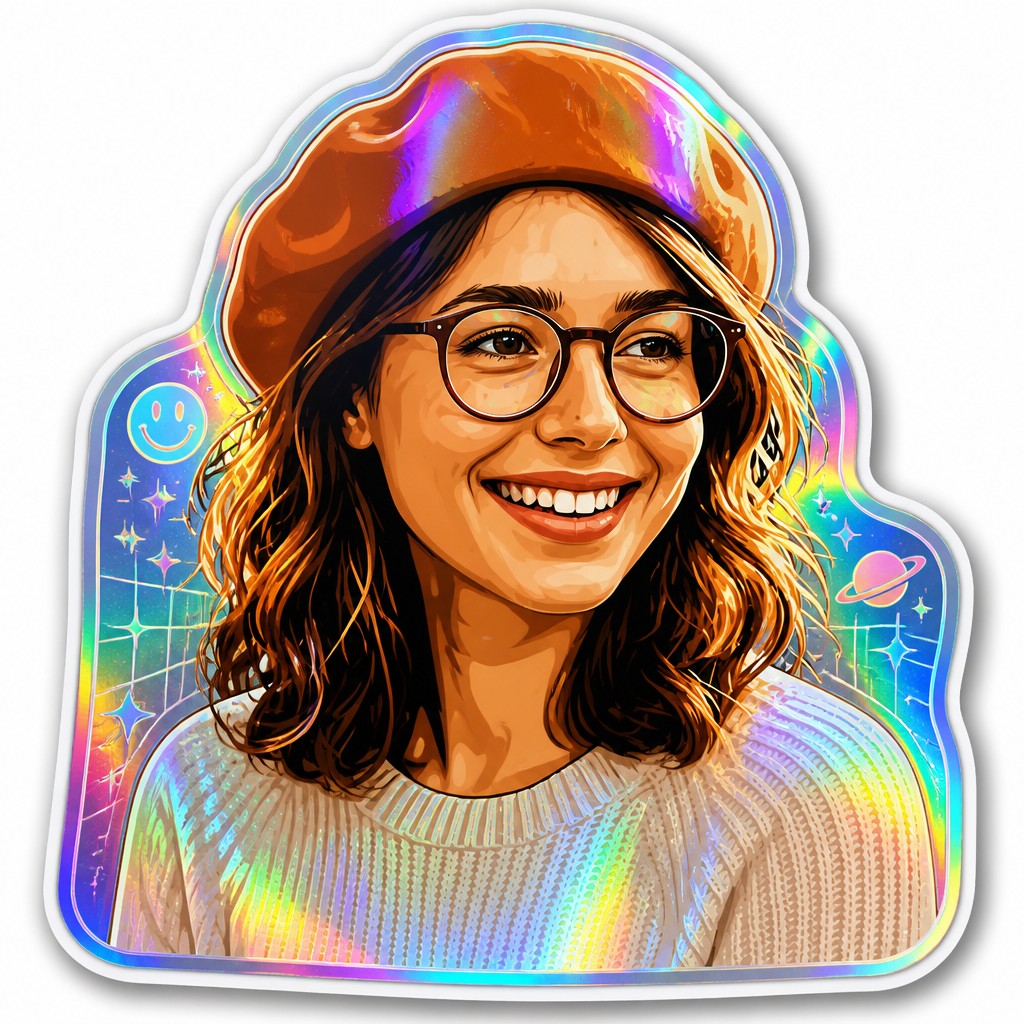

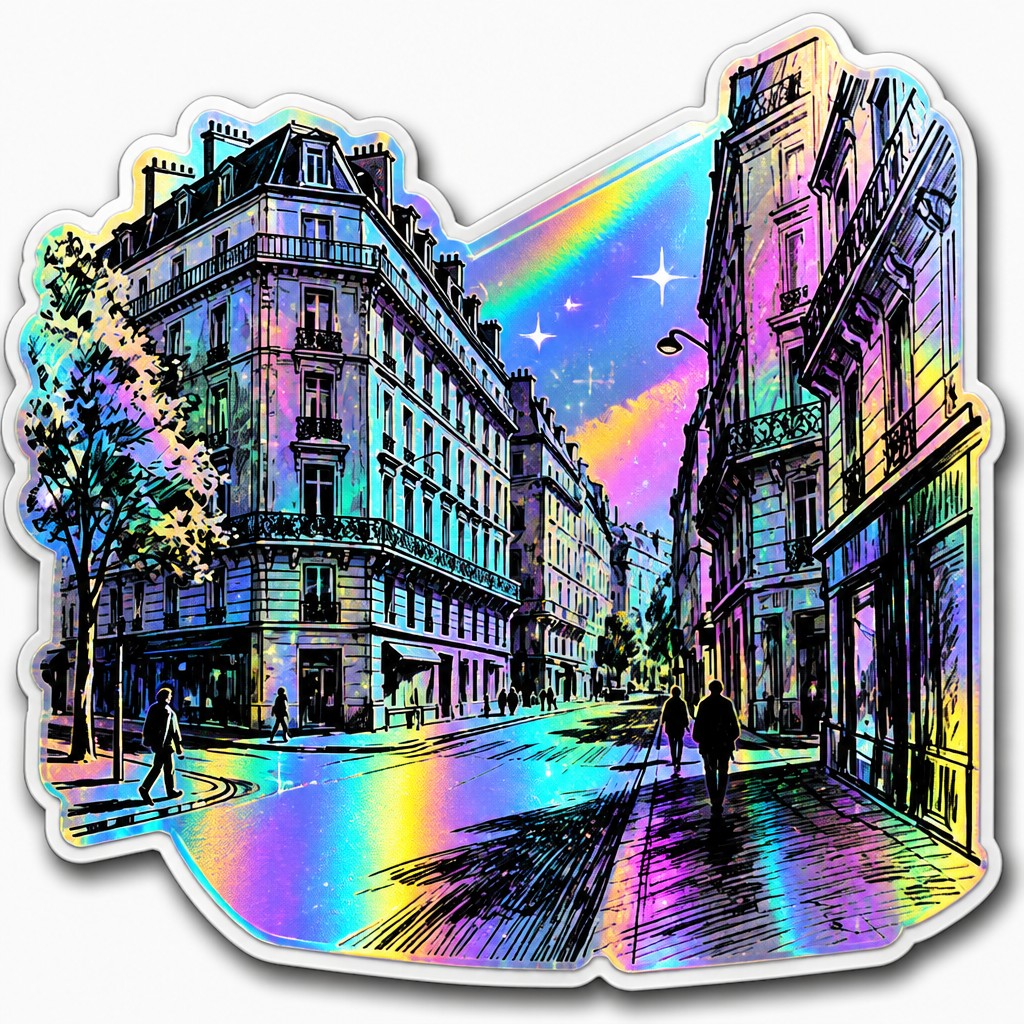

What Defines Holographic Sticker Design
The signature details, up close
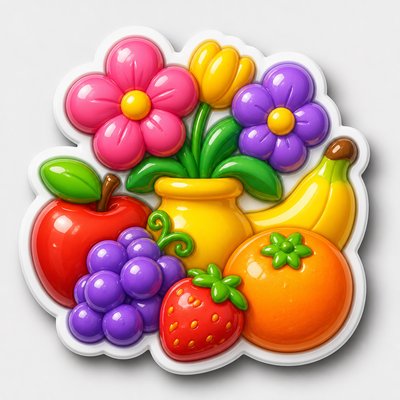
Die-cut silhouette
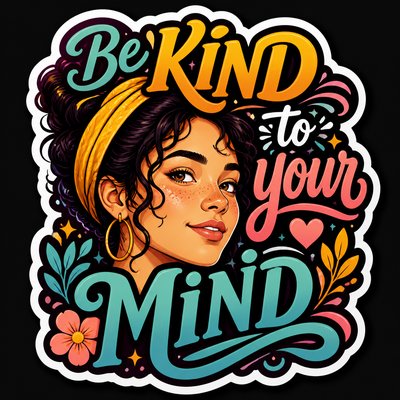
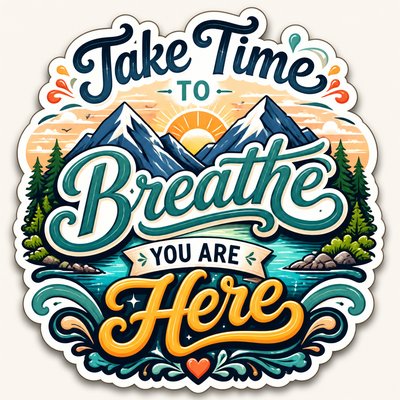
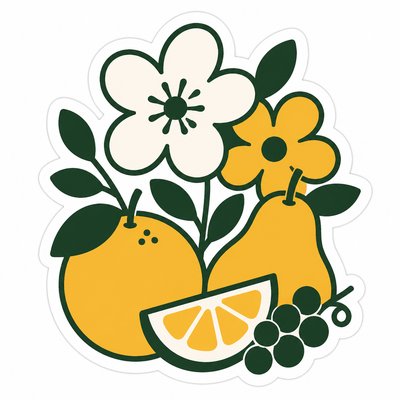
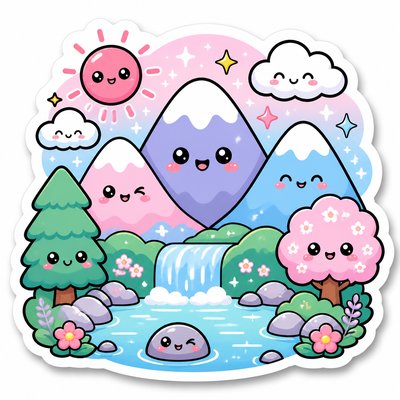
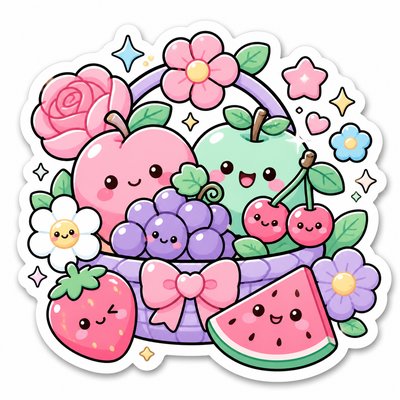
The subject is usually isolated in a clear, sticker-like outline with a white border that mimics cut vinyl or laminated merch packaging. This border improves legibility and gives the image a collectible object quality.
Iridescent foil surface
The defining effect is a rainbow-shifting sheen that suggests holographic foil or diffraction film. Color changes across the surface, often moving through cyan, magenta, gold, violet, and emerald.
Bold simplified forms
Shapes are kept clear, graphic, and easy to read, often with chunky outlines or clean vector edges. Small details are reduced so the sticker remains readable when scaled down.
Glossy laminated finish
Specular highlights, reflective streaks, and smooth gradients create the impression of plastic lamination. The surface usually looks polished rather than matte, with a toy-like or merch-like sheen.
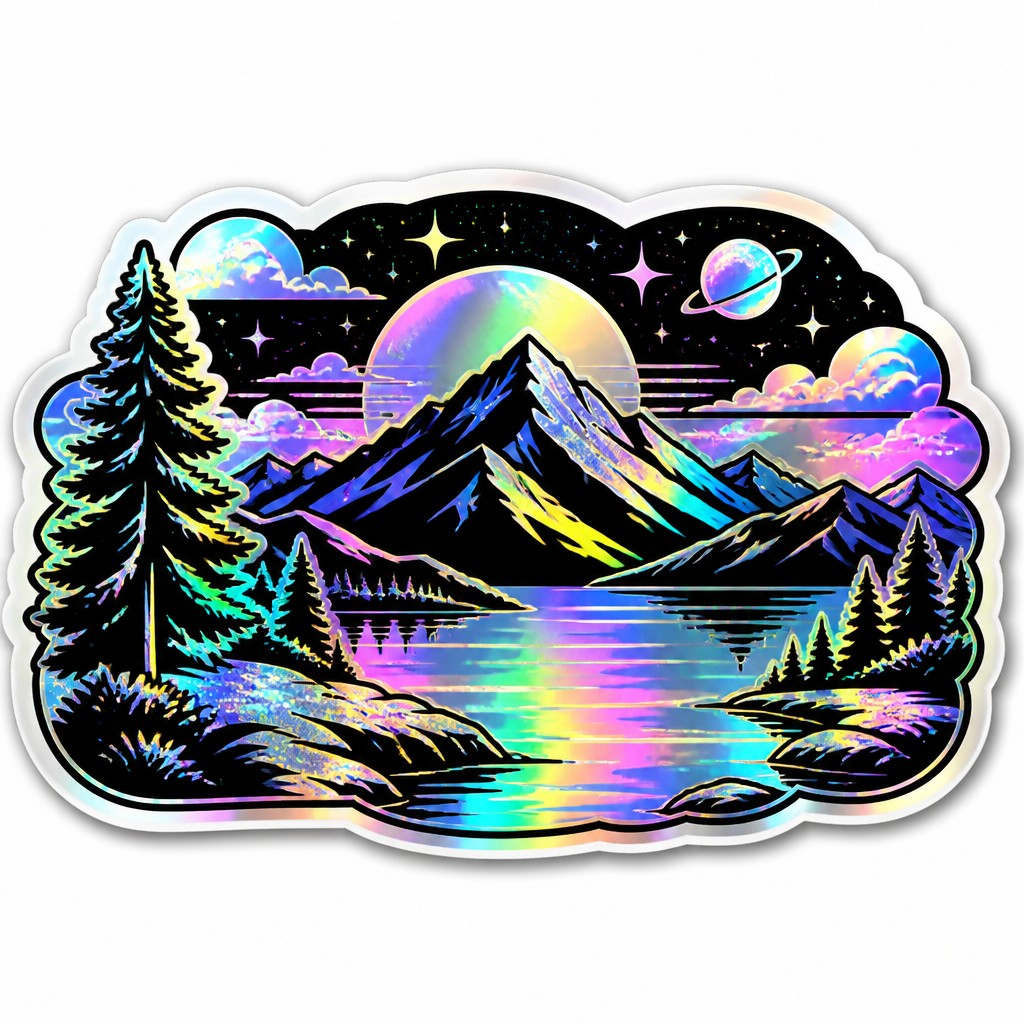
High-contrast color design
Deep blacks or saturated base colors are paired with bright spectral highlights to intensify the metallic effect. Contrast is important because it helps the rainbow reflections stand out against the subject.
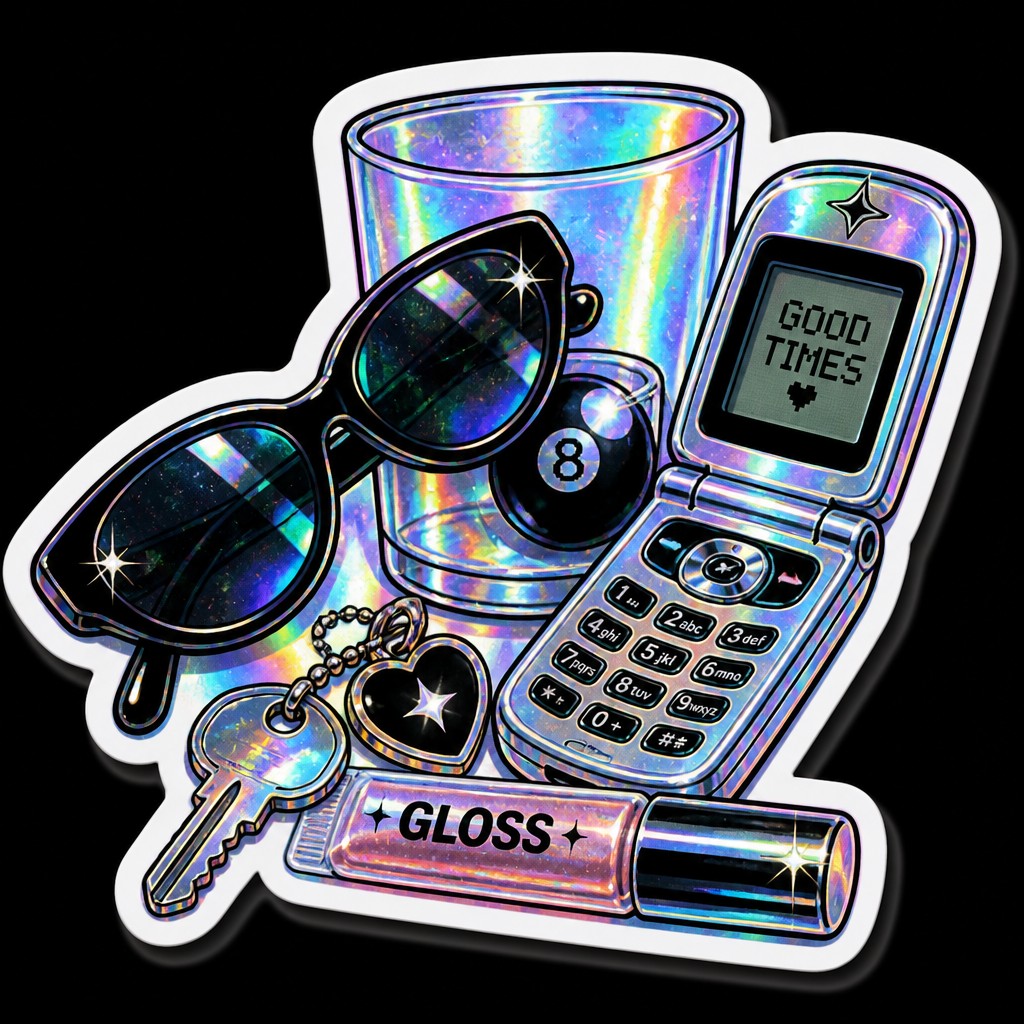
Micro-glitter and sparkle accents
Tiny crystalline specks, twinkles, and star-like glints reinforce the illusion of a premium foil finish. These accents are decorative rather than literal, emphasizing shine and novelty.
Try It
Create Videos in Holographic Sticker Design
Styles aren't just for stills — describe a scene or animate an image and get a short video rendered in Holographic Sticker Design. Press play to see this pond come to life.
Make a VideoHolographic Sticker Design Prompt Ideas
Start from an idea — each one opens the generator with the style ready to go. See all 40 Holographic Sticker Design prompts →
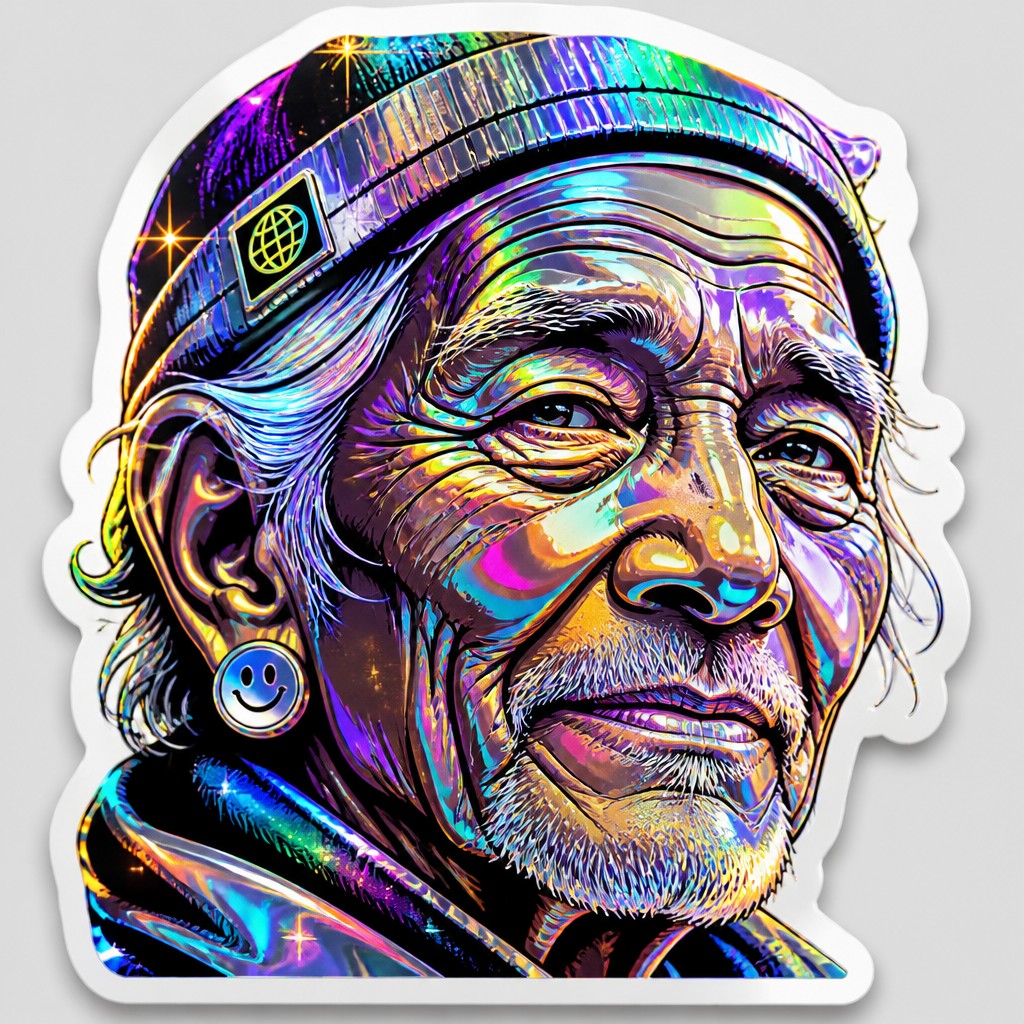
“close-up portrait of an elderly person with expressive weathered features”
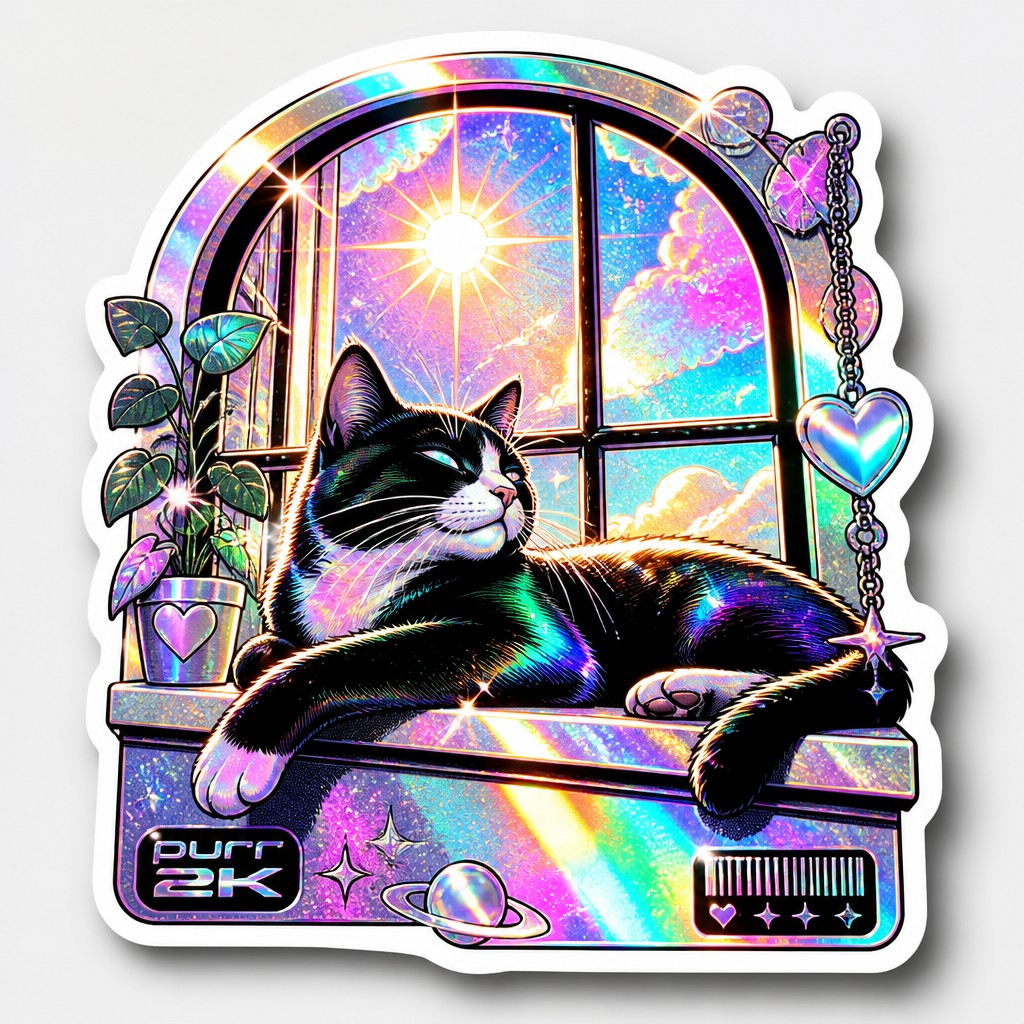
“a cat lounging in a sunlit window”
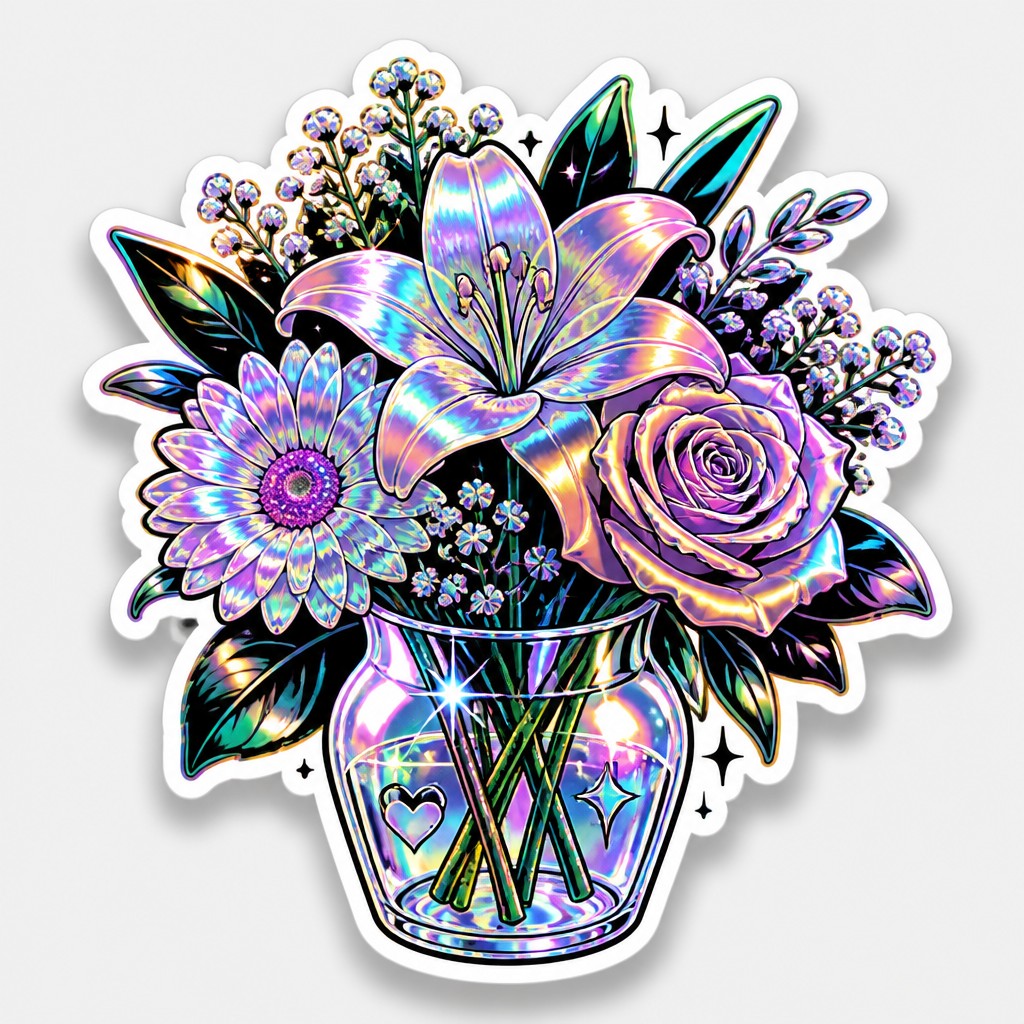
“bouquet of flowers in a glass vase”
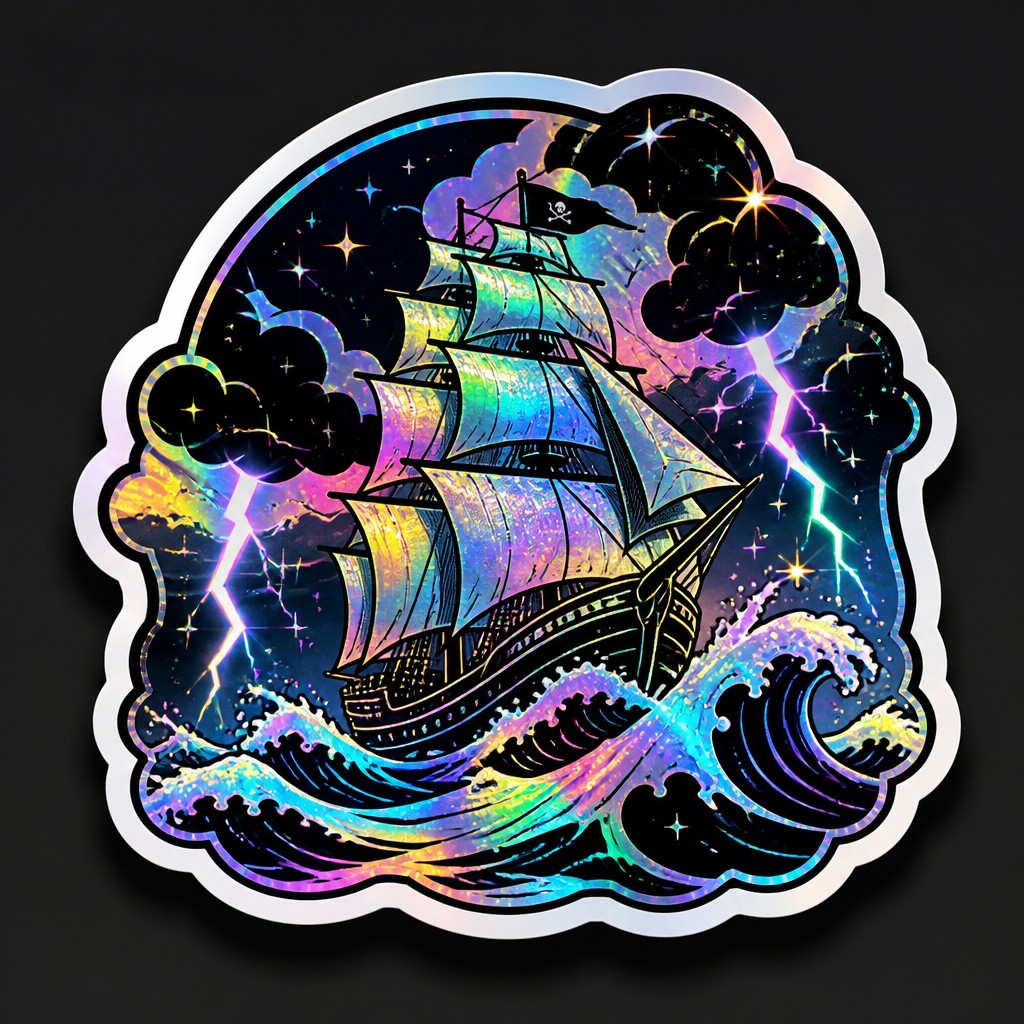
“sailing ship on a stormy sea”
How to Create Holographic Sticker Design Art
Master the craft step by step — or skip straight to creating. Read the full guide →
- 1
Build a sticker-first composition
Start with a subject that can be simplified into a bold silhouette, then add a clean white contour around it to simulate a die-cut sticker. Keep the composition centered and compact so it reads like a collectible object rather than a full scene.
- 2
Use reflective color logic
Design the surface as if light is moving across foil: place spectral gradients, glossy highlight bands, and subtle color shifts across edges and curves. In digital painting, layer soft reflections over a darker base; in prompt-based generation, specify iridescent foil, rainbow refraction, and chrome gradients.
- 3
Prioritize contrast and simplification
Reduce fine texture in the subject itself and let the finish carry the visual complexity. Strong outlines, limited interior detail, and separated shapes help the holographic effect remain clear rather than muddy.
- 4
Emphasize print and material cues
Add a laminated look, slight bevel or lift, and a soft shadow to suggest a physical sticker peeling from a surface. Traditional makers can approximate this with metallic inks, varnish overlays, or layered cut-paper effects.
- 5
Specify collectible energy in prompts
When generating images, describe the object as a premium sticker with a clean die-cut border, rainbow foil shimmer, and a playful retro-futuristic Y2K feel. Strong subject nouns work best, because the style depends on crisp silhouette plus material effects.
The Story
History & Origins of Holographic Sticker Design
Holographic Sticker Design does not come from a single historical art movement; it is an applied graphic style that emerged from the overlap of commercial sticker production, foil stamping, and the design language of collectible merchandise. Its look is closely tied to mass-market printing technologies that made metallic and iridescent effects accessible on labels, trading cards, and promotional stickers, especially from the late 20th century onward.
Aesthetic influences include vinyl decals, die-cut sticker culture, Japanese character goods, anime merch graphics, and the glossy futurism of the Y2K era. The style also borrows from chrome and iridescent effects found in product design, rave graphics, and sci-fi visual language, while digital image-making has expanded its range through simulated foil textures, spectral gradients, and exaggerated lens-like reflections.
Influences: Holographic Sticker Design draws from vinyl decal culture, collectible sticker sheets, foil-stamped packaging, and the glossy visual language of Y2K graphic design. It also overlaps with comic-book readability, anime merchandise graphics, and the chrome futurism seen in late-20th-century commercial illustration; in a broader cultural sense, its polished spectacle echoes pop and post-pop design strategies associated with major late-20th-century pop artists and influential contemporary Japanese pop-art creators, though the style itself is primarily a product of commercial print and digital surface effects rather than fine-art lineage.
Frequently Asked Questions
What defines holographic sticker design?
It is defined by a sticker-shaped composition, a clean cutout border, and a foil-like surface that shifts through rainbow colors. The subject is usually simplified so the reflective material effect stays clear and readable.
Is this the same as chrome or metallic art?
Not exactly. Chrome art usually emphasizes mirrored metal surfaces, while holographic sticker design emphasizes prismatic, rainbow-diffraction effects like those seen on holographic foil. The sticker border and collectible merchandise feel are also important parts of the style.
Why does this style look so colorful?
The look imitates diffraction films and laminated foil, which split light into multiple colors at different angles. In visual terms, that means the image uses iridescent gradients, spectral highlights, and shifting hues to simulate a real physical surface.
Where is holographic sticker design commonly used?
It is common in brand stickers, skateboard graphics, merch logos, music packaging, fandom goods, laptop decals, and collectible promotional items. It is also popular in digital character art because the style is immediately eye-catching and easy to recognize.
How do I make sure the image still reads clearly?
Use a simple subject with strong silhouette, avoid overcrowding the interior with too much detail, and keep the outline clean. The holographic effect should enhance the form, not replace it.
Can this style work for photos as well as illustrations?
Yes. Photos can be transformed by isolating the subject, simplifying edges, and adding reflective foil coloration plus a sticker border. The best results usually come from images with clear shapes and strong lighting.

Create your first Holographic Sticker Design artwork
Describe anything — or upload a photo — and see it in Holographic Sticker Design in seconds.
Make Something with Holographic Sticker Design
Compare Holographic Sticker Design
Related Styles
Discover similar art styles