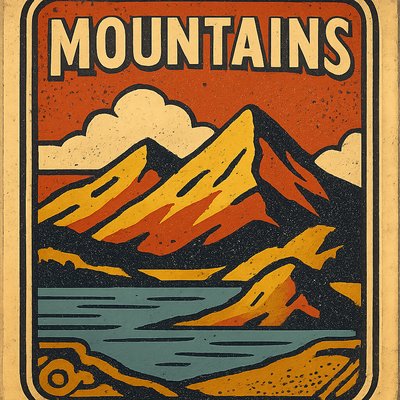
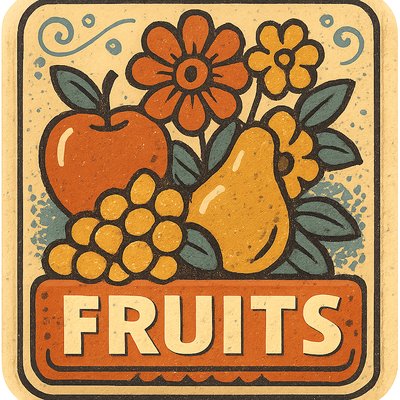
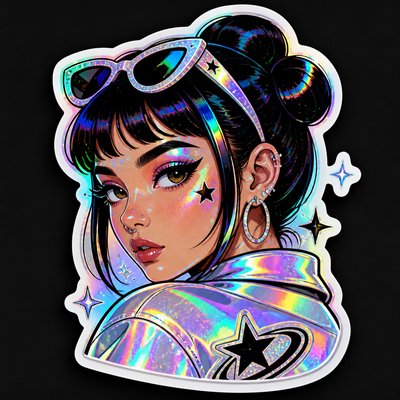
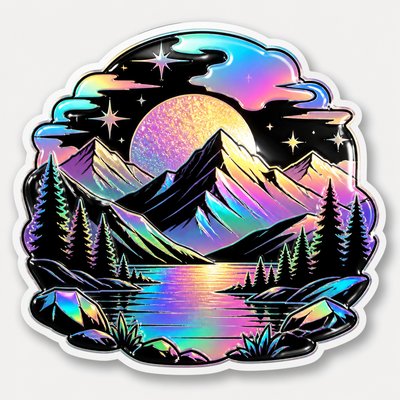
Typography Sticker Design
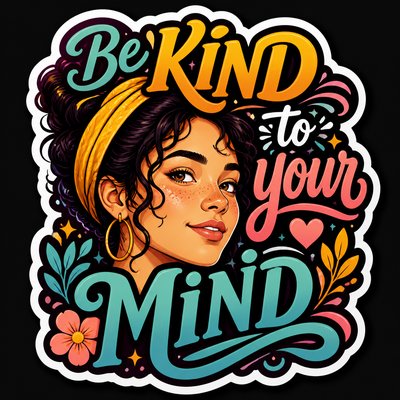
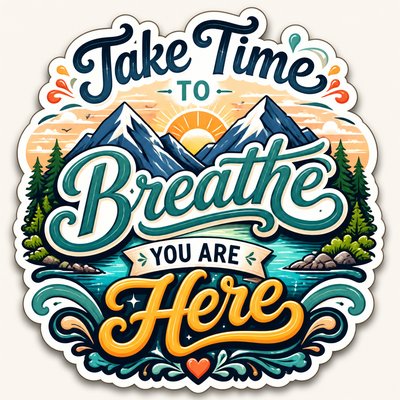
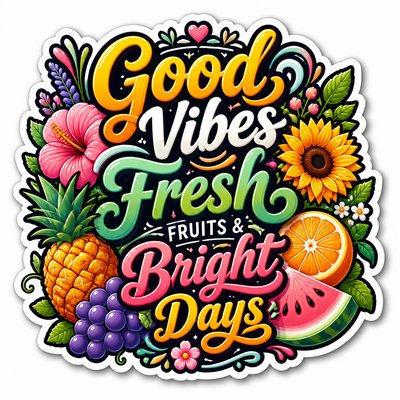
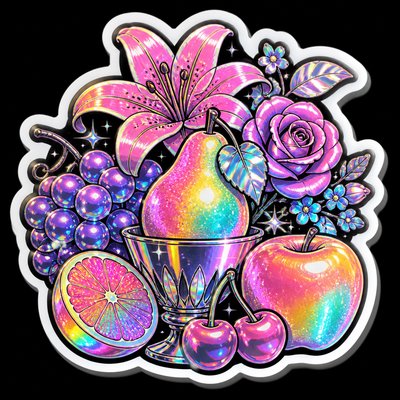
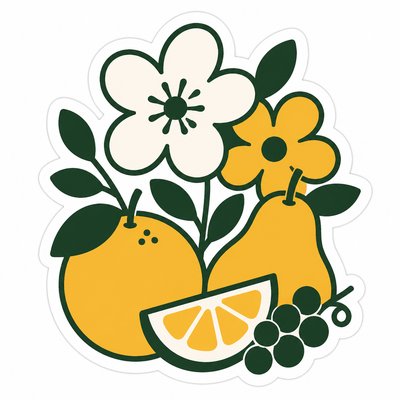
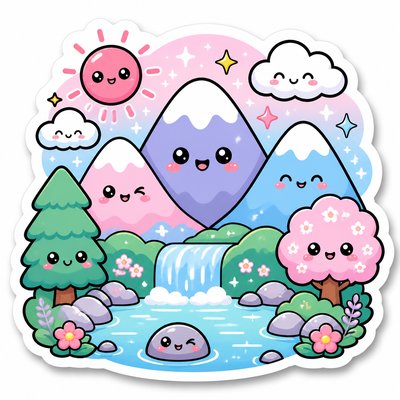
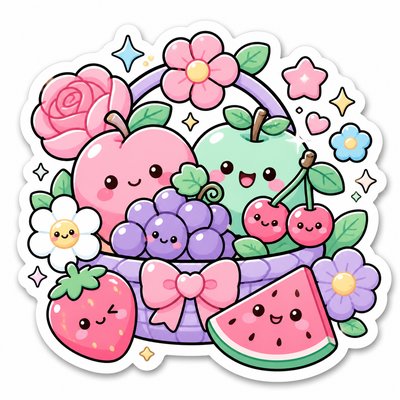
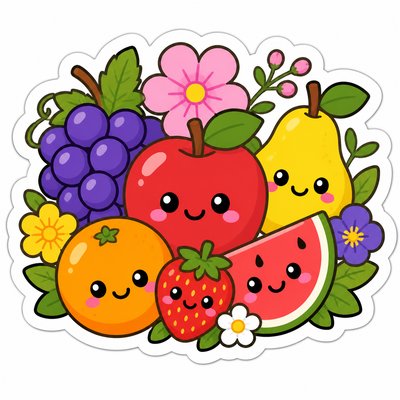
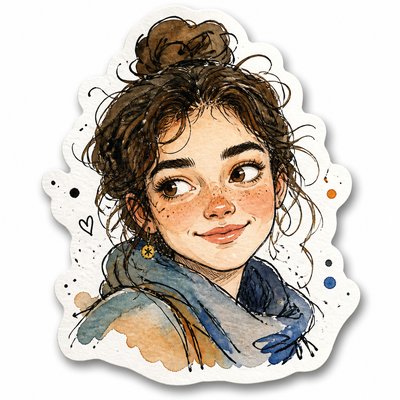
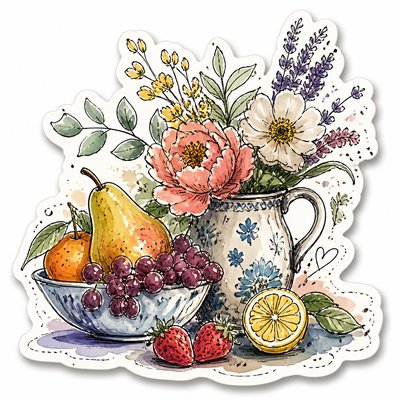
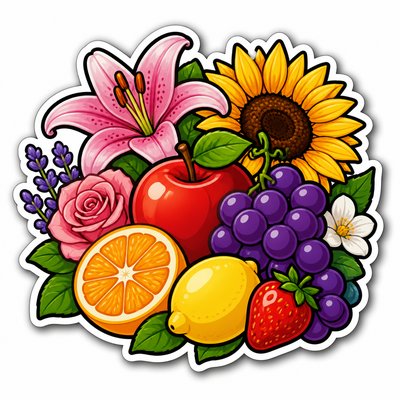
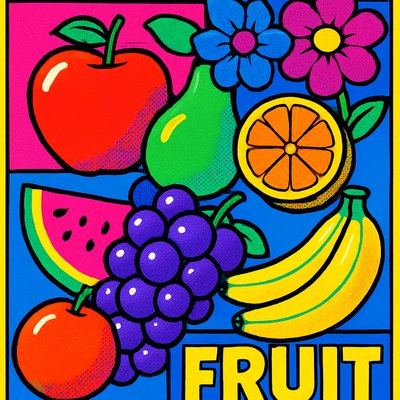
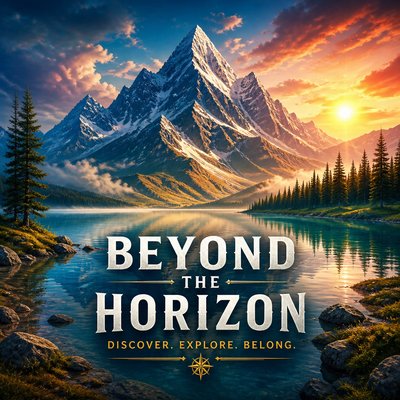
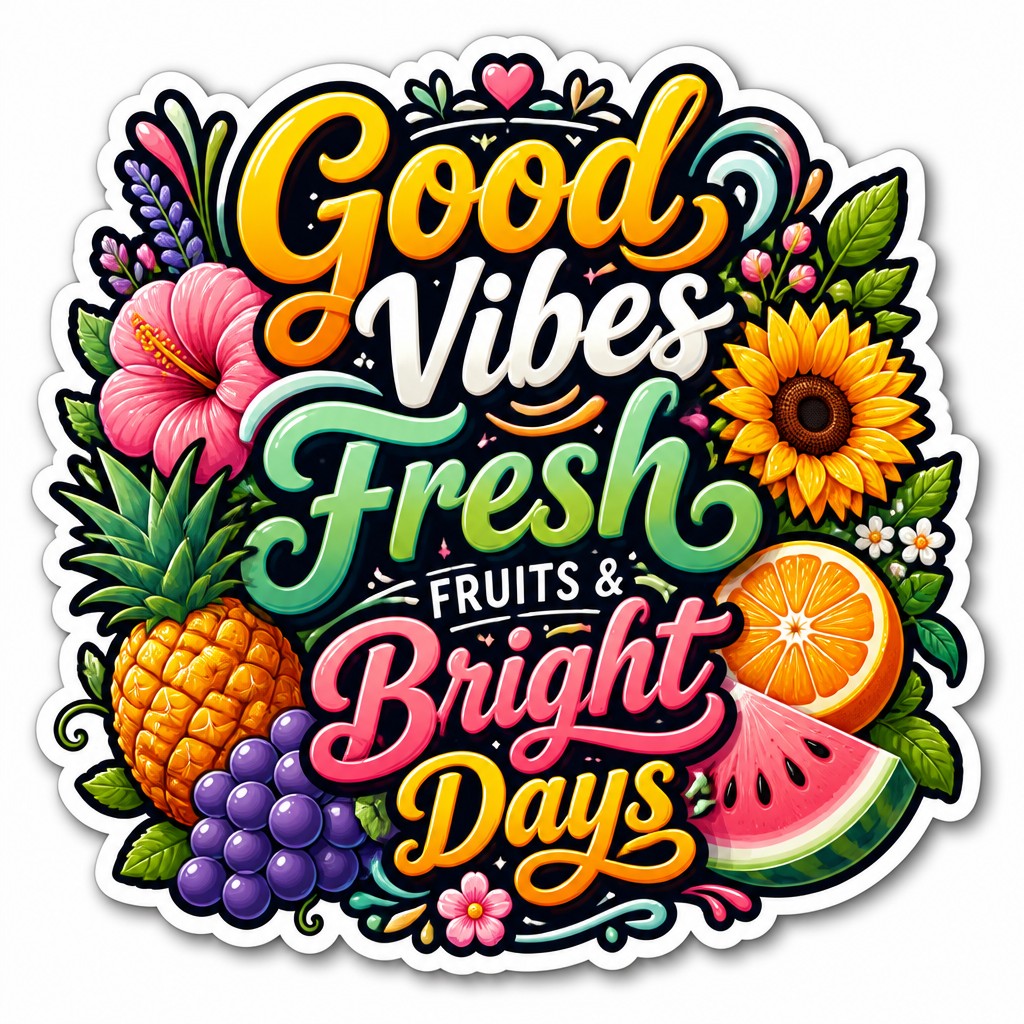
Bold decorative lettering stickers with motivational quotes, crisp outlines, vibrant colors, and playful hand-drawn charm.
Instantly rendered in Typography Sticker Design — or transform a photo
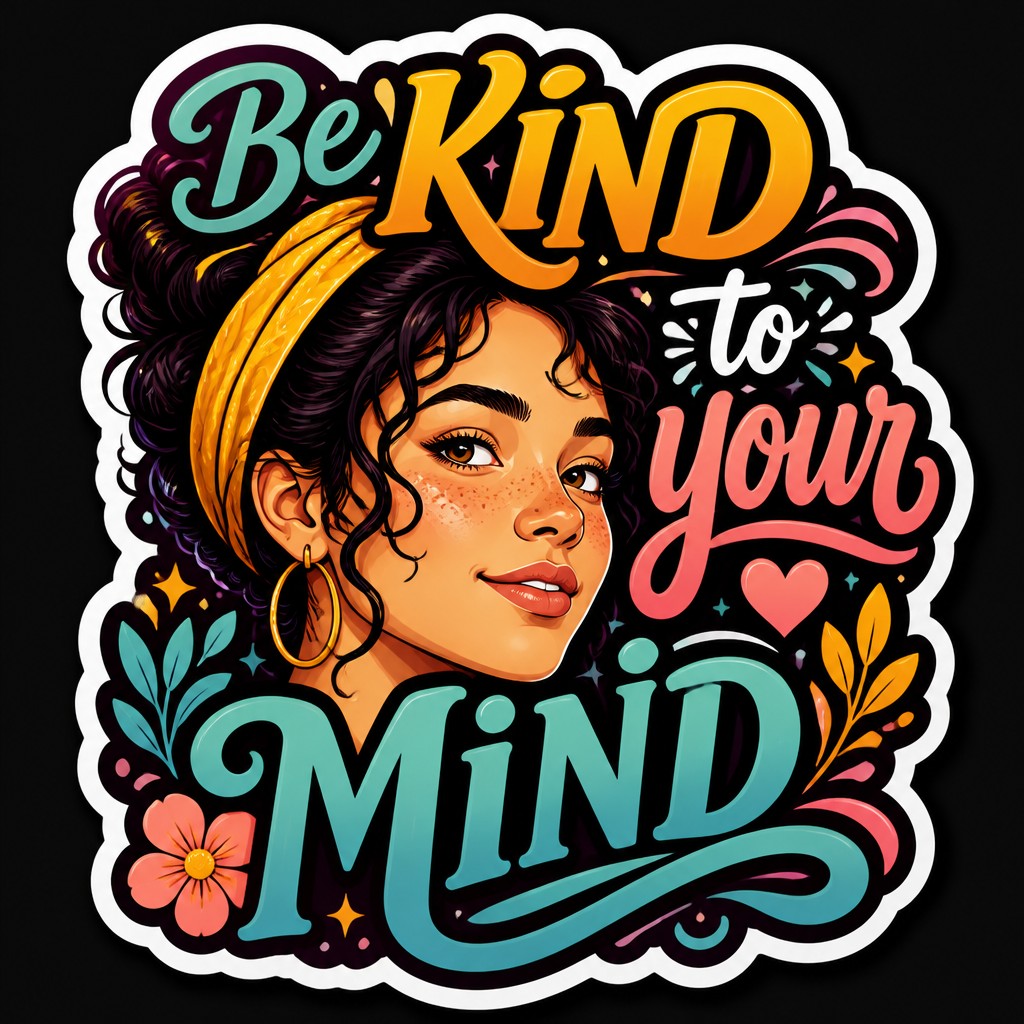
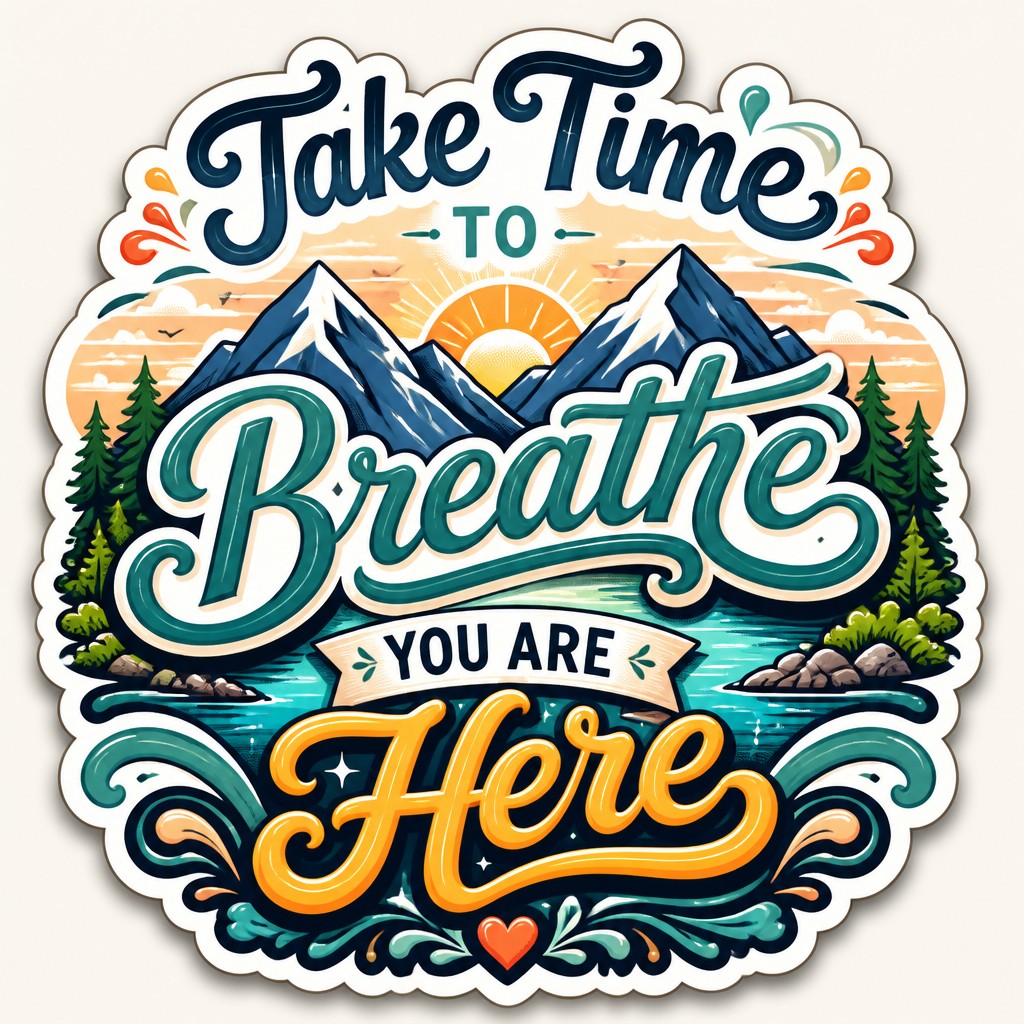
Typography Sticker Design Gallery
Tap any artwork to explore it

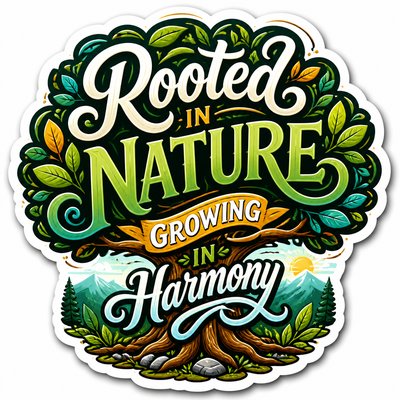
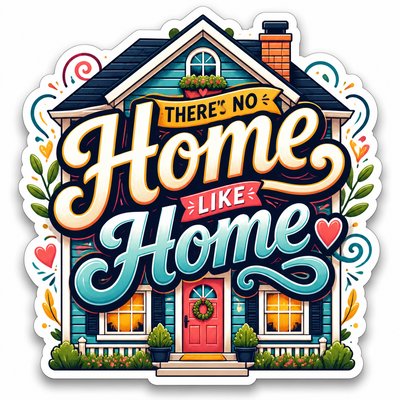
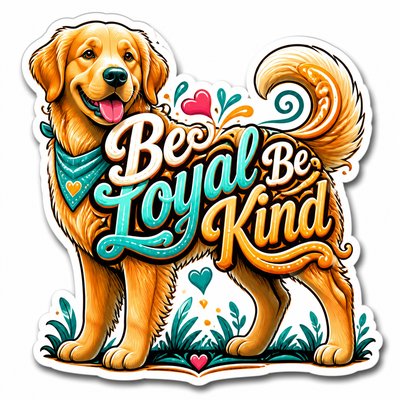
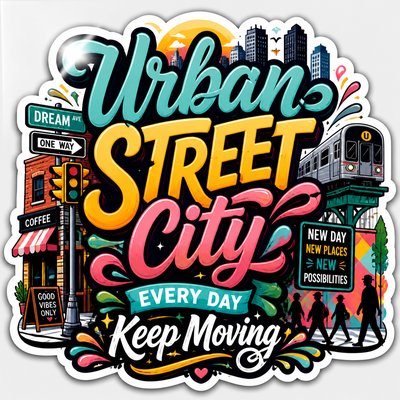
What is Typography Sticker Design?
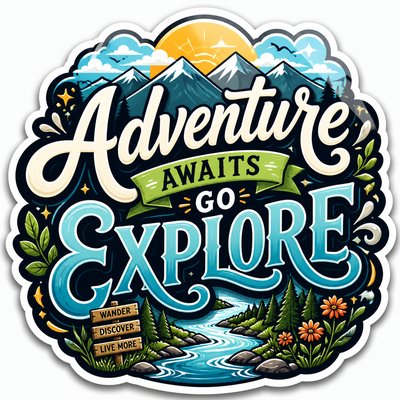
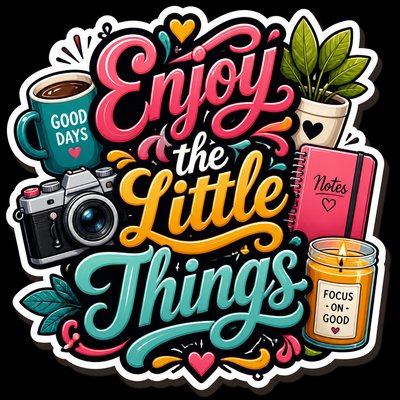
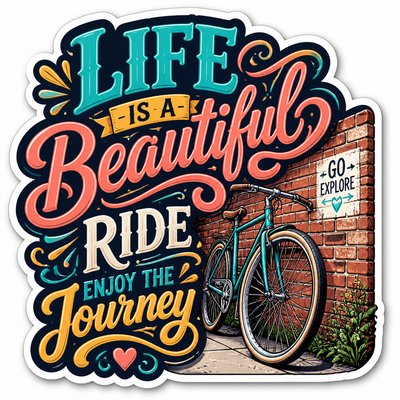
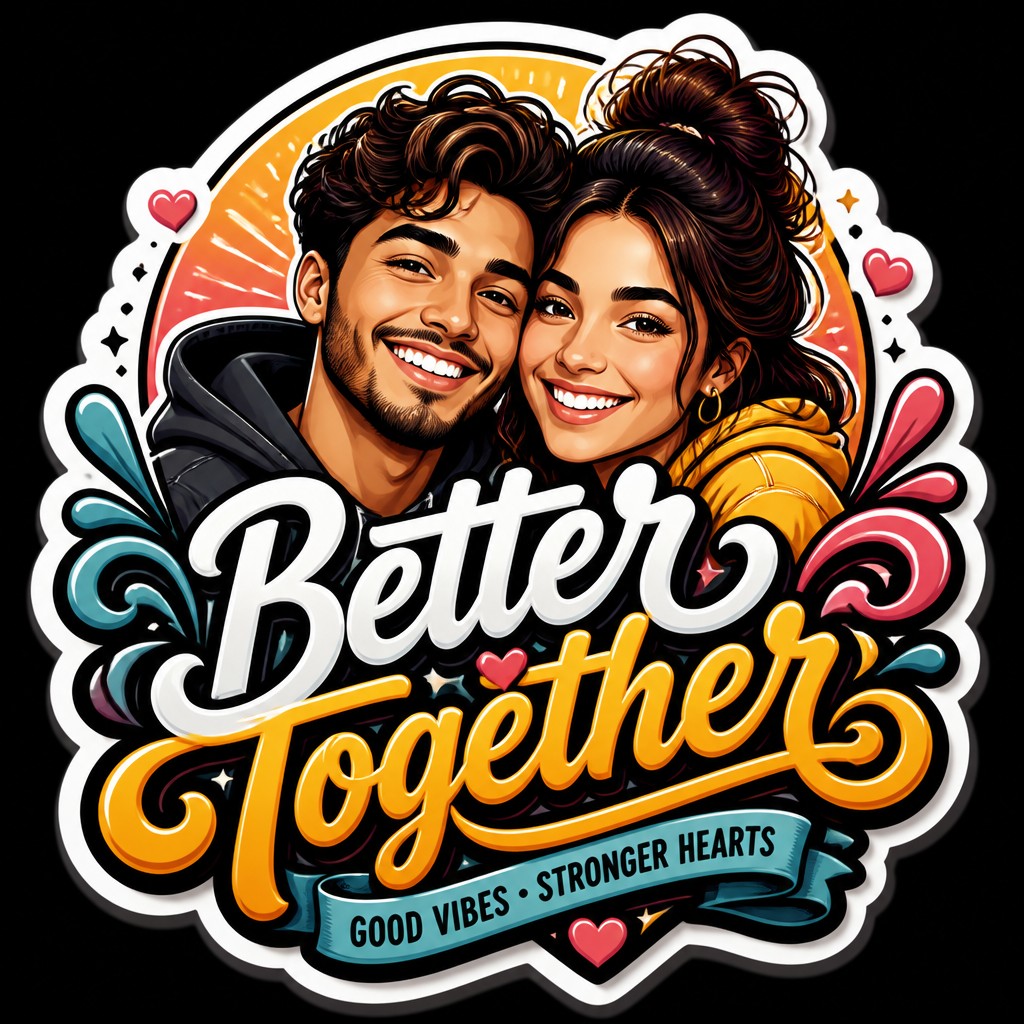
Typography sticker design is a text-centered graphic style built around bold lettering, decorative flourishes, and a strong cut-out silhouette. It is most often seen as a compact sticker, label, decal, or badge with a centered composition, high contrast, and a message that can be read instantly at a glance.
Its visual identity comes from combining hand-lettered expression with the clean finish of vector graphics and print design. Thick outlines, drop shadows, ornamental swashes, and glossy highlights give the text a dimensional, collectible look, while flat color fields keep the composition clear and energetic. The result feels both handmade and digitally polished: expressive enough for personal slogans, but organized enough to work as a sticker, icon, or decorative graphic.
Try It On Your Photos
Upload any photo and convert it into Typography Sticker Design — drag the sliders to compare before and after.


What Defines Typography Sticker Design
The signature details, up close
Text as the main subject
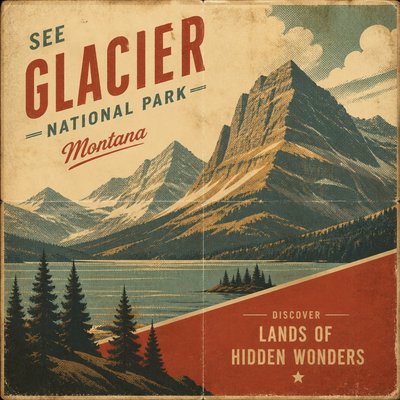
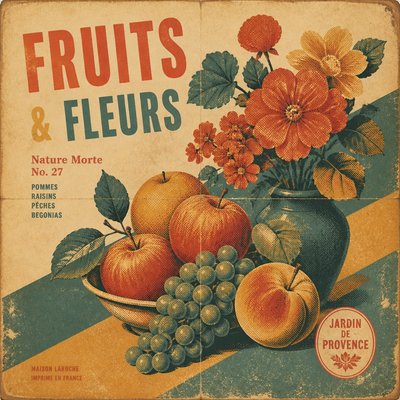
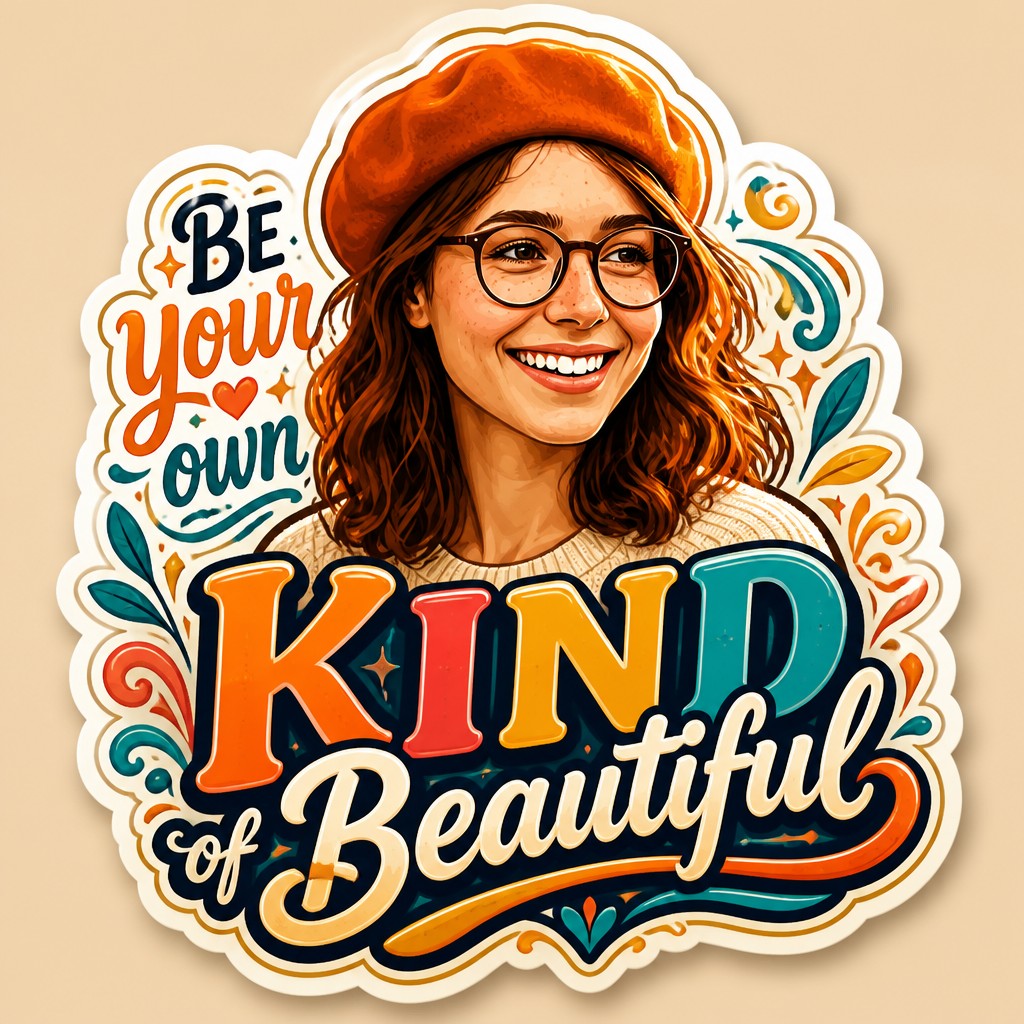
The composition is built around a quote, phrase, name, or short slogan. Any supporting imagery is secondary and usually acts as framing rather than the focal point.
Bold decorative lettering
Letterforms are thick, rounded, and highly stylized, often with swashes, loops, shadows, or exaggerated terminals. The text is designed to be decorative first and informational second.
Die-cut sticker silhouette
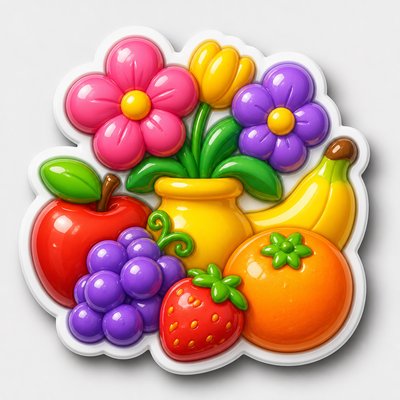
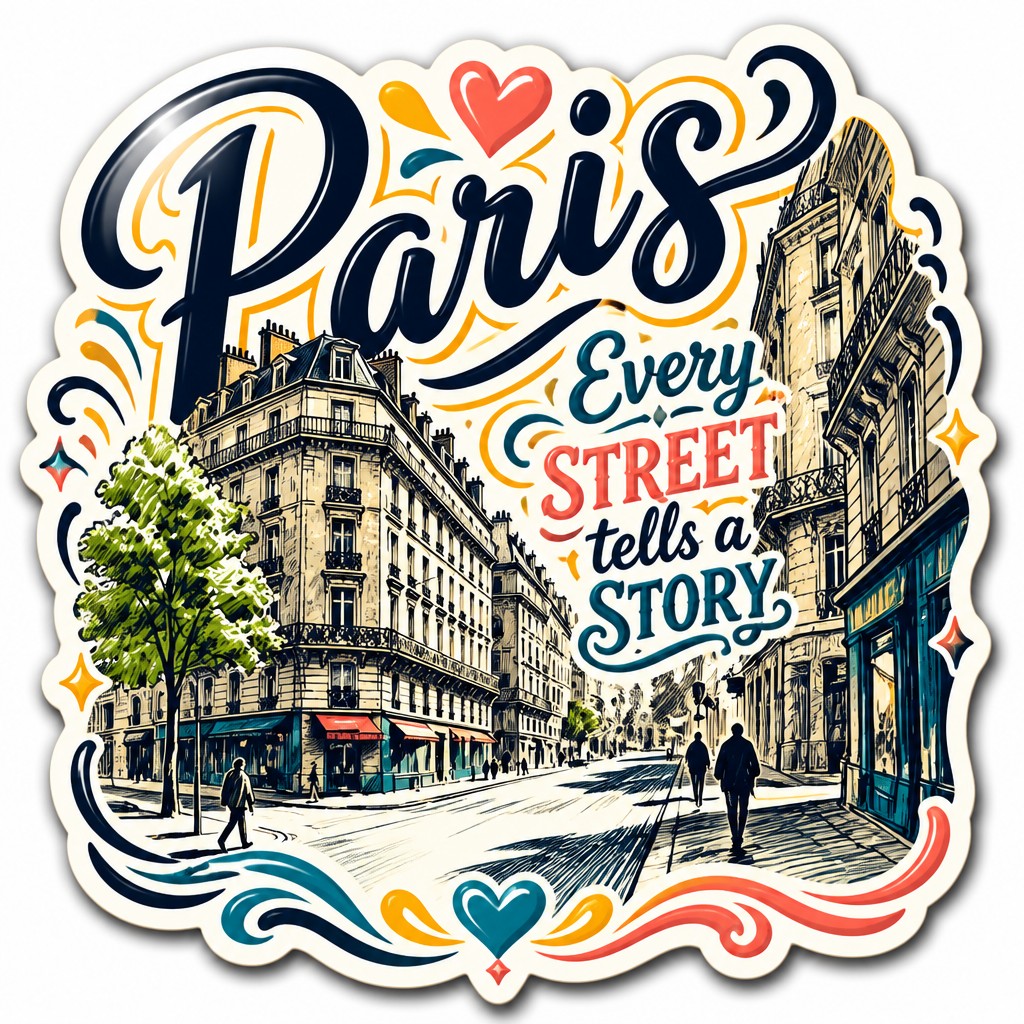
A thick outer border gives the artwork the look of a cut sticker with a clearly separated edge. This outline helps the design read cleanly on different backgrounds.
Flat color with graphic contrast
Colors are usually bright and simplified into solid blocks, sometimes with subtle gradients for emphasis. High contrast makes the lettering legible and visually punchy.

Dimensional pop effects
Drop shadows, outline strokes, inner highlights, and glossy accents create a layered, slightly 3D feel. These effects mimic printed vinyl stickers and give the design physical presence.
Decorative framing elements
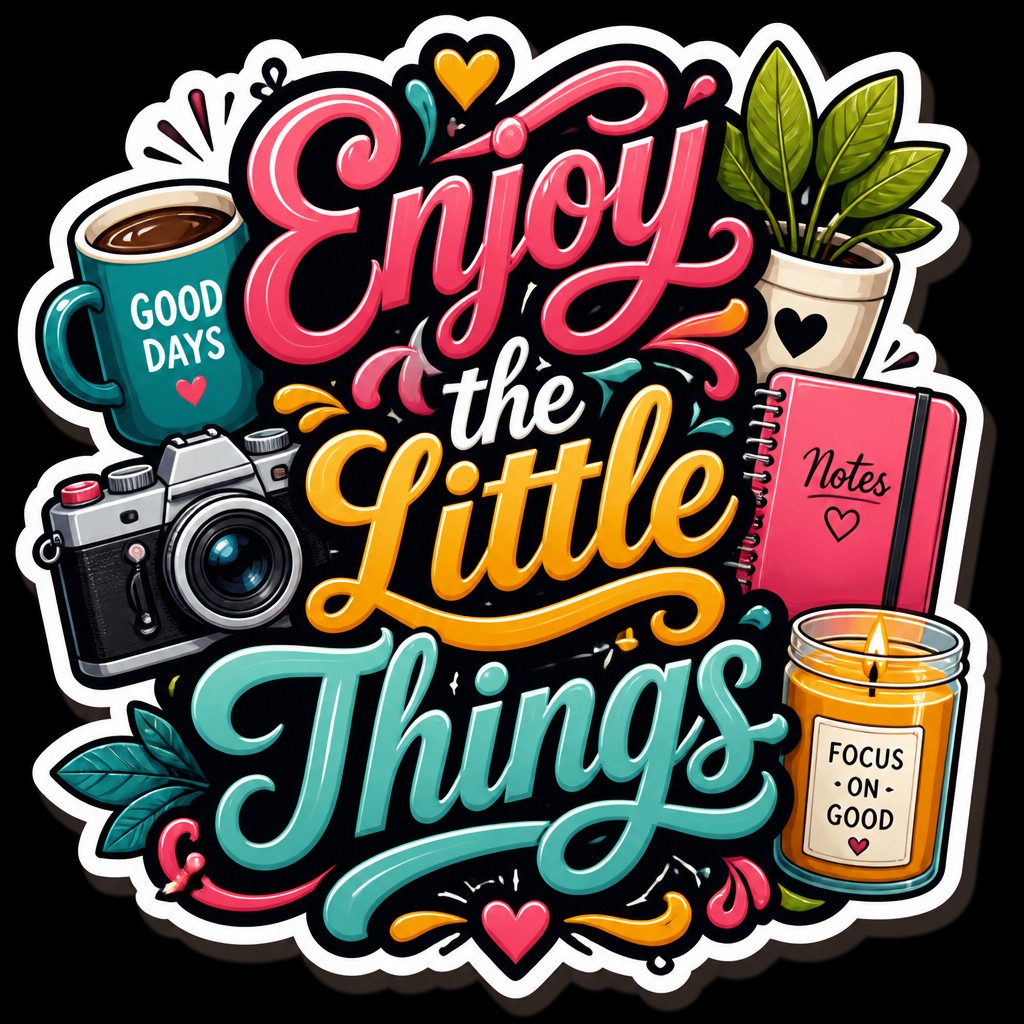
Stars, hearts, sparkles, banners, dots, and flourishes often surround the text. These details reinforce the playful, celebratory mood without overwhelming the message.
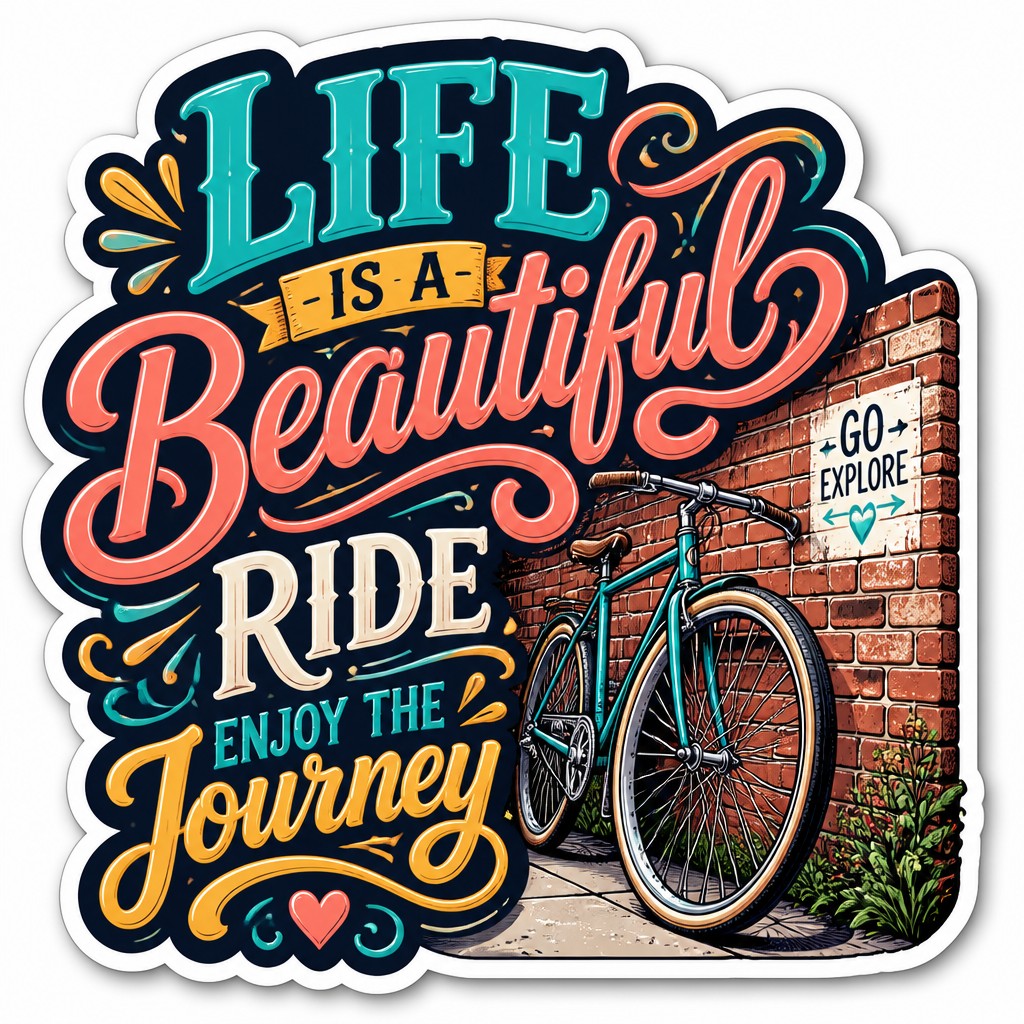
Centered, badge-like composition
The layout is usually symmetrical or tightly balanced, with the wording arranged for maximum readability. This keeps the design compact and sticker-friendly.
Try It
Create Videos in Typography Sticker Design
Styles aren't just for stills — describe a scene or animate an image and get a short video rendered in Typography Sticker Design. Press play to see this pond come to life.
Make a VideoTypography Sticker Design Prompt Ideas
Start from an idea — each one opens the generator with the style ready to go. See all 40 Typography Sticker Design prompts →
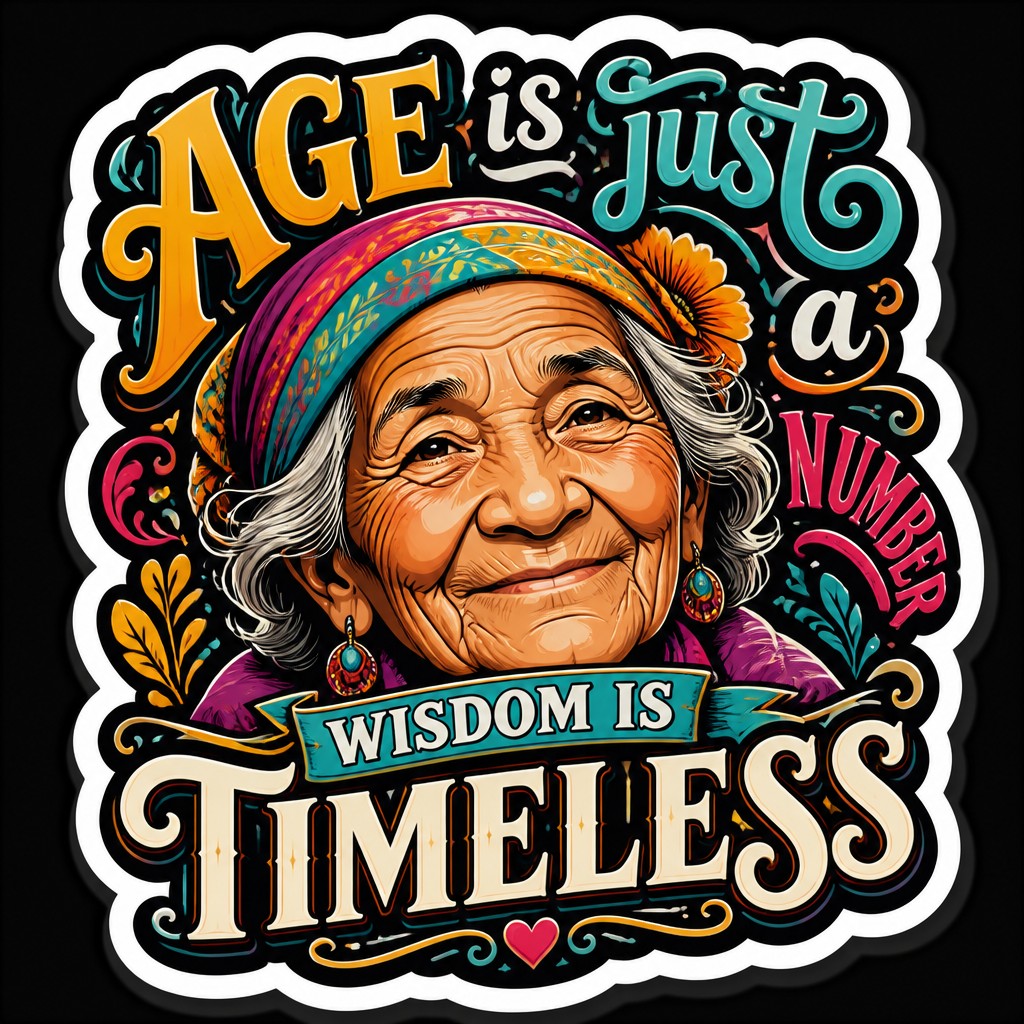
“close-up portrait of an elderly person with expressive weathered features”
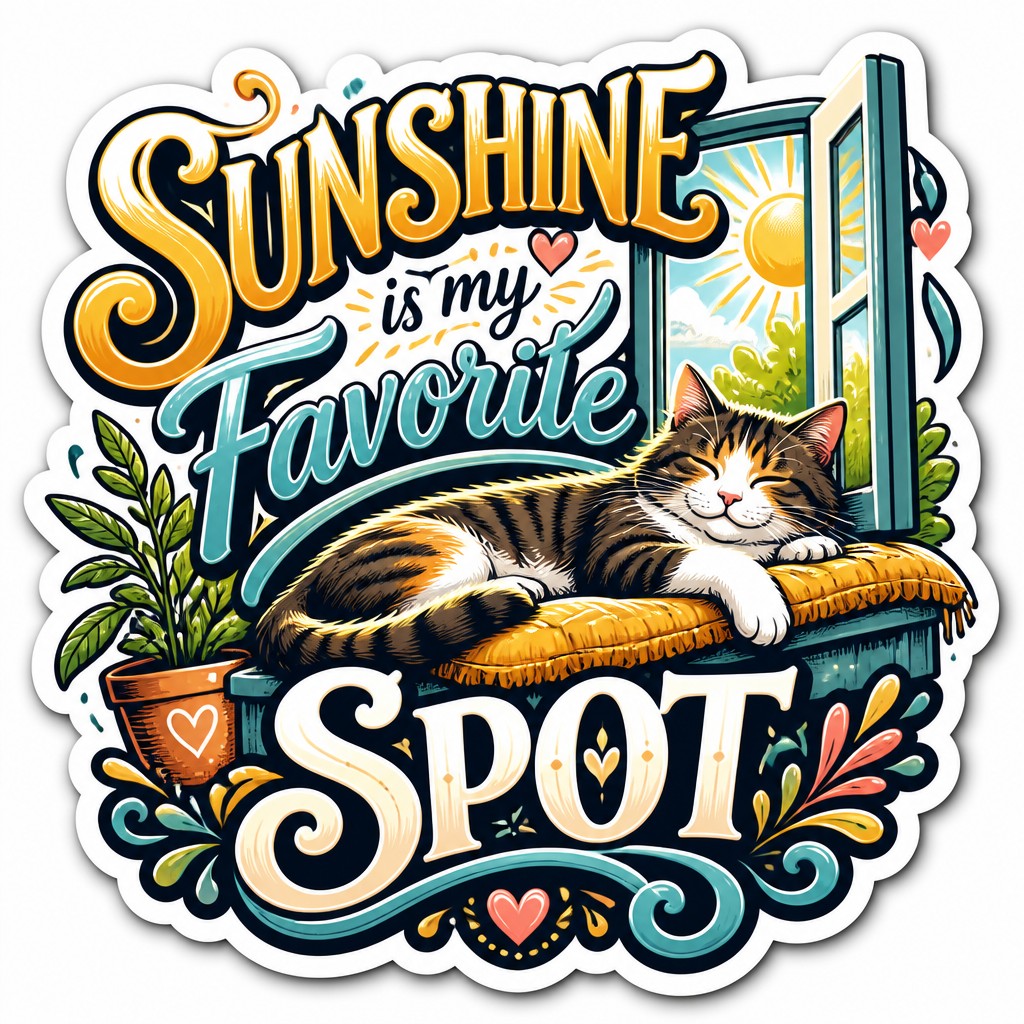
“a cat lounging in a sunlit window”
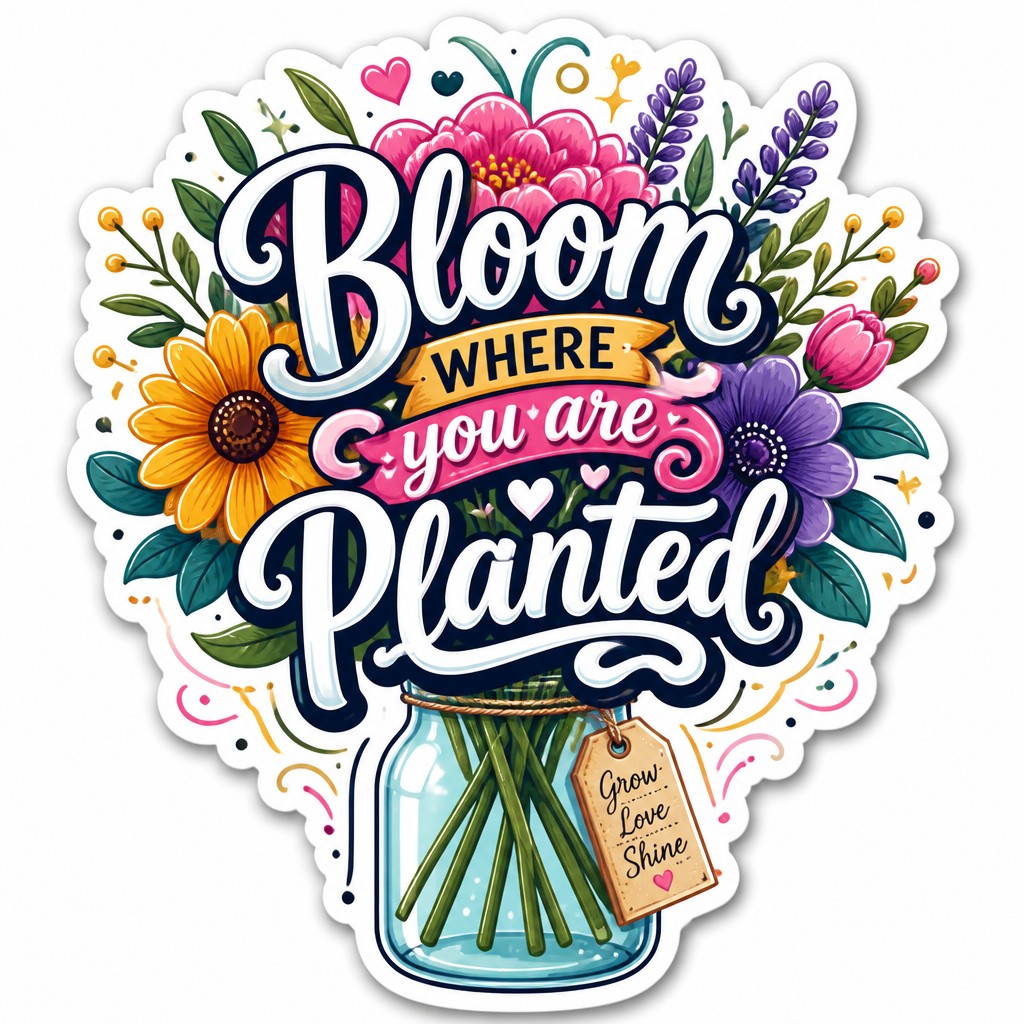
“bouquet of flowers in a glass vase”
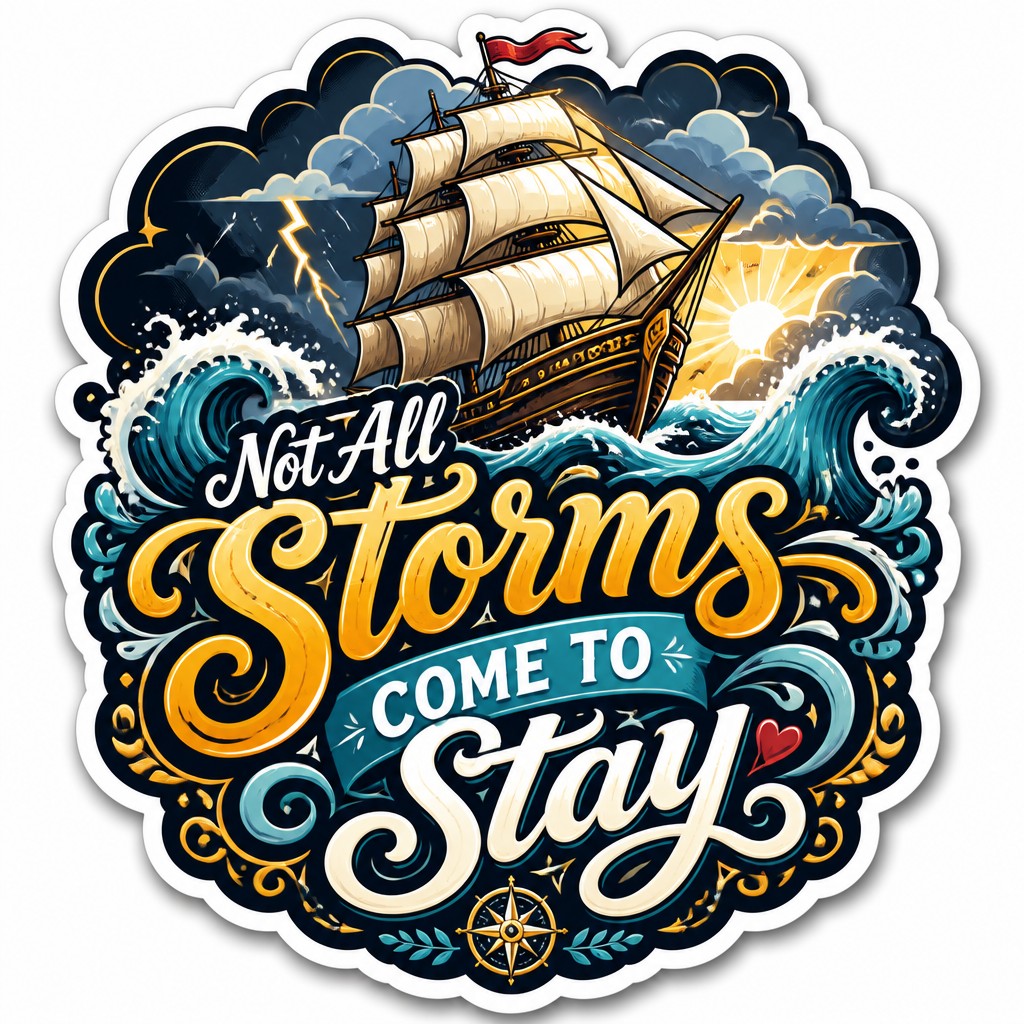
“sailing ship on a stormy sea”
How to Create Typography Sticker Design Art
Master the craft step by step — or skip straight to creating. Read the full guide →
- 1
Start with a short, legible phrase
Choose a slogan, quote, name, or label that can be read quickly. Shorter text works best because the style relies on strong shape design and clear hierarchy.
- 2
Build the lettering as image
Sketch or typeset the words first, then exaggerate letterforms with swashes, rounded corners, shadows, and contrast in stroke weight. Treat the text like a logo or emblem rather than a paragraph.
- 3
Add a sticker border and framing accents
Place a thick outer contour around the whole design so it can function as a die-cut sticker. Use small decorative elements such as sparkles, stars, ribbons, or dots to complete the badge-like composition.
- 4
Use flat fills with selective depth
Keep the base palette simple and vibrant, then add limited gradient accents, highlights, or shadow layers for dimension. In traditional work, this can be done with markers, paint pens, or cut-paper collage; in digital work, use clean vector shapes and layered effects.
- 5
Balance readability with ornament
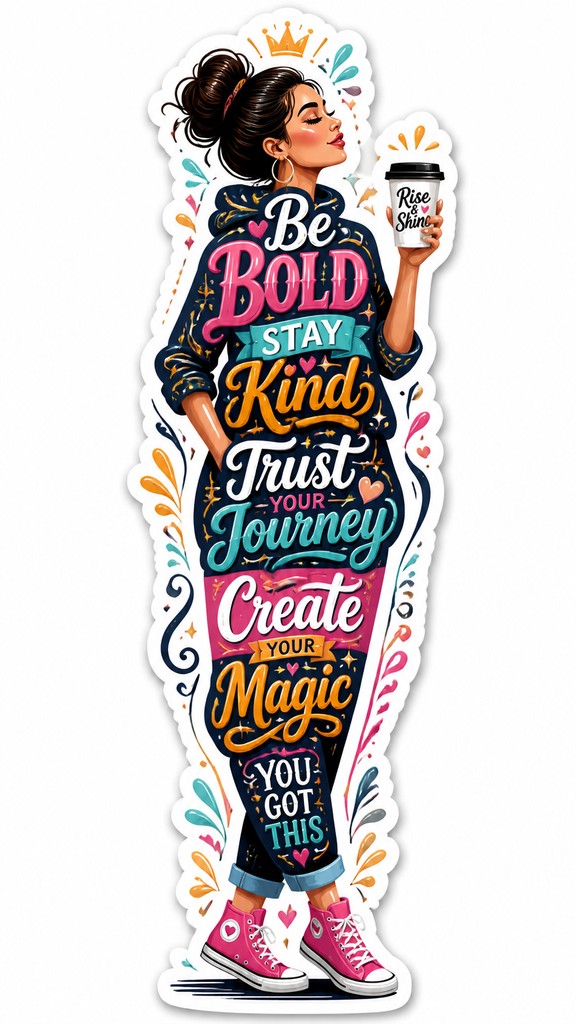
Every decorative choice should support the message rather than obscure it. If generating digitally or with a prompt, specify crisp edges, centered composition, bold outlined lettering, and a glossy vinyl finish to keep the result in the sticker convention.
The Story
History & Origins of Typography Sticker Design
Typography sticker design does not belong to a single historical movement; it is a contemporary graphic style that draws from several established traditions. Its visual lineage includes hand lettering, signage, lettering found in comic books and posters, vinyl decal graphics, and scrapbook and planner-sticker culture. It also borrows from the broader history of decorative typography, where words are treated as image as much as language.
In digital culture, the style developed alongside vector illustration tools, print-on-demand sticker production, and social-media-ready quote graphics. Modern versions often blend retro badge layouts, street-style sticker aesthetics, and polished motion-graphic sensibilities. Because it is practical as well as expressive, it has become common in personal branding, merch, journaling, packaging mockups, and statement graphics.
Influences: Typography sticker design draws from hand lettering, graphic design, comic-book sound effect lettering, and vintage sticker and decal culture. It also echoes poster typography and sign painting, where expressive letterforms carry mood and identity, while contemporary vector illustration and social graphics contribute its clean edge and compact presentation. In its decorative handling of text, it can loosely recall the emphatic graphic clarity of mid-century advertising lettering and the playful energy of pop graphics, though it is not tied to a single canonical movement or artist.
Frequently Asked Questions
What defines typography sticker design?
It is a text-first graphic style in which lettering is the main visual element and is treated as a decorative object. The look is usually bold, colorful, outlined, and arranged like a sticker or badge with a strong silhouette.
How is it different from regular typography?
Regular typography prioritizes readability and page layout, while this style prioritizes expressive shape, ornament, and sticker-like impact. The letters are often hand-drawn or heavily modified so they function as part of the image itself.
What kinds of phrases work best?
Short quotes, names, slogans, affirmations, and labels work best because they fit compact compositions. Long passages tend to lose the clarity and punch that define the style.
Where is this style commonly used?
It is common in stickers, planner graphics, journaling, social posts, merch, labels, and personal branding. It also appears in packaging, event graphics, and youth-oriented promotional design.
How do I make it look like a real sticker?
Use a thick outer border, keep the composition centered, and add subtle shadow or highlight effects to suggest a vinyl surface. A clean cut-line edge and high contrast between the text and background are key.
Is this style more handmade or digital?
It can be either, and the strongest examples often combine both. Traditional methods use hand lettering, markers, paint, or collage; digital methods use vector shapes, layered effects, and clean outlining to achieve a polished finish.
Create your first Typography Sticker Design artwork
Describe anything — or upload a photo — and see it in Typography Sticker Design in seconds.
Make Something with Typography Sticker Design
Related Styles
Discover similar art styles