Chibi Anime Art Style
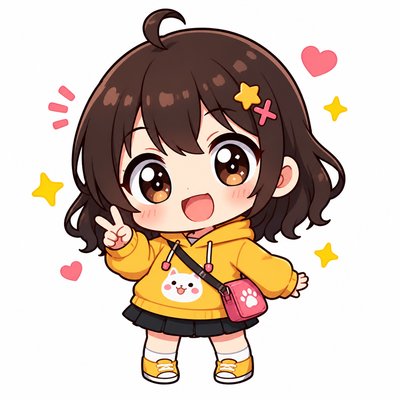
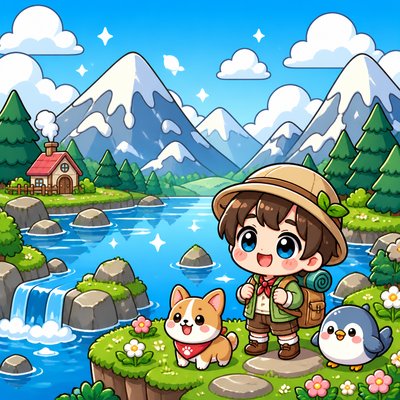
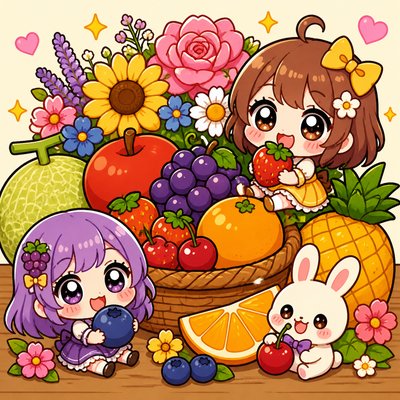
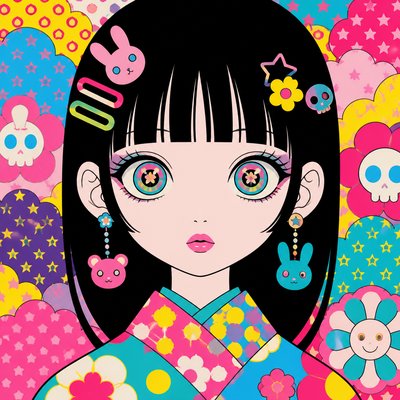
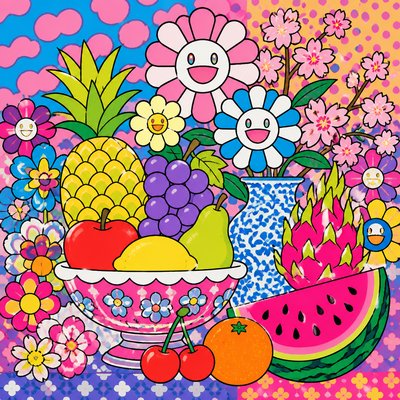
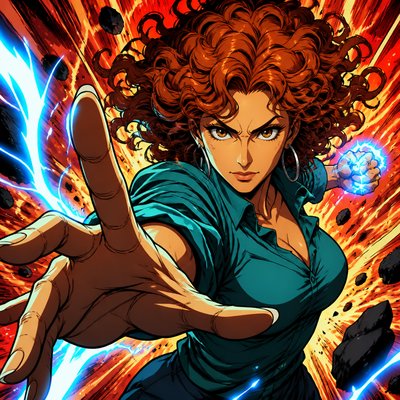
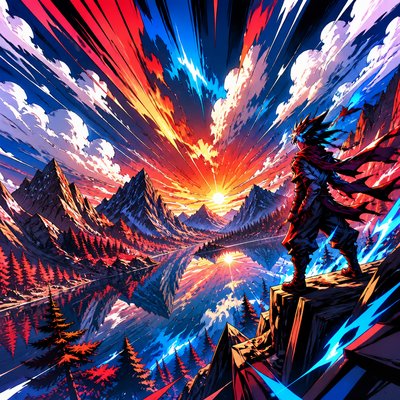
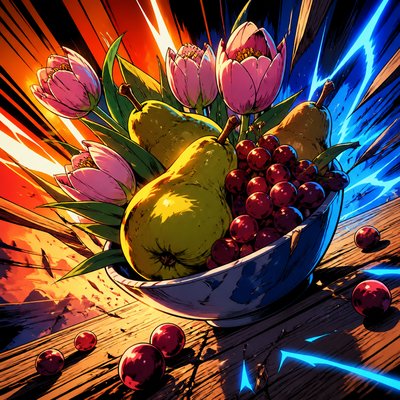
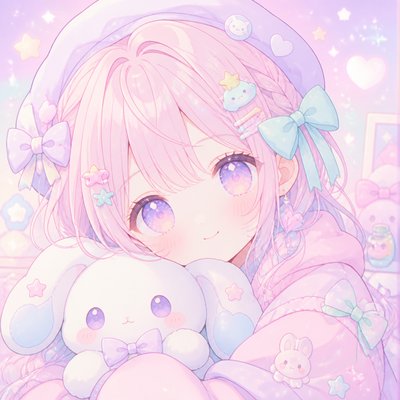
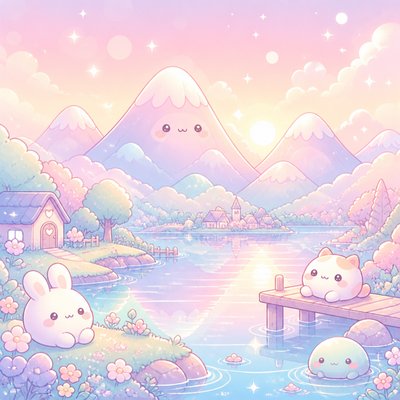
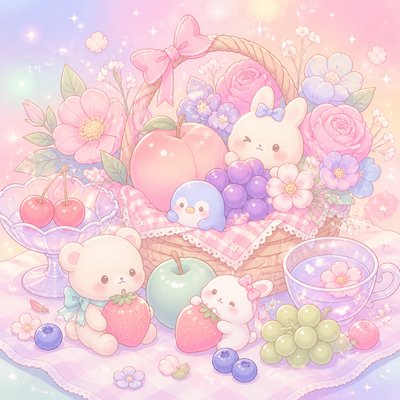
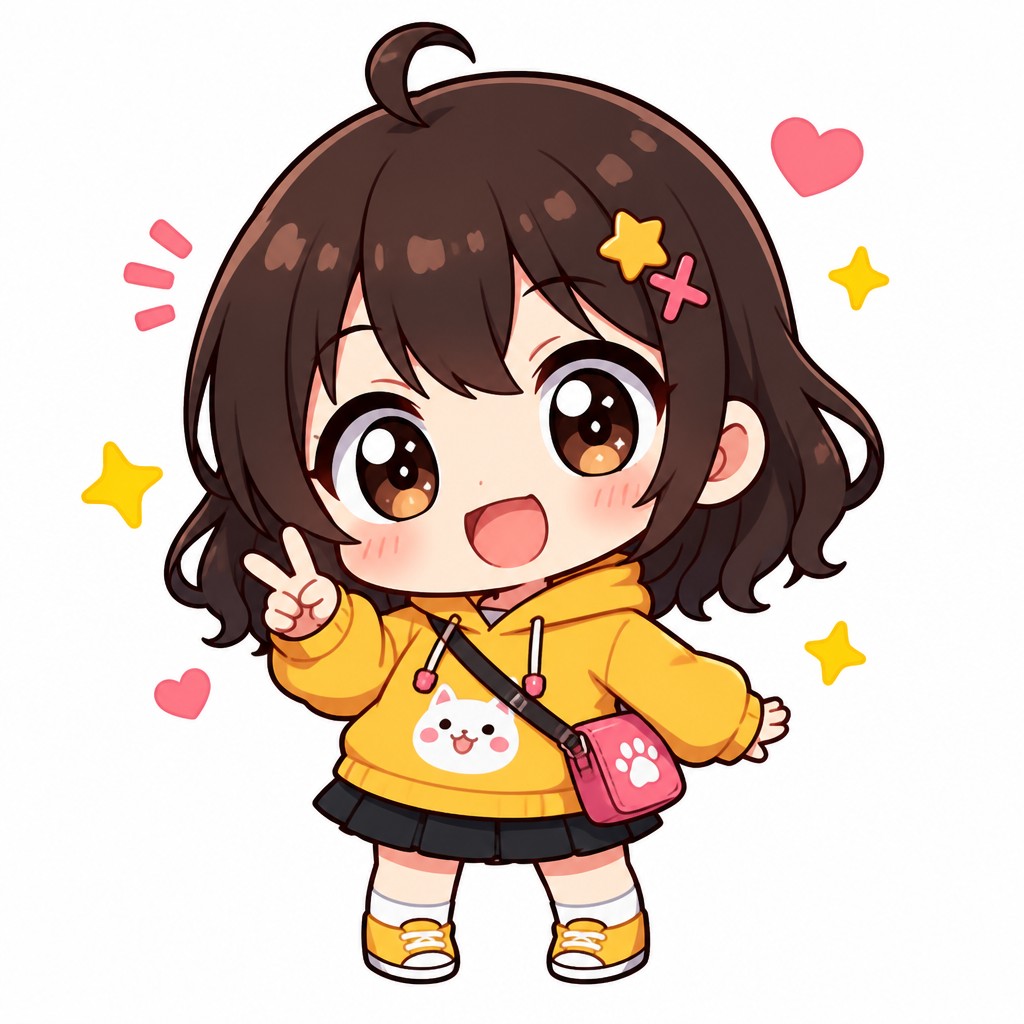
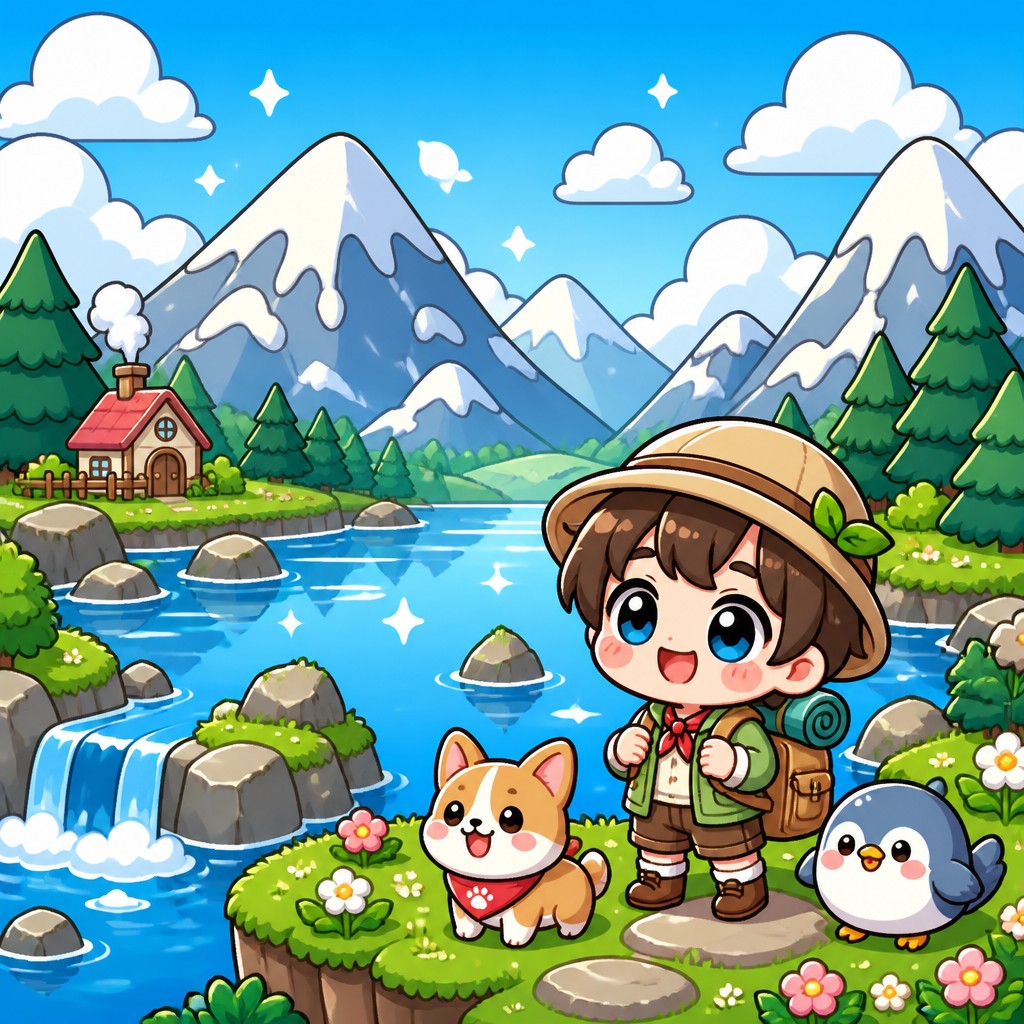
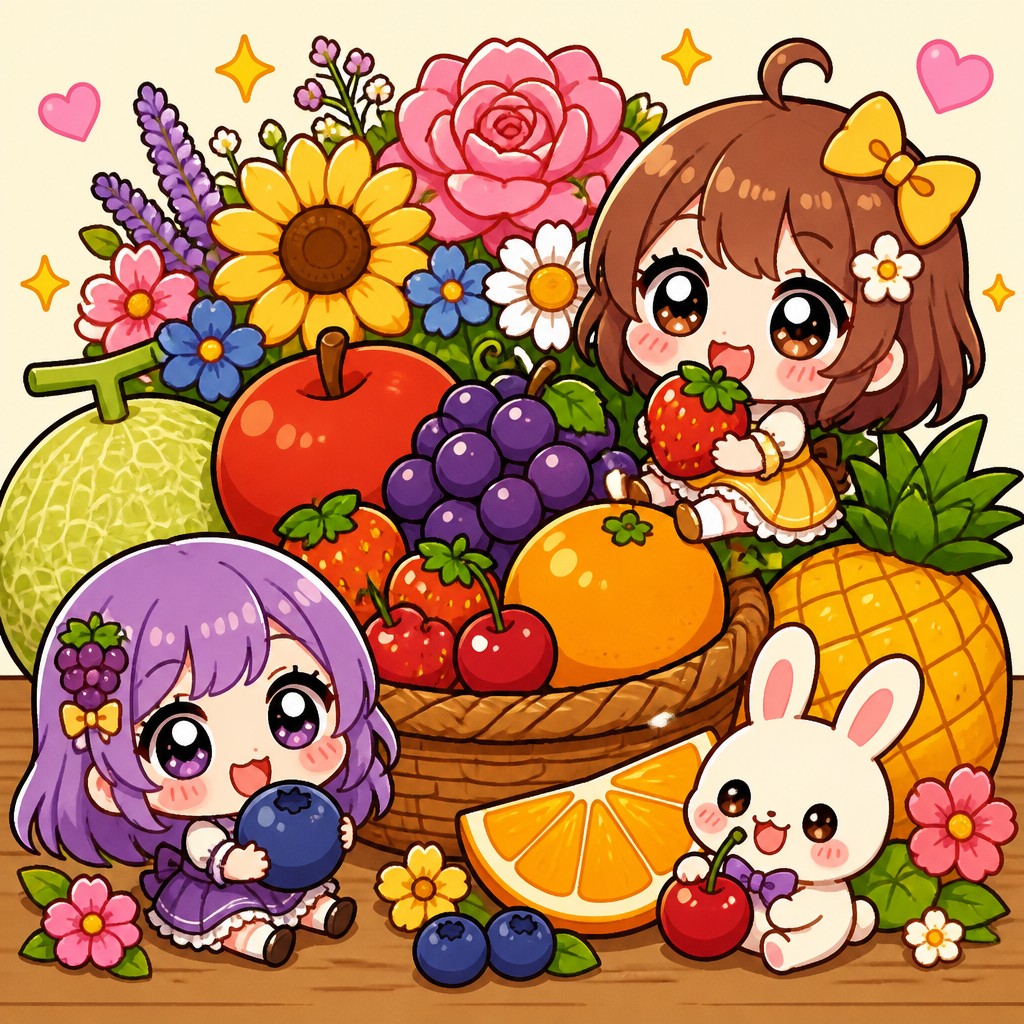
Chibi anime art style: super-deformed characters with oversized heads, tiny bodies, bold outlines, and cute, expressive simplicity.
Instantly rendered in Chibi Anime — or transform a photo
Chibi Anime Gallery
Tap any artwork to explore it
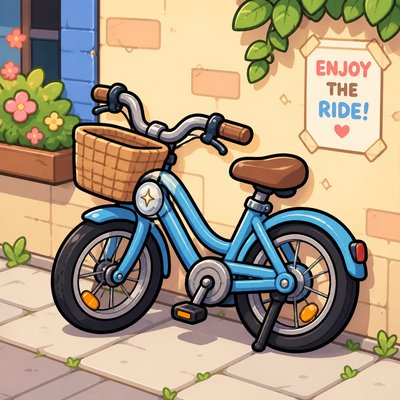
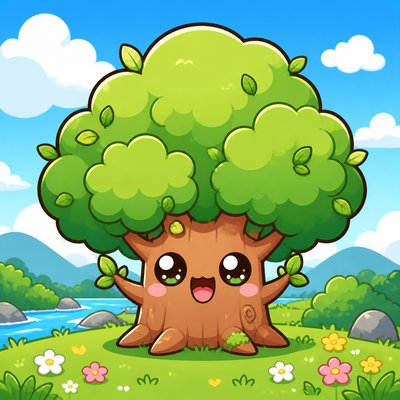
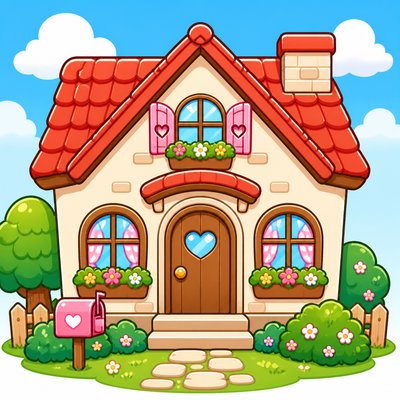
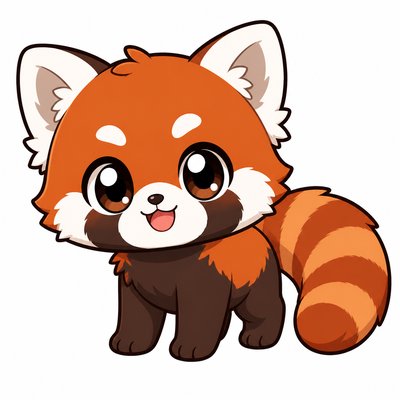
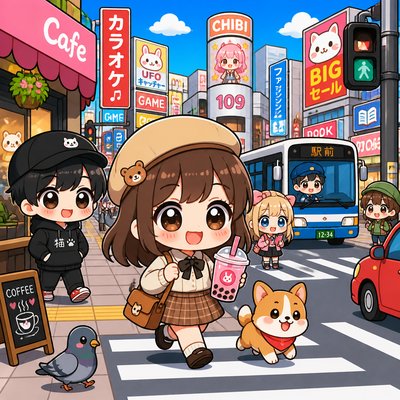
What is Chibi Anime Art Style?
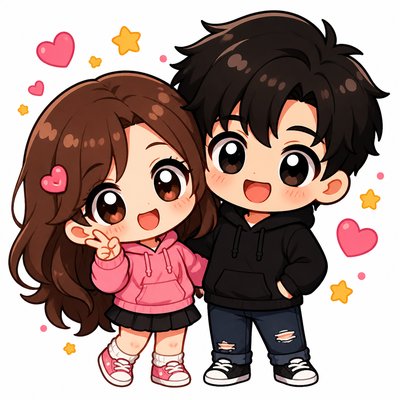
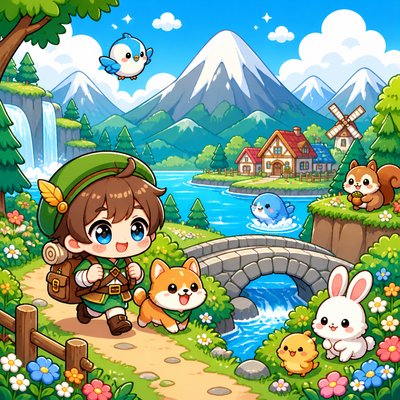
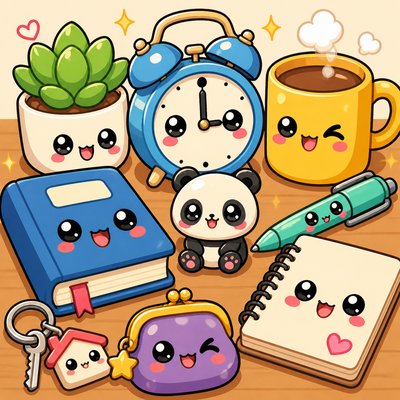
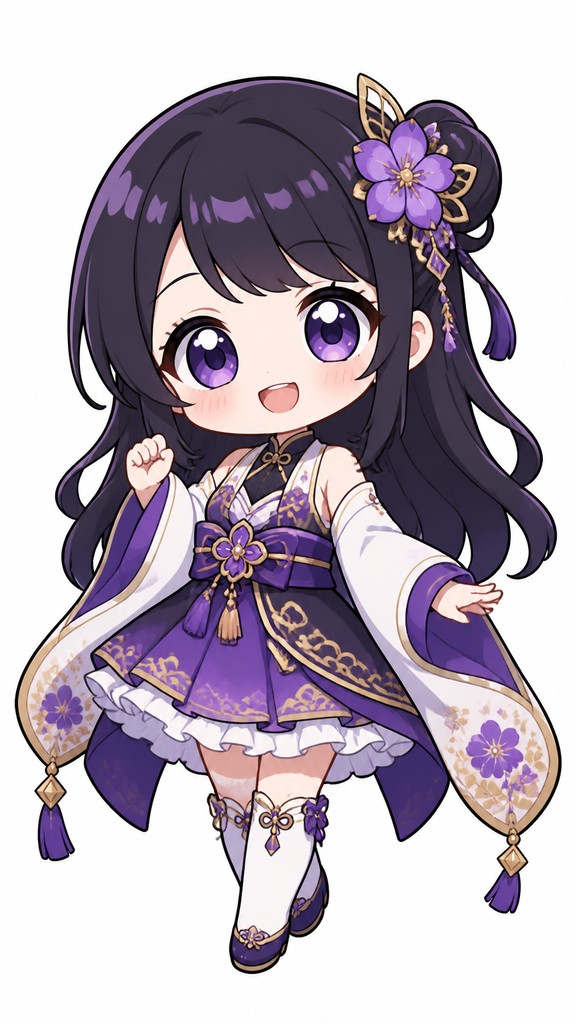
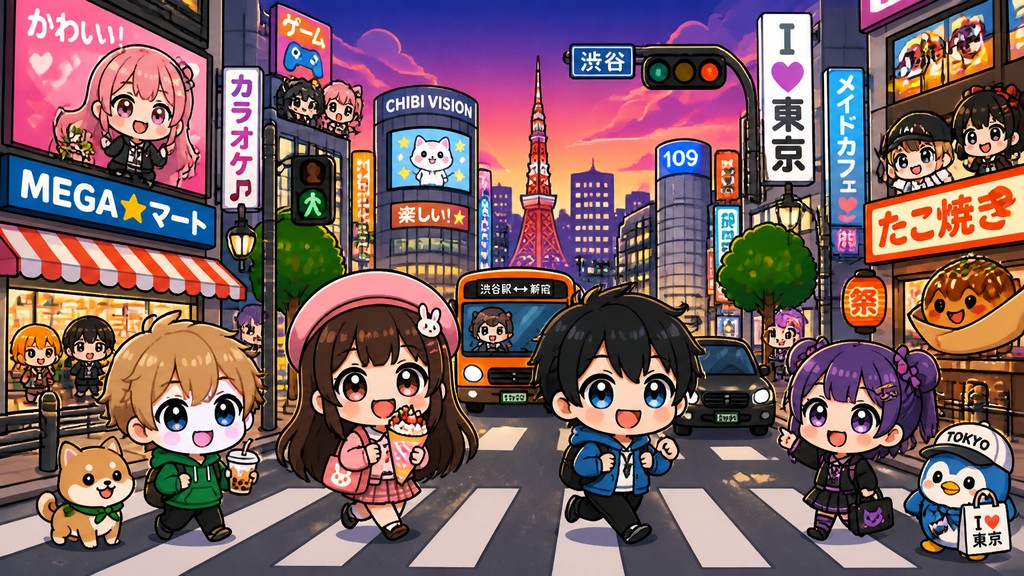
Chibi anime art style is a simplified character design approach associated with manga, anime, fan art, and character merchandise. Its defining feature is super-deformed proportion: heads are enlarged, bodies are compressed, limbs are short, and facial features are reduced to a few highly legible shapes. The result is a design language that reads instantly as cute, humorous, and emotionally direct.
The style works by exaggerating the traits that carry personality while stripping away complexity. Big eyes, small noses, compact torsos, and rounded silhouettes make characters feel approachable and toy-like, while bold outlines and flat color areas keep the image clear at small sizes. Because of this visual clarity, chibi designs are especially effective for stickers, mascots, icons, emotes, and collectible character art.
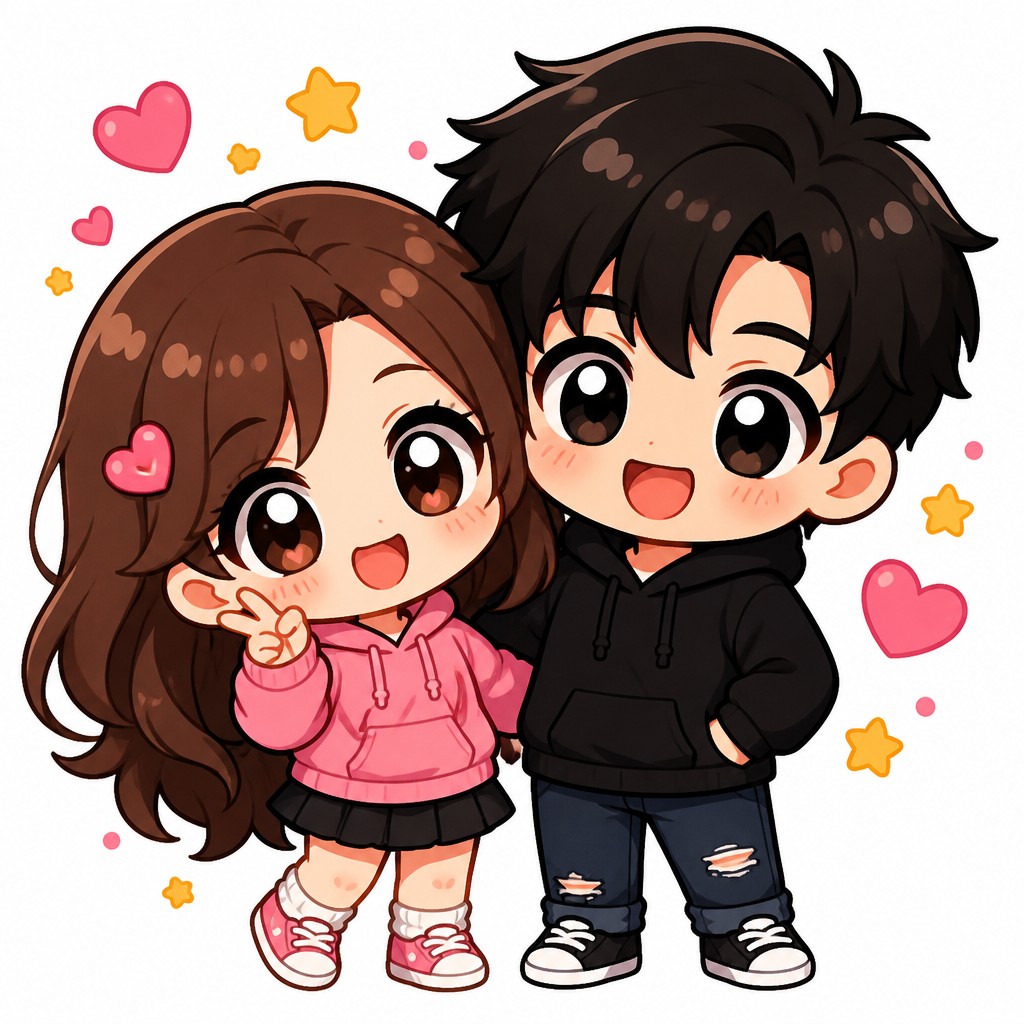
Try It On Your Photos
Upload any photo and convert it into Chibi Anime Art Style — drag the sliders to compare before and after.
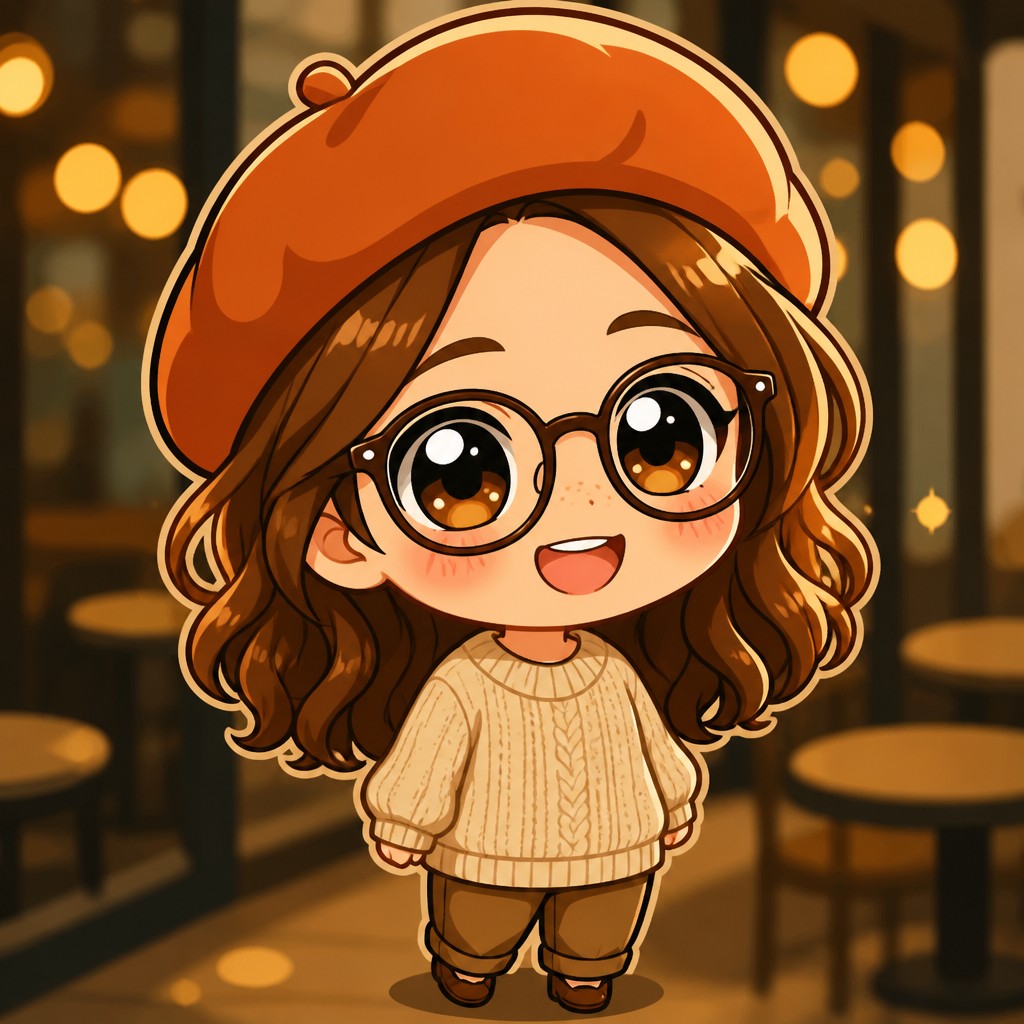

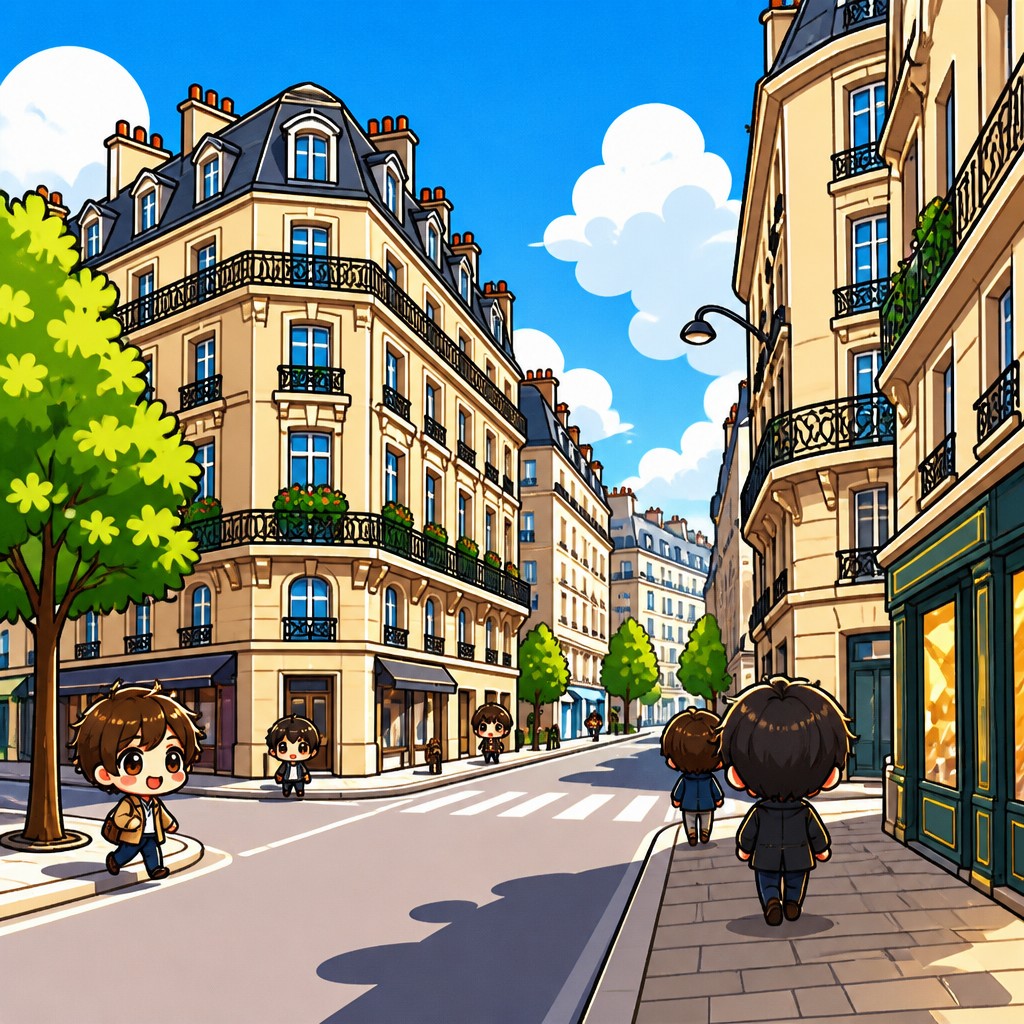

What Defines Chibi Anime Art Style
The signature details, up close
Oversized head and tiny body
The most recognizable trait is extreme proportion distortion: the head often takes up most of the figure, while the torso and limbs are minimized. This makes the character instantly cute and easy to read at small scale.
Large expressive eyes
Eyes are usually the dominant facial feature, often glossy, sparkling, or simplified into bold shapes. They carry most of the emotional information, so expressions remain clear even when other facial details are reduced.
Rounded, compact silhouettes
Forms are kept squat, soft, and compact, with very little angular construction. Rounded shapes help the design feel friendly, harmless, and plush-like.
Bold outlines and flat color
Clean linework and simple cel shading are common, especially in digital work. Broad color areas and minimal rendering preserve clarity and make the character readable from a distance.
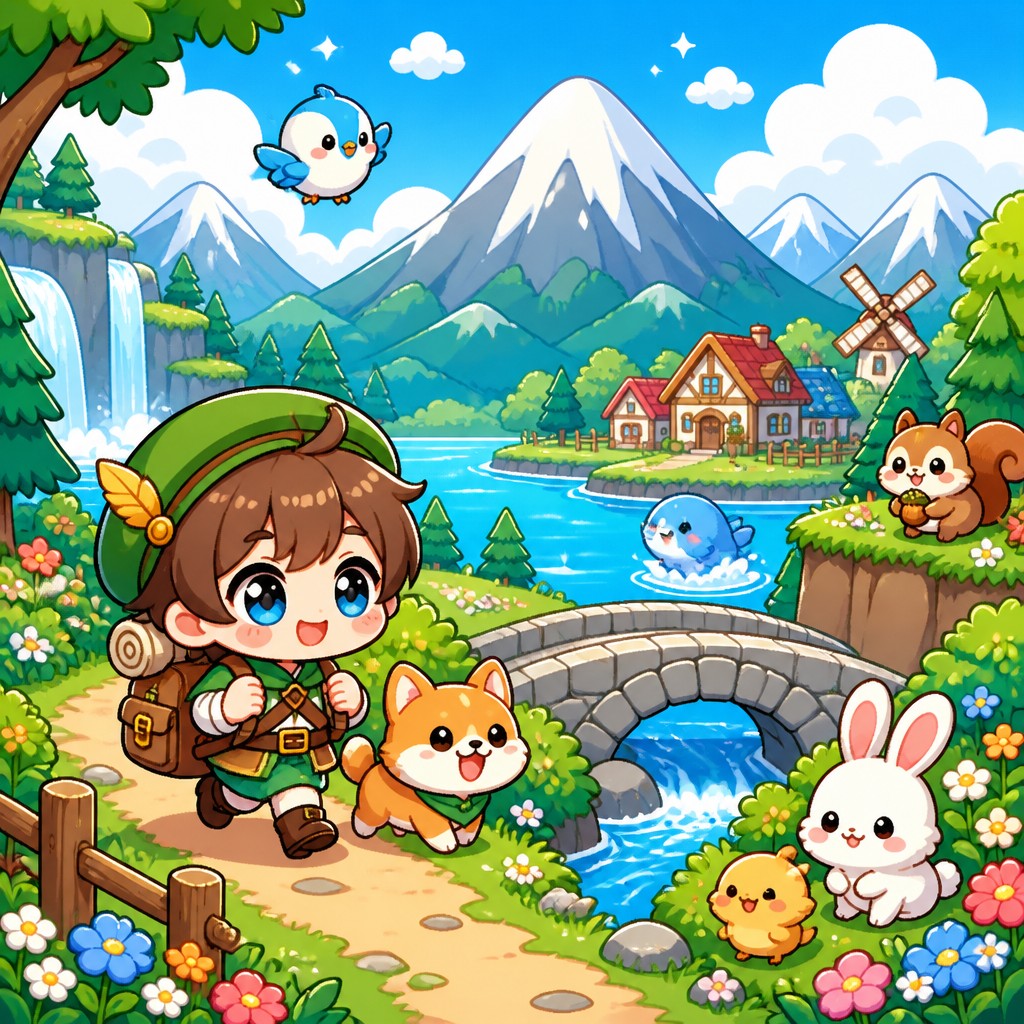
Simplified anatomy and clothing
Hands, feet, hair, and costume details are reduced to essential shapes. Small accessories are often exaggerated instead of detailed so they remain visible and charming.
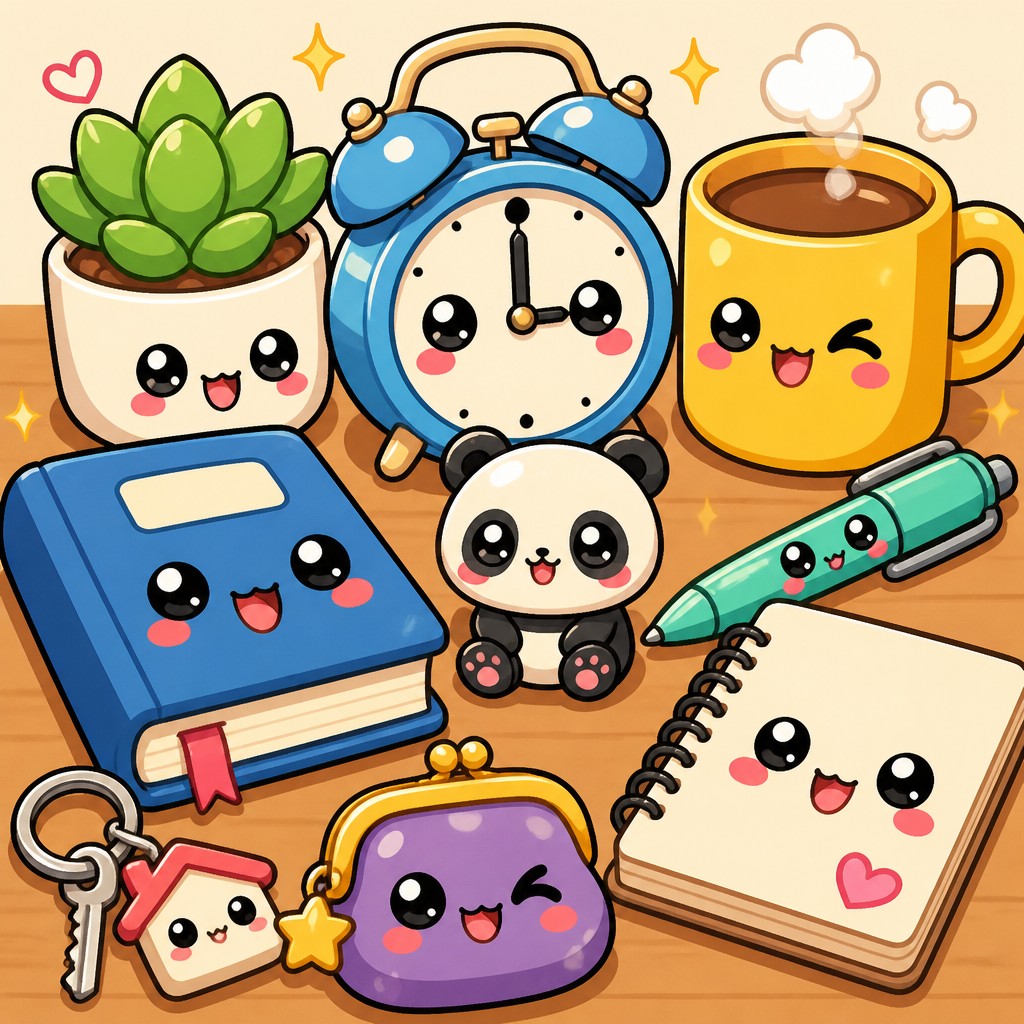
Exaggerated cute expressions
Emotions are pushed to a comic extreme, from joy and surprise to embarrassment and anger. These expressions often rely on blush marks, sweat drops, sparkles, or simplified mouths.
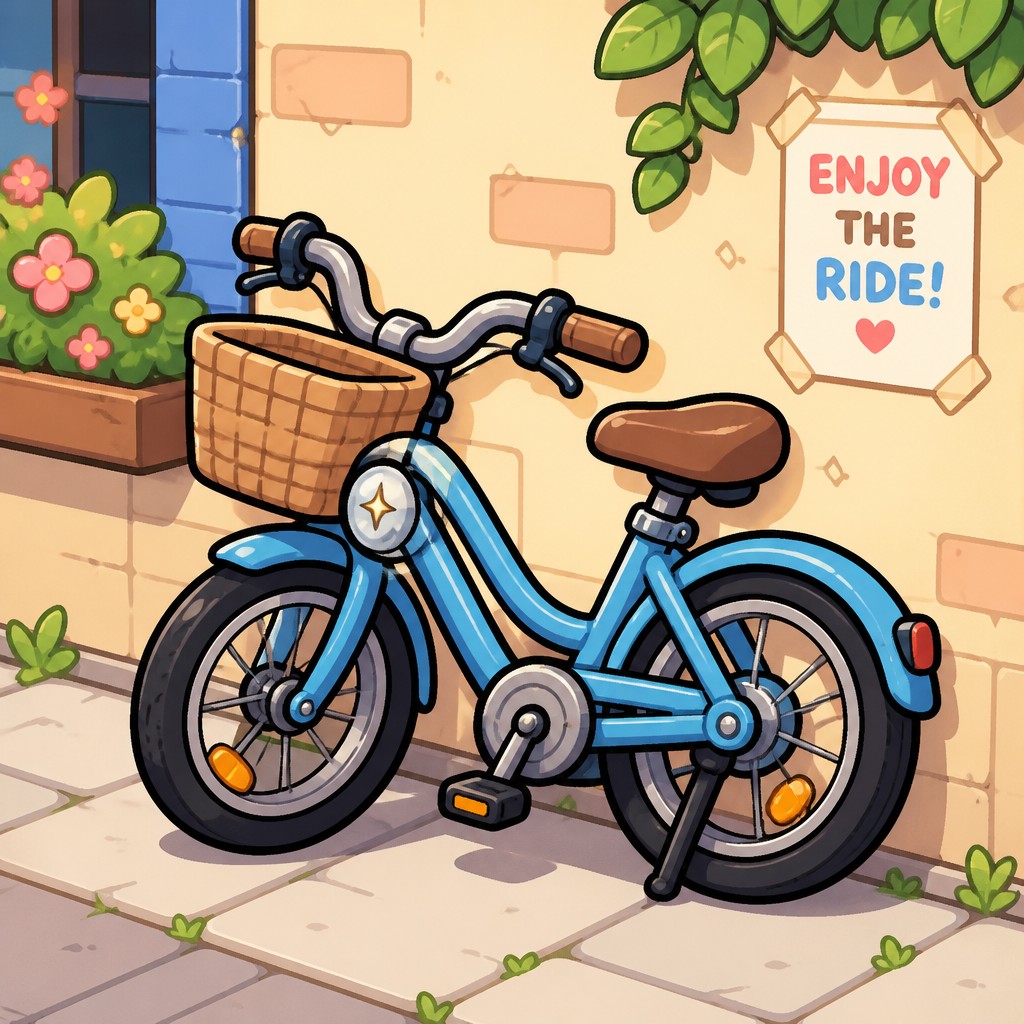
Sticker-like readability
The design is built for instant recognition and strong silhouette recognition. That makes it especially effective for merchandise, avatars, emotes, and social-media graphics.
Try It
Create Videos in Chibi Anime Art Style
Styles aren't just for stills — describe a scene or animate an image and get a short video rendered in Chibi Anime. Press play to see this pond come to life.
Make a VideoChibi Anime Prompt Ideas
Start from an idea — each one opens the generator with the style ready to go. See all 40 Chibi Anime prompts →
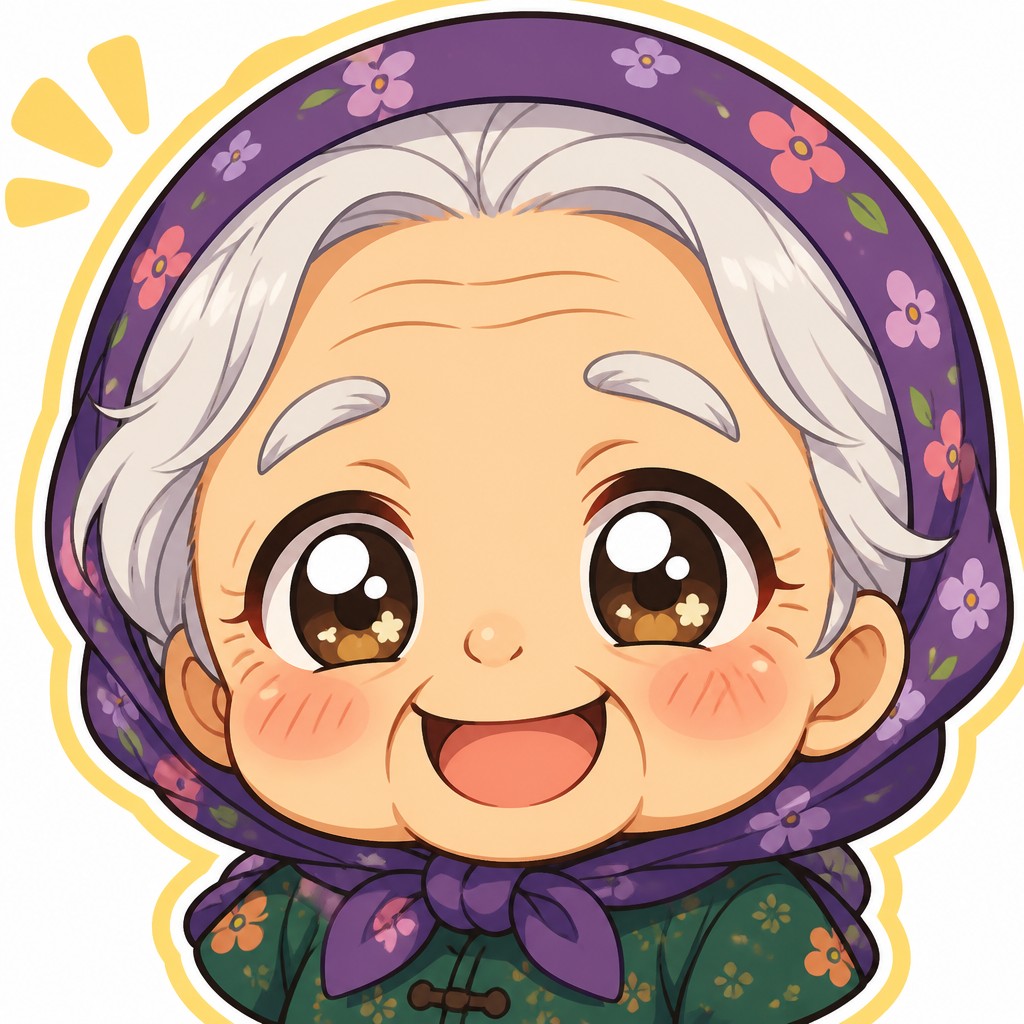
“close-up portrait of an elderly person with expressive weathered features”
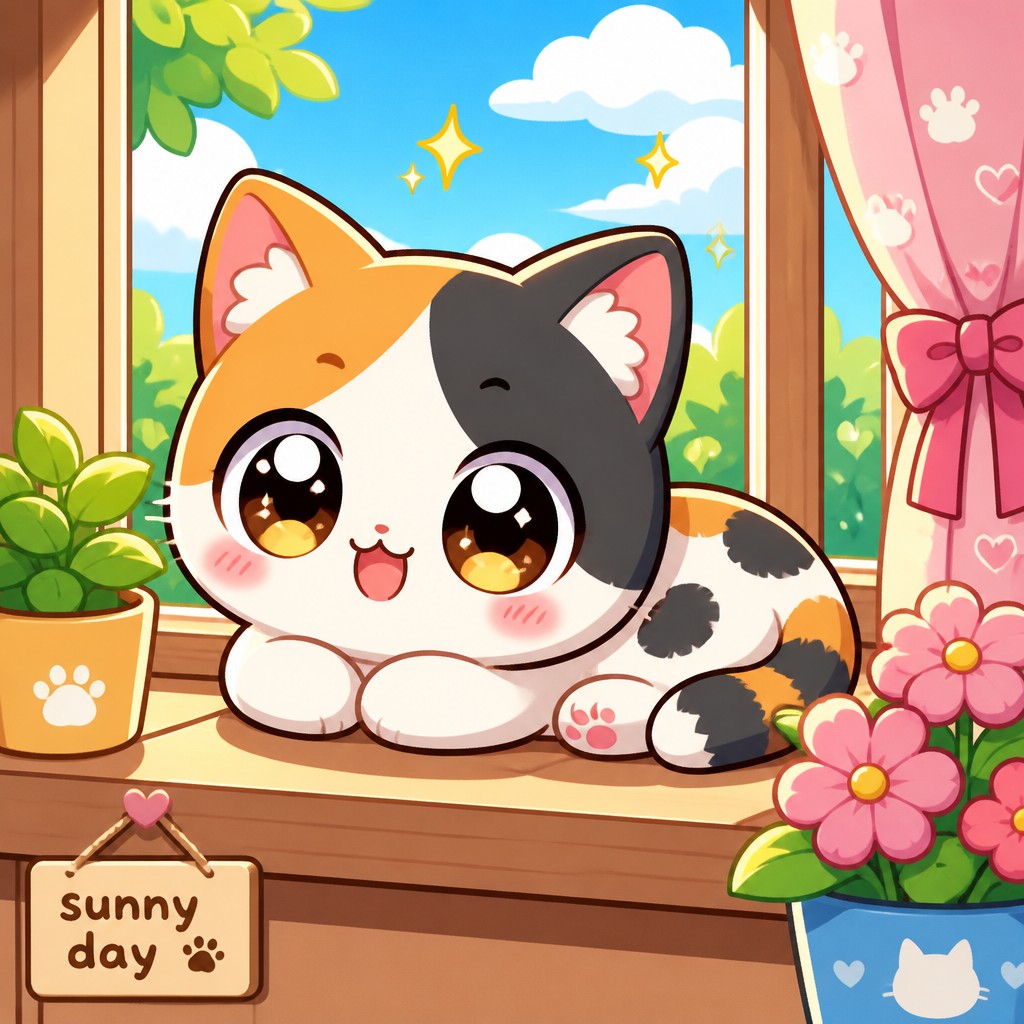
“a cat lounging in a sunlit window”
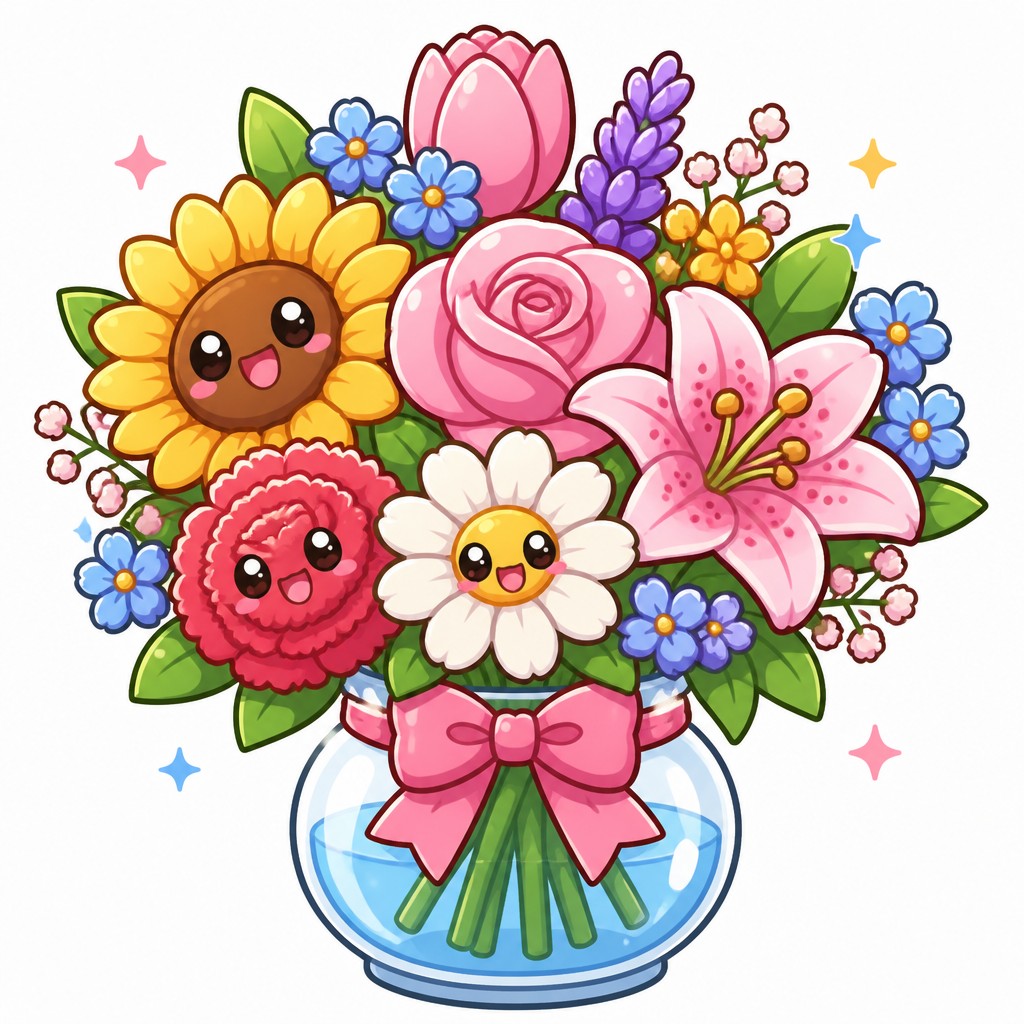
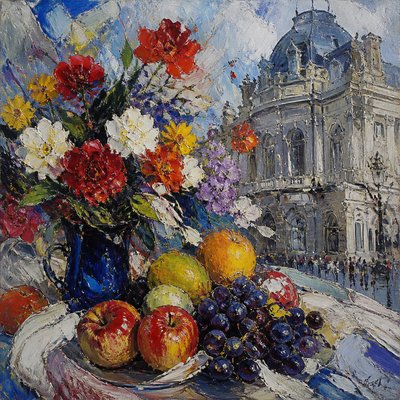
“bouquet of flowers in a glass vase”

“sailing ship on a stormy sea”
How to Create Chibi Anime Art
Master the craft step by step — or skip straight to creating. Read the full guide →
- 1
Start with proportion, not detail
Block in a very large head, a tiny torso, and short limbs before adding any features. If the silhouette already reads as cute and compact, the rest of the design can stay minimal.
- 2
Use simplified facial construction
Place oversized eyes low enough on the face to emphasize the forehead, and keep the nose and mouth small. A few strategic marks—sparkles, blush, or a tiny open mouth—usually do more than complex rendering.
- 3
Keep linework clean and shapes rounded
Whether drawing traditionally or digitally, favor smooth contours, few interior lines, and simple clothing folds. Hard edges and dense detail usually work against the soft, toy-like feel of the style.
- 4
Choose bright, flat colors with light shading
Use saturated palettes and limit shading to one or two cel-shaded tones. Soft gradients, heavy texture, and realistic lighting can be used sparingly, but they should not overpower the simplified design.
- 5
Adapt the style for photos carefully
When transforming a portrait, reduce facial detail, enlarge the eyes, and simplify hair and clothing into rounded forms. Preserve the subject’s identity through recognizable colors, accessories, and expression rather than realistic anatomy.
- 6
Prompt for clear super-deformed cues
In text prompts, specify oversized head, tiny body, huge eyes, clean outlines, flat cel shading, and cute expressiveness. For best results, keep the subject simple and avoid demanding realism, complex anatomy, or heavy surface detail.
The Story
History & Origins of Chibi Anime
Chibi anime does not correspond to a single historical art movement; it is a character-design convention that developed within Japanese manga and anime culture. Its roots lie in the broader logic of caricature and simplification, where proportions are deliberately distorted to heighten emotion or comic effect. The term chibi in Japanese implies smallness or cuteness in popular usage, and the visual mode became widely recognizable through manga, anime extras, parody scenes, and character merchandising.
Its aesthetic lineage also draws from kawaii design, mascot culture, and the super-deformed tradition seen in Japanese character illustration. Over time, chibi forms became a standard way to present familiar characters in playful alternate versions, especially in promotional art, toys, and fan communities. In digital illustration, the style has become even more standardized because clean lines, flat fills, and readable expressions translate well to icons, stickers, and animated assets.
Influences: Chibi anime draws from Japanese manga and anime character design, especially the super-deformed tradition used for comic relief and alternate miniature depictions of characters. It is closely related to kawaii aesthetics and mascot design, as well as broader cartoon caricature practices that emphasize emotional readability over realism. Comparable simplification can also be seen in global cartoon and children’s illustration traditions, but chibi remains distinct in its specific proportion rules and its strong association with Japanese pop-cultural character branding.
Frequently Asked Questions
What defines chibi anime art style?
Chibi is defined by super-deformed proportions: an oversized head, tiny body, short limbs, and highly simplified features. The style emphasizes cuteness, clarity, and exaggerated emotion rather than anatomical realism. It often uses bold outlines, bright color, and a rounded silhouette.
How is chibi different from regular anime art?
Regular anime often retains more realistic body proportions, detailed faces, and stronger attention to anatomy or drama. Chibi compresses the body into a small, toy-like form and makes the face do most of the expressive work. The effect is more comedic, affectionate, and emblematic than standard anime character art.
Is chibi the same as kawaii?
Not exactly. Kawaii is a broader cultural and visual concept centered on cuteness, while chibi is a specific character-proportion style. Chibi often feels kawaii because it uses cute cues like big eyes and rounded forms, but kawaii can include many other aesthetics besides super-deformed characters.
Where is chibi art commonly used?
It is widely used in stickers, emoji sets, merch, mascots, trading cards, fan art, mobile games, and promotional illustrations. The style is especially effective anywhere a character needs to be instantly readable at a small size. It is also popular for chibi versions of existing characters in special editions or parody art.
How do I draw a good chibi character?
Begin with a simple, compact silhouette and build the design around a very large head and small body. Keep the face expressive, the linework clean, and the details limited to what is essential for recognition. If the character still reads well when reduced to a tiny thumbnail, the design is working.
Can photos be transformed into chibi art successfully?
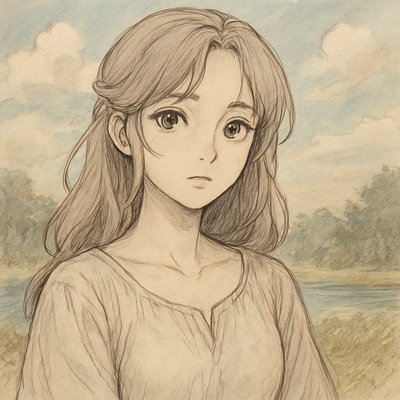
Yes, but the best results come from simplification rather than literal conversion. The subject’s pose, hairstyle, clothing colors, and key accessories should be preserved while the anatomy is rewritten into rounded, miniature proportions. Strong facial expression and clear outlines help the result feel intentional instead of distorted.
Create your first Chibi Anime artwork
Describe anything — or upload a photo — and see it in Chibi Anime Art Style in seconds.
Make Something with Chibi Anime
Compare Chibi Anime
Related Styles
Discover similar art styles