Blind Box Toy Art
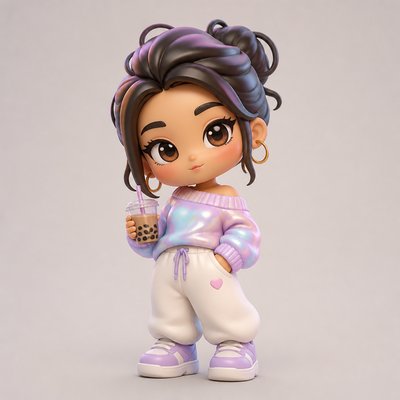
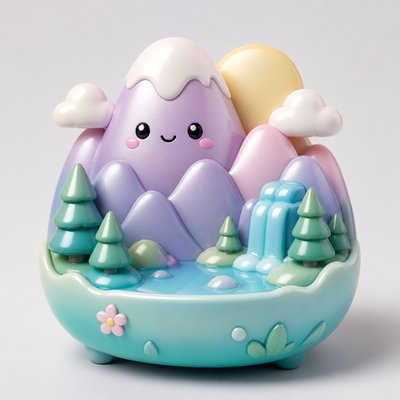
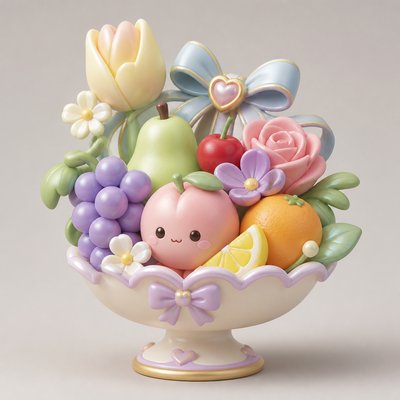
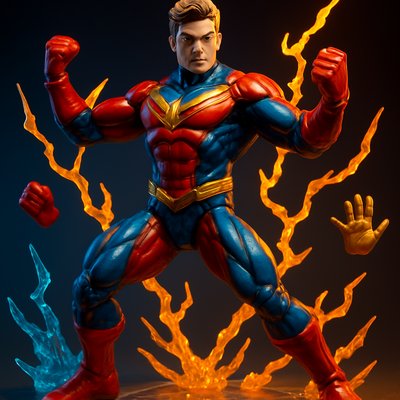
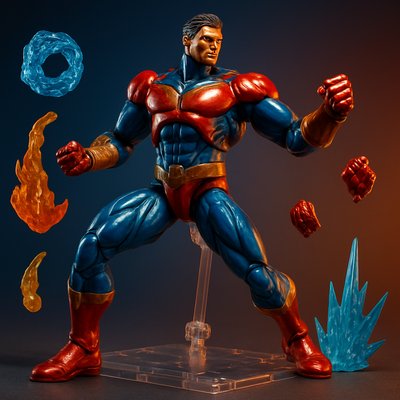
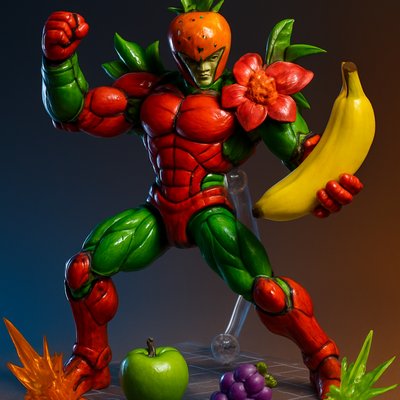
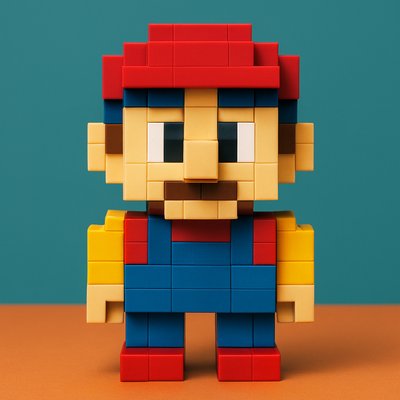
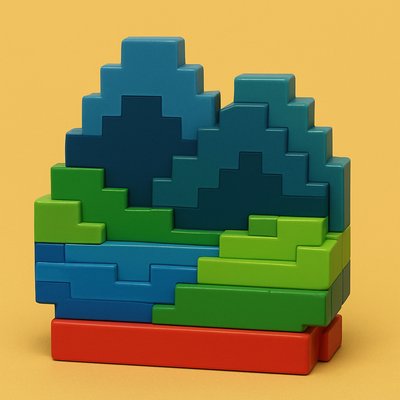
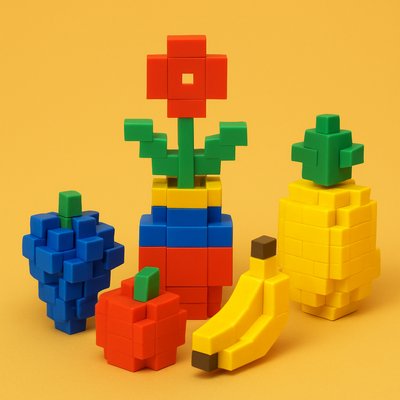
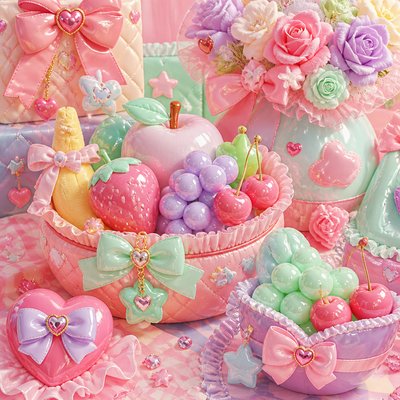
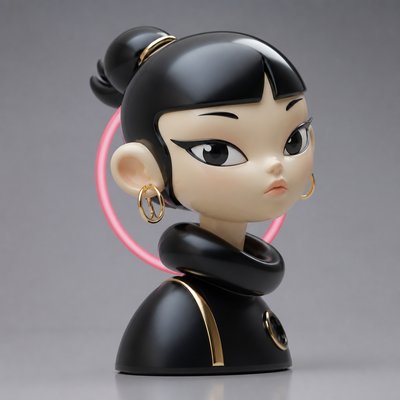
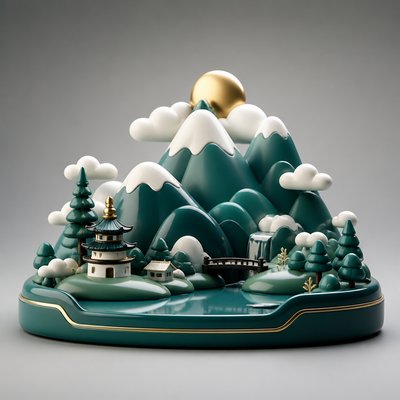
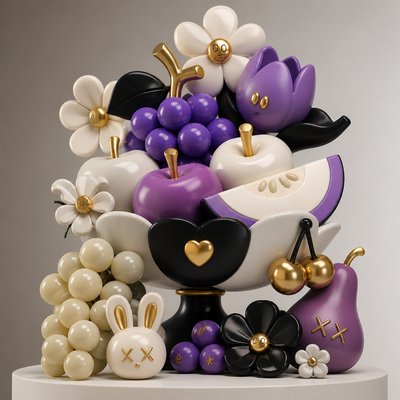
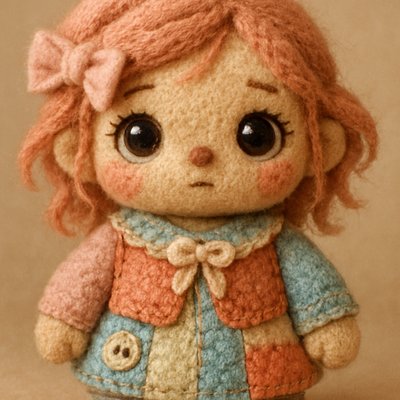
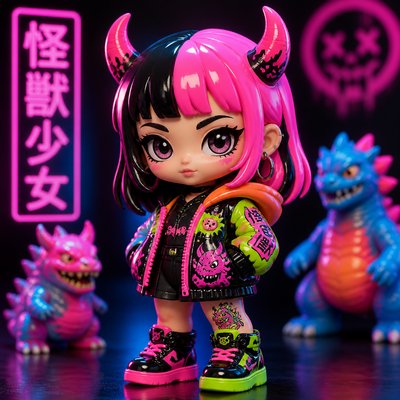
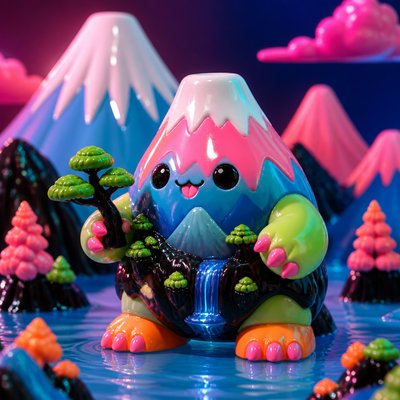
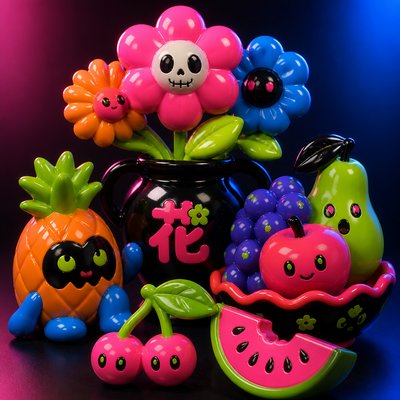
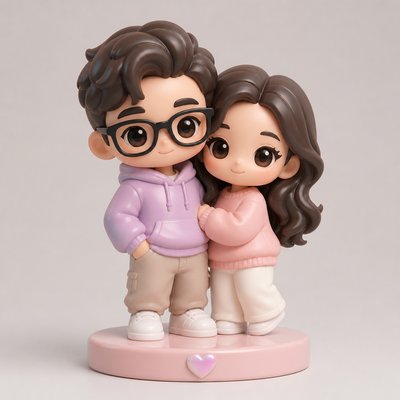
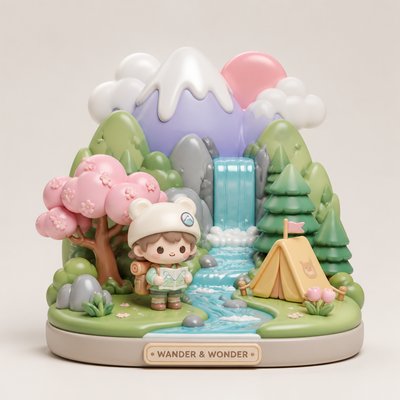
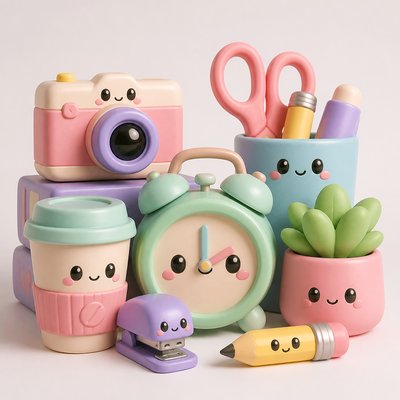
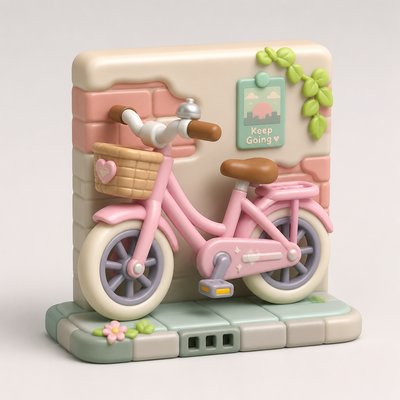
Cute mystery collectible toys with chibi proportions, pastel colors, glossy accents, and the polished look of designer vinyl figures.
Instantly rendered in Blind Box Toy — or transform a photo
Blind Box Toy Gallery
Tap any artwork to explore it
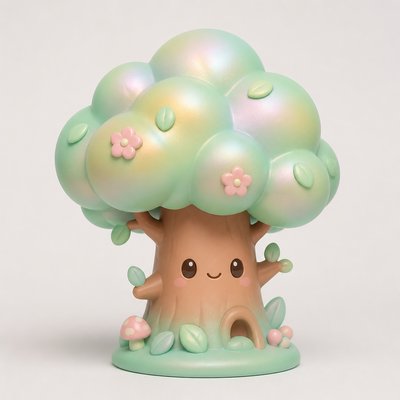
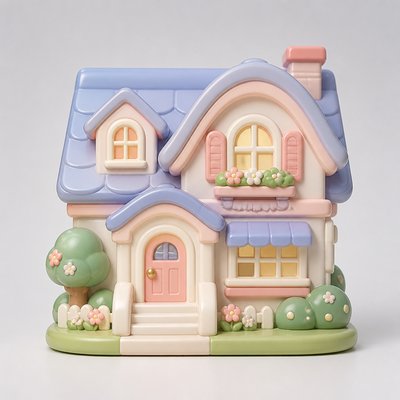
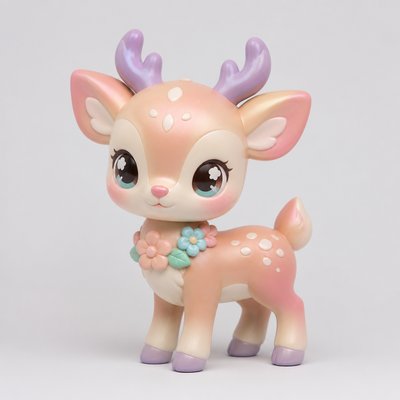
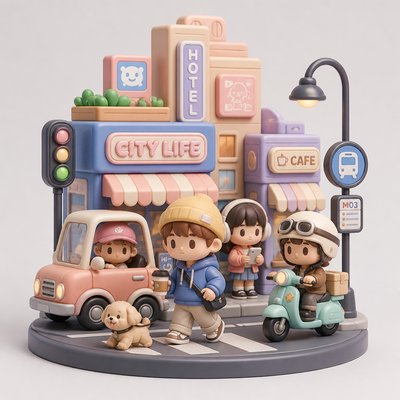
What is Blind Box Toy Art?
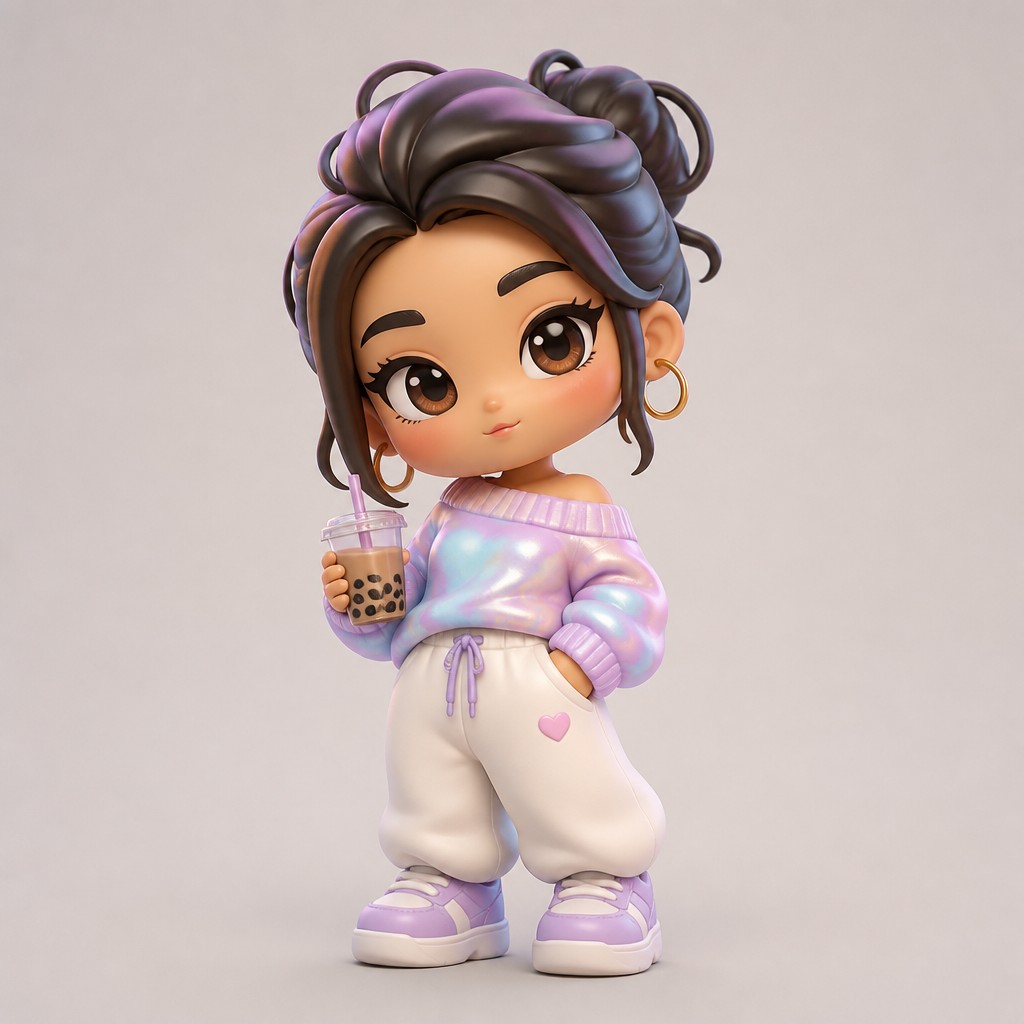
Blind box toy art is a collectible character aesthetic built around small, appealing figures sold as surprise items within sealed packages. Its visual identity centers on simplified, rounded forms; chibi-like proportions; cute animal, creature, or childlike characters; and a clean, toy-like finish that emphasizes tactility and charm. The “blind box” aspect is part of the style’s appeal: figures are often released in series, with common, rare, and chase variants that encourage collecting and trading.
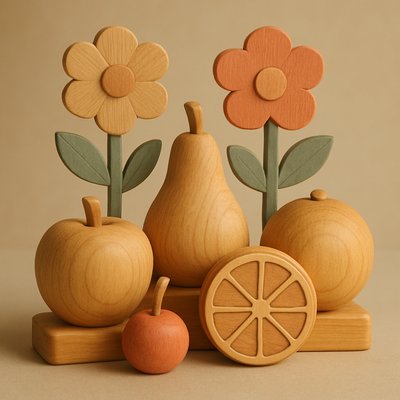
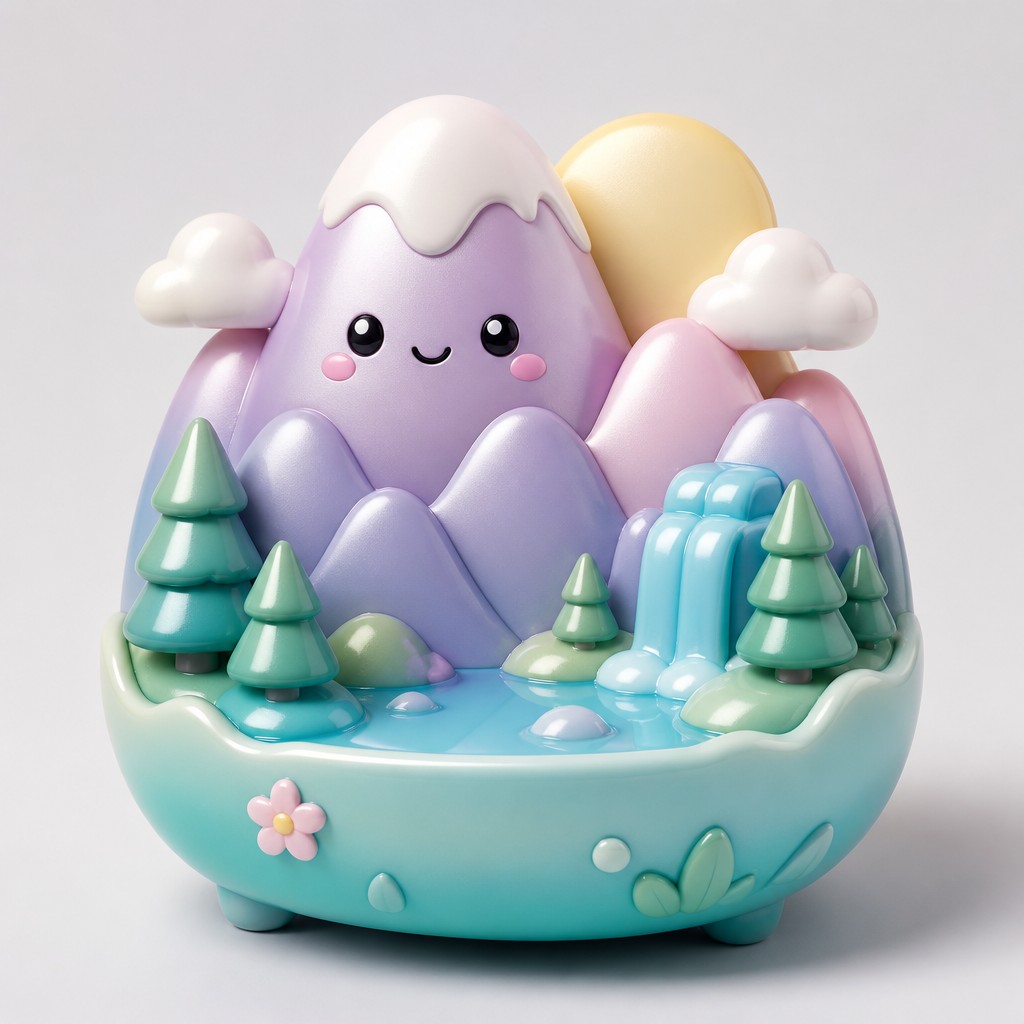
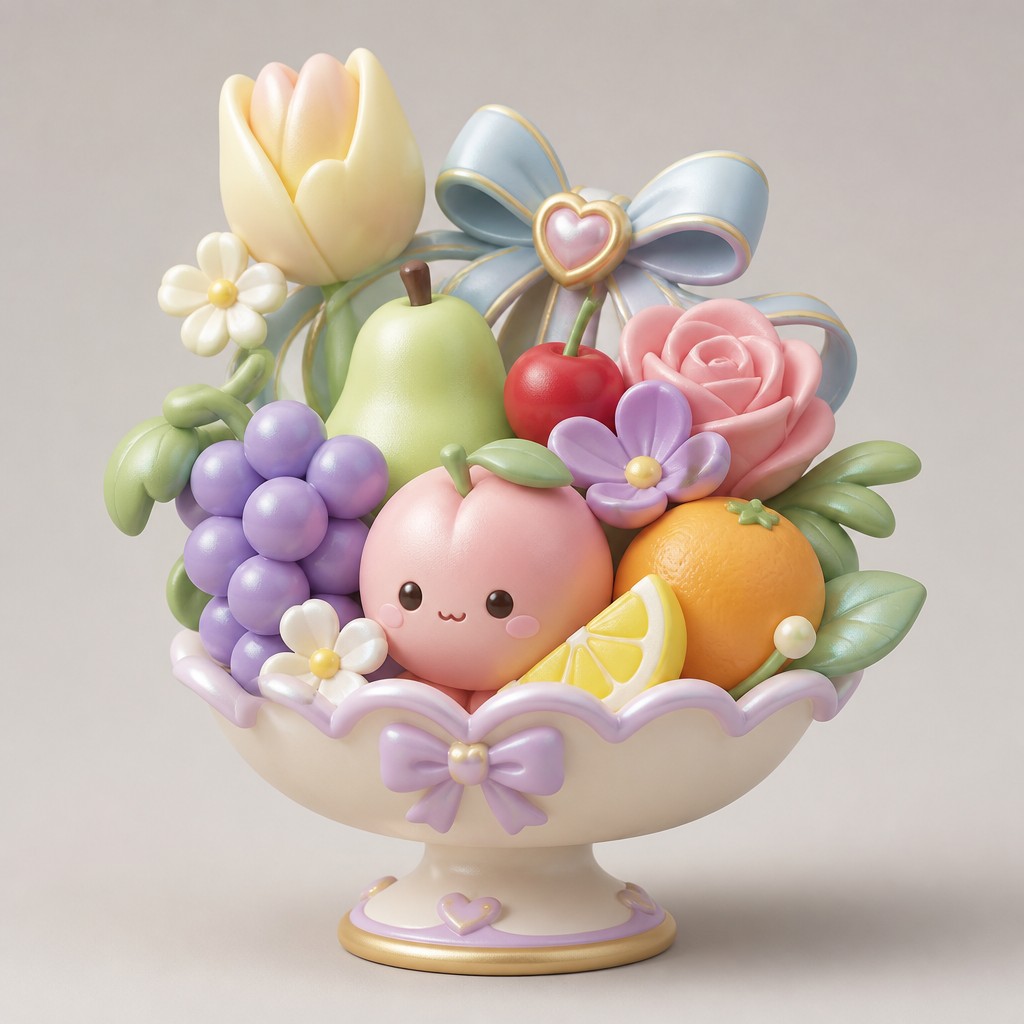
Visually, the style draws on designer toys, vinyl figurines, kawaii character design, and the broader culture of limited-edition collectibles. The forms are usually compact and symmetrical, with large heads, small bodies, minimal surface detail, and pastel or candy-colored palettes. Soft highlights, pearlescent sheens, and studio-like presentation help the objects read as premium manufactured toys rather than realistic sculptures, even when the subject matter is whimsical, spooky, or surreal.
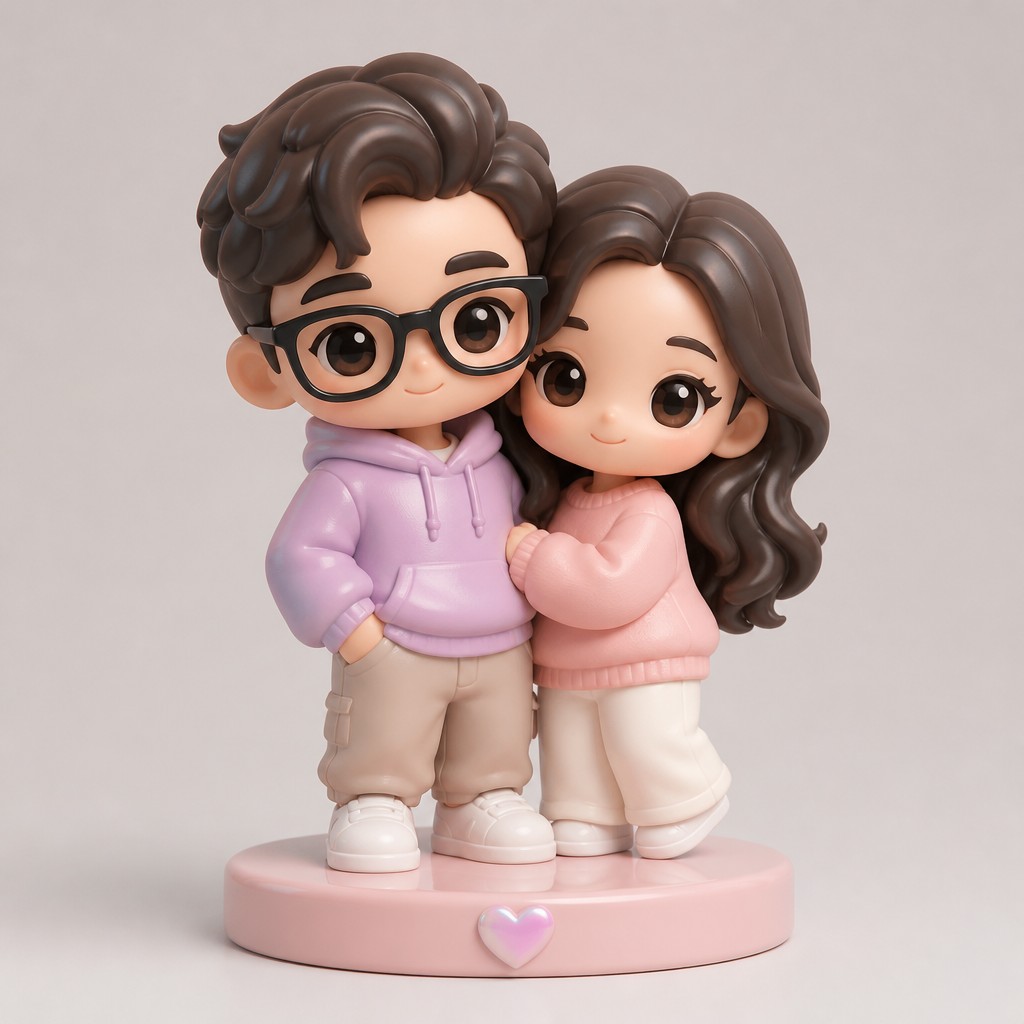
Try It On Your Photos
Upload any photo and convert it into Blind Box Toy Art — drag the sliders to compare before and after.
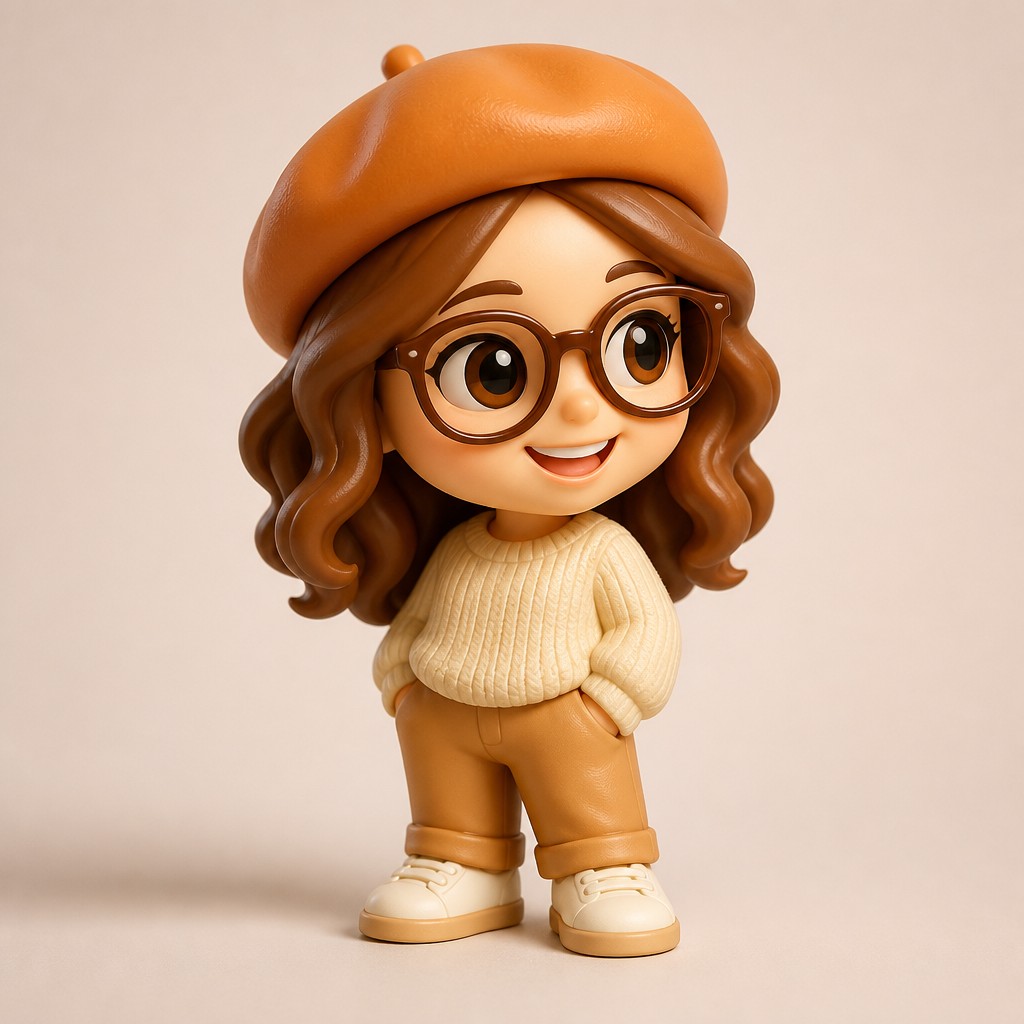

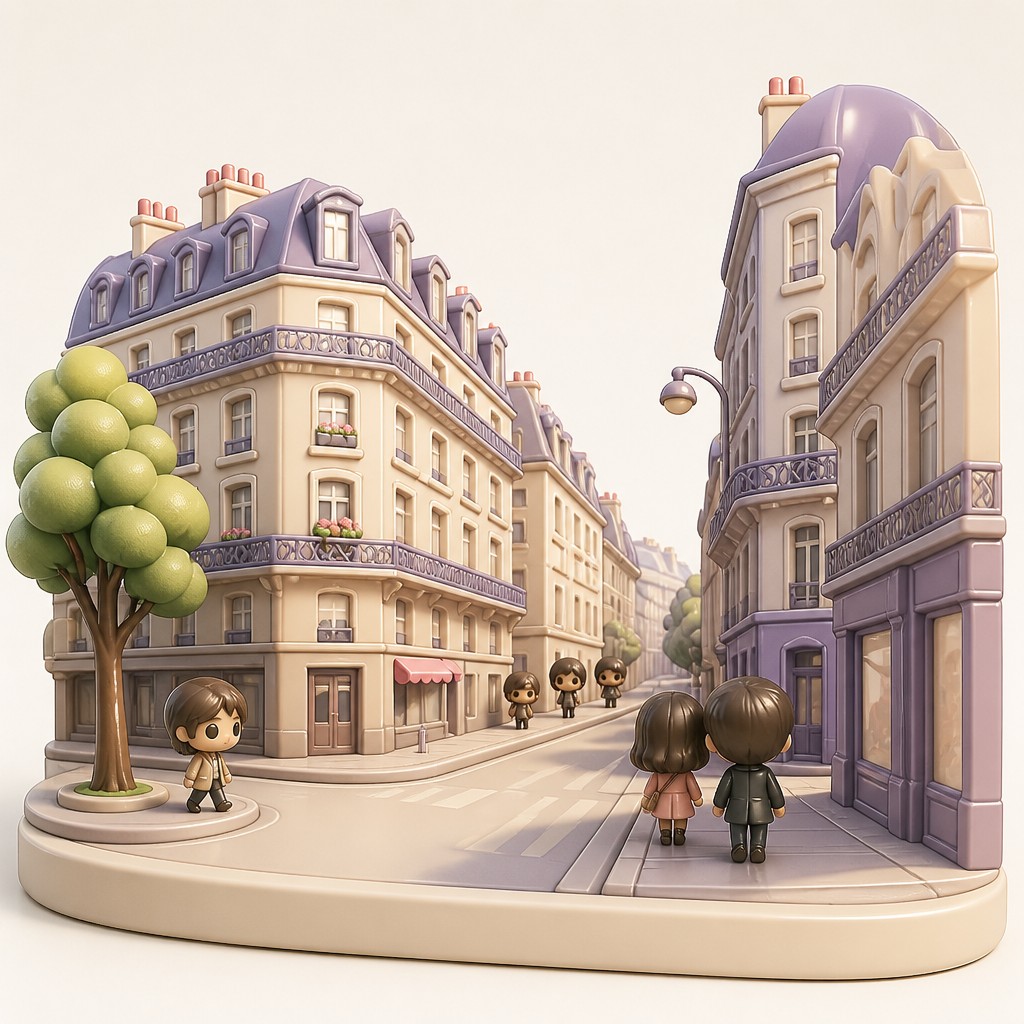

What Defines Blind Box Toy Art
The signature details, up close
Chibi-like proportions
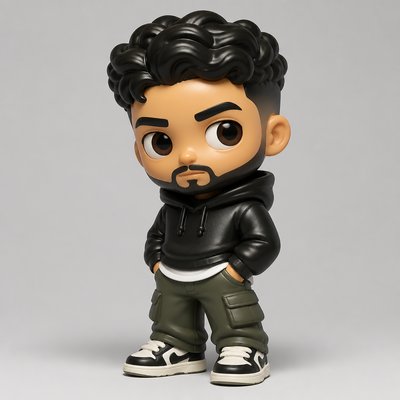
Heads are typically oversized and bodies compressed, creating an instantly readable cute silhouette. Limbs, ears, and accessories are simplified into bold, rounded shapes.
Smooth vinyl surfaces
The figures look injection-molded or cast, with seamless curves and minimal visible texture. Finishes are often matte or satin, with selective glossy details for eyes, noses, or accents.
Pastel and candy palettes
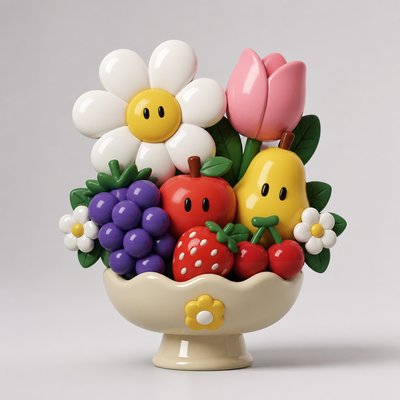
Colors tend to be soft, sweet, and emotionally approachable, though brighter toy-box hues are also common. Gentle gradients and pearlescent effects add a manufactured, collectible feel.
Expressive but minimal facial design
Faces usually rely on simple dot eyes, tiny mouths, or stylized blush marks to communicate personality. This restraint keeps the figures legible at small scale and supports mass reproducibility.
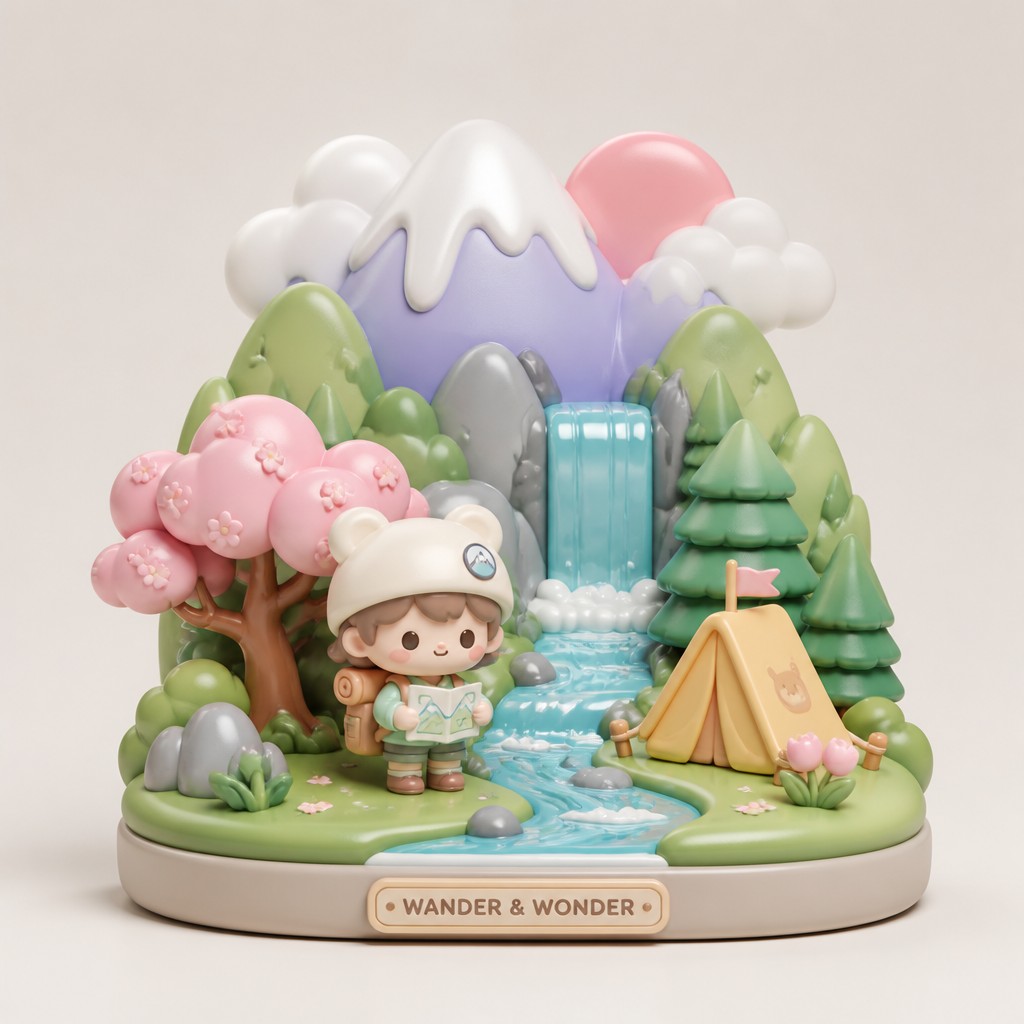
Series and variant logic
Characters are often designed as part of a family of related figures rather than as isolated artworks. Colorways, costumes, seasonal editions, and secret variants are common structural features.
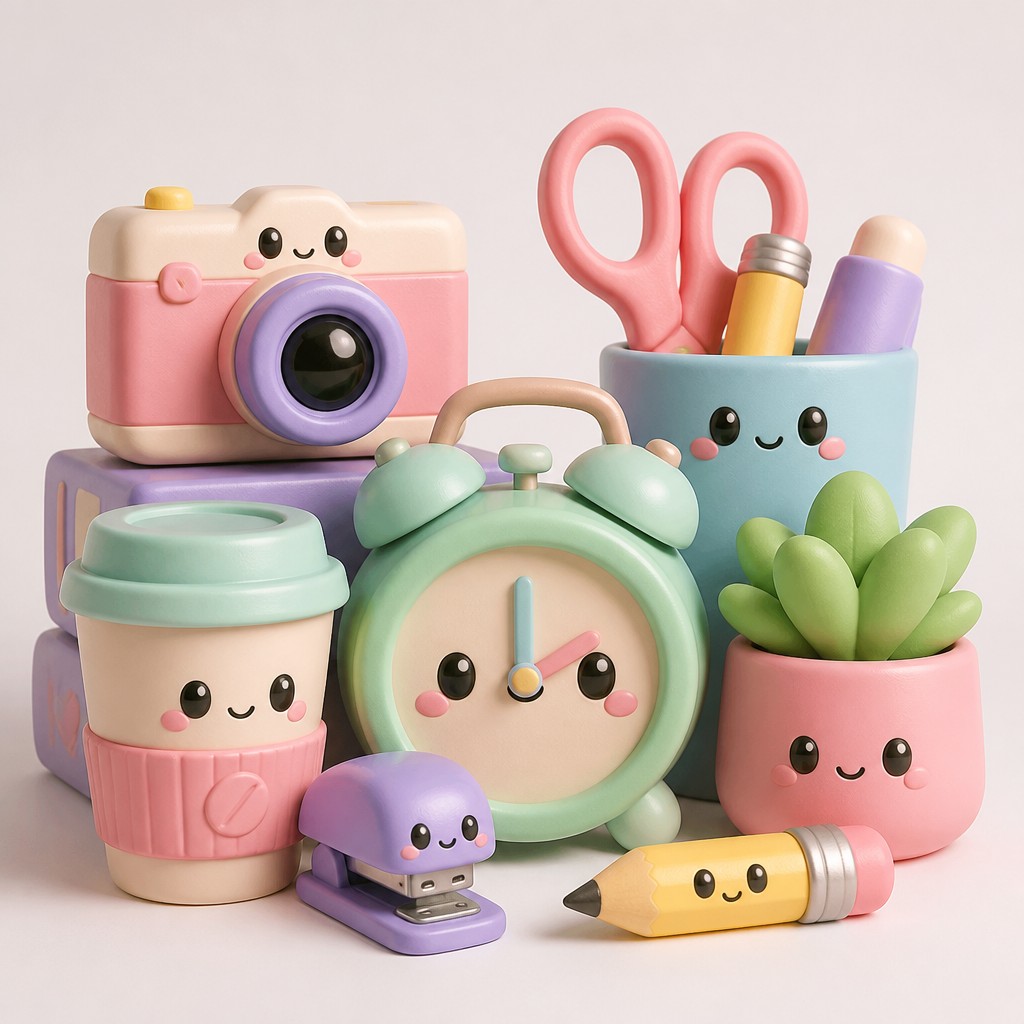
Display-ready presentation
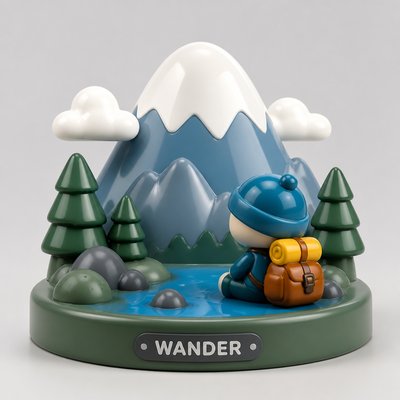
The toys are commonly shown against neutral backgrounds or in neat product-style setups. Soft studio lighting and gentle shadows make the object feel like a premium collectible on a shelf or in a catalog.
Try It
Create Videos in Blind Box Toy Art
Styles aren't just for stills — describe a scene or animate an image and get a short video rendered in Blind Box Toy. Press play to see this pond come to life.
Make a VideoBlind Box Toy Prompt Ideas
Start from an idea — each one opens the generator with the style ready to go. See all 40 Blind Box Toy prompts →
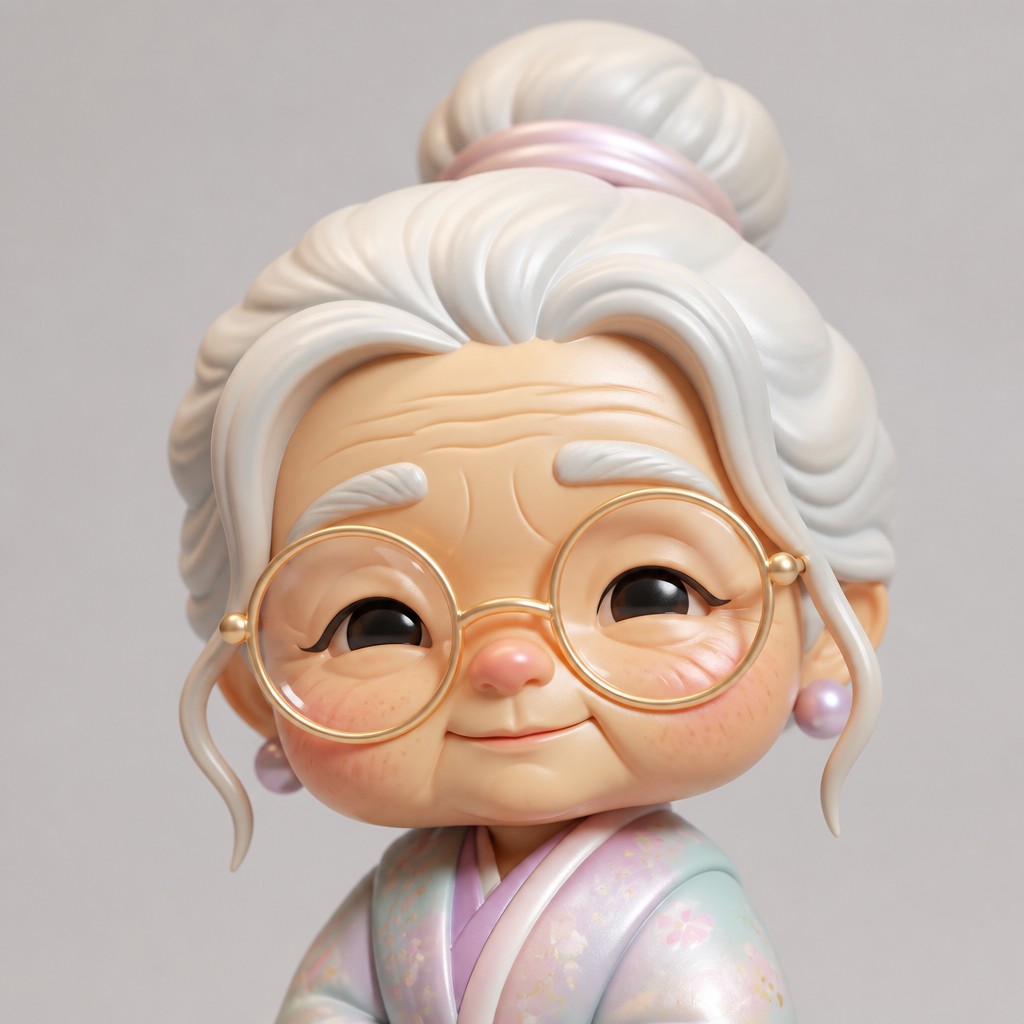
“close-up portrait of an elderly person with expressive weathered features”
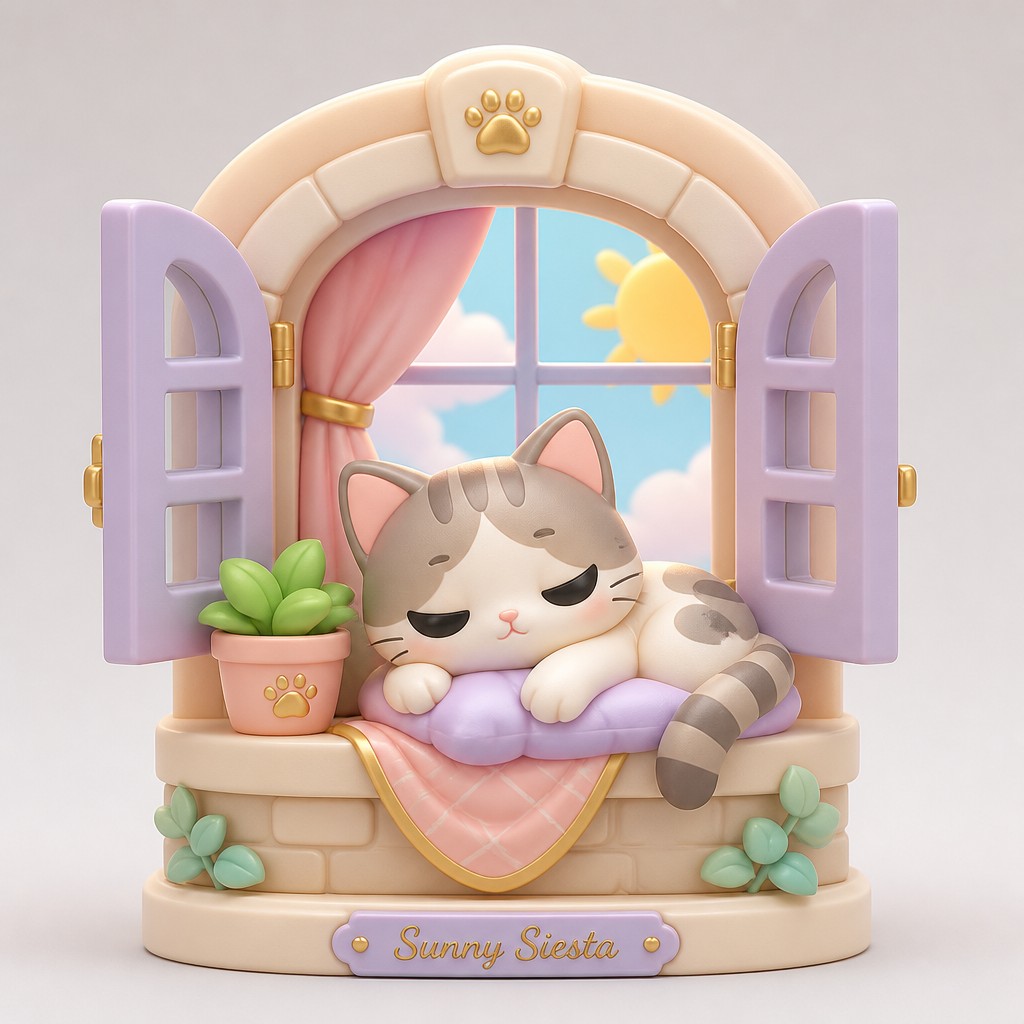
“a cat lounging in a sunlit window”
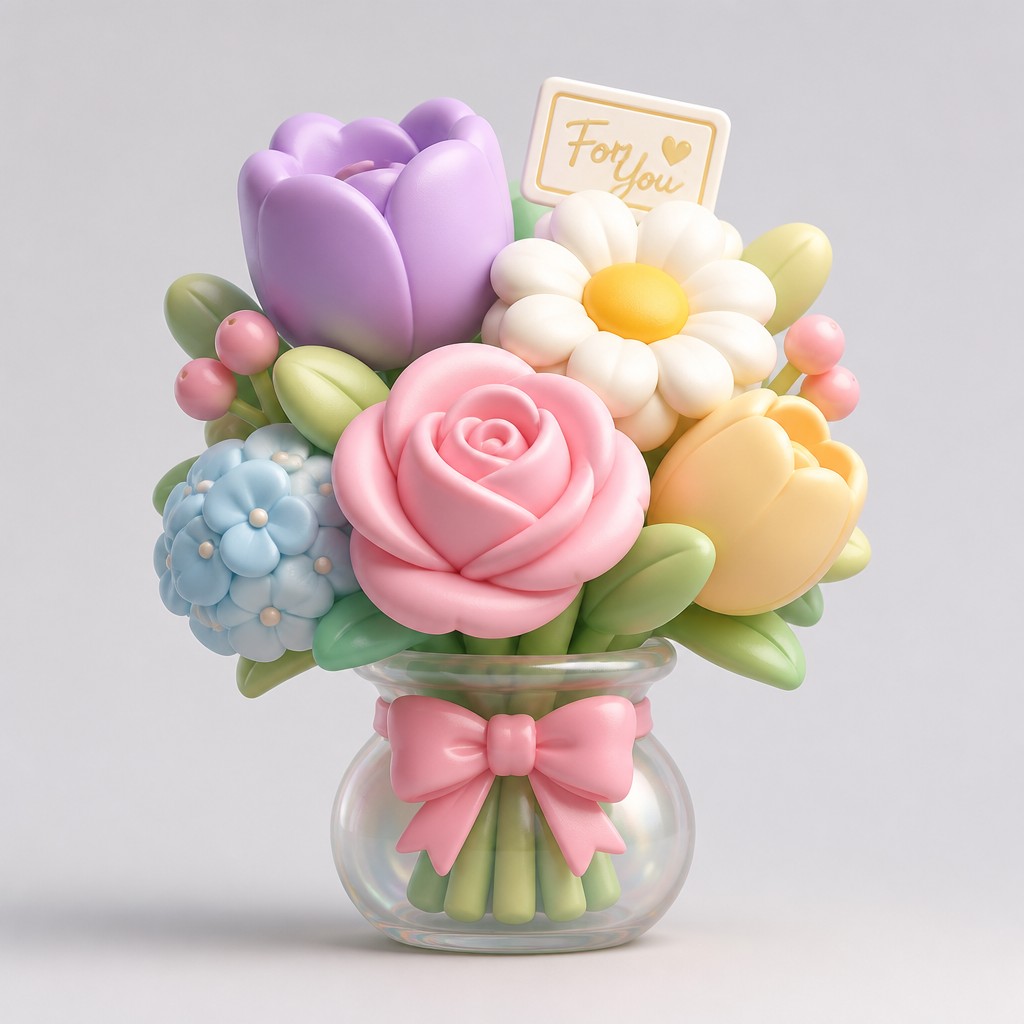
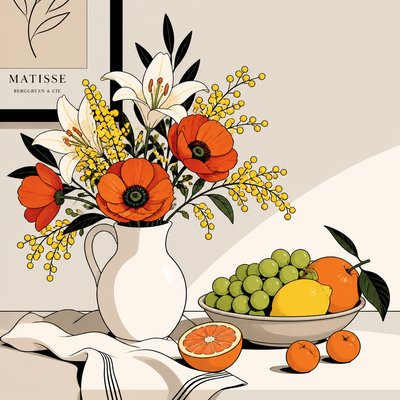
“bouquet of flowers in a glass vase”
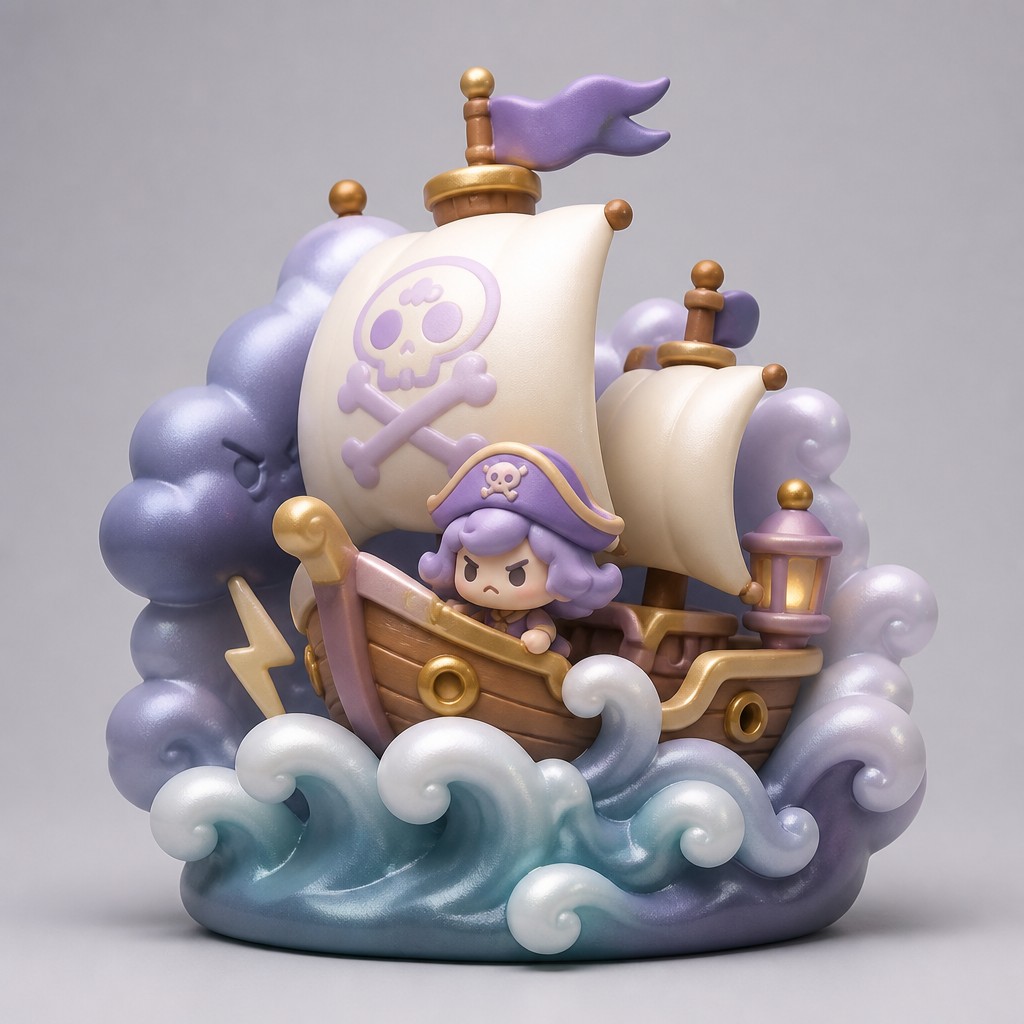
“sailing ship on a stormy sea”
How to Create Blind Box Toy Art
Master the craft step by step — or skip straight to creating. Read the full guide →
- 1
Design for a strong silhouette
Start with a simple, compact shape that reads clearly from a distance: oversized head, small torso, and rounded limbs. In traditional sculpting, block in the form first and avoid fine texture; in digital work, keep contours clean and avoid overly realistic anatomy.
- 2
Use toy-like material treatment
Aim for smooth surfaces, soft specular highlights, and a manufactured finish rather than organic texture. Whether painting or rendering digitally, keep details shallow and emphasize the way light rolls across rounded plastic forms.
- 3
Limit details and strengthen expression
Use a small set of facial and costume cues to define personality: eye shape, blush, ear type, or one signature accessory. Too much surface complexity can make the figure feel like an illustration instead of a collectible toy.
- 4
Build a collectible system
Think in terms of a series: common characters, color variants, rare editions, and thematic subsets. This structure is central to the style and helps generate believable blind-box families rather than isolated figures.
- 5
Stage the image like product photography
For image-making, use a clean background, gentle studio shadows, and evenly controlled lighting so the form and material read clearly. A generation prompt should specify collectible vinyl toy, matte or satin finish, pastel palette, rounded chibi proportions, and a neutral studio setup.
- 6
Protect the core toy illusion in prompt-based creation
Describe the subject first, then translate it into a blind-box collectible with compressed proportions, glossy accent highlights, and a polished designer-figure appearance. If the result looks too realistic, reduce textural detail and increase smoothness, stylization, and toy-like simplification.

The Story
History & Origins of Blind Box Toy
Blind box toy art emerged from East Asian collectible-toy culture, especially in the late 20th and early 21st centuries, where art toys, capsule toys, and character merchandising converged. Its aesthetic lineage runs through Japanese character design, Hong Kong and Chinese designer-toy scenes, and global vinyl toy culture, with blind-pack retail formats helping turn individual figures into serialized collections. The format’s uncertainty—buying without knowing the exact figure—became central to the experience and strongly shaped the visual language of the toys themselves.
Rather than a single historical movement, it is best understood as a contemporary collectible format that blends product design, illustration, sculpture, and pop-character branding. Its look was reinforced by manufacturing realities: figures had to be small, sturdy, readable at a glance, and attractive on display. As the market expanded through lifestyle brands, pop-up releases, and online fandoms, the style diversified into cute, monstrous, nostalgic, and seasonal variants while keeping the same core logic of series-based collecting and polished toy form.
Influences: Blind box toy art is closely related to Japanese kawaii character design, designer toys, and capsule-toy culture, while also borrowing from the visual grammar of plush toys, mascot branding, and pop illustration. It shares an affection for simplified forms with major postwar pop artists and influential contemporary character-based artists associated with the designer-toy boom, though the blind-box format itself is defined more by product series and retail presentation than by any single creator. Its polished objecthood also overlaps with industrial design and collectible sculpture.

Frequently Asked Questions
What defines blind box toy art?
The defining traits are cute, simplified characters, small collectible scale, and the sense of surprise associated with sealed, series-based packaging. Visually, it usually features rounded vinyl-like forms, chibi proportions, pastel or candy colors, and a clean product-photography presentation.
How is this different from kawaii art or designer toys?
Kawaii art is a broader aesthetic of cuteness, while designer toys are a wider category of art-driven collectibles. Blind box toy art sits where those overlap, adding the specific logic of mystery packaging, serial collecting, and variant-driven character releases.
Can blind box toy art be spooky or dark?
Yes. Many series mix cute proportions with monsters, ghosts, skulls, or eerie themes, which creates a contrast often called cute-creepy or gothic-cute. The key is that the form remains toy-like, simplified, and collectible even when the subject matter is darker.
What materials are usually associated with this style?
In physical form, it is often made from PVC, vinyl, resin, or similar cast materials that can hold smooth curves and clean details. The look is then finished with matte, satin, or glossy coatings that enhance the manufactured collectible feel.
How do I make an image look like a blind box figure?
Use a compact chibi silhouette, smooth surfaces, minimal facial features, and a pastel palette with soft studio lighting. For digital or AI-based creation, specify a collectible vinyl toy, neutral backdrop, rounded proportions, and subtle pearlescent highlights.
Where is this style commonly used?
It is common in collectible toy brands, pop-culture merchandise, character licensing, and limited-edition art-object releases. The same visual language also appears in packaging design, promotional renders, and stylized character concept art.

Create your first Blind Box Toy artwork
Describe anything — or upload a photo — and see it in Blind Box Toy Art in seconds.
Make Something with Blind Box Toy
Related Styles
Discover similar art styles