Designer Vinyl Toy Art
Designer vinyl toy art: collectible character sculptures with glossy finishes, bold colors, and urban art-culture roots.
Instantly rendered in Designer Vinyl Toy — or transform a photo
Designer Vinyl Toy Gallery
Tap any artwork to explore it
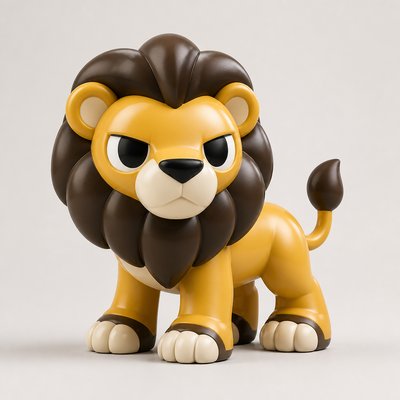
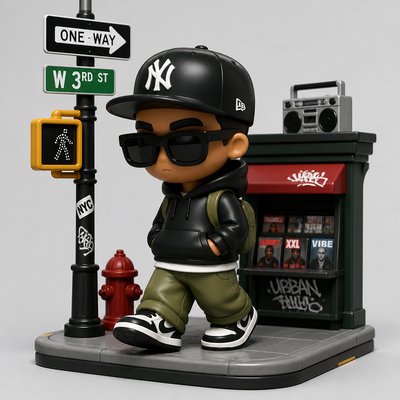
What is Designer Vinyl Toy Art?
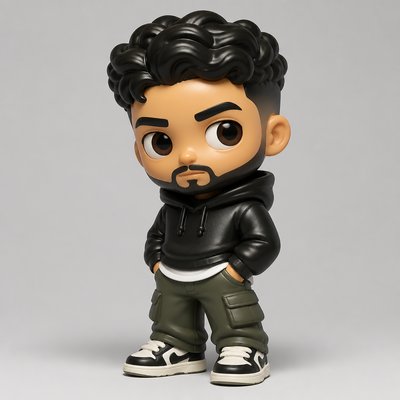
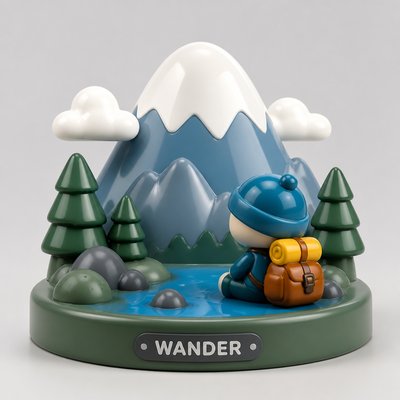
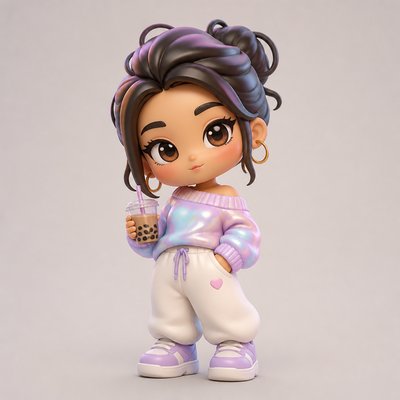
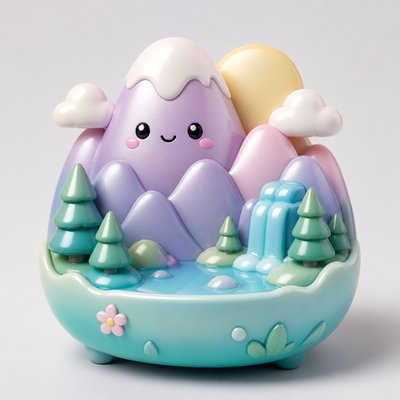
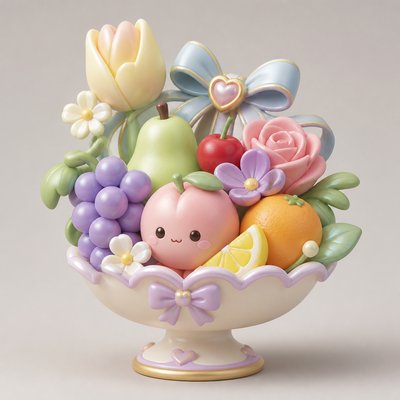
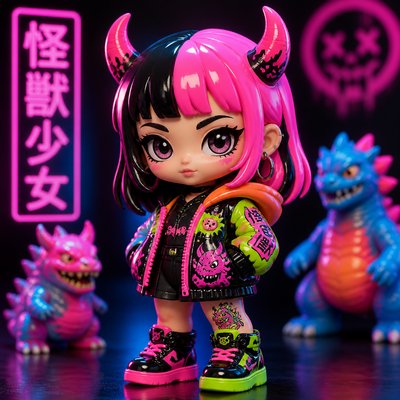
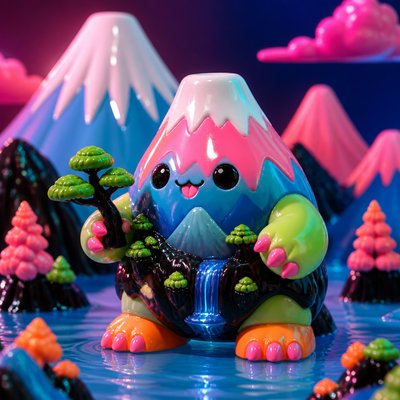
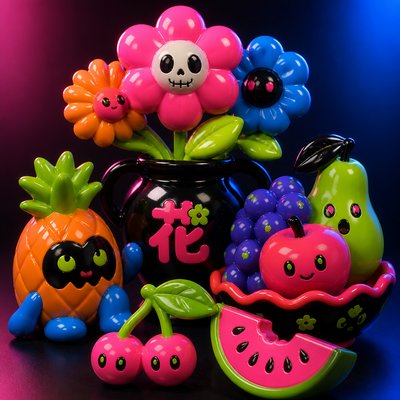
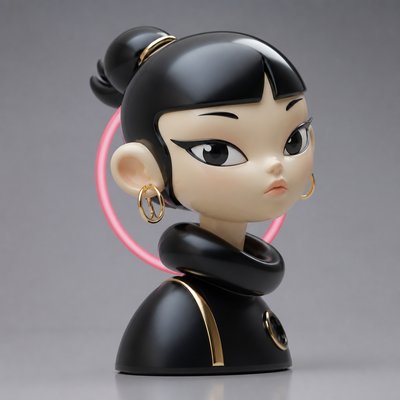
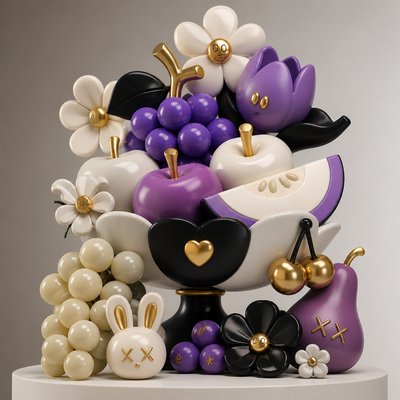
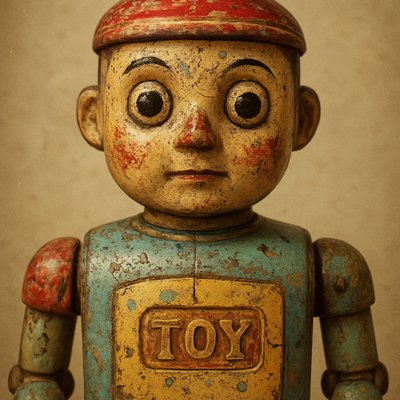
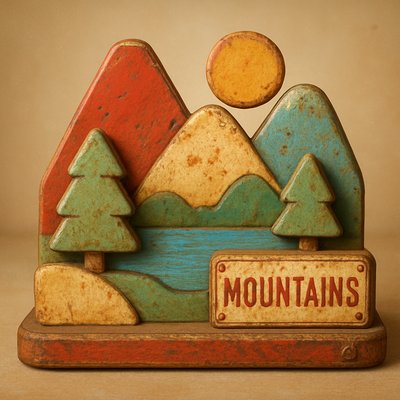
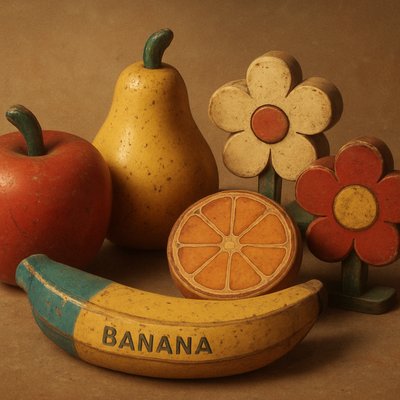
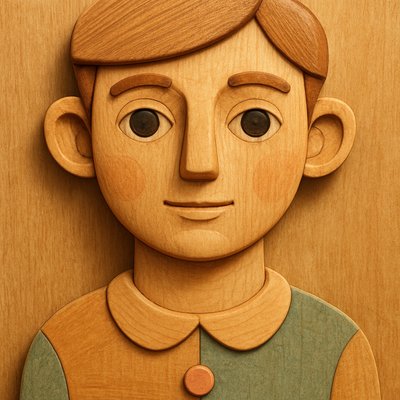
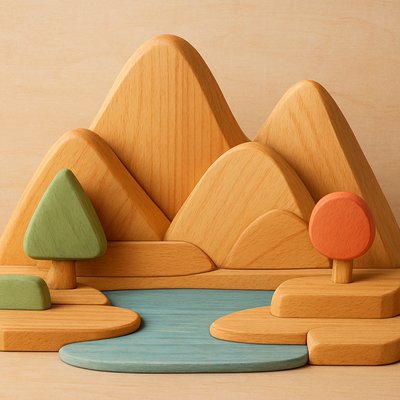
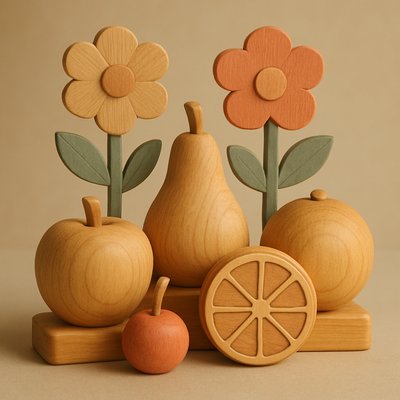
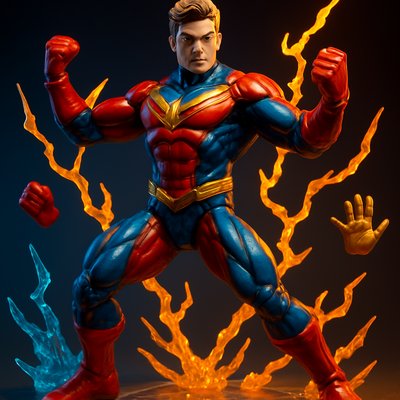
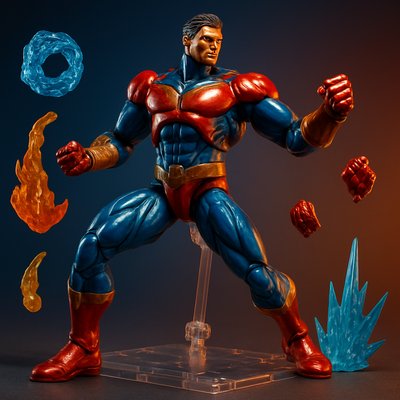
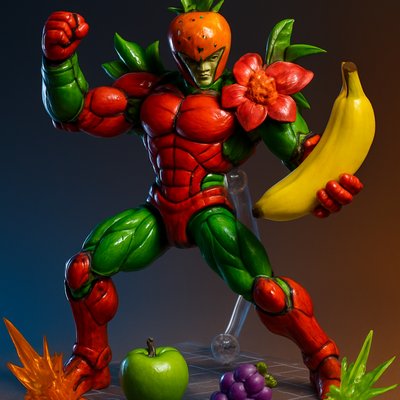
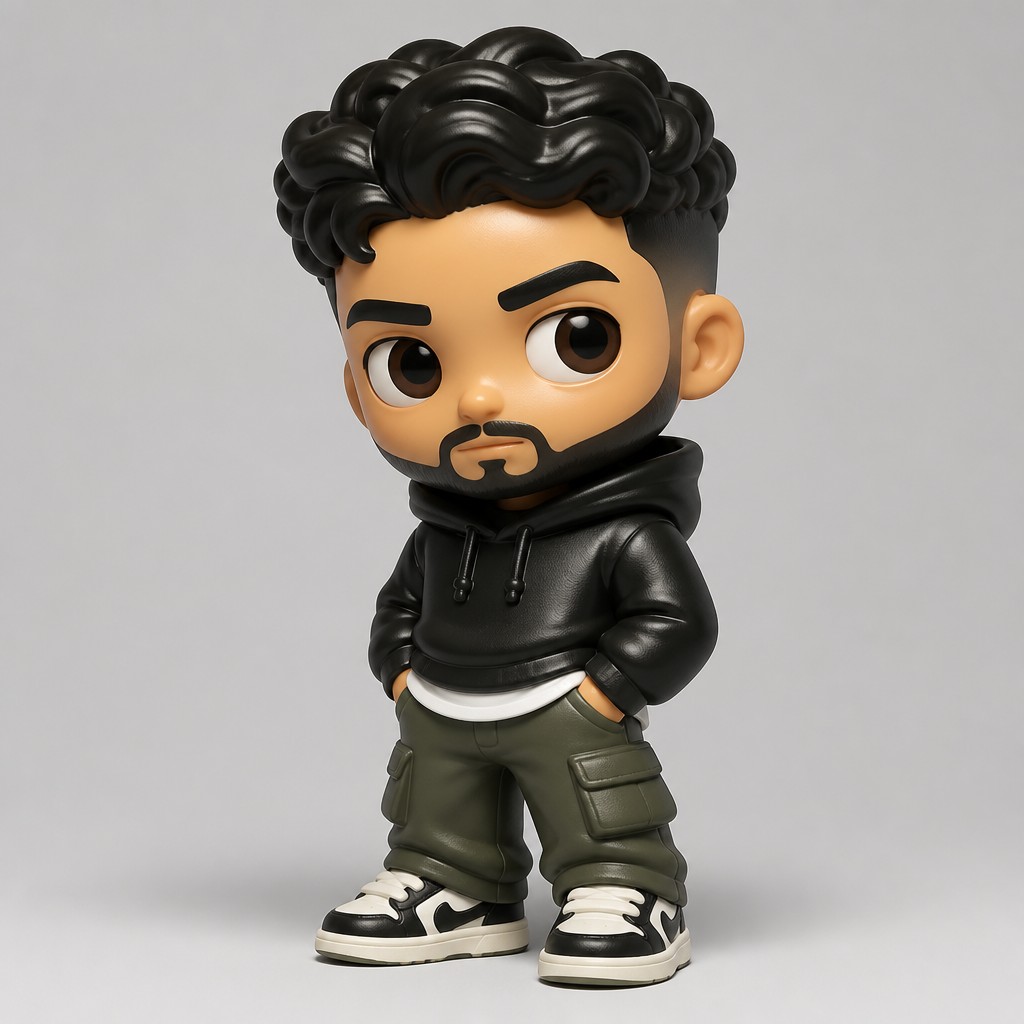
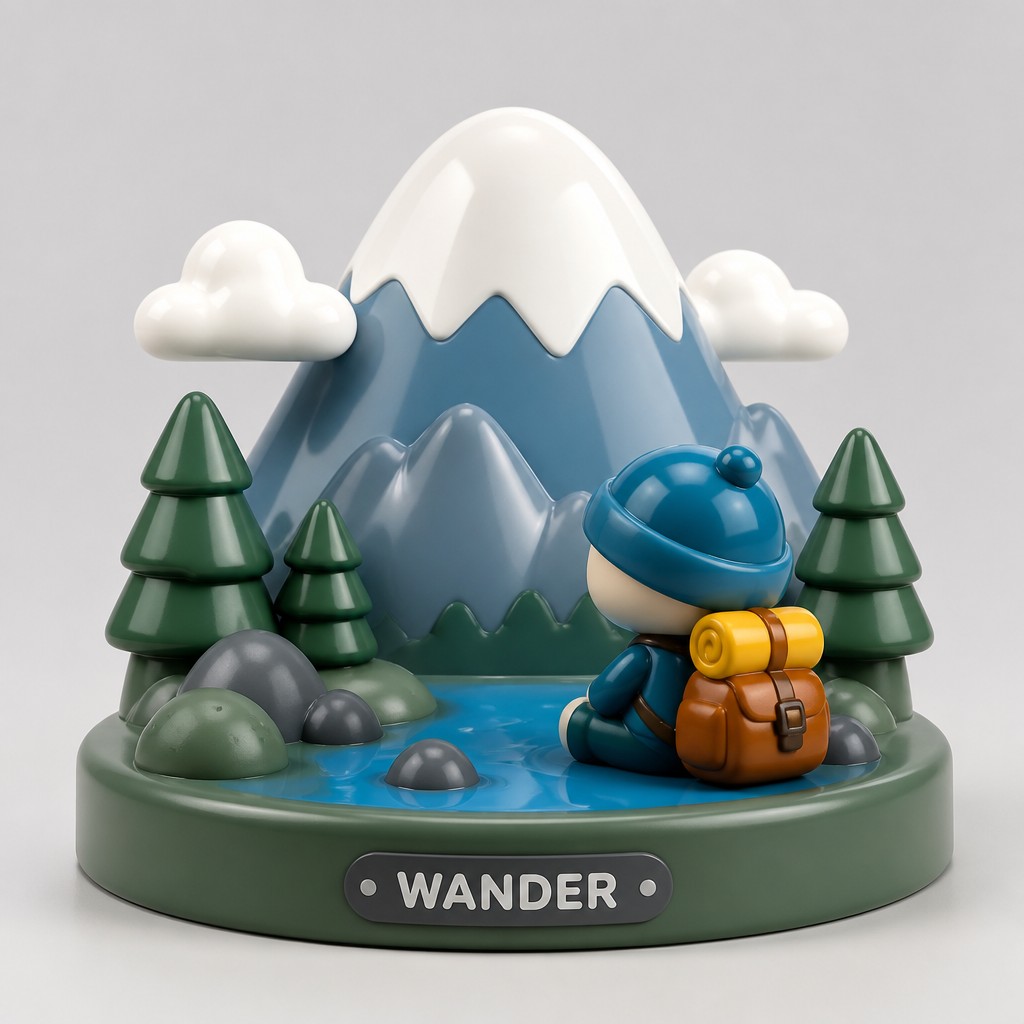
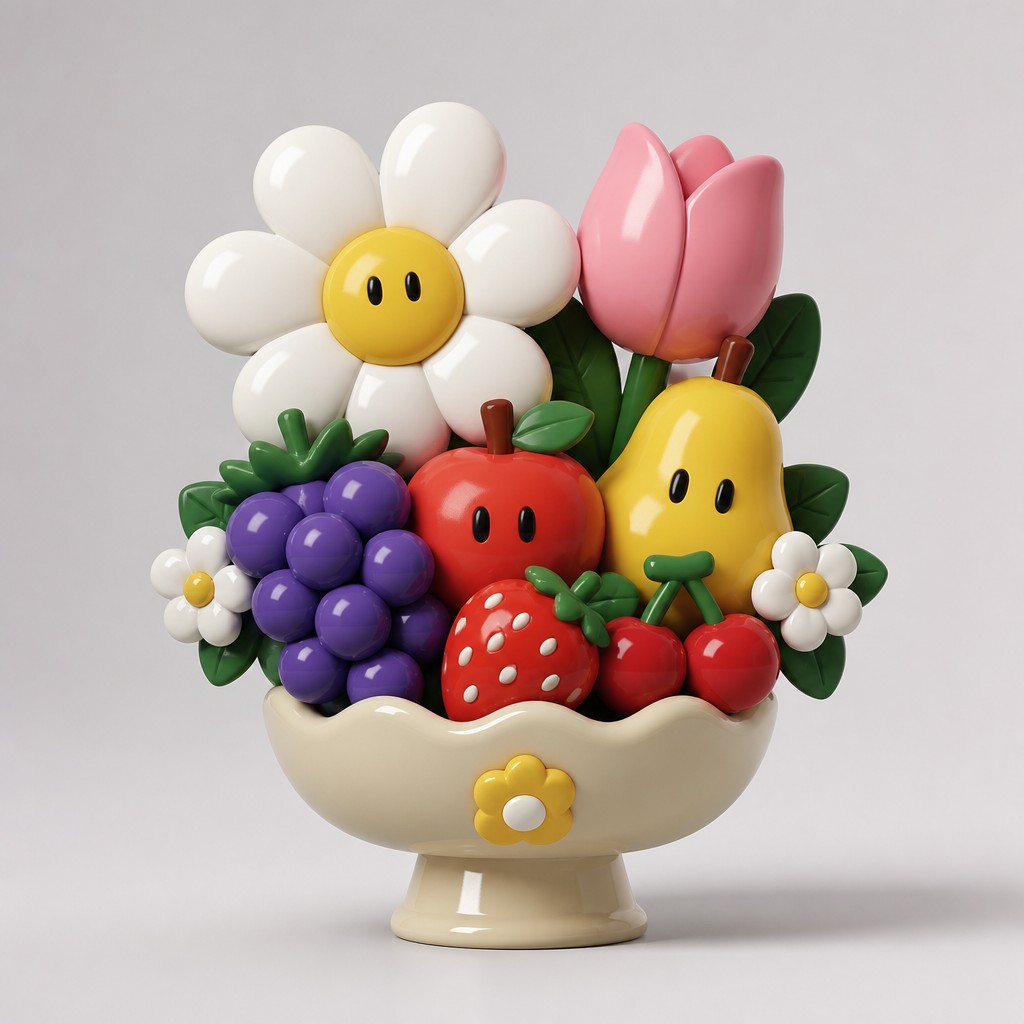
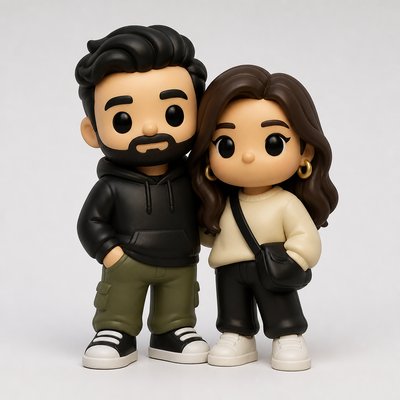
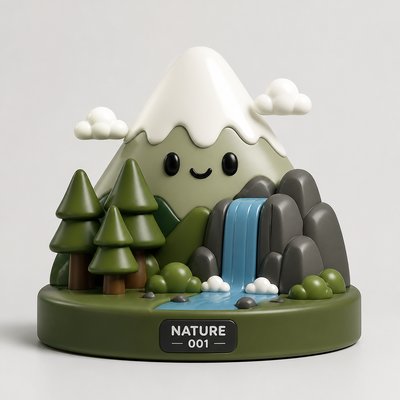
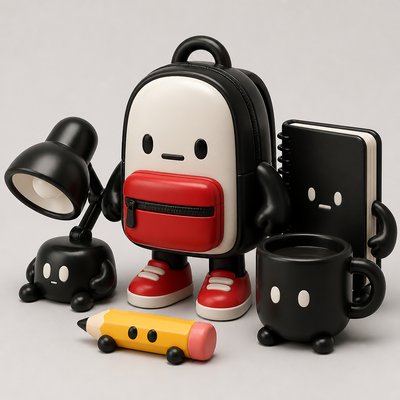
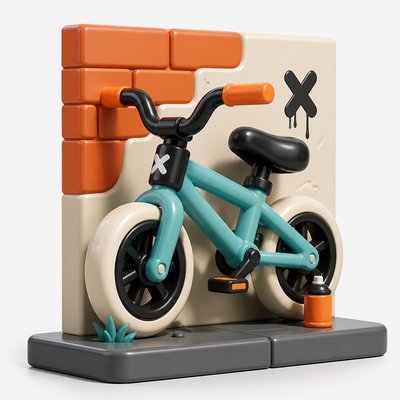
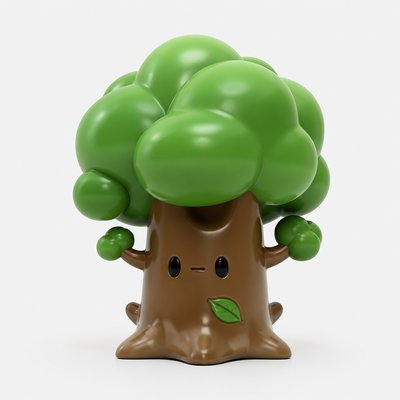
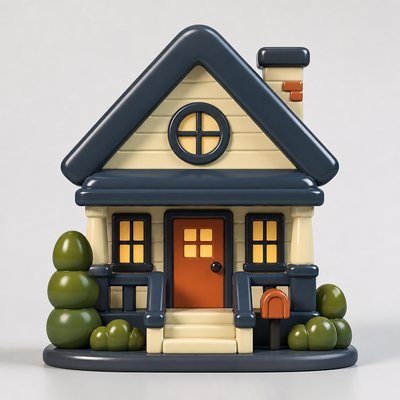
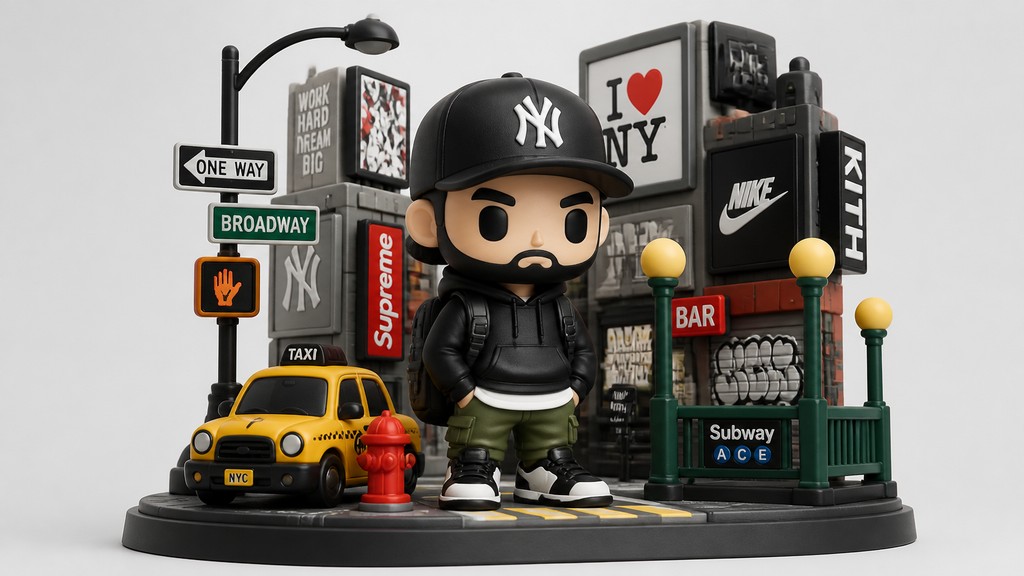
Designer vinyl toy art is a contemporary collectible art form built around original characters, limited-edition releases, and collaborations between illustrators, graffiti artists, designers, and toy makers. The look is defined by simplified, rounded forms, oversized heads or hands, compact bodies, and a smooth industrial surface that echoes mass-produced toys while preserving an artist’s distinct personality.
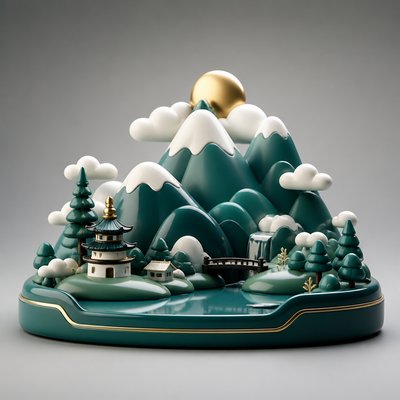
Its visual identity comes from the meeting point of sculpture, character design, and street-art culture. The figures often feel playful and immediately readable from a distance, yet they are carefully designed objects: the palette is usually restrained but punchy, details are selective, and finishes tend to combine glossy vinyl with occasional matte accents, giving the work a pristine studio-made quality. The style looks this way because it is rooted in collectible toy manufacturing, where strong silhouettes, durability, and repeatable production are as important as visual originality.
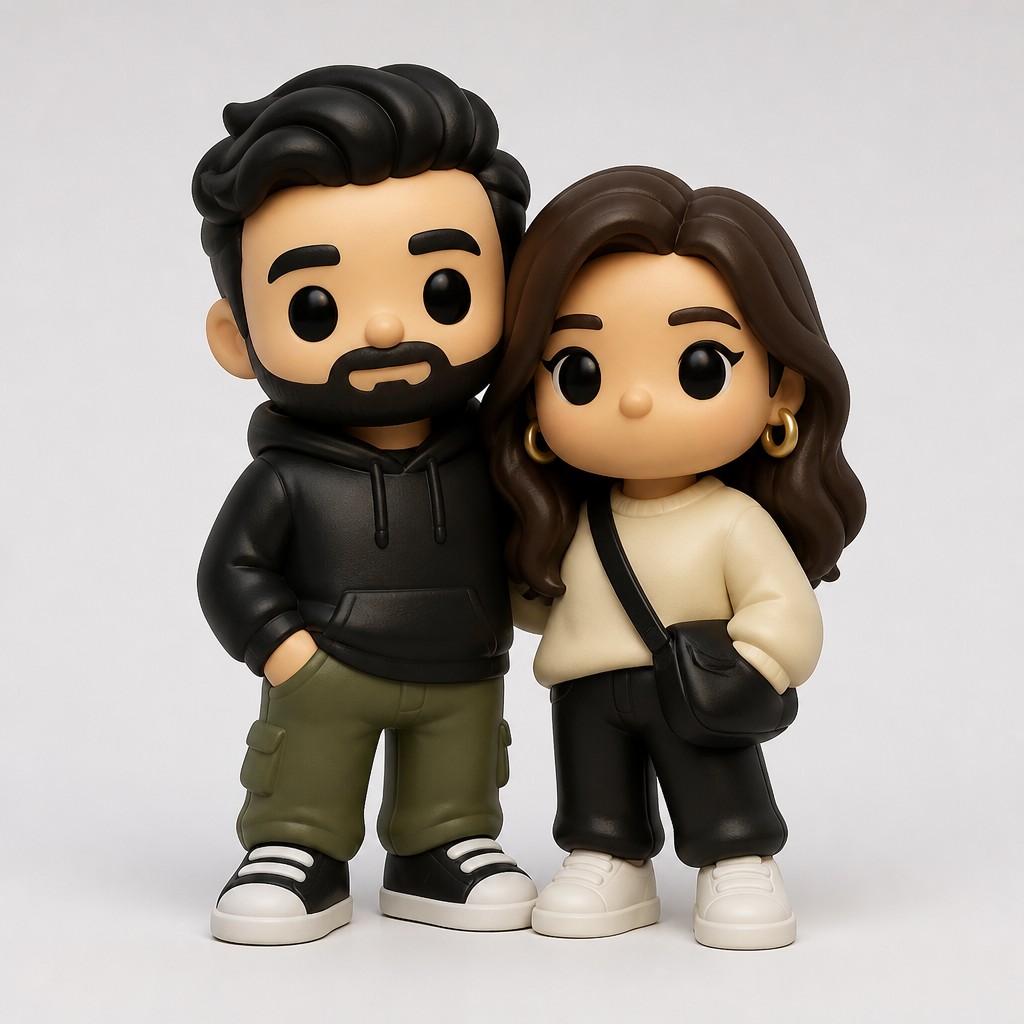
Try It On Your Photos
Upload any photo and convert it into Designer Vinyl Toy Art — drag the sliders to compare before and after.
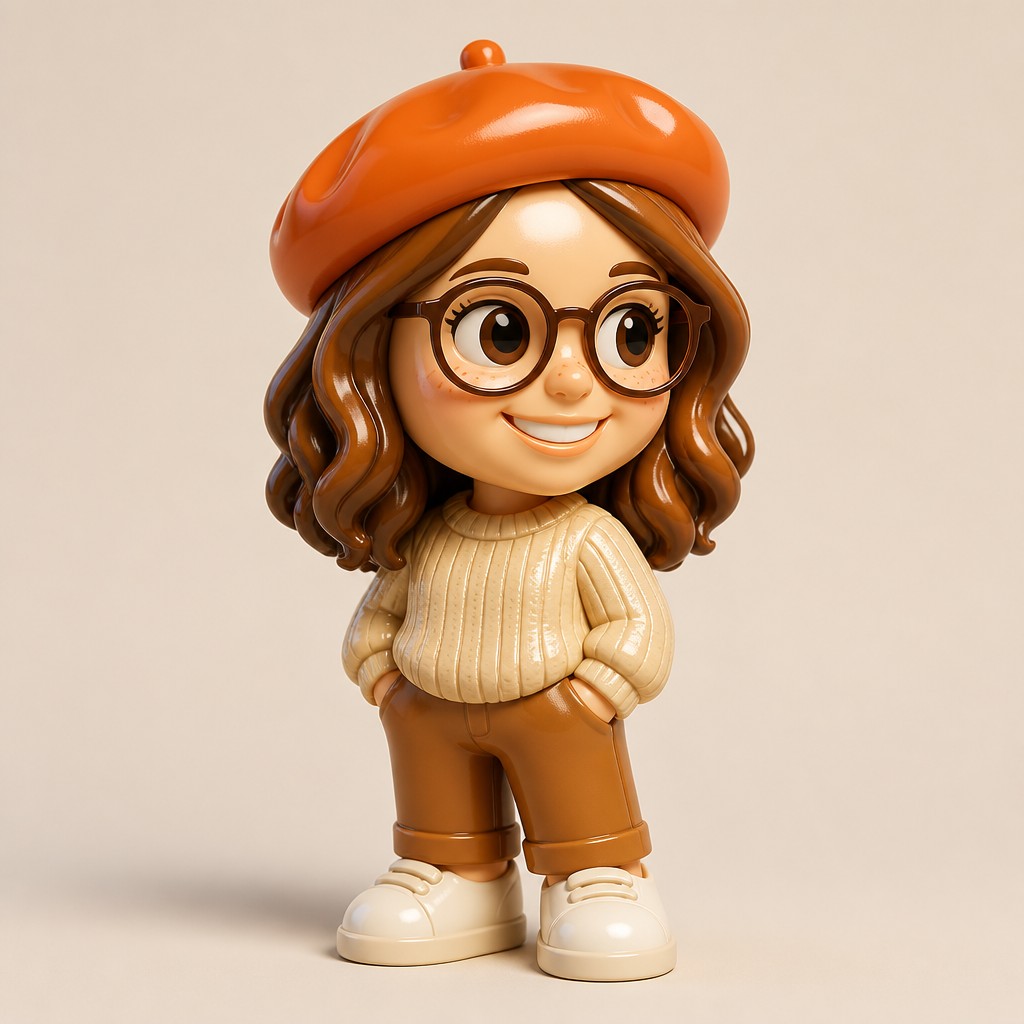

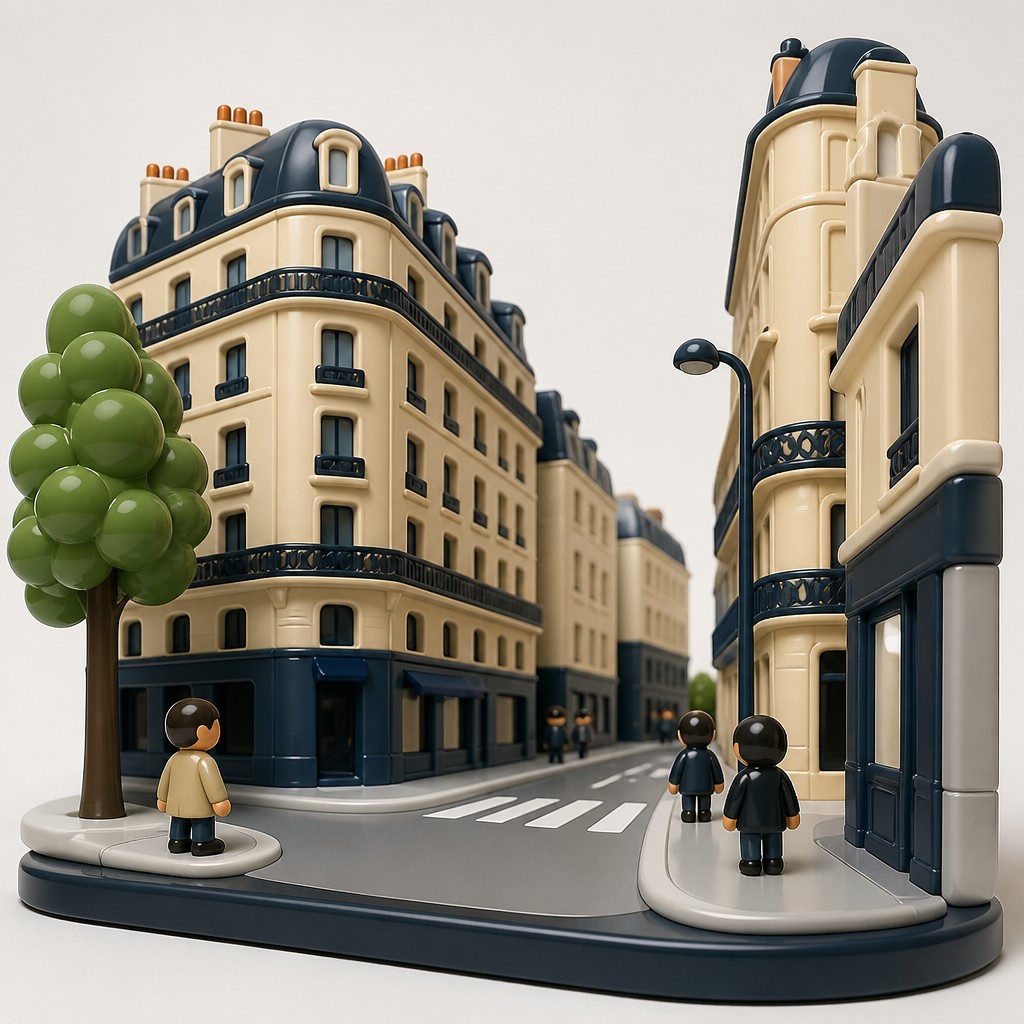

What Defines Designer Vinyl Toy Art
The signature details, up close
Rounded, toy-like anatomy
Bodies are simplified into smooth, friendly volumes with chunky proportions and minimal articulation. Heads, hands, or feet are often exaggerated to create an instantly legible silhouette.
Glossy vinyl surface
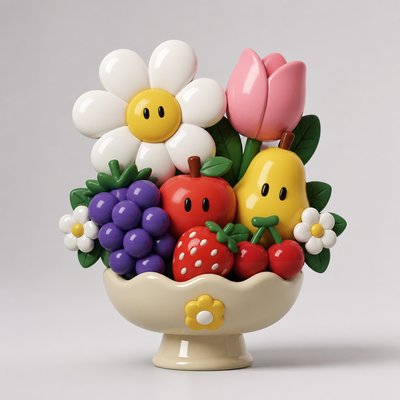
The material usually reads as polished plastic with soft reflections and a manufactured sheen. Matte sections may be added sparingly to separate clothing, accessories, or facial features.
Character-first design
Each figure is built around a distinct persona, mascot, or invented creature. Facial expressions, accessories, and posture are kept simple so the silhouette does most of the storytelling.
Limited, bold color palette
Colors are often restrained to a few saturated tones, frequently with high contrast against a neutral background. Variant colorways are common, but they usually preserve the same strong graphic logic.
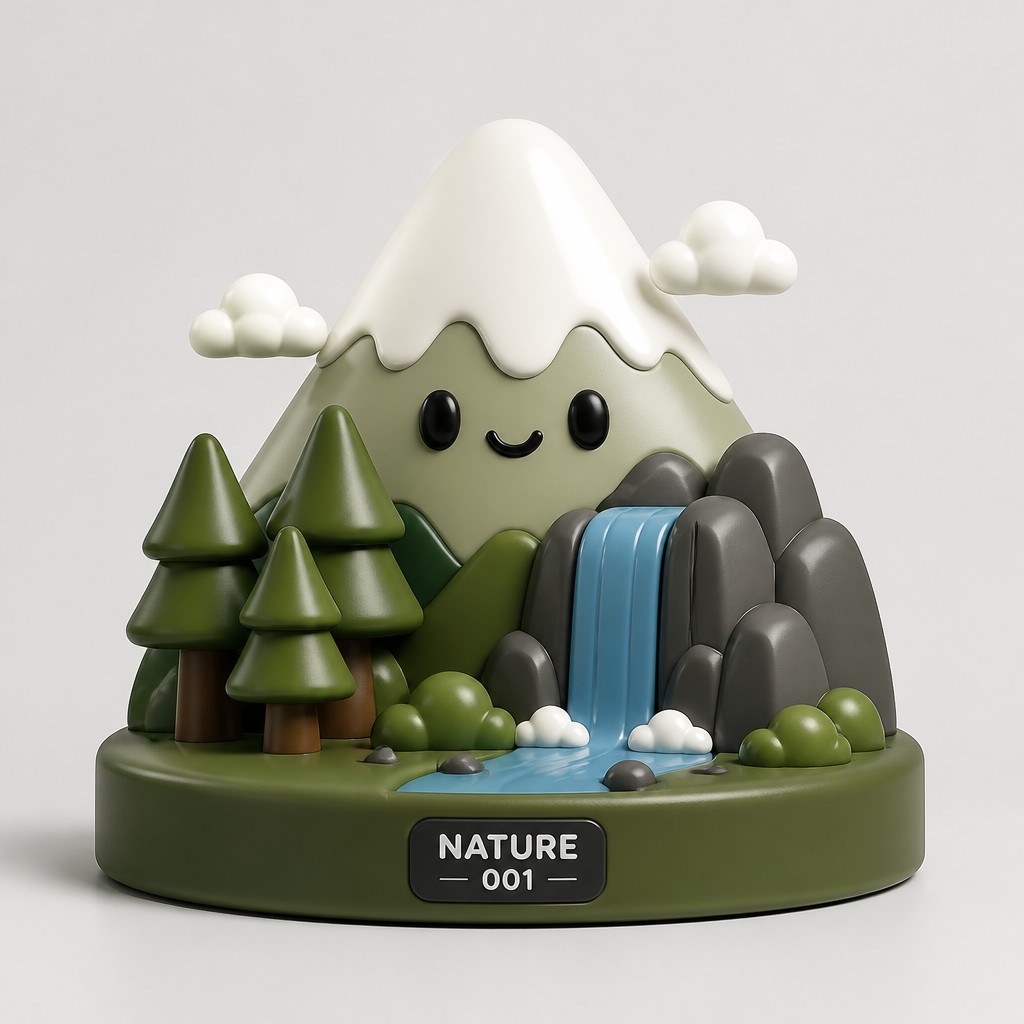
Clean studio presentation
Figures are typically shown against plain backdrops with controlled lighting and soft shadowing. The presentation emphasizes the object as a designed collectible rather than as part of a narrative scene.
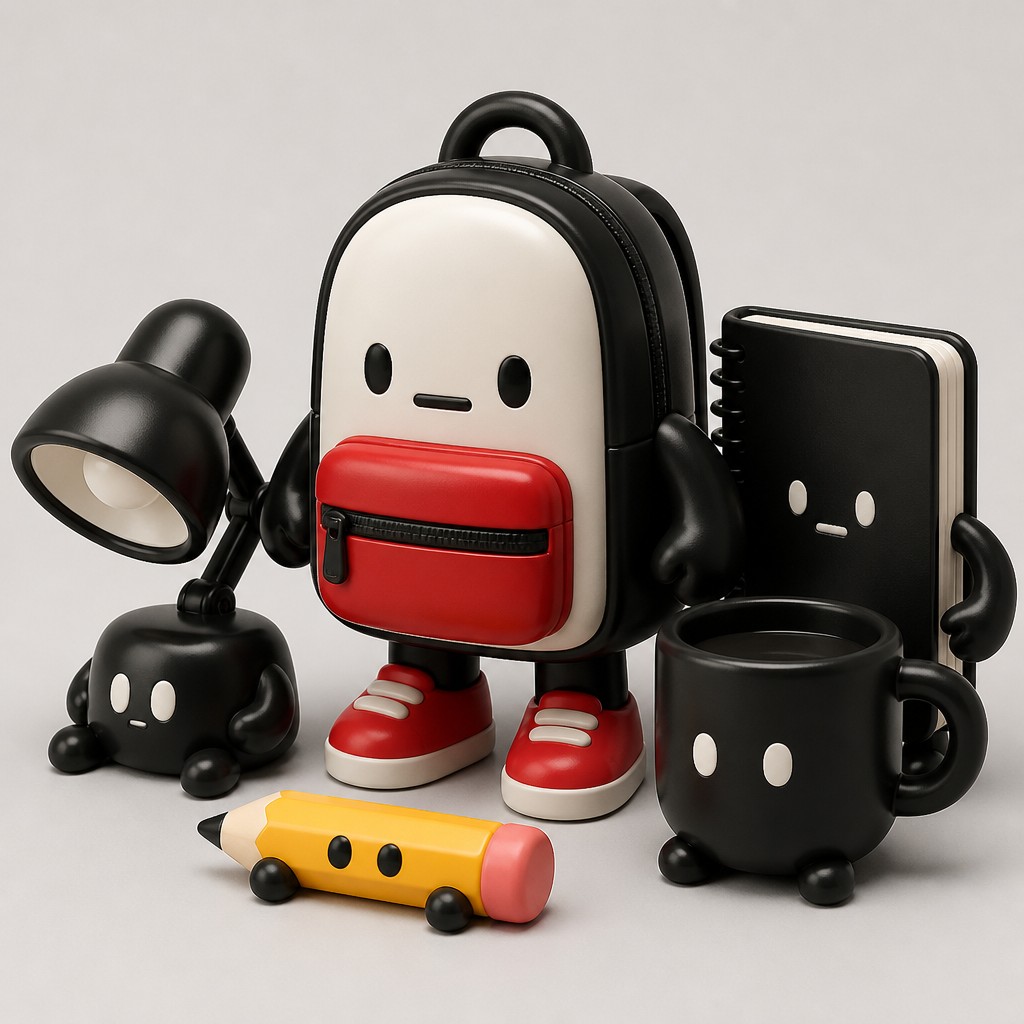
Selective detailing
Surface information is minimal and deliberate, using decals, painted eyes, logo marks, or simple textures instead of dense realism. This keeps the figure readable at small scale and consistent across editions.
Try It
Create Videos in Designer Vinyl Toy Art
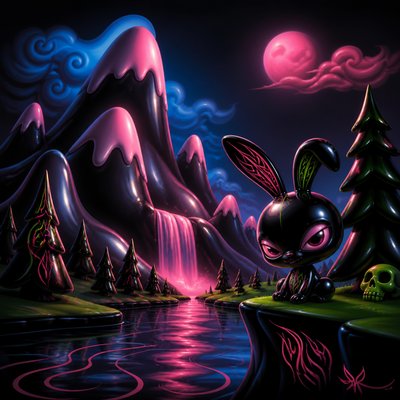
Styles aren't just for stills — describe a scene or animate an image and get a short video rendered in Designer Vinyl Toy. Press play to see this pond come to life.
Make a VideoDesigner Vinyl Toy Prompt Ideas
Start from an idea — each one opens the generator with the style ready to go. See all 40 Designer Vinyl Toy prompts →
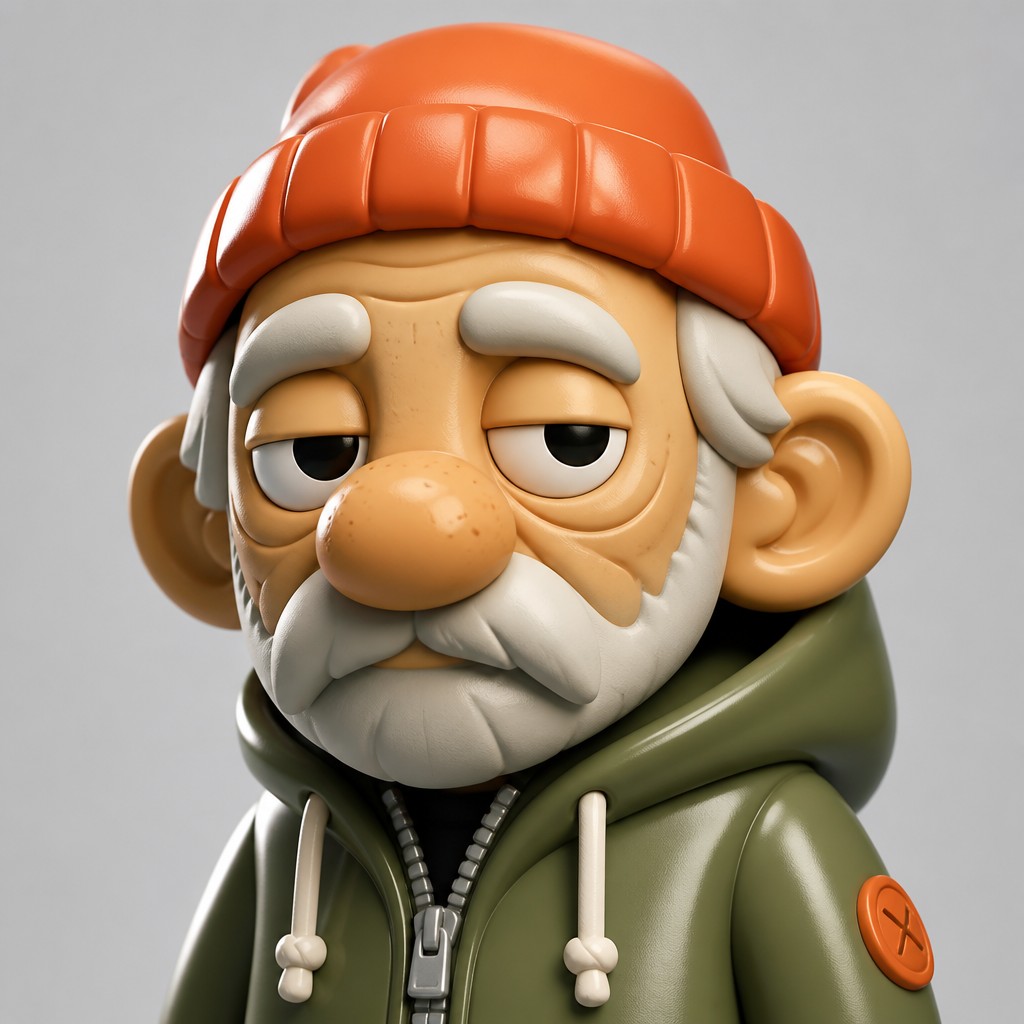
“close-up portrait of an elderly person with expressive weathered features”
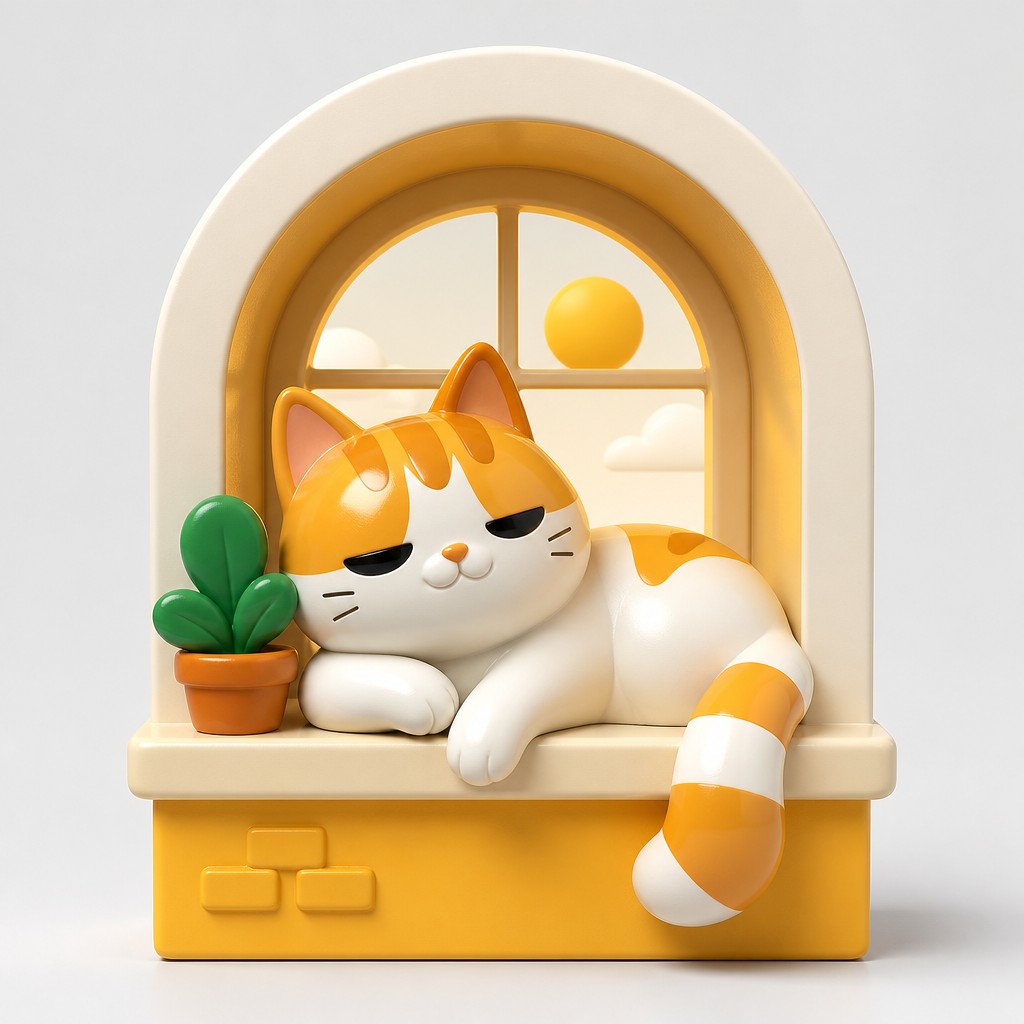
“a cat lounging in a sunlit window”
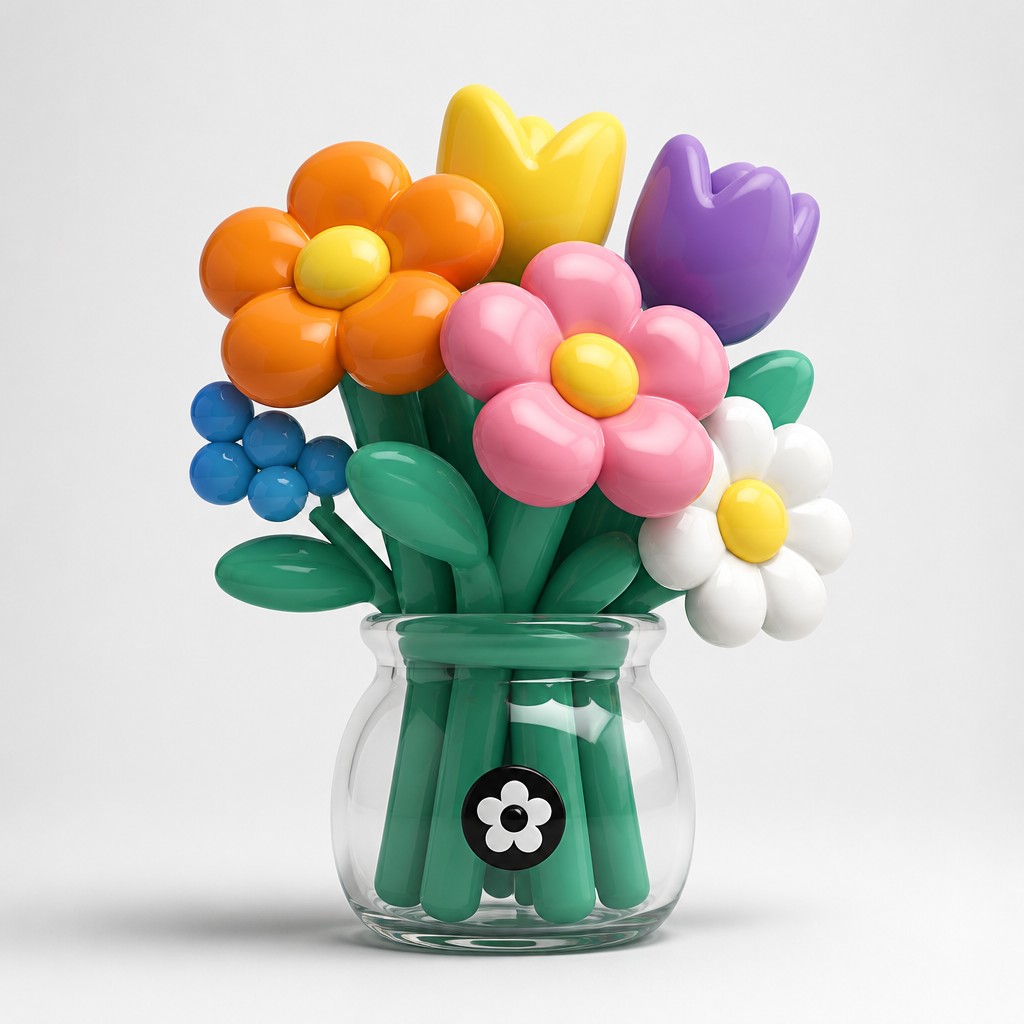
“bouquet of flowers in a glass vase”
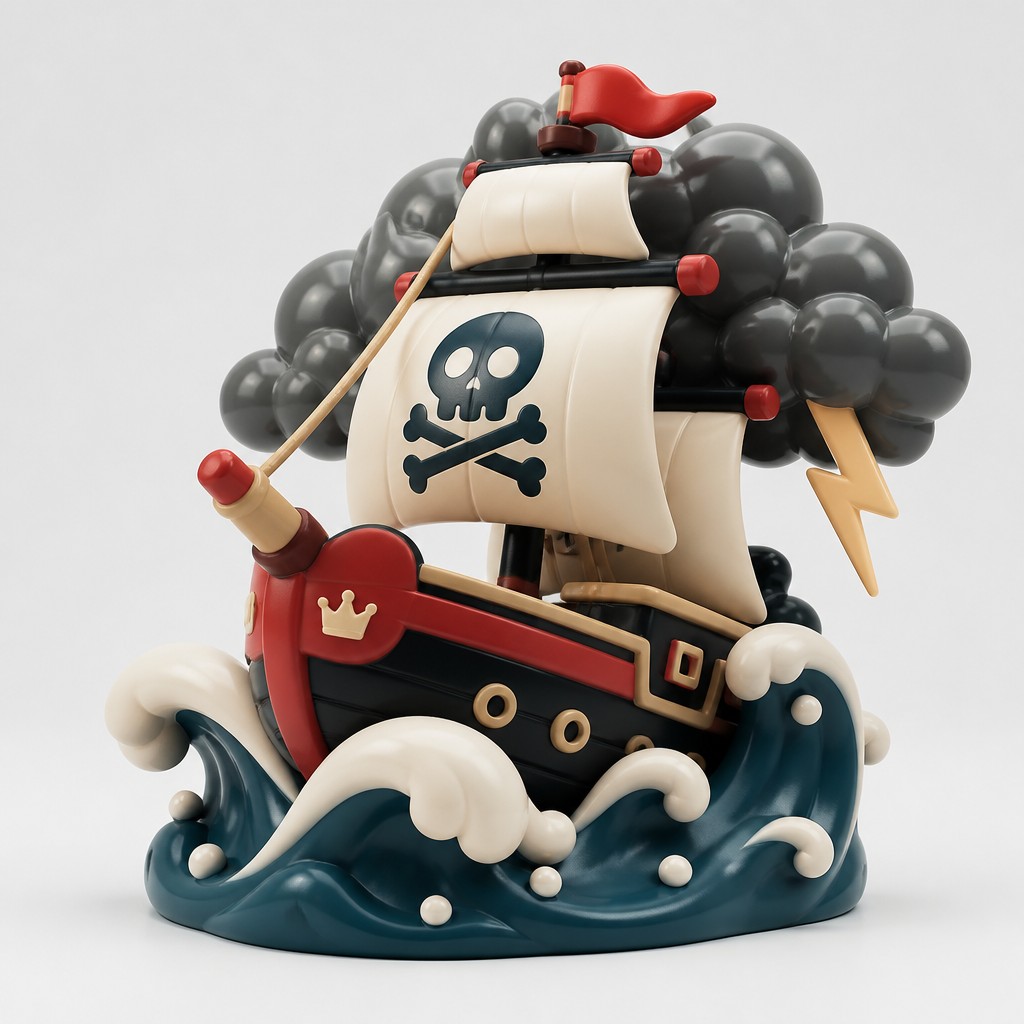
“sailing ship on a stormy sea”
How to Create Designer Vinyl Toy Art
Master the craft step by step — or skip straight to creating. Read the full guide →
- 1
Design for silhouette first
Start with a strong, simple outline that reads clearly from a distance, then build a character around it. In traditional work, sketch front, side, and three-quarter views; in digital or prompt-based workflows, specify chunky proportions, rounded forms, and oversized features.
- 2
Keep the material language consistent
Use smooth surfaces, clean seams, and minimal texture to suggest molded vinyl or resin. For paintings or renders, add controlled highlights and soft ambient shadows so the figure feels physically manufactured.
- 3
Limit the palette
Choose two to five dominant colors and use contrast intentionally, rather than covering the figure in busy detail. When prompting, mention a punchy limited palette and a clean neutral backdrop to preserve the collectible-toy look.
- 4
Balance gloss and matte
Real designer toys often combine reflective plastic with subtle matte zones for contrast and legibility. In digital painting or 3D rendering, separate these materials carefully so the form feels premium and readable.
- 5
Make the presentation feel like a product shot
Use front-facing, three-quarter, or catalog-style angles with uncluttered staging and soft studio lighting. If generating images, ask for pristine lighting, gentle reflections, and ambient-occlusion shadows rather than dramatic cinematic effects.
- 6
Add character through small identifiers
A tiny emblem, accessory, or face motif can give the toy a memorable identity without overcrowding the design. In prompts, define the subject as a collectible figure and keep the description focused on shape, finish, and limited-edition character.

The Story
History & Origins of Designer Vinyl Toy
Designer vinyl toy art emerged in the late 1990s and early 2000s from the crossover of urban art, designer graphics, and collectible culture, especially in Hong Kong, Japan, the United States, and Europe. It developed alongside the rise of limited-edition artist toys, which turned the toy figure into a platform for independent character design rather than children’s play. Early scenes were shaped by graffiti writers, illustrators, and designers who used toys as a three-dimensional extension of their visual language.
Its aesthetic lineage draws from character merchandising, pop art, street art, lowbrow art, and product design, rather than from a single historical movement. The format was strengthened by the culture of drops, variants, and collaborations, where artists produced multiple colorways or reinterpretations of a core sculpt. As a result, designer vinyl toy art became a recognizable contemporary genre that sits between sculpture, illustration, and collectible design.
Influences: Designer vinyl toy art is closely related to graffiti and street-art culture, pop art, lowbrow art, character illustration, and product design. It also overlaps with the traditions of Japanese character goods and collectible sculpture, while sharing a playful object-language with major contemporary pop artists, influential Japanese multimedia artists, and artist-led commercial design ecosystems; these references matter because they helped normalize the toy as a serious artistic object rather than a novelty product.
Frequently Asked Questions
What defines designer vinyl toy art?
It is a character-centered sculptural style built around collectible figures with smooth molded surfaces, bold shapes, and limited color palettes. The key idea is that the toy is both a designed object and an art work, often released in editions or variants.
How is this different from regular toys?
Regular toys are usually designed primarily for play, durability, and mass retail. Designer vinyl toys are typically made as art objects for collectors, with the artist’s style, edition size, and visual identity taking priority over play value.
How is it different from cute cartoon art?
The figures may look cartoon-like, but the style emphasizes three-dimensional form, material finish, and product presentation. Cartoon art can stay flat and narrative, while designer vinyl toy art is usually presented like a physical collectible sculpture.
What materials are used for real designer vinyl toys?
Vinyl is the most iconic material, though resin and other plastics are also used, especially for limited releases and prototypes. The finish is often painted or printed, with careful attention to gloss, matte contrast, and seam lines.
How do I create this style in digital art?
Use simplified 3D-like forms, a neutral background, and studio lighting that makes the figure feel manufactured. Keep details minimal, emphasize the silhouette, and treat the subject like a collectible product rather than a full scene.
Where is designer vinyl toy art commonly used?
It appears in collector drops, gallery editions, brand collaborations, exhibition pieces, and designer merchandise. It is also common in concept art, character branding, and illustration projects that need a playful but polished sculptural identity.
Create your first Designer Vinyl Toy artwork
Describe anything — or upload a photo — and see it in Designer Vinyl Toy Art in seconds.
Make Something with Designer Vinyl Toy
Related Styles
Discover similar art styles