Lowbrow Art Style
Underground pop surrealism with cartoon energy, hot rod flair, neon color, glossy surfaces, and subversive humor.
Instantly rendered in Lowbrow — or transform a photo
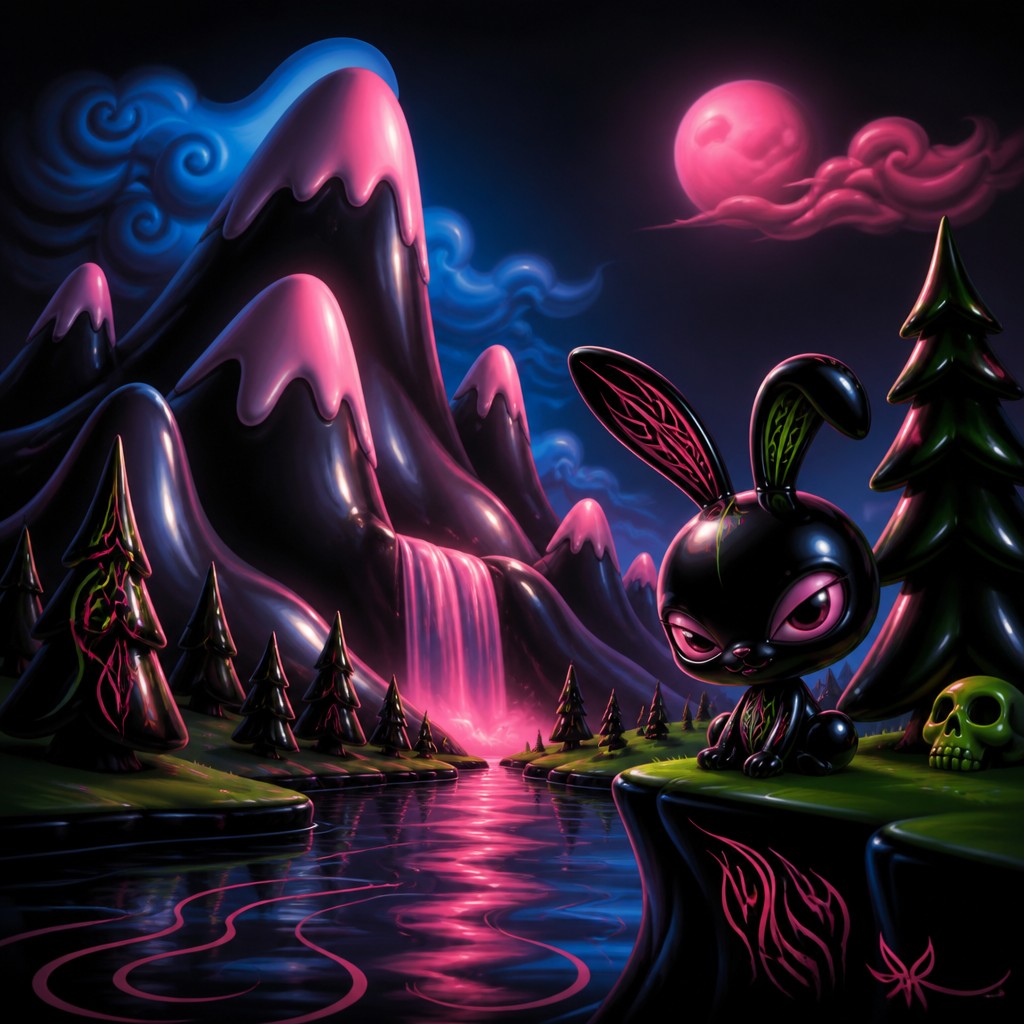
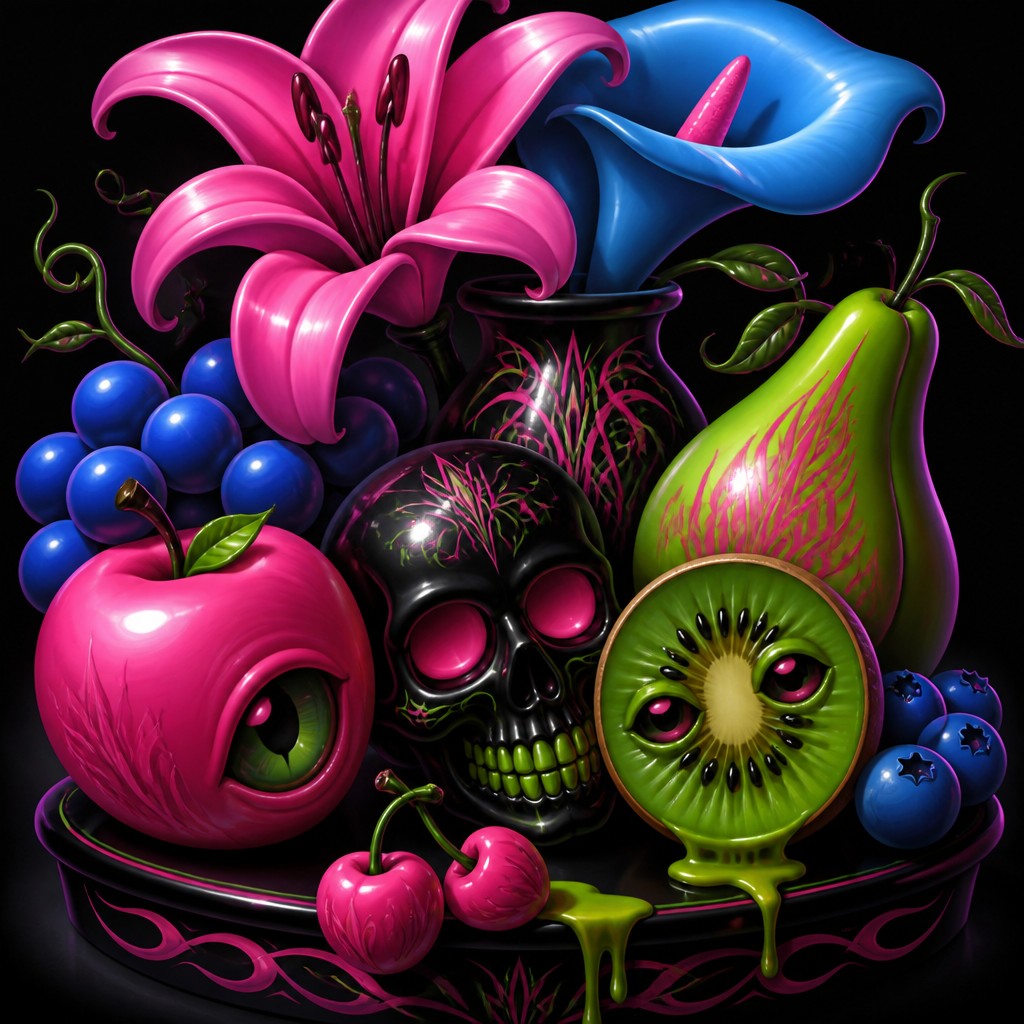
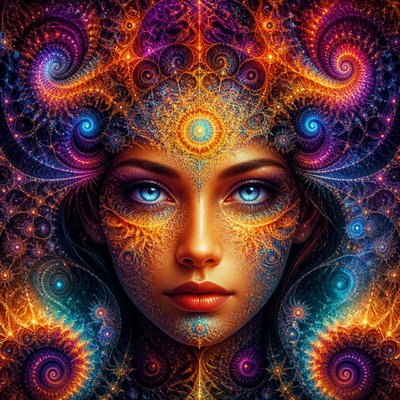
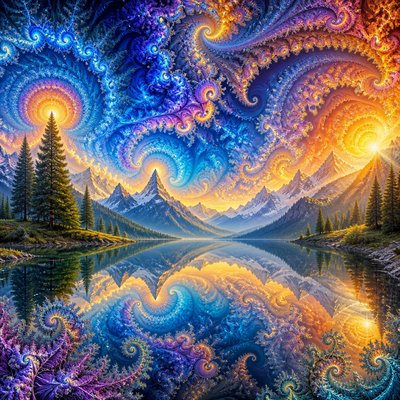
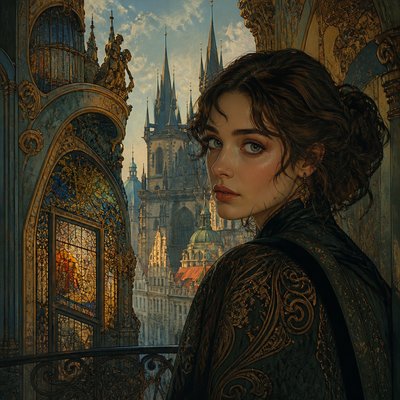
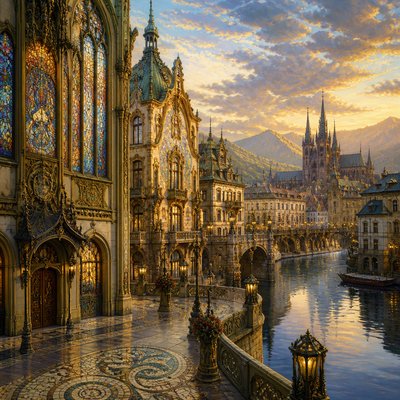
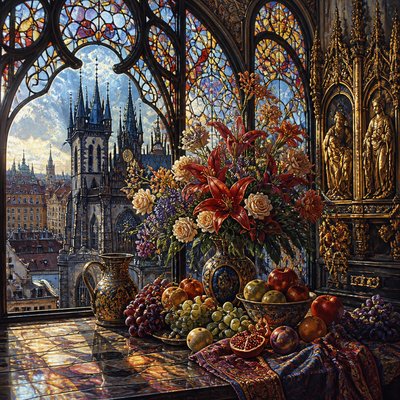
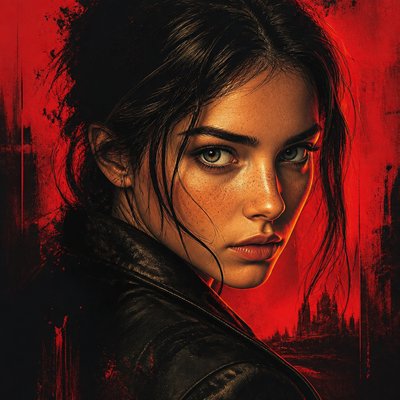
Lowbrow Gallery
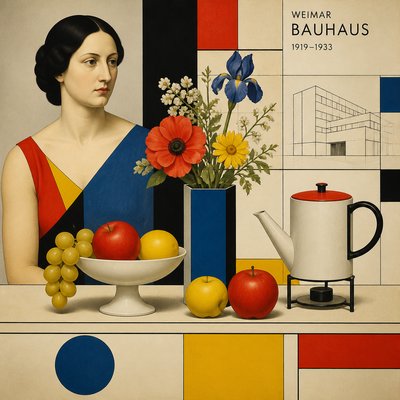
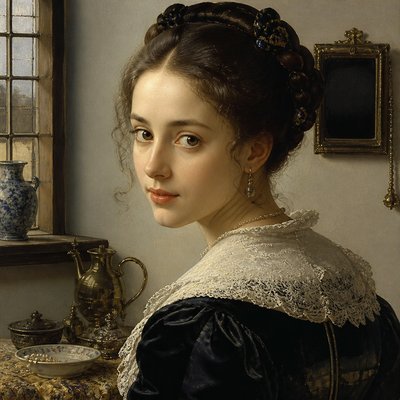
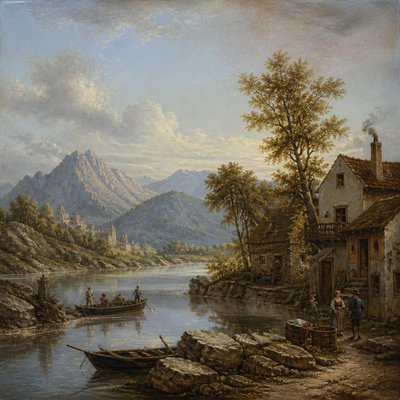
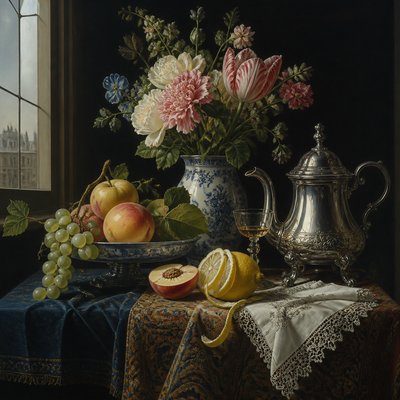
Tap any artwork to explore it
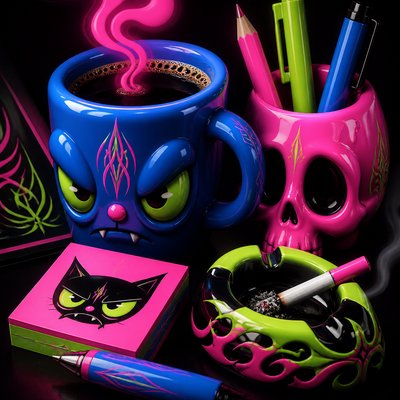
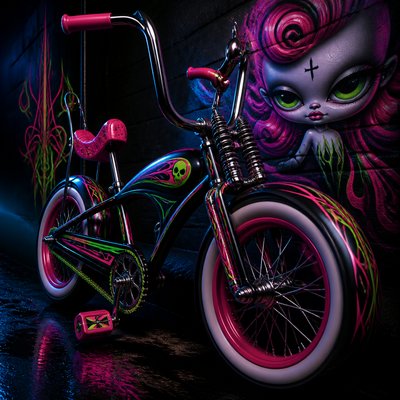
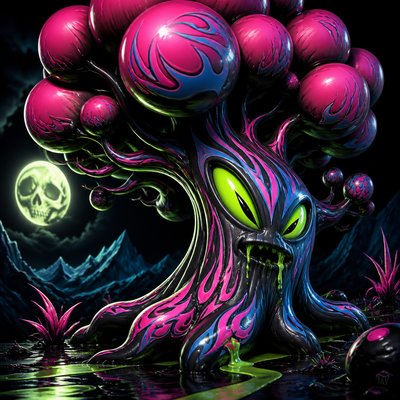
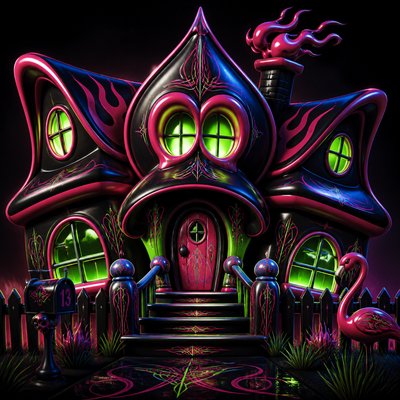
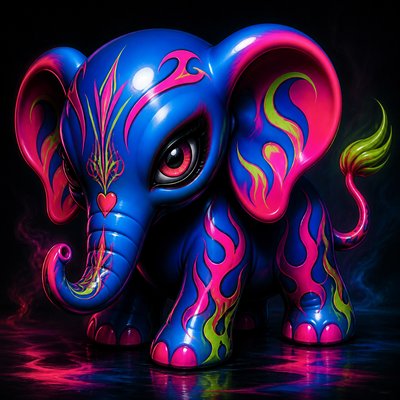
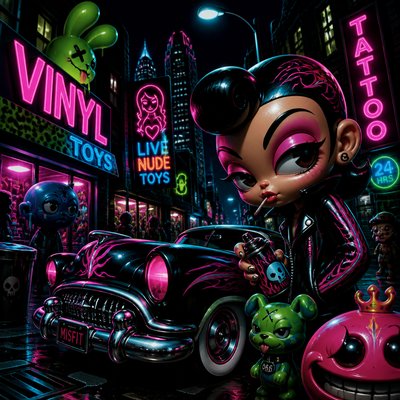
What is Lowbrow Art Style?
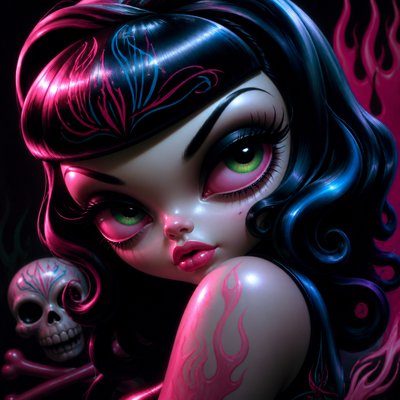
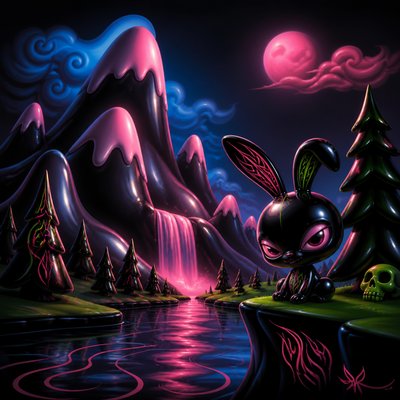
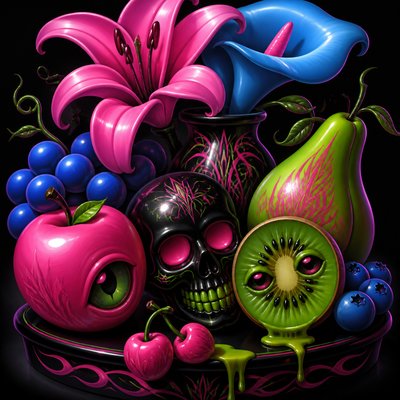
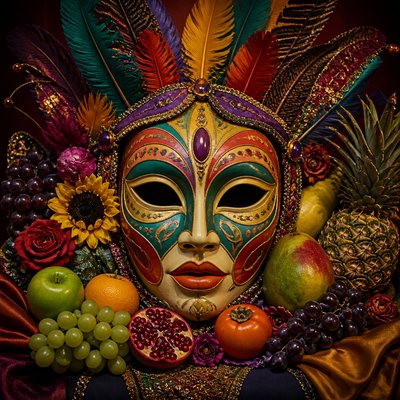
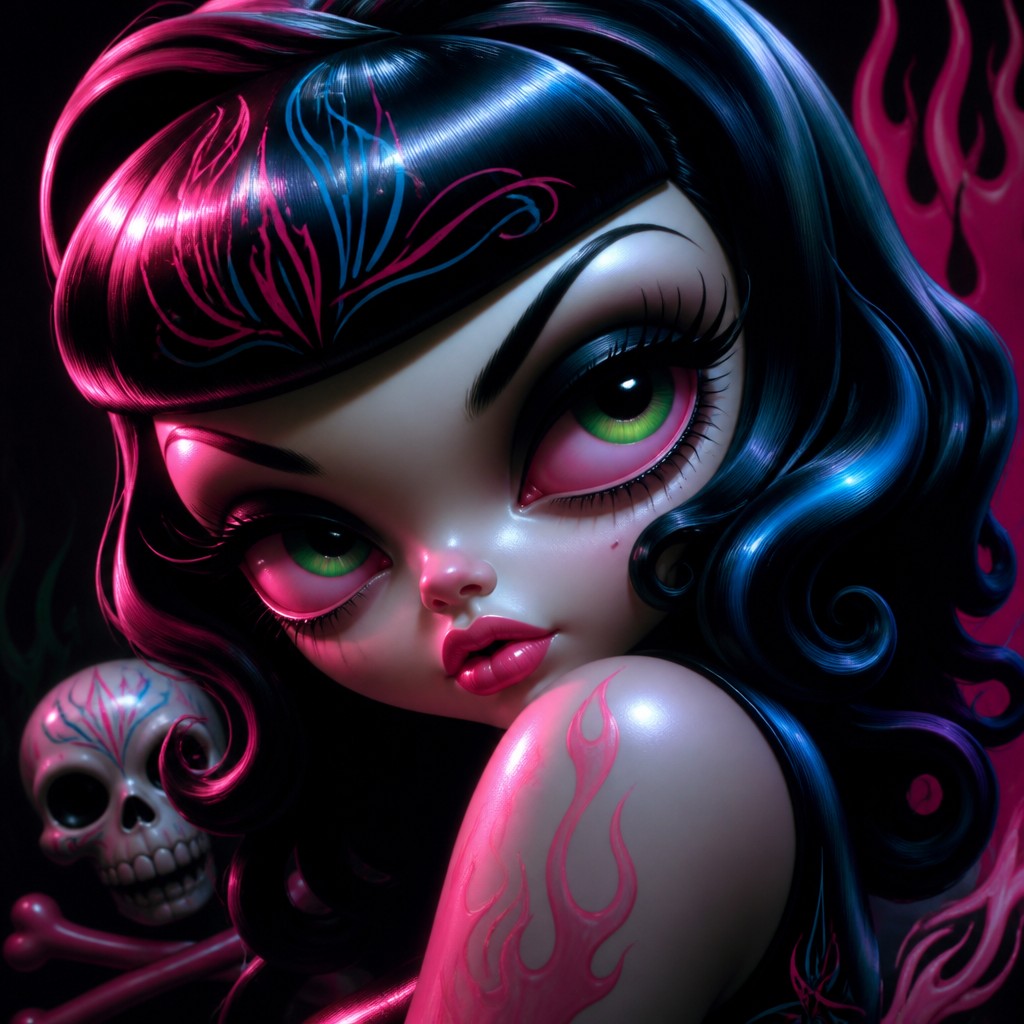
Lowbrow art, often called pop surrealism, is an underground visual style that blends cartoon language, commercial iconography, hot rod and custom-car culture, and darkly playful satire. It is built from exaggerated forms, polished surfaces, and a deliberately offbeat sensibility that can feel cute, creepy, and irreverent at the same time.
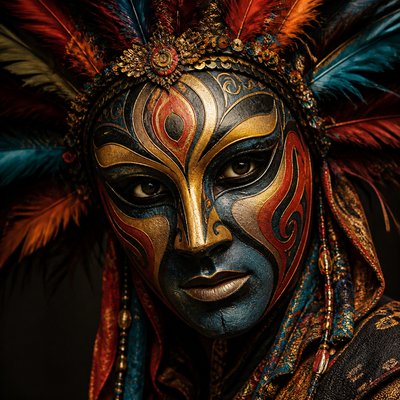
Its visual identity comes from the collision of high finish and low culture: airbrushed gradients, candy-bright colors, pinstriping, flames, vinyl-toy gloss, and dramatic shadow. The results often look like poster art, toy design, comic imagery, and tattoo flash pushed into a surreal register, where the humor is subversive and the craftsmanship is highly controlled.
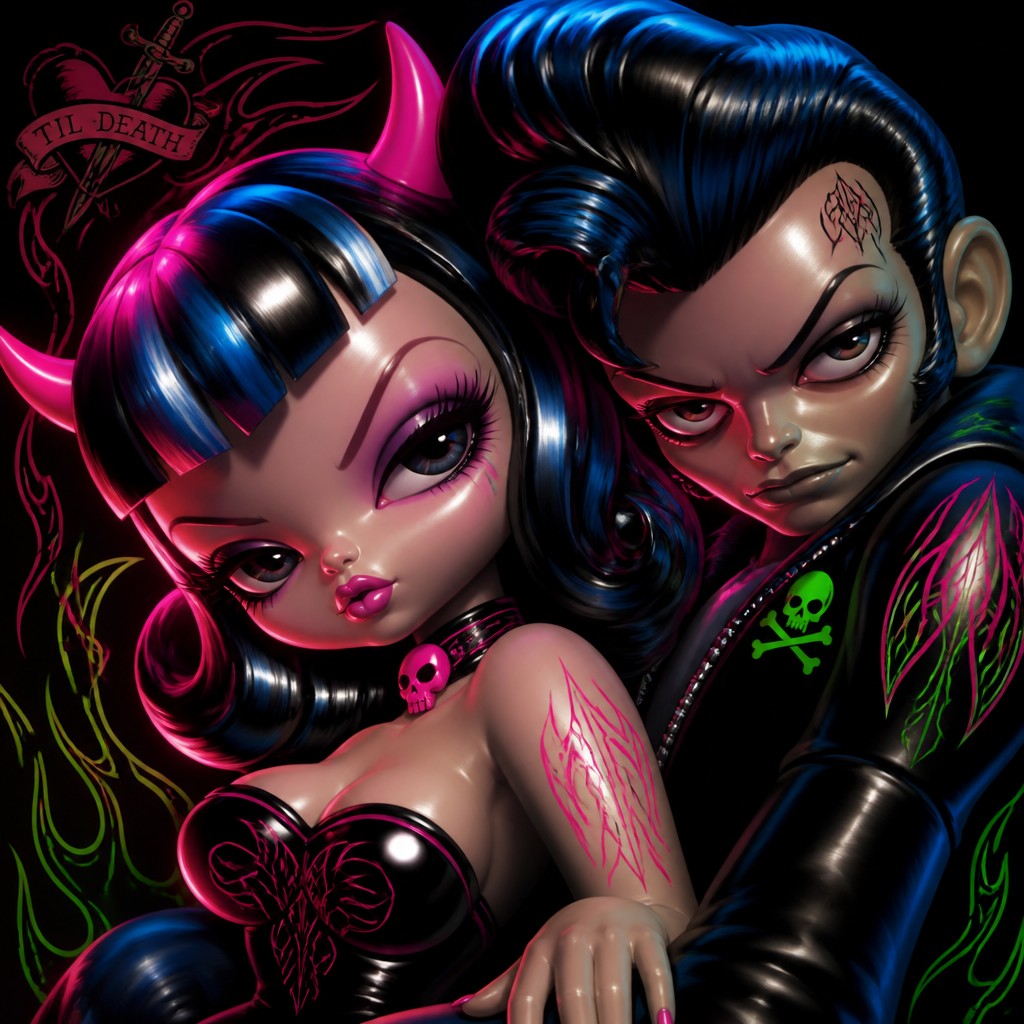
Try It On Your Photos
Upload any photo and convert it into Lowbrow Art Style — drag the sliders to compare before and after.
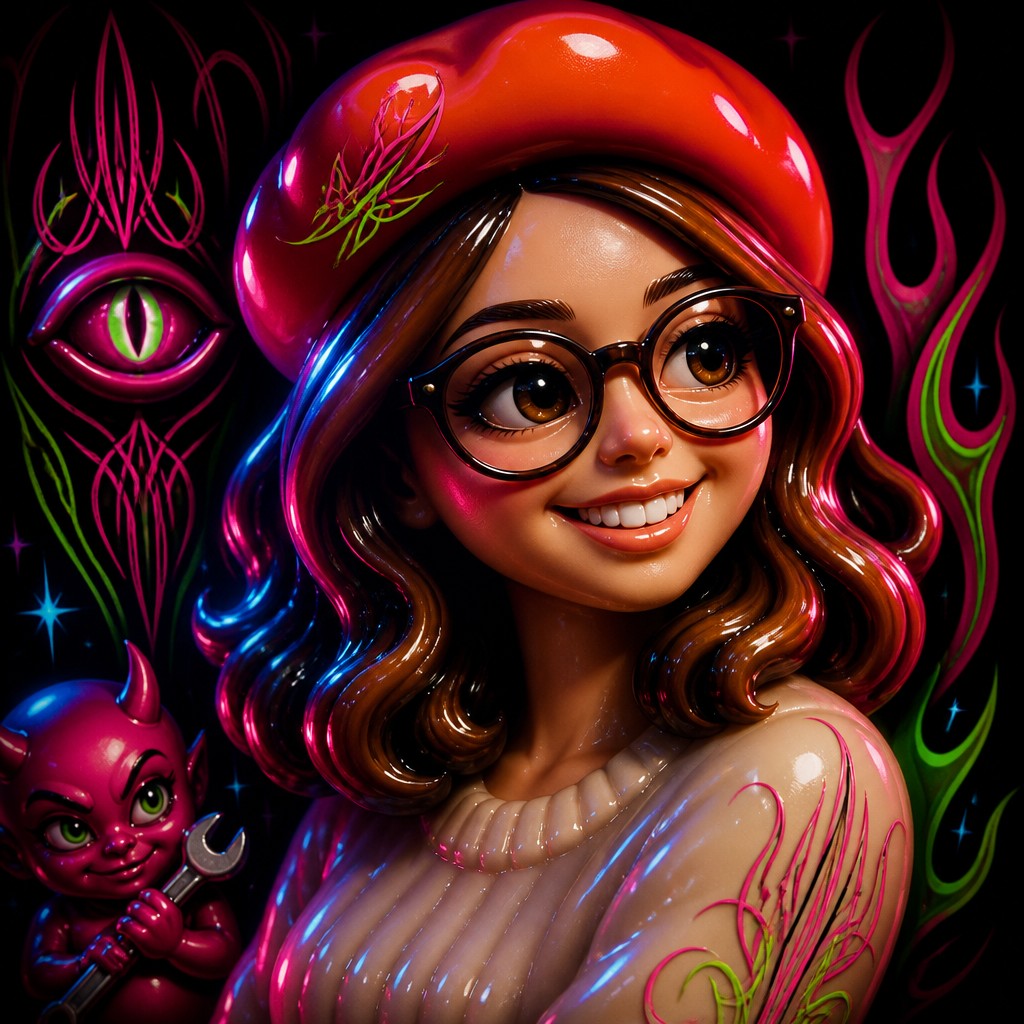

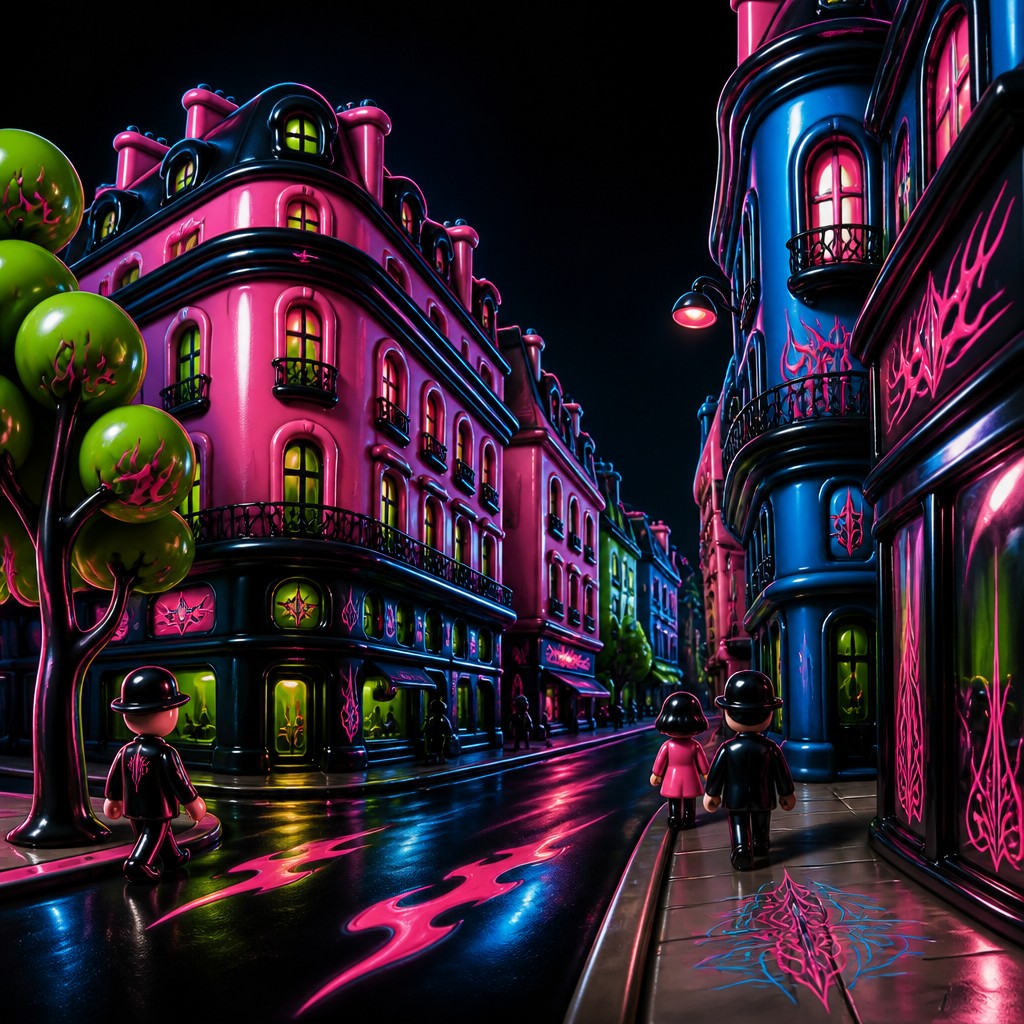

What Defines Lowbrow Art Style
The signature details, up close
Exaggerated cartoon forms
Figures, creatures, and objects are often stretched, bulbous, or anatomically eccentric, borrowing from animation and comic art. The distortion is deliberate and expressive rather than realistic.
Glossy, airbrushed surfaces
Smooth gradients, enamel-like highlights, and toy-like finishes are central to the look. Surfaces often appear polished, rubbery, or lacquered, with very little visible brush texture.
Neon and candy color palettes
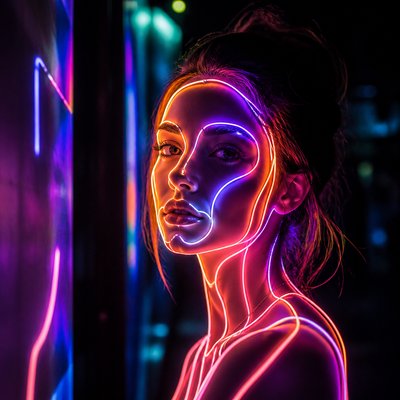
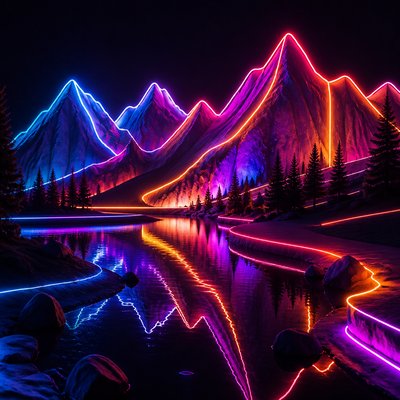
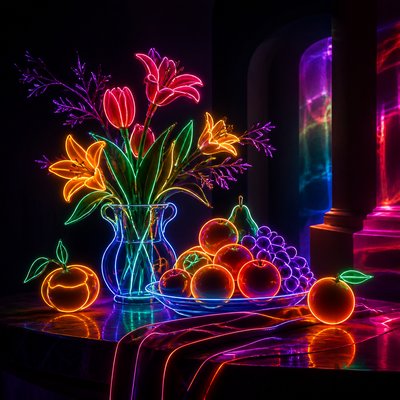
Bright pinks, electric blues, acid greens, and saturated oranges are common, often contrasted against black or very dark backgrounds. The palette gives the work a pop intensity while reinforcing its retro-futurist feel.
Kustom-kulture ornament
Pinstriping, flames, chrome cues, and car-paint styling are used as accents or framing devices. These details connect the style to hot rod culture, signage, and custom fabrication aesthetics.
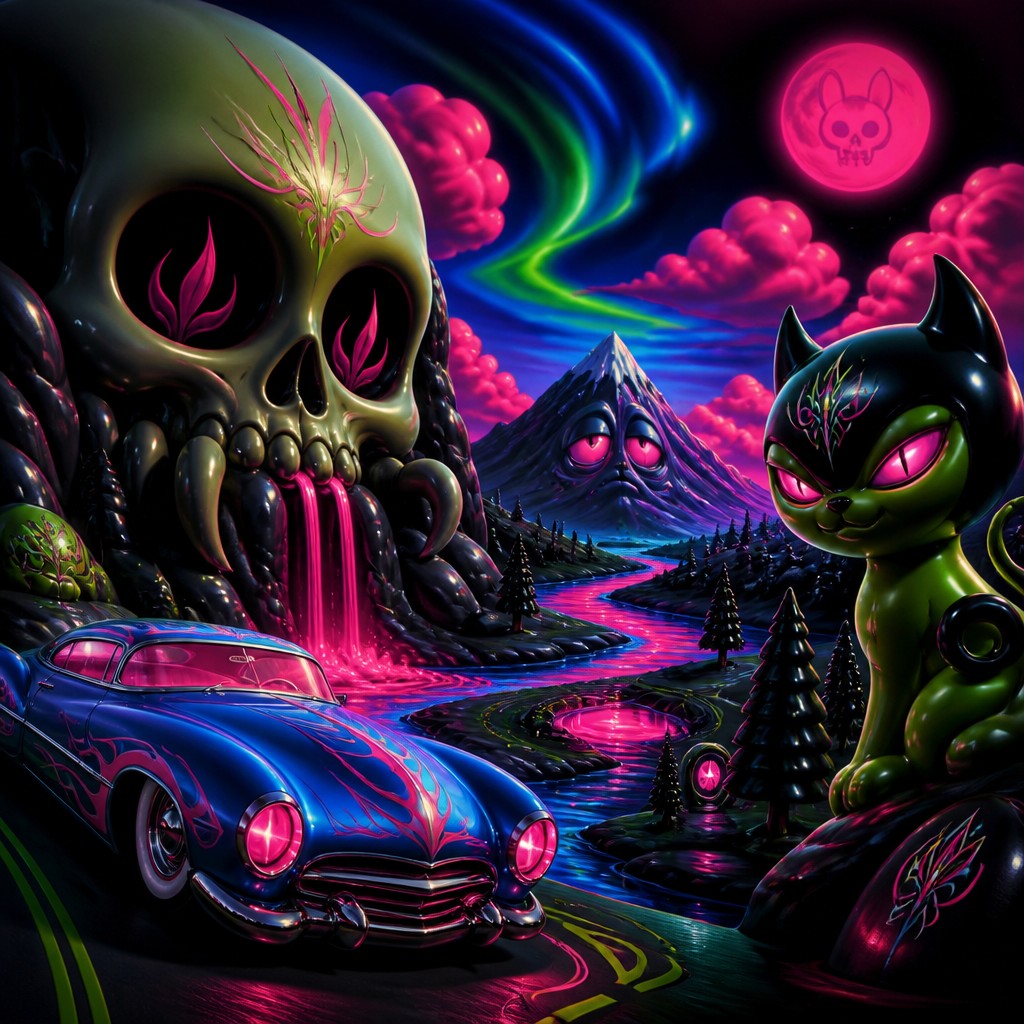
Subversive humor and unease
Images often mix innocence with menace, nostalgia with satire, or whimsy with grotesquerie. The emotional tone is playful but rarely simple, and it frequently carries an undercurrent of irony or critique.
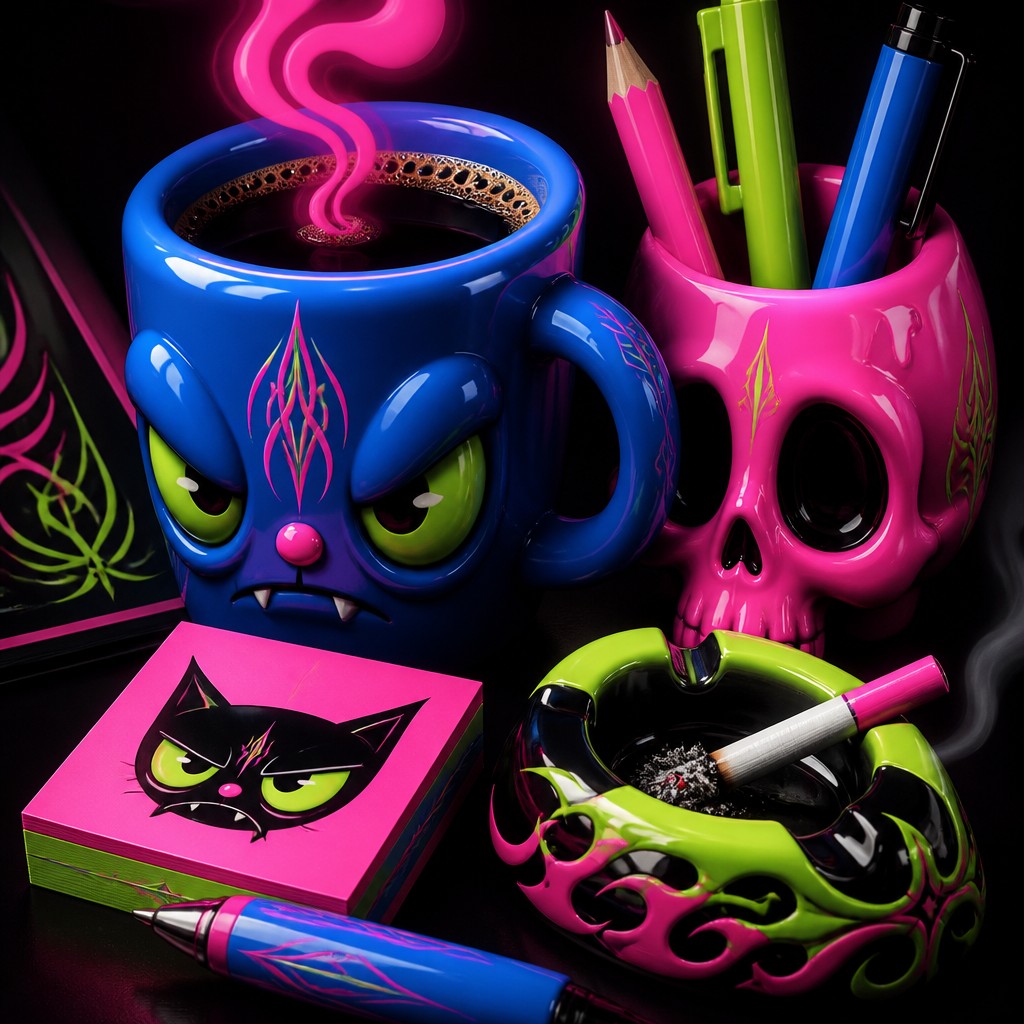
High-contrast dramatic lighting
Strong highlights and deep shadows create a stage-lit or poster-like presence. This lighting helps the forms feel sculptural and makes the synthetic sheen more convincing.
Try It
Create Videos in Lowbrow Art Style
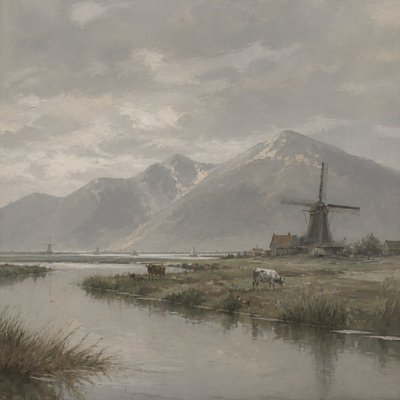
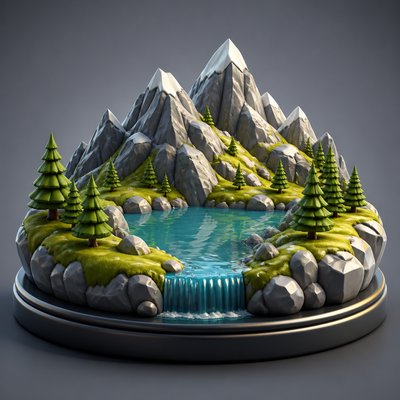
Styles aren't just for stills — describe a scene or animate an image and get a short video rendered in Lowbrow. Press play to see this pond come to life.
Make a VideoLowbrow Prompt Ideas
Start from an idea — each one opens the generator with the style ready to go. See all 40 Lowbrow prompts →
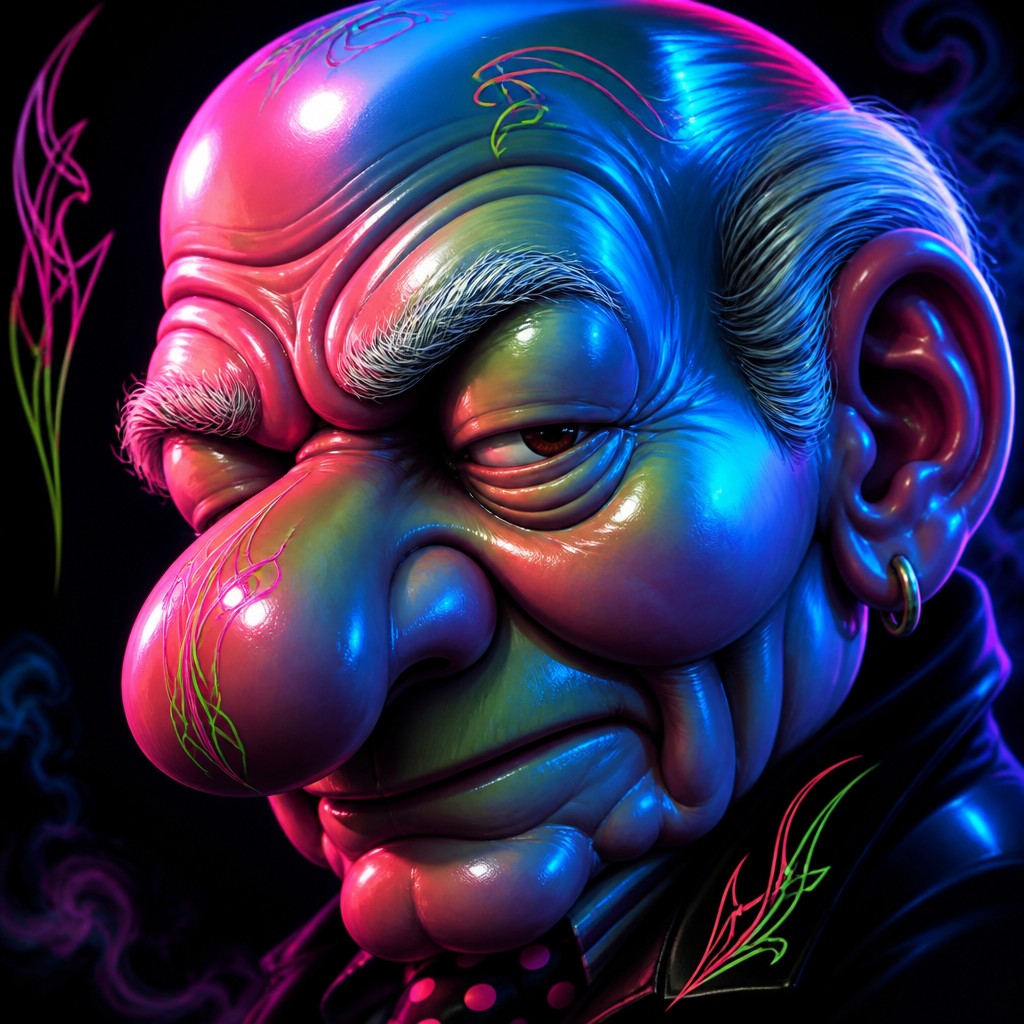
“close-up portrait of an elderly person with expressive weathered features”
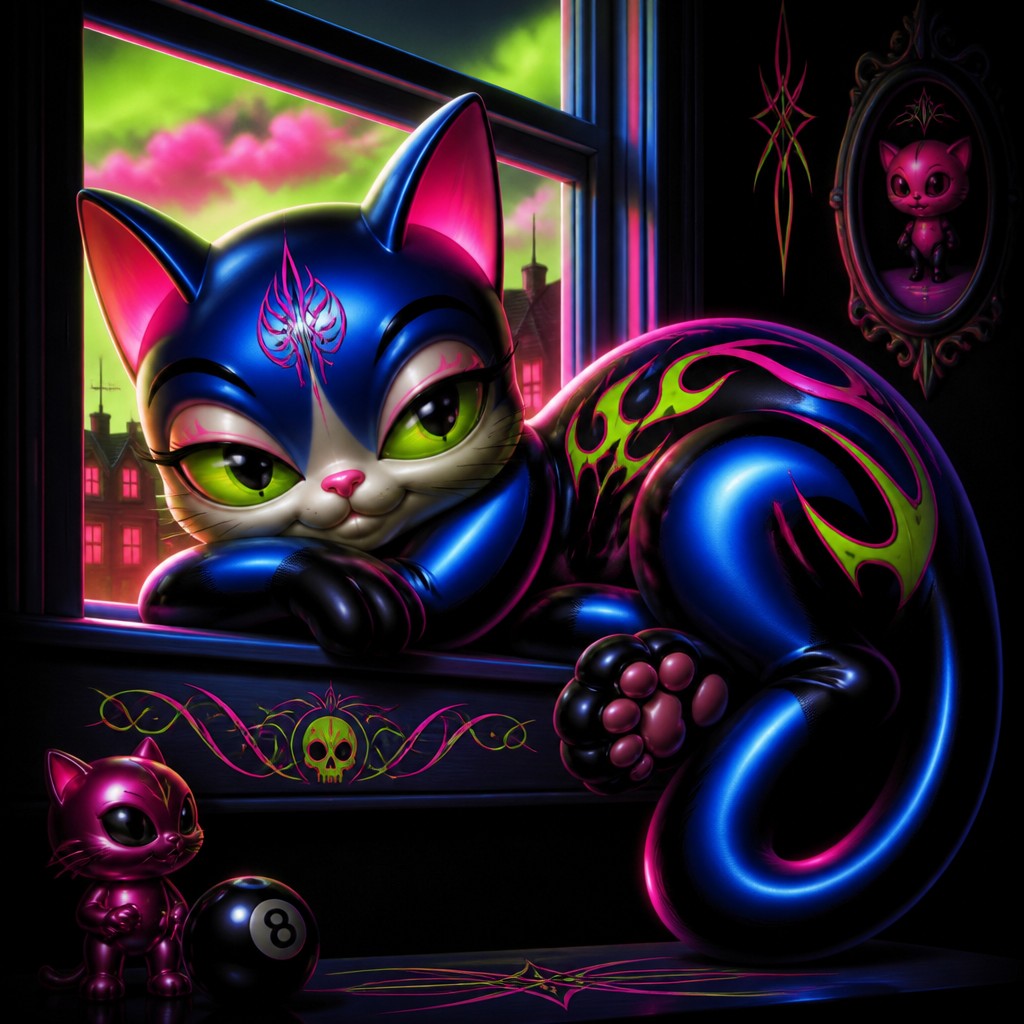
“a cat lounging in a sunlit window”
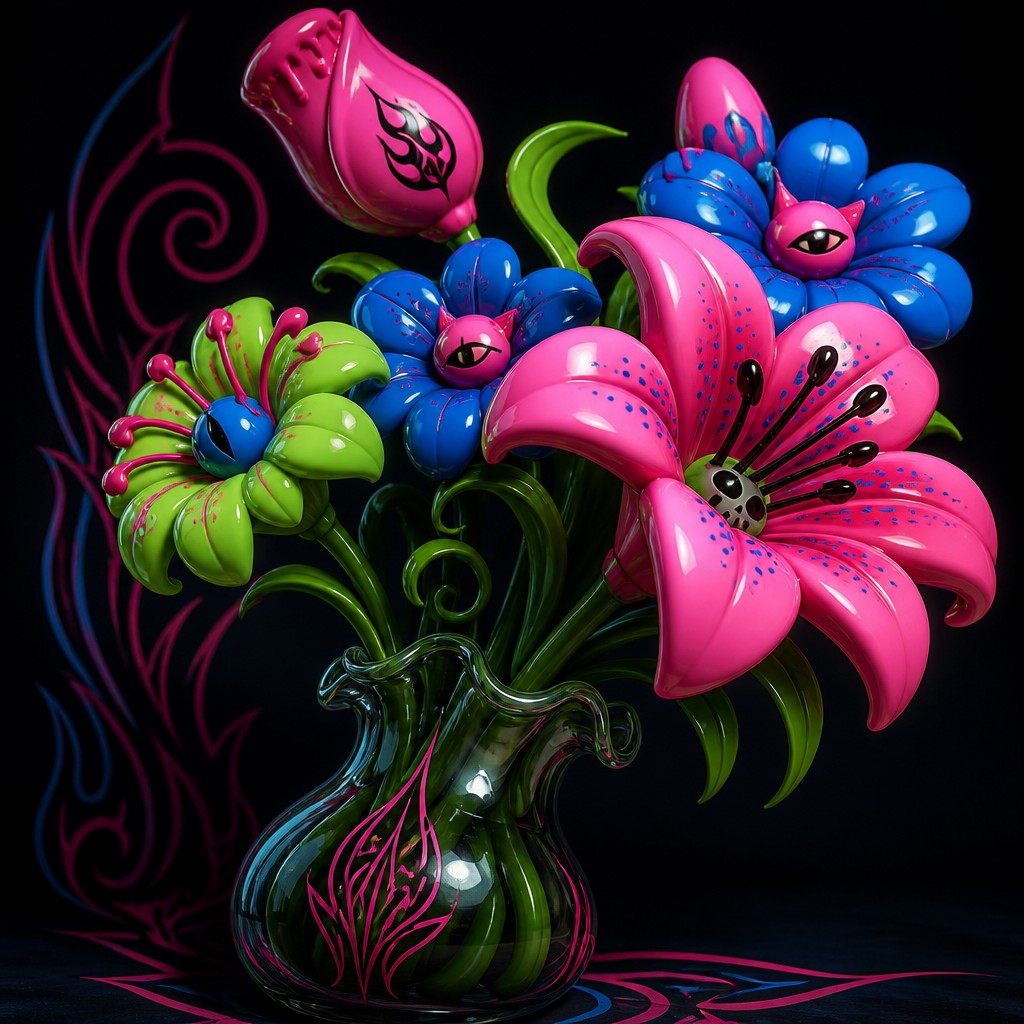
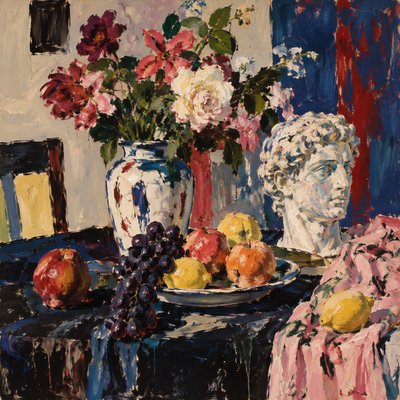
“bouquet of flowers in a glass vase”
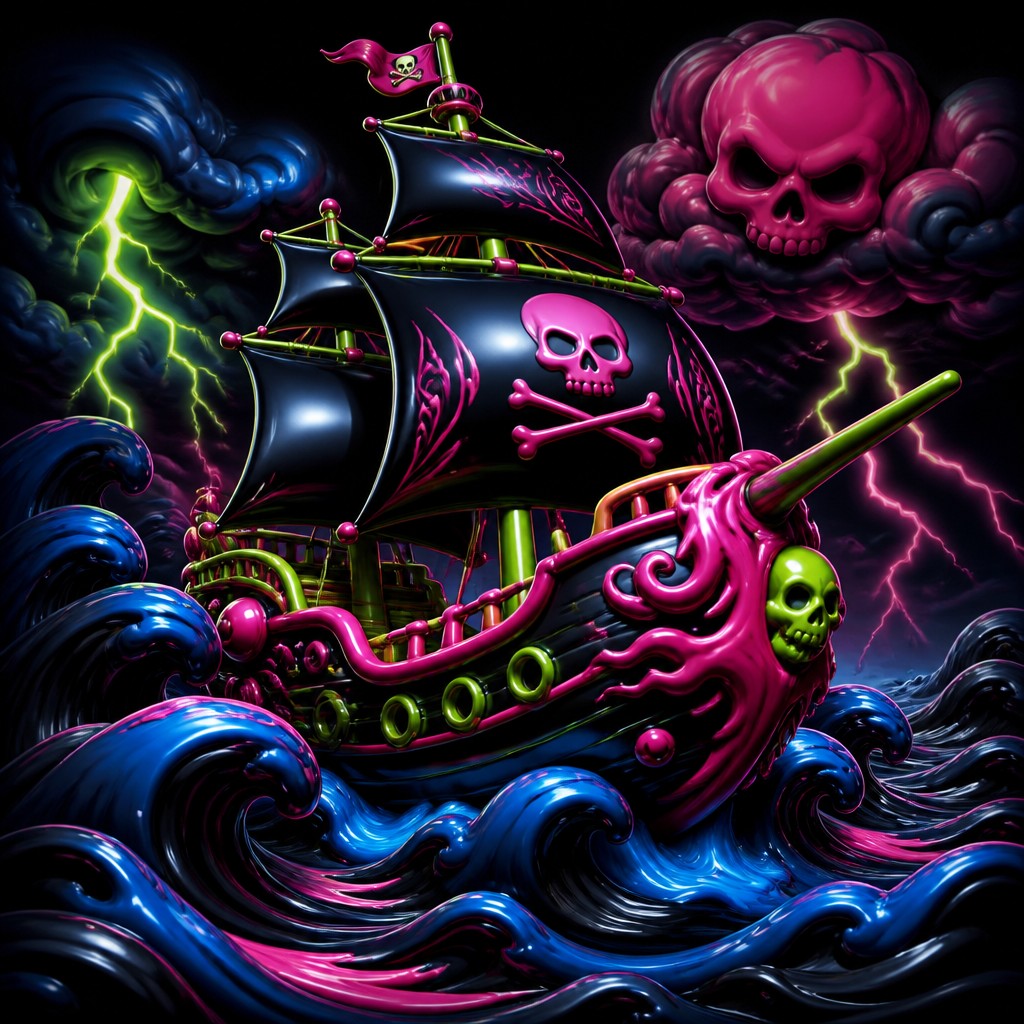
“sailing ship on a stormy sea”
How to Create Lowbrow Art
Master the craft step by step — or skip straight to creating. Read the full guide →
- 1
Build around a central icon
Choose a subject that can be made symbolic or personality-driven, such as a masked figure, monster, toy, car, or animal. Simplify the composition so the main form reads instantly and can be exaggerated without losing clarity.
- 2
Use polished rendering, not rough texture
Whether working traditionally or digitally, favor controlled gradients, clean edges, and deliberate highlights. Airbrush, marker, gouache, or digital painting can all work if the finish is smooth and the materiality feels lacquered or plastic-like.
- 3
Push color into high-chroma contrast
Combine neon hues with near-black grounds to create the signature punch. Limit the palette to a few dominant colors, then use small accent colors for flames, pinstripes, or glow effects.
- 4
Mix innocence with menace
A strong lowbrow image often includes a cute or familiar motif made strange by expression, scale, or context. Add a twist of humor, eeriness, or surreal logic so the image feels knowingly offbeat rather than merely decorative.
- 5
Compose like a poster or custom graphic
Use bold diagonals, cropped forms, and asymmetrical balance to keep the image energetic. Decorative framing elements can support the subject, but they should not overwhelm the central figure or scene.
- 6
When generating from text, specify material and mood
Describe the subject first, then add finish, lighting, palette, and attitude: for example, glossy vinyl sheen, hot specular highlights, neon-on-black contrast, playful sinister undertone, and kustom pinstriping accents. These cues help steer the result toward the style’s distinctive surface and tone.

The Story
History & Origins of Lowbrow
Lowbrow art emerged in Southern California in the late 20th century, especially from the 1970s through the 1990s, as part of a wider countercultural visual scene that included underground comix, hot rod customization, punk graphics, skate culture, tattooing, and monster memorabilia. The term became widely associated with pop surrealism, a gallery-facing label for works that retained the visual language of low culture while moving into fine-art contexts.
Rather than descending from a single historical school, the style draws on several lineages: mid-century commercial art, cartoon animation, horror illustration, Mexican and Chicano lowrider and kustom-kulture aesthetics, and the polished surrealism of postwar fantasy imagery. Artists associated with the movement include major postwar lowbrow painters, leading pop-surrealist illustrators, prominent custom-culture image-makers, and other influential underground fantasy artists. Over time, the style expanded from a regional underground scene into an internationally recognized contemporary art idiom.
Influences: Lowbrow art is related to underground comix, cartoon animation, tattoo flash, hot rod and custom-car culture, skate and punk graphics, and surreal fantasy illustration. Its polished irony also places it in dialogue with pop art and contemporary surrealism, though it is more rooted in subcultural image-making than in canonical modernist theory. For real historical comparisons, one can note the commercial precision of pinstriping and airbrush traditions, but the movement itself is best understood through its subcultural visual sources rather than a single academic lineage.

Frequently Asked Questions
What defines lowbrow art style?
Lowbrow art combines cartoon exaggeration, pop-surreal imagery, and technically polished rendering. It often uses bright neon color, smooth airbrush gradients, and imagery from comics, hot rods, monsters, toys, and retro advertising. The tone is usually playful, ironic, or slightly sinister.
Is lowbrow the same as pop surrealism?
The terms overlap heavily, and many people use them interchangeably. Lowbrow emphasizes the underground, subcultural roots of the style, while pop surrealism is often used in gallery or art-world contexts for similar imagery. In practice, both describe related approaches to surreal, pop-influenced figurative art.
How is lowbrow different from kitsch or cartoon art?
Kitsch usually implies sentimental or mass-produced taste, while lowbrow art is more self-aware and often subversive. Compared with straightforward cartoon art, lowbrow tends to be more surreal, more polished, and more interested in visual irony, cultural mashups, and stylized unease.
What subjects work best in this style?
Subjects with strong silhouettes and personality work especially well: animals, monsters, pin-up figures, cars, skulls, masked characters, and hybrid creatures. The style also suits scenes that can balance humor and menace, such as carnival imagery, roadside Americana, or dreamlike urban settings.
Can lowbrow art be made digitally or traditionally?
Yes. Traditional methods often include airbrush, acrylic, ink, colored pencil, and marker, while digital painting can reproduce the same smooth gradients and high-contrast lighting very effectively. The key is a controlled finish and a clearly designed composition rather than the specific medium.
Where is lowbrow art commonly used?
It appears in posters, album art, designer toys, skate graphics, tattoos, gallery painting, apparel, and collectible illustration. Its strong outlines, bold color, and iconic imagery make it adaptable to both print and screen-based formats.
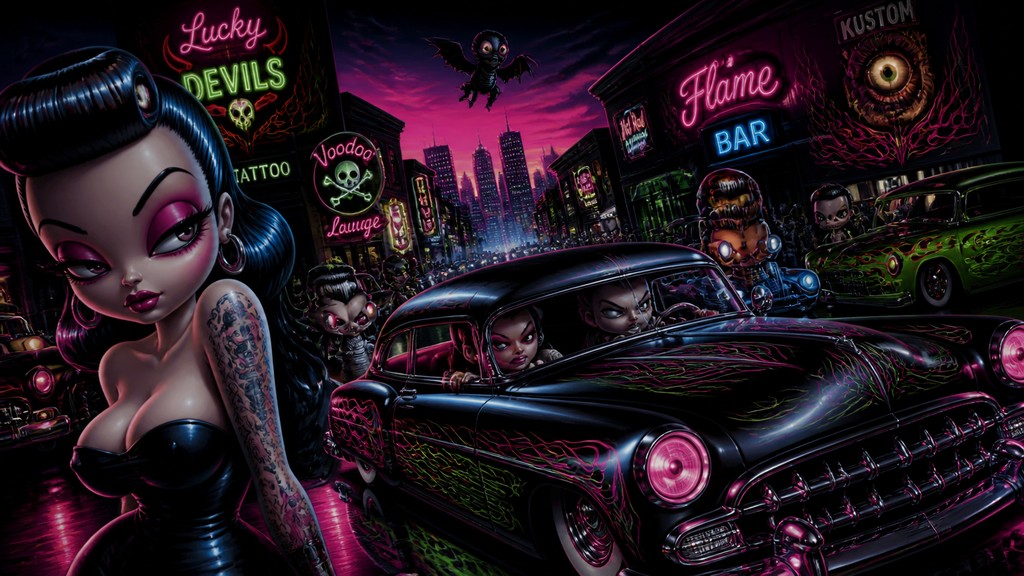
Create your first Lowbrow artwork
Describe anything — or upload a photo — and see it in Lowbrow Art Style in seconds.
Make Something with Lowbrow
Related Styles
Discover similar art styles