Japanese Toy Art (Sofubi)
Japanese soft vinyl toy art with kaiju, manga, glossy vinyl finishes, and bold designer-toy color palettes.
Instantly rendered in Japanese Toy Art (Sofubi) — or transform a photo
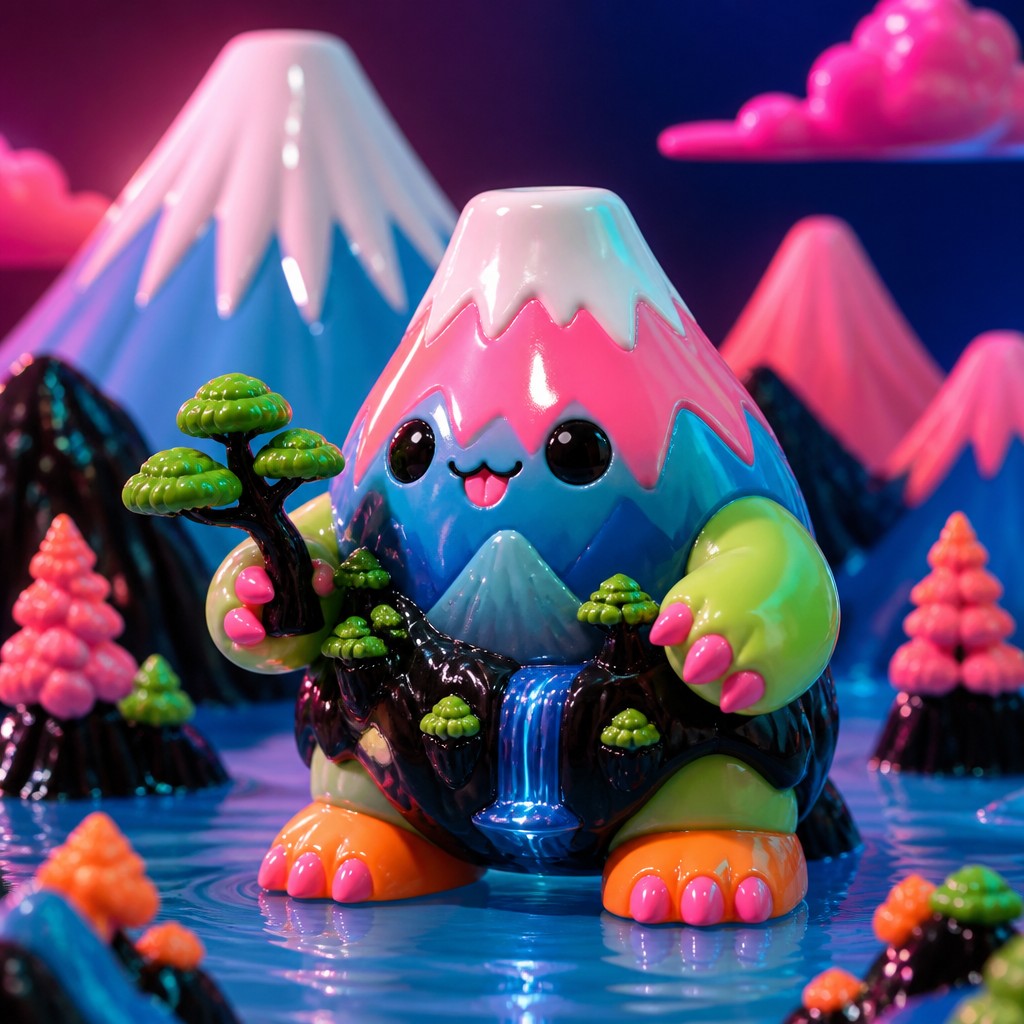
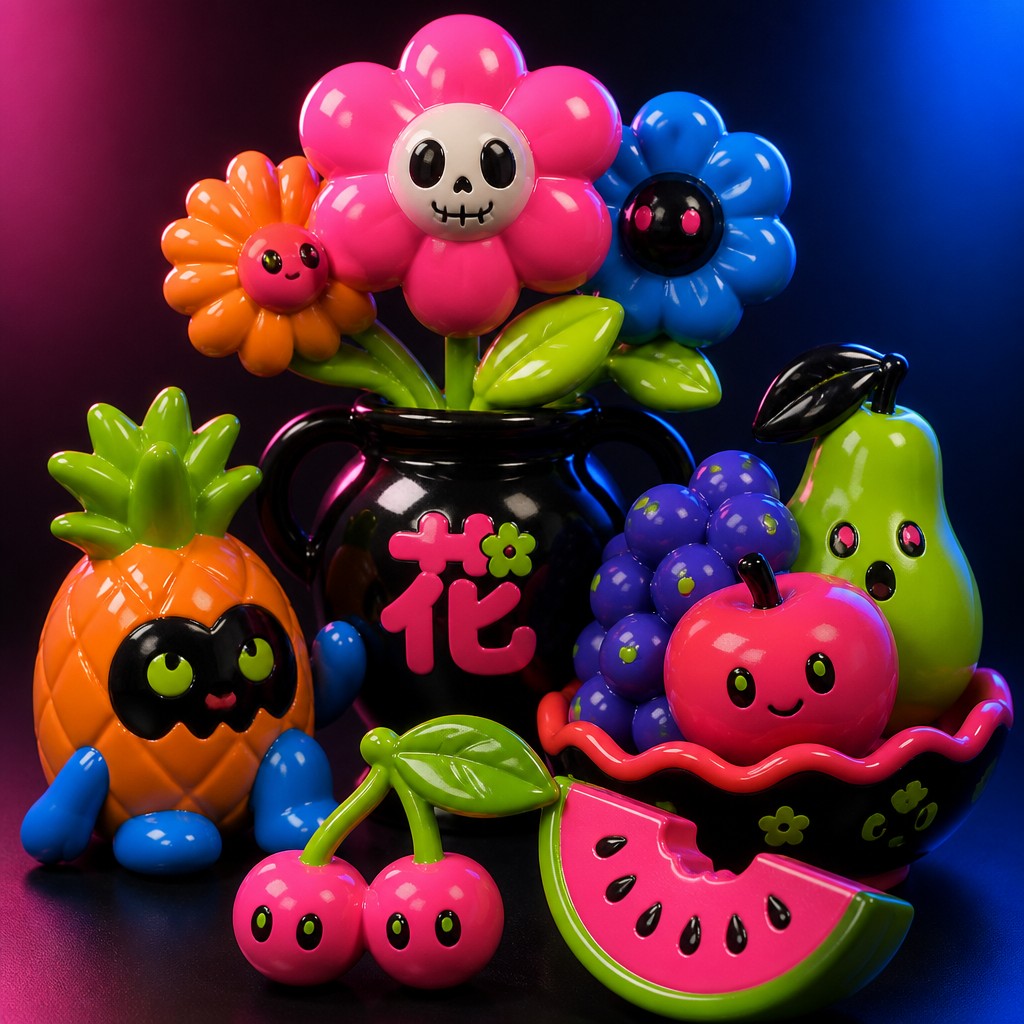
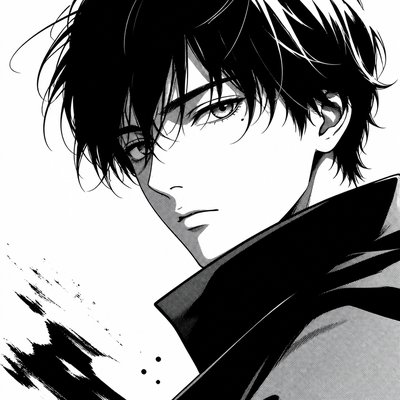
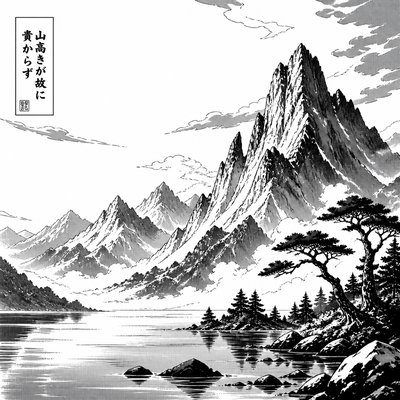
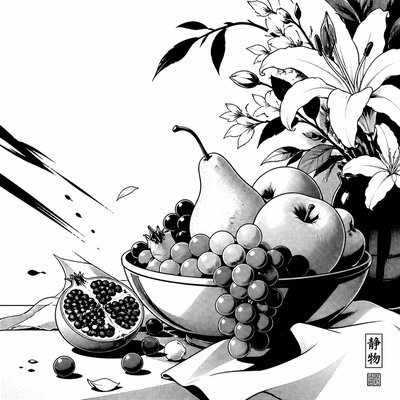
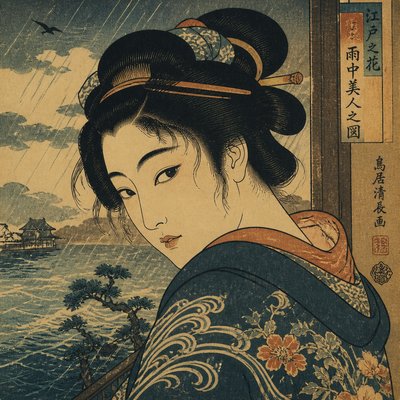
Japanese Toy Art (Sofubi) Gallery
Tap any artwork to explore it
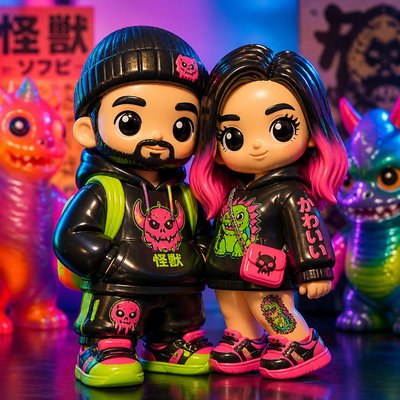
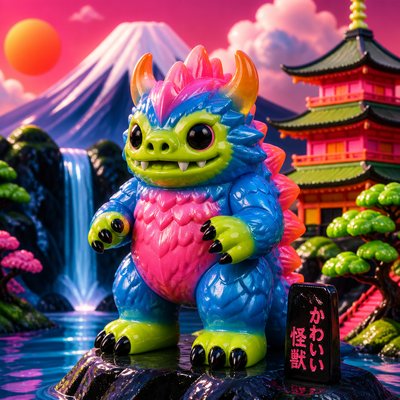
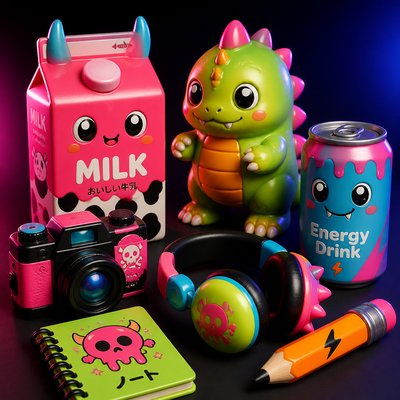
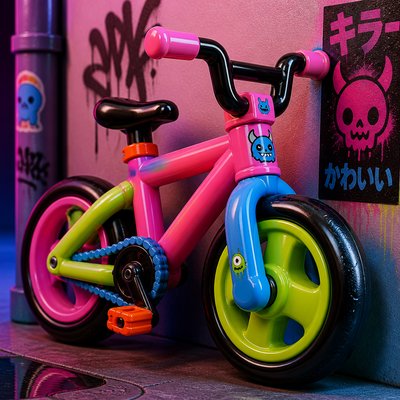
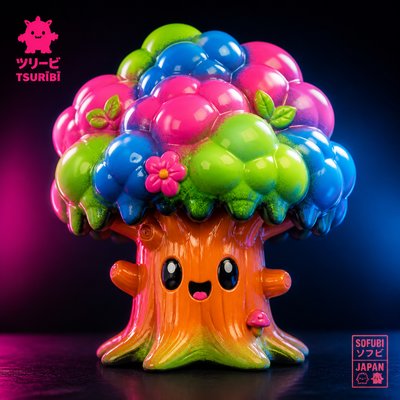
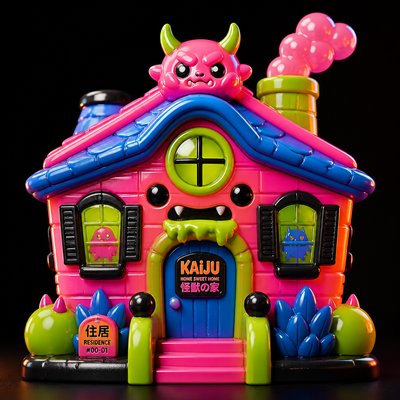
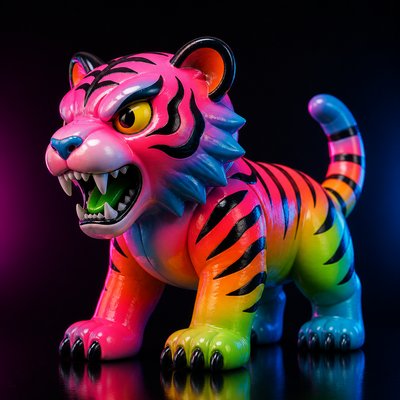
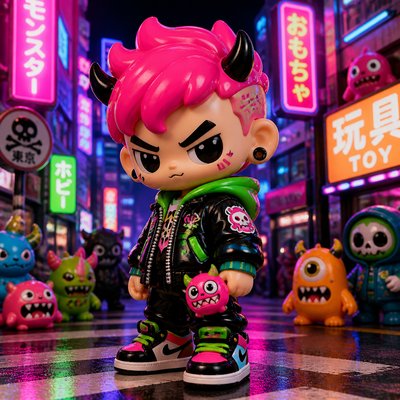
What is Japanese Toy Art (Sofubi)?
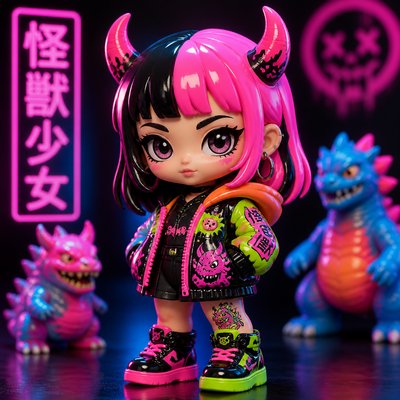
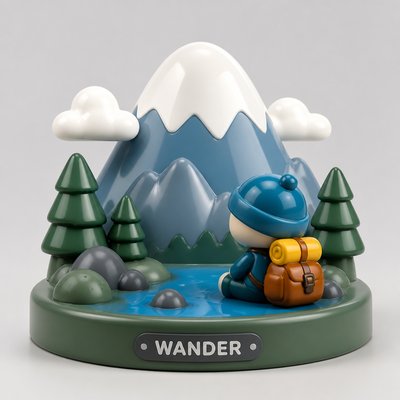
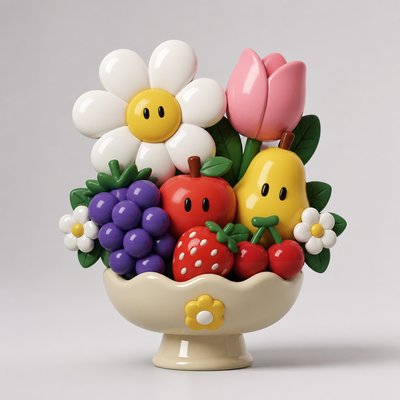
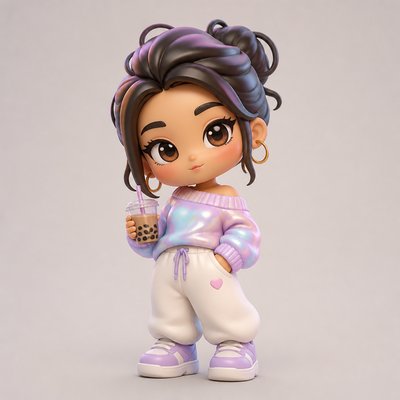
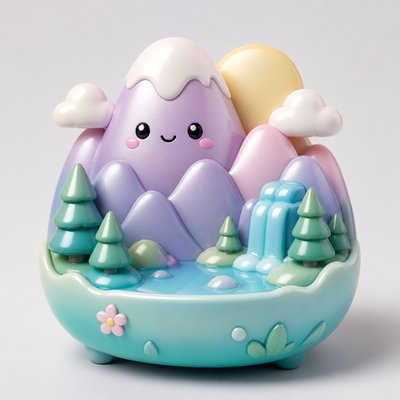
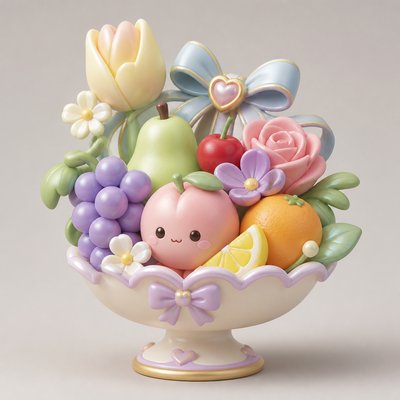
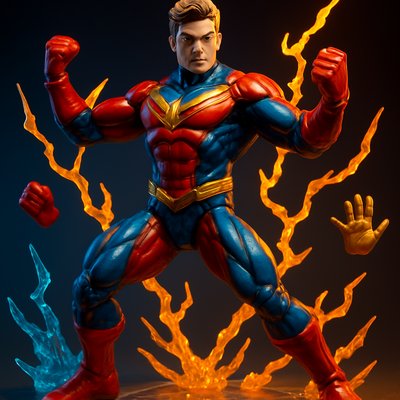
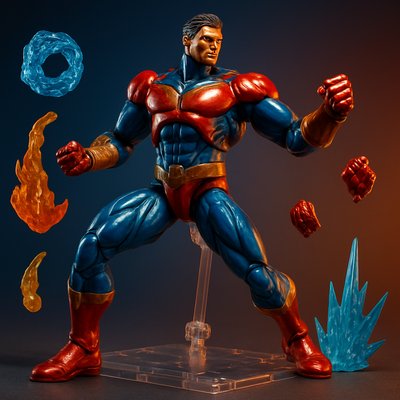
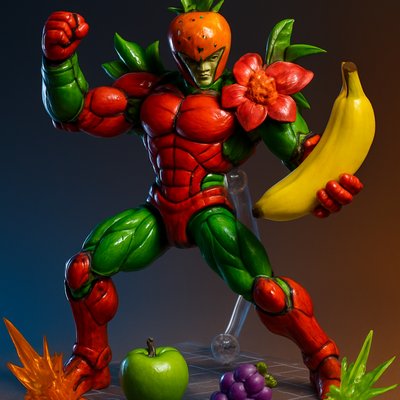
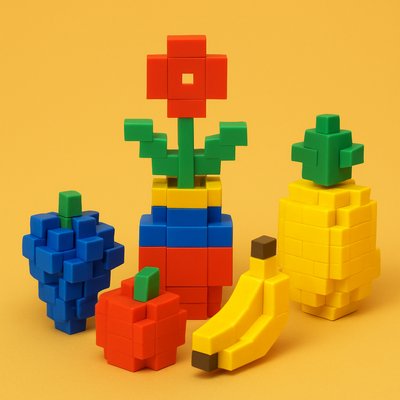
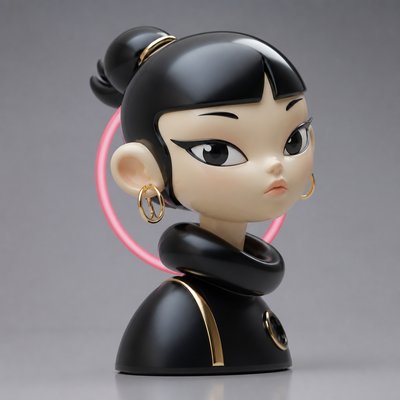
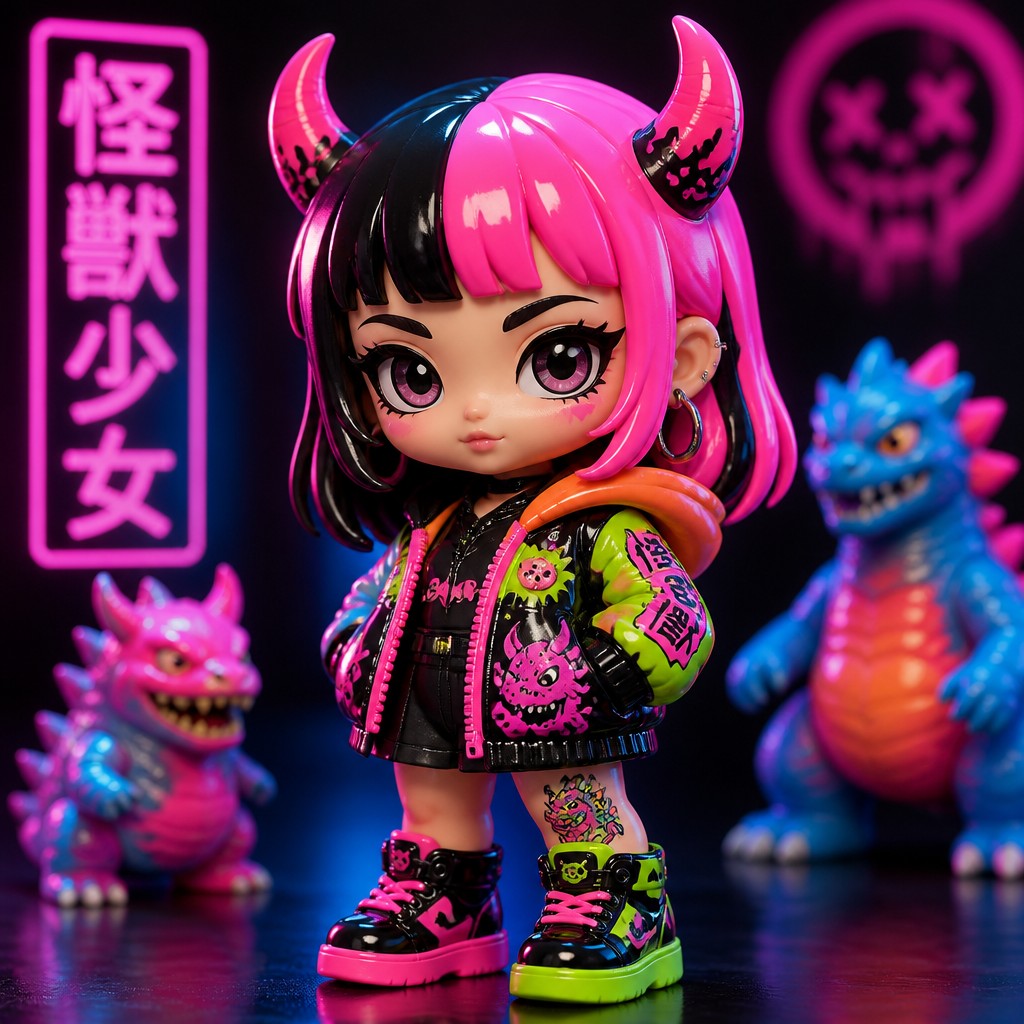
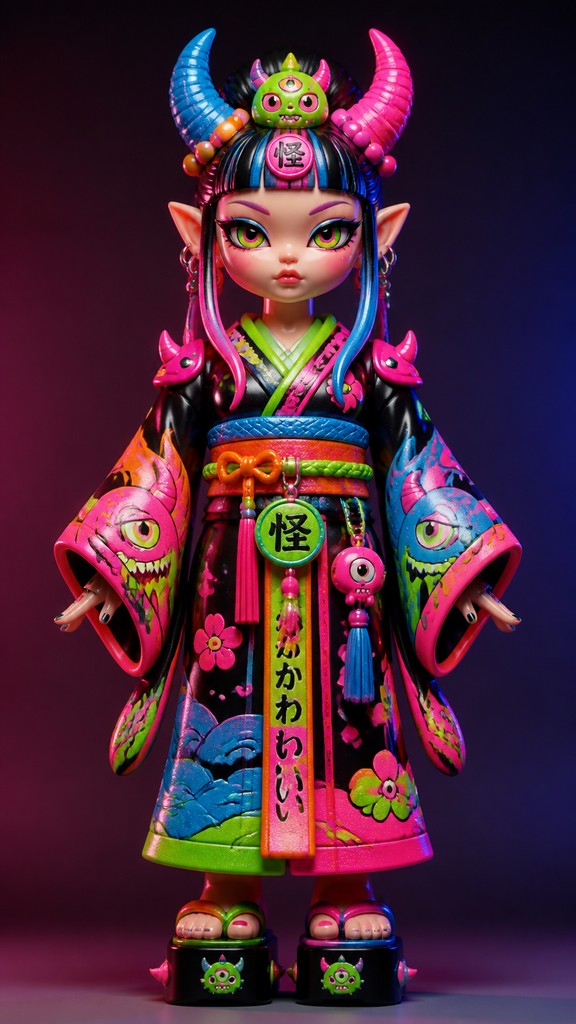
Japanese Toy Art, often called sofubi, is a collectible toy aesthetic centered on soft vinyl figures with exaggerated shapes, bright colors, and a hand-made, designer-toy feel. It is closely associated with kaiju monsters, manga-inspired characters, and original creature designs that balance cuteness, menace, and stylization. The look is defined by smooth molded surfaces, visible part seams, compact proportions, and a glossy finish that makes the figure feel both playful and industrial.
Its visual identity comes from the intersection of postwar Japanese toy manufacturing, monster-cinema imagery, manga and character culture, and later designer-toy movements. Sofubi figures often use fluorescent or candy-like colors, pearlized or metallic paint effects, and simple but expressive forms that read clearly from a distance. The result is an art style that feels equally at home as a collectible object, a pop-cultural icon, and a sculptural artwork.
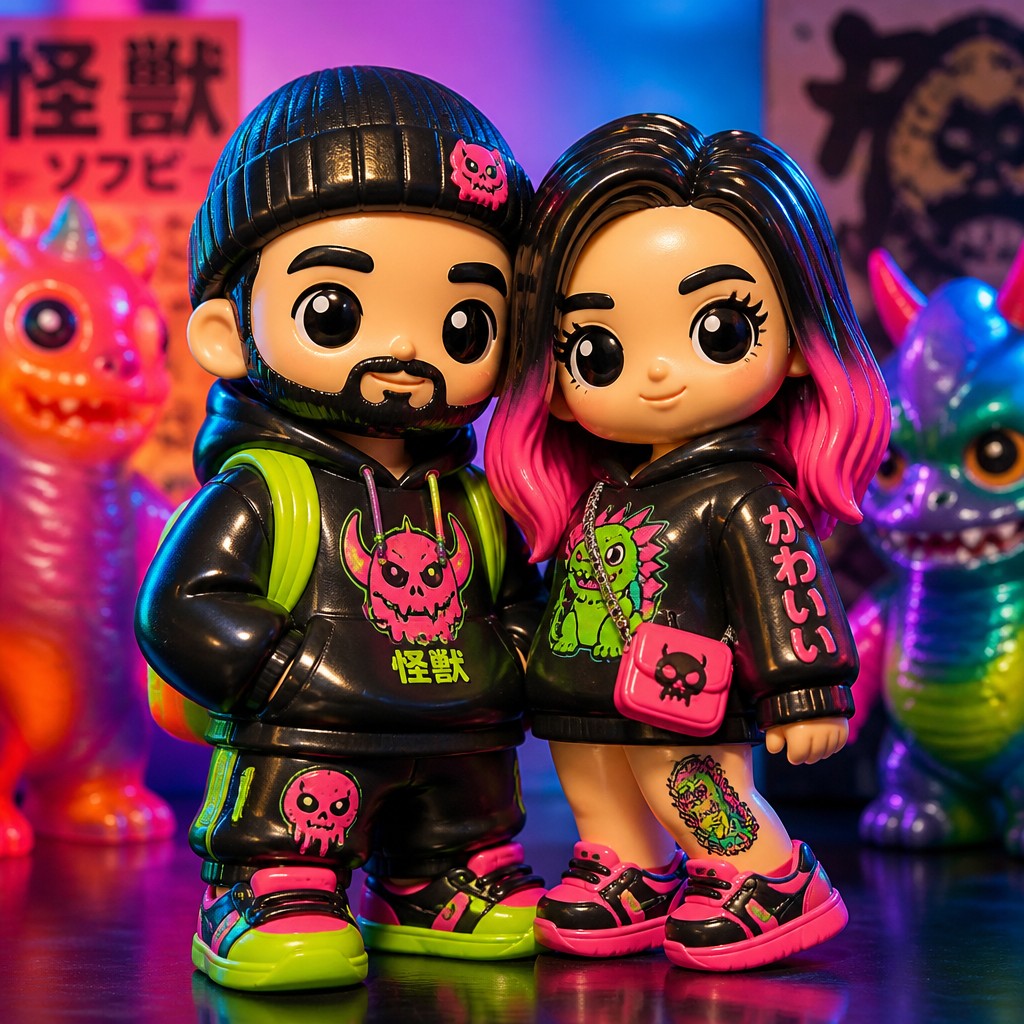
Try It On Your Photos
Upload any photo and convert it into Japanese Toy Art (Sofubi) — drag the sliders to compare before and after.
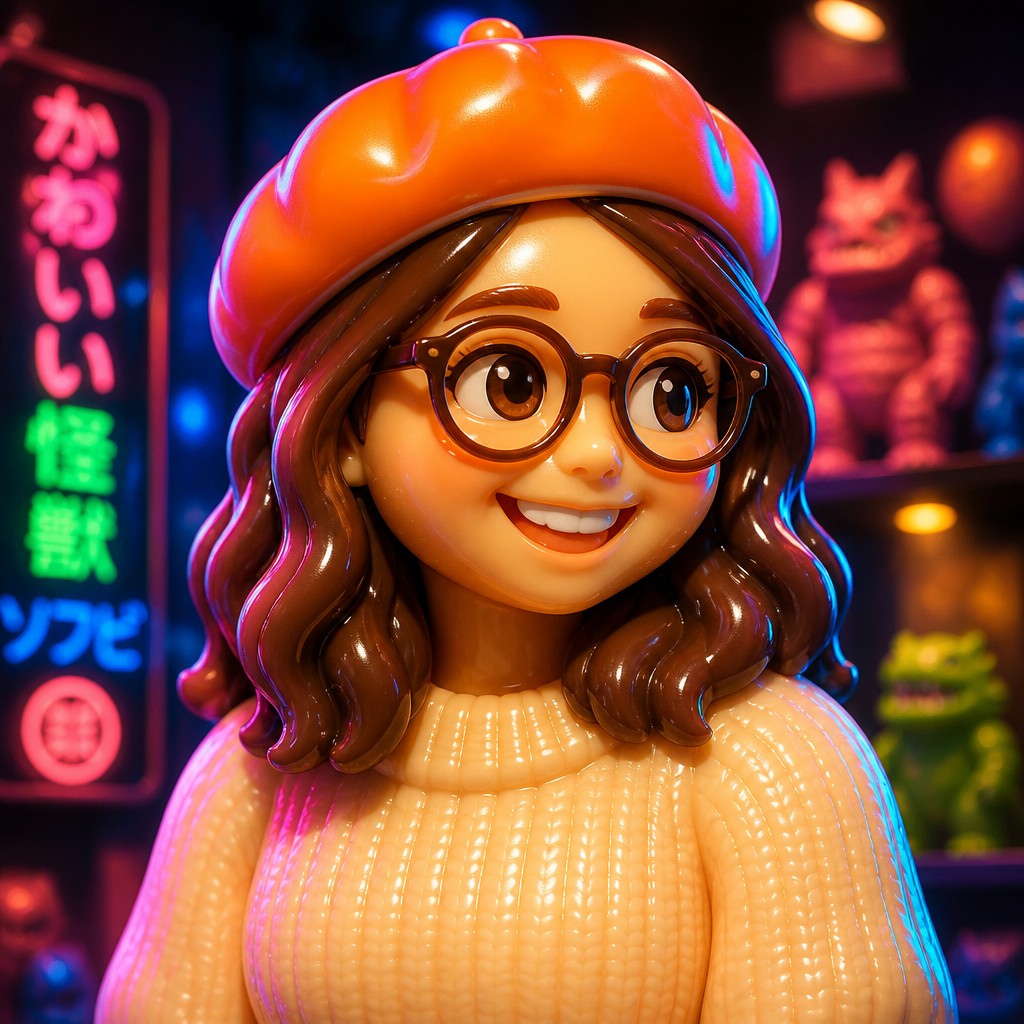

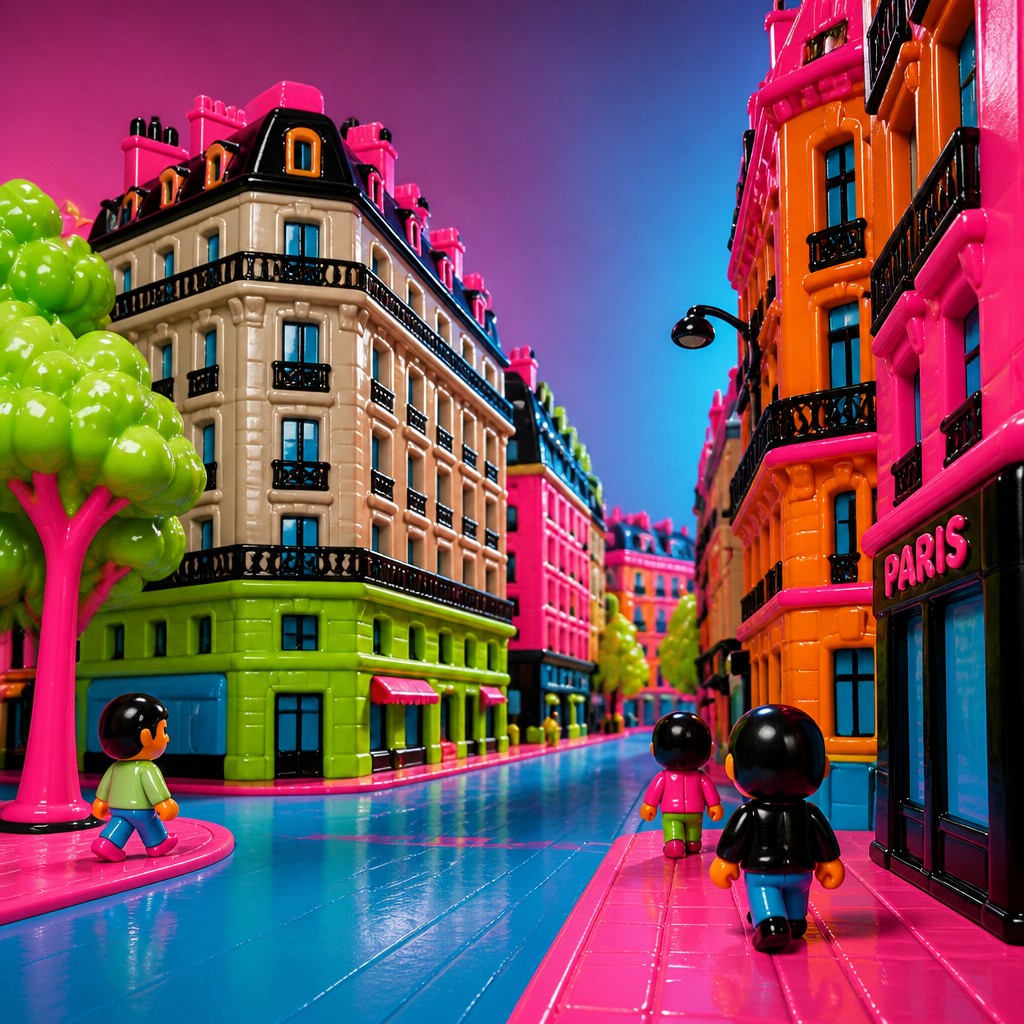

What Defines Japanese Toy Art (Sofubi)
The signature details, up close
Soft vinyl surfaces
The figures have smooth, molded bodies with a slightly toy-like sheen and subtle seam lines from the casting process. The material reads as flexible and tactile rather than hard or brittle.
Chunky simplified forms
Bodies are usually condensed into compact, readable volumes with oversized heads, hands, feet, or antennae. Details are reduced to essentials so the silhouette remains strong and iconic.
Kaiju and mascot energy
Subjects often blend monster imagery with cute or comic character design. Even when the figure looks fierce, it usually retains a collectible charm and stylized expressiveness.
Bright toy palette
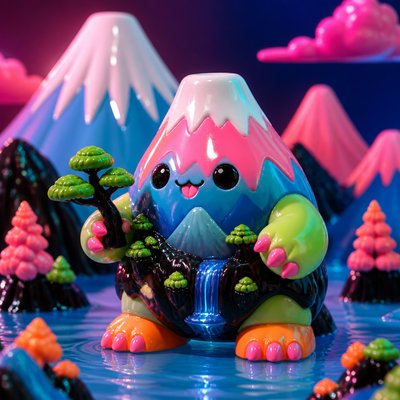
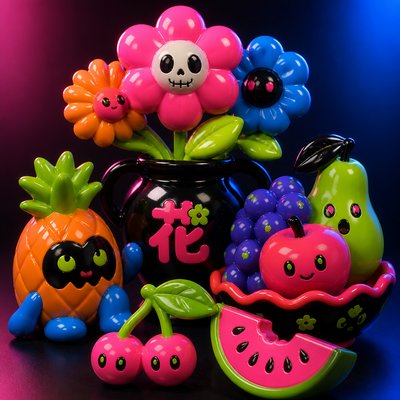
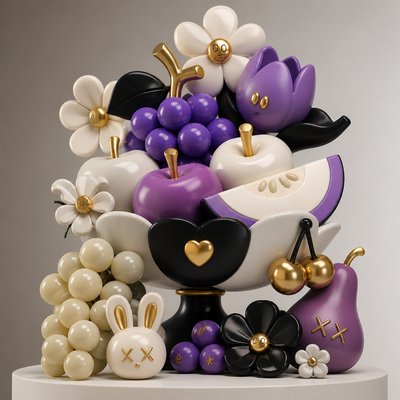
Colors often include fluorescent pink, electric blue, lime green, orange, and vivid purple, anchored by black outlines or accents. Metallic, pearlescent, and translucent effects are common.
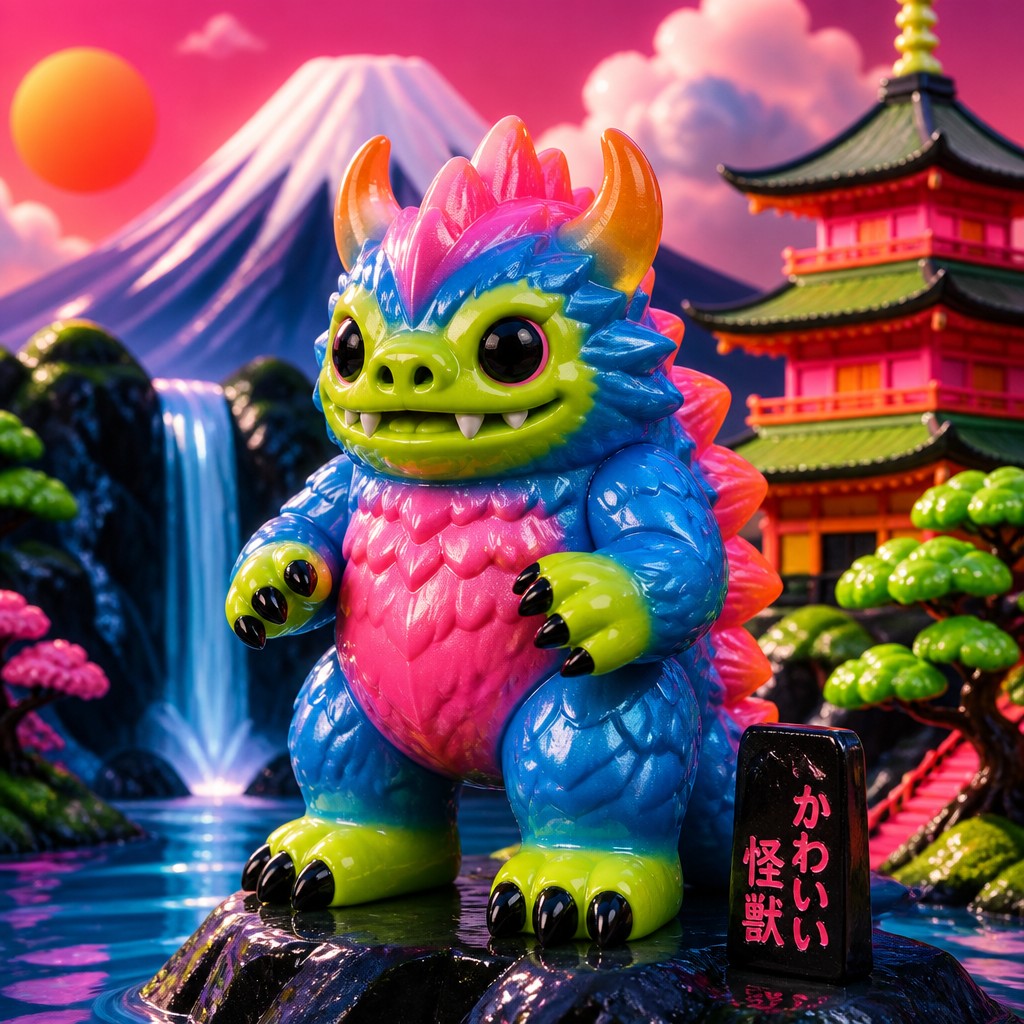
Airbrushed or sprayed gradients
Paint application frequently uses soft fades, shadowing, and layered color transitions that mimic hand-finished toy production. These gradients help emphasize rounded forms and give the object visual depth.
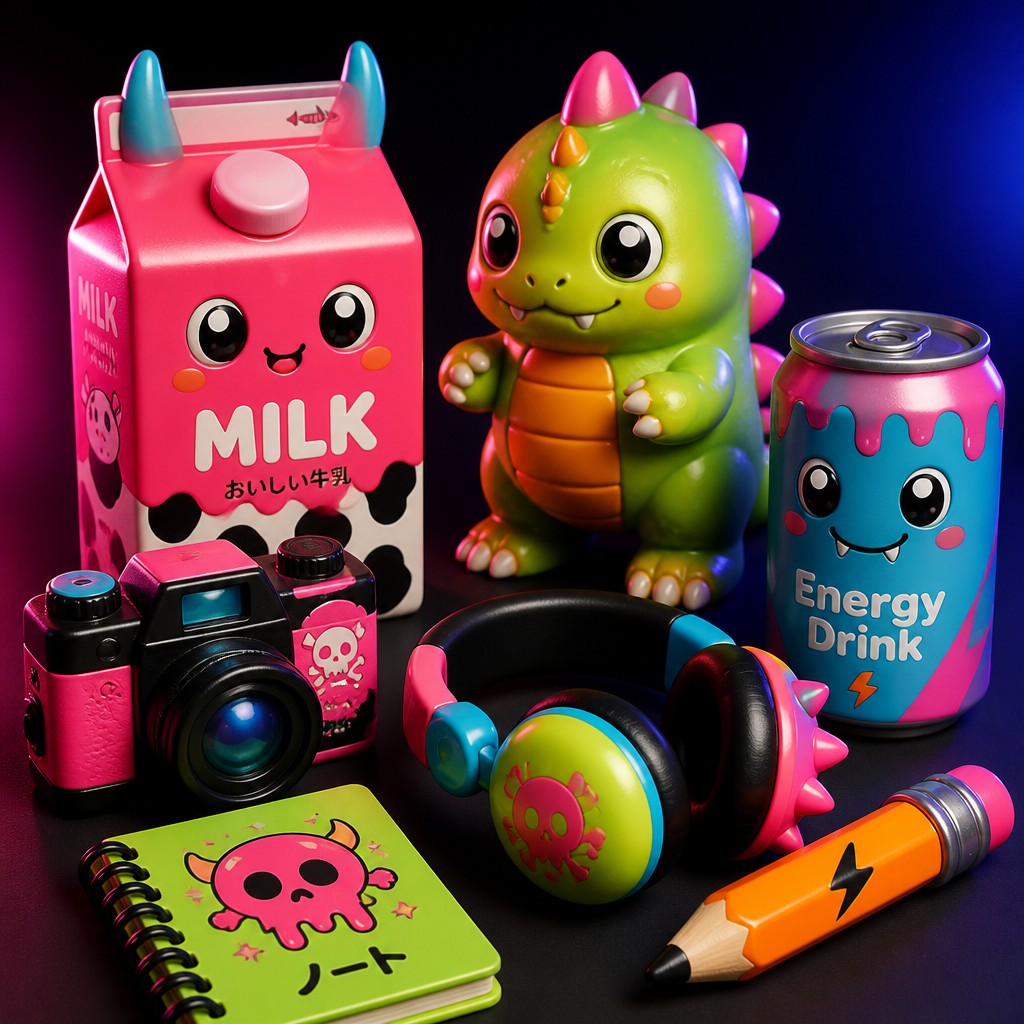
Glossy product lighting
The finish depends on strong specular highlights and studio-style lighting that emphasizes smooth curves. The figure is usually presented like a collectible object, not a naturalistic sculpture.
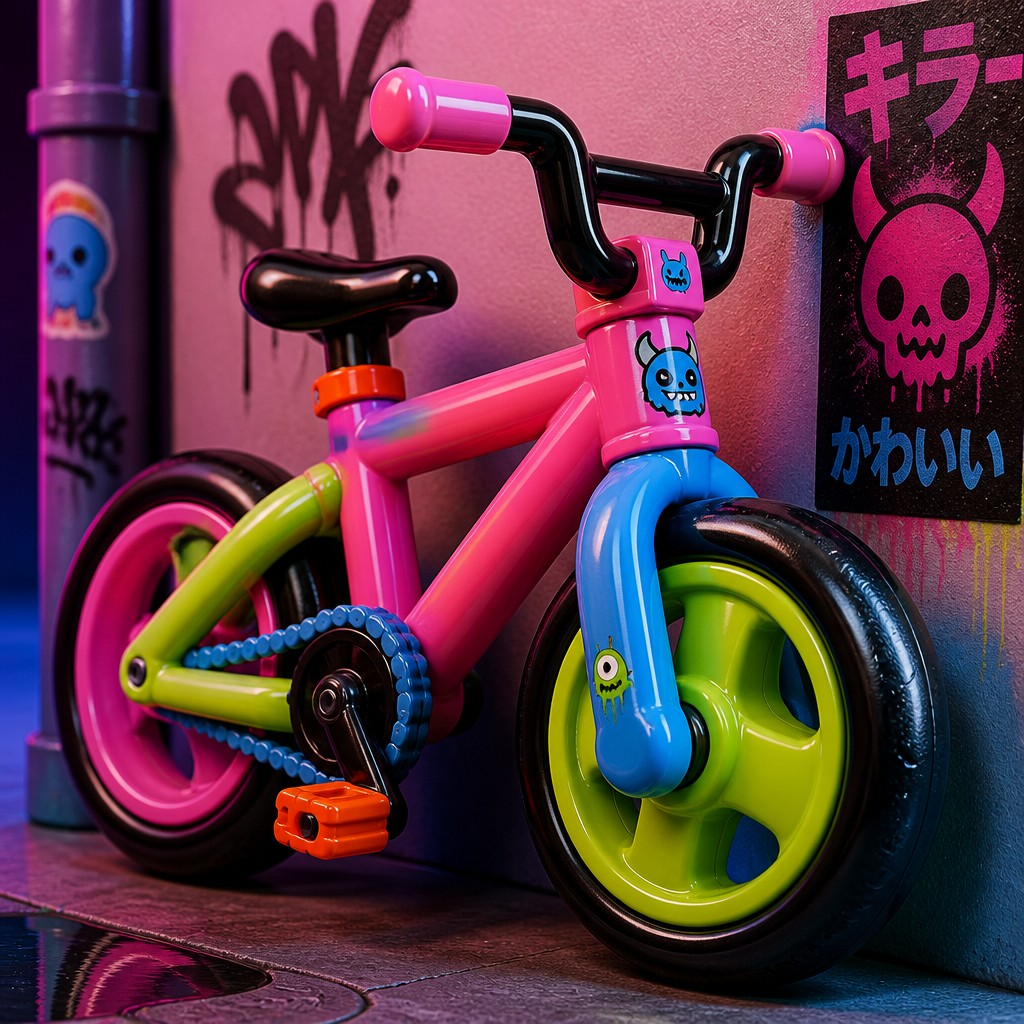
Designer-toy individuality
Many sofubi pieces are original characters, one-off custom paint jobs, or limited editions rather than mass-market products. This gives the style a blend of folk-like craft, pop art, and subcultural collectibility.
Try It
Create Videos in Japanese Toy Art (Sofubi)
Styles aren't just for stills — describe a scene or animate an image and get a short video rendered in Japanese Toy Art (Sofubi). Press play to see this pond come to life.
Make a VideoJapanese Toy Art (Sofubi) Prompt Ideas
Start from an idea — each one opens the generator with the style ready to go. See all 40 Japanese Toy Art (Sofubi) prompts →
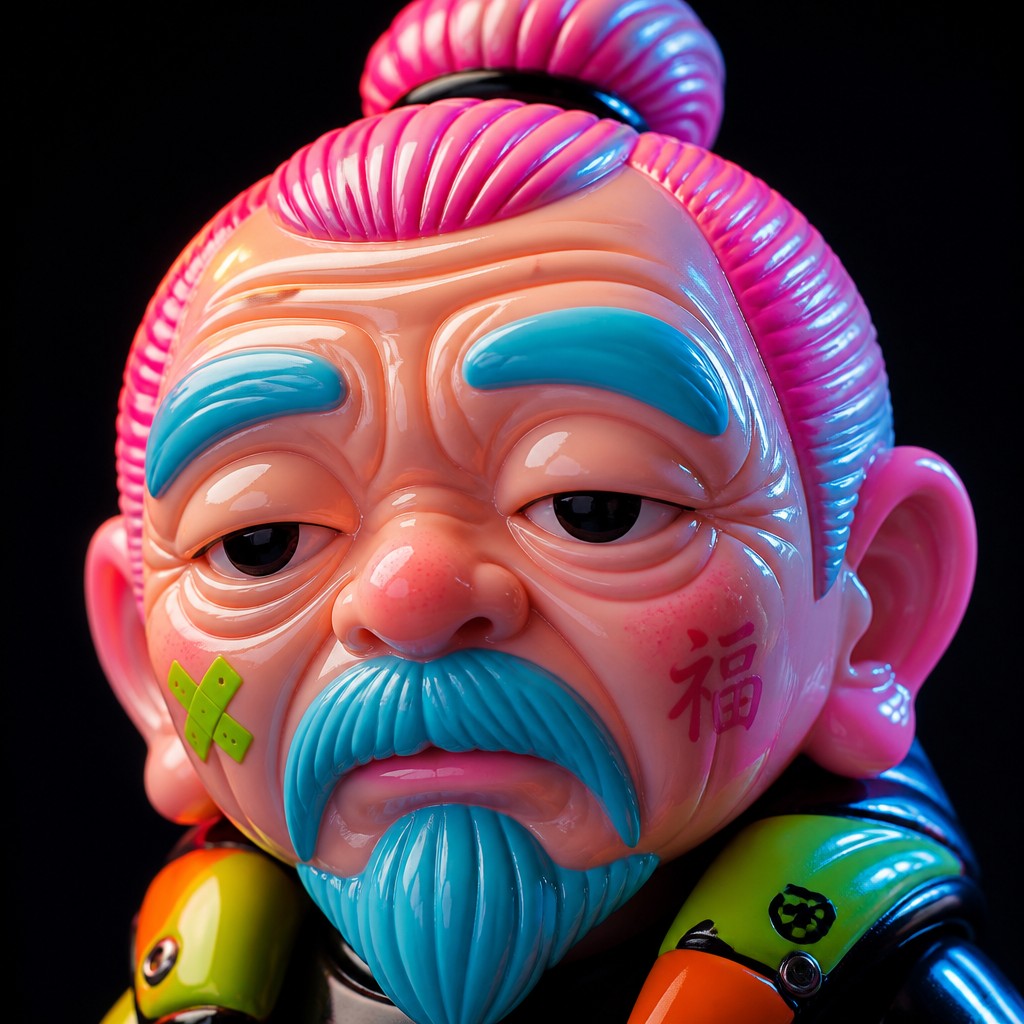
“close-up portrait of an elderly person with expressive weathered features”
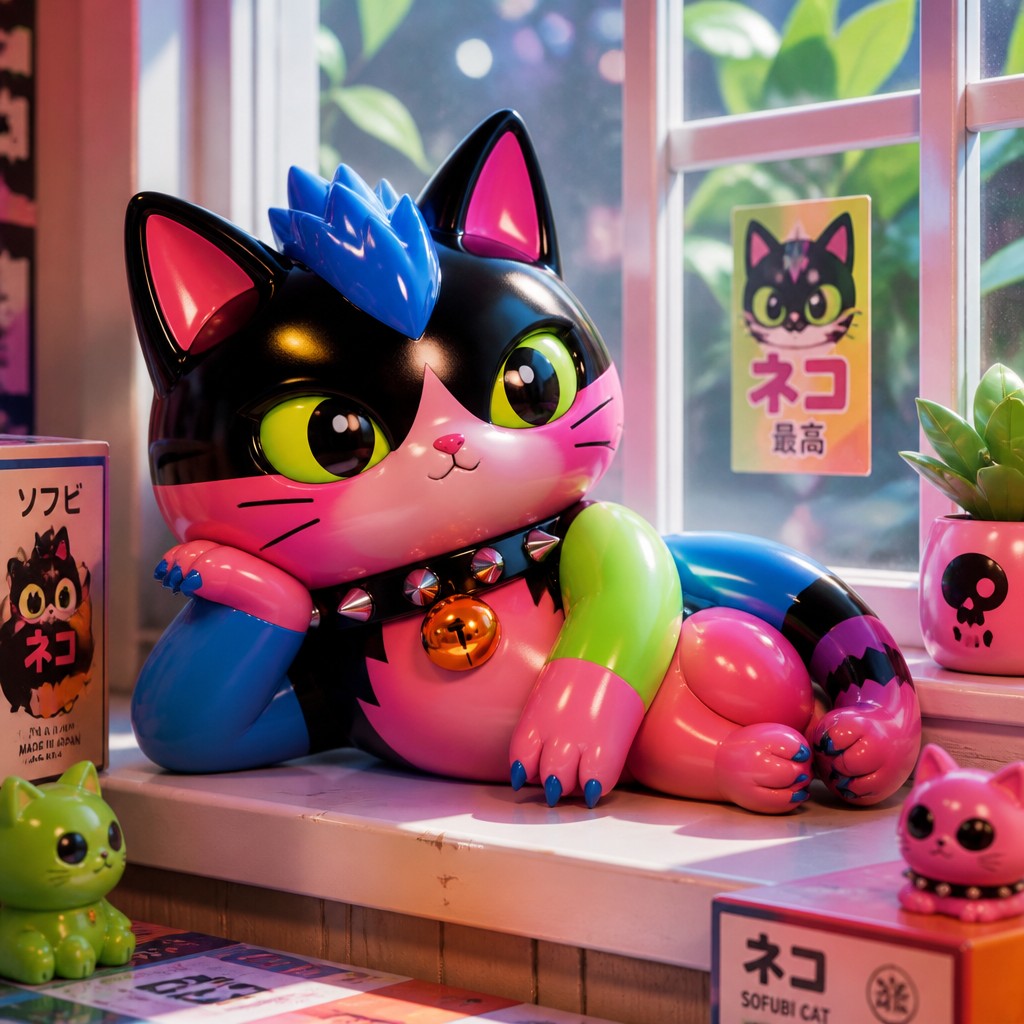
“a cat lounging in a sunlit window”
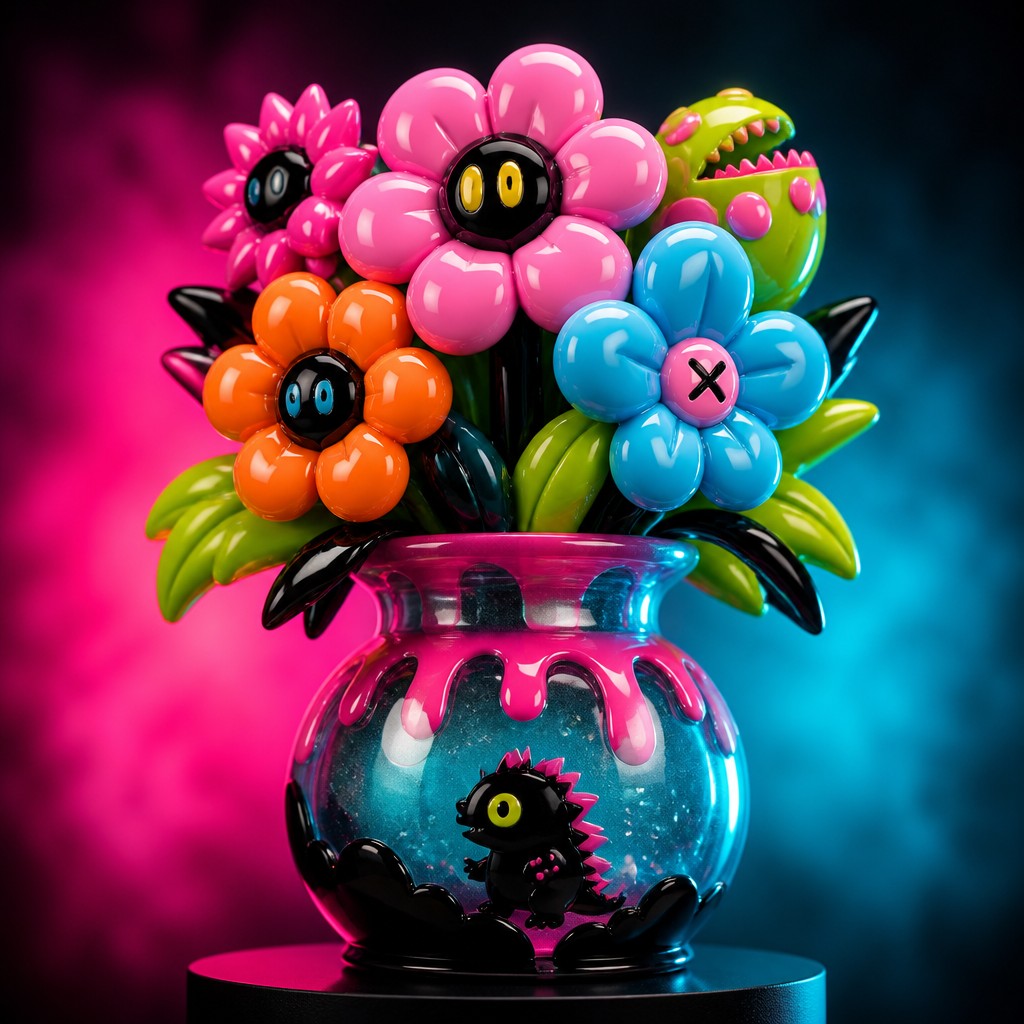
“bouquet of flowers in a glass vase”
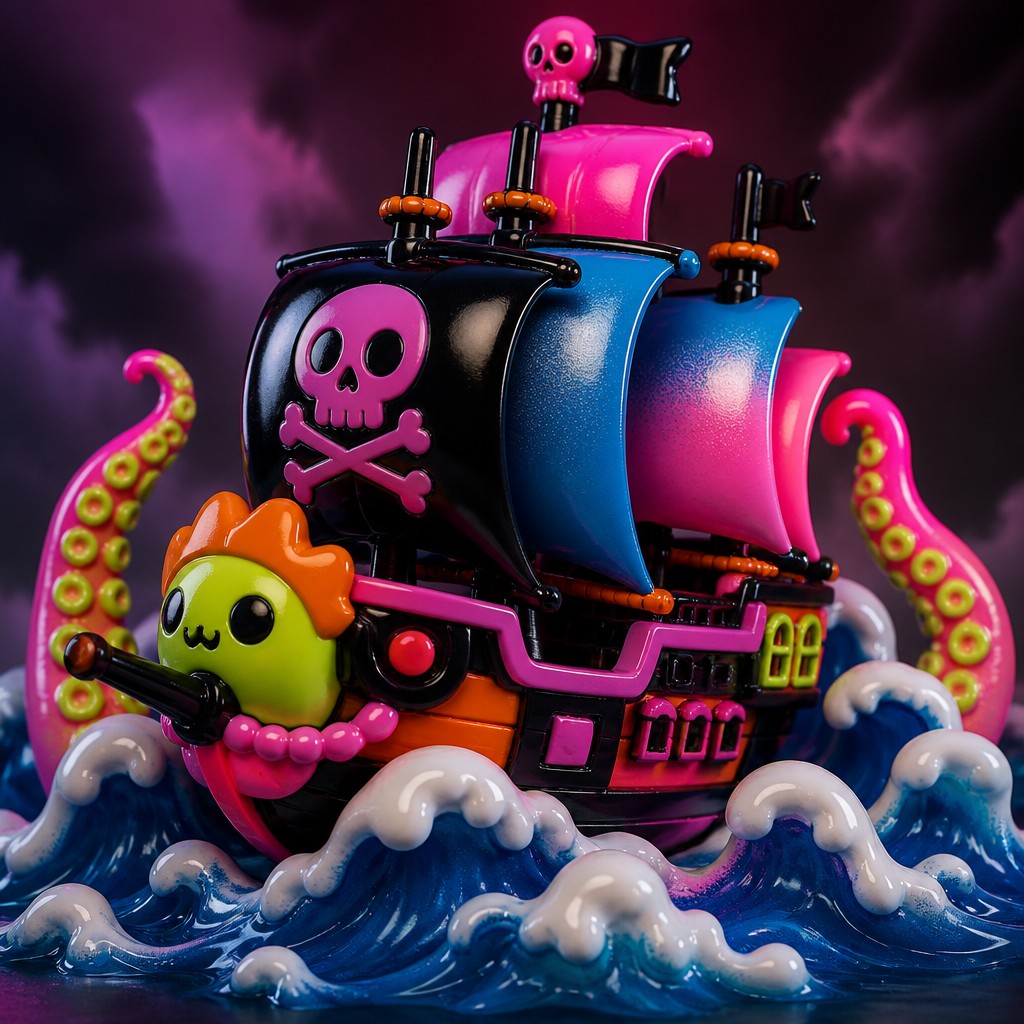
“sailing ship on a stormy sea”
How to Create Japanese Toy Art (Sofubi) Art
Master the craft step by step — or skip straight to creating. Read the full guide →
- 1
Design for silhouette first
Start with a compact, instantly readable outline and simplify anatomy into bold volumes. If sculpting physically, exaggerate the head, paws, horns, or torso so the figure feels toy-like from every angle.
- 2
Use smooth materials and visible joins
In traditional work, model with vinyl-friendly sculpting logic: rounded transitions, minimal undercutting, and intentional seam placement. In digital work, preserve the sense of molded assembly by keeping surfaces sleek and slightly manufactured.
- 3
Paint in bright layers with soft transitions
Use candy colors, pearl effects, and sprayed gradients rather than flat fills. Highlights, shadow tints, and small black accents help the piece feel like a finished collectible instead of a plain cartoon rendering.
- 4
Light it like a product photograph
Place the figure under studio lighting with clean reflections and colored gel accents to bring out curvature and gloss. A neutral or minimal background helps the sculptural form dominate the image.
- 5
Combine cute and monstrous cues
Mix manga-like facial clarity with kaiju features such as fangs, scales, claws, or extra eyes. The most convincing results keep the design playful rather than overly realistic.
- 6
If generating digitally, specify vinyl and finish details
Prompt for soft vinyl, glossy molded surfaces, seam lines, simplified volumes, fluorescent toy colors, and collectible figure presentation. Include the subject plus descriptive lighting and paint language so the result reads as a sofubi object rather than a generic cartoon.
The Story
History & Origins of Japanese Toy Art (Sofubi)
Sofubi emerged in Japan in the mid-20th century as soft vinyl toys became a practical and popular material for mass-produced figures. The term itself comes from the Japanese pronunciation of “soft vinyl,” and the format was especially important for kaiju toys tied to television and film properties such as major giant-monster franchises, a famous giant robot-themed character world, and other monster properties. These figures were inexpensive to produce, durable enough for play, and easy to mold into bold, simplified forms that translated well into colorful, memorable toys.
From the late 20th century onward, sofubi developed beyond character merchandise into a distinct collector and artist-driven field. Independent makers and designer-toy communities treated the format as a sculptural medium, producing original monsters, robots, and surreal mascot figures with hand-painted finishes and limited-run releases. This later development drew on Japanese pop culture, anime and manga character design, punk and underground art scenes, and the broader global designer-toy movement, while preserving the tactile appeal of traditional soft vinyl production.
Influences: Japanese Toy Art draws from postwar kaiju merchandising, manga and anime character design, and the broader history of Japanese mass-produced toys. It also overlaps with the designer-toy and art-toy movements that expanded soft vinyl into a collectible sculptural medium. For the broader visual culture, relevant traditions include pop art, character branding, and monster illustration; in the Japanese context, the influence of artists, independent creature-design communities, and major franchise-based character worlds rather than canonical fine-art movements is especially important.

Frequently Asked Questions
What defines Japanese Toy Art, or sofubi?
It is defined by soft vinyl figures with simplified sculptural forms, glossy finishes, and a strong collector-toy sensibility. The style often features kaiju monsters, manga-inspired characters, and original designer creatures painted in bright, playful colors.
How is sofubi different from regular cartoon art?
Sofubi is built around three-dimensional object design rather than flat illustration. Even when the subject is based on a cartoon-like character, the appeal comes from the molded volume, surface finish, and physical presence of a toy or sculpture.
Is Japanese Toy Art always about monsters?
No. Kaiju are central, but sofubi also includes robots, mascots, surreal characters, animals, and reinterpretations of manga or pop-culture figures. What unifies the style is the soft vinyl object language, not a single subject type.
Why do sofubi figures often look hand-painted or limited edition?
Many are produced in small runs, custom-painted, or finished with layered spray and brush effects that highlight craft. Even mass-produced examples often imitate the look of hand-finished collectibles, which is part of the style’s charm.
How do I make an image look like sofubi?
Use rounded toy proportions, glossy molded surfaces, strong highlights, and a bright candy-colored palette with black accents. The subject should feel like a collectible figure photographed in a studio, not a rendered plastic model from a generic product ad.
Where is Japanese Toy Art used today?
It appears in collectible toys, designer figures, gallery editions, pop-culture merchandise, and digital character design. The style is popular with collectors because it sits between sculpture, illustration, and fan culture.
Create your first Japanese Toy Art (Sofubi) artwork
Describe anything — or upload a photo — and see it in Japanese Toy Art (Sofubi) in seconds.
Make Something with Japanese Toy Art (Sofubi)
Related Styles
Discover similar art styles