Wildlife Nature Art
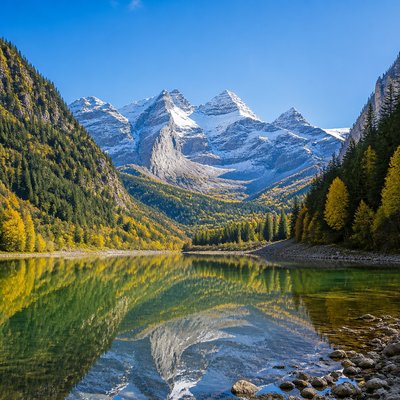
Realistic wildlife art with natural habitats, lifelike animal detail, earthy color, and atmospheric light in painting, drawing, or digital form.
Instantly rendered in Wildlife Nature — or transform a photo
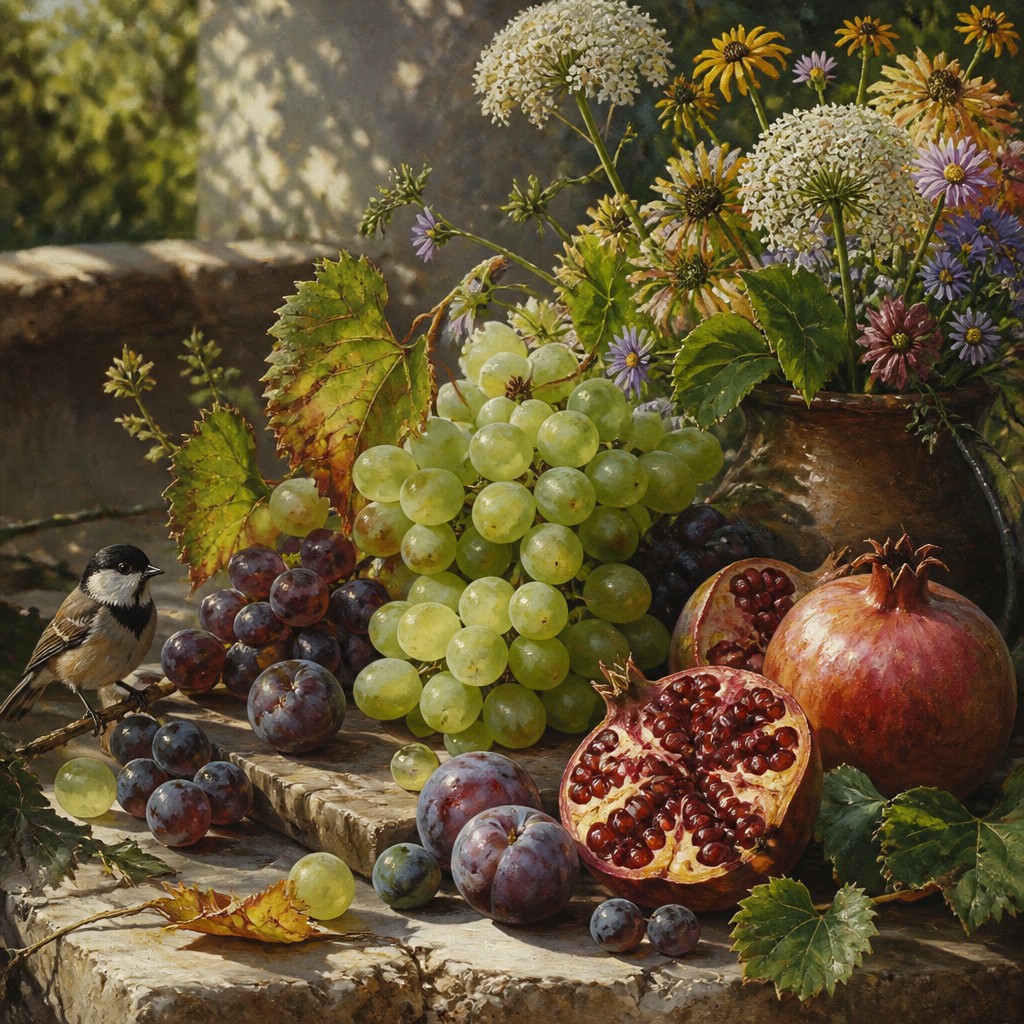
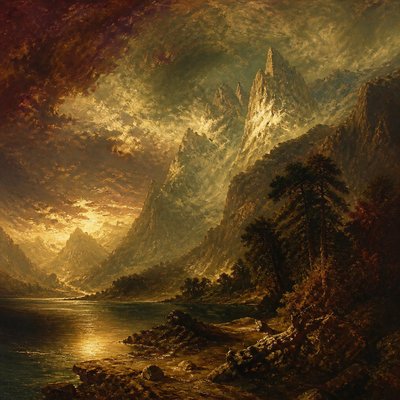
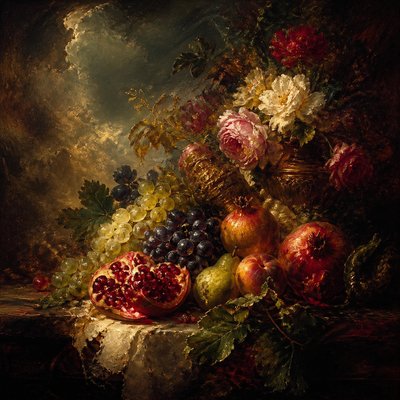
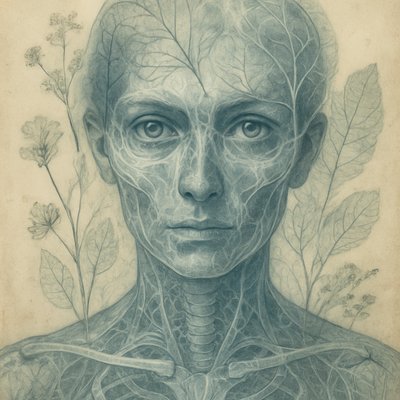
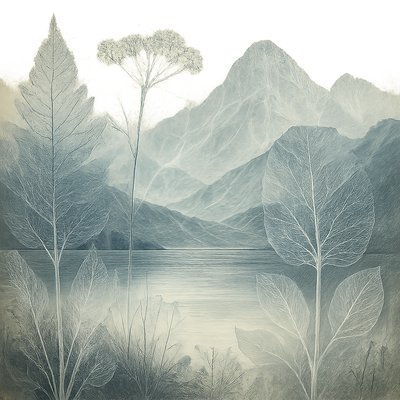
Wildlife Nature Gallery
Tap any artwork to explore it
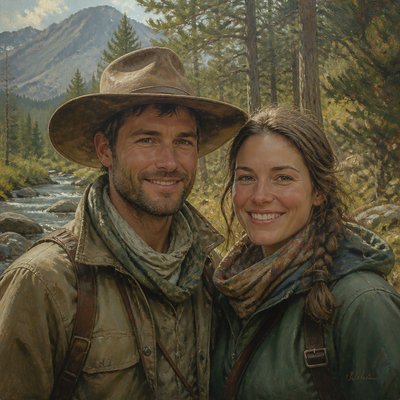
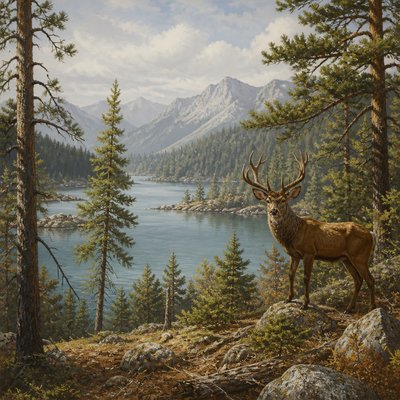
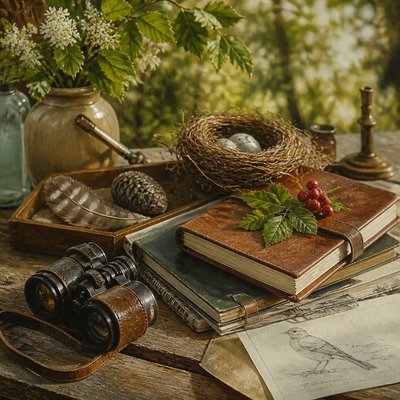
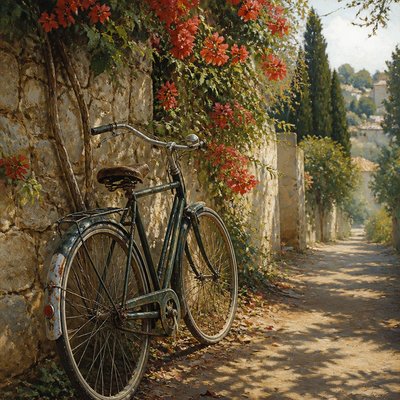
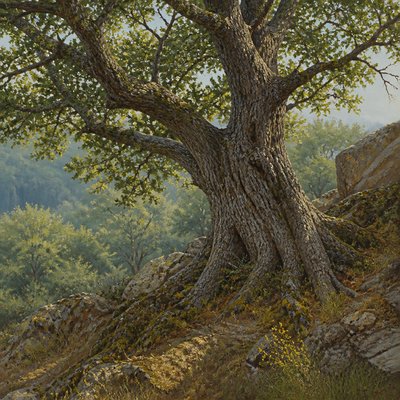
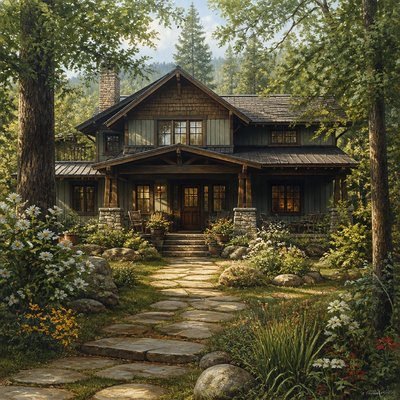
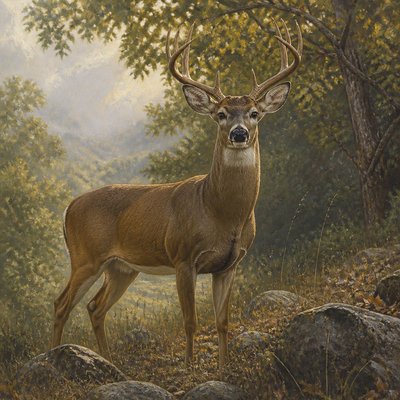
What is Wildlife Nature Art?
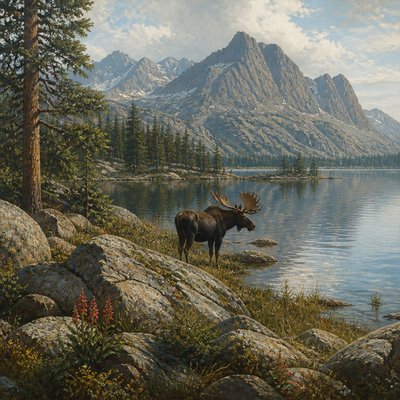
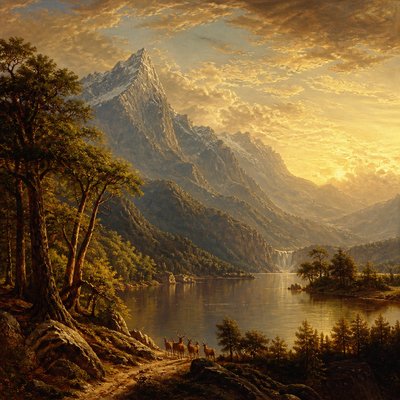
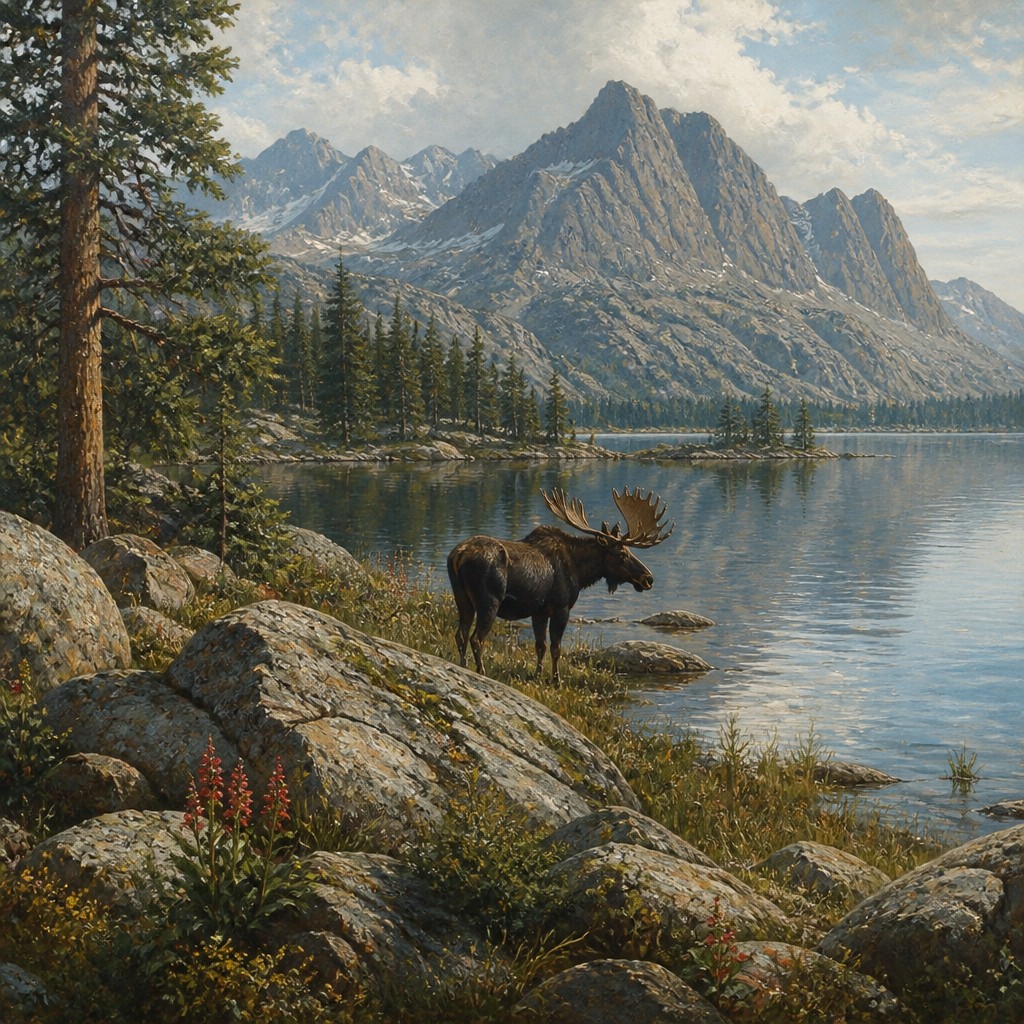
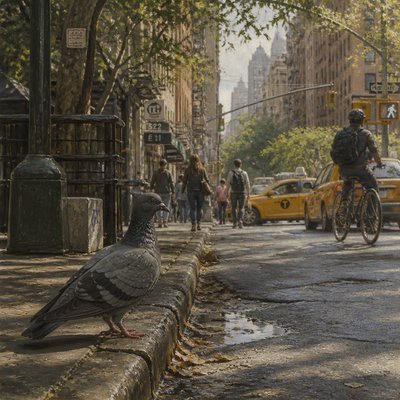
Wildlife Nature Art depicts animals in their natural environments with an emphasis on accurate anatomy, habitat, behavior, and atmosphere. It can be highly realistic or more interpretive and painterly, but it usually aims to show living creatures as part of a larger ecological setting rather than as isolated portraits.
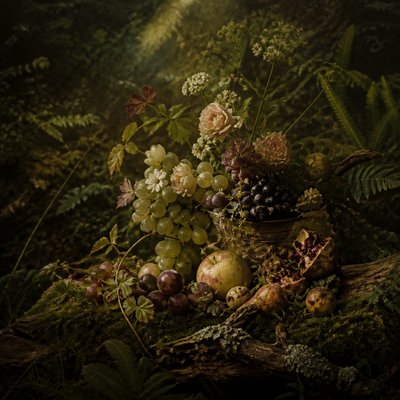
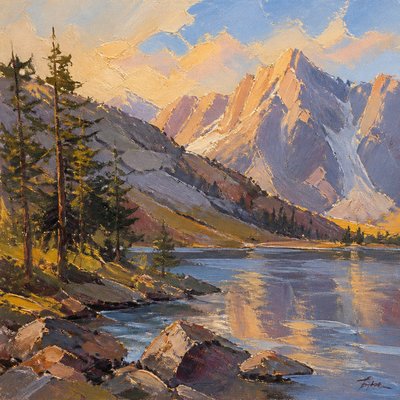
Its visual identity comes from close observation of nature: fur, feathers, scales, and vegetation are rendered with tactile attention, while light and distance are used to create depth and a sense of place. The style often combines documentary clarity with an expressive, warm treatment of color and texture, so the image feels both scientifically attentive and aesthetically composed.
Try It On Your Photos
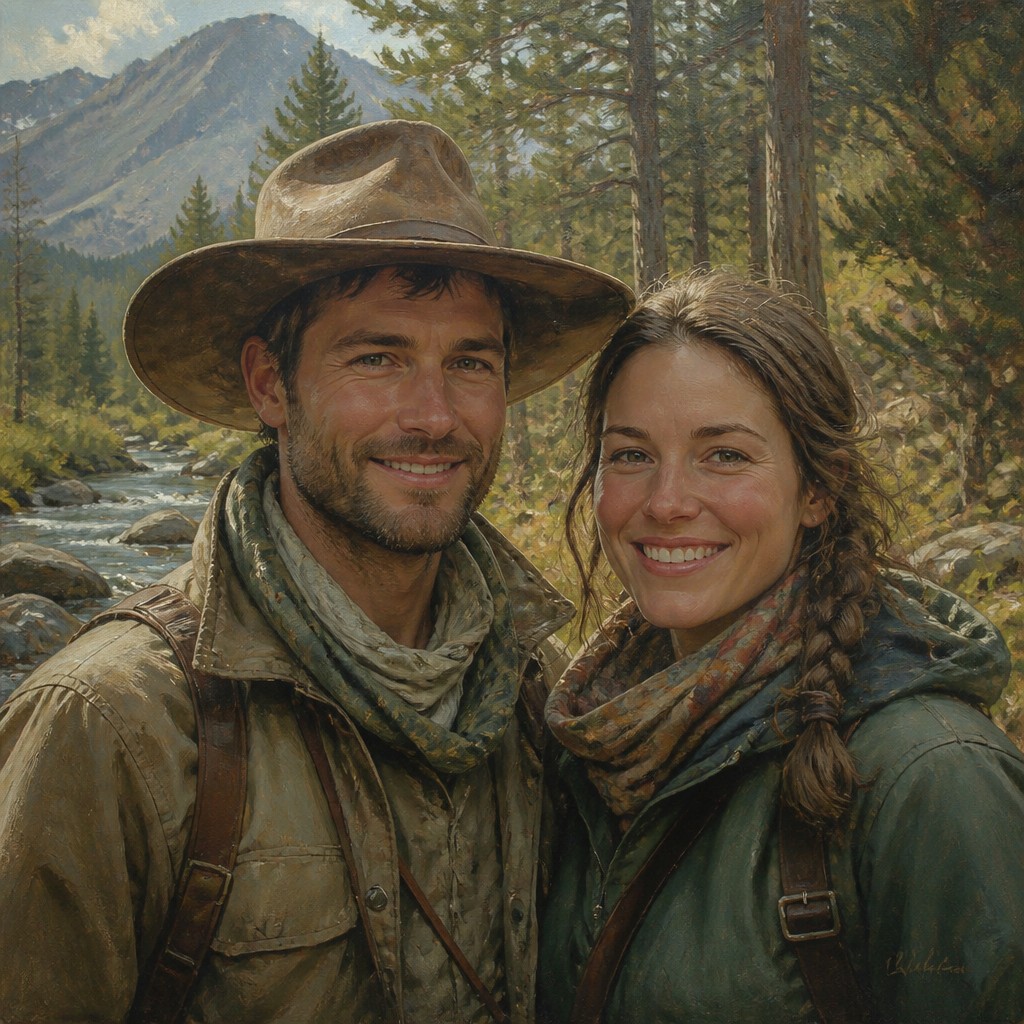
Upload any photo and convert it into Wildlife Nature Art — drag the sliders to compare before and after.


What Defines Wildlife Nature Art
The signature details, up close
Species-specific anatomy
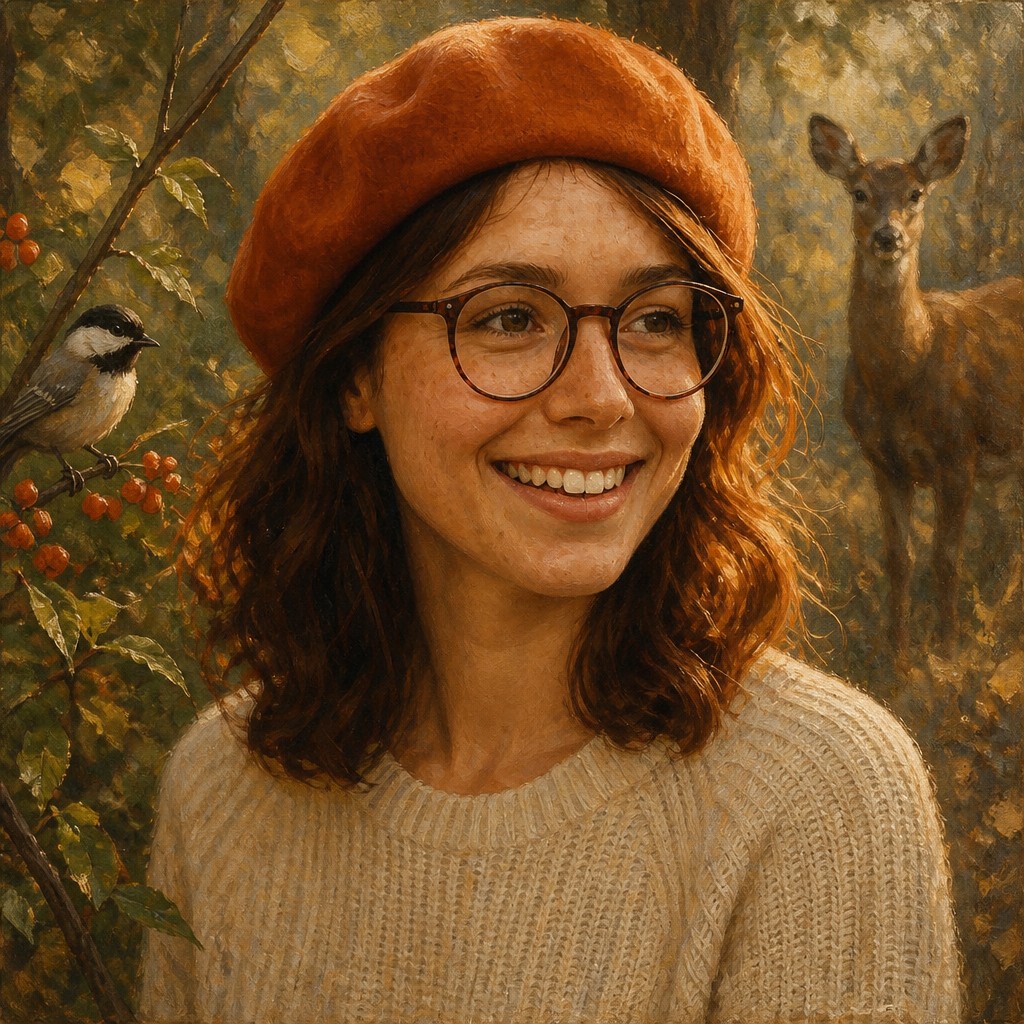
Animals are drawn with careful attention to proportions, posture, and movement. The goal is believability, so eyes, limbs, feathers, fur, and musculature usually reflect how the animal truly looks.
Natural habitat context
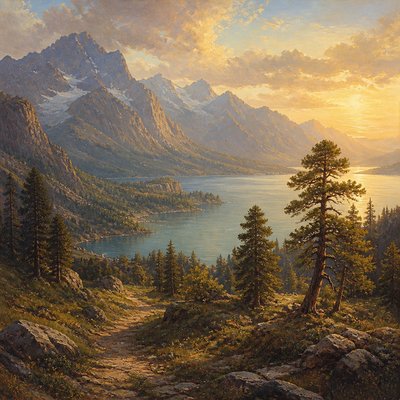
Subjects are typically placed in forests, grasslands, wetlands, mountains, oceans, or other authentic environments. The setting helps tell a story about behavior, season, and ecology.
Organic surface texture
Fine marks suggest fur, scales, bark, leaves, mud, water, and stone. Even when stylized, the surfaces usually retain a tactile, nature-based quality.
Earth-toned color palette
Browns, greens, grays, ochres, blues, and muted reds often dominate, with brighter accent colors used sparingly for flowers, plumage, reflections, or sunset light.
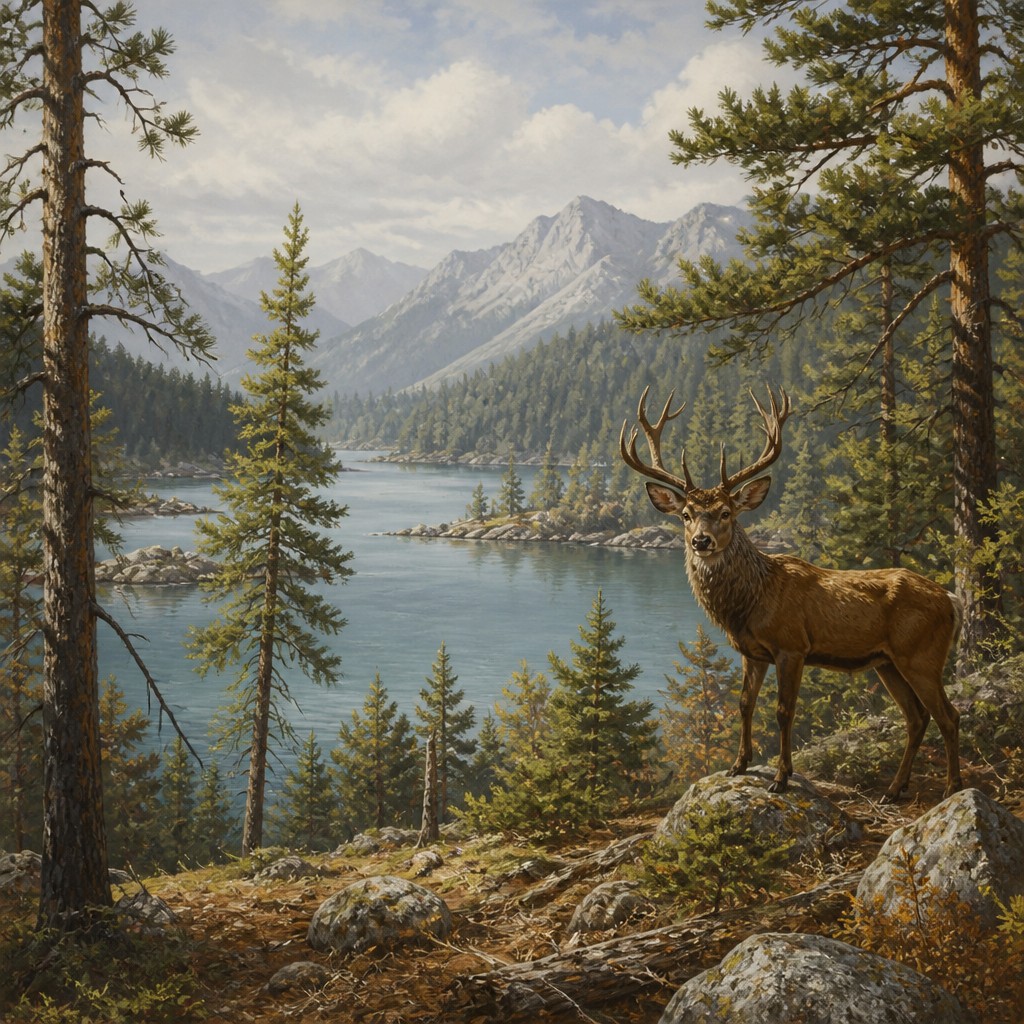
Atmospheric depth
Foreground animals or plants are often sharper and more detailed than the background. Soft haze, distance blur, or layered scenery creates a sense of open air and real space.
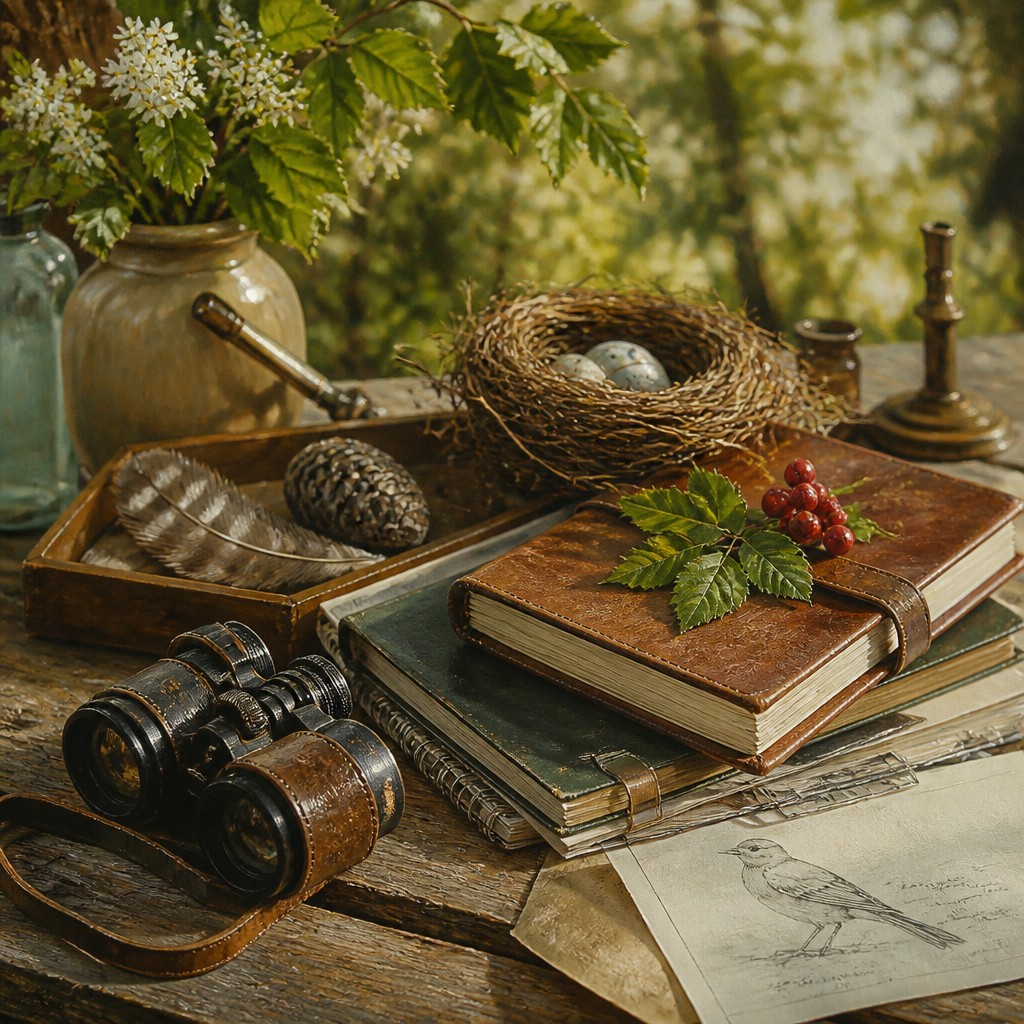
Natural light and weather
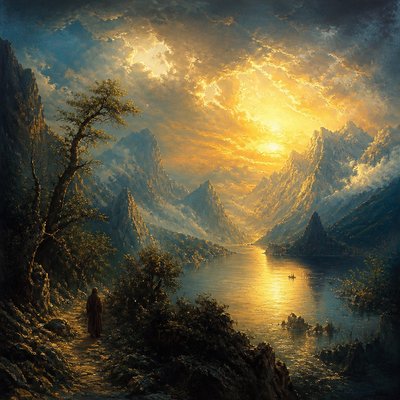
Soft daylight, dappled shade, mist, rain, or golden-hour illumination are common. These effects reinforce realism and help unify the subject with its environment.
Try It
Create Videos in Wildlife Nature Art
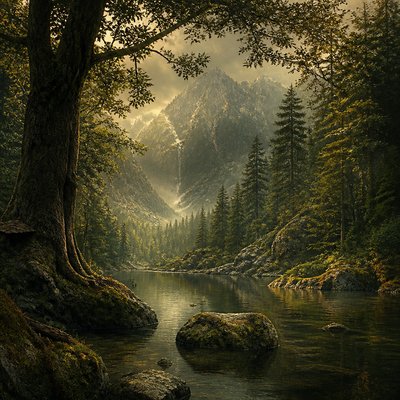
Styles aren't just for stills — describe a scene or animate an image and get a short video rendered in Wildlife Nature. Press play to see this pond come to life.
Make a VideoWildlife Nature Prompt Ideas
Start from an idea — each one opens the generator with the style ready to go. See all 40 Wildlife Nature prompts →
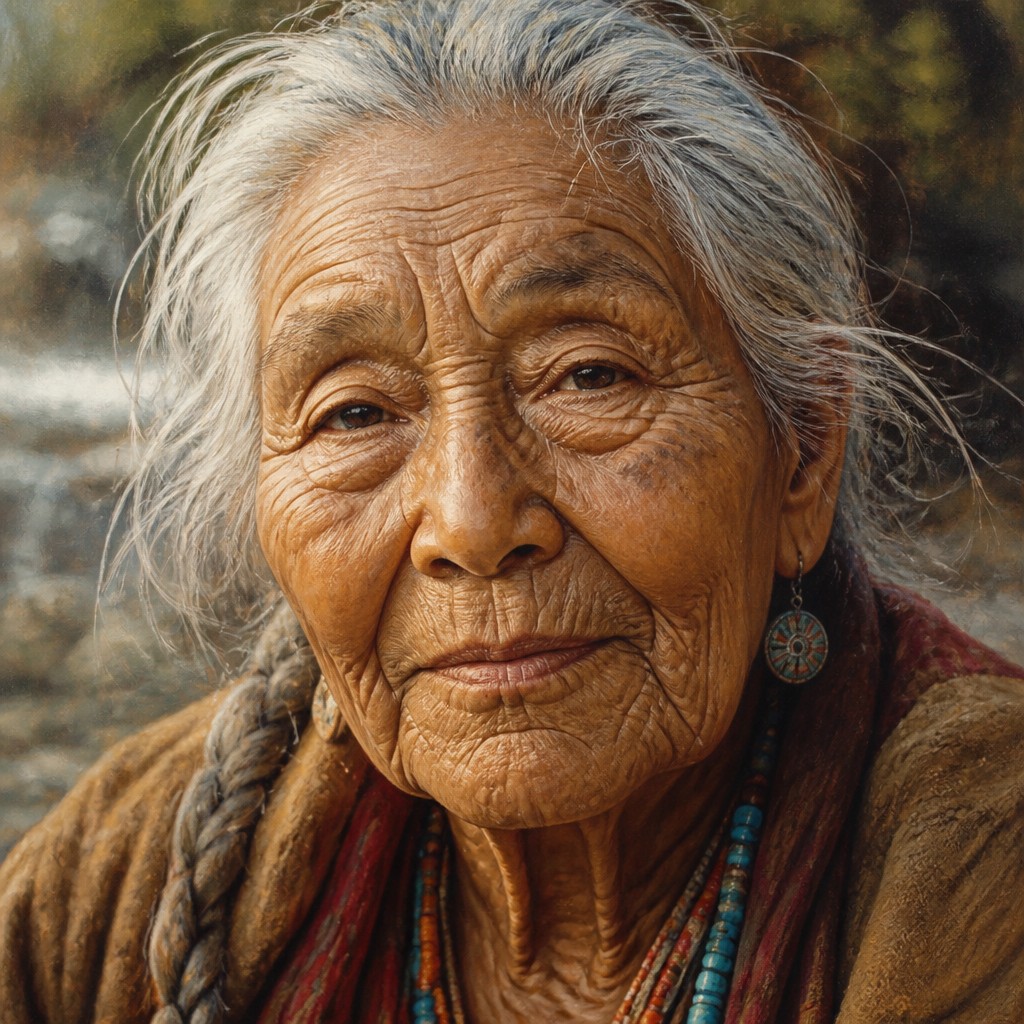
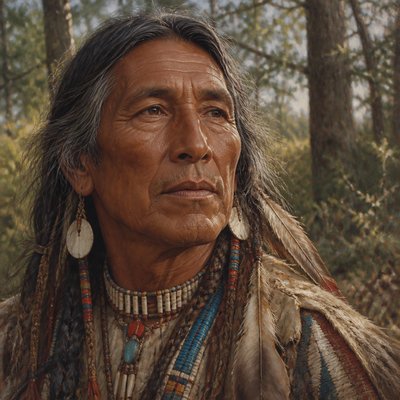
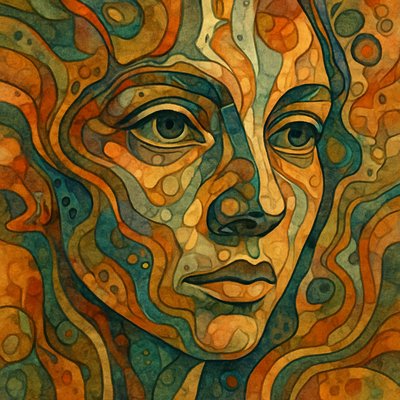
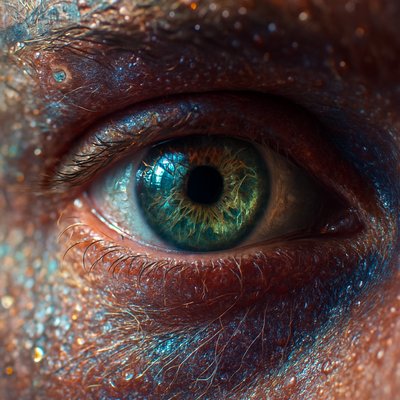
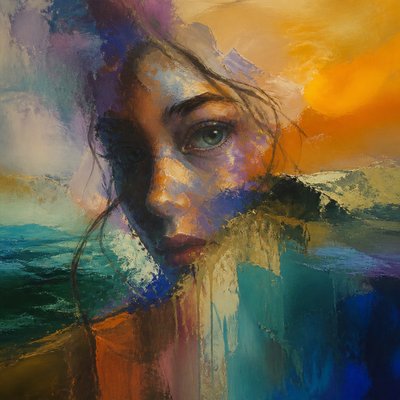
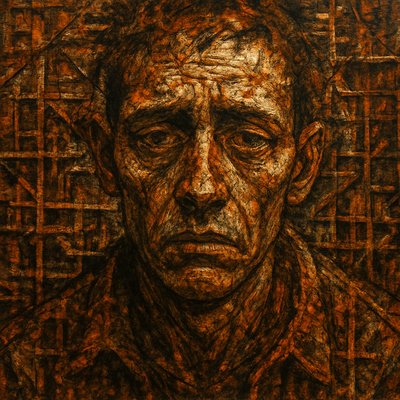
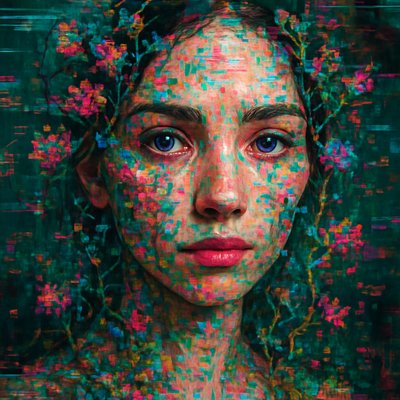
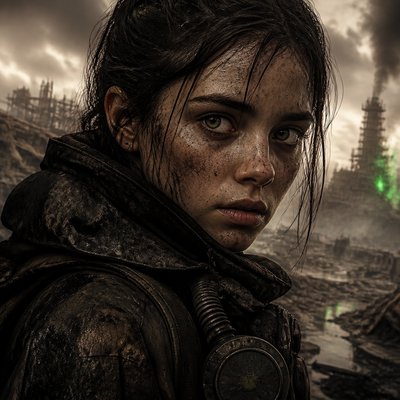
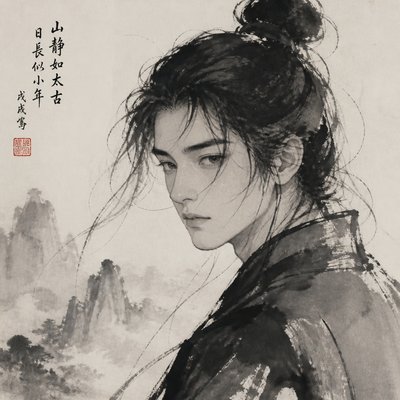
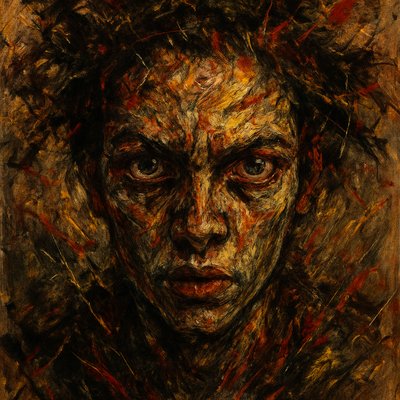
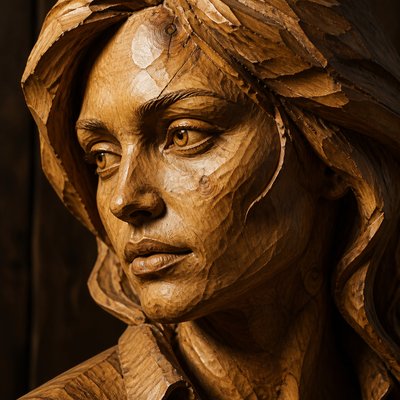
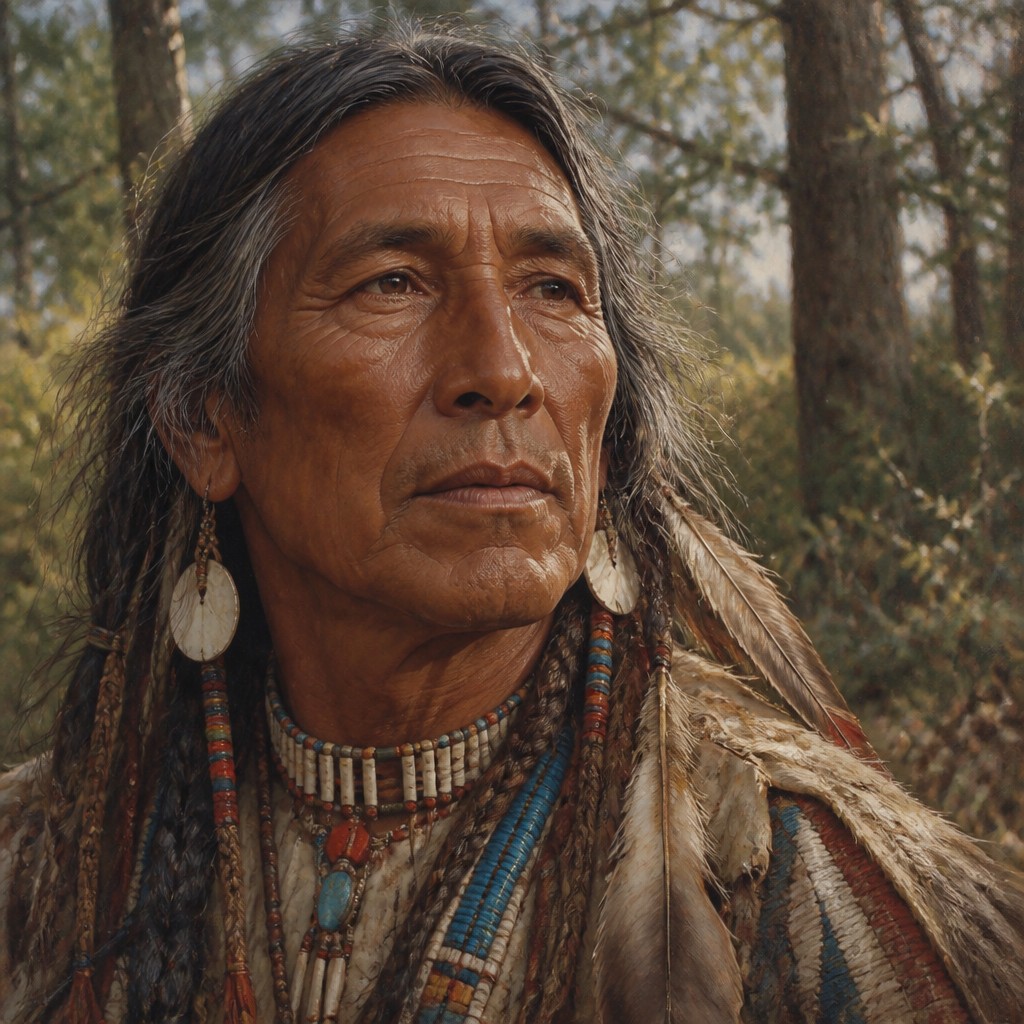
“close-up portrait of an elderly person with expressive weathered features”
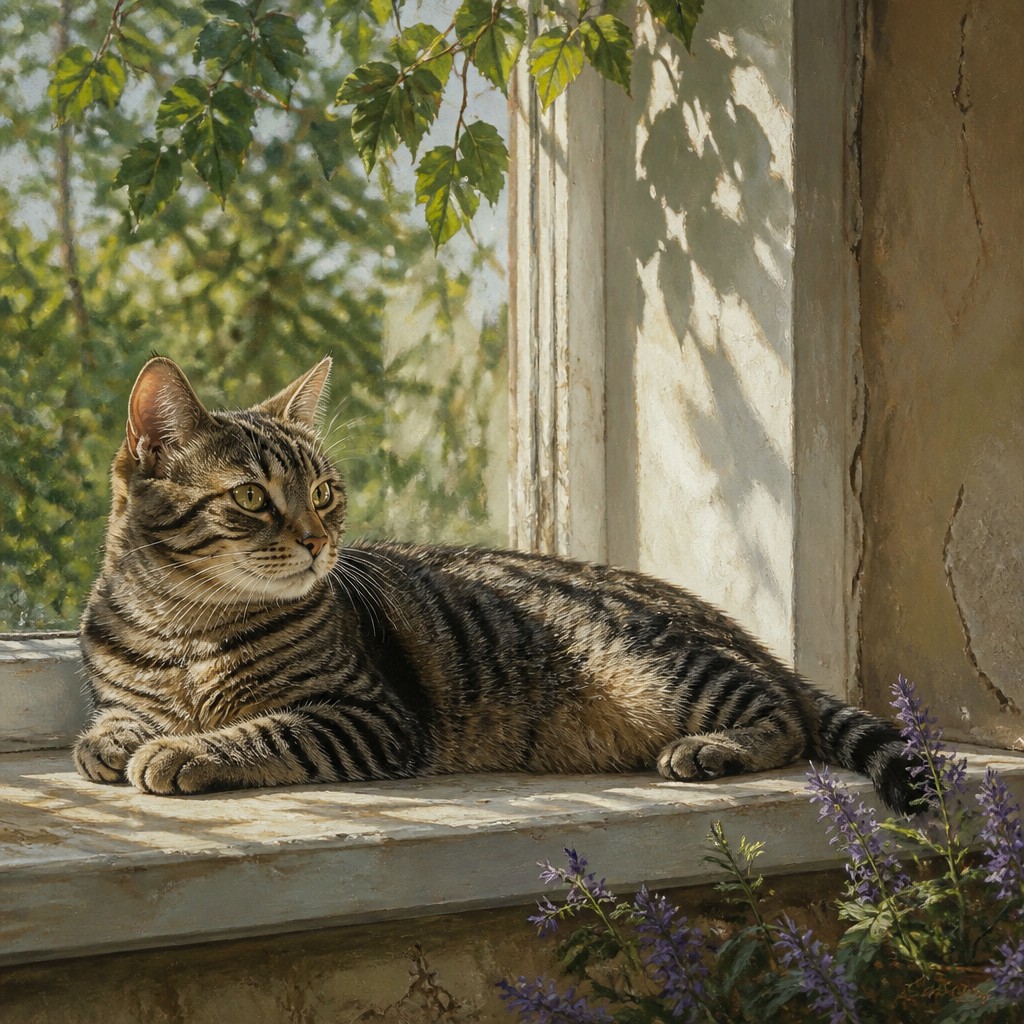
“a cat lounging in a sunlit window”
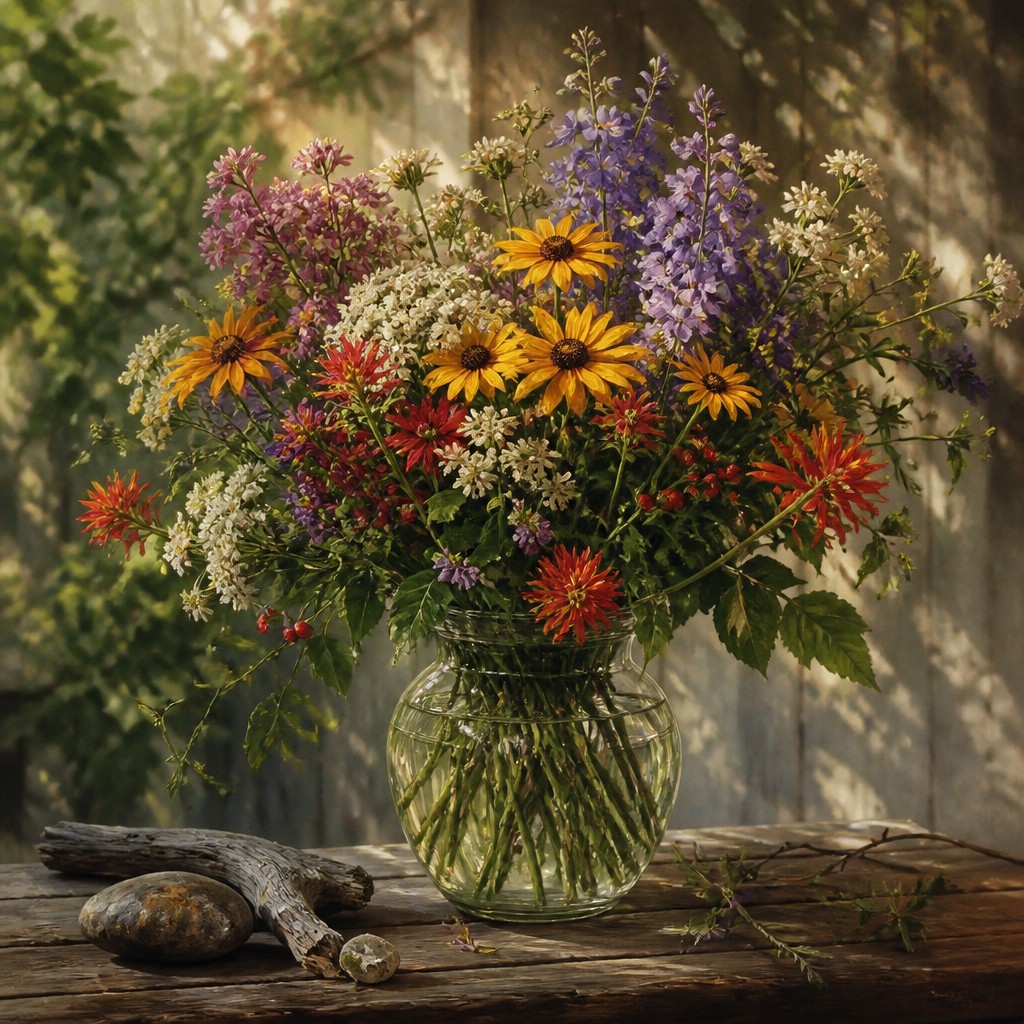
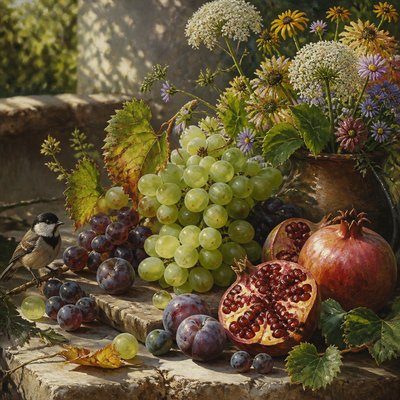
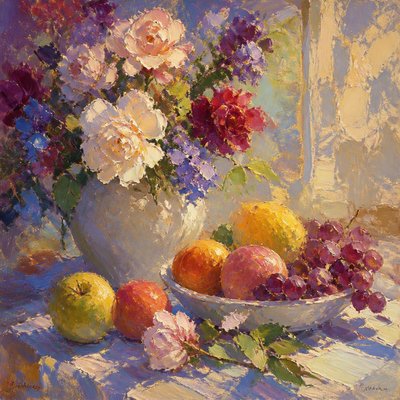
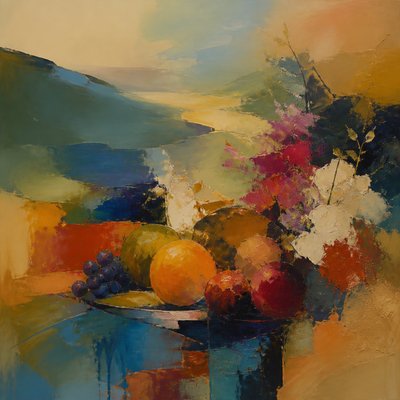
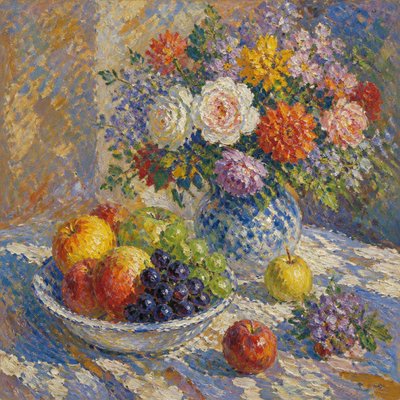
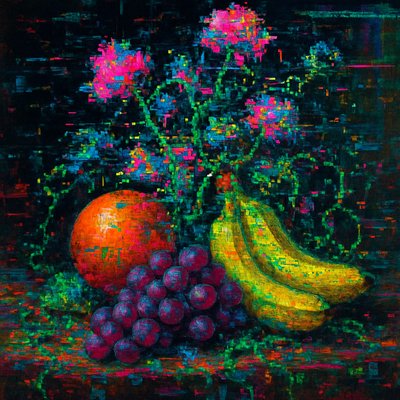
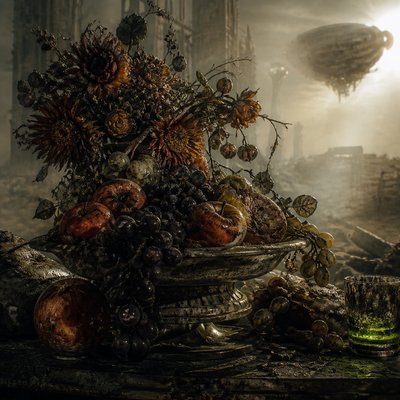
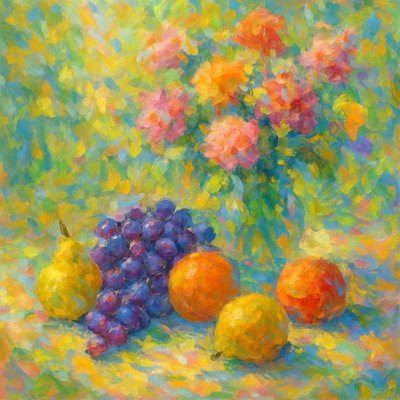
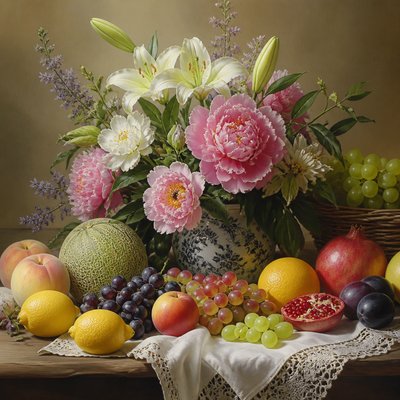
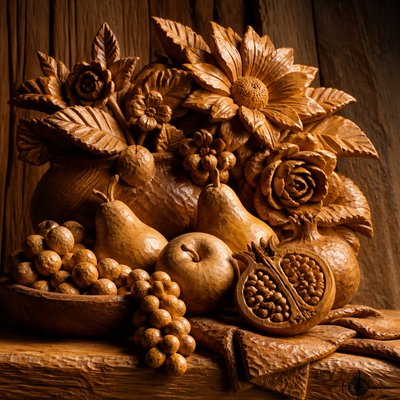
“bouquet of flowers in a glass vase”
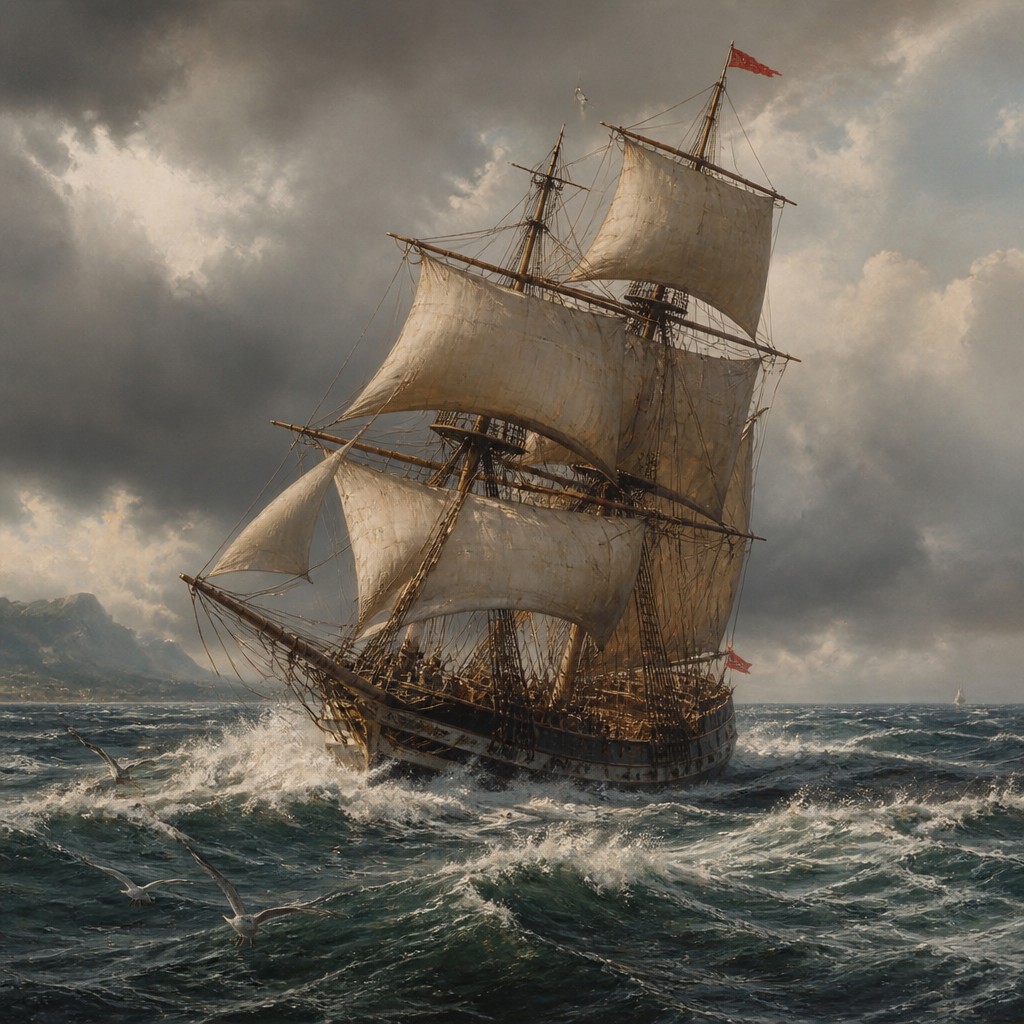
“sailing ship on a stormy sea”
How to Create Wildlife Nature Art
Master the craft step by step — or skip straight to creating. Read the full guide →
- 1
Start from observation
Use reference photos, field sketches, or zoological references to get the anatomy and habitat right. Even stylized wildlife images feel convincing when the stance, proportion, and environment are grounded in real observation.
- 2
Build the scene in layers
Block in the background first, then place the animal as part of the setting rather than floating on top of it. Add foreground detail, midground foliage, and atmospheric distance so the composition feels dimensional.
- 3
Render texture selectively
Spend the most detail on the face, fur, feathers, or focal animal features, and simplify distant areas. Traditional media can use fine brushwork or pencil layering; digital work can combine textured brushes with soft blending for depth.
- 4
Use natural light cues
Specify time of day, weather, and light direction to shape mood. In prompts, terms like soft diffused daylight, dappled shadows, mist, or golden-hour light help produce the characteristic atmosphere.
- 5
Keep behavior believable
Choose poses that reflect real movement: stalking, resting, grooming, flying, hunting, or alert observation. For generation prompts, include the animal’s action and habitat so the image has documentary credibility.
- 6
Balance realism with warmth
A wildlife image does not need to be clinically literal; slight painterly softness, richer color harmony, and expressive composition can make it more engaging. Prompt for lifelike detail plus painterly rendering when you want that hybrid look.
The Story
History & Origins of Wildlife Nature
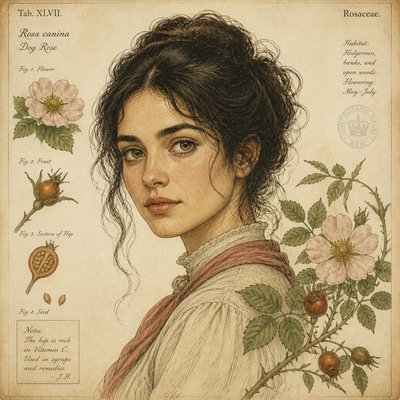
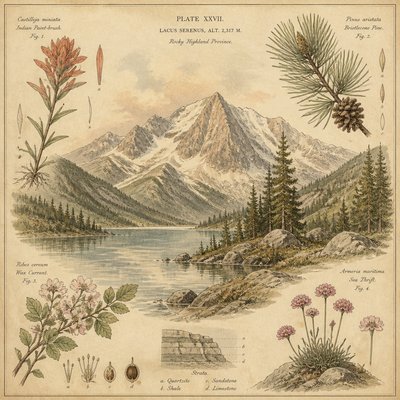
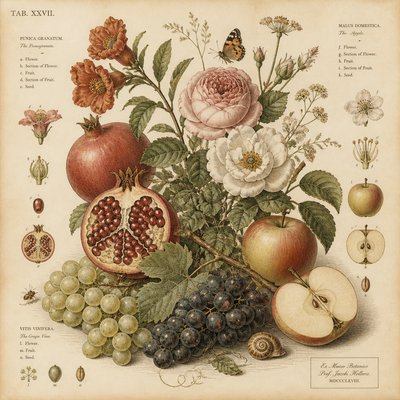
Wildlife Nature Art has no single founding moment; it grows out of a long tradition of natural history illustration, animal painting, and landscape observation. Its roots lie in scientific specimen drawing, field sketching, and the 18th- and 19th-century expansion of illustrated nature books, museum plates, and expedition art, where accuracy and legibility were essential.
In the 19th and 20th centuries, wildlife art developed as a recognized genre through painters and illustrators who specialized in birds, mammals, and wilderness scenes. It draws from naturalist illustration, plein-air landscape practice, and ethnographic or documentary approaches to observation, while contemporary versions often blend realistic rendering with digital painting, mixed media, and cinematic lighting.
Influences: This style is closely related to natural history illustration, scientific illustration, plein-air landscape painting, and animal painting. It also overlaps with the work of canonical wildlife artists such as leading North American bird and animal specialist illustrators, major early-20th-century North American game and wilderness painters, and prominent Scandinavian animal painters, whose practices helped define accurate animal depiction in art. Contemporary wildlife imagery may also borrow from documentary photography and conservation visual culture.
Frequently Asked Questions
What defines Wildlife Nature Art?
It is defined by believable animals placed in their natural habitats, with strong attention to anatomy, behavior, and environment. The style may be realistic or painterly, but it usually preserves a sense of observation and ecological context.
Is this the same as animal illustration?
Not exactly. Animal illustration can include pets, cartoons, diagrams, or decorative images, while Wildlife Nature Art specifically focuses on wild species and their ecosystems. It tends to emphasize realism, habitat, and natural behavior more strongly.
How realistic should the animals look?
That depends on the intended effect. Some versions are documentary and highly accurate, while others are stylized with softer brushwork or more expressive color, but the animal should still feel grounded in real biology.
What kinds of subjects work best in this style?
Wild mammals, birds, reptiles, fish, and insects all work well, especially when shown in recognizable habitats. Scenes that include weather, seasonal change, or natural behavior often feel especially convincing.
Where is this style commonly used?
It is widely used in books, magazines, conservation materials, field guides, posters, museum displays, and decorative wall art. It also appears in editorial illustration and concept imagery centered on nature and ecology.
How do I make my image feel more authentic?
Use a specific species, a real habitat, and a believable action or pose. Adding light conditions, vegetation native to the region, and subtle atmospheric depth will make the result feel much more natural.
Create your first Wildlife Nature artwork
Describe anything — or upload a photo — and see it in Wildlife Nature Art in seconds.
Make Something with Wildlife Nature
Related Styles
Discover similar art styles