Modern Architecture Art
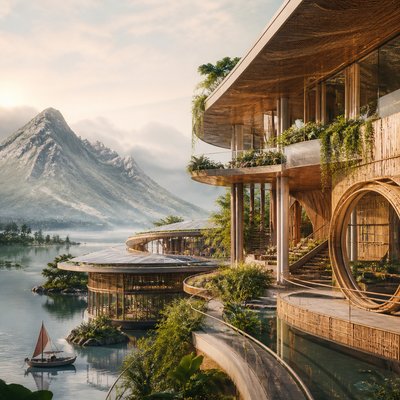
Clean-lined contemporary architecture with glass, concrete, open space, and nature-integrated minimal design.
Instantly rendered in Modern Architecture — or transform a photo
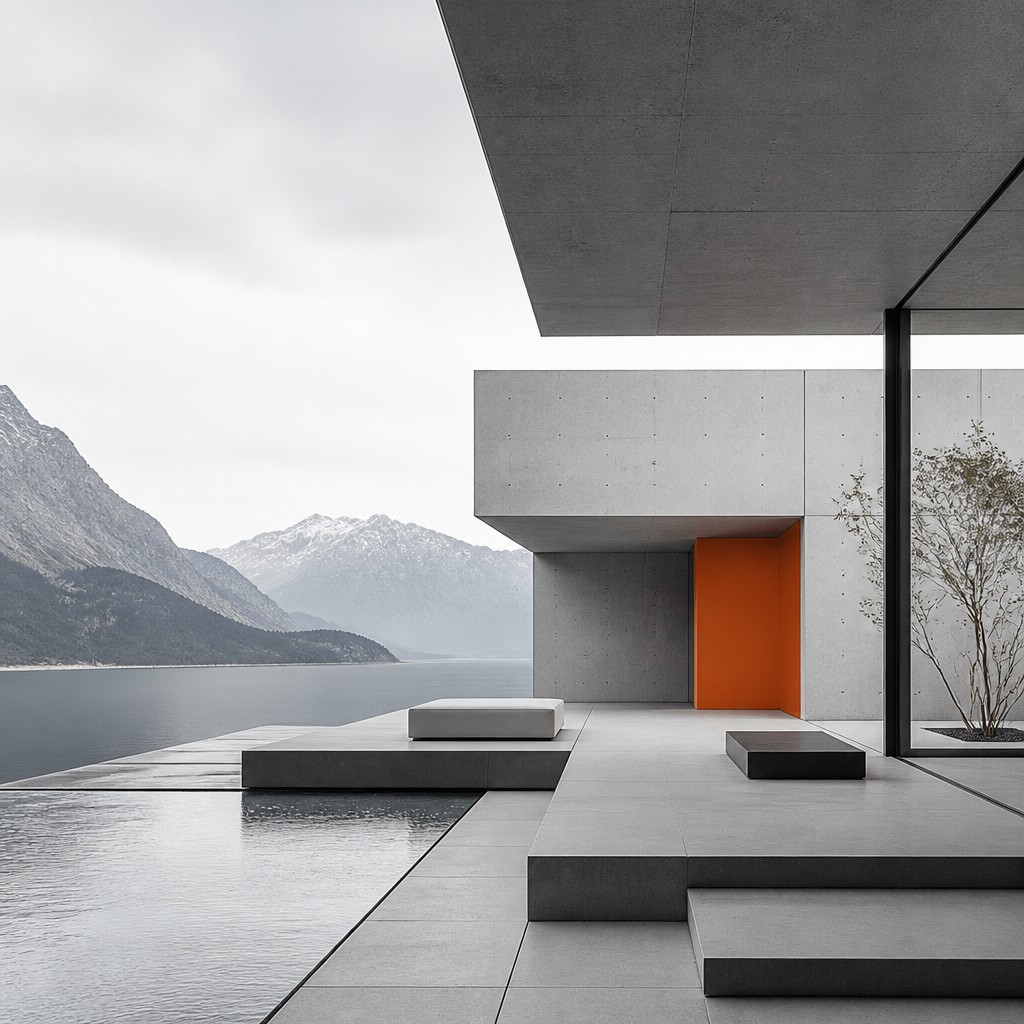
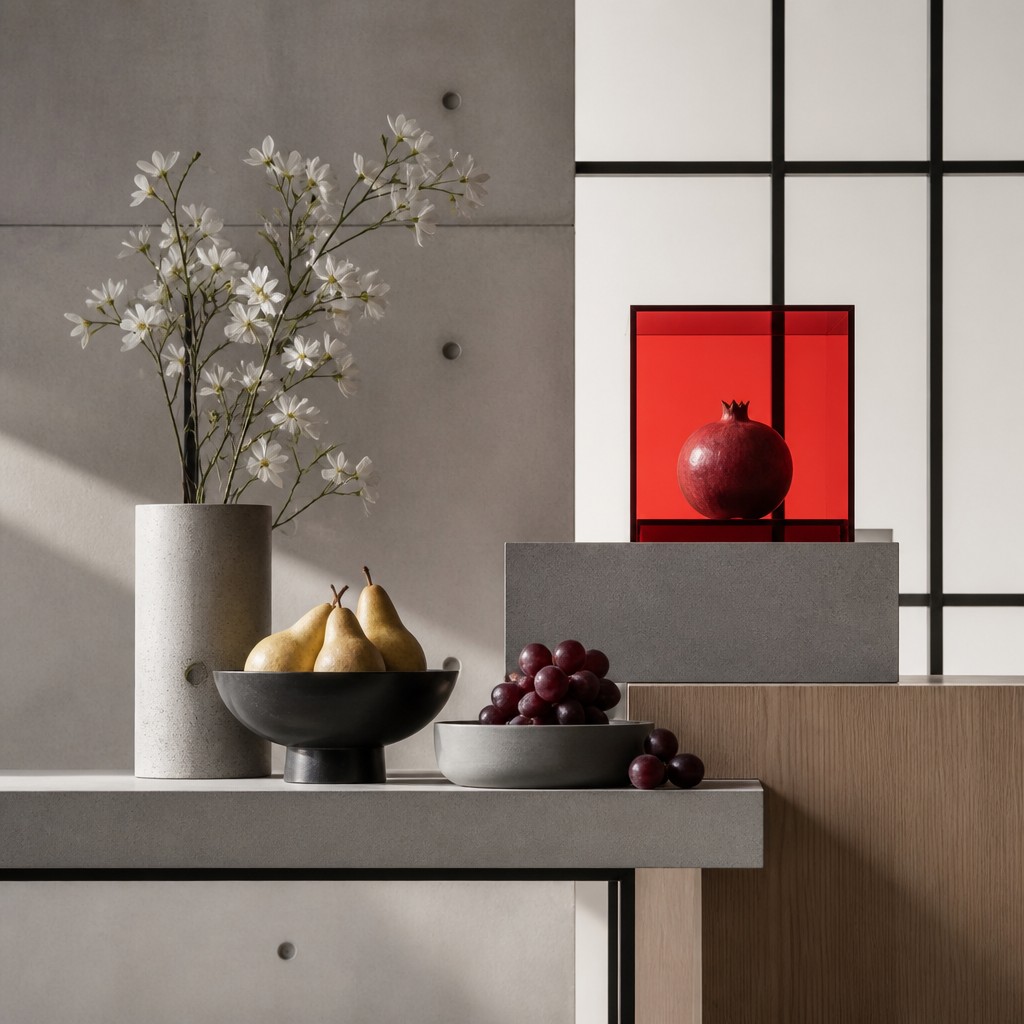
Modern Architecture Gallery
Tap any artwork to explore it

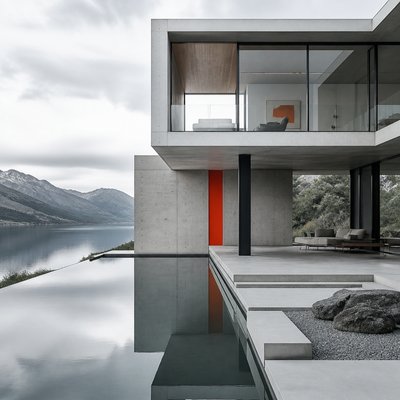
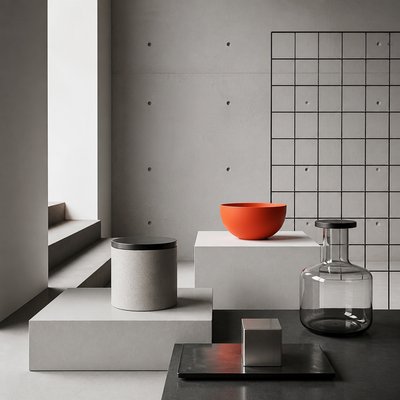
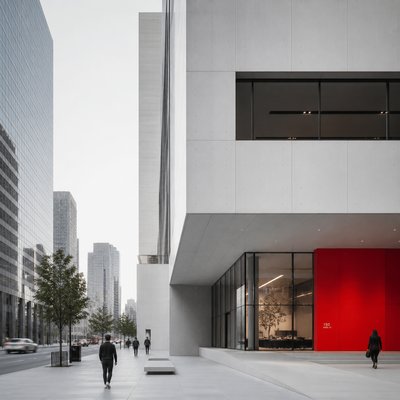
What is Modern Architecture Art?
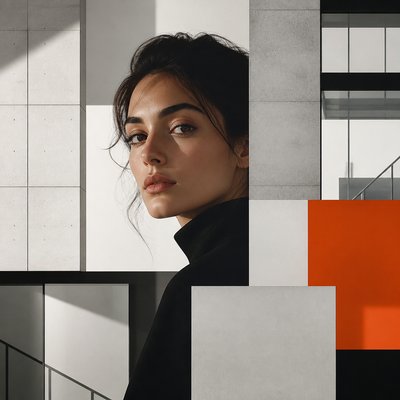
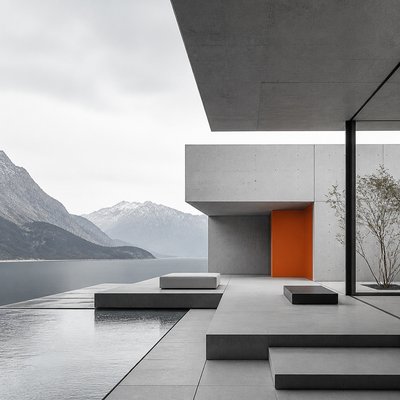
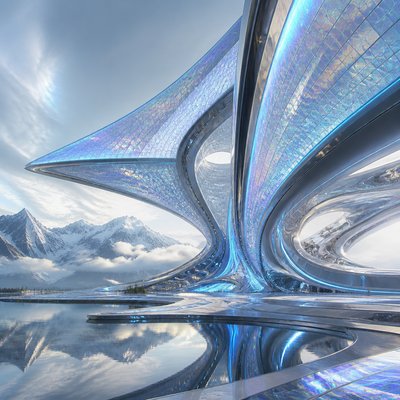
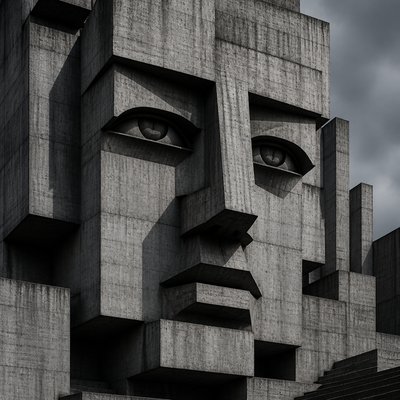
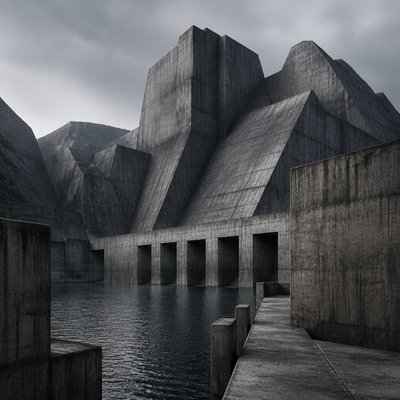
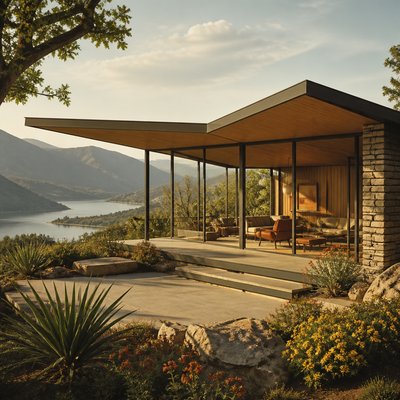
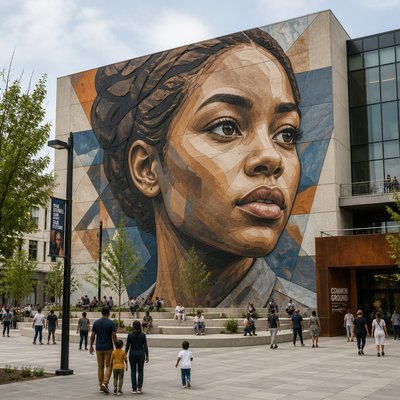
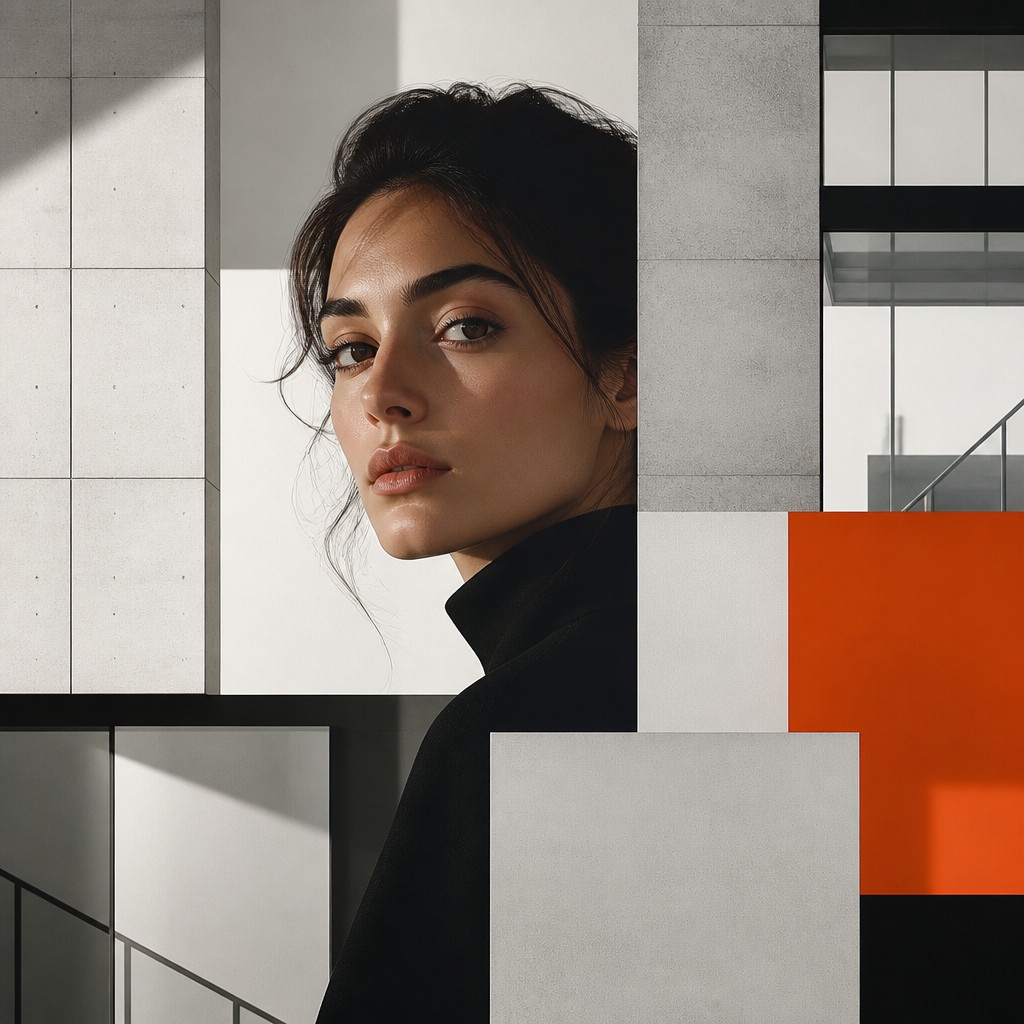
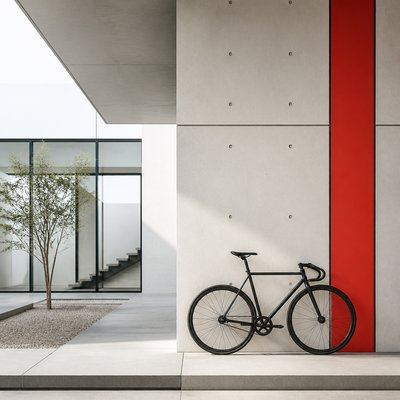
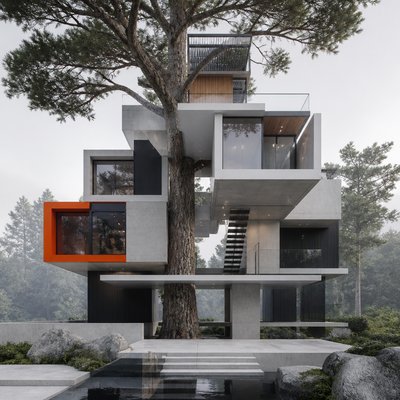
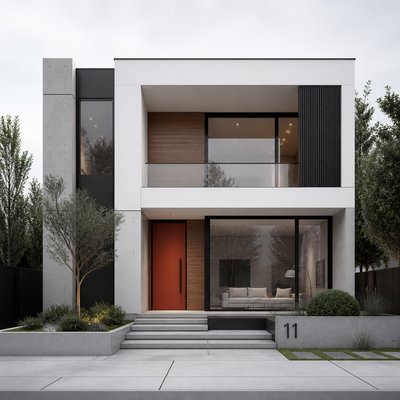
Modern Architecture Art centers on the visual language of contemporary building design: clean geometry, open interiors, expansive glazing, and a disciplined relationship between structure and surroundings. Its look is defined by precision rather than ornament—flat planes, crisp edges, modular repetition, and a careful balance of solid mass against void. The result is an image of architecture as clarity, efficiency, and spatial order.
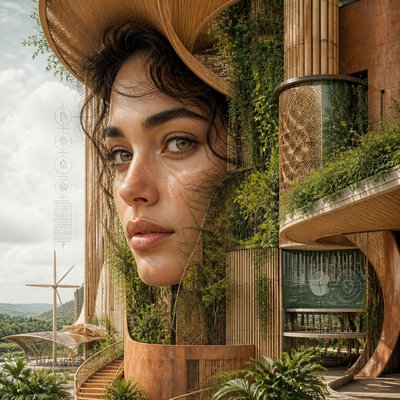
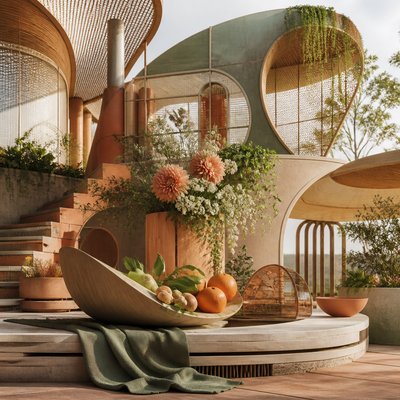
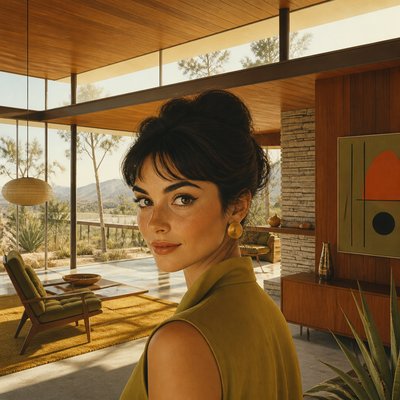
The style often emphasizes materials associated with late-20th- and 21st-century construction, especially glass, steel, concrete, and engineered wood. Light is a major compositional element: daylight is used to reveal surfaces, soften transitions, and register the depth of a space. Nature is frequently incorporated through courtyards, indoor-outdoor thresholds, terraces, and framed views, reflecting modern design priorities such as environmental integration, livability, and functional minimalism.
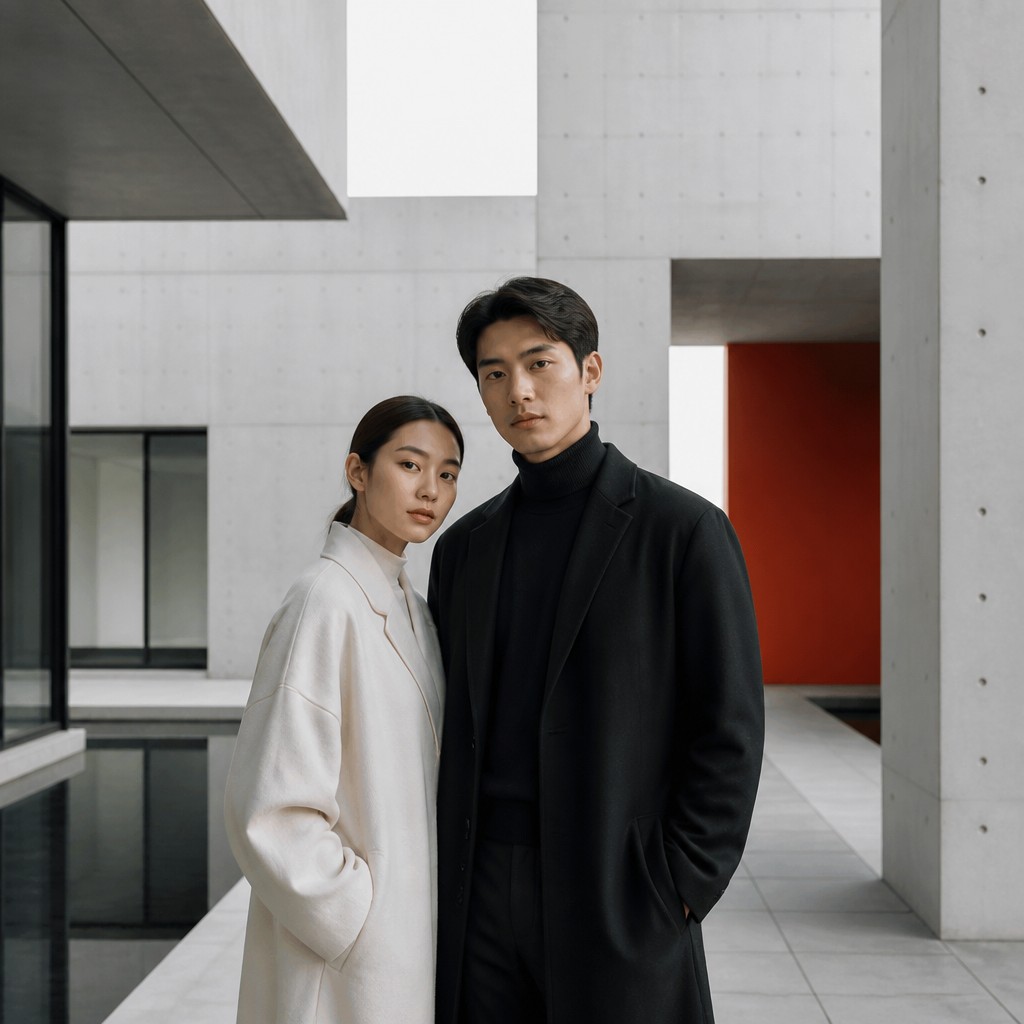
Try It On Your Photos
Upload any photo and convert it into Modern Architecture Art — drag the sliders to compare before and after.
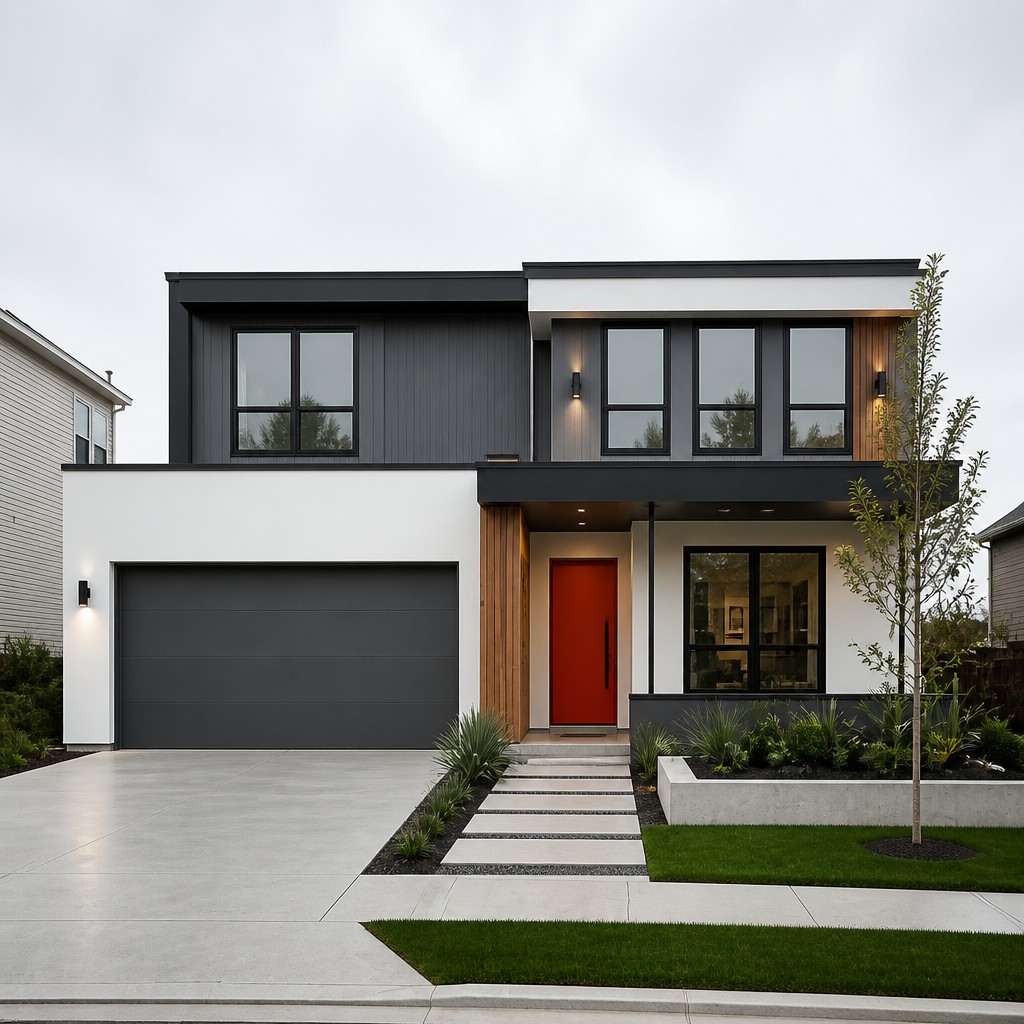
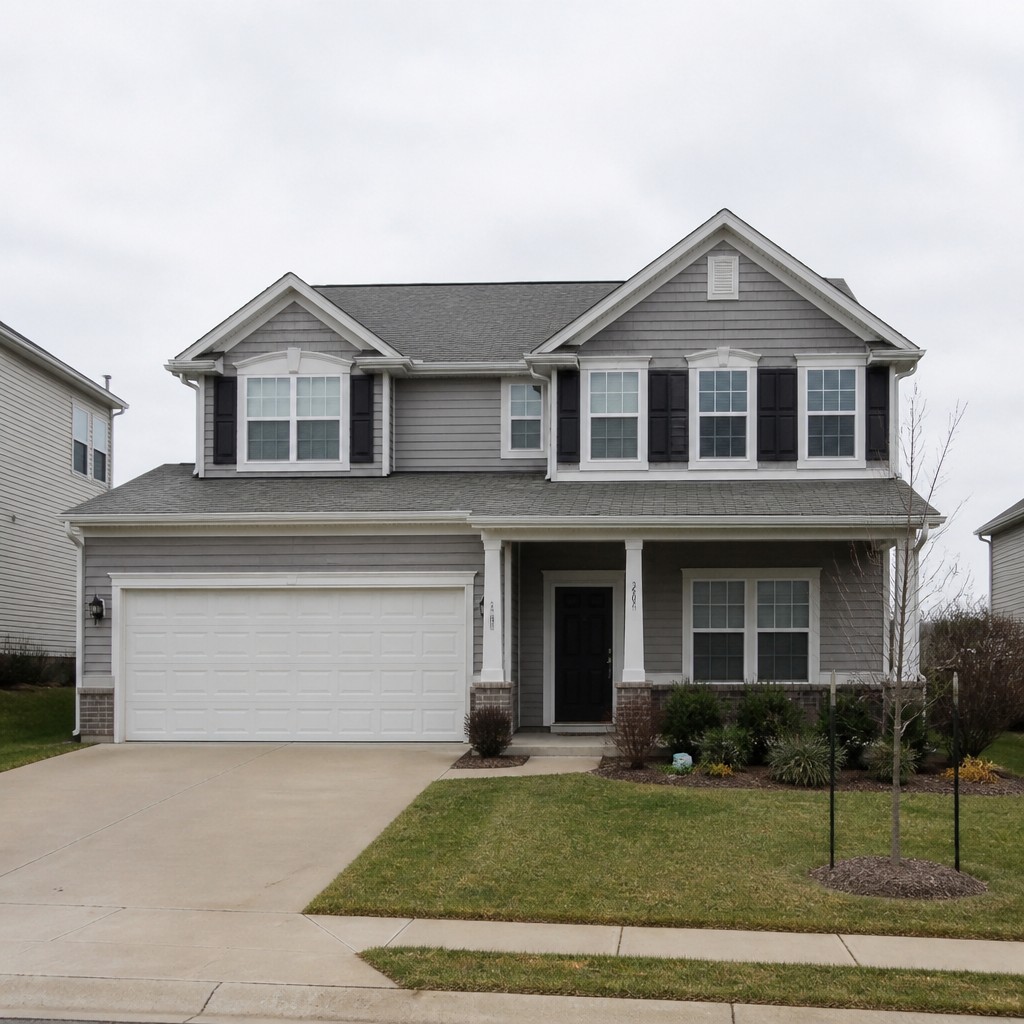


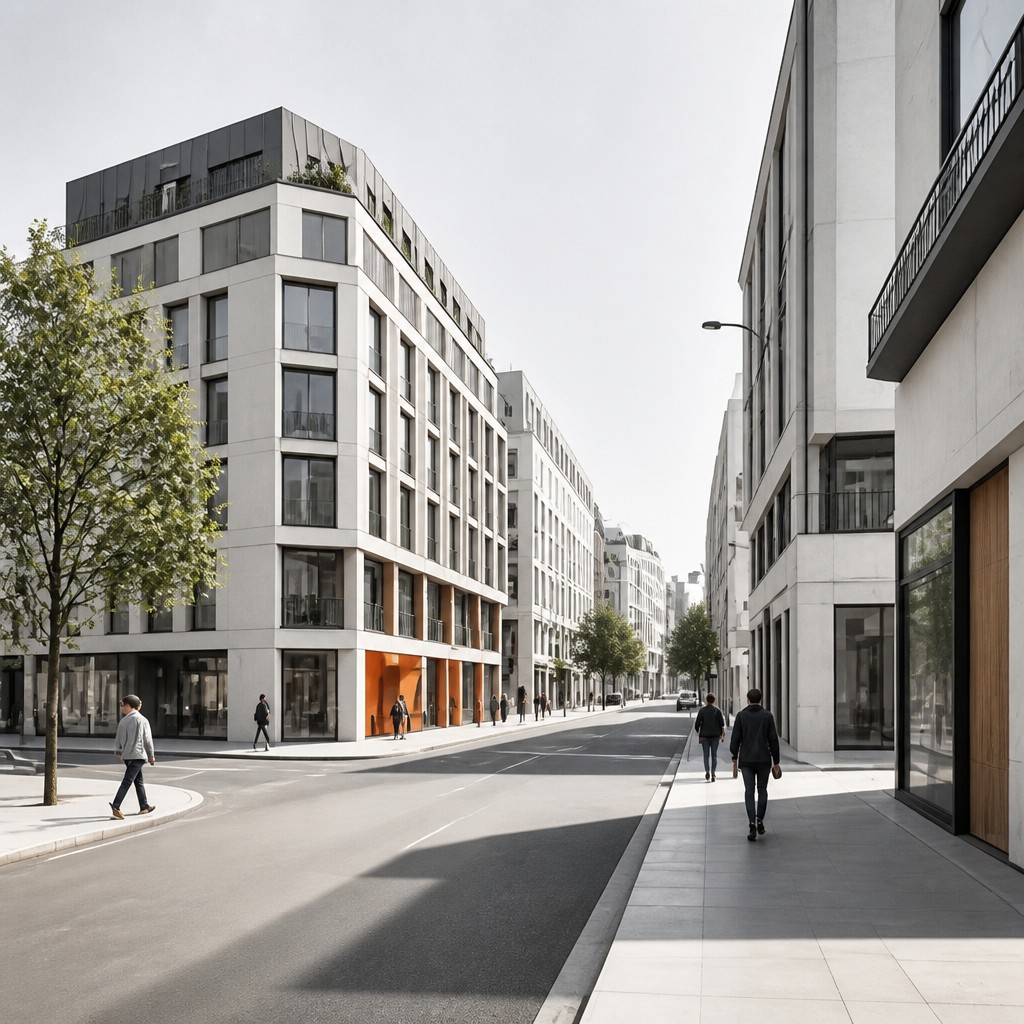

What Defines Modern Architecture Art
The signature details, up close
Geometric clarity
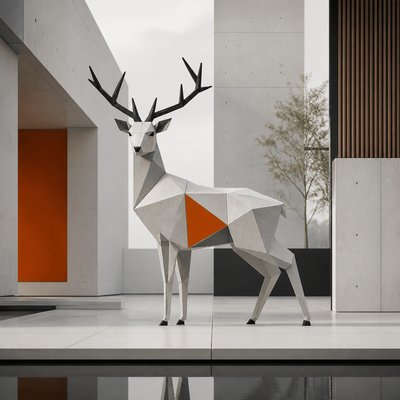
Forms are reduced to rectangles, planes, grids, and sharp intersections. Curves appear only when used deliberately to contrast with the overall order.
Glass, concrete, and steel
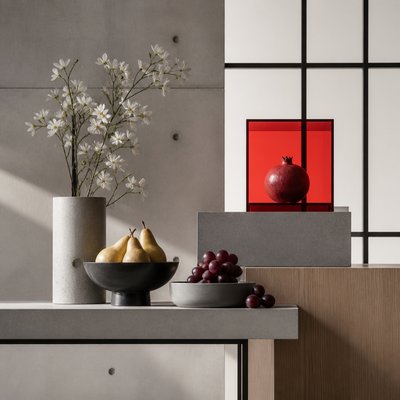
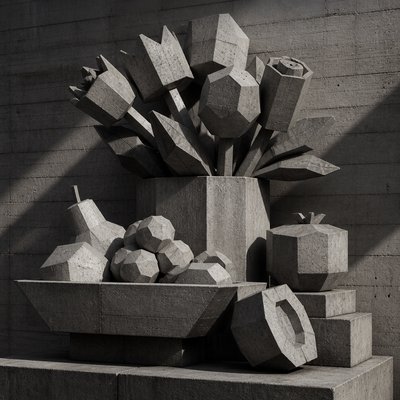
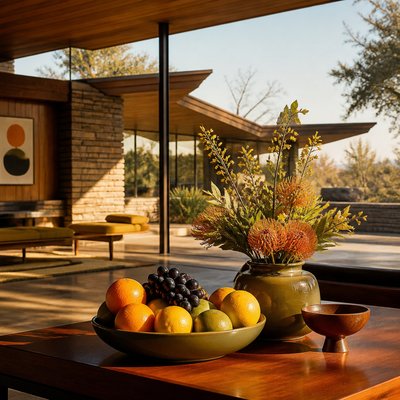
The material palette usually favors reflective glass, smooth poured concrete, brushed metal, and warm natural accents such as wood or stone. Surfaces read as precise, smooth, and modern.
Open spatial planning
Interiors and exteriors often feel expansive and uncluttered, with few visual barriers. This openness signals function, circulation, and light rather than decoration.
Neutral color structure with selective accent
Whites, grays, charcoal, beige, and natural tones dominate, sometimes punctuated by a single bold color accent. The restraint keeps attention on form, proportion, and material contrast.
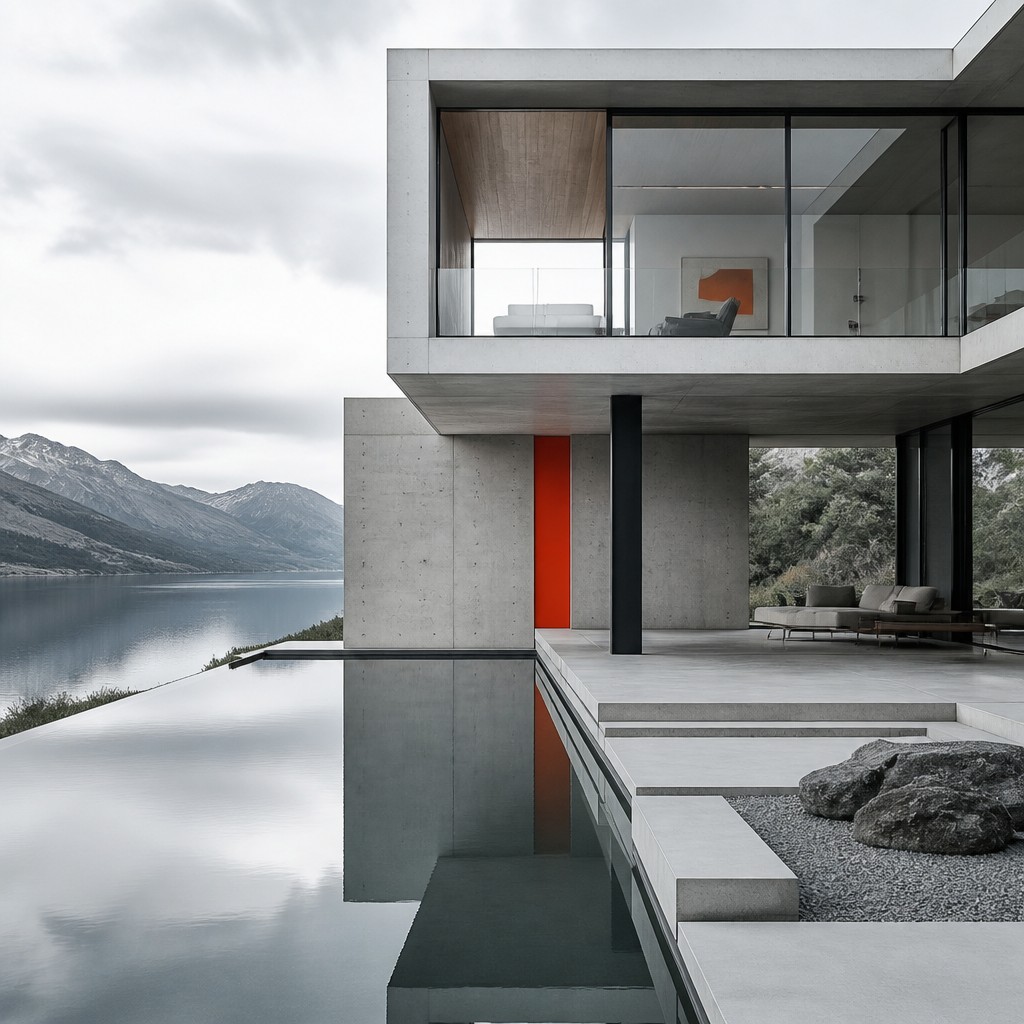
Natural light and soft shadow
Diffused daylight is used to model surfaces and create subtle tonal transitions. Shadows are generally soft, emphasizing calm atmosphere rather than dramatic contrast.
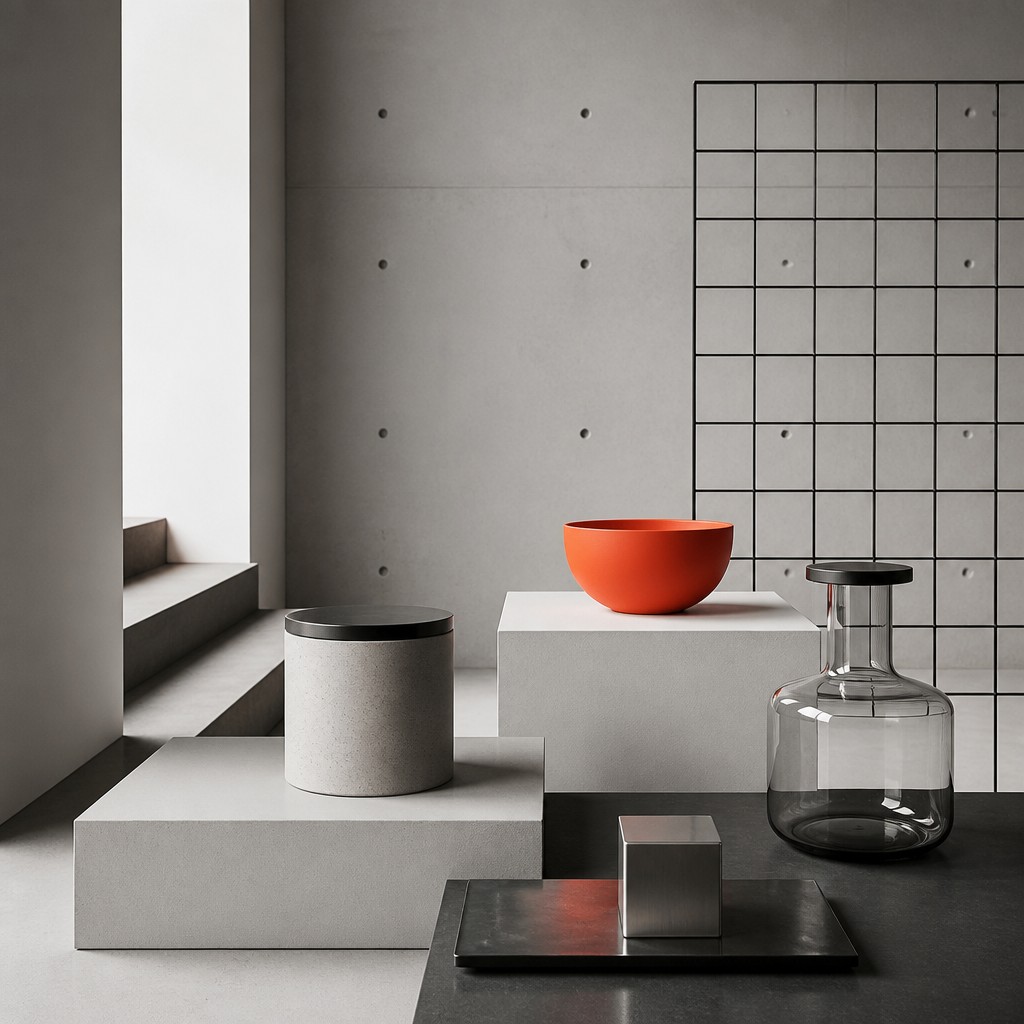
Integration with nature
Landscaping, daylight, water, and framed views are treated as part of the design. Buildings often appear embedded in their environment instead of isolated from it.
Try It
Create Videos in Modern Architecture Art
Styles aren't just for stills — describe a scene or animate an image and get a short video rendered in Modern Architecture. Press play to see this pond come to life.
Make a VideoModern Architecture Prompt Ideas
Start from an idea — each one opens the generator with the style ready to go. See all 40 Modern Architecture prompts →
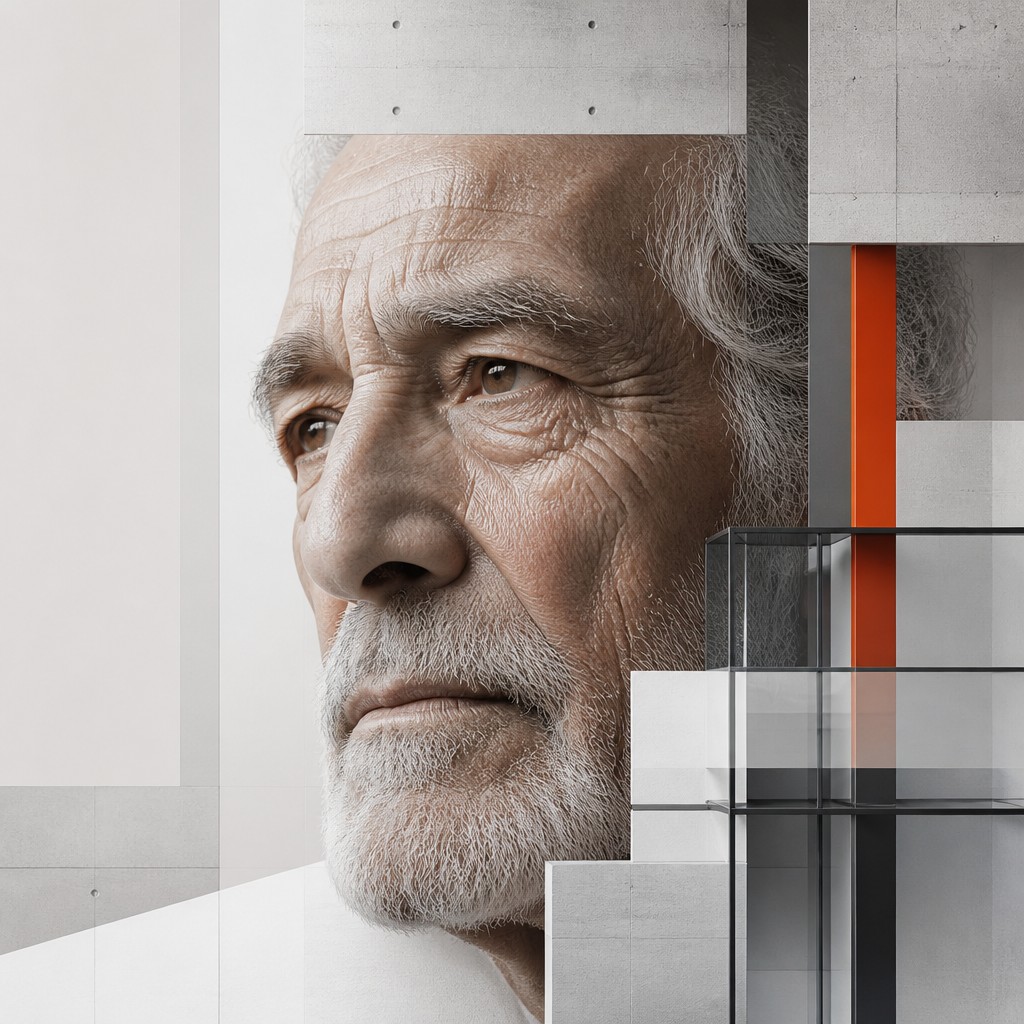
“close-up portrait of an elderly person with expressive weathered features”
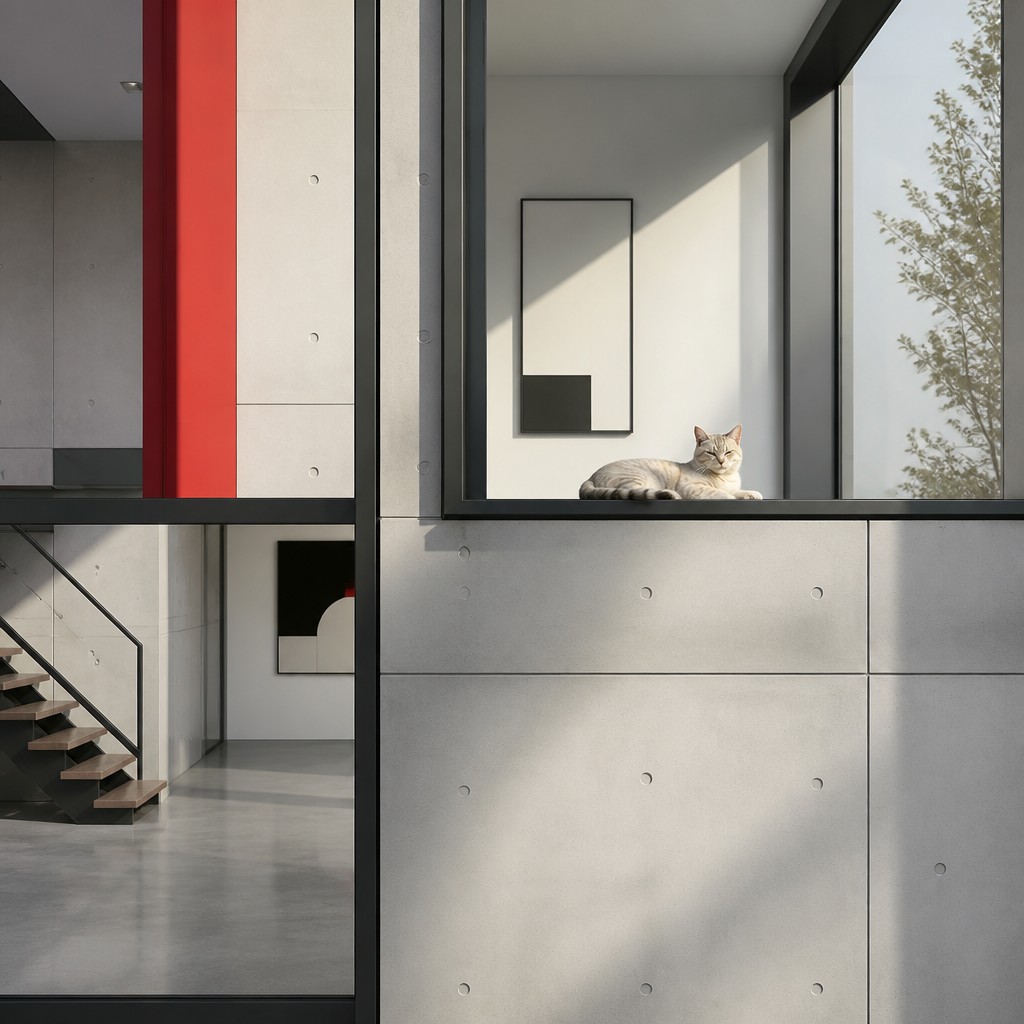
“a cat lounging in a sunlit window”
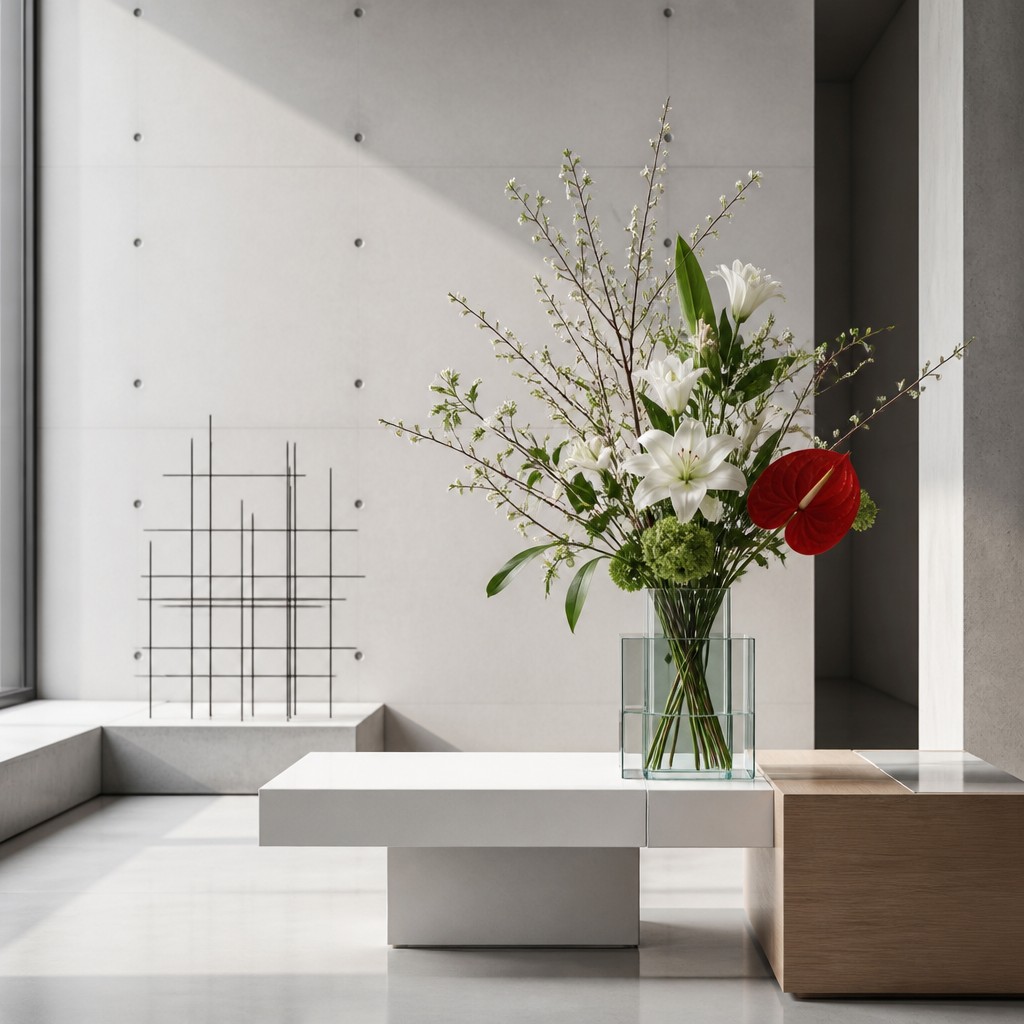
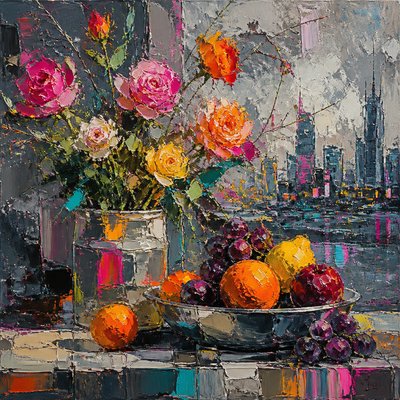
“bouquet of flowers in a glass vase”
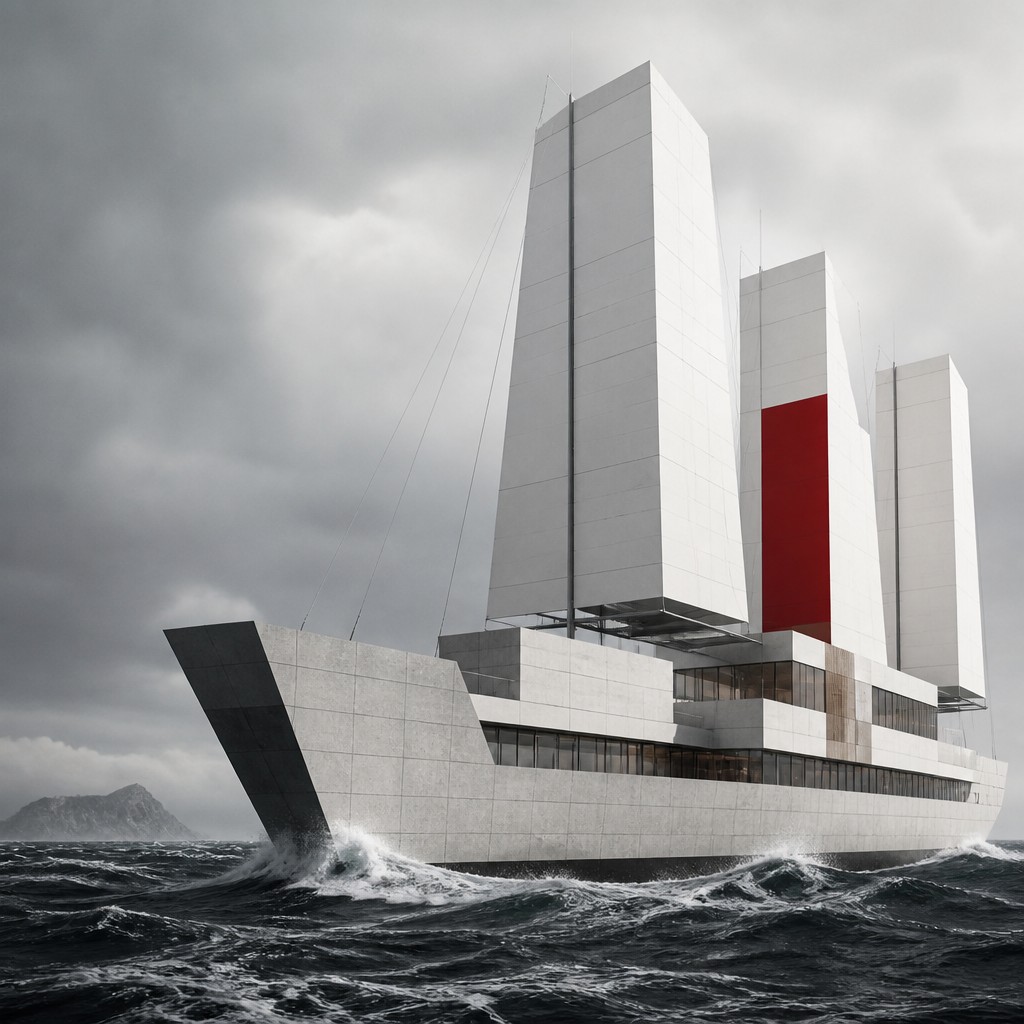
“sailing ship on a stormy sea”
How to Create Modern Architecture Art
Master the craft step by step — or skip straight to creating. Read the full guide →
- 1
Build the composition from structure first
Start with a clear architectural massing: rectangles, cantilevers, terraces, and aligned windows. Whether drawing by hand or digitally, keep edges clean and proportions consistent so the design reads as intentional and engineered.
- 2
Use a restrained material palette
Limit the image to a few believable materials such as concrete, glass, steel, and pale wood. Vary the surface finish subtly so the building feels tactile without becoming visually busy.
- 3
Prioritize light as a design element
Place the scene in soft daylight, golden hour, or overcast conditions to produce controlled shadows and gentle reflections. In digital work, use gradients and atmospheric perspective sparingly to preserve the crispness of the forms.
- 4
Emphasize negative space and rhythm
Leave generous empty areas around the subject and repeat structural modules, window bays, or façade panels to create a grid-based rhythm. This reinforces the minimalist logic at the heart of the style.
- 5
Show context, but keep it disciplined
Include carefully chosen landscape elements—trees, grass, water, or paving—to demonstrate integration with nature. In prompt-based generation, specify terms like clean lines, glass façade, open plan, soft natural light, minimal palette, and precise geometry.
The Story
History & Origins of Modern Architecture
Modern Architecture Art is rooted in the broader history of modern architecture, especially early- to mid-20th-century movements that rejected historical ornament in favor of functional form. Its visual DNA draws from International Style architecture, Bauhaus principles, and later strands of minimalism and high-tech architecture, all of which prized rational structure, industrial materials, and a reduced visual vocabulary.
As a contemporary image style, it also reflects the visual culture of architectural photography and design visualization: clean perspectives, controlled lighting, neutral palettes, and an emphasis on materials and proportion. In digital media, it is closely related to architectural renderings and concept imagery used to communicate unbuilt or newly completed spaces, often highlighting sustainability, transparency, and the seamless integration of interior, exterior, and landscape.
Influences: Modern Architecture Art draws most directly from the International Style, Bauhaus, and later minimalist architecture, especially the work of leading pioneers of reinforced-concrete modernism, influential steel-and-glass modernists, key figures of the early modernist school, and a major master of serene concrete minimalism. It also overlaps with high-tech architecture and contemporary sustainable design, as well as the visual conventions of architectural photography and visualization. In aesthetic terms, it values the same priorities found in modern design culture more broadly: reduction, functional clarity, structural honesty, and controlled material contrast.

Frequently Asked Questions
What defines Modern Architecture Art?
It is defined by clean geometry, open spatial planning, minimal ornament, and a palette of glass, concrete, steel, and natural materials. The style usually emphasizes precision, proportion, and the way architecture interacts with light and landscape.
How is it different from brutalism?
Brutalism typically foregrounds massive, rugged, and often visually heavy concrete forms, sometimes with a more austere or monumental feeling. Modern Architecture Art is usually sleeker, lighter, and more transparent, with greater use of glass, soft daylight, and refined surfaces.
How is it different from minimalist art?
Minimalist art may reduce form to pure abstraction, while this style remains architectural and spatial. It uses minimalism as a design principle, but its subject matter is built environments, interiors, facades, and the relationship between structure and use.
What subjects work best in this style?
Homes, museums, offices, pavilions, courtyards, lobbies, and urban towers are especially effective because they allow clean lines and material contrasts to show clearly. Landscapes with architecture also work well when the building is integrated with trees, water, or terrain.
How do I make my image feel authentic to the style?
Use simple forms, limit the color palette, and make light and materials do the visual work. Avoid ornament, clutter, and overly dramatic effects unless they support the building’s structure and spatial logic.
Where is this style commonly used?
It is common in architectural renderings, real-estate visualization, editorial design, interior concept work, and contemporary photography of buildings. It also appears in branding and graphic contexts that want to signal sophistication, innovation, and clarity.

Create your first Modern Architecture artwork
Describe anything — or upload a photo — and see it in Modern Architecture Art in seconds.
Make Something with Modern Architecture
Compare Modern Architecture
Related Styles
Discover similar art styles