Ecuadorian Art Style
Explore Ecuadorian art style through Quito School polychrome sculpture, gold-leaf ornament, convent architecture and luminous Andean atmosphere.
Instantly rendered in Ecuadorian — or transform a photo
Ecuadorian Gallery
Tap any artwork to explore it
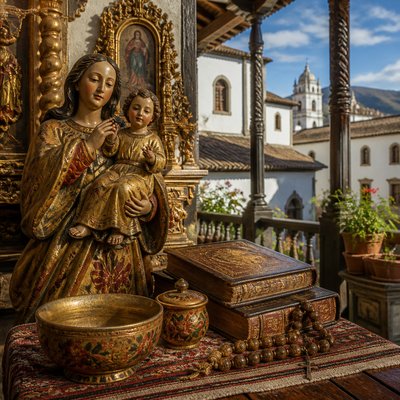
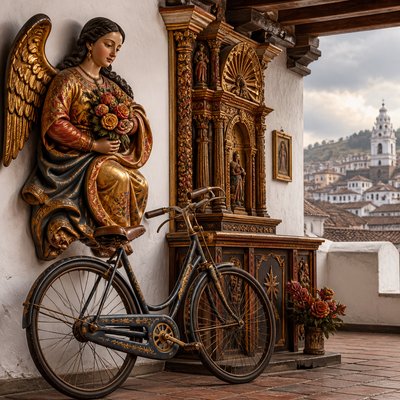
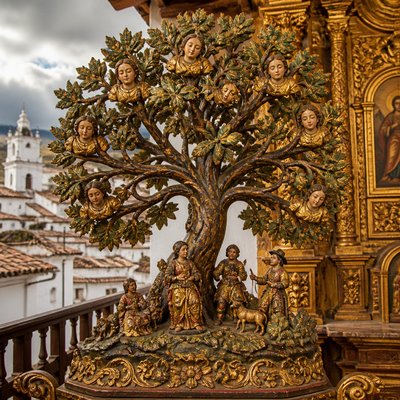
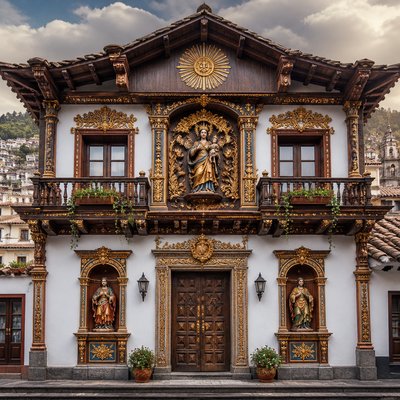
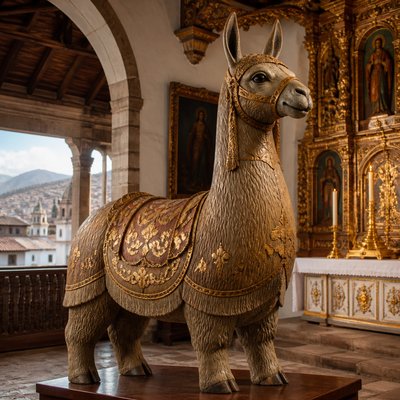
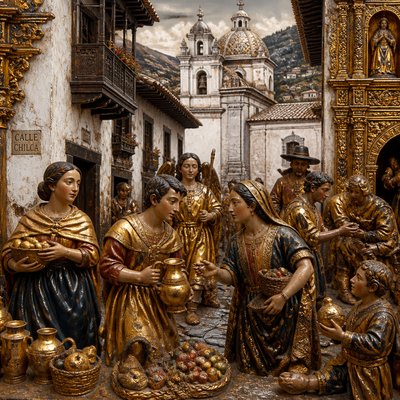
What is Ecuadorian Art Style?
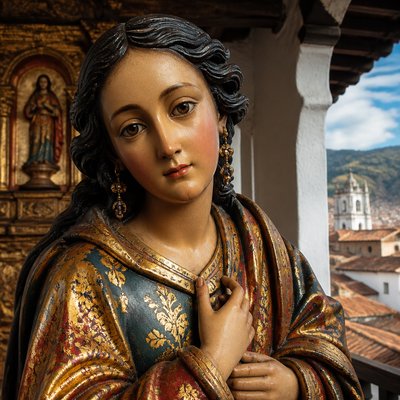
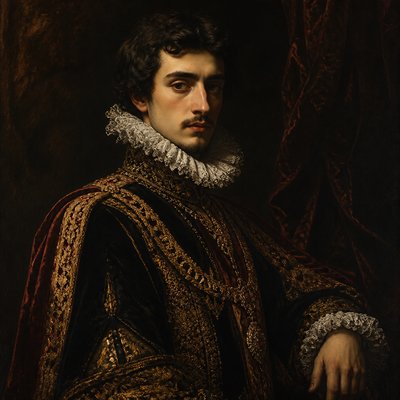
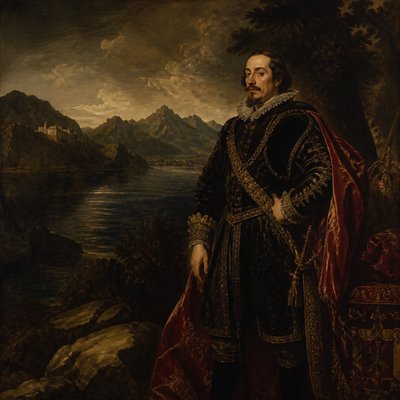
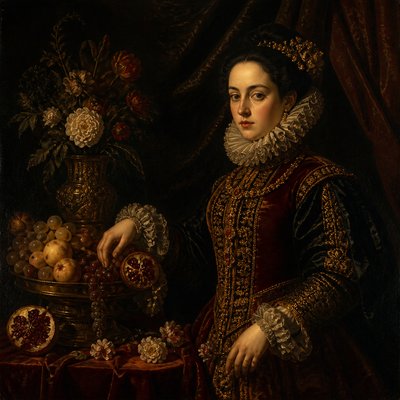
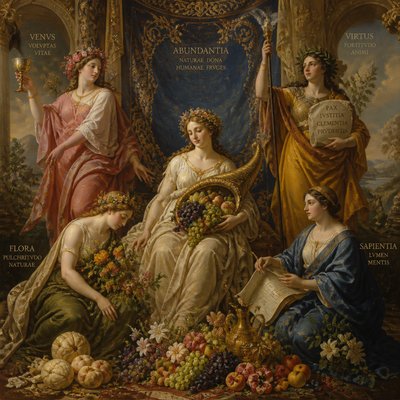
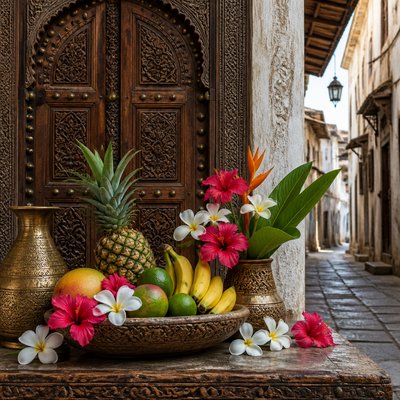
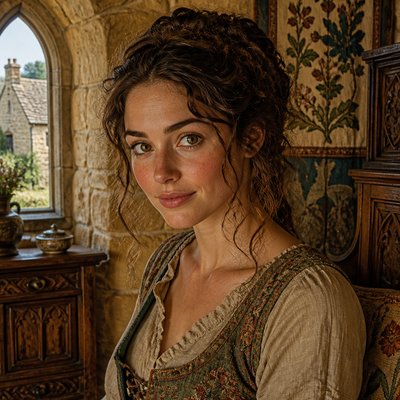
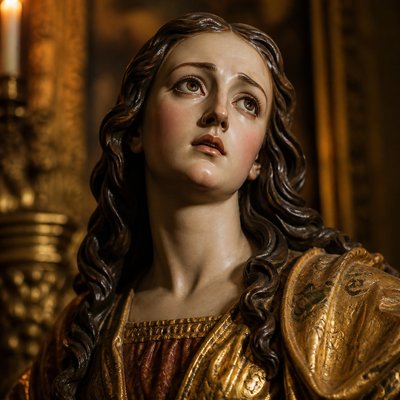
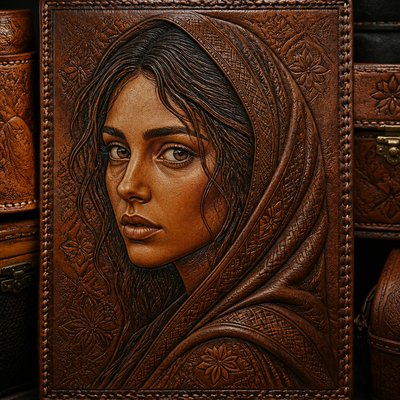
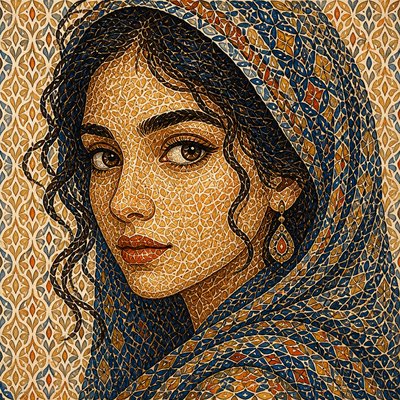
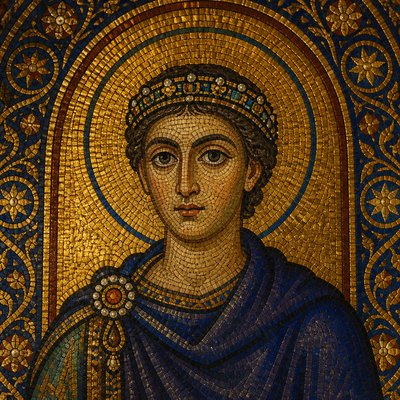
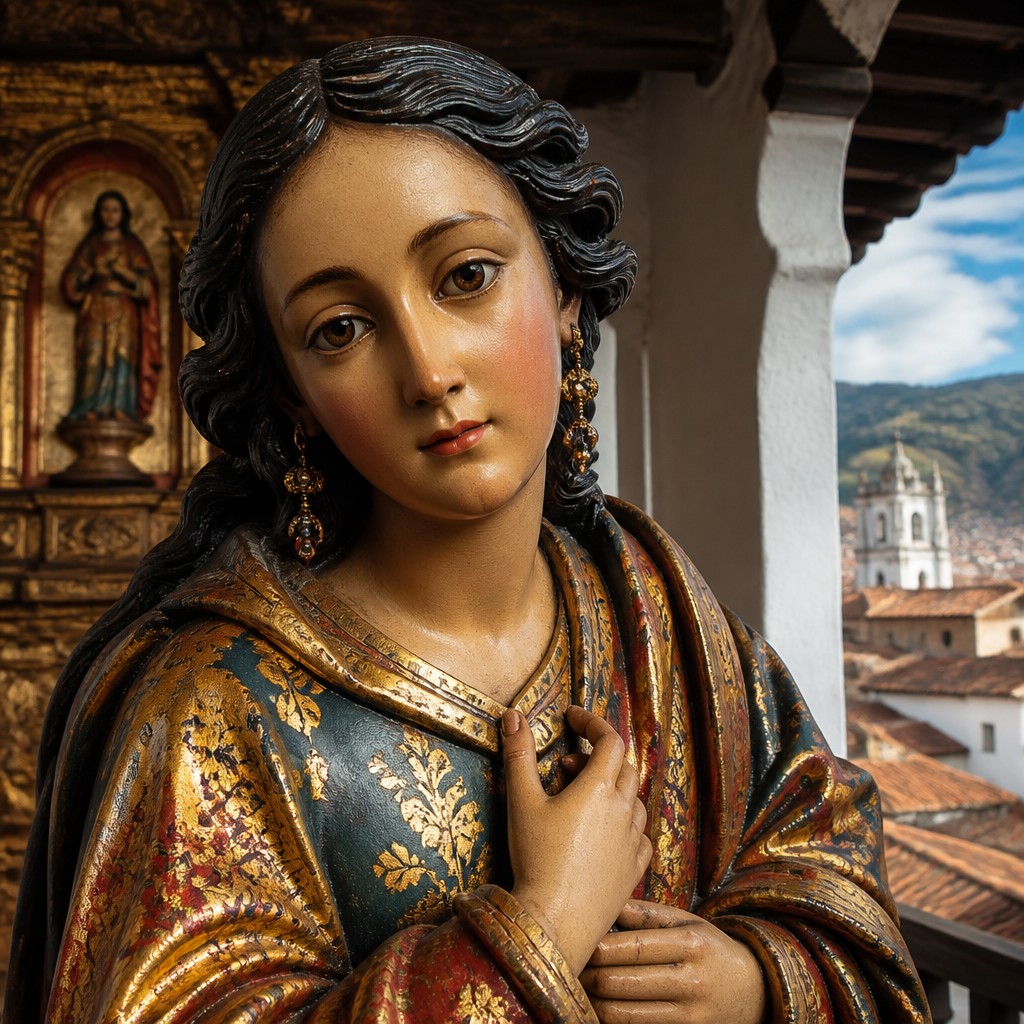
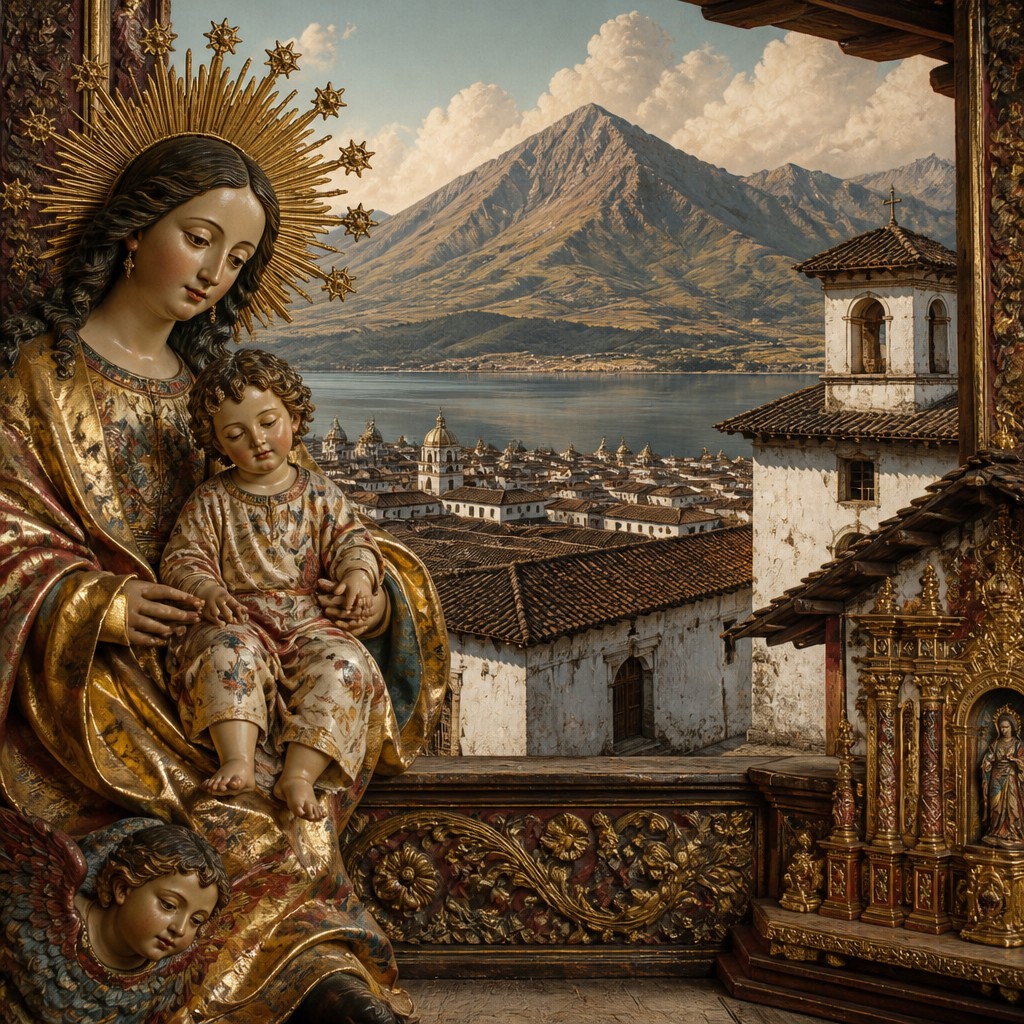
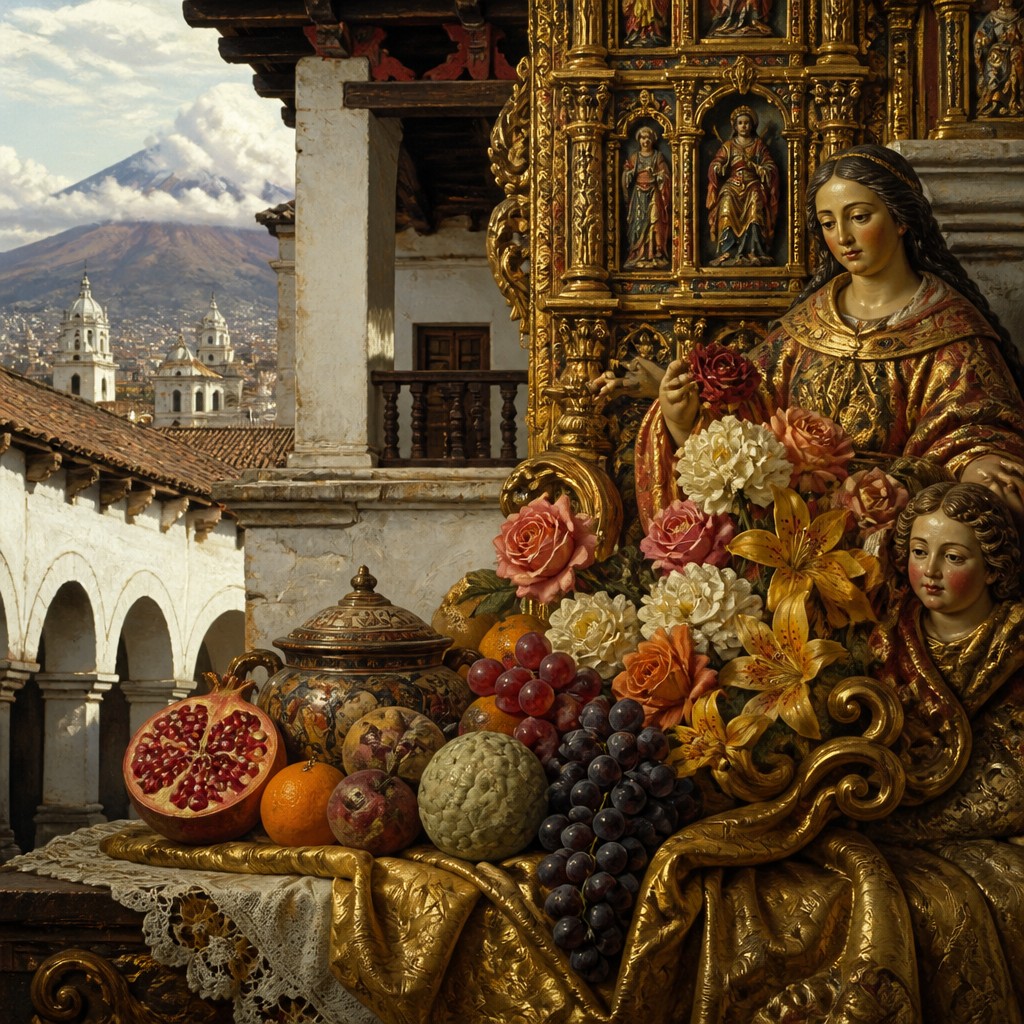
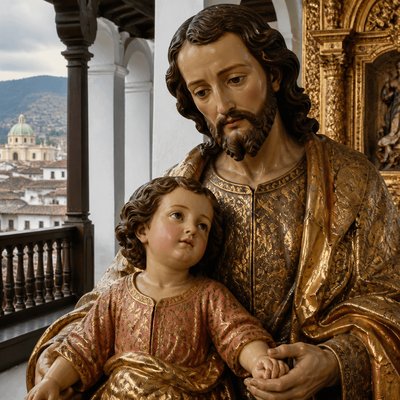
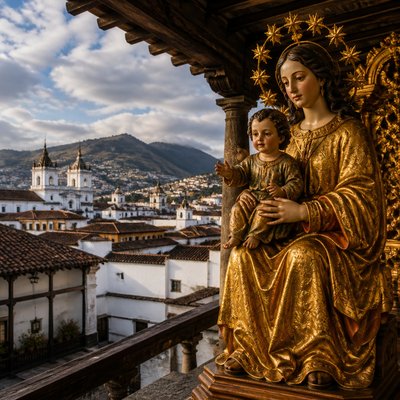
Ecuadorian art style is a visual synthesis inspired chiefly by the Escuela Quiteña, or Quito School, and by the material culture of Ecuador’s colonial Andean regions. Its signature language combines polychrome wood carving, gilded gesso, elaborate altar ornament, whitewashed masonry, dark cedar, and the calm, high-altitude light associated with Quito. Faces are often serene and finely modeled, while garments unfold in carved, patterned, and gold-highlighted surfaces.
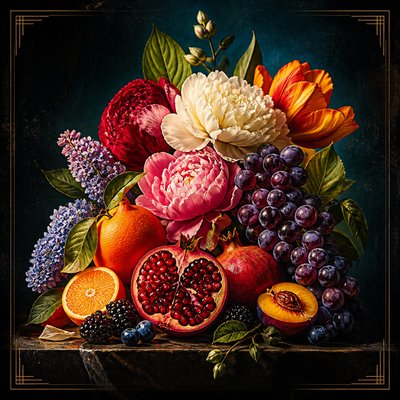
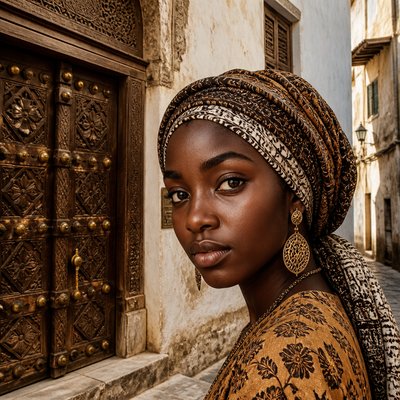
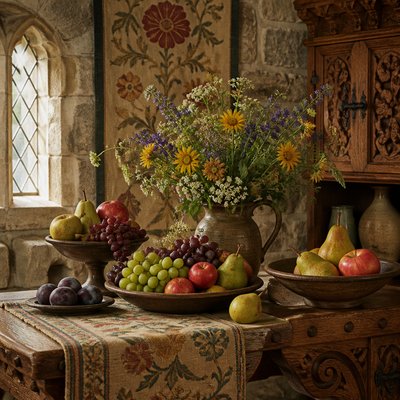
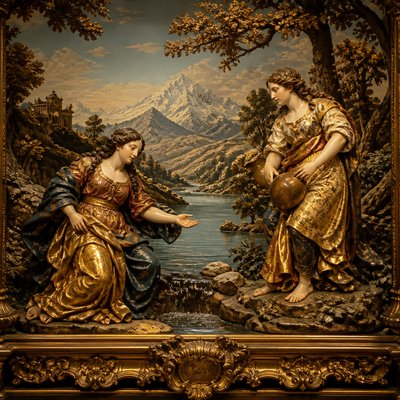
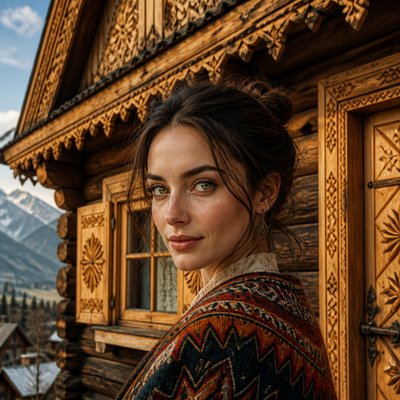
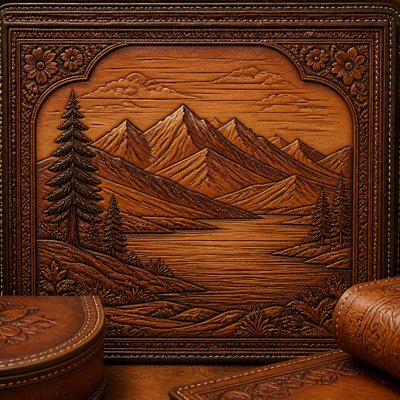
The style is devotional in origin but can be applied to portraits, interiors, landscapes, still lifes, and contemporary subjects. Its visual power comes from the meeting of tactile craftsmanship and architectural atmosphere: bright gold leaf contrasts with deep wood tones, painted flesh, cool stone, and clear mountain light. In image-making, the effect is most convincing when ornament remains carefully structured rather than becoming indiscriminate decoration.
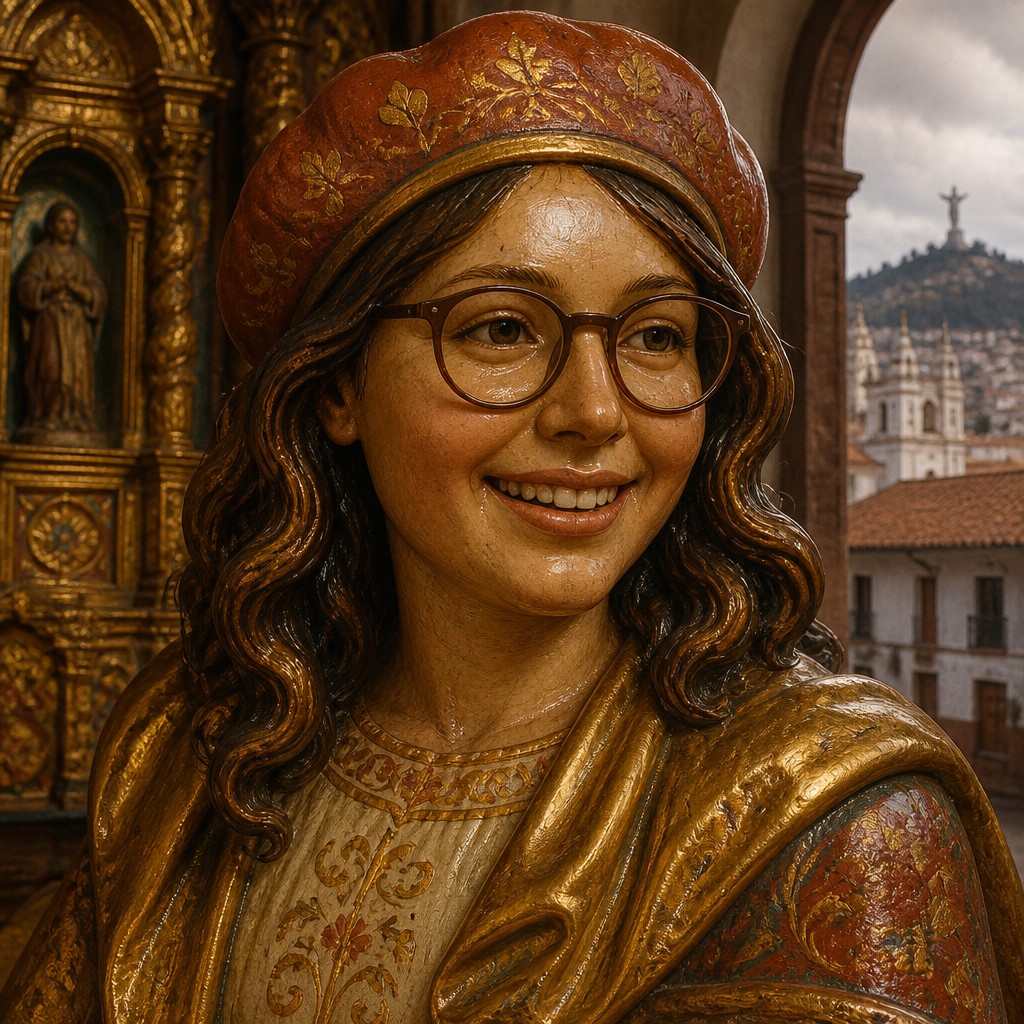
Try It On Your Photos
Upload any photo and convert it into Ecuadorian Art Style — drag the sliders to compare before and after.

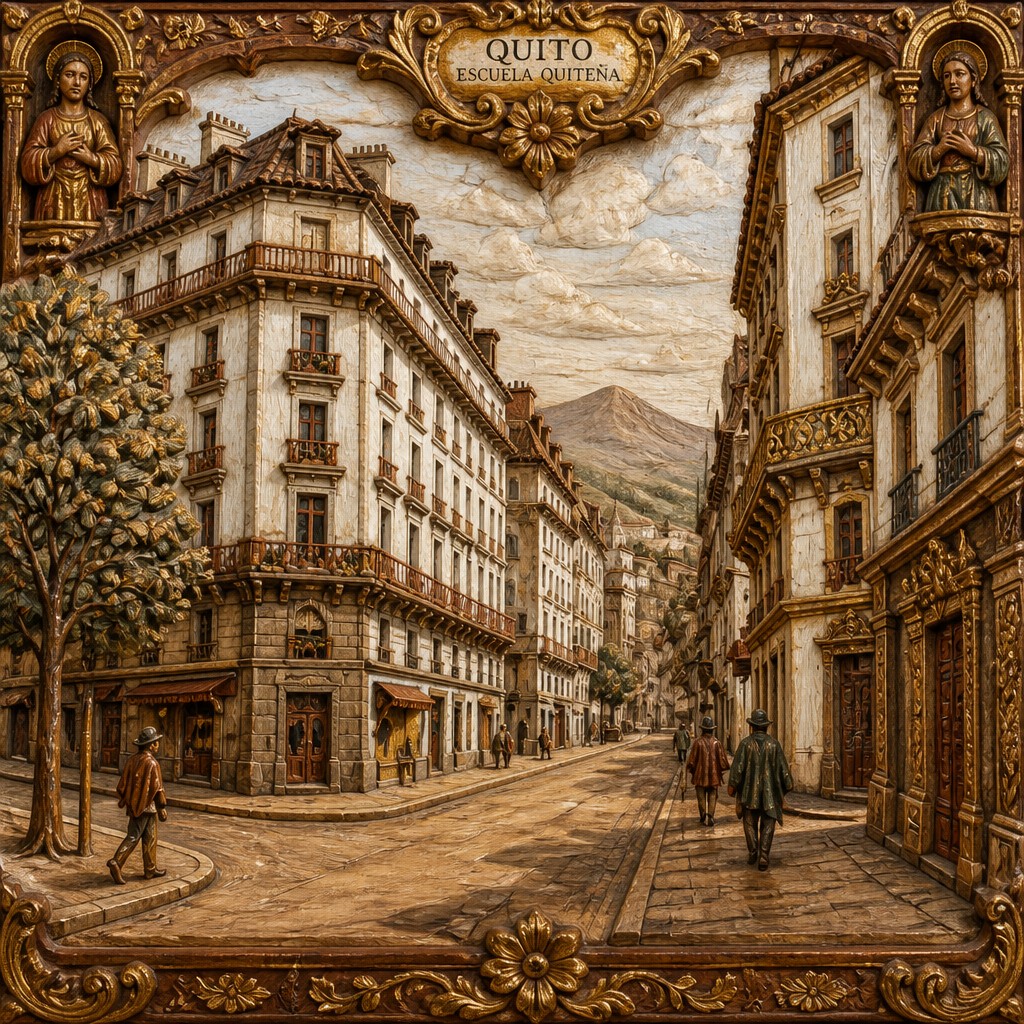

What Defines Ecuadorian Art Style
The signature details, up close
Polychrome carved wood
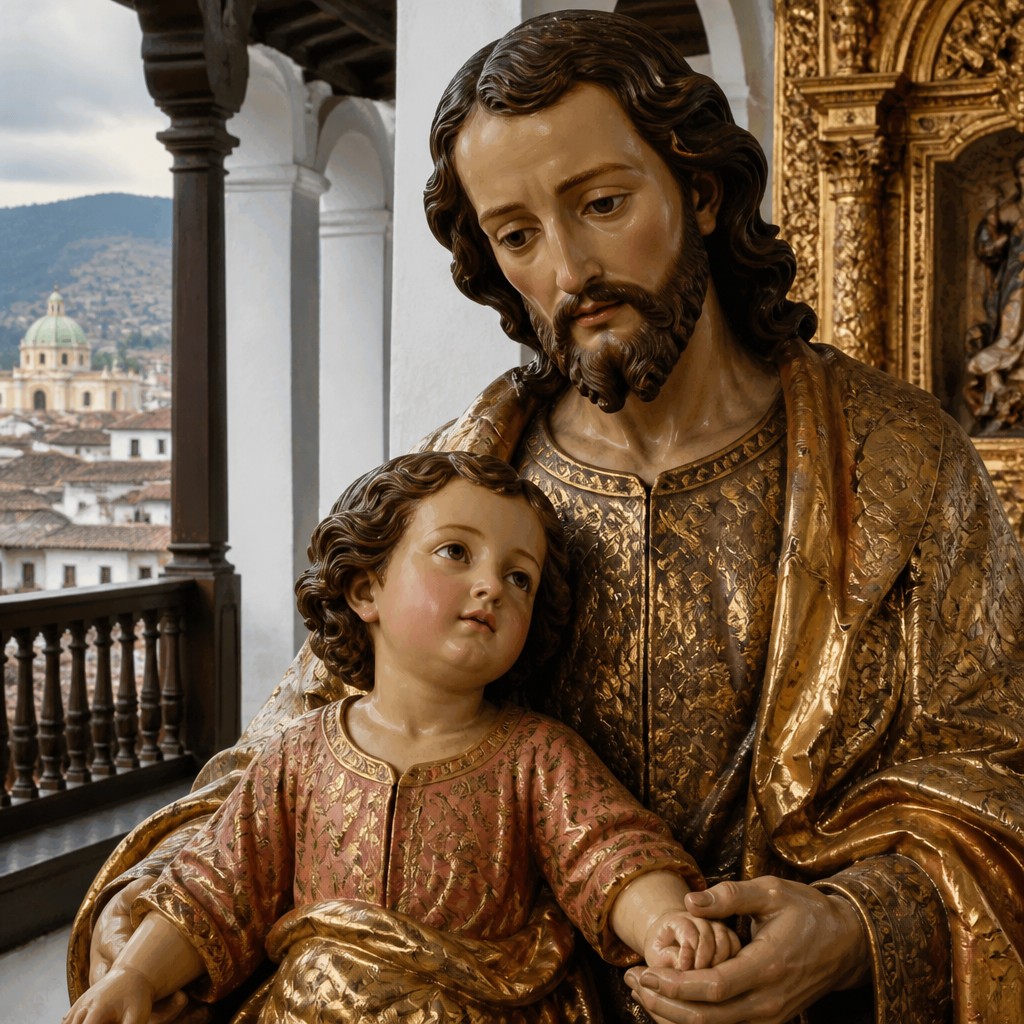
Figures are conceived as carved wooden sculptures with painted flesh, saturated garments, and carefully modeled facial features. Visible grain, shallow tool marks, and assembled forms can reinforce the sense of handcraft.
Gold-leaf ornament
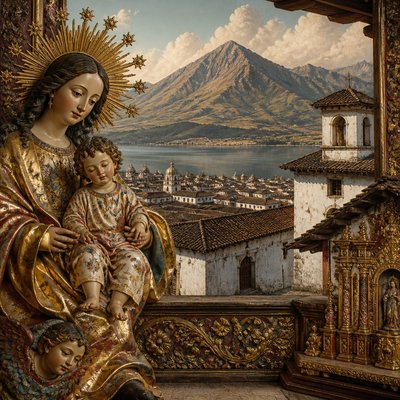
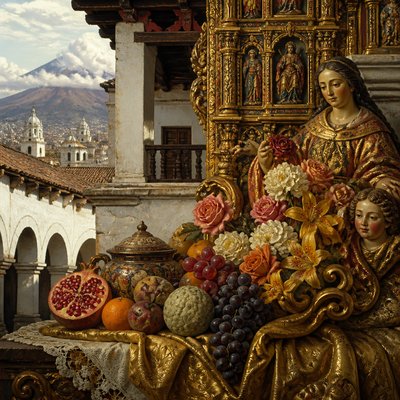
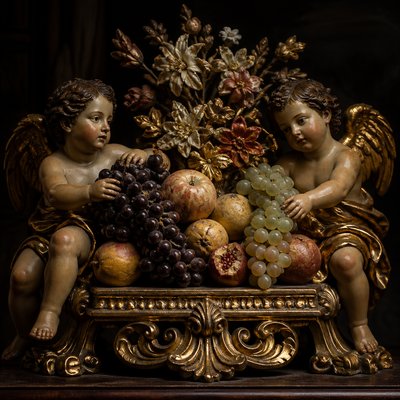
Gilded surfaces appear on drapery, halos, frames, retablos, and architectural details. Gold is usually balanced with dark wood, colored paint, and shadow so that it reads as worked ornament rather than a flat metallic filter.
Serene devotional faces
Faces tend toward quiet concentration, idealized calm, downcast or softly directed eyes, and smooth, luminous skin. Expression is restrained, emphasizing contemplation over theatrical emotion.
Estofado-like drapery
Garments may combine raised gesso, incised patterns, painted color, and exposed or highlighted gold. Repeated floral, geometric, and brocade-like motifs create a richly tactile surface.
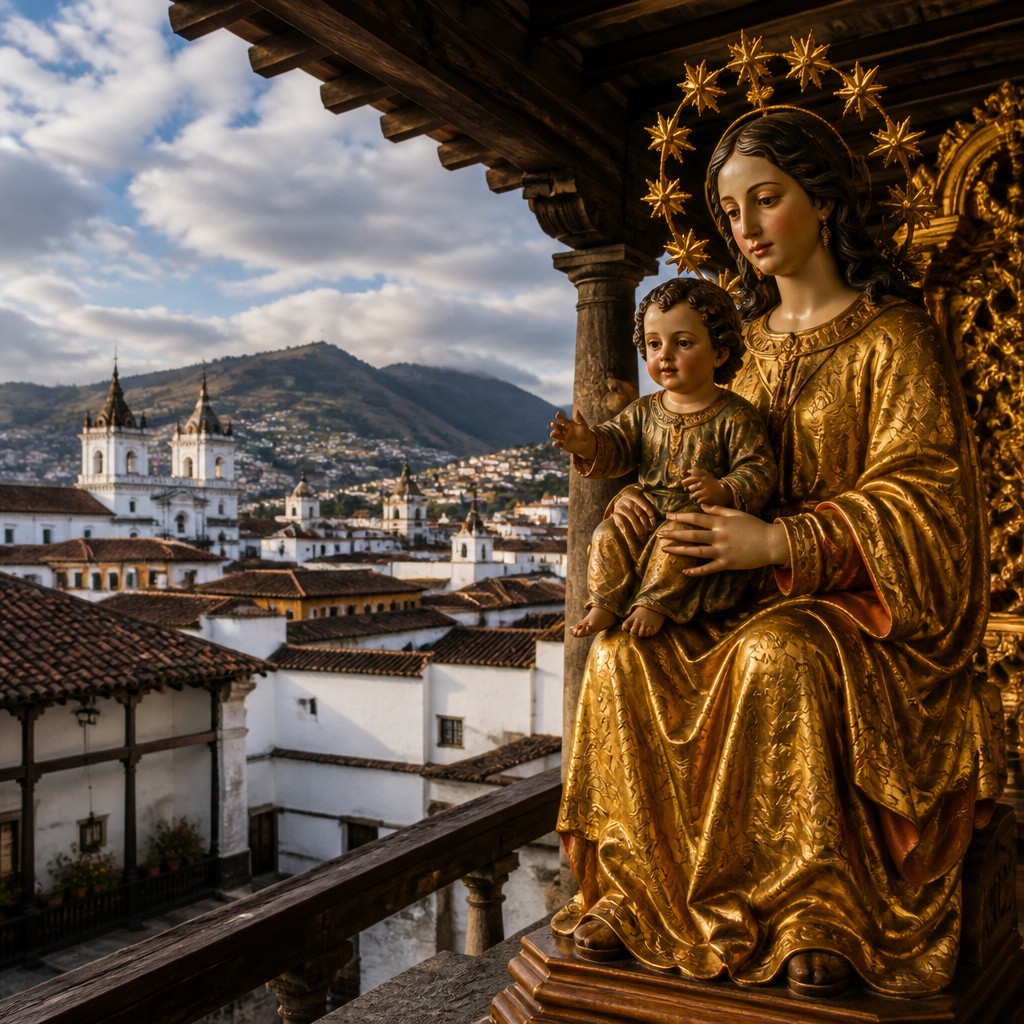
Colonial convent architecture
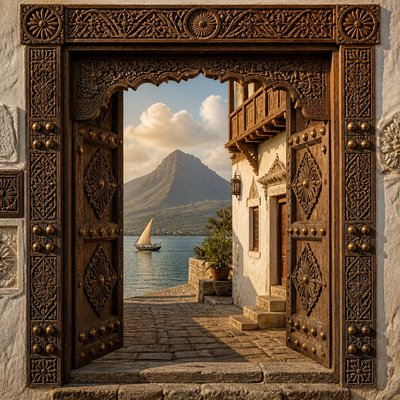
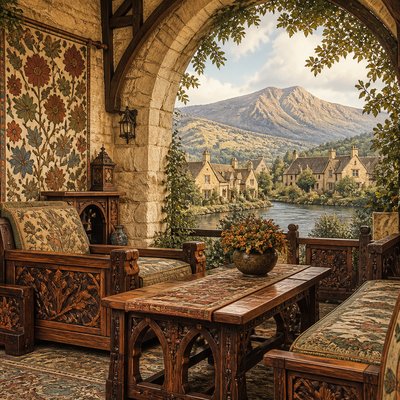
Whitewashed stone or plaster, dark cedar beams, carved doors, arcades, cloisters, chapels, and retablos provide a recognizable architectural setting. Layered thresholds and deep interiors create a strong sense of sacred space.
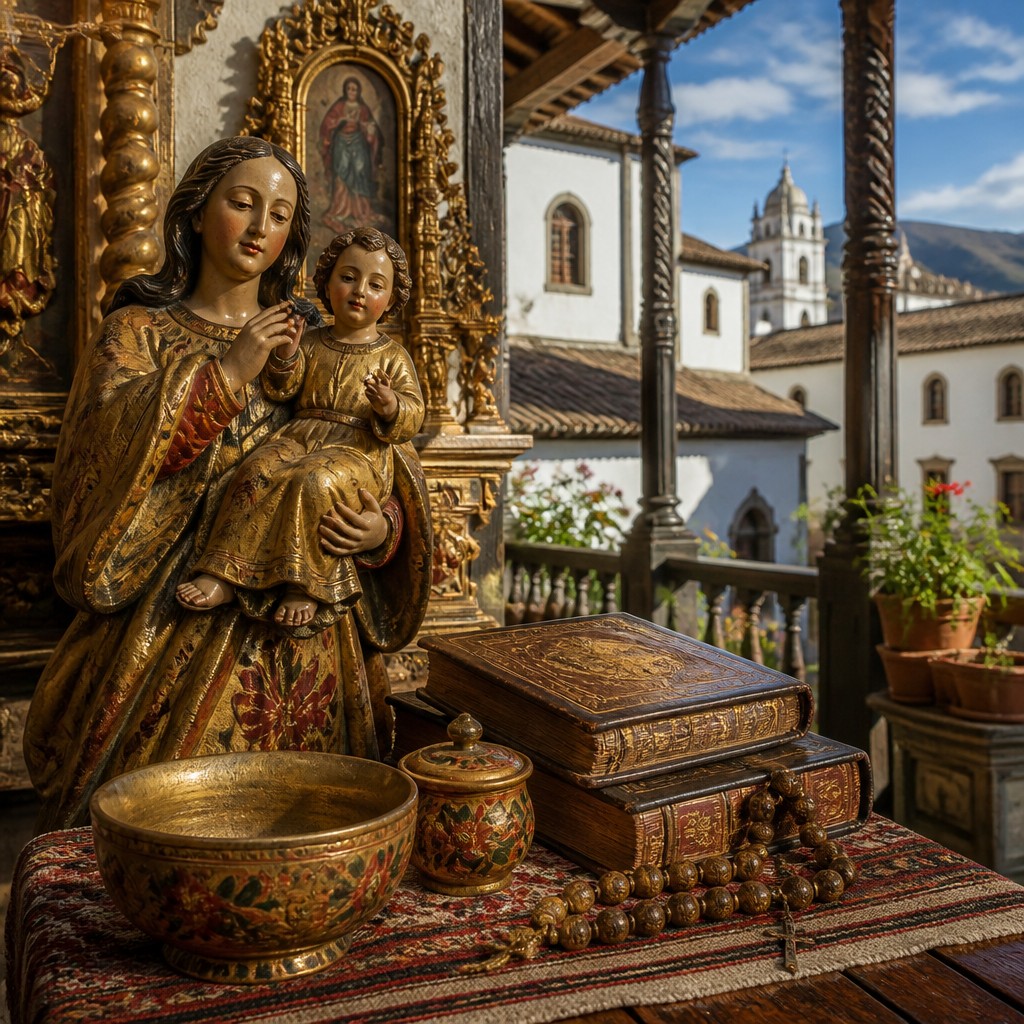
High-Andean illumination
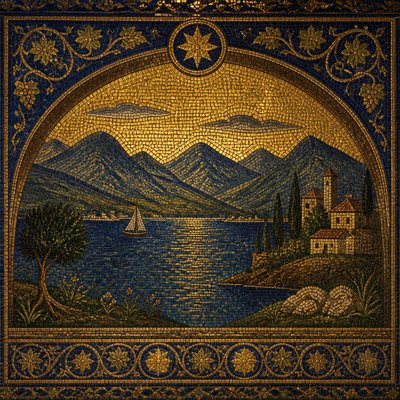
Clear, elevated daylight produces crisp edges, cool shadows, and luminous highlights over tiled roofs and pale masonry. Interior scenes often contrast a narrow shaft of light with warm candlelit gold.
Ecuadorian Prompt Ideas
Start from an idea — each one opens the generator with the style ready to go. See all 40 Ecuadorian prompts →
How to Create Ecuadorian Art
Master the craft step by step — or skip straight to creating. Read the full guide →
- 1
Build the form as sculpture first
Begin with a clear volumetric figure or architectural structure, then specify carved wood, gesso relief, painted flesh, and layered ornament. Avoid treating the style as merely a gold color grade.
- 2
Control the material hierarchy
Separate matte plaster, porous wood, satin paint, reflective gold leaf, and cool stone through distinct textures and lighting. Use gold selectively on raised edges, drapery patterns, frames, and ceremonial details.
- 3
Use restrained composition
Center a devotional figure, retablo, cloister, or altar-like arrangement and give it architectural framing. Balance dense ornament with quiet areas of white wall, shadow, or sky.
- 4
Shape the light deliberately
For exterior scenes, use crisp high-altitude sunlight and cool mountain shadows; for interiors, combine subdued ambient darkness with warm illumination on gilded surfaces. Keep facial features readable beneath the ornament.
- 5
Add historically informed surface detail
Describe incised brocade, floral tooling, carved cedar, painted halos, whitewashed masonry, tiled roofs, and retablo compartments rather than relying on vague words such as ornate or traditional. For physical work, layer gesso, bole, metallic leaf, pigment, and protective varnish in separate stages.
- 6
Write focused digital prompts
Name the subject, medium, setting, lighting, and material contrasts in that order, then request a handcrafted colonial Andean finish. In image-to-image workflows, preserve the source pose or composition while directing the transformation toward carved volume, polychrome surfaces, and controlled gilding.
The Story
History & Origins of Ecuadorian
This style draws on the Escuela Quiteña, a colonial artistic tradition that developed in Quito from the late sixteenth through the eighteenth centuries within churches, convents, workshops, and religious institutions. It emerged from the interaction of Iberian Catholic art with Indigenous and mestizo craftsmanship, Andean materials, local workshop practices, and regional visual symbolism. Sculptors and decorators worked in wood, gesso, pigments, textiles, and metal leaf to produce altarpieces, devotional figures, architectural ornament, and liturgical objects.
Its characteristic techniques include carved and assembled wood sculpture, painted flesh tones known as encarnado, patterned and gilded surfaces associated with estofado, and extensive use of gold leaf. The contemporary label Ecuadorian art style is broader than the historical Quito School: it also includes colonial convent architecture, Andean landscape and light, and a carefully composed interpretation of Ecuador’s cultural heritage rather than a single formal movement.
Influences: The style is related to the Escuela Quiteña and broader Latin American colonial Baroque, especially its religious sculpture, retablos, convent interiors, gilded ornament, and workshop-based craftsmanship. It also draws from Iberian polychrome sculpture, Indigenous and mestizo Andean making traditions, colonial architecture, Catholic devotional imagery, and the visual effects of Ecuador’s mountain climate. In contemporary use, it may overlap with heritage-inspired illustration, material-focused digital art, sacred art, and architectural photography.
Frequently Asked Questions
What defines Ecuadorian art style?
It is defined by the combination of Quito School polychrome sculpture, carved wood, gilded gesso and gold leaf, serene devotional faces, colonial convent architecture, and clear Andean light. The style is material-driven: the appearance of wood, stone, paint, metal leaf, and hand-tooled ornament matters as much as the subject.
Is Ecuadorian art style the same as the Escuela Quiteña?
No. The Escuela Quiteña is a specific colonial artistic tradition centered in Quito, developing primarily from the late sixteenth through the eighteenth centuries. Ecuadorian art style is a broader contemporary descriptor that may reinterpret that tradition alongside Ecuadorian architecture, landscapes, craft, and modern subjects.
How does it differ from Spanish Baroque art?
It shares Baroque Catholic subject matter, theatrical ornament, and polychrome sculpture with Spanish traditions, but it developed through local Ecuadorian workshops and Andean material and cultural contexts. Its combination of carved wood, gold tooling, convent architecture, and highland light gives it a distinct regional character.
What materials are associated with this style?
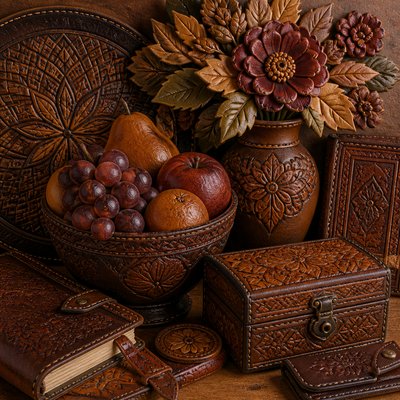
Common materials include carved cedar or other woods, gesso, mineral and organic pigments, gold leaf, bole, painted plaster, stone, tile, and textiles. Surface treatments such as painted flesh, incised patterns, raised relief, and gilded details are especially important.
Can I use this style for subjects other than religious figures?
Yes. Portraits, landscapes, interiors, still lifes, fashion, and contemporary scenes can all use its visual vocabulary. Keep the material logic consistent by applying carved or sculptural form, selective gilding, restrained expressions, colonial architectural framing, and Andean illumination.
How can I make an image look handcrafted rather than digitally ornate?
Specify uneven carved edges, layered gesso, visible wood grain, incised ornament, subtly varied gold leaf, and realistic contact shadows. Limit the most reflective gold to structurally meaningful areas and preserve unornamented surfaces so the craftsmanship remains legible.
Create your first Ecuadorian artwork
Describe anything — or upload a photo — and see it in Ecuadorian Art Style in seconds.
Related Styles
Discover similar art styles