Modern Architecture vs Brutalist Architecture: What's the Difference?
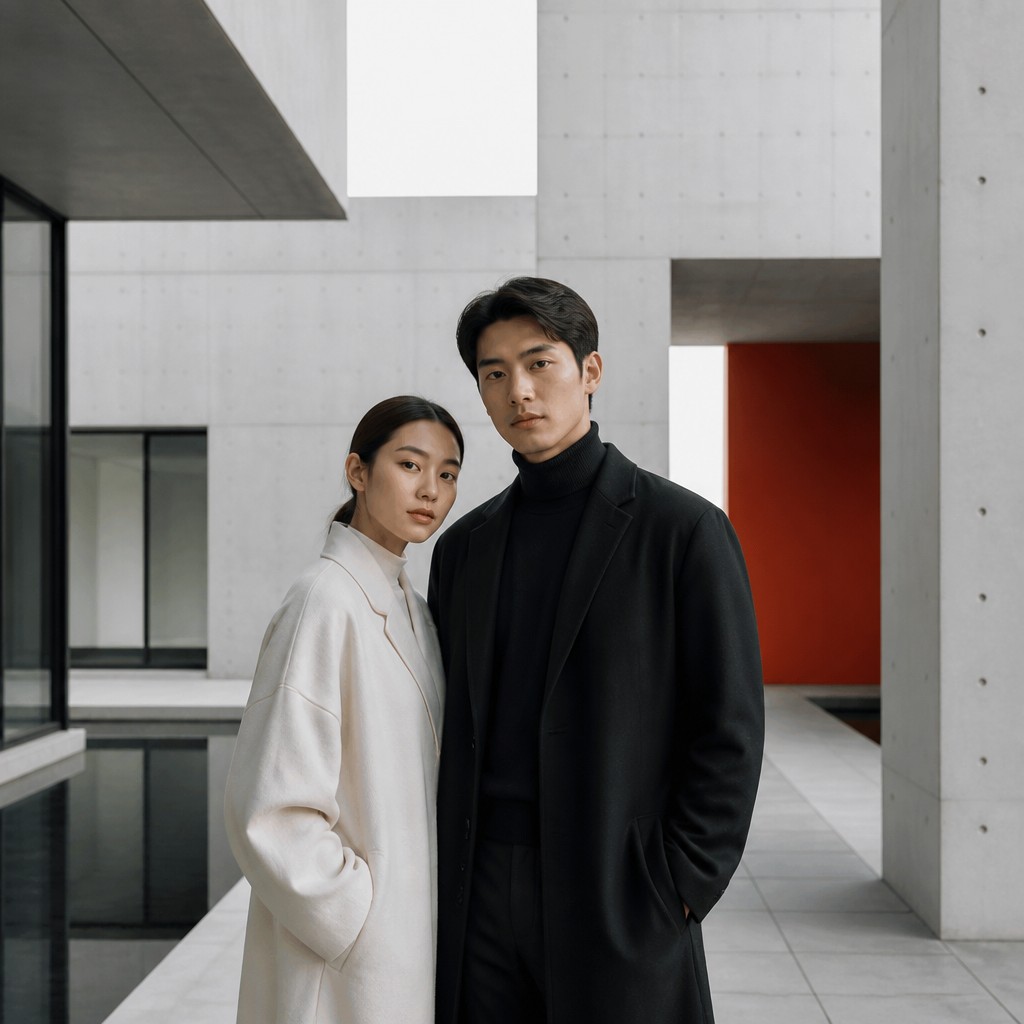
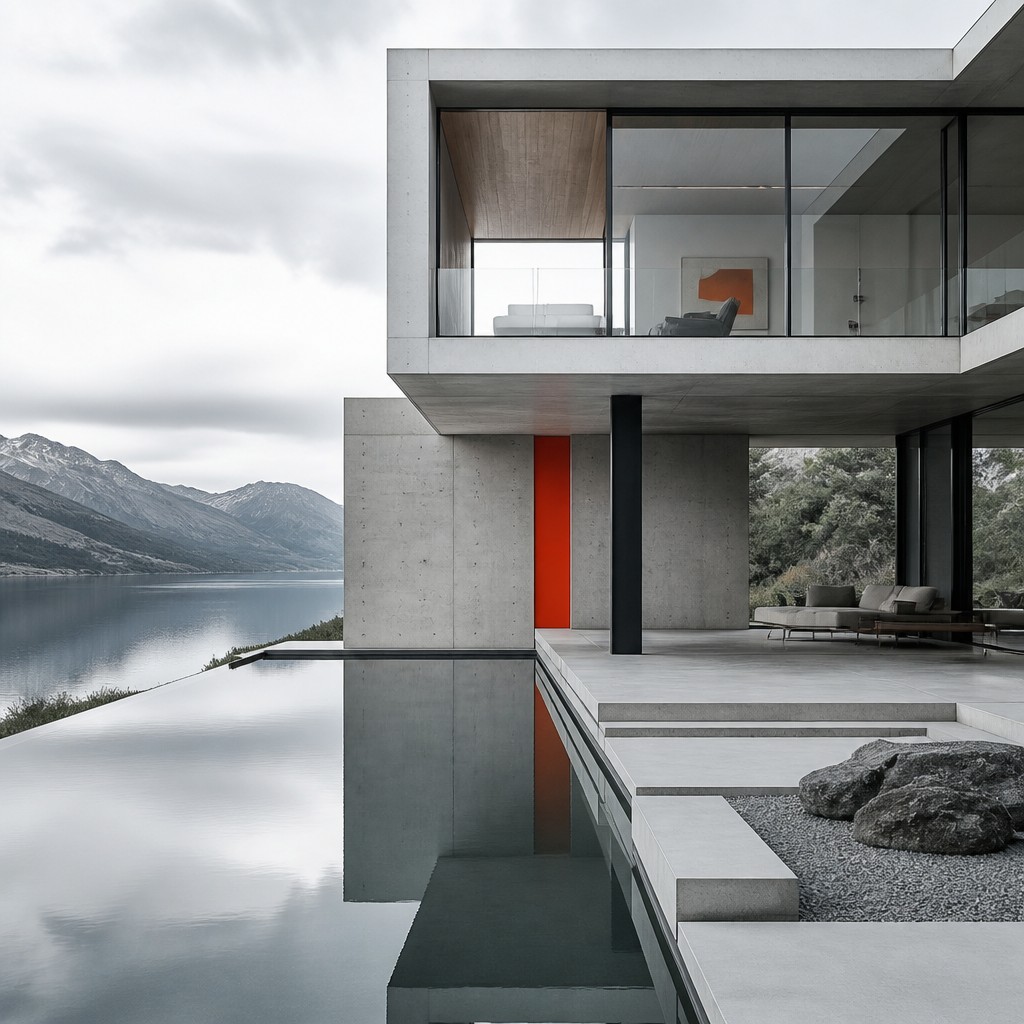
Modern Architecture Art highlights clean lines, open layouts, glass, concrete, and a sense of lightness. It often emphasizes simplicity, nature integration, and a refined contemporary look, making buildings feel airy, functional, and visually calm.
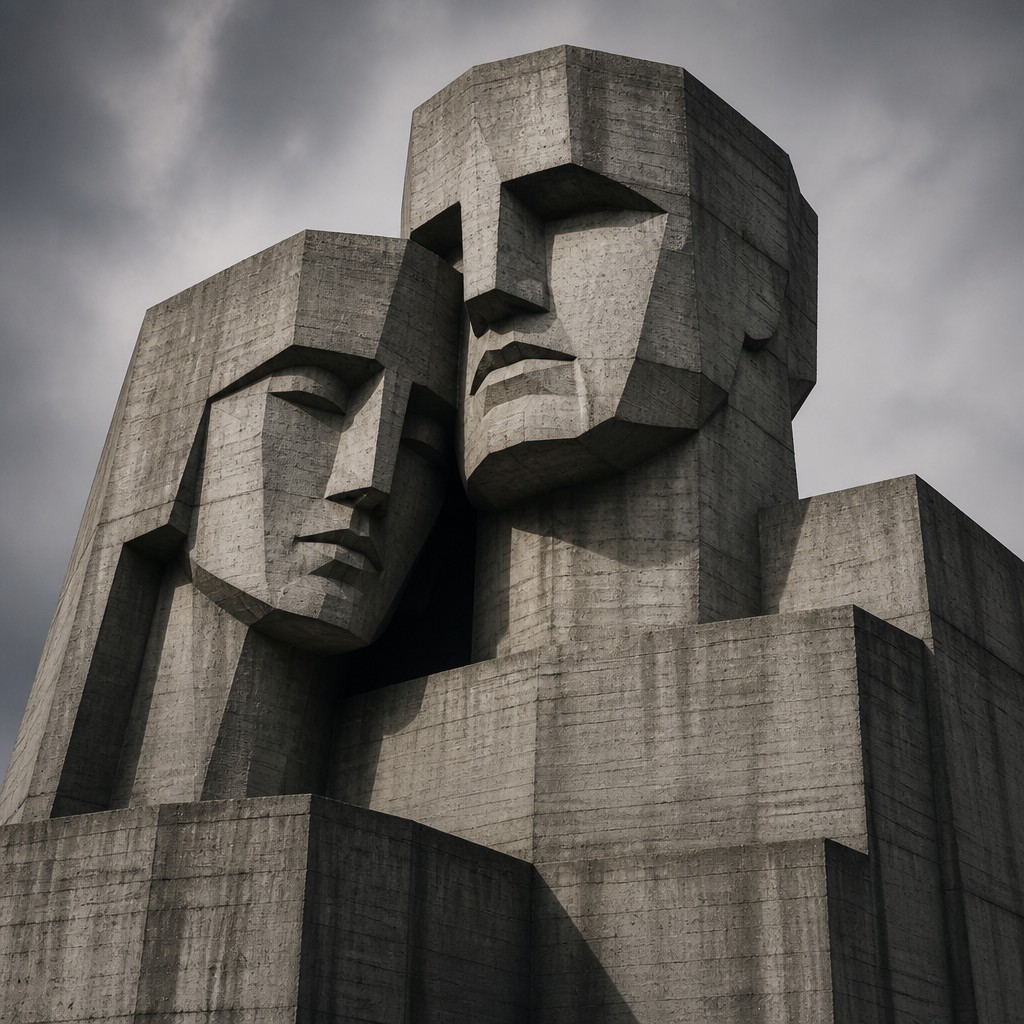
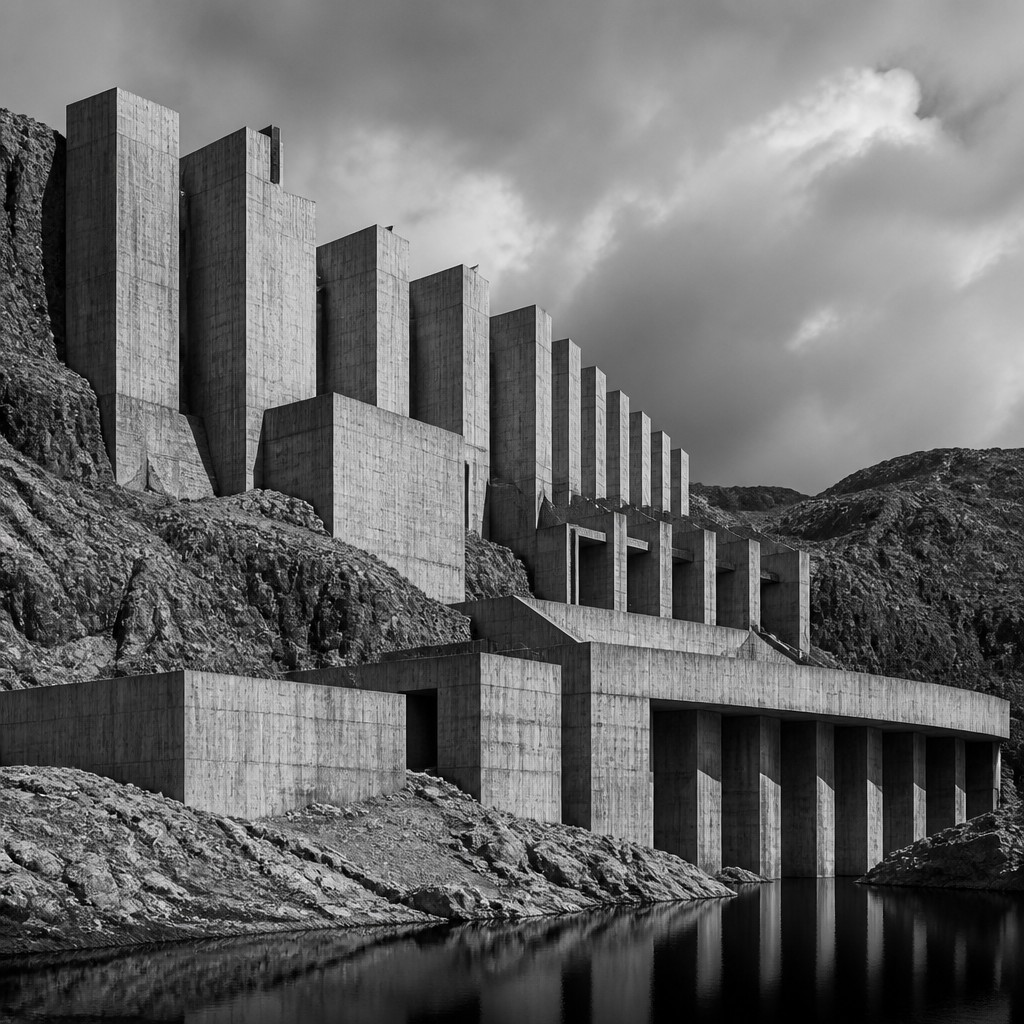
Brutalist Architecture Art focuses on raw concrete, heavy massing, and bold geometric forms. People compare the two because both value honest materials and strong structure, yet they differ sharply in mood: one feels sleek and open, the other monumental and austere.
Same Prompt, Both Styles
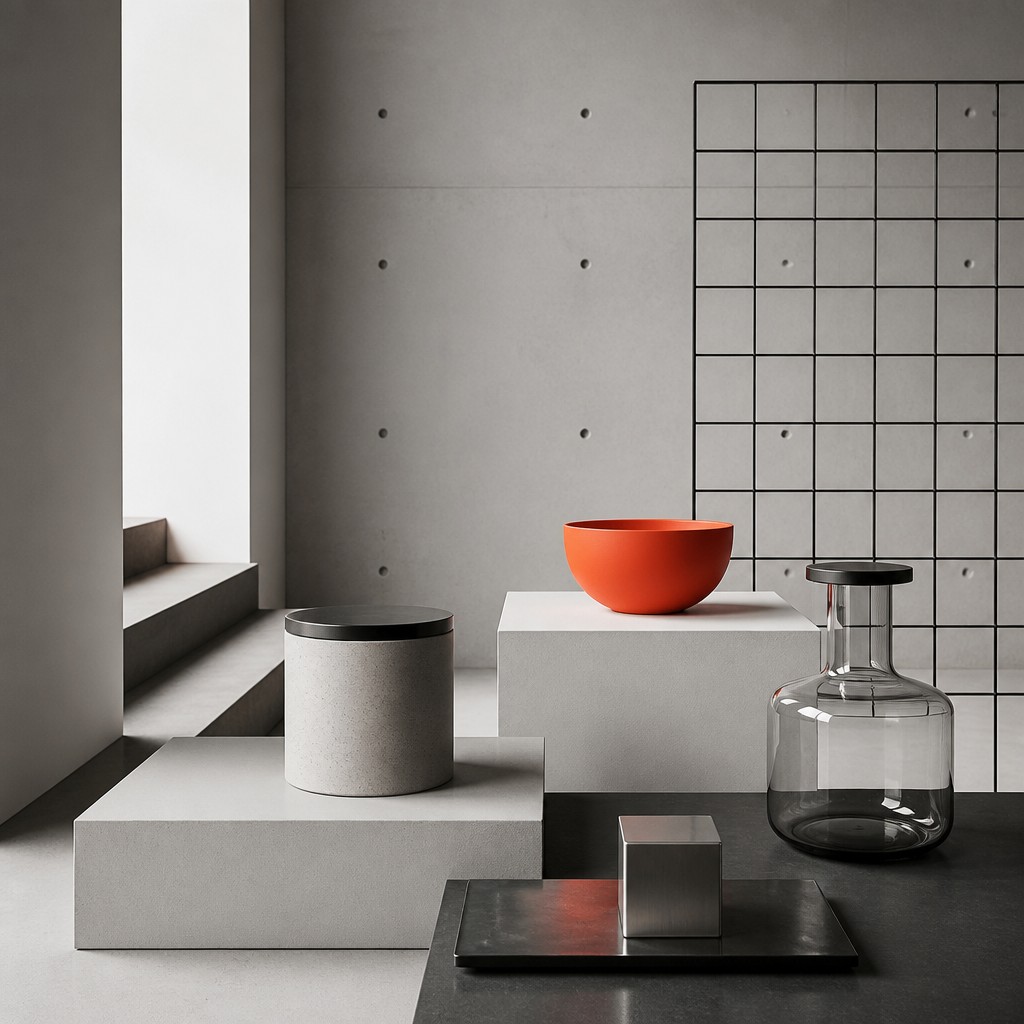
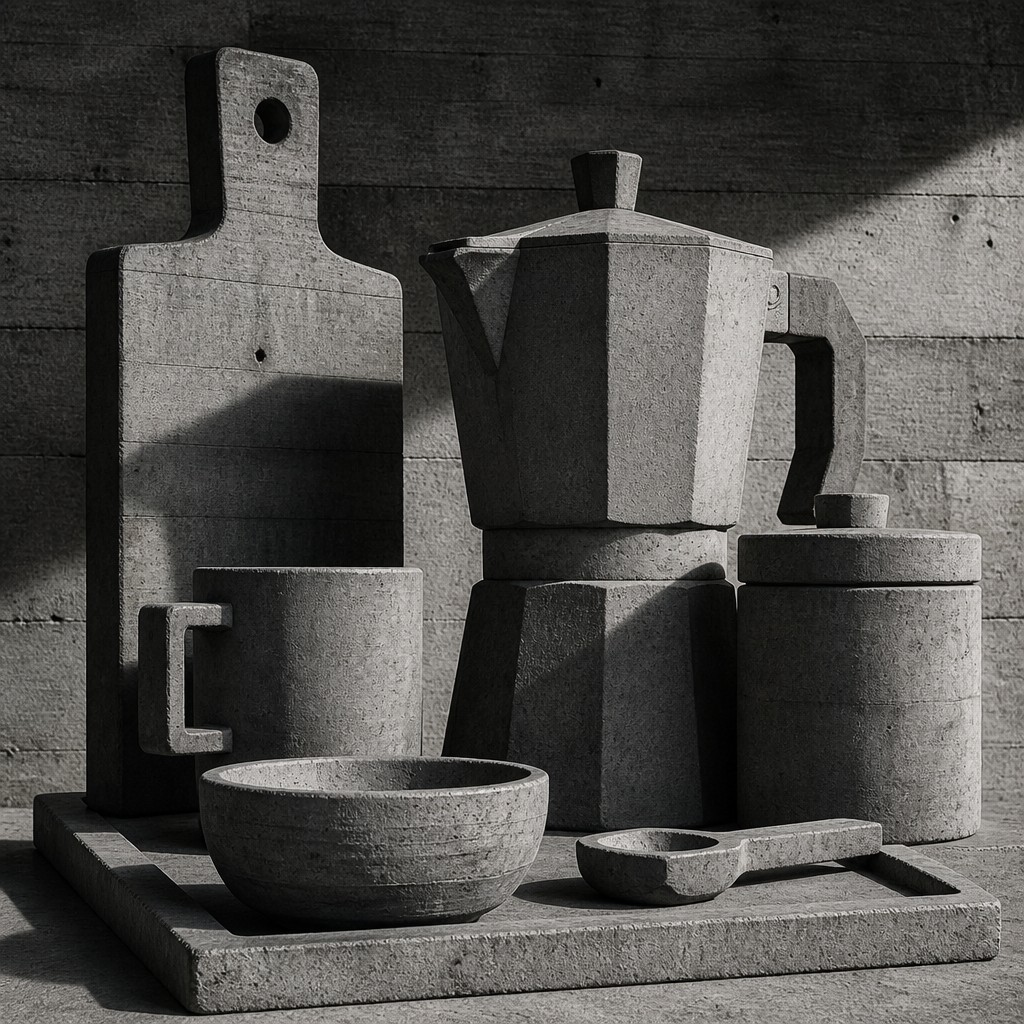
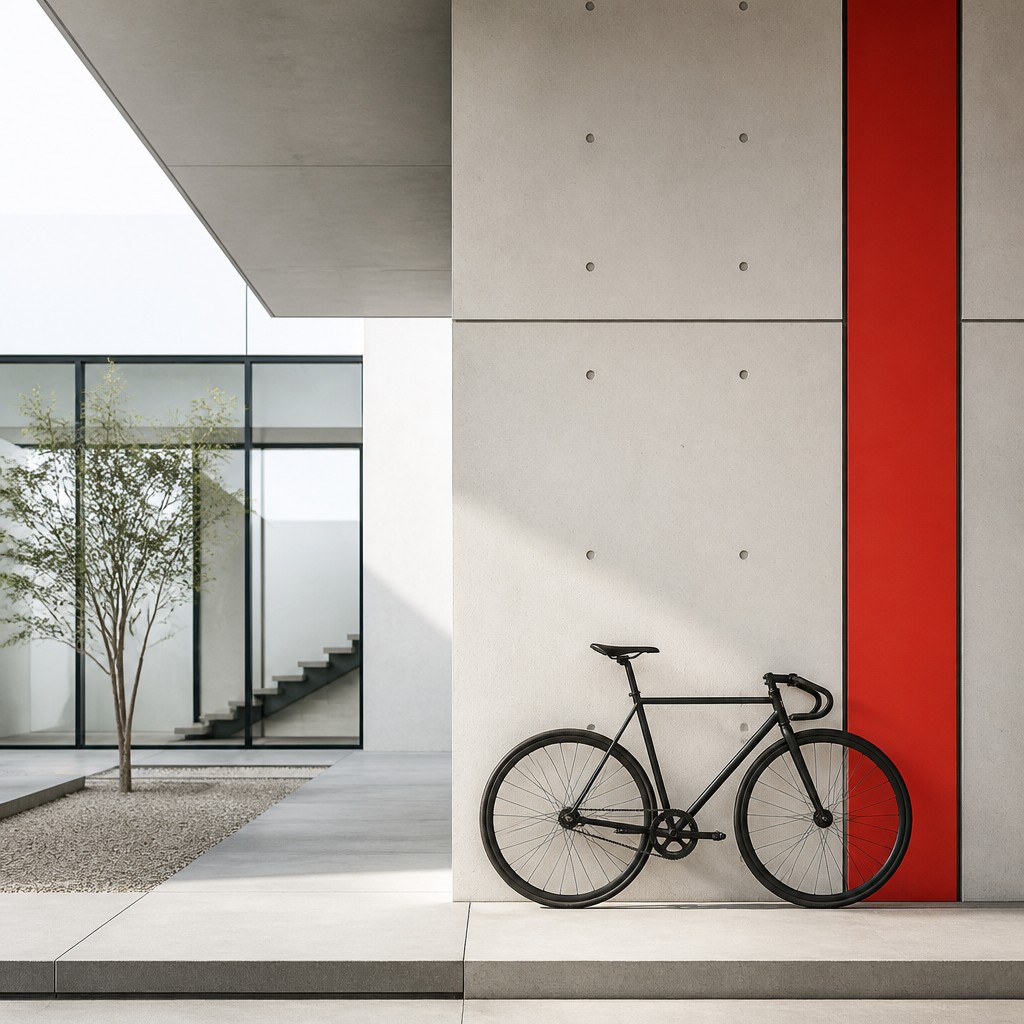
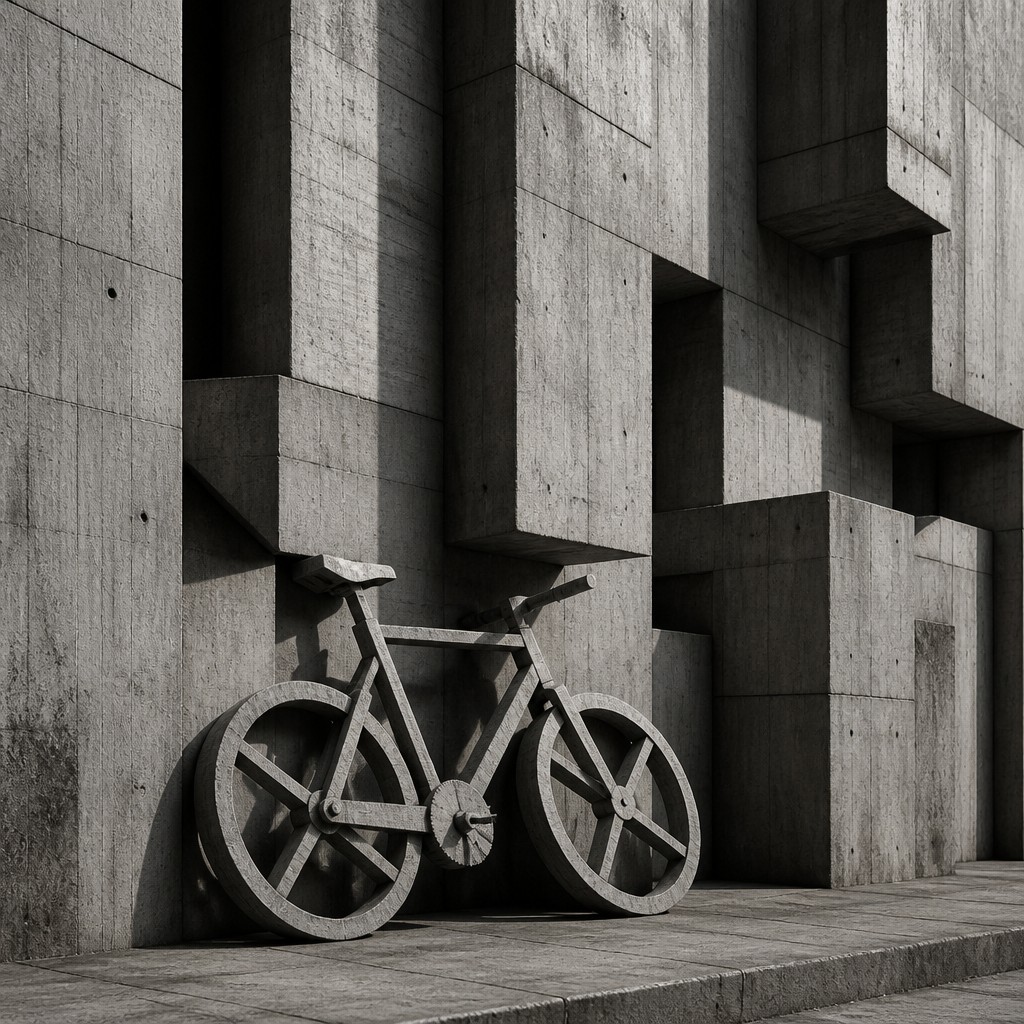
Each pair below was generated from the identical prompt — only the style changed.
“portrait of two people together”
“wide landscape with natural scenery”
“still life with everyday objects”
“bicyle resting against a wall”
Key Differences
| Modern Architecture | Brutalist Architecture | |
|---|---|---|
| Line & form | Slim, crisp lines and balanced, open compositions. | Thick, blocky forms with a heavy, fortress-like presence. |
| Materials | Glass, steel, concrete, and refined finishes are common. | Exposed, raw concrete is the dominant visual material. |
| Light & space | Prioritizes daylight, transparency, and visual openness. | Often feels enclosed, shadowed, and solid. |
| Mood | Calm, elegant, optimistic, and understated. | Austere, imposing, severe, and monumental. |
| Detailing | Minimal detailing with smooth transitions and clean edges. | Expresses joints, texture, and structural roughness. |
| Mood | clean, orderly, contemporary, restrained | austere, monumental, somber, imposing |
| Energy | calm | intense |
| Detail level | detailed | minimal |
| Color | neutral tones, glassy blues, warm wood accents | cool gray concrete, muted earth tones |
| Texture | smooth surfaces, crisp edges, polished materials | rough, pitted, board-formed surfaces |
| Origin | 20th-century international modernism, global urban design | mid-20th century Europe |
| Best for | architecture posters, real estate marketing, editorial spreads, presentation backgrounds, city branding, concept renderings | architectural posters, editorial spreads, urban concept art, book covers, museum graphics |
| Difficulty | advanced | moderate |
Which Should You Choose?
Choose Modern Architecture Art if you want a bright, refined image with openness, light, and a sense of livable comfort. Choose Brutalist Architecture Art if you want visual weight, raw material presence, and a dramatic, sculptural mood. In general, A suits airy, polished, people-centered spaces, while B suits bold, imposing, and material-focused compositions.
Frequently Asked Questions
Are modern and brutalist architecture the same because both use concrete?
No. Both can use concrete, but they use it differently. Modern Architecture Art usually softens concrete with glass, light, and elegance, while Brutalist Architecture Art leaves concrete raw and dominant.
Which style feels more welcoming?
Modern Architecture Art usually feels more welcoming because of its openness, daylight, and cleaner transitions between indoors and outdoors. Brutalist Architecture Art often feels more defensive or imposing.
Which style is more minimal?
Both can be minimal, but in different ways. Modern minimalism tends to feel light and polished, while Brutalist minimalism feels heavier, starker, and more structural.
Can the two styles overlap in one building or artwork?
Yes, they can overlap. A design might use brutalist massing with modern glazing or landscaping, creating a hybrid that mixes raw strength with contemporary openness.