Andorran Art Style
Explore Andorran Art Style: Romanesque chapels, granite towers, slate villages, mineral pigments, and crisp alpine light shaped by Pyrenean landscapes.
Instantly rendered in Andorran — or transform a photo
Andorran Gallery
Tap any artwork to explore it
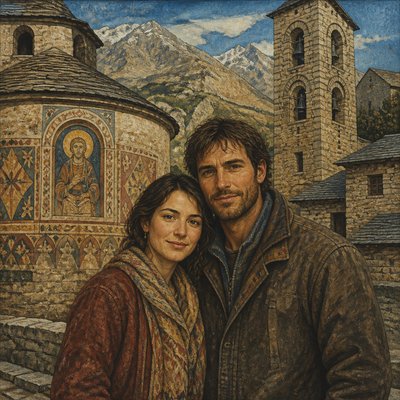
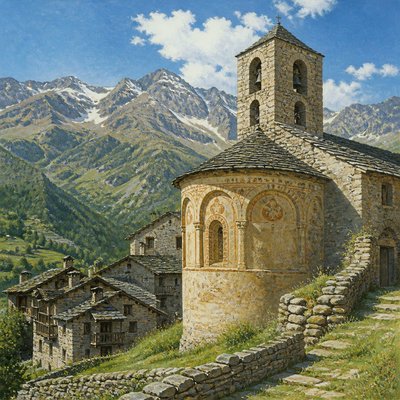
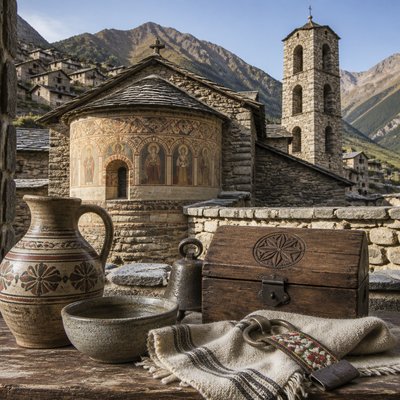
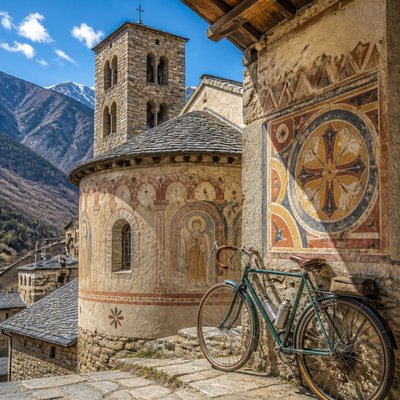
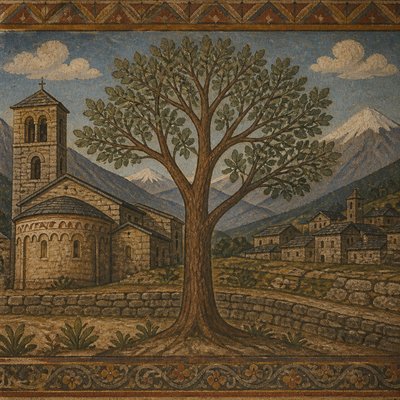
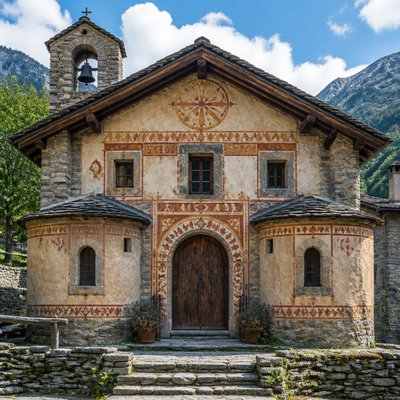
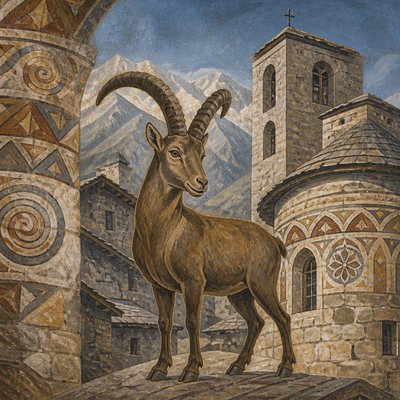
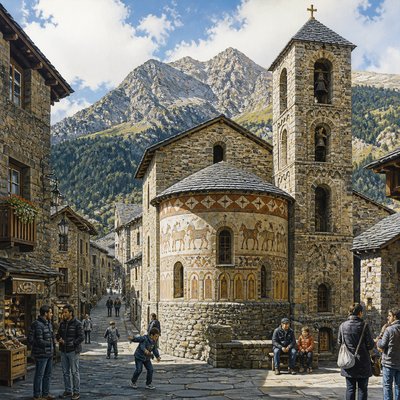
What is Andorran Art Style?
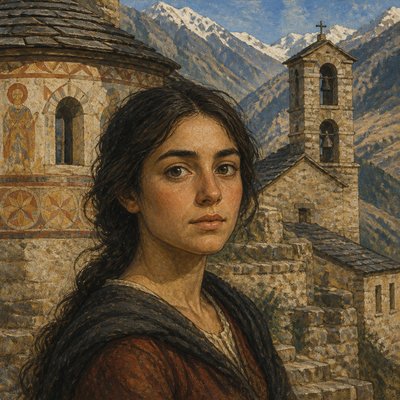
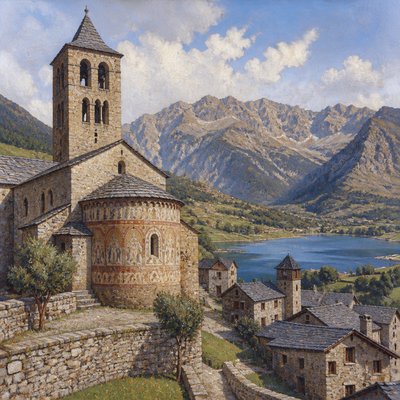
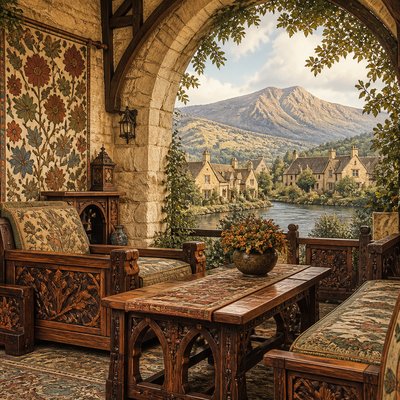
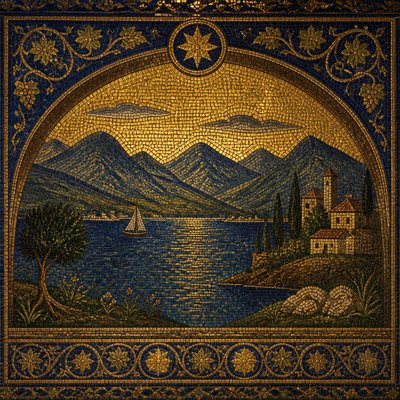
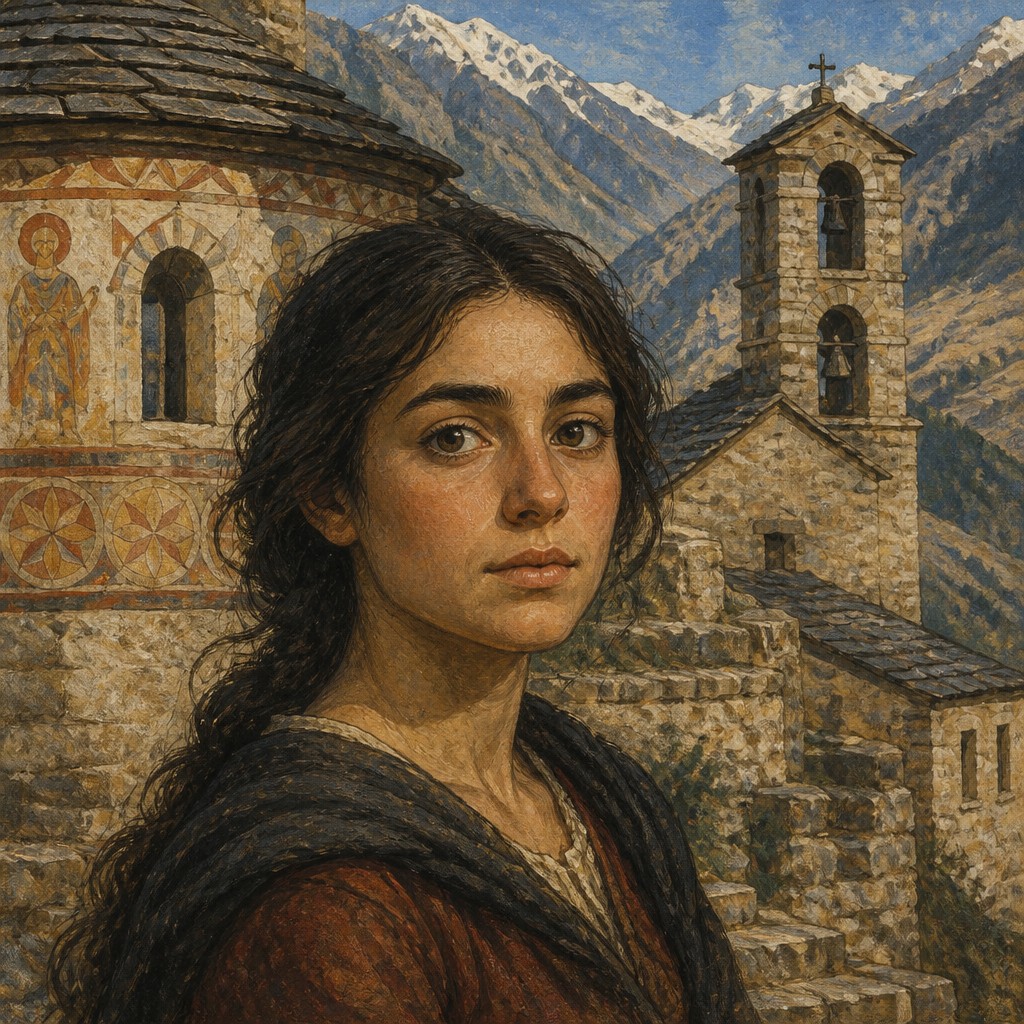
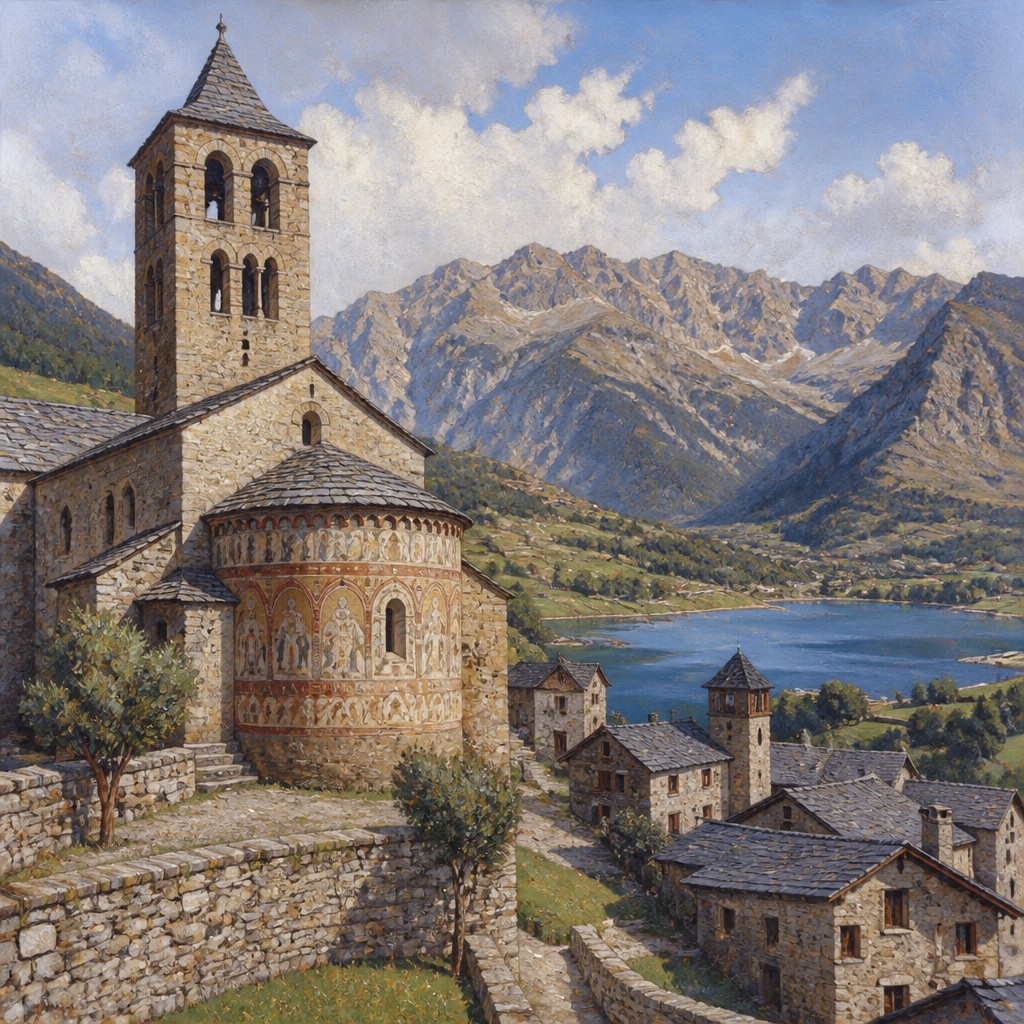
Andorran Art Style is an invented contemporary aesthetic rooted in the Romanesque heritage and mountain architecture of Andorra. It combines squat stone chapels, rounded apses, compact bell towers, slate roofs, terraced villages, and austere Pyrenean terrain with a restrained palette of granite gray, slate blue, ochre, umber, lichen green, and muted red.
Its visual identity depends on permanence, clarity, and modest craftsmanship rather than ornament for its own sake. Crisp high-altitude light reveals masonry joints, rough plaster, carved openings, and stepped stone walls, while simplified forms and mineral colors create an atmosphere of resilience, quiet devotion, and close adaptation to the mountain environment.
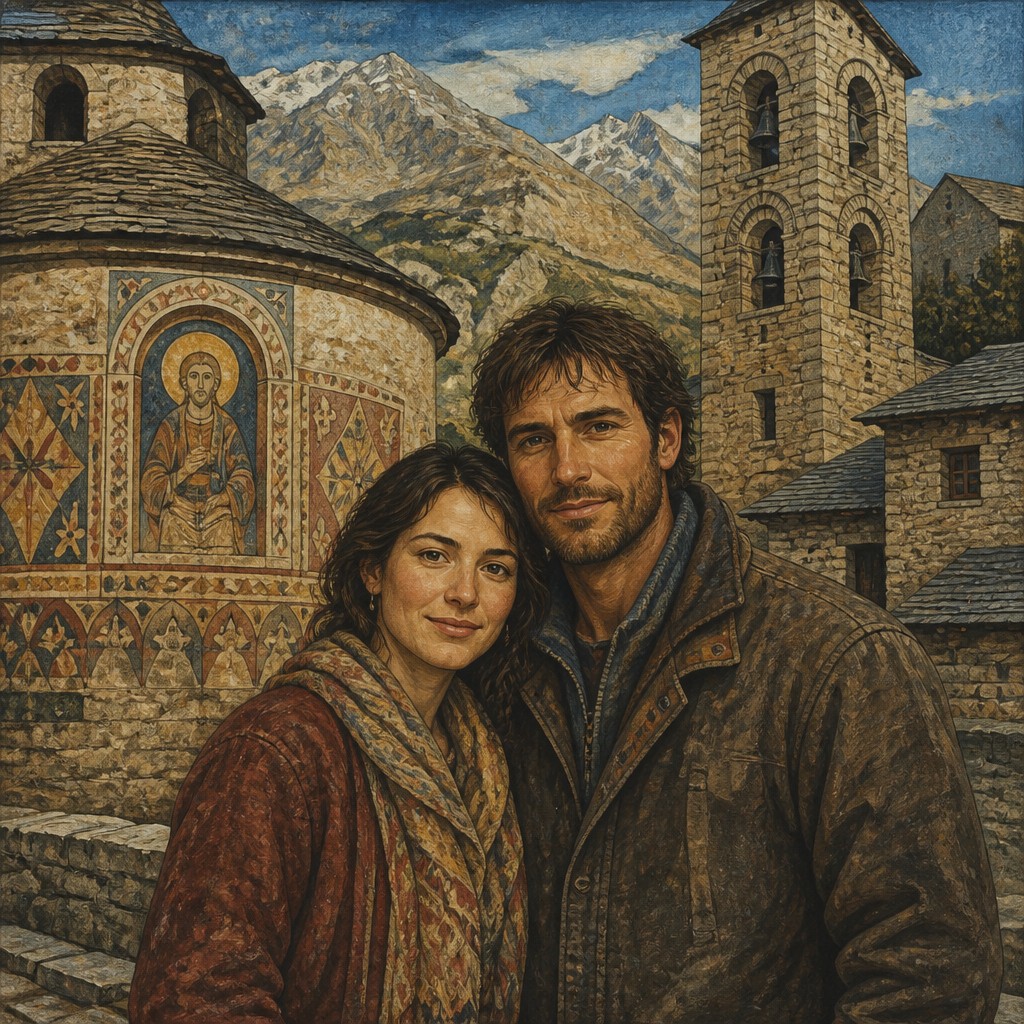
Try It On Your Photos
Upload any photo and convert it into Andorran Art Style — drag the sliders to compare before and after.
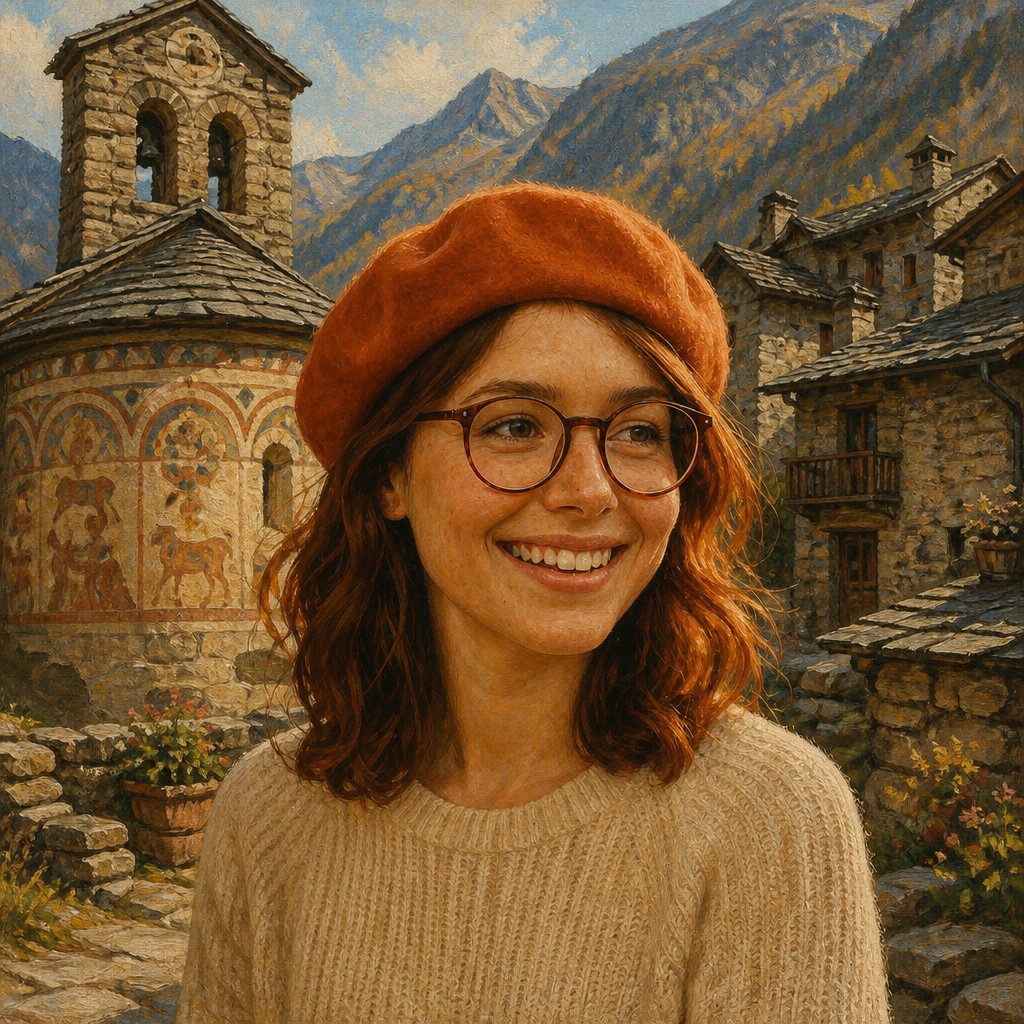

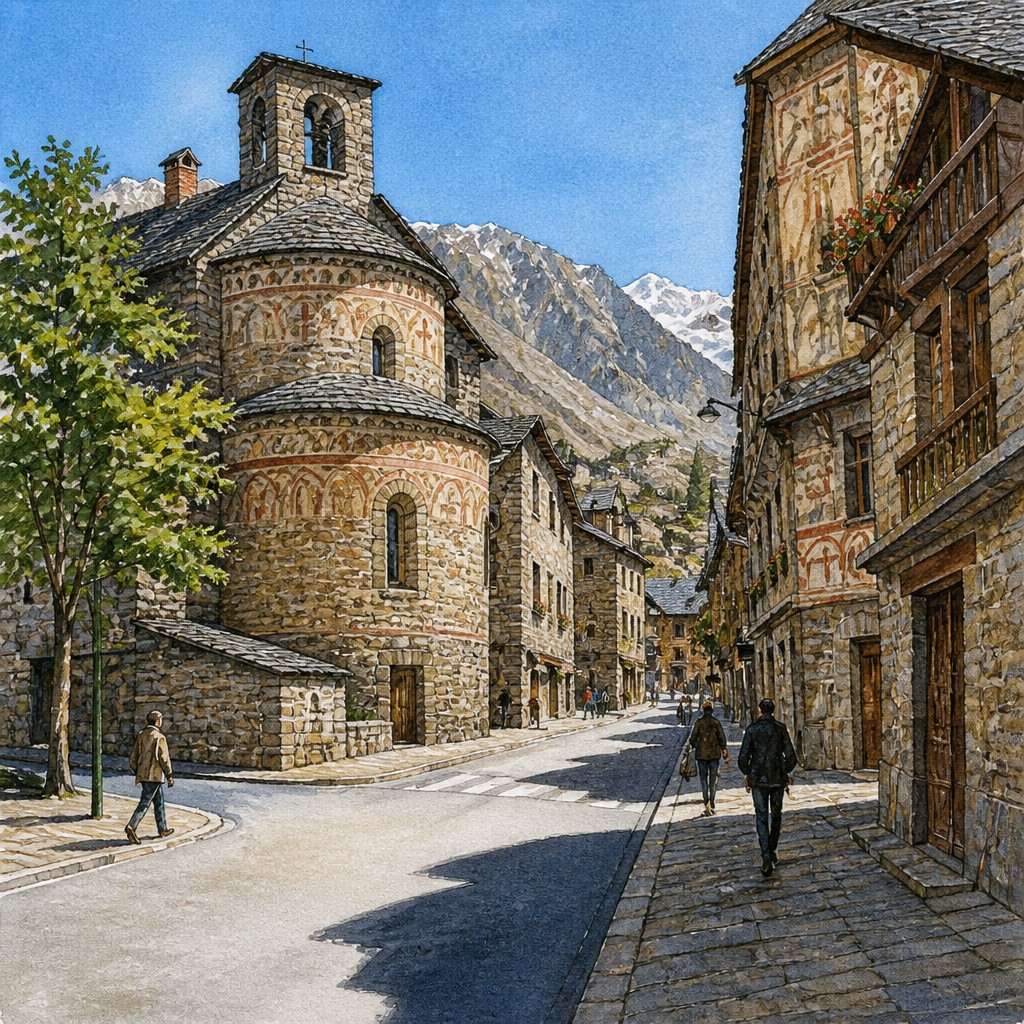

What Defines Andorran Art Style
The signature details, up close
Squat Romanesque massing
Buildings use compact proportions, rounded apses, thick walls, small openings, and sturdy silhouettes derived from early medieval mountain churches. The emphasis is on shelter, weight, and structural simplicity.
Weathered granite and slate
Rough granite masonry, irregular stone courses, and dark slate roofs provide the dominant material vocabulary. Surfaces should show age through restrained erosion, lichen, softened edges, and varied mineral texture.
Carved bell towers
Simple stone bell towers act as vertical accents within otherwise low village forms. Arched openings, minimal carving, and visibly hand-worked blocks preserve the sense of humble local construction.
Mineral-pigment ornament
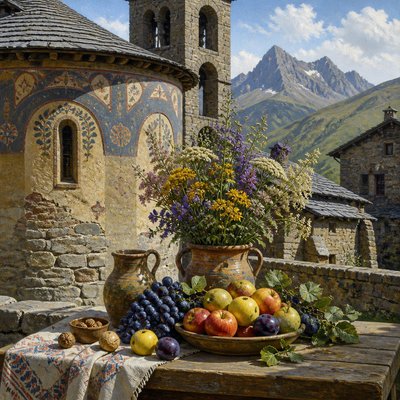
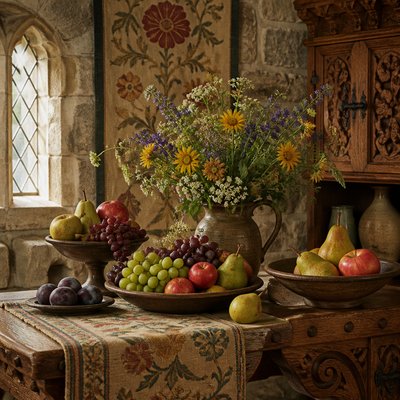
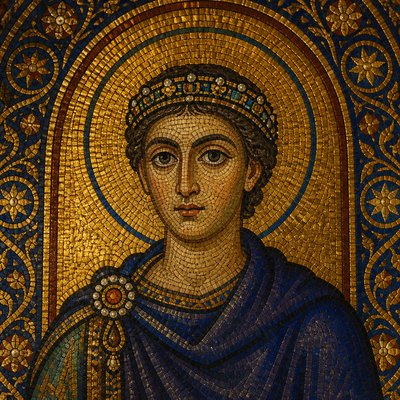
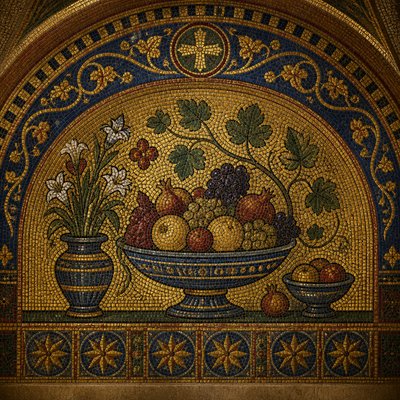
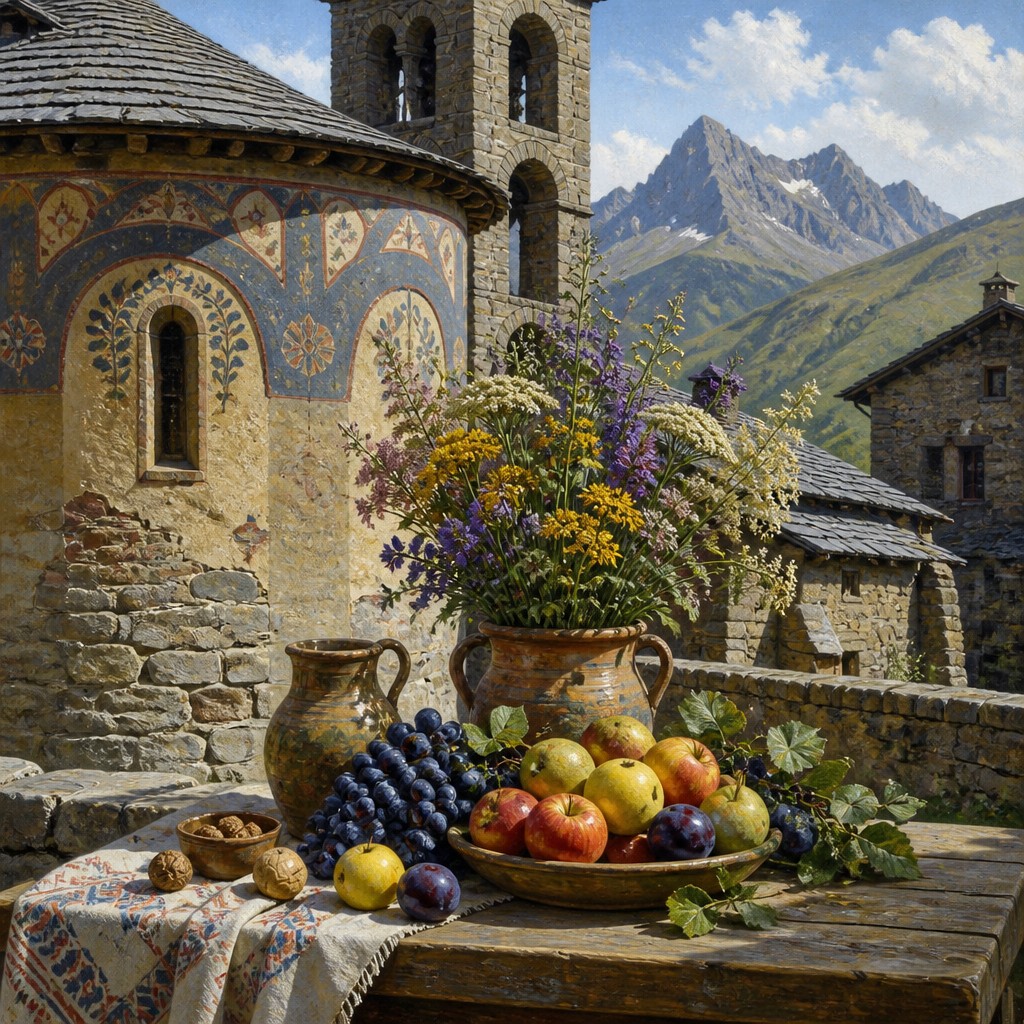
Wall decoration favors faded ochres, iron reds, charcoal, clay browns, and chalky whites. Ornament can suggest Romanesque fresco fragments, geometric borders, crosses, foliage, or symbolic patterns without becoming overly intricate.
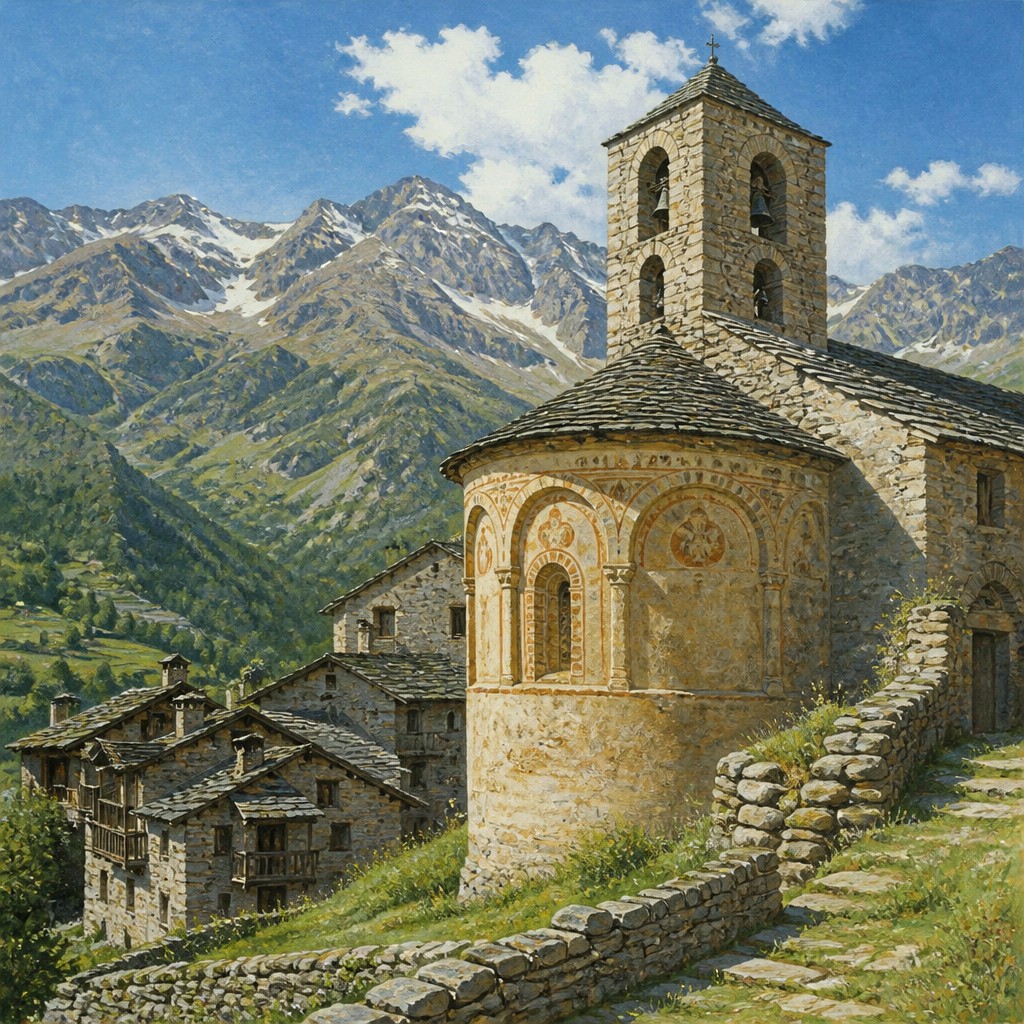
Crisp alpine illumination
High-altitude daylight produces sharp yet natural-edged shadows and strong separation between sunlit stone and cool recesses. Clear air, snow reflections, and restrained atmospheric haze help establish the mountain setting.
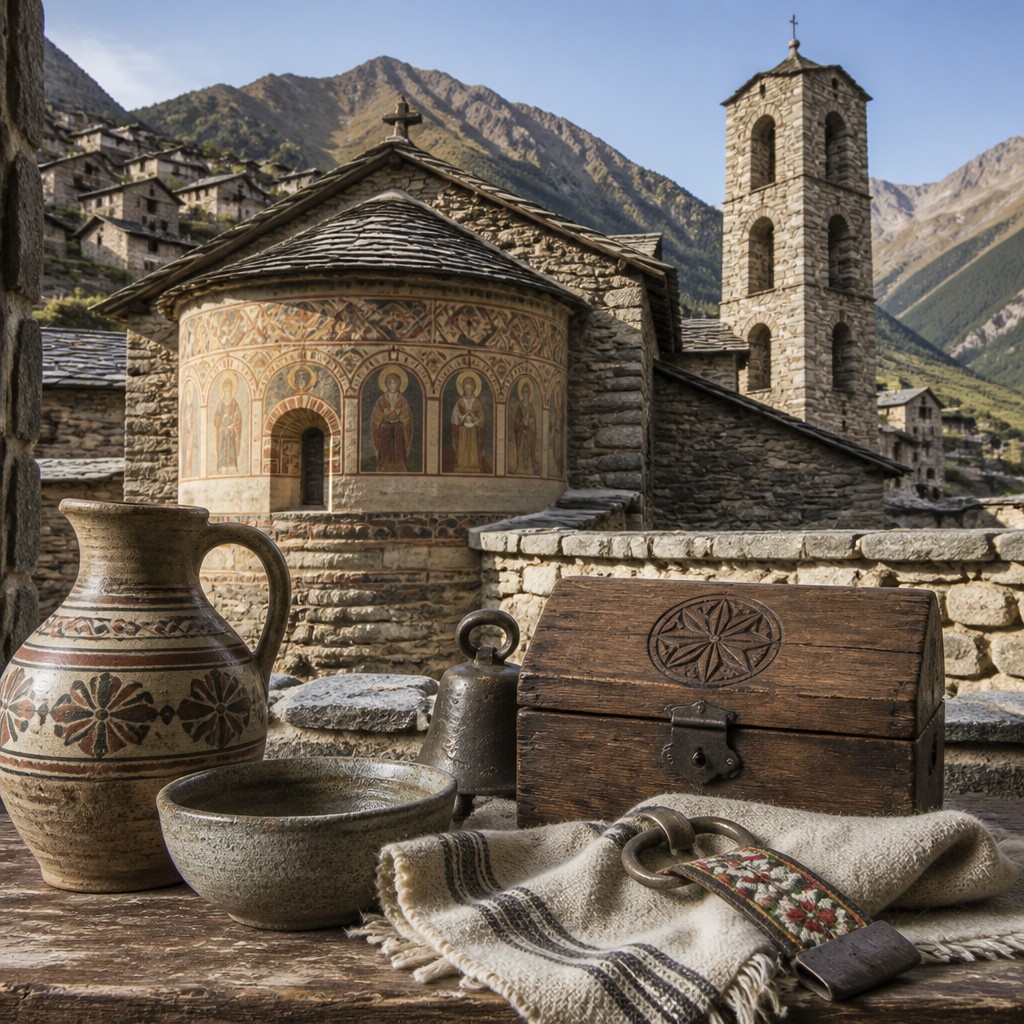
Terraced Pyrenean landscape
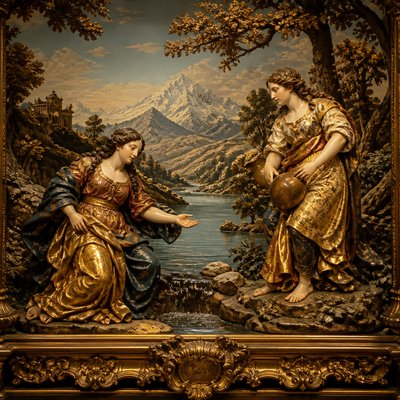
Steep slopes, narrow valleys, stone retaining walls, conifers, exposed rock, and distant peaks frame the architecture. Human settlement appears integrated into the terrain rather than imposed upon it.
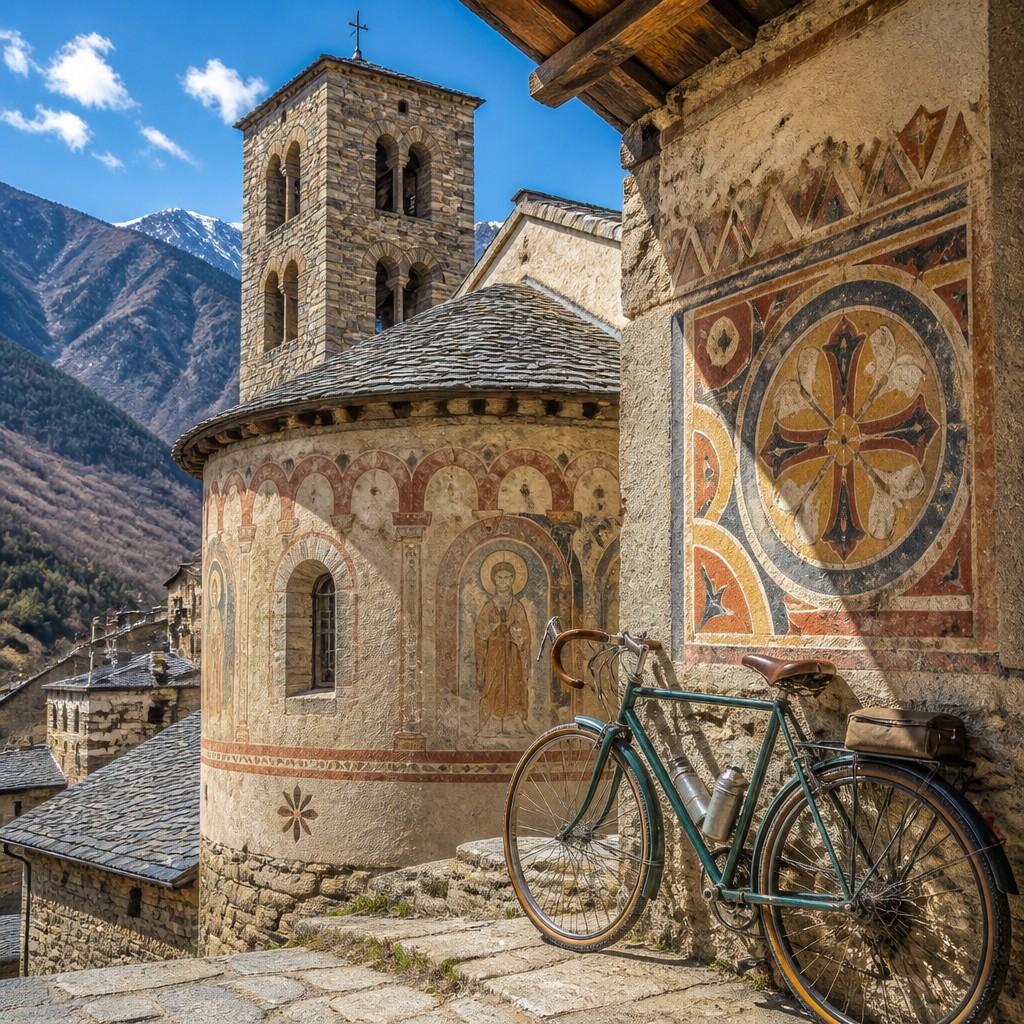
Quiet, durable mood
Compositions are contemplative and grounded, avoiding theatrical grandeur or excessive fantasy. Repetition of masonry, compact silhouettes, and earthy color creates a feeling of endurance and continuity.
Andorran Prompt Ideas
Start from an idea — each one opens the generator with the style ready to go. See all 40 Andorran prompts →
How to Create Andorran Art
Master the craft step by step — or skip straight to creating. Read the full guide →
- 1
Build with blocky silhouettes
Begin with simplified masses for the chapel, tower, village, and mountain slopes before adding details. Keep walls thick, roofs low and dark, and openings small enough to preserve a defensive, weather-resistant character.
- 2
Use a mineral palette
Work with granite gray, slate blue, ochre, umber, muted terracotta, chalk white, and subdued greens. In traditional media, layer diluted earth pigments or opaque matte paint; digitally, reduce saturation and add subtle stone and plaster texture.
- 3
Control the light
Place a clear alpine sun at a high angle and reserve cool shadow for apses, doorways, roof undersides, and narrow streets. Avoid glossy highlights, neon colors, and dense atmospheric fog that would weaken the style's material clarity.
- 4
Suggest hand craftsmanship
Vary individual stones, roof slates, plaster edges, and carved openings rather than using perfectly regular patterns. A restrained amount of asymmetry, weathering, and pigment loss makes the architecture feel built and maintained by local communities.
- 5
Compose in layers
Arrange a foreground of terraced walls or scrub, a middle ground of chapel and village forms, and a background of sharply articulated peaks. This structure keeps the architecture legible while giving the landscape equal importance.
- 6
Specify materials and mood in digital prompts
For prompt-based creation, name the subject, Romanesque architectural features, granite or slate materials, mineral pigments, high-altitude light, and desired level of weathering. For photo transformation, preserve recognizable composition while asking for simplified stone textures, earthy color grading, and crisp alpine shadows.
The Story
History & Origins of Andorran
Andorran Art Style is not a documented historical movement or a named school. It is a modern interpretive synthesis based chiefly on the Romanesque churches and chapels preserved in Andorra, many of which date from the 11th through 13th centuries, together with vernacular Pyrenean settlements, granite construction, slate roofing, terraced agriculture, and local mountain landscapes.
The style develops these sources into a unified visual language suitable for illustration, painting, architectural visualization, and digital image-making. Its historical lineage therefore lies in Romanesque religious architecture, medieval mural decoration, traditional mountain building, and landscape representation rather than in a single period or organized artistic group.
Influences: The style draws on European Romanesque architecture and mural painting, especially the compact churches and fresco traditions of the medieval Pyrenees. It also incorporates vernacular mountain architecture, dry-stone construction, slate-roofed settlements, alpine landscape painting, documentary architectural illustration, and contemporary material-focused digital art. Its restrained geometry and earthy palette can overlap with rustic minimalism, but its historical references remain specifically tied to medieval Christian architecture and Pyrenean building traditions.
Frequently Asked Questions
Is Andorran Art Style a recognized historical art movement?
No. It is an invented contemporary style label rather than a documented movement, period, or organized school. Its imagery is based on real Andorran Romanesque heritage, Pyrenean architecture, vernacular craftsmanship, and alpine landscape.
What defines the Andorran Art Style?
Its defining features are compact Romanesque chapels, rounded apses, carved granite bell towers, slate roofs, terraced stone settlements, mineral-pigment colors, and crisp mountain light. The overall mood is sturdy, quiet, devotional, and closely integrated with the landscape.
How is it different from generic medieval or Romanesque art?
Romanesque is a broad historical style found across medieval Europe, while this aesthetic narrows its focus to Andorra and the Pyrenean environment. It combines Romanesque forms with local granite, slate, terraced terrain, high-altitude illumination, and contemporary landscape composition.
Can this style be used for subjects other than chapels?
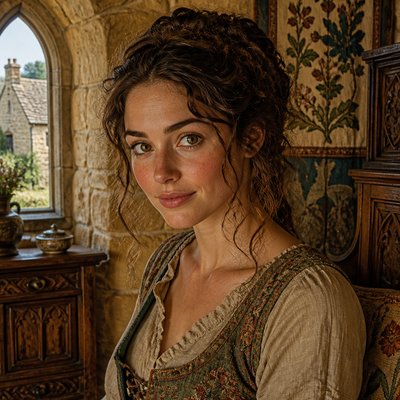
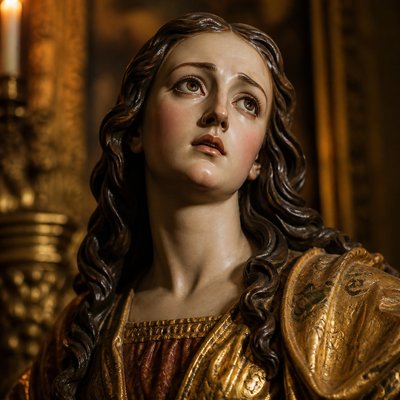
Yes. It works well for mountain villages, bridges, farmhouses, landscapes, interiors, pilgrimage routes, and portraits set against alpine architecture. The subject should retain a sense of durable materials, restrained color, and connection to the terrain.
How can I make a painting in this style traditionally?
Use matte, earth-based colors and emphasize broad architectural masses before small details. Acrylic, gouache, watercolor, tempera, or dry media can reproduce its mineral palette, while scumbling, dry brushing, and lightly distressed surfaces suggest aged plaster and weathered stone.
Is the style suitable for digital art or photo transformation?
Yes. Digital painting can combine hard-edged architectural shapes with textured brushes for granite, slate, and fresco. For photo transformation, retain the original subject's structure while applying desaturated mineral colors, simplified forms, crisp directional light, and subtle weathering rather than replacing every detail.
Create your first Andorran artwork
Describe anything — or upload a photo — and see it in Andorran Art Style in seconds.
Related Styles
Discover similar art styles