Tajik Art Style
Explore Tajik art style: Sogdian fresco colors, silk ikat bands, suzani embroidery, and Pamir architecture in a Silk Road-inspired visual language.
Instantly rendered in Tajik — or transform a photo
Tajik Gallery
Tap any artwork to explore it
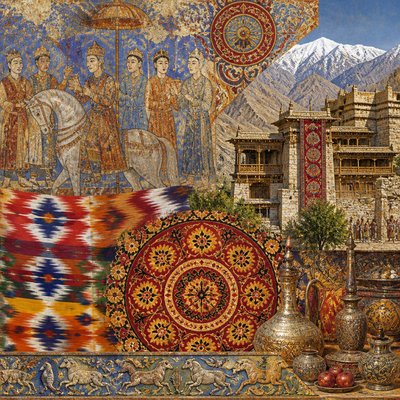
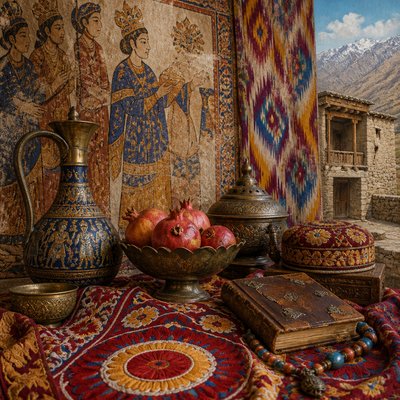
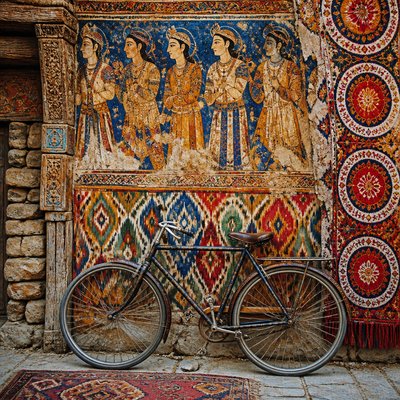
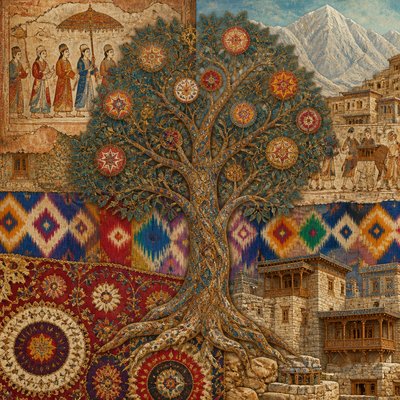
What is Tajik Art Style?
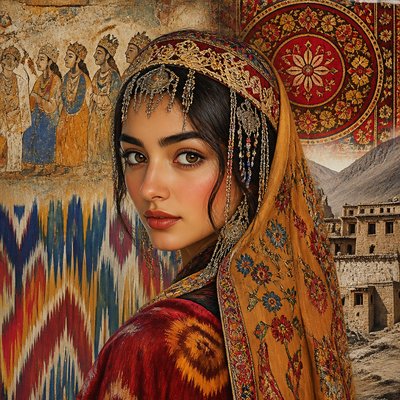
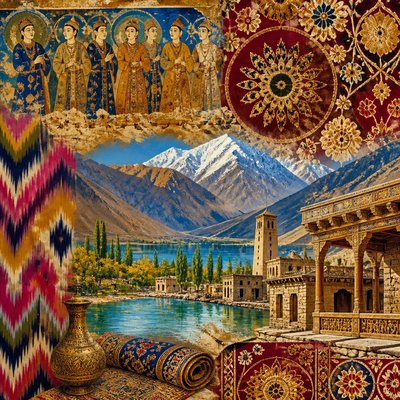
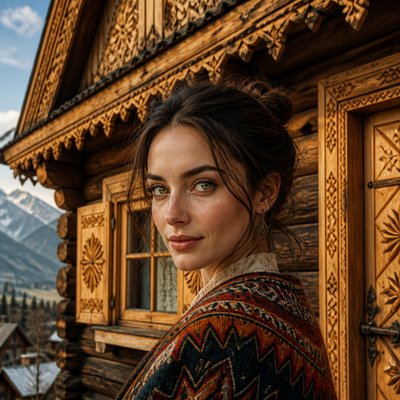
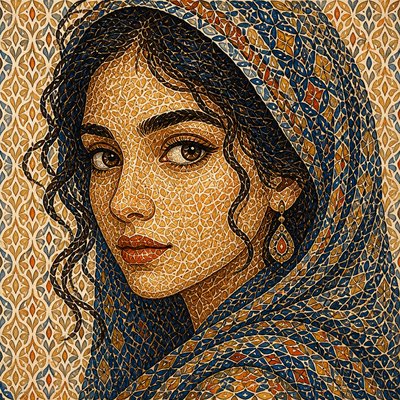
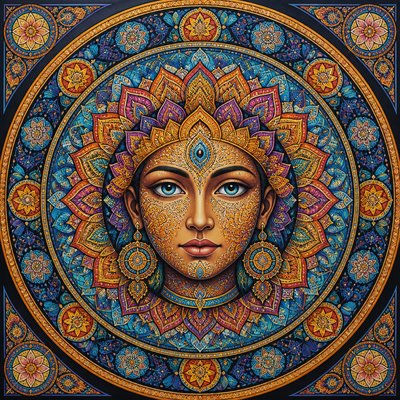
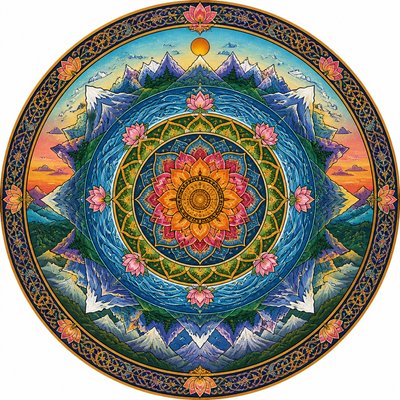
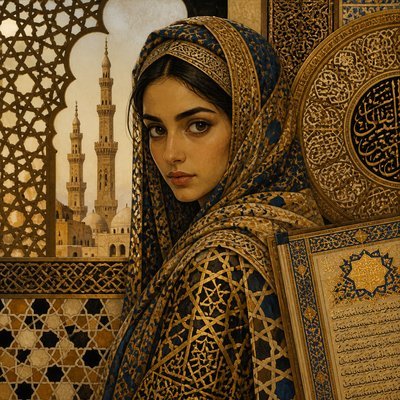
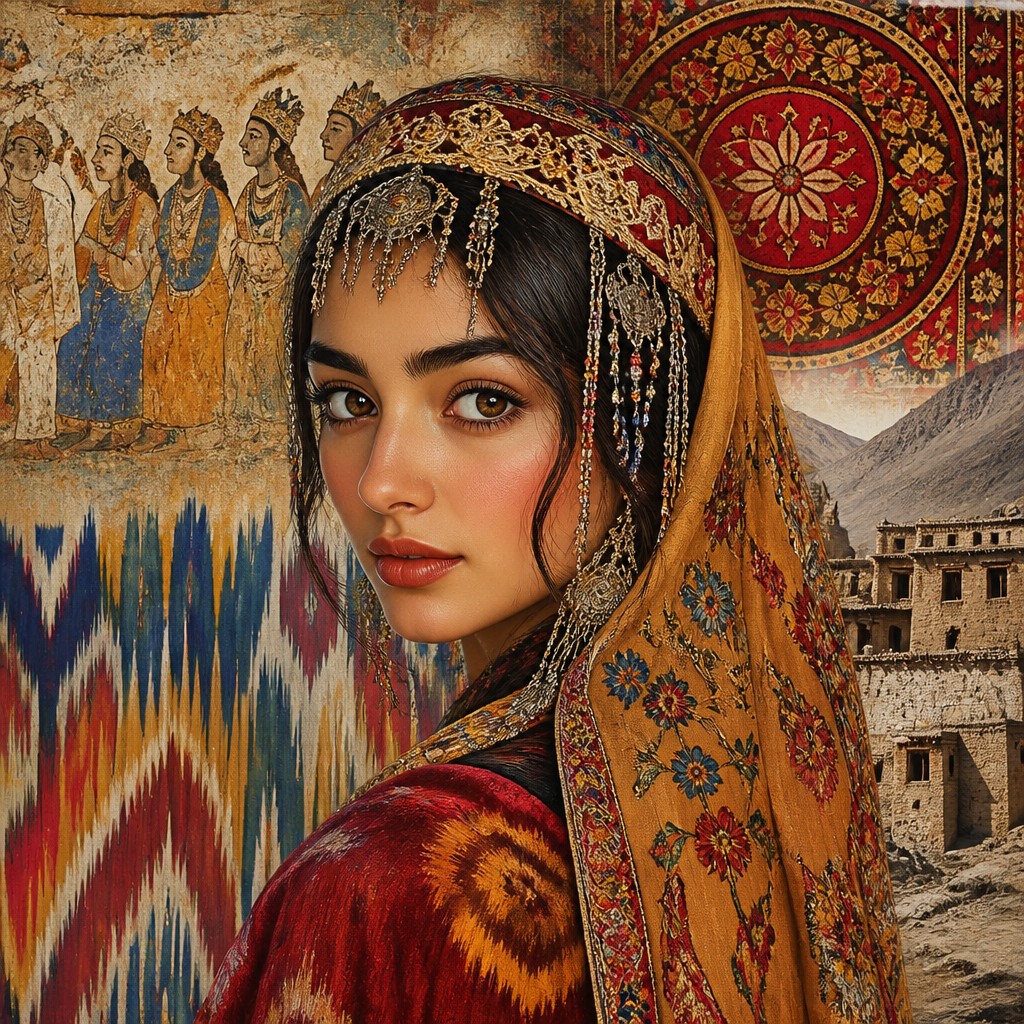
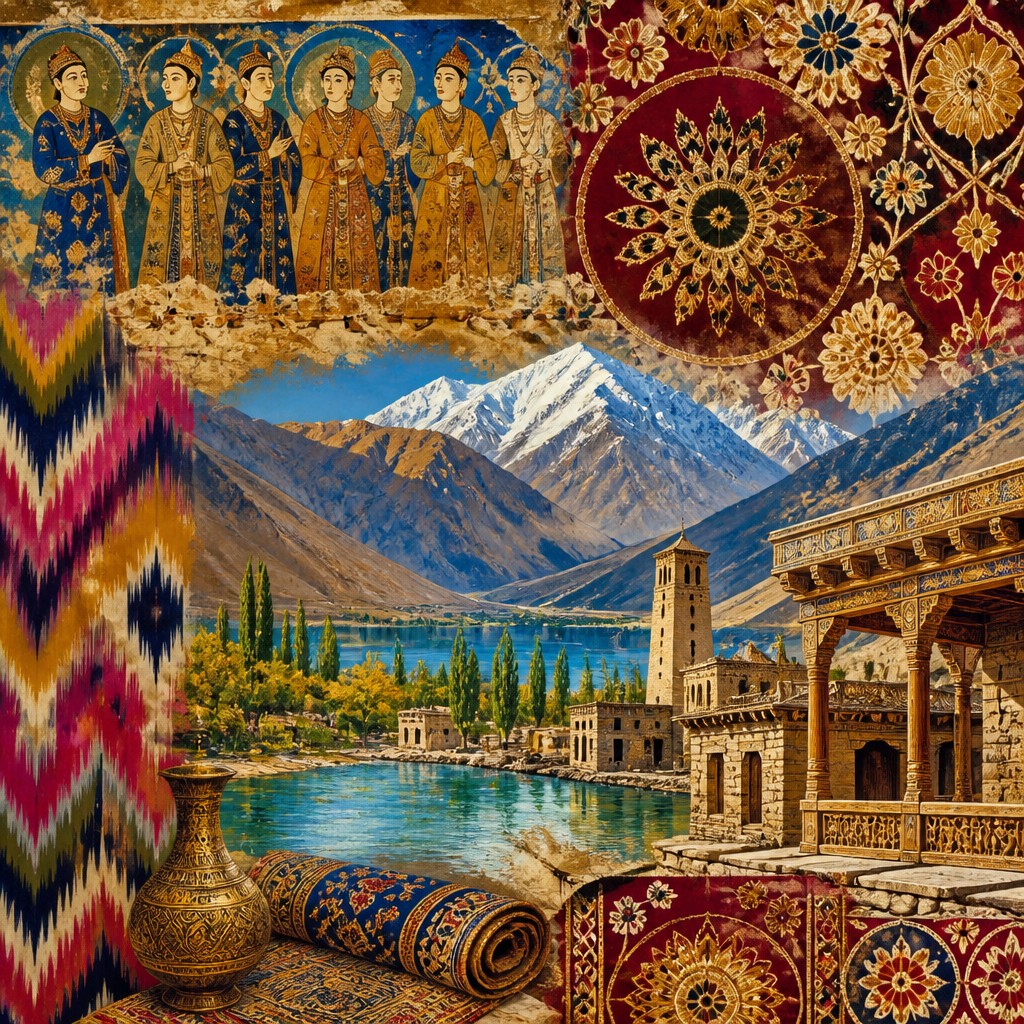
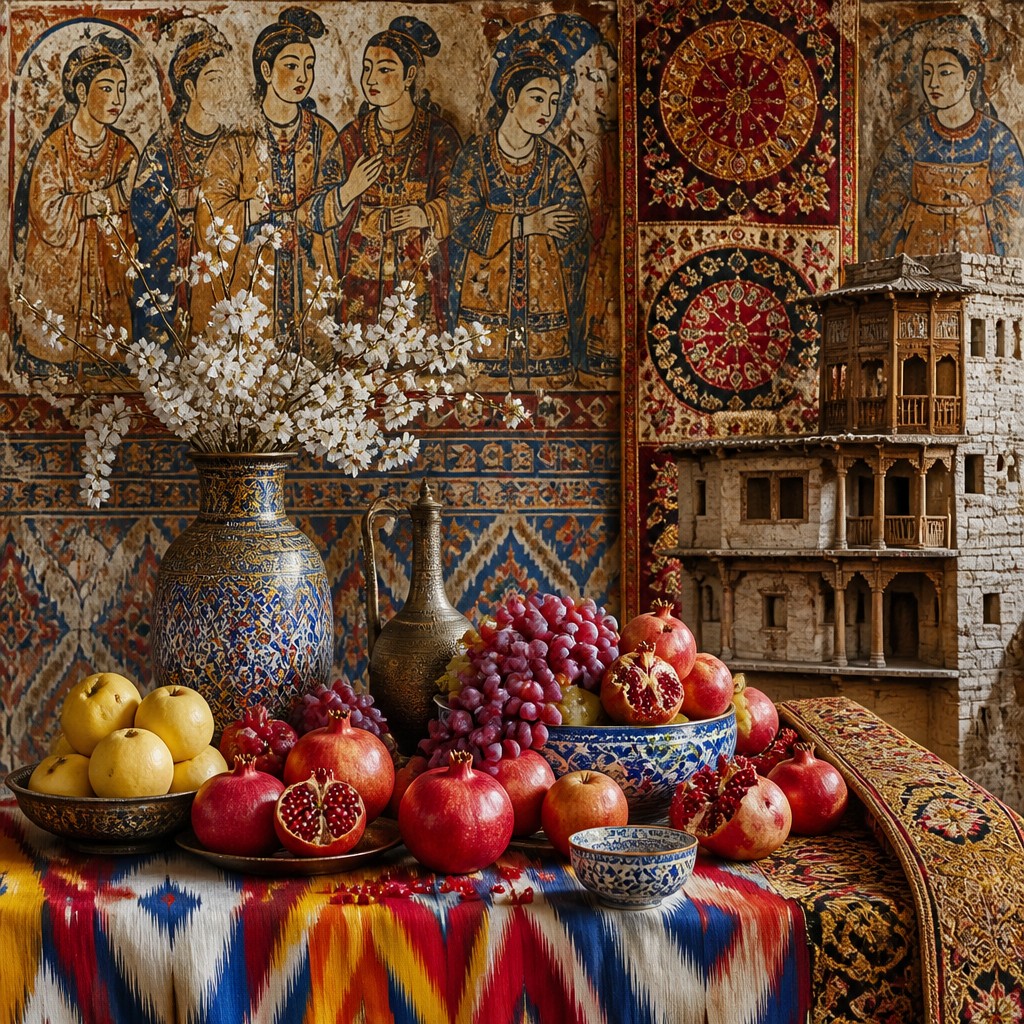
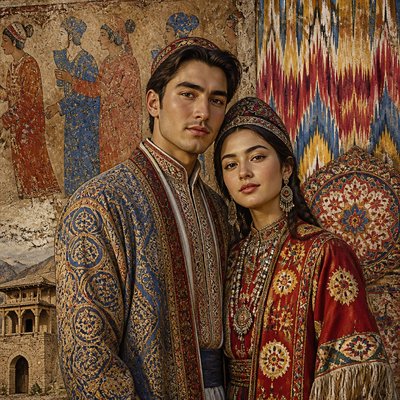
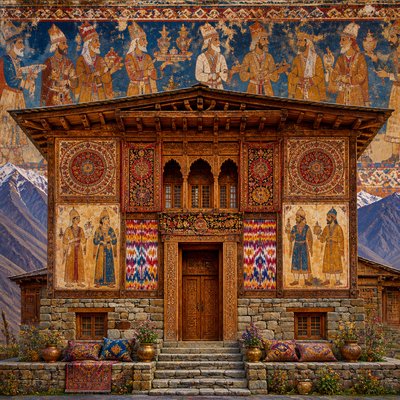
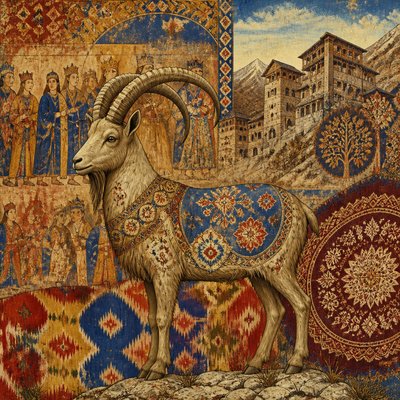
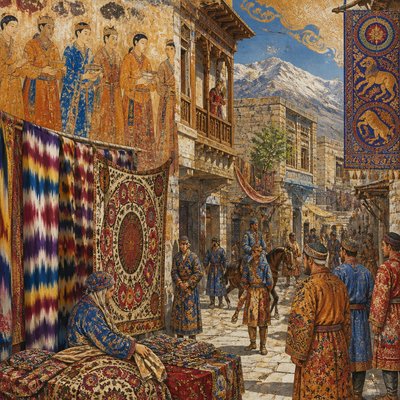
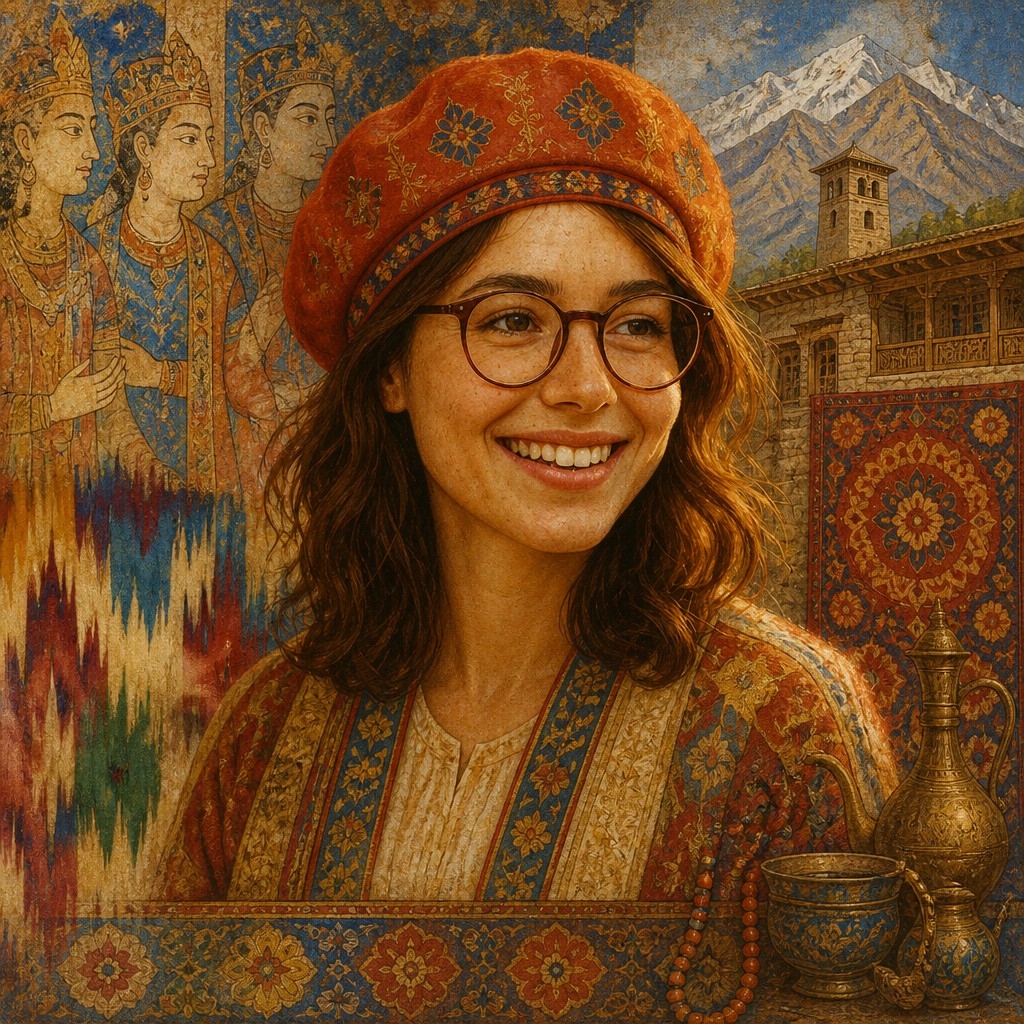
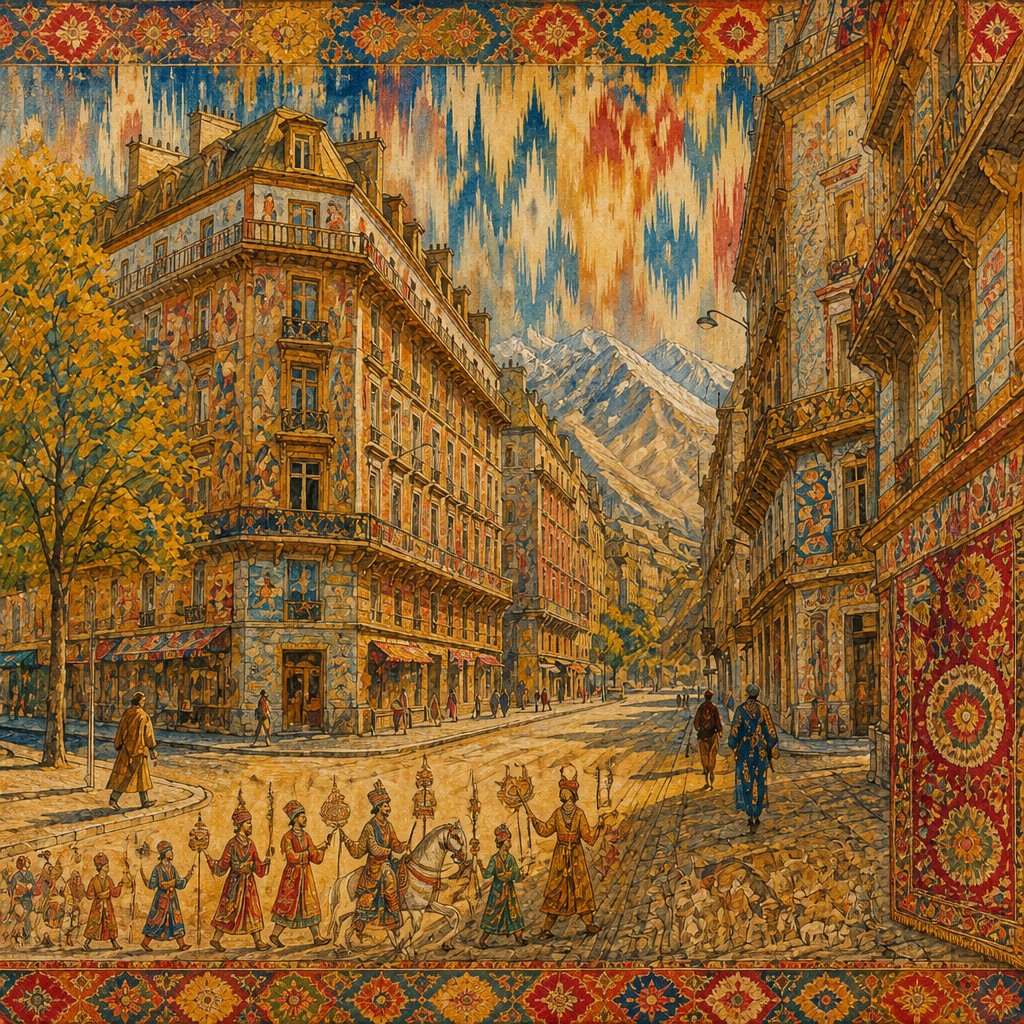
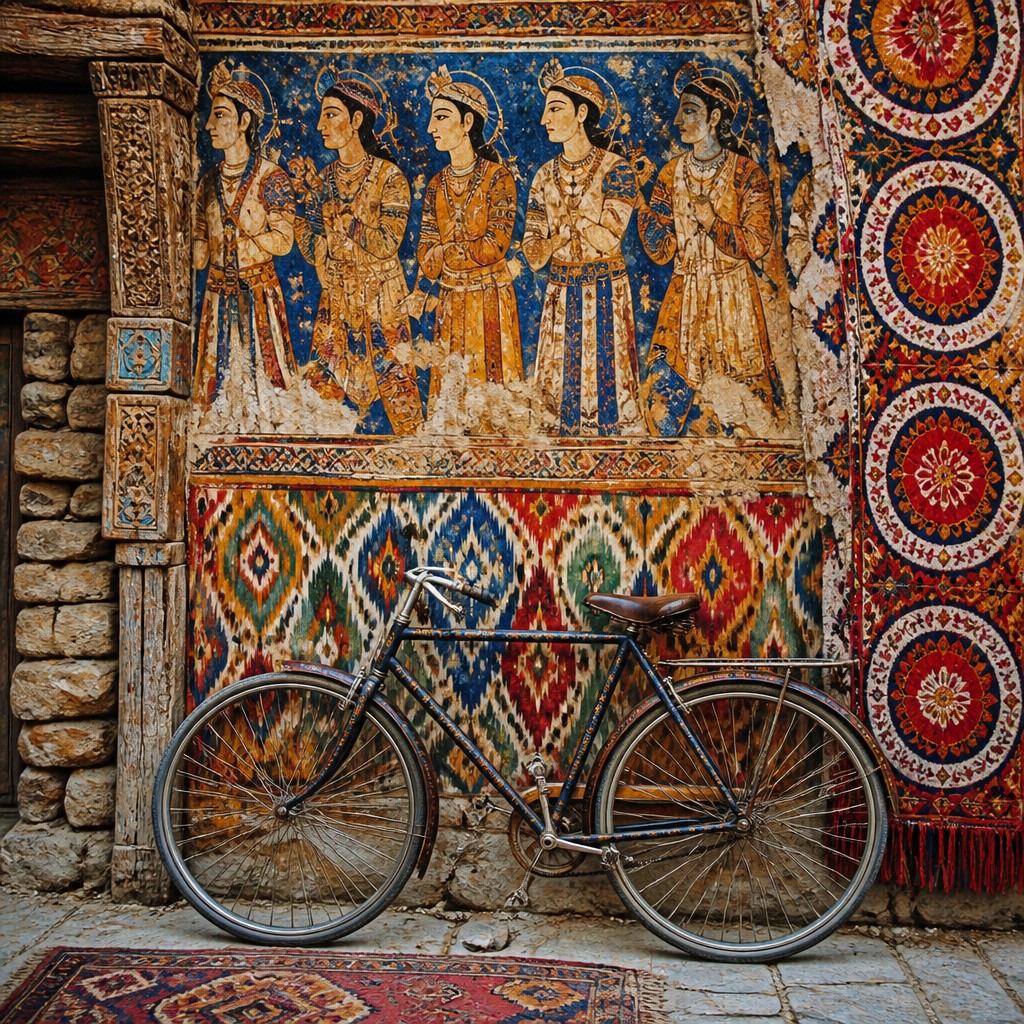
Tajik art style is a contemporary visual synthesis inspired by the cultural landscape of Tajikistan and the wider Central Asian Silk Road. It combines the mineral-rich ochres and lapis blues of Sogdian wall paintings with the saturated, softly shifting bands of silk ikat and the floral medallions, rosettes, and symbolic ornament of embroidered suzani textiles. Pamir stone-and-timber buildings and mountain environments provide an architectural and geographic setting.
The style looks deliberately layered and tactile. Courtly figures, horses, musicians, travelers, and architectural forms may appear as if assembled from damaged fresco fragments, woven cloth, and painted ornament. Strong contouring, flattened perspective, decorative repetition, crimson-and-gold accents, and glowing earth colors create an impression of ancient trade-route opulence without representing a single historically defined Tajik art movement.
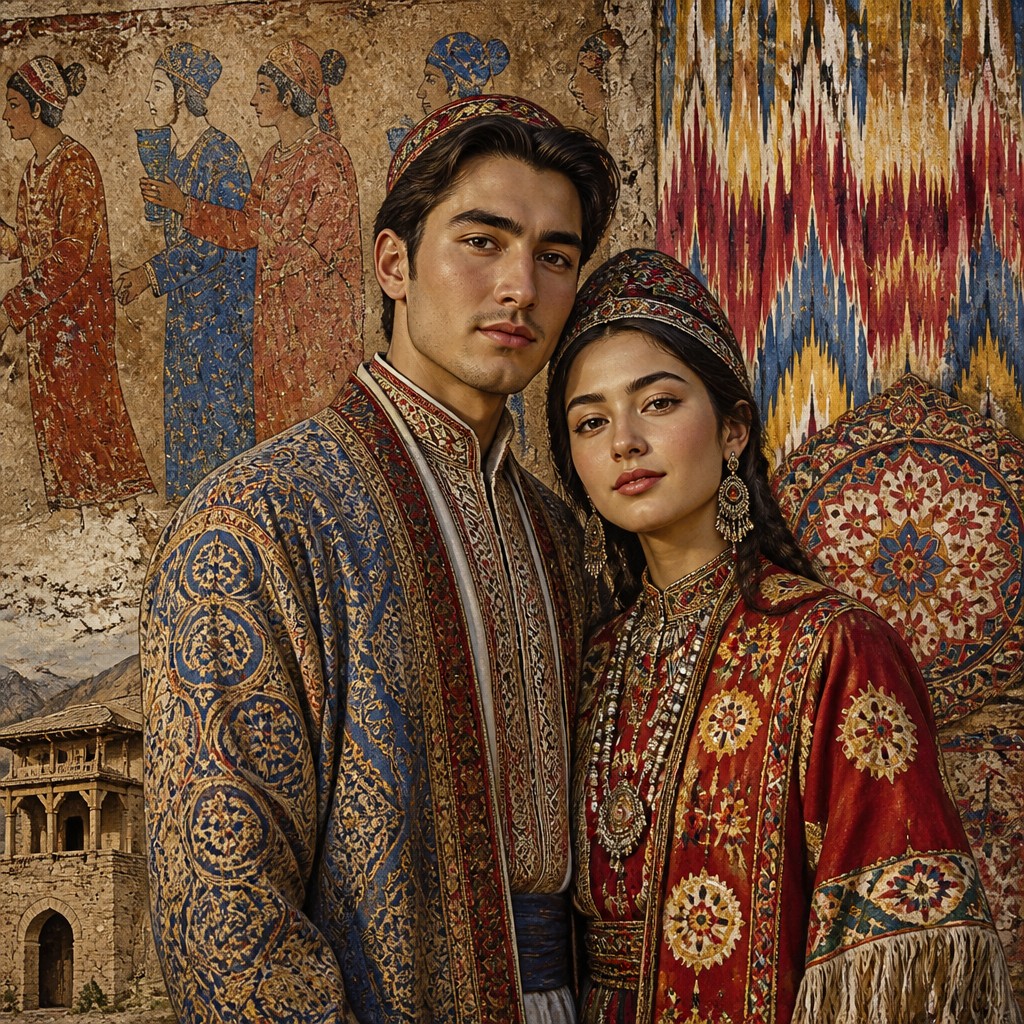
Try It On Your Photos
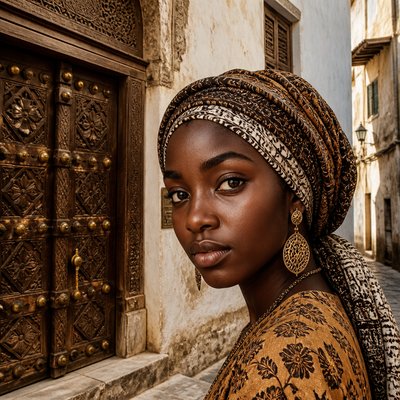
Upload any photo and convert it into Tajik Art Style — drag the sliders to compare before and after.


What Defines Tajik Art Style
The signature details, up close
Sogdian fresco palette
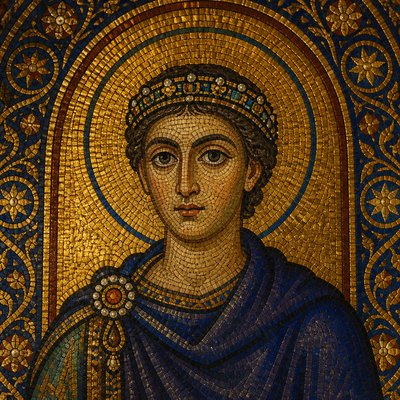
Ochre, terracotta, cinnabar red, lapis blue, cream, charcoal, and muted green suggest mineral pigments applied to aged plaster. Uneven surfaces, chipped edges, and faded passages can evoke archaeological mural fragments.
Courtly processional figures
Ceremonial figures are commonly shown in profile or three-quarter view with patterned robes, elaborate accessories, horses, musicians, or diplomatic gifts. Their gestures and arrangement favor narrative procession over naturalistic individual portraiture.
Ikat color movement
Blurred vertical or horizontal bands imitate the resist-dyed warp patterns of silk ikat. The softened registration of the colors introduces rhythmic movement and a woven, slightly bleeding edge.
Suzani ornament
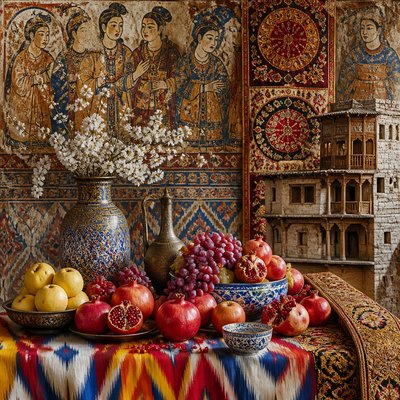
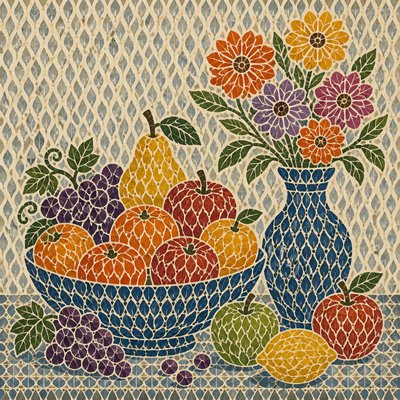
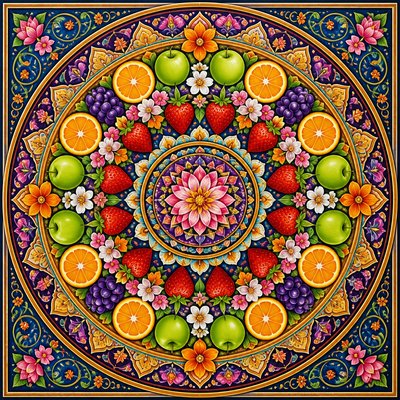
Large floral medallions, vines, sunbursts, rosettes, and stylized leaves provide a strong embroidered framework. Crimson, saffron, ivory, and gold thread effects create a festive textile surface.
Flattened decorative space
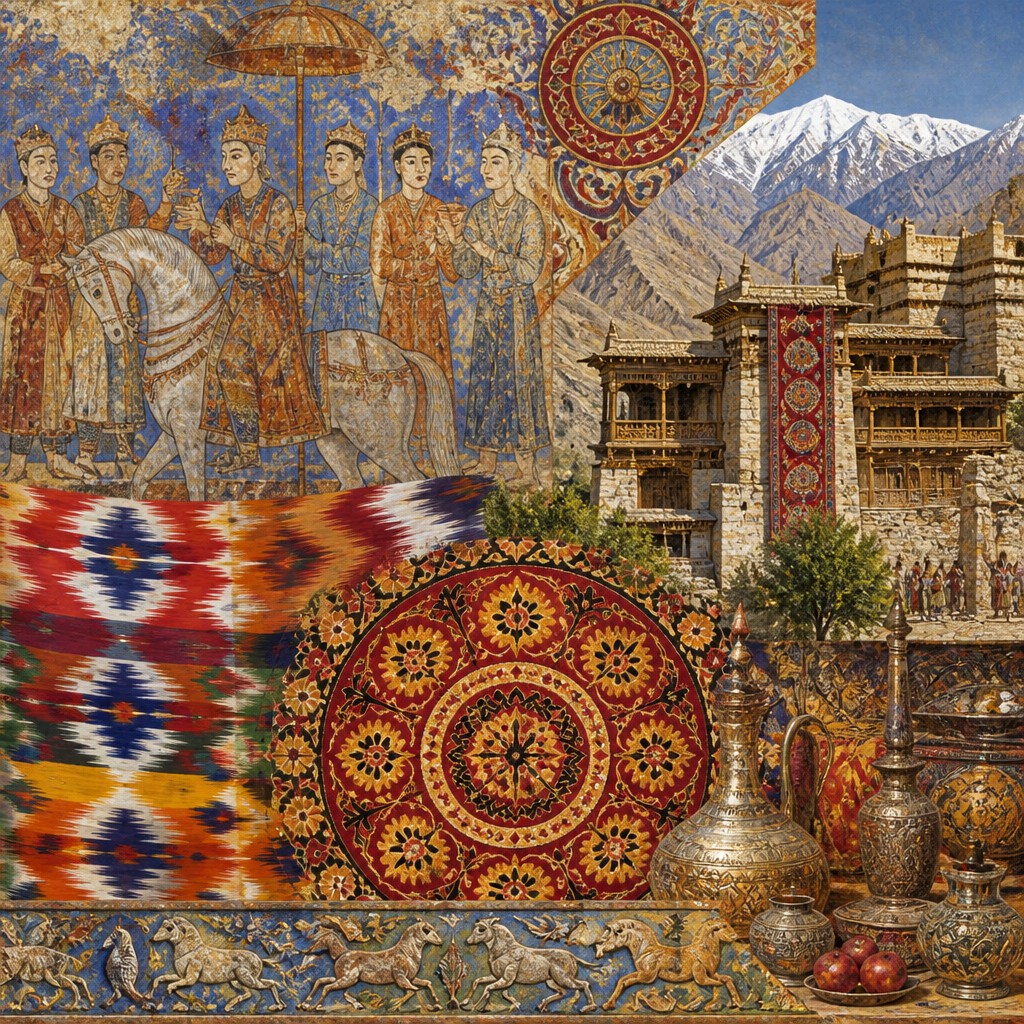
Overlapping forms, frontal architecture, and compressed depth recall mural and textile design more than academic perspective. Repeated borders and patterned fields unify figures, landscape, and buildings.
Pamir materiality
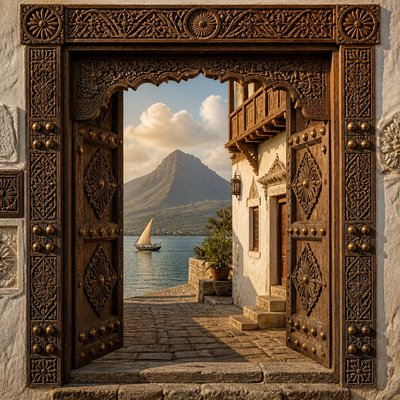
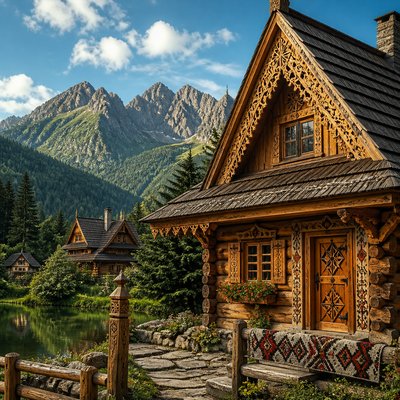
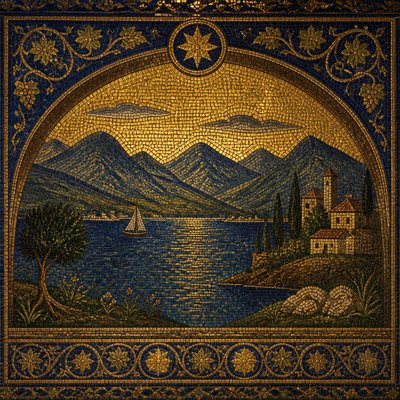
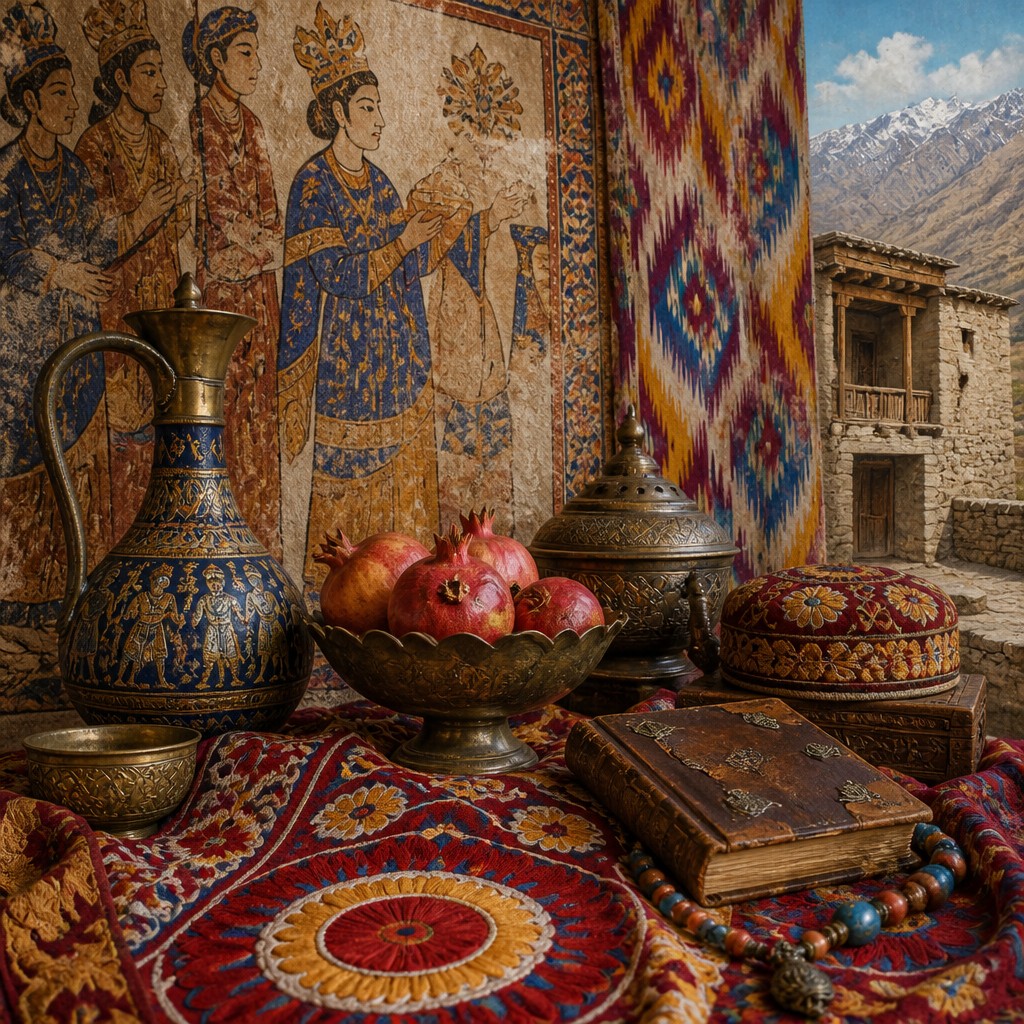
Stone walls, timber columns, carved geometric details, mountain passes, and high-altitude light anchor the imagery in the Pamir region. Architectural textures are often rendered with dry, granular marks rather than polished realism.
Silk Road opulence
Jewelry, carpets, vessels, banners, horses, and richly patterned garments suggest exchange among courts, merchants, and communities along historic Central Asian routes. Ornament is abundant but organized through clear medallions, borders, and color families.
Tajik Prompt Ideas
Start from an idea — each one opens the generator with the style ready to go. See all 40 Tajik prompts →
How to Create Tajik Art
Master the craft step by step — or skip straight to creating. Read the full guide →
- 1
Build a mineral color structure
Start with an ochre, warm plaster, or deep indigo ground, then reserve lapis blue, brick red, cream, and charcoal for major forms. Limit the palette enough that textile accents remain vivid rather than producing arbitrary multicolor noise.
- 2
Layer fresco and textile surfaces
Combine a matte, cracked plaster texture with translucent ikat bands and embroidered-looking motifs. In digital work, use separate layers or masks so that abrasion affects the mural areas while woven patterns retain their rhythmic edges.
- 3
Compose as a procession or frieze
Arrange figures in a horizontal sequence, facing inward toward a ruler, musician, animal, shrine, or architectural gateway. Use repeated gestures, borders, and patterned garments to create continuity instead of relying on deep perspective.
- 4
Use ornament as structure
Place suzani-inspired medallions in borders, textiles, shields, walls, or sky fields, and repeat a small set of motifs across the image. Keep the motifs stylized and balanced so they support the subject rather than obscure it.
- 5
Add material aging selectively
Introduce chipped pigment, irregular plaster, softened dye boundaries, and thread-like highlights in controlled areas. Excessive distressing can make every element look equally old and reduce the contrast between fresco, fabric, stone, and metal.
- 6
Direct a digital or prompt-based workflow
Specify the subject first, then describe Sogdian mural color, silk ikat bands, suzani medallions, Pamir materials, flattened composition, and aged surfaces. For image-to-image work, preserve the original silhouette and pose while transferring palette, pattern, texture, and decorative borders.
The Story
History & Origins of Tajik
Tajik art style is not a formally documented historical movement; it is an interpretive and often digital synthesis of several real traditions. Its principal historical reference is Sogdian mural painting from Central Asian settlements dating broadly from late antiquity into the early medieval period, including richly colored scenes of ceremony, mythology, warfare, and diplomatic exchange. These paintings used mineral and earth pigments on plaster, with emphatic outlines and relatively shallow spatial organization.
The synthesis also draws on Tajik and neighboring Central Asian textile traditions, especially silk ikat weaving and suzani embroidery, which developed through domestic, ceremonial, and commercial contexts over later centuries. Pamiri architectural forms, carved or timber details, highland stone construction, and the visual drama of the mountain landscape extend the lineage into a regional contemporary vocabulary rather than a single period style.
Influences: The style relates to Sogdian and other Central Asian mural traditions, Tajik and Uzbek suzani embroidery, silk ikat weaving, Persianate courtly ornament, and the decorative logic of Islamic geometric and botanical design. It also shares qualities with folk-art painting, archaeological reconstruction, textile-based collage, and contemporary digital pattern design. Its combination of fresco abrasion, woven color, and architectural detail distinguishes it from a strictly historical reconstruction of any one tradition.
Frequently Asked Questions
What defines the Tajik art style?
It is defined by a synthesis of Sogdian fresco color, Central Asian textile ornament, and Pamir architectural imagery. Typical features include ochre and lapis pigments, processional figures, silk ikat bands, suzani-style medallions, flattened space, and weathered mural texture.
Is Tajik art style a historical art movement?
No. The term describes a contemporary interpretive style rather than a single documented movement with a fixed period or manifesto. It draws from historically distinct traditions, including ancient Sogdian painting and later Tajik and regional textile practices.
How is it different from Persian miniature painting?
Both may use saturated color, patterned surfaces, and courtly narratives, but this style places greater emphasis on Sogdian mural fragmentation, ikat dye effects, suzani embroidery, and Pamir material culture. Its textures are often rougher and more archaeological than the finely controlled surfaces associated with miniature painting.
What subjects work well in this style?
Caravans, mountain villages, ceremonial processions, musicians, wedding scenes, legendary rulers, horses, snow leopards, and Silk Road marketplaces are especially suitable. Subjects with costumes, architecture, textiles, or repeated movement give the ornamental system something concrete to organize.
How can I make an image look convincingly textile-based?
Use repeated medallions, borders, vines, and clearly bounded color fields rather than scattering random patterns across the image. Describe warp-dyed ikat bands for soft color shifts and embroidered suzani motifs for raised, thread-like floral detail.
Can this style be used for portraits and photographs?
Yes. A portrait can retain recognizable facial structure while receiving a fresco-like palette, flattened background, patterned garment, and suzani or ikat framing. For photographs, preserve the subject's silhouette and lighting direction while applying the surface treatment selectively to avoid losing identity.
Create your first Tajik artwork
Describe anything — or upload a photo — and see it in Tajik Art Style in seconds.
Related Styles
Discover similar art styles