Nara Art Style
Explore Nara Art Style: weathered temple timber, gilded lacquer, patinated bronze, silk fragments, and the quiet atmosphere of ancient Japanese craft.
Instantly rendered in Nara — or transform a photo
Nara Gallery
Tap any artwork to explore it

What is Nara Art Style?
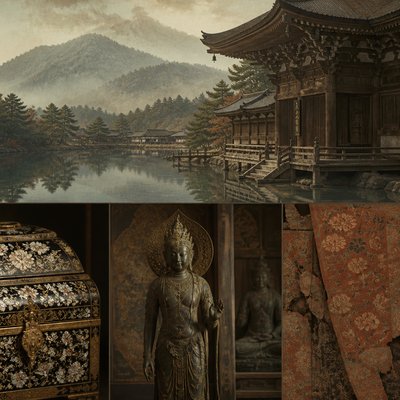
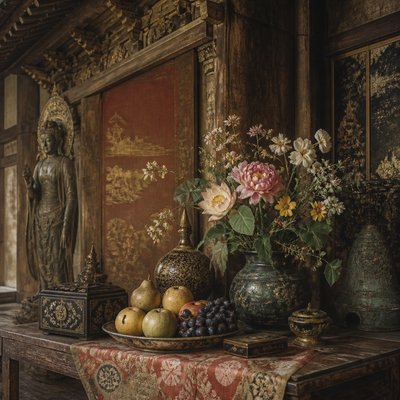
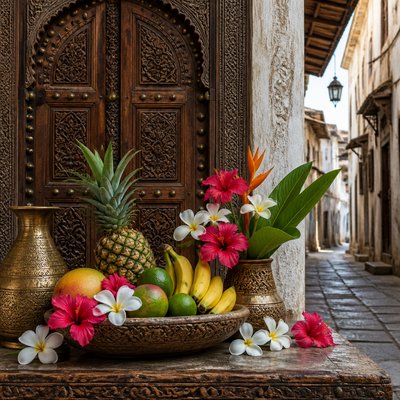
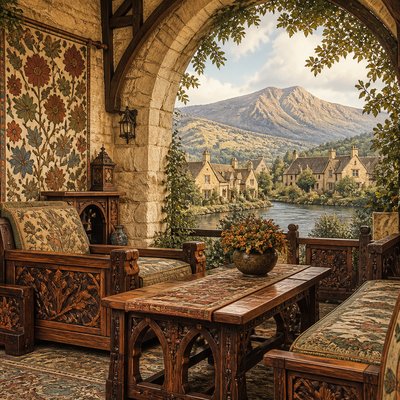
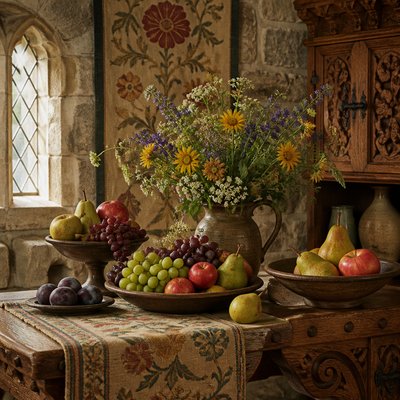
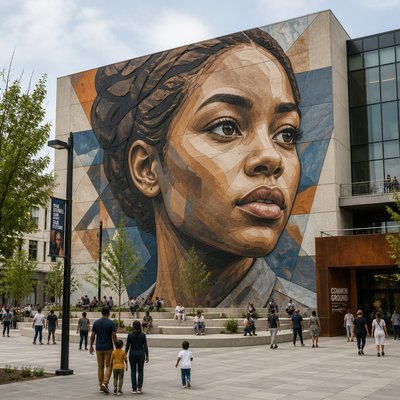
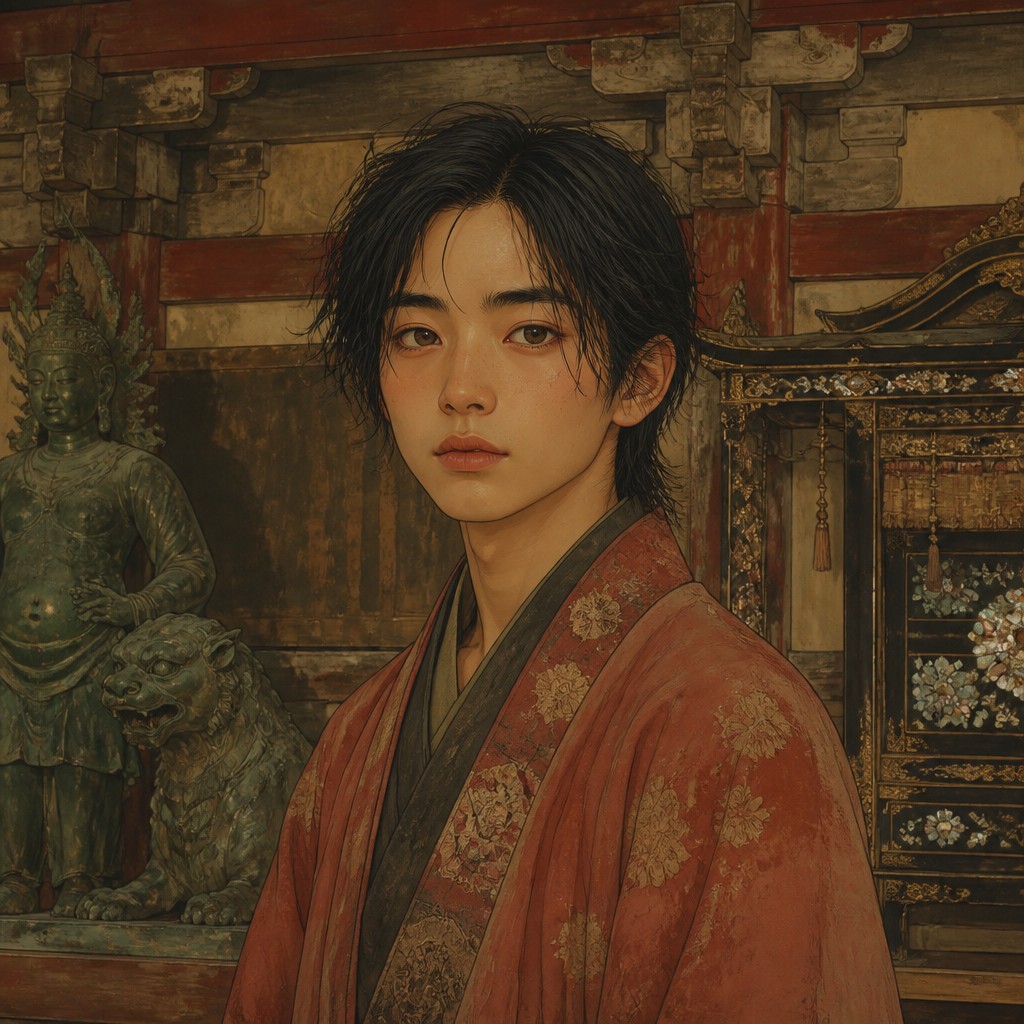
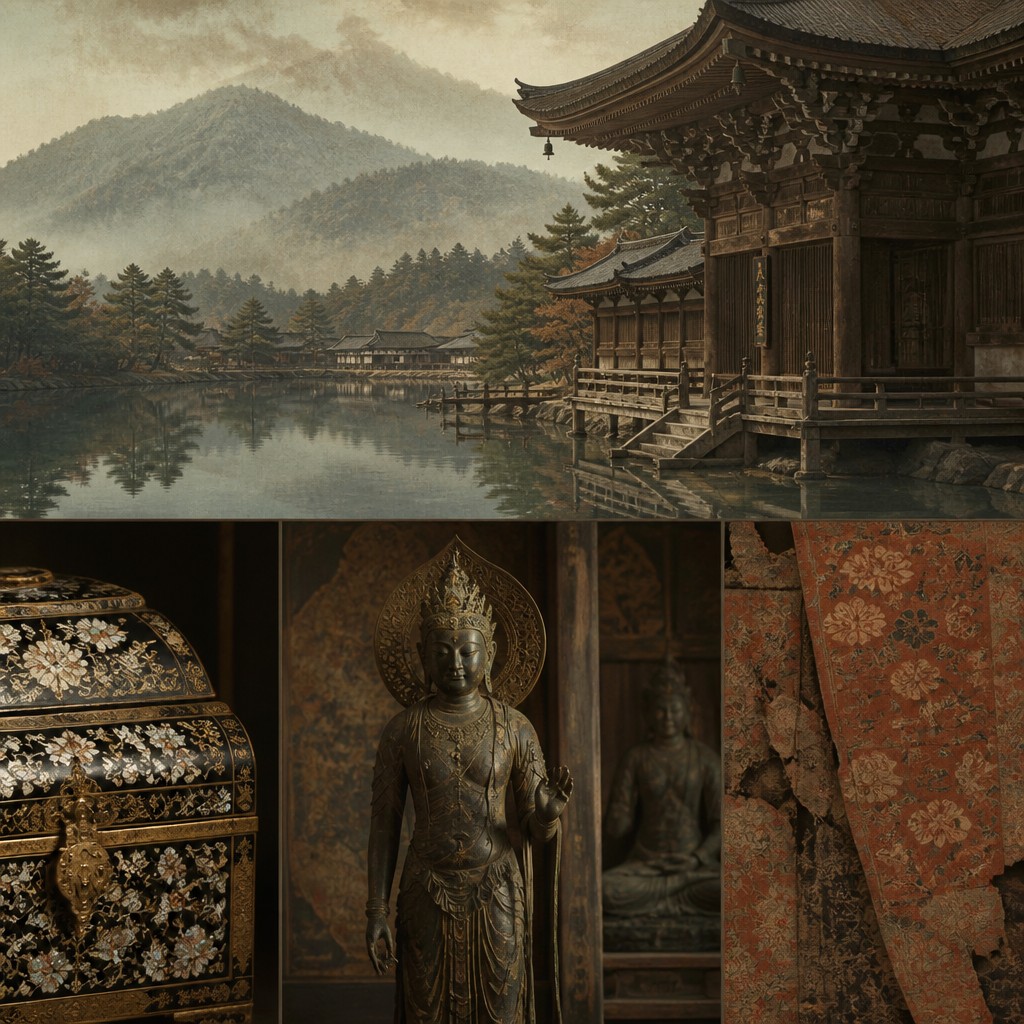
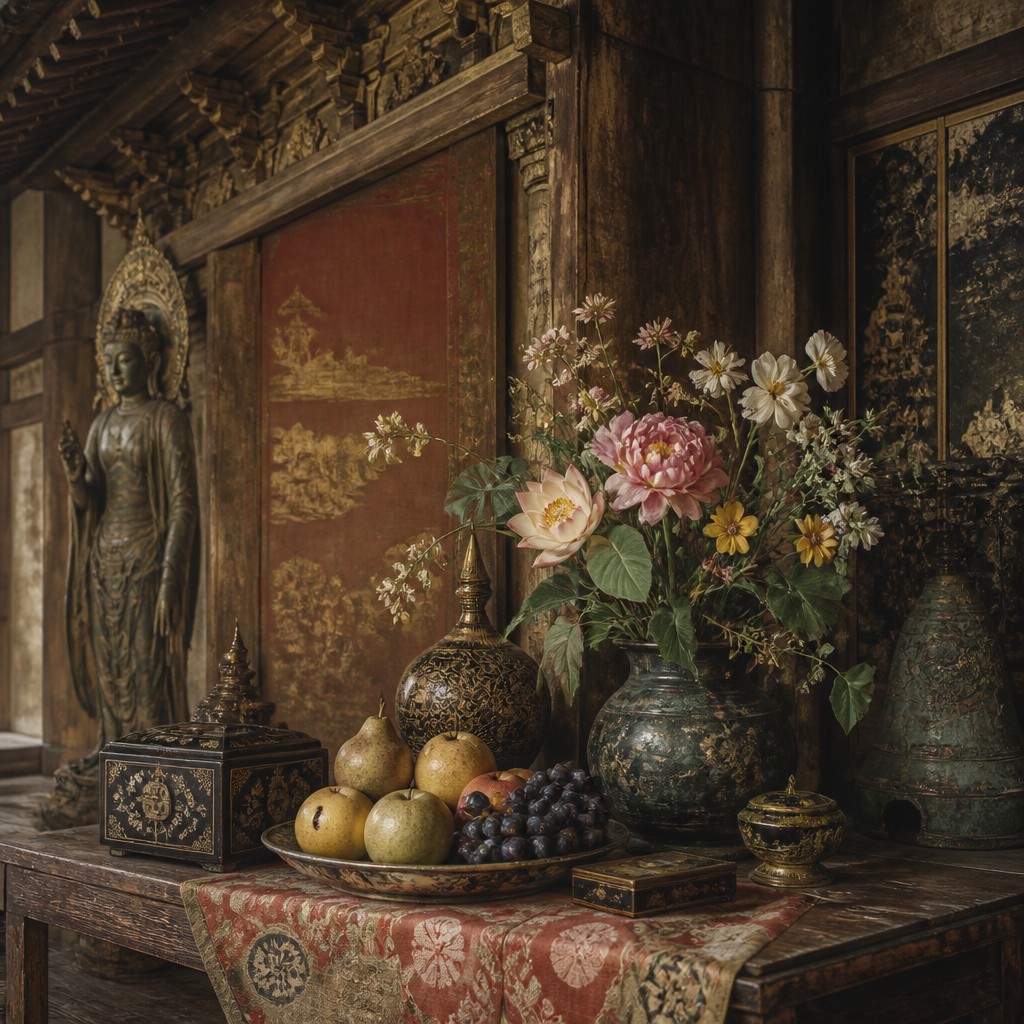
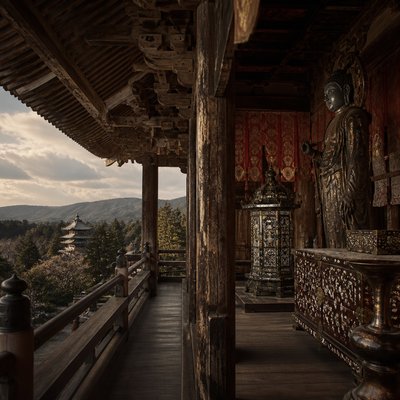
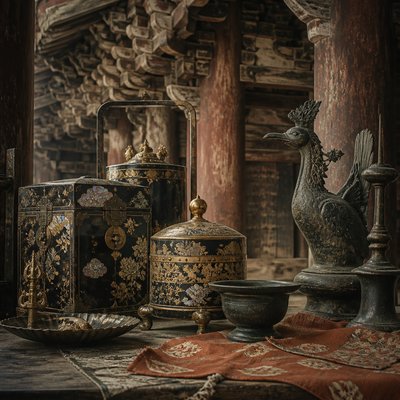
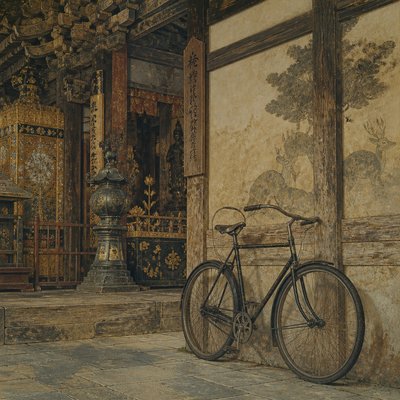
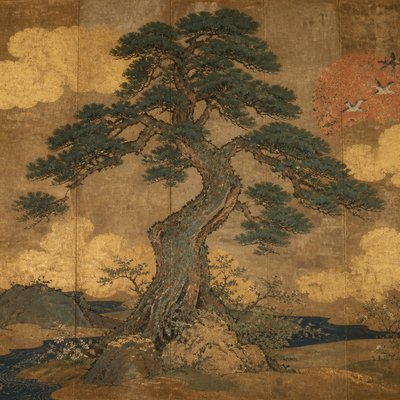
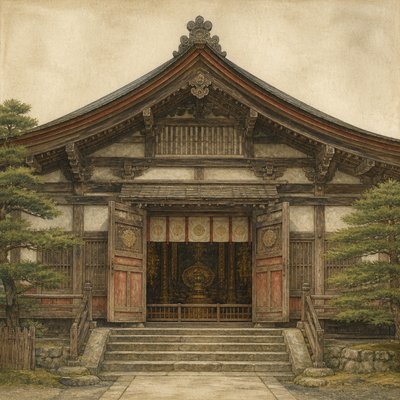
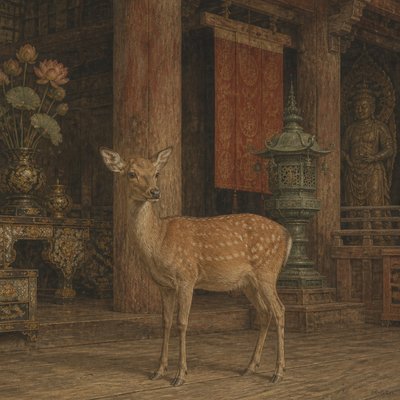
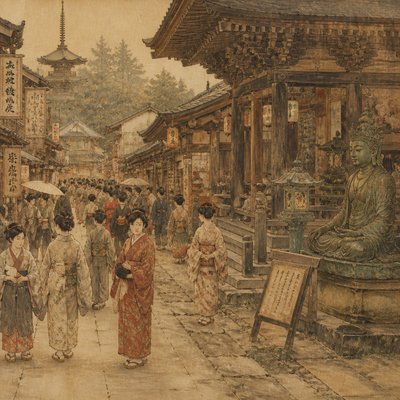
Nara Art Style is an invented contemporary visual category inspired by the material culture of ancient Japanese temples and treasury collections. Its imagery combines weathered timber architecture, deep bracketed eaves, gilded lacquer objects, inlaid mother-of-pearl, patinated bronze sculpture, and muted vermilion silk. The result is contemplative rather than theatrical: richly crafted objects appear softened by age, dust, and filtered interior light.
The style is defined less by a single historical period than by an atmosphere of preservation. New or imagined subjects are presented as if they belong to a quiet temple hall or a centuries-old storehouse, with visible wood grain, restrained color, softened edges, and carefully placed metallic highlights. It works especially well for architectural studies, still lifes, sacred objects, museum-like interiors, and scenes that depend on tactile surface detail.
Try It On Your Photos
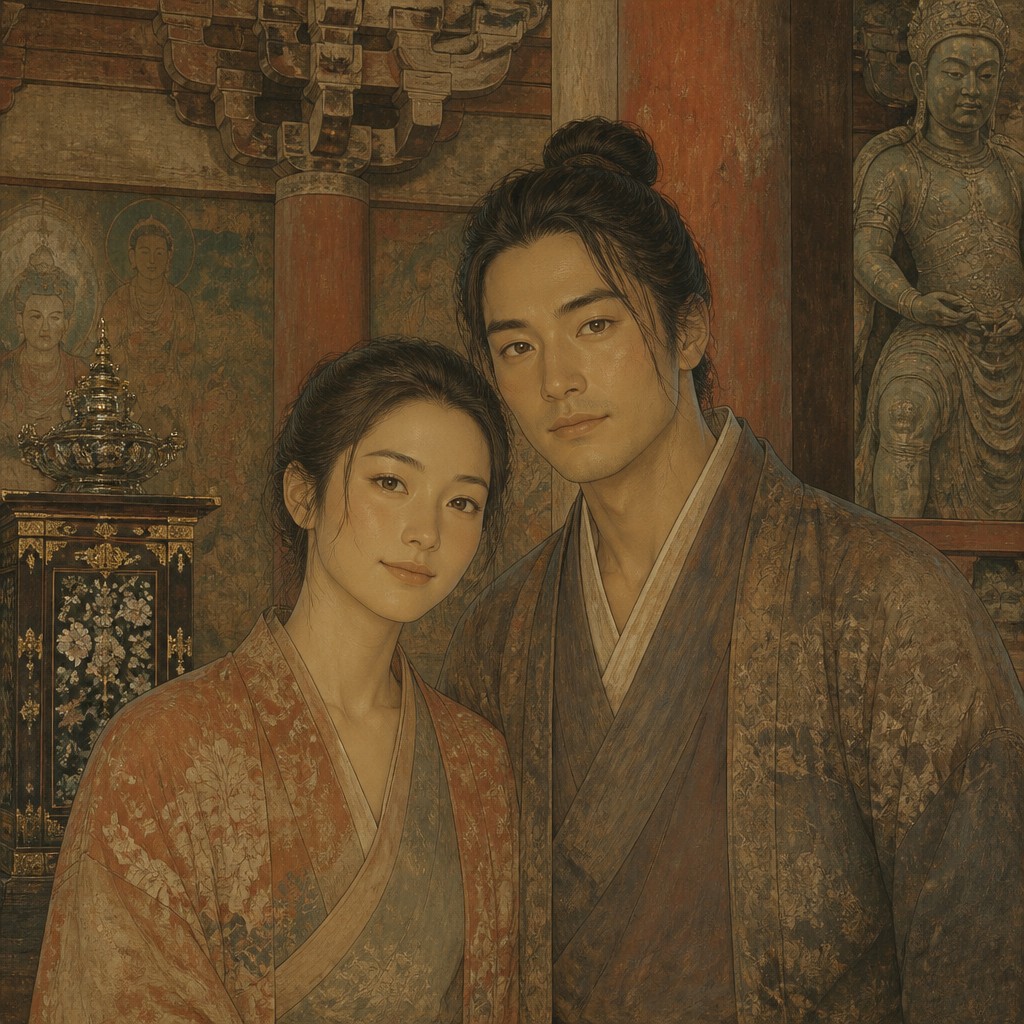
Upload any photo and convert it into Nara Art Style — drag the sliders to compare before and after.


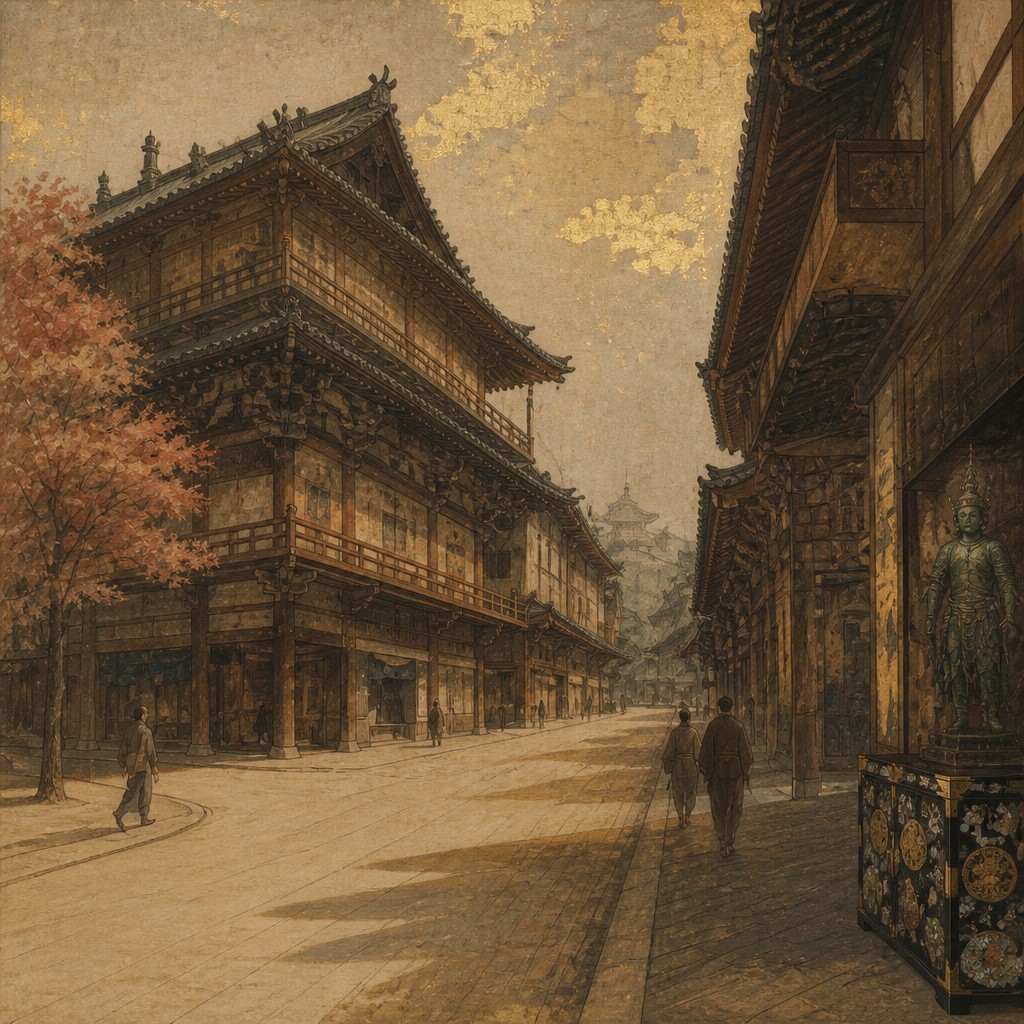

Or use the free Nara photo filter
What Defines Nara Art Style
The signature details, up close
Weathered temple timber
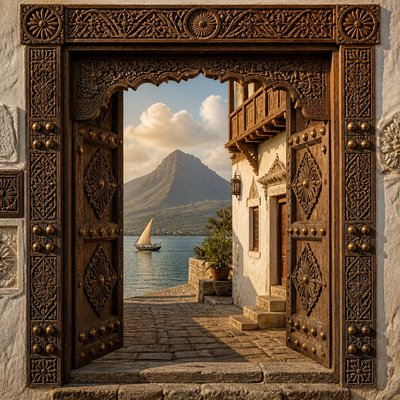
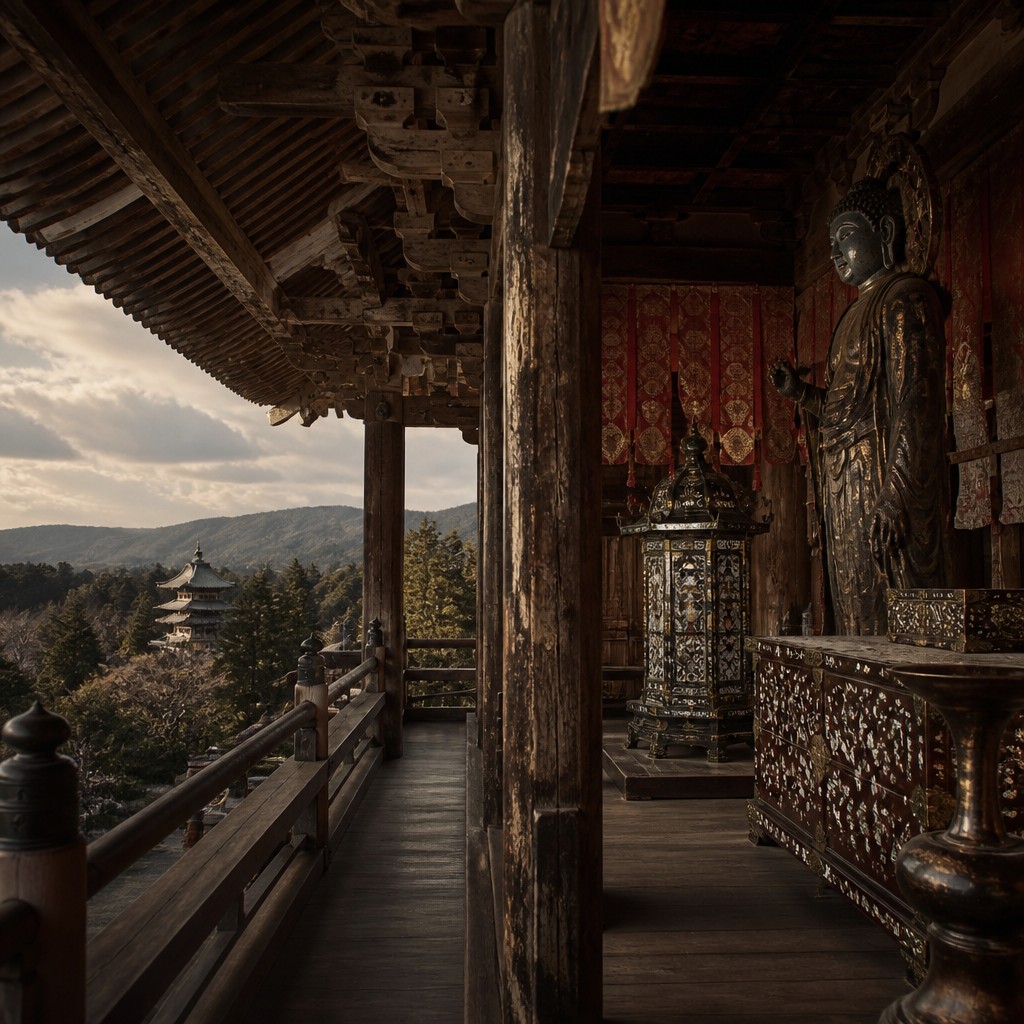
Dark wooden beams, visible grain, worn thresholds, and softly abraded surfaces suggest centuries of handling and exposure. Timber is usually rendered in subdued browns, charcoal tones, and warm umber rather than bright new wood.
Deep bracketed eaves
Layered structural brackets and projecting roofs create a strong rhythm of shadow and shelter. Architectural forms tend to feel substantial, hand-built, and slightly softened by age.
Gilded lacquer and shell inlay
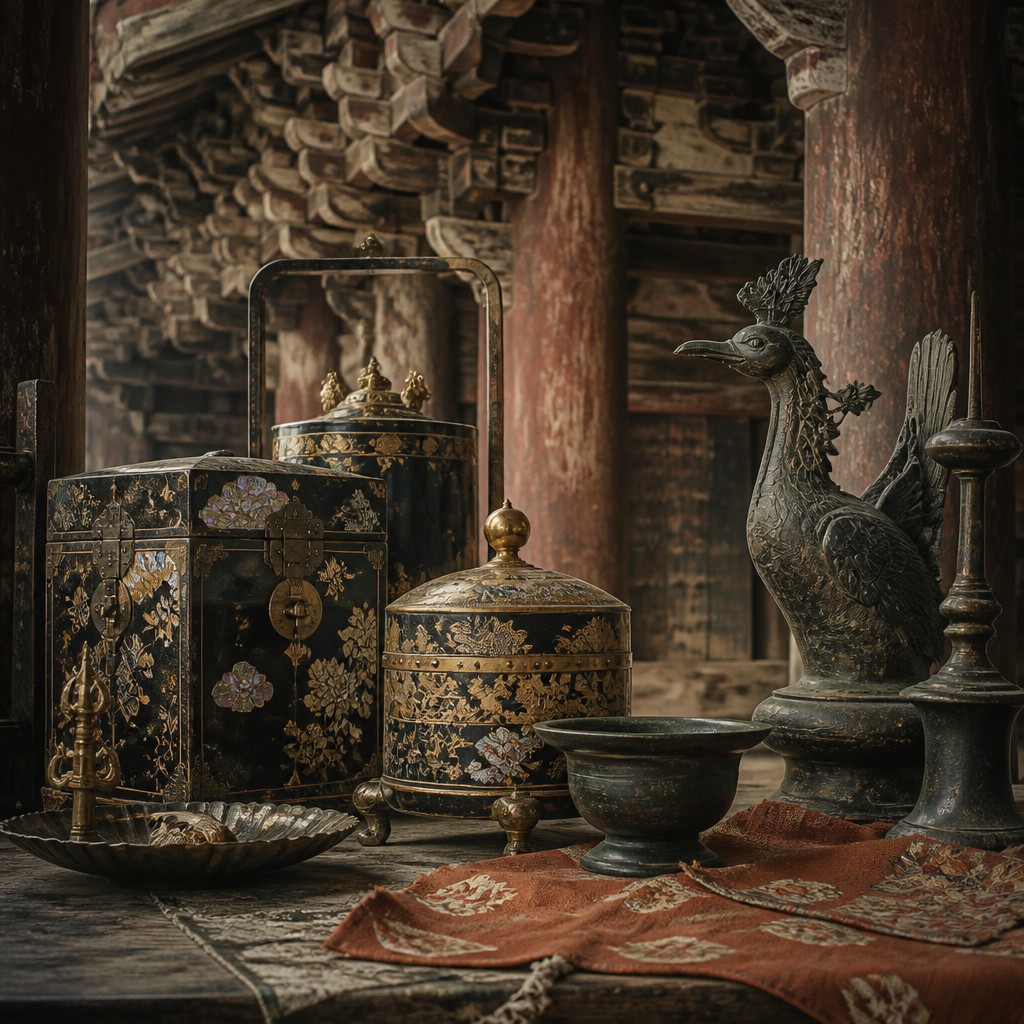
Small areas of gold leaf, polished lacquer, and mother-of-pearl provide concentrated points of luminosity. These details are best used against dark, matte surroundings so that their craft and material contrast remain legible.
Patinated bronze sculpture
Bronze figures and ritual forms appear in deep brown, green, and nearly black patinas, with brighter wear on raised edges. Surfaces should feel mineral, tactile, and gently oxidized rather than uniformly metallic.
Muted vermilion textiles
Fragments of finely woven silk introduce restrained red-orange, russet, and faded crimson accents. Textile patterns are intricate but partially obscured, as though softened by age, folding, and low light.
Filtered interior illumination
Light enters indirectly through timber screens, deep eaves, or high openings. Low contrast, ambient shadow, and narrow highlights create the stillness of a protected treasury or temple hall.
Archival patina
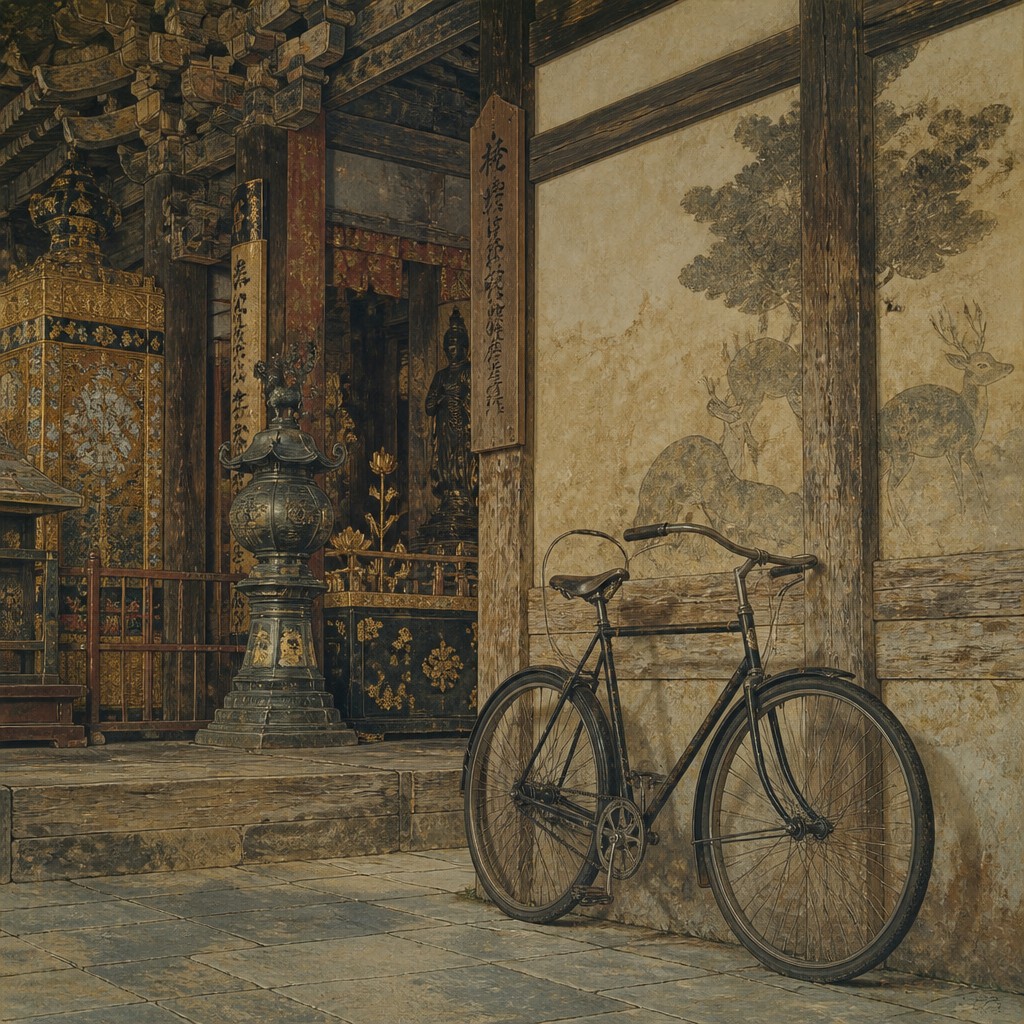
Dust, softened edges, hairline cracks, tarnish, and uneven fading give objects a preserved yet physically present quality. Aging should support the composition without turning every surface into deliberate ruin.
Nara Prompt Ideas
Start from an idea — each one opens the generator with the style ready to go. See all 40 Nara prompts →
How to Create Nara Art
Master the craft step by step — or skip straight to creating. Read the full guide →
- 1
Build a restrained material palette
Begin with aged brown wood, smoke gray, deep bronze, muted vermilion, and subdued gold. Reserve the brightest values for lacquer reflections, shell inlay, or worn metal edges.
- 2
Layer surfaces by hand or digitally
Combine wood-grain marks, dry-brush abrasion, translucent stains, fine textile patterns, and irregular metallic texture. In digital work, use multiply layers for age and shadow, then add selective highlight layers for lacquer and gilding.
- 3
Control the light
Use a broad, indirect source filtered through screens or roof overhangs, with deep but readable shadows. Avoid strong studio lighting or evenly distributed illumination, which can remove the contemplative architectural mood.
- 4
Compose like a treasury display
Place one or two carefully observed objects in a spacious setting, allowing surrounding darkness and timber structure to frame them. Low viewpoints, symmetrical bays, and quiet negative space reinforce the sense of ritual preservation.
- 5
Suggest age without losing form
Add patina, faded pigment, scratches, and softened contours selectively around contact points and exposed edges. Keep the underlying silhouette clear so that the object remains readable rather than collapsing into texture.
- 6
Write material-specific prompts
For digital or AI-assisted creation, specify the subject, temple setting, timber condition, lacquer or bronze finish, textile color, and filtered lighting separately. Terms such as 'mother-of-pearl inlay,' 'deep bracketed eaves,' and 'centuries-softened wood grain' produce more controlled results than a general request for an antique Japanese look.
The Story
History & Origins of Nara
Nara Art Style does not describe a documented historical movement or an established school. It draws its aesthetic lineage from the art and architecture of Nara-period Japan, particularly eighth-century Buddhist temple environments, carved and cast religious sculpture, lacquerware, woven textiles, and the treasured objects preserved in the Shosoin repository.
Its weathered surfaces and quiet, archival mood are later reinterpretations rather than strict reconstructions. The style brings together historically related materials that were not always used in one unified visual language, combining architectural timber, bronze, lacquer, shell inlay, and silk into an evocative contemporary synthesis.
Influences: The style relates to Nara-period Buddhist art, Japanese temple architecture, Shosoin treasury craftsmanship, East Asian lacquer traditions, bronze ritual sculpture, and historic silk weaving. It also shares affinities with wabi-sabi approaches to impermanence, museum conservation photography, material-focused still life, and atmospheric architectural visualization, while remaining a modern synthesis rather than a formal historical school.
Frequently Asked Questions
What defines Nara Art Style?
It is defined by the combination of weathered temple wood, deep eaves, gilded lacquer, mother-of-pearl inlay, patinated bronze, muted vermilion textiles, and filtered interior light. The emphasis is on material history, quietness, and preserved craftsmanship.
Is Nara Art Style a real historical Japanese art movement?
No. The name refers to a contemporary, descriptive style category rather than a documented movement. It borrows visual references from Nara-period art and architecture, Shosoin objects, and related Japanese craft traditions.
How does it differ from wabi-sabi?
Both approaches value age, imperfection, and material change, but Nara Art Style is more specifically tied to temple architecture, treasury objects, bronze sculpture, lacquer, and silk. Wabi-sabi is a broader philosophical and aesthetic principle that can apply to many subjects and media.
What subjects work best in this style?
Temple interiors, wooden gates, reliquaries, ritual vessels, bronze figures, lacquerware, textile fragments, and museum-like still lifes are especially suitable. Contemporary subjects can also work when presented as carefully preserved objects within a timber architectural setting.
How can I make an image look authentically aged rather than artificially distressed?
Use variation rather than uniform damage: place wear on edges, joints, handles, thresholds, and exposed surfaces, while leaving protected areas darker and more intact. Preserve clear forms and believable material behavior so patina supports the object instead of overwhelming it.
Can this style be used for modern digital artwork?
Yes. It translates well to digital painting, 3D environments, architectural visualization, photography treatment, and prompt-based image creation. Specify each material and lighting condition directly, then refine the image with controlled grain, patina, softened contrast, and selective metallic highlights.
Create your first Nara artwork
Describe anything — or upload a photo — and see it in Nara Art Style in seconds.
Related Styles
Discover similar art styles