Surinamese Art Style
Explore Surinamese art style: Maroon wood carving, calabash geometry, Dutch colonial timber architecture, and luminous tropical river color.
Instantly rendered in Surinamese — or transform a photo
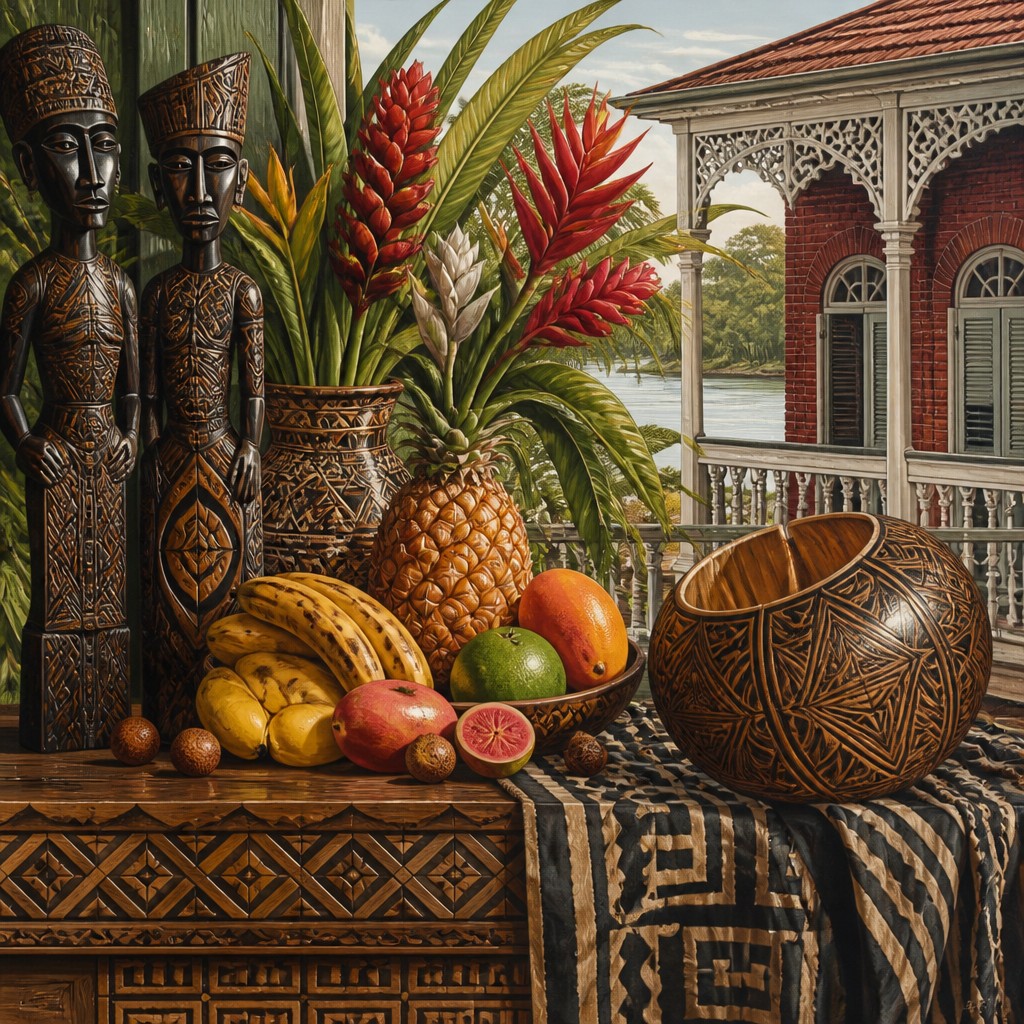
Surinamese Gallery
Tap any artwork to explore it
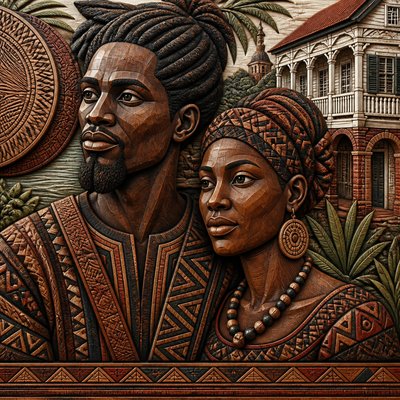
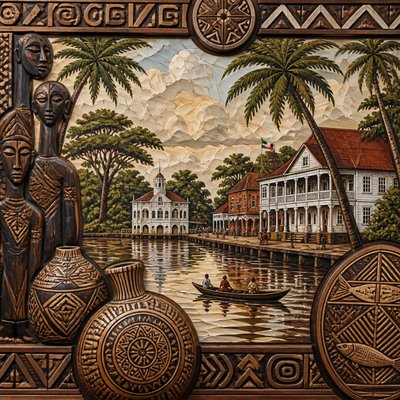
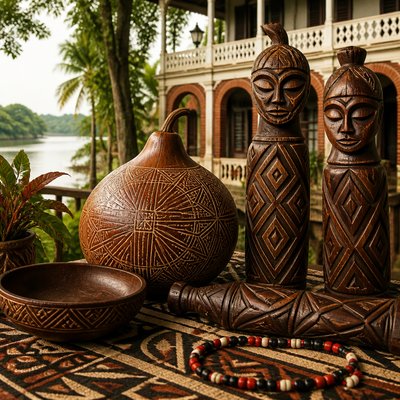
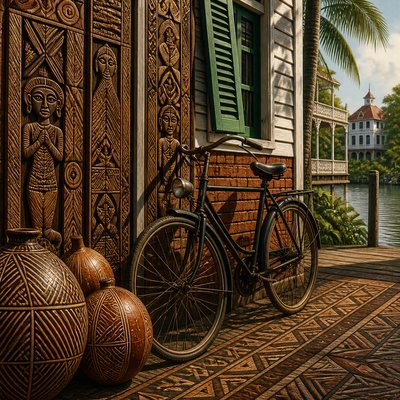
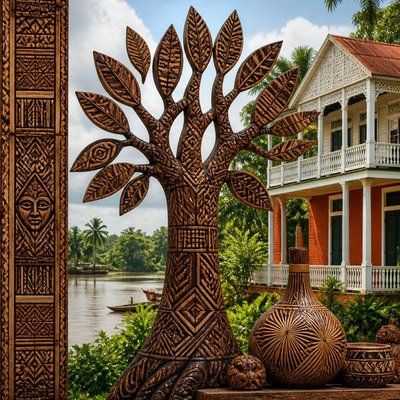
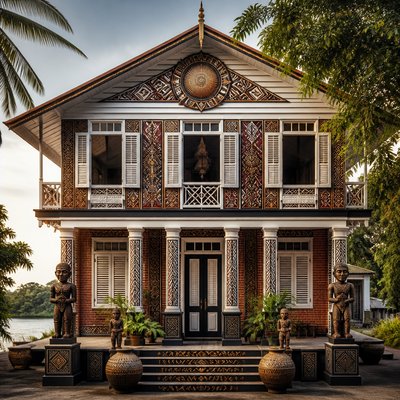
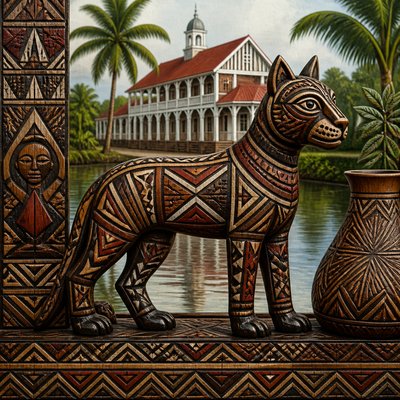
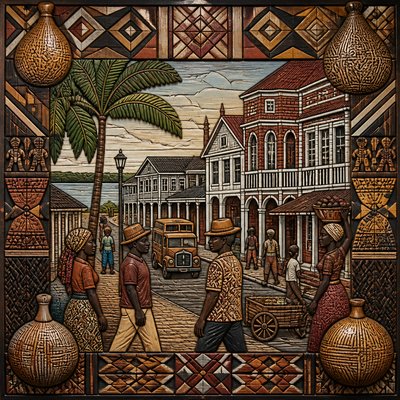
What is Surinamese Art Style?
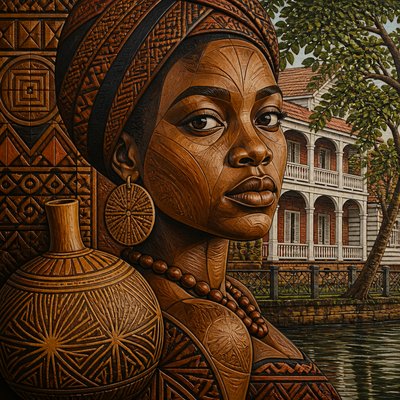
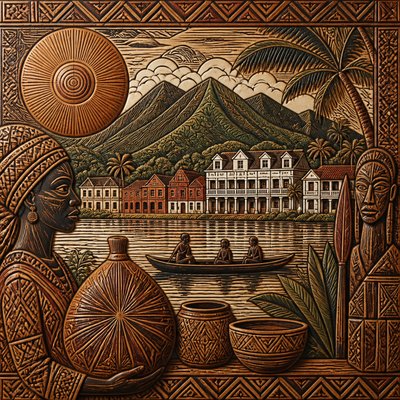
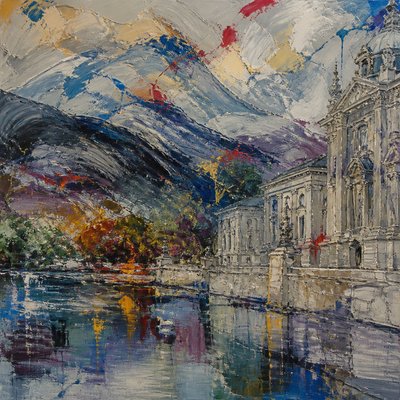
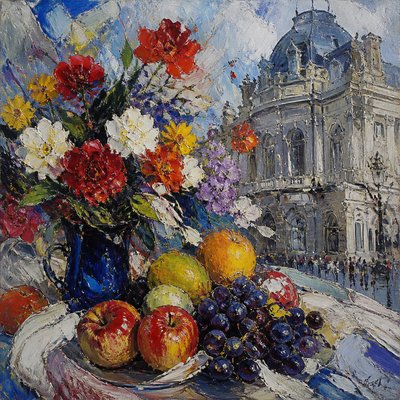
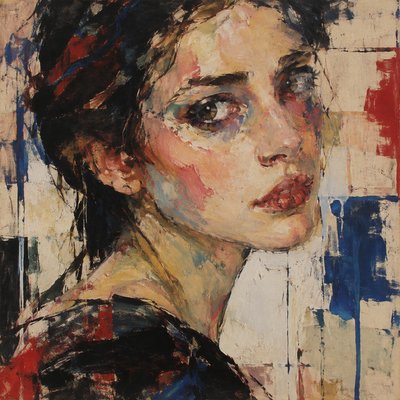
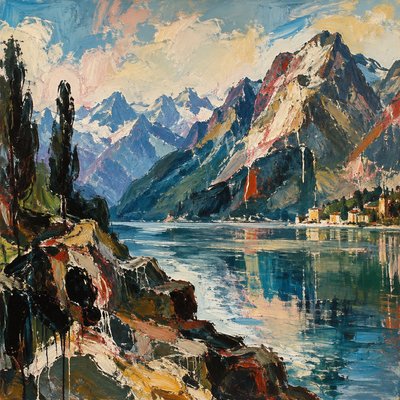
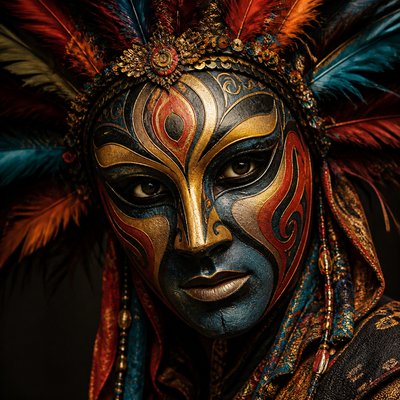
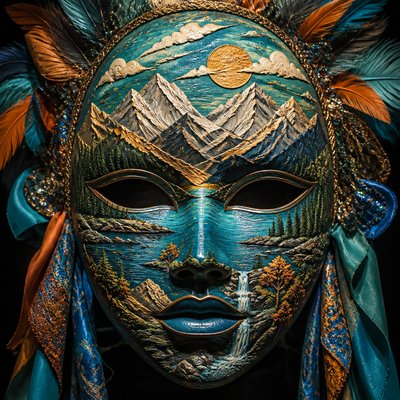
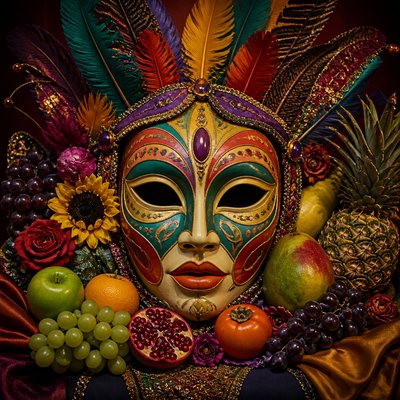
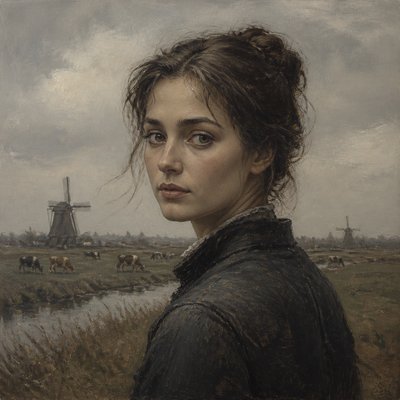
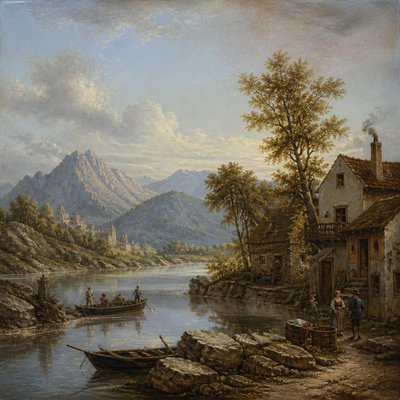
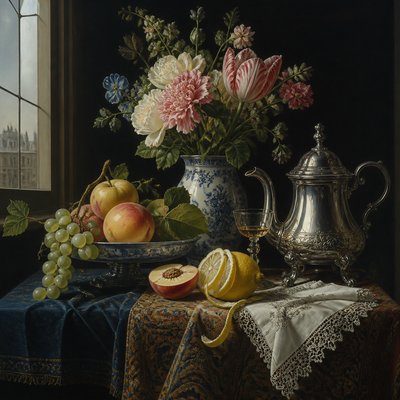
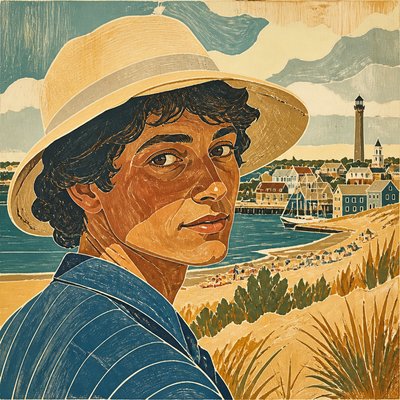
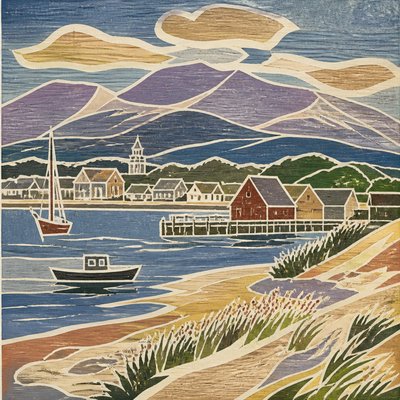
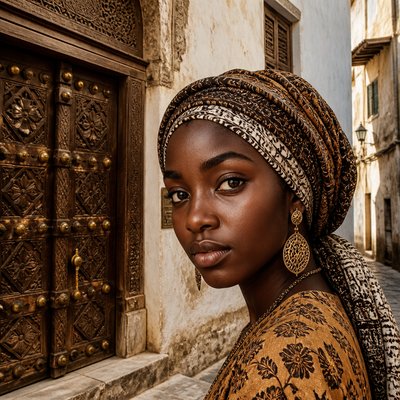
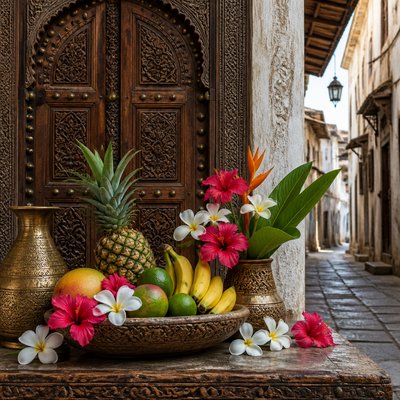
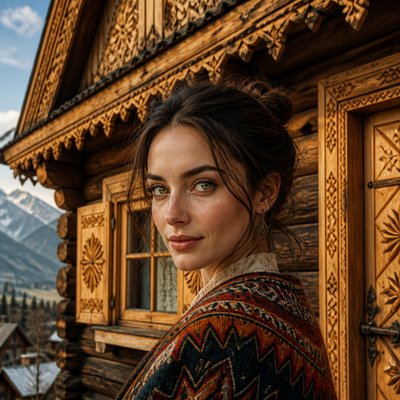
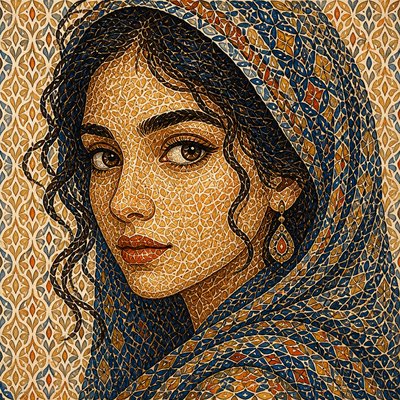
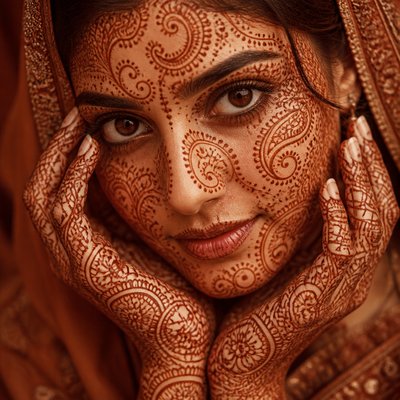
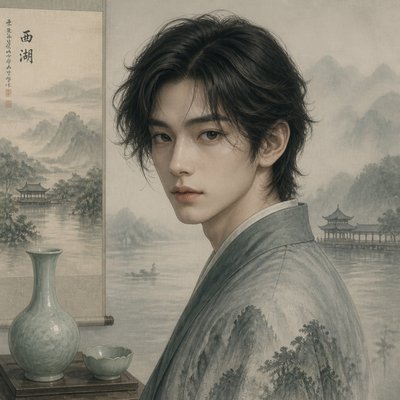
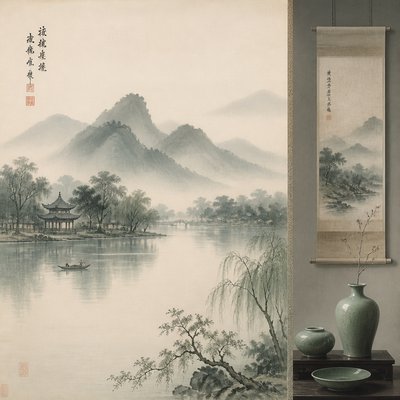
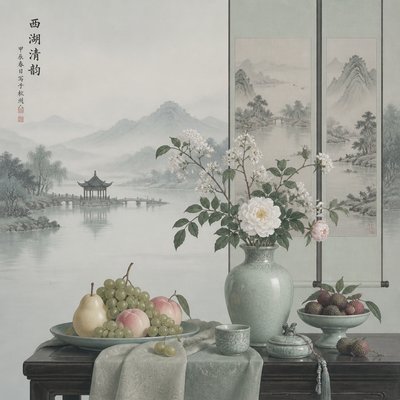
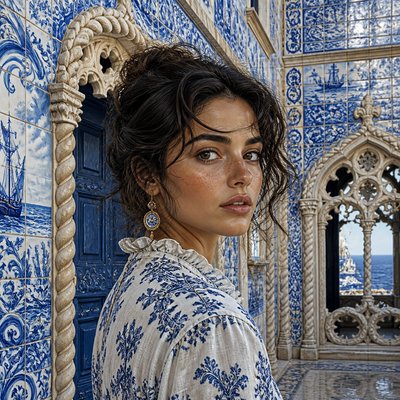
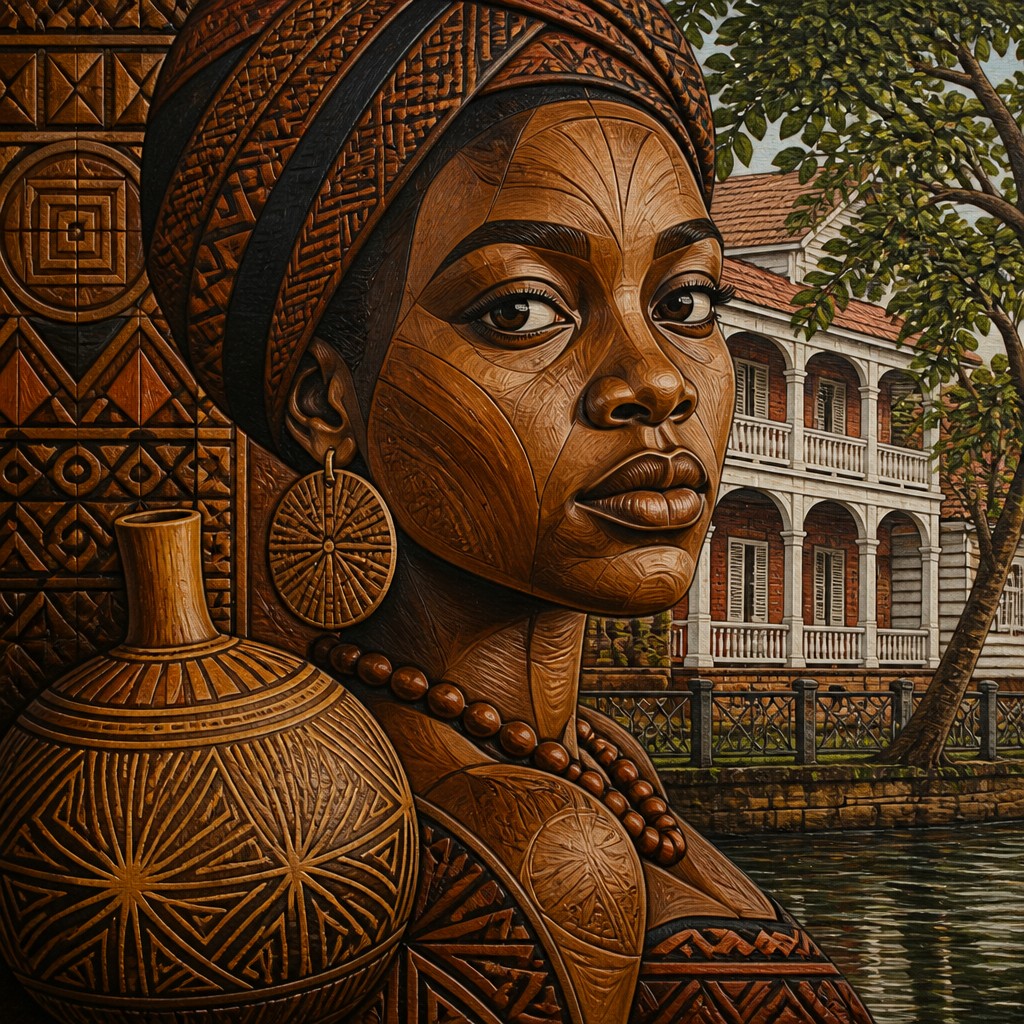
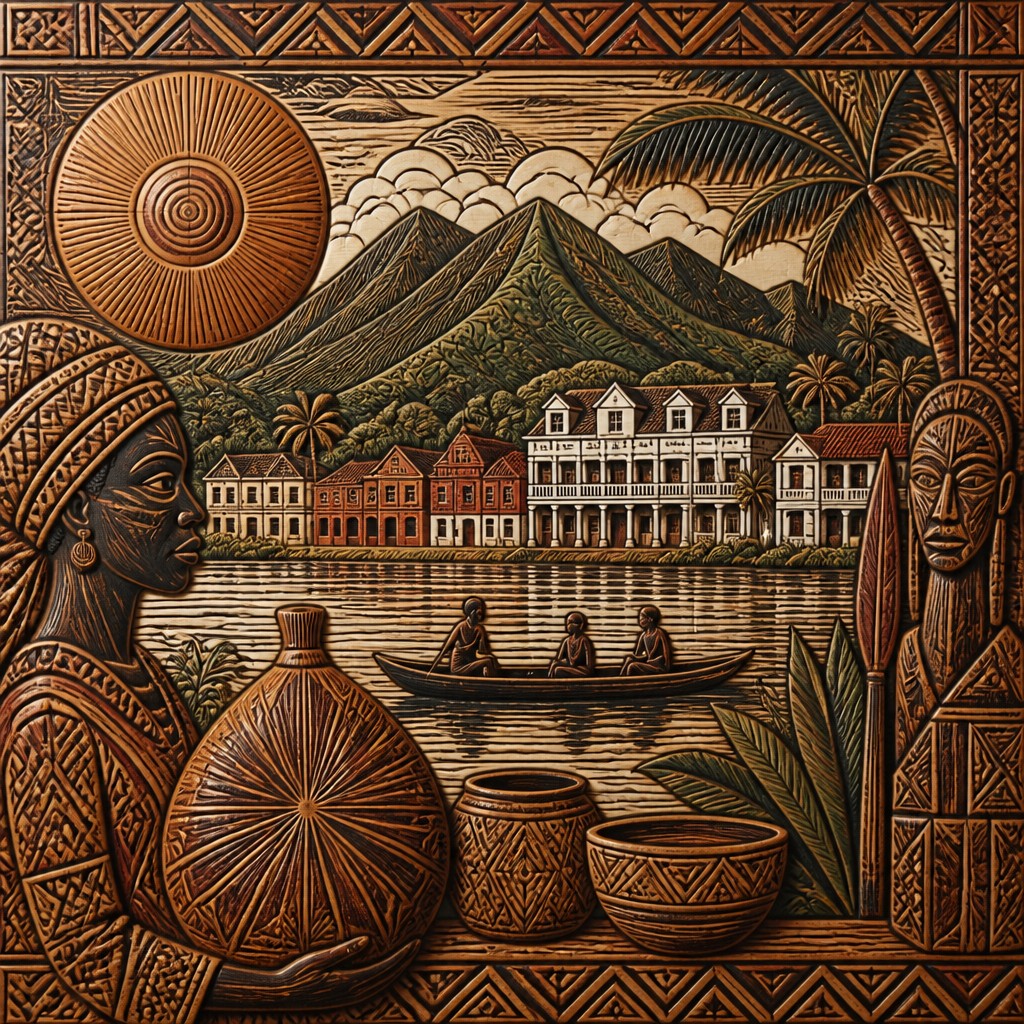
Surinamese Art Style is a contemporary descriptive category combining visual traditions associated with Suriname’s Maroon communities, incised calabash craft, and the timber architecture of historic Paramaribo. Its imagery brings together carved wooden surfaces, radiating geometric ornament, tropical vegetation, river atmospheres, and white-painted colonial structures with red-brick details.
The style is defined by the meeting of material, pattern, and climate. Bold relief carving and linear gourd decoration create rhythmic surfaces, while humid equatorial light softens edges and intensifies earth reds, dark browns, ochres, leaf greens, and river blues. It is best understood as an aesthetic synthesis rather than a single historical movement or uniform national school.
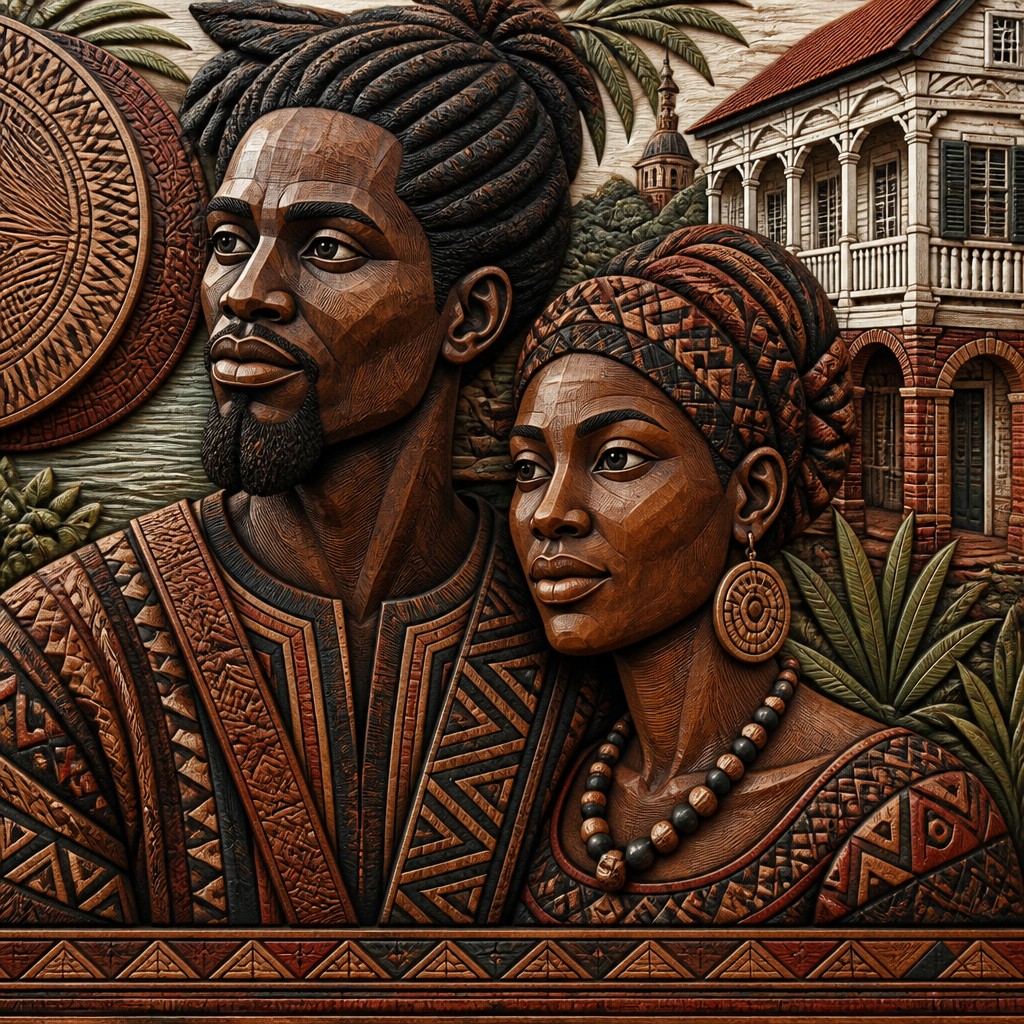
Try It On Your Photos
Upload any photo and convert it into Surinamese Art Style — drag the sliders to compare before and after.
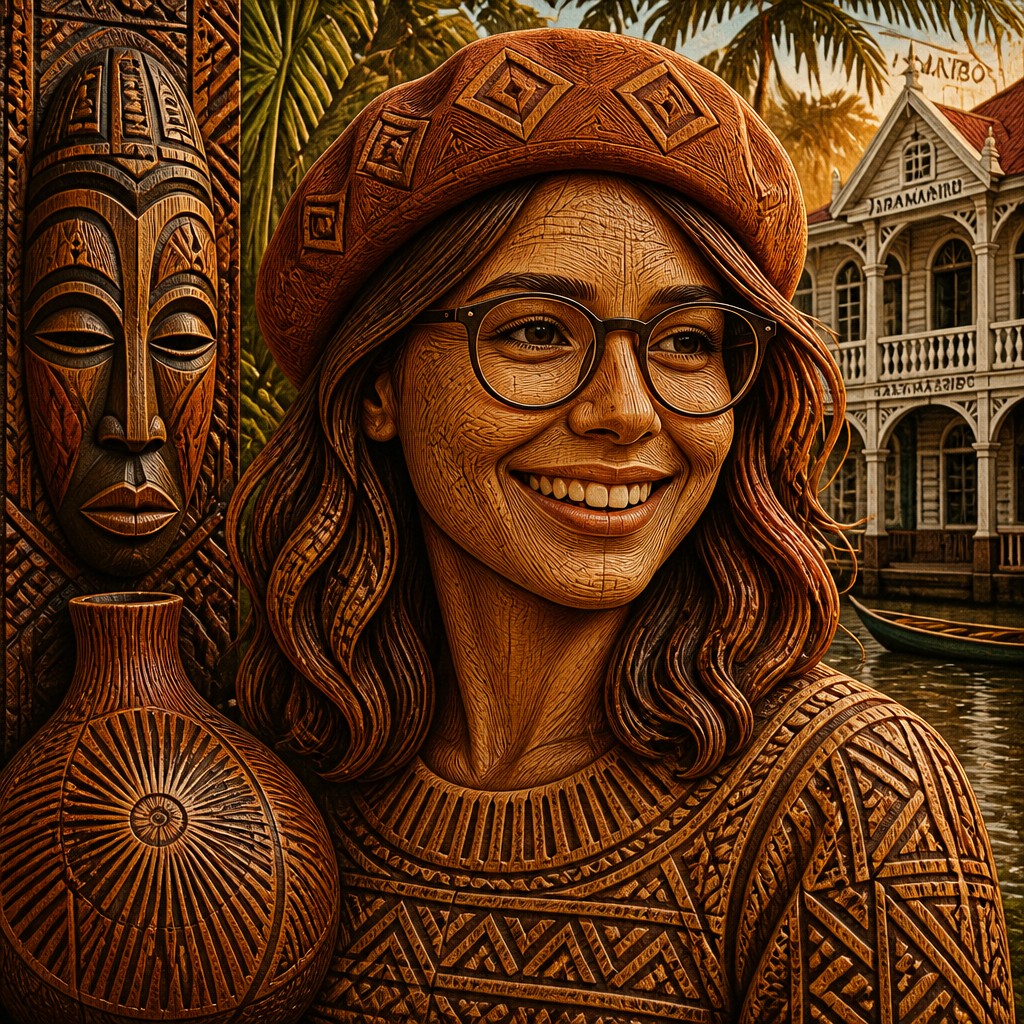

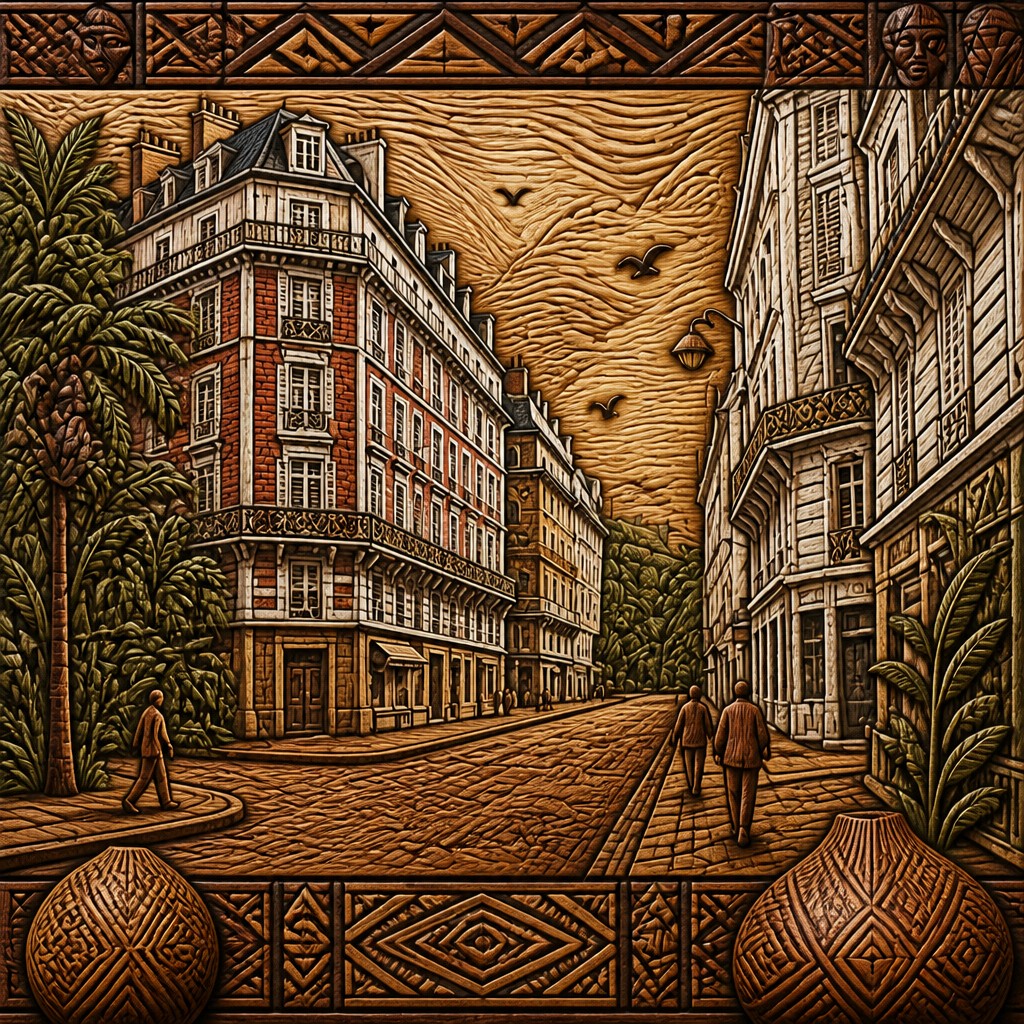

What Defines Surinamese Art Style
The signature details, up close
Geometric wood relief
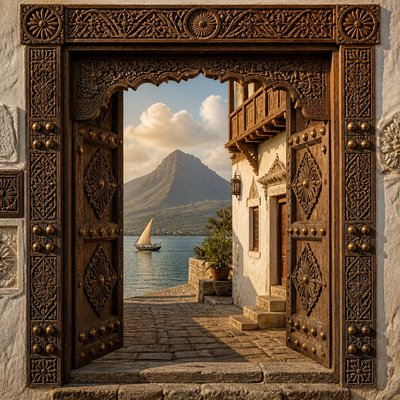
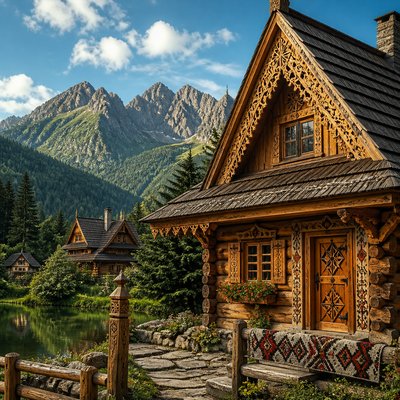
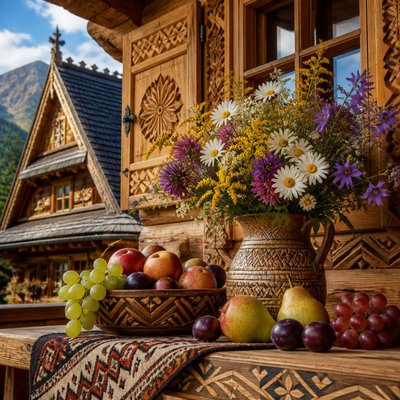
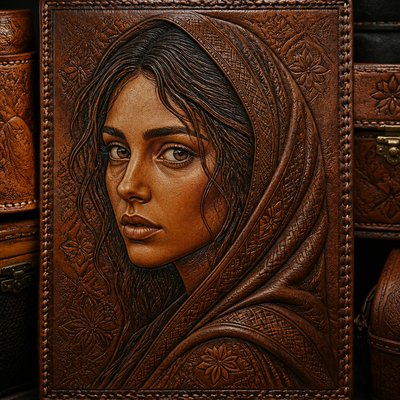
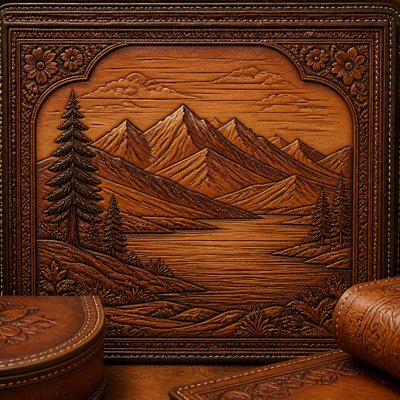
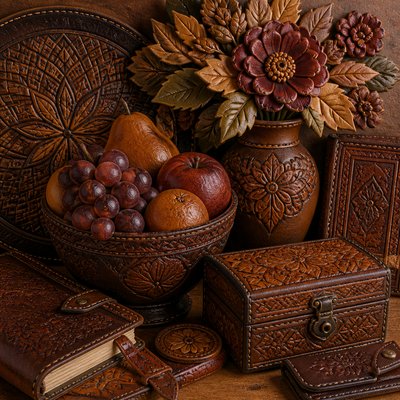
Carved surfaces use bold angular bands, stepped forms, diamonds, chevrons, and repeating linear cuts. Relief shadows make the ornament legible even when viewed at a distance.
Incised calabash patterns
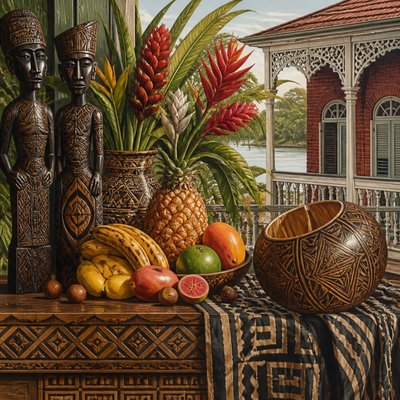
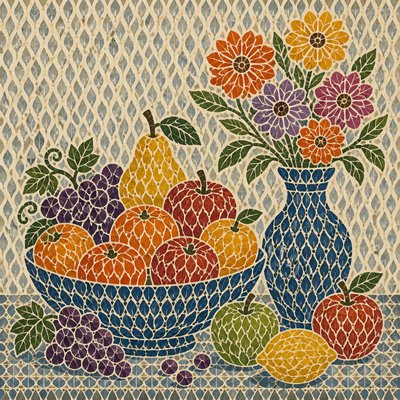
Gourd vessels and panels are decorated with radiating lines, spirals, lattice structures, and carefully repeated motifs. The contrast between dark incisions and warm natural shell tones gives the work a tactile graphic quality.
Tropical river light
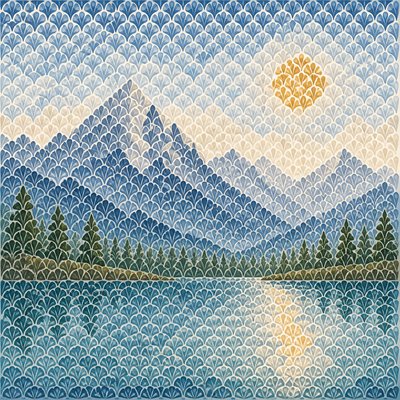
Lighting is humid, reflective, and often filtered through dense vegetation. Water highlights, softened shadows, and green-gold atmospheric color suggest Suriname’s riverine and rainforest environments.
Earth-toned ornament
A restrained palette of timber brown, clay red, ochre, charcoal, cream, moss green, and deep river blue connects crafted objects to soil, bark, foliage, and masonry.
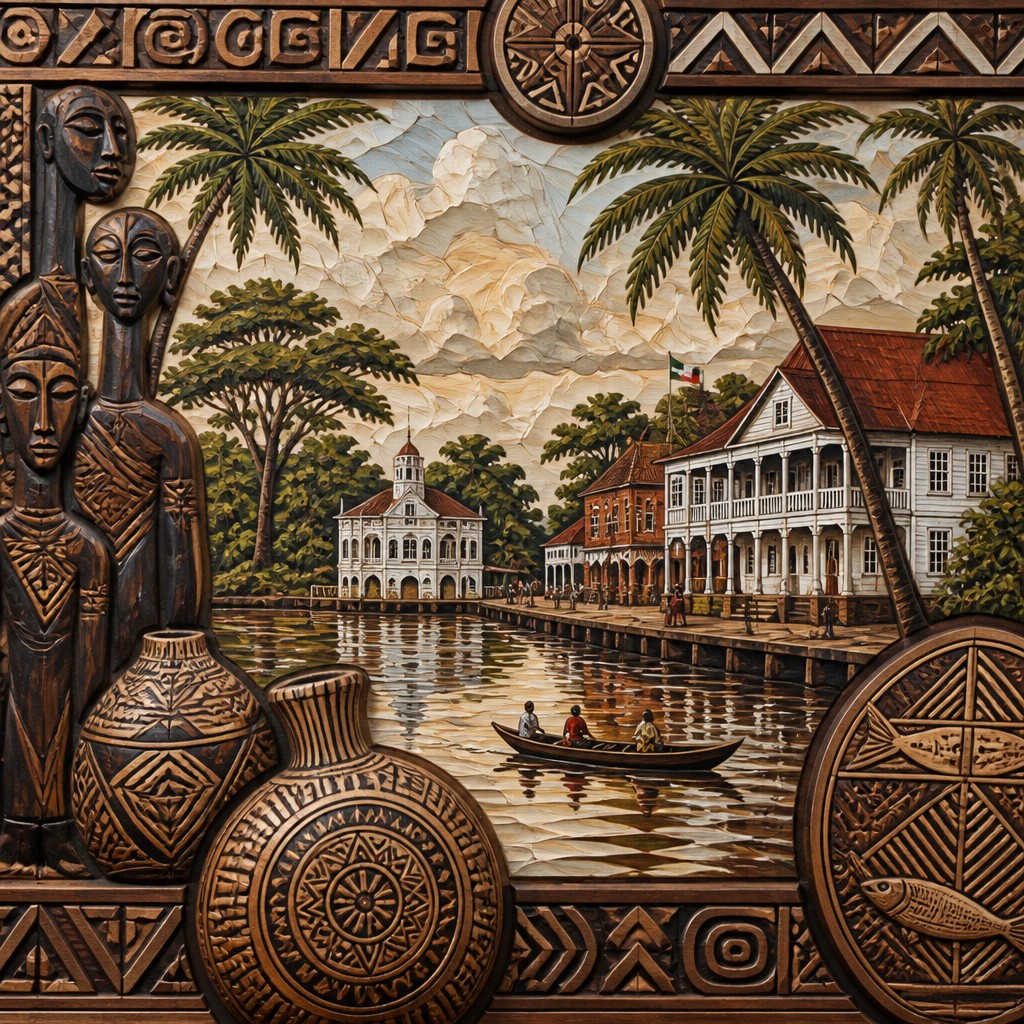
Paramaribo timber architecture
White-painted wooden façades, steep roofs, shutters, verandas, narrow proportions, and red-brick foundations evoke historic urban architecture in Paramaribo. Architectural details work as a structural counterpoint to organic carving patterns.
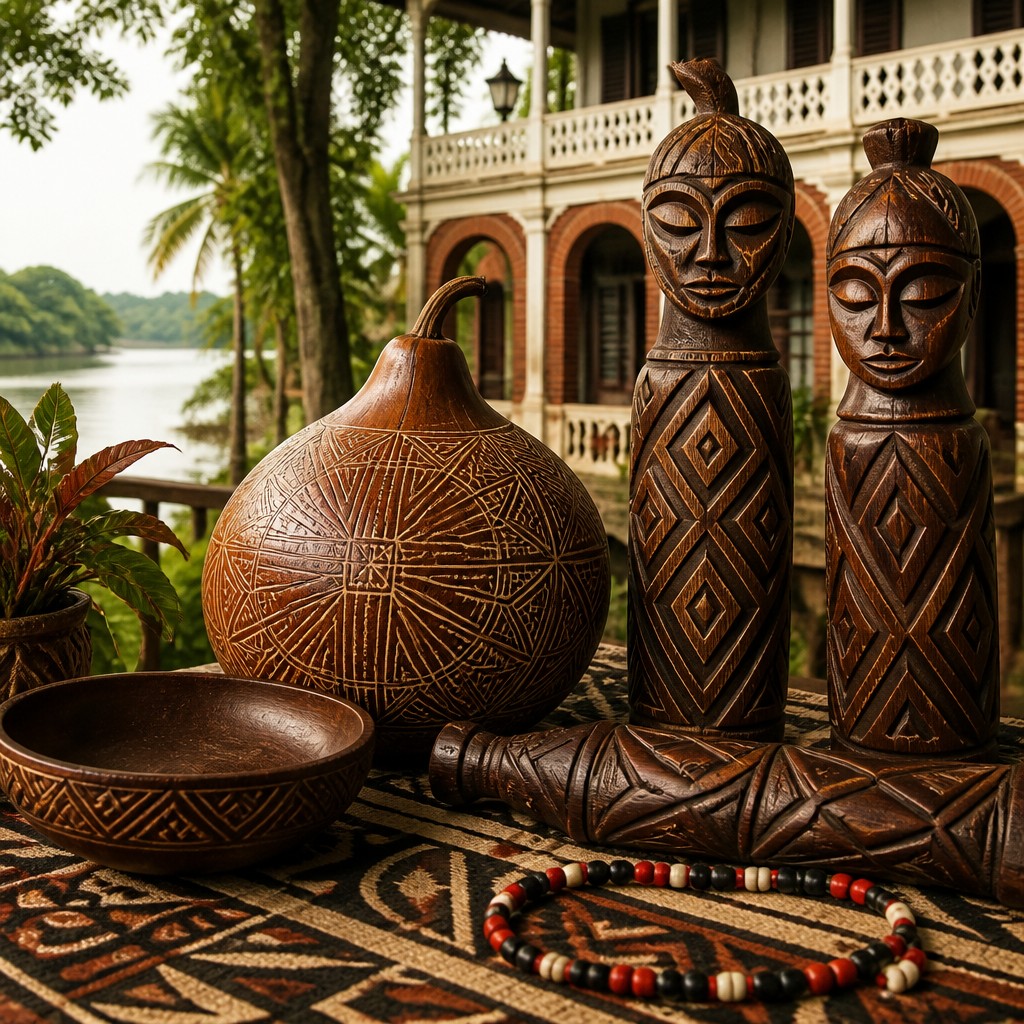
Rhythmic repetition
Borders, slats, incisions, roof lines, and vegetation are organized into recurring beats rather than random decoration. Repetition creates visual continuity across objects, buildings, and landscapes.
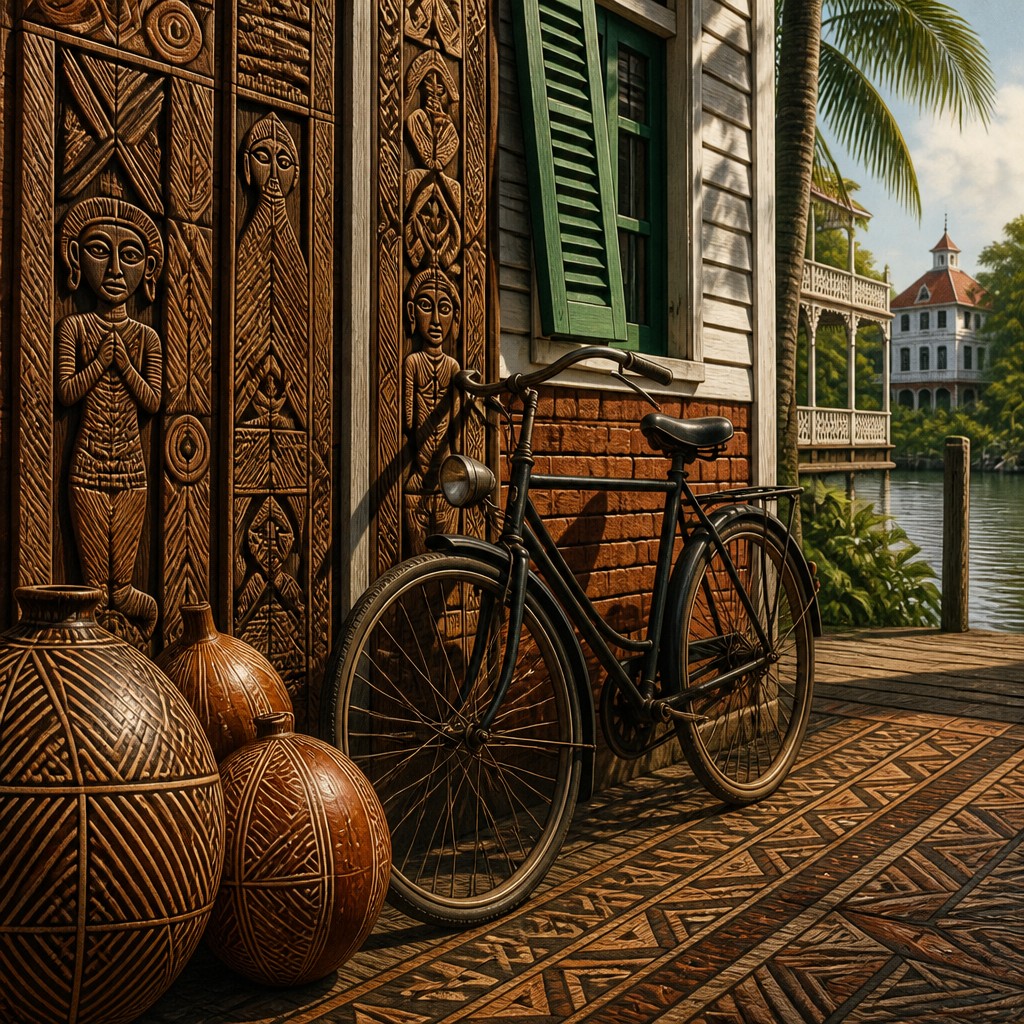
Material contrast
Smooth gourd shell, rough-hewn timber, painted wood, brick, wet foliage, and reflective water are placed together. The style depends on showing the physical character of each surface.
Surinamese Prompt Ideas
Start from an idea — each one opens the generator with the style ready to go. See all 40 Surinamese prompts →
How to Create Surinamese Art
Master the craft step by step — or skip straight to creating. Read the full guide →
- 1
Begin with a strong material structure
Choose a clear subject such as a carved panel, river settlement, vessel, or timber house, then specify wood grain, gourd shell, brick, or wet foliage. Keep the material differences visible instead of flattening everything into a generic pattern.
- 2
Build ornament from repeated geometry
Use diamonds, chevrons, radiating lines, stepped bands, and parallel incisions arranged around a border or central axis. Vary scale and depth slightly so the design feels worked by hand rather than mechanically tiled.
- 3
Control the tropical palette
Start with dark wood brown, ochre, clay red, cream, and leaf green, adding restrained blue-green reflections for water. Strong contrast should come from relief and shadow as well as color.
- 4
Light the scene through humidity
Use low-angle or diffuse sunlight, reflected river glow, and softened atmospheric distance. Reserve sharper highlights for wet surfaces, polished carving, window glass, and painted architectural edges.
- 5
Combine architecture and craft carefully
Place carved objects or patterned surfaces beside white timber façades, red brick, verandas, shutters, and tropical vegetation. Avoid treating all Surinamese cultural forms as one interchangeable decoration.
- 6
Write precise digital prompts
Name the subject, materials, geometric motifs, lighting, palette, and composition in that order; for example, request a carved wooden riverside house with incised radiating patterns, humid river light, and restrained earth tones. For image transformation, preserve the original subject’s pose and structure while directing surface texture, ornament, and color toward these references.
The Story
History & Origins of Surinamese
This style has no single documented origin as a named historical movement. It draws on the living craft traditions of Maroon societies in Suriname, including Saamaka and Ndyuka woodworking and decorative calabash practices, alongside the architectural heritage formed during Dutch colonial rule. Maroon visual culture developed through African-derived knowledge, local materials, forest environments, and the social history of communities established in Suriname’s interior.
The contemporary label joins these distinct sources for visual interpretation, illustration, design, and image-making. Its historical references should not be treated as interchangeable: Maroon carving traditions, calabash ornament, Indigenous and Afro-Surinamese material cultures, and colonial architecture each have their own contexts and meanings.
Influences: The style relates to African-diasporic craft traditions in the Guianas, Maroon material culture, calabash and gourd decoration, vernacular tropical architecture, Dutch colonial building traditions, relief sculpture, pattern design, and contemporary cultural illustration. It also shares visual strategies with folk carving, botanical observation, river landscape painting, and material-focused craft photography, while remaining distinct from any one of those categories.
Frequently Asked Questions
What defines Surinamese Art Style?
It is defined by the combination of Maroon-associated wood carving, incised calabash geometry, tropical river light, earth-toned ornament, and Surinamese timber architecture. The category is a modern synthesis rather than the name of a single established historical movement.
Is Surinamese Art Style a traditional art movement?
No. The label describes an aesthetic lineage assembled from several real Surinamese cultural and architectural traditions. Saamaka and Ndyuka carving, calabash work, and Paramaribo architecture should be recognized as related but distinct practices with their own histories.
What materials are associated with this style?
Important material references include carved hardwood, calabash or gourd shell, painted timber, red brick, woven fibers, clay, and river-polished surfaces. In digital work, convincing grain, incised grooves, relief shadows, and surface wear are more important than simply adding decorative symbols.
How is it different from generic tropical or colonial art?
Generic tropical art may rely mainly on palms, bright colors, and exotic scenery, while this style emphasizes craft structure, repeated geometric ornament, and riverine atmosphere. Its architectural references also focus on Surinamese timber-and-brick forms rather than treating all Caribbean or Southeast Asian colonial buildings as equivalent.
How can I make an image in this style without copying a specific artifact?
Use broad material and compositional references: carved wood, incised gourd, repeating geometric borders, humid river light, white timber, and red brick. Invent a new arrangement and avoid reproducing identifiable ceremonial objects, culturally specific symbols, or a particular community’s artifact without context.
Where can this visual style be used?
It suits editorial illustration, cultural education, architectural visualization, pattern design, book covers, environment design, product surfaces, and documentary-inspired photography. Context matters, especially when depicting Maroon communities or presenting craft traditions as contemporary cultural practices rather than decorative motifs alone.
Create your first Surinamese artwork
Describe anything — or upload a photo — and see it in Surinamese Art Style in seconds.
Related Styles
Discover similar art styles