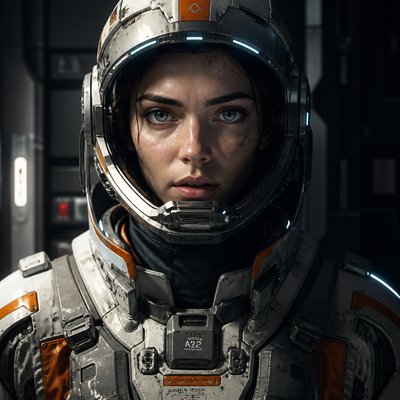
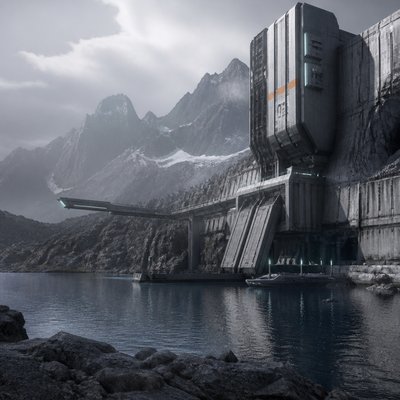
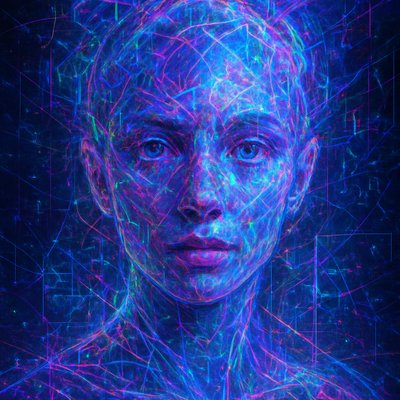
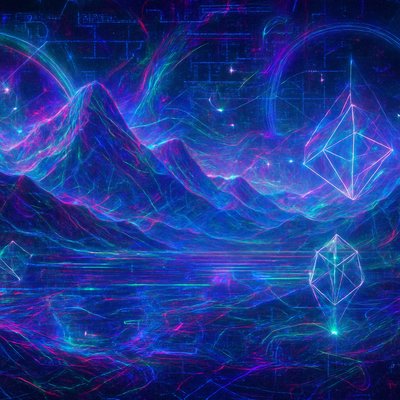
Cyberpunk Sci-Fi Art
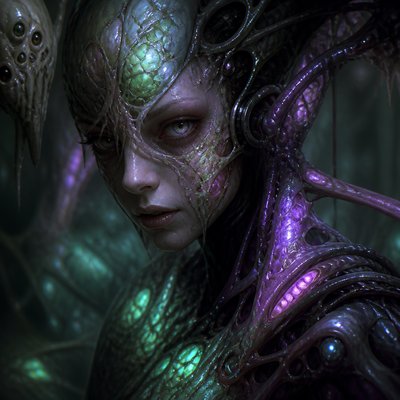
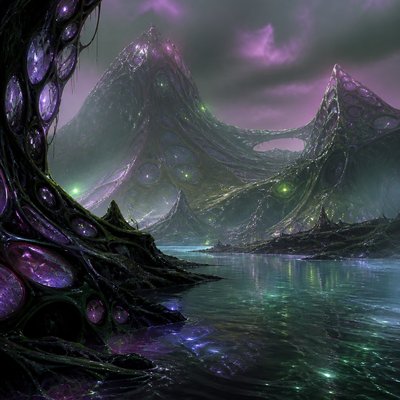
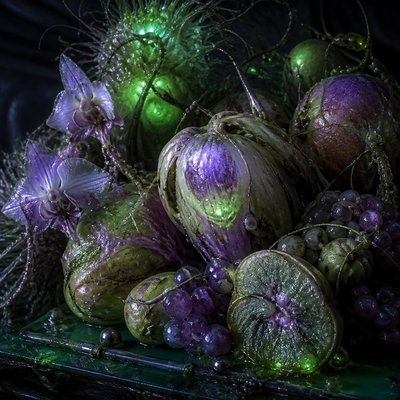
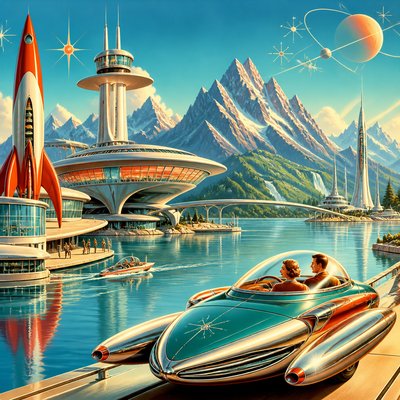
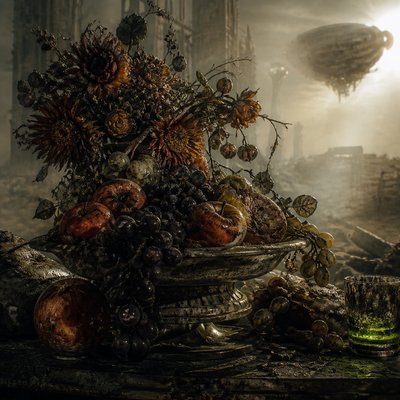
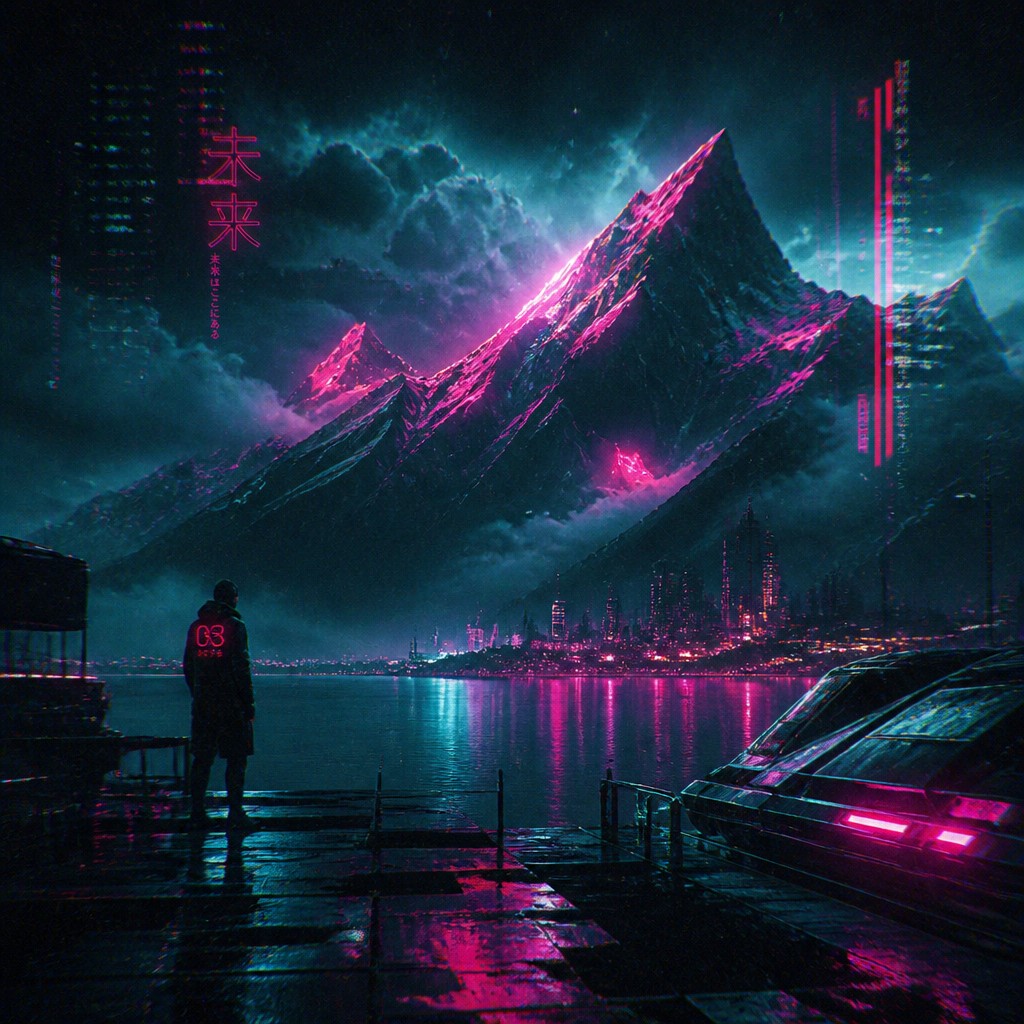
Neon-lit dystopian cityscapes, hackers, chrome, rain, and corporate futures: the defining look of cyberpunk sci-fi art.
Instantly rendered in Cyberpunk Sci-Fi — or transform a photo
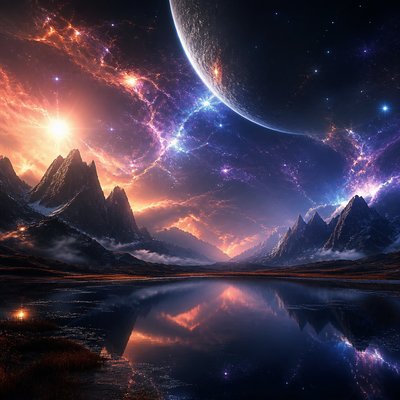
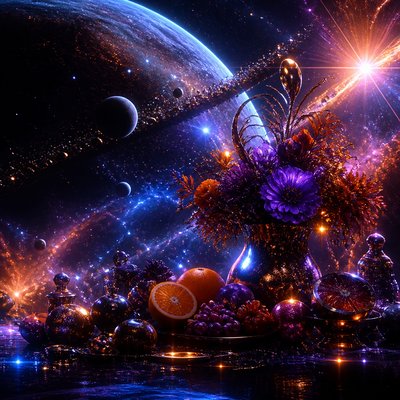
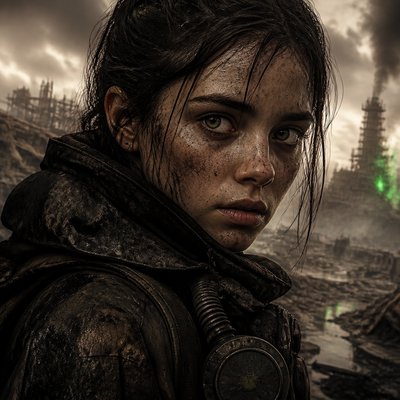
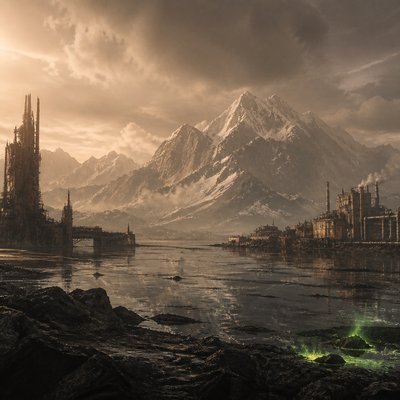
Cyberpunk Sci-Fi Gallery
Tap any artwork to explore it
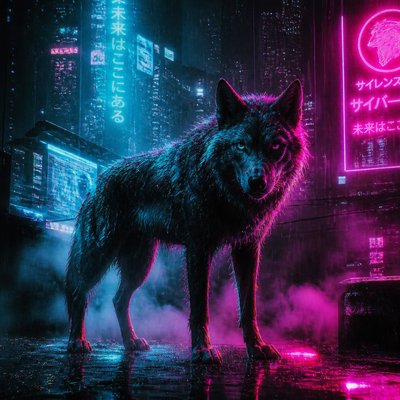
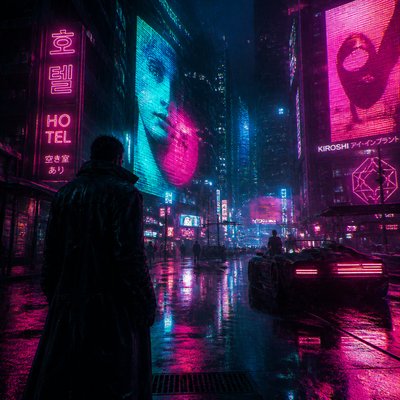
What is Cyberpunk Sci-Fi Art?
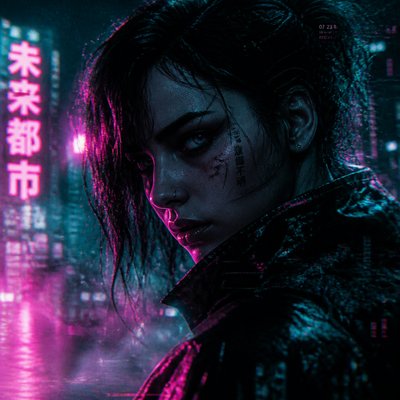
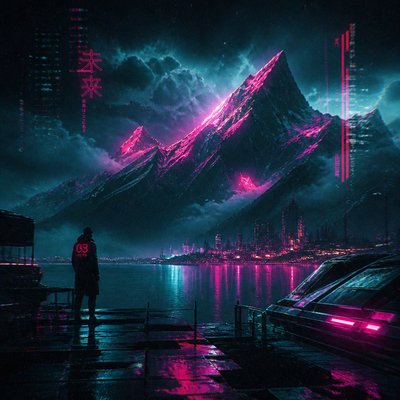
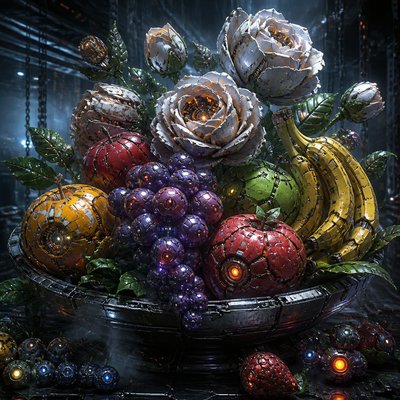
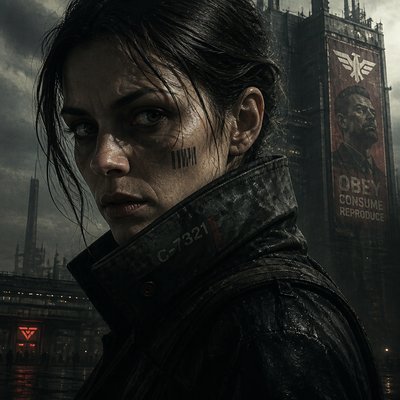
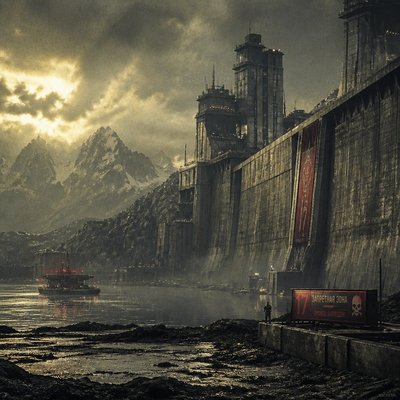
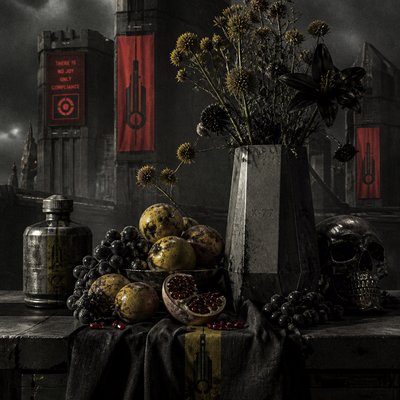
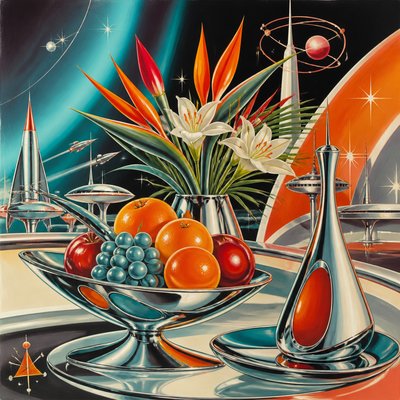
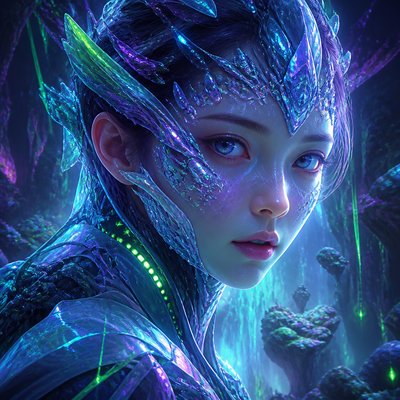
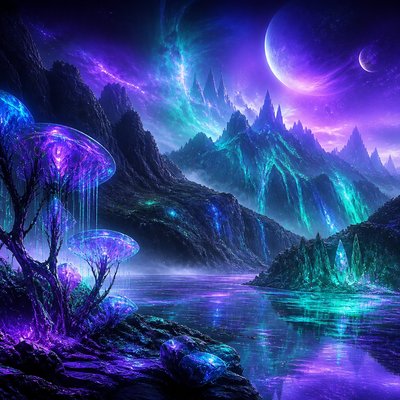
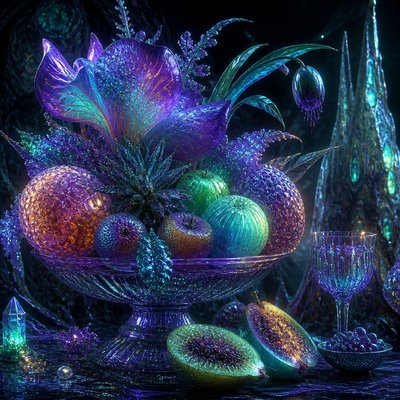
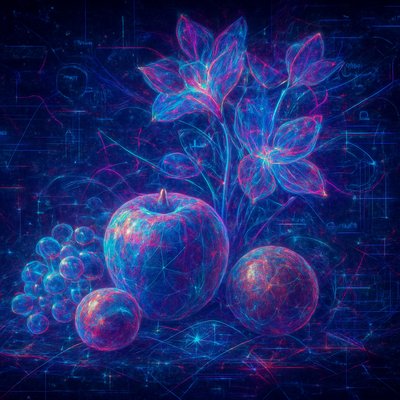
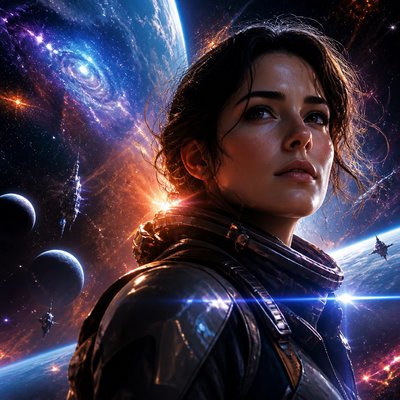
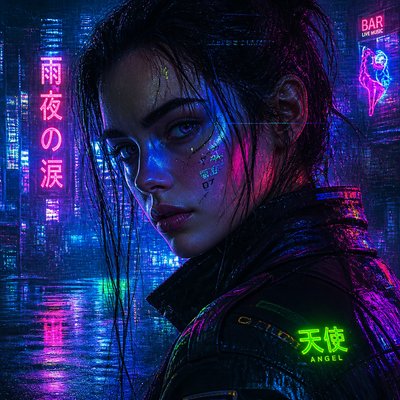
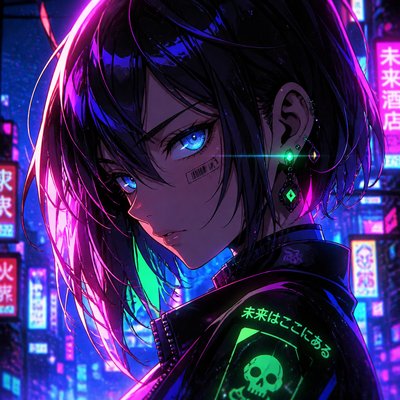
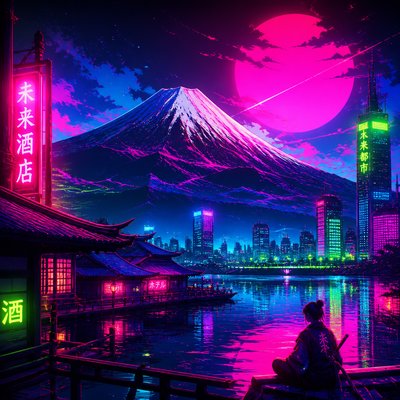
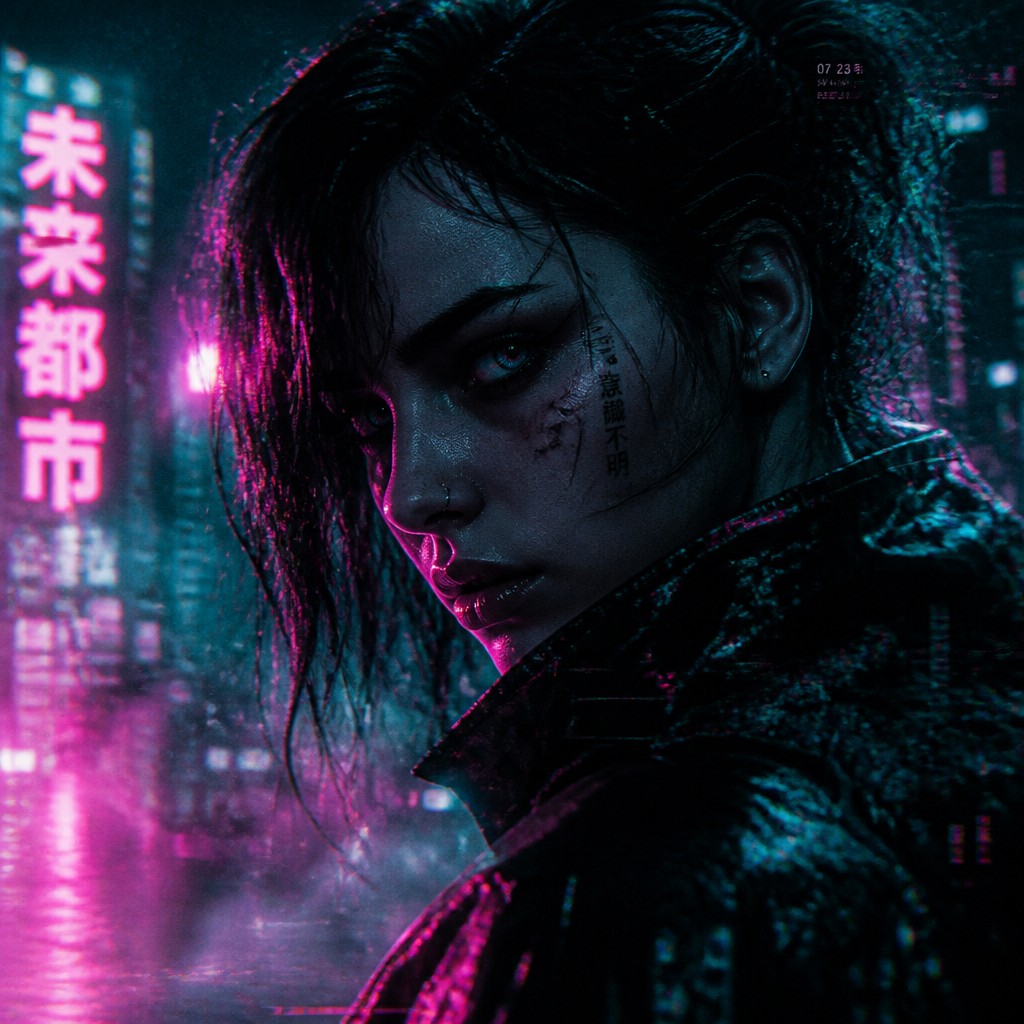
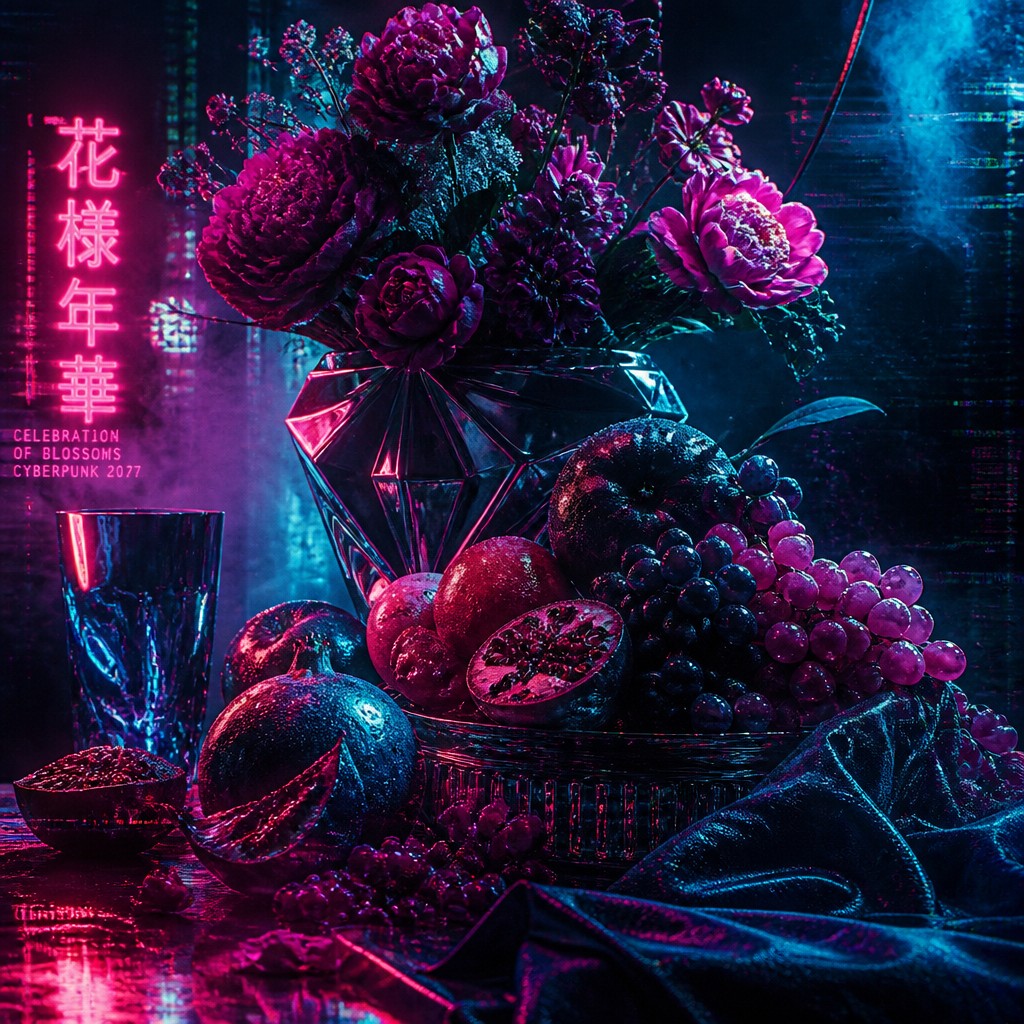
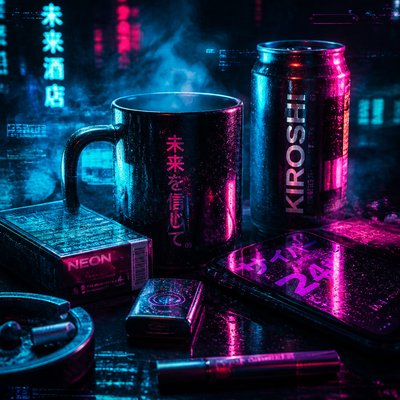
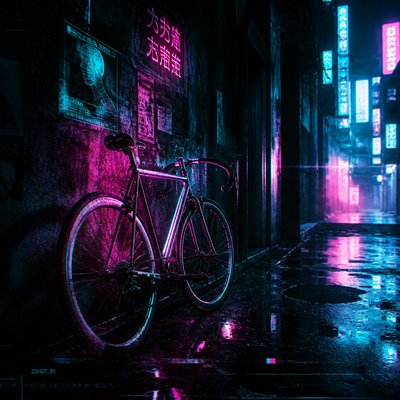
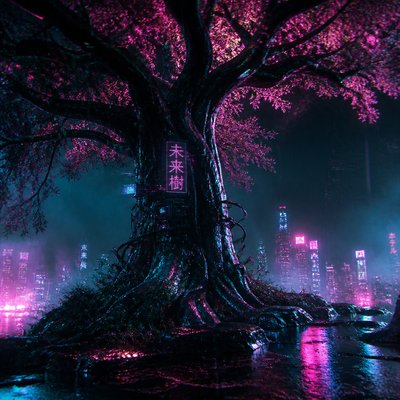
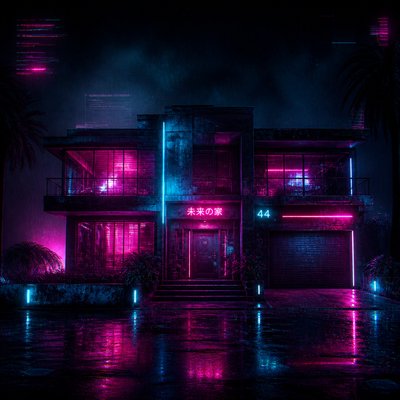
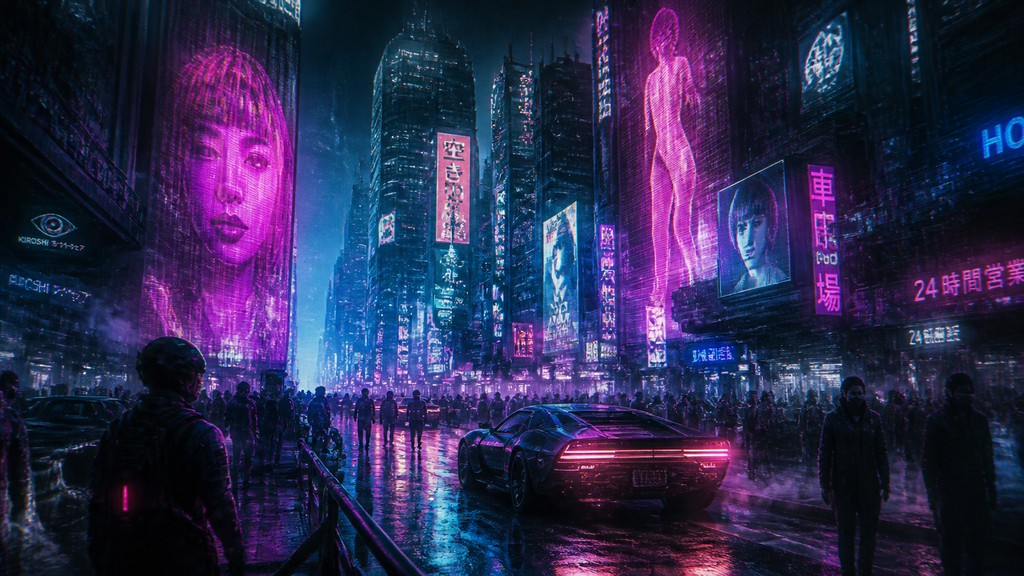
Cyberpunk sci-fi art depicts near-future worlds shaped by advanced technology, urban decay, surveillance, and corporate power. Its most recognizable images are neon-soaked city streets, towering megastructures, dense signage, reflective wet pavement, hacked interfaces, and figures augmented with cybernetic implants or concealed in hooded silhouettes. The style is usually nocturnal and cinematic, using sharp contrast, colored light, and heavy atmosphere to suggest both technological seduction and social collapse.
The visual language comes from the intersection of science fiction illustration, film noir, punk subculture, and late-20th-century digital imagery. It looks the way it does because the genre emphasizes contradiction: polished chrome against rust, bright advertising against deep shadow, and human bodies against machine systems. Fog, rain, scan lines, glitch artifacts, and chromatic aberration are common because they reinforce the sense of mediated reality, urban overload, and unstable futures.
Try It On Your Photos
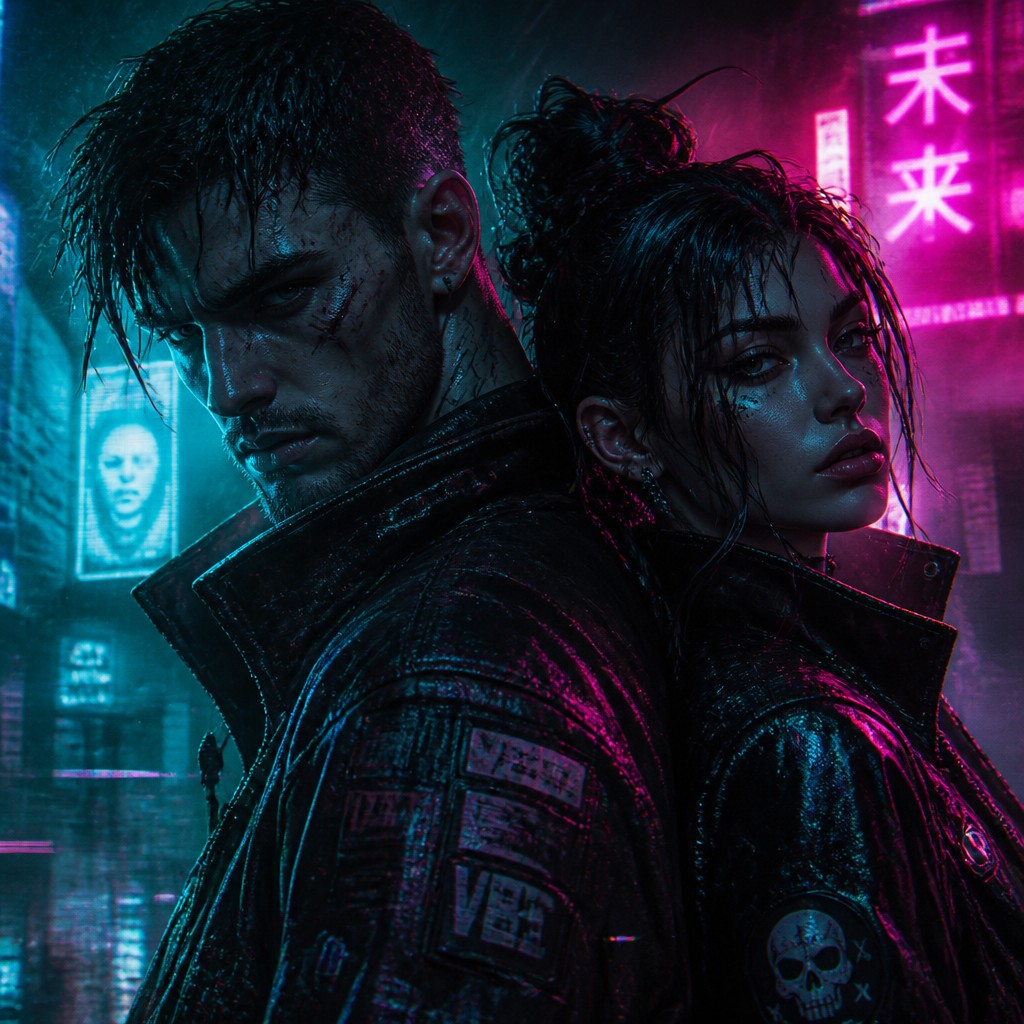
Upload any photo and convert it into Cyberpunk Sci-Fi Art — drag the sliders to compare before and after.
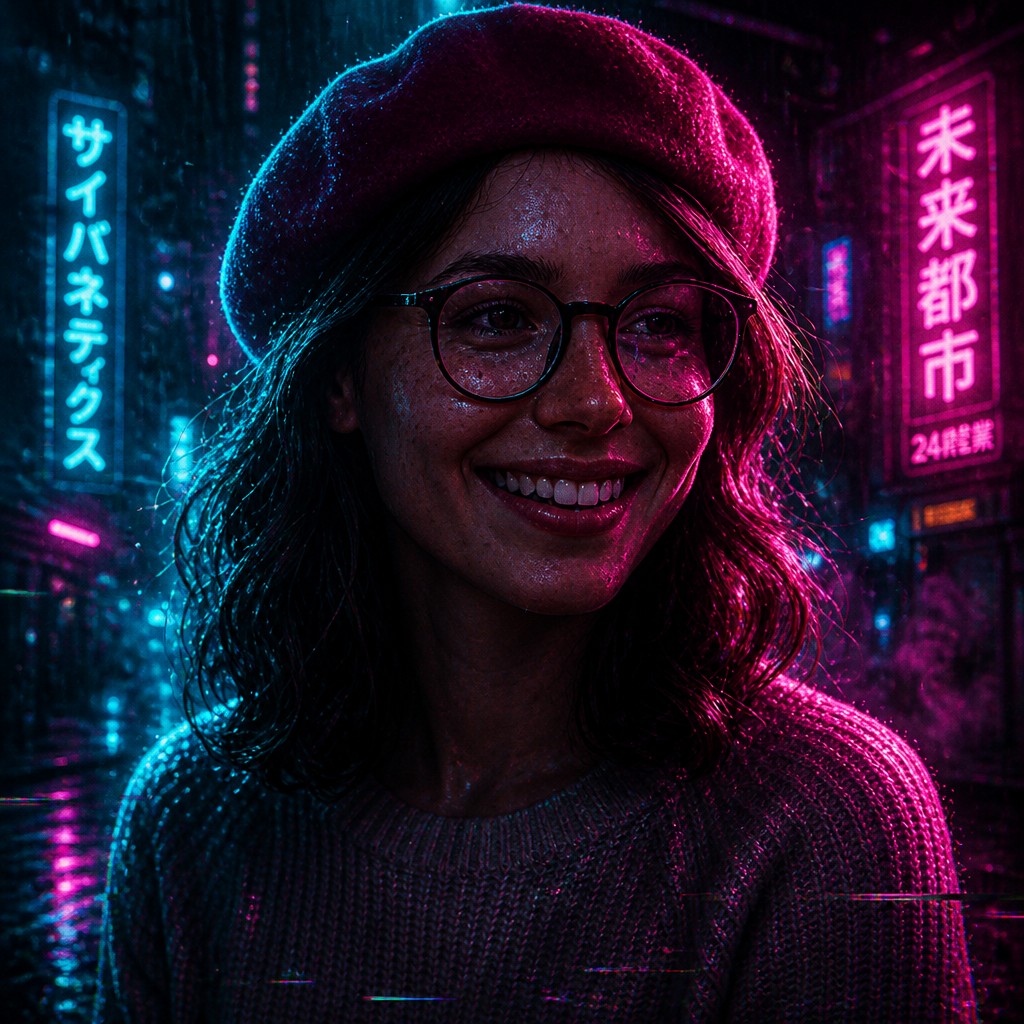


What Defines Cyberpunk Sci-Fi Art
The signature details, up close
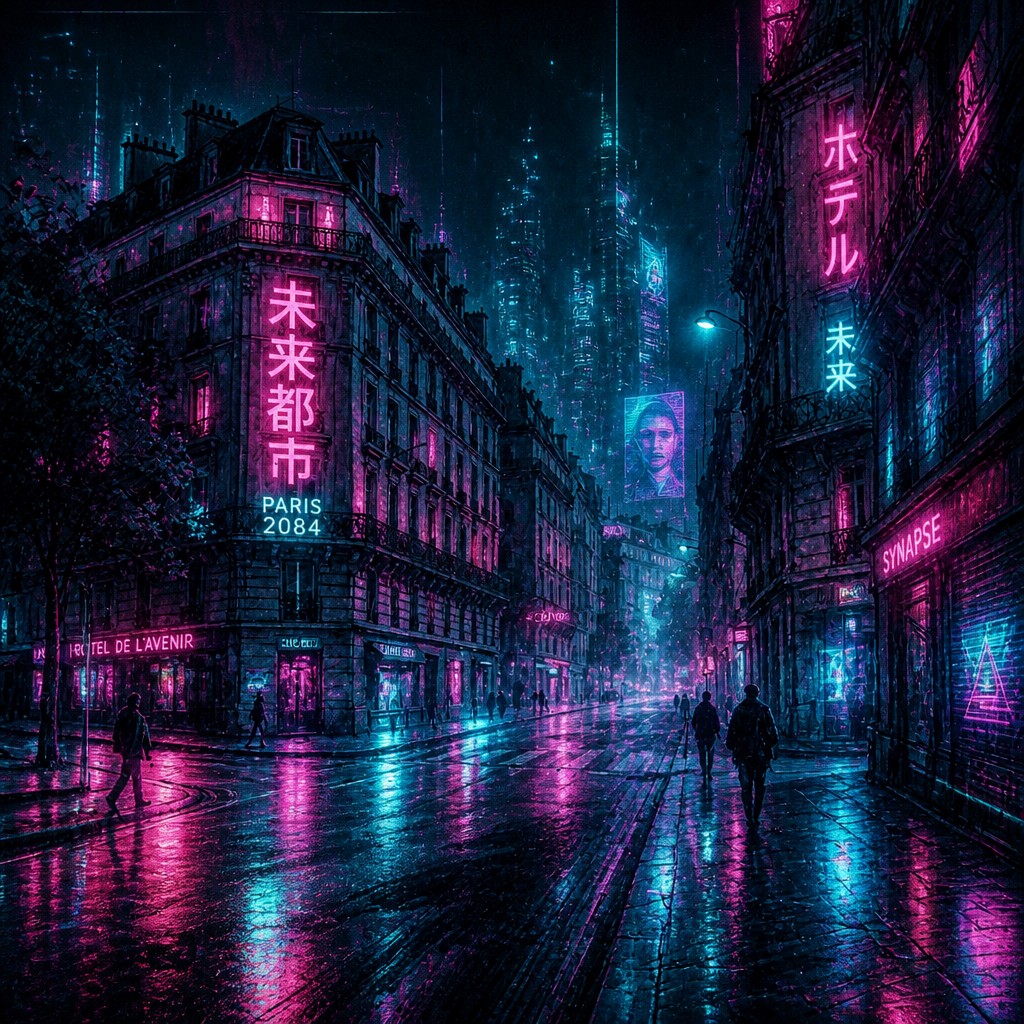
Neon urban lighting
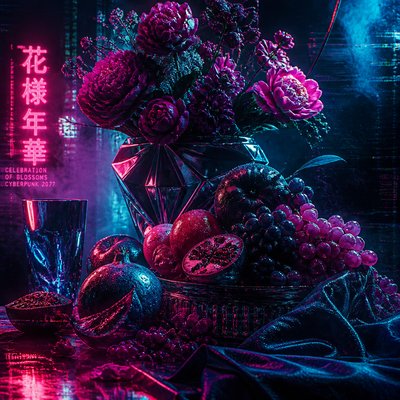
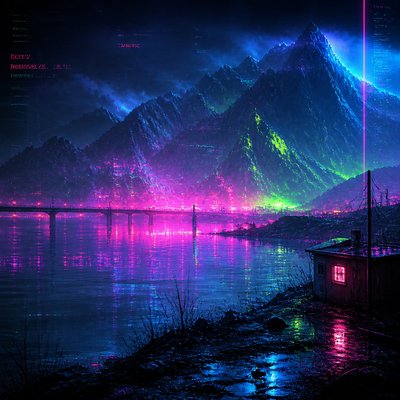
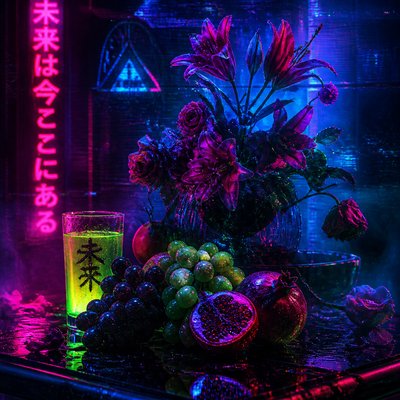
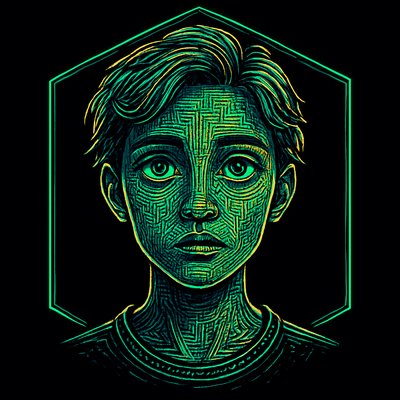
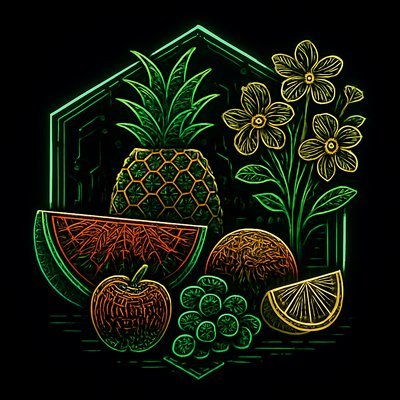
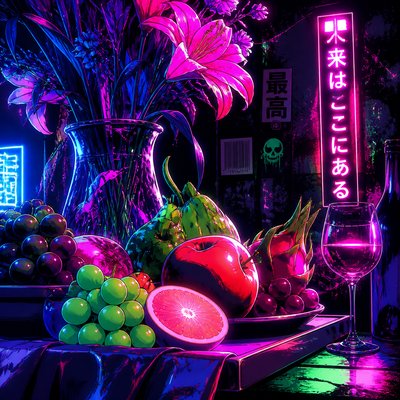
Electric cyan, magenta, violet, and acid green lighting define the scene, usually against deep black shadows. The glow often appears to spill into fog, rain, or smoke, creating halos and reflections.
Rain-slick surfaces
Wet pavement, glass, chrome, and polished plastic are common because they multiply light sources and intensify reflections. This gives the image its glossy, cinematic sheen.
High-tech augmentation
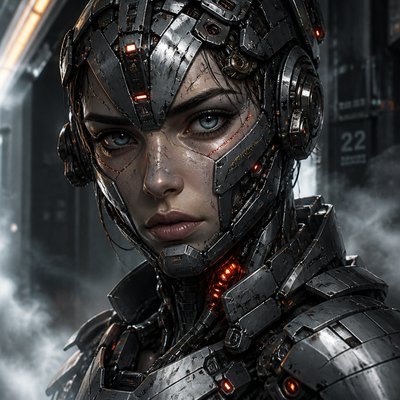
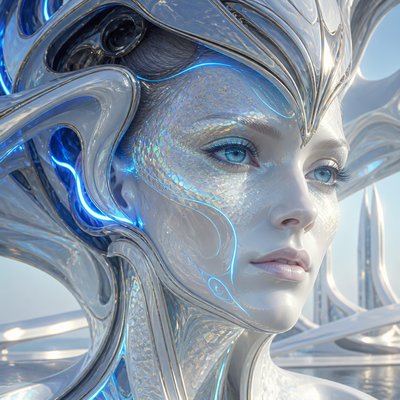
Characters frequently feature implants, prosthetics, holographic interfaces, and wearable tech. These details signal a world where the human body has been modified by machine systems.
Urban density and verticality
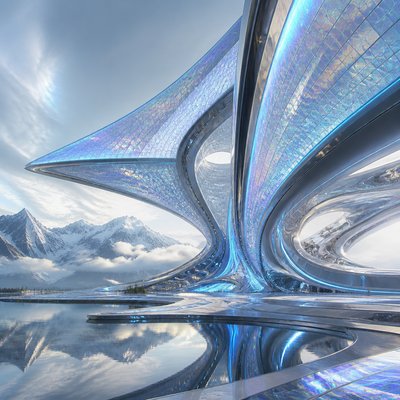
The setting is usually a crowded city with stacked signage, cables, ducts, elevated walkways, and massive towers. The composition stresses compression, scale, and visual overload.
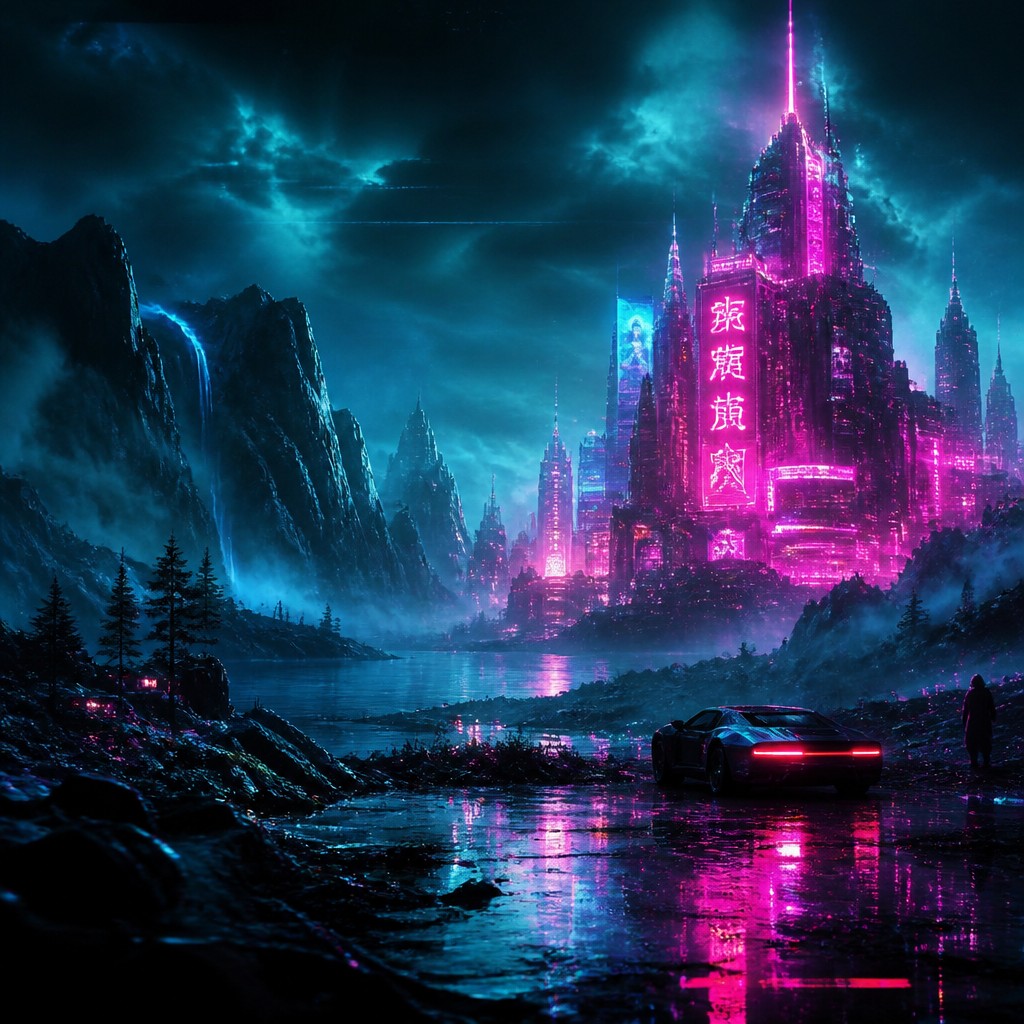
Gritty texture and decay
Despite the advanced technology, surfaces are often weathered, scratched, and dirty. This contrast between sleek hardware and urban damage is central to the style.
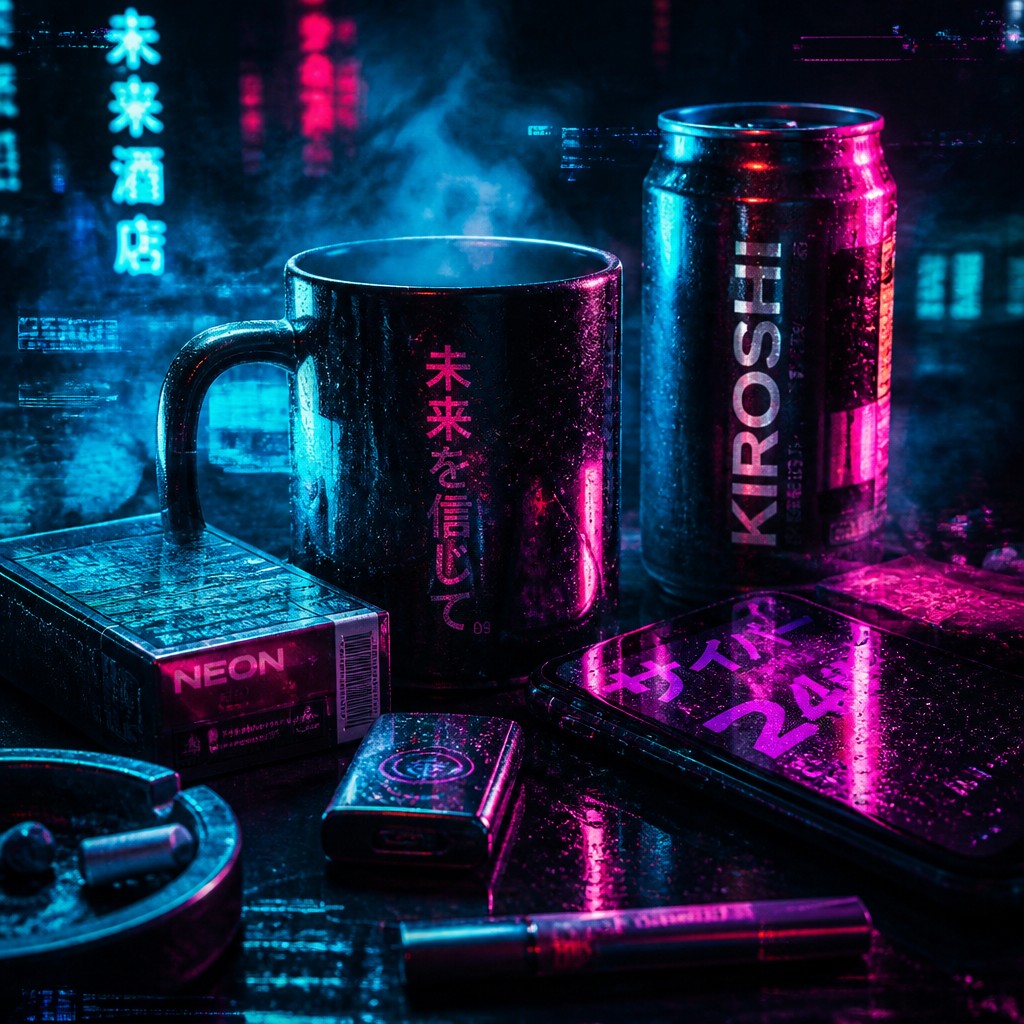
Glitch and interface effects
Scan lines, holographic UI elements, compression artifacts, and signal interference reinforce the sense of a mediated, unstable digital environment. They can be subtle or stylized, but they usually add to the futuristic mood.
Try It
Create Videos in Cyberpunk Sci-Fi Art
Styles aren't just for stills — describe a scene or animate an image and get a short video rendered in Cyberpunk Sci-Fi. Press play to see this pond come to life.
Make a VideoCyberpunk Sci-Fi Prompt Ideas
Start from an idea — each one opens the generator with the style ready to go. See all 40 Cyberpunk Sci-Fi prompts →
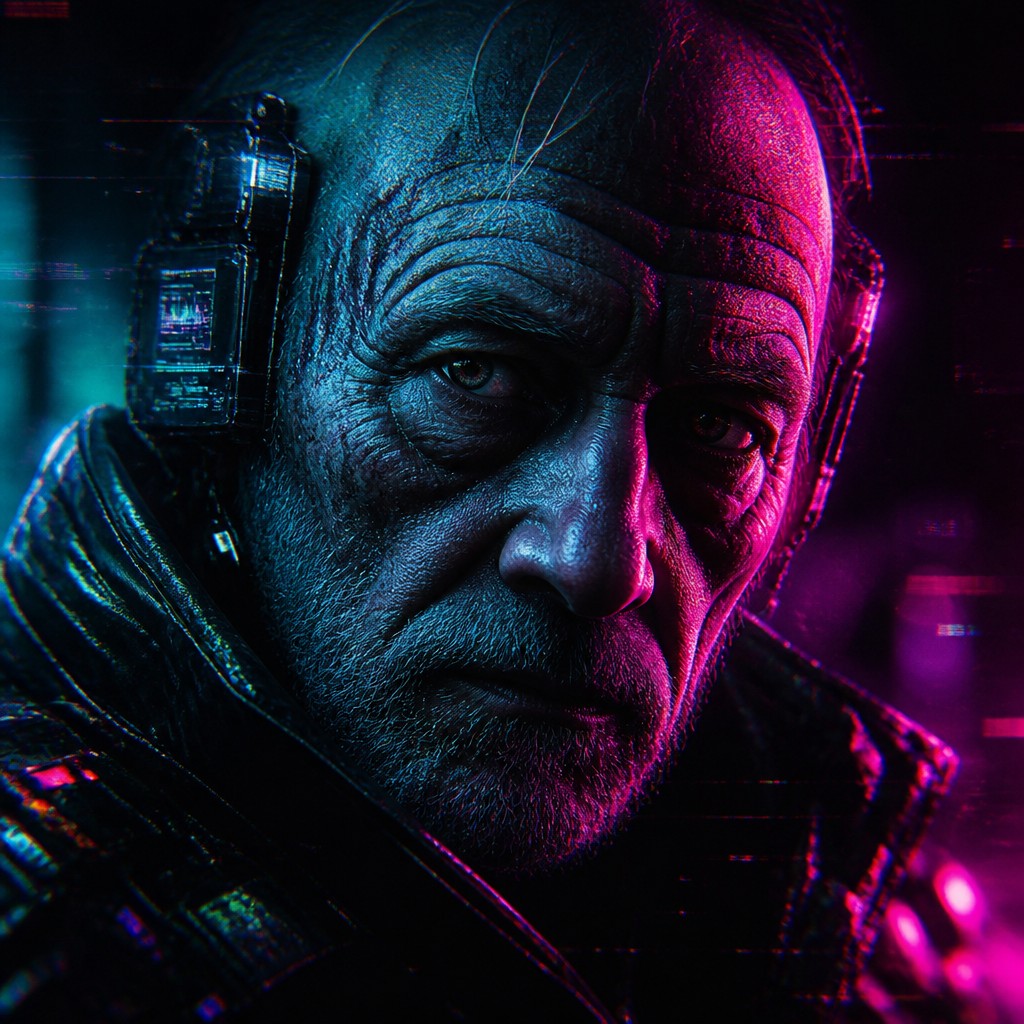
“close-up portrait of an elderly person with expressive weathered features”
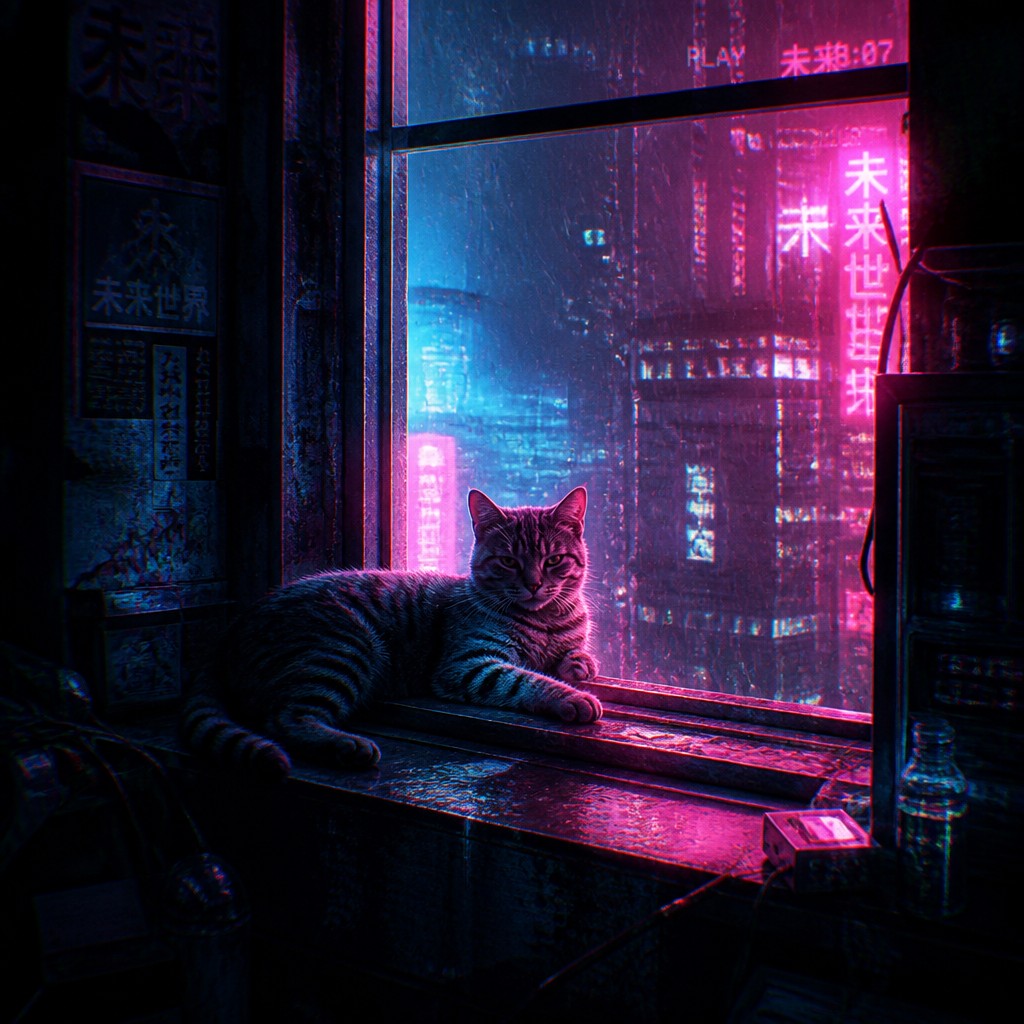
“a cat lounging in a sunlit window”
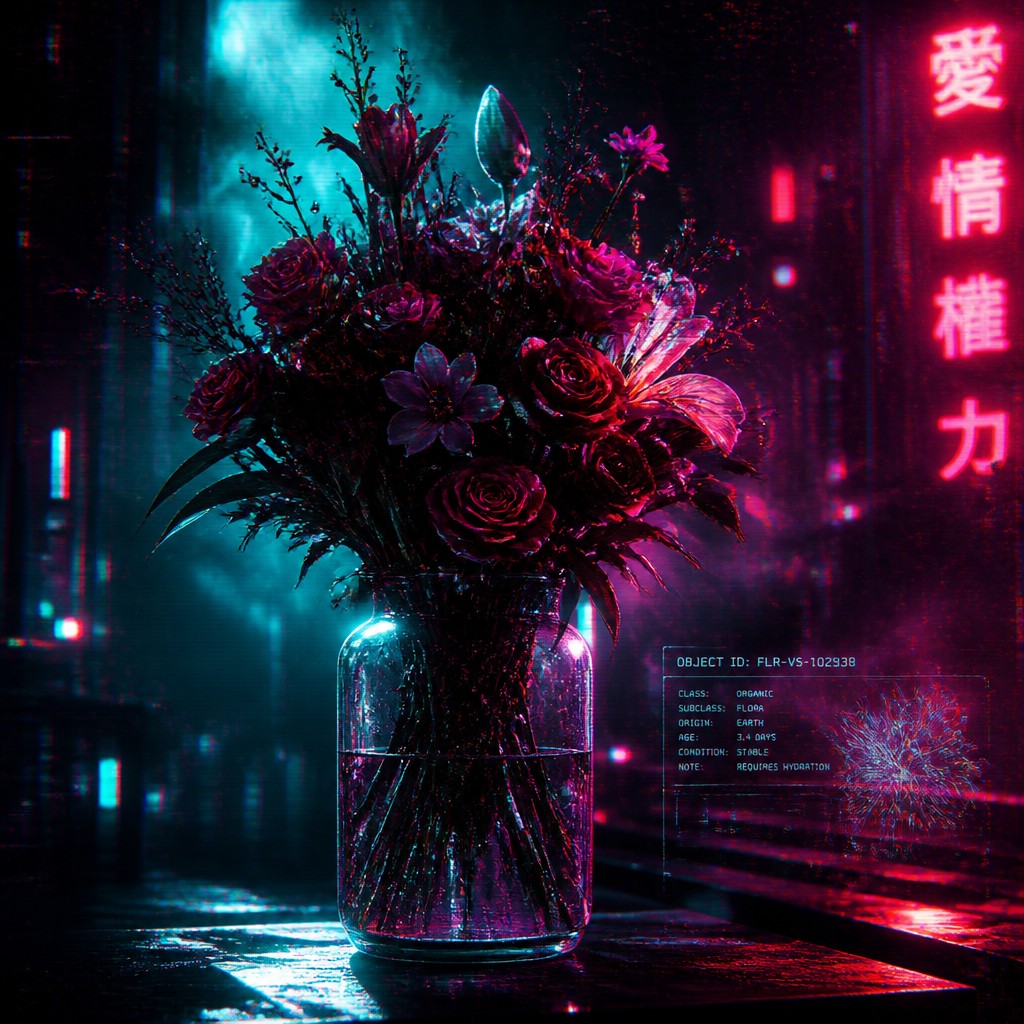
“bouquet of flowers in a glass vase”
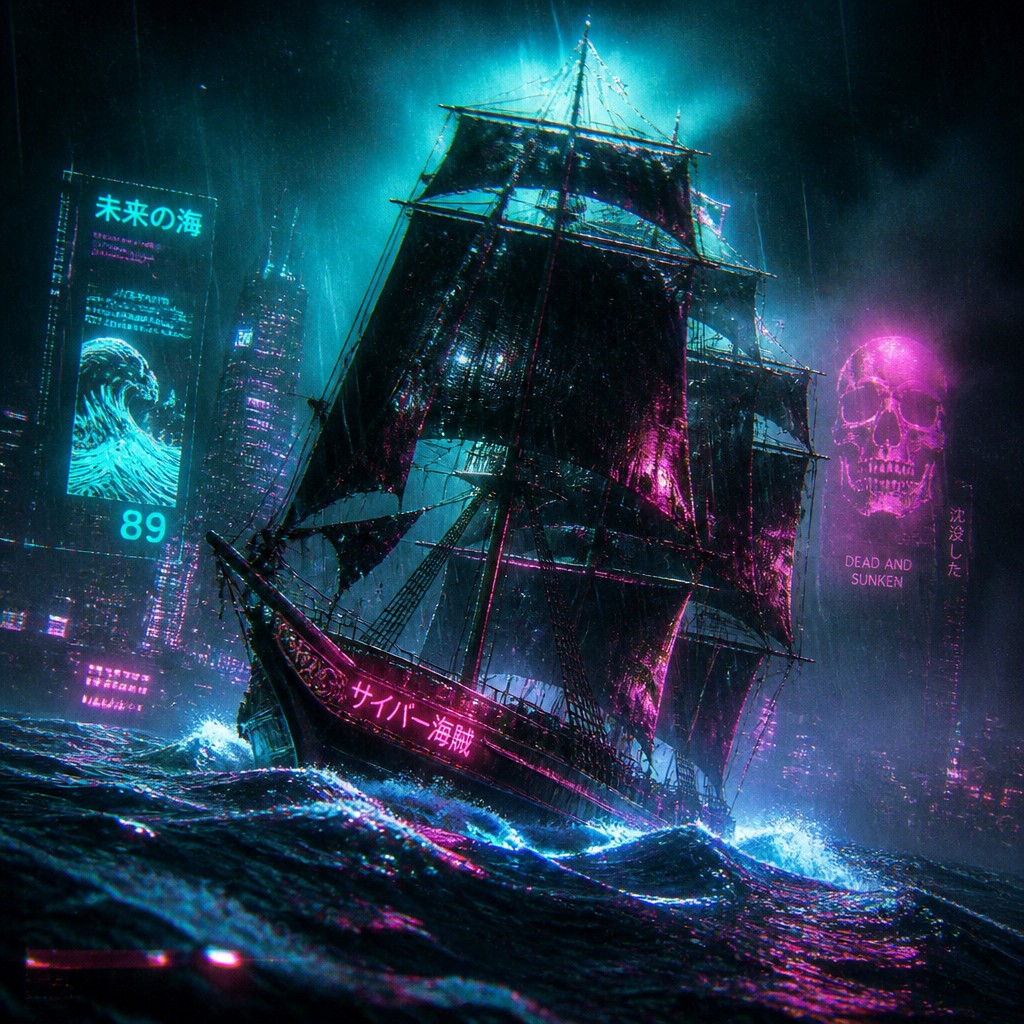
“sailing ship on a stormy sea”
How to Create Cyberpunk Sci-Fi Art
Master the craft step by step — or skip straight to creating. Read the full guide →
- 1
Build the contrast first
Start with a dark value structure and place a few strong neon light sources where they can rim the subject or reflect off surfaces. In painting or digital work, reserve the brightest colors for edges, signs, and highlights so the composition feels illuminated from within.
- 2
Use reflective materials strategically
Glossy floors, wet asphalt, glass panels, and chrome armor are key surfaces because they echo light and color. Even a simple scene becomes more cyberpunk if you add reflections, puddles, and specular highlights.
- 3
Layer atmosphere and depth
Add fog, rain, steam, or airborne particles to diffuse light and separate foreground from background. In traditional media this can be suggested with soft edges and glazing; in digital work, use haze, bloom, and depth-based color shifts.
- 4
Mix sleek design with visual wear
Combine clean futuristic forms with scratches, grime, torn signage, and broken infrastructure. The style depends on tension between technological sophistication and urban deterioration.
- 5
Design for readable silhouettes
Cyberpunk characters and objects work best when their outlines are clear against backlit environments. Strong silhouette design helps augmented figures, drones, and vehicles stand out amid dense visual noise.
- 6
If generating from text, specify lighting and environment
Describe the scene, then add lighting, surface, and atmosphere cues such as neon rim light, volumetric fog, rain, chrome reflections, and glitch artifacts. The more concrete your environment and materials, the more convincing the result will be.

The Story
History & Origins of Cyberpunk Sci-Fi
Cyberpunk emerged as a science-fiction movement in the early 1980s, especially in literature by influential cyberpunk writers. Its imagery quickly spread beyond literature into film, comics, illustration, video games, and concept art. A major cyberpunk film touchstone helped establish the core look: a noir cityscape dense with neon signage, multicultural street life, industrial grime, and advanced technology embedded in everyday urban environments.
As the style developed, it absorbed influences from Japanese manga and anime, industrial design, electronic music culture, punk graphics, and magazine illustration. In contemporary use, “cyberpunk” has become a broader aesthetic for futuristic urbanity, often extended into game art, album covers, motion graphics, and AI-generated imagery. While it remains tied to dystopian themes, it is now also used for sleek character art, high-tech architecture, and action scenes that emphasize glow, weather, and high contrast.
Influences: Cyberpunk sci-fi art draws from film noir, industrial design, punk graphics, and speculative illustration, but its strongest visual lineage runs through 1980s science fiction literature and cinema. A canonical cyberpunk film adaptation is a key visual reference, while artists associated with airbrushed futuristic illustration and Japanese manga/anime helped establish the genre’s density, glow, and technological urbanism. More broadly, it relates to postindustrial photography, electronic music culture, and graphic treatments of surveillance, media saturation, and digital decay.
Frequently Asked Questions
What defines cyberpunk sci-fi art?
It is defined by a near-future urban setting, advanced technology, and a mood of social collapse or corporate control. Visually, it usually combines neon lighting, dark shadows, rain, reflective surfaces, and high-tech details such as implants, holograms, or digital interfaces.
How is cyberpunk different from general sci-fi art?
General sci-fi art can depict anything from clean space exploration to alien worlds or utopian futures. Cyberpunk is narrower and more specific: it focuses on dense cities, technological augmentation, surveillance, and a gritty, often dystopian atmosphere.
Why does cyberpunk art use so much neon and rain?
Neon creates strong color contrast and makes the image feel electrically alive, while rain and wet surfaces multiply reflections and add cinematic atmosphere. Together they help produce the moody, nocturnal look that became associated with the genre through film and illustration.
What subjects work best in this style?
Hackers, androids, mercenaries, street markets, megacities, and corporate interiors are all common. The style also works well for vehicles, architecture, portraits, and action scenes, as long as the environment feels technologically saturated and visually dense.
Can cyberpunk art be made in traditional media?
Yes. Artists can use ink, watercolor, acrylic, marker, or mixed media to build strong contrasts and glowing color effects. Traditional methods often rely on layering, glazing, dry-brush texture, and carefully placed highlights to mimic neon and reflective surfaces.
Where is this style commonly used?
It appears in concept art, book covers, video games, movie posters, comics, album art, and fashion imagery. It is especially common anywhere a futuristic urban mood or a high-tech dystopian atmosphere is needed.
Create your first Cyberpunk Sci-Fi artwork
Describe anything — or upload a photo — and see it in Cyberpunk Sci-Fi Art in seconds.
Make Something with Cyberpunk Sci-Fi
Compare Cyberpunk Sci-Fi
Related Styles
Discover similar art styles