Retro Futurism Sci-Fi Art
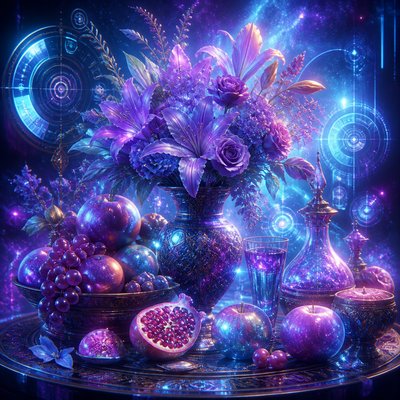
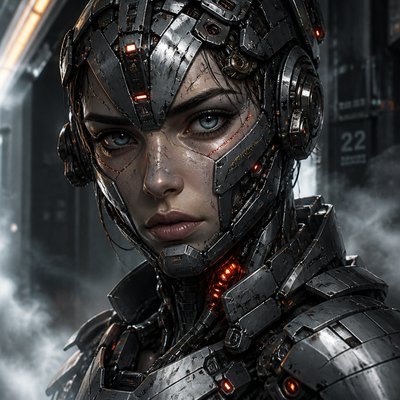
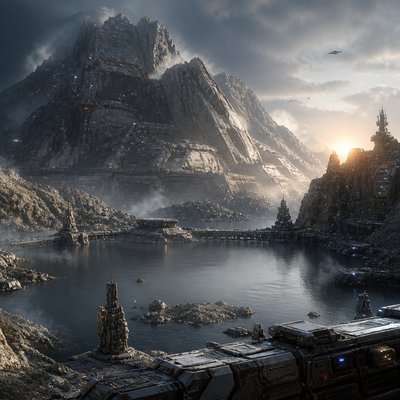
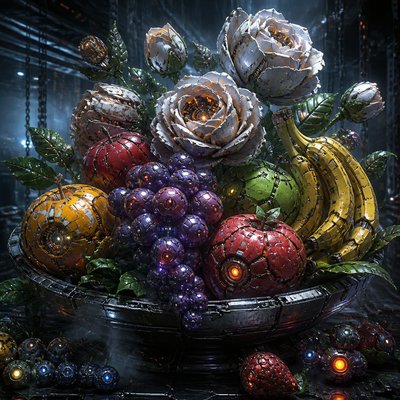
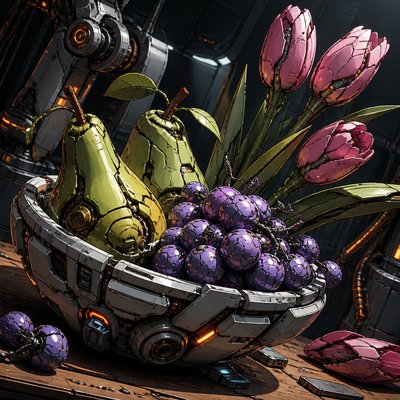
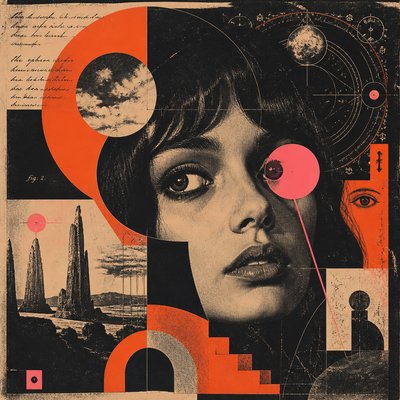
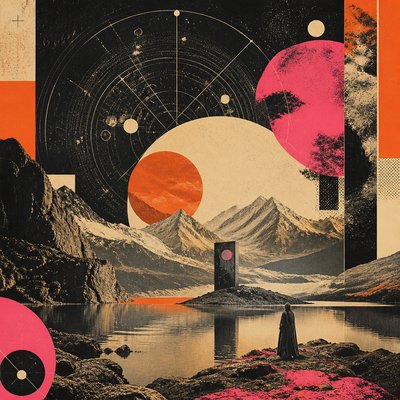
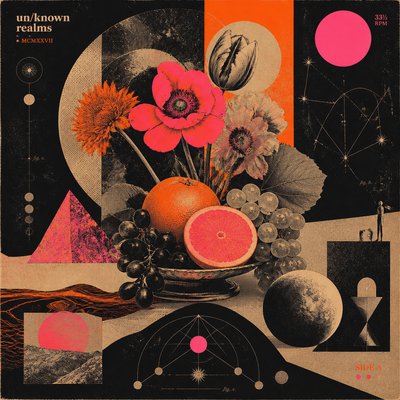
Atomic-age sci-fi aesthetic with chrome robots, space-age optimism, bold color, and streamlined retro visions of the future.
Instantly rendered in Retro Futurism Sci-Fi — or transform a photo
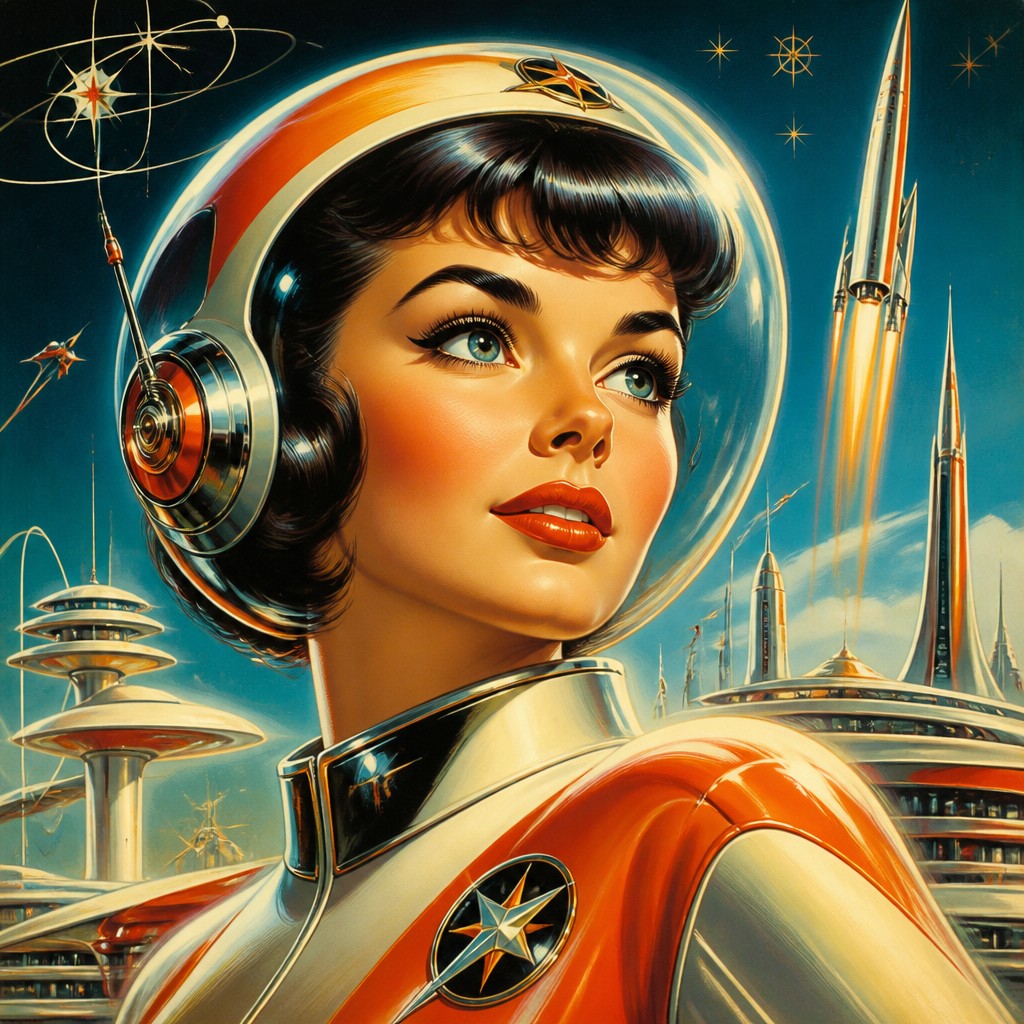
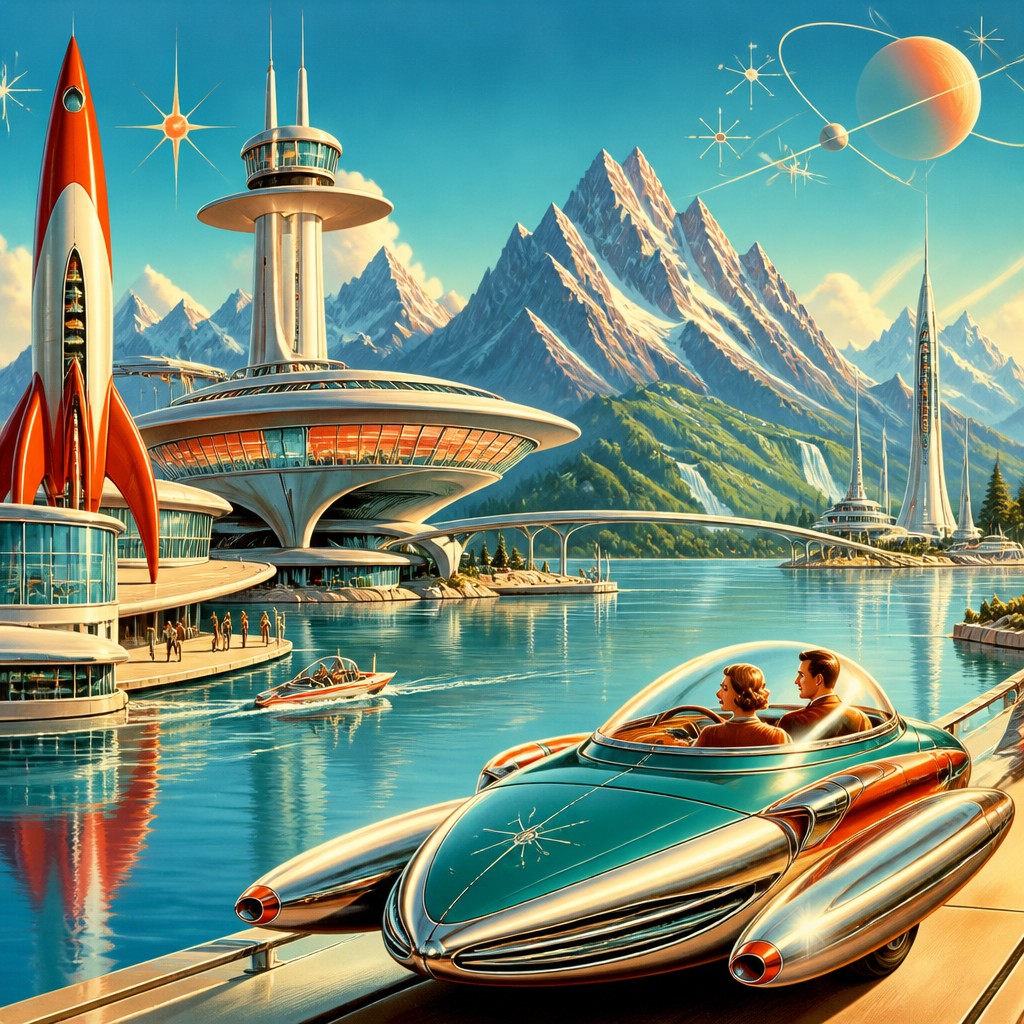
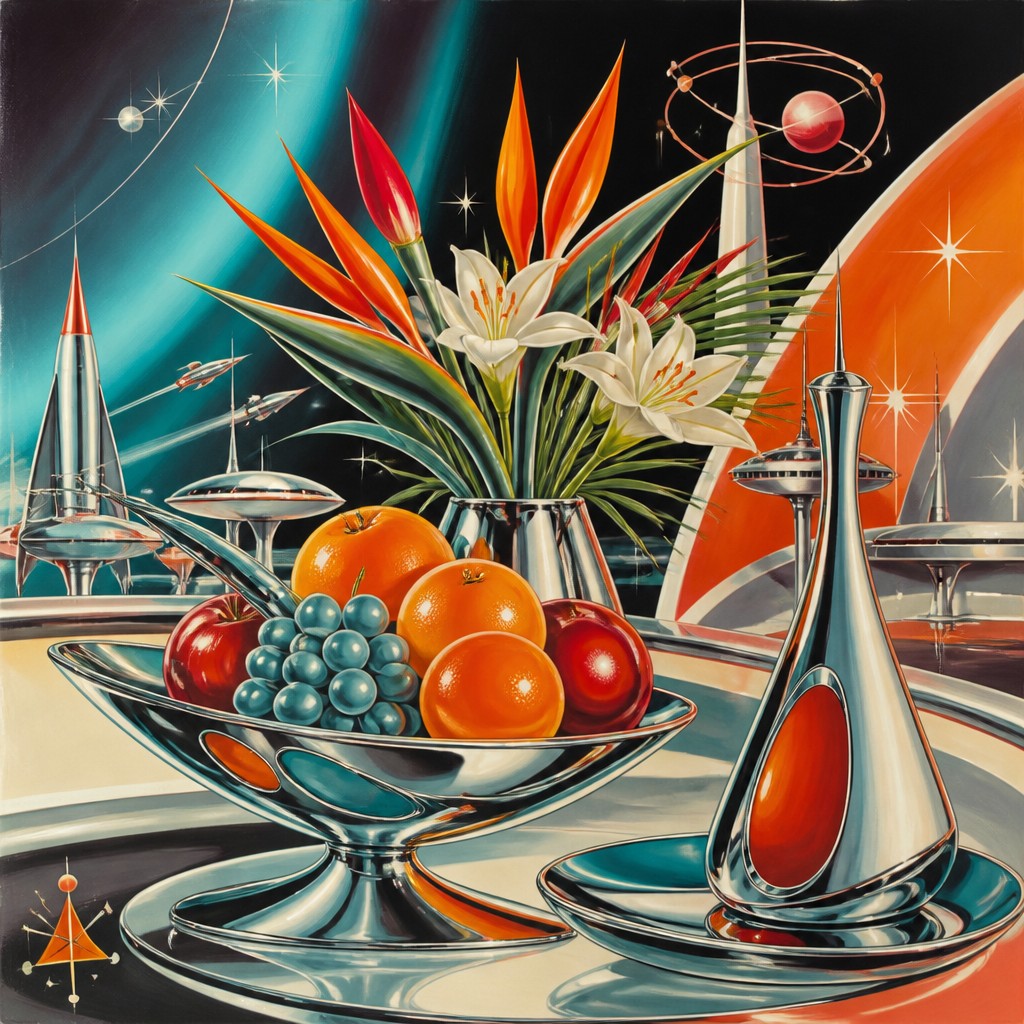
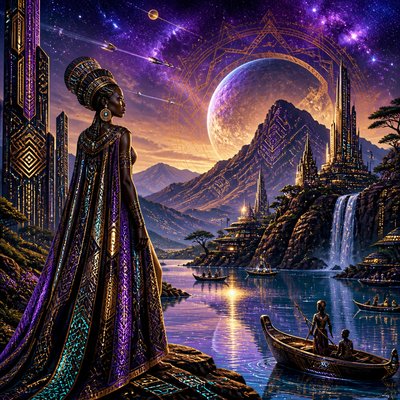
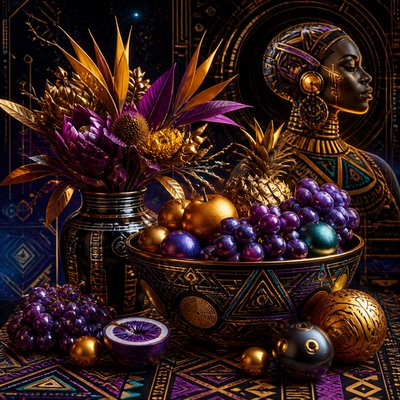
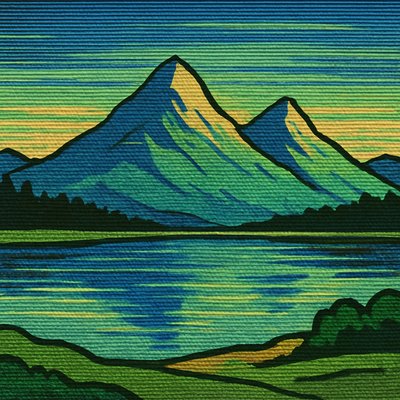
Retro Futurism Sci-Fi Gallery
Tap any artwork to explore it

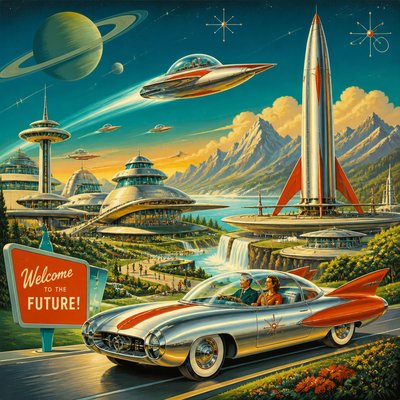
What is Retro Futurism Sci-Fi Art?
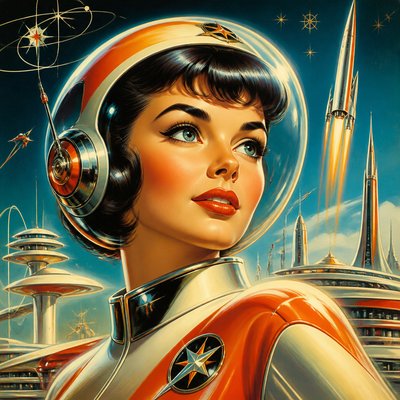
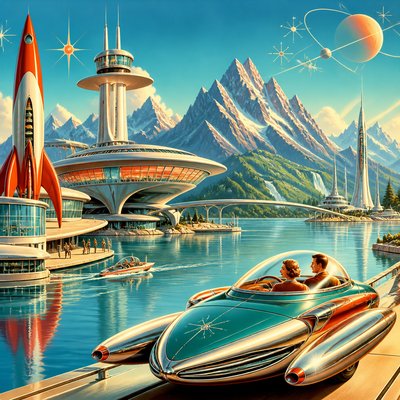
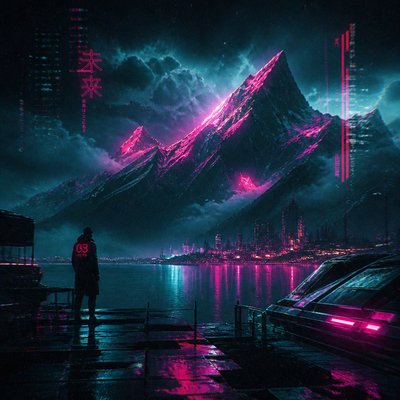
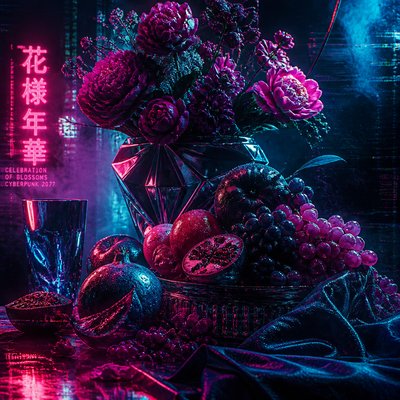
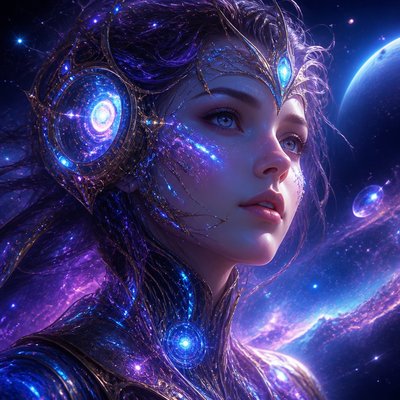
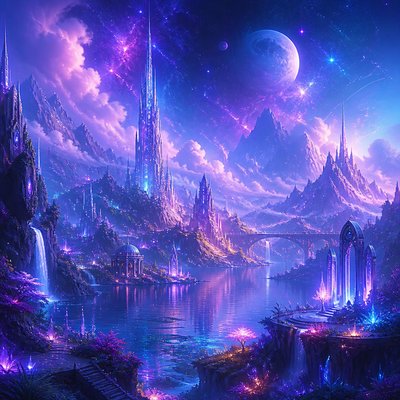
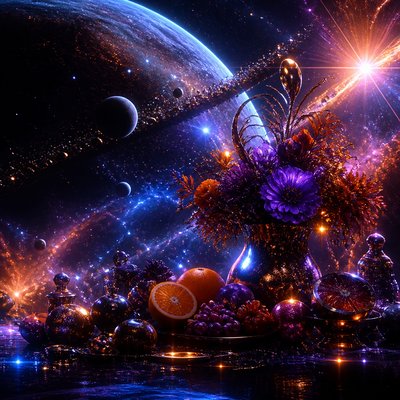
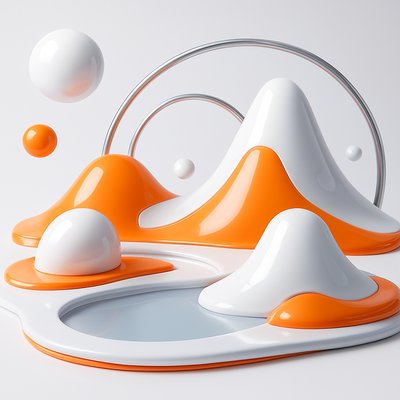
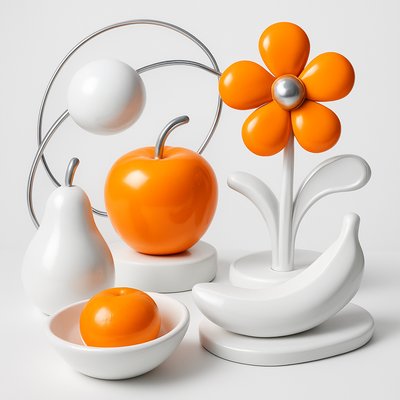
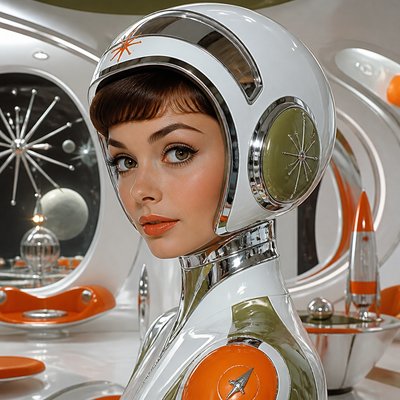
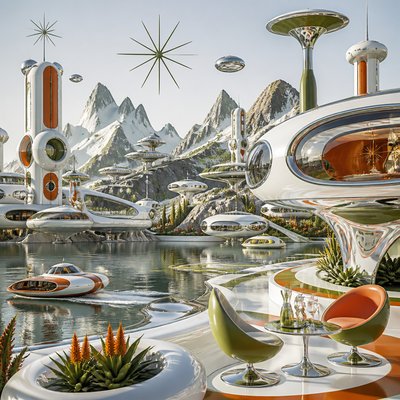
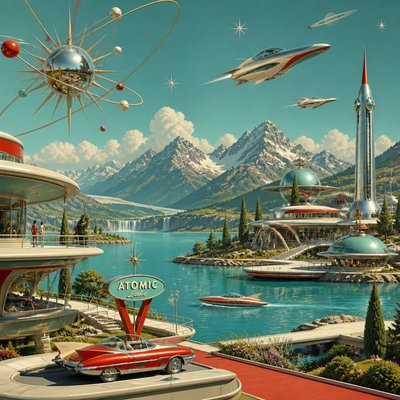
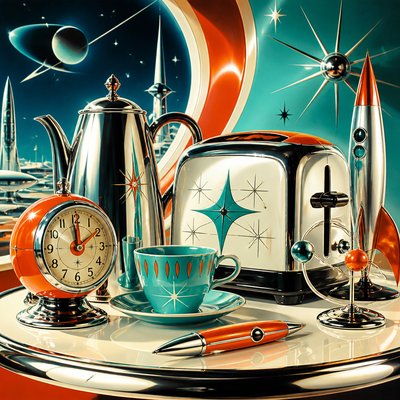
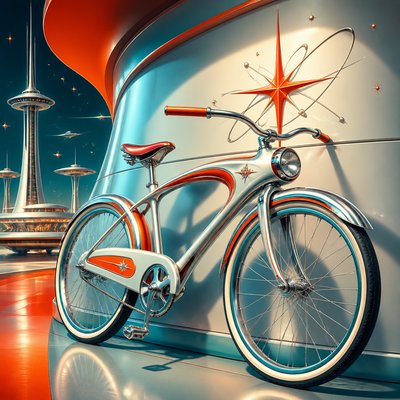
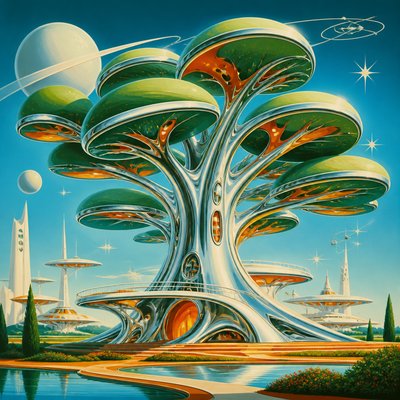
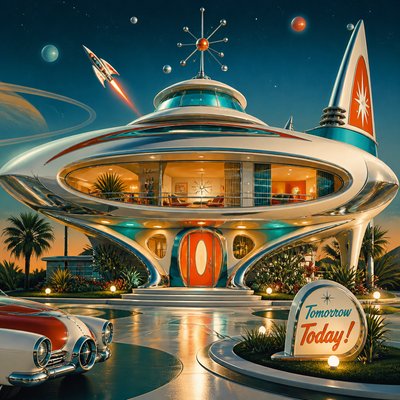
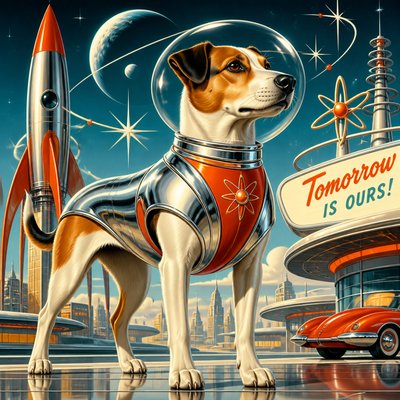
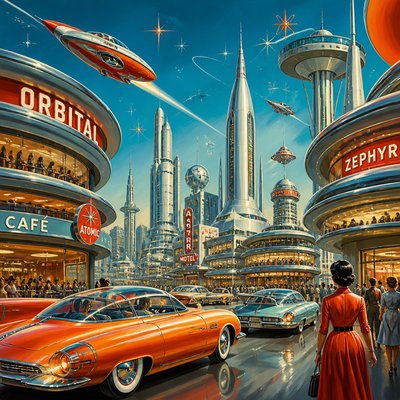
Retro Futurism Sci-Fi Art is a visual language built around older visions of tomorrow: the future imagined from the 1950s through the 1980s. It combines atomic-age design, spacecraft, robots, satellites, and cityscapes with a bright, optimistic tone, often using smooth gradients, polished metal surfaces, and aerodynamic forms. The result feels both speculative and nostalgic, as if science fiction were filtered through mid-century advertising, pulp illustration, industrial design, and space-race-era enthusiasm.
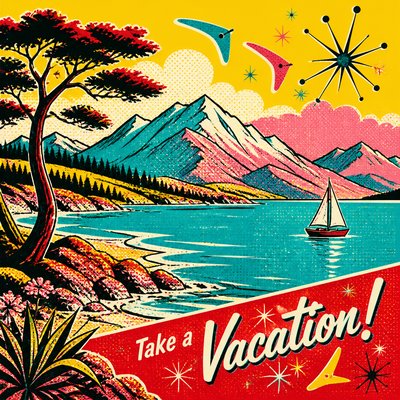
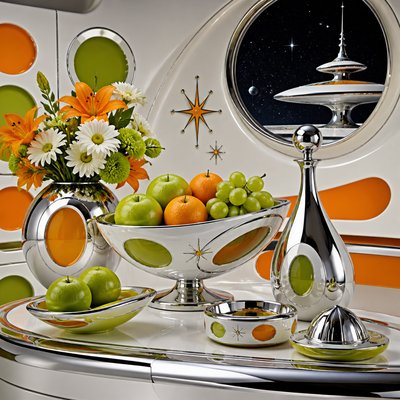
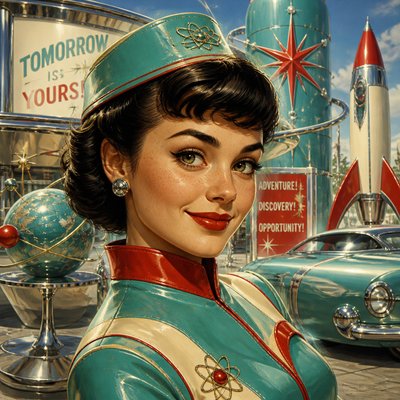
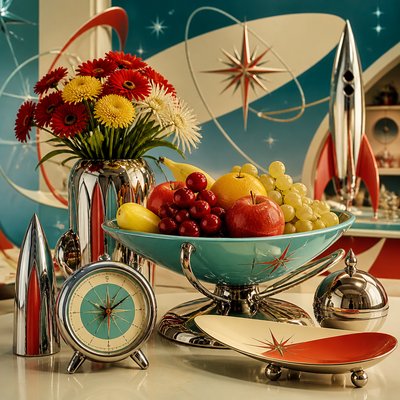
Its look is defined by a tension between sleek technology and vintage imagery. Artists and designers use chrome-like reflections, saturated orange and teal lighting, starbursts, orbit rings, dashboard controls, and streamlined silhouettes to evoke a world where progress is clean, elegant, and theatrical. The style persists because it captures a recognizable cultural mood: the moment when the future was expected to be shiny, mechanical, and exciting rather than dystopian or digital.
Try It On Your Photos
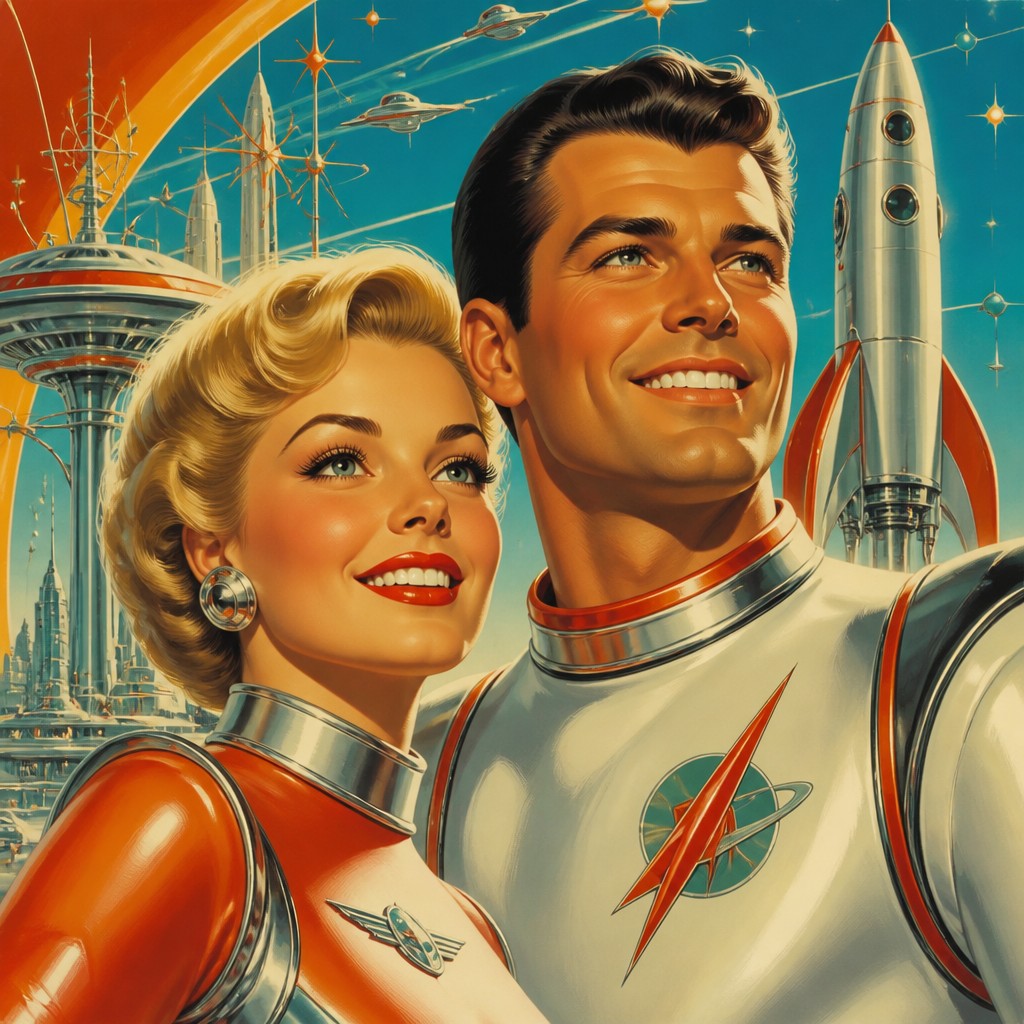
Upload any photo and convert it into Retro Futurism Sci-Fi Art — drag the sliders to compare before and after.

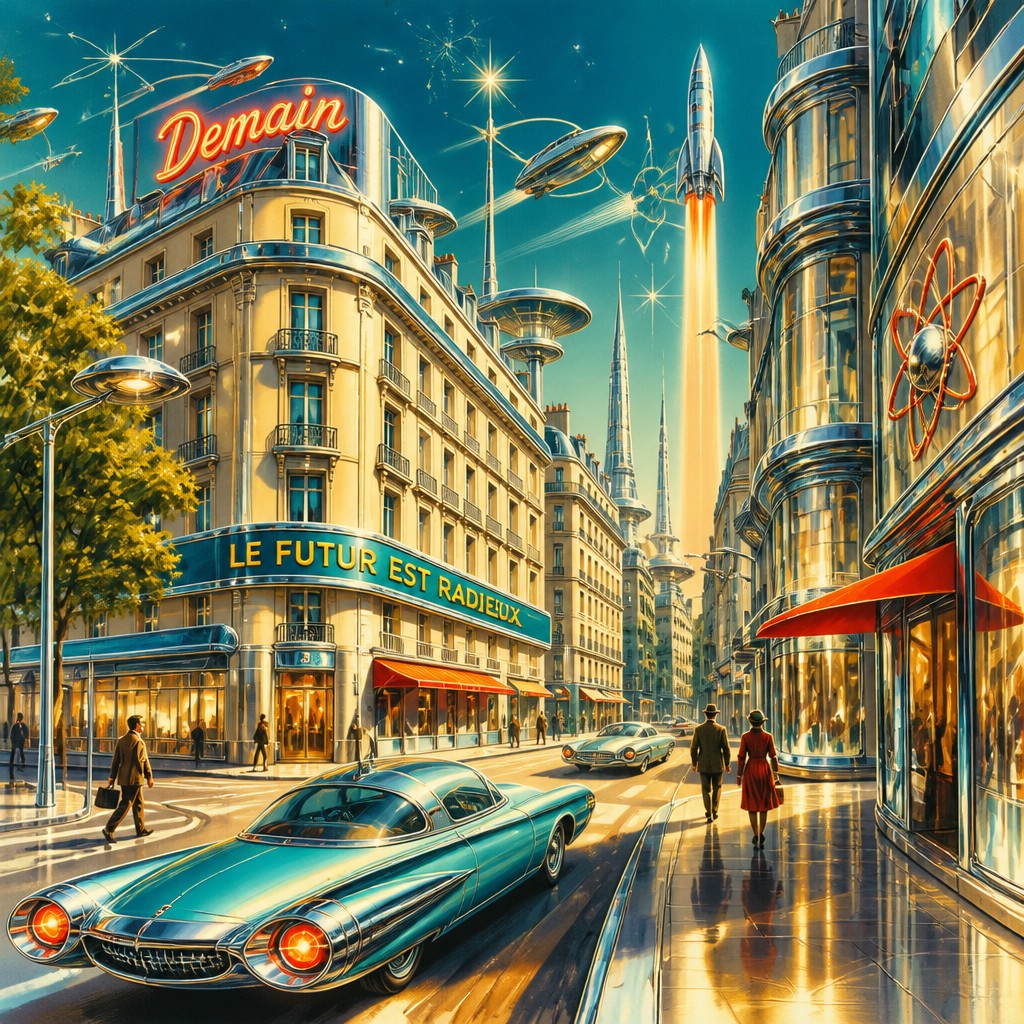

What Defines Retro Futurism Sci-Fi Art
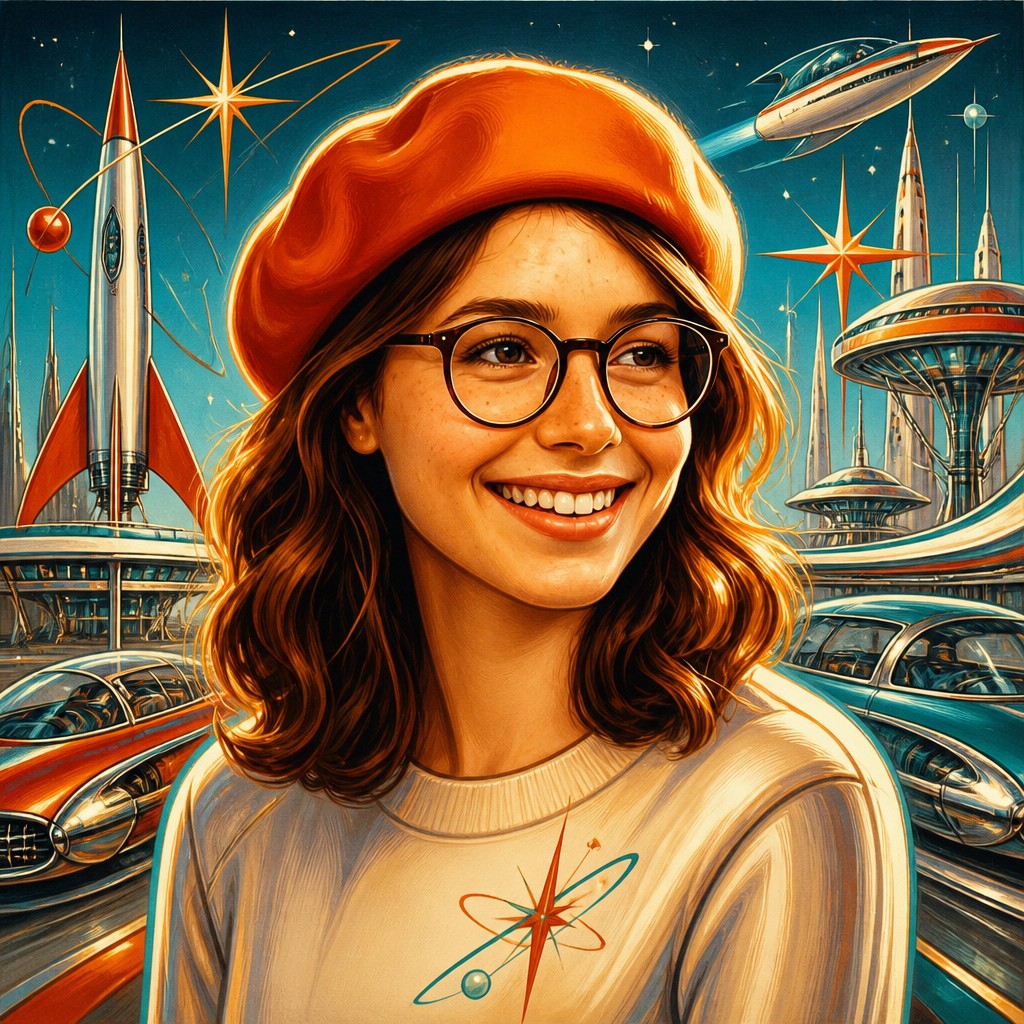
The signature details, up close
Atomic-age optimism
The mood is upbeat, clean, and forward-looking rather than dark or apocalyptic. Imagery often suggests invention, discovery, and technological triumph.
Chrome and polished surfaces
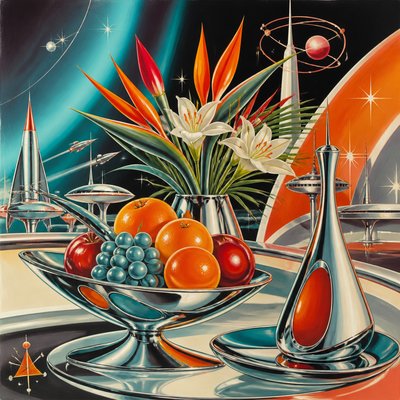
Metallic finishes, reflective highlights, and glossy planes give machines and environments a sleek engineered look. Surfaces often appear airbrushed or enamel-smooth rather than heavily textured.
Streamlined forms
Cars, rockets, robots, and buildings are usually simplified into aerodynamic curves, fins, domes, and swept-back profiles. These shapes echo mid-century industrial design and transport aesthetics.
Bold color systems
Primary colors, silvery whites, teal, orange, and red are common, often contrasted with dark space backgrounds. Lighting is frequently theatrical, with rim light and glowing accents.
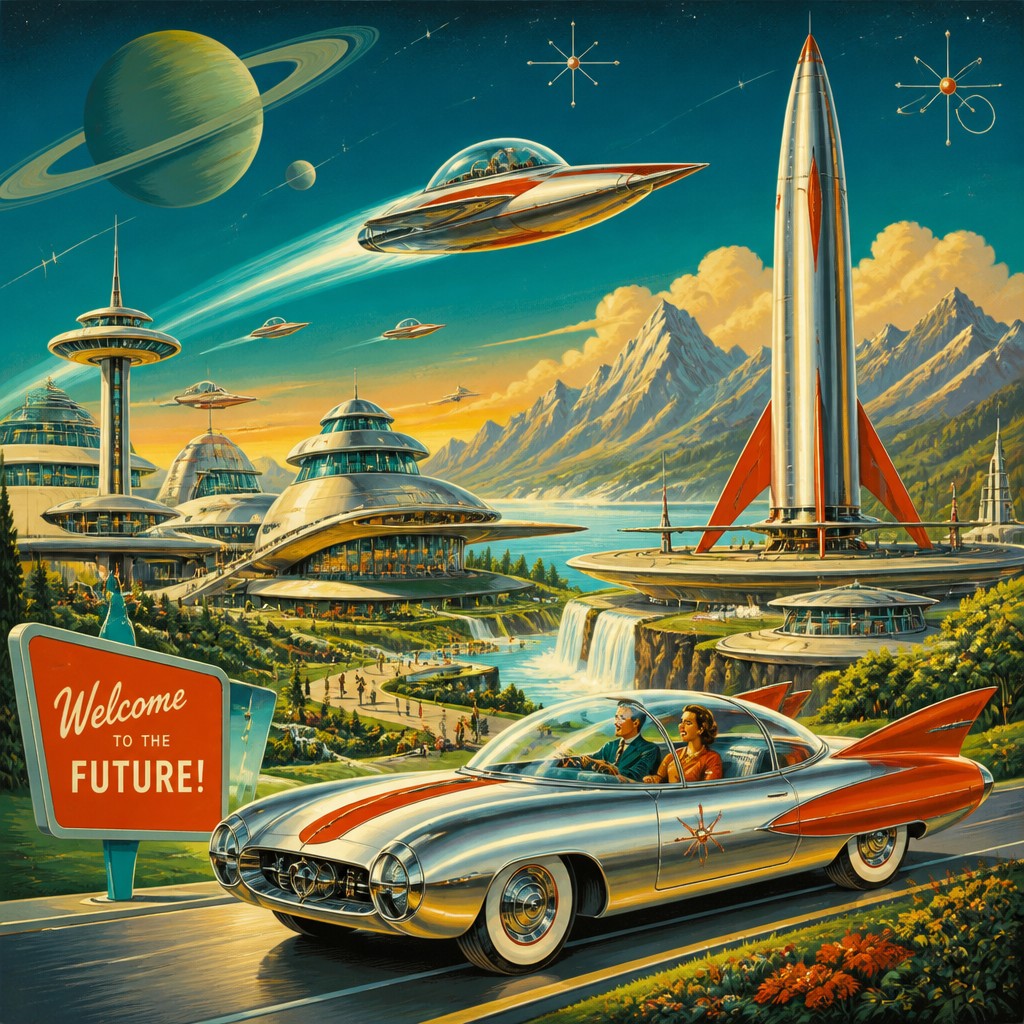
Pulp illustration energy
Composition often borrows from vintage magazine covers and paperback art: dramatic framing, clear silhouettes, and readable storytelling. Outlines may be crisp while gradients provide volume and shine.
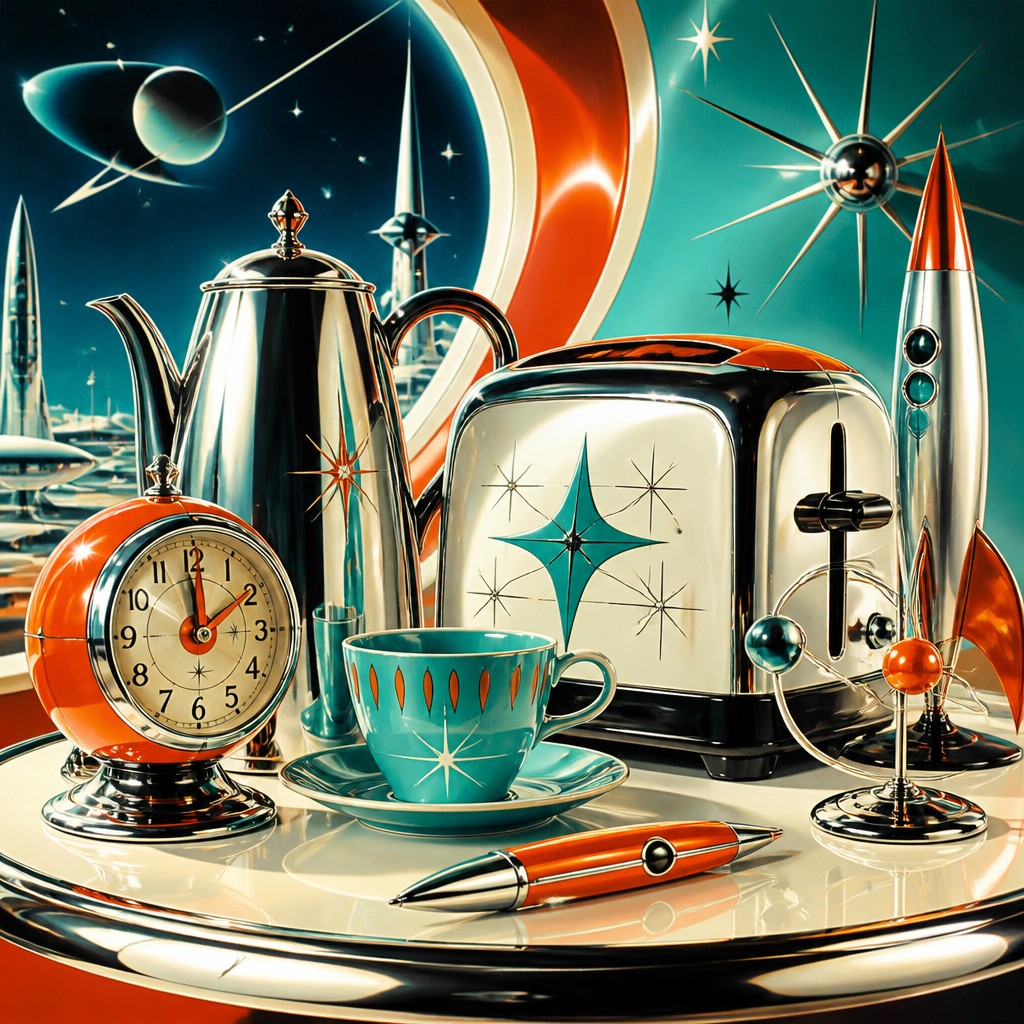
Space-age symbols
Orbit rings, starbursts, radar motifs, antennas, retro control panels, and planetary imagery reinforce the era’s vocabulary of science and exploration. These elements make even simple scenes feel culturally specific.
Try It
Create Videos in Retro Futurism Sci-Fi Art
Styles aren't just for stills — describe a scene or animate an image and get a short video rendered in Retro Futurism Sci-Fi. Press play to see this pond come to life.
Make a VideoRetro Futurism Sci-Fi Prompt Ideas
Start from an idea — each one opens the generator with the style ready to go. See all 40 Retro Futurism Sci-Fi prompts →

“close-up portrait of an elderly person with expressive weathered features”
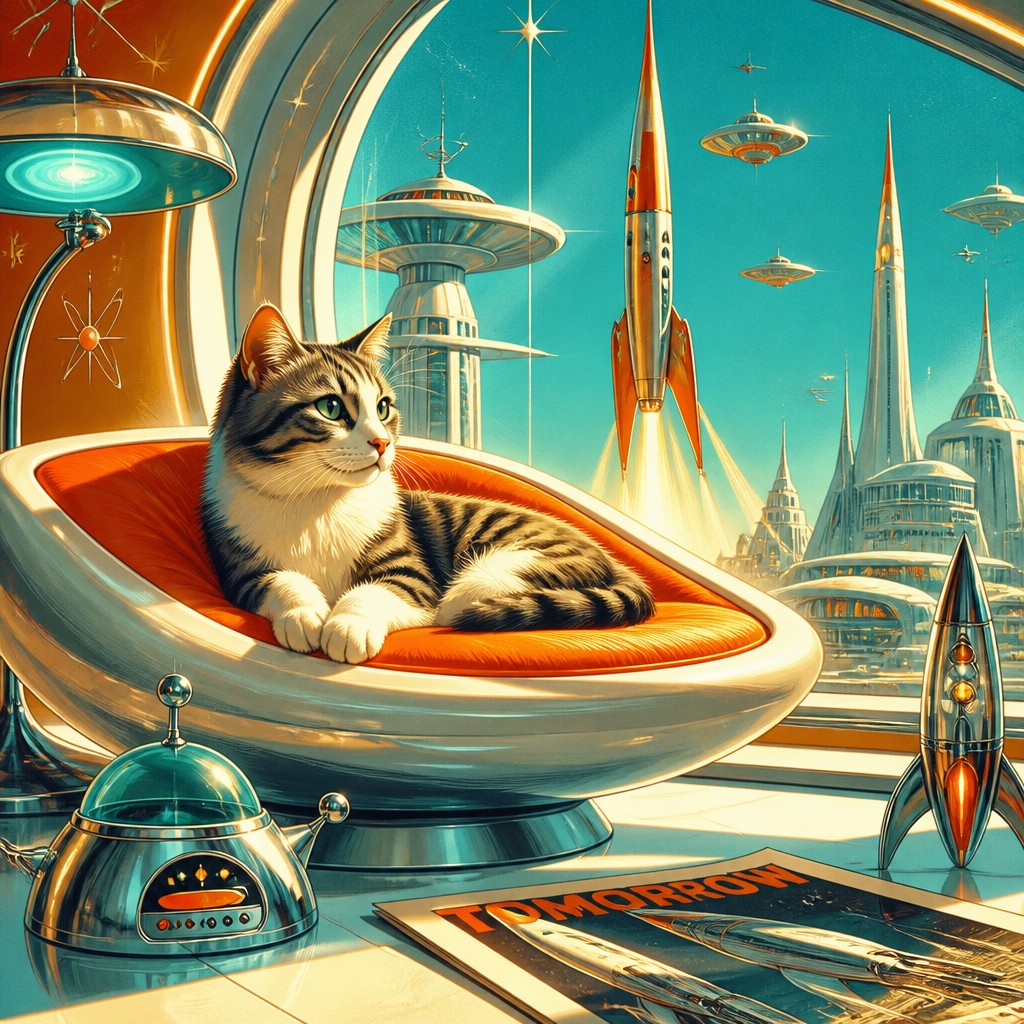
“a cat lounging in a sunlit window”
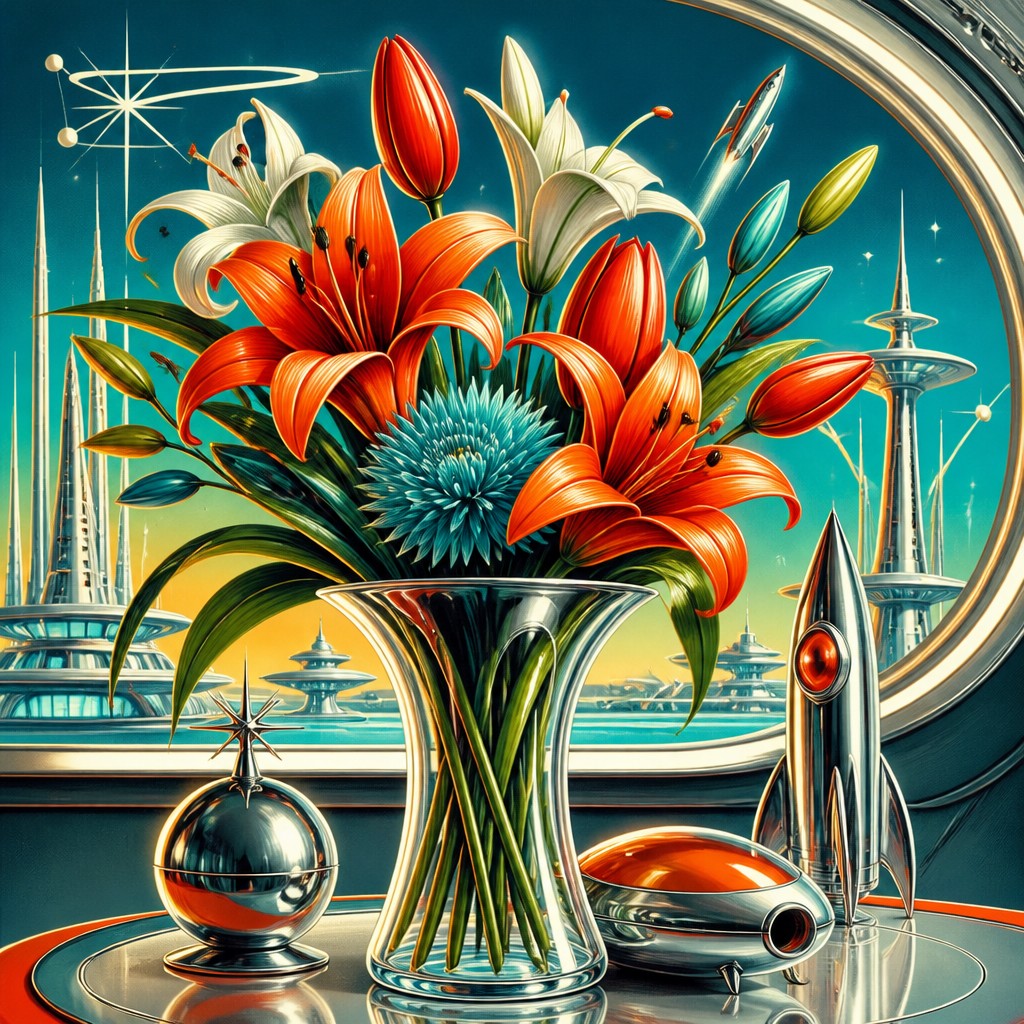
“bouquet of flowers in a glass vase”
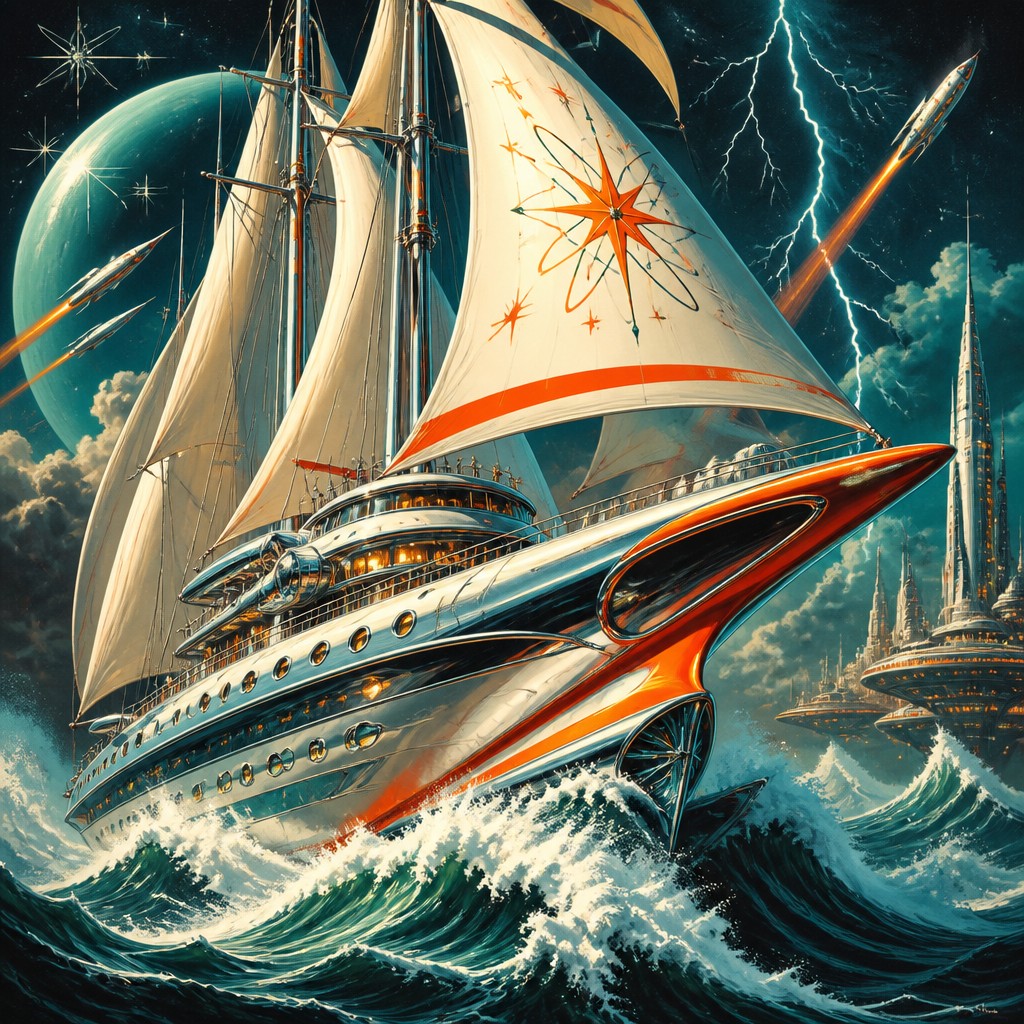
“sailing ship on a stormy sea”
How to Create Retro Futurism Sci-Fi Art
Master the craft step by step — or skip straight to creating. Read the full guide →
- 1
Use smooth rendering rather than rough texture
Whether painting digitally or traditionally, aim for polished surfaces and soft transitions. Airbrush techniques, layered glazing, and controlled highlights help create the clean sheen associated with the style.
- 2
Design with mid-century geometry
Build forms from rounded rectangles, fins, domes, circles, and sweeping curves. Keep silhouettes clear and slightly idealized, as if they were conceived for posters, product renders, or speculative concept art.
- 3
Choose era-specific color and lighting
Favor bold primaries, teal-and-orange contrast, silvery whites, and glowing accent lights. Strong rim lighting, studio-like illumination, and luminous reflections make machines and spaces feel futuristic in a vintage way.
- 4
Add period graphic cues
Decorative starbursts, orbit rings, control panels, halftone-like accents, and retro typography can instantly anchor the image in the atomic and space-age visual tradition. Use them sparingly so the composition stays legible.
- 5
Prompt for a retro-future subject and a specific medium
When generating images, describe the object or scene first, then specify chrome, airbrushed gradients, pulp illustration, and 1950s-60s space-age design cues. For example: 'a lunar explorer on a chrome launch pad, airbrushed gradients, atomic-age poster design, teal rim lighting'.

The Story
History & Origins of Retro Futurism Sci-Fi
Retro futurism is not a single historical movement but an aesthetic lineage drawn from mid-20th-century popular culture. Its roots lie in atomic-age illustration, space-race graphics, industrial design, pulp magazine art, and the optimistic technological imagery of the 1950s and 1960s, later expanded by 1970s and 1980s visions of computers, robots, and space travel. It also overlaps with Googie architecture, streamline moderne design, and corporate futurism, all of which turned speed, motion, and modernity into visual form.
The style became especially recognizable in retrospect, when later artists and designers revisited earlier futures with a nostalgic eye. Film posters, magazine covers, album art, advertising, animation, and science-fiction illustration helped codify its symbols: domed cities, sleek rockets, ray guns, chrome robots, and atomic bursts. By the late 20th century, retro futurism had become a shorthand for “the future as imagined in the past,” often used to evoke wonder, irony, or affectionate nostalgia.
Influences: Retro Futurism Sci-Fi Art draws from atomic-age illustration, pulp science fiction, Googie architecture, streamline moderne design, and mid-century industrial design, with later echoes from 1970s–80s concept art and space-opera branding. In real historical art terms, it is more closely related to commercial illustration and graphic design than to a single fine-art movement; it frequently shares visual territory with leading astronomical scene painters and influential late-20th-century concept artists, whose work helped shape popular space imagery and sleek technological futures in their respective eras.
Frequently Asked Questions
What defines Retro Futurism Sci-Fi Art?
It is defined by an older generation’s idea of the future: chrome, rockets, robots, domes, orbit rings, and aerodynamic shapes. The look is usually optimistic and polished, with bold color and a strong mid-century design sensibility.
How is it different from cyberpunk?
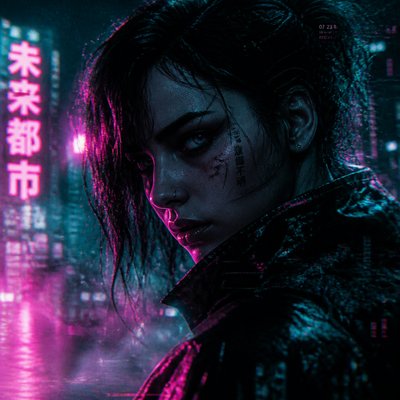
Cyberpunk is usually urban, gritty, neon-soaked, and dystopian, while retro futurism is cleaner, more optimistic, and rooted in mid-century imagination. Cyberpunk looks forward from the late 20th century; retro futurism looks back at how the 1950s–80s pictured tomorrow.
Is this the same as 1950s sci-fi illustration?
Not exactly. 1950s sci-fi illustration is a historical source for the style, but retro futurism can also include later reinterpretations from the 1970s and 1980s. The key idea is the nostalgic re-use of vintage future imagery, not simply making an old illustration.
What subjects work best in this style?
Spaceships, robots, lunar bases, futuristic cars, control rooms, and optimistic cityscapes are especially effective. Everyday subjects can also work if they are reimagined with chrome surfaces, streamlined design, and atomic-age signage.
How do I make a photo look like this style?
Start by simplifying the scene into clean shapes and then replace ordinary materials with glossy metal, glass, and polished plastic. Add dramatic rim light, saturated accent colors, and retro-futurist details such as orbit rings or dashboard-like interfaces.
Where is this style commonly used?
It appears in poster design, album art, concept art, editorial illustration, branding, animation, and science-fiction key art. It is often used when a project wants to signal optimism, nostalgia, and futuristic design at the same time.
Create your first Retro Futurism Sci-Fi artwork
Describe anything — or upload a photo — and see it in Retro Futurism Sci-Fi Art in seconds.
Make Something with Retro Futurism Sci-Fi
Compare Retro Futurism Sci-Fi
Related Styles
Discover similar art styles