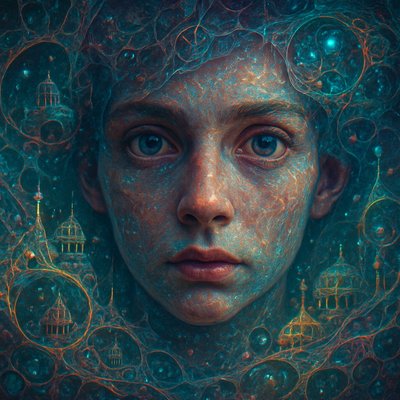
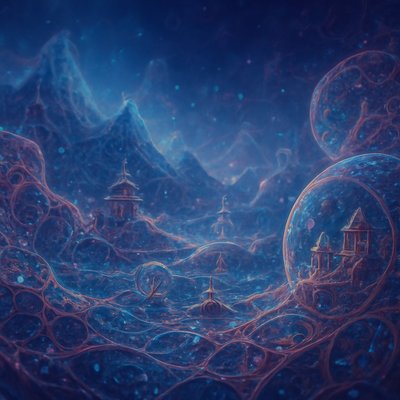
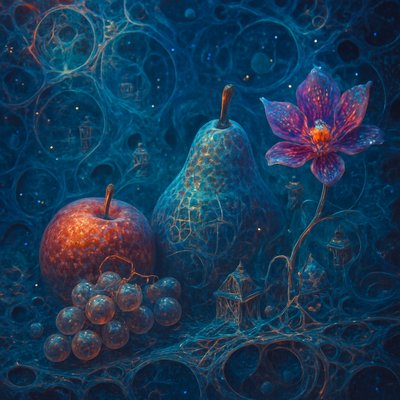
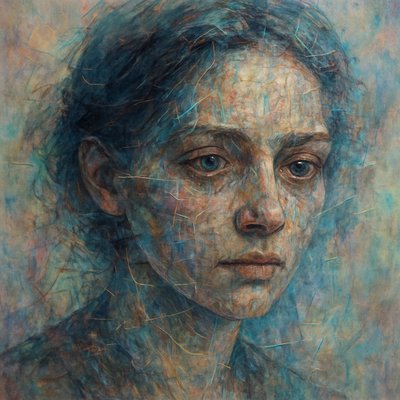
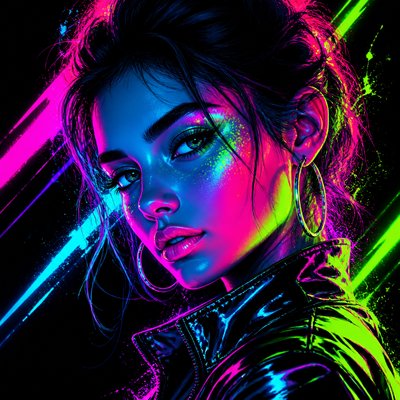
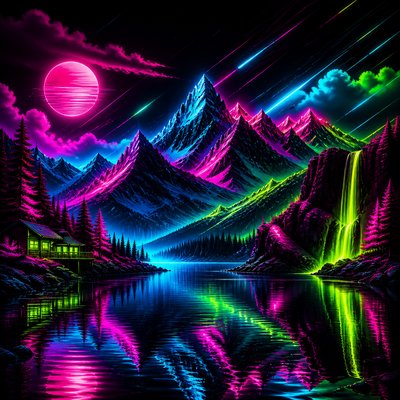
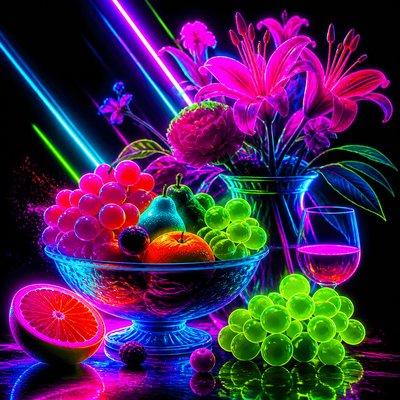
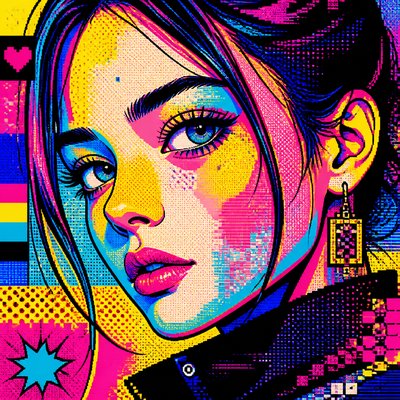
Retro-Futuristic Pop Surrealism
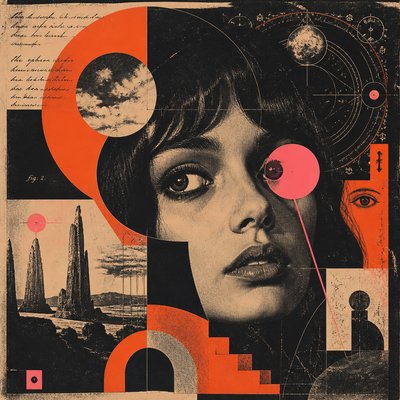
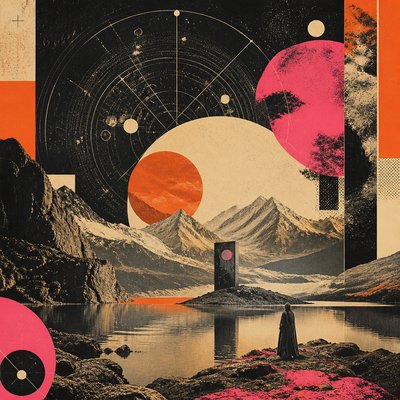
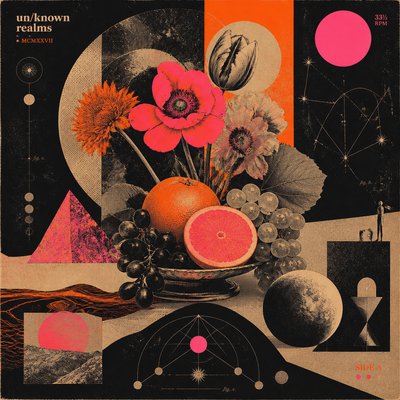
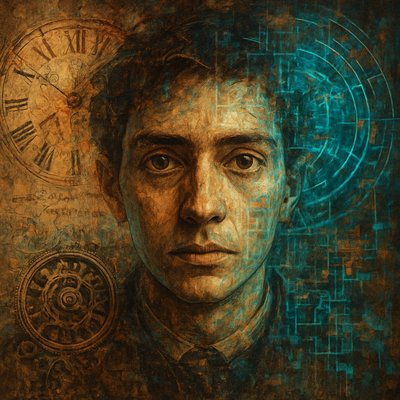
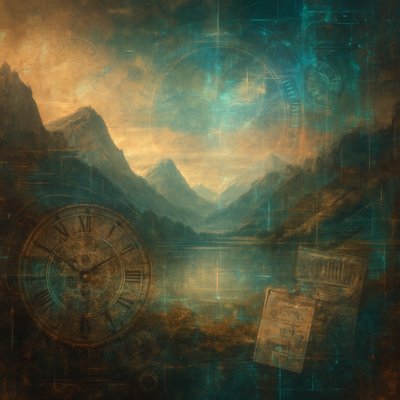
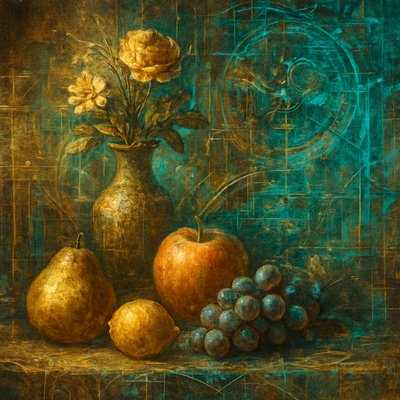
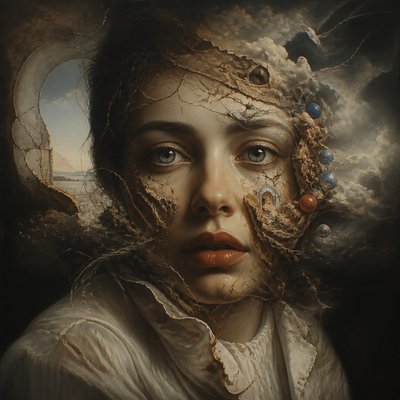
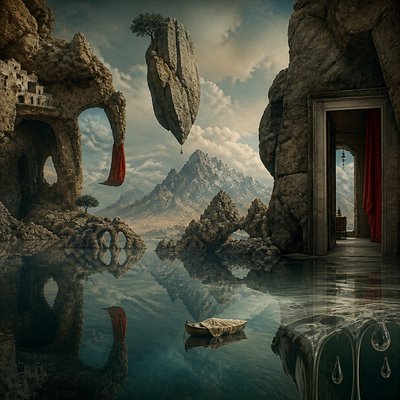
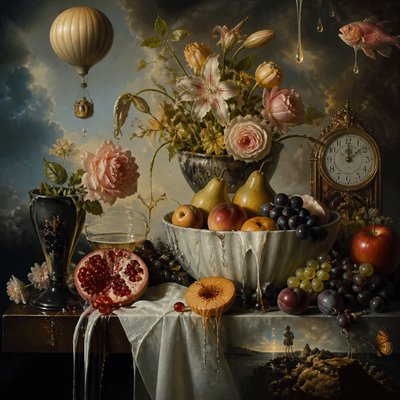
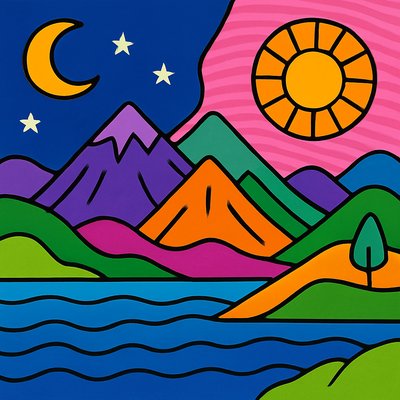
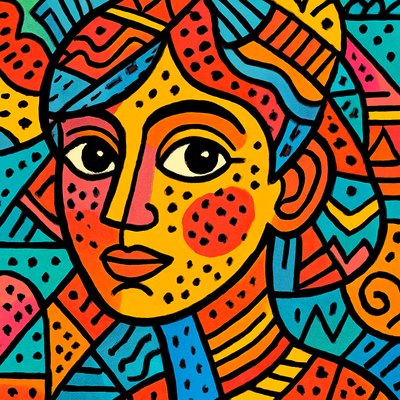
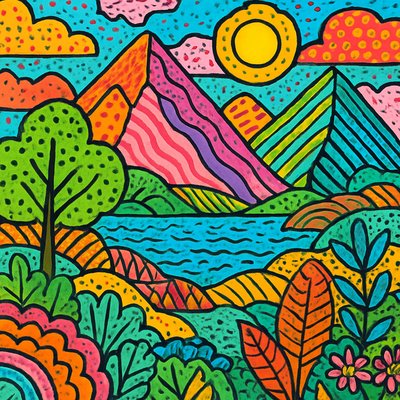
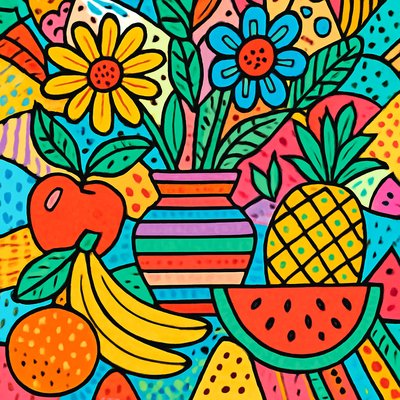
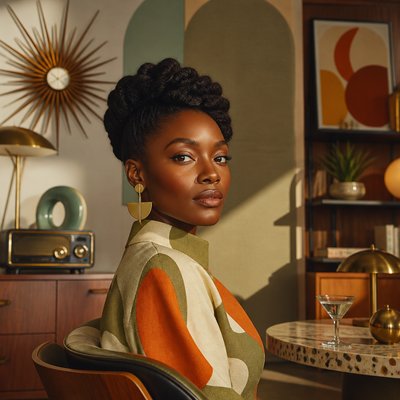
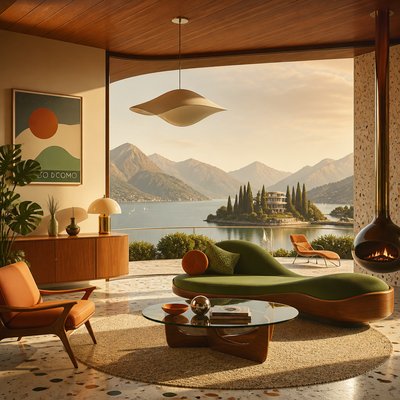
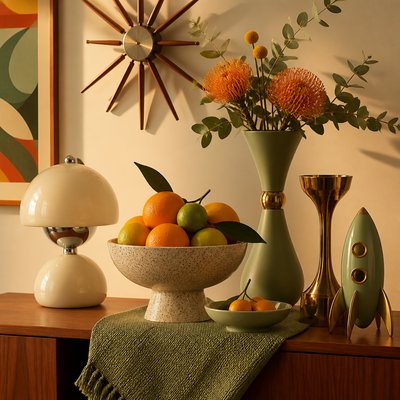
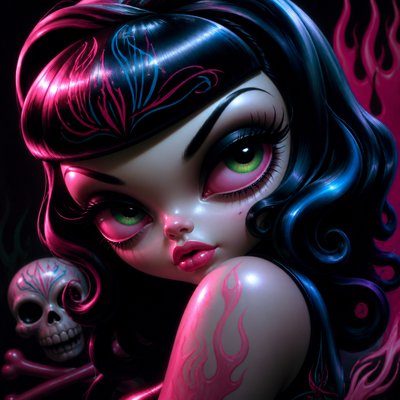
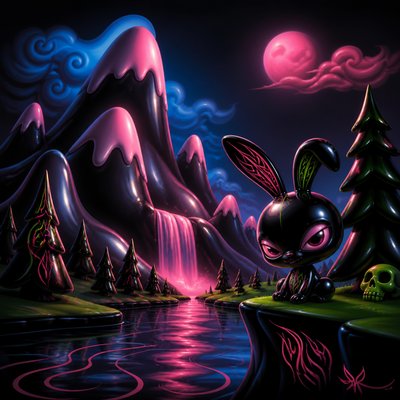
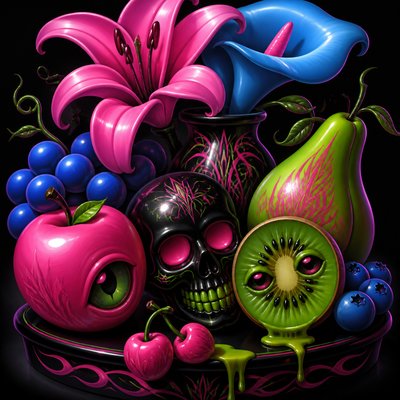
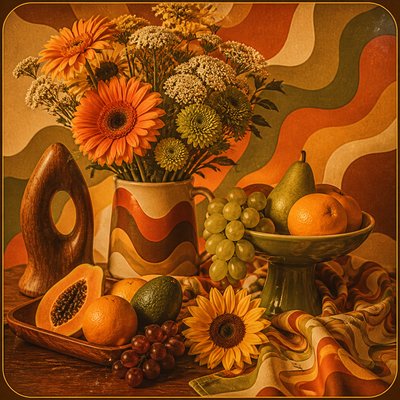
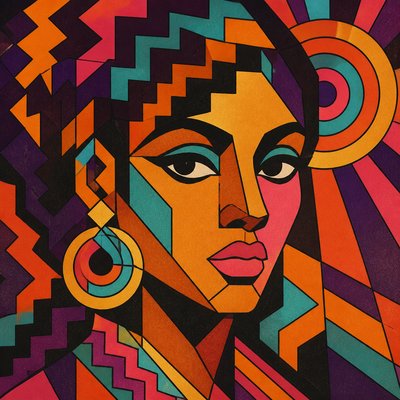
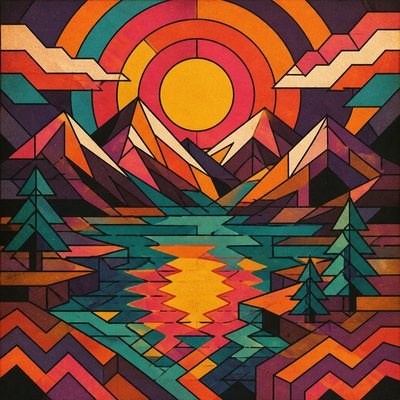
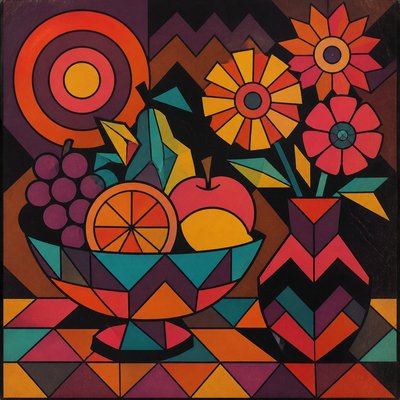
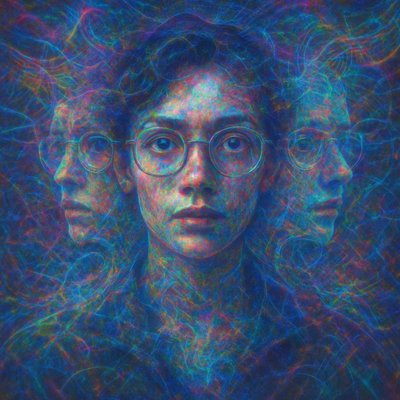
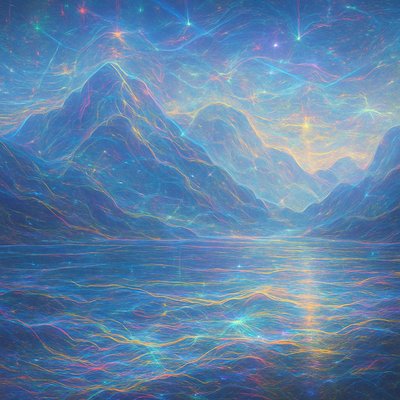
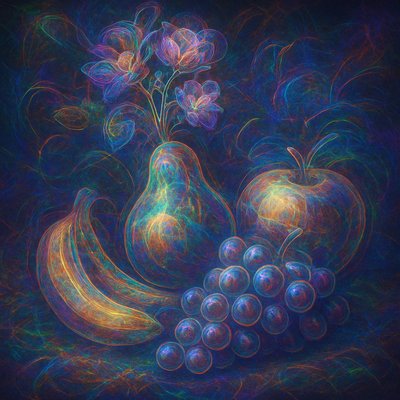
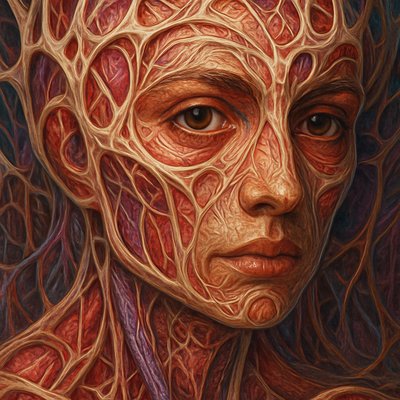
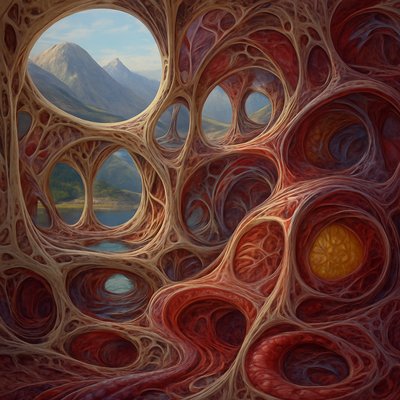
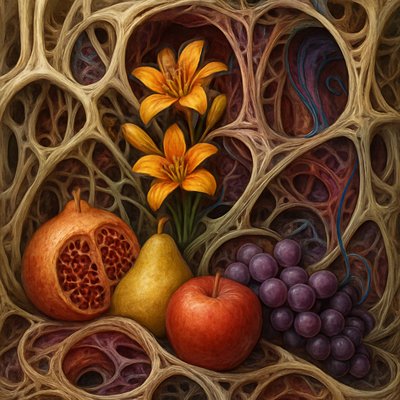
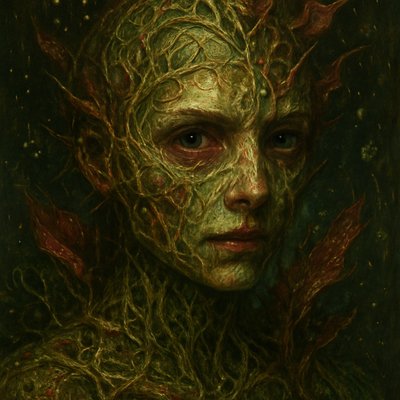
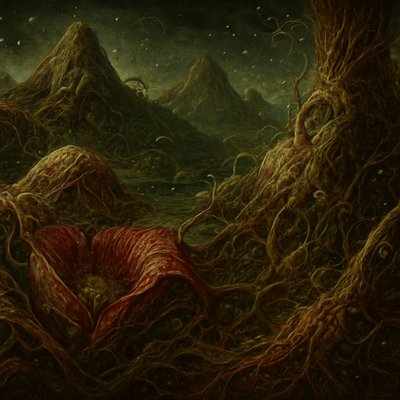
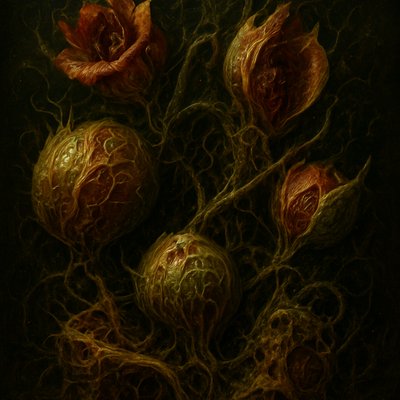
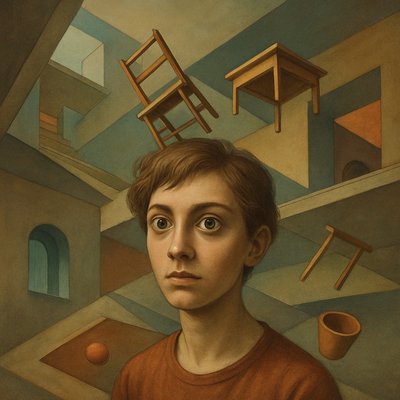
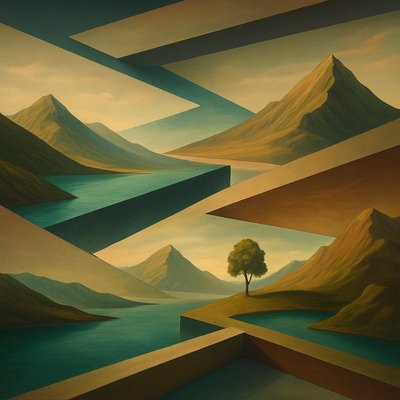
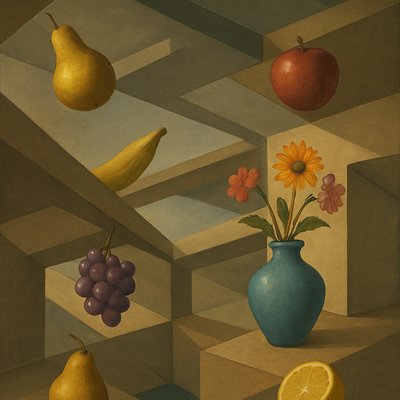
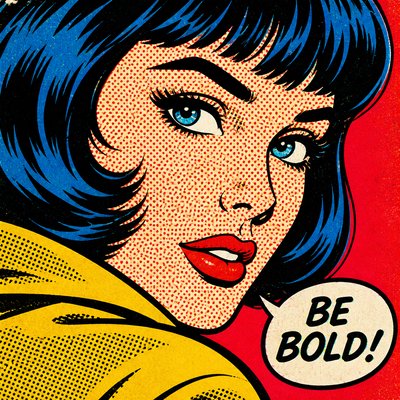
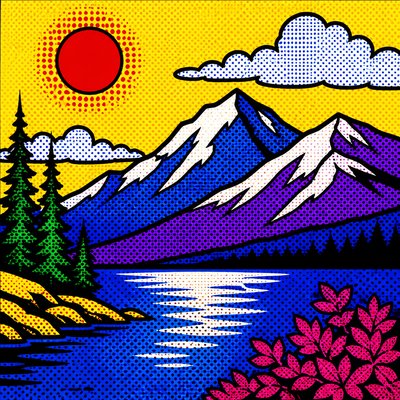
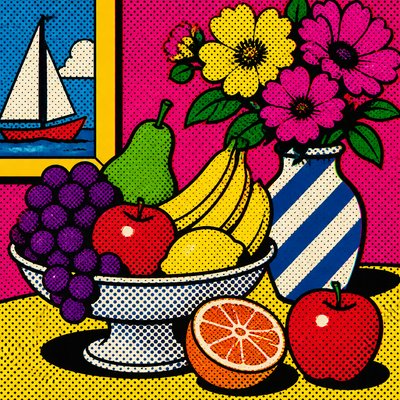
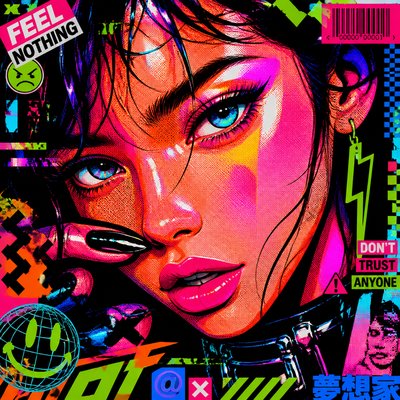
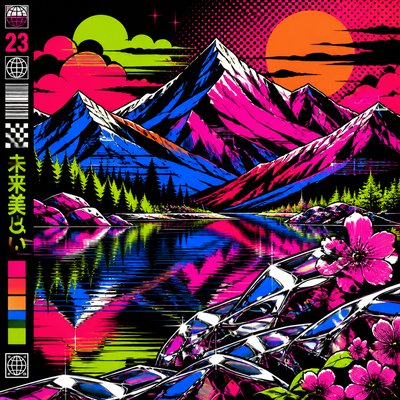
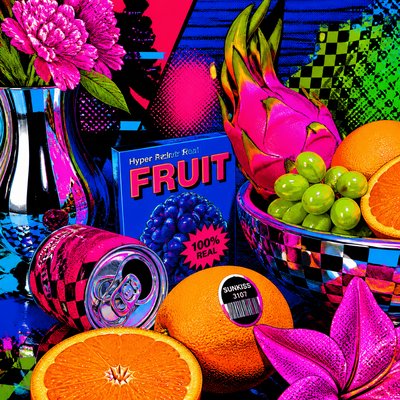
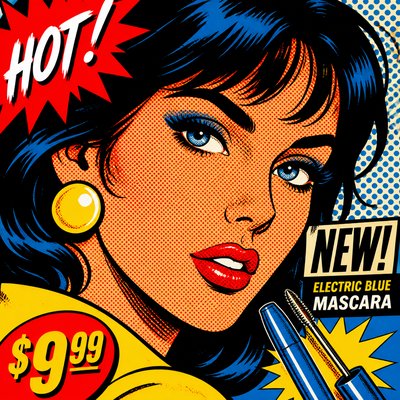
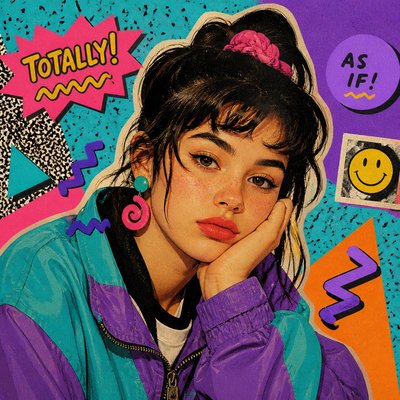
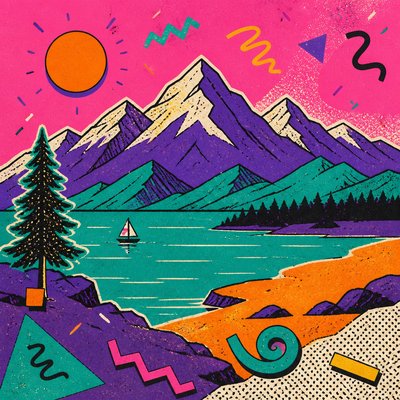
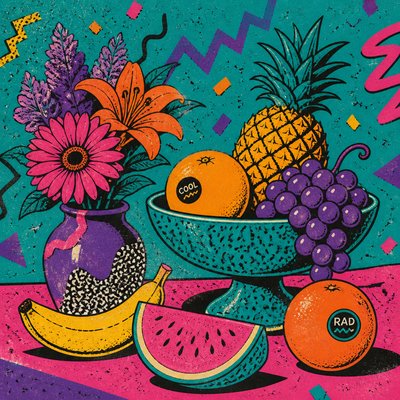
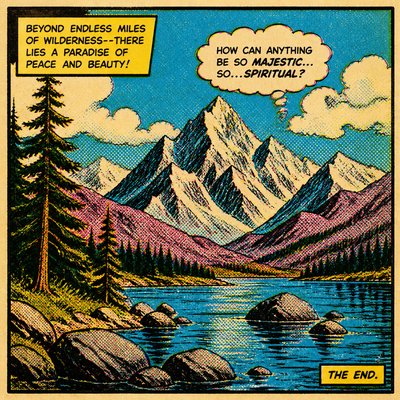
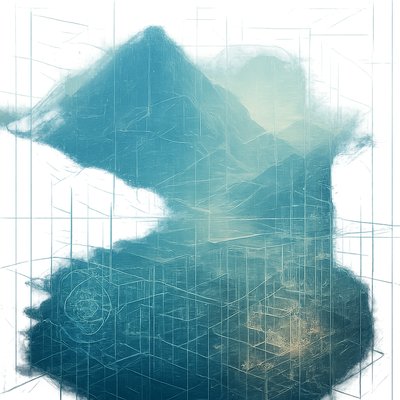
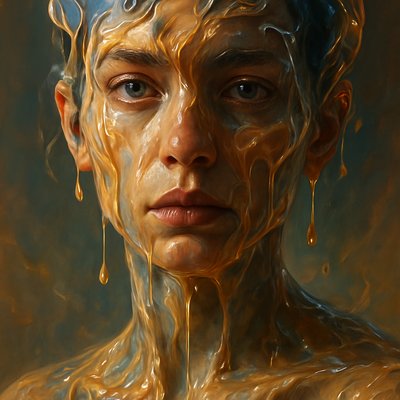
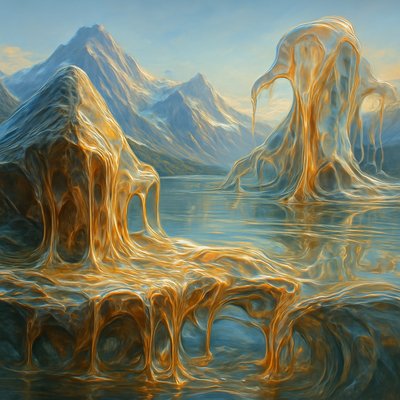
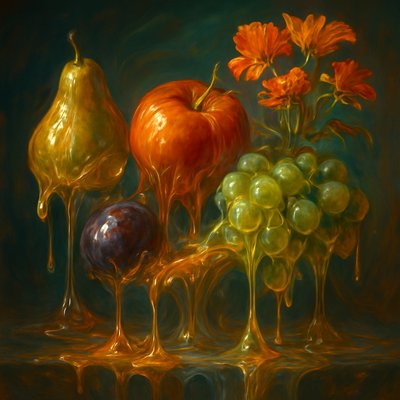
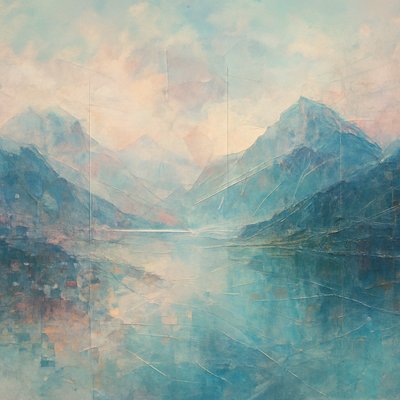
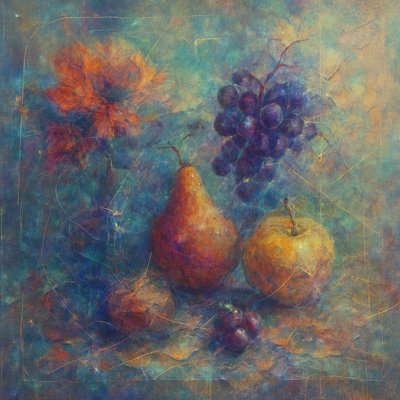
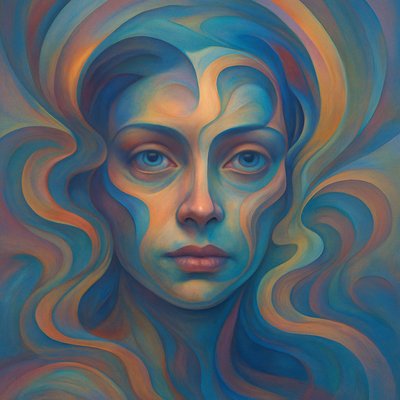
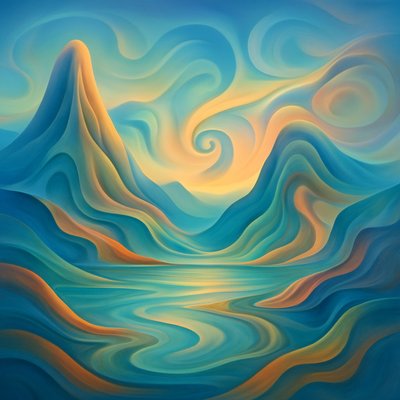
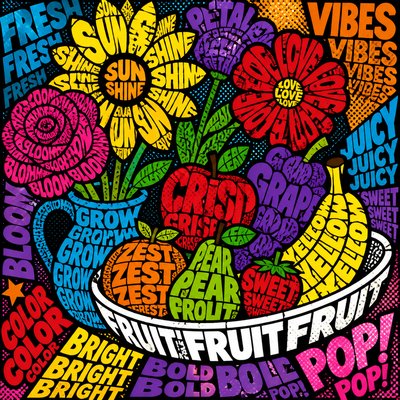
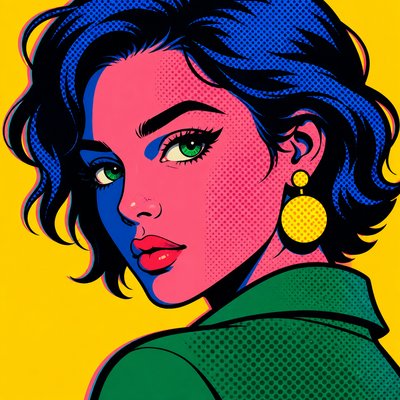
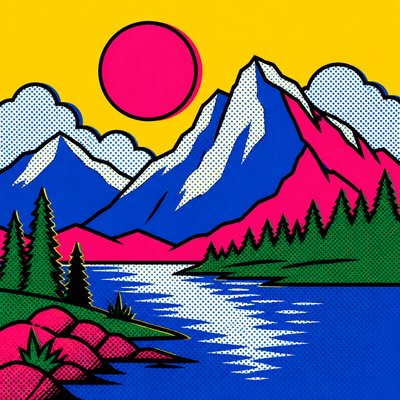
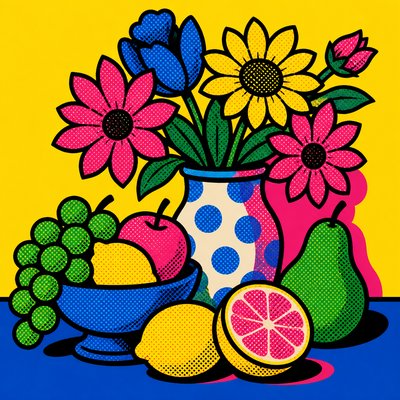
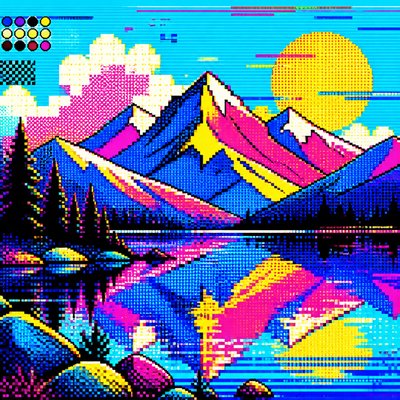
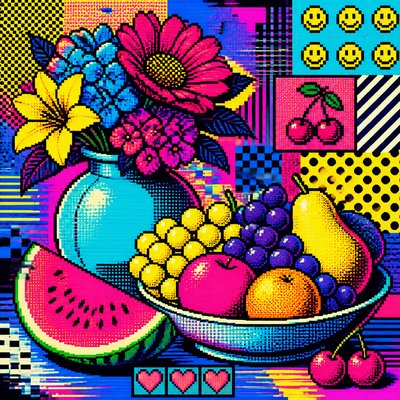
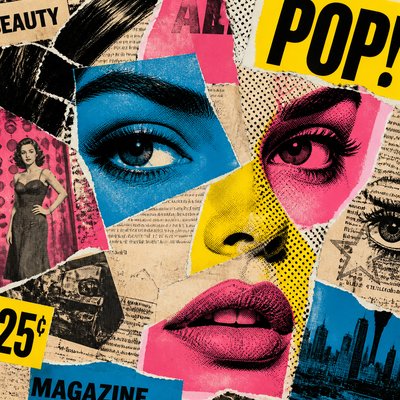
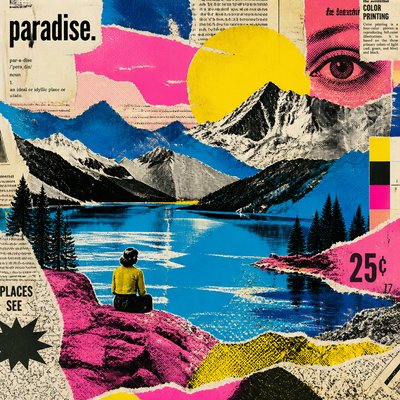
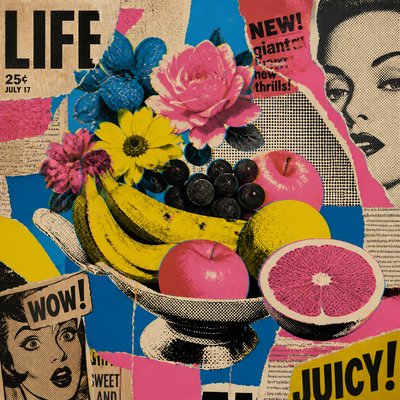
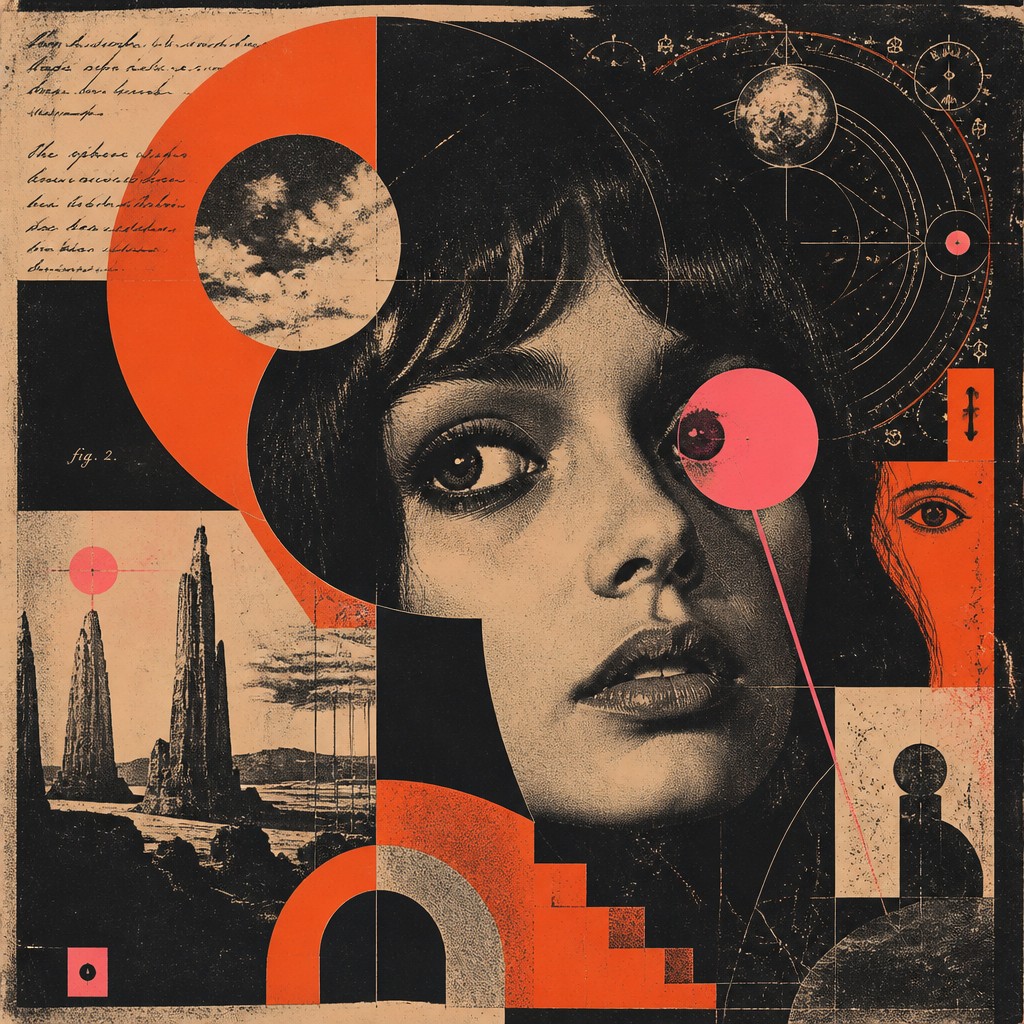
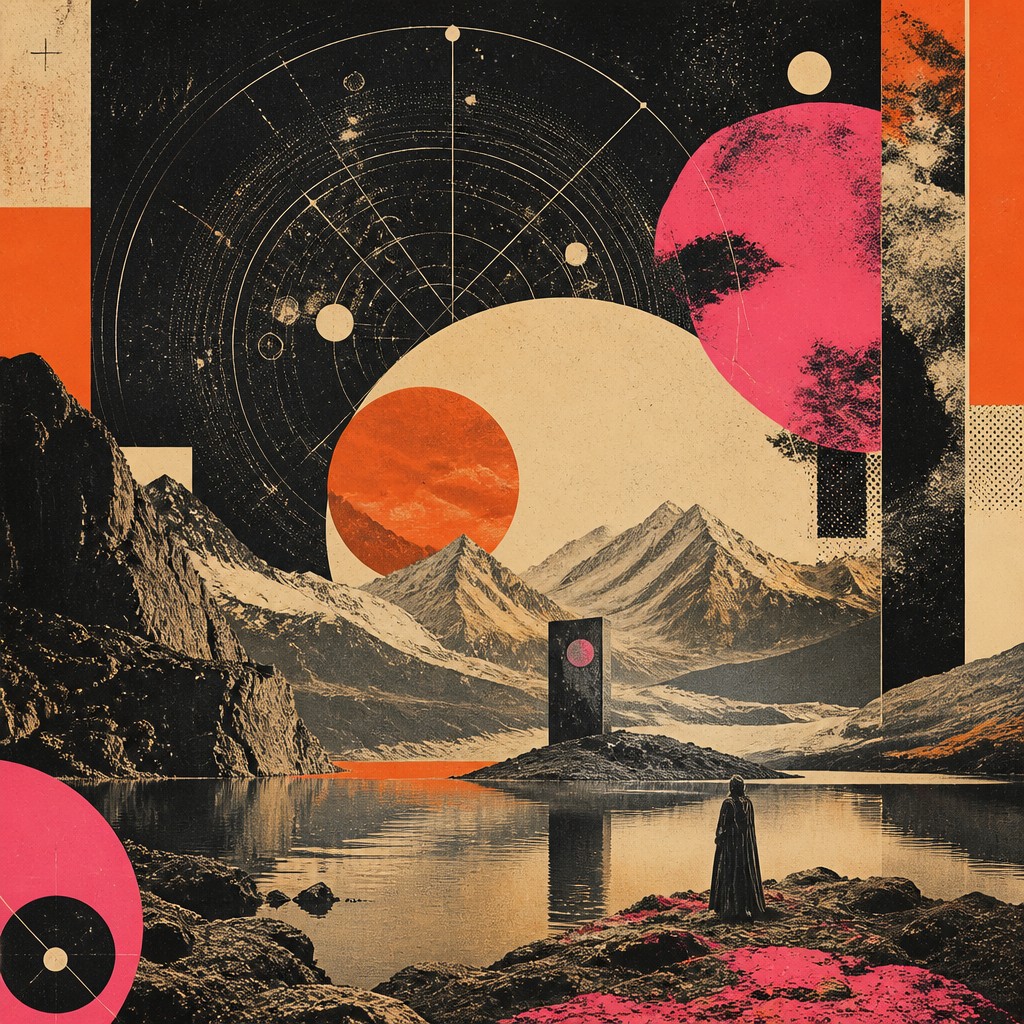
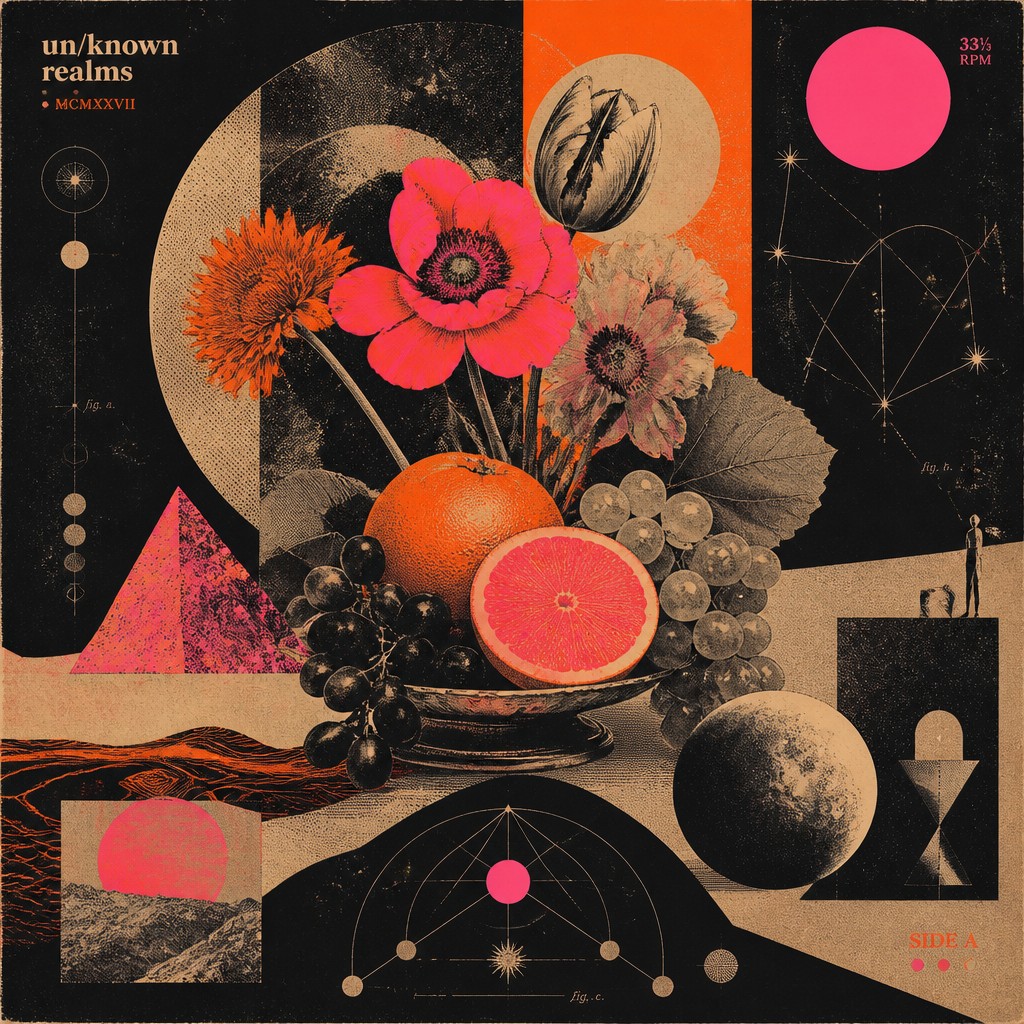
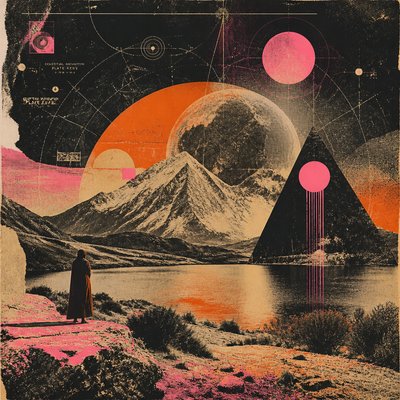
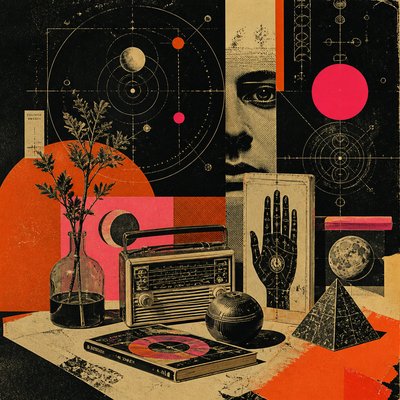
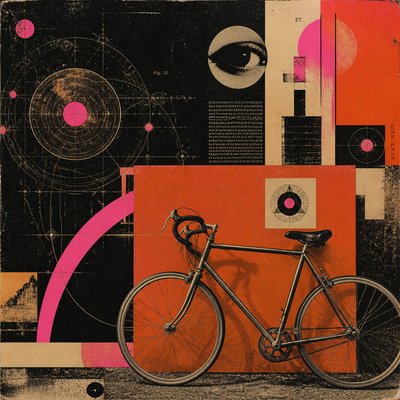
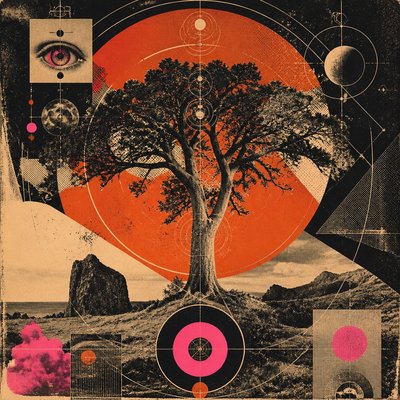
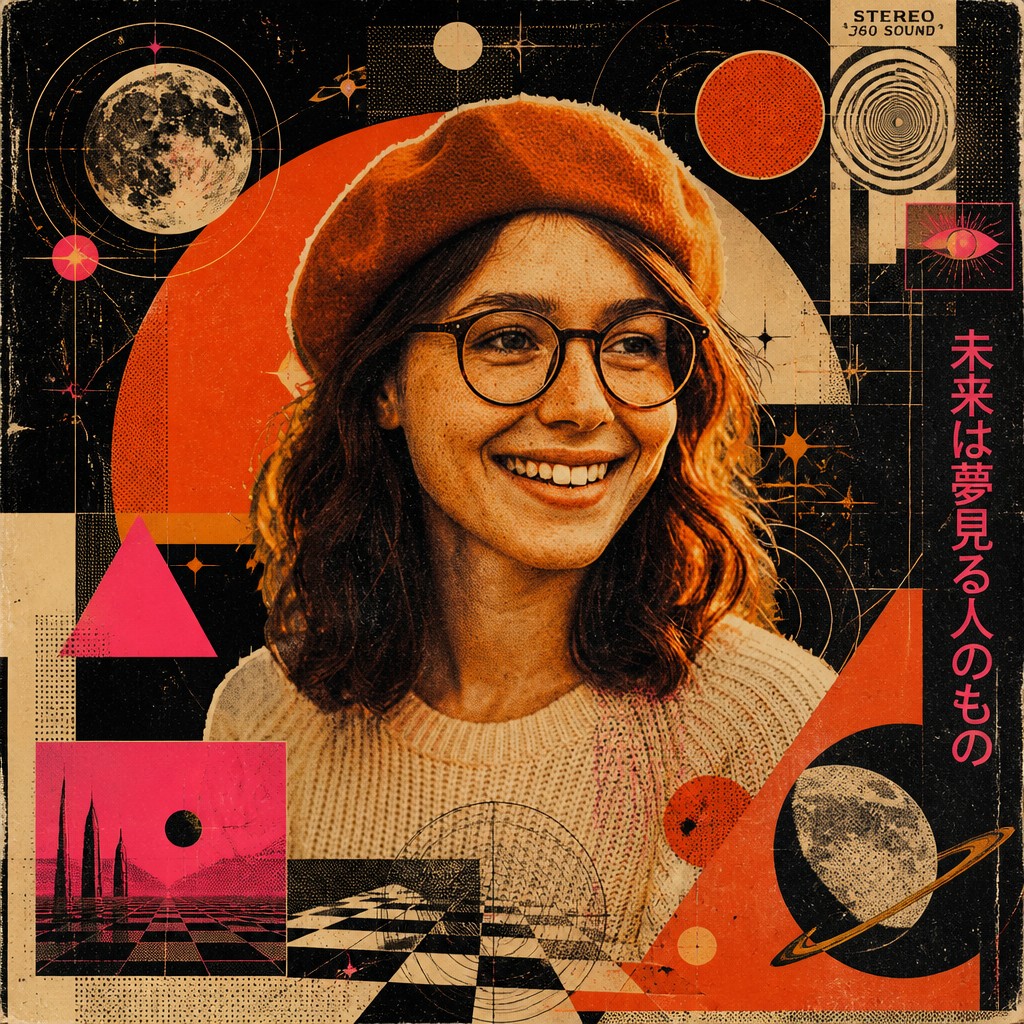
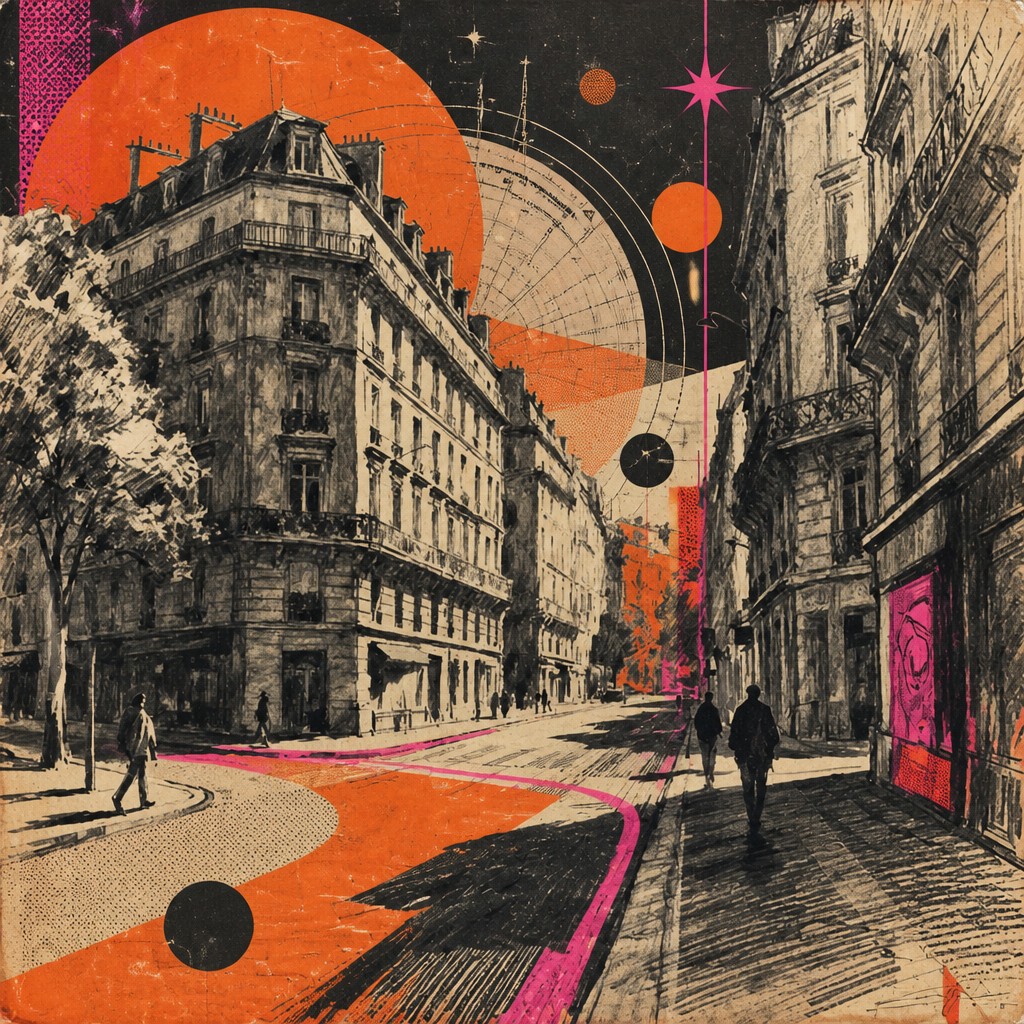
70s surreal collage with black, cream, burnt orange and neon pink, halftone textures, celestial diagrams, and analog grain.
Instantly rendered in Retro-Futuristic Pop Surrealism — or transform a photo
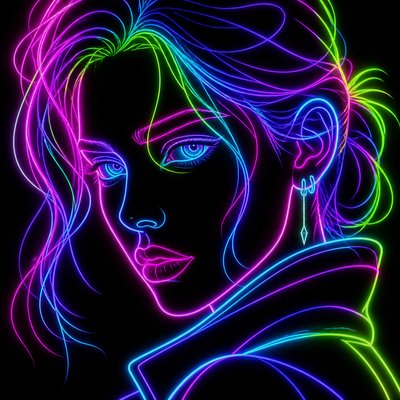
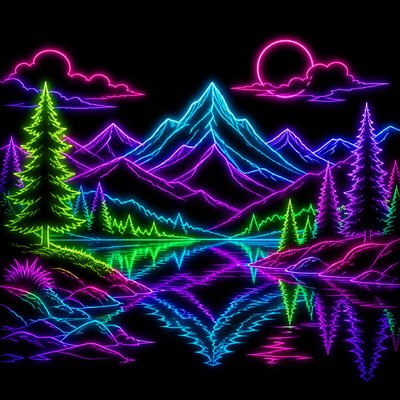
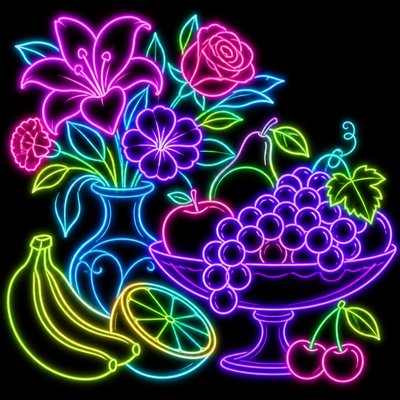
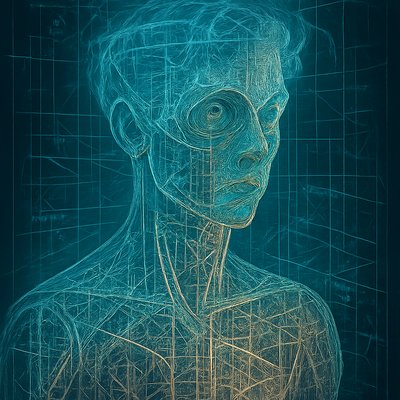
Retro-Futuristic Pop Surrealism Gallery
Tap any artwork to explore it
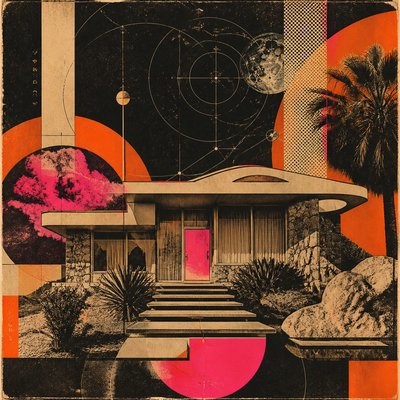
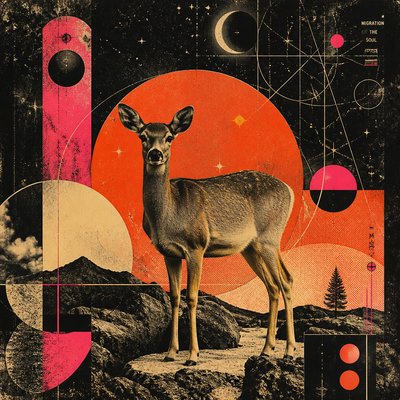
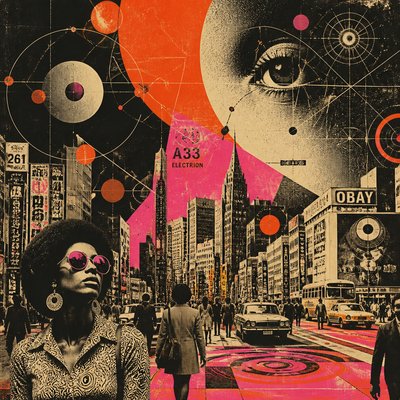
What is Retro-Futuristic Pop Surrealism?
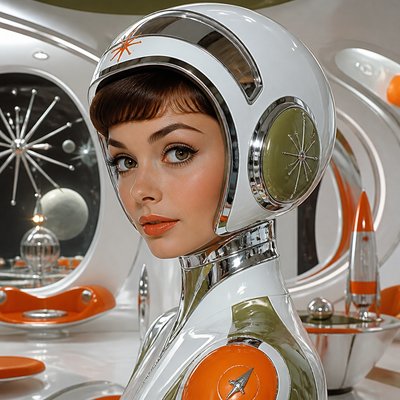
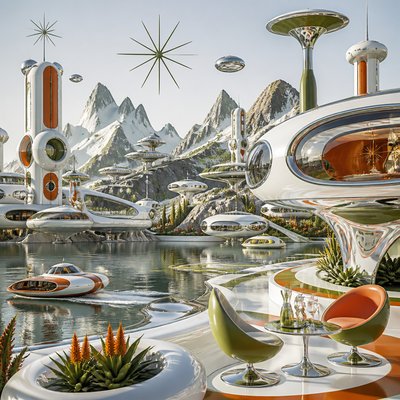
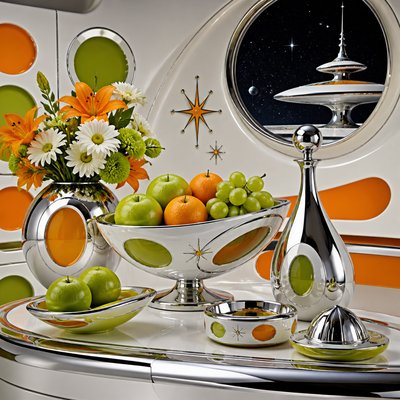
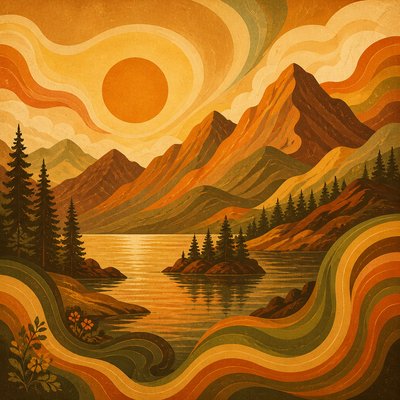
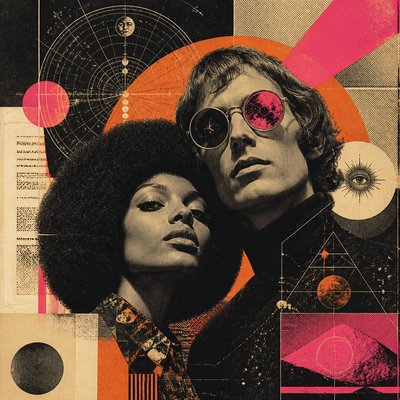
Retro-Futuristic Pop Surrealism is an invented, hybrid visual style that combines vintage 1970s design language with surreal imagery and tactile mixed-media effects. It typically uses a restrained base palette of black, cream, and burnt orange, then introduces electric neon pink as a sharp accent to create visual friction. The result feels at once nostalgic and speculative: part old print ephemera, part dream logic, part futuristic poster art.
Its visual identity is built from layered collage procedures. Photographic cut-outs, halftone dots, block-printed textures, and degraded edges give the work an analog, handmade presence, while geometric forms and celestial diagrams suggest occult charts, science-fiction diagrams, or psychedelic editorial design. Because the style relies on imperfections such as grain, misregistration, and paper wear, it often looks as if it were assembled from found materials rather than digitally polished into uniformity.
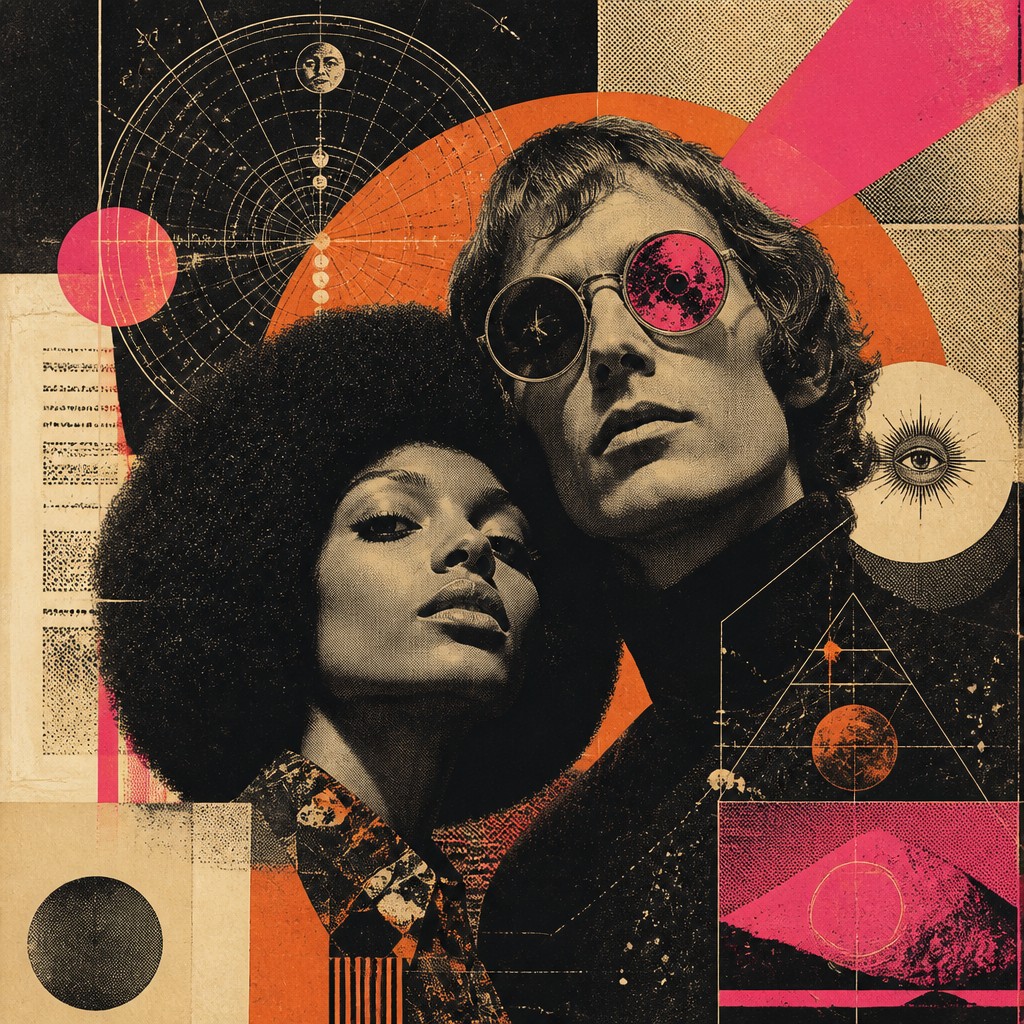
Try It On Your Photos
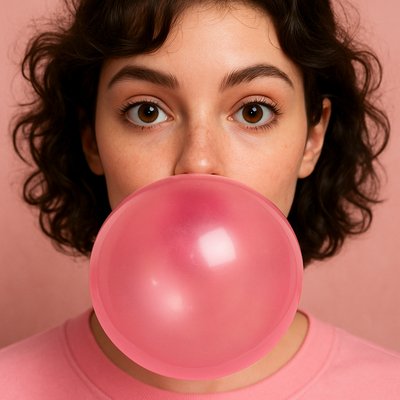
Upload any photo and convert it into Retro-Futuristic Pop Surrealism — drag the sliders to compare before and after.


What Defines Retro-Futuristic Pop Surrealism
The signature details, up close
1970s color tension
A limited palette of black, cream, and burnt orange establishes a vintage base, while neon pink acts as an unexpected signal color. The contrast makes the composition feel both period-specific and electrically unstable.
Mixed-media collage structure
The image often appears built from photographed fragments, cut paper, and layered print elements. This gives the composition a constructed, editorial feel rather than a seamless painted finish.
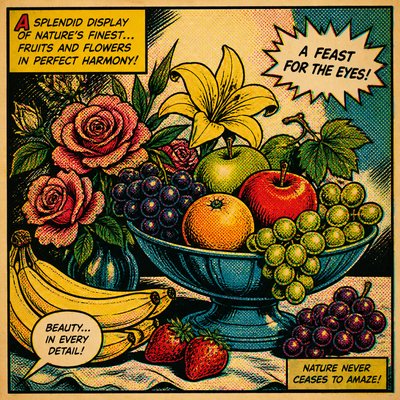
Halftone and print artifacts
Visible dot patterns, ink spread, and degraded reproduction effects evoke magazine printing and offset lithography. These artifacts are not flaws to hide; they are part of the style’s identity.
Block-printed warmth
Rough, handmade textures soften the harder graphic elements and prevent the work from feeling too slick. The block-print influence adds tactile irregularity and a sense of craft.
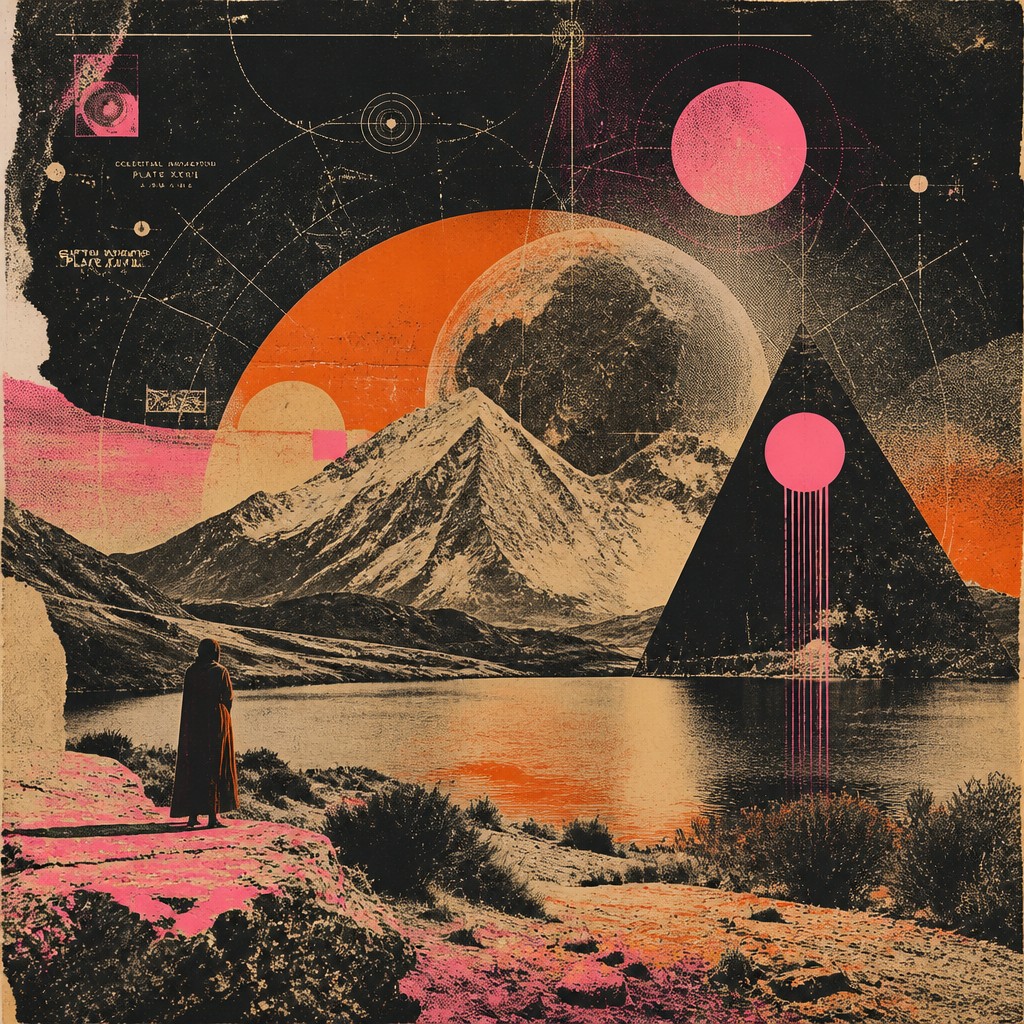
Celestial and diagrammatic imagery
Mystical charts, orbit lines, star maps, and geometric constructions often intersect with the collage. These motifs imply hidden systems, cosmic order, or pseudo-scientific symbolism.
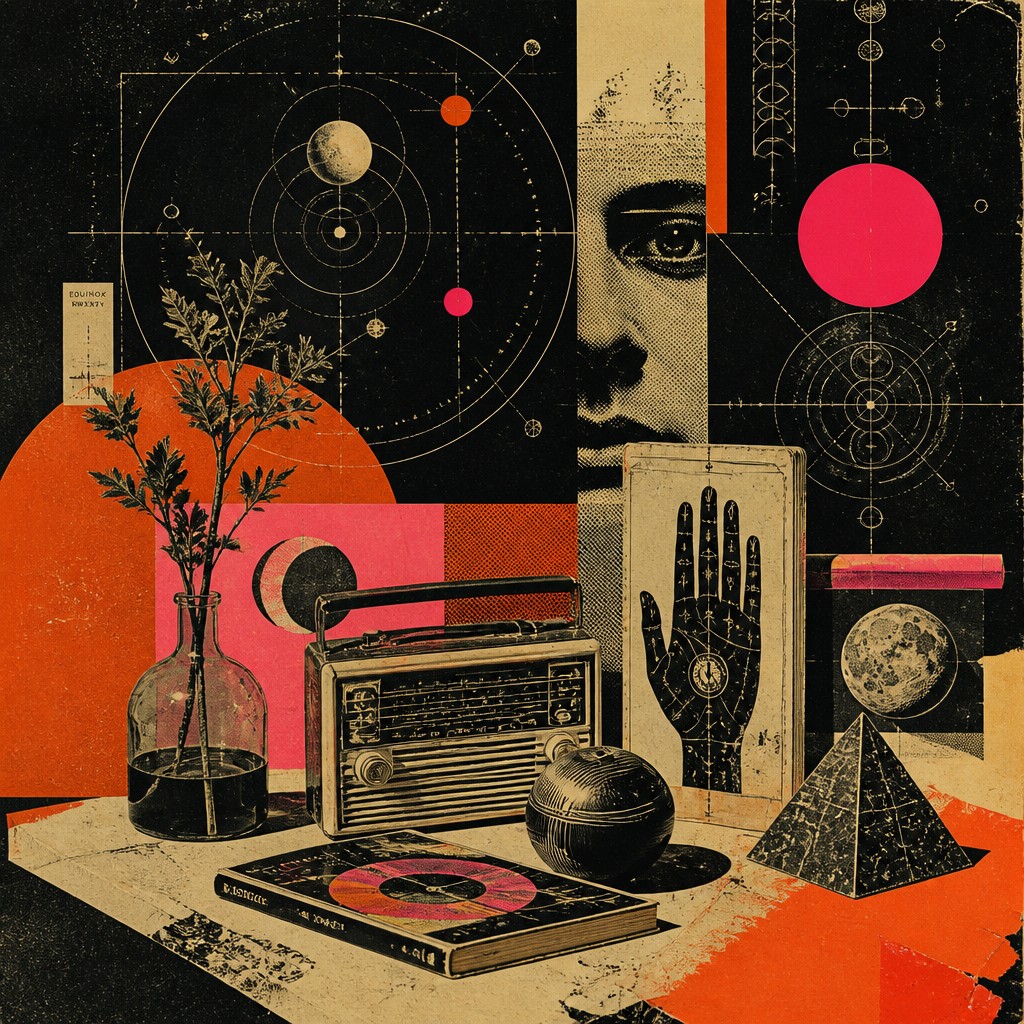
Dreamlike surrealism
Objects may be scaled irrationally, juxtaposed unexpectedly, or arranged like fragments from a half-remembered vision. The imagery aims for ambiguity and narrative suggestion rather than literal depiction.
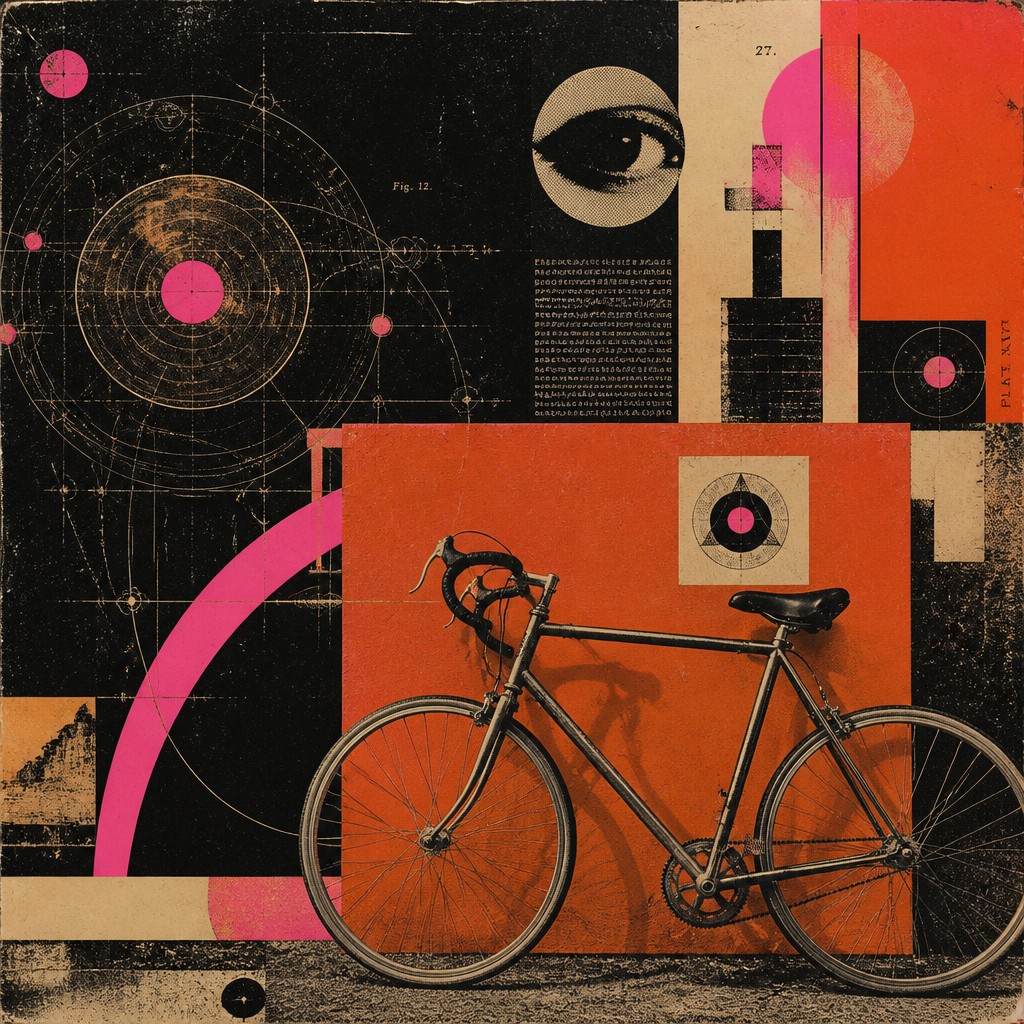
Analog degradation
Grain, imperfect registration, worn edges, and faded inks make the work feel physical and timeworn. The overall effect suggests an artifact recovered from an experimental publication or album sleeve.
Try It
Create Videos in Retro-Futuristic Pop Surrealism
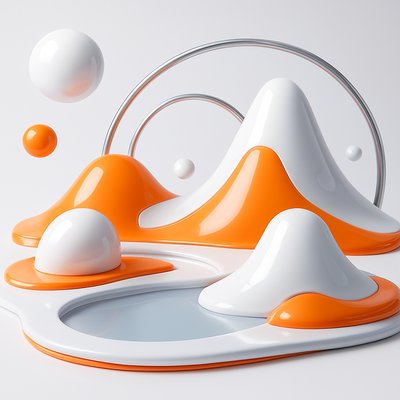
Styles aren't just for stills — describe a scene or animate an image and get a short video rendered in Retro-Futuristic Pop Surrealism. Press play to see this pond come to life.
Make a VideoRetro-Futuristic Pop Surrealism Prompt Ideas
Start from an idea — each one opens the generator with the style ready to go. See all 40 Retro-Futuristic Pop Surrealism prompts →
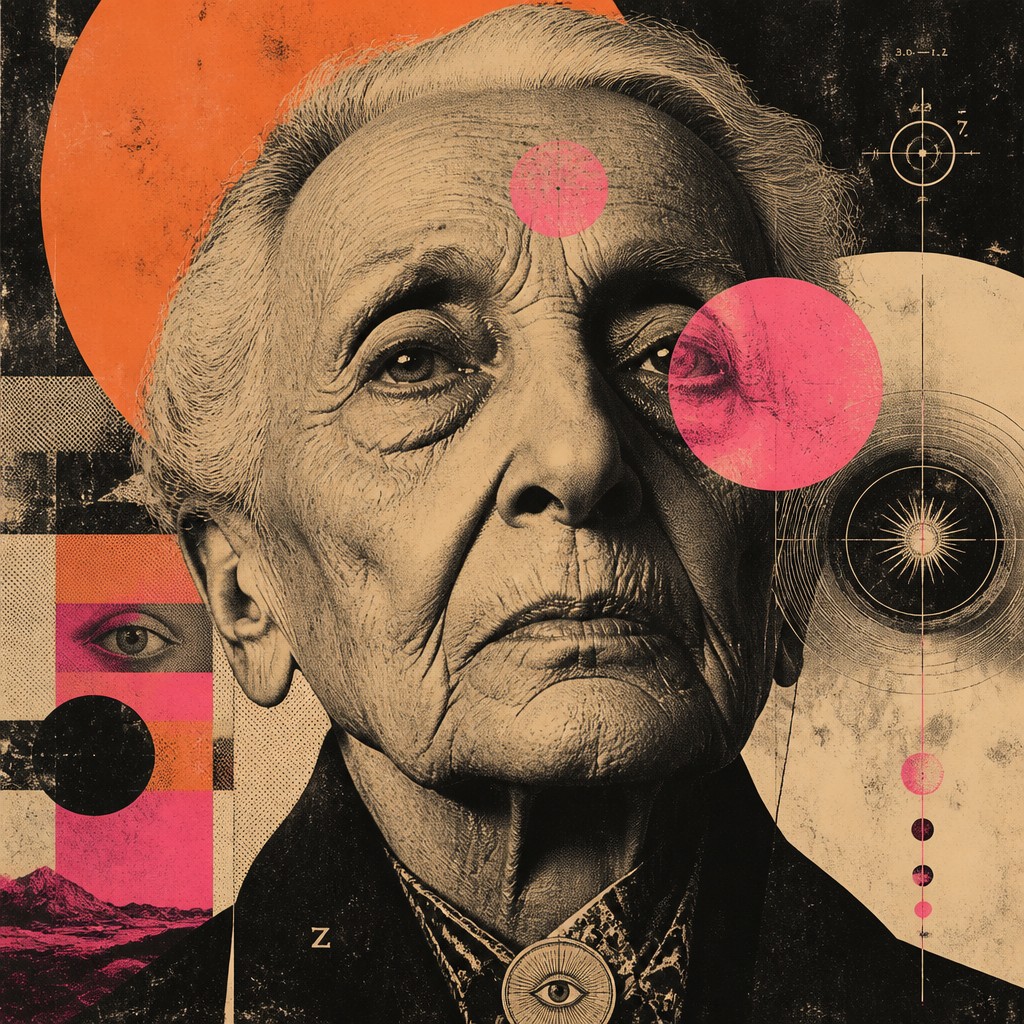
“close-up portrait of an elderly person with expressive weathered features”
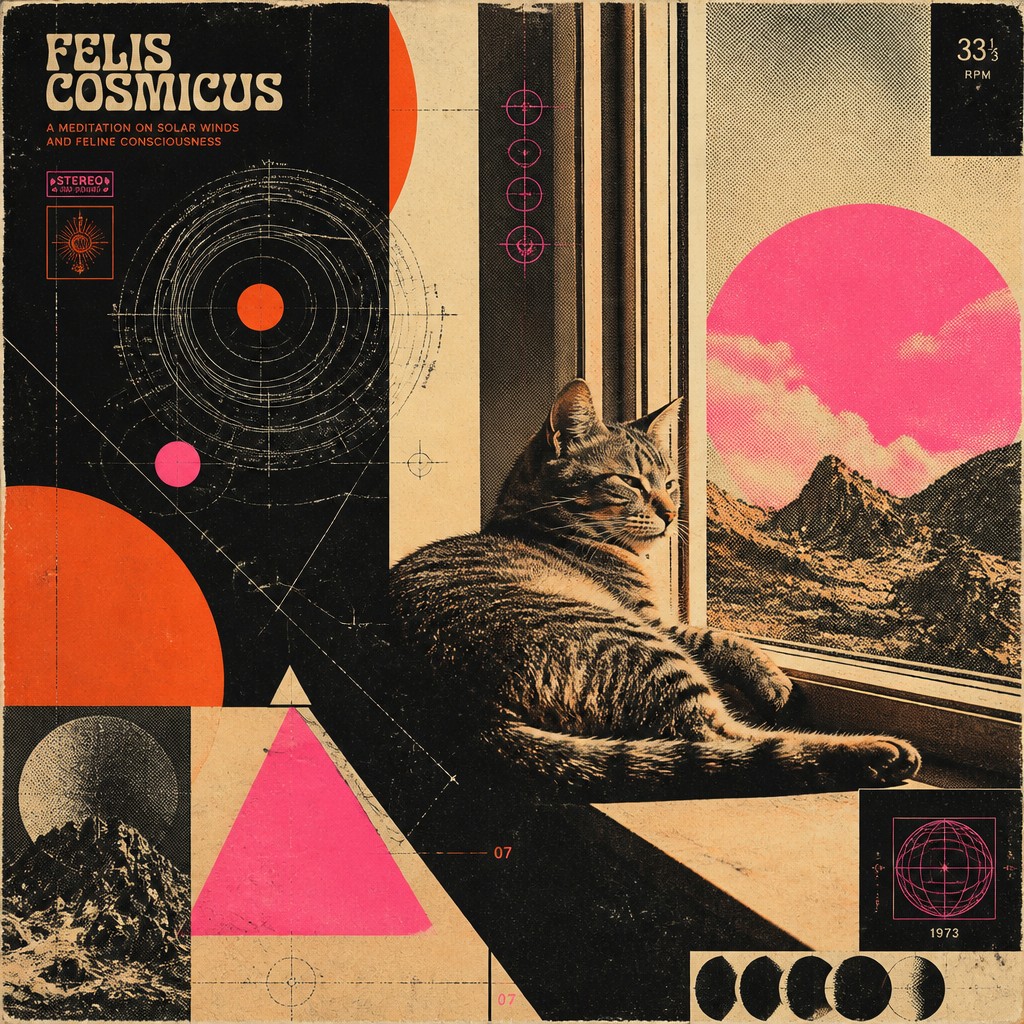
“a cat lounging in a sunlit window”
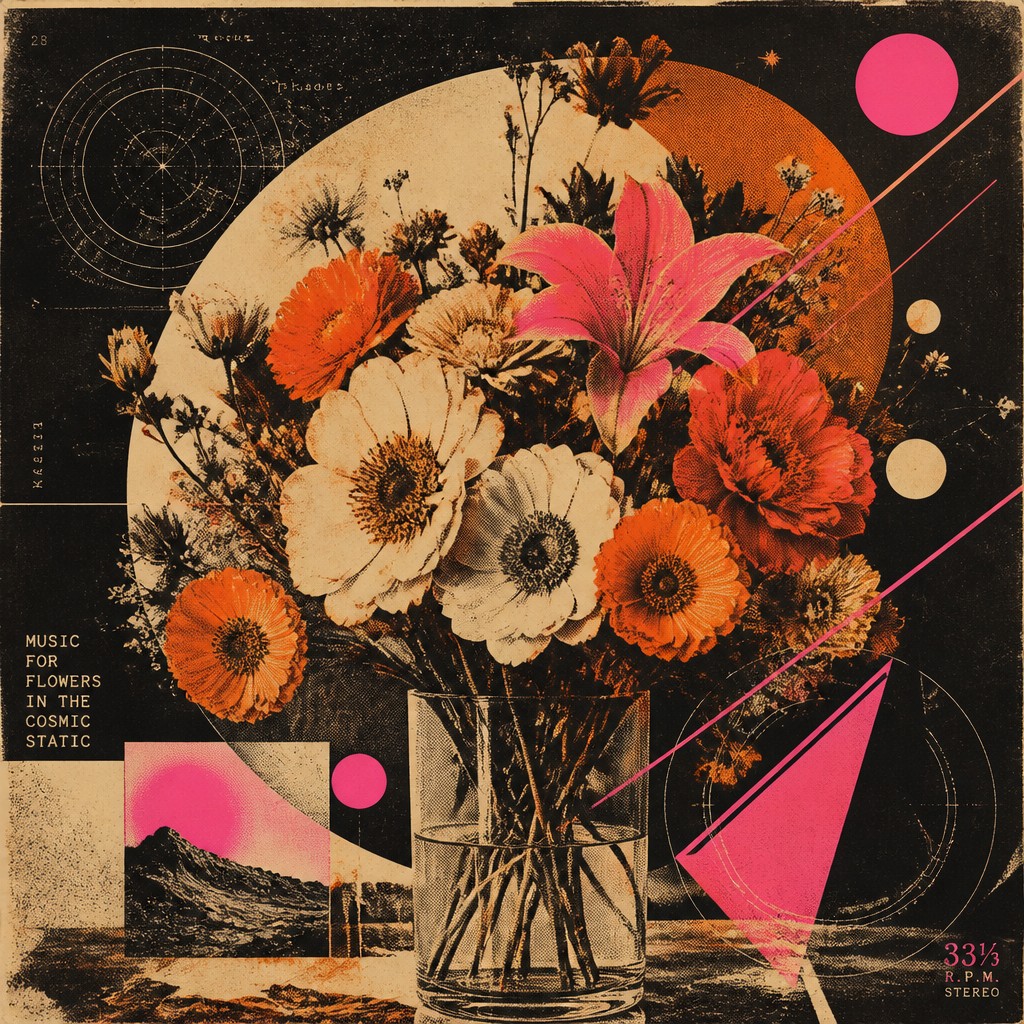
“bouquet of flowers in a glass vase”
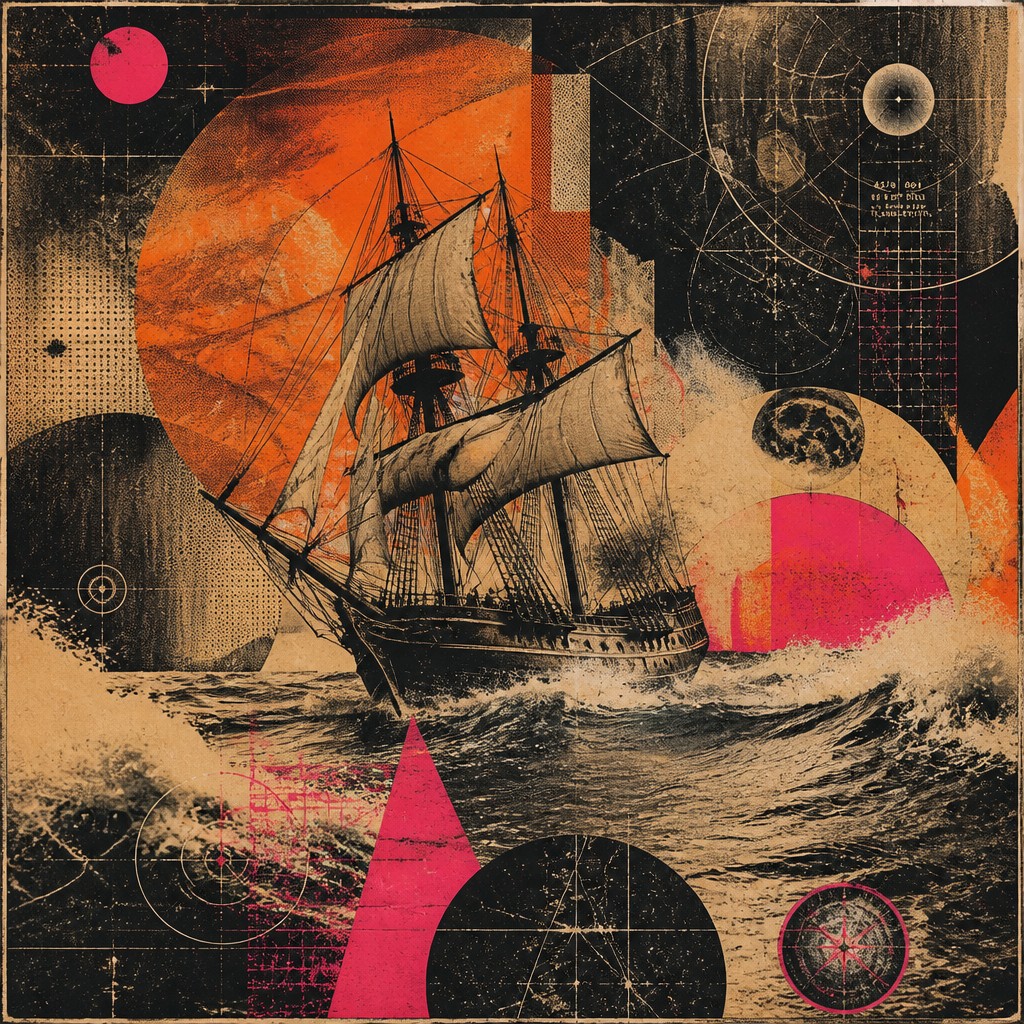
“sailing ship on a stormy sea”
How to Create Retro-Futuristic Pop Surrealism Art
Master the craft step by step — or skip straight to creating. Read the full guide →
- 1
Build a limited vintage palette
Start with black, cream, and burnt orange as the primary colors, then use neon pink sparingly for emphasis. Keeping the palette controlled helps the work feel cohesive and authentically retro.
- 2
Layer collage elements
Combine photo cut-outs, abstract shapes, and linework so each layer remains readable. Overlap edges unevenly and avoid perfect alignment to preserve the handmade collage feeling.
- 3
Add print-media texture
Introduce halftone dots, paper grain, ink bleed, and block-printed textures either by hand or as texture overlays. These details should look embedded in the image, not pasted on top as a clean filter.
- 4
Use surreal composition logic
Pair everyday objects with celestial diagrams, geometric forms, or impossible spatial arrangements. The strongest images in this style feel symbolic and dreamlike rather than simply decorative.
- 5
Preserve analog imperfections
Retain rough edges, faded contrast, and slight registration shifts so the piece appears physically produced. In digital workflows, avoid over-sharpening or smoothing away the texture.
- 6
Write prompts around materials and mood
When generating or briefing an image, specify collage, halftone, grain, block print, and album-cover energy along with the subject. Clear material language helps the result land in the intended visual tradition.
The Story
History & Origins of Retro-Futuristic Pop Surrealism
Retro-Futuristic Pop Surrealism does not come from a single historical movement; it is a contemporary synthesis drawn from several real visual traditions. Its lineage includes 1970s graphic design, psychedelic poster art, underground album covers, surrealist collage, and print processes such as halftone reproduction and block printing. The style also borrows from retro-futurism’s habit of imagining the future through an older visual language, especially the era’s fascination with space, technology, mysticism, and experimental media.
In aesthetic terms, it resembles the overlap of many late-20th-century print cultures: editorial collage, countercultural publishing, occult diagramming, and art-school experimentation. The “pop surreal” aspect comes from the use of uncanny juxtapositions and dreamlike narrative fragments, while the retro-futurist component comes from the deliberate tension between old-fashioned materials and speculative imagery. It is therefore best understood as a contemporary remix style rather than a historically bounded art movement.
Influences: This style draws on 1970s graphic design, psychedelic poster art, underground comix, surrealist collage, and retro-futurism. Related historical reference points include the experimental collage practices of an early 20th-century avant-garde photomontage artist and the dream logic of Surrealism more broadly, though the style is not a direct continuation of any single movement. It also echoes the material look of offset printing, magazine layouts, and album-cover design from the counterculture era.
Frequently Asked Questions
What defines Retro-Futuristic Pop Surrealism?
It is defined by the combination of vintage 1970s visual cues, surreal imagery, and tactile print-based textures. The key features are a limited analog palette, layered collage construction, halftone dots, and dreamlike symbolic composition. The style should feel handmade, speculative, and slightly worn.
Is this an actual historical art movement?
No. It is best understood as a contemporary hybrid style rather than a documented historical movement. Its identity comes from borrowing and recombining real traditions such as surrealist collage, psychedelic design, and retro-futurist imagery.
How is it different from general surrealism?
Traditional Surrealism is a broader modernist movement centered on dream imagery, automatism, and psychological estrangement. Retro-Futuristic Pop Surrealism adds a specific 1970s print aesthetic, stronger graphic design structure, and more explicit collage-and-texture treatment.
How is it different from vaporwave or synthwave?
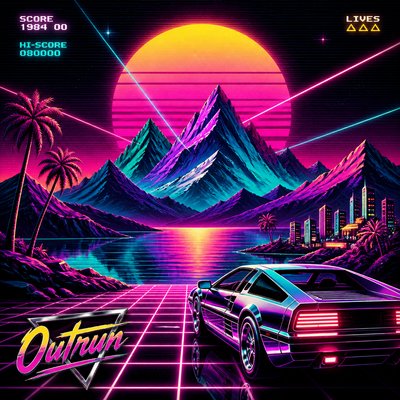
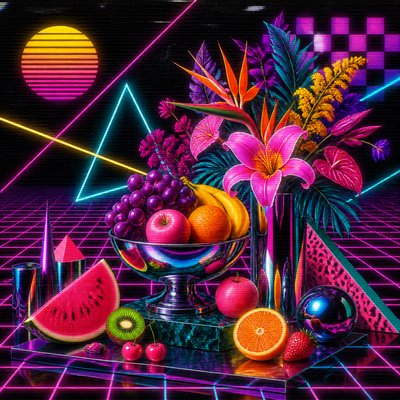
Vaporwave and synthwave usually emphasize digital nostalgia, neon glow, and glossy computer-era imagery. This style is more tactile and analog, with paper grain, halftones, block print texture, and a stronger connection to 1970s editorial collage than to 1980s digital nostalgia.
What kinds of subjects work well in this style?
Portraits, strange landscapes, cosmic scenes, symbolic still lifes, album-cover compositions, and experimental editorial imagery all work well. Subjects that can be fragmented, layered, or turned into visual metaphor tend to fit especially well.
How do I make my own image in this style?
Use a narrow palette, collage-like layering, and visible print artifacts. Whether working by hand or through digital tools, focus on imperfect edges, halftone texture, celestial diagrams, and a deliberate contrast between ordinary subjects and surreal arrangements.

Create your first Retro-Futuristic Pop Surrealism artwork
Describe anything — or upload a photo — and see it in Retro-Futuristic Pop Surrealism in seconds.
Make Something with Retro-Futuristic Pop Surrealism
Related Styles
Discover similar art styles