Retro Geometric Art
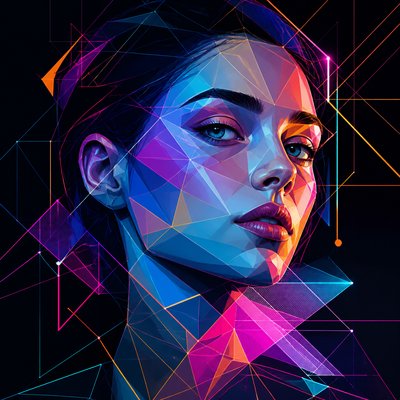
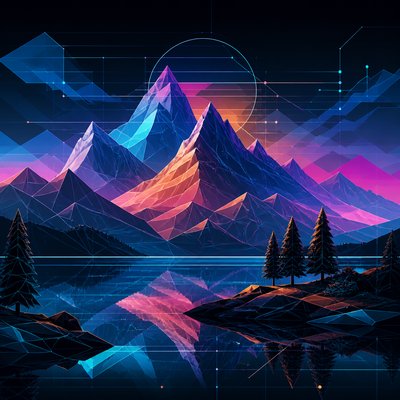
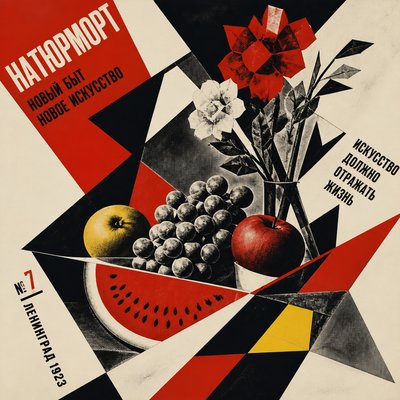
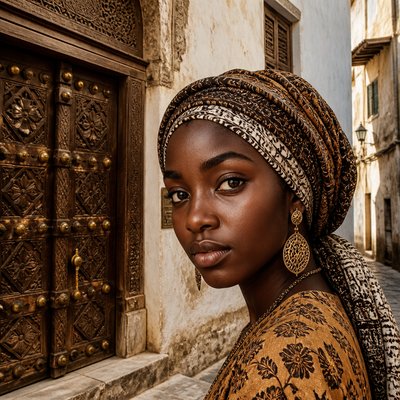
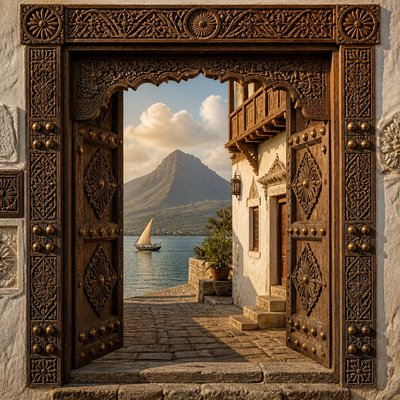
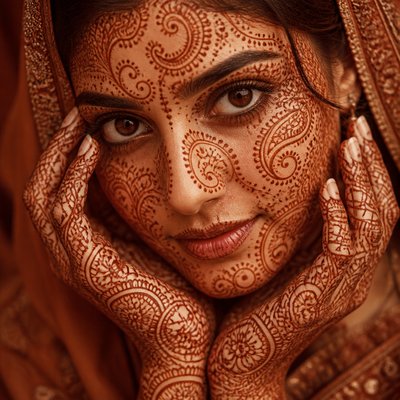
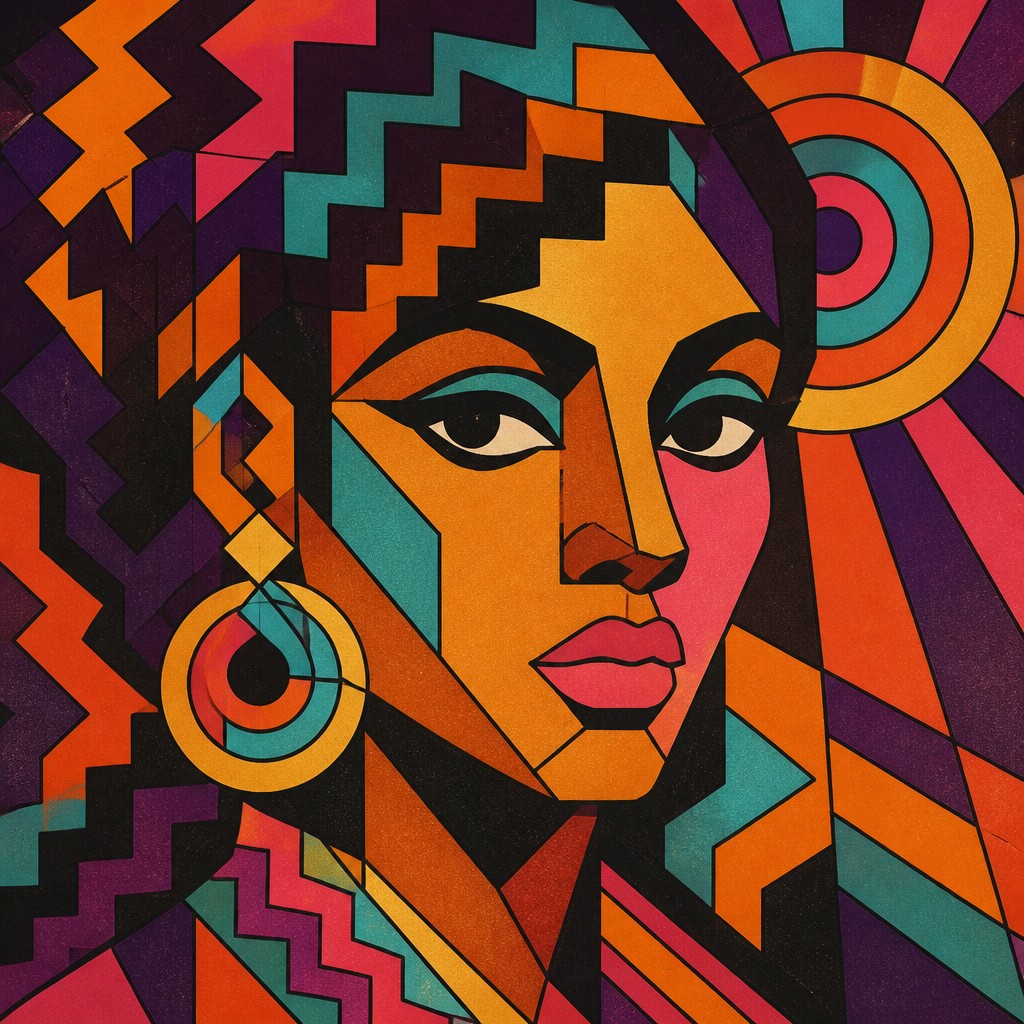
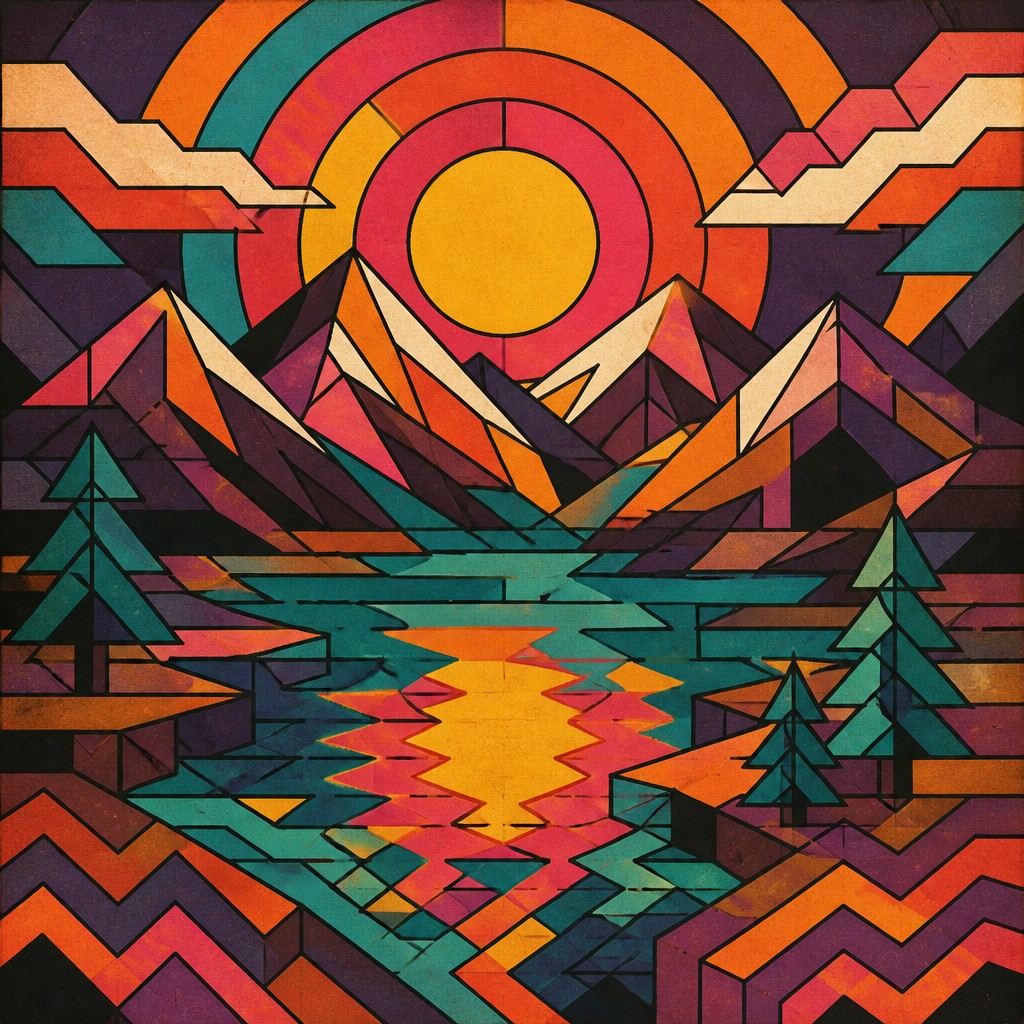
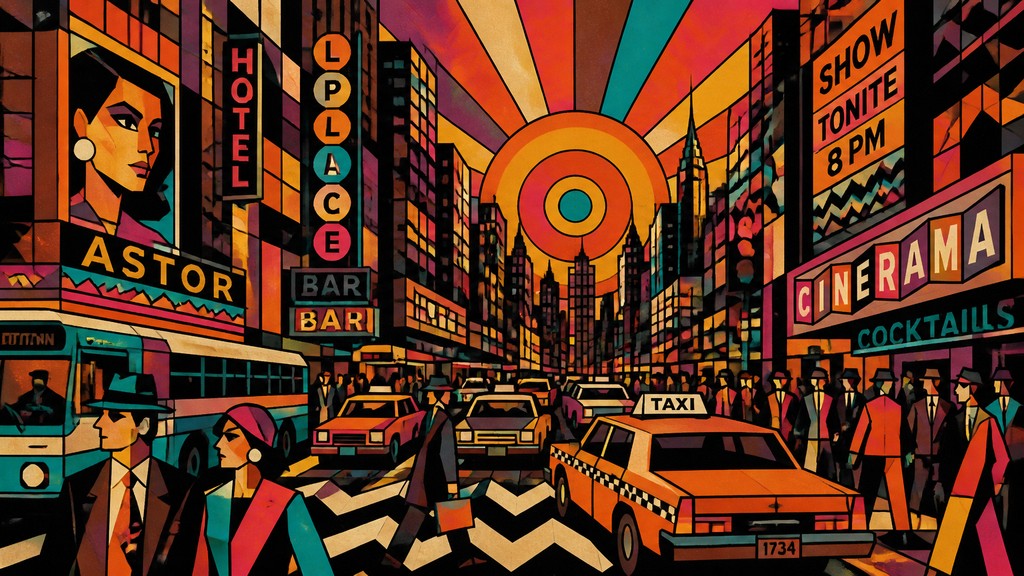
Vintage geometric design with bold polygons, psychedelic colors, black outlines, and nostalgic 1960s–80s graphic energy.
Instantly rendered in Retro Geometric — or transform a photo
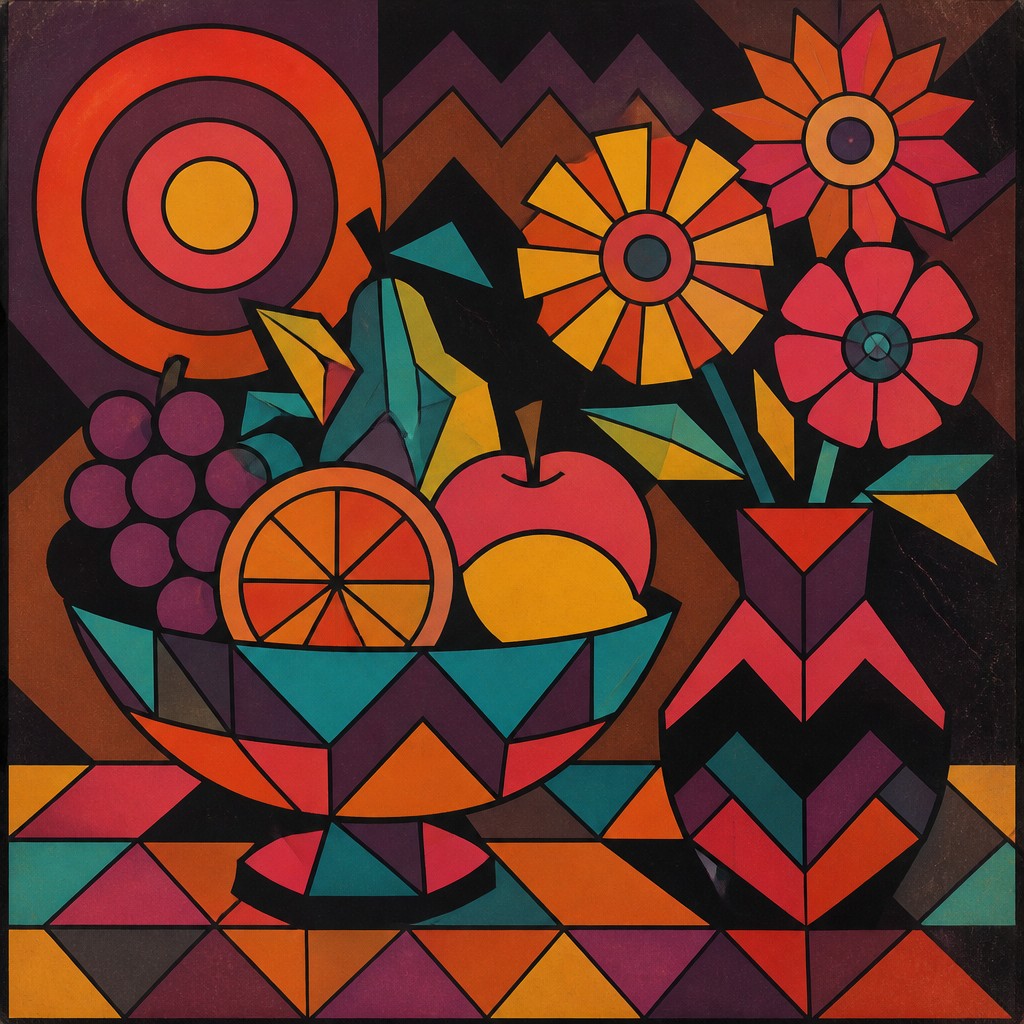
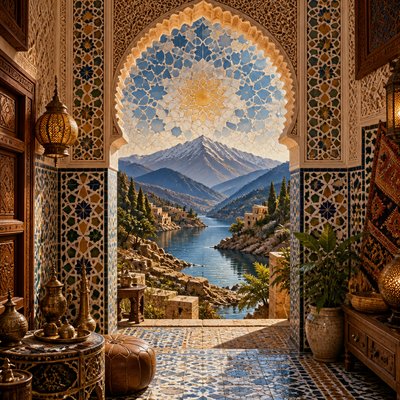
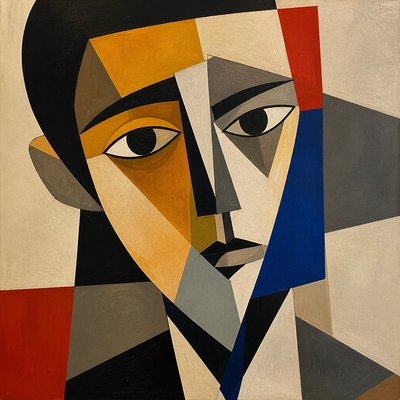
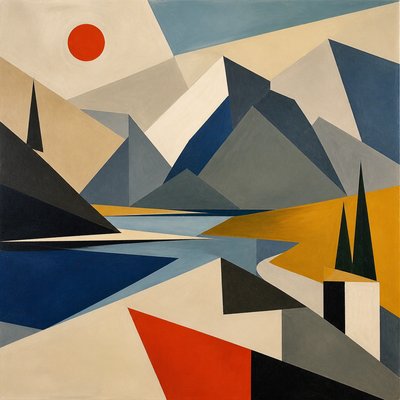
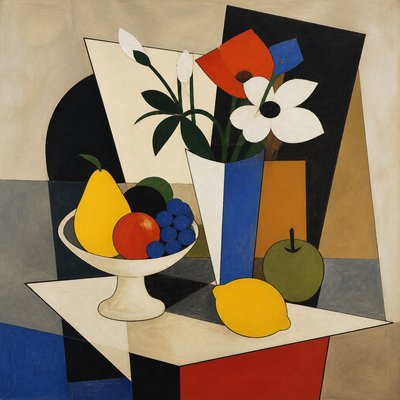
Retro Geometric Gallery
Tap any artwork to explore it
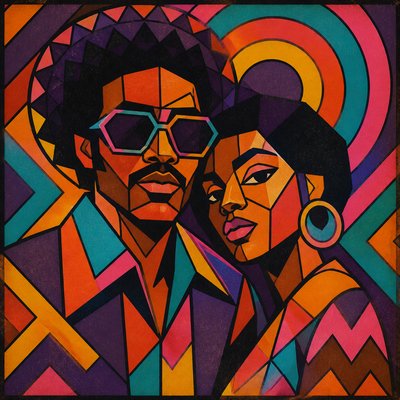
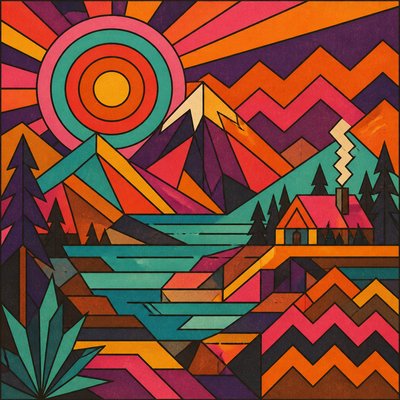
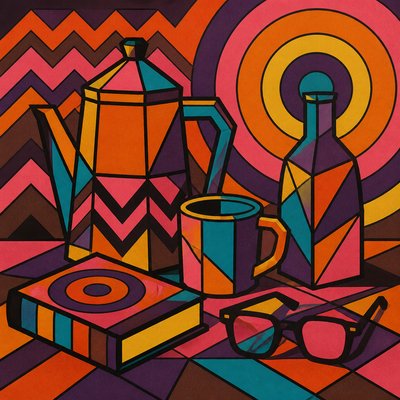
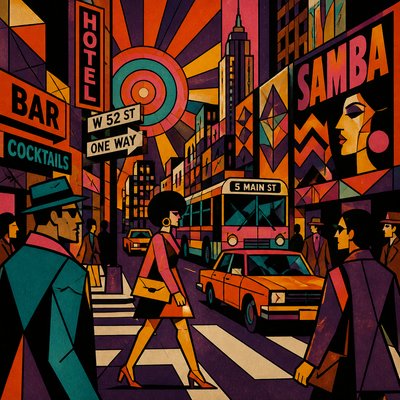
What is Retro Geometric Art?
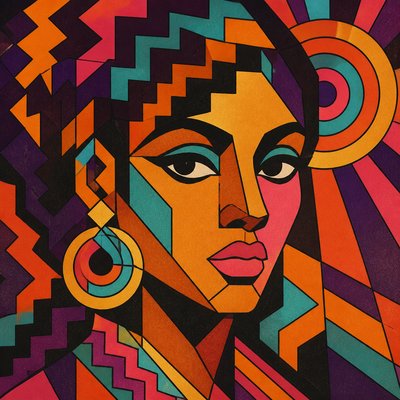
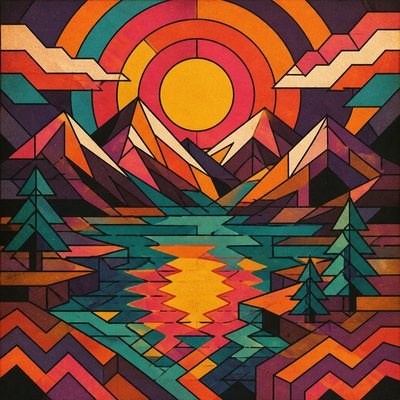
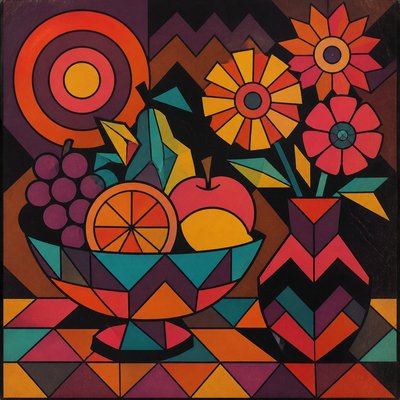
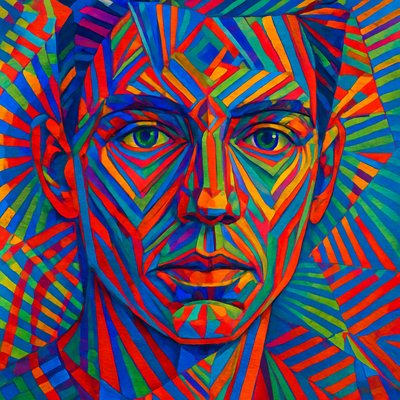
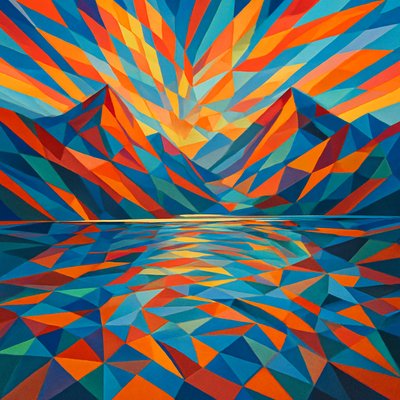
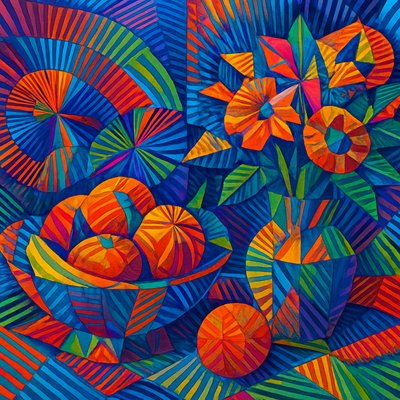
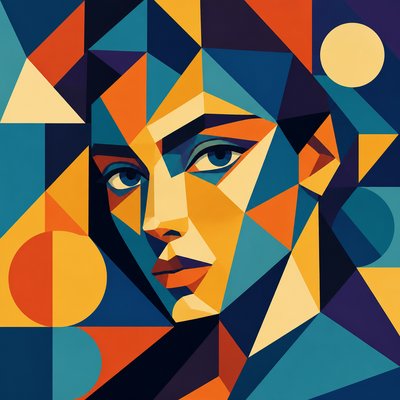
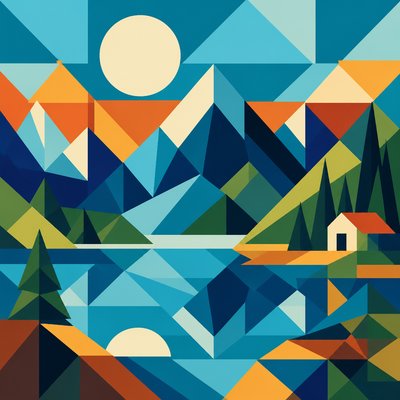
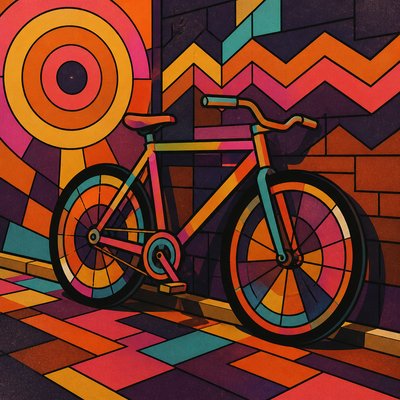
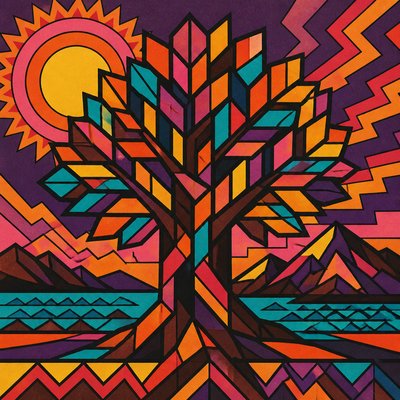
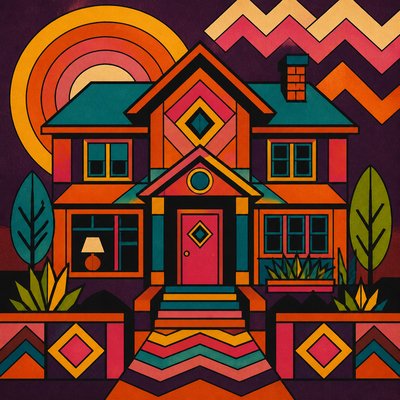
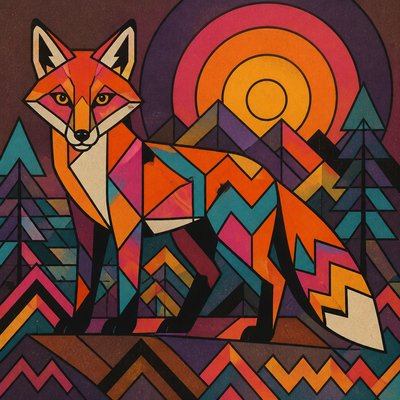
Retro geometric art is a vintage-inspired visual style built from crisp polygons, tessellations, zigzags, chevrons, concentric rings, and other repeating abstract forms. Its look is strongly associated with the color and graphic language of the 1960s through the 1980s: hot pink, turquoise, burnt orange, acid yellow, deep brown, and purple, often set in hard-edged flat fields with heavy outlines and a screen-printed feel.
The style feels nostalgic because it borrows from several mid-century and late-modern visual traditions at once: op art’s optical vibration, psychedelic poster graphics, disco-era patterning, and the clean geometry of 1970s textiles, album covers, and packaging. Even when used on contemporary subjects, the structure remains emphatically synthetic and decorative, with forms broken into interlocking pieces and emphasized by strong contrast, slight print misregistration, and bold rhythmic repetition.
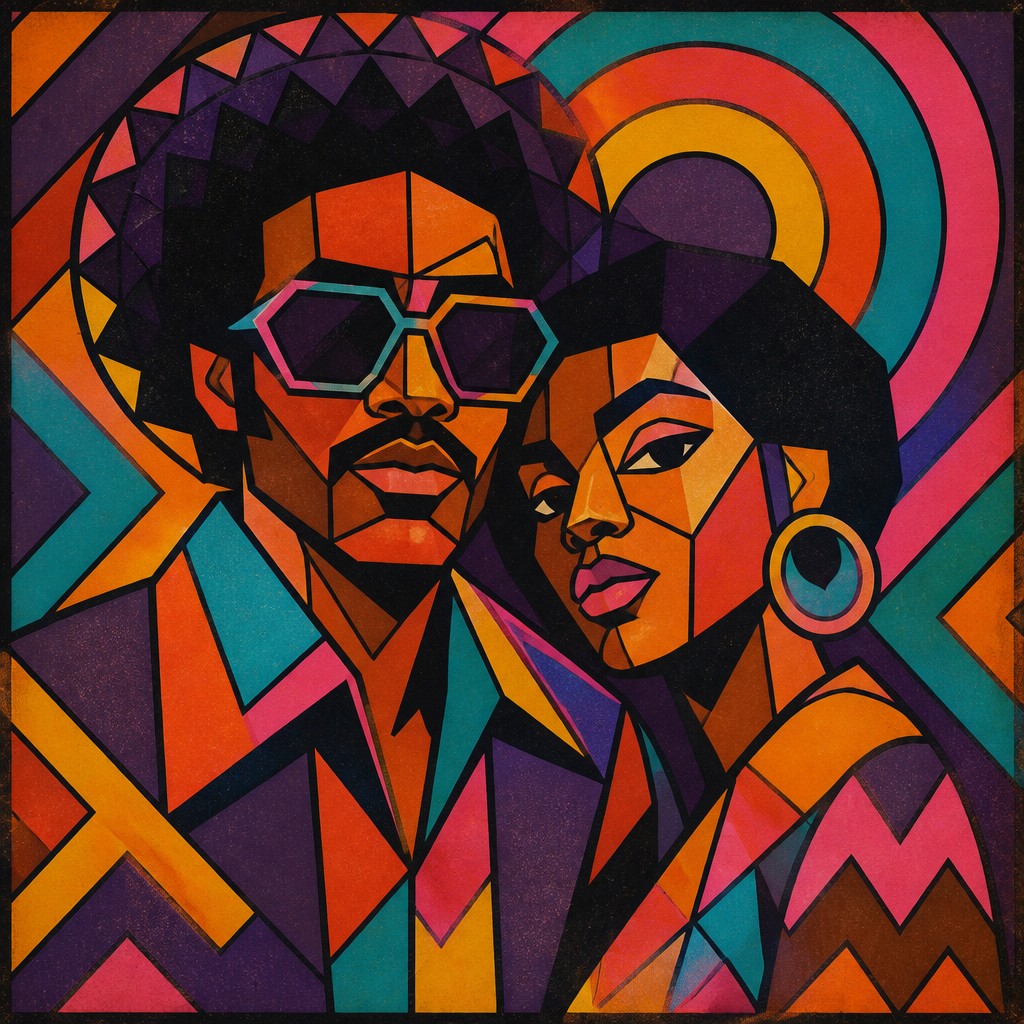
Try It On Your Photos
Upload any photo and convert it into Retro Geometric Art — drag the sliders to compare before and after.


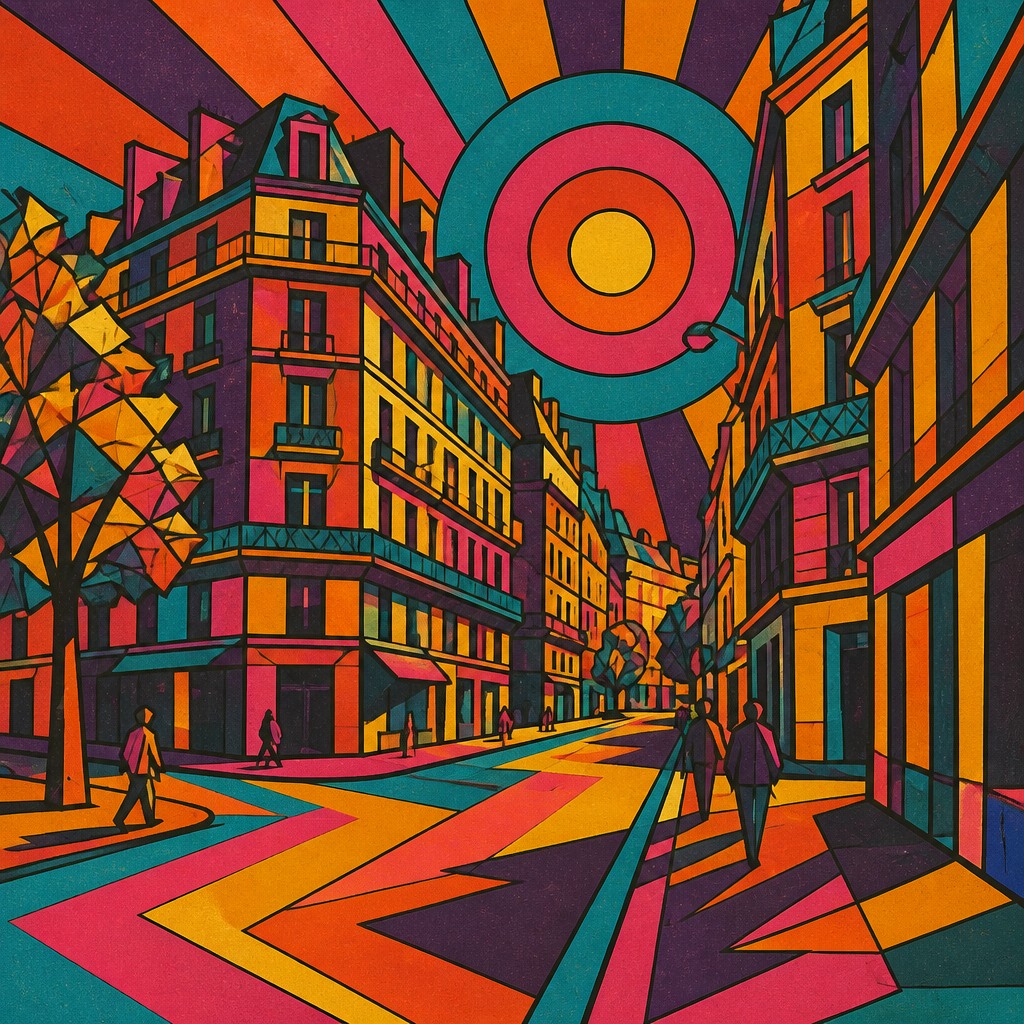

What Defines Retro Geometric Art
The signature details, up close
Interlocking geometric forms
Subjects and compositions are built from polygons, wedges, blocks, tessellations, and repeating modules. Shapes often fit together like cut paper or stained glass, creating a segmented, constructed look.
Bold black outlines
Thick contour lines separate each shape and give the image a poster-like clarity. The outlines also flatten the composition and intensify the graphic contrast.
Vintage psychedelic palette
Common colors include burnt orange, hot pink, turquoise, acid yellow, brown, and deep purple. The combinations are saturated and nostalgic, often arranged to feel energetic and slightly uncanny.
Flat, hard-edged color
Color areas are usually uniform, with little or no shading, gradients, or painterly blending. This creates the clean, print-ready look associated with mid-century commercial graphics.
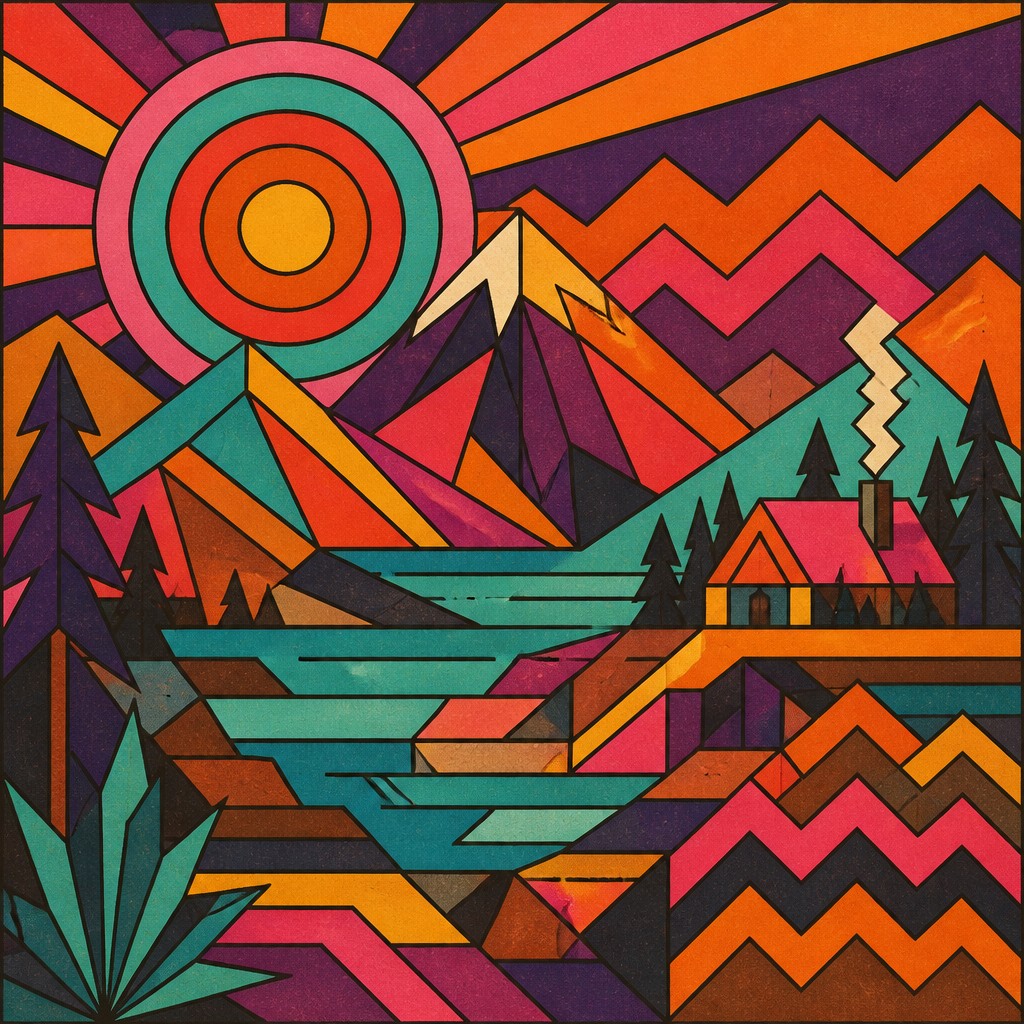
Rhythm and repetition
Chevron bands, zigzags, concentric circles, waves, and repeating motifs create visual movement. The composition often feels musical or optical, with patterns that pull the eye across the frame.
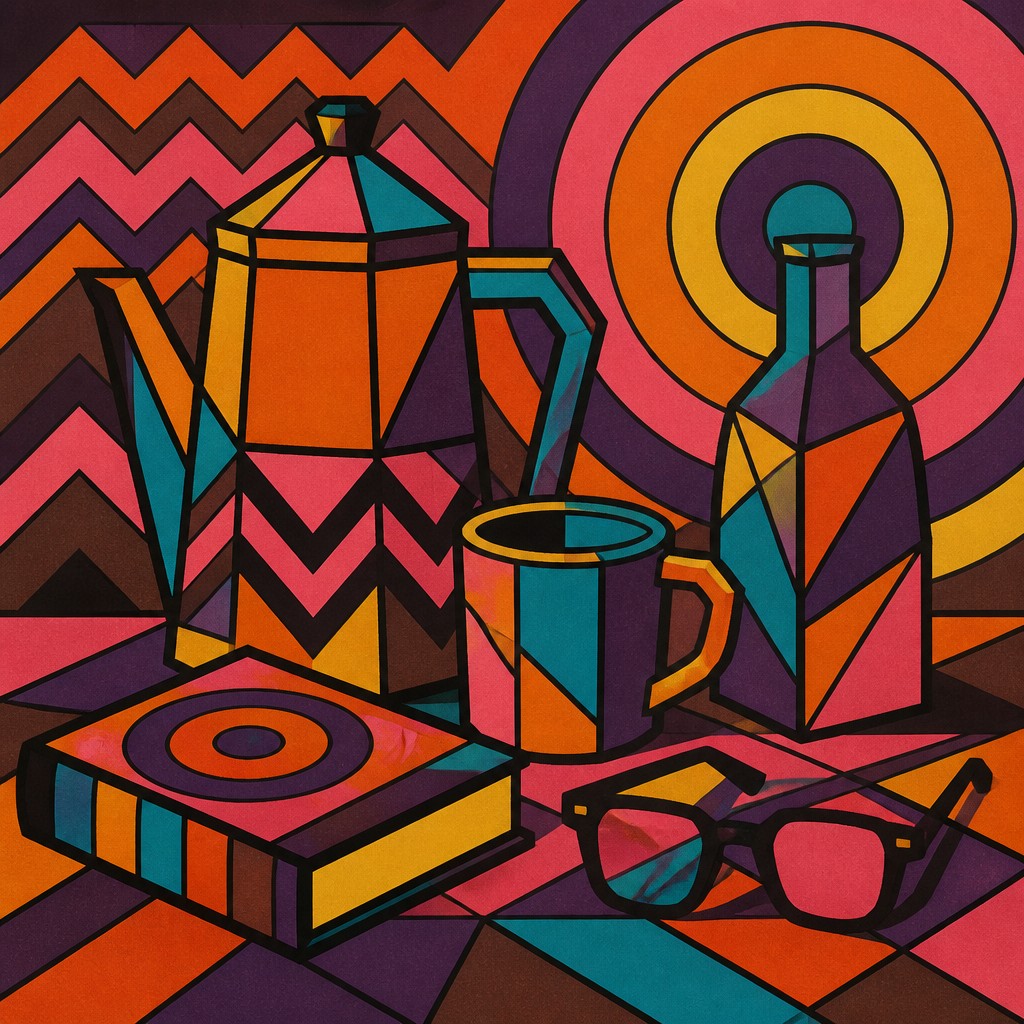
Screen-print texture and misregistration
A slight matte grain, worn ink texture, or offset alignment helps the image feel physically printed. These imperfections are important because they evoke vintage posters and handmade commercial art.
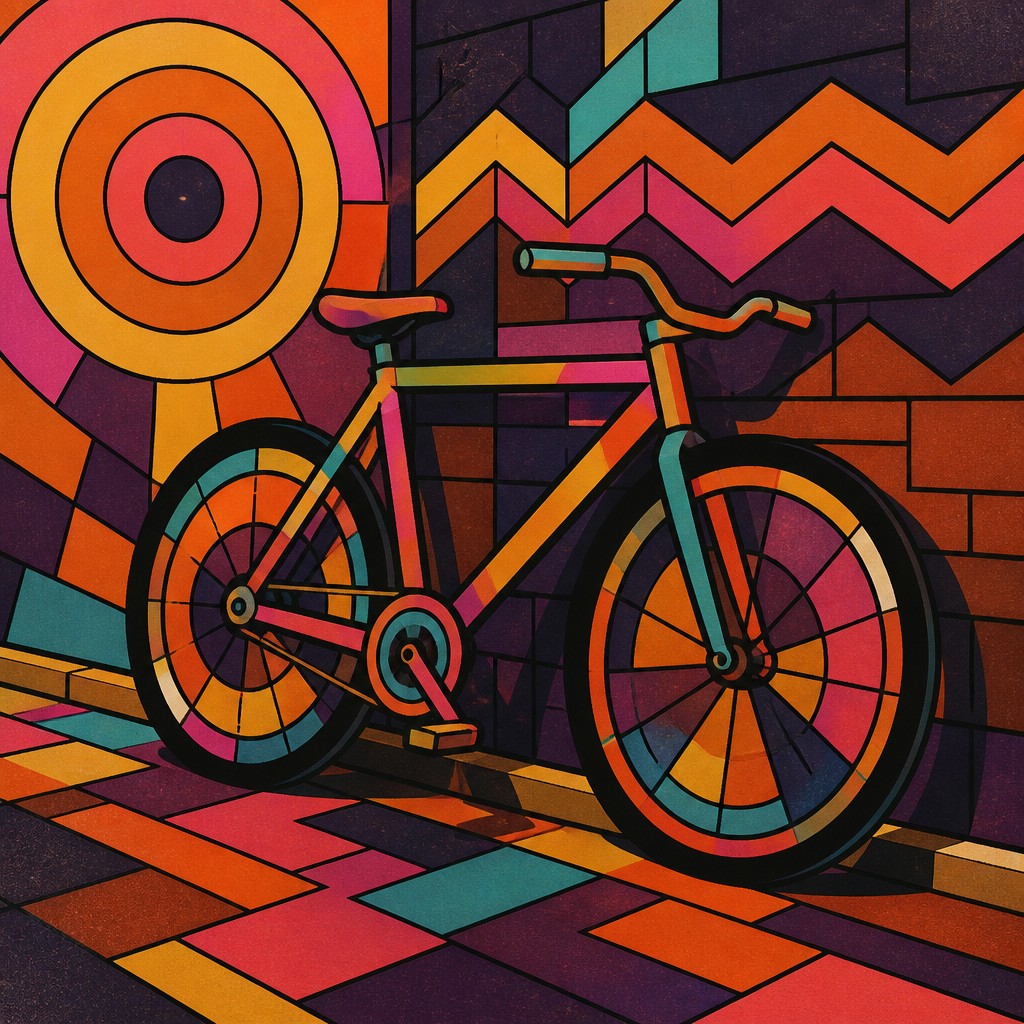
Nostalgic graphic energy
The overall effect is playful, bold, and period-specific rather than minimal or realistic. Even simple subjects are stylized into decorative emblems with strong retro atmosphere.
Try It
Create Videos in Retro Geometric Art
Styles aren't just for stills — describe a scene or animate an image and get a short video rendered in Retro Geometric. Press play to see this pond come to life.
Make a VideoRetro Geometric Prompt Ideas
Start from an idea — each one opens the generator with the style ready to go. See all 40 Retro Geometric prompts →
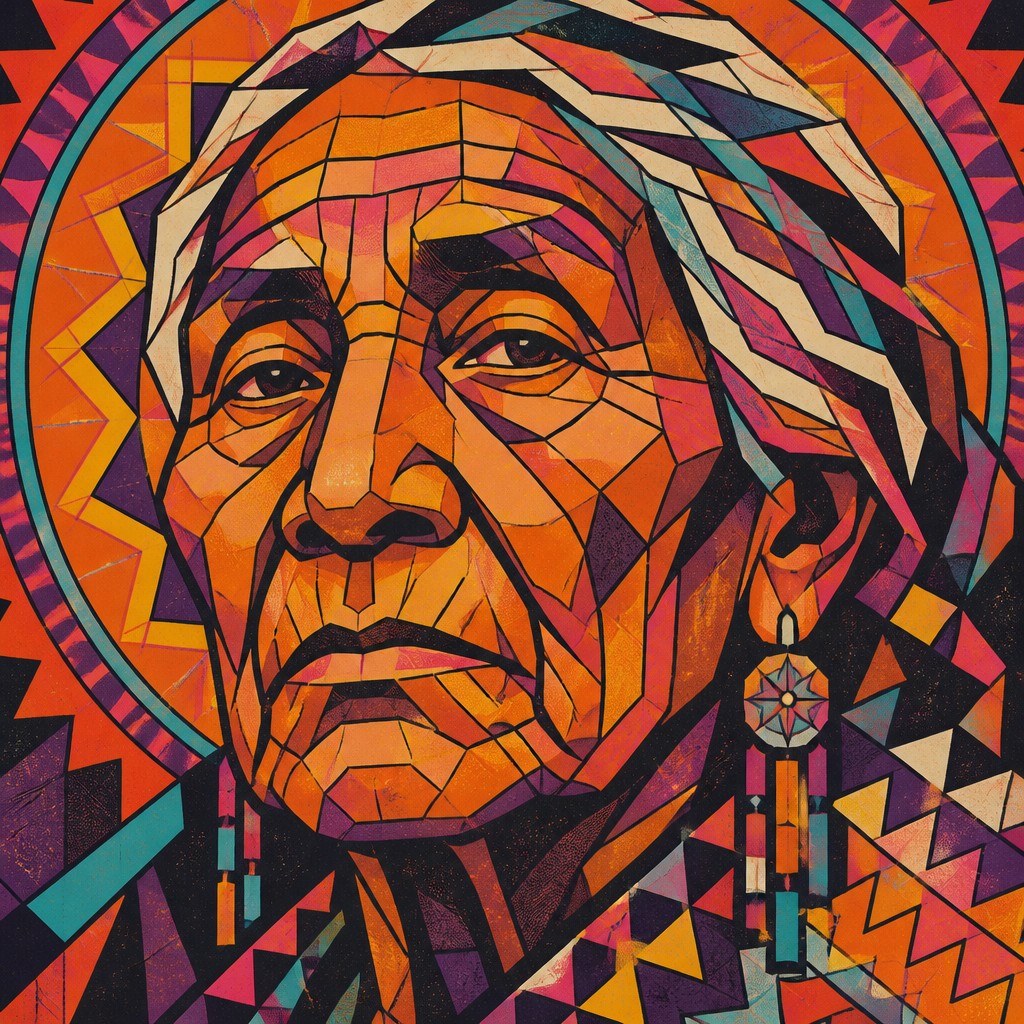
“close-up portrait of an elderly person with expressive weathered features”
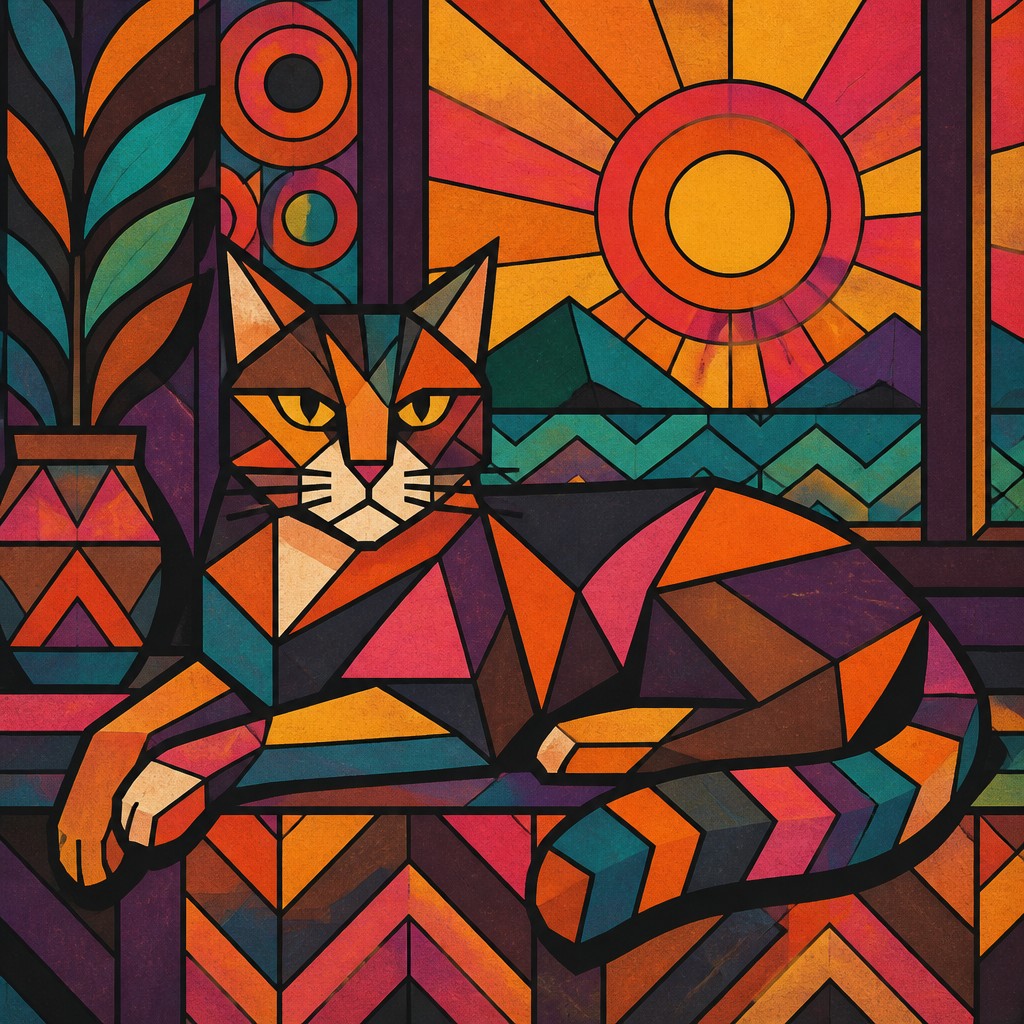
“a cat lounging in a sunlit window”
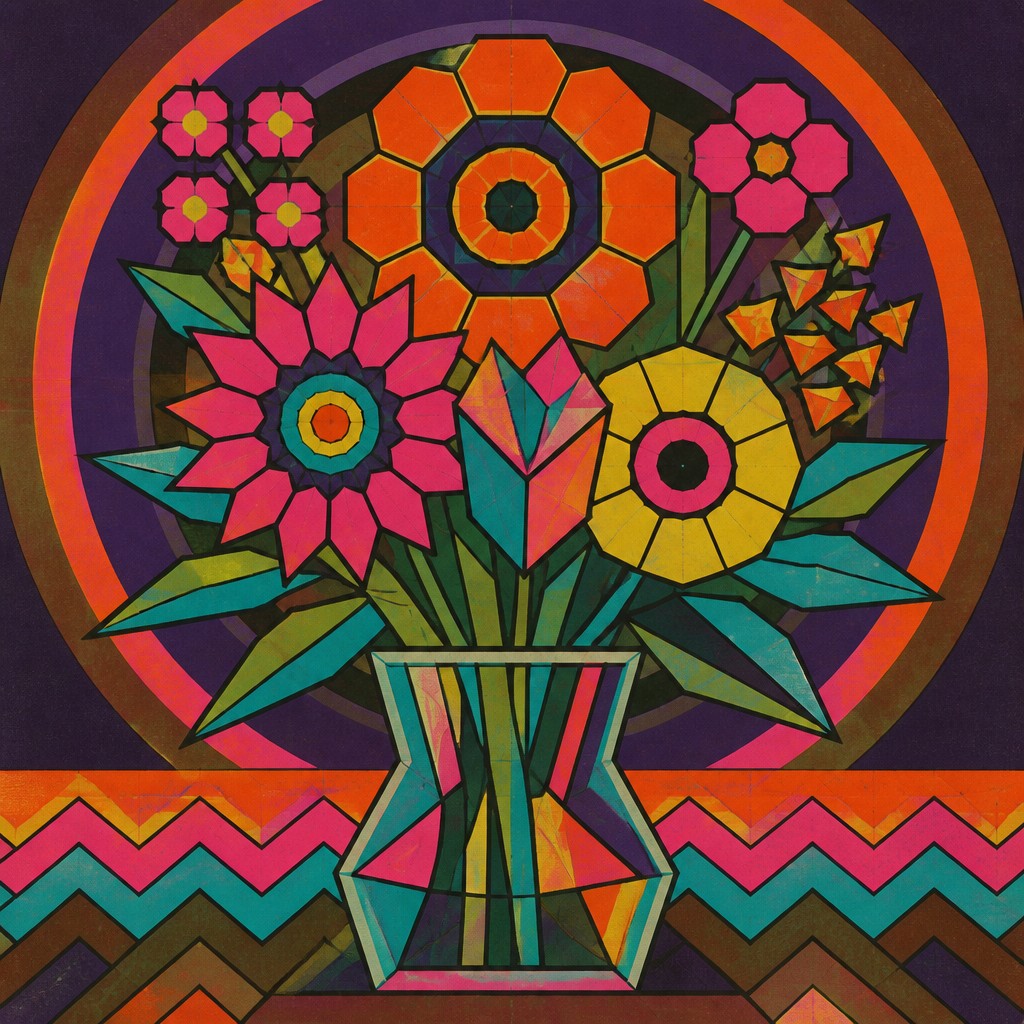
“bouquet of flowers in a glass vase”
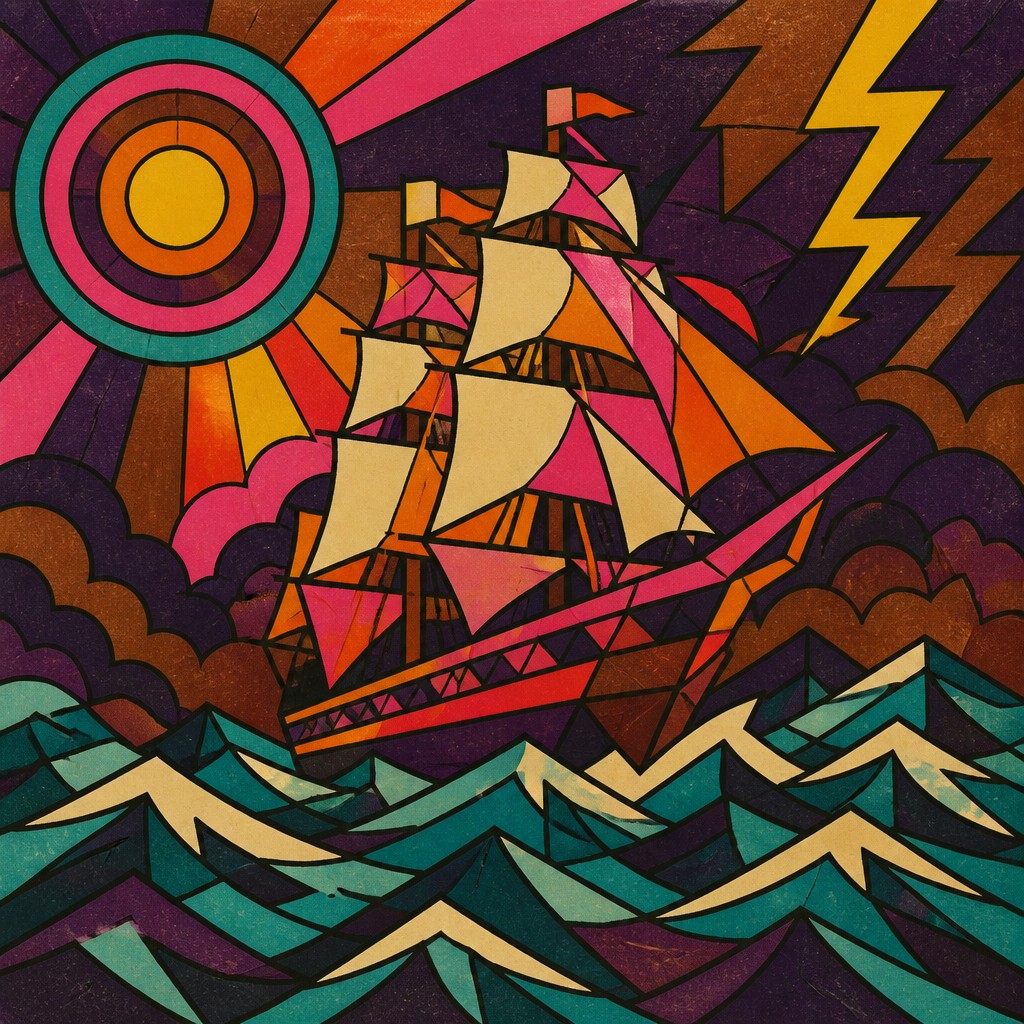
“sailing ship on a stormy sea”
How to Create Retro Geometric Art
Master the craft step by step — or skip straight to creating. Read the full guide →
- 1
Simplify the subject into flat geometry
Start by reducing the object or scene into large angular facets, rings, or repeating modules. Think in terms of vector shapes, cut-paper layers, or puzzle pieces rather than volumetric modeling.
- 2
Use a limited retro palette
Choose a small set of high-impact colors such as orange, pink, turquoise, yellow, brown, and purple. Keep the hues saturated and slightly dusty so they evoke printed material from the 1970s.
- 3
Separate forms with strong contours
Outline major shapes with thick dark lines to maintain clarity and add graphic weight. In traditional work, this can be done with ink or paint; in digital work, use clean vector paths or bold line layers.
- 4
Build pattern through repetition
Add chevrons, zigzags, concentric rings, and tessellated bands to create motion and rhythm. Repetition is what pushes the image toward retro design rather than simple geometric abstraction.
- 5
Add print-era surface effects
Introduce a matte paper texture, slight grain, and subtle color misregistration to mimic screen printing or offset reproduction. Keep these effects restrained so the shapes remain crisp and legible.
- 6
Prompt for shape language and material behavior
When generating digitally, specify interlocking polygons, flat color, thick outlines, and vintage palette terms in the prompt. Also name the subject clearly so the geometry organizes around a recognizable focal point rather than becoming pure pattern.
The Story
History & Origins of Retro Geometric
Retro geometric art is not a single historical movement but a contemporary style assembled from several late-20th-century design languages. Its main sources include 1960s psychedelic poster art, op art, mid-century modern pattern design, 1970s textile and wallpaper graphics, and the angular visual culture of 1980s pop and editorial design. The result is a nostalgic hybrid that reads immediately as vintage without belonging to one fixed historical school.
Its development is closely tied to mass reproduction media: screen printing, offset printing, album art, posters, packaging, and fabric design. Those media encouraged flat color, bold outlines, and repeatable motifs, while imperfections such as registration shifts and grain became part of the aesthetic. In modern usage, the style survives as a graphic shorthand for retro energy, often reinterpreted in illustration, branding, apparel, and digital art.
Influences: Retro geometric art draws from op art, especially the optical patterning associated with leading op art practitioners, as well as psychedelic poster design, mid-century modern graphics, and 1970s decorative pattern systems. It also overlaps with the flat color logic of screen-printed illustration and the modular aesthetics of textile, wallpaper, and album-cover design. Unlike strict op art, which often emphasizes perceptual instability, retro geometric art usually prioritizes nostalgic color and decorative rhythm.
Frequently Asked Questions
What defines retro geometric art?
It is defined by bold geometric construction, repeated patterns, and a nostalgic color palette associated with the 1960s through 1980s. Thick outlines, flat color, and print-like texture are common, along with motifs such as zigzags, chevrons, rings, and tessellations.
Is this the same as op art?
Not exactly. Op art focuses on optical illusion and visual vibration, often in black and white or highly controlled color systems, while retro geometric art is broader and more nostalgic. It can borrow op art devices, but it usually adds warmer vintage color and a more decorative, poster-like feel.
What kinds of subjects work best in this style?
Simple subjects with clear silhouettes work best, such as animals, portraits, landscapes, objects, and symbols. The style also works very well for pure abstraction because its strength lies in pattern, repetition, and color rhythm.
How do I make the style feel authentic?
Use a limited retro palette, keep color flat, and emphasize strong outlines and repeated geometry. Small imperfections like grain, slight misregistration, or screen-print texture help the image feel period-appropriate rather than digitally sterile.
Where is retro geometric art commonly used?
It is common in posters, album art, packaging, textiles, wallpaper, branding, apparel graphics, and contemporary illustration. Its clear shapes and nostalgic appeal make it useful whenever a design needs vintage energy without literal realism.
Can this style be realistic?
It is usually not realistic in a literal sense, because realism is less important than structure and pattern. However, a recognizable subject can still be present if it is rebuilt from geometric segments and kept visually readable.
Create your first Retro Geometric artwork
Describe anything — or upload a photo — and see it in Retro Geometric Art in seconds.
Make Something with Retro Geometric
Related Styles
Discover similar art styles