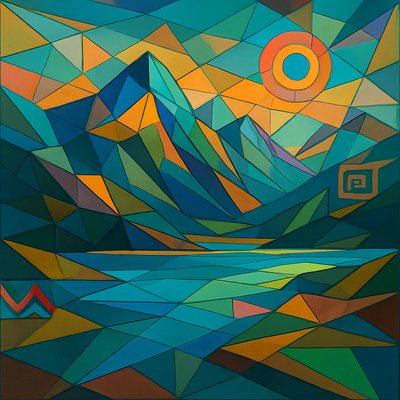
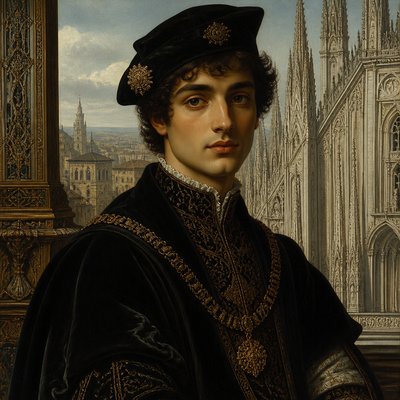
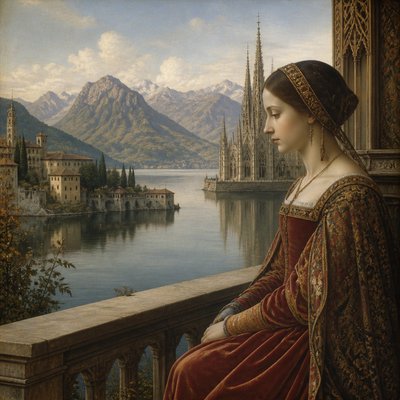
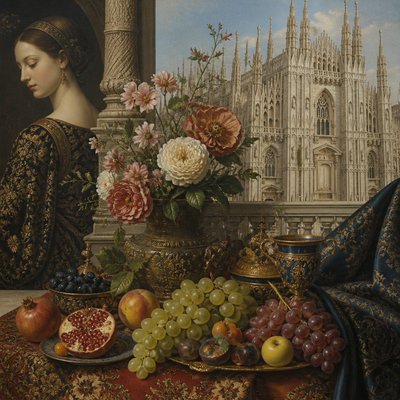
Conceptual Modern Art Style
Minimal, idea-driven art with text, diagrams, and restrained forms that turn the concept itself into the artwork.
Instantly rendered in Conceptual Modern — or transform a photo
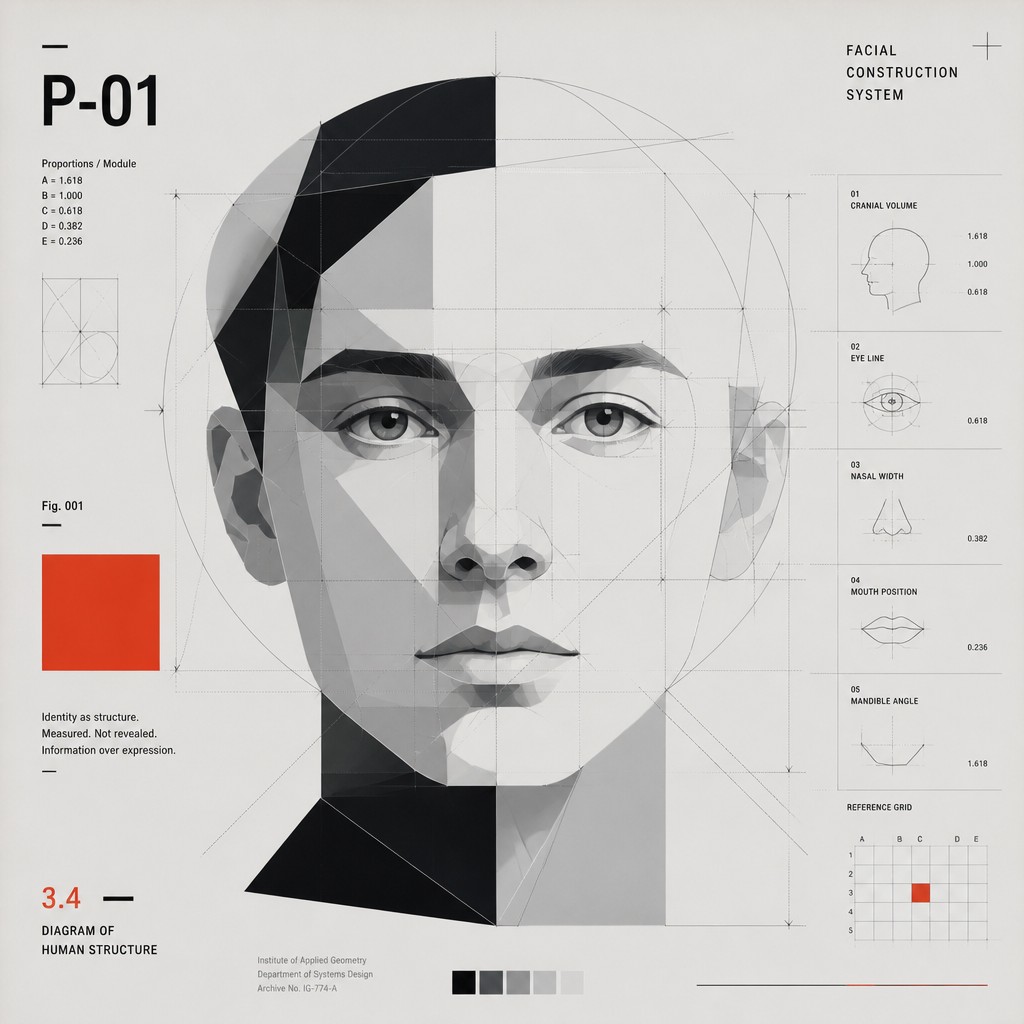
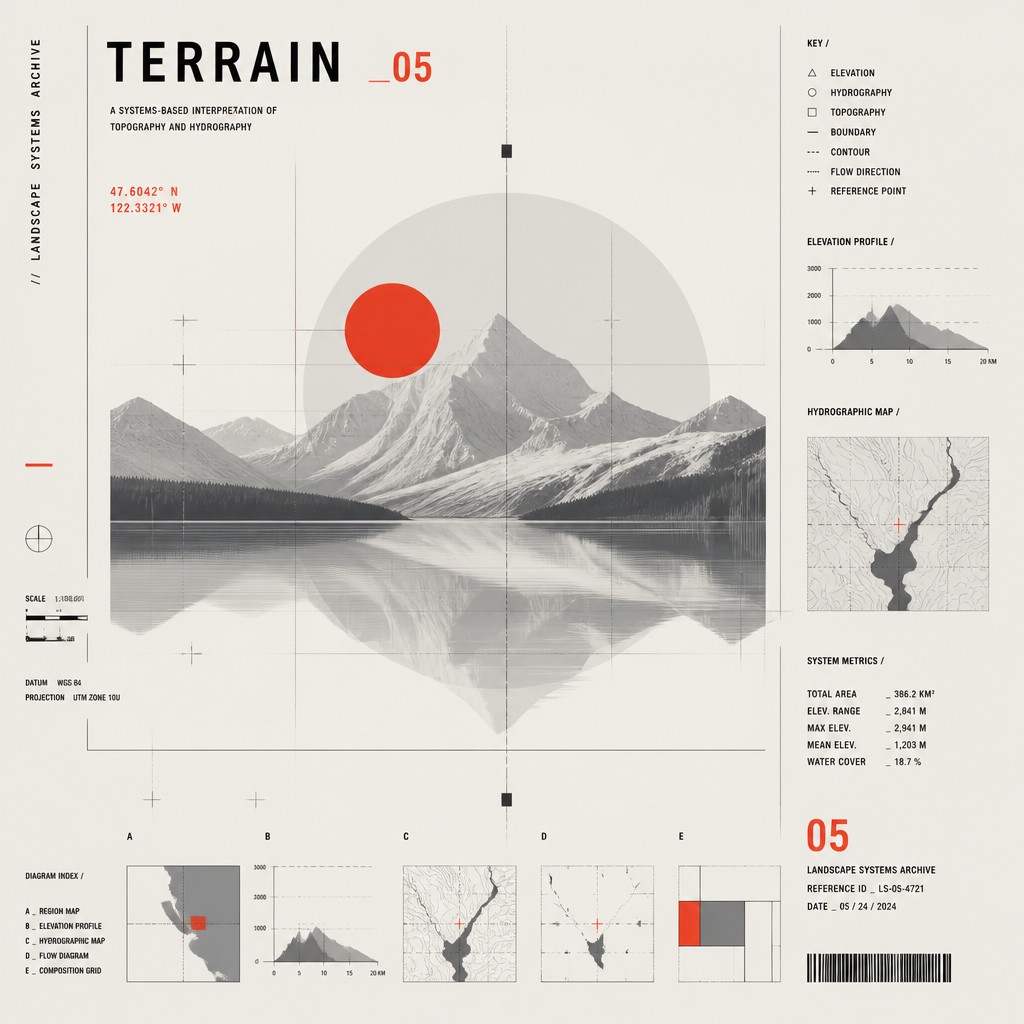
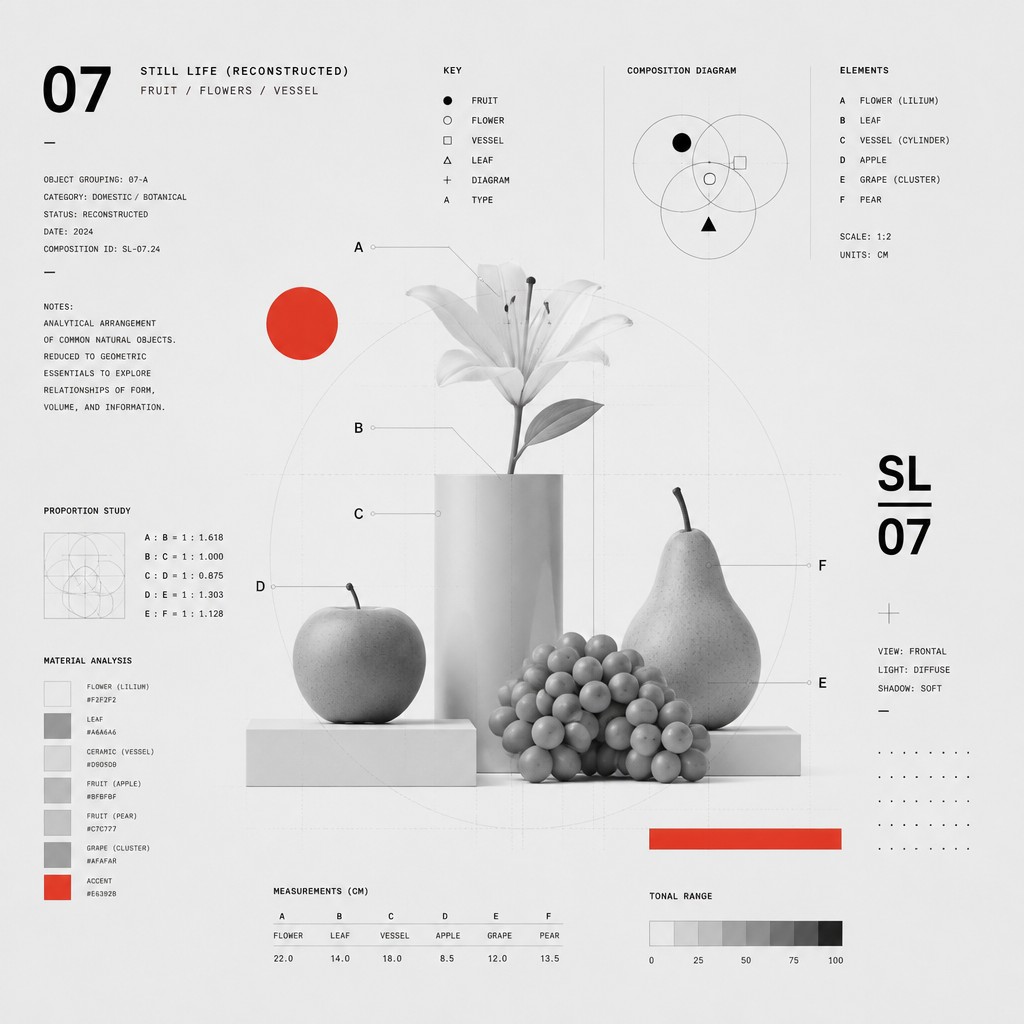
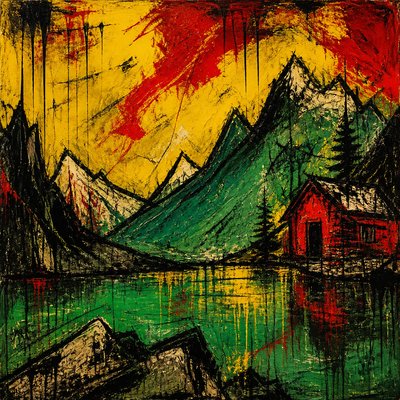
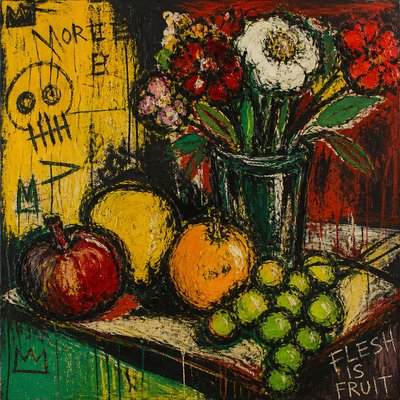
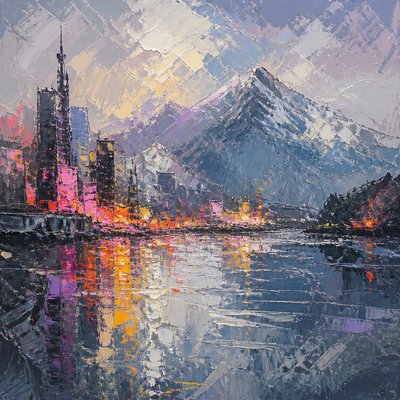
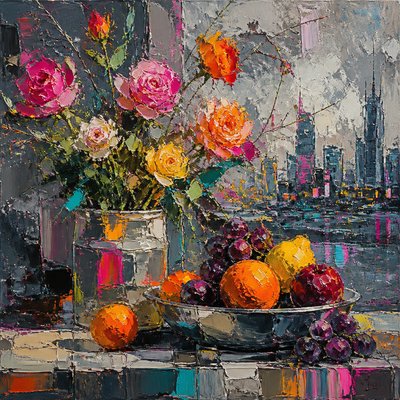
Conceptual Modern Gallery
Tap any artwork to explore it
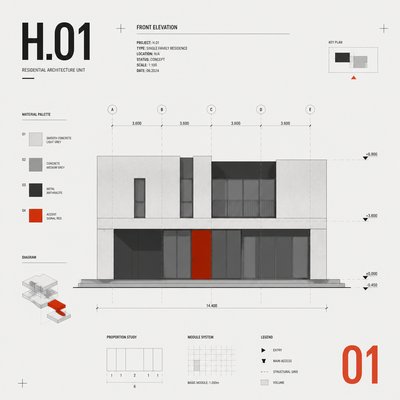
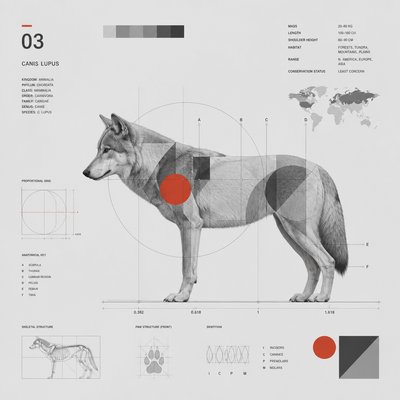
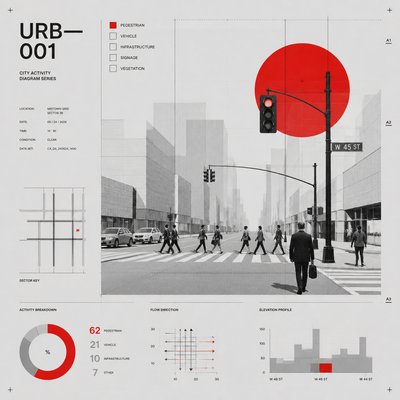
What is Conceptual Modern Art Style?
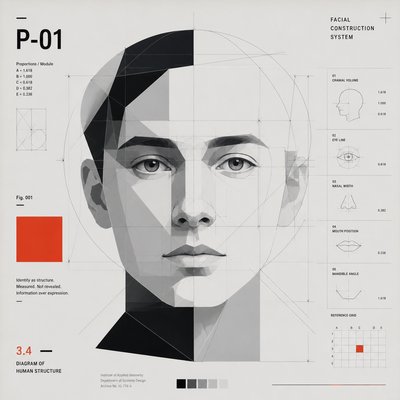
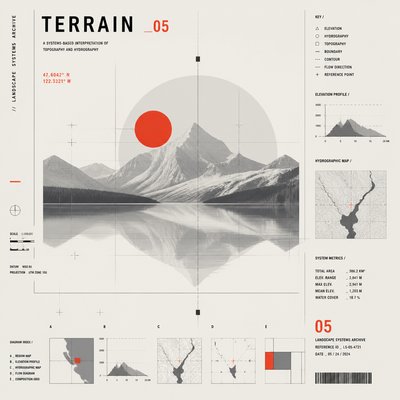
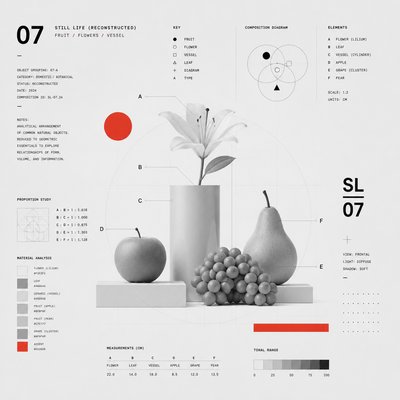
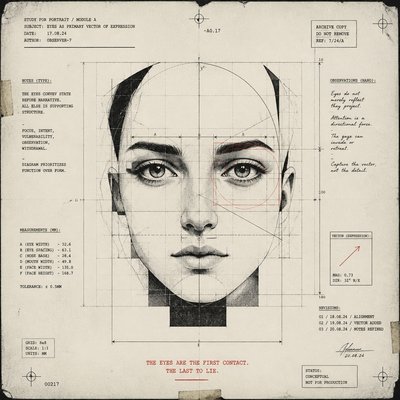
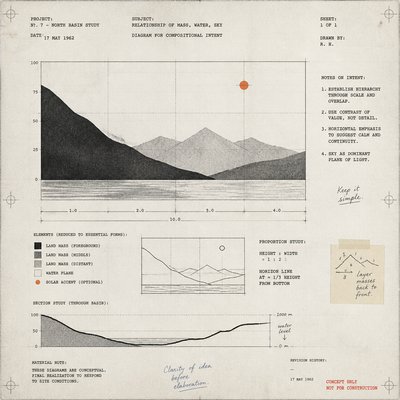
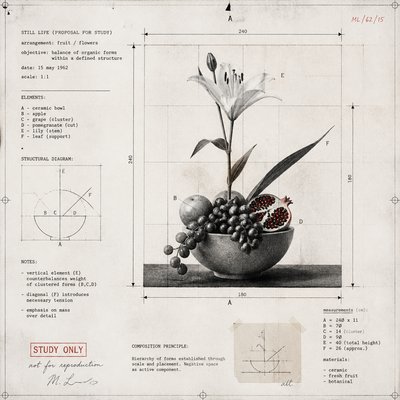
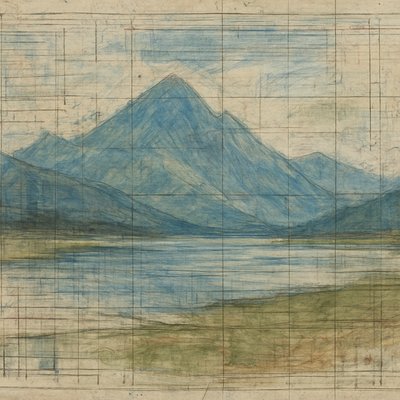
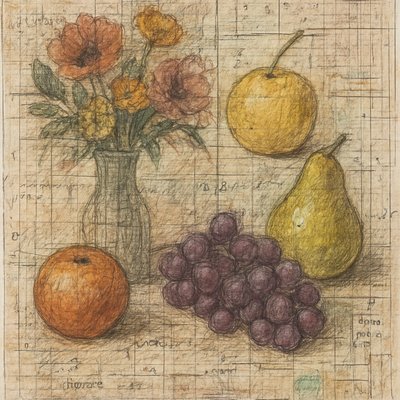
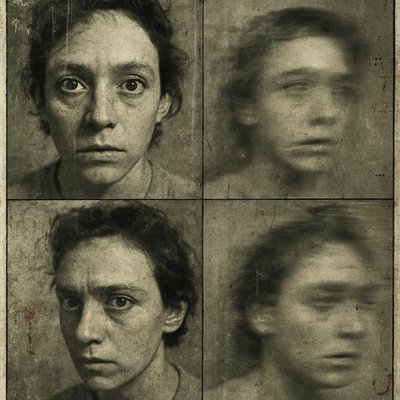
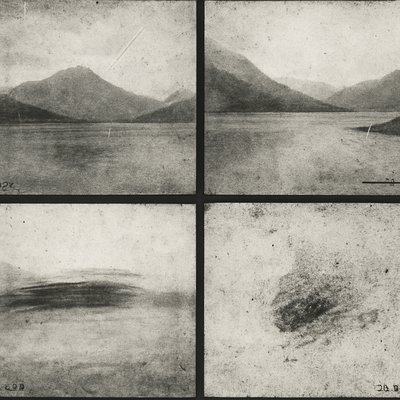
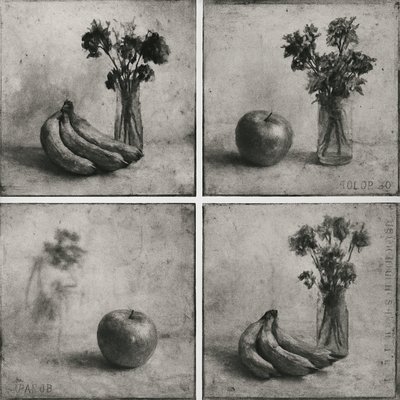
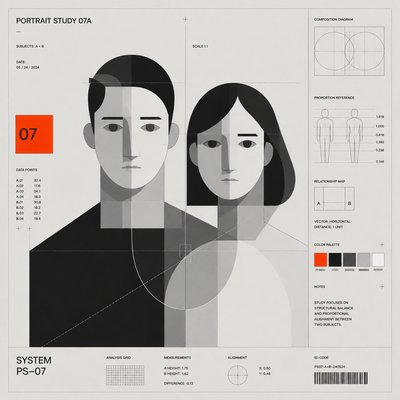
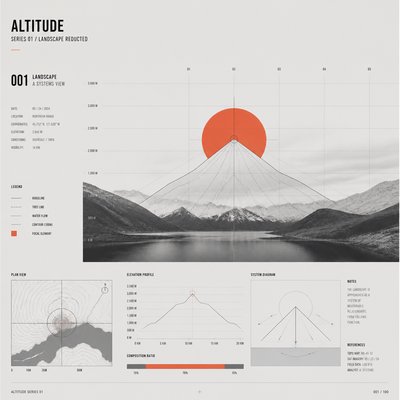
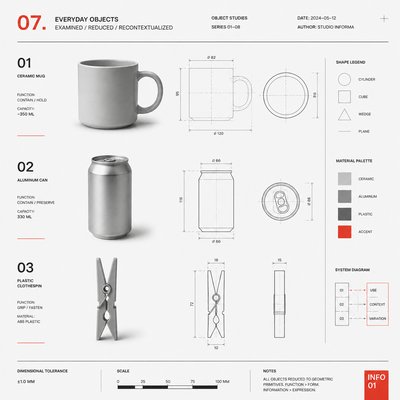
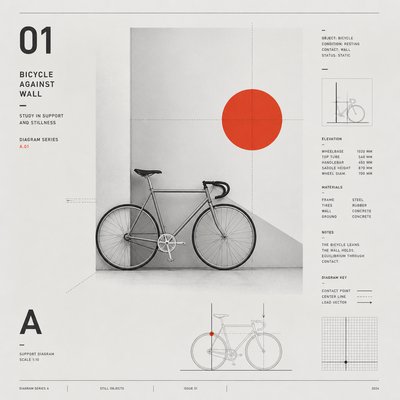
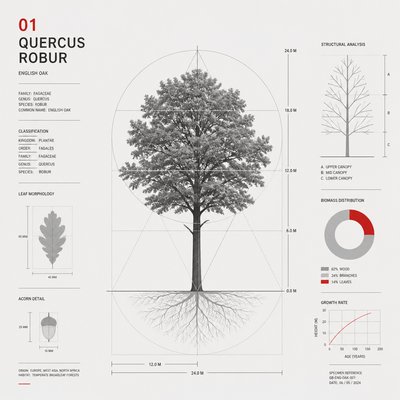
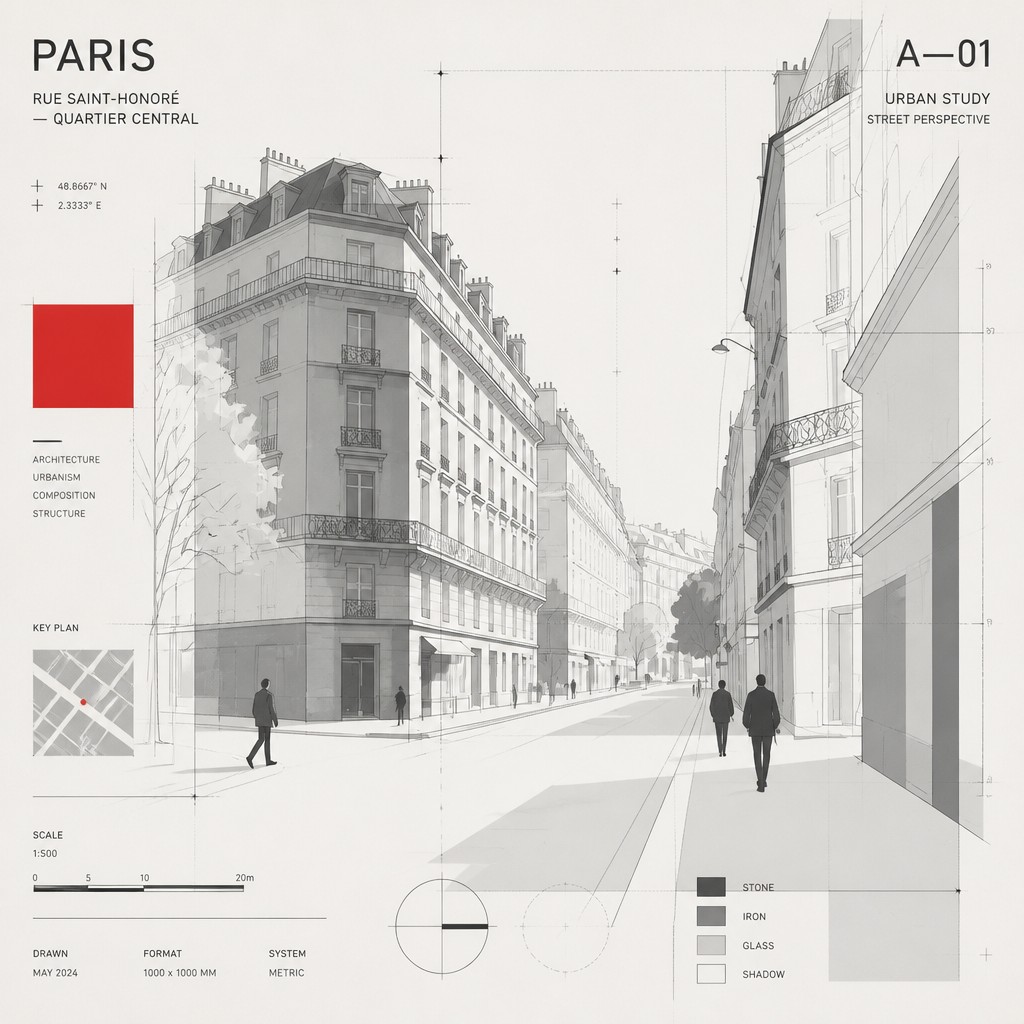
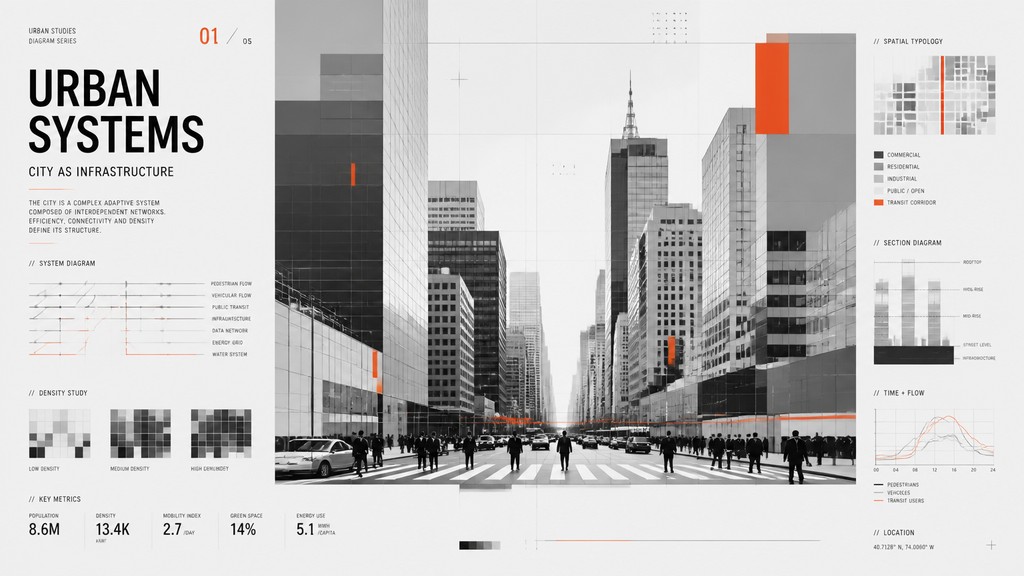
Conceptual Modern Art is an idea-first visual language built around restraint, documentation, and the use of text or diagrams as primary image elements. Instead of relying on painterly expression or decorative complexity, it reduces form to essentials: grids, labels, neutral backgrounds, measured spacing, and sparse marks that function like evidence or instructions.
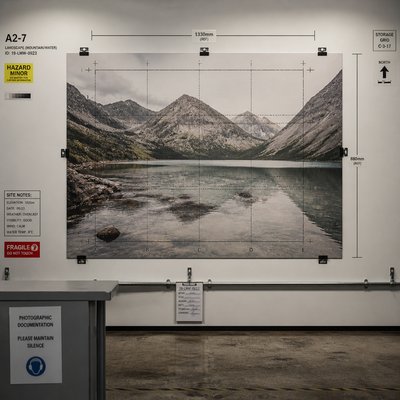
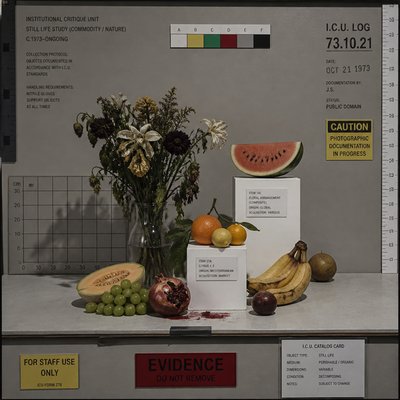
Its visual identity is deliberately cool and analytical. The composition often resembles a museum label, technical diagram, archival record, or institutional poster, because the style treats presentation itself as part of the artwork. The result is visually modest but intellectually pointed: meaning comes from structure, context, and implied argument rather than from visual spectacle.
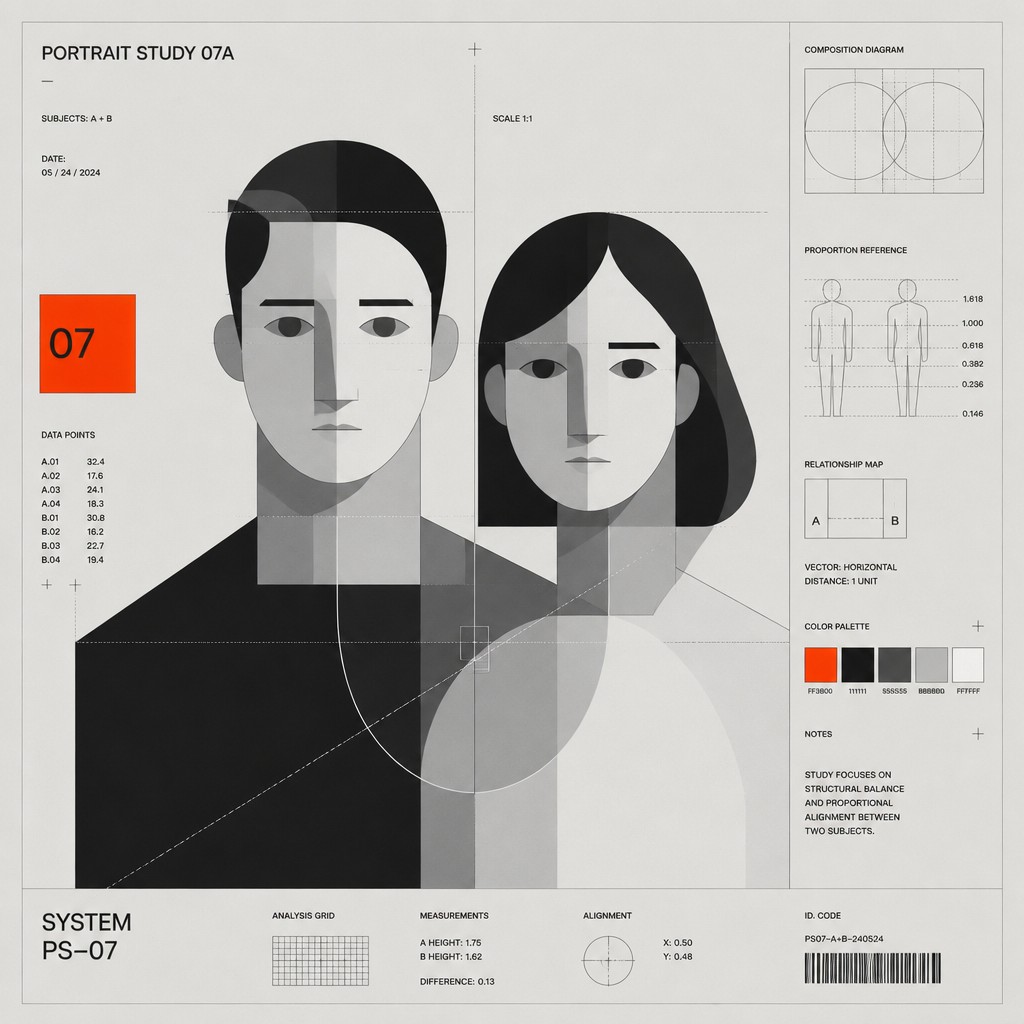
Try It On Your Photos
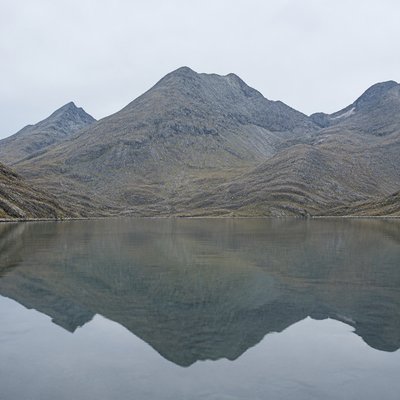
Upload any photo and convert it into Conceptual Modern Art Style — drag the sliders to compare before and after.



What Defines Conceptual Modern Art Style
The signature details, up close
Idea-first composition
The concept leads the image, so the visual field is often sparse and organized to communicate a proposition, rule, or system. Objects and figures may be reduced to signs rather than depicted naturalistically.
Text as image
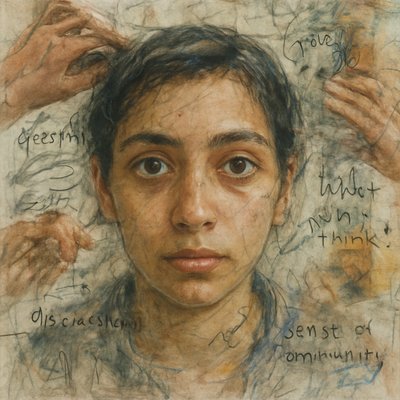
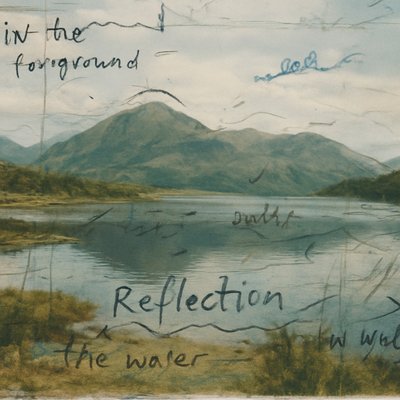
Typography is not merely captioning; it is part of the composition and often carries the main meaning. Labels, statements, definitions, lists, and coordinates commonly replace conventional imagery.
Geometric reduction
Forms are simplified into rectangles, lines, modules, arrows, and measured alignments. This reduction creates a calm, analytical appearance and prevents any one element from becoming overly expressive.
Institutional neutrality
The palette and lighting tend to feel archival, clinical, or museum-like, with whites, greys, blacks, and occasional restrained accents. This neutrality suggests documentation, classification, or display rather than emotional narrative.
Diagrammatic structure
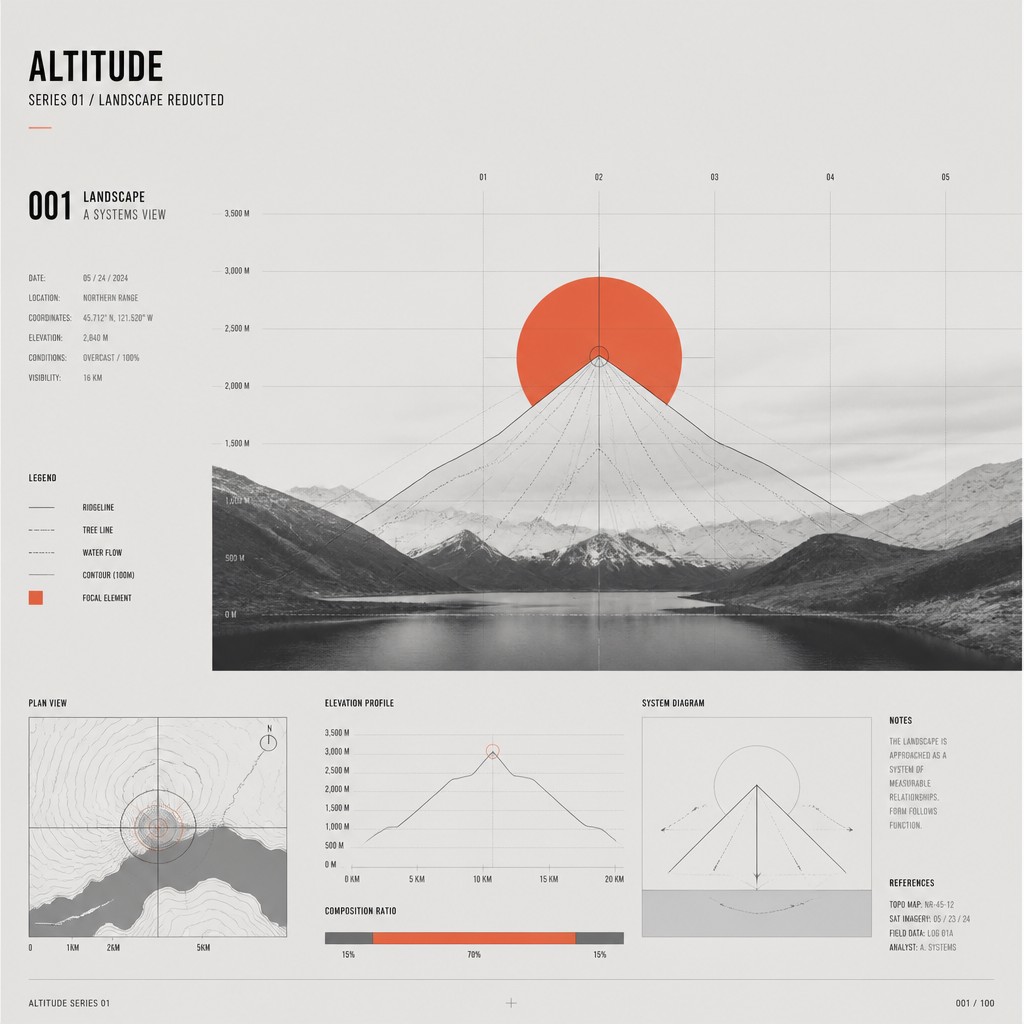
Spatial organization often resembles charts, schematics, flow diagrams, or technical layouts. The arrangement helps the image read like a system being explained rather than an object being merely depicted.
Anti-expressive restraint
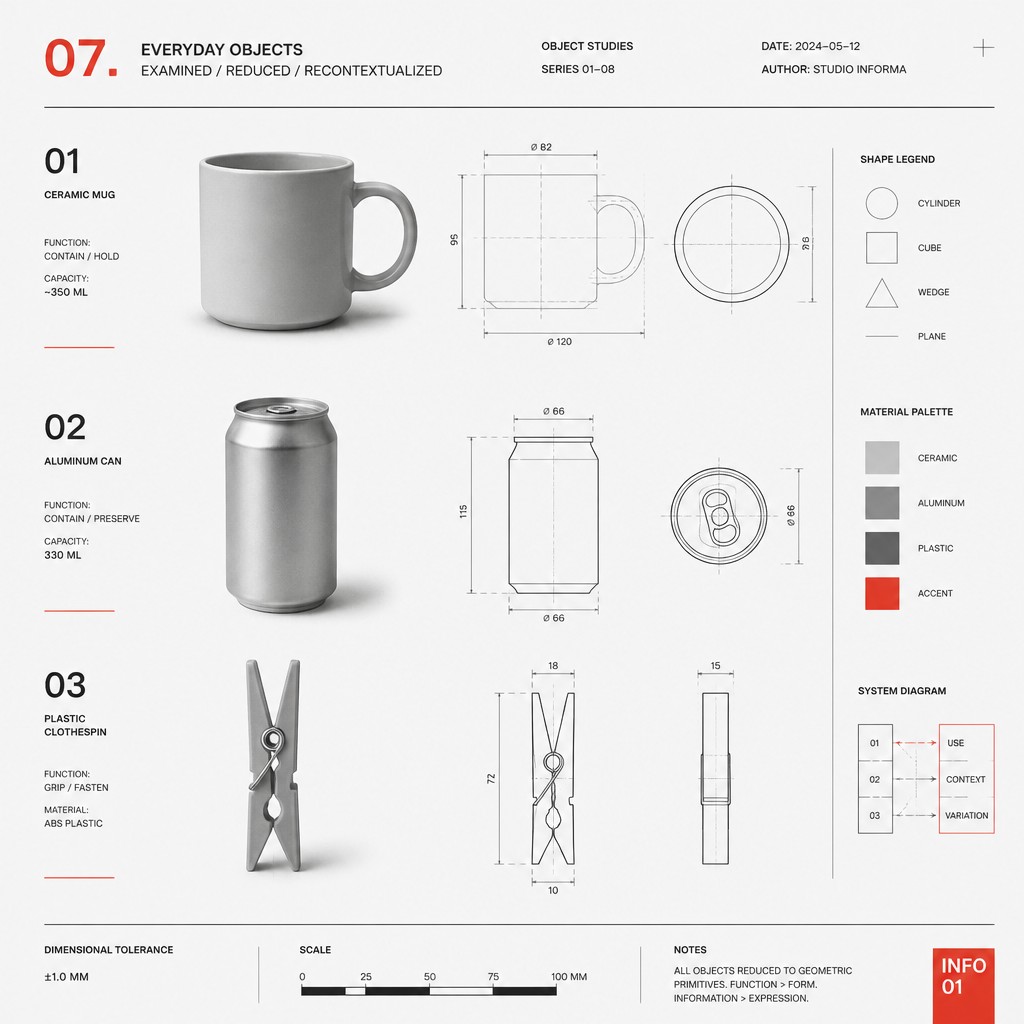
Brushwork, texture, and dramatic effects are minimized or removed. The absence of painterly flourish keeps attention on language, order, and the underlying idea.
Try It
Create Videos in Conceptual Modern Art Style
Styles aren't just for stills — describe a scene or animate an image and get a short video rendered in Conceptual Modern. Press play to see this pond come to life.
Make a VideoConceptual Modern Prompt Ideas
Start from an idea — each one opens the generator with the style ready to go. See all 40 Conceptual Modern prompts →
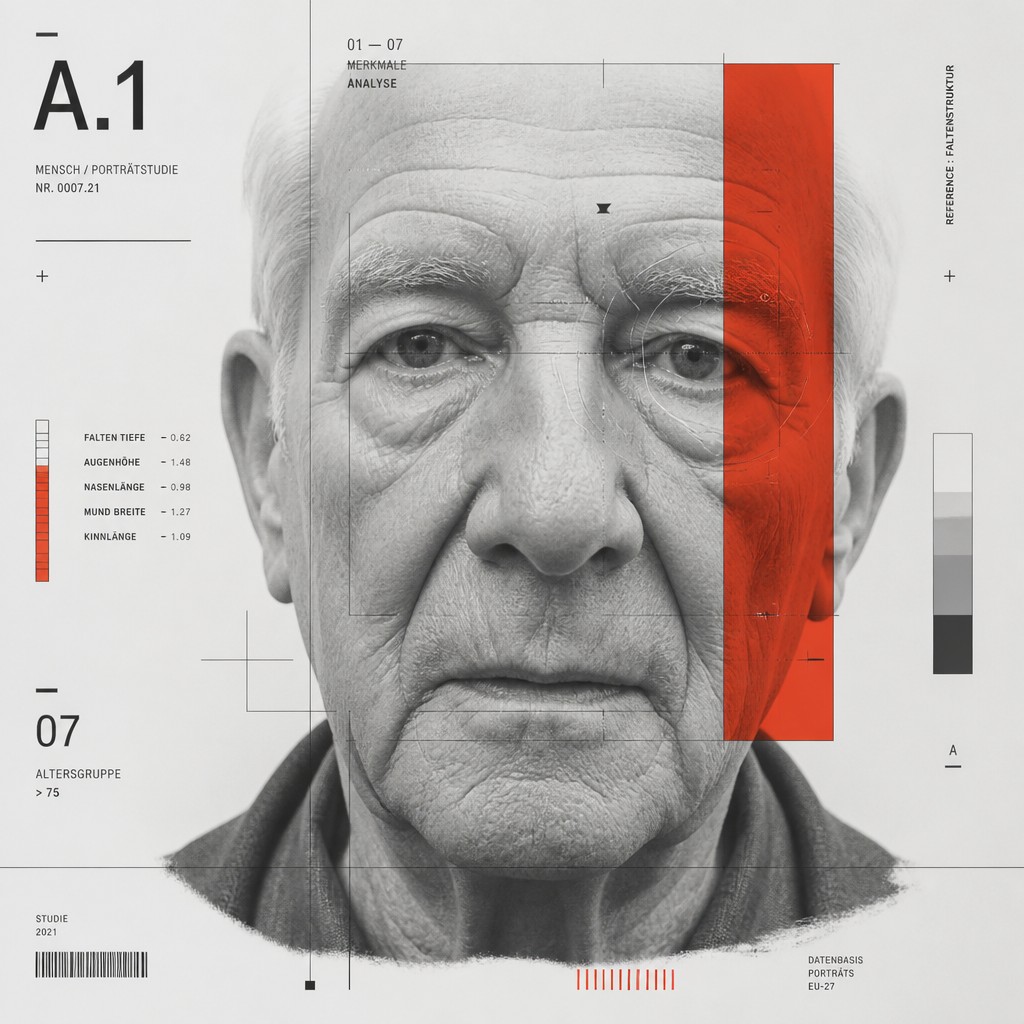
“close-up portrait of an elderly person with expressive weathered features”
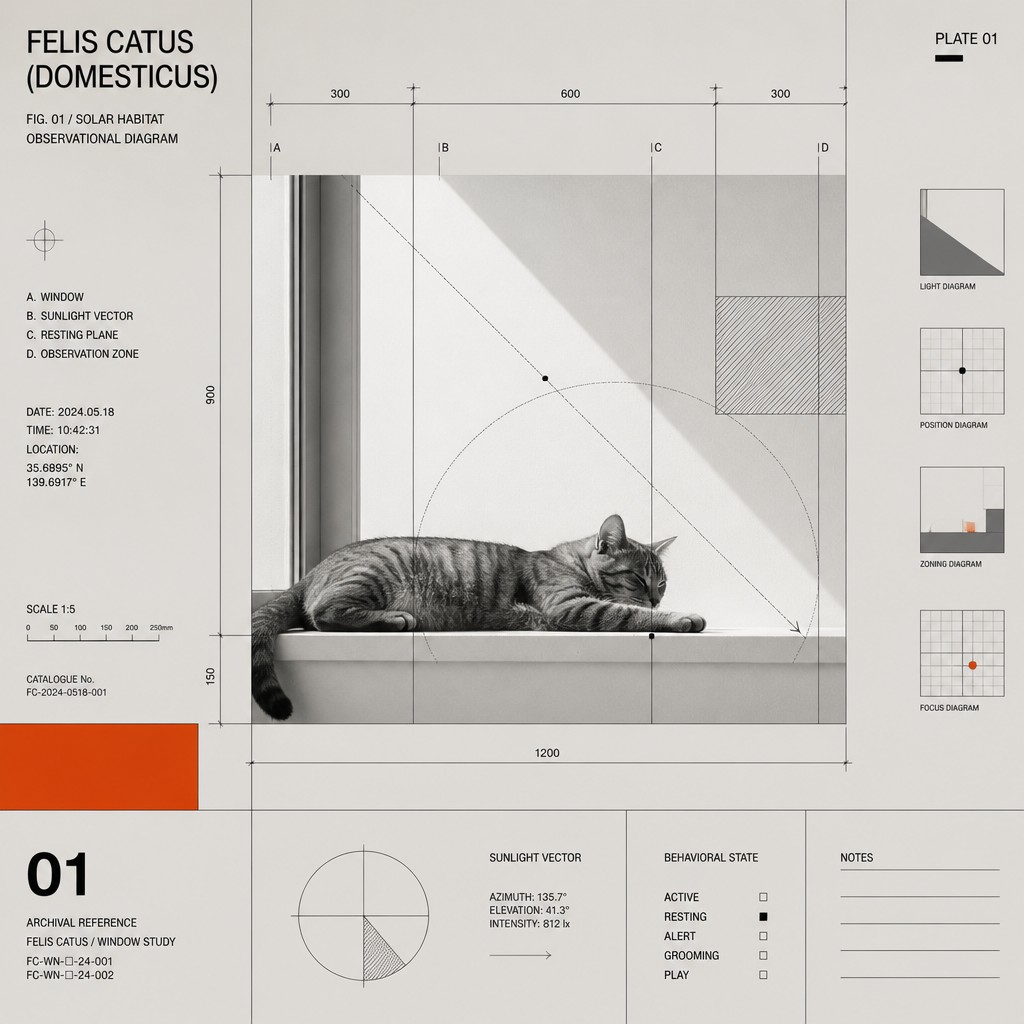
“a cat lounging in a sunlit window”
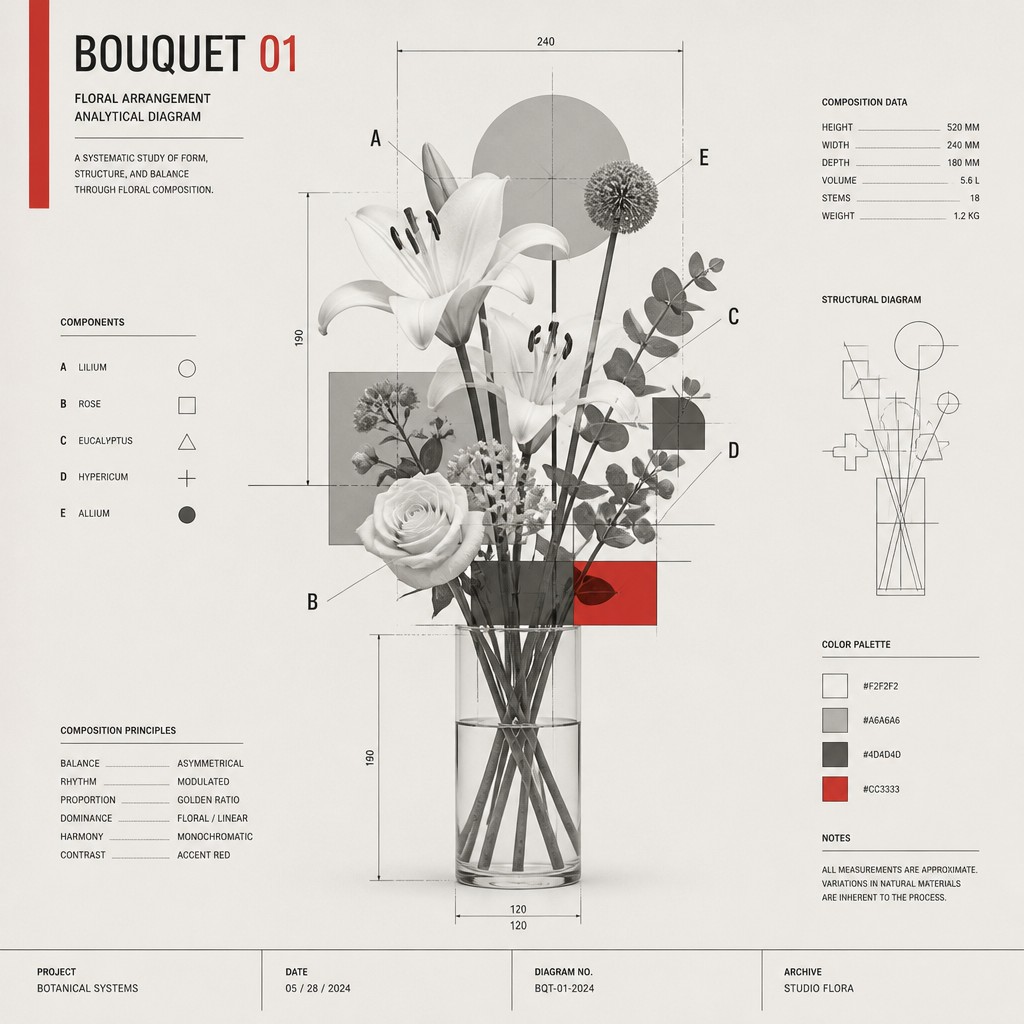
“bouquet of flowers in a glass vase”
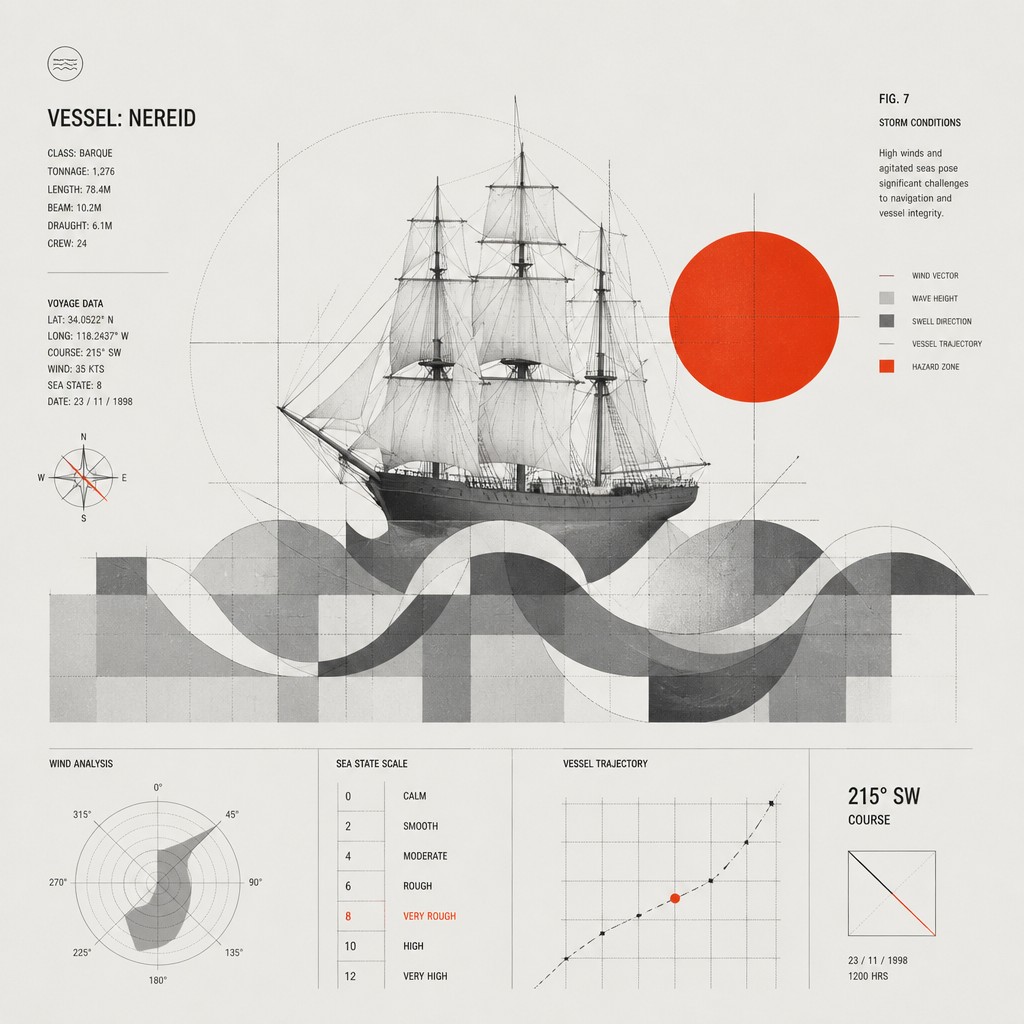
“sailing ship on a stormy sea”
How to Create Conceptual Modern Art
Master the craft step by step — or skip straight to creating. Read the full guide →
- 1
Start with a proposition, not a picture
Define the central idea in one sentence before thinking about composition. If you are working traditionally, let that statement determine the layout; if working digitally or with prompt-based generation, describe the conceptual rule, document, or system first and the visual form second.
- 2
Use sparse structure and measured spacing
Build the image on a grid with clear margins, repeated intervals, and obvious alignment. Even in hand-drawn work, precision matters more than embellishment, because the spacing is part of the meaning.
- 3
Make text functional and integral
Treat words, numbers, labels, and annotations as visual forms rather than as afterthoughts. Select a plain, readable typeface or hand-letter with discipline so the typography feels like evidence, instruction, or notation.
- 4
Limit color and texture
Use whites, greys, black, and one controlled accent color at most. Flat fills, matte surfaces, and technical linework usually suit the style better than painterly blending or decorative detail.
- 5
Reference documentary formats
Borrow from museum labels, engineering sketches, archives, forms, or scientific plates to structure the image. For digital generation, ask for a catalogue-like presentation, schematic linework, and minimal geometric reduction; for analog work, imitate the logic of documentation and annotation.
The Story
History & Origins of Conceptual Modern
Conceptual Modern Art is not a single historical movement so much as a contemporary, synthesis-driven style shaped by conceptual art, minimalism, concrete poetry, design systems, and documentary aesthetics. Its lineage is especially close to Conceptual Art of the 1960s and 1970s, when influential practitioners shifted emphasis from the crafted object to the idea, language, systems, and institutional framing that present the work.
Visually, it also draws from modernist graphic design, technical drawing, museum catalogues, engineering diagrams, and administrative forms. That combination explains its detached, orderly look: the style borrows the authority of documentation and the clarity of modernist communication while using those conventions to question what counts as art, authorship, and representation.
Influences: This style is closely related to Conceptual Art, Minimalism, and modern graphic design, especially the work of leading practitioners of postwar Conceptual Art who shifted emphasis from the crafted object to the idea, language, systems, and institutional framing that present the work, along with the diagrammatic clarity of technical illustration and the document-based aesthetics of archives and museums. It also overlaps with concrete poetry and systems-based art, where language, structure, and serial logic become central visual material.

Frequently Asked Questions
What defines Conceptual Modern Art Style?
It is defined by the primacy of the idea over the image. The work often uses text, diagrams, labels, and reduced geometric forms to present a concept, system, or statement rather than a highly rendered scene.
How is it different from minimalism?
Minimalism emphasizes reduced form, material presence, and spatial experience, while Conceptual Modern Art places greater weight on language and the artwork's underlying proposition. A minimalist work can be purely formal; a conceptual work usually depends on an idea that the viewer reads or infers.
How is it different from graphic design?
It borrows the clarity and structure of graphic design, but its purpose is not commercial communication. The design-like elements are used to question meaning, authorship, classification, or the status of art itself.
What subjects work best in this style?
Subjects that can be reframed as systems, records, inventories, measurements, or instructions work especially well. Everyday objects, architectural spaces, portraits, and documents are often effective because they can be reduced into conceptual structures.
Can I make this style by hand?
Yes. Use rulers, grids, simple typography, and restrained mark-making, then keep the composition clean and deliberate. The key is not polish for its own sake, but a disciplined presentation that makes the idea legible.
Where is this style commonly used?
It appears in gallery work, editorial layouts, installation art, poster design, institutional graphics, and experimental book design. It is also useful for image-making when the goal is to communicate a proposition rather than a narrative scene.
Create your first Conceptual Modern artwork
Describe anything — or upload a photo — and see it in Conceptual Modern Art Style in seconds.
Make Something with Conceptual Modern
Related Styles
Discover similar art styles