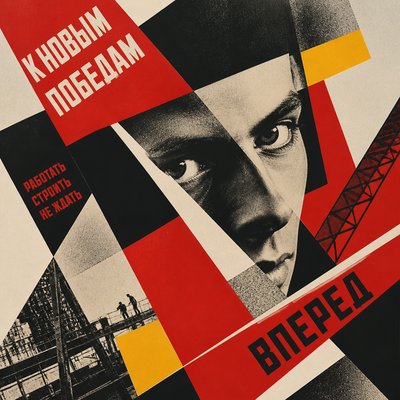
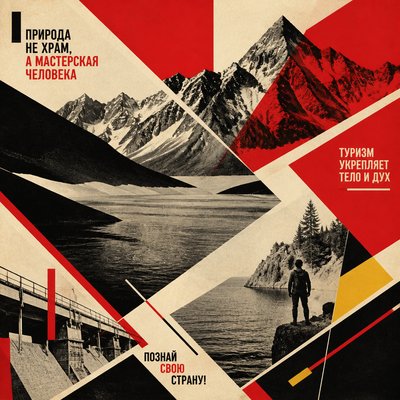
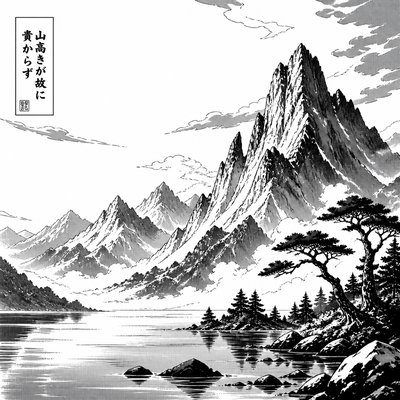
Neo-Geo Art Style
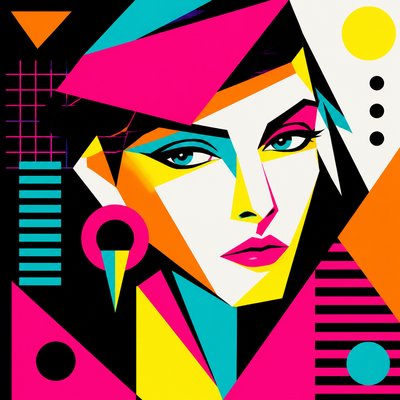
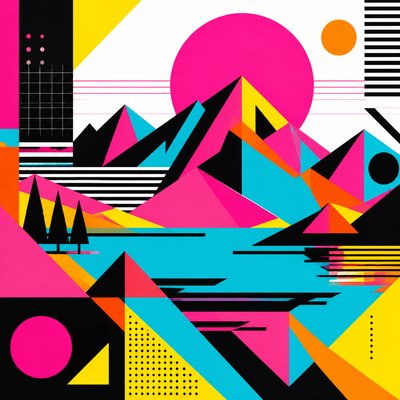
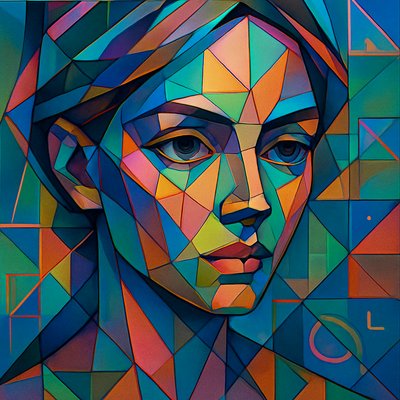
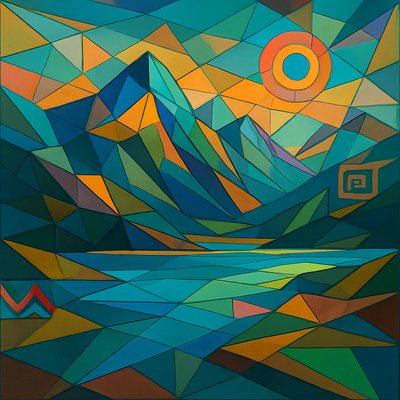
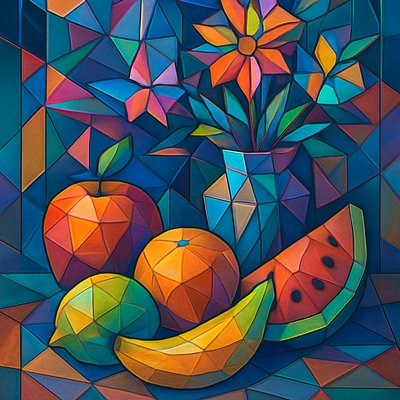
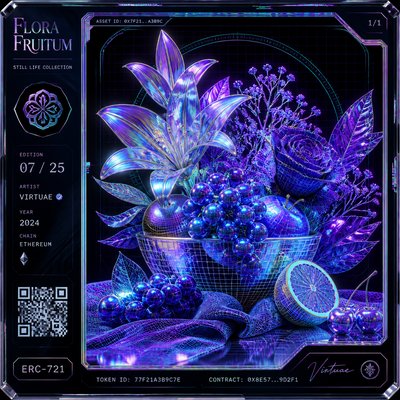
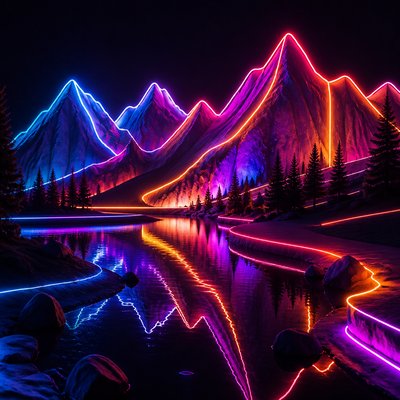
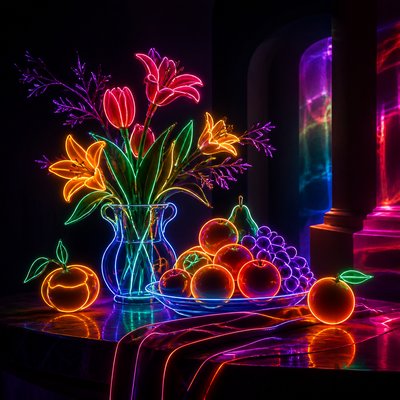
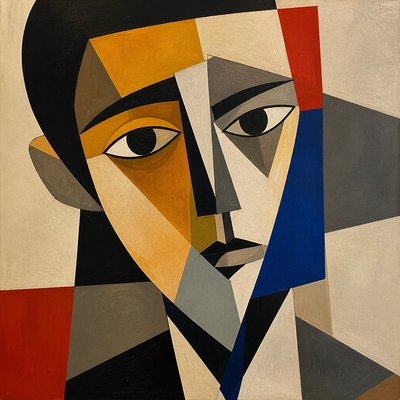
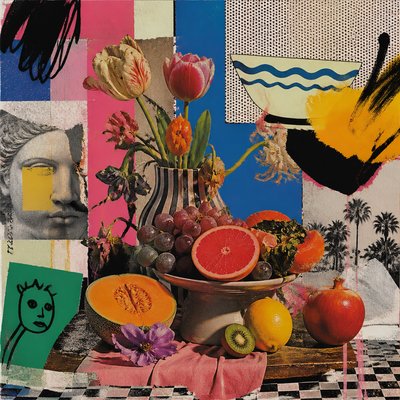
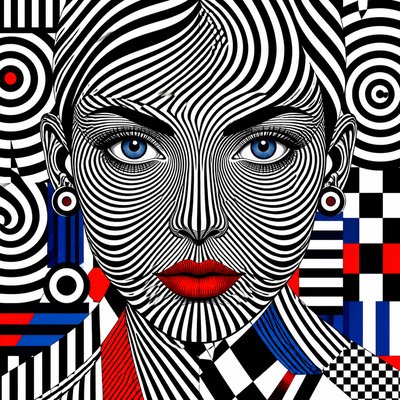
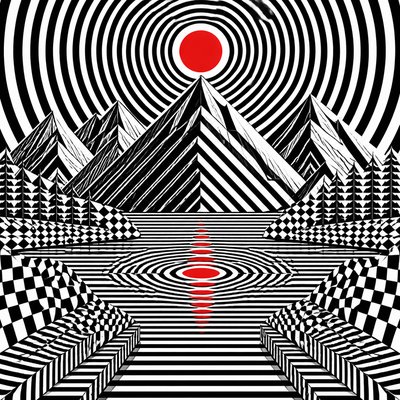
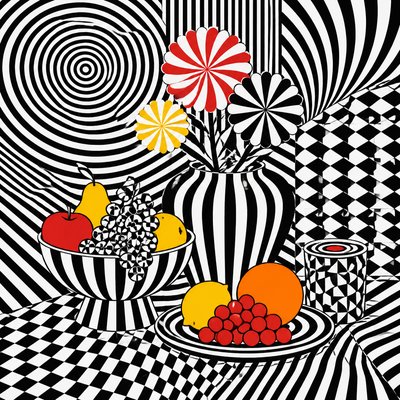
Neo-Geo art style: 1980s geometric abstraction with day-glo colors, hard edges, glossy surfaces, and ironic modernist forms.
Instantly rendered in Neo-Geo — or transform a photo


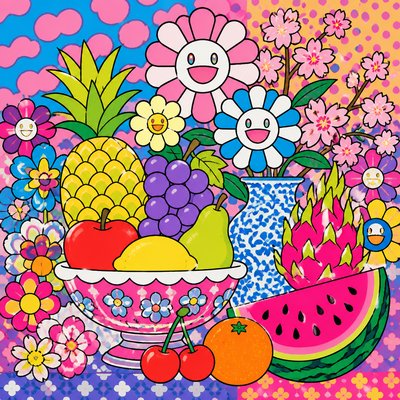
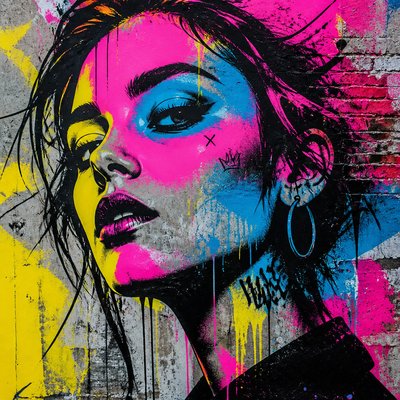
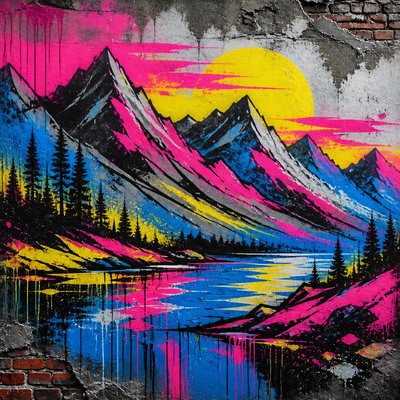
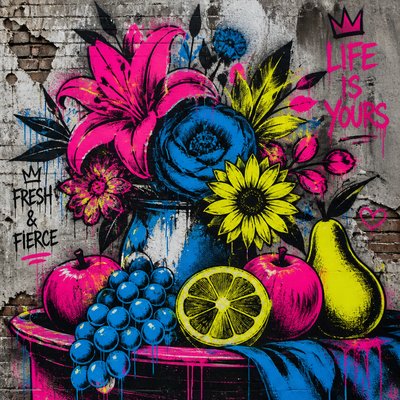
Neo-Geo Gallery
Tap any artwork to explore it
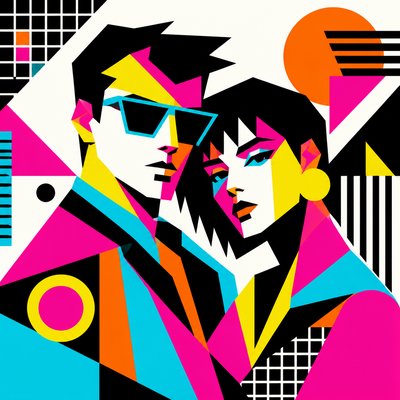
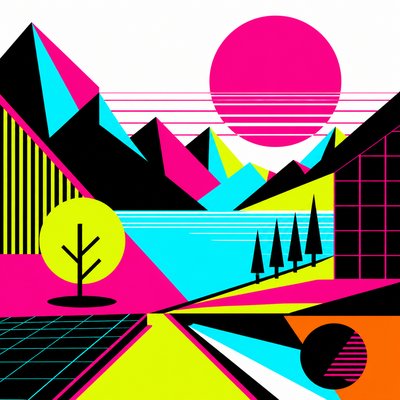
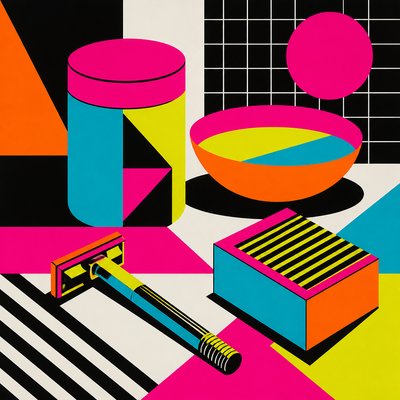
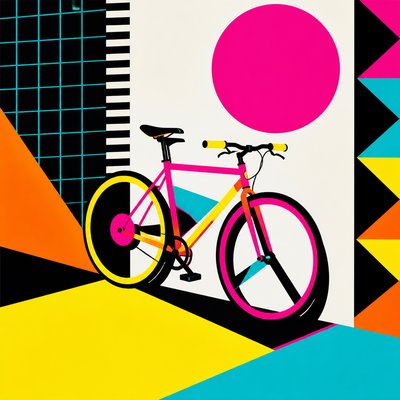
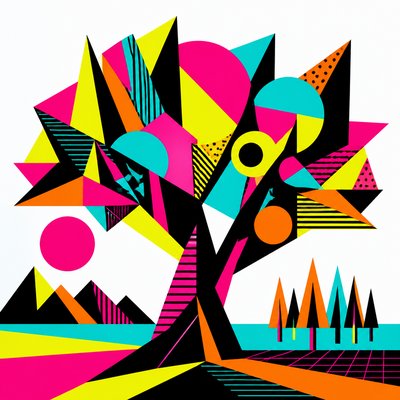
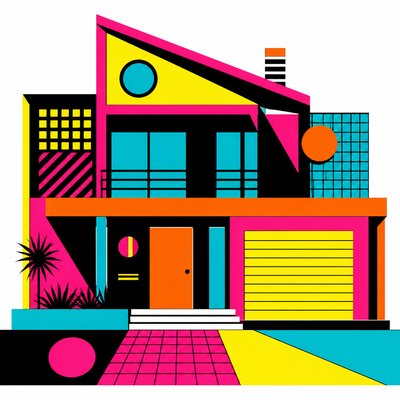
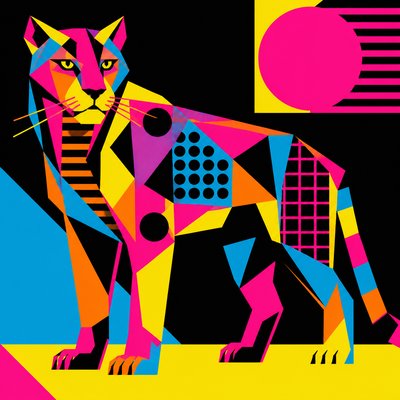
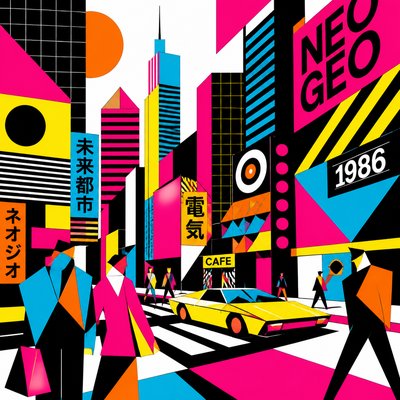
What is Neo-Geo Art Style?
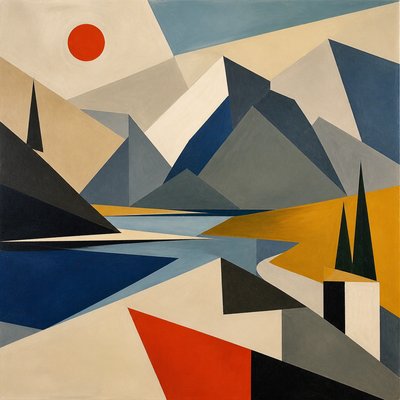
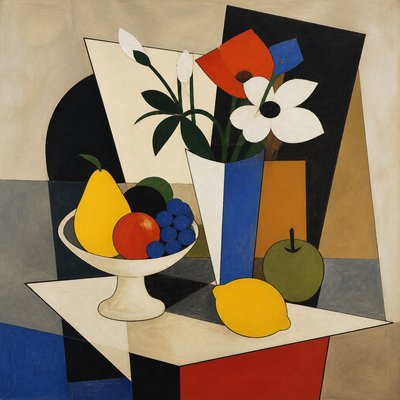
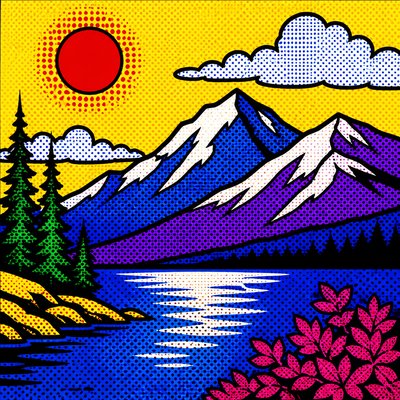
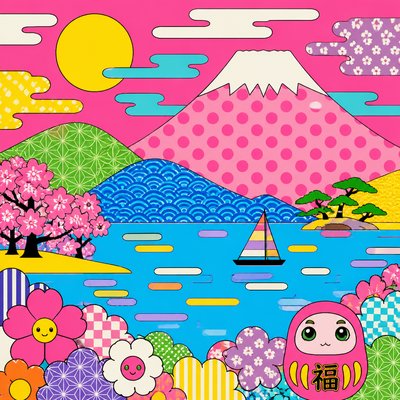
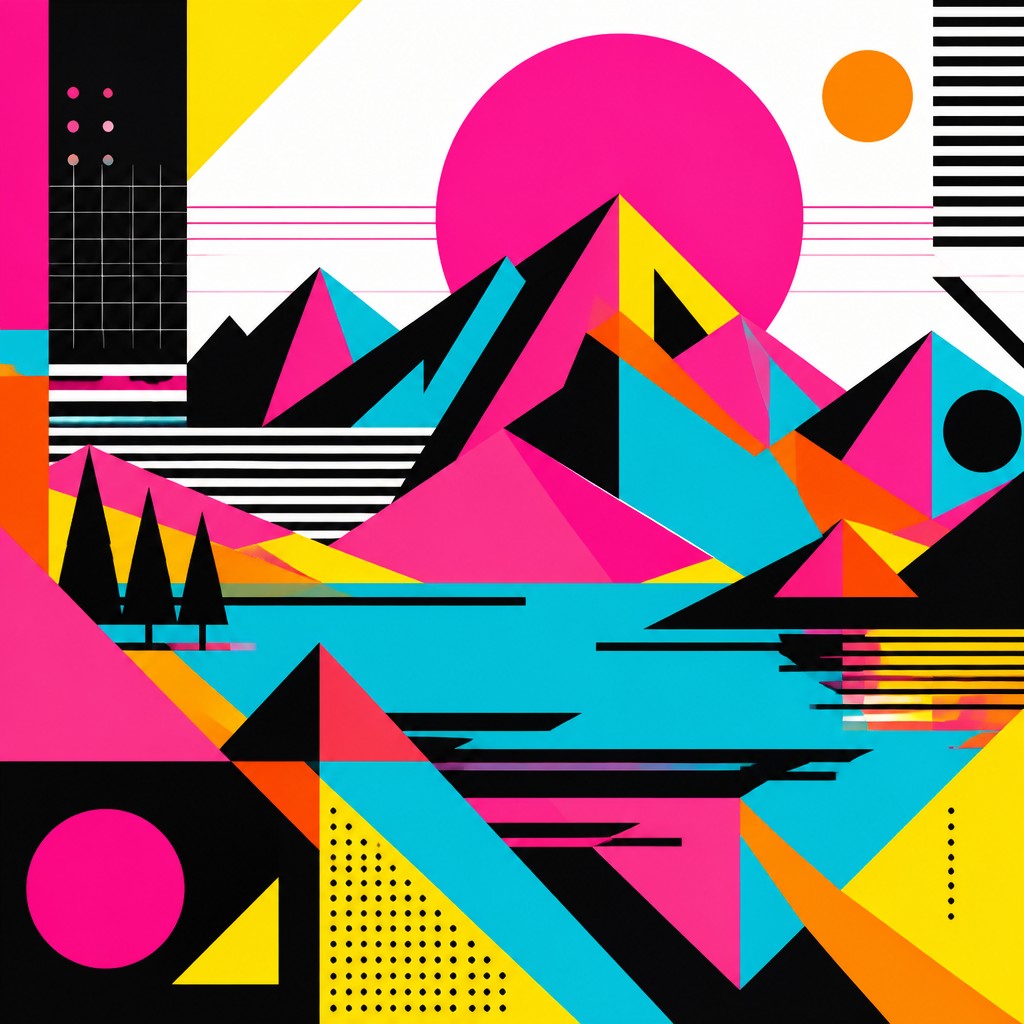
Neo-Geo, short for Neo-Geometric Conceptualism, is a late-1980s art style that combines hard-edged geometric abstraction with fluorescent color, industrial finishes, and a cool conceptual attitude. Its look is defined by crisp circles, stripes, grids, triangles, and polished planar forms arranged with exacting precision, often in black, white, and high-voltage day-glo hues such as magenta, cyan, acid yellow, and orange.
The style feels both seductive and analytical. It borrows the visual authority of modernist abstraction, then re-presents it as an image of the consumer age: slick, synthetic, mass-produced, and self-aware. Instead of painterly gesture or visible craftsmanship, Neo-Geo favors immaculate surfaces, repetition, and an almost engineered sense of order, often with a faintly ironic distance from the ideals of pure abstraction.

Try It On Your Photos
Upload any photo and convert it into Neo-Geo Art Style — drag the sliders to compare before and after.


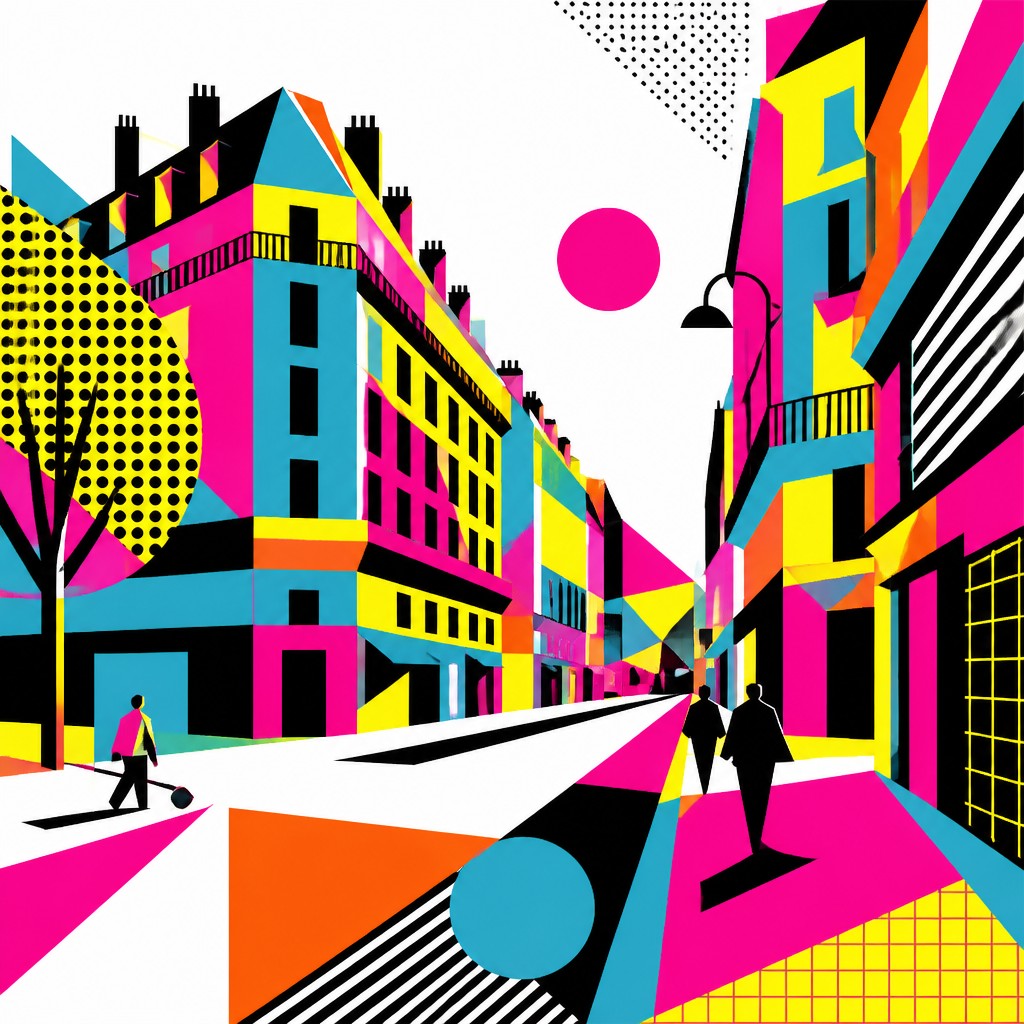

What Defines Neo-Geo Art Style
The signature details, up close
Hard-edged geometry
Forms are sharply cut, with clean contours and precise angles. Circles, triangles, bands, and grids dominate the composition.
Day-glo palette
Electric magenta, cyan, neon yellow, and fluorescent orange are common. These colors create a vibrating, synthetic intensity against black or white grounds.
Glossy industrial surfaces
The look is smooth, lacquered, and machine-finished rather than tactile or painterly. Surfaces suggest plastic, laminate, enamel, or polished metal.
Repetition and structure
Motifs often recur in patterned sequences, stacked modules, or calculated rhythms. The organization feels systematized, even when asymmetry interrupts it.
Minimal depth and no blending
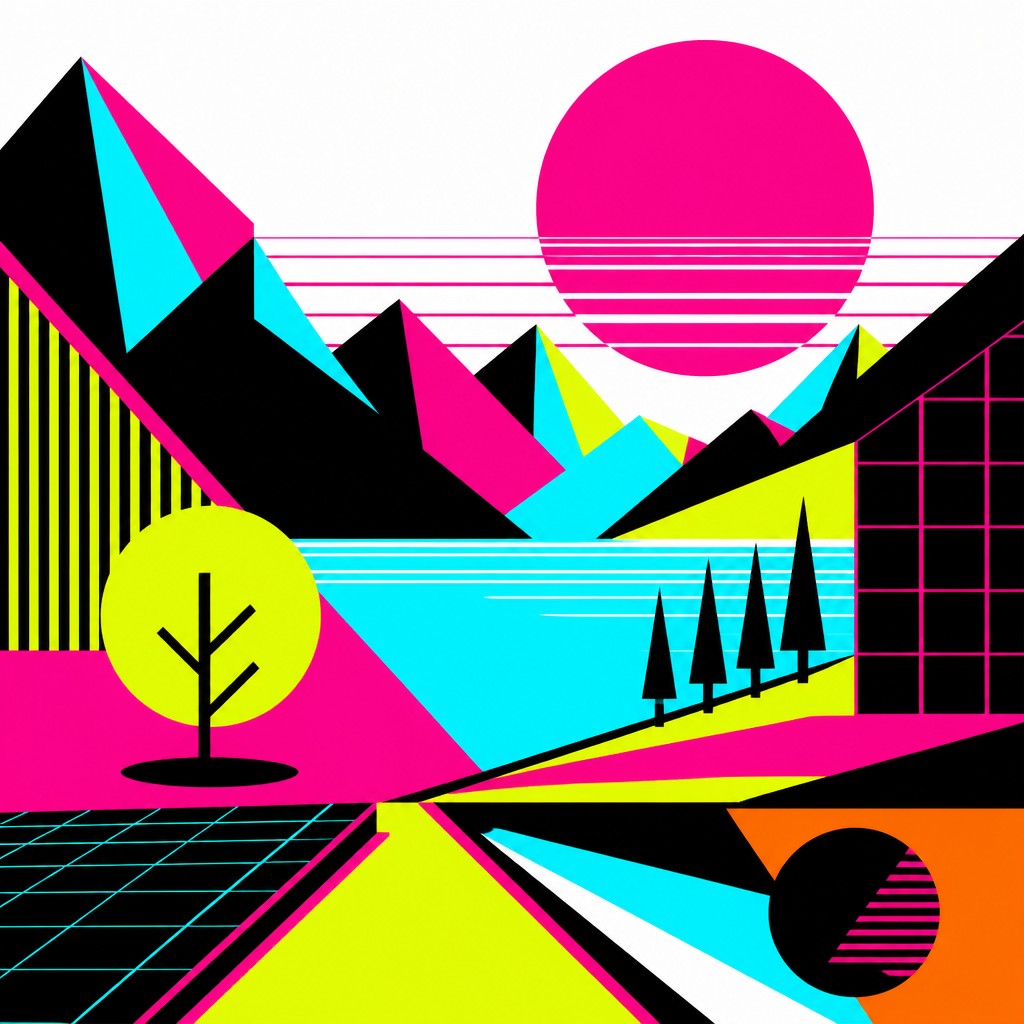
Shapes usually sit flatly on the picture plane with little or no modeling. Gradients, brush texture, and soft transitions are largely absent.
Ironic modernism
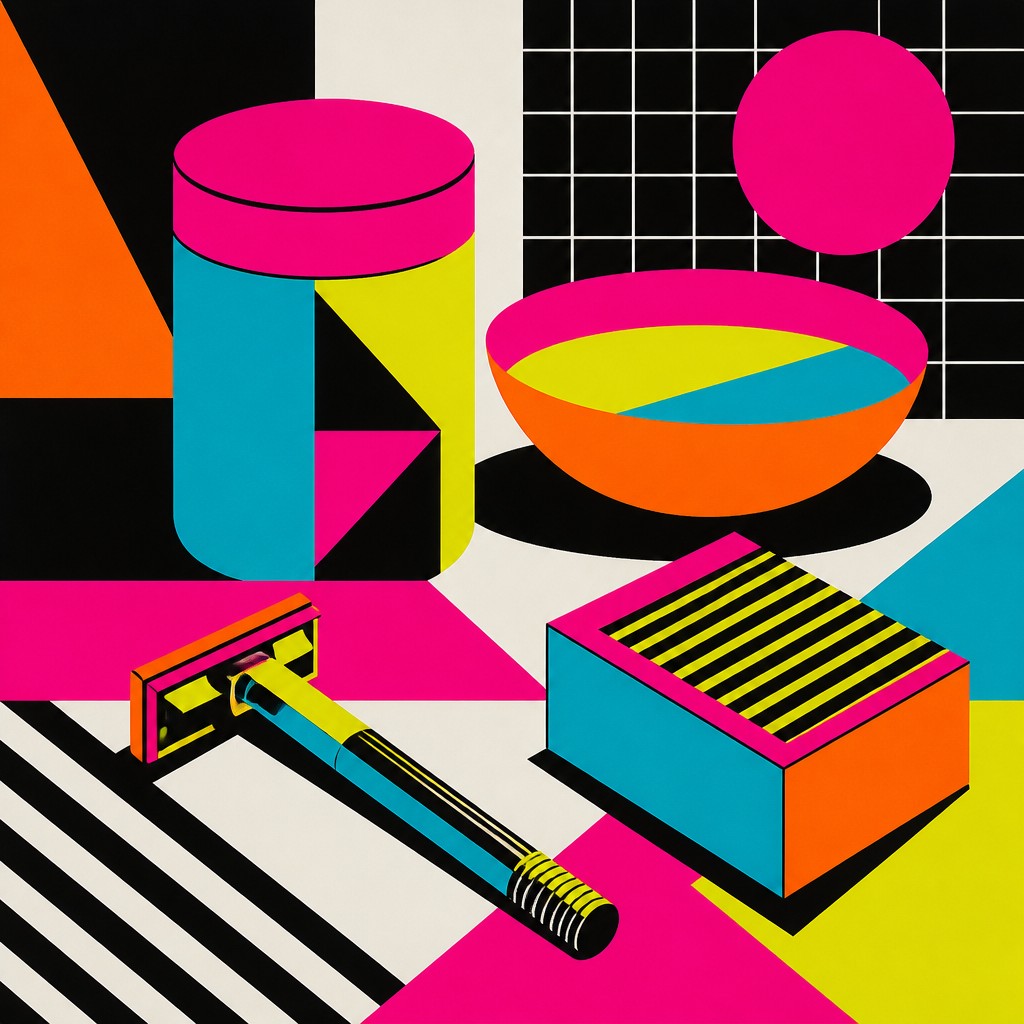
The style references modernist abstraction while distancing itself from its idealism. Its geometry can feel like a commentary on design, commerce, and visual culture.
Try It
Create Videos in Neo-Geo Art Style
Styles aren't just for stills — describe a scene or animate an image and get a short video rendered in Neo-Geo. Press play to see this pond come to life.
Make a VideoNeo-Geo Prompt Ideas
Start from an idea — each one opens the generator with the style ready to go. See all 40 Neo-Geo prompts →
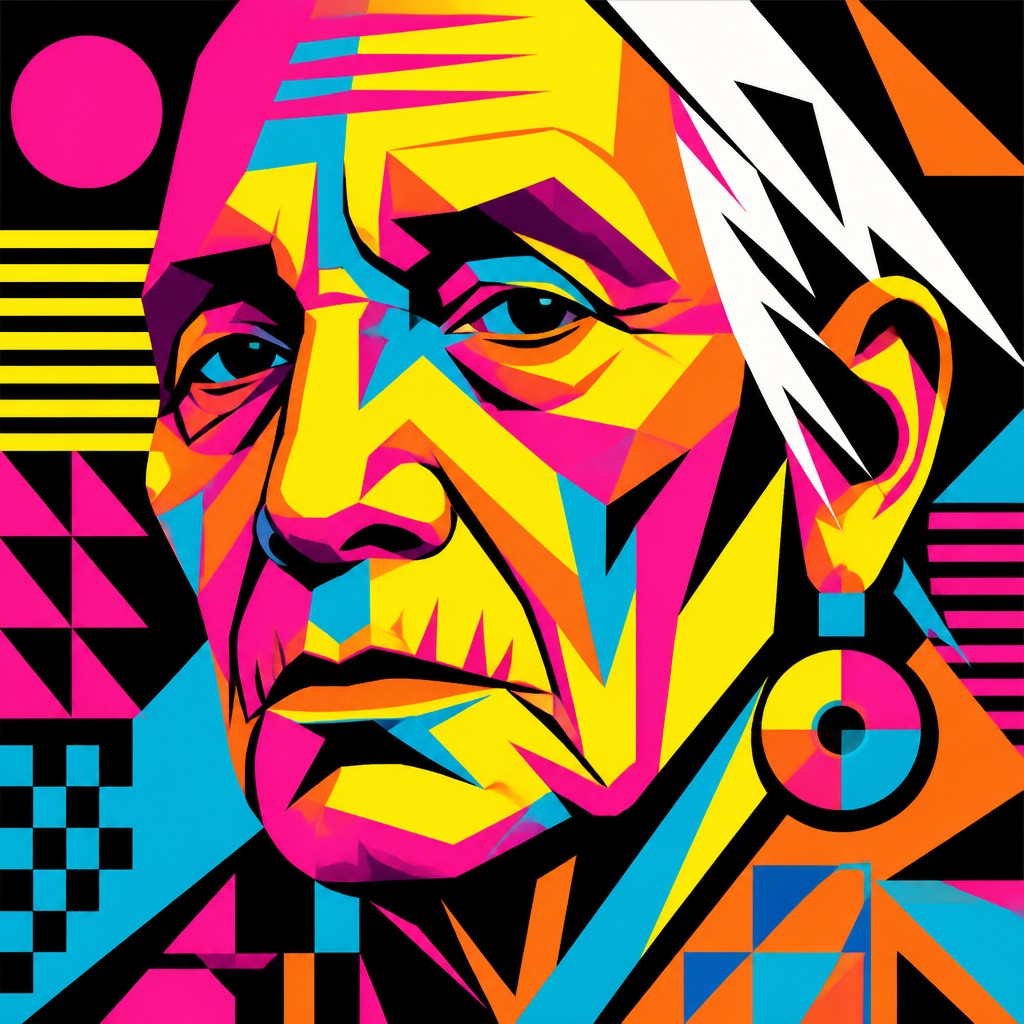
“close-up portrait of an elderly person with expressive weathered features”

“a cat lounging in a sunlit window”

“bouquet of flowers in a glass vase”
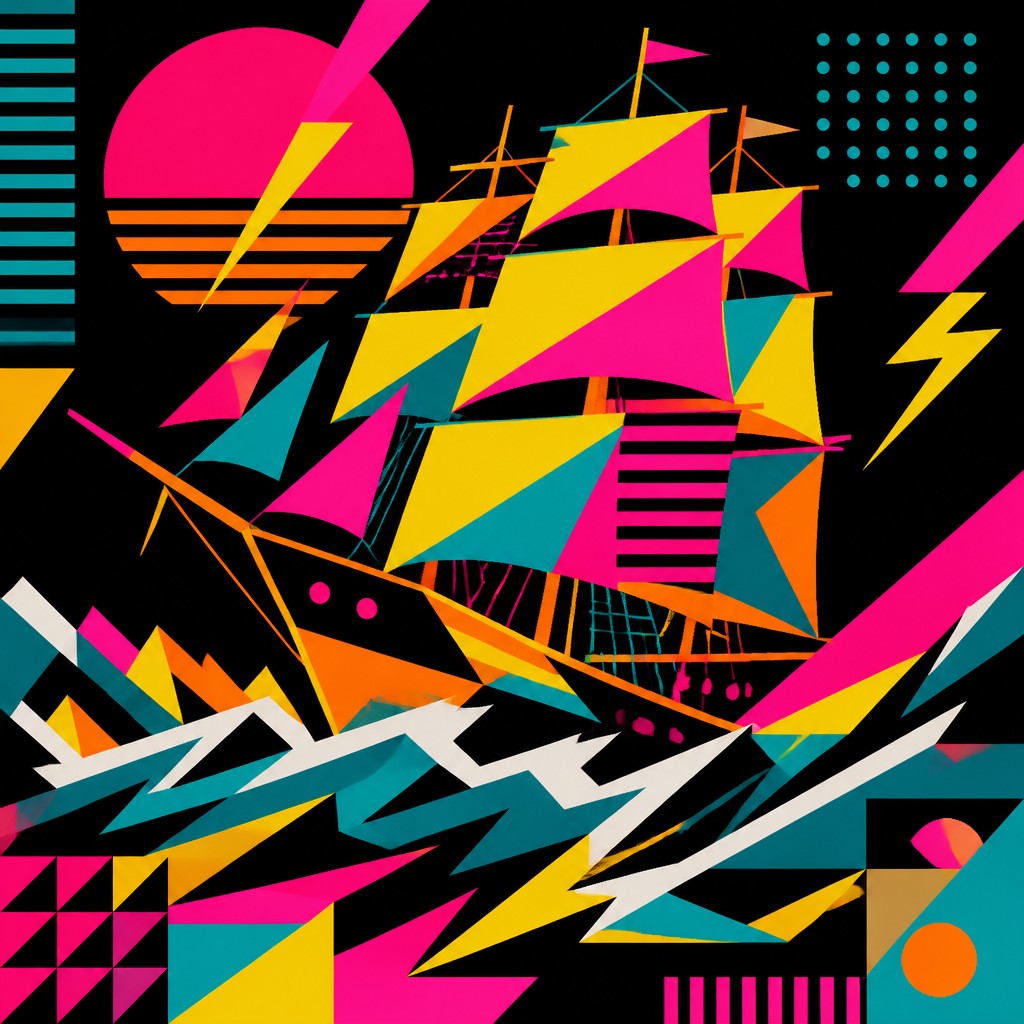
“sailing ship on a stormy sea”
How to Create Neo-Geo Art
Master the craft step by step — or skip straight to creating. Read the full guide →
- 1
Build with crisp vector geometry
Start with simple forms—circles, rectangles, triangles, and bars—and align them with exact edges and consistent spacing. In digital work, use vector tools, grids, and shape layers to keep everything razor-sharp.
- 2
Use a constrained neon palette
Limit the palette to black, white, and a few fluorescent accents. Place saturated colors side by side to create optical vibration, but avoid soft blending or atmospheric shading.
- 3
Emphasize smooth, manufactured finish
If working traditionally, use flat acrylics, masking tape, rulers, and clean fills to simulate industrial precision. If working digitally, keep textures off and choose surfaces that read as glossy, plastic, or laminate.
- 4
Organize the composition mathematically
Use repetition, symmetry broken by deliberate asymmetry, and modular arrangements to create a controlled rhythm. The image should feel designed rather than gestural.
- 5
Phrase prompts in terms of form, color, and finish
For text-based generation, specify hard-edged geometry, fluorescent palette, flat graphic shapes, and smooth synthetic surfaces. Mention the intended subject first, then layer in precise visual constraints rather than painterly effects.

The Story
History & Origins of Neo-Geo
Neo-Geo emerged in the 1980s, especially in New York, as part of a broader return to conceptual, postmodern, and media-conscious art after the heroic rhetoric of earlier modernism. The label is closely associated with a group of prominent Neo-Geo artists and related geometric conceptualists, whose work engaged geometry, commodity culture, simulation, and institutional critique in different ways. While the term is often used broadly today, its original context was specific to the art of that decade and its dialogue with consumer design, technology, and postmodern theory.
Its aesthetic lineage draws on Constructivism, De Stijl, Bauhaus abstraction, Minimalism, and Op Art, but it retools those traditions through neon color, industrial materials, and a self-consciousness about images as objects of desire. Rather than presenting geometry as timeless and universal, Neo-Geo often treats it as something manufactured, commercial, and culturally coded.
Influences: Neo-Geo is related to Constructivism, De Stijl, Bauhaus design, Minimalism, and Op Art, but it recasts those movements through the lens of postmodern art and consumer culture. It also overlaps with the polished objecthood of the 1980s art market and the conceptual strategies seen in prominent Neo-Geo artists and related postmodern geometric practitioners, who each engaged geometry, surface, and cultural meaning in distinct ways.
Frequently Asked Questions
What defines the Neo-Geo art style?
Neo-Geo is defined by hard-edged geometric abstraction, fluorescent color, and polished, industrial-looking surfaces. It often uses circles, grids, stripes, and modules arranged with strict precision. The style is as much about its conceptual attitude as its appearance.
Is Neo-Geo the same as geometric abstraction?
Not exactly. Geometric abstraction is a much broader category that includes many modernist and contemporary approaches. Neo-Geo is a specific late-20th-century offshoot that adds neon color, synthetic finish, and an ironic, postmodern sensibility.
What artists are associated with Neo-Geo?
The term is most closely linked to a group of prominent Neo-Geo artists and related geometric conceptualists. Their work is not identical, but each is strongly connected to the style’s language of geometry, surfaces, and consumer culture.
How do I make an image look more Neo-Geo?
Use simple geometric forms, very sharp edges, and a limited palette of black, white, and fluorescent colors. Keep the image flat and polished, with no brush texture, soft shading, or organic distortion. Repetition and precise spacing help the result feel authentic.
What is the difference between Neo-Geo and Memphis design?
Both use bright color and geometric shapes, but Memphis design is more playful, decorative, and product-oriented. Neo-Geo is generally cooler and more concept-driven, with a stronger emphasis on abstraction, critical distance, and art-world context.
Where is Neo-Geo commonly used today?
It appears in graphic design, album art, fashion graphics, editorial illustration, posters, and contemporary digital art. Its clean geometry and neon palette also make it popular for retro-futurist and abstract visual identities.

Create your first Neo-Geo artwork
Describe anything — or upload a photo — and see it in Neo-Geo Art Style in seconds.
Make Something with Neo-Geo
Related Styles
Discover similar art styles