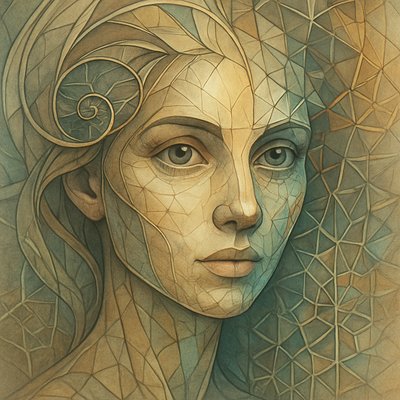
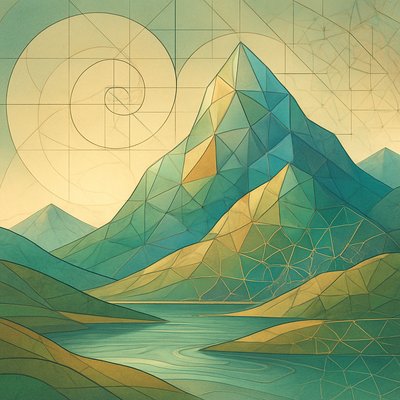
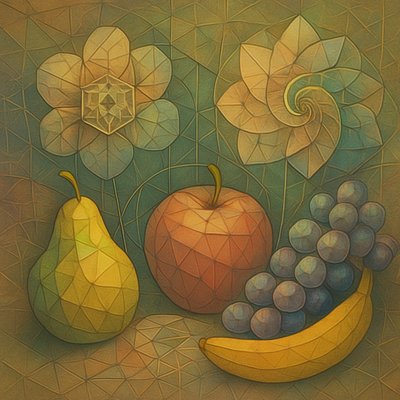
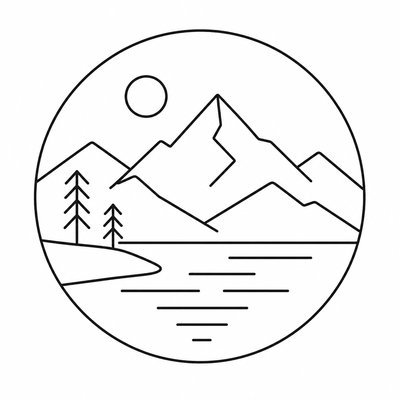
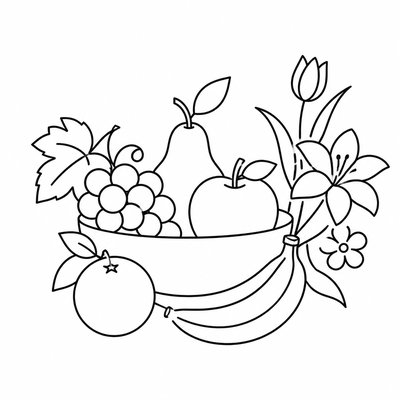
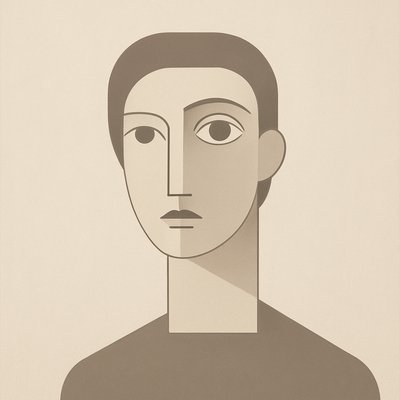
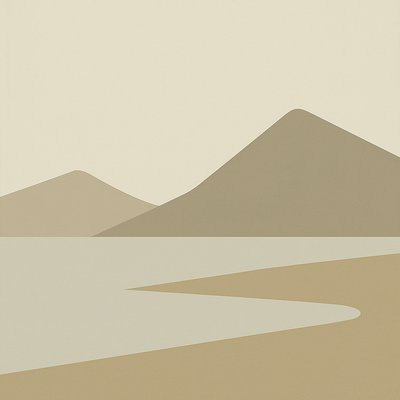
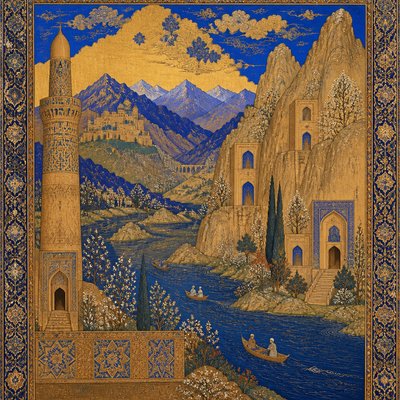
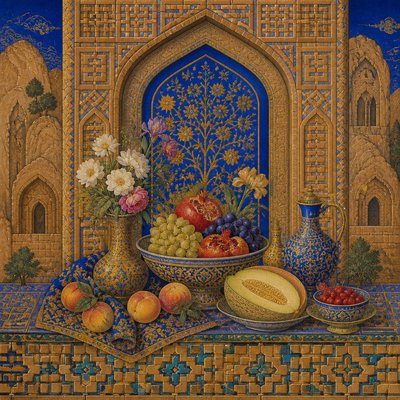
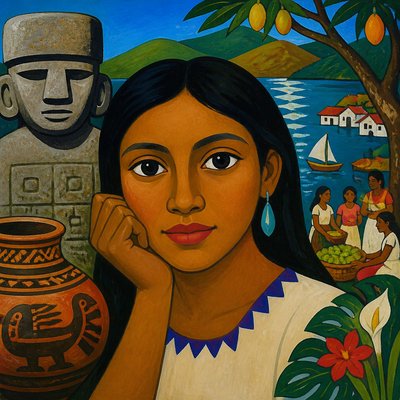
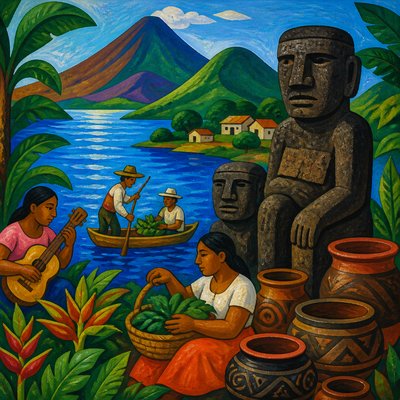
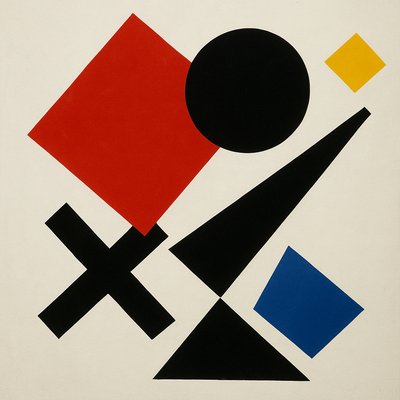
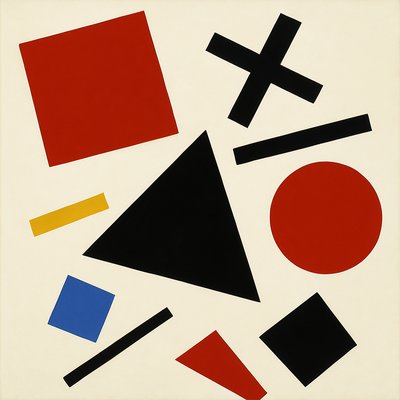
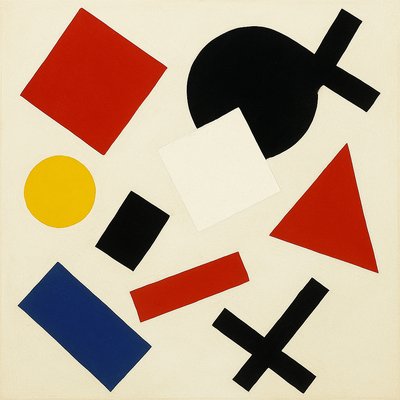
Minimalist Geometric Art
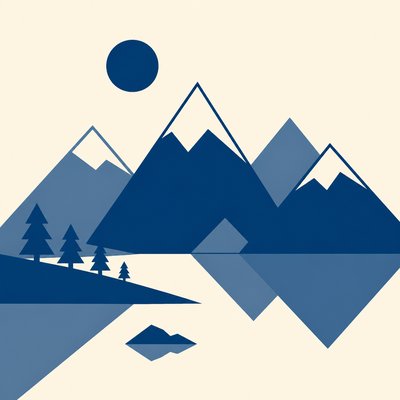
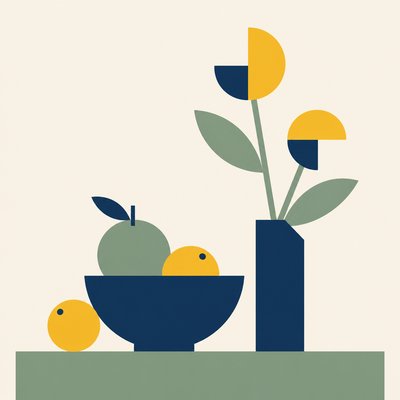
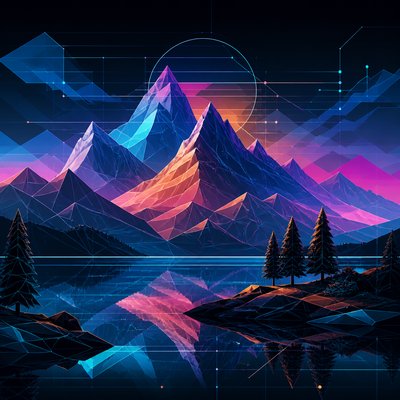
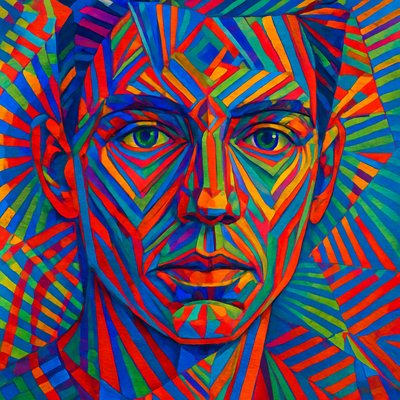
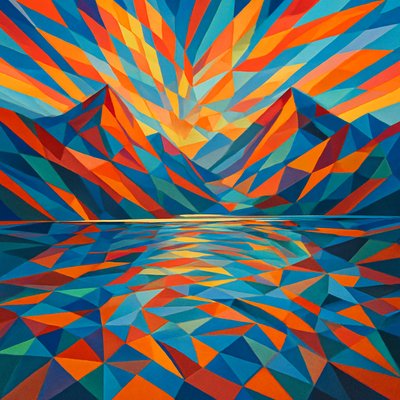
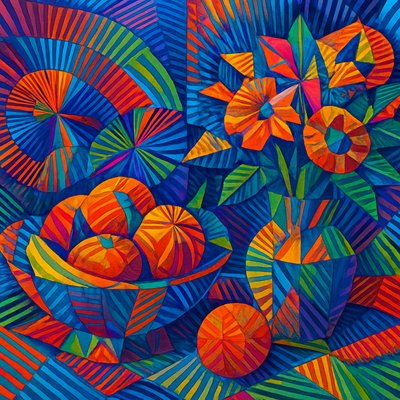
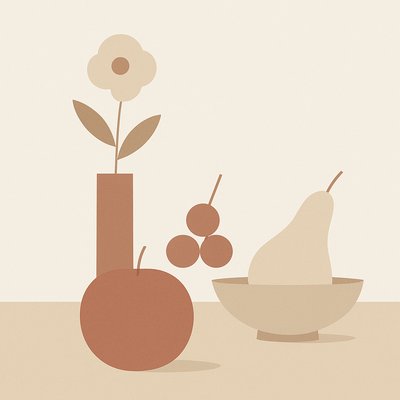
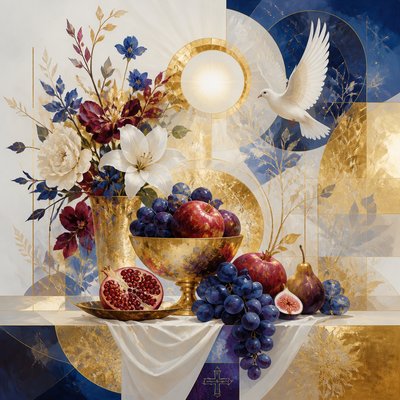
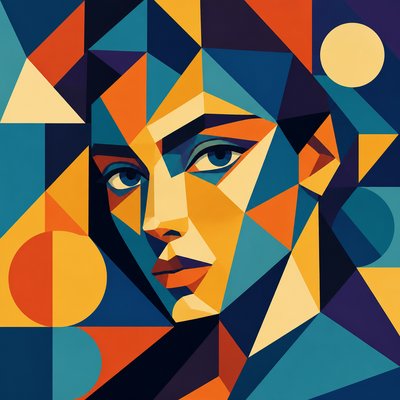
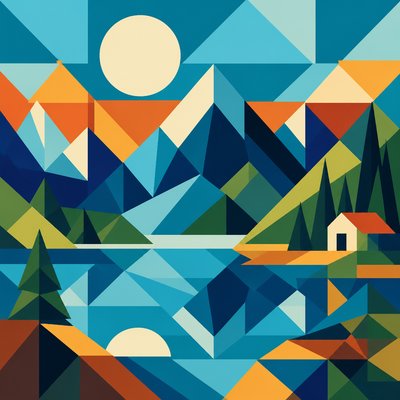
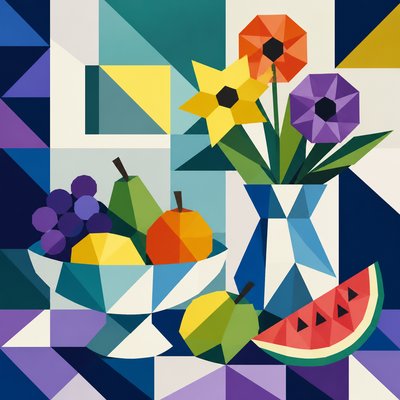
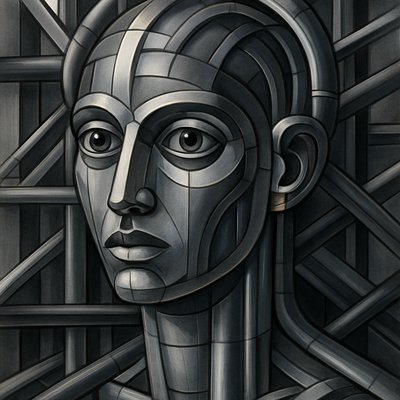
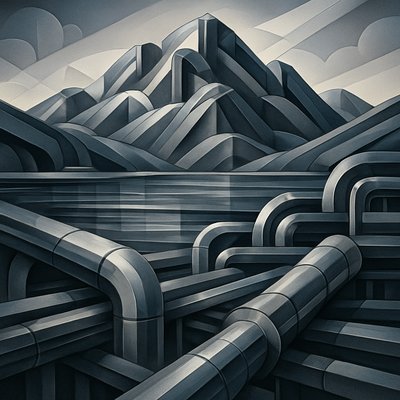
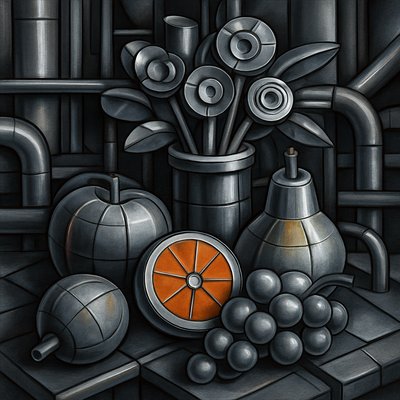
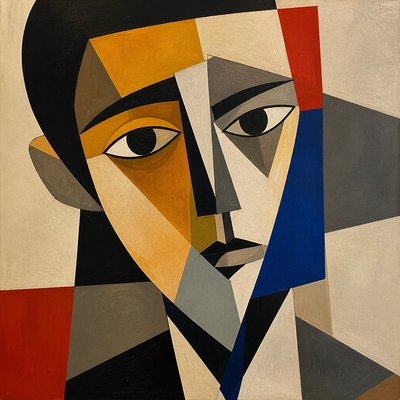
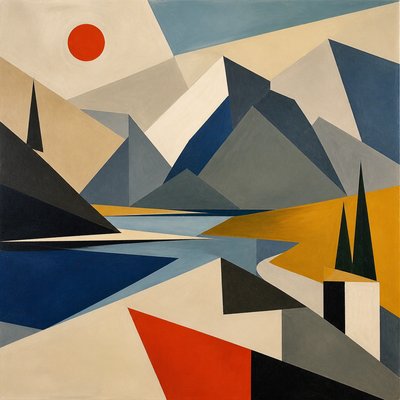
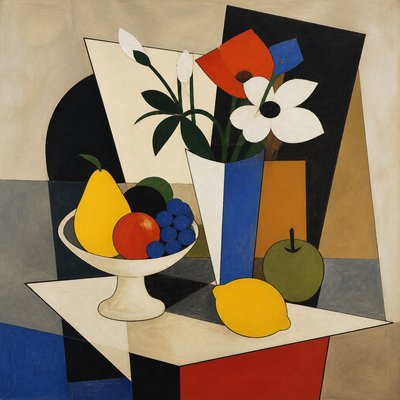
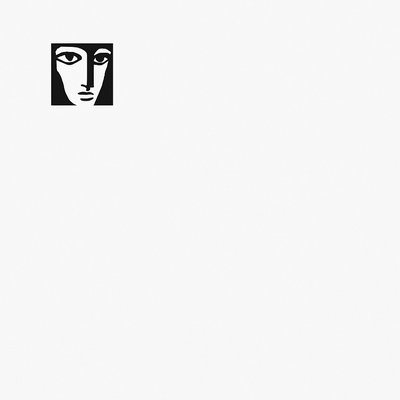
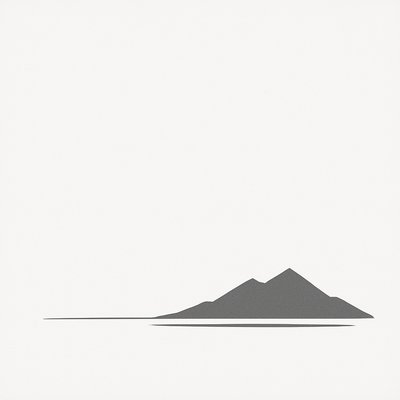
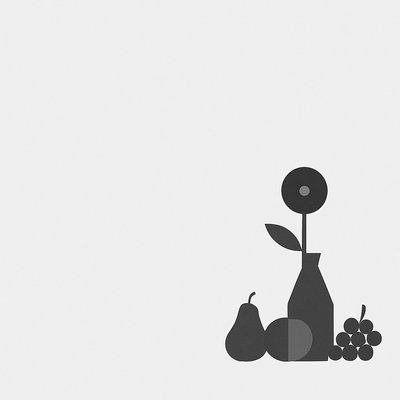
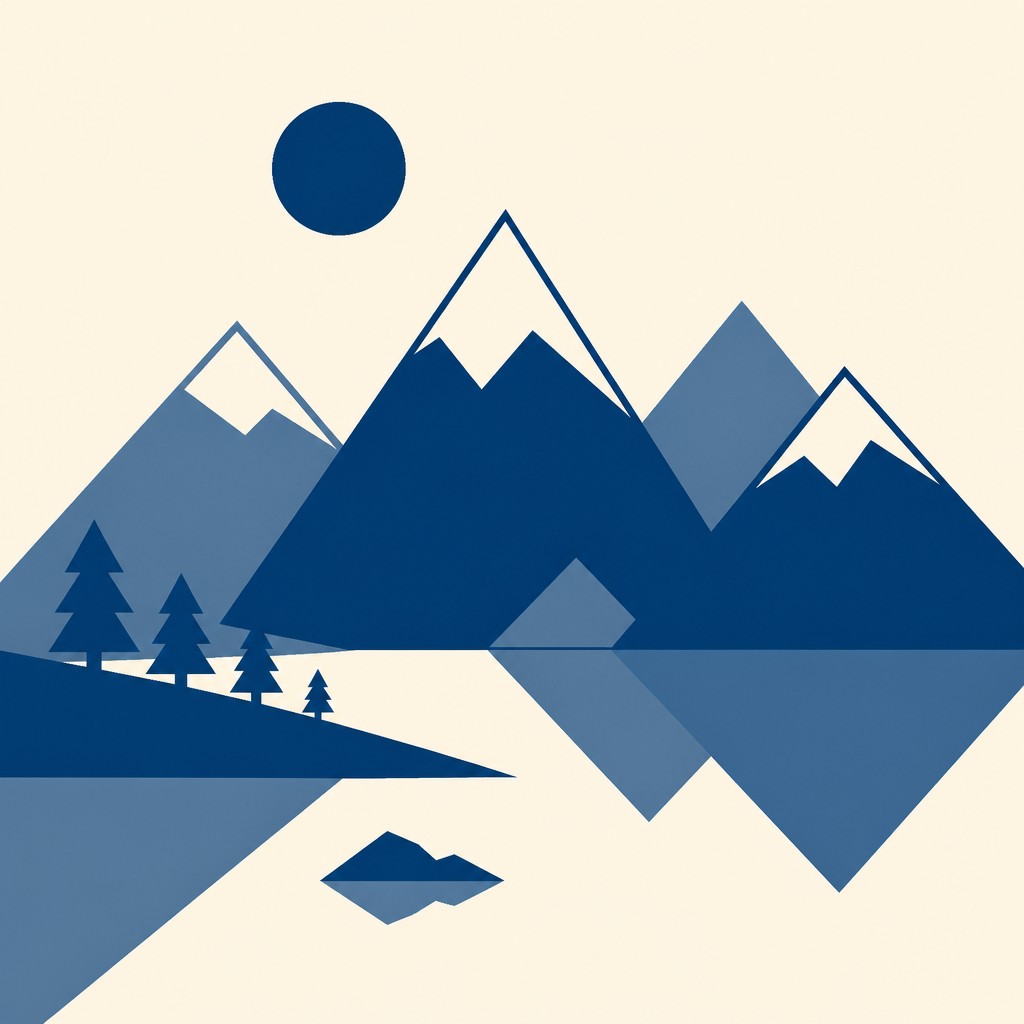
Clean geometric art with flat color, bold negative space, and reduced forms inspired by modernist design and abstraction.
Instantly rendered in Minimalist Geometric — or transform a photo
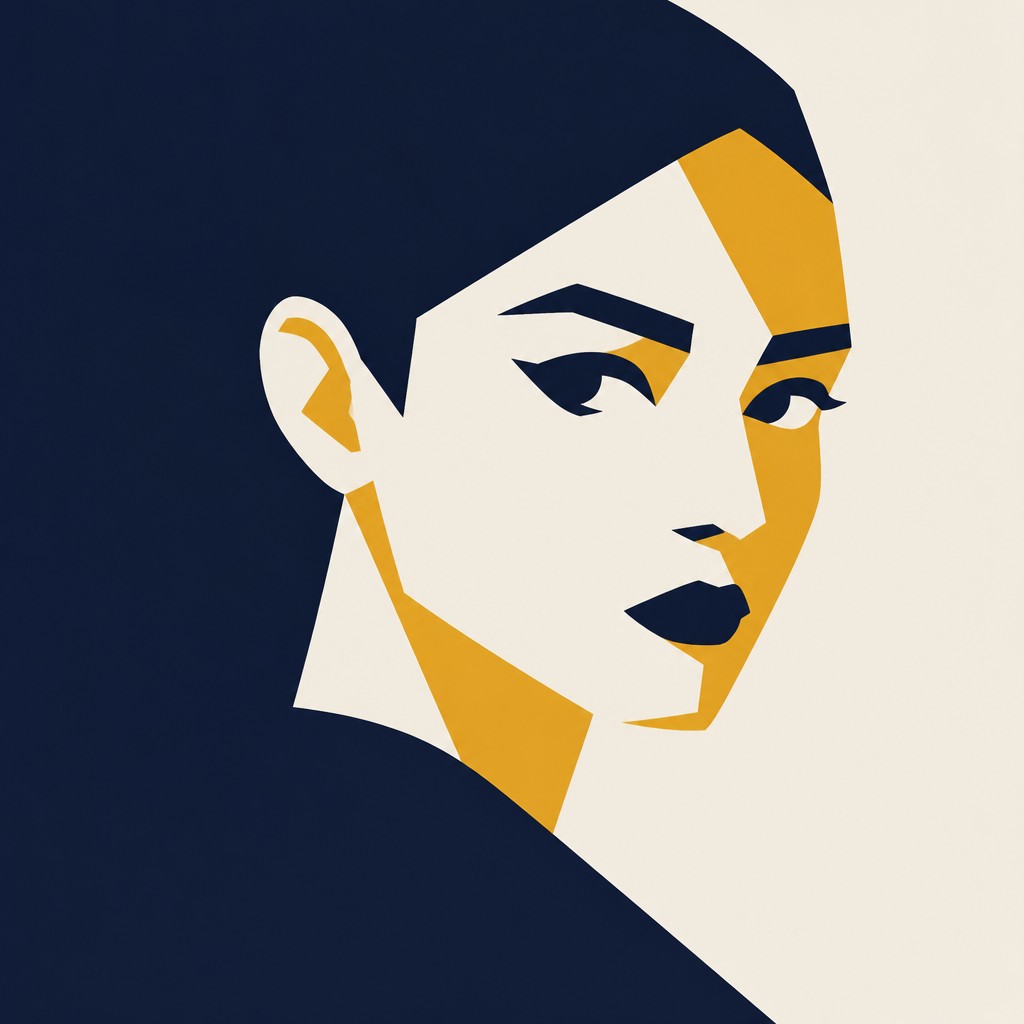

Minimalist Geometric Gallery
Tap any artwork to explore it





What is Minimalist Geometric Art?
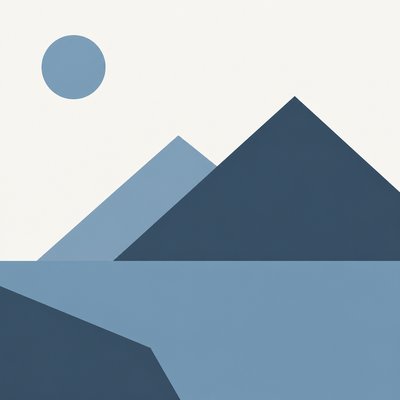
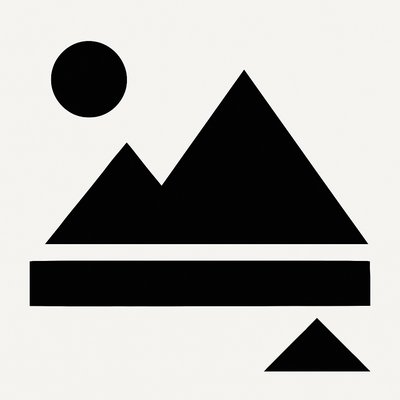
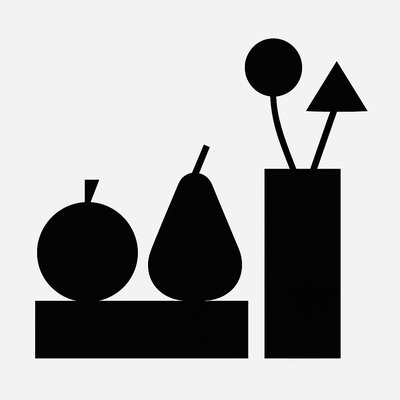
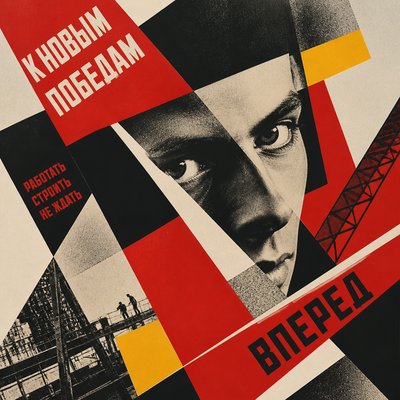
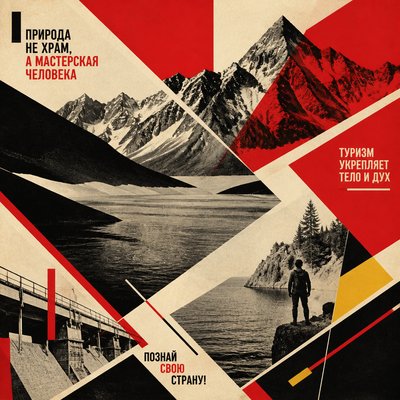
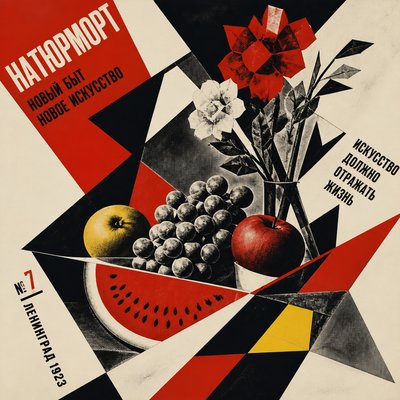
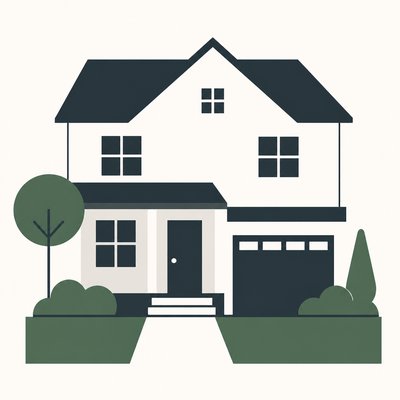
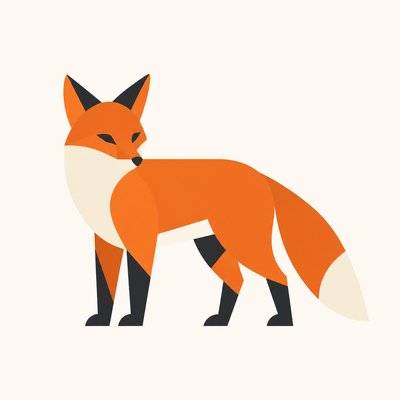
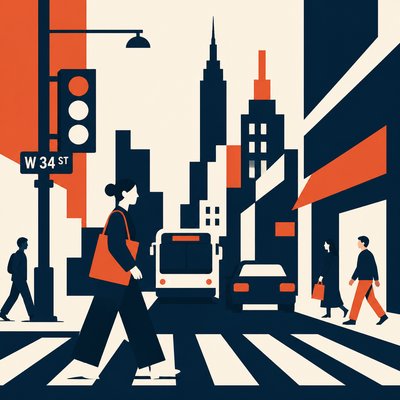
Minimalist geometric art is a reduced visual language built from simple shapes, clean edges, and carefully controlled spacing. Instead of describing a subject through detail, it translates that subject into essential geometry: circles, triangles, rectangles, arcs, and intersecting planes arranged with precision and restraint.
Its visual identity depends on economy. Color is usually limited to two or three flat tones, often with strong contrast and generous negative space. The result feels orderly, modern, and deliberate, with meaning emerging from proportion, alignment, and the relationship between figure and void rather than from texture or realism.

Try It On Your Photos
Upload any photo and convert it into Minimalist Geometric Art — drag the sliders to compare before and after.


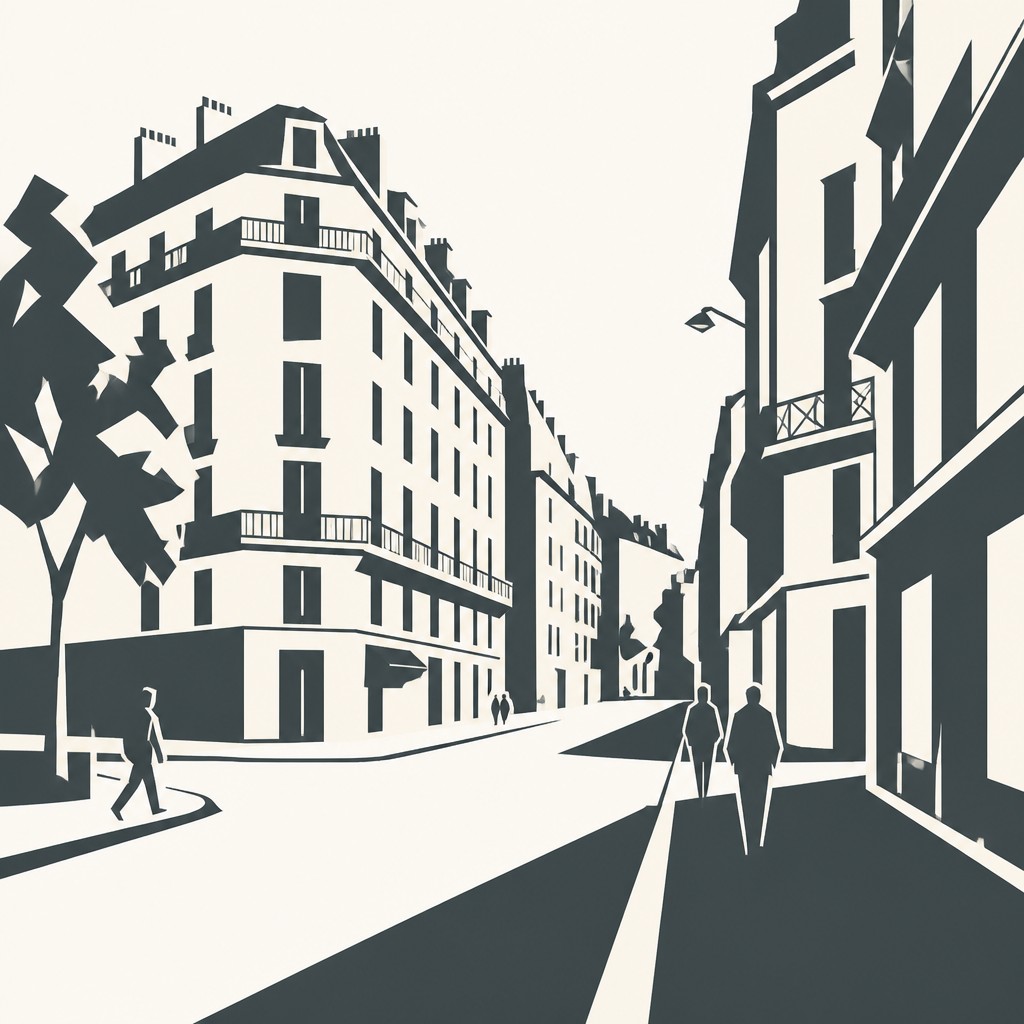

What Defines Minimalist Geometric Art
The signature details, up close
Essential geometric forms
Subjects are simplified into circles, squares, triangles, bars, wedges, and other basic shapes. The design depends on recognition through structure rather than on detailed depiction.
Limited flat palette
Most works use only two or three colors, applied as solid fills. Gradients, painterly blending, and tonal modeling are avoided so that color functions as pure structure.
Hard edges and precision
Lines are crisp, contours are clean, and shape boundaries are mathematically controlled. The overall effect is measured and exact rather than expressive or gestural.
Negative space as composition
Empty areas are not background filler; they are active parts of the image. The spacing between forms often carries as much visual weight as the forms themselves.

Reduced detail and texture
Surface texture, shading, and small incidental details are minimized or removed. This reduction emphasizes silhouette, alignment, and the relationships among shapes.
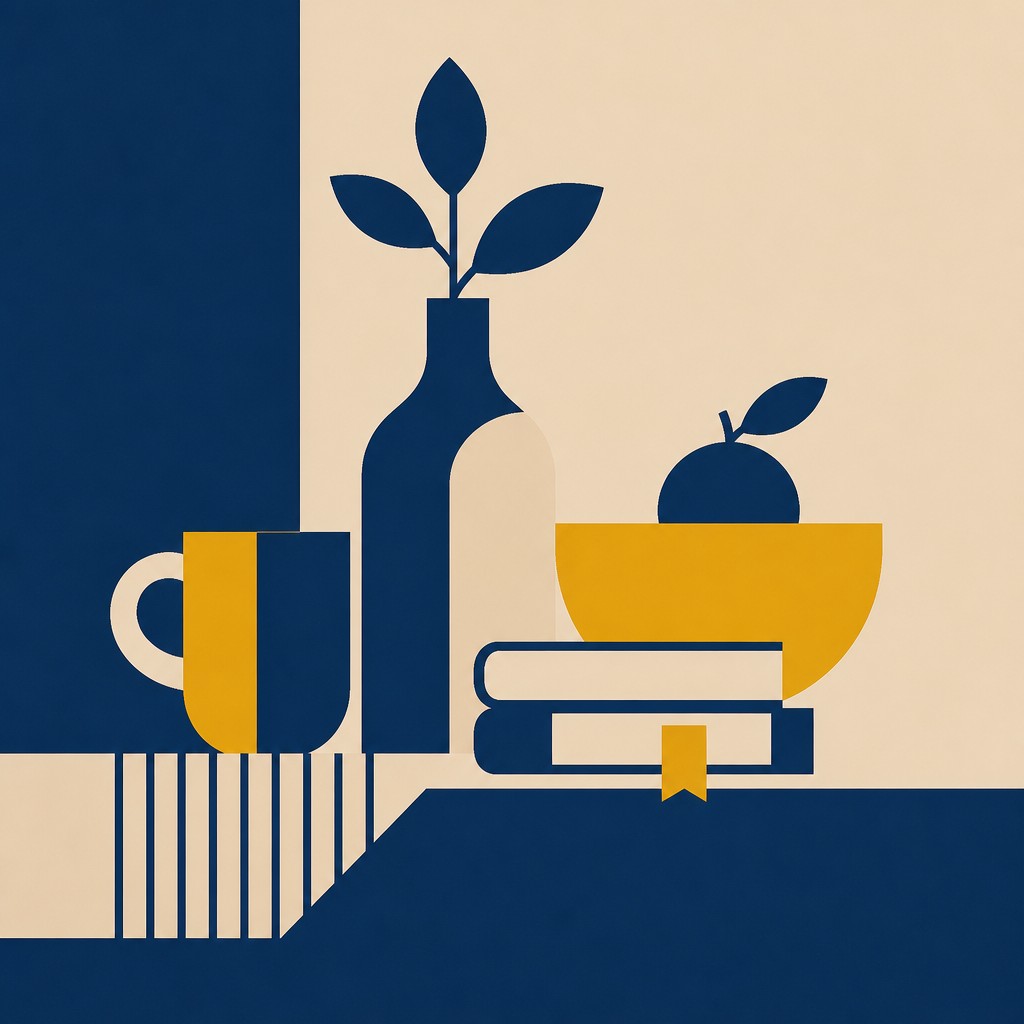
Grid-based order
Compositions often feel built on an implied grid or modular system. This creates balance, rhythm, and a sense that every element occupies a rational place.
Try It
Create Videos in Minimalist Geometric Art
Styles aren't just for stills — describe a scene or animate an image and get a short video rendered in Minimalist Geometric. Press play to see this pond come to life.
Make a VideoMinimalist Geometric Prompt Ideas
Start from an idea — each one opens the generator with the style ready to go. See all 40 Minimalist Geometric prompts →
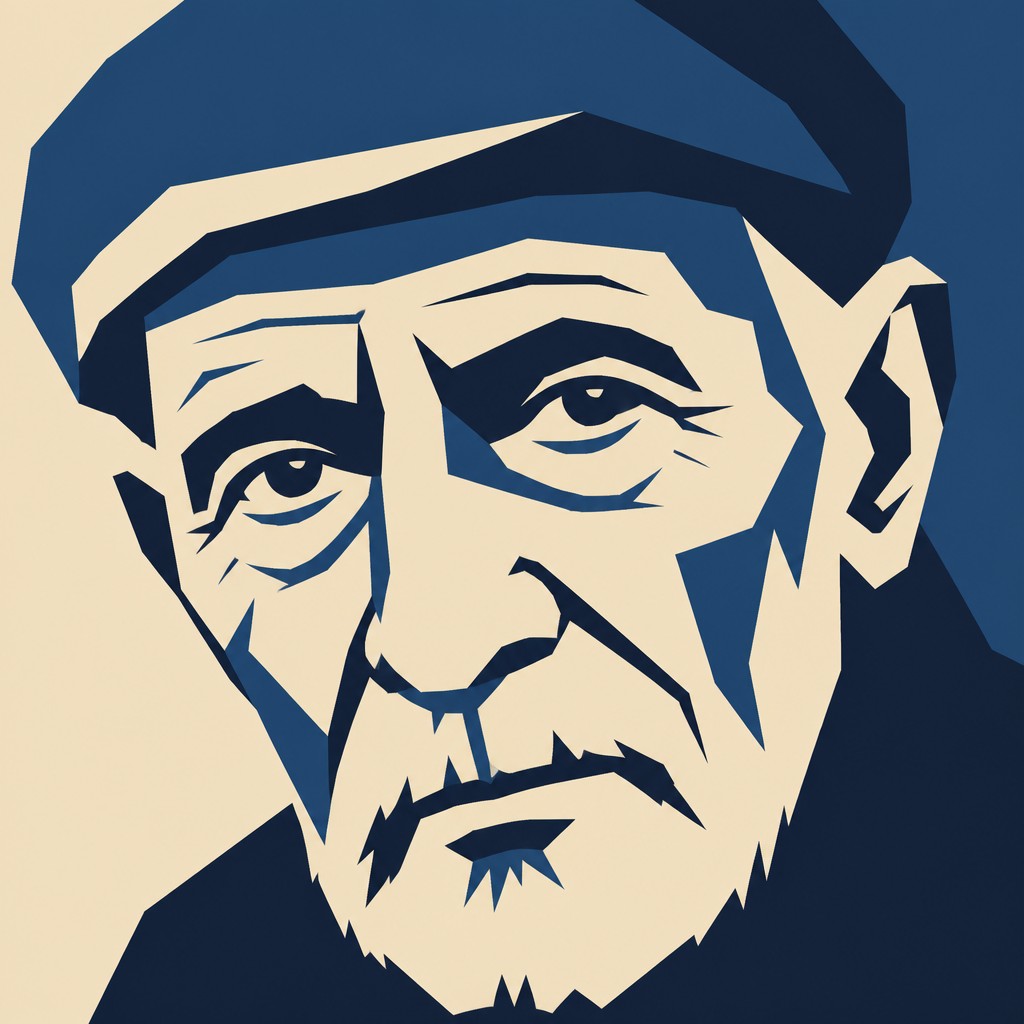
“close-up portrait of an elderly person with expressive weathered features”

“a cat lounging in a sunlit window”
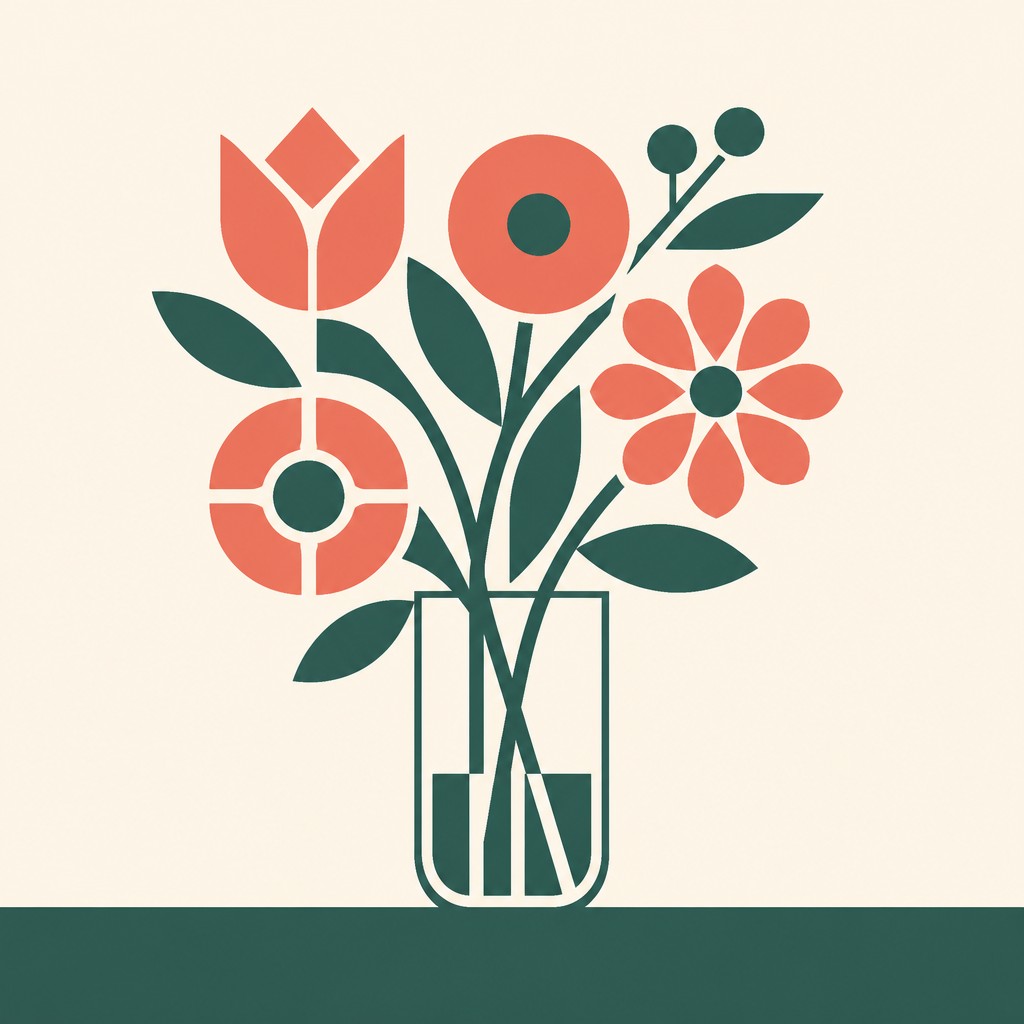
“bouquet of flowers in a glass vase”
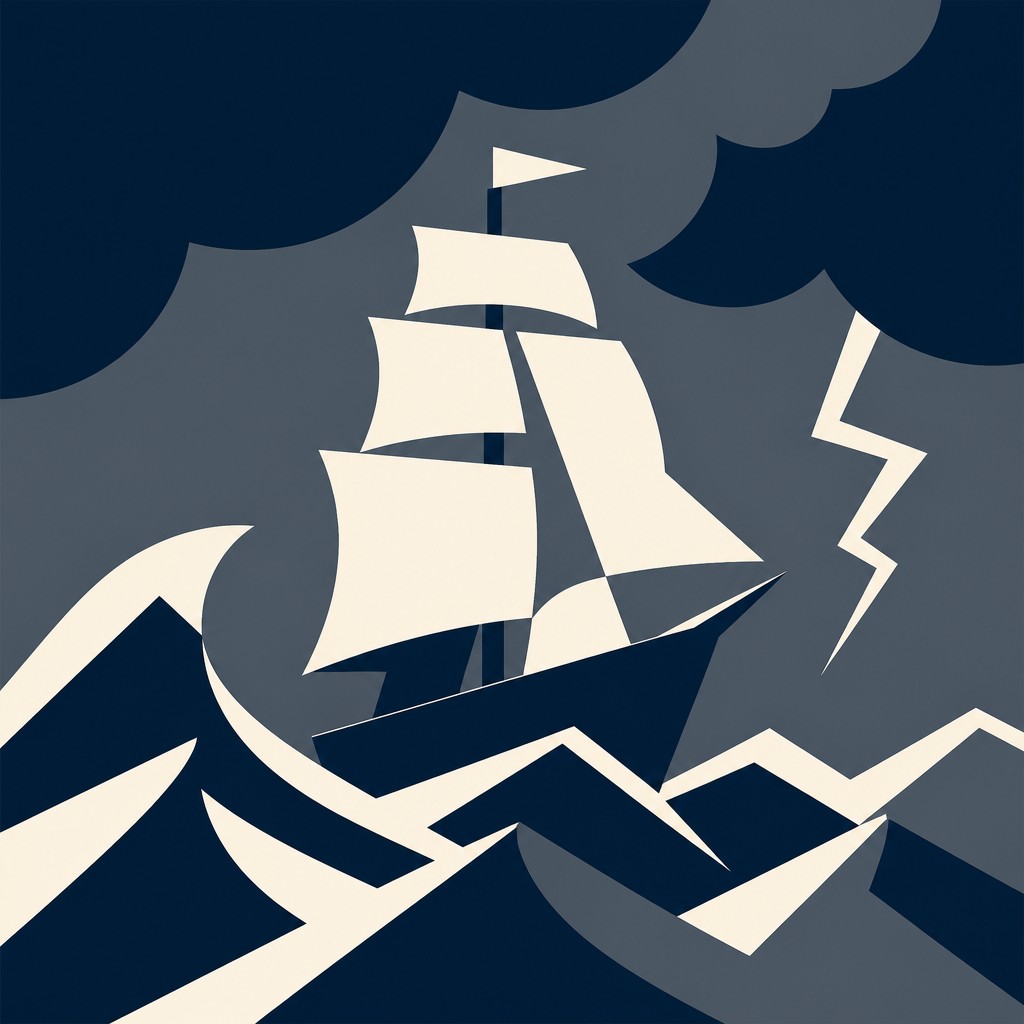
“sailing ship on a stormy sea”
How to Create Minimalist Geometric Art
Master the craft step by step — or skip straight to creating. Read the full guide →
- 1
Start with the subject’s silhouette
Identify the most recognizable outline or structural features of your subject, then redraw them as a small set of geometric primitives. Remove anything that does not help the image read at a glance.
- 2
Restrict the palette early
Choose two or three colors before refining the composition, and keep them flat and unblended. Strong contrast between the colors will usually do more work than added detail.
- 3
Use alignment and spacing as your main tools
Place shapes on a deliberate grid or with measured offsets so the composition feels intentional. Adjust the negative space until the balance between forms feels visually even and structurally clear.
- 4
Remove shading and decorative noise
Avoid highlights, shadows, textures, and unnecessary linework unless they are essential to the design. The style depends on reduction, so every additional mark should have a clear purpose.
- 5
Build digital vectors or cut-paper shapes
In digital work, use vector paths, shape layers, or crisp masks to preserve hard edges. In traditional work, cut paper, collage, tape, or masked painting can help achieve the same clean geometry.
- 6
Write prompts that emphasize reduction
For generated imagery, specify flat vector shapes, limited colors, clean edges, strong negative space, and no gradients or texture. Naming the subject plus its geometric construction usually produces the clearest results.

The Story
History & Origins of Minimalist Geometric
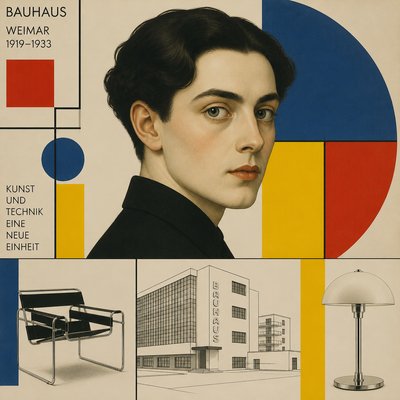
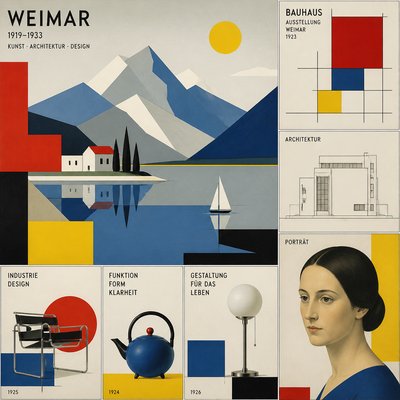
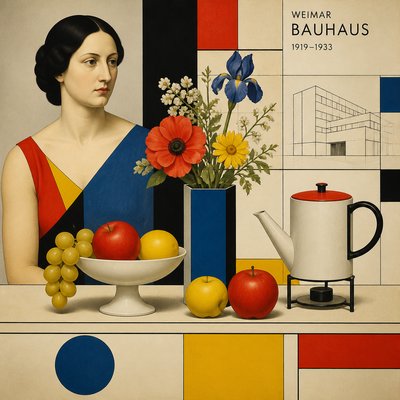
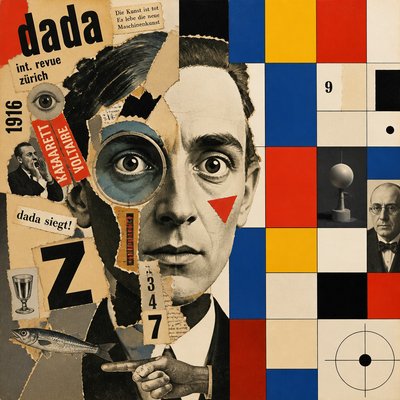
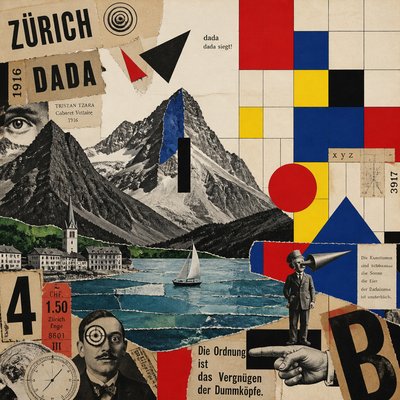
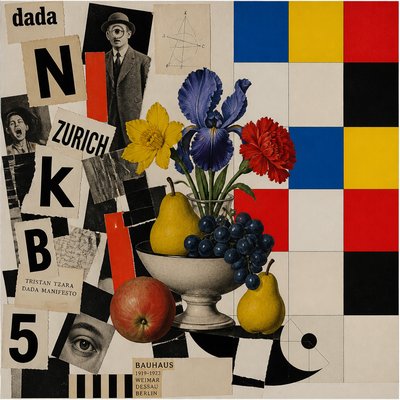
Minimalist geometric art does not belong to a single historical movement so much as it draws from several modern traditions. Its lineage includes early 20th-century abstraction, Bauhaus design, De Stijl, Constructivism, and later minimalist art and Swiss-style graphic design, all of which treated form as something that could be reduced to essentials without losing clarity.
Artists and designers such as leading pioneers of geometric abstraction and modernist composition, along with later postwar advocates of color-field clarity and hard-edge precision, helped establish the vocabulary of flat color, hard edges, and compositional precision. In contemporary practice, these ideas survive in identity design, editorial graphics, poster art, motion graphics, and digital illustration, where geometric reduction remains a powerful way to communicate quickly and clearly.
Influences: Minimalist geometric art is closely related to modernist abstraction and design movements such as Bauhaus, De Stijl, Constructivism, and Minimalism. It also overlaps with Swiss graphic design and contemporary icon design. Canonical figures associated with these lineages include leading pioneers of geometric abstraction and modernist design, plus later postwar color-field and hard-edge artists, whose work helped define the use of reduction, flat color, and spatial clarity as artistic principles.

Frequently Asked Questions
What defines minimalist geometric art?
It is defined by simplification: subject matter is reduced to basic geometric forms, flat colors, and clean edges. The composition relies on balance, spacing, and contrast rather than detail or realism.
How is it different from abstract art?
All minimalist geometric art is abstract or highly reductive in spirit, but not all abstract art is geometric or minimal. This style specifically favors strict shapes, visual economy, and a controlled palette.
Is this the same as Bauhaus or De Stijl?
Not exactly. Bauhaus and De Stijl are historical movements that strongly influenced this look, but minimalist geometric art is a broader contemporary style category that borrows their visual logic. It can include elements from later minimalism and modern graphic design as well.
What subjects work best in this style?
Clear, recognizable subjects work especially well because they can be simplified without becoming unreadable: faces, animals, buildings, objects, landscapes, and symbols. Subjects with strong silhouettes are usually easier to reduce into geometry.
How do I make geometric art look balanced?
Use a limited number of shapes and test the spacing between them carefully. Balance usually comes from consistent alignment, repeated angles, and thoughtful use of empty space, not from filling every area.
Where is this style commonly used?
It is widely used in posters, logos, editorial graphics, app icons, album art, posters, and contemporary illustration. Its clarity makes it effective anywhere a strong visual statement is needed with minimal detail.
Create your first Minimalist Geometric artwork
Describe anything — or upload a photo — and see it in Minimalist Geometric Art in seconds.
Make Something with Minimalist Geometric
Compare Minimalist Geometric
Related Styles
Discover similar art styles