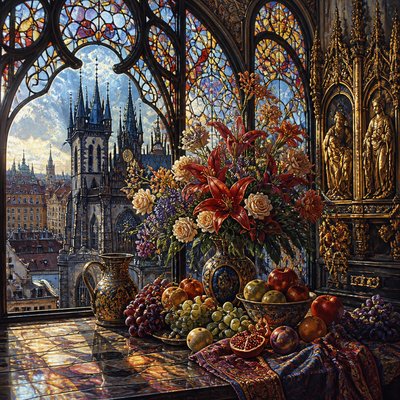
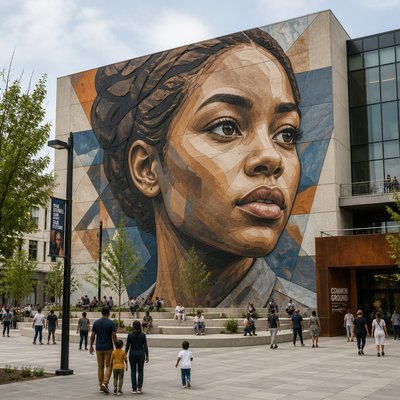
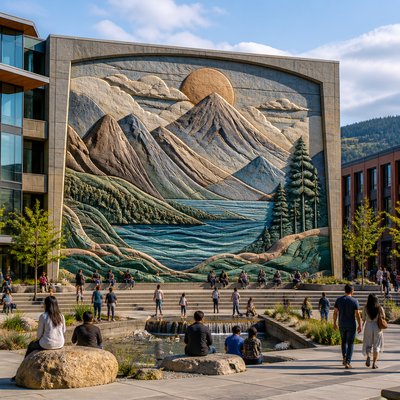
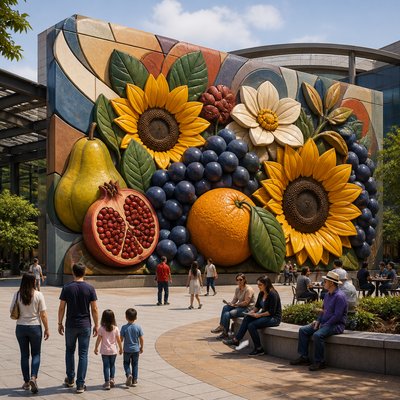
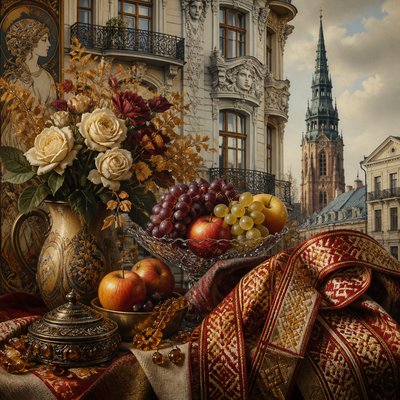
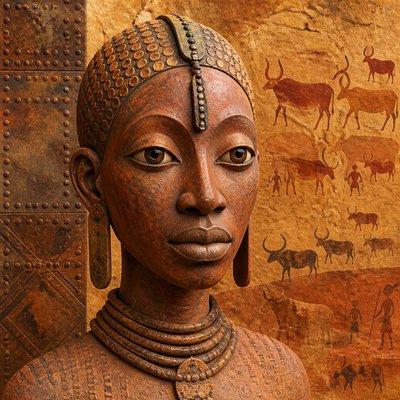
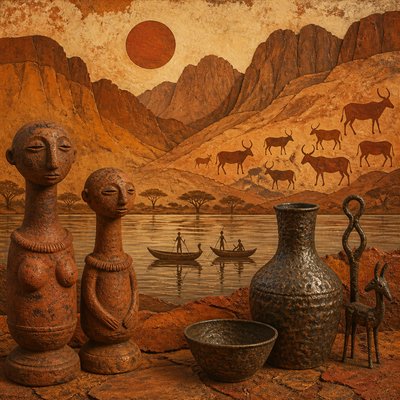
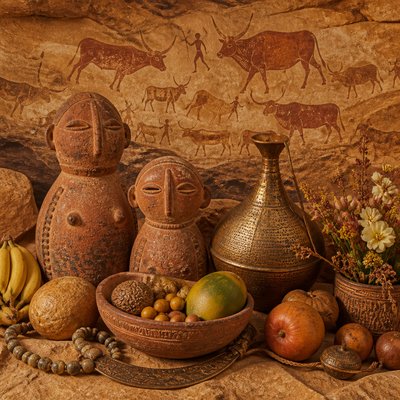
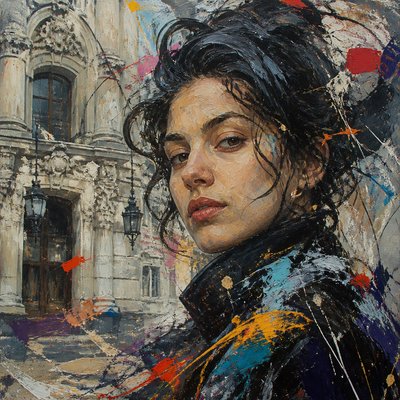
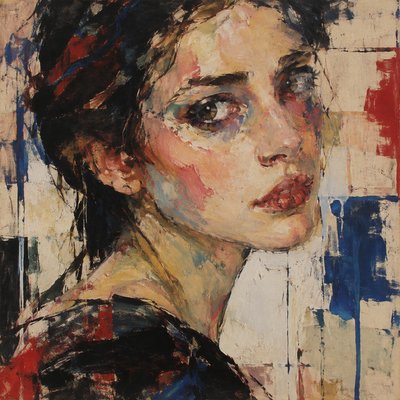
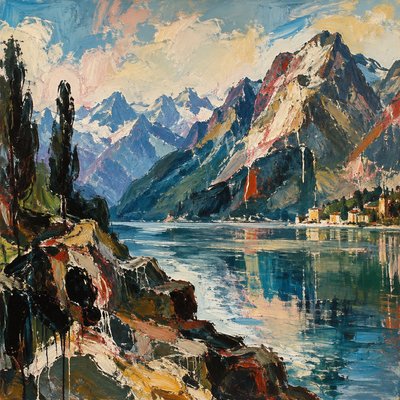
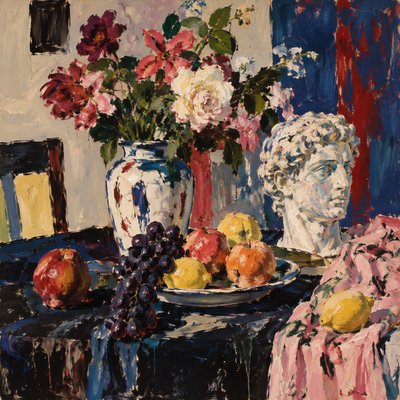
Minimalist Modern Art Style
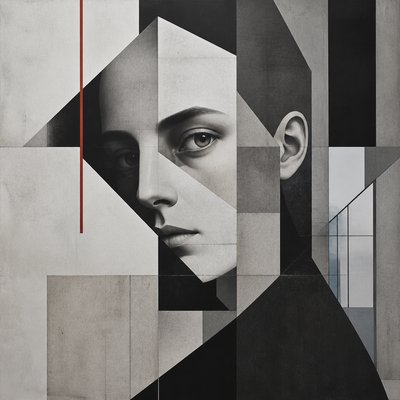
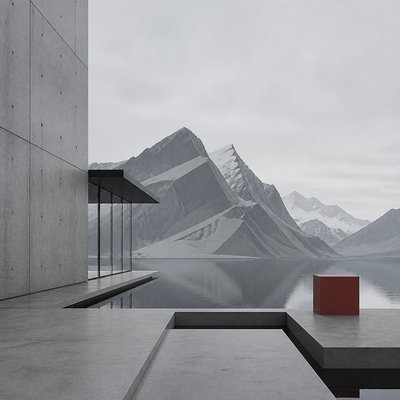
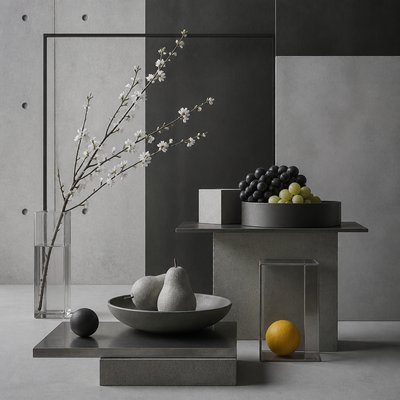
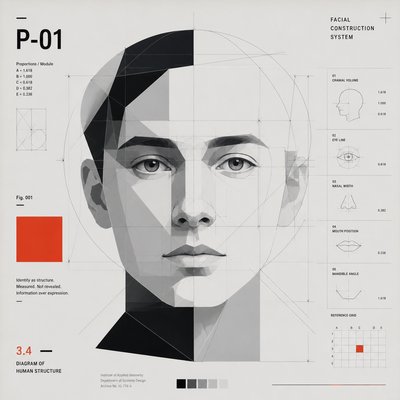
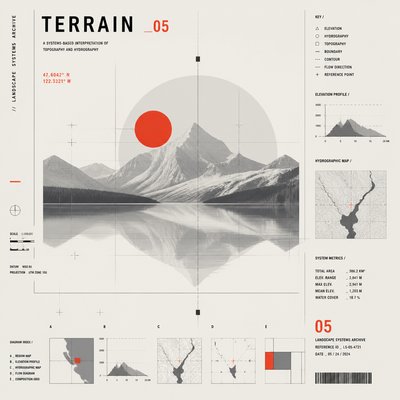
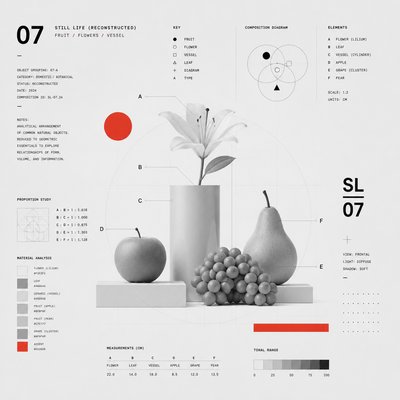
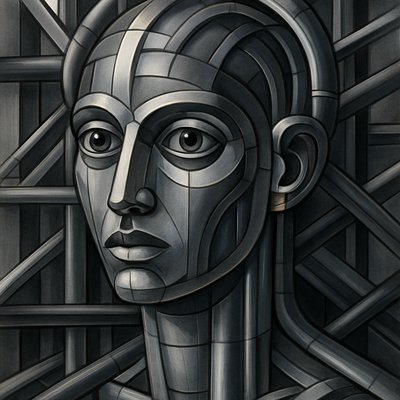
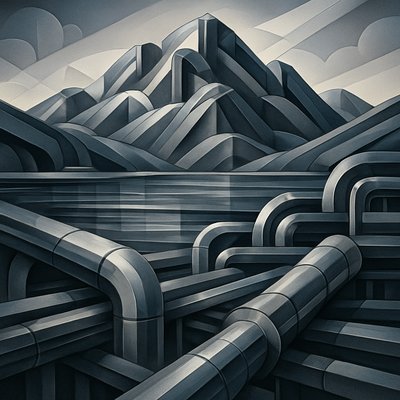
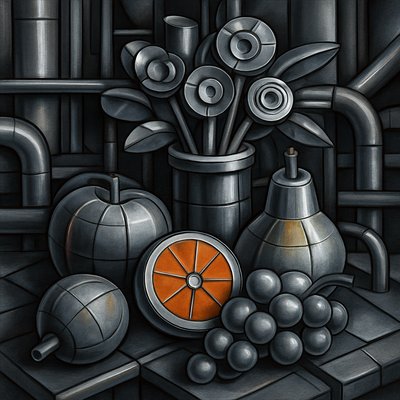
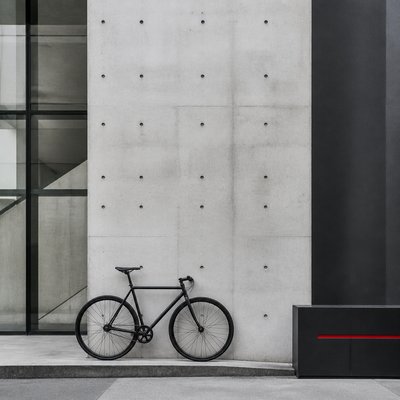
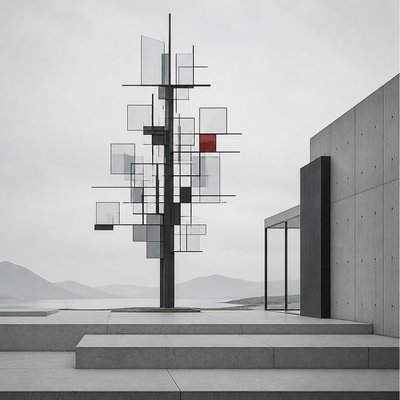
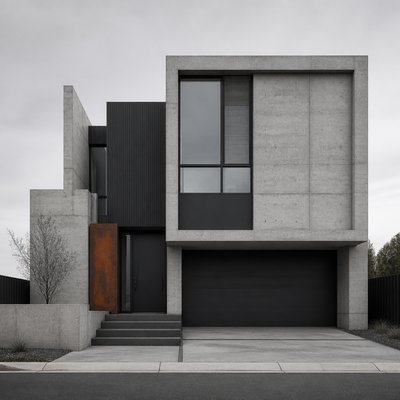
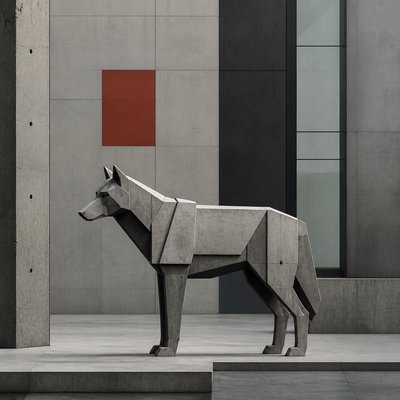
Minimalist modern art: geometric forms, industrial materials, neutral colors, and quiet compositions reduced to essentials.
Instantly rendered in Minimalist Modern — or transform a photo
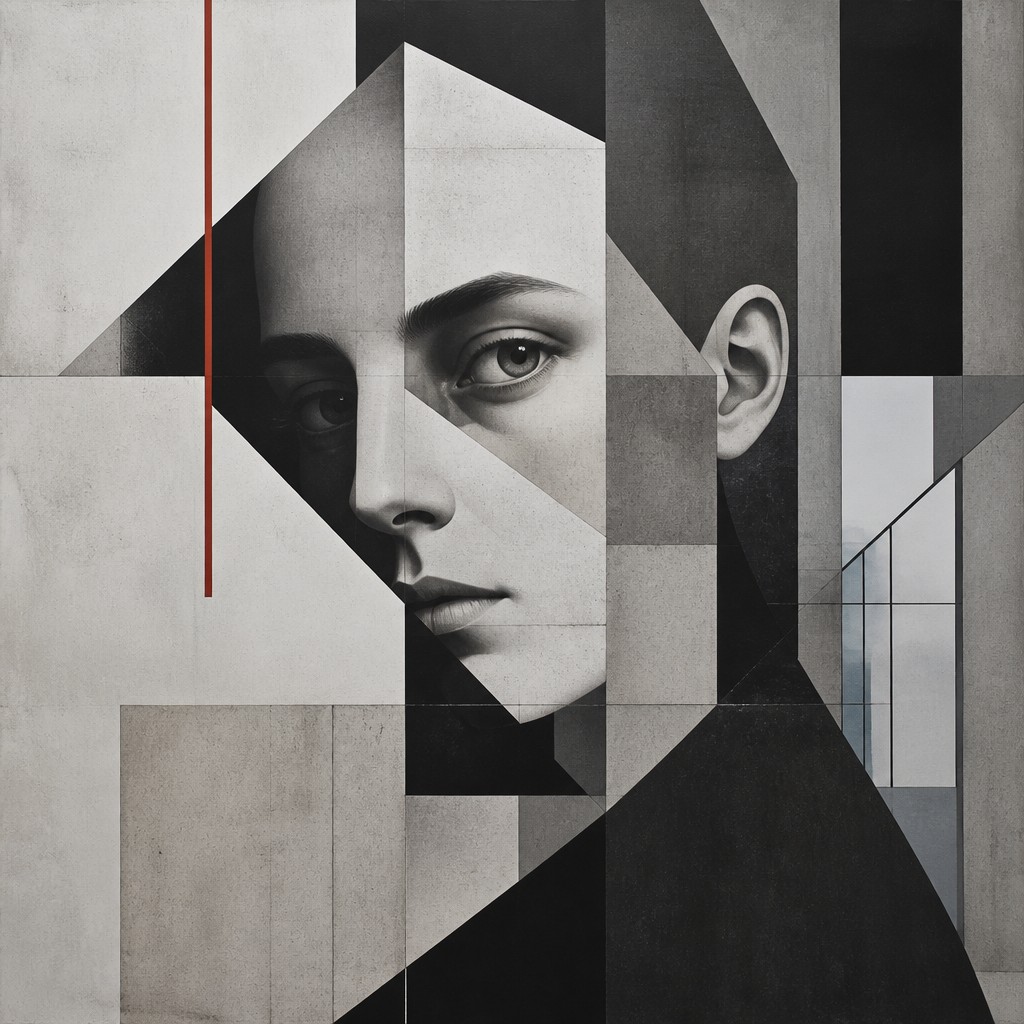
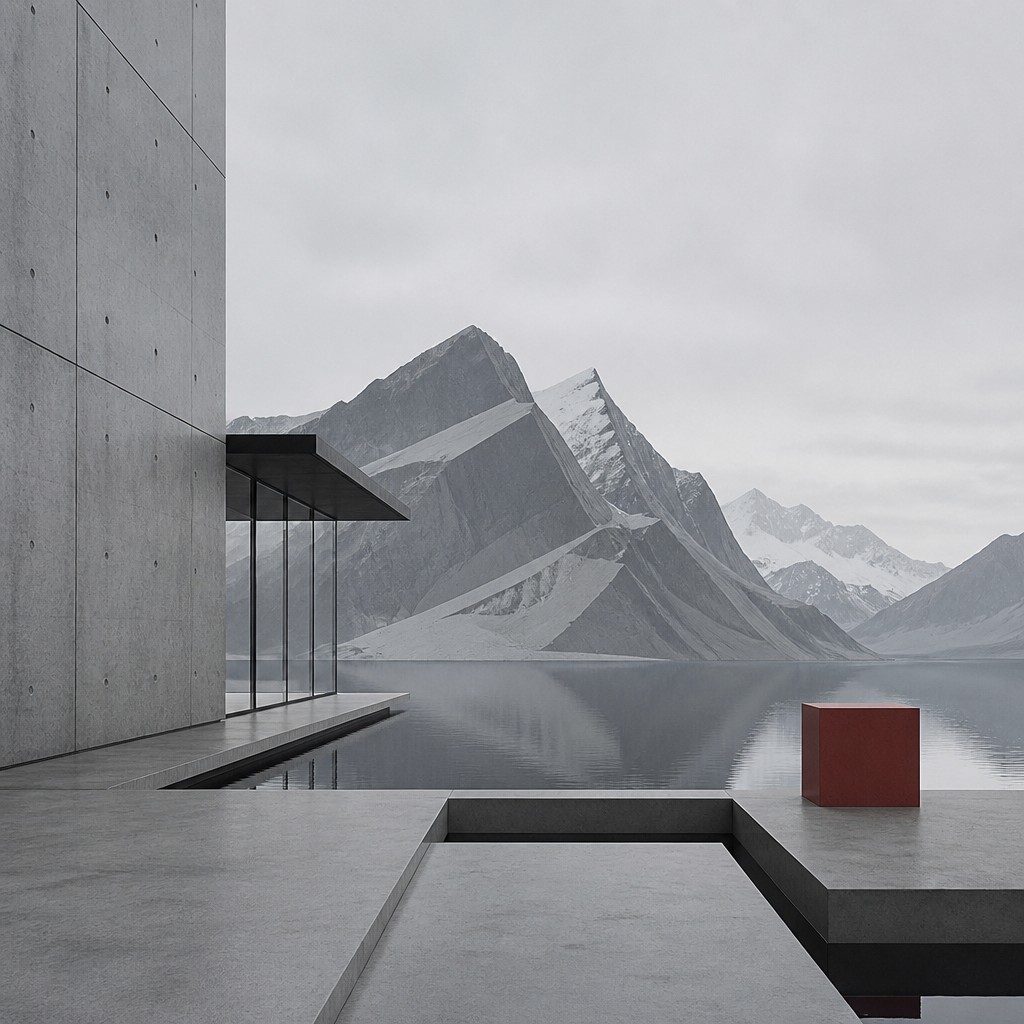
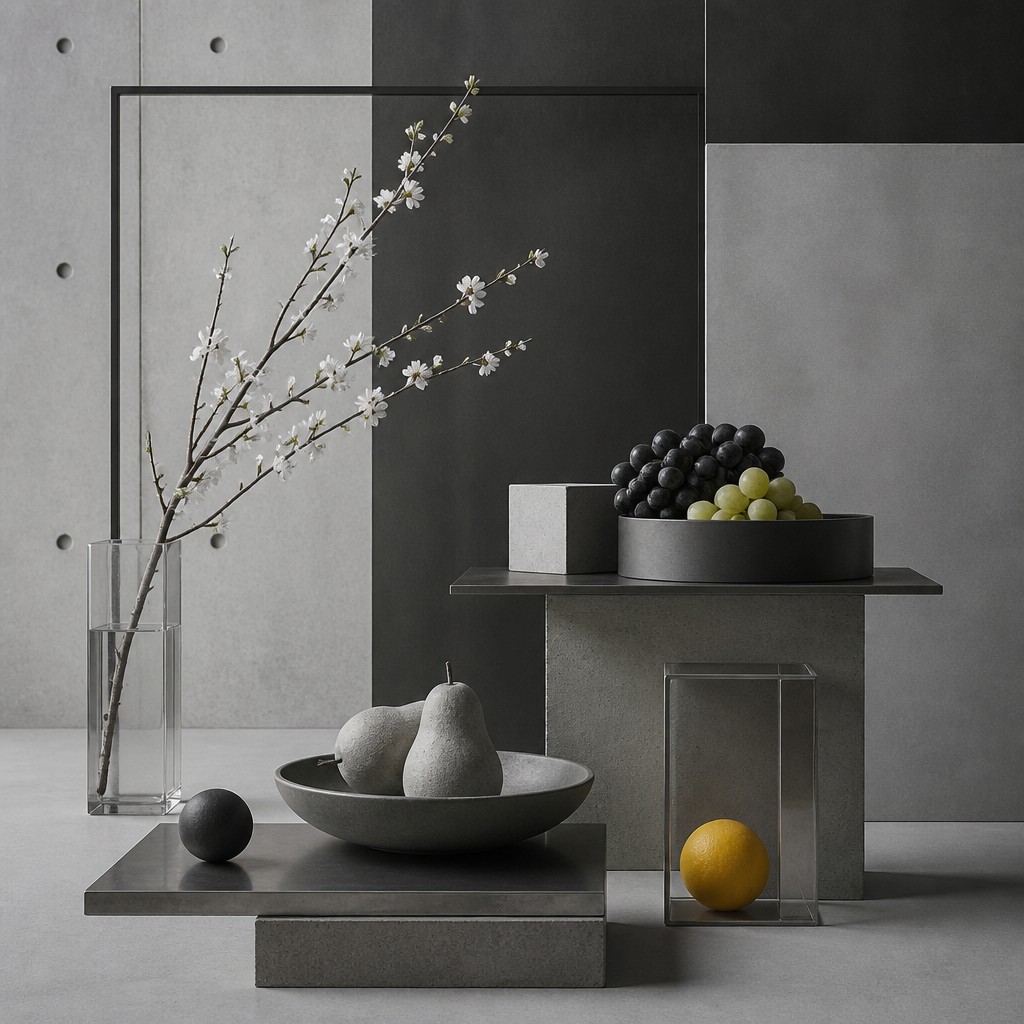
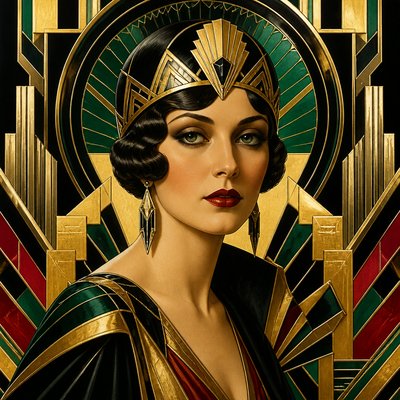
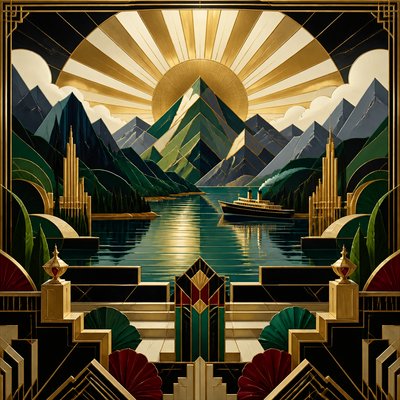
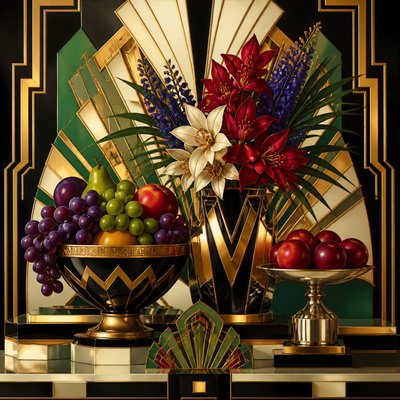
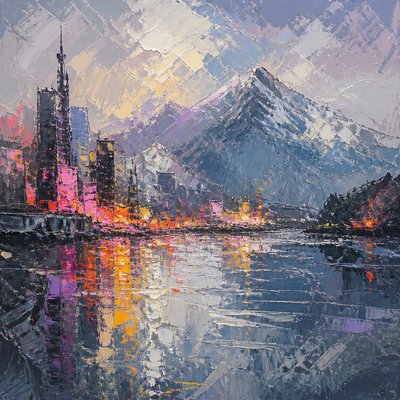
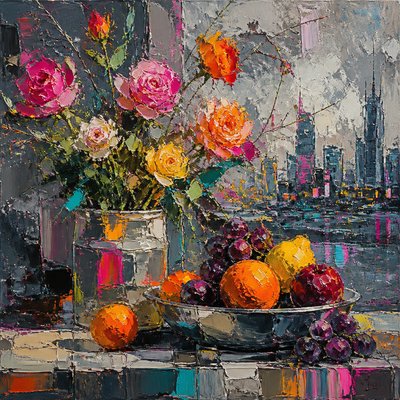
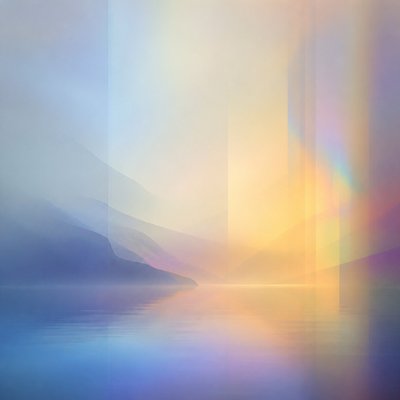
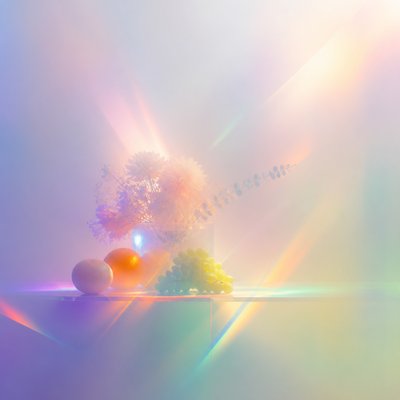
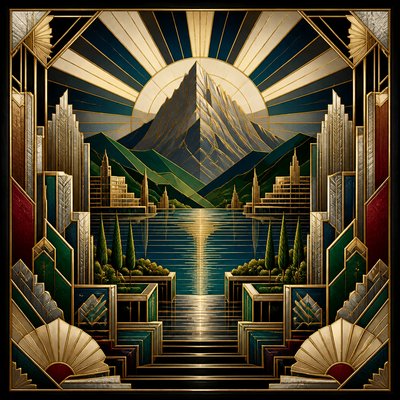
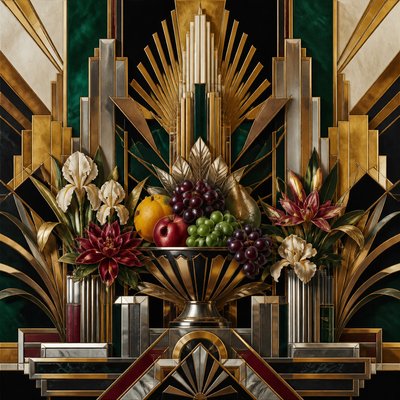
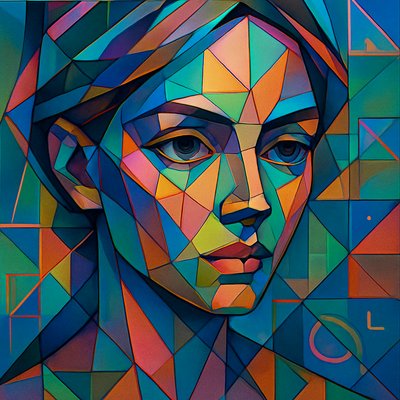
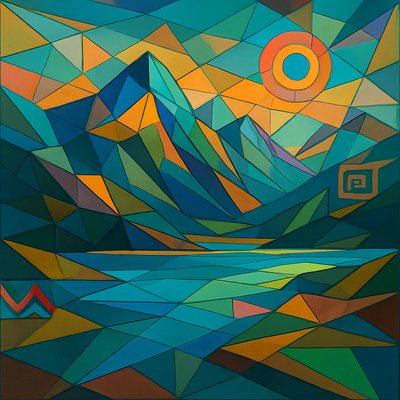
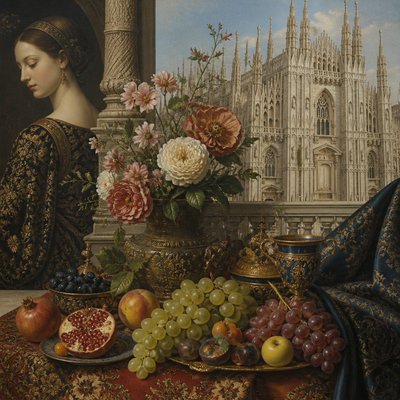
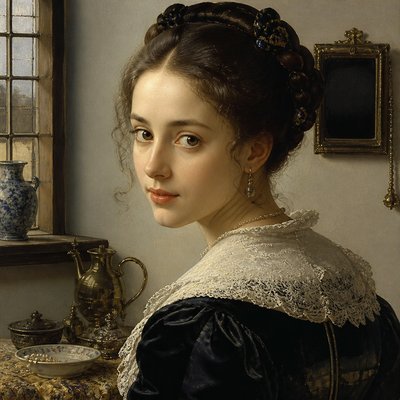
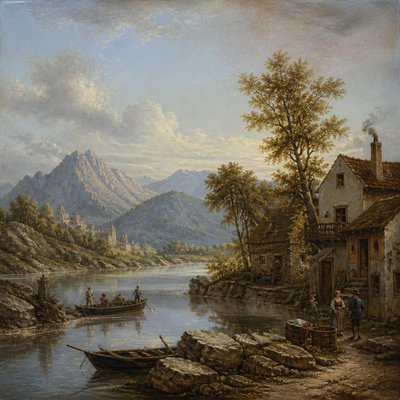
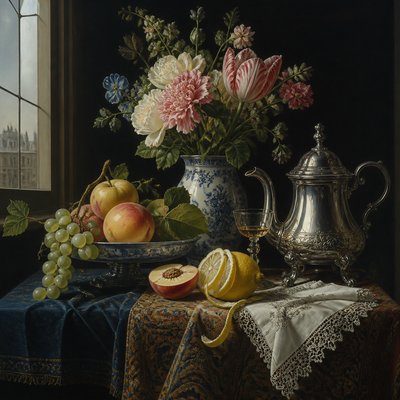
Minimalist Modern Gallery
Tap any artwork to explore it
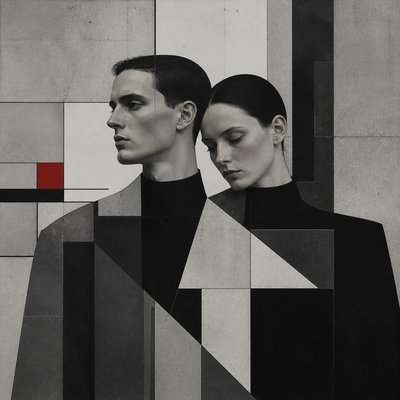
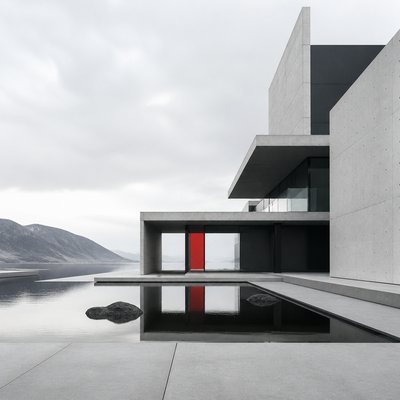
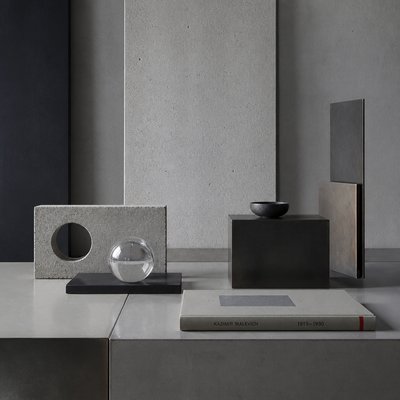
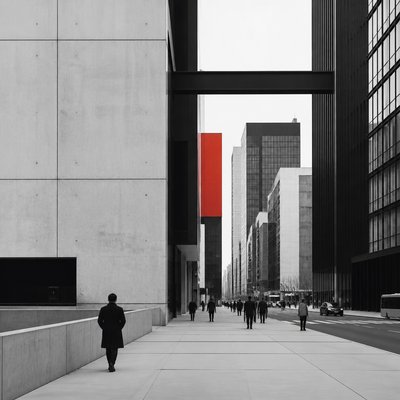
What is Minimalist Modern Art Style?
Minimalist modern art reduces visual language to essentials: simple geometric forms, restrained color, and a disciplined use of space. It often favors industrial materials such as concrete, steel, glass, and polished surfaces, creating an appearance of objectivity, order, and deliberate emptiness. Rather than describing the world in detail, it asks the viewer to notice proportion, spacing, texture, and the relationships between a few carefully chosen elements.
Its visual identity is built from austerity and precision. Compositions typically rely on grids, hard edges, flat lighting, and a limited palette of whites, grays, blacks, and occasional accent colors. The result can feel severe, meditative, or architectural. This look exists because the style values reduction: every form, surface, and interval is meant to do meaningful work, so that even a sparse composition can feel complete.
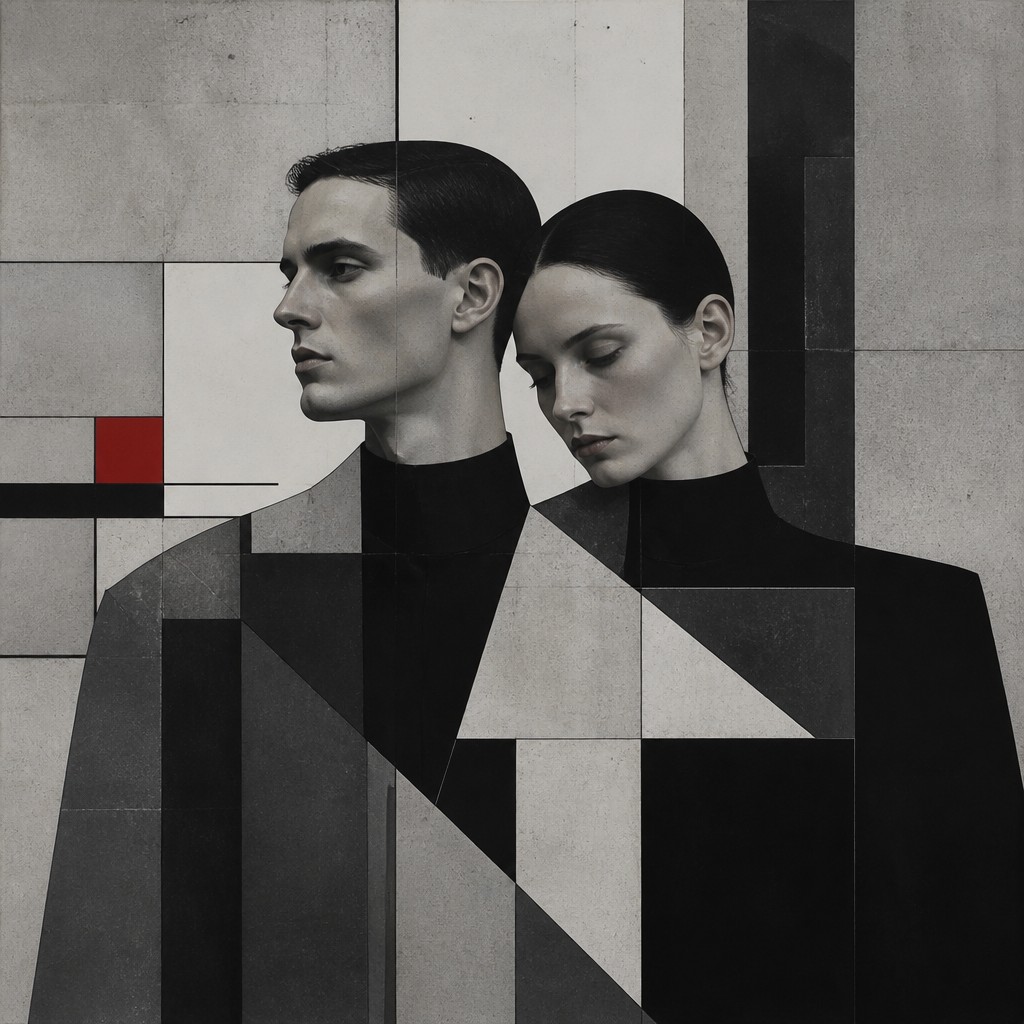
Try It On Your Photos
Upload any photo and convert it into Minimalist Modern Art Style — drag the sliders to compare before and after.


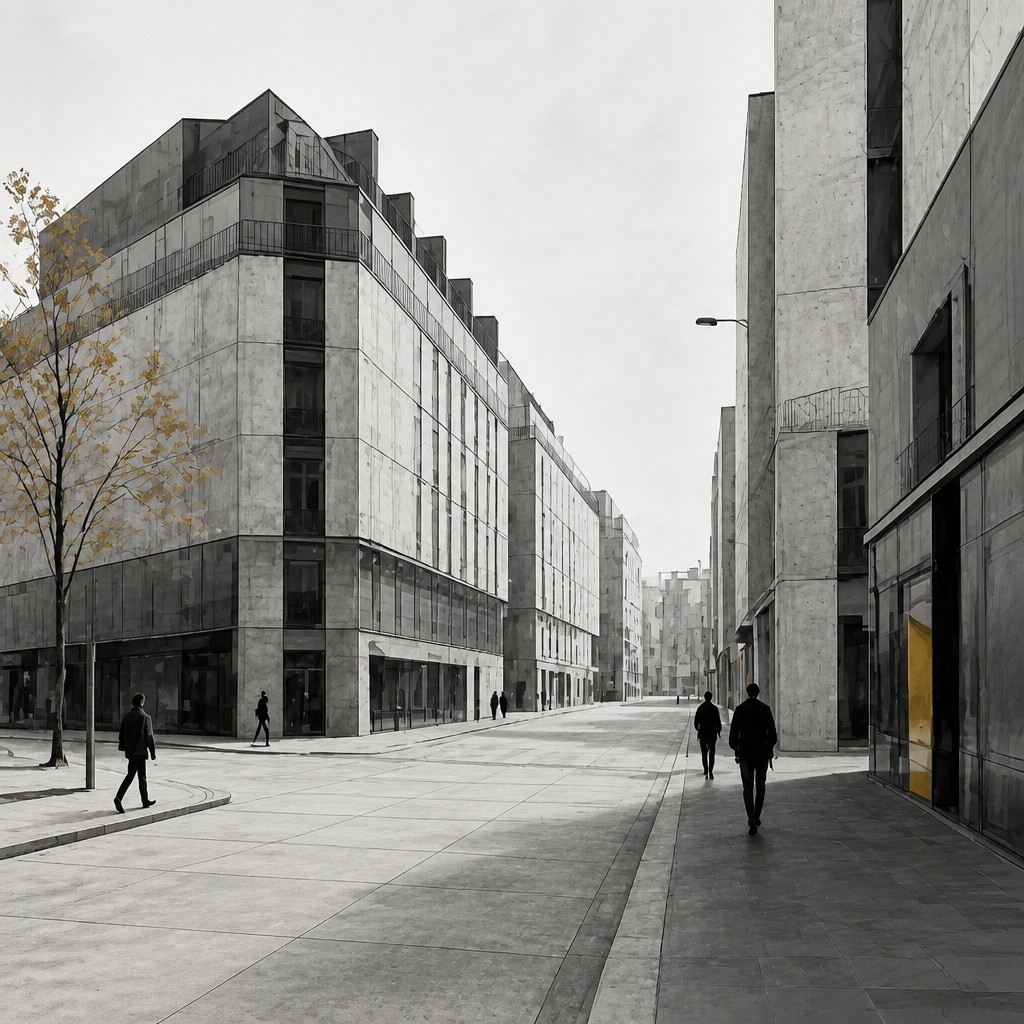

What Defines Minimalist Modern Art Style
The signature details, up close
Reduced geometry
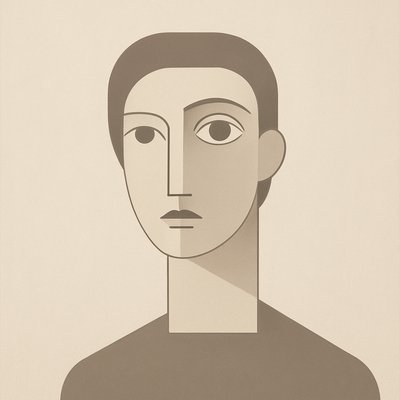
Forms are usually basic: rectangles, squares, lines, circles, planes, and blocks. Complex detail is avoided so the viewer reads structure before subject matter.
Industrial material presence
Concrete, brushed steel, glass, stone, and matte painted surfaces are common visual cues. These materials suggest physical honesty and a lack of decorative disguise.
Restricted palette
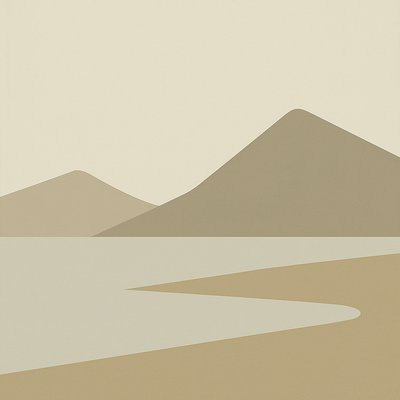
The color scheme is usually white, gray, black, or muted neutrals, with only one controlled accent color if any. The limited palette keeps attention on spacing, proportion, and surface.
Hard edges and clean boundaries
Contours are crisp, transitions are precise, and ornament is minimized. Even when the image is soft in mood, the shapes themselves remain disciplined.
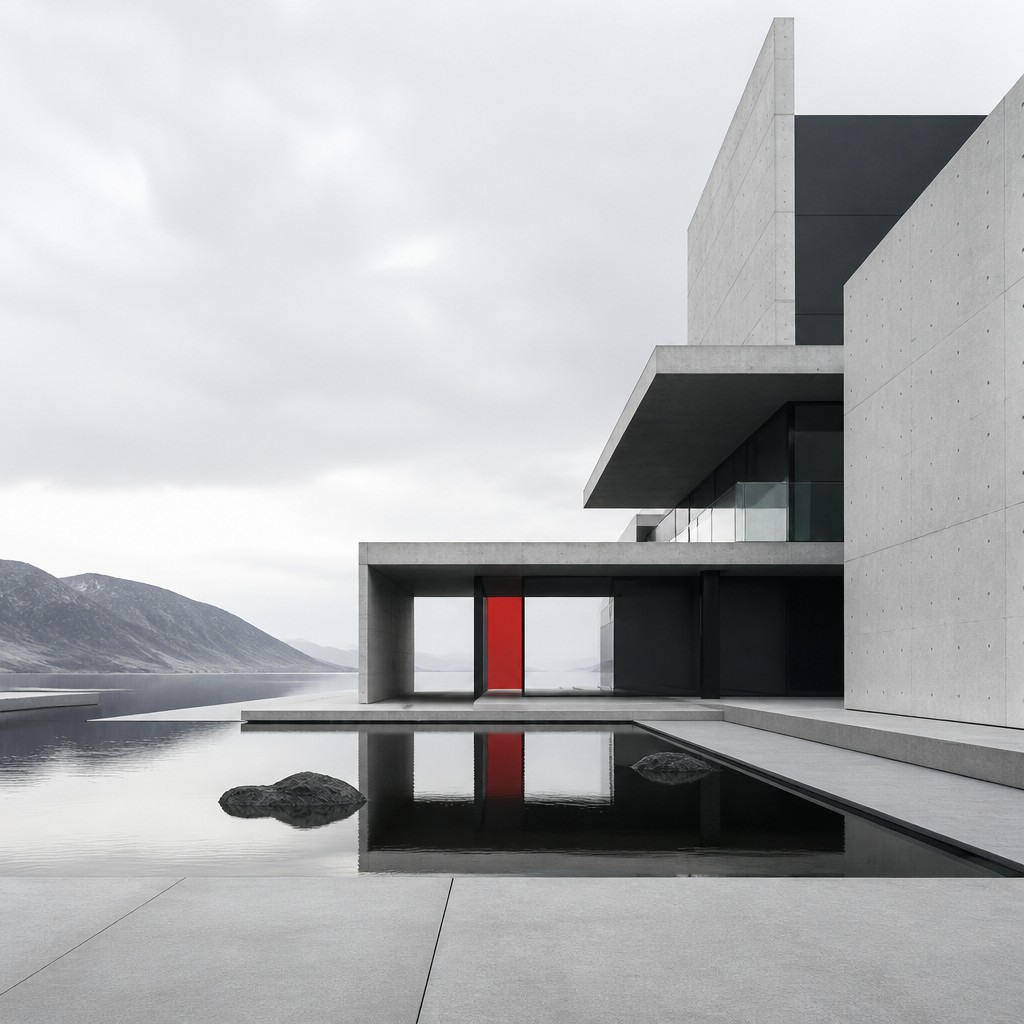
Spatial tension and emptiness
Large areas of negative space are central, not incidental. The arrangement often feels balanced but slightly unsettled, creating quiet tension through asymmetry.
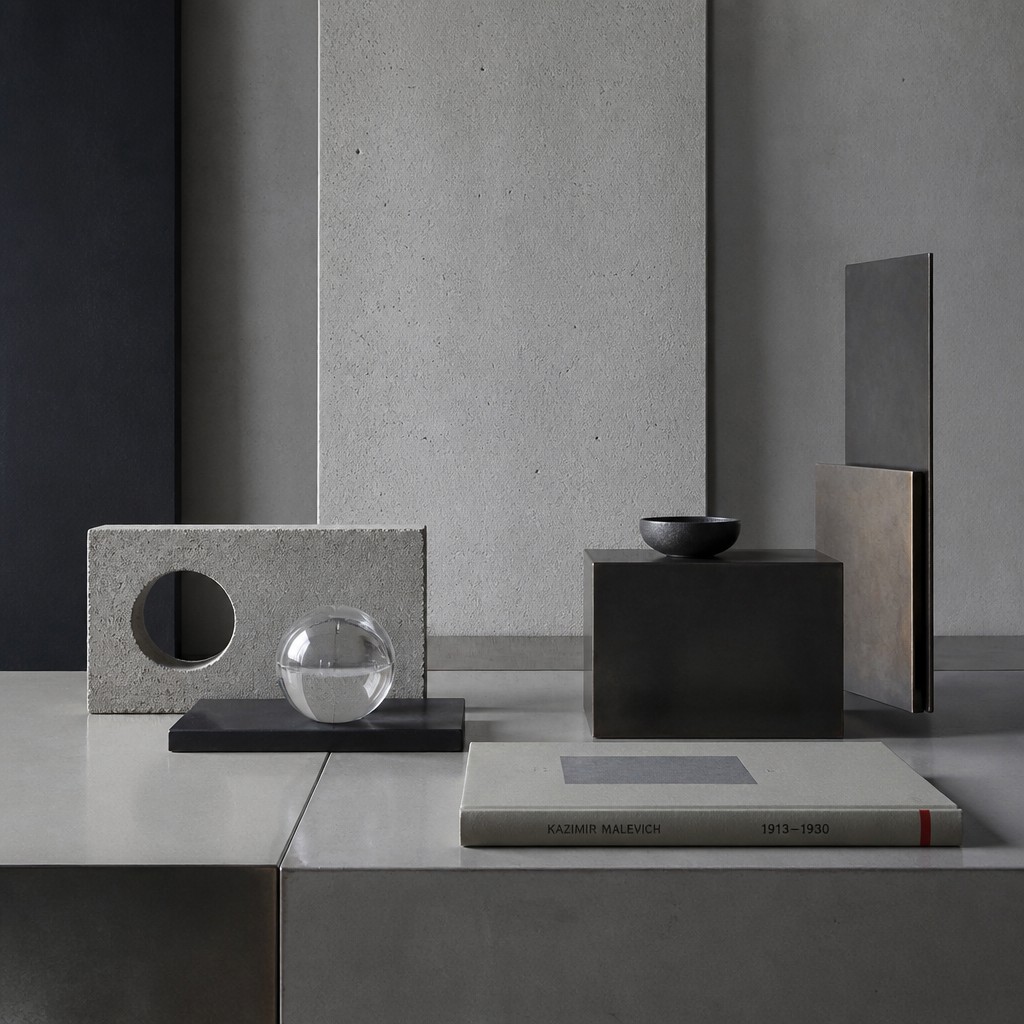
Flat, even illumination
Lighting tends to avoid dramatic shadow and theatrical contrast. This makes surfaces read plainly and reinforces the style’s objective, understated character.
Try It
Create Videos in Minimalist Modern Art Style
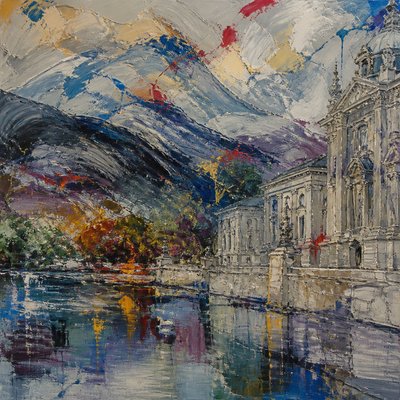
Styles aren't just for stills — describe a scene or animate an image and get a short video rendered in Minimalist Modern. Press play to see this pond come to life.
Make a VideoMinimalist Modern Prompt Ideas
Start from an idea — each one opens the generator with the style ready to go. See all 40 Minimalist Modern prompts →
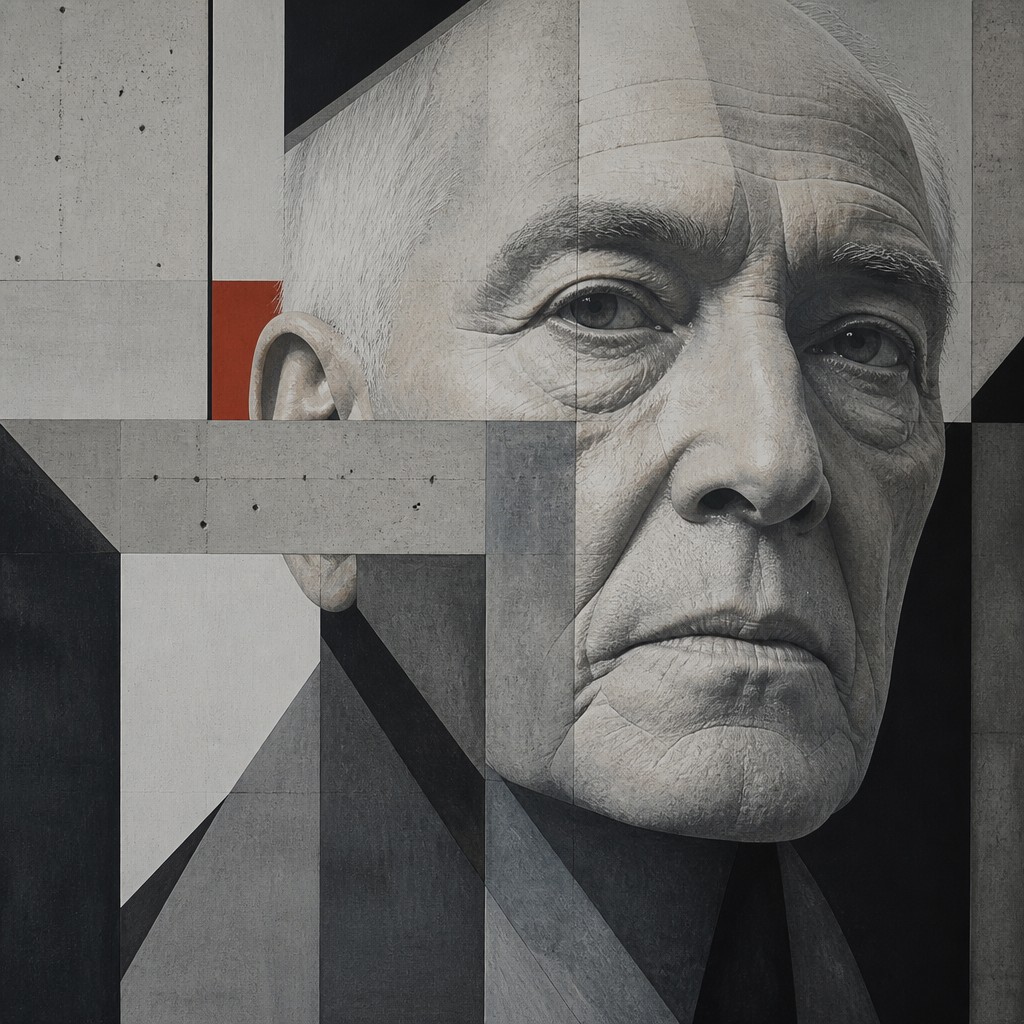
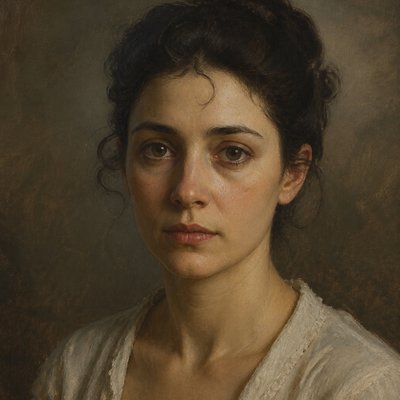
“close-up portrait of an elderly person with expressive weathered features”
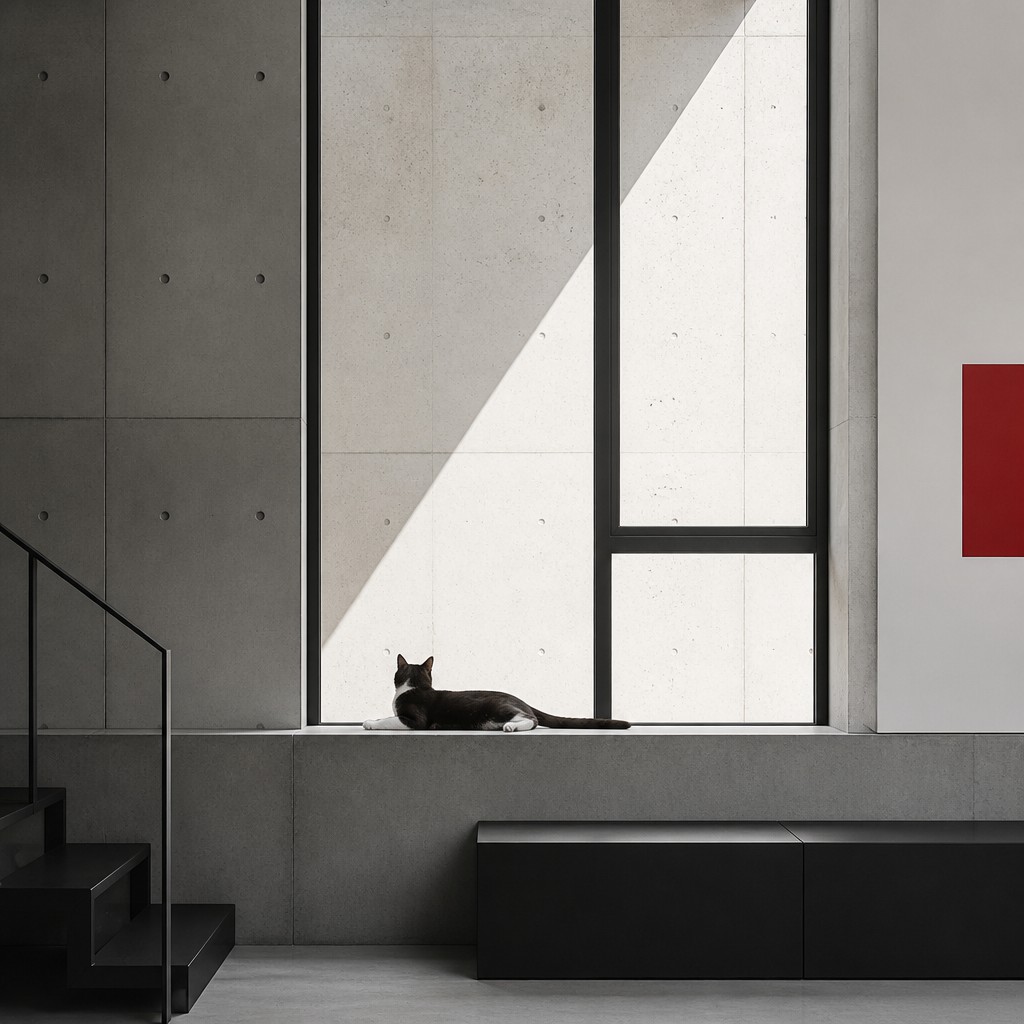
“a cat lounging in a sunlit window”
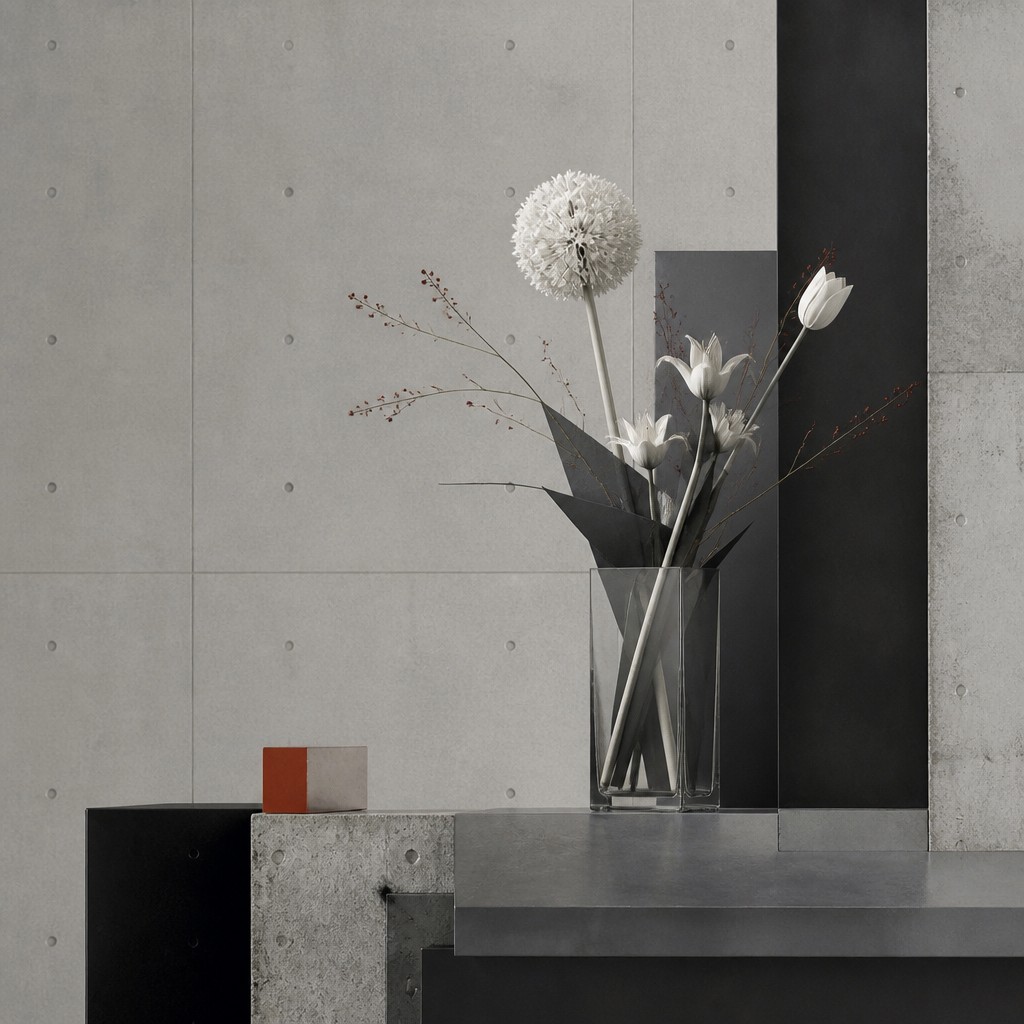
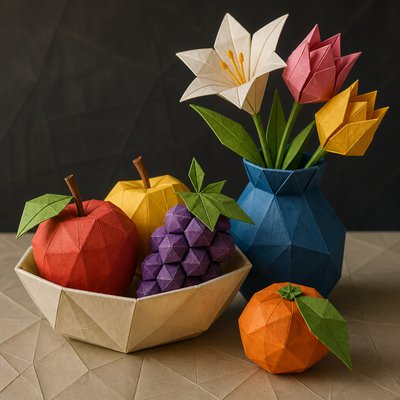
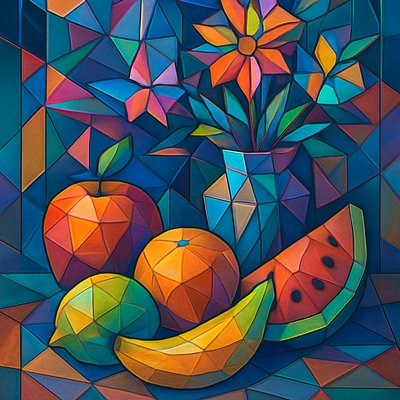
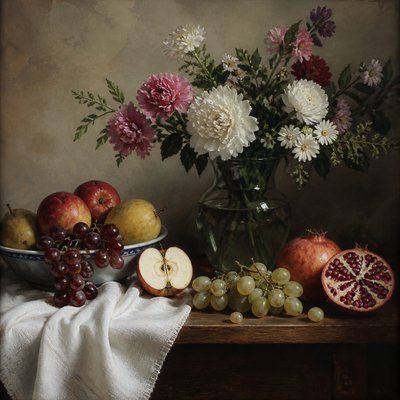
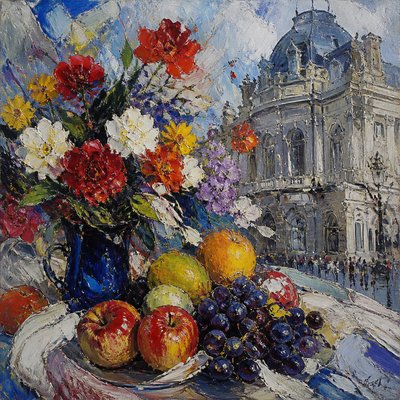
“bouquet of flowers in a glass vase”
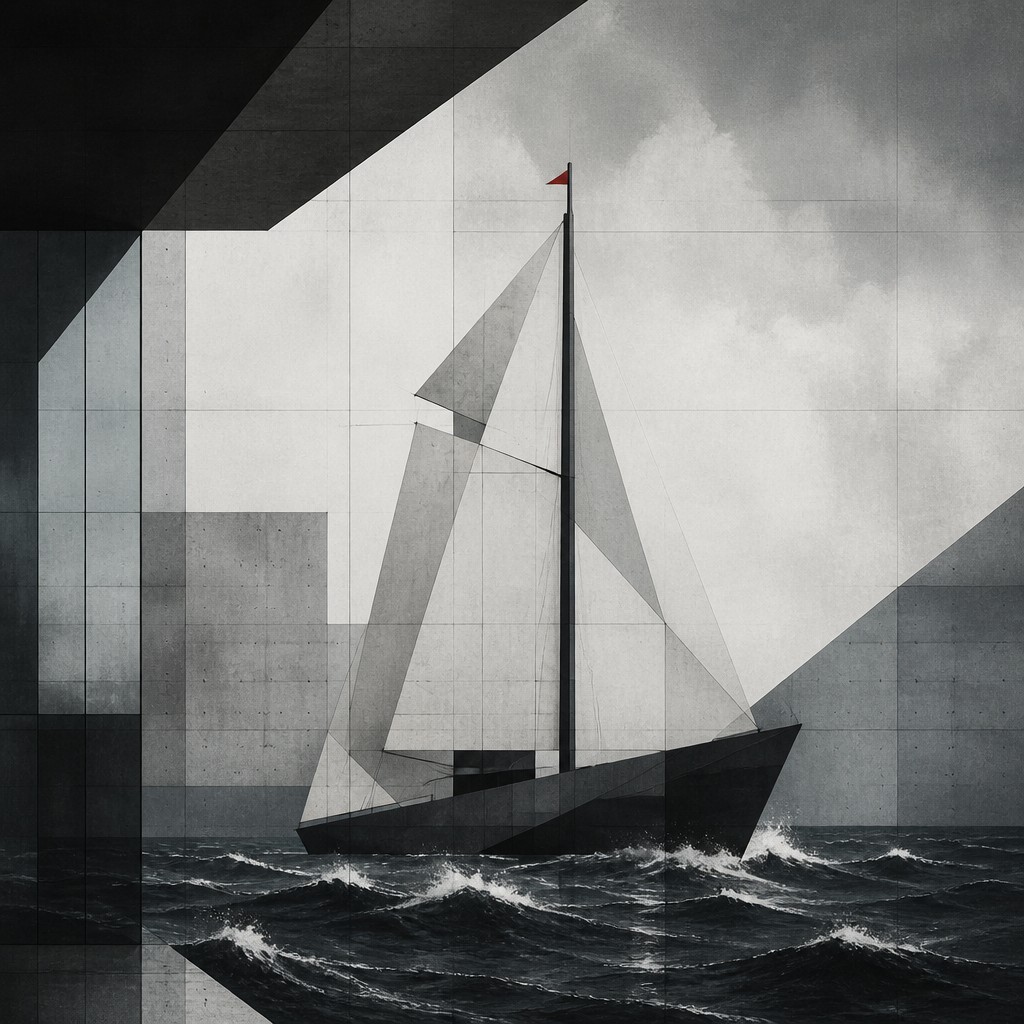
“sailing ship on a stormy sea”
How to Create Minimalist Modern Art
Master the craft step by step — or skip straight to creating. Read the full guide →
- 1
Start with subtraction
Begin by removing anything that does not support structure, spacing, or material clarity. In traditional media, sketch only the main planes and edges; in digital work, block in large shapes before adding any detail.
- 2
Use a strict palette
Limit yourself to neutrals and one possible accent color. If a color does not strengthen the composition or emphasize hierarchy, leave it out.
- 3
Treat space as a design element
Leave generous empty areas so the eye can register proportion and tension. Negative space should feel intentional and active, not like unfinished background.
- 4
Favor flat, honest surfaces
Avoid painterly blending, ornate texture, or heavy gestural marks unless they are extremely controlled. When using digital or prompt-based tools, specify matte surfaces, hard edges, and clean geometry.
- 5
Build with grid logic
Align objects, edges, and intervals to an underlying system, then allow a slight asymmetry to keep the image alive. A subtle imbalance often makes the composition feel more modern than perfect symmetry.
- 6
Prompt for material and restraint
When generating images, describe the subject first and then constrain it with terms like geometric abstraction, industrial materials, neutral palette, flat lighting, and severe minimal composition. Avoid words that imply decoration, clutter, or narrative excess.

The Story
History & Origins of Minimalist Modern
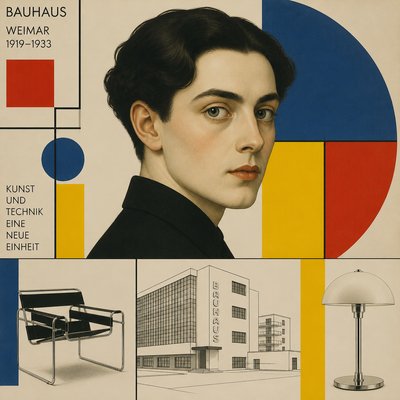
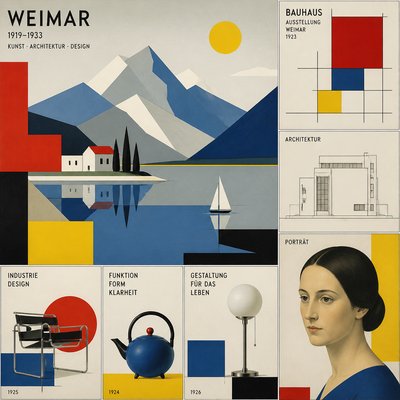
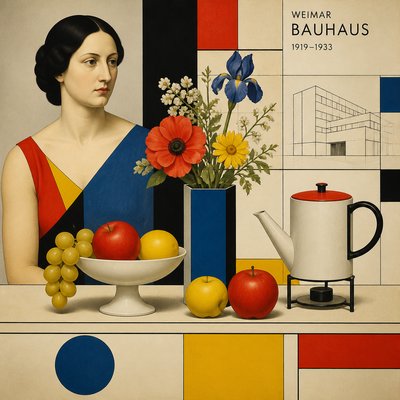
Minimalist modern art belongs to the broader history of Minimalism, which emerged in the United States in the 1960s as artists rejected expressive excess and figurative illusion in favor of primary structure, serial repetition, and literal presence. It was shaped by earlier modernist abstraction, especially geometric abstraction, Constructivism, De Stijl, and Bauhaus design principles, all of which emphasized clarity, functional order, and reduced form. Key historical Minimalist artists include leading figures associated with industrial object-based sculpture, fluorescent light works, serial wall systems, quiet fields of painted color, and spare floor-based constructions.
As a contemporary visual style, minimalist modern art also draws from later design culture, industrial product aesthetics, architecture, and editorial layout. Its current image language is common in architecture visualization, branding, exhibition design, interiors, and digital interfaces, where clean geometry and material restraint signal sophistication, calm, and structure. In image-making today, the style often merges historical Minimalist principles with a broader modernist sensibility focused on emptiness, material honesty, and spatial balance.
Influences: Minimalist modern art is closely related to the Minimalism of the 1960s and to earlier modernist movements such as Constructivism, De Stijl, and the Bauhaus, which all privileged structure, reduction, and functional clarity. Its visual discipline also overlaps with Japanese aesthetic traditions that value emptiness and restraint, though its modern form is rooted primarily in Western modernism. Among canonical Minimalist artists, leading figures associated with industrial object-based works, fluorescent light installations, serial wall-based systems, quiet fields of color, and spare floor-bound constructions are especially important for understanding its formal language.
Frequently Asked Questions
What defines minimalist modern art?
It is defined by reduction: simple geometry, limited color, sparse composition, and an emphasis on space and material. The work usually avoids ornament, narrative detail, and expressive excess. What remains is carefully controlled and visually deliberate.
How is this different from general minimalism?
General minimalism can apply to many contexts, including design, music, and lifestyle aesthetics. Minimalist modern art specifically refers to a visual language shaped by modernist abstraction and industrial materials. It is less about simplicity as a trend and more about a formal art-historical approach to structure and perception.
How is it different from abstract art?
All minimalist modern art can be abstract, but not all abstract art is minimalist. Abstract art may still use dense layers, vivid color, or expressive gesture, while minimalist modern art strips those elements away. The focus is on form, interval, and material presence rather than emotion through brushwork or symbolic imagery.
What materials and surfaces work best in this style?
Concrete, steel, glass, stone, matte paint, and plain paper are all well suited to the style. Surfaces should usually look honest and understated, with little ornament or decorative finish. Even when the medium is digital, it helps to mimic those material qualities.
Where is minimalist modern art commonly used?
It appears in architecture, exhibition design, interiors, editorial layouts, branding, product visualization, and fine-art contexts. Its calm, structured look also makes it common in poster design and high-end visual identity systems. In image-making, it is often used when the subject needs to feel refined, spacious, and contemporary.
How can I make an image feel minimal without becoming empty?
Keep the composition simple, but make every remaining element purposeful. Use proportion, spacing, texture, and subtle asymmetry to create tension. The image should feel reduced, not accidental.
Create your first Minimalist Modern artwork
Describe anything — or upload a photo — and see it in Minimalist Modern Art Style in seconds.
Make Something with Minimalist Modern
Related Styles
Discover similar art styles