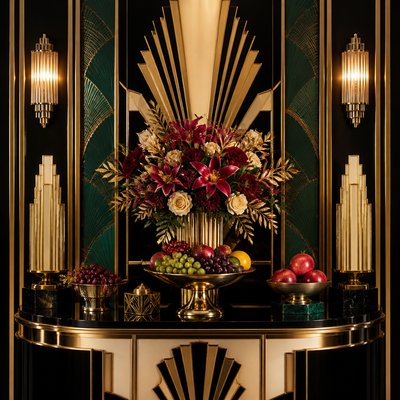
Minimalist Jewelry Design
Elegant jewelry defined by clean geometry, restrained materials, and precise craftsmanship—modern simplicity with quiet luxury.
Instantly rendered in Minimalist Jewelry Design — or transform a photo
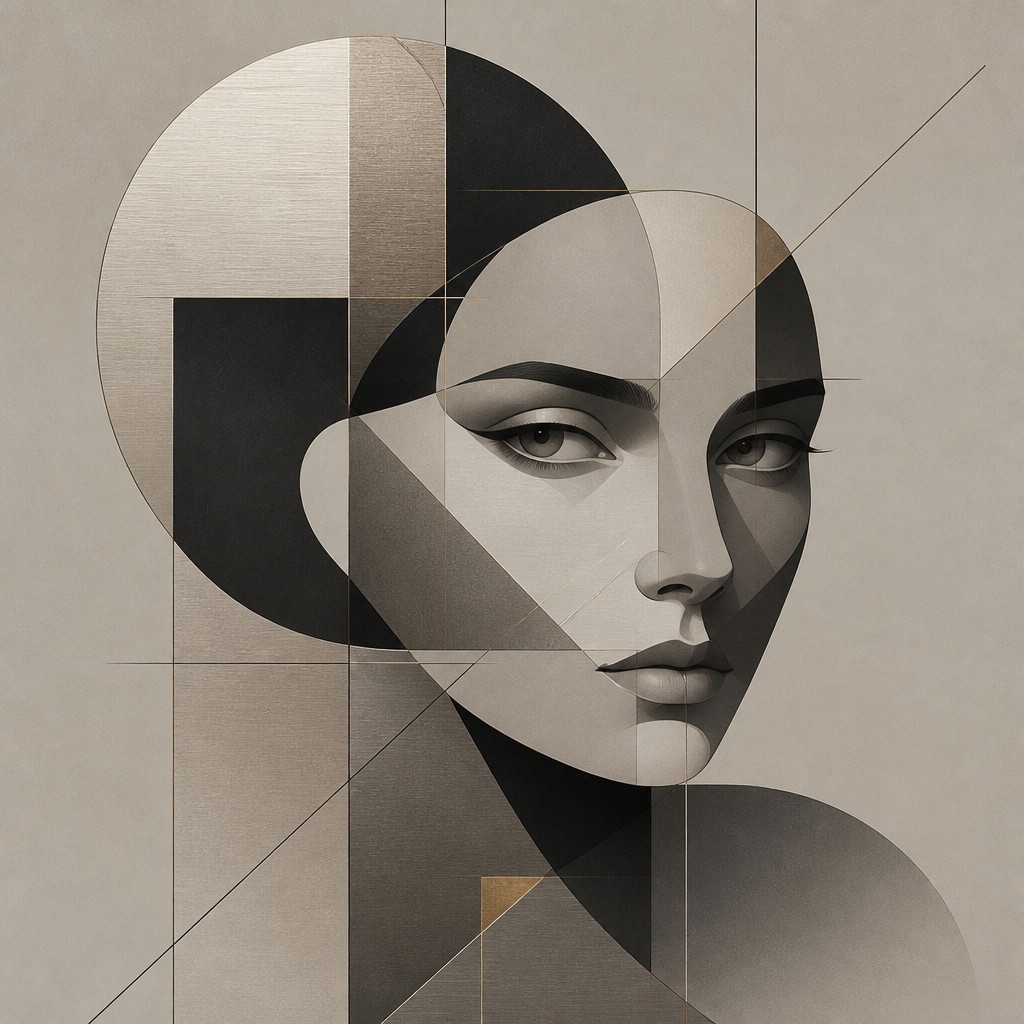
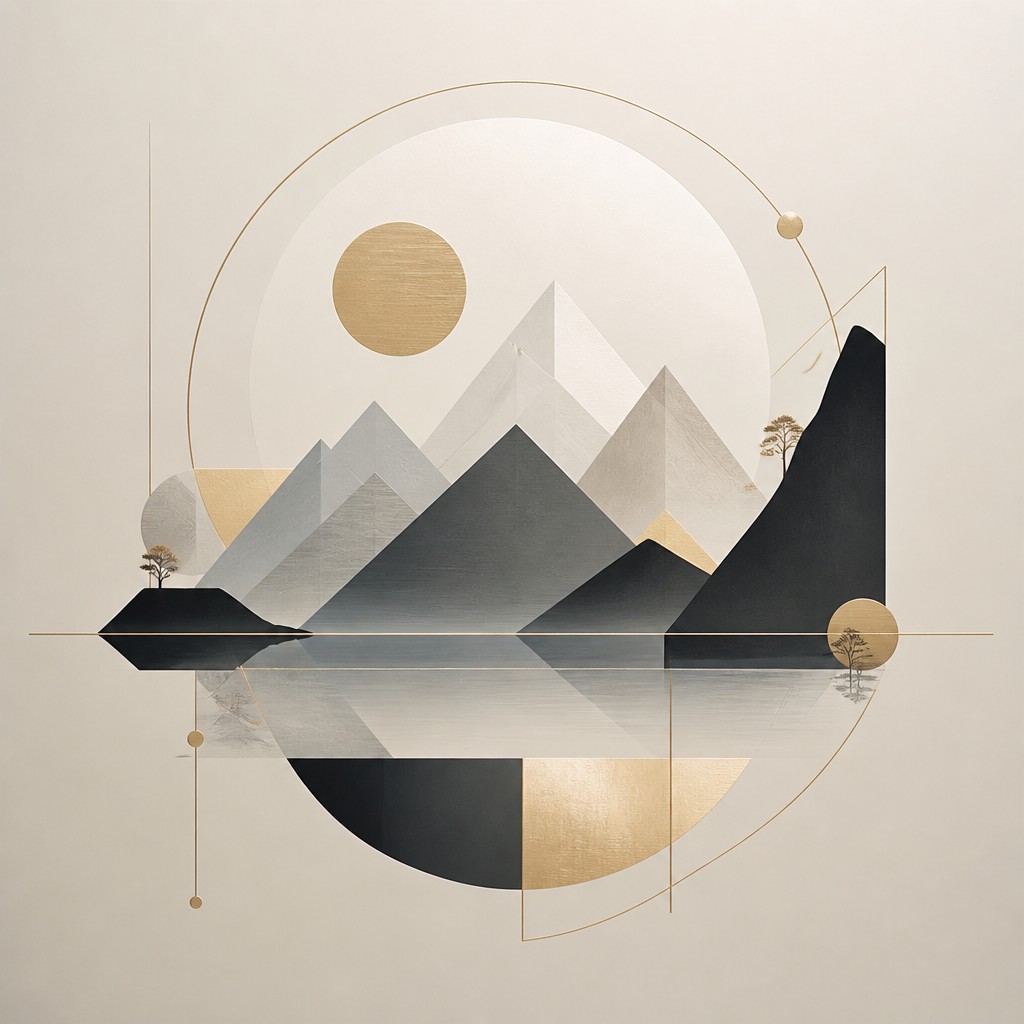
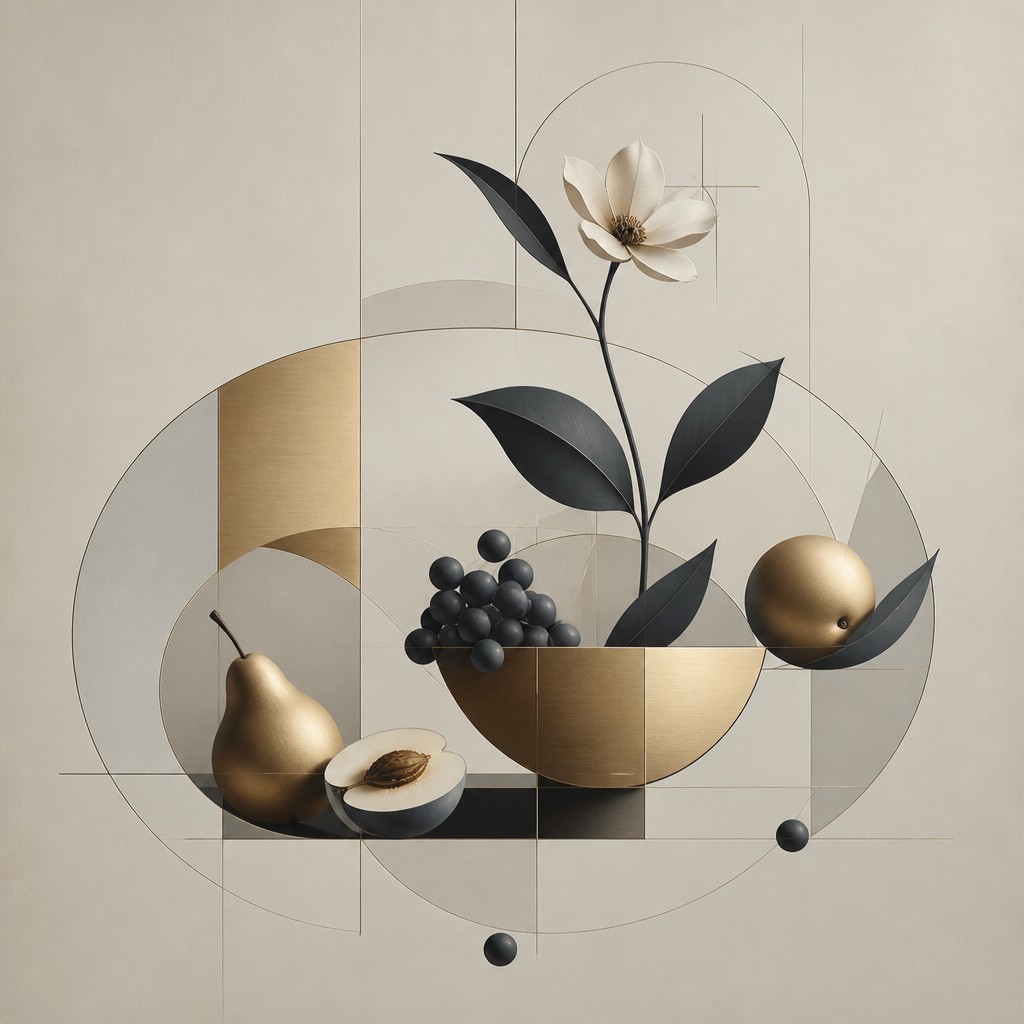
Minimalist Jewelry Design Gallery
Tap any artwork to explore it
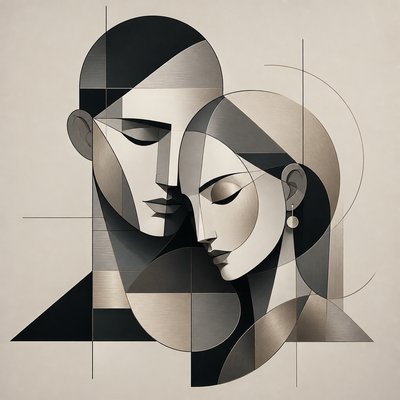

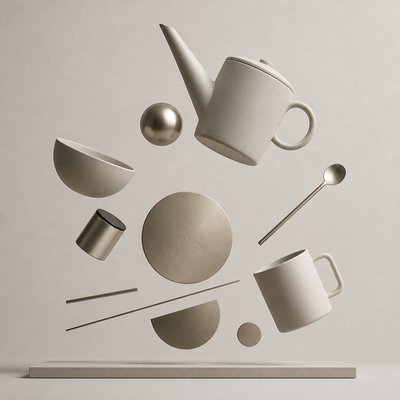
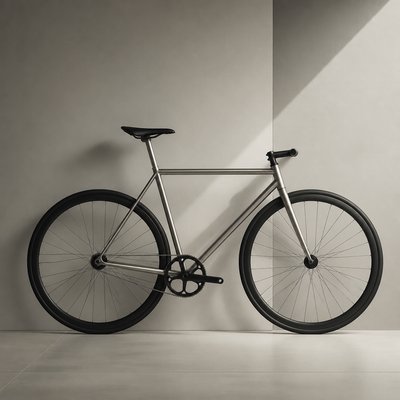
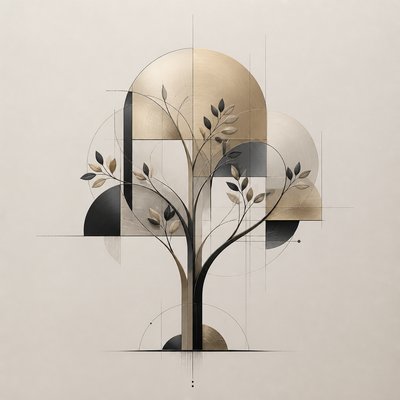
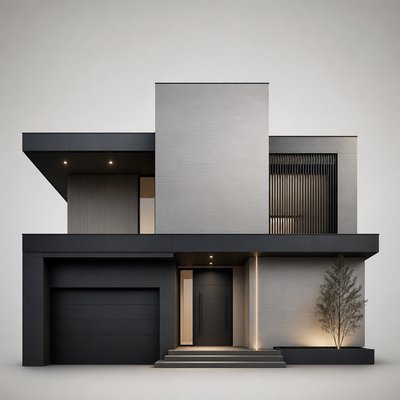
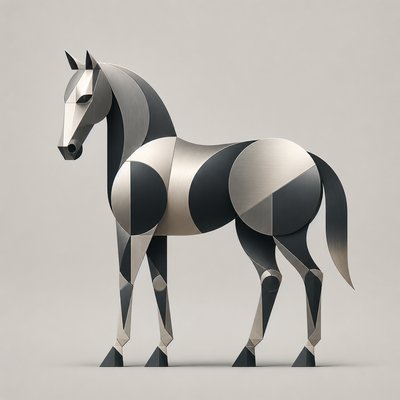
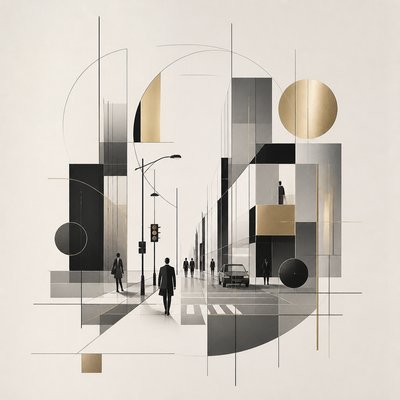
What is Minimalist Jewelry Design?
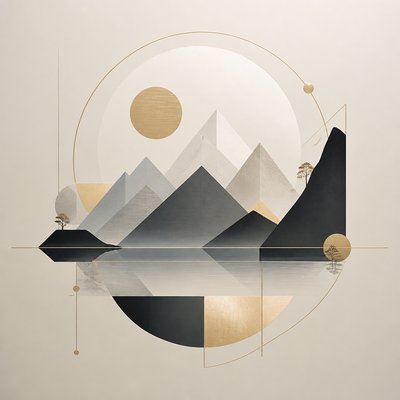
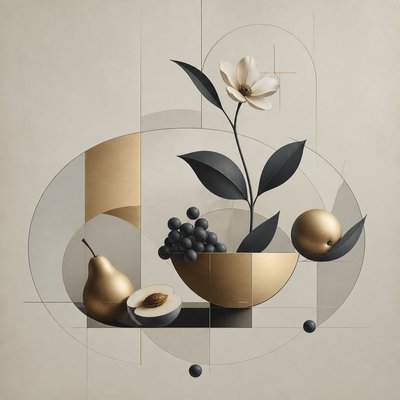
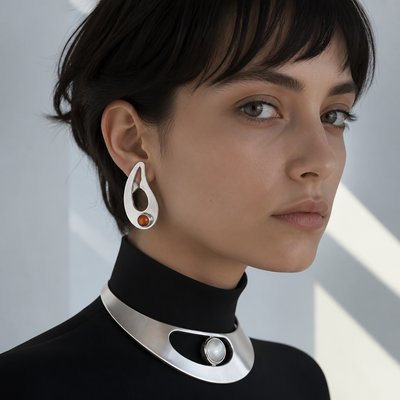
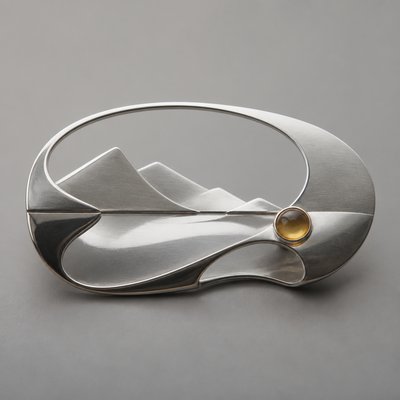
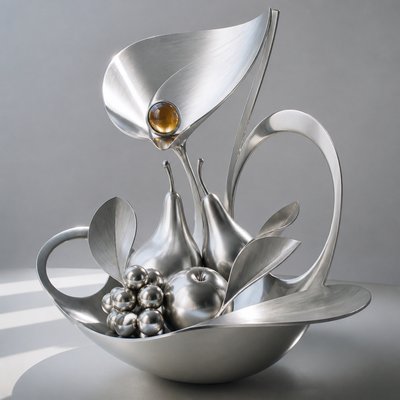
Minimalist jewelry design is an approach to adornment built from reduction: simple forms, clear geometry, restrained scale, and immaculate craftsmanship. Instead of relying on ornate settings, dense ornament, or excessive gemstone accumulation, it favors a few carefully chosen elements—an arc, a bar, a circle, a thin band, a single stone—arranged with precision so that the object reads as calm, balanced, and deliberate.
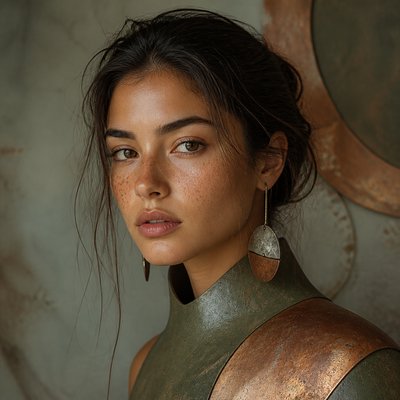
Its visual identity comes from the way it uses space as much as material. Open structures, thin profiles, polished or brushed metal surfaces, and a limited palette create a sense of lightness and clarity. The style looks the way it does because every line, curve, and proportion is edited to its essential form; the resulting pieces communicate refinement through restraint, technical accuracy, and the tactile quality of finely finished materials.
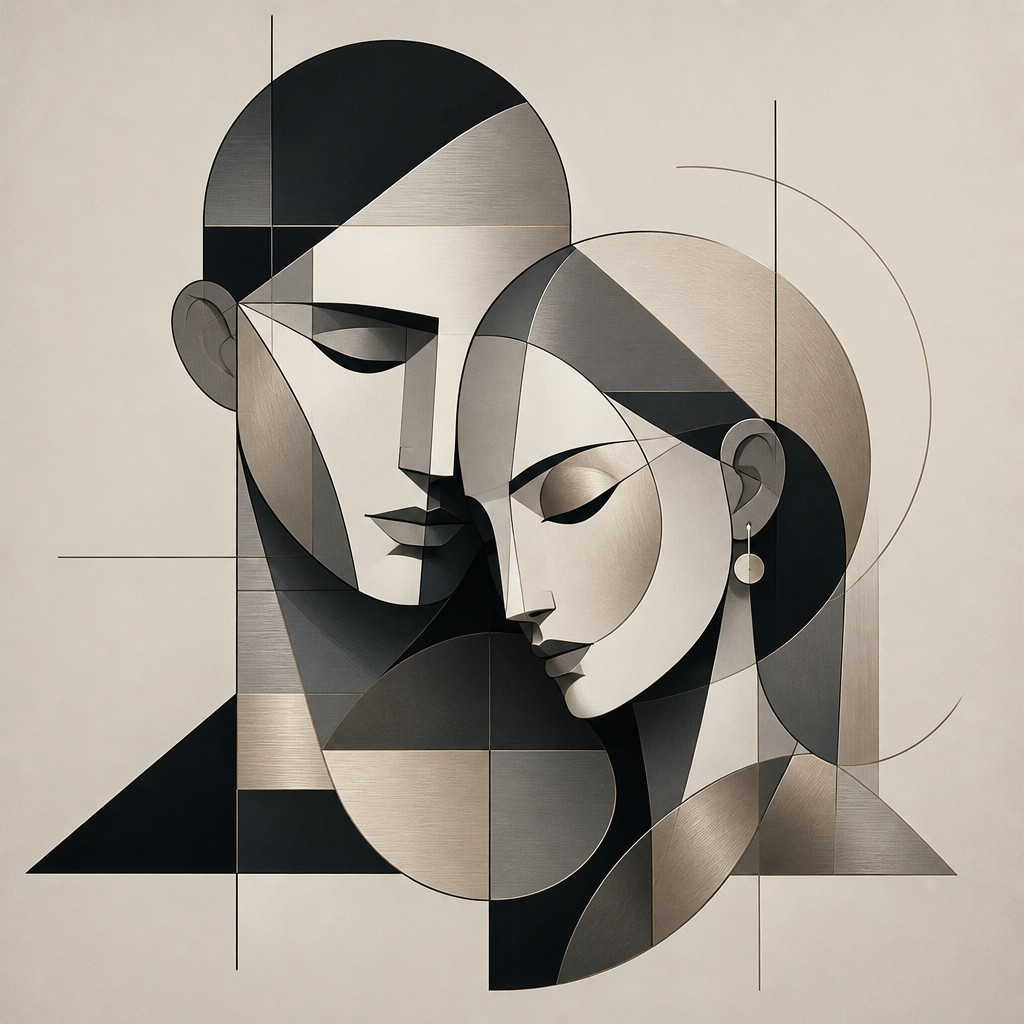
Try It On Your Photos
Upload any photo and convert it into Minimalist Jewelry Design — drag the sliders to compare before and after.
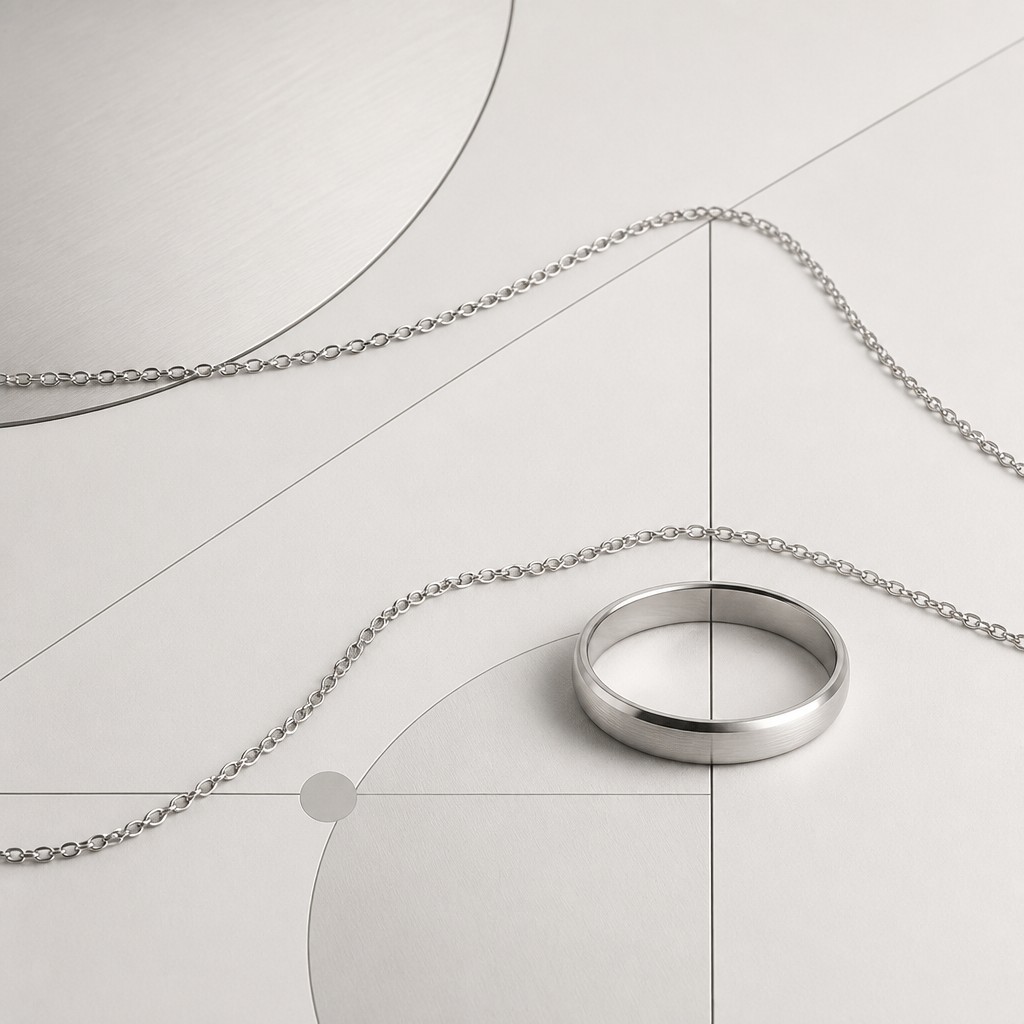
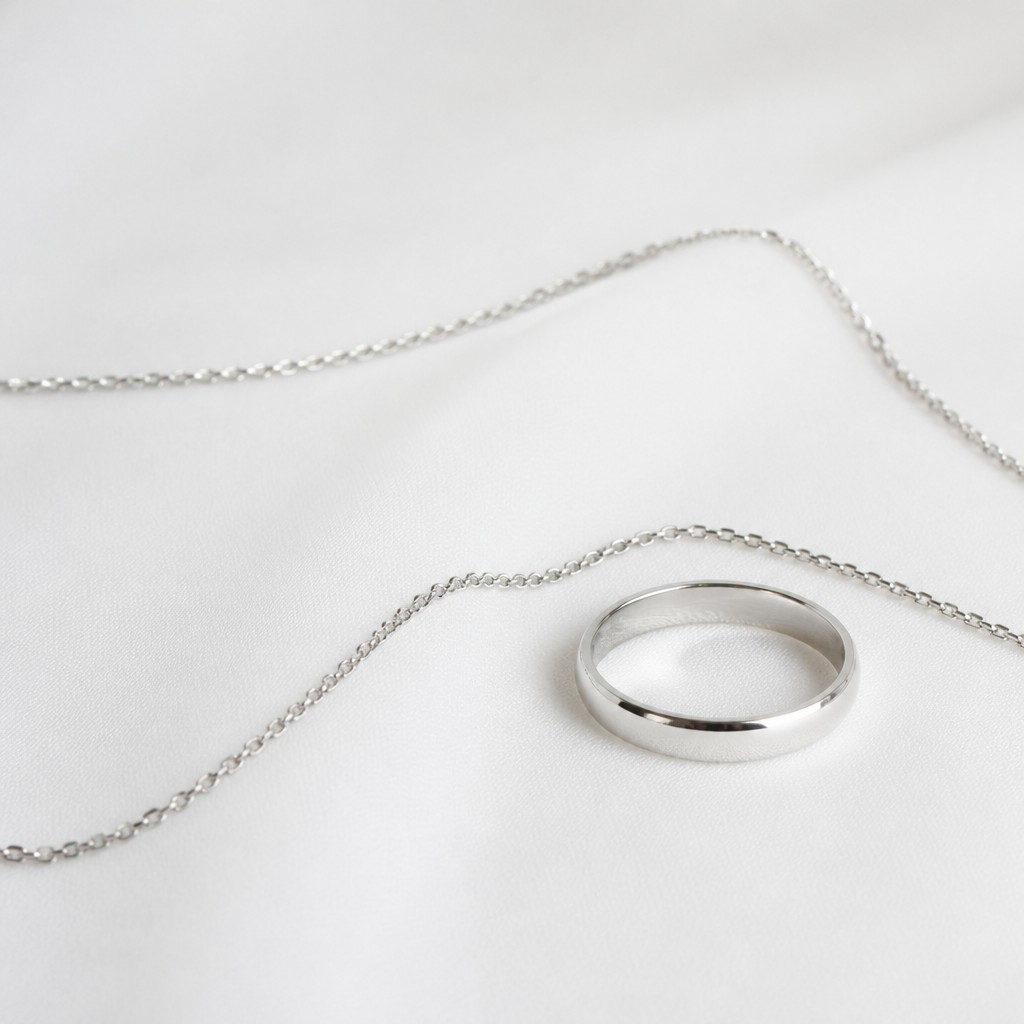
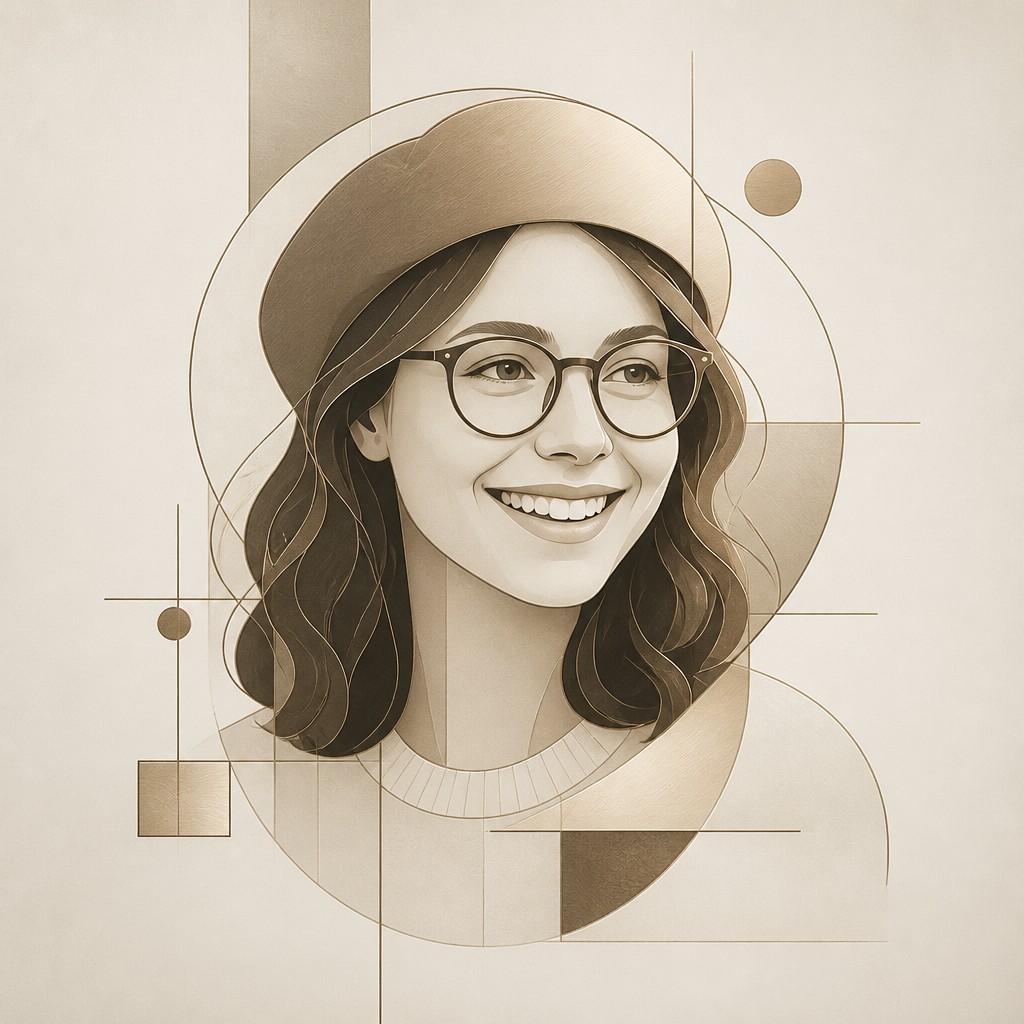

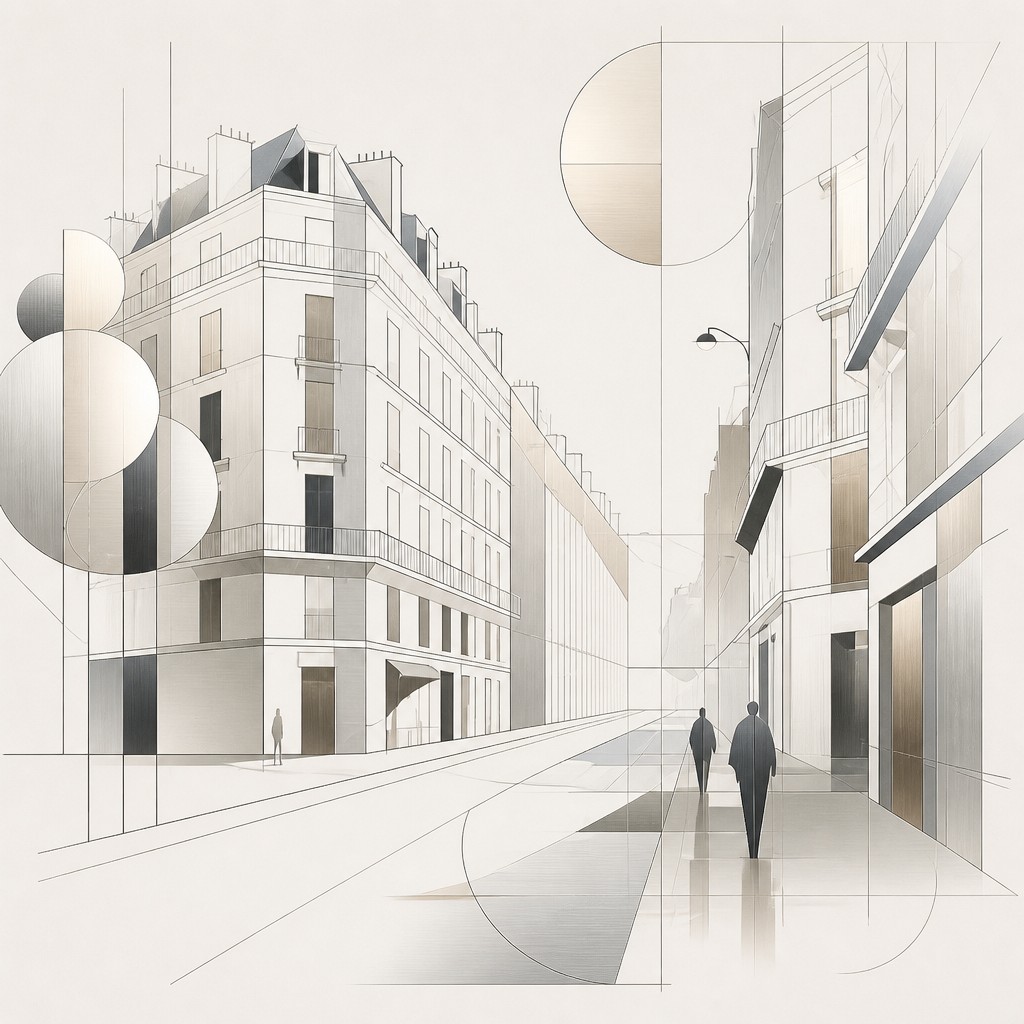

What Defines Minimalist Jewelry Design
The signature details, up close
Geometric simplicity
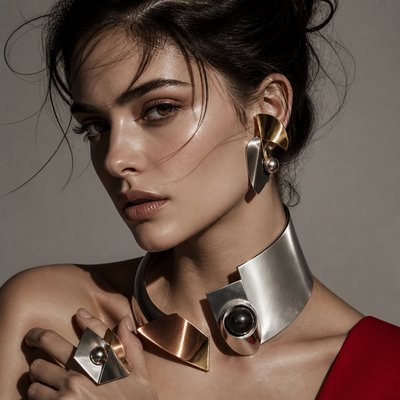
Circles, bars, triangles, arcs, and linear silhouettes are central. The forms are usually reduced to their most legible state, with no unnecessary embellishment.
Restrained palette
The style often uses silver, gold, platinum, blackened metal, or a single accent stone. Color is limited so that form, proportion, and finish remain the focus.
Precision craftsmanship
Edges, joins, and symmetries are expected to be exact. Small irregularities are highly noticeable, so clean execution is part of the aesthetic itself.
Negative space
Open areas and gaps are treated as active design elements. The absence of material helps create visual lightness and gives the piece room to breathe.
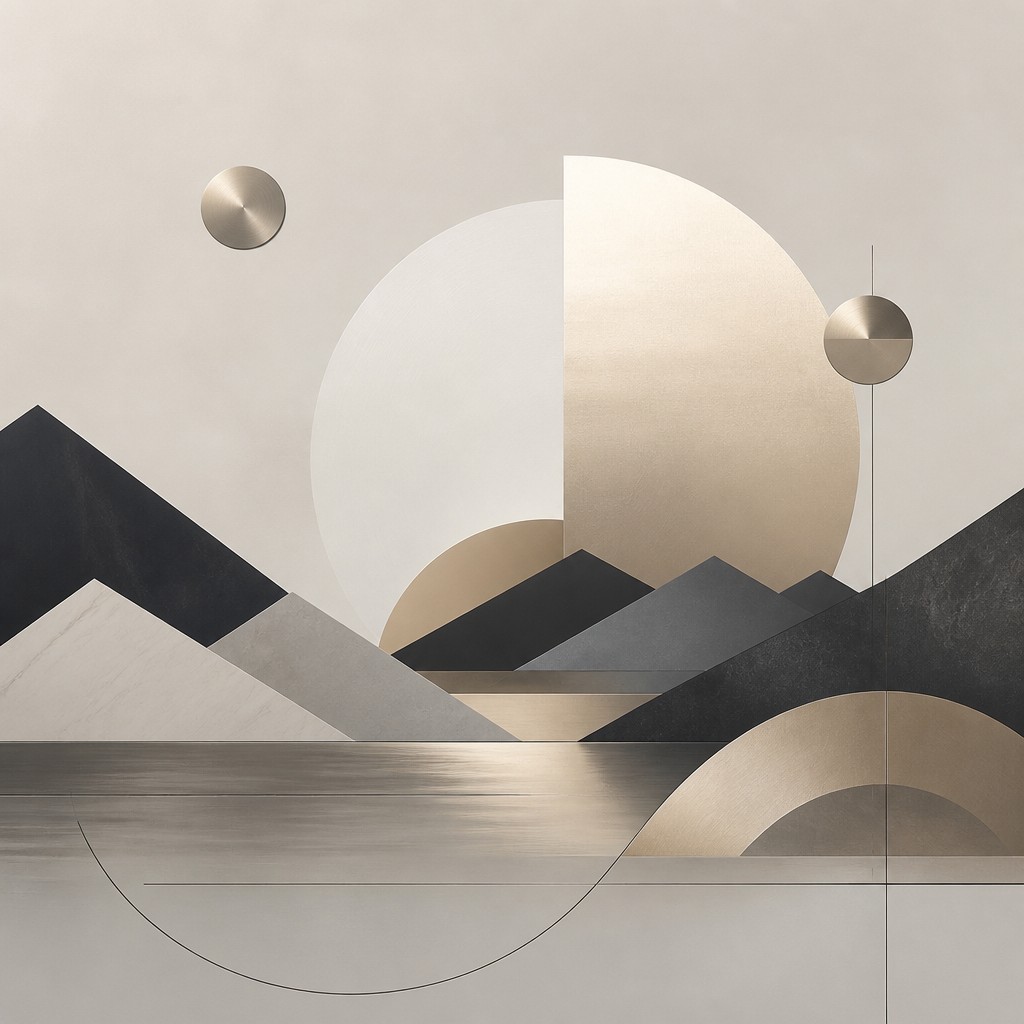
Quiet luxury finishes
Surfaces tend to be brushed, satin, matte, or mirror-polished with controlled refinement. The appeal comes from material quality and finish rather than ornament.
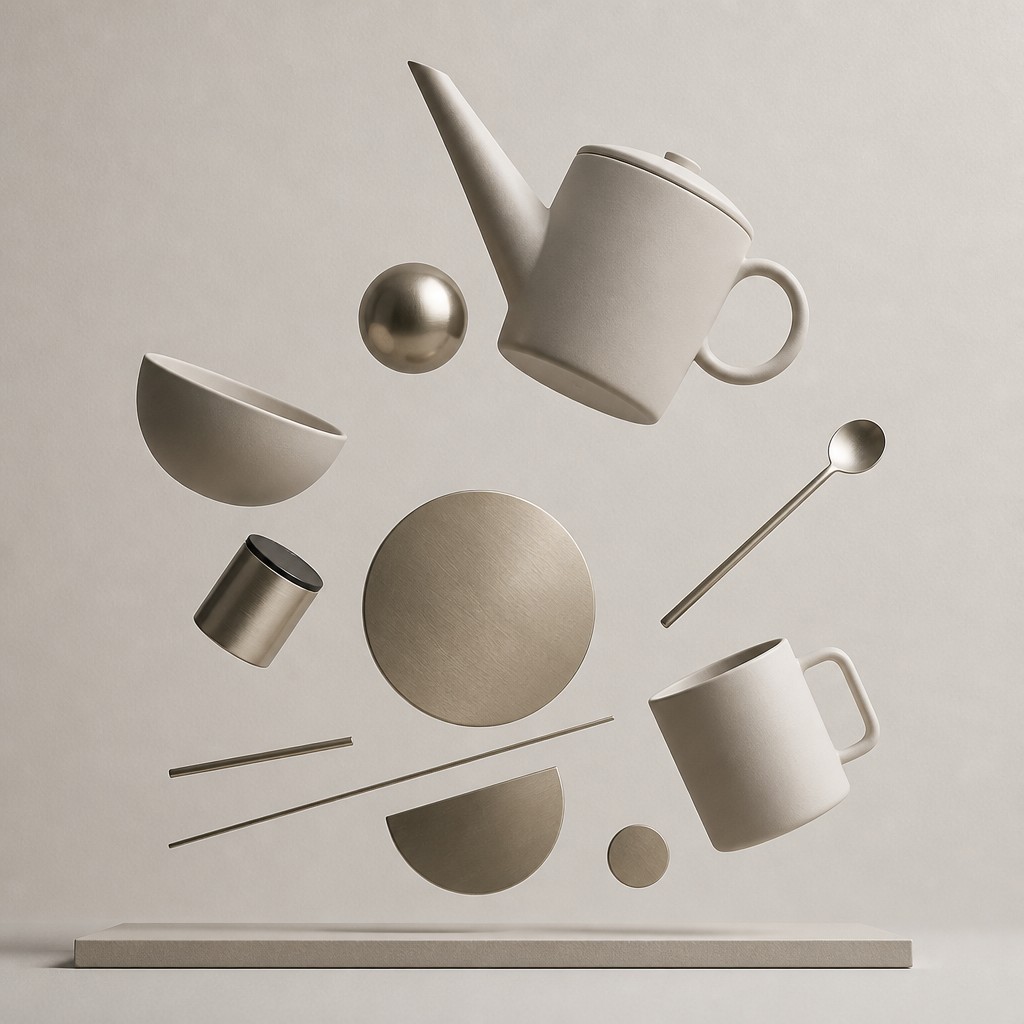
Subtle structural balance
Minimalist pieces often appear effortless, but they depend on careful proportion and weight distribution. The design must feel stable, comfortable, and visually calm.
Try It
Create Videos in Minimalist Jewelry Design
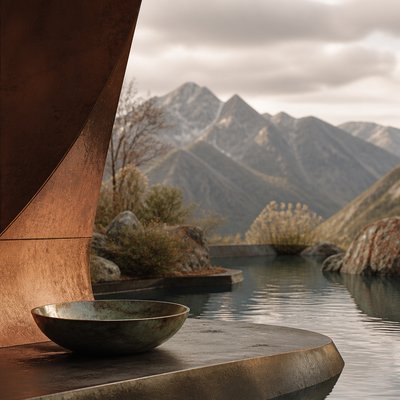
Styles aren't just for stills — describe a scene or animate an image and get a short video rendered in Minimalist Jewelry Design. Press play to see this pond come to life.
Make a VideoMinimalist Jewelry Design Prompt Ideas
Start from an idea — each one opens the generator with the style ready to go. See all 40 Minimalist Jewelry Design prompts →
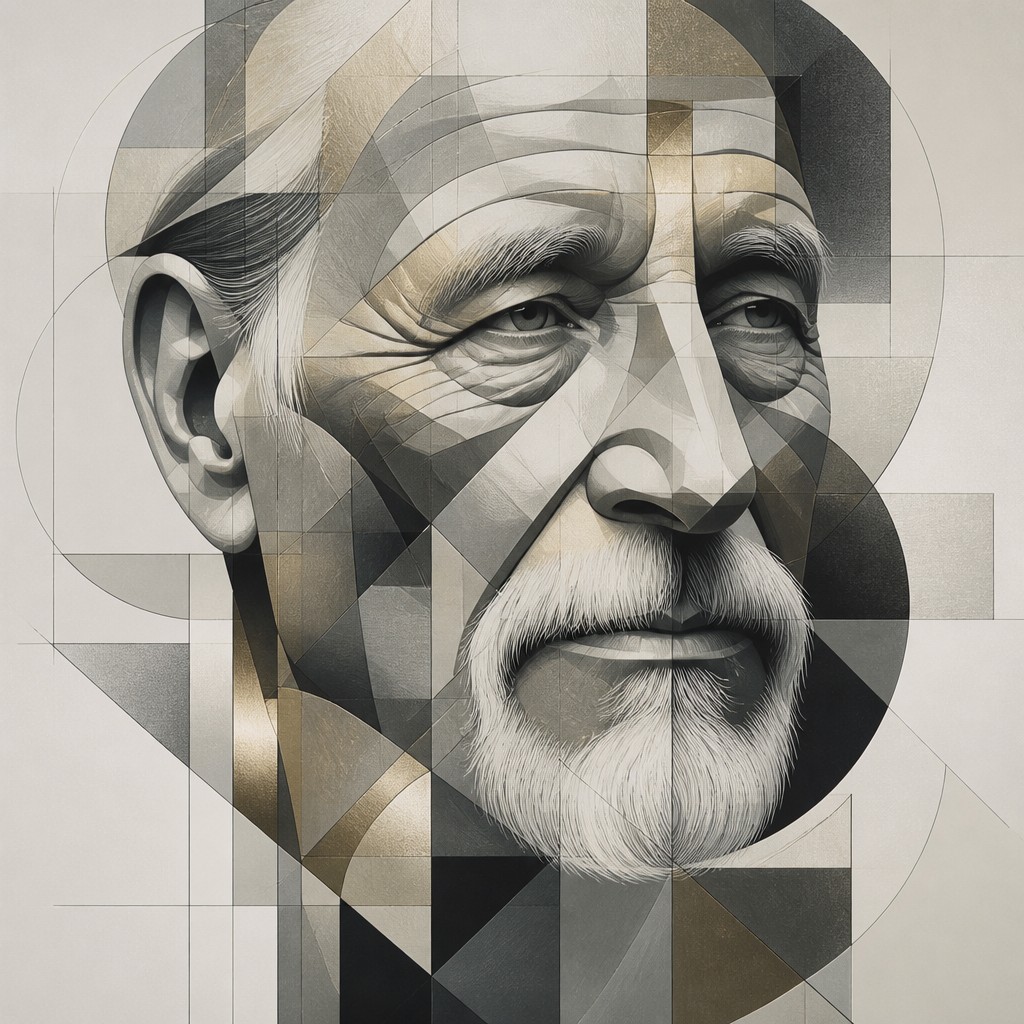
“close-up portrait of an elderly person with expressive weathered features”
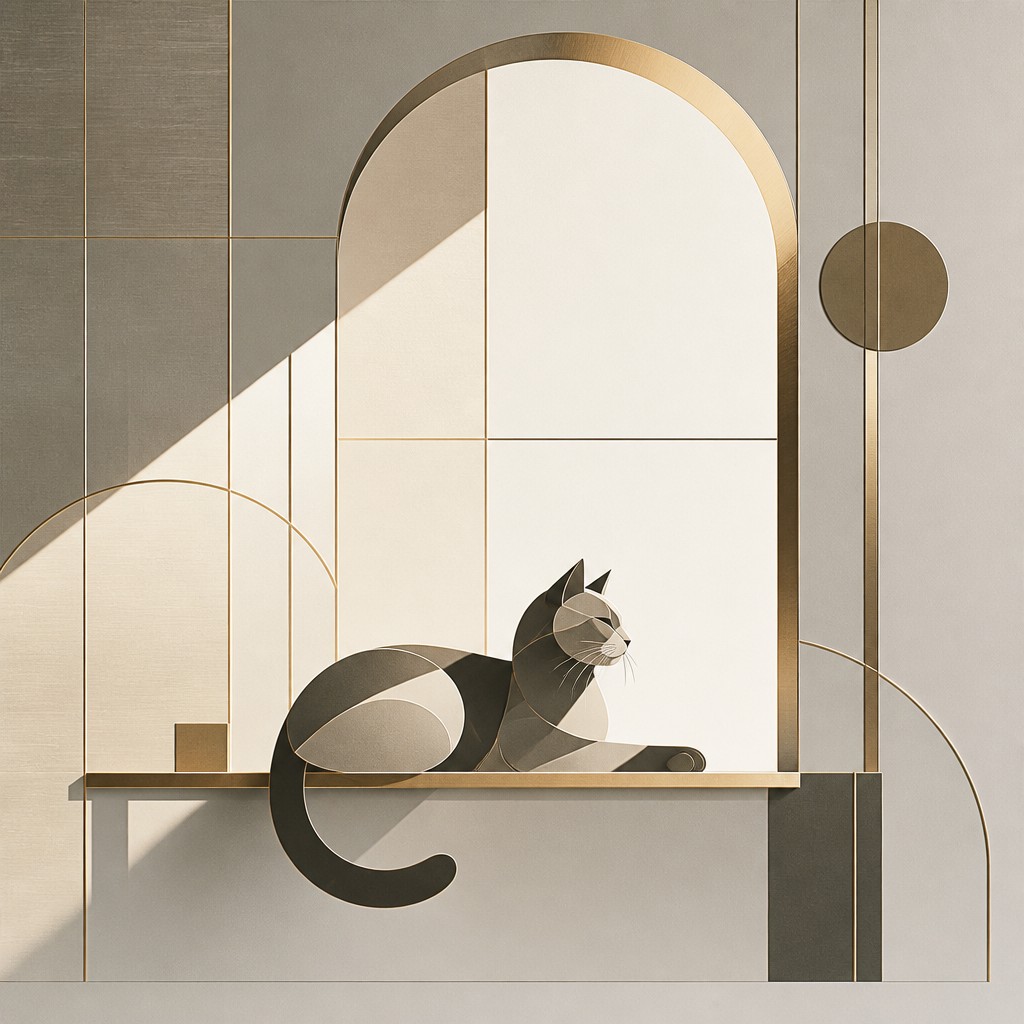
“a cat lounging in a sunlit window”
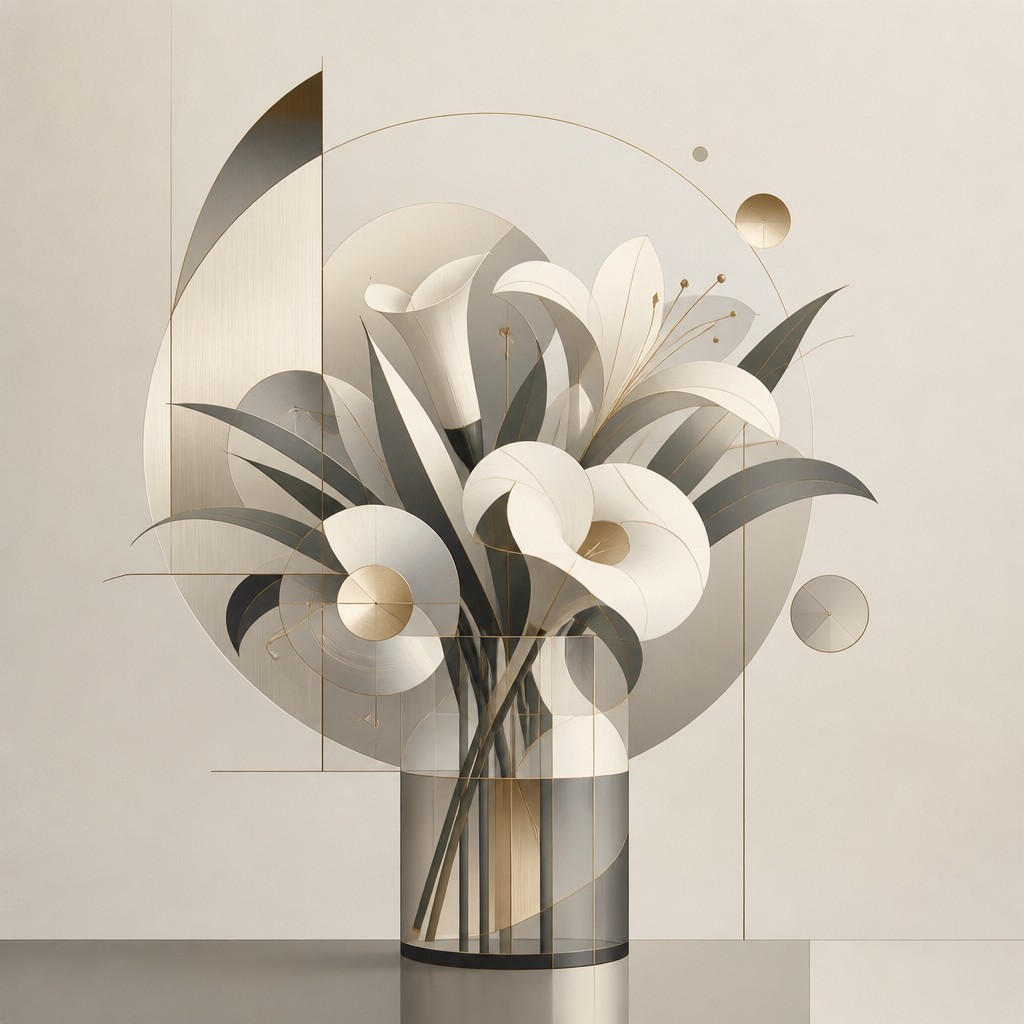
“bouquet of flowers in a glass vase”
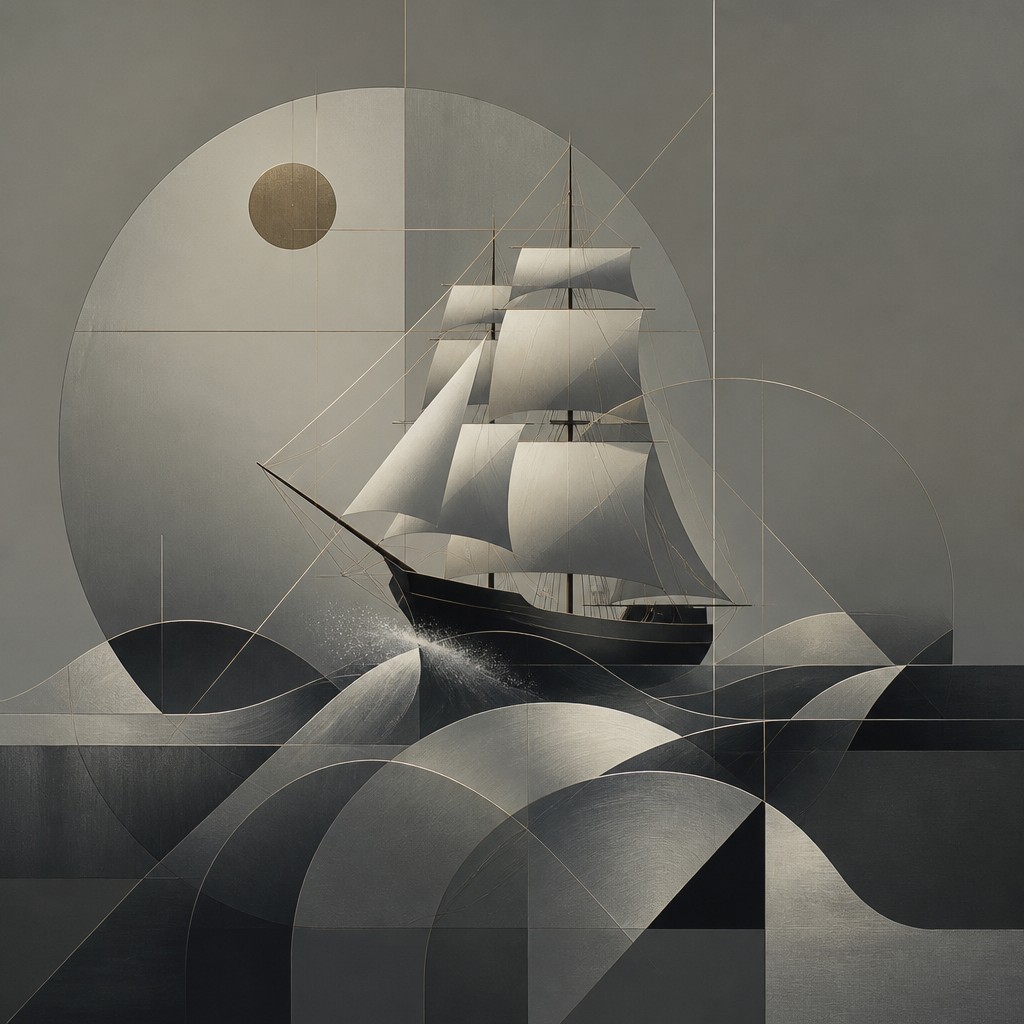
“sailing ship on a stormy sea”
How to Create Minimalist Jewelry Design Art
Master the craft step by step — or skip straight to creating. Read the full guide →
- 1
Start with one clear form
Reduce the concept to a single geometric idea before adding details. In traditional work, sketch in thin outlines and test proportions with paper or wire maquettes; in digital or prompt-based creation, specify a simple shape such as a band, hoop, bar, or open circle.
- 2
Use high-quality materials sparingly
Choose one primary metal and, if needed, one subtle accent such as a small stone or inlay. Avoid crowded combinations; the material should feel intentional and allow the object’s silhouette to remain dominant.
- 3
Control edges and joins
Minimalism depends on precision, so pay attention to seams, solder points, and transitions between parts. Whether hand-made or rendered digitally, edges should be crisp, aligned, and visually clean.
- 4
Let space do the work
Build openness into the composition with gaps, cutouts, or thin profiles. In prompts, emphasize negative space, floating placement, restrained dual tones, and balanced asymmetry if you want a contemporary look.
- 5
Finish surfaces deliberately
Select brushed, matte, or softly reflective finishes to shape how light moves across the piece. For image generation, mention subtle gradients, polished metal, and neutral backgrounds to keep the object sculptural and uncluttered.
- 6
Keep the presentation minimal
Photograph or render the jewelry on a plain ground with soft, directional light and no decorative props. The goal is to isolate the object so its proportion, material, and craftsmanship read immediately.
The Story
History & Origins of Minimalist Jewelry Design
Minimalist jewelry design draws its lineage from 20th-century modernism, especially the broader minimalist and Bauhaus traditions that privileged clarity, function, and geometric order over decoration. In jewelry, these principles became especially visible in the late 20th century and onward, as designers responded to both industrial fabrication methods and a growing interest in wearable objects that felt contemporary, versatile, and understated.
The style also reflects earlier traditions of modern jewelry and studio craft, where artists explored metal as a sculptural medium rather than a purely decorative one. Its development is tied to advances in precision cutting, casting, and finishing, which made delicate forms and exact edges more achievable, while changing fashion preferences encouraged pieces that could be worn daily and layered without visual excess.
Influences: Minimalist jewelry design is related to modernist design, Bauhaus geometry, and the broader minimalist art movement, which emphasized reduction, clarity, and material honesty. It also overlaps with Scandinavian design, contemporary industrial design, and studio jewelry traditions that treat metalwork as small-scale sculpture. Among canonical modern artists and designers often invoked in relation to these values are a prominent color-theory-based modernist artist, whose attention to structure and color discipline reflects modernist rigor, and a major spare-geometric minimalist sculptor, whose pared-down logic helped define minimalist aesthetics more broadly; in jewelry, however, the style is better understood as a craft tradition shaped by those visual principles than by any single art-historical lineage.
Frequently Asked Questions
What defines minimalist jewelry design?
It is defined by reduction: simple geometry, restrained materials, and precise proportions. Instead of ornate detail, it relies on clean lines, open space, and careful craftsmanship to create elegance.
How is it different from contemporary or modern jewelry?
Modern jewelry is a broad category, while minimalist jewelry is a specific subset within it. Minimalist pieces intentionally remove decorative excess, whereas contemporary jewelry may still use bold color, complexity, or experimental textures.
What materials are most common in this style?
Precious metals such as gold, silver, platinum, and stainless steel are especially common because they support clean finishes and durable thin forms. Small diamonds, pearls, or a single colored stone may be used as subtle accents, but they are usually secondary to the overall structure.
Why does minimalist jewelry often look expensive?
The style often depends on high-quality materials, careful finishing, and exact proportions, all of which are visually apparent even when the design is simple. Because there is little ornament to hide flaws, the craftsmanship has to be very precise.
How can I create minimalist jewelry in a digital or image-based workflow?
Use a restrained palette, specify geometric forms, and emphasize polished or brushed metal surfaces with clean lighting. Ask for a neutral background, sharp edges, subtle shadows, and clear negative space so the object reads like a designed product rather than a decorative collage.
Where is minimalist jewelry commonly used?
It is common in everyday wear, bridal accessories, luxury branding, and editorial fashion because it pairs easily with many outfits and settings. Its understated look also makes it popular for pieces intended to feel timeless rather than trend-driven.
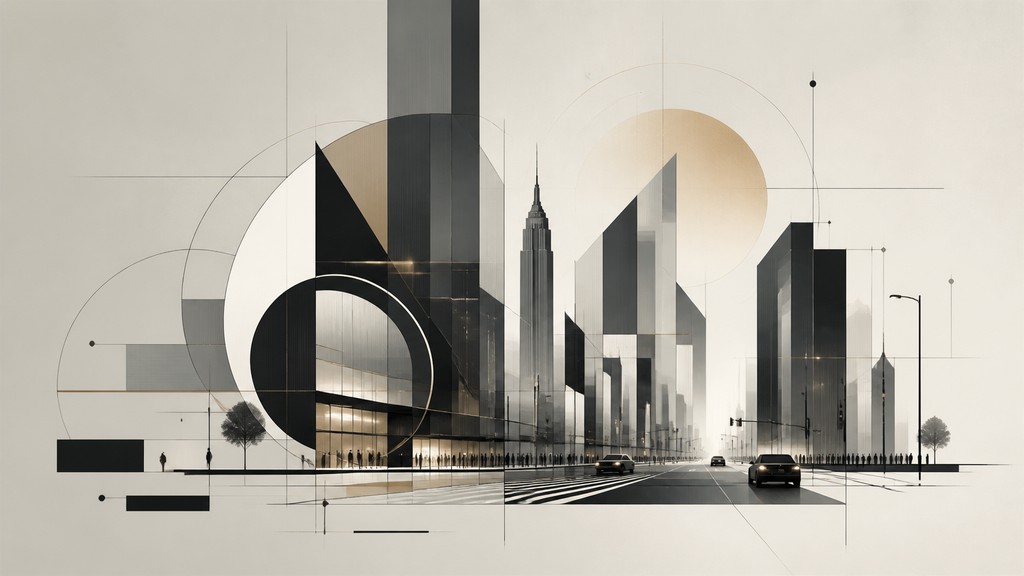
Create your first Minimalist Jewelry Design artwork
Describe anything — or upload a photo — and see it in Minimalist Jewelry Design in seconds.
Make Something with Minimalist Jewelry Design
Related Styles
Discover similar art styles