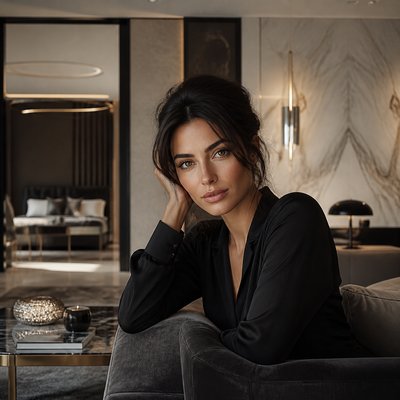
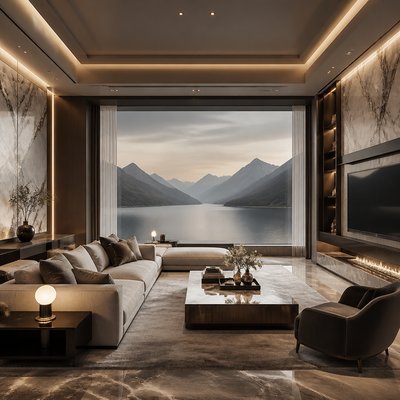
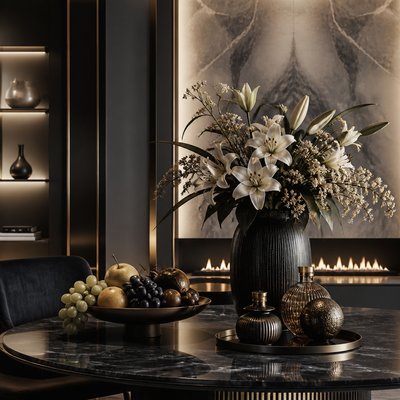
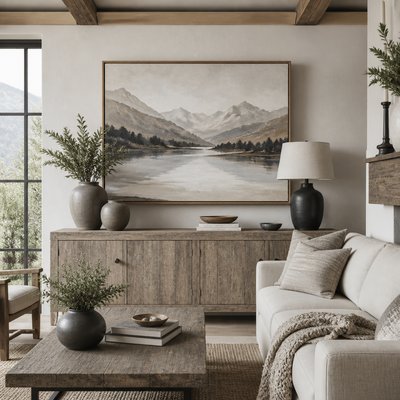
Minimalist Interior Design
Clutter-free interiors with clean lines, neutral tones, and natural light—an essential guide to minimalist interior design.
Instantly rendered in Minimalist Interior Design — or transform a photo
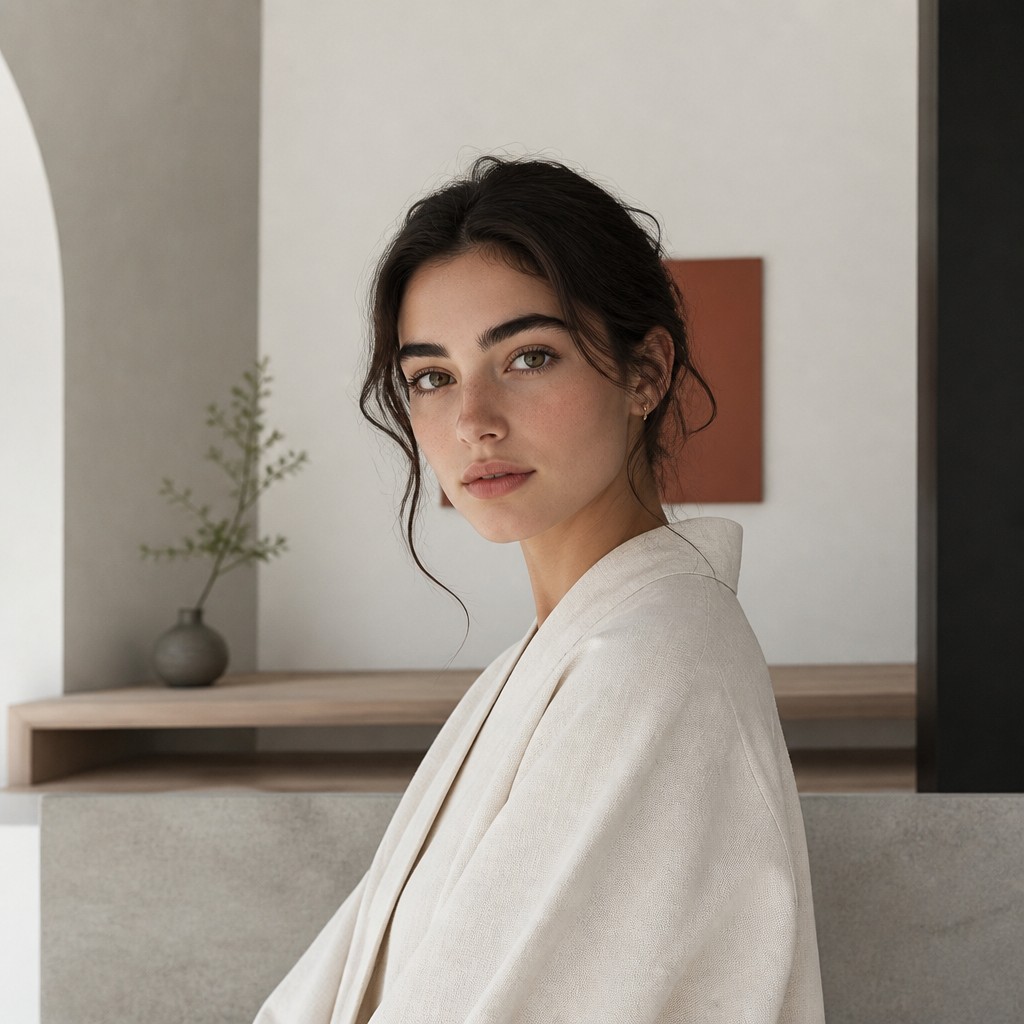
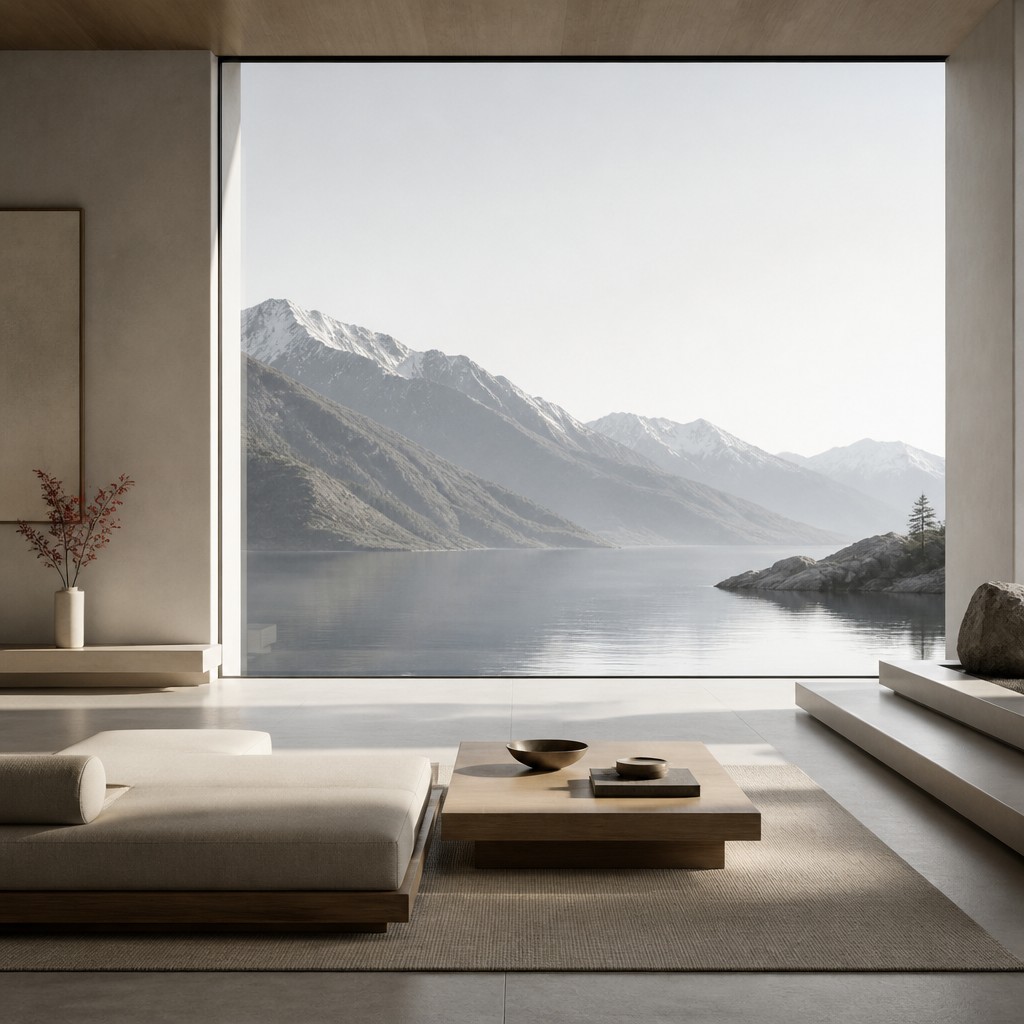
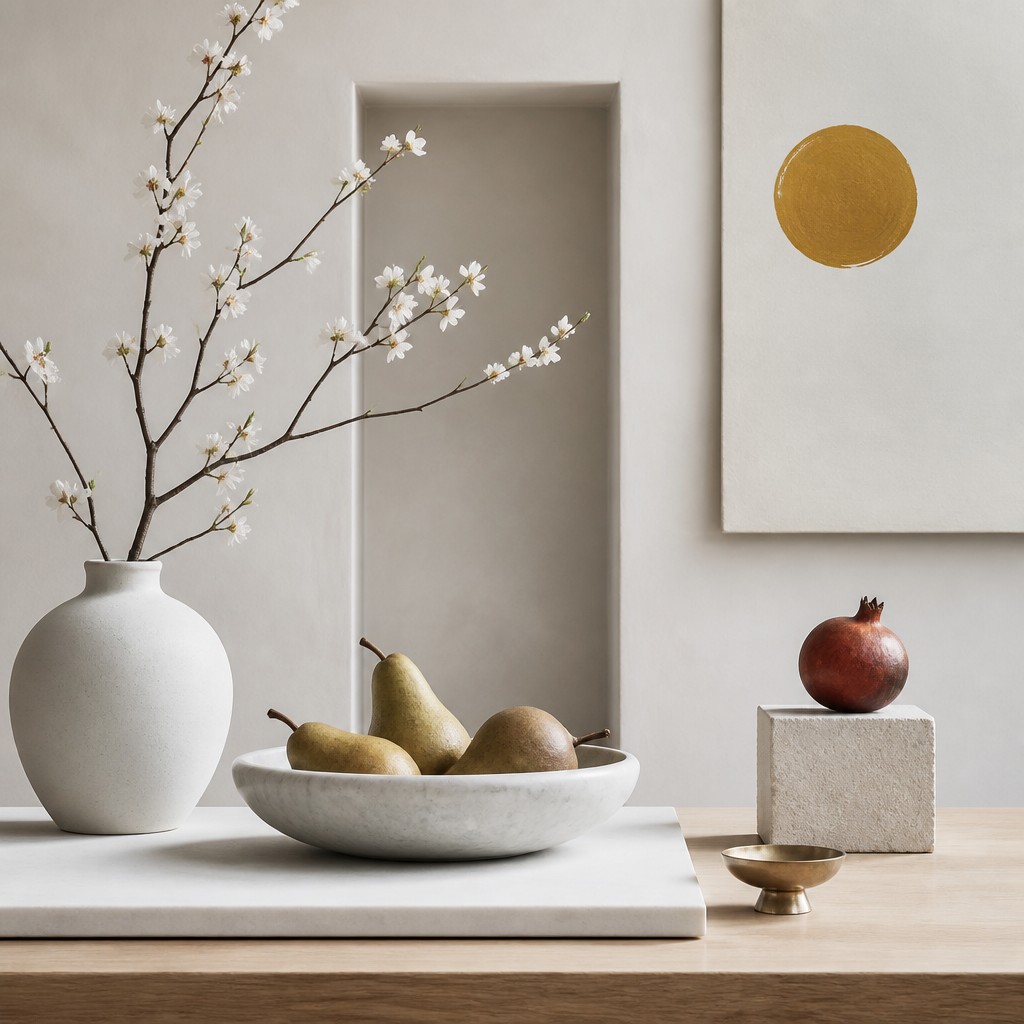
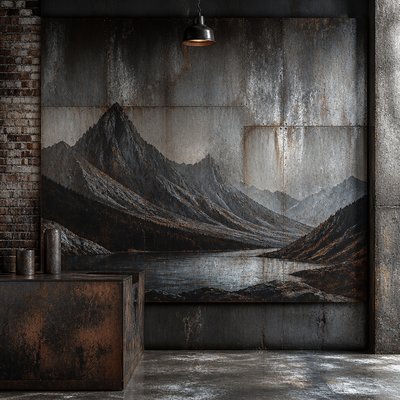
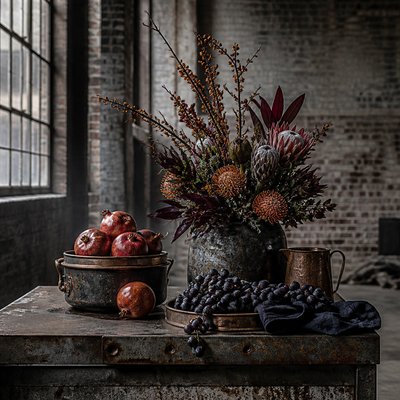
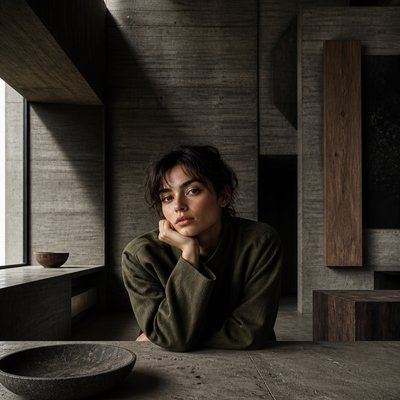
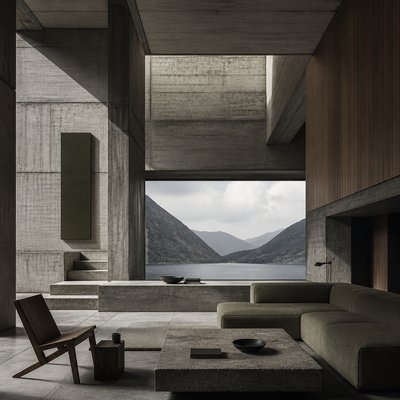
Minimalist Interior Design Gallery
Tap any artwork to explore it

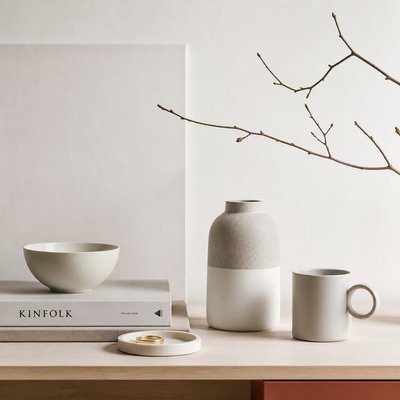
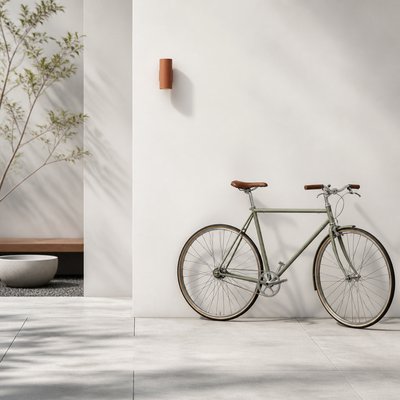
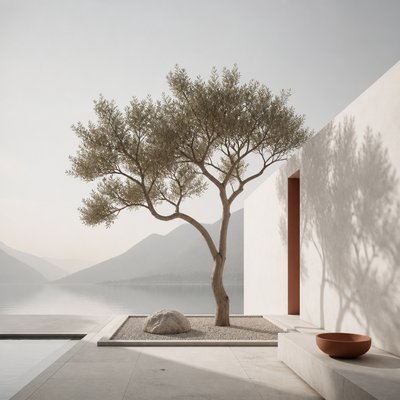
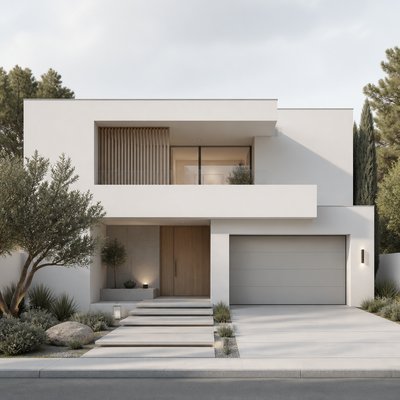
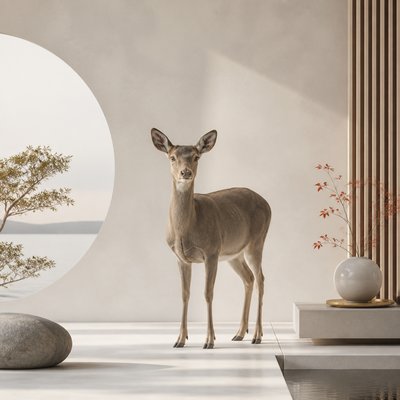
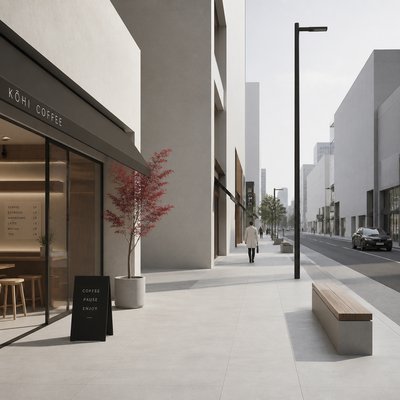
What is Minimalist Interior Design?
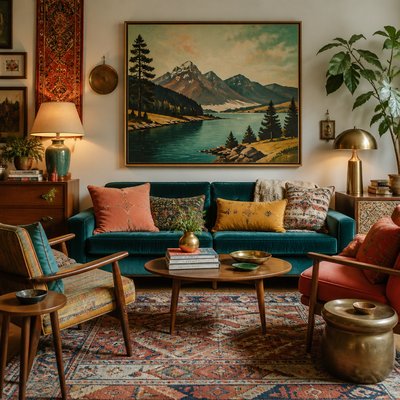
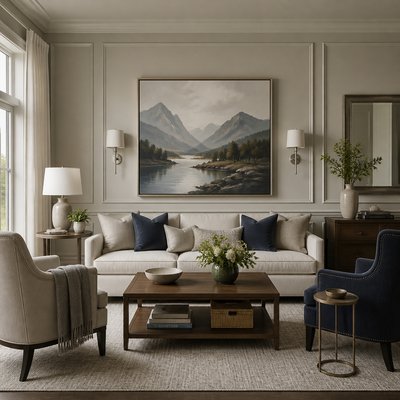
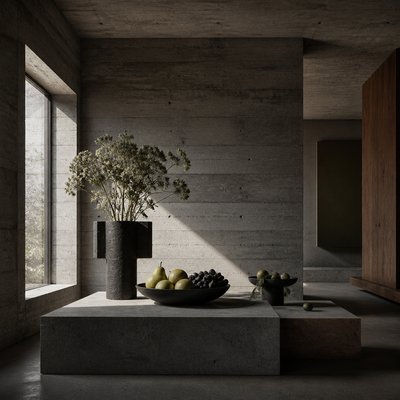
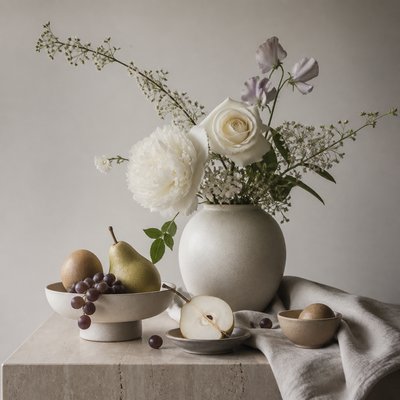
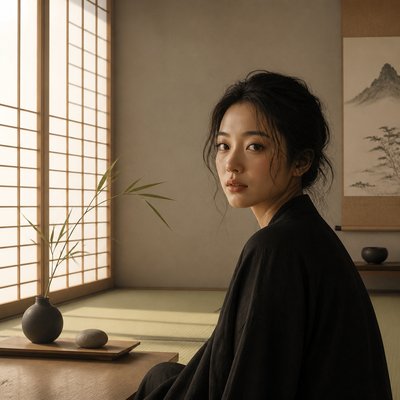
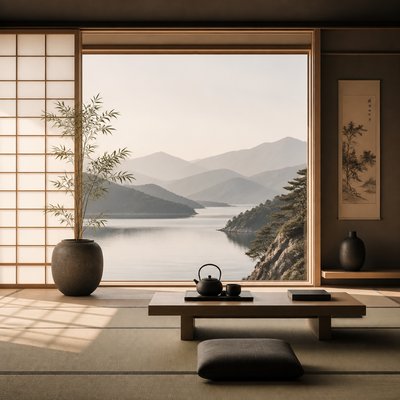
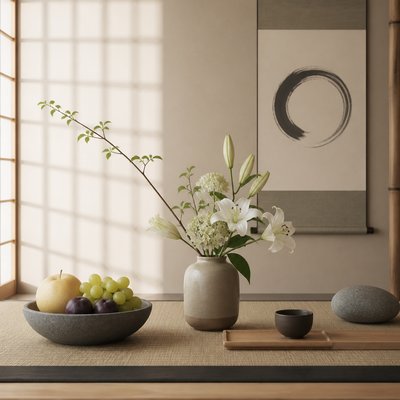
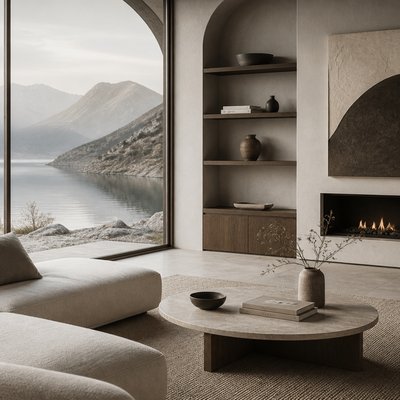
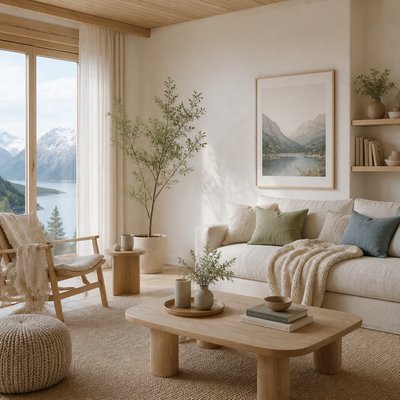
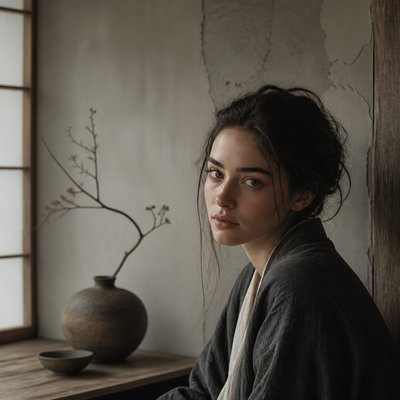
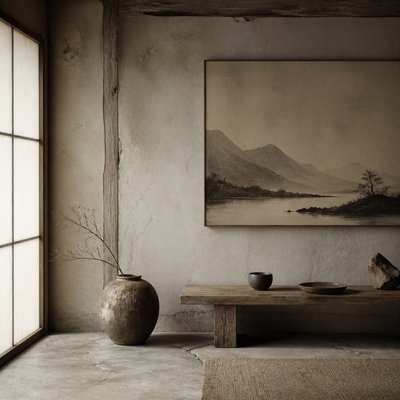
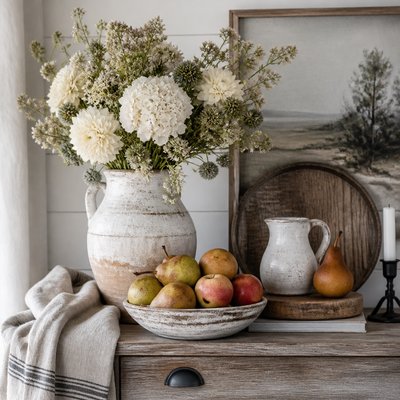
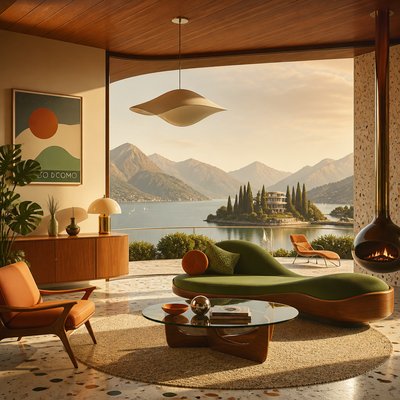
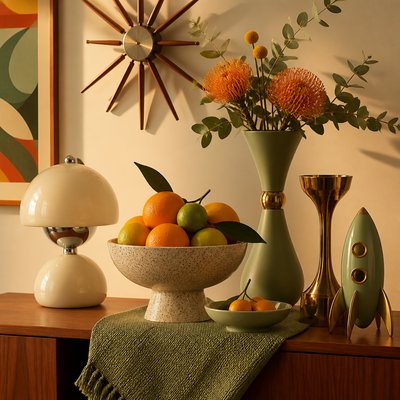
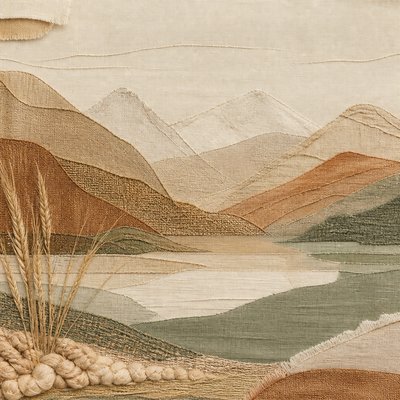
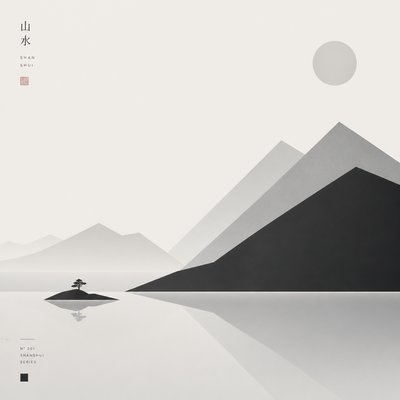
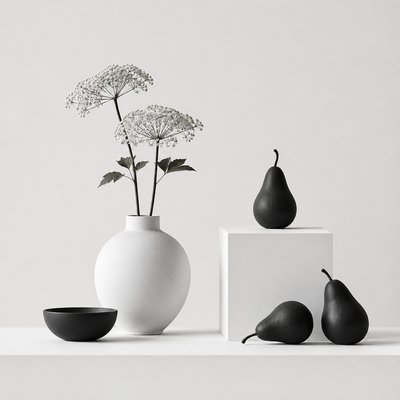
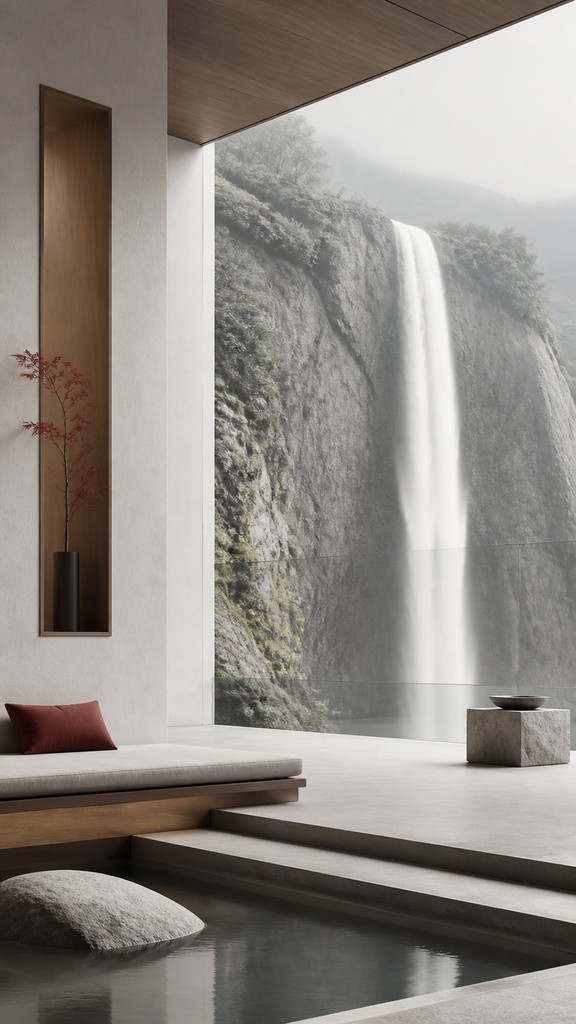
Minimalist interior design is an approach to space that reduces visual noise in favor of clarity, function, and calm. It uses clean lines, simple forms, restrained color palettes, and carefully chosen furnishings to create rooms that feel open and ordered rather than crowded or decorative.
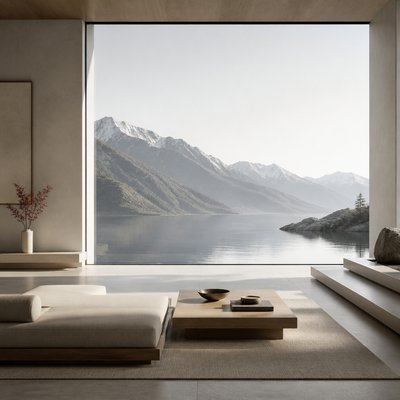
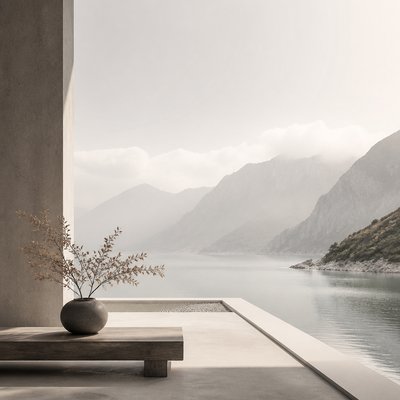
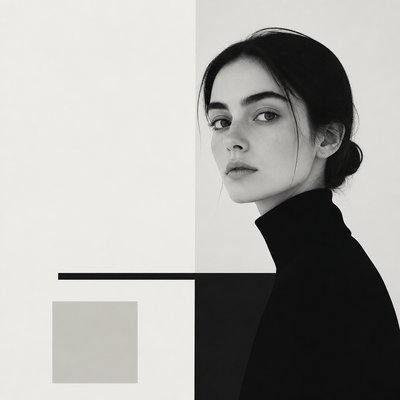
Its visual identity comes from subtraction: fewer objects, fewer materials, and fewer competing gestures. Negative space becomes an active part of the composition, while natural light, matte surfaces, and precise proportions help the room feel spacious and composed. The result is an environment that emphasizes usability and quiet presence over ornament.

Try It On Your Photos
Upload any photo and convert it into Minimalist Interior Design — drag the sliders to compare before and after.
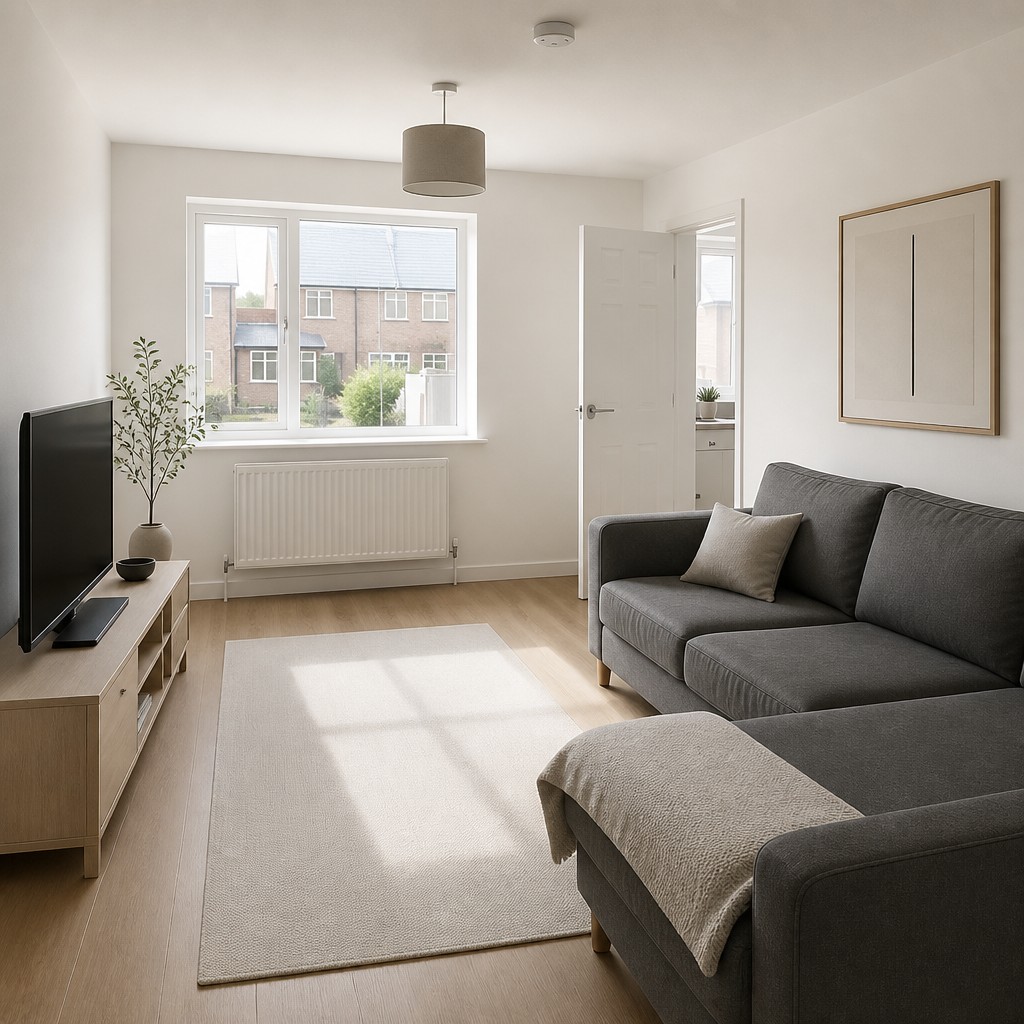
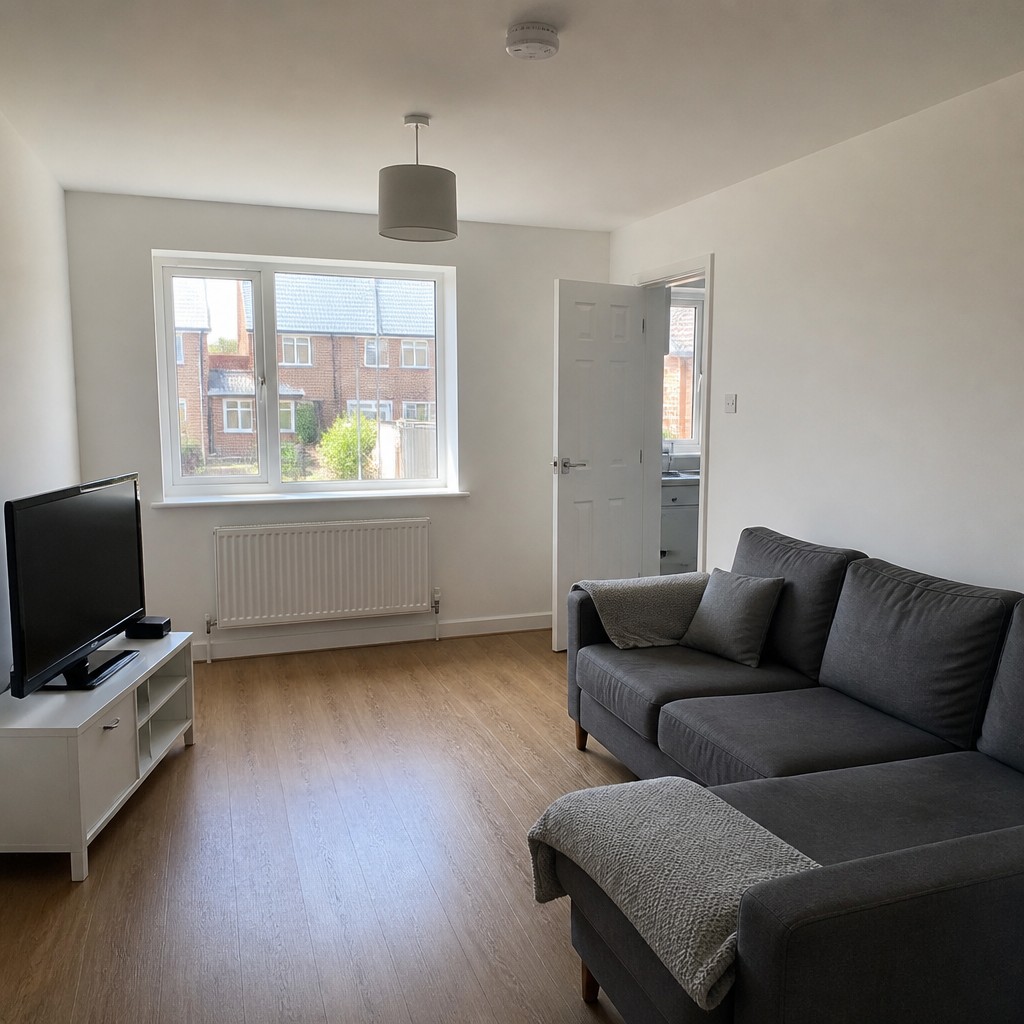


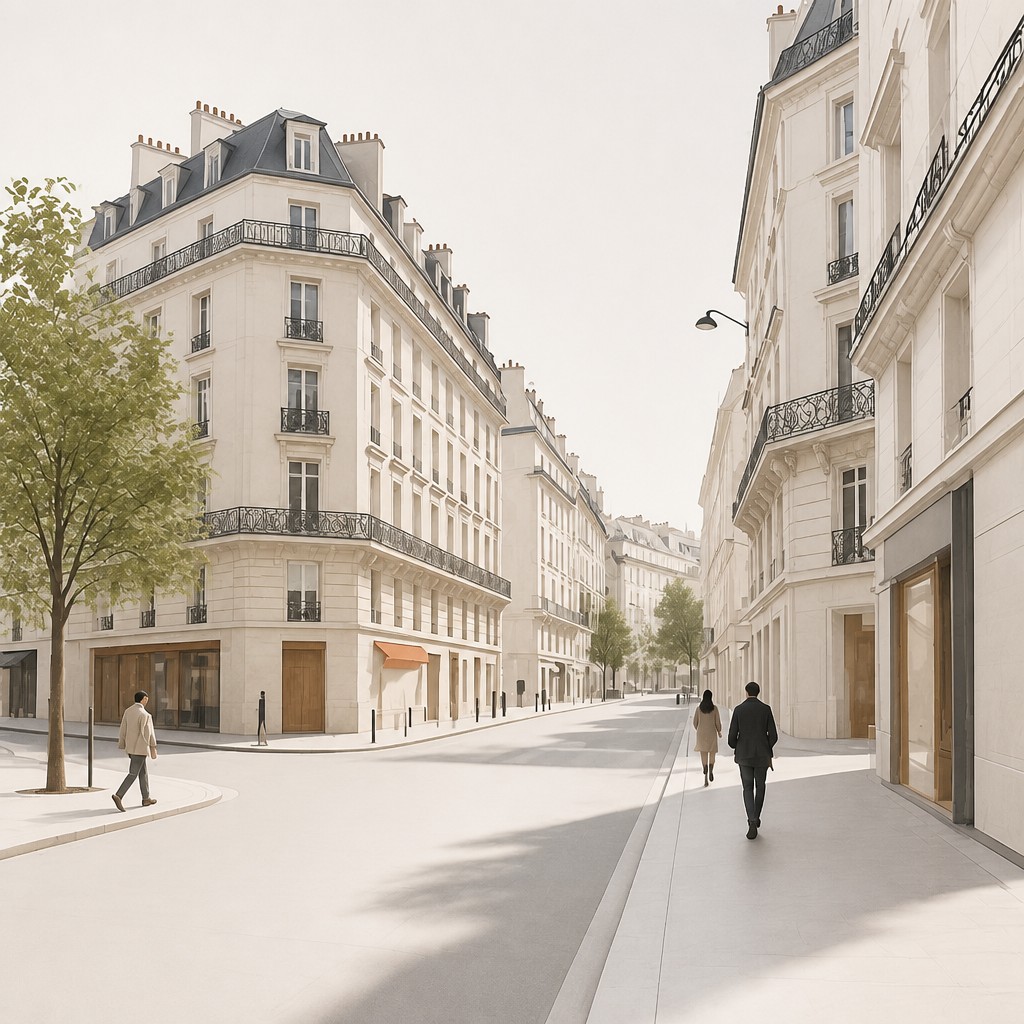

What Defines Minimalist Interior Design
The signature details, up close
Restrained palette
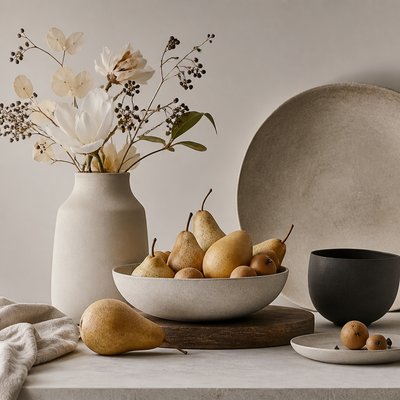
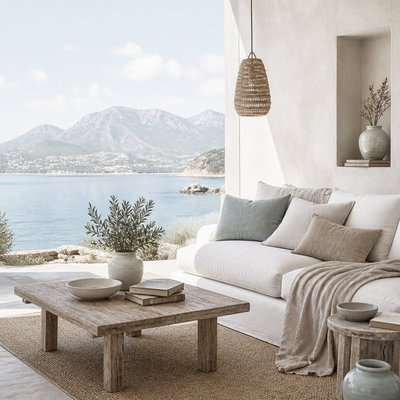
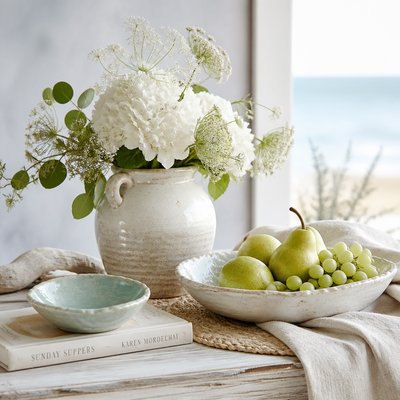
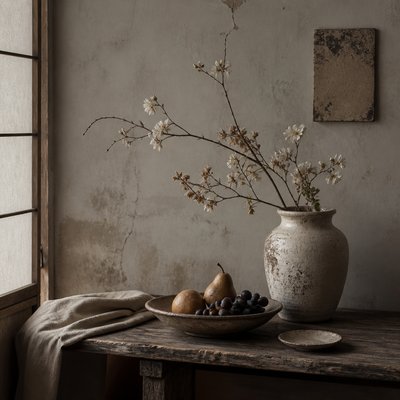
Minimalist interiors usually rely on whites, off-whites, soft grays, taupes, beige, and muted earth tones. Color is used sparingly so the room reads as unified and calm rather than busy.
Clean architectural lines
Furniture and built-in elements favor straight edges, simple silhouettes, and clear geometry. Trim, joinery, and transitions between surfaces are kept visually quiet.
Negative space
Empty areas are intentional, not accidental. Open floor area and uncluttered surfaces allow each object to stand out and make the room feel larger and more breathable.
Functional furniture
Every piece tends to earn its place through use, proportion, or both. Forms are usually pared down, with little surface ornament and a preference for practical storage.
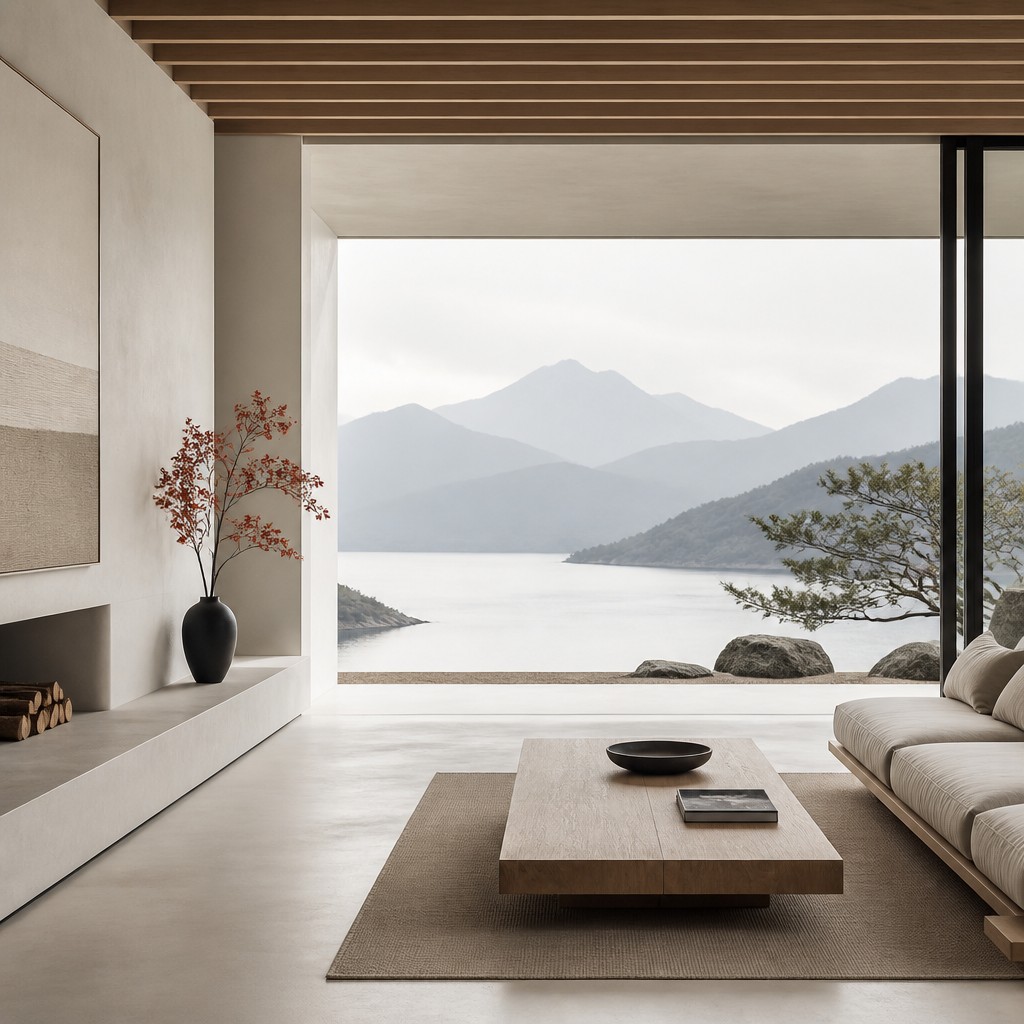
Natural materials and matte finishes
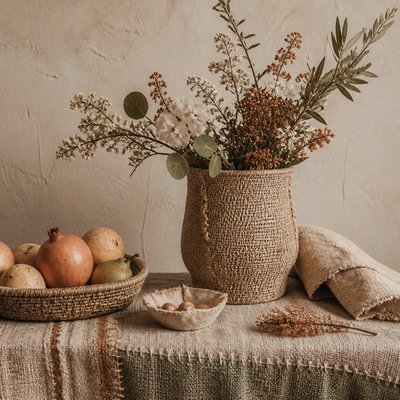
Wood, stone, plaster, linen, wool, and other honest materials are common. Matte or low-sheen finishes help diffuse light and keep reflections from disrupting the calm effect.
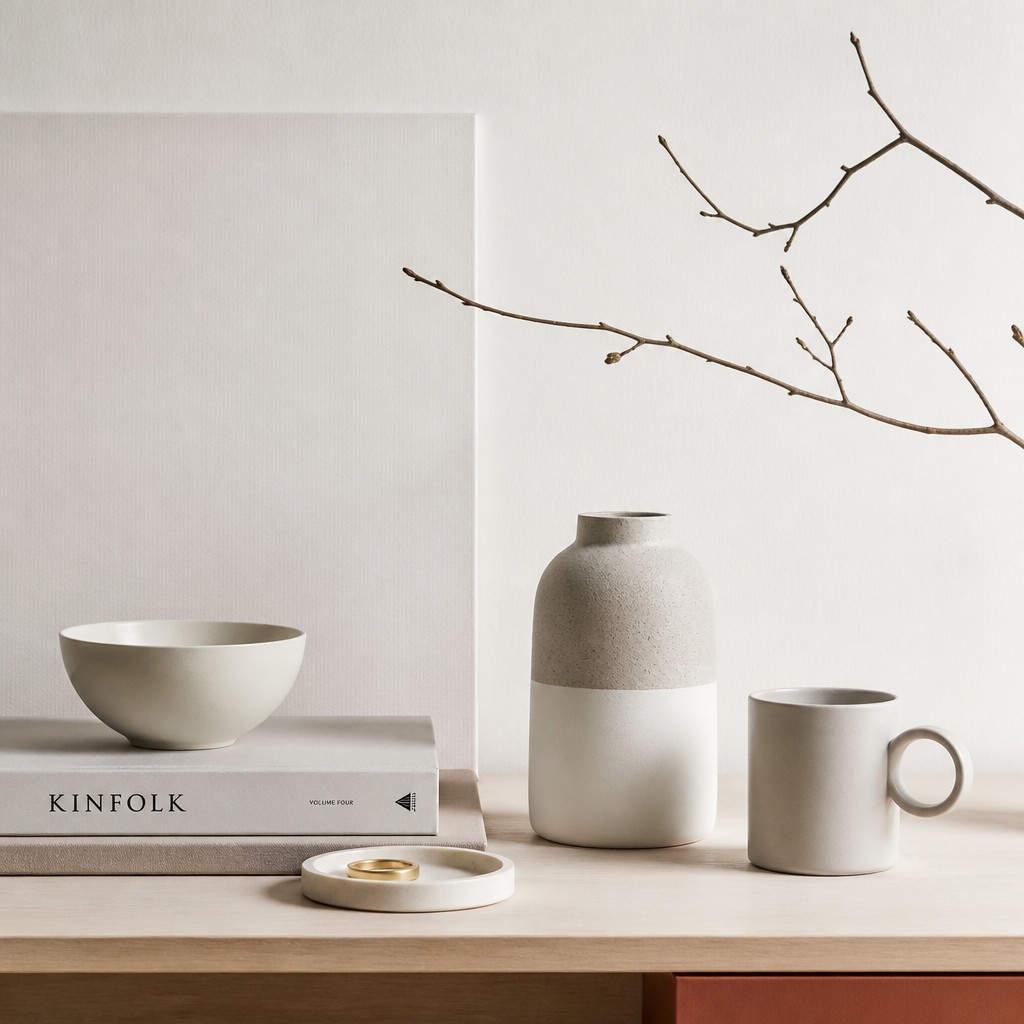
Soft, natural lighting
Daylight is often emphasized through large windows, sheer coverings, and open sightlines. Shadows are gentle rather than dramatic, reinforcing the sense of quiet order.
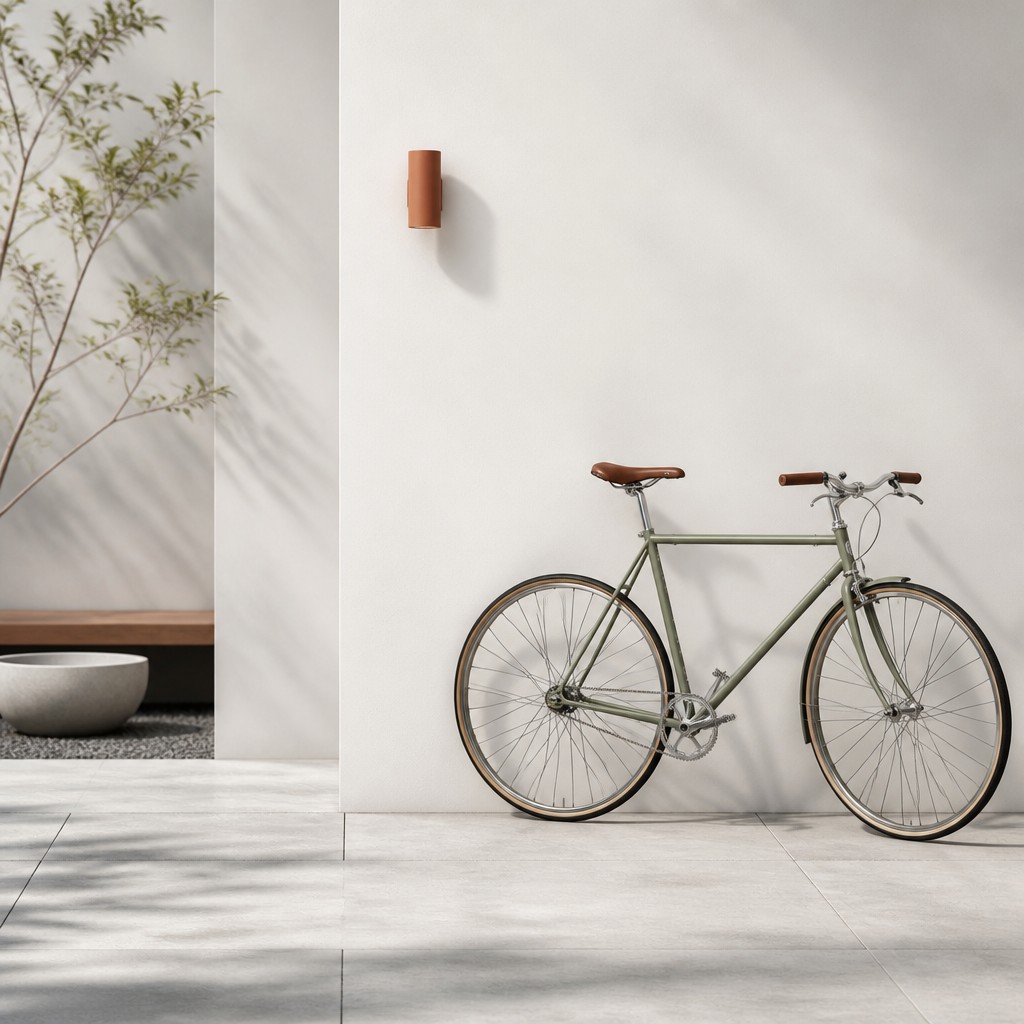
A single accent or focal point
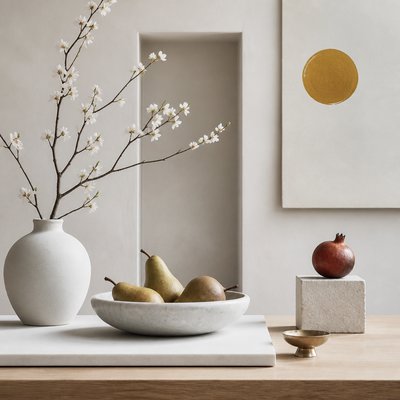
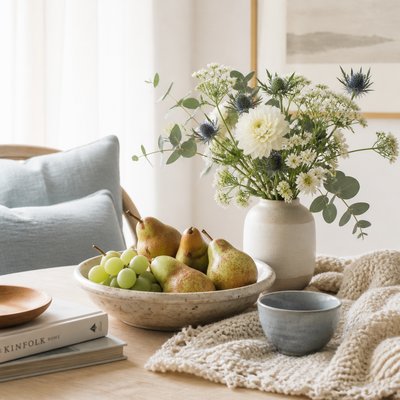
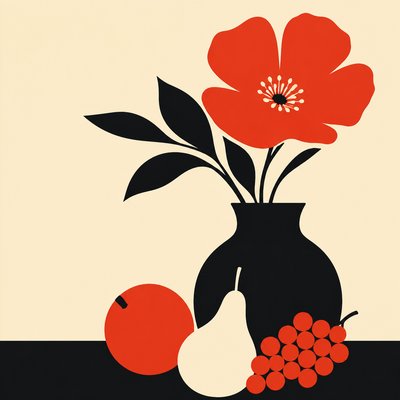
If color or decorative emphasis appears, it is usually limited to one restrained accent, such as a chair, artwork, vessel, or textile. This keeps the composition focused and intentional.
Try It
Create Videos in Minimalist Interior Design
Styles aren't just for stills — describe a scene or animate an image and get a short video rendered in Minimalist Interior Design. Press play to see this pond come to life.
Make a VideoMinimalist Interior Design Prompt Ideas
Start from an idea — each one opens the generator with the style ready to go. See all 40 Minimalist Interior Design prompts →
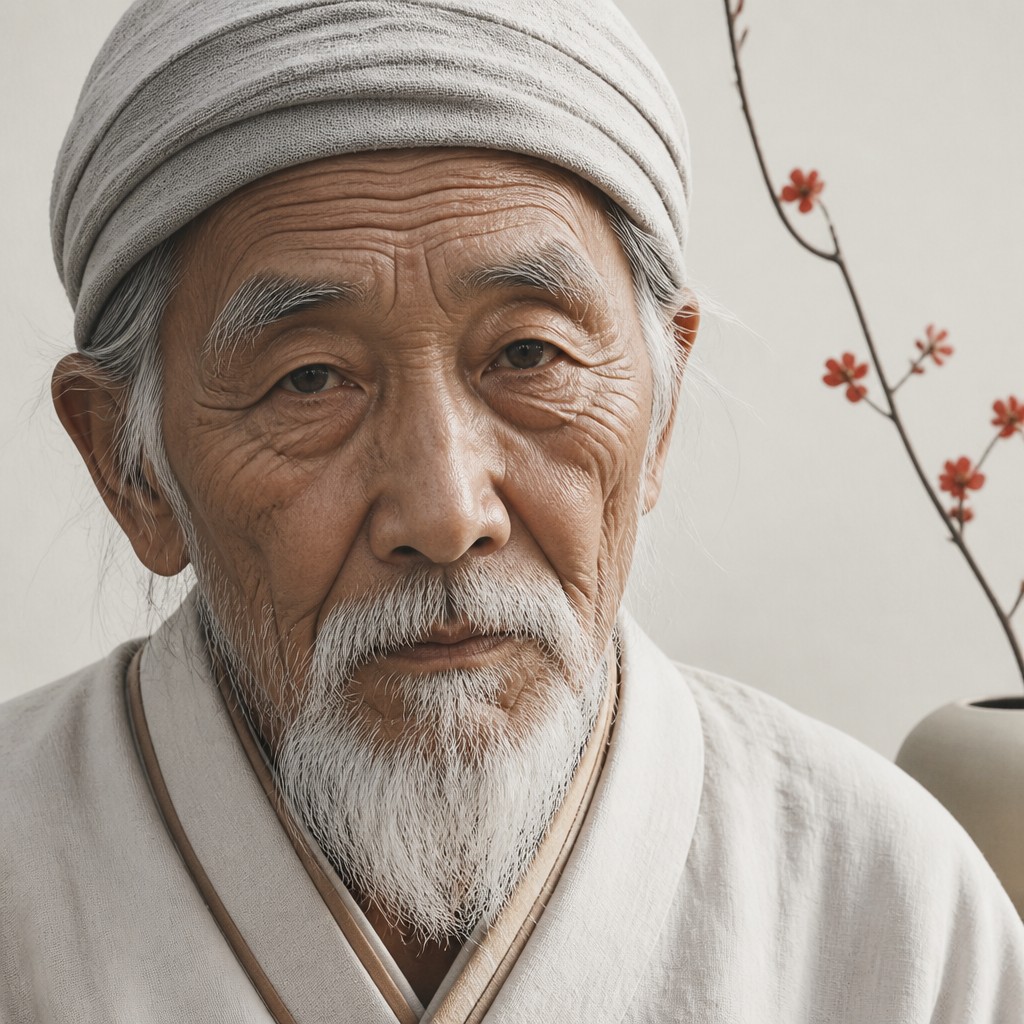
“close-up portrait of an elderly person with expressive weathered features”
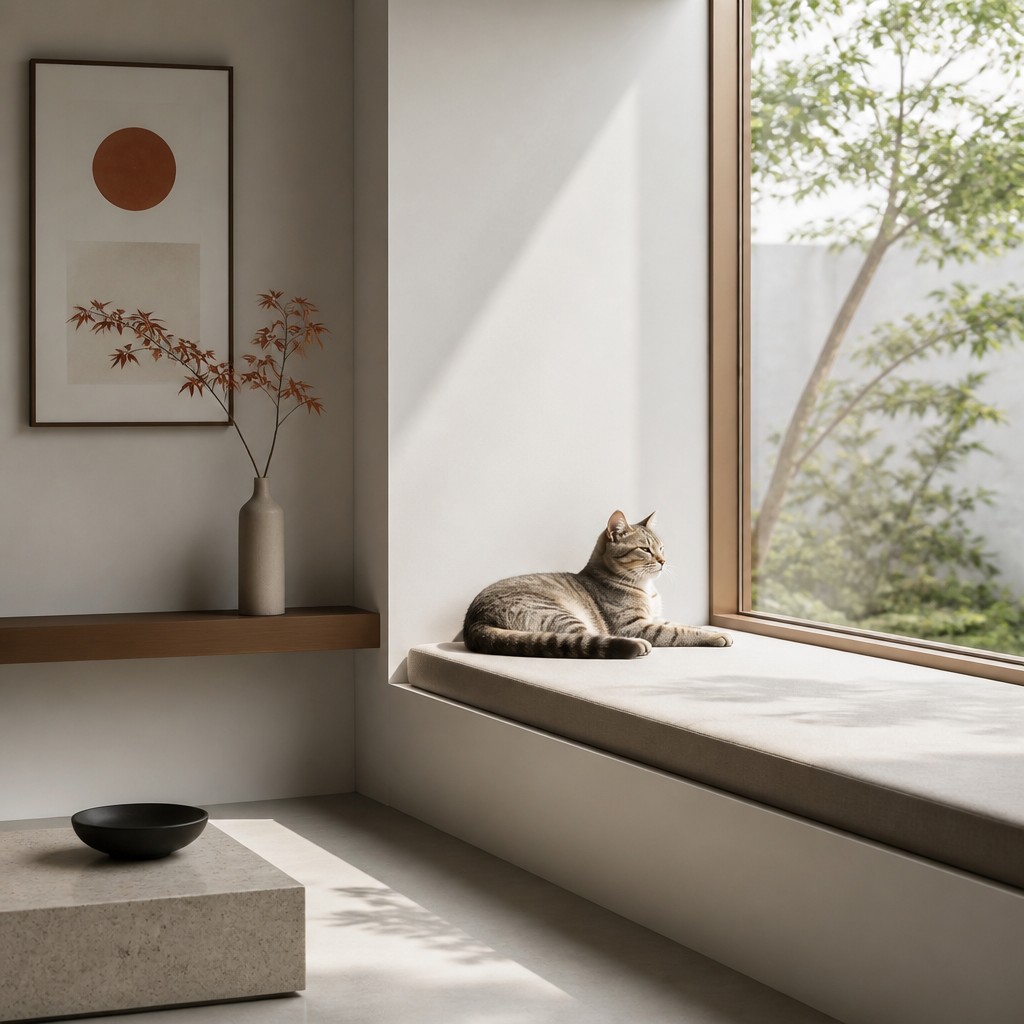
“a cat lounging in a sunlit window”
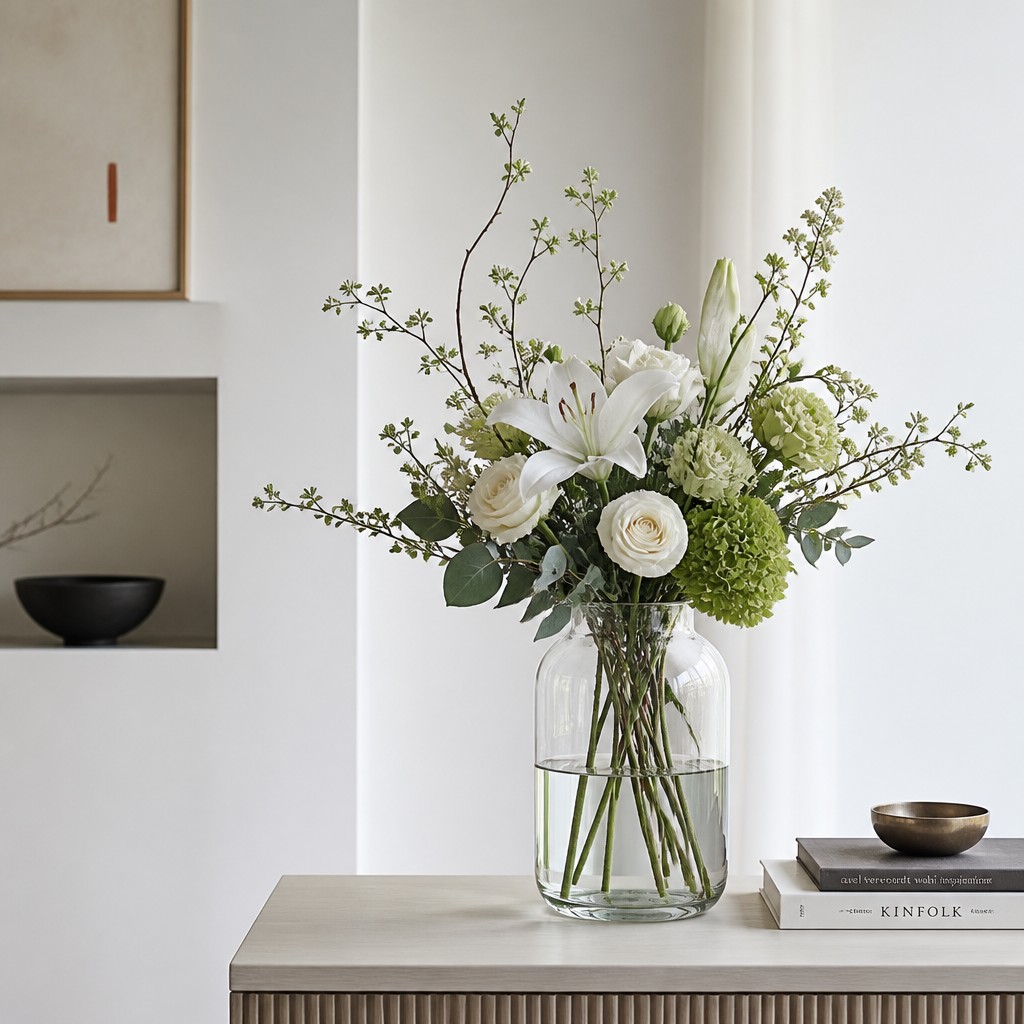
“bouquet of flowers in a glass vase”

“sailing ship on a stormy sea”
How to Create Minimalist Interior Design Art
Master the craft step by step — or skip straight to creating. Read the full guide →
- 1
Start with reduction
Choose only the furniture and objects that serve a clear purpose or create a deliberate focal point. Edit the scene aggressively before adding details, and leave generous space around each element.
- 2
Use a disciplined palette
Build the room from a small set of coordinated neutrals, then introduce at most one muted accent hue. Keep saturation low and avoid high-contrast combinations unless the goal is a sharper contemporary look.
- 3
Prioritize proportion and alignment
In traditional drawing or digital composition, make edges, horizons, and object placements feel precise. Slight misalignments become noticeable in minimalist spaces, so balance and spacing matter more than decoration.
- 4
Choose matte, honest materials
Render wood grain subtly, keep plaster and stone softly textured, and avoid glossy finishes unless used sparingly. The goal is tactile realism without visual clutter.
- 5
Let light shape the scene
Use broad natural light, soft shadow falloff, and simple window sources to define form. In prompt-based generation, describe the light as diffused, calm, and directional rather than harsh or theatrical.
- 6
Generate with concise scene language
When writing prompts, name the room type, essential furniture, materials, and lighting, then specify the sparse aesthetic. Avoid overloading the prompt with too many objects, since simplicity is central to the result.
The Story
History & Origins of Minimalist Interior Design
Minimalist interior design draws from several modern traditions rather than a single historical movement. It is closely related to early- and mid-20th-century modernism, including Bauhaus functionalism, De Stijl geometry, Scandinavian modern design, and later Japanese-influenced ideas of simplicity, spatial balance, and material honesty. These sources helped establish the principle that design should be purposeful, legible, and free of unnecessary decoration.
As a recognizable interior aesthetic, minimalism developed most strongly in late 20th-century and contemporary residential and commercial design, alongside broader cultural interest in decluttering, wellness, and open-plan living. Its current form often blends modern architecture, Japanese spatial restraint, and contemporary material palettes such as pale woods, concrete, plaster, and stone.
Influences: Minimalist interior design is shaped by modernist design principles, especially Bauhaus functionalism and the geometric restraint of De Stijl, as well as Scandinavian modernism’s emphasis on utility and light. It also draws strongly from Japanese design traditions of spatial balance and material simplicity. In the broader art and design sphere, its emphasis on reduction and structure parallels minimalist art, while its calm surfaces and carefully controlled compositions often echo the sensibility of influential modernist architects and designers, including a prominent steel-and-glass modernist, a leading Japanese minimalist architect, and a refined British minimal-interiors designer.
Frequently Asked Questions
What defines minimalist interior design?
Minimalist interior design is defined by simplicity, function, and visual restraint. It uses clean lines, neutral colors, limited decoration, and deliberate spacing so the room feels calm and uncluttered. The look depends as much on what is left out as on what is included.
How is it different from modern design?
Modern design is a broader historical category, while minimalism is a more extreme reduction of form and decoration. A modern room can include richer materials, more objects, or stronger contrasts; a minimalist room usually pares those choices back further. In practice, the two often overlap.
What colors work best in this style?
Soft whites, warm grays, beige, sand, ivory, and muted natural tones are most common. Accent colors can be used, but they should be restrained and few. High-saturation palettes usually disrupt the effect unless used very selectively.
What materials are typical in minimalist interiors?
Wood, stone, plaster, concrete, glass, linen, wool, and matte metal are common because they read clearly and honestly. Surfaces are often finished in a low-gloss way so light falls softly across them. The material palette should feel coherent rather than varied for its own sake.
How do you make a room look minimalist without making it cold?
Keep the composition simple, but introduce warmth through natural materials, soft textiles, and balanced daylight. A minimalist space can still feel inviting if proportions are comfortable and the palette favors warm neutrals over stark contrast. Careful editing matters more than emptiness alone.
Where is minimalist interior design commonly used?
It is common in homes, apartments, studios, offices, hotels, galleries, and wellness spaces. The style works well wherever clarity, openness, and low visual distraction are desirable. It is especially effective in small spaces because the reduced clutter can make rooms feel larger.

Create your first Minimalist Interior Design artwork
Describe anything — or upload a photo — and see it in Minimalist Interior Design in seconds.
Make Something with Minimalist Interior Design
Compare Minimalist Interior Design
Related Styles
Discover similar art styles