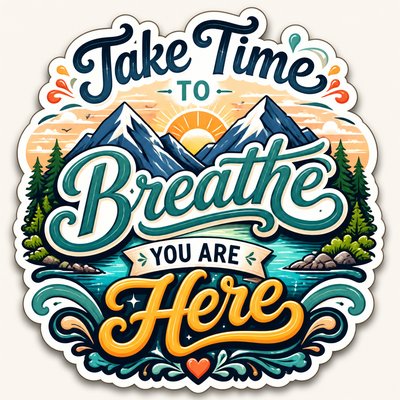
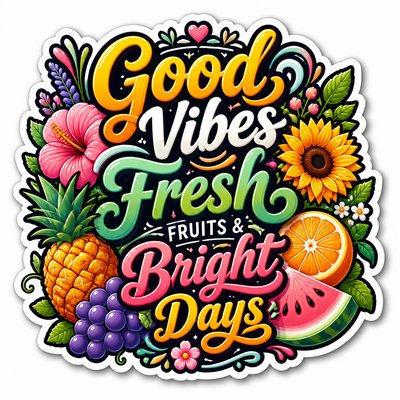
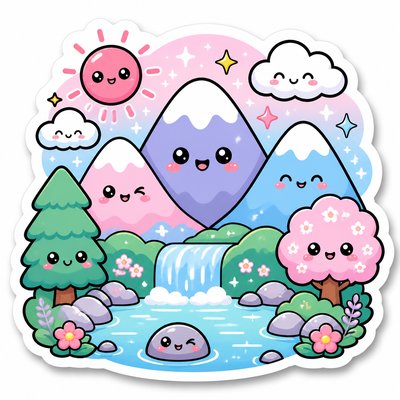
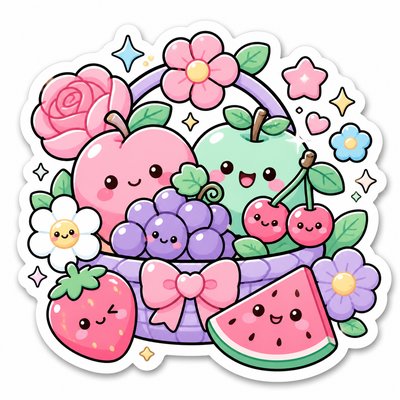
Minimalist Sticker Design
Clean die-cut stickers with bold outlines, flat colors, and simple shapes for modern, readable graphic design.
Instantly rendered in Minimalist Sticker Design — or transform a photo


Minimalist Sticker Design Gallery
Tap any artwork to explore it



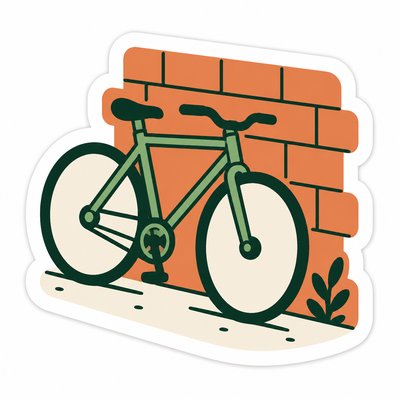


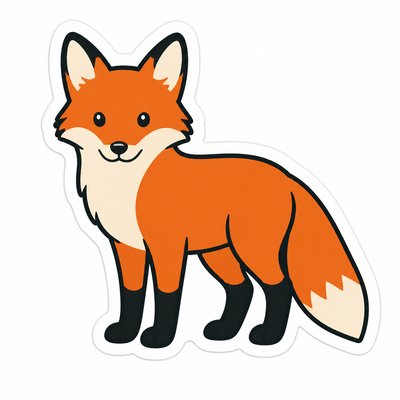
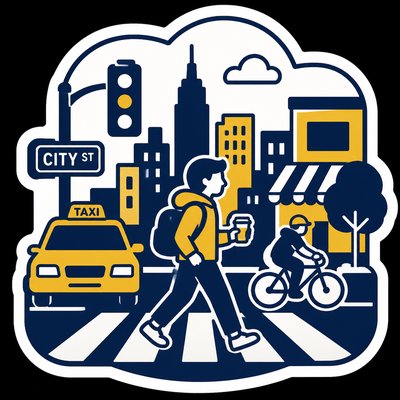
What is Minimalist Sticker Design?
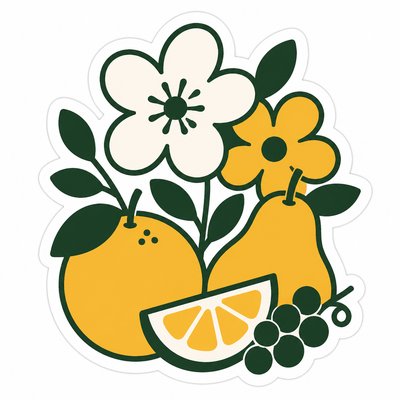
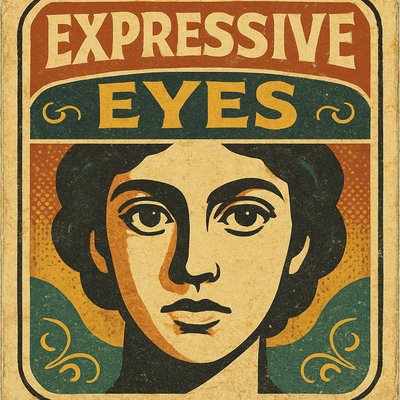
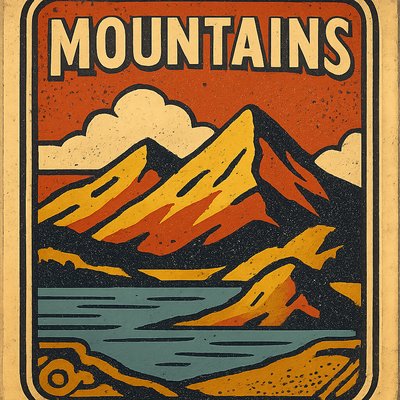
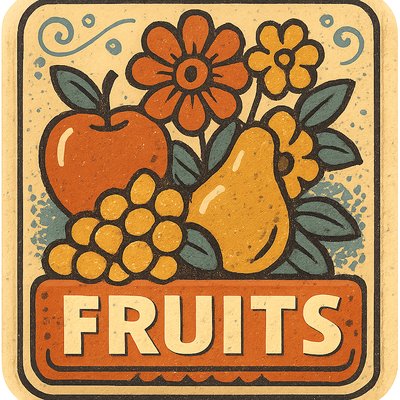
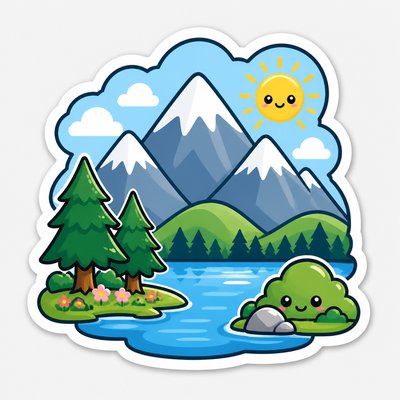
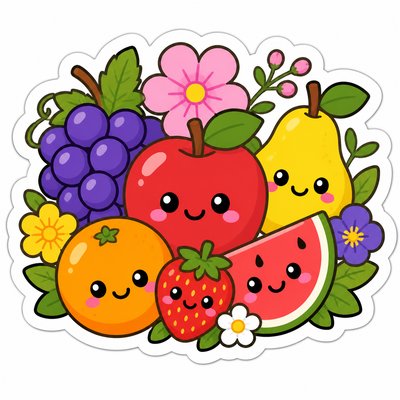
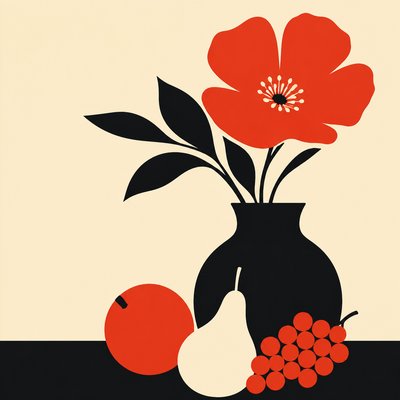
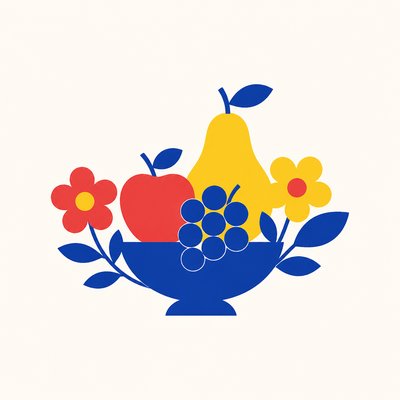
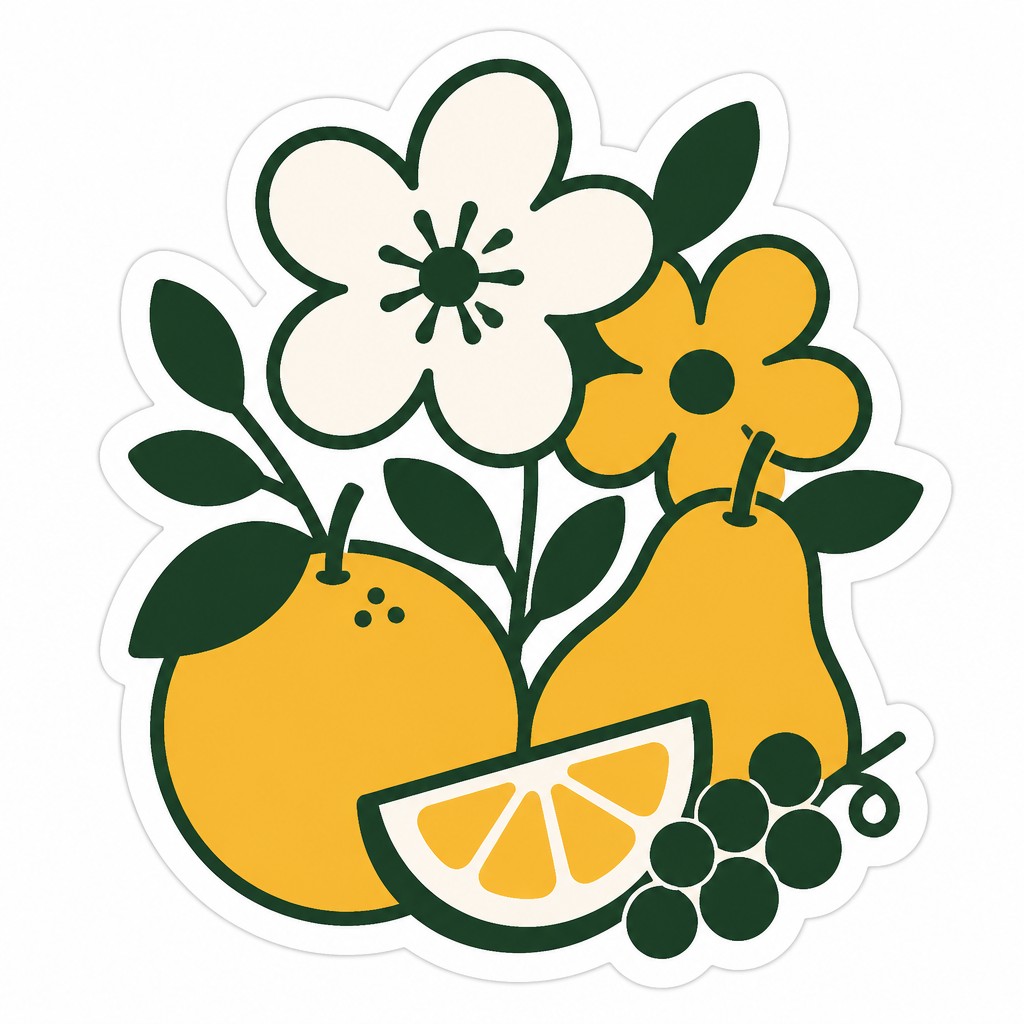
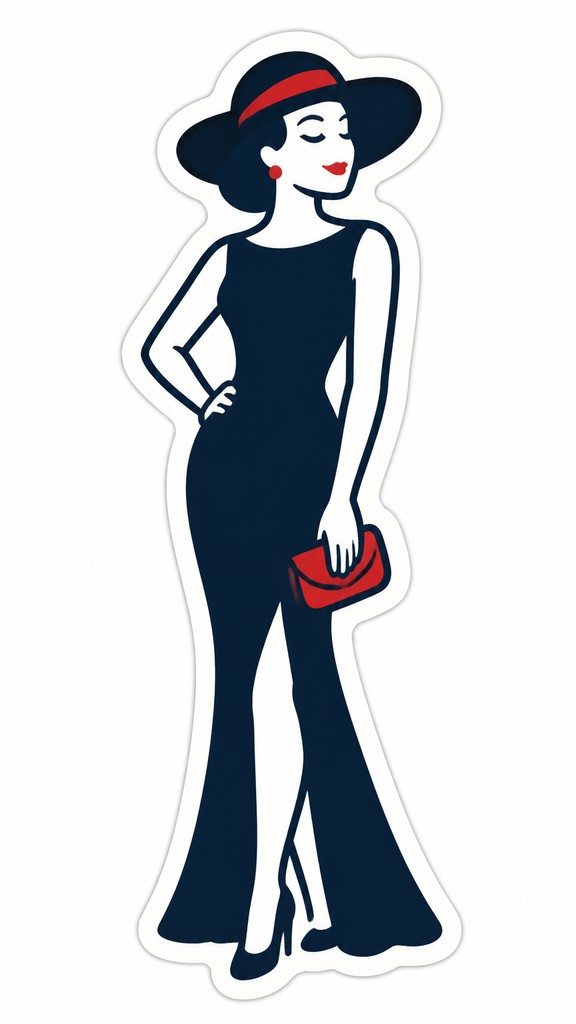
Minimalist sticker design is a pared-down graphic style built for instant recognition. It uses simplified silhouettes, thick outlines, flat color fills, and a strong sticker border so the image reads clearly at small sizes and remains visually balanced on phones, laptops, packaging, and social media.
Its appeal comes from reduction: details are removed until only the essential icon, character, or object remains. The result feels modern, playful, and practical at the same time—closer to a visual symbol than a fully illustrated scene. Because the forms are so compact and the palette so limited, the design looks crisp, memorable, and easy to reproduce across print and digital uses.

Try It On Your Photos
Upload any photo and convert it into Minimalist Sticker Design — drag the sliders to compare before and after.


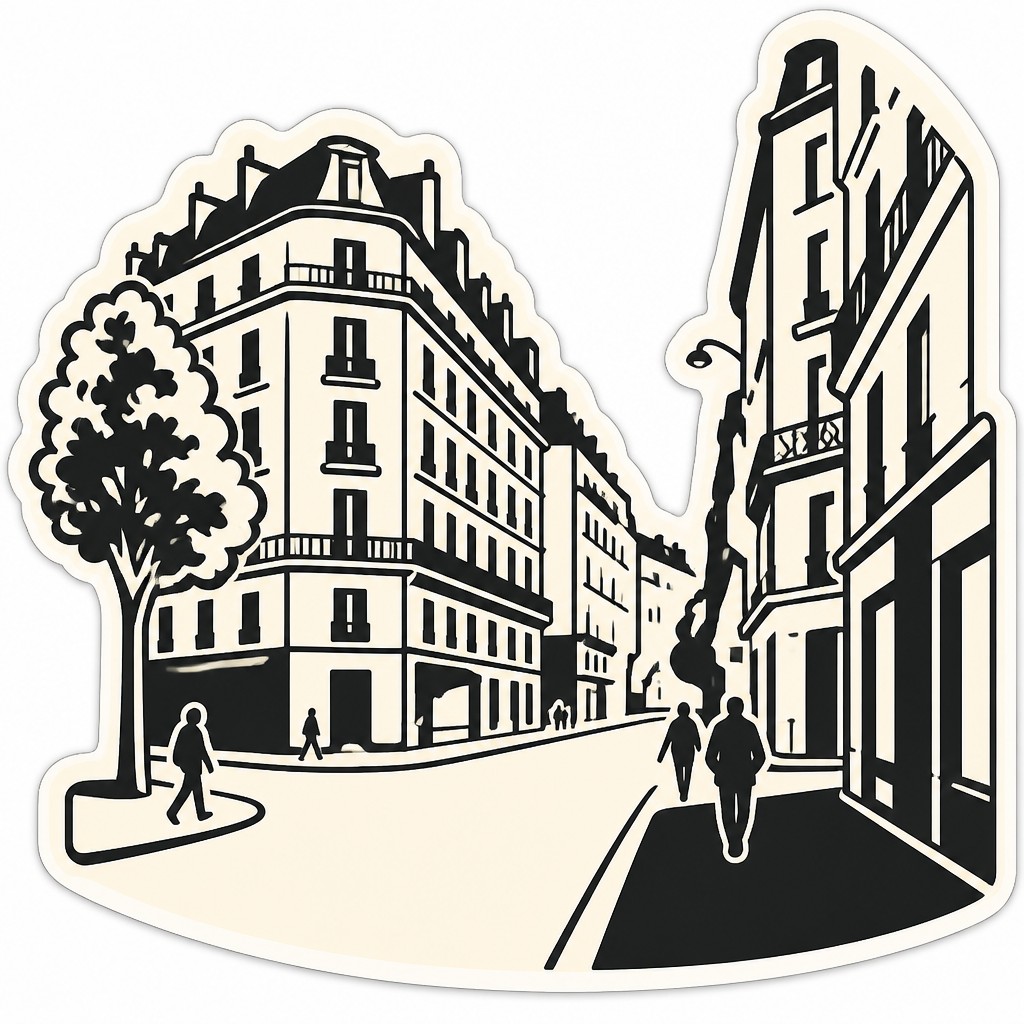

What Defines Minimalist Sticker Design
The signature details, up close
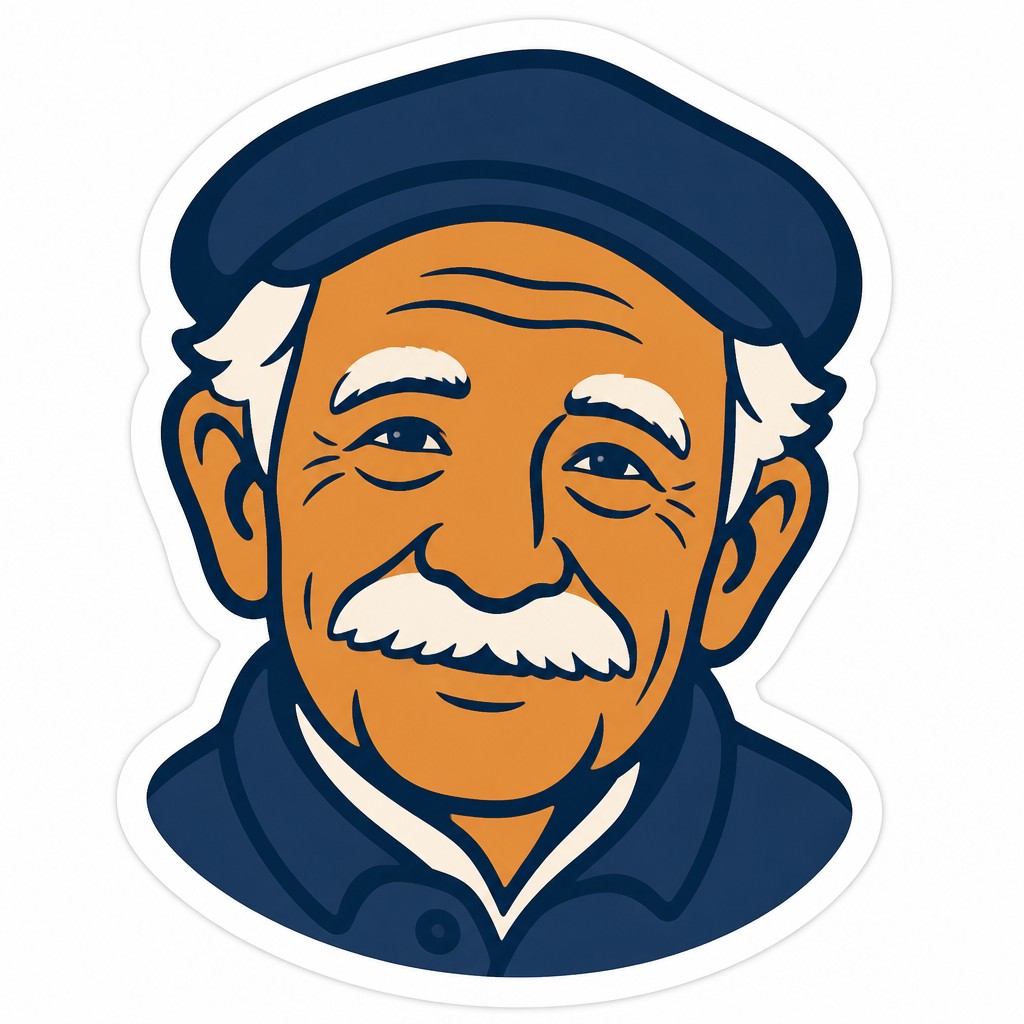
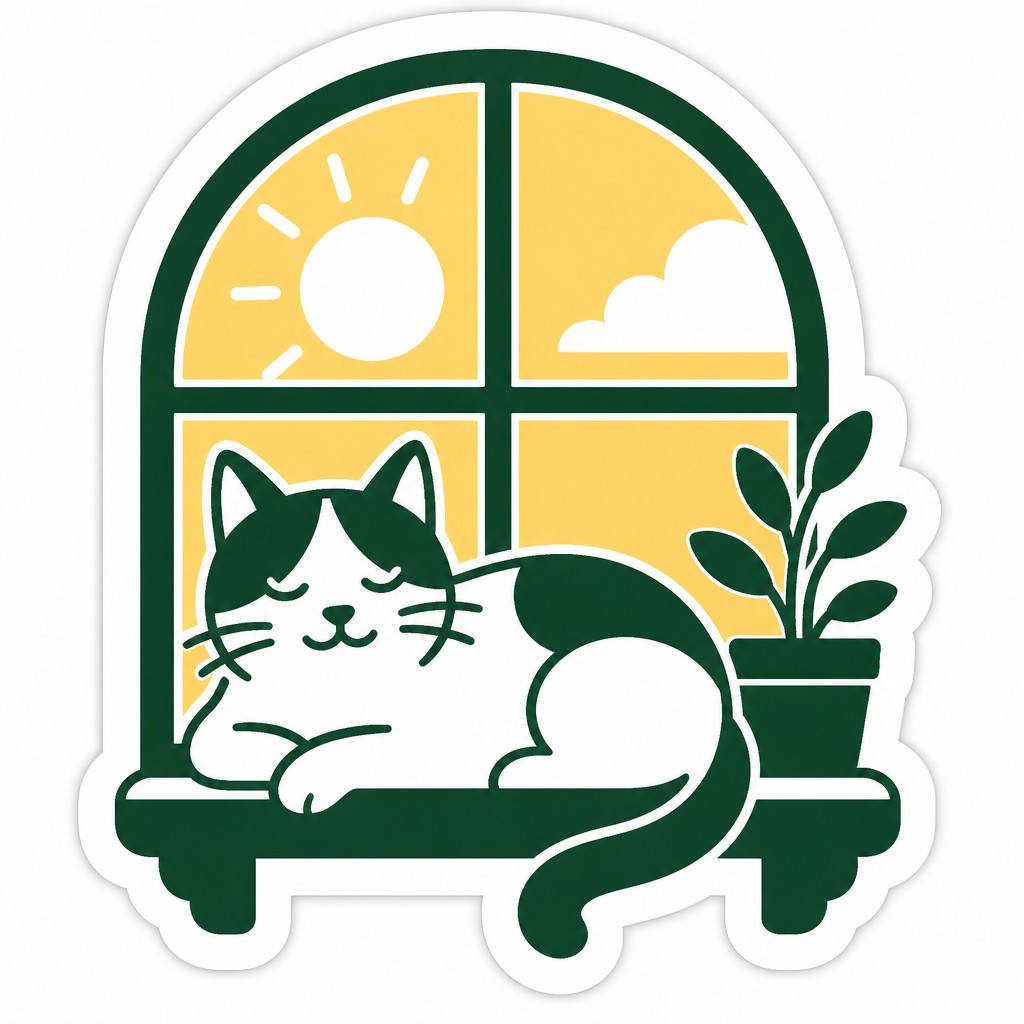
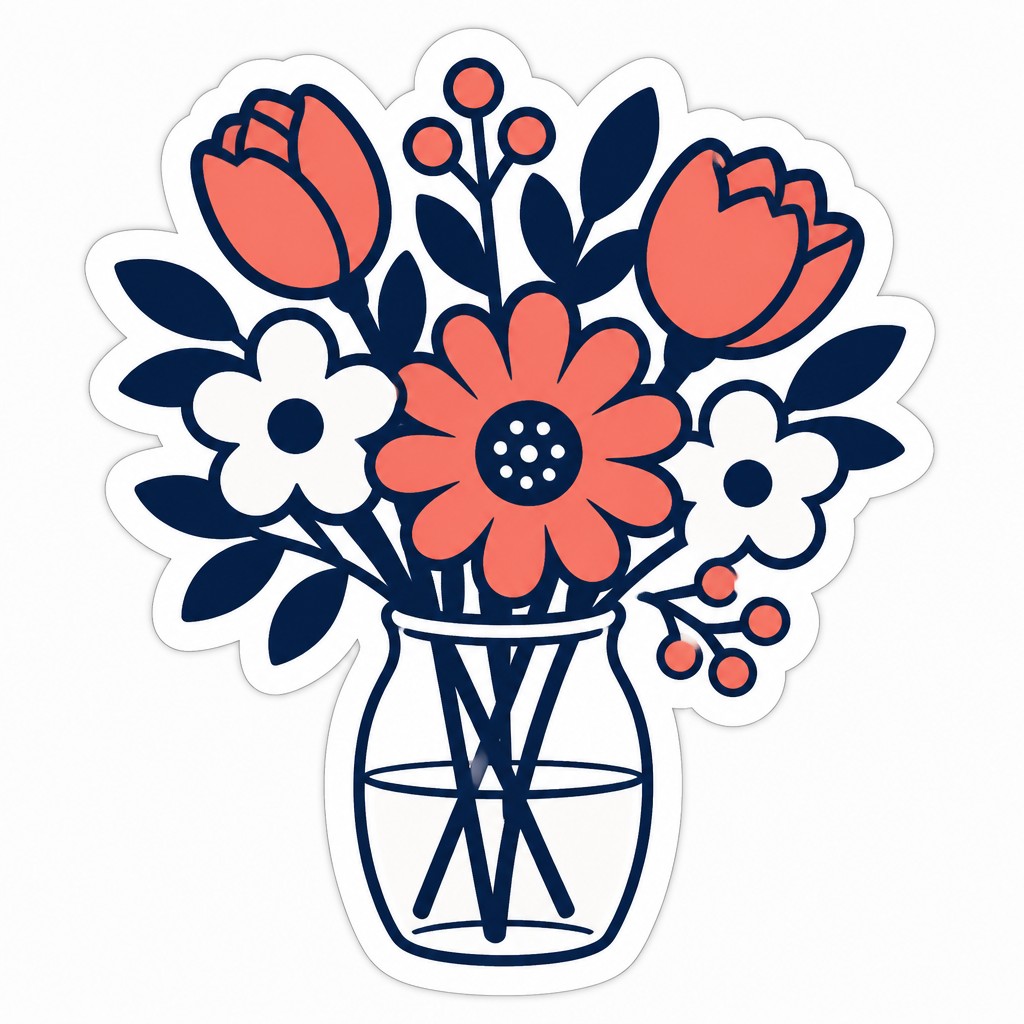
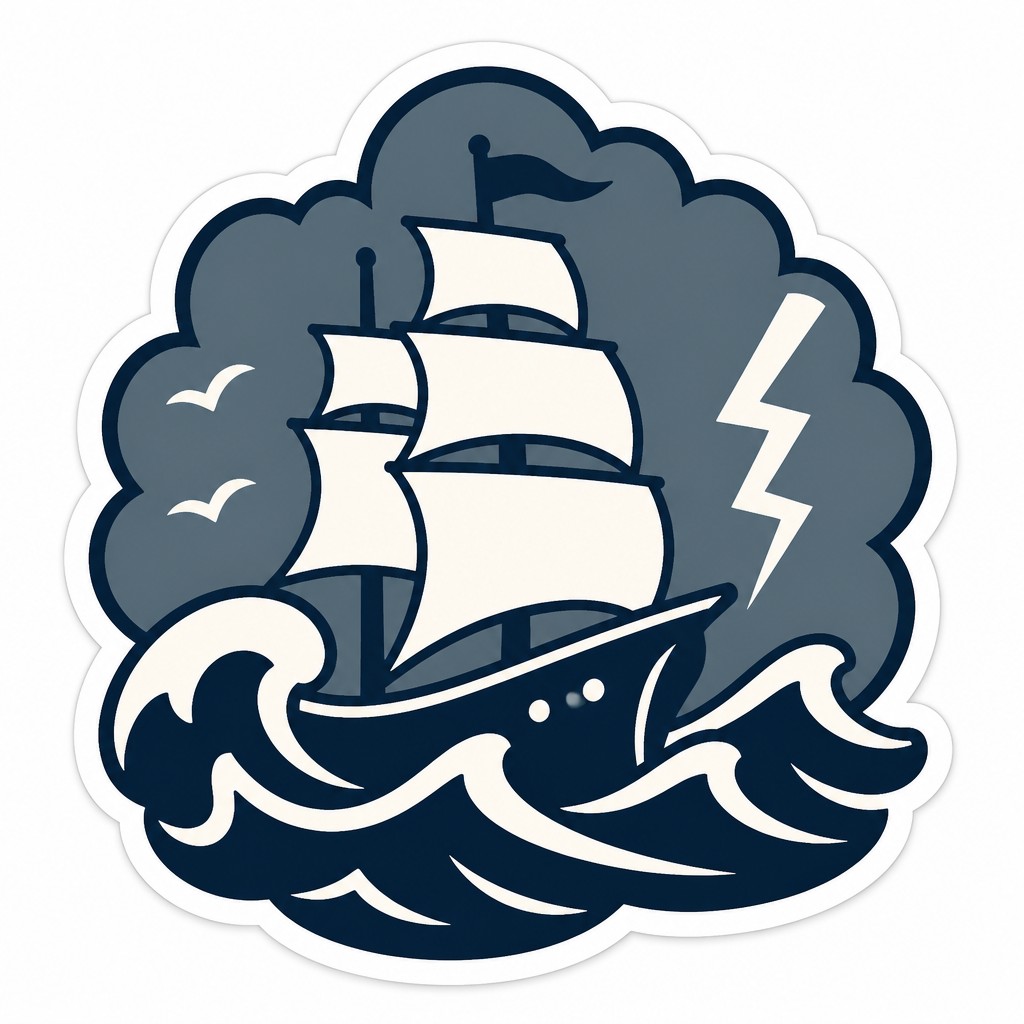
Bold simplified silhouettes
Forms are reduced to their most essential outlines so the subject is recognizable at a glance. Complex anatomy, textures, and small environmental details are usually removed.
Thick uniform outlines
A consistent stroke helps separate the image from the background and gives the sticker its graphic clarity. The outline often doubles as the visual edge of the die-cut shape.
Flat limited-color palette
Most designs use two or three high-contrast colors with no gradients or shading. Color is used structurally, not descriptively, so the image stays clean and readable.
Die-cut sticker border
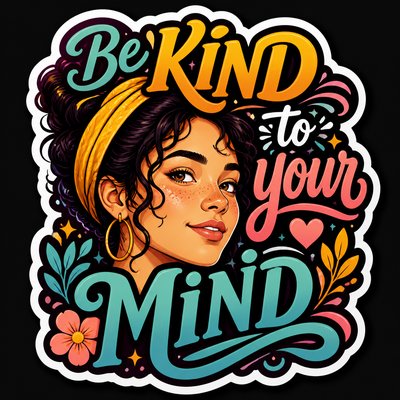
The composition is usually surrounded by a rounded white or light border that follows the outer silhouette. This creates the familiar cutout sticker effect and improves separation from whatever surface it is placed on.

Centered iconic composition
The subject is typically isolated and centered rather than placed in a full scene. This makes the design feel emblematic, like a symbol or badge, rather than narrative.

Playful graphic reduction
Expressions, props, and features are often simplified into a few memorable shapes. The design aims for charm and clarity through economy, not realism.
Try It
Create Videos in Minimalist Sticker Design
Styles aren't just for stills — describe a scene or animate an image and get a short video rendered in Minimalist Sticker Design. Press play to see this pond come to life.
Make a VideoMinimalist Sticker Design Prompt Ideas
Start from an idea — each one opens the generator with the style ready to go. See all 40 Minimalist Sticker Design prompts →
How to Create Minimalist Sticker Design Art
Master the craft step by step — or skip straight to creating. Read the full guide →
- 1
Start with an icon, not a scene
Choose one subject and ask what makes it instantly identifiable. Reduce everything else so the composition can be read in a single glance and still work at small sticker size.
- 2
Sketch with large shapes first
Build the design from circles, ovals, blocks, and simple curves before adding any details. If the silhouette is strong, the sticker will remain legible even when printed small.
- 3
Keep the palette very limited
Use two or three colors with strong contrast and avoid gradients, highlights, and texture. In traditional work, this can be done with gouache, marker, or screen-print-like color blocking; digitally, use flat vector fills.
- 4
Use a consistent outline strategy
Apply one uniform stroke weight throughout the design so the image feels cohesive. Make the outline part of the shape design rather than an afterthought.
- 5
Design the border as part of the image
Leave room for a die-cut edge and let the sticker border follow the silhouette cleanly. In digital workflows, a vector path or clean mask helps preserve the rounded cutout look.
- 6
If generating from text or image, specify reduction and finish
Ask for bold simplified flat vector forms, thick uniform outlines, solid color fills, and a clean sticker border with no gradients or shading. For image-to-image, simplify busy sources by preserving only the main pose, emblem, or facial expression.
The Story
History & Origins of Minimalist Sticker Design
Minimalist sticker design is a contemporary graphic aesthetic rather than a historical art movement. It develops from several overlapping traditions: mid-20th-century logo and icon design, die-cut label and decal production, cartoon and mascot graphics, and the broader minimalist tendency in late modern design to reduce forms to their essentials. The style also reflects the logic of digital communication, where images must remain legible on small screens and work as emojis, avatars, badges, and collectible stickers.
Its visual language was shaped by print technologies and vector-based design software, which encourage flat fills, clean contours, and reproducibility at many sizes. In online culture, sticker packs, reaction graphics, and app icons pushed the style toward stronger silhouettes, fewer colors, and more immediate character design. As a result, minimalist sticker design now functions as a distinct contemporary look even though it borrows from older traditions in illustration, branding, and cartoon graphics.
Influences: Minimalist sticker design draws from logo design, pictograms, cartoon mascot graphics, and flat vector illustration, as well as the long history of die-cut decals and label art. Its reductionist logic relates broadly to modernist graphic design and minimalist art, while its playful character owes much to comics and contemporary emoji-like visual language rather than to a single canonical movement.

Frequently Asked Questions
What defines minimalist sticker design?
It is defined by simplicity: bold outlines, flat color fills, a limited palette, and an isolated subject that reads clearly at small scale. The image is usually centered and bordered like a die-cut sticker, with only the most essential shapes retained.
How is it different from flat design or vector illustration?
Flat design and vector illustration are broader categories that may include complex logos, diagrams, or polished icons. Minimalist sticker design is more specific: it combines flat vector simplicity with a sticker-like cutout border and a playful, collectible feel.
Can this style still show personality if it is so simple?
Yes. Personality comes from silhouette, expression, pose, and color contrast rather than from detail. Small choices—such as eye shape, tilt, or the way an object is simplified—can make the design feel distinct.
What kinds of subjects work best in this style?
Objects, animals, foods, symbols, and simple characters work especially well because they can be reduced without losing identity. Subjects with a clear outline and a strong central feature tend to produce the most readable stickers.
Where is minimalist sticker design commonly used?
It is common in messaging apps, social media stickers, merchandise, branding, packaging, planners, and laptop decals. Its clarity and compact shape make it especially useful anywhere small, repeatable graphics are needed.
How do I make my artwork look more like a sticker?
Use a rounded outer border, keep the subject centered, and avoid background clutter. A thick outline, flat fill colors, and a clean cutout silhouette will do most of the work.

Create your first Minimalist Sticker Design artwork
Describe anything — or upload a photo — and see it in Minimalist Sticker Design in seconds.
Make Something with Minimalist Sticker Design
Related Styles
Discover similar art styles