Sustainable Eco Furniture Art
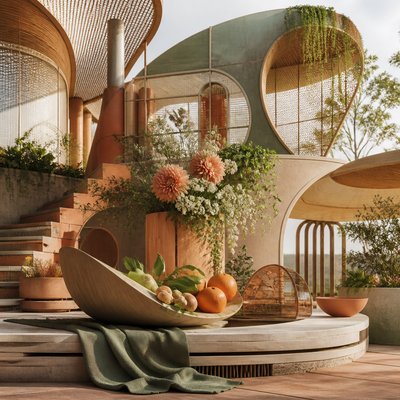
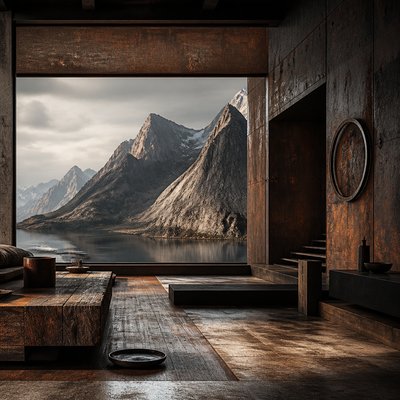
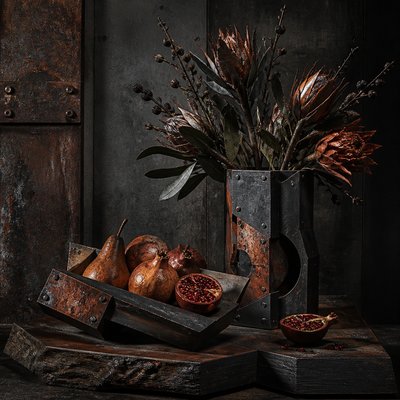
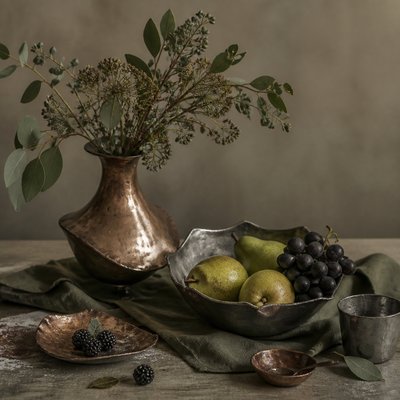
Eco-conscious furniture design with bamboo, reclaimed wood, natural textures, and handcrafted minimalism.
Instantly rendered in Sustainable Eco Furniture — or transform a photo

Sustainable Eco Furniture Gallery
Tap any artwork to explore it
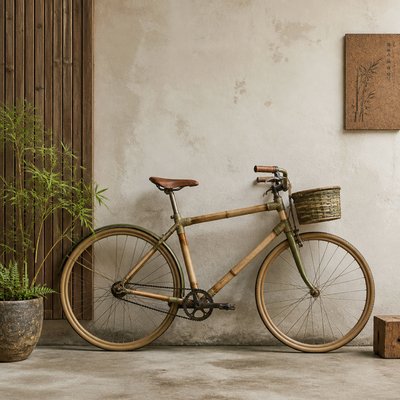
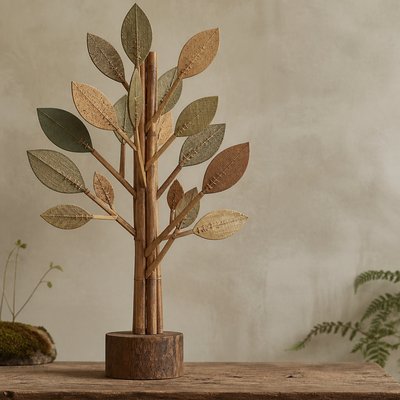
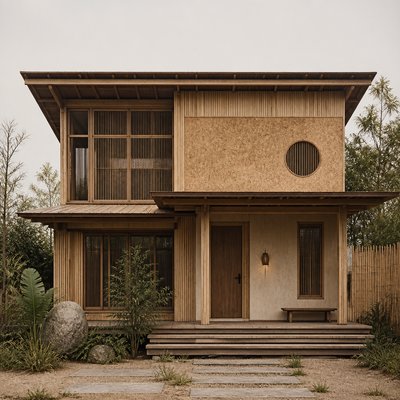
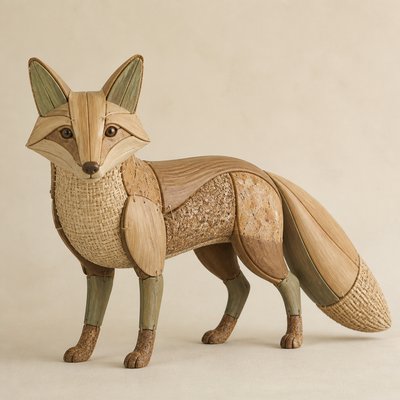
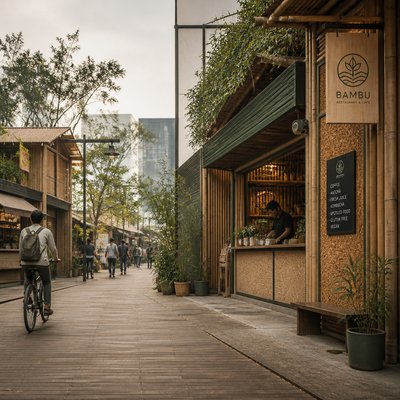
What is Sustainable Eco Furniture Art?
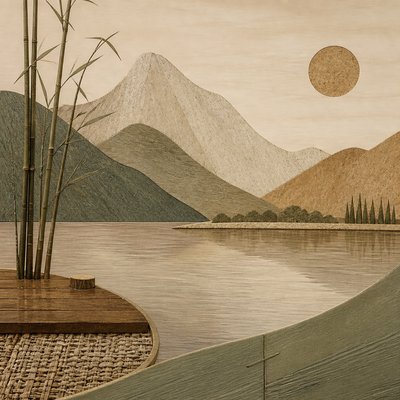
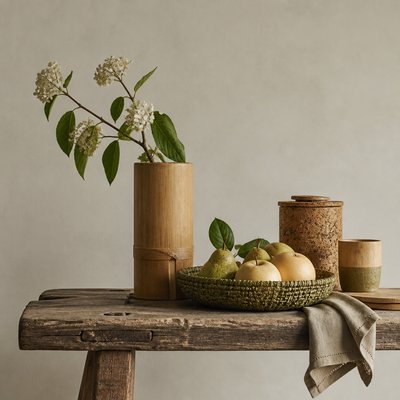
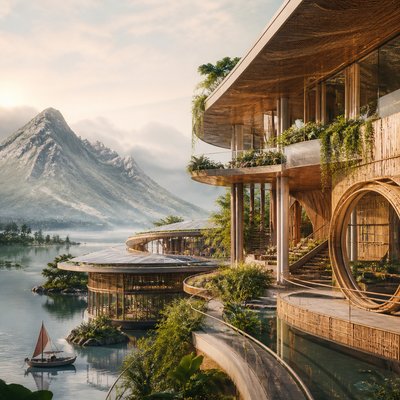
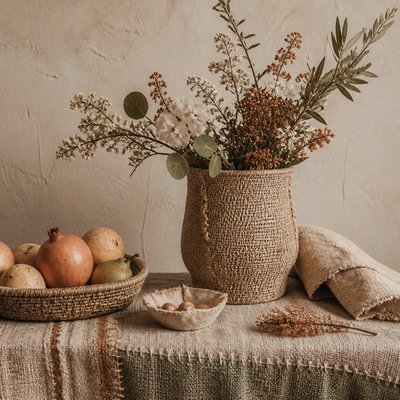
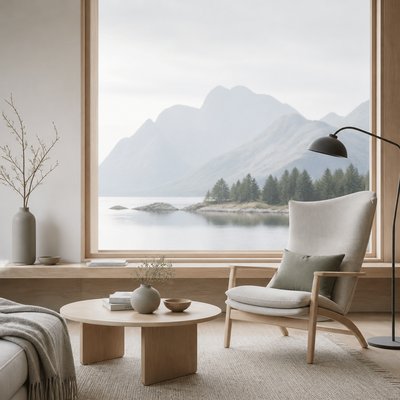
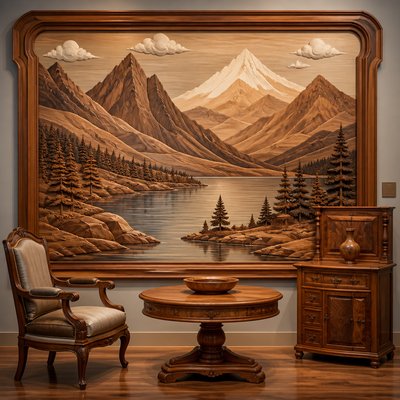
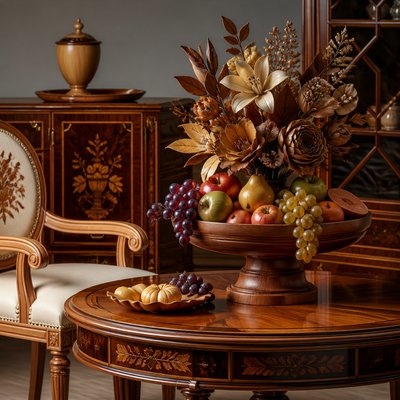
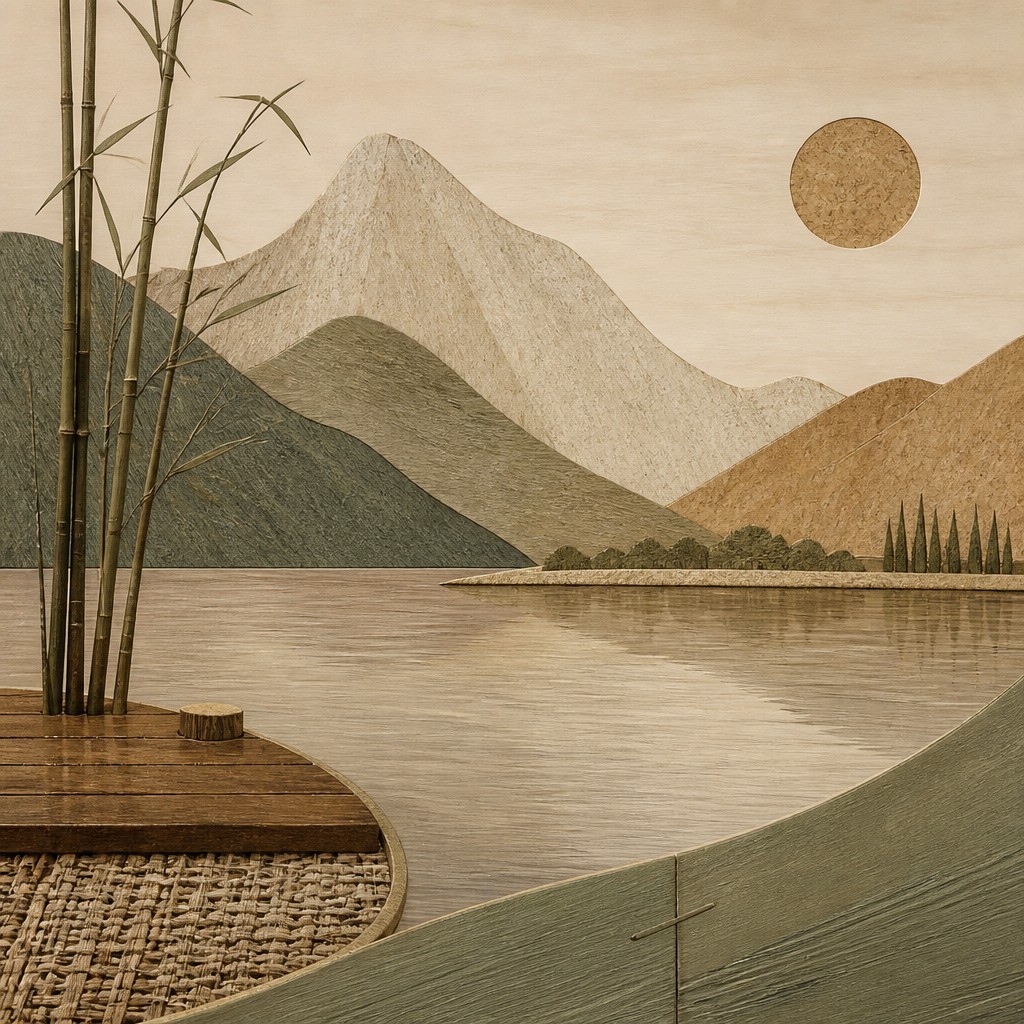
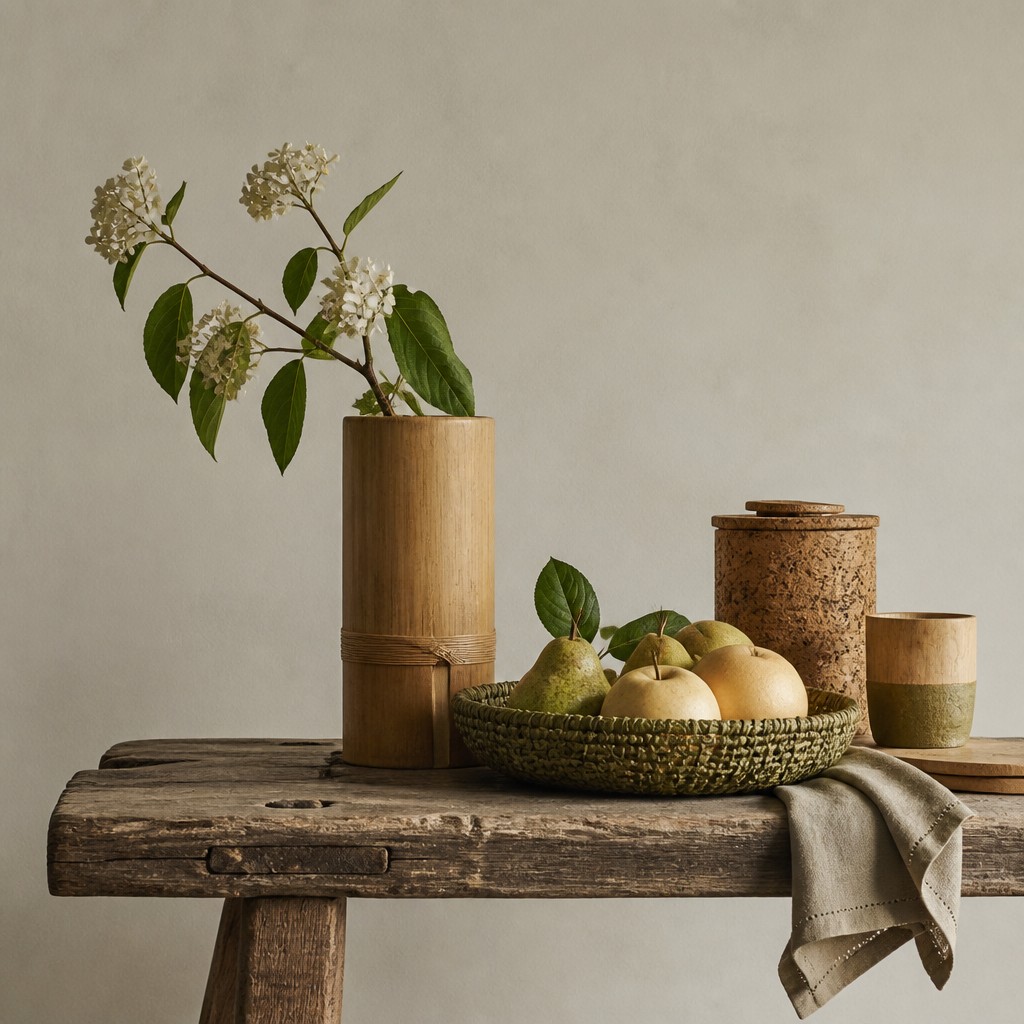
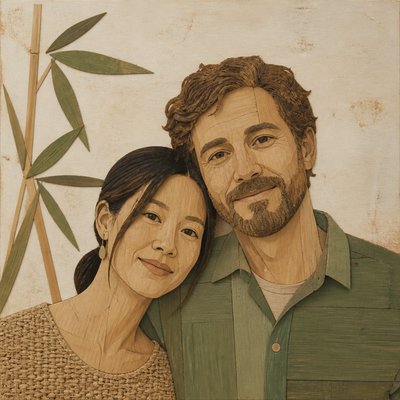
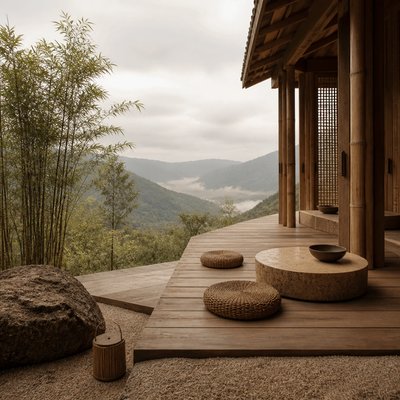
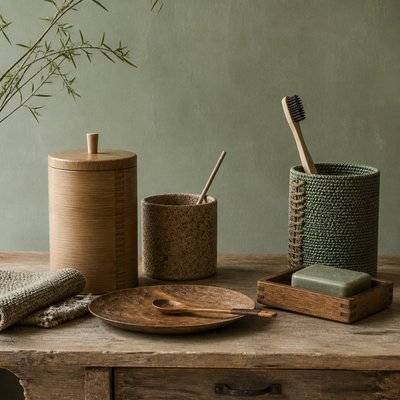
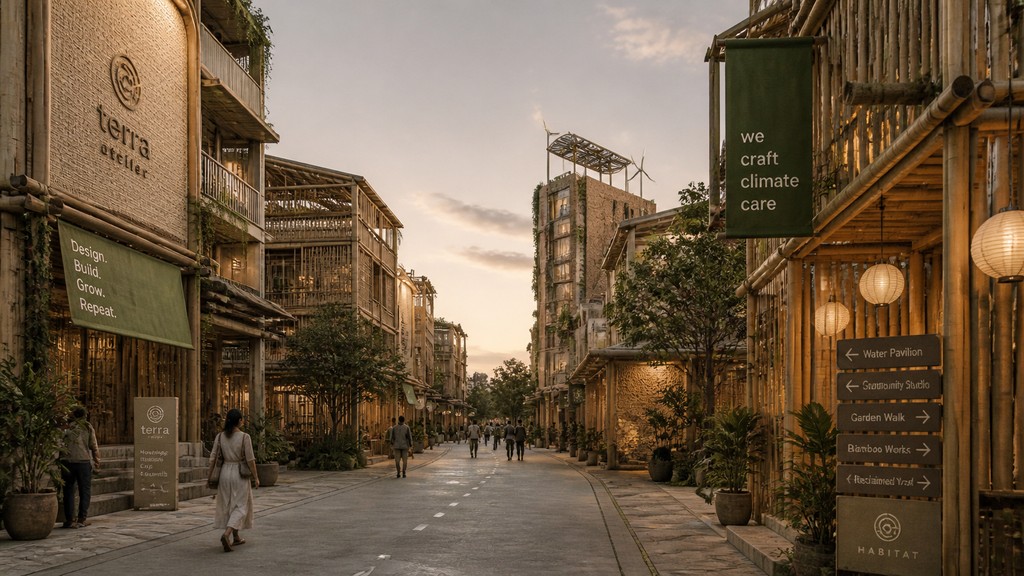
Sustainable Eco Furniture Art is a design-oriented visual style centered on furniture and interior objects made from recycled, renewable, or low-impact materials. Its imagery emphasizes the honest appearance of bamboo, reclaimed wood, cork, woven fibers, and other natural or repurposed surfaces, usually presented in calm, uncluttered compositions that highlight form, function, and material integrity.
The style looks the way it does because it inherits its visual language from ecological design, Scandinavian and Japanese-inspired minimalism, craft traditions, and contemporary product visualization. Rather than disguising joints, grain, or imperfections, it treats them as evidence of responsible making. Soft lighting, muted earth tones, and visible handwork give the objects a grounded, tactile presence that feels practical, humane, and environmentally aware.
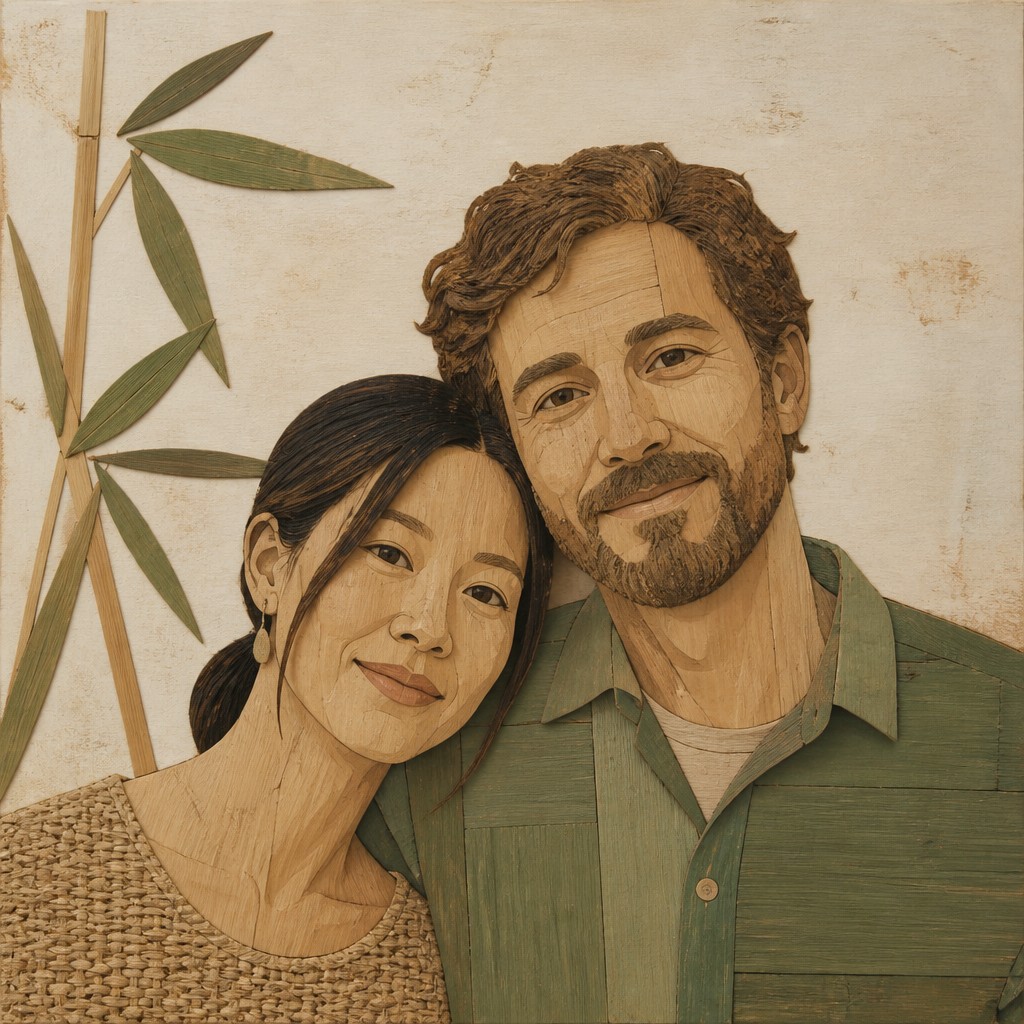
Try It On Your Photos
Upload any photo and convert it into Sustainable Eco Furniture Art — drag the sliders to compare before and after.


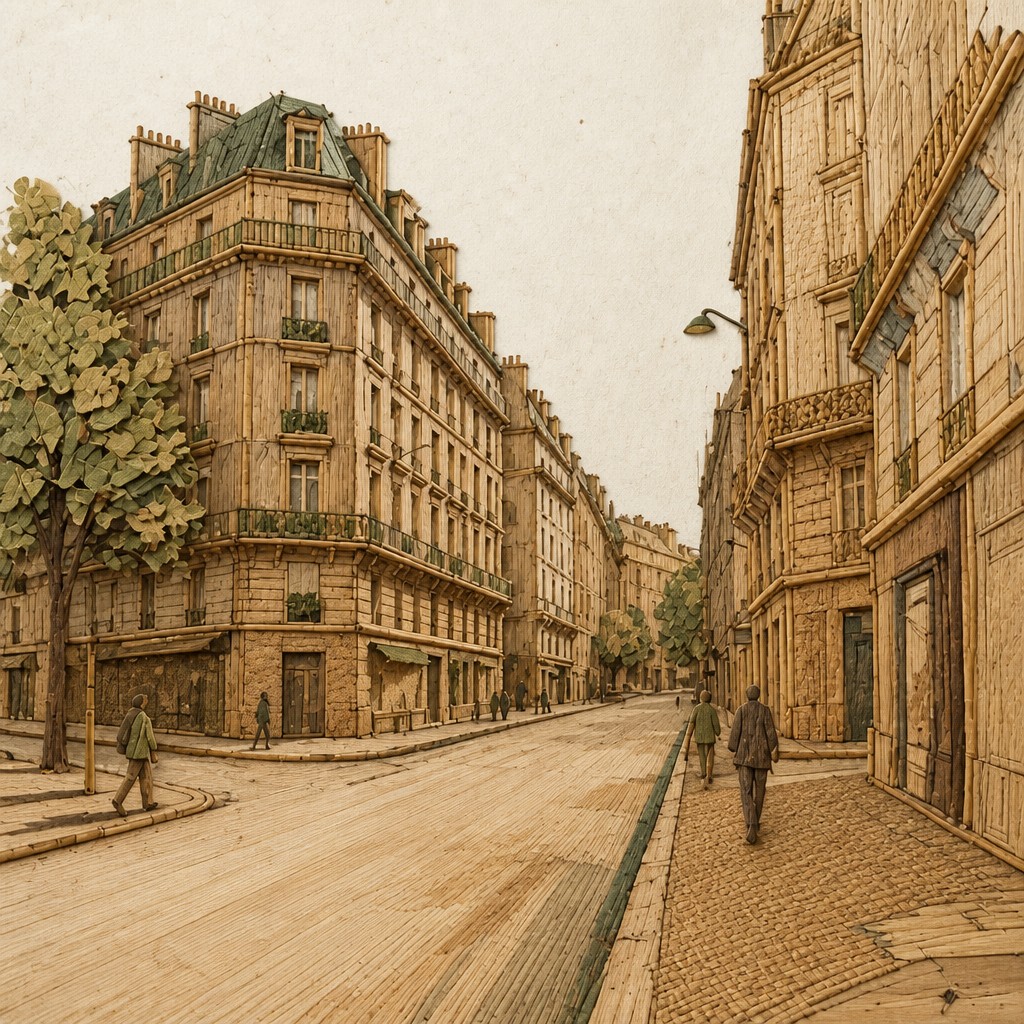

What Defines Sustainable Eco Furniture Art
The signature details, up close
Natural material honesty
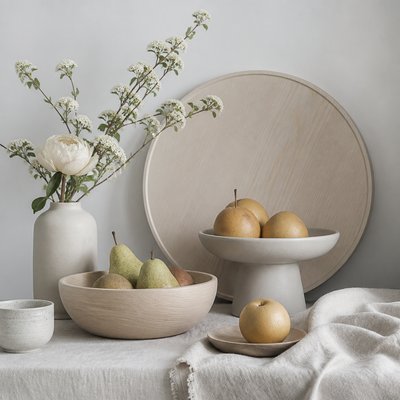
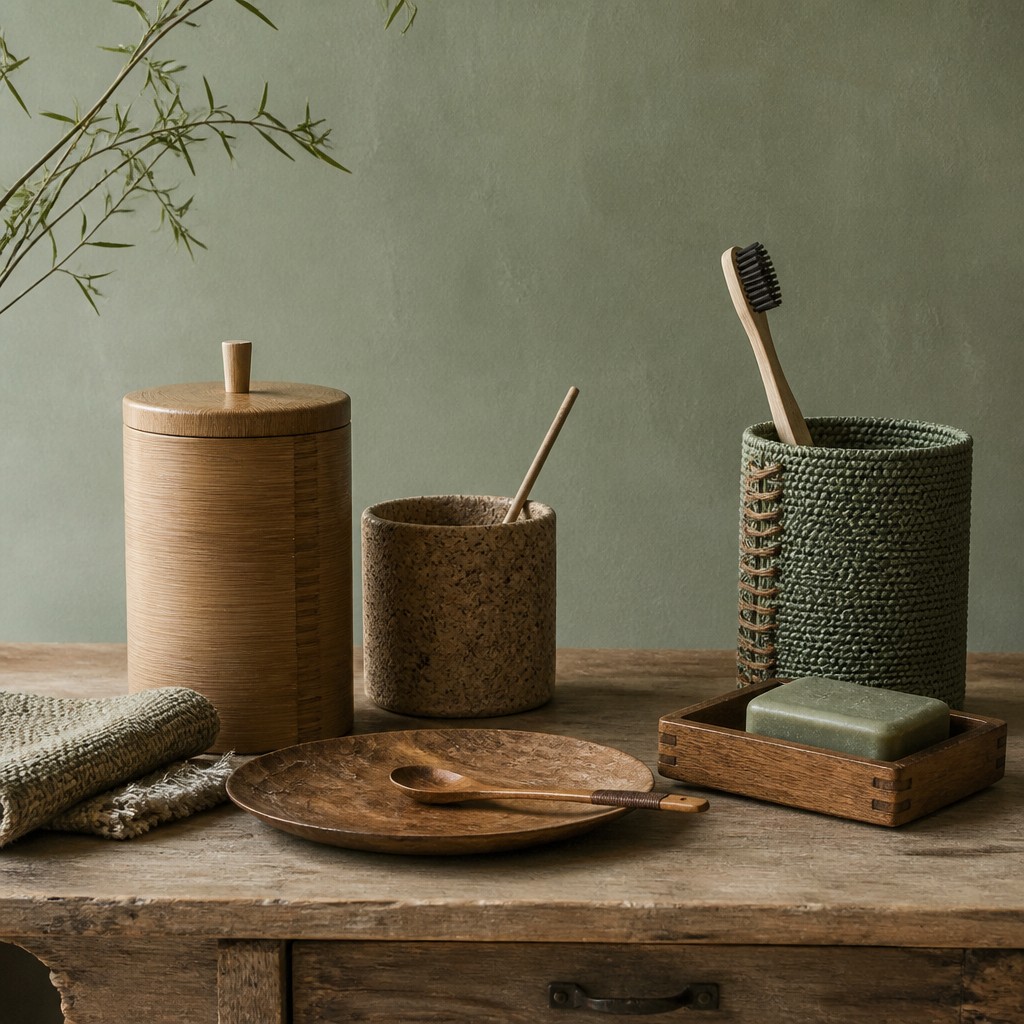
Surfaces often show bamboo grain, reclaimed wood patina, cork speckling, woven fiber texture, or matte clay-like finishes. Materials are presented as they are, with minimal cosmetic concealment.
Visible joinery and construction
Connections, fastenings, and modular elements are often left visible to emphasize repairability and low-waste making. This reinforces the sense of thoughtful engineering rather than mass-produced concealment.
Earthy, muted palette
The color range typically includes warm browns, sage greens, beige, ochre, and soft charcoal. Bright color is usually avoided unless it appears as a restrained accent.
Minimal, functional forms
Furniture silhouettes are often clean and practical, with balanced proportions and little ornament. The design language favors utility, simplicity, and longevity.
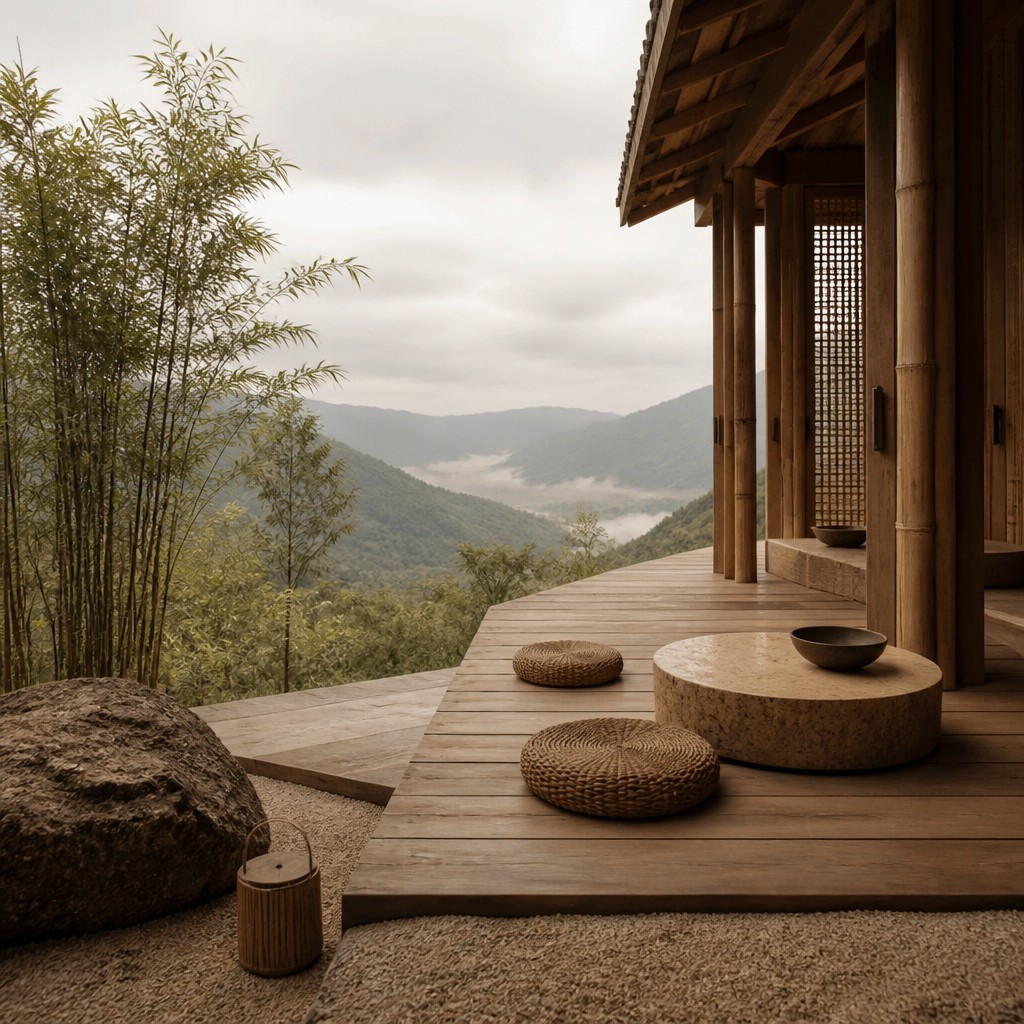
Handcrafted imperfections
Tool marks, slight asymmetry, and organic irregularities are often retained as part of the object’s character. These details suggest human making and lower-impact production methods.
Soft, documentary lighting
Lighting tends to be diffuse and neutral, like a product photograph or studio documentation. The goal is to reveal texture and form clearly without dramatic theatrical effects.
Try It
Create Videos in Sustainable Eco Furniture Art
Styles aren't just for stills — describe a scene or animate an image and get a short video rendered in Sustainable Eco Furniture. Press play to see this pond come to life.
Make a VideoSustainable Eco Furniture Prompt Ideas
Start from an idea — each one opens the generator with the style ready to go. See all 40 Sustainable Eco Furniture prompts →

“close-up portrait of an elderly person with expressive weathered features”
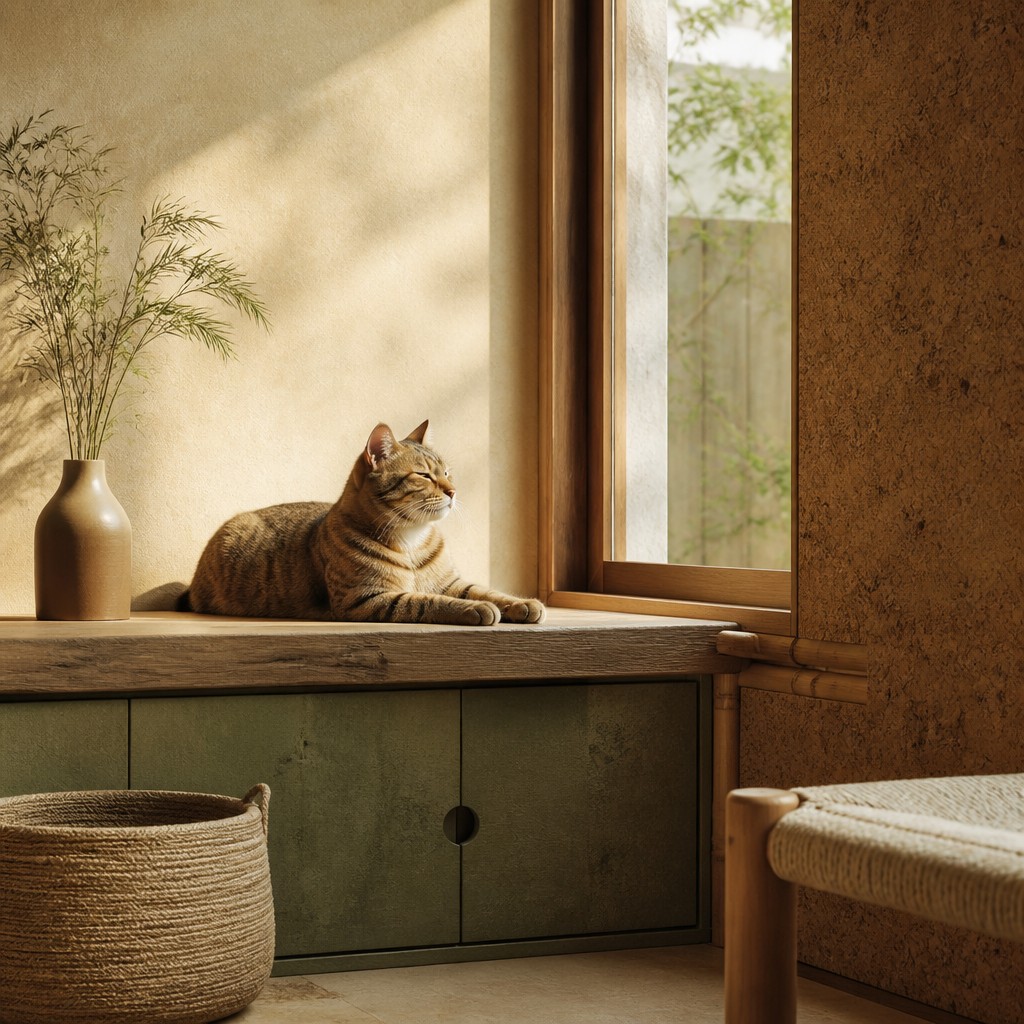
“a cat lounging in a sunlit window”
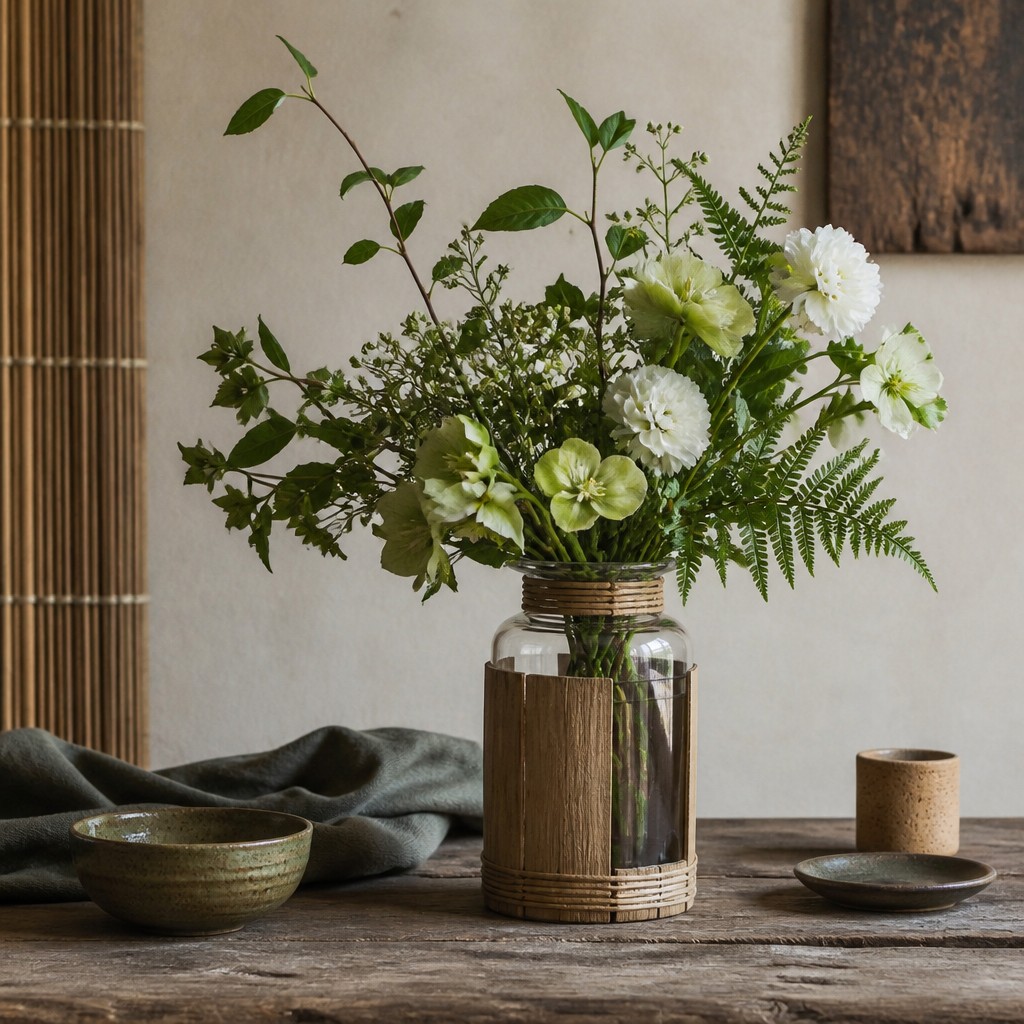
“bouquet of flowers in a glass vase”

“sailing ship on a stormy sea”
How to Create Sustainable Eco Furniture Art
Master the craft step by step — or skip straight to creating. Read the full guide →
- 1
Build from material-first observation
Start by studying the grain, seams, edges, and surface wear of bamboo, wood, cork, and woven materials. In drawing or painting, use layered textures and subtle value shifts to make the materials feel tactile rather than generic.
- 2
Keep forms simple and reparable
Design with straightforward geometry, modular parts, and readable joinery. Avoid excessive decoration; let proportion, function, and construction details carry the visual interest.
- 3
Use a restrained natural palette
Work primarily with earth tones and subdued greens, tans, and browns, then vary saturation sparingly. Small contrasts in tone are usually more effective than vivid chromatic accents.
- 4
Show process, not polish
Leave some tool marks, edge roughness, or surface irregularities visible so the work feels handmade and responsible. In digital work, add matte finish, subtle noise, and natural fiber texture instead of glossy uniformity.
- 5
Frame like a product or interior study
Compose with generous negative space and clear sightlines so the object reads as a functional design proposal. For digital generation, ask for sustainable materials, visible joinery, matte finishes, soft diffused lighting, and an earthy palette.
- 6
Reference eco-design in prompts
When generating images, specify renewable or reclaimed materials, handcrafted construction, and calm studio presentation. Phrases like "bamboo grain," "reclaimed wood patina," "woven fiber texture," and "visible joinery" help anchor the style.

The Story
History & Origins of Sustainable Eco Furniture
Sustainable Eco Furniture Art does not originate from a single historical movement; it is a contemporary aesthetic shaped by the rise of environmental design, circular economy thinking, and renewed interest in craft-based production. Its visual lineage draws from late 20th- and 21st-century sustainable product design, as well as from longstanding traditions that value natural materials, joinery, and restrained form. The emphasis on bamboo, reclaimed timber, and low-waste construction reflects both ecological concerns and the broader contemporary preference for simple, material-forward interiors.
Aesthetically, it overlaps with modern minimalism, Scandinavian design, Japanese wabi-sabi sensibilities, and studio craft. These influences encouraged reduced ornament, functional clarity, and respect for material character. In digital and illustration contexts, the style has become a common way to visualize future-facing interiors and furniture concepts that signal sustainability through visible texture, muted color, and carefully articulated construction details.
Influences: This style draws from modern minimalism, Scandinavian furniture design, Japanese craft traditions, and the visual culture of sustainable product design. Its respect for simplicity and material truth recalls the clarity of Danish modern furniture, while its embrace of natural imperfection resonates with wabi-sabi aesthetics. In contemporary terms, it is closely related to eco-design, circular design, and studio-based industrial design visualization rather than to a single named historical school.
Frequently Asked Questions
What defines Sustainable Eco Furniture Art?
It is defined by furniture and interior objects that visibly communicate environmental responsibility through materials and construction. Look for bamboo, reclaimed wood, natural fibers, cork, matte finishes, and simple forms with visible joinery. The style values material honesty more than decorative elaboration.
Is this the same as Scandinavian design?
Not exactly. Scandinavian design is a broader historical design tradition, while Sustainable Eco Furniture Art is a contemporary eco-centered aesthetic that may borrow some of the same minimal, functional qualities. The sustainable version places more explicit emphasis on recycled, renewable, and low-impact materials.
What materials are most common in this style?
Bamboo, reclaimed timber, cork, rattan, hemp, linen, recycled composites, and other renewable or repurposed materials are typical. The key is that the materials should look natural, tactile, and environmentally considered. Glossy synthetic surfaces are usually minimized.
How do I make an image feel authentic to this style?
Keep the composition simple and let the materials be the main attraction. Use earthy colors, diffuse lighting, visible joinery, and realistic texture detail. If generating digitally, specify handcrafted construction and matte, natural finishes rather than sleek plastic polish.
Where is this style used?
It appears in furniture concept art, interior design visuals, architectural presentation boards, sustainable product branding, and editorial imagery about eco-conscious living. It is especially useful when the goal is to communicate responsible design without losing aesthetic clarity.
How is it different from rustic or farmhouse style?
Rustic and farmhouse styles often emphasize nostalgia, weathering, and cozy domestic cues, while Sustainable Eco Furniture Art is more design-forward and material-specific. It usually has cleaner lines, more contemporary restraint, and a stronger focus on ecological construction methods.
Create your first Sustainable Eco Furniture artwork
Describe anything — or upload a photo — and see it in Sustainable Eco Furniture Art in seconds.
Make Something with Sustainable Eco Furniture
Related Styles
Discover similar art styles